Category: Solar Power

  • Solar Installation Costs Explained Simply

    Solar Installation Costs Explained Simply

    Understanding the Costs of Solar Panels

    Initial Investment and Equipment Costs

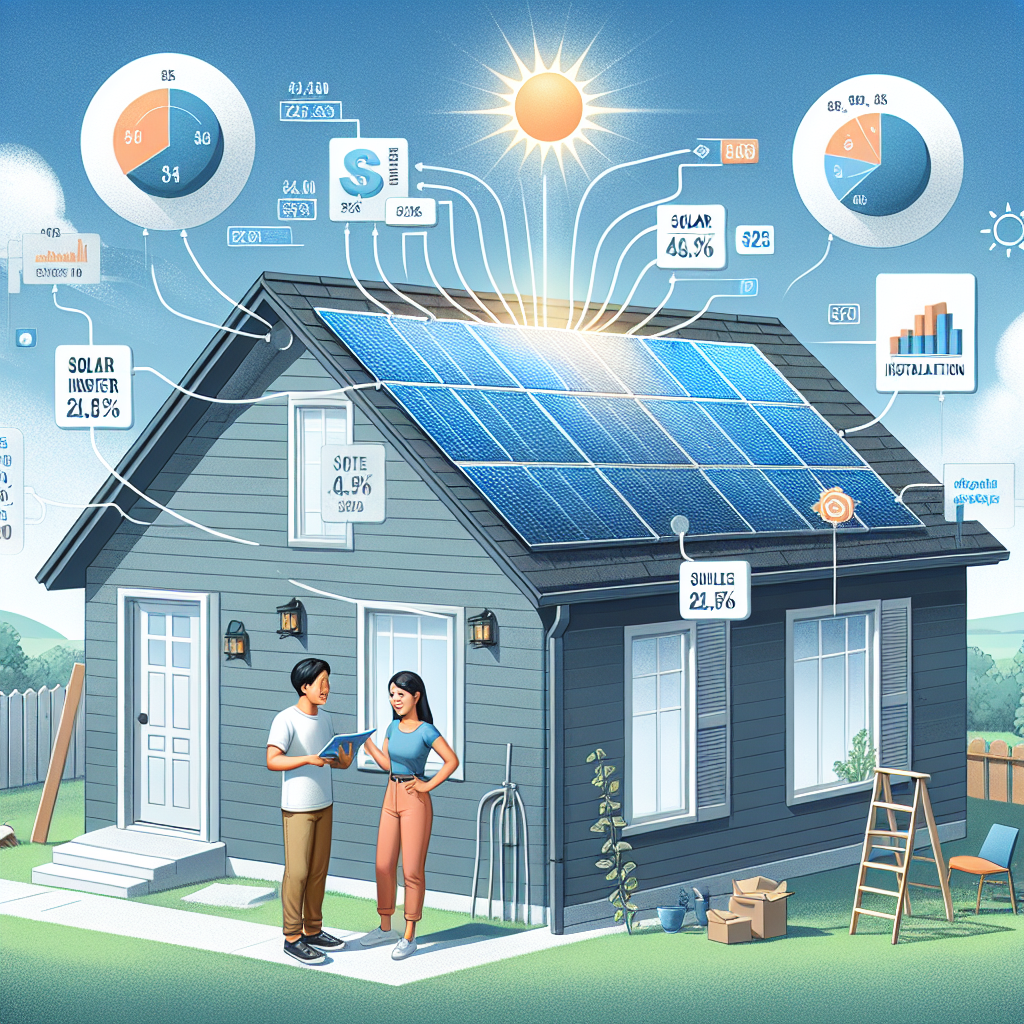
    First off, let’s tackle the big elephant in the room: the upfront costs. Solar panels aren’t exactly pocket change. When I first considered going solar, I was hit with the initial investment number, and honestly, it can be a bit intimidating. Prices can vary based on the type and brand of panels, inverters, and other necessary equipment.

    But here’s the kicker: while that initial investment might sting a little, I realized that this is a long-term play. It’s about how much I’d save on my electricity bills over time. A little upfront cost often leads to significant savings in the long run, trust me.

    On top of the panels, don’t forget to factor in the costs for mounting, wiring, and installation labor. You’ll want to get a solid quote from a reputable installer, so you know what you’re in for from the get-go.

    Incentives and Rebates

    Now, let’s chat about the silver lining: government incentives and rebates. When I was diving into my research, I discovered a whole slew of financial incentives that dramatically changed the game for me. Depending on where you live, there could be state and federal tax credits that can wipe thousands off the total cost.

    For instance, the Federal Solar Tax Credit allows homeowners to deduct a significant percentage of their solar installation costs from their federal taxes. This was a huge boost for my budget and made solar a no-brainer.

    And don’t overlook state and local programs. Some areas even have additional rebates or low-interest financing options to help make solar accessible to more folks. Definitely take the time to explore what’s available in your local area!

    Long-term Financial Benefits

    Let’s talk about ROI—return on investment. After my solar panels were installed, I quickly understood why so many people rave about them. The most thrilling part was watching my electricity bills shrink. I mean, who doesn’t love saving money?

    Surprisingly, some studies suggest that you can actually increase the market value of your home with solar panels. Buyers are becoming increasingly eco-conscious, and having solar power can be a selling point. It’s a smart financial move, and honestly, it also feels good to contribute to a more sustainable future.

    Over the years, as energy prices continue to rise, the savings just pile up. I look forward to years of lower energy bills and the peace of mind that comes with it. That’s what I call a win-win!

    Installation Costs: Breaking It Down

    Finding the Right Installer

    Choosing the right installer is majorly important. I mean, this isn’t something you want to skimp on. When I began my search, I made sure to browse through reviews, talk to friends, and get recommendations. Seriously, do your homework here! The quality of the installation can impact your system’s efficiency and lifespan.

    Don’t hesitate to reach out to multiple companies for quotes. I learned that prices can vary quite a bit and it’s always wise to compare what different companies are offering. Plus, sometimes installers will offer seasonal discounts, and it pays to ask!

    During the selection process, remember to ask your installer about their experience, warranties, and any certifications they have. It’s reassuring to know you’re getting work done by professionals who know their stuff. It really makes a difference!

    Permits and Inspection Fees

    Another area where costs can sneak in is permits and inspection fees. Now, I didn’t think about this much at first, but these costs can add up quickly. Depending on where you live, there might be various regulations and paperwork to tackle.

    After getting my panels installed, I was informed of the necessary inspections to ensure everything was up to code. This was a relief knowing that my system was compliant and safe, but it did add a little extra to the budget that I hadn’t anticipated.

    Before diving in, I recommend checking with your installer about the process in your area. They can usually help guide you through the necessary steps, which is helpful to avoid unnecessary costs and delays!

    Ongoing Maintenance and Repairs

    Let’s not forget about maintenance down the road! While solar panels are generally low-maintenance, there are still some considerations to keep in mind. I didn’t realize it at first, but keeping an eye on my panels is crucial. I learned that regular cleaning and inspections can boost efficiency and longevity.

    If something does go wrong—though it’s rare—it’s essential to have a plan for repairs. I recommend setting aside a little budget for ongoing maintenance. I’ve found that having a service plan can be super beneficial to cover any unexpected issues.

    Just remember, even though maintenance costs are an additional consideration, the overall savings and benefits of solar often outweigh these expenses. It’s all part of the journey toward greater savings and sustainability!

    Conclusion: Is Solar Worth It?

    This leads us to the ultimate question: Is going solar worth it? In my experience, absolutely! After diving into the costs and benefits, I can confidently say that solar installations have been one of my best investments. It’s not just about the dollars saved; it’s about contributing to a cleaner, more sustainable future.

    Don’t let the initial costs deter you. Once you break down the numbers and consider the long-term savings, the value becomes crystal clear. For me, switching to solar has been a rewarding experience that I encourage others to consider—whether for financial reasons or environmental ones.

    At the end of the day, do your homework, understand what you’re getting into, and take the leap if you can. You might just find it’s one of the best decisions you ever make.

    Frequently Asked Questions

    1. What is the average cost of installing solar panels?

    The average cost can vary widely based on location, size of the system, and type of panels, but it usually falls between $15,000 to $25,000 before incentives.

    2. Are solar panel installations eligible for tax credits?

    Yes! In the U.S., there is a federal tax credit available for solar installations, which can significantly reduce the costs.

    3. How long does a solar installation take?

    The installation process typically takes one to three days, depending on the size and complexity of the system.

    4. Do solar panels require a lot of maintenance?

    Not really! They’re quite low-maintenance, but it’s a good idea to have them inspected and cleaned periodically.

    5. Will solar panels increase my home’s value?

    Absolutely! Many studies show that homes with solar installations tend to sell for higher values than similar homes without them.

  • Small Space Solar Solutions: Complete Guide

    Small Space Solar Solutions: Complete Guide

    Understanding Solar Power Basics

    What is Solar Power?

    You might have heard about solar power being harnessed from the sun’s rays, but what does that really mean? Essentially, solar power converts sunlight into electricity. This technology can benefit anyone, especially those of us in small spaces, because it offers a way to generate energy without requiring a large footprint. Learning the basics is the first step towards harnessing renewable energy for our needs.

    Picture those sunny days when all you wanted was to soak up the rays, but what if instead of just getting a tan, you could power your home? That’s the beauty of solar energy—it not only helps reduce your carbon footprint but can also be an incredible money-saver in the long run.

    In a world where energy costs are continually climbing, understanding solar power can set you apart. It’s not just about saving the environment; it’s about saving your hard-earned cash too!

    How Solar Panels Work

    Solar panels are made up of many small cells composed of silicon, which absorb sunlight. When sunlight hits the cells, it creates an electric field, allowing the flow of electricity. It’s pretty cool, right? For those of us living in compact areas or apartments, small solar panel options are available that work just as efficiently but without taking over your balcony or rooftop.

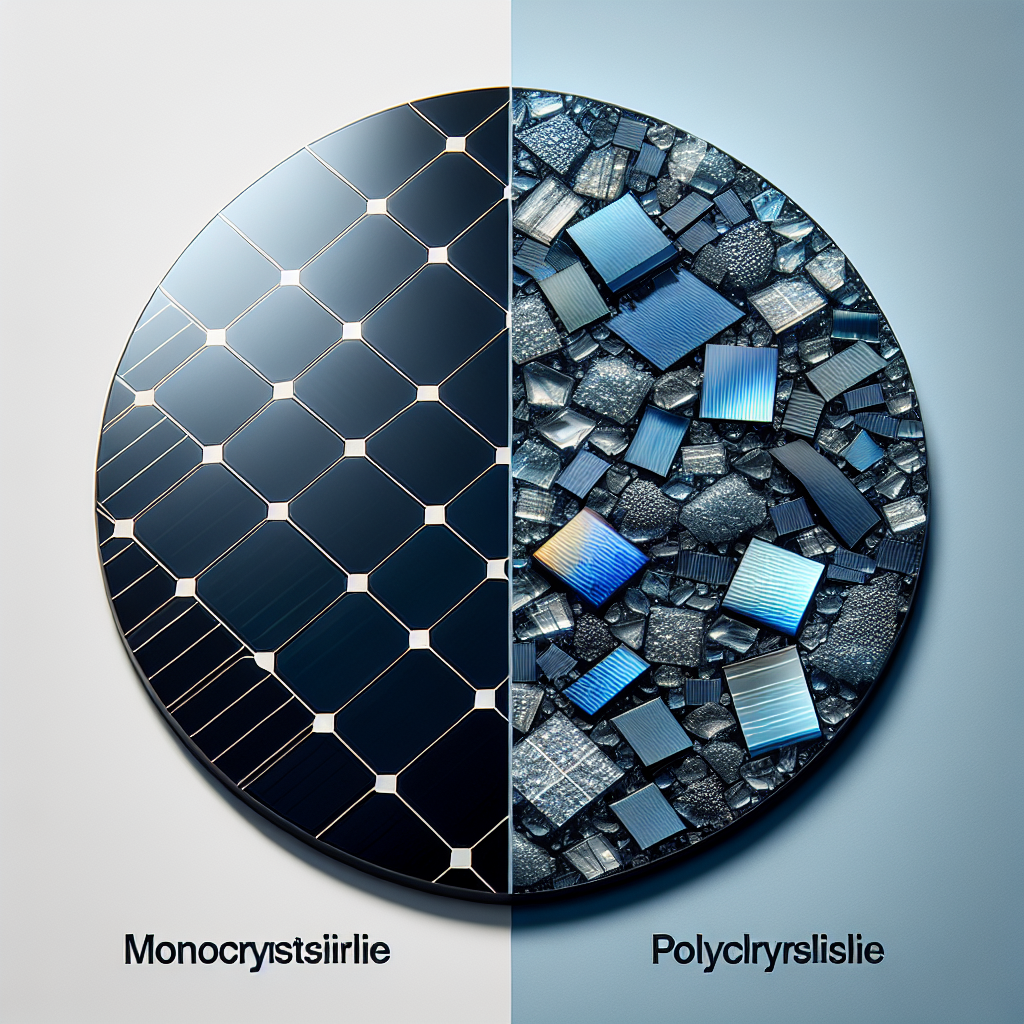
    You’ll often hear about two types of solar panels: monocrystalline and polycrystalline. Monocrystalline panels are made from a single crystal structure and are generally more efficient, which is a big bonus when you’re trying to maximize energy output in a small area.

    Understanding how these panels convert sunlight into energy can help you make better choices. The more informed you are, the better equipped you’ll be to find the right setup for your needs without any unnecessary clutter!

    Benefits of Using Solar Energy in Small Spaces

    Now, let’s chat about why going solar is fantastic, especially for those of us in smaller living spaces. The foremost benefit is the reduction in electricity bills—who doesn’t want that? Even a small solar setup can make a considerable impact on your monthly expenses.

    Plus, using solar energy is sustainable. As awareness grows around climate change, more people are looking to reduce their environmental impact. Implementing solar solutions means you’re part of the solution, which feels pretty darn good.

    Here’s another perk: many local governments offer tax incentives and rebates for solar installations. So, not only are you smartly investing in the future, but you might also snag a great deal with available grants or local programs!

    Choosing the Right Solar Solution for Your Space

    Assessing Your Energy Needs

    First things first: before you dive into buying solar equipment, assess your energy consumption. Make note of devices that consume the most electricity and what your peak hours are. You’ll want a system that matches your lifestyle—no sense in overspending for capacity you won’t use!

    Keep in mind that the average household uses about 877 kWh per month. If you’re in a small space, consider how your consumption stacks up against that. Knowing these statistics not only helps you choose the correct system but also prepares you for potential savings!

    Take some time to jot down lists, or even better, create a simple energy audit. It’ll help you visualize your usage and make informed decisions going forward.

    Available Solar Technologies

    When it comes to solar options, it’s not a one-size-fits-all deal. There’s a variety—solar panels, solar water heaters, and even portable solar generators are available! Pick what works best for your living arrangement and energy needs. For my small apartment, I found that portable solar solutions make my life easier without cluttering my space.

    You’ll also want to consider the solar inverter. This nifty device converts the raw energy collected from your solar panels into usable electricity for your home. And guess what? There are different types of inverters, so do your research to find one that fits your solar setup.

    Take it from me, knowing the different types of technologies can drastically change your experience, both in terms of efficiency and satisfaction with your solar setup! It’s like finding the perfect pair of shoes—you want the one that fits just right!

    Space Considerations and Aesthetics

    This one’s huge, especially in apartments or townhomes where space is often limited. You want to ensure aesthetic appeal isn’t sacrificed for solar energy. The good news? Many modern solar panels are sleek and stylish!

    Think about integration: could you place some panels on your roof or balcony? Or maybe you’ve got access to a communal roof space? Take the time to explore what’s feasible and won’t clutter your living area. There are even solar window films that can keep your view while still harnessing energy.

    Add to it, with some creativity, you can create a hybrid solution that combines the functionality of solar technology with your home décor. Why not turn a practical need into something visually appealing as well?

    Cost and Financial Incentives

    Understanding Installation Costs

    The first question everyone asks is, “How much is this going to set me back?” Installation costs can vary widely, but I promise it’s worth it in the long run. The size, type of technology, and installation complexity all play roles in determining overall costs.

    On average, a residential solar installation can range from around $15,000 to $25,000, depending on where you live and the specifics of your setup. That said, financing options do exist, and many companies offer payment plans, so it doesn’t have to be an all-at-once hit to your pocketbook.

    Trust me, understanding these costs upfront will prepare you rather than catching you off guard later. And don’t forget: it’s not just an investment in energy; it’s an investment in your home value too!

    Exploring Tax Credits and Rebates

    Did you know that federal tax credits can cover a significant chunk of your solar installation costs? I’m always excited when tax season rolls around, and I can utilize these solar credits. It’s like receiving a nice little bonus after working hard!

    In fact, the federal solar investment tax credit allows you to deduct a percentage of the installation costs from your taxable income. Always check for any local or state incentives too. Many states are ramping up programs to encourage renewable energy usage, making it even easier to go solar.

    In my experience, seeking out these tax benefits not only decreases the initial burden but also adds excitement to investing in renewables. Doing the right thing for the planet while benefitting financially? Count me in!

    Financing Your Solar Project

    Let’s not forget about financing options. If you don’t have the whole sum upfront, there are excellent options like solar loans and leases available. You could either pay monthly or find a plan that fits your budget without altering your financial stability.

    Solar Power Purchase Agreements (PPAs) have become popular as well, allowing you to buy the energy produced rather than the panels themselves. This strategy comes without hefty upfront costs, giving you the energy you need as you take gradual steps into a solar lifestyle.

    Just remember, it’s key to do a little homework on each option to ensure you’re getting the best deal for your circumstances. Finances shouldn’t stop you from entering the solar world—it’s all about doing what’s best for you!

    Maintaining Your Solar System

    Cleaning Solar Panels

    So, you’ve taken the plunge and installed your solar panels—congrats! Now, let’s talk maintenance, specifically cleaning. While solar panels are designed to be durable, dirt, dust, and debris can build up over time, affecting efficiency.

    I recommend establishing a cleaning schedule—every six months is a good rule of thumb. Depending on where you live, you might need to adjust based on factors like pollen or dust levels. For cleaning, a simple hose-down with water and a gentle brush does wonders!

    Before you start, however, always refer to your manufacturer guidelines. You want to keep everything shipshape without voiding warranties, right? A little care can go a long way in maximizing your solar investment!

    Monitoring Performance

    In your solar journey, understanding your system’s performance can be immensely rewarding. Most modern systems come with monitoring tools, allowing you to check how much energy you’re generating monthly. It’s like having a little scoreboard for how well you’re doing!

    Regular monitoring can help you catch any potential issues early—whether it’s a drop in efficiency or a malfunctioning inverter. Plus, it’s satisfying to see your energy production numbers climb, showing tangible proof that you’ve made a smart choice.

    So why not get invested in your energy system? Keeping tabs on performance gives you a sense of ownership that reinforces your commitment to sustainable energy!

    Recognizing When to Call a Professional

    While taking charge of your solar system is empowering, sometimes calling for backup is necessary. If you notice issues beyond simple cleaning or if your system isn’t producing as expected, don’t hesitate to reach out to a pro.

    Sometimes problems can arise from the inverter or the wiring, and troubleshooting these requires specialized knowledge. I learned the hard way that tackling complex issues alone can lead to bigger problems down the road.

    It’s a smart move to schedule regular inspections and maintenance checks by qualified technicians. They can identify and address any potential problems before they become significant hassles, helping prolong the lifespan of your solar setup!

    Frequently Asked Questions

    1. What do I need to begin my solar journey?

    Start by assessing your energy needs and gathering information on your energy bills. Also, researching solar types and available incentives in your area can help set a solid foundation for your solar project.

    2. How much space do I need for solar panels?

    It largely depends on your energy requirements, but even small rooftops or balconies can accommodate solar solutions. Assessing your layout before purchase is key!

    3. How often should I clean my solar panels?

    A good routine is to clean them every six months, or more often if you live in a particularly dusty environment. Keeping them clean optimizes performance and energy production!

    4. Are there financial incentives available for solar installation?

    Absolutely! Many areas offer federal tax credits, rebates, and even state-specific incentives that can significantly reduce costs when installing solar panels.

    5. How do I monitor my solar system’s performance?

    Most modern solar systems come equipped with monitoring tools or apps that allow you to track energy production in real-time. Regular monitoring can alert you to potential issues!

  • Solar Power for Tiny Homes: Essential Guide

    Solar Power for Tiny Homes: Essential Guide

    Assessing Your Energy Needs

    Understanding Your Power Consumption

    Before diving into the world of solar power, you need to take a hard look at how much energy your tiny home really needs. This is the first and most crucial step. Think about everything that runs on electricity—lights, appliances, and even gadgets. Sometimes, it can feel overwhelming, but don’t stress. Grab a notebook, make a list, and note the wattage for each device you use.

    I usually recommend calculating your daily usage by estimating how many hours each device runs. For example, if you have a fridge that uses 200 watts and runs 24 hours a day, that’s 4,800 watt-hours daily. Don’t forget to add those small, often overlooked devices like phone chargers and LED lights!

    The goal here is to come up with an estimate of your daily energy consumption. This helps in choosing a solar system that’s just right for your tiny home. Believe me, getting this step right makes everything else easier down the line.

    Identifying Essential Appliances

    Once you’ve got a good handle on your overall energy consumption, it’s time to sift through and identify which appliances are absolutely essential. You might find that you can live without that toaster or a second fridge, which helps in reducing your energy needs. Prioritize appliances that enhance your lifestyle while keeping your energy draw in check, like energy-efficient LED lights or a small, energy-efficient microwave.

    Consider factors like usage frequency and wattage. If an appliance consumes more energy than it’s worth, it could be time to say goodbye. From my own experiences, downsizing appliances has made a big difference—not just in energy bills but in simply decluttering my space!

    This step is about making smart choices that fit your tiny home lifestyle while keeping energy costs low. Trust me, you’ll love the simplicity that comes with fewer gadgets sucking up juice.

    Calculating Size of the Solar System

    Okay, now comes the part where you actually size up your solar system! You have your energy needs figured out—now let’s put that to work. The type and size of solar panels you’ll need depend on your energy consumption and the average amount of sun you get in your area. You can use online calculative tools or even consult with a professional if you want some extra guidance.

    A good rule of thumb (just from my own journey) is that a typical tiny home might need anywhere from 300 to 1,200 watts of solar capacity. This depends on if you’re just aiming to run essential items or want to power everything. Based on what you calculated, you can then determine the number of panels needed. Grab a coffee; this part’s a little technical, but you’ve got this!

    Always consider the battery storage if you’re looking to use the energy when the sun isn’t shining. This setup can give you peace of mind knowing you’ll have power even on cloudy days! It’s a game-changer, for real.

    Choosing the Right Solar Equipment

    Understanding Solar Panels

    You’ve got your energy needs sorted—now it’s time for the fun part: choosing your solar panels! There are several types on the market. Monocrystalline panels tend to be more efficient, while polycrystalline panels are often cheaper but can be slightly less efficient.

    From my experience, I found that space can be a constraint in tiny homes. So, opting for a high-efficiency panel might be worth the investment, especially if you want to maximize that precious roof space! Remember to check for warranties and reliability, too; you’ll want panels that have a good track record.

    dive into some research, look into customer reviews and expert opinions. It’s okay to take your time here. After all, this is your energy future we’re talking about!

    Exploring Inverters and Charge Controllers

    Next on your list is understanding inverters and charge controllers. An inverter is crucial because it converts the DC electricity generated by your solar panels into AC electricity that your appliances use. You’ll definitely want a quality inverter to ensure everything runs smoothly without a hitch.

    Charge controllers, on the other hand, manage the power going into and coming from your batteries, preventing overcharging and ultimately prolonging battery life. It’s like having a little helper ensuring everything is balanced. Look out for MPPT (Maximum Power Point Tracking) controllers—they’re usually the most efficient and worth it!

    Investing in good quality components here can save you a ton of headaches later on, believe me. I’ve seen friends skimp on these parts, only to regret it when their systems fail unexpectedly. Do your research and make sure you’re picking the right gear! It’s all about getting the best for your tiny home.

    Battery Storage Solutions

    Battery storage is a must if you want independence and reliability in your power supply. When the sun doesn’t shine, having a solid battery storage solution allows you to keep using your appliances without worry. Look into lithium-ion batteries—they’re lightweight and pack a powerful punch!

    Again, make sure to assess how much energy you’ll need to store based on your earlier calculations. Some people may only need a smaller setup, while others with bigger energy needs will require larger battery banks. It’s about tailoring your energy system to your lifestyle—don’t hesitate to reach out for help if you’re confused!

    Don’t forget about maintenance and monitoring your system. Knowing how well everything is performing keeps you in control. Plus, it gives you peace of mind. Making the investment in good batteries pays off down the line—I can’t tell you how often I’ve had friends thank me for suggesting a decent battery storage system!

    Installing Your Solar System

    Preparing for Installation

    When installation time rolls around, it’s super important to go into it equipped and informed. Depending on your comfort level, you could hire a professional or even go the DIY route. Just keep in mind, safety first! Make sure to have all your equipment, gear, and knowledge in line before jumping in.

    If you’re undertaking a DIY project like I did, make sure to read the manuals for every piece of equipment! They contain crucial information about wiring and handling. Sometimes, it’s in the details where trouble hides, so don’t skip the nitty-gritty guidelines.

    Before you start, consult local zoning laws or homeowner’s association rules. Trust me, nothing worse than finishing the job only to be told you need to take it down! It’s always a bummer when red tape gets in the way of your awesome solar setup.

    Executing the Installation

    On the day of installation, take your time! It’s easy to rush through things, but each step matters. Whether you’re mounting your panels or connecting the inverters and batteries, ensure that everything is secure and correctly wired. I recommend having a buddy help you out; it makes things not just safer but way more fun!

    Document your process with photos! Not only does it help in troubleshooting later, but it’s also an awesome way to chart your progress. Plus, it just feels good to see how far you’ve come. Remember to check all connections and ensure everything is operating as it should once everything is set up.

    Don’t forget about safety—work securely and in accordance with any local regulations. You’ll thank yourself later for being cautious now!

    Testing and Monitoring Your System

    Once everything is installed, the moment of truth has arrived—it’s time to test your system! I recommend checking voltage and ensuring everything is functioning like it should. You may want to invest in monitoring tools to keep tabs on production and performance over time. It’s all about having real-time updates on how your system is doing!

    Routine checks will help ensure that everything is running smoothly. It can be as simple as a monthly inspection to see if the panels are clean and that there’s no debris blocking sunlight. Make sure to also keep an eye on battery levels, which can indicate overall system health.

    Celebrate your achievements! Integrating solar into your tiny home journey is not just about saving money—it’s about embracing renewable energy and reducing your carbon footprint. A little effort yields a massive reward in terms of saving money and preserving the planet. You’re a champion for going solar!

    Maintaining Your Solar System

    Routine Inspections

    Keeping your solar system in top shape is essential for ensuring it performs at its best. I can’t stress enough how important routine inspections are. Looking over your panels for dirt or debris can make a significant difference in performance. Occasionally, a quick rinse with some water is all it takes to keep things efficient!

    Also, make sure that all connections remain secure and that aging components are taken care of before they fail. Being proactive here means you can dodge a lot of frustrations down the line. Maintain a record of these inspections, too—it can help you keep track of when things were checked last.

    Some folks hire professionals for yearly checks, which is worthwhile if you have the budget and want peace of mind. Just remember, a little maintenance goes a long way in ensuring your solar panels work effectively throughout their lifespan!

    Cleaning Your Solar Panels

    A clean solar panel is a happy solar panel! Dust, grime, and bird droppings can significantly cut down efficiency, so cleaning them periodically is a total must. Some people like to get up there with a sponge and hose, while others just let the rain do the work—which, honestly, can be surprisingly effective!

    If you live in a particularly dusty area or have lots of birds around, more frequent cleanings will help. In my case, I found having a cleaning schedule worked wonders. It didn’t take long, and the boost in performance made it worthwhile.

    Always ensure you take safety precautions while cleaning your solar panels. Depending on your roof type, it may be prudent to consult a professional for cleaning—or at least to show me how to do it safely!

    Keeping Up-to-Date with Technology

    The tech world is a whirlpool of constantly evolving innovations, and solar power is no different. Staying updated with the latest advancements can help you refine your solar power system. Whether it’s better battery options or more efficient panels, keeping your ear to the ground can save you money in the long run.

    You never know when a new product might help you save costs or improve efficiency. I spent some time researching new technologies and found incredible options when it came to inverters and batteries—some that have radically improved efficiency while being environmentally friendly!

    Engage with online communities or local solar workshops, as they can provide insights into experiences others have had. Staying informed can help you continue to embrace solar power and get the most bang for your buck as a proud tiny home dweller.

    FAQ

    1. How do I calculate my energy needs for a tiny home?

    Start by listing all of your appliances and devices along with their wattages. Estimate how many hours you use each one daily, then sum up the total watt-hours needed. This will give you a clear picture of your energy requirements.

    2. What type of solar panels should I choose for my tiny home?

    Monocrystalline panels are often the most efficient choice if space is limited, but polycrystalline may fit better if you’re on a tighter budget. Consider your specific needs and do research on panel efficiency and warranties.

    3. Do I need battery storage for my solar system?

    If you want to use power during the night or cloudy days, battery storage is crucial. It allows you to store excess energy generated during the day for use later on. Always consider your energy needs when choosing battery size and type.

    4. Can I install solar panels myself?

    Yes, many people choose the DIY route for solar installation. Just make sure you understand the technical aspects involved and always prioritize safety. It may also be helpful to consult professionals if you’re unsure about any steps.

    5. How do I maintain my solar panels?

    Routine inspections and cleaning are key. Look for dirt, grime, and check your connections regularly. A clean panel system works better and can save you on utility bills over time.

  • Monocrystalline vs Polycrystalline Solar Panels

    Monocrystalline vs Polycrystalline Solar Panels

    Efficiency

    Understanding Efficiency Ratings

    When it comes to solar panels, efficiency is like the bread and butter of the conversation. I learned early on that it measures how well a solar panel converts sunlight into usable energy. This bit of information is crucial, especially if you want to maximize your solar investment. Monocrystalline panels typically shine in this department, often boasting efficiencies around 15% to 22%.

    These bad boys have a higher efficiency due to their pure silicon composition, which allows for more energy production per square meter. On the other hand, polycrystalline panels, while improving, usually range between 13% and 16% efficiency. They’re still a solid choice, especially when roof space is at a premium.

    When I was comparing my options, I realized that investing in a more efficient panel can mean fewer panels overall. This not only saves space but also leaves less room for maintenance issues down the line. Efficiency matters, folks!

    Cost

    Upfront Costs

    Let’s talk money, shall we? The beauty of solar energy is in its potential savings, but the upfront costs can be a shocker. Monocrystalline panels generally come with a heftier price tag. I remember getting quotes that made my jaw drop, with these panels costing about 20% to 30% more than their poly counterparts.

    Polycrystalline panels are usually the budget-friendly option—perfect if you’re just dipping your toes into solar energy. They might not have the same efficiency, but for a lot of people, the lower price can make them more appealing at first glance.

    However, don’t forget to consider long-term savings! Monocrystalline panels might require a larger investment, but their higher efficiency could mean lower electricity bills over time, so it’s worth weighing the pros and cons carefully!

    Space Requirements

    Panel Size and Output

    Space is often a make-or-break factor for homeowners, and I totally get that. If your roof isn’t sporting the biggest surface area, then the type of solar panel you choose becomes crucial. Monocrystalline panels, thanks to their efficiency, can deliver more power from less space. This was a crucial factor for me when I was figuring out how to fit everything on my rooftop.

    Conversely, polycrystalline panels tend to be larger and less efficient. So, if space is tight, you might find yourself needing to install more poly panels to get the same output as fewer monocrystalline ones, which could complicate things.

    My advice? Always consider your roof’s size and orientation before plopping down cash on either type. A great fit leads to great performance, and that’s what we all want at the end of the day!

    Longevity and Warranty

    Understanding Lifespans

    No one likes the idea of replacing solar panels anytime soon, right? So, checking the longevity and warranty of the solar panels should be high on your priority list. Based on my research, monocrystalline panels typically last longer—upwards of 25 years, with warranties that often reflect that longevity. That peace of mind is priceless!

    On the flip side, polycrystalline panels typically have a slightly shorter lifespan, ranging around 20 to 25 years, though many manufacturers offer decent warranties. I’ve found that understanding the warranties is crucial; after all, they’re a promise—a safety net really.

    For me, longevity played a big role in choosing monocrystalline over poly. It’s all about knowing you’re safe for the long haul while harnessing that sweet, sweet solar energy.

    Environmental Impact

    Eco-friendliness of Production

    Last but certainly not least is the environmental angle. Who doesn’t want to save the planet, right? Monocrystalline panels, due to their efficient silicon production, generally have a lower carbon footprint per energy produced compared to polycrystalline. That’s something I really dig!

    This isn’t to say poly panels are bad—they just have a higher environmental impact during production. So, if you’re looking to keep your eco-footprint in check, that might sway your decision.

    Ultimately, choosing solar energy is a step towards sustainability, no matter which type you pick. But, if we can also make choices that are better for the environment, then even better, right?

    Frequently Asked Questions

    1. What is the main difference between monocrystalline and polycrystalline solar panels?

    The main difference lies in their efficiency and manufacturing process. Monocrystalline panels are made from a single crystal structure, making them more efficient and compact, while polycrystalline panels are made from multiple silicon crystals, resulting in a slightly less efficient product.

    2. Which solar panels last longer?

    Generally, monocrystalline panels tend to last longer than polycrystalline panels, with lifespans typically exceeding 25 years, while poly panels might last around 20 to 25 years.

    3. Are polycrystalline panels cheaper?

    Yes, polycrystalline panels are often more affordable upfront compared to monocrystalline panels, making them an attractive option for those on a tighter budget.

    4. Do monocrystalline panels produce more power?

    Yes! Monocrystalline panels are typically more efficient, meaning they can produce more power per square meter compared to polycrystalline panels, especially in low light conditions.

    5. Which type is better for small roofs?

    Monocrystalline panels are usually a better fit for small roofs due to their higher efficiency and power output. This means you can get more energy even with limited space.

  • Solar Panel Angle Guide: Maximize Performance

    Solar Panel Angle Guide: Maximize Performance

    Understanding Solar Panel Orientation

    What Does Orientation Mean?

    Alright folks, let’s kick things off by talking about orientation. When we refer to the orientation of solar panels, we’re essentially talking about the direction those panels are facing. Believe me, this is a crucial component to get right if you want to crank up that energy production.

    In most places, the ideal direction for solar panels is south-facing. This isn’t just some random rule; it’s backed by science. A south orientation ensures that your panels catch the most sunlight throughout the day, which boosts their efficiency. However, don’t fret if south isn’t an option for you; east or west can still do the job, just with a little less oomph.

    Another thing you should know is that landscaping can play a huge role here. Trees, buildings, or anything that might cast shadows can impact your panel’s performance. Always consider your surroundings when planning your setup.

    Finding the Perfect Tilt Angle

    Why Tilt Matters

    Now let’s dive into tilt, which is the angle at which your solar panels are mounted. Trust me when I say that getting this angle right can majorly impact how much energy your system produces. If the panels are too flat or too steep, they might not receive optimal sunlight exposure.

    The general rule of thumb for the tilt angle is to match it with your latitude. For instance, if you live at a latitude of 30 degrees, then setting your panels at around that angle works wonders. This helps maximize sunlight absorption during different seasons, especially in winter when the sun is lower in the sky.

    However, there’s no one-size-fits-all solution. If you live in a region where summers are extremely hot or where you experience significant snow accumulation, you might need to adjust your tilt angle accordingly. Playing with the tilt can make a big difference!

    Seasonal Adjustments

    Do You Really Need to Adjust Seasonally?

    This one’s a hot topic among solar enthusiasts. Some folks swear by seasonal adjustments, while others find it unnecessary. In my experience, adjusting your panels for the seasons can yield better energy production, especially if you want to squeeze out every last ounce of performance from your system.

    In the winter, you want a steeper angle to catch those low rays, while in the summer, a shallower angle works better. If you can adjust your panels every few months, you’ll notice a significant improvement in output. It’s a little extra effort but can be totally worth it if you’re aiming for peak performance.

    Just keep in mind that if you don’t want to fiddle with it too often, setting your panels at a year-round tilt close to your latitude may suffice. It all comes down to how much energy you’re hoping to generate and your willingness to make those changes.

    Local Climate Considerations

    How Weather Affects Performance

    Living in different climates can really change how effective your solar panels are. If you’re in a place that gets a ton of sun, like California, you might be in for some great energy production. On the other hand, if you find yourself facing constant cloudy skies, like in the Pacific Northwest, your panels might struggle a bit.

    Understanding your local weather patterns is key. If you know it rains a lot, you might want to look into panels that perform better in low light conditions. Similarly, if you live in a particularly windy area, proper installation to withstand those gusts of wind becomes essential.

    There’s also the possibility of incorporating battery storage in your solar setup. This means even if you have a stretch of cloudy days, the energy you’ve stored can be used during those times. Definitely something to think about!

    Maintenance is Key

    Regular Check-Ups

    You’ve done all the hard work getting your solar panels set up just right. Now, let’s not mess it up with neglect! Regular maintenance is essential to keep things running smoothly. Think of it like taking your car in for an oil change—your solar panels need some TLC too!

    I recommend checking your panels at least a couple of times a year. Keeping them clean and ensuring that there are no obstructions can help maintain their efficiency. You’ll be surprised at how much dust and grime can accumulate and block sunlight.

    If applicable, you might also want to schedule professional maintenance. They can give your system a thorough inspection and ensure that everything’s functioning optimally. It’s a small investment that can go a long way in keeping your energy production high.

    FAQ

    1. What is the best direction for solar panels?

    The best direction for solar panels is typically south-facing, as this orientation maximizes exposure to sunlight throughout the day.

    2. Does the tilt angle affect solar panel efficiency?

    Yes, the tilt angle plays a significant role in the efficiency of solar panels. Ideally, it should match your latitude to optimize sun exposure.

    3. How often should I adjust my solar panels for the seasons?

    It’s ideal to adjust your solar panels seasonally, but if that’s too much hassle, setting them at a year-round angle close to your latitude can be effective.

    4. What local climate factors should I consider?

    Consider weather patterns like sunlight hours, rainfall, and wind when evaluating your solar panel setup, as these can all impact performance.

    5. Why is maintenance important for my solar panels?

    Regular maintenance ensures that your solar panels remain efficient. Cleaning and inspecting them can prevent performance issues and extend their lifespan.

  • Solar for Historic Homes: What Works Best

    Solar for Historic Homes: What Works Best

    Understanding the Unique Challenges

    Architectural Integrity

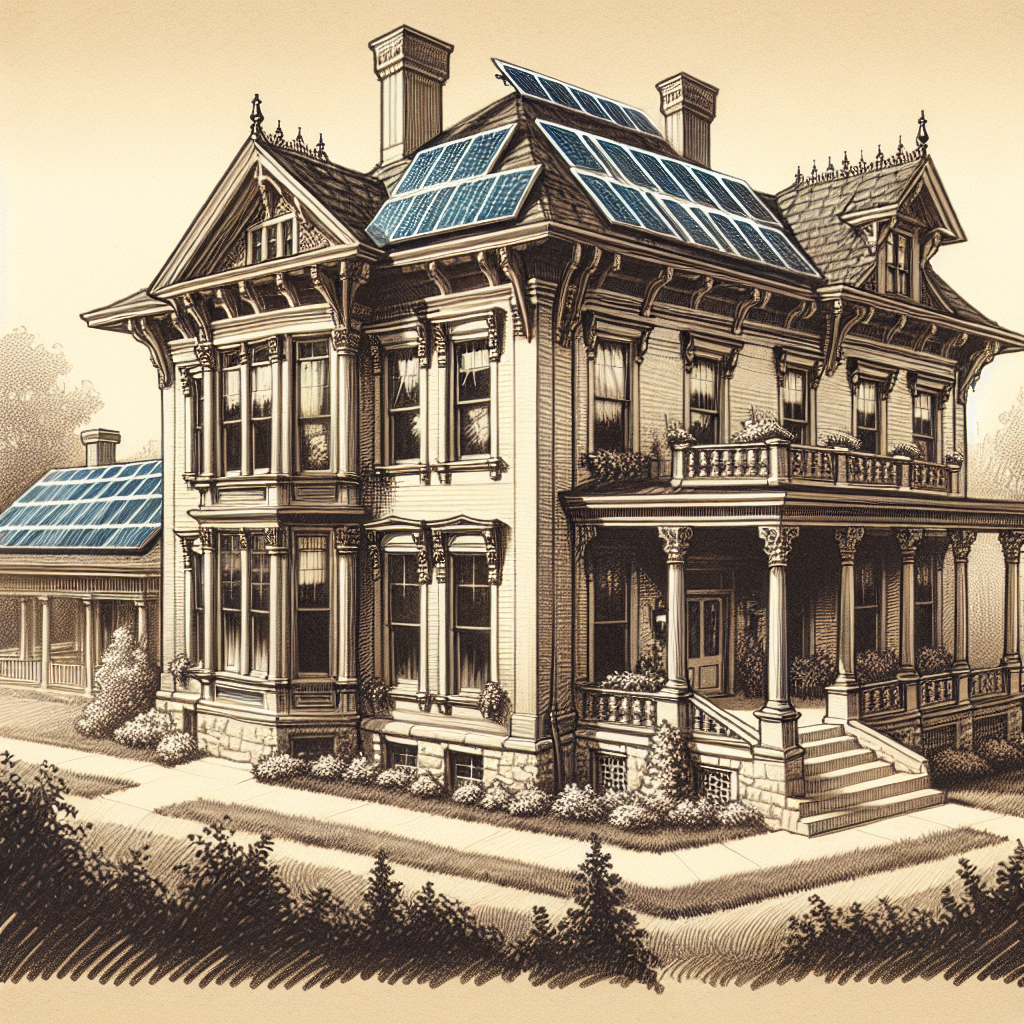
    One of the biggest hurdles in installing solar technology in historic homes is preserving their architectural integrity. These homes often have specific styles and historical significance that need to be honored. I remember walking through my own neighborhood, and seeing beautiful Victorian homes with intricate woodwork that simply couldn’t have solar panels sticking up like sore thumbs. The first step is to find ways to incorporate solar solutions that complement the design rather than detract from it.

    When considering solar panel placements, it’s crucial to think about roof orientation and Materials. A flat roof might allow for more hidden installations, while gabled roofs offer unique opportunities for aesthetics. I’ve seen some homeowners opt for solar shingles that mimic the look of traditional roofing materials, blending seamlessly into their homes.

    Consulting with a preservationist or architect familiar with your home’s style can help navigate these decisions. Don’t approach it as a daunting task, think of it as a creative challenge to honor the past while embracing future technology!

    Selecting the Right Technology

    Solar Panels Versus Solar Shingles

    When venturing into solar energy, the right technology can make all the difference. I’ve had extensive conversations with homeowners who are faced with the choice between traditional solar panels and solar shingles. Solar panels are typically more powerful and easy to install, but they can stand out on a historic roof. On the flip side, solar shingles offer a more integrated look, but they might have slightly lower efficiency.

    It’s essential to weigh the pros and cons with an energy consultant. I personally favor solar shingle installations for homes where aesthetics are a priority. They can sometimes be a bit pricier, but the visual benefits often outweigh the costs. Your choice here should align with your values regarding aesthetics and energy needs.

    Don’t forget to consider newer technologies like bifacial panels! These allow light to be captured from multiple angles, which is great if your home gets a fair amount of reflection off surrounding structures. Exploring all your tech options can be rewarding.

    Incorporating Battery Storage

    The Benefits of Backup Power

    Oh man, battery storage is something I didn’t appreciate enough at first! Having battery storage paired with your solar system is like having a safety net. Not only can it power your home during outages, but it also maximizes your solar energy usage when the sun’s not shining. It’s something I learned was crucial, especially when severe weather events knock out power lines.

    The latest battery technologies have come a long way. There are options that are more efficient and can store larger amounts of energy. I remember attending a community workshop where someone shared how their energy bills dropped significantly after adding battery storage. It really is a game changer.

    Furthermore, having battery storage can help bypass peak electricity costs, allowing you to utilize the energy you’ve stored during those high-rate times. It provides not just energy stability, but financial peace of mind in a way that aligns beautifully with maintaining a historic home.

    Engaging with Local Regulations

    Understanding Historic Preservation Laws

    Alright, let’s chat about the red tape. Engaging with local regulations can feel a little overwhelming, and I’ve been there. It’s crucial to educate yourself about the preservation laws in your area. Most towns have specific guidelines that dictate what can and cannot be done to historic properties.

    Start by reaching out to your local government or preservation society. In my case, they were extremely helpful in guiding me through the requirements and I even made some friends along the way! Make sure to have a clear plan outlining how your solar project will respect the home’s historical significance.

    Obtaining a permit can often be easier than anticipated. The key is to demonstrate that your solar installation is sensitive to the home’s character. So get your ducks in a row and tackle these bureaucratic hurdles head-on!

    Finding the Right Contractors

    Choosing Experienced Professionals

    This might be the most crucial step in your solar journey! Finding the right contractor who is experienced in working with historic homes can make or break your project. I’ve seen some individuals hire the cheapest option only to end up with issues that could have been avoided with a bit of research.

    Start by asking for recommendations from friends or neighbors. There are also numerous online reviews—take your time to sift through them. Look for contractors who showcase their past work on historic properties. It’s a good sign when they have a portfolio that includes beautiful installations that maintain the home’s integrity.

    Once you gather a list, set up interviews, and don’t hesitate to ask questions. I suggest asking how they deal with local regulations, and how specifically they’ve handled historic properties in the past. Building that rapport is key; you want someone who understands your vision and can execute it seamlessly!

    Conclusion

    Incorporating solar energy into historic homes may seem challenging, but breaking it down into thoughtful steps can make the process smoother. There’s a tangible joy in marrying modern technology with historic beauty, as I’ve experienced firsthand. And it’s not just about energy; it’s about pride in our homes and our choices for a sustainable future. So go forth and explore the possibilities!

    FAQs

    1. Can I install solar panels on my historic home without special permissions?

    Typically, yes, you will need special permissions as many local regulations exist to protect the integrity of historic homes. Always check with your local preservation officer.

    2. What are solar shingles, and how do they differ from solar panels?

    Solar shingles are roofing materials that generate electricity, while solar panels are mounted above the roof. Shingles tend to blend into the home’s architecture better.

    3. Do solar energy installations require maintenance?

    Yes, solar installations require periodic maintenance, including cleaning the panels and checking battery health. However, they are generally low-maintenance once installed.

    4. How do I find a contractor skilled in solar installations for historic homes?

    Start with referrals from friends, check online reviews, and look for contractors who specialize in historic properties. Conduct interviews to ensure they understand the unique requirements.

    5. Will solar energy significantly reduce my electricity bills?

    Yes! Many homeowners see a substantial decrease in their electricity bills after installing solar systems, especially when paired with energy storage solutions.

  • Best Solar Setup for Metal Roofs Guide

    Best Solar Setup for Metal Roofs Guide

    Understanding the Advantages of Solar Energy

    Cost Savings on Energy Bills

    Let me tell you, one of the biggest perks I’ve discovered about solar energy is the drastic reduction in energy costs. When you switch to solar, you suddenly realize that those monthly bills don’t have to be as high as you thought. It’s like finally getting out of a bad relationship – your wallet feels lighter, and your heart feels happier!

    Over time, the savings add up. Whether you’re in a two-person household or a bustling family of five, the relief of slashing your electricity bills really empowers you to feel more financially free. Plus, with the federal tax incentives available, the initial investment becomes way more manageable. Who doesn’t want that?

    And don’t forget the potential increase in your property value. A home equipped with solar panels is attractive to many buyers nowadays, translating to a better return on investment if you decide to sell. So yeah, solar energy is a win-win!

    Environmental Benefits

    Another reason I’m so enthusiastic about solar energy is the positive environmental impact. Utilizing solar power significantly reduces your carbon footprint, and that’s something we can all feel good about. Knowing I’m contributing to a cleaner planet makes my heart swell.

    As we face the challenges of climate change, switching to solar helps reduce reliance on fossil fuels and lowers greenhouse gas emissions. Each time I see those solar panels soaking up the sunshine, I’m reminded that I’m doing my part to protect our planet for future generations.

    Plus, with governments increasingly pushing for sustainable energy solutions, I feel like I’m actually a part of a larger movement. Solar energy isn’t just a trend; it’s a future I want to be part of, and you should too!

    Energy Independence

    Who doesn’t love the idea of being less reliant on outside sources for energy? With solar, you’re taking a stand against fluctuating energy prices and those annoying power outages. Once I installed my solar panels, it was like I’d taken the reins of my own energy fate.

    The beauty of solar energy is that it empowers you to generate your own power. It’s a game-changer! You won’t have to worry as much about rising utility costs. Plus, with battery storage technology, you can store surplus power for later use, making you even more self-sufficient.

    It’s a comforting feeling knowing that during a storm or an unexpected outage, I’ll still have power to keep things running smoothly. It’s all about control – and that’s something I really value.

    Choosing the Right Solar Panels for Metal Roofs

    Types of Solar Panels

    When you’re considering solar for your metal roof, it’s key to dive into the types of solar panels available. There are generally three main types: monocrystalline, polycrystalline, and thin-film. Personally, I’ve had my eye on monocrystalline panels because they tend to be more efficient and space-saving, which is crucial for roofs that might not be expansive.

    Then you’ve got polycrystalline panels, which are often more affordable but can take up quite a bit more space, as they’re slightly less efficient. If you’ve got a large, beautifully expansive roof, you might be able to make these work! Lastly, there are thin-film panels—they’re lightweight, and flexible, but their efficiency and lifespan don’t generally compete with the others.

    Ultimately, your choice will depend on your specific needs, budget, and how much sun your roof gets. I’d urge you to do your homework before deciding; it’s a big investment!

    Roof Mounting Options

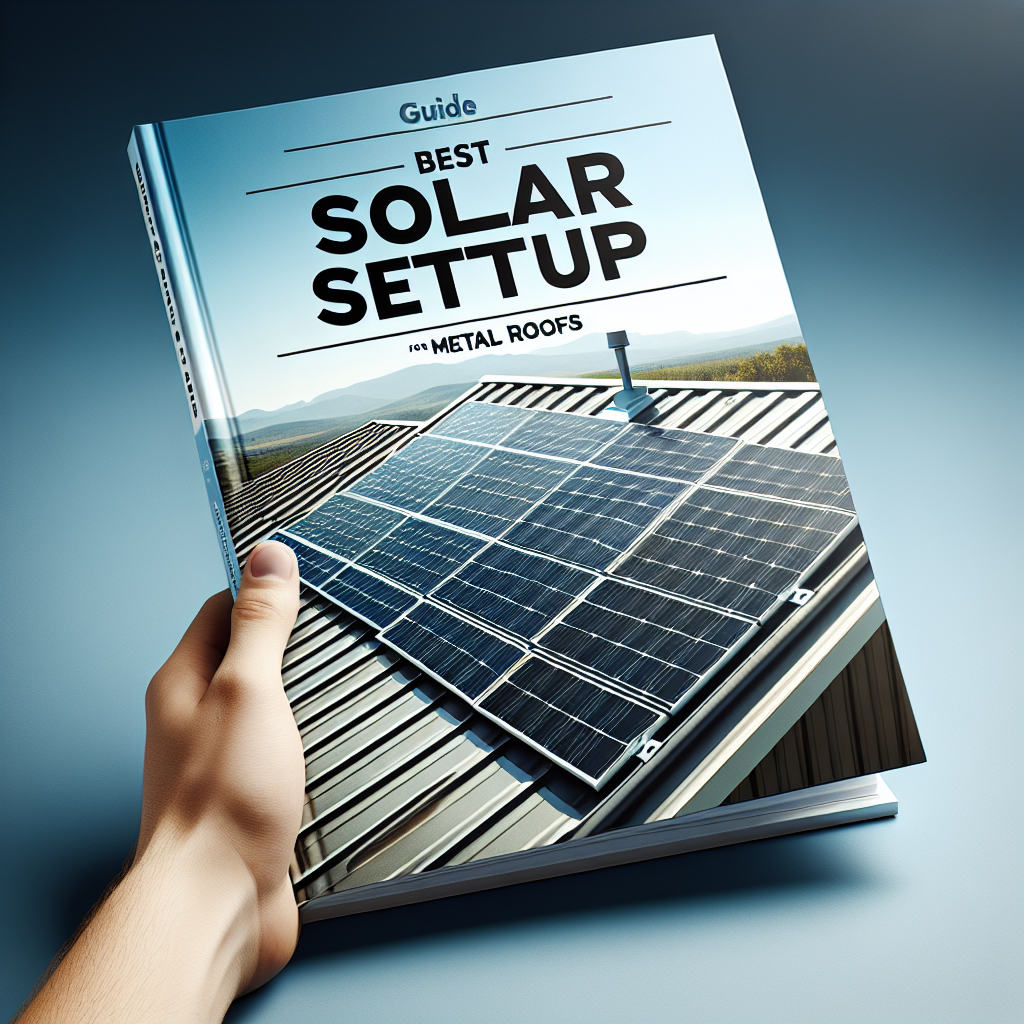
    Mounting is incredibly important, especially with a metal roof. I learned the hard way that not all mounting styles are created equal! The best option for a metal roof is a standing seam system. This installation method avoids penetrating the roof, which lowers the risks of leaks—something none of us want, right?

    Another option is a flush mount, but that might require drilling into the roof. If you ask me, it’s definitely not worth the risk. Reflect on your comfort level with each method, and don’t hesitate to reach out to a professional if you’re unsure!

    It’s a bit like picking the wrong size of shoes – a bad fit might only show itself later on, but once it does, it’s too late! So, go with a reliable mounting system that aligns with your roof’s specifications.

    Consulting a Professional Installer

    Okay, let’s be real – while you might be tempted to DIY your solar installation, consulting a professional installer can save you a whole bunch of headaches down the road. I learned this lesson early on; their experience can make a world of difference in efficiency and aesthetic appeal.

    Finding a certified installer means you’re getting someone who understands all those technical bits and can adapt to your specific roof type. They’ll also handle permits, which is a godsend when you’re busy juggling everything else in life!

    Plus, a good installer will also provide insights about warranties and maintenance, helping you to steer clear of potential pitfalls. Trust me, it’s worth every penny to ensure your solar setup is done right from the get-go.

    Maintaining Your Solar Panels

    Regular Inspections

    Once you’ve decided to go solar, the next biggie is maintenance. I can’t stress enough how important regular inspections are. Just like you wouldn’t skip a check-up at the doctor’s office, your solar panels need some love and attention too! Schedule at least an annual inspection to ensure everything is functioning optimally.

    During an inspection, professionals will check for areas that may need cleaning, signs of wear and tear, or even issues related to your inverter. It’s like a health check for your energy system, and it keeps you in the know about your setup’s performance.

    By being proactive, you’ll prolong the lifespan of your solar array and maximize its efficiency over the years, ultimately saving you money in the long run.

    Cleaning Your Panels

    Keeping those panels clean is super important too! Dust, dirt, and debris can really zap your panels’ efficiency, so I recommend giving them a good cleaning at least twice a year. If you’re in an area with lots of rain, maybe you could get away with once a year, but generally speaking, it pays to keep them clean.

    The best way I’ve found is to use soft brushes, or you can hire someone to do it. Just avoid anything abrasive, as you don’t want to scratch your panels – that would be a total bummer. Think of it like washing your car; nobody wants to drive around in a dirty ride, and your solar panels deserve the same care!

    Believe me, once you see the difference a clean panel makes in energy output, you’ll be singing a different tune about solar maintenance.

    Monitoring Performance

    Many modern solar systems come equipped with monitoring apps that let you track your energy production in real-time. Honestly, it’s pretty cool. Every time I check the app, I get a little rush seeing how much energy I’m generating, it’s like my own personal energy scoreboard!

    Paying attention to patterns in energy production can alert you to any dips in performance. If you notice a drop-off, it might be time to call in your installer for a check-up. It’s all about being proactive rather than reactive!

    Over time, you’ll also gain a better understanding of how weather and seasons impact your energy generation, which helps inform how you can maximize your setup during high production months!

    Financing Your Solar Installation

    Understanding Different Financing Options

    Considering financing? You’re not alone! When I first looked into my solar setup, I was blown away by the different financing options available. From loans to leases, there’s something for everyone’s budget. It’s all about doing what works best for you financially.

    A solar loan is a popular choice, allowing you to own the system and take advantage of tax incentives. Meanwhile, leasing means you won’t have to worry about hefty upfront costs—but keep in mind, you won’t receive those tax benefits either.

    So do your research! I found various online calculators that help assess which option really fits into my financial picture, and it made life so much easier to visualize my investment.

    Government Incentives

    You’d be surprised at how many incentives are out there! Local, state, and federal programs often provide rebates, tax credits, and performance-based incentives to help ease the financial burden of solar installation. Seriously, keep your eyes peeled for these opportunities—it could save you thousands!

    The Federal Solar Tax Credit (ITC) allows you to deduct a significant percentage from your federal taxes. Initially, I was like, “Wait, I can get money back for going green?” It felt like a win-win right from the get-go. Every cent counts when it comes to solar investment!

    And don’t overlook local incentives. Some utility companies will even pay you for the excess energy you generate—talk about a sweet deal. So make sure you check what’s available in your area because you might find some hidden treasure!

    Payback Period Calculations

    One thing I found super useful was calculating my payback period. It’s the time it takes for your savings to equal the cost of the solar panels. This helps you figure out when you’ll start seeing a return on your investment. I suggest pulling out a spreadsheet; it doesn’t have to be fancy, just some basic math to see how long you can expect to be paying off your system with your energy savings!

    Don’t forget to factor in all your incentives and benefits. It’s amazing how quickly that payback period can shorten when you account for rebates and tax credits. Usually, it can range anywhere from 5 to 15 years—definitely worth the wait if you ask me!

    Once your system’s paid off, it’s all profit from there, and that makes it feel like you’ve hit the jackpot. You’ll also be feeling good about all that clean energy you’re producing, knowing you invested wisely.

    Frequently Asked Questions

    1. How do I know if my metal roof is suitable for solar panels?

    Your metal roof is actually one of the best types for solar panels due to durability and weather resistance. It’s important to ensure there’s enough unshaded space for optimal sun exposure. Consult with a professional for a detailed assessment!

    2. How long do solar panels last?

    Most solar panels have a lifespan of about 25 to 30 years. With proper maintenance and regular inspections, they can continue to produce energy efficiently even after that period!

    3. Are there any risks associated with installing solar panels on my metal roof?

    As long as you hire a qualified installer, the risks are minimal! Stand seam mounts can be very secure without penetrating the roof, preventing leaks and damage. Just ensure to follow maintenance guidelines to keep everything in check!

    4. How much can I expect to save on my energy bill?

    This largely depends on your energy consumption and the size of your solar system. Many users report savings between 50% and 100% on their electricity bills after installation and utilizing incentives!

    5. Can I install solar panels myself?

    While it might be tempting to DIY, I highly recommend hiring a qualified solar installer. There’s a lot that goes into it, including local codes and requirements, which can be tricky if you are unfamiliar. Relying on a pro ensures a hassle-free setup!

  • Solar Panel Warranty Guide: What to Know

    Solar Panel Warranty Guide: What to Know

    Understanding the Types of Warranties

    Equipment Warranty

    When I first jumped into the world of solar energy, one of the first things I learned was about the equipment warranty. This warranty typically covers the actual solar panels and other hardware used in your system. Think of it as your safety net for those unexpected issues that pop up. If you buy panels that are supposed to last for 25 years, you want that warranty to back it up.

    Most manufacturers offer these warranties for different durations, and they’re a crucial piece of the puzzle when making your decision. If something happens to the panels due to manufacturing defects, you want to ensure you’re protected. A strong warranty will give you peace of mind knowing that you won’t be left high and dry!

    It’s also worth noting that conditions often apply, like regular system maintenance or installation by certified professionals. So, always read the fine print. Trust me, you’ll be glad you did.

    Performance Warranty

    Now, onto the performance warranty! This is where things get a little more interesting. This warranty guarantees a certain level of performance over time—usually a percentage of efficiency. So, if your solar panels don’t meet those performance levels, you might be entitled to a repair or even a replacement.

    The catch? Some manufacturers might specify performance drops over the years. For instance, they might promise that panels will still operate at 80% efficiency after 25 years. Understanding these nuances helps when evaluating which panels are worth your hard-earned cash.

    Performance warranties can be your best friend, but just like the equipment warranty, make sure you know the terms. It’s like the fine print on a loan agreement; it could save you in the long run.

    What to Look For in a Warranty

    So, you’re wondering what to actually look for in a good warranty? I’ve been there! I remember sifting through all the options, trying to figure out which ones offered the best protection. A good tip is to look for warranties that offer long coverage periods—ideally, 25 years for both equipment and performance.

    Additionally, pay attention to the customer support side of things. Do they have a good reputation for honoring claims? Good customer service can make all the difference if you ever need to file a claim. You want a company that’s not going to leave you hanging!

    Last but not least, compare warranties from different manufacturers. This might take a little time, but it’s totally worth it for your peace of mind. Remember, you’re making an investment, so it’s important to cover all the bases.

    Navigating Warranty Claims

    Filing a Claim

    When my first solar panel broke down—yeah, it was an experience—I learned quickly about the process of filing a claim. The first thing you’ll want to do is gather all necessary documents, including proof of purchase and the warranty itself. This makes things way easier when you’re talking to customer service.

    Next, it’s crucial to follow the manufacturer’s claim process to the letter. Different companies have their own procedures, so be sure to check what they require. Some might ask for photographs of the issue, while others could want a formal written claim.

    Don’t get discouraged if it feels tedious. Just stay organized, and you’ll increase your chances of a smooth process. Once I got the hang of it, I realized it wasn’t so bad!

    Common Pitfalls to Avoid

    While filing a warranty claim, there are some pitfalls you’ll want to avoid. One massive mistake I made was not keeping receipts and installation documents. I can’t stress enough how important it is to keep those organized and easy to find!

    Another common issue is not reading the warranty details carefully. As I mentioned earlier, there are often stipulations that can trip you up. You might miss something that could void the warranty if you’re not careful.

    And finally, don’t wait too long to file a claim. There are usually time limits on how long you can wait after noticing an issue. If you catch a problem, get on it right away. You’ll thank yourself later!

    Getting Support

    After I filed my claim, I realized the importance of good customer service. It makes such a difference to know that you have someone on your side who understands the ins and outs of the warranty process. If you aren’t getting the support you need, don’t be afraid to escalate the situation!

    Consider joining forums or local solar groups where you can share experiences. Often, others have been in your shoes and can provide valuable insights on what works best when dealing with specific companies.

    Ultimately, having a solid support system while navigating warranty claims makes the whole process smoother and much less stressful.

    Best Practices for Keeping Your Warranty Valid

    Routine Maintenance

    A big tip I’ve picked up over the years is the importance of routine maintenance. Keeping your system clean and well-maintained can prevent a lot of issues down the line. You’ll want to regularly check for dirt or debris that might block sunlight or affect performance.

    If you’re not comfortable doing maintenance yourself, hiring a professional can be a smart move. Trust me; the small investment can save you from costly repairs or even invalidating your warranty!

    Documentation is key here, too. Keep a log of maintenance tasks, as some warranties may require proof for coverage. It’s like keeping notes for a school project—keep it organized, and it’ll help you out later on.

    Documentation and Record Keeping

    As I mentioned earlier, having your paperwork organized is essential. This includes your purchase receipt, installation documents, and any maintenance records you keep. A well-kept folder makes it super easy to whip out documents when you need them!

    Go digital if you can! Scanning documents or storing them in the cloud can make retrieval a breeze. I can’t tell you how many times I’ve lost physical paperwork just when I needed it most, so I prefer keeping things in my email or cloud storage now.

    Remember, the more information you have readily available, the less stressful your warranty claims will be. You’ll be more prepared for anything that comes your way.

    Understanding Conditions

    Finally, understanding the conditions attached to your warranty is crucial to keeping it valid. Things like installation requirements, maintenance schedules, and usage policies often come into play. If you’re unsure about anything, don’t hesitate to ask questions before finalizing your purchase!

    Also, make it a habit to review your warranty regularly. This can help you stay informed about what is covered and ensure you’re meeting all necessary conditions. I keep a sticky note on my fridge as a reminder to check it quarterly.

    It sounds a bit tedious, but trust me, it pays to be proactive. Being informed will make you feel more in control and less likely to encounter surprises when issues arise.

    Choosing the Right Manufacturer

    Researching Manufacturer Reputation

    Choosing the right manufacturer is a game changer for your solar panel investment. I spent a lot of time digging into reviews and experiences shared by other customers. It’s like researching a movie before deciding to watch it; you need to know if it’s worth your time and money!

    Websites that review solar companies are great resources. They’ll often break down factors like warranty offerings, customer service experiences, and product quality. This helped me a ton when I was trying to narrow my options.

    Don’t overlook word of mouth, either. Friends, family, or even neighbors who’ve installed solar can give insight that you simply won’t find online. Everyone has a unique story, and a personal recommendation can go a long way!

    Comparing Warranty Offerings

    Once you’ve whittled down your choices, it’s time to compare warranty offerings. I like to make a pros and cons list for each manufacturer. That way, I can easily compare what I’m getting with each option.

    Pay special attention to the length of both equipment and performance warranties. Some companies might offer a longer warranty on one but not the other. Knowing the fine details helps you make a more informed decision.

    Also, don’t hesitate to ask manufacturers directly about their warranties. A company that is upfront and transparent about their policies will likely treat you well in the long run if issues arise—a good sign!

    Final Thoughts and Recommendations

    At the end of the day, taking the time to choose a manufacturer with solid warranty offerings can save you a headache later. It’s an investment, and you should be able to enjoy the benefits without worrying about your warranty coverage!

    Talk to other solar owners, attend local solar expos, or join community groups. These interactions can provide invaluable insight into what to expect from specific manufacturers.

    And remember, always trust your gut! If something feels off or rules seem too good to be true, it might be worth digging a little deeper. You’ll thank yourself later.

    Frequently Asked Questions

    What types of warranties should I look for when buying solar panels?

    When purchasing solar panels, look for two main types of warranties: equipment warranties that cover defects in materials and workmanship, and performance warranties that guarantee a certain level of efficiency over time.

    How long do solar panel warranties typically last?

    Most solar panel manufacturers offer warranties that last anywhere from 10 to 25 years. It’s essential to carefully review the terms to ensure you’re covered for the lifespan of your investment.

    What should I do if I need to file a warranty claim?

    Start by gathering all necessary documentation, such as your purchase receipt and warranty details. Carefully follow the manufacturer’s specified claim process to ensure a smooth claim experience.

    How can I keep my solar panel warranty valid?

    To keep your warranty valid, perform routine maintenance on your panels, keep detailed records of any maintenance performed, and thoroughly understand the warranty conditions to meet all requirements.

    Is it worth getting solar panels with a longer warranty?

    Yes! A longer warranty generally reflects the manufacturer’s confidence in their product. It can provide you with peace of mind knowing that your investment is protected for an extended period.

  • DIY vs Professional Solar Installation

    DIY vs Professional Solar Installation

    Cost Comparison

    Initial Expenses

    When I first dove into the world of solar, cost was a major concern for me. If you’re considering a solar installation, the upfront costs for professional installations can be pretty steep. You’re looking at spending anywhere from $15,000 to $30,000, depending on your home’s size and location. On the flip side, DIY kits can start as low as a few thousand bucks. That’s quite a tempting difference!

    However, remember that cheap doesn’t always mean cheerful. DIY kits might save you cash initially, but they can come with hidden costs, especially if you’re not as handy as you’d like to think. Unexpected repairs or mistakes can add to your final bill, and trust me, those costs pile up faster than you can say “solar panel!”

    So, while the numbers might look better for a DIY approach, weigh in all aspects before making a decision. Sometimes it’s better to spend more upfront for peace of mind in the long run.

    Long-Term Savings

    Let’s chat about savings over time. With a professional solar installation, you’ll typically see a better return on investment (ROI) due to higher efficiency and access to better technology. I mean, imagine saving hundreds, if not thousands, on your electricity bill every year! That’s a no-brainer right there.

    On the other hand, DIY systems can pay off too. But they might require more maintenance than you’d be willing to tackle. It’s crucial to keep your panels clean, functioning, and updated, which I found out the hard way. If you let things slide, those savings can quickly dwindle.

    Ultimately, it’s about what works best for your financial situation. Look at your electricity costs, and calculate how long it would take before your solar panels start generating true savings for you.

    Financing Options

    Financing can be a game-changer. Many homeowners are surprised to find that professional installers often have great financing plans. You could pay in installments, reducing the burden of a huge one-time payment. I remember searching for the right company and finding one that had terms I could definitely work with!

    Conversely, DIY systems typically don’t offer financing options. Most people pay upfront for their kits, which can be a challenge if you’re caught off guard by the total cost. It’s like going out for dinner and forgetting your wallet – awkward, right?

    When you’re weighing these options, also think about how long you plan to stay in your home. Sometimes a professional install, with reliable features and goodwill if things go awry, can be worth the investment in the long haul.

    Installation Ease

    Skill Level Required

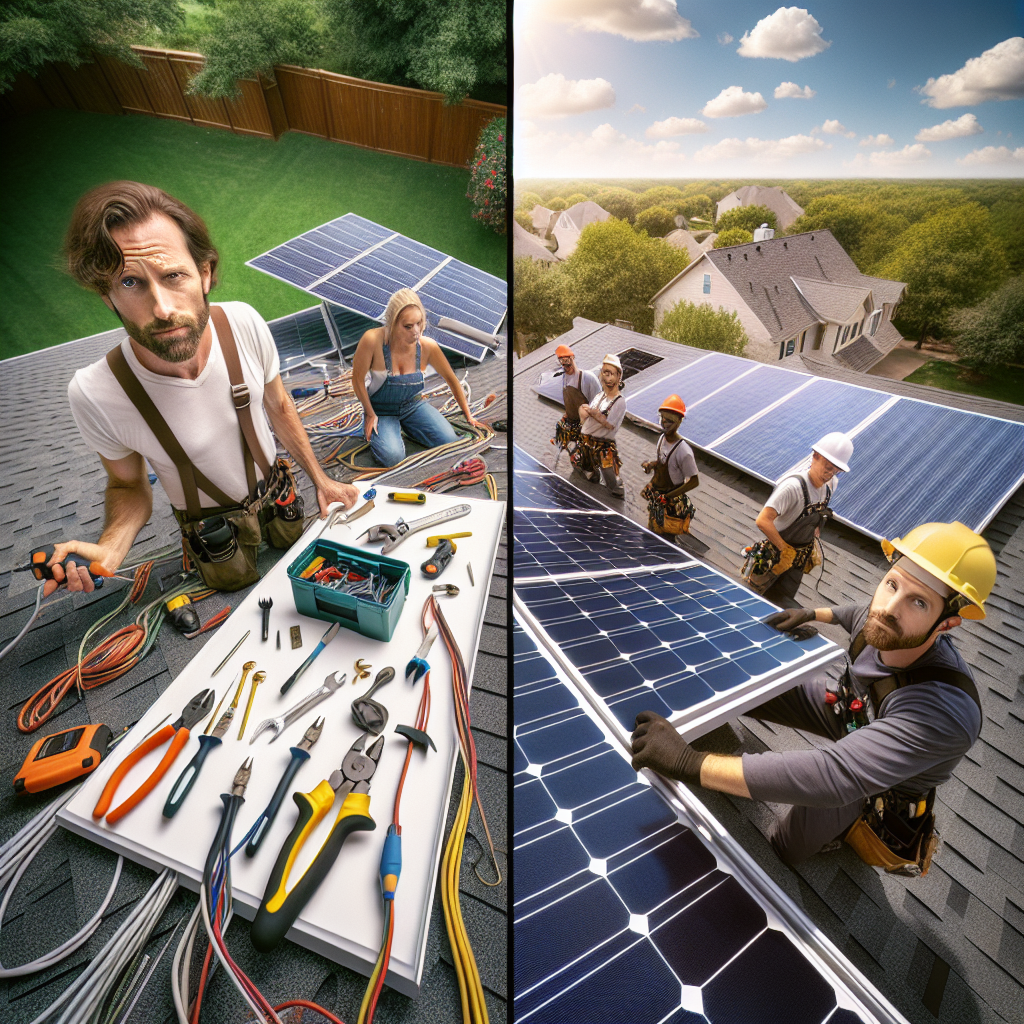
    This is where I had my personal revelations. Trust me, I thought I was tech-savvy until I tried to install my own solar panel system. If you’re someone who loves DIY projects and has a reasonable amount of electrical knowledge, you might find a DIY install manageable. But don’t underestimate the complexity involved!

    For the majority of folks, professional installation is the way to go. Technicians come with experience, knowledge, and the right tools. I’ve watched them work, and they make it look effortless. Their understanding of local codes and regulations is simply something I didn’t want to gamble with on my own.

    At the end of the day, ask yourself: do you want to spend your weekend wrestling with installation and potential mistakes, or sipping a cold drink while someone else takes care of it? Choice is yours!

    Time Commitment

    Let me tell ya, solar installation takes time, whether you’re going DIY or professional. The DIY route could stretch over multiple weekends, especially for people who have other commitments. I thought I could knock mine out in a weekend, but I underestimated how involved the process could be.

    On the professional side, installation can often be done in just a day or two! I remember being amazed watching a crew work together, efficiently navigating the installation with an expert’s touch. I couldn’t help but feel a little jealous of their skill!

    If you’re eager to enjoy the benefits of solar power sooner rather than later, a professional service may save you a significant chunk of time. Sometimes the quicker, simpler decision is the best one.

    Permits and Regulations

    Here’s a little nugget I picked up – permits can be a hassle. Going the DIY route means you’ll need to dive into local regulations and get the proper permits yourself. It’s like a treasure hunt but the prize is some headache you didn’t bargain for!

    With professional installers, they typically handle permits for you. It’s all part of their service. I found this to be a sweet deal because the last thing I wanted was to deal with bureaucracy on top of everything else.

    Make sure to check regulations in your area, whether you’re going DIY or professional. Ensuring everything is compliant can save you from potential fines down the line.

    System Performance

    Efficiency of Installation

    Let’s dive right into something super important – efficiency. Professional installs often guarantee performance metrics and might even give you a warranty! I have to say, that peace of mind is worth its weight in gold after going through the troubles of a DIY installation.

    In contrast, DIY systems may not perform at the same level, especially if incorrectly installed. You could be left with sad, underperforming panels that don’t give you the electricity you need. I’ve seen it happen, and trust me; it’s not fun discovering nearly half the output you were expecting.

    Efficiency also ties into how well the installation was carried out, which is another tick mark in the professional column. Many companies also offer ongoing support to ensure optimal performance. Double win!

    Long-Term Maintenance

    Maintenance can be a drag. With professional installs, maintenance can often be included or offered at a discount. I can’t express how nice it is to sit back, relax, and have professionals take care of things. They know the systems inside and out, and they can catch little issues before they become big headaches!

    With DIY, however, it’s all on you, and I quickly discovered that regular maintenance wasn’t as easy as I thought. From cleaning panels to minor fixes, the ongoing responsibility can be daunting. Plus, if you miss something, you could be losing efficiency without even realizing it!

    Weigh that maintenance commitment carefully. If you’re not keen on the upkeep, a professional install can save time and headache in the long run.

    Technology Updates

    Technology in solar is always evolving! The latest panels can significantly outperform older models. When you go professional, installers often have access to cutting-edge technology and will stay updated with the latest innovations.

    If you’re going DIY, it’s tough to keep up! You’re stuck with whatever you purchase and could miss out on future efficiencies that could save you more energy and cash. I mean, I love gadgets, but keeping track of all this could be a full-time job!

    Updating a system can also be more complicated with a DIY setup. Professional companies can guide you on how to upgrade or integrate new tech down the line, making this a significant advantage.

    Warranty and Support

    Extent of Warranties

    Warranties are a crucial factor when considering solar. Most professional installations come with extensive warranties, which are a huge relief. I learned that if something goes wrong, you’re covered!

    Diving into DIY, you might find minimal warranties on parts. Often, the responsibility falls back on you if something breaks. That’s a risk I wasn’t willing to take after my learning curve with my own setup.

    Warranties might be daunting, but understanding them can make a significant difference in protecting your investment, ensuring you’re not left high and dry!

    Access to Customer Support

    With professionals, you usually have access to customer support if things hit a snag. I’ve found that knowing there’s someone I can call when things go awry is priceless. They have the expertise and experience to troubleshoot issues fast.

    For DIY enthusiasts, you’re pretty much on your own unless you’ve got a neighbor who knows about solar setups. That can be pretty isolating! If things go wrong, it could take longer to get your system back online.

    Deciding on professional installations can make a difference in receiving quick and effective support. When the sun is shining, you want your panels to be working, not stuck in a troubleshooting maze!

    Service After Installation

    Finally, let’s talk about follow-up service. Professional installers often check on your system after installation to ensure everything’s running smoothly. It’s like having a solar buddy who’s always looking out for you!

    As for DIY, well, I found that checking on my system became less frequent over time, and naturally, that led to hiccups. It’s easy to forget when life gets busy!

    Going with a reliable installer means they’ll usually do follow-ups and maintenance checks, which keeps you motivated to ensure everything continues running smoothly.

    Conclusion

    Ultimately, choosing between DIY and professional solar installation boils down to your circumstances and what fits into your life better. Each has its distinct pros and cons, so weigh them all carefully! Good luck with your journey into solar; I’m sure whichever path you choose, you’ll learn loads and feel great about contributing to a more sustainable future!

    FAQs

    1. Is DIY solar installation cheaper than professional installation?

    Generally, yes, DIY systems can be cheaper at first glance. However, consider potential hidden costs and maintenance that might arise.

    2. How much technical knowledge do I need for DIY solar installation?

    A fair amount! You should be familiar with electrical work and local building codes to avoid issues down the line.

    3. Can I upgrade a DIY solar system easily?

    Upgrading a DIY solar system can be trickier without professional guidance. It’s essential to research options before committing.

    4. What kind of warranty can I expect from professional installations?

    Most professionals offer warranties ranging from 10 to 25 years, covering equipment and workmanship, which provides peace of mind.

    5. How do I choose between DIY and professional services?

    Consider your budget, skill level, and the complexity of doing it yourself versus the peace of mind that comes with professional help.

  • Solar Power for Remote Work Setup Guide

    Solar Power for Remote Work Setup Guide

    Understanding Solar Power Basics

    What is Solar Power?

    Let’s kick things off by breaking down what solar power really is. In simple terms, it’s energy harnessed from the sun, which we can convert into electricity. It’s like tapping into a giant battery in the sky that’s full of energy. Pretty cool, right?

    Solar panels, typically installed on roofs or in solar farms, capture sunlight and convert it to electrical energy using photovoltaic cells. These cells work their magic by allowing photons (light particles) to knock electrons free from atoms, creating a flow of electricity.

    Embracing solar power for your remote work setup not only helps reduce your carbon footprint but also can cut down on your utility bills. It’s like getting paid to work in the sunshine!

    Benefits of Solar Energy

    If you’re like me and you enjoy the idea of saving some cash while being eco-friendly, let’s dig into the benefits. First off, using solar energy reduces both your electricity bills and reliance on unstable energy markets.

    Secondly, solar energy is renewable. Unlike fossil fuels, which are finite and depleting, the sun isn’t headed for extinction anytime soon. So, you’ll always have a reliable source of energy for your work needs.

    Lastly, let’s talk about increased home value. Homes equipped with solar energy systems can be more attractive to buyers. It’s like adding a cherry on top when you decide to sell!

    Types of Solar Power Systems

    Not all solar systems are created equal. There are generally two main types of solar power systems: grid-tied and off-grid. A grid-tied system remains connected to the pavement, allowing excess energy to go back to the grid, sort of like sharing with neighbors.

    On the other hand, an off-grid system is your self-sufficient powerhouse. This setup is great for remote locations where the power grid doesn’t reach you. I have a buddy who lives in a cabin deep in the woods, and he swears by his off-grid solar system.

    Consider your power needs and location carefully when choosing your system. It’s important to find a balance that suits your work from home setup while keeping those energy bills low.

    Choosing the Right Equipment

    Solar Panels

    The first piece of the puzzle is choosing your solar panels. Look for panels with a good efficiency rating, meaning they convert more sunlight into usable energy. I learned the hard way that not all solar panels are created equally!

    Most panels come in two types: monocrystalline and polycrystalline. Monocrystalline panels are generally more efficient and take up less space. I opted for these after realizing how much roof space I had to cover.

    Do your own research or consult with a solar provider to find panels that fit your budget and energy needs. You don’t want to skimp on quality when it comes to generating your own power!

    Batteries

    Depending on whether you choose to go off-grid or not, batteries can be an essential part of your solar setup. Batteries store excess energy for use during cloudy days or at night when your panels are snoozing.

    There are various types of batteries available, with lithium-ion being one of the most common due to their long lifespan and ability to charge quickly. I remember being shocked at how much a good battery can cost, but they’re worth the investment in the long run.

    Choosing the right battery capacity depends on your energy needs and how long you want to stay powered during outages. It’s better to overestimate than underestimate!

    Inverters

    Inverters are the unsung heroes of your solar setup. They convert the direct current (DC) produced by the solar panels into alternating current (AC), which is what your devices use. Without an inverter, your solar energy wouldn’t do you a whole lot of good!

    There are two main types of inverters: string inverters and microinverters. String inverters are more common and suitable for most residential setups, while microinverters can increase efficiency in shaded areas. 

    When selecting an inverter, make sure it can handle your maximum energy output. Investing in a high-quality inverter can save a lot of hassle down the road and we all prefer smooth sailing, right?

    Installation Tips

    DIY vs Professional Installation

    Now it’s the moment of truth: installation! Depending on your skill set and comfort level, you might consider a DIY approach or hire professionals. I initially thought I could tackle it myself, but let’s just say I was glad to leave it to the experts.

    Professional installation can ensure that everything complies with local regulations and will likely come with warranties. Plus, these pros have the got-a-cool-solar-expert vibe that you might want to embrace!

    If you decide to go the DIY route, be sure you thoroughly research the process. There are plenty of online resources and kits available to guide you through it, but remember, safety first!

    Optimal Panel Placement

    Location, location, location! That’s the real estate motto, and it applies to solar panel installation too. To maximize the energy you capture, position your panels where they will receive the most sunlight throughout the day.

    Generally, south-facing roofs are ideal, but the angle and tilt can also affect output. I’d recommend consulting with a solar professional to get the perfect angle for your house. It’s a small detail that can make a huge difference.

    Don’t forget to think about potential shading from trees or buildings. A little shade can bring down your output significantly, so consider any factors that might obstruct sun exposure.

    User-Friendly Experience

    Finally, your solar power system should be user-friendly. Make sure any monitoring systems available are easy to use and offer real-time data, so you can track your energy production and consumption. This data can help you optimize your energy use.

    Some systems come with smartphone apps, which makes it super easy to keep an eye on things while sipping your coffee or binge-watching your favorite series. I find myself checking mine more often than I should, just out of curiosity.

    Make the most of the technology available, as it can play a big part in understanding how to tweak your solar usage for a more efficient and cost-effective experience.

    Maintaining Your Solar Power System

    Routine Maintenance Checks

    Now that you’re generating your own solar power, it’s essential to keep things running smoothly. Regular maintenance checks help ensure efficiency and longevity. I make it a habit to check on my system at least once a season.

    Cleaning the solar panels is often part of the routine. Dust, leaves, or bird droppings can reduce their efficiency, so keeping them clean is always a good practice. A soft brush and mild soapy water work wonders!

    Additionally, it’s wise to check the wiring and connections for any signs of wear and tear. Catching potential issues early can save you a lot of headaches down the road!

    Monitoring Energy Production

    Staying on top of your system’s performance is key. Many modern setups come with monitoring systems that track energy output in real-time. This cool tech can alert you if there’s a drop, which could mean something’s wrong.

    I’ve learned that being proactive about monitoring my system has helped me resolve issues quickly and even optimize for certain periods of high usage. It’s like having your own energy watchdog!

    Analyzing your energy generated over time can also help you understand seasonal variances and plan accordingly, whether it’s ramping up work during sunny months or using stored energy wisely during cloudy times.

    Long-term Planning for System Replacement

    Eventually, like all good things, your solar panels will reach a point where they need replacement. Most panels come with warranties ranging from 20 to 25 years, so plan accordingly. Knowing the lifespan of your system can help you budget for this future expense.

    When it comes time for replacement, consider newer technologies or upgrades that could boost efficiency. The world of solar power is constantly evolving, and you might find even better options than what you initially chose.

    If you keep up with maintenance and monitoring, you’ll have a much clearer understanding of when to replace your system, ensuring that you continue to harness the power of the sun effectively.

    Frequently Asked Questions

    1. What is the average cost of installing a solar power system?

    The cost can vary based on your location, the size of the system, and available incentives, but on average, you may be looking at anywhere from $15,000 to $25,000 before any tax credits.

    2. How long does it take to install a solar power system?

    Most installations can be done in a day or two, but don’t forget that permitting and inspection can add some time to the overall process.

    3. How does solar energy affect my property value?

    Typically, homes with solar power systems see an increase in property value. Many buyers find solar panels attractive due to the potential savings on energy bills.

    4. Can I use solar power during an outage?

    If you’re on a grid-tied system without batteries, no. But if you have an off-grid setup or a grid-tied system with a battery, you can power your home during an outage.

    5. Is solar energy environmentally friendly?

    Absolutely! Solar power reduces reliance on fossil fuels and decreases greenhouse gas emissions, contributing positively to the environment.