Category: Solar Power

  • Solar Panel Mounting Guide: All Roof Types

    Solar Panel Mounting Guide: All Roof Types

    Hey there! If you’ve been thinking about going solar, you’re not alone. Many of us are making the shift towards renewable energy, and it’s pretty exciting. One of the most important aspects of getting solar panels installed is understanding how to mount them effectively on different roof types. Today, I’ll share my insights into this topic and break it down into five major areas that I wish I had known when I started. Let’s dive right in!

    Selecting Your Mounting System

    Understand Your Roof Type

    First things first, you need to figure out what type of roof you have. Is it flat, sloped, tiled, or metal? Knowing this is key. Each roof type has its own set of requirements and best practices. For example, a flat roof allows for a different mounting strategy than a pitched roof.

    Once you identify your roof style, you can research specific mounting systems tailored for that type. Each system will have its own pros and cons, which I learned often through trial and error or by chatting with experts. Talk about a learning curve!

    In my case, I was amazed at how much my roof type affected the installation process. So, get ready to do a bit of homework. Trust me, it’s worth it!

    Choosing the Right Mounting Equipment

    Now, onto equipment. You need to choose what kind of mounts you’ll be using. Railing mounts, ballast systems, and even pole mounts are all options. I found that companies like IronRidge and Unirac offer solid systems. Just make sure to select ones that come with a good warranty, because let’s face it, you don’t want to be replacing these things anytime soon.

    Don’t skimp on quality here! I once tried to save a few bucks by opting for a cheaper mount, and my panels didn’t sit right. It wasn’t pretty! Investing in good quality gear now can save you headaches down the line.

    Also, remember that local building codes often dictate what type of mounting hardware you can use. Always check those before making a purchase. Don’t get caught off-guard, believe me, I’ve been there!

    Tools You’ll Need

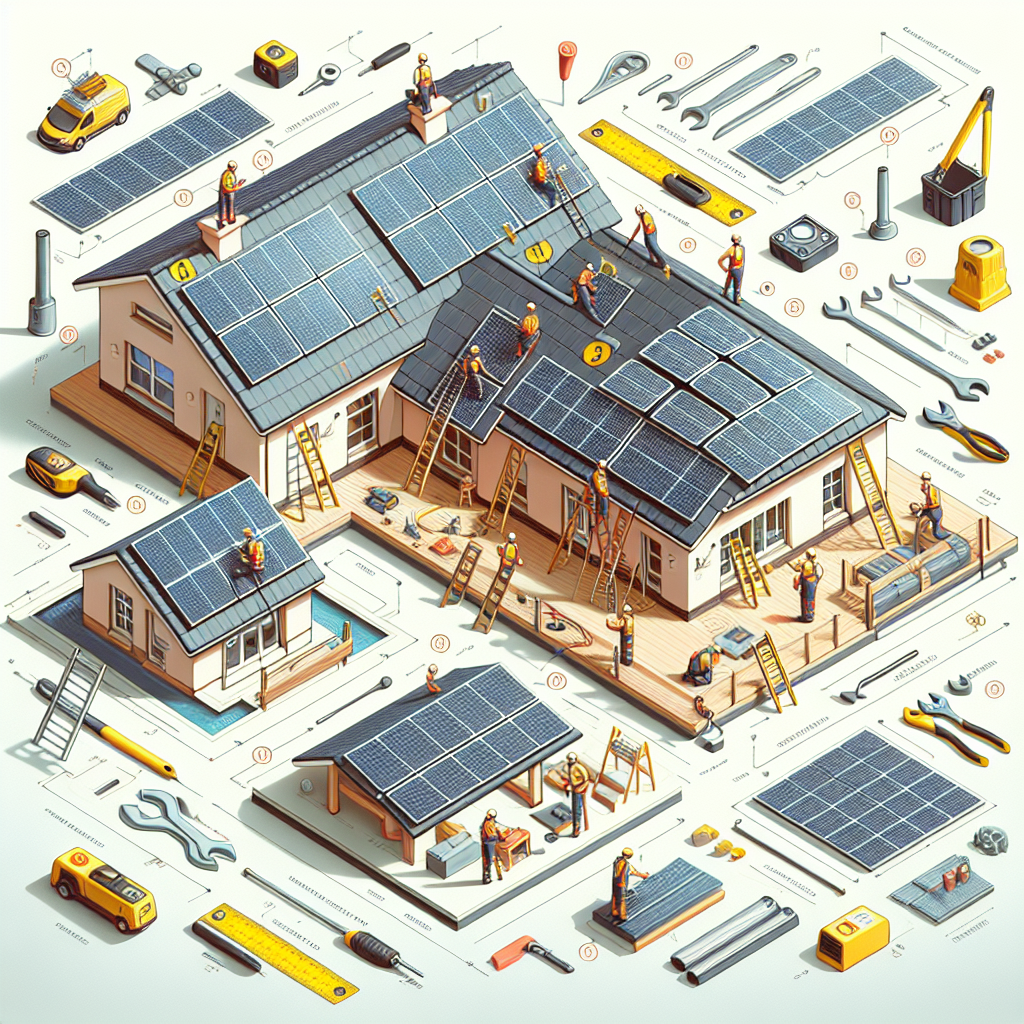
    Before you start the installation, let’s talk tools. You’ll typically need a drill, a wrench, a level, and potentially a saw if adjustments are necessary. The right tools make all the difference!

    When I first took on a DIY solar project, I didn’t have all the tools I needed and ended up making extra trips to the store. Ugh, frustrating! So it’s definitely worth it to double-check your tool inventory before diving in.

    If you’re feeling unsure or overwhelmed, it might also be worth hiring a professional for the installation. Sometimes investing in their expertise pays off!

    Preparing Your Roof for Installation

    Cleaning and Inspection

    Before you can get into the nitty-gritty of installation, your roof needs a good cleaning. Any debris like leaves, branches, or even moss can cause problems down the line. Plus, a clean surface is essential for securing the mounts properly.

    After cleaning, inspect your roof thoroughly. Look for any damage, missing shingles, or weak spots. I’ll never forget the time I overlooked a small leak, which turned into a bigger issue later on. Take the time now to avoid future headaches!

    If you find any damage, it’s wise to fix that before installing solar. You want a solid foundation for those panels, not something that’s going to cave under pressure.

    Planning Your Layout

    Next comes planning your panel layout. This isn’t just about aesthetics; it’s also about optimal energy collection. The angles and direction matter a lot! I learned that you want your panels facing true south (in the Northern Hemisphere) for maximum efficiency.

    Don’t forget about potential shading from trees or nearby buildings. I made the mistake of assuming I could get away with placing panels under some branches, and boy was I wrong!

    Use online tools like Google SketchUp to visualize your layout before you start drilling. It can save a ton of time and ensure you’re making the best use of available sunlight.

    Permits and Regulations

    Alright, let’s not forget about the legal side of things. Before you start nailing anything down, it’s crucial to check local codes and obtain the necessary permits. Each town or city can have different requirements. I personally made a call to my local office to clarify, and I’m so glad I did!

    Failing to secure the right permits can lead to fines or even having to remove your panels. Trust me, you don’t want to deal with that kind of hassle. I’ve watched friends go through that nightmare.

    Once you have all the paperwork sorted, you’re one step closer to having those panels up and running!

    Installing the Mounting Hardware

    Secure the Mounts

    With everything prepped, it’s installation time! Start by securing the mounts according to the layout you planned. Make sure to follow the instructions that come with your equipment closely. The last thing you want is to have to redo work because something is off.

    I can’t stress enough how important it is to use a level during this part. I had one panel that needed a second chance because it wasn’t level, and it drove me up the wall!

    Also, ensure that you’re tightening those mounts adequately. A loose mount can wiggle and cause damage, so don’t cut corners!

    Install the Panels

    Next step: it’s time to install your solar panels on those mounts! I was a bit anxious during my first installation, but it was mostly straightforward. If you’ve done your homework and have help, you should be good to go.

    Use care when lifting them; panels can be fragile. I recommend having a buddy help out to avoid any accidents. Plus, it makes the whole experience way more enjoyable.

    After placing them, double-check all connections and mounts. Better safe than sorry here!

    Connect to the Electrical System

    I know, I know—this is the part where things can get technical! Connecting your solar system to your home’s electrical system is essential for actually using the power generated.

    At this point, I suggest consulting a professional electrician if you’re not comfortable working with electricity. There’s no shame in it! The last thing you want is an electrical mishap that puts you or your home at risk.

    For those who are confident, be sure to follow local wiring codes. Once connected, you’re almost there! Just wait for the joy of seeing your energy meter run backward!

    Finalizing Your Installation

    Inspection and Testing

    After everything is installed, it’s important to do a thorough inspection. Check all your connections and mounts once more. I caught a few minor issues during this phase that could have escalated later!

    Next comes testing! Turn on the system and make sure everything is functioning as intended. There’s nothing quite like that first moment when you see your power meter start spinning backwards.

    If anything looks off, don’t hesitate to reach out to a professional to make sure everything is in line. Better safe than sorry—right?

    Maintenance Plans

    Once you’re up and running, establish a maintenance routine. Clean your panels a couple of times a year or anytime they look dirty. A little upkeep goes a long way in ensuring optimum efficiency!

    Don’t forget to monitor your system’s performance regularly. Most systems come with monitoring tools that will help you stay on top of how much energy you’re producing.

    And if you notice any issues, address them quickly. I once let a small issue linger, and it cost me some energy production—not cool!

    Linking with Net Metering

    The final step in this journey is often net metering, which lets you take advantage of the energy your system generates. It can be a bit of a game-changer when it comes to your energy bills.

    You’ll need to work with your energy provider to ensure they recognize and support your system. This can be an easy process, or it can take some effort to get everything aligned—so stay patient!

    Once it’s all set, you’ll be ready to enjoy the benefits of solar energy—and that’s a great feeling!

    FAQs about the Solar Panel Mounting Guide

    1. What should I consider when selecting a mounting system for solar panels?

    When selecting a mounting system, consider your roof type, the quality of the mounts, and local building codes. Each roof type necessitates different approaches, so it’s crucial to match the hardware accordingly.

    2. How do I prepare my roof before installing solar panels?

    First, you need to clean your roof and do a thorough inspection for any damage. After that, plan your layout and ensure you have the necessary permits to proceed with the installation.

    3. Can I install solar panels myself, or should I hire a professional?

    If you’re handy and confident in your abilities, a DIY installation is possible. However, if electrical work or roof access makes you nervous, hiring a professional is a smart choice to avoid any risks.

    4. How often should I inspect and maintain my solar panels?

    You should inspect and clean your solar panels at least a couple of times a year. Regular maintenance ensures they operate efficiently and any potential issues are spotted early.

    5. What is net metering and how does it work?

    Net metering allows you to receive credit for the excess energy your solar panels generate. When your system produces more energy than you consume, the surplus is sent back to the grid, offsetting costs on your future electricity bills.

    I hope this guide helps you on your solar journey! Remember, every roof is unique, and so is each installation process. Take your time, do your research, and you’ll be enjoying the benefits of clean energy in no time!

  • Solar Energy Savings Calculator

    Solar Energy Savings Calculator

    Understanding Your Energy Consumption

    Getting to Know Your Energy Bills

    When I first decided to look into solar energy, I didn’t pay much attention to my energy bills. But trust me, that’s the first step! Seriously, if you want to figure out how much you might save with solar, you need to know how much energy you’re using on a regular basis. Take a month or two of bills and find the average kilowatt-hours (kWh) you consume.

    You’ll see patterns based on the seasons too. Like, your usage might spike during summer when the air conditioning kicks in or stick around higher in winter when you’re cranking up the heat. This knowledge is key, as solar panels work best when they can offset the highest usage times.

    Also, don’t forget to check for any additional fees or charges that can up your bill. Sometimes utilities add pesky little fees that can make your usage seem higher than it is. Knowing all this prepares you for the next exciting step!

    Understanding Your Peak Usage

    This part is crucial! Knowing when you use the most energy helps in figuring out how much solar power you’ll really need. I started tracking my peak usage hours by simply observing my daily activities—when I cook, use the washing machine, or binge my favorite shows.

    It’s like a lightbulb moment (pun intended!) when you realize that solar panels can actually produce more energy when the sun is shining the brightest, which is often when you need it the most. This realization shifted my perspective on the entire endeavor.

    So grab a notepad or your phone and just jot down a weekly schedule of when you see those energy spikes. It’ll arm you with solid info when diving into the next steps of your solar journey!

    Assessing Your Current Setup

    Next came the fun part—looking at my current energy setup. I mean, do you even know how much energy your home appliances consume? I started flipping over device labels like a detective. Turns out, some appliances use way more energy than I thought!

    After gathering that intel, I compiled a list of my biggest energy hogs. Guess what I found? My old fridge was quite the beast, sucking energy like there’s no tomorrow! Awareness is such a game changer and was essential in determining what size solar system I would need down the line.

    Enlist the help of energy auditing tools or even local services if you feel like it’s out of your wheelhouse. This could save you a boatload in the long run when you know what to focus on.

    Evaluating Solar Options

    Types of Solar Systems

    After understanding my energy consumption, it was time to get into the types of solar systems. There’s a bunch out there—grid-tied, off-grid, and hybrid systems. I did a little research first, and grid-tied systems seemed to fit my lifestyle best since they allow me to draw energy from the grid when I need it but use solar when the sun’s out.

    Don’t forget to weigh the pros and cons! Off-grid systems, while cool for being self-sustaining, come with steep initial costs and could lead to potential energy shortages if you’re not careful.

    I found this part super exciting because it really lets you customize your solar journey to fit your situation. Picking the right system is like choosing the perfect outfit—it just has to feel right!

    Calculating Potential Savings

    This is the moment we all wait for, right? Figuring out how much moolah you can save! There are fantastic online calculators that can help you estimate savings based on your location, roof size, and even local solar incentives. I used one that asked me to plug in my average energy use and it spit out potential savings that blew my mind!

    What I loved the most? It wasn’t just about financial savings. The calculator also emphasized the environmental impact, which helped me feel even better about my move toward solar. It’s like getting a two-for-one deal on feeling good!

    Remember to factor in local rebates and tax credits too! In some places, they can provide a nice financial boost that’ll make going solar even more attractive.

    Choosing a Solar Provider

    Finding a reliable solar provider is the final step in this adventure. I made a list of local companies, checking their reviews and websites. The customer service aspect cannot be stressed enough—these folks will be your buddies through this whole process!

    I personally scheduled quotes with multiple companies. Seeing how they present their proposals can also give you clues about their professionalism. A company that provides a clear breakdown of costs and doesn’t pressure you? Gold star in my book!

    Trust your gut too! If something feels off or a provider is too pushy, move on. There are plenty of fish in the solar sea. Make sure you feel comfy with your choice before signing any dotted lines.

    Common Questions About Solar Energy Savings Calculator

    FAQs

    1. What is a Solar Energy Savings Calculator?
    A Solar Energy Savings Calculator allows you to estimate how much money you can save by installing solar panels based on your current energy consumption.

    2. Why is it vital to know my energy consumption before going solar?
    Understanding your energy consumption helps you determine the size of the solar system you’ll need, ensuring you get the most efficient use of solar power.

    3. Can I really save money with solar energy?
    Yes! Many homeowners see significant savings on their electric bills by switching to solar, especially when factoring in local incentives and tax credits.

    4. How do I evaluate different solar providers?
    Look for reviews, ask for clear cost breakdowns, and assess their customer service styles to find a provider that meets your needs.

    5. What types of solar systems should I consider?
    The most common are grid-tied, off-grid, and hybrid systems. Each has its pros and cons depending on your personal energy needs and lifestyle.

  • Solar Panel Brands Compared

    Solar Panel Brands Compared

    Brand Durability

    Understanding Material Quality

    When I first started in the solar energy game, I quickly realized that the durability of solar panels is crucial. You’re investing in a system that’s supposed to last for decades, right? So, how can we tell how long they’ll really hold up? The secret often lies in the materials used. Brands that use high-quality silicon and robust frames usually tend to outperform their competitors in longevity. That said, it’s always wise to check for warranties indicating confidence in their product.

    Durability isn’t just a buzzword; it’s about real-world performance. For instance, some brands feature panels with protective coatings that resist weathering and corrosion. This detail can make all the difference in environments with extreme weather. Trust me, you don’t want to be replacing panels because they couldn’t take the heat—literally!

    Also, keep an eye on customer feedback. After all, firsthand experiences often reveal the truth behind those shiny marketing claims. Look for reviews from people who have used the panels for several years; their insights can guide your decisions significantly.

    Environmental Resistance

    One thing I’ve learned is that not all solar panels are created equal when it comes to environmental resistance. Some brands have models specifically designed to withstand hail, heavy rain, or salty air. If you live near the coast, find a panel that can handle those salty breezes without corroding. It’s not just about initial performance but what will happen years down the line.

    Brands that prioritize extensive testing for different environments tend to rise above the rest. For example, I once compared a couple of popular models where one claimed high durability. Post-purchase, I found that it cracked after a hailstorm. Lesson learned: detailed specifications and third-party testing can really set some brands apart.

    So, don’t hesitate to do a little digging into the tests the company claims they’ve run. This research pays off when you’re looking for panels that will endure whatever Mother Nature throws their way.

    Long-Term Performance

    Now let’s chat about how well these panels perform over time. After all, it’s one thing to start strong, but what about a decade in? I remember researching a few brands and found significant differences in long-term performance metrics. Some panels lost efficiency faster than others, while certain brands excelled in maintaining their output even after years of wear and tear.

    Look for brands that provide performance guarantees. Some panels will promise more than just durability; they’ll put their money where their mouth is by offering assurances on efficiency loss rates over twenty years or more. This transparency builds trust and often signifies a brand that’s confident in its product.

    In my experience, asking for the data behind efficiency loss is beneficial. If a manufacturer can back up their claims with performance statistics, they’re more likely to be a trustworthy option in the long run.

    Cost Efficiency

    The Initial Investment

    Ah, the dollar signs! When I first stepped into the solar panel world, I was hit with a flood of numbers. It’s essential to sort through them to find out which brands give you the best bang for your buck. Typically, you want to balance the initial cost with the panel’s performance and durability. Sometimes, spending a little more upfront can save you in the long run due to higher efficiency and less maintenance.

    When I first priced out panels, I made the mistake of only looking at the cheapest options. It turns out, many of these also meant sacrificing quality. High-end brands might seem intimidating price-wise, but their longevity and performance can offset the cost over time!

    Also, I realized that local incentives or tax credits can sometimes lower your effective cost nicely. Don’t forget to check any financial aid or rebates because, believe me, you don’t want to miss out on those savings!

    Installation Costs

    Let’s be real, the cost of solar panel installation can vary dramatically depending on which brand you choose. When I was comparing brands, I didn’t consider that installation could eat up a significant chunk of my budget. Some brands will have more straightforward installation processes that can lead to reduced labor costs.

    Moreover, it dawned on me that some companies offer package deals, including installation, which can be more cost-effective than piecing everything together. So, weigh your quotes carefully! It pays to shop around and not take the first price you see.

    Always ask potential installers about their experiences with various brands too. A knowledgeable installer can give you insights on not only the cost but also the reliability of particular solar systems after installation.

    Long-Term Savings

    Once the initial costs are behind you, the potential for long-term savings shines brightly. In my personal journey, I tracked all my solar energy savings for a few years. The results were eye-opening—the savings from reduced energy bills really added up! Choose brands with a steeper efficiency rate; they can help you save even more in the long haul.

    Also, listen to discussions about renewable energy credits. Some states offer incentives based on how much energy your panels produce. This aspect can make a colossal difference in your savings, transforming what first seemed like a daunting expense into an empowering investment.

    So, don’t just focus on the price tag at the initial stage. Look ahead to how much you anticipate saving over time and calculate whether the investment is worth it. It’s liberating to see that significant long-term benefit!

    Technology and Innovation

    Recent Advancements

    Technology in solar panels is evolving at lightning speed! When I first started, many panels were good, but they had limitations. Now, we have options like bifacial panels, which capture sunlight from both sides. I was skeptical at first, thinking it all sounded too good to be true. However, once I saw the performance reports validating the increased efficiency, I was convinced!

    Brands that are keeping up with technological advancements often stand out. The introduction of smart panels that can optimize output based on real-time conditions is a game-changer. If you’re looking for efficiency, consider how technology can help enhance your system’s performance.

    Also, keep an eye on how actively brands are innovating. Companies that invest in R&D are likely to create more efficient and cutting-edge solutions that can benefit you as a customer in the long run.

    Smart Features

    Another aspect of technology that absolutely fascinates me is smart features in solar panels. Have you ever heard of solar inverters that communicate with your smartphone? Well, they exist! This advancement allows you to monitor energy production and consumption in real time. It makes going green not just practical but also pretty stylish and engaging.

    These smart features can provide insights into how much energy you’re using and suggest ways to optimize your consumption. I found that having this data helped me make better decisions for my household energy use. It’s empowering to feel in control of my energy consumption.

    So when researching brands, don’t overlook the tech aspects. Making sure your panels are equipped with smart capabilities can significantly enhance your experience and savings!

    Adaptability

    Lastly, as we advance into the future, a brand’s adaptability can make or break its success. Consider how a brand manages to incorporate new technologies or respond to consumer feedback. If they can modify their systems to handle various energy demands or performance busts, they’re likely a brand to reckon with.

    In my quest, I found some brands were steadfast in their designs and didn’t evolve, while others quickly integrated new solutions. This flexibility often leads to enhancements that ultimately benefit users, like improved efficiency and greater energy independence.

    Keep an eye out for how brands position themselves to adapt with the changing energy landscape. Their readiness to innovate can give you peace of mind and signal that your investment will remain relevant for years to come.

    Customer Support and Service

    Responsive Teams

    Alright, real talk: good customer support is a lifesaver, especially when something isn’t going as planned. In my experience shopping around for solar panels, companies vary greatly in how well they support their customers. Some brands offer fantastic technical support that can guide you through installation and troubleshooting; others can be a nightmare to get ahold of.

    When exploring brands, take the time to read reviews about their support systems. User experiences matter, and a company’s responsiveness often speaks volumes about their commitment to customer satisfaction. I regretted going cheap once when customer support was nonexistent!

    Also, checking whether they provide thorough attention to after-sale services is crucial. Any decent solar company should guide you through the maintenance process and offer preventative tips to keep your panels performing at peak efficiency.

    Warranty and Guarantees

    A solid warranty can be the difference between a smooth experience and a costly headache down the line. I learned this lesson the hard way. A few brands stood out to me because they not only provided extensive warranties but also honored them consistently. Their guarantees really make a statement about their confidence in their products!

    Pay attention to the details of their warranties. Not all warranties are created equally, and you want one that covers both the product and its performance over time. This should reassure you that you’re making a secure investment, knowing that if there’s a problem, you’ll have support.

    When evaluating brands, don’t shy away from asking about warranty details—it’s your right as a consumer to know what you’re getting into!

    User Resources

    Lastly, I’ve found that brands that offer comprehensive resources—like installation guides, usage FAQs, and instructional videos—make a big difference. This added support can be invaluable as you’re navigating the solar world. I can’t stress enough how helpful it is when companies go the extra mile to ensure their customers are informed.

    Look for brands that build a community or forum for users. Engaging often leads to better troubleshooting and a sense of connection—plus, it’s always nice to share experiences with fellow solar enthusiasts!

    Resources reflecting a commitment to customer education can enhance your ownership experience. Make sure to select a brand that prioritizes their customers’ understanding and confidence in their systems!

    Conclusion

    In wrapping up my exploration of solar panel brands, I’ve learned that evaluating these brands is more than a matter of cost. It involves layers of considerations, from durability to smart innovations and customer service. Each aspect contributes to the big picture of finding the right solar panel for your needs.

    Ultimately, I encourage you to take your time to research, ask questions, and compare your options. Looking at warranties, support systems, and the technology being used can steer you toward making a well-informed decision. It’s an exciting journey, and I hope you enjoy the ride as much as I have!

    Frequently Asked Questions

    • What should I consider most when selecting a solar panel brand?

      Prioritize durability, efficiency, customer support, and warranty offers. Each factor plays a vital role in long-term satisfaction.

    • Are more expensive solar panels always better?

      Not necessarily. Higher upfront costs may indicate better quality or technology, but it’s essential to research the specific brand and model.

    • How long do solar panels typically last?

      Most panels come with warranties lasting 20 to 25 years, and many can last even longer with proper care and maintenance.

    • What is the importance of customer support?

      Good customer support helps you troubleshoot issues and guides you through installation and maintenance, providing peace of mind.

    • How can I find out if a brand is trustworthy?

      Look for customer reviews, warranty details, and industry reputation. An informed consumer is always ahead in this game!

  • Best Time to Buy Solar Panels

    Best Time to Buy Solar Panels

    Understand Seasonal Trends

    Weather Matters

    Let me tell you, timing is everything when it comes to buying solar panels. One of the first things to consider is the weather. Typically, solar panel installations pick up during the sunnier months. This is especially true in places like California or Arizona, where the sunshine is practically begging for solar panels to come alive. Imagine trying to install them during snowstorms! Not ideal, right?

    So, if you’re thinking of purchasing, keep a keen eye on the forecast. Spring and summer are bustling periods for solar, while winter may slow down the installation process due to harsh conditions. Plus, many solar companies offer promotions during off-peak months to attract buyers, which can be a nice perk if you’re strategic.

    As an added bonus, buying in the offseason can sometimes afford you a better deal. You’ll not only help yourself by avoiding the rush, but you might also snag some killer discounts. Everybody loves saving a buck!

    Industry Cycles

    The solar industry has its own rhythm, much like the seasons. There are certain times of the year when companies tend to roll out new products, which usually means they’re trying to clear out inventory for the latest and greatest. This can be a great time for savvy buyers like you and me to jump on the opportunity for a better price.

    For instance, if you’re keeping track of when these companies unveil their new tech, you might find yourself in luck! You could catch the tail end of those models they need to sell quickly, and if you’re unfamiliar with how this works, think of it like waiting for the end-of-season sale in your favorite store.

    Being mindful of these cycles not only helps with cost but also gives you a chance to research. Sometimes the best products come from the previous year’s lineup, often at significant savings. It’s all about being in the right place at the right time.

    Government Incentives

    If there’s one time to keep an eye on, it’s when government policies shift. Various incentives like tax credits or rebates can really make that hefty solar installation a whole lot cheaper. Trust me, it’s worth staying informed about proposed legislation that could impact your purchase.

    For example, if you’ve heard about an upcoming expiration of a tax credit, don’t wait! It’s usually wise to get your order in before that deadline rolls around. I know it can feel like a hassle, but getting those extra dollars back is pretty sweet, and it can make a big difference in the overall cost.

    Also, it’s good to check state-specific resources because certain states offer super attractive incentives that might not be obvious at first. Do a little digging, stay proactive, and you could find yourself saving a load of cash!

    Evaluate Your Energy Needs

    Assessing Your Current Electricity Usage

    Before you dive into the solar panel pool, it’s essential to reflect on your current energy consumption. Pull out those utility bills and let’s do some number crunching together! Understanding how much energy you use will help in determining the right solar system for your home.

    This is super important because you don’t want to overestimate your needs and buy more than necessary. That’s like buying a bigger pair of shoes when you could fit into the smaller ones. Plus, when you know exactly how much energy your household typically consumes, you can optimize your solar system for better efficiency.

    Once you know your average usage, you can also evaluate options for battery storage or other enhancements to maximize your system’s potential. Ain’t nothing better than being energy savvy!

    Future Changes in Usage

    When contemplating the purchase of solar panels, think about your future energy needs. Are you planning on adding electric vehicles or undergoing a renovation that might significantly increase your electricity consumption? Planning for tomorrow is vital when investing in a long-term solution like solar energy.

    Change can sneak up on us, and if you’re aware of future projects that could affect your energy usage, it’s a wise move to scale your solar array accordingly. It’s like foreseeing a growth spurt – better to buy a little extra room than to end up cramped.

    In this way, investing a bit more now can help you avoid additional costs later. The last thing you want is to have to upgrade your solar system just because you decided to build that awesome home office you’ve been dreaming of. Anticipation is key!

    Consult with a Solar Expert

    When all else fails, and you’re feeling a bit lost in the solar maze, chatting with a solar expert can provide clarity. I’ve done this myself and it was invaluable! They can offer insights specific to your needs, making recommendations that truly align with your situation.

    Experts have their fingers on the pulse of industry trends, tech advancements, and even what other customers are finding valuable. They can help you make sense of any rebates or government incentives that could apply to your purchase.

    Don’t hesitate! Getting a professional opinion can smoothen the buying process. Plus, it’s reassuring to have someone on your side who understands the ins and outs of solar systems. Let them be your guiding light through the solar journey!

    Financing Options

    Understanding Your Choices

    Alright, let’s talk about money; it’s a big part of the solar panel decision, right? You have a slue of financing options, from cash to loans to leasing. Each option comes with its own set of benefits and drawbacks, so you need to choose wisely.

    Paying outright can save you loads on interest in the long run, but if you don’t have that kind of cash lying around, financing is an excellent way to avoid major upfront costs. Just be sure to read the fine print; you don’t want to be stuck with high interest without even realizing it!

    Also, there are sometimes promotional offers from lenders or solar companies that can make financing feel more like a breeze than a storm. Look for those enticing offers – they can make financing way more manageable.

    Taxation and Rebates

    As I mentioned earlier, tax credits can really boost your decision to go solar, so don’t overlook them! Depending on where you live, there are different credits that can significantly offset both your initial costs and your total price tag. The Federal Investment Tax Credit (ITC) is still up for grabs, which means you could recoup a good portion of your installation cost!

    Make sure to consult with a tax professional if you’re not sure how these incentives work. I find it’s worth the conversation just to ensure you’re maximizing your savings!

    Your local utility may even have programs rewarding you for going solar, so research is key! These financial benefits can make solar an exceptionally appealing investment.

    Long-Term Savings versus Short-Term Costs

    It’s all about the long game when it comes to solar panels. Sure, the upfront costs can feel daunting, but let’s not forget what you’re saving in the long run! Once you’ve got your panels up and running, you’ll start to see decreases in your electricity bills, plus potential increases in your home’s market value.

    Think of your solar investment as a long-term gain rather than just a short-term expense. Even if it seems hefty now, envision those dollars you’ll save each month as the months and years accumulate. You’re setting yourself up for a greener wallet and a greener planet!

    So, take a good look at the overall picture before you get bogged down in the details. Focus on the future benefits that will outweigh those first-cost hurdles.

    Installation Timing

    Pre-Installation Preparation

    Now that we’ve tackled the big-picture stuff, it’s time to focus on the nitty-gritty of installation. Make sure you’re prepared ahead of time so everything can run smoothly. Assess your home’s structure. Is it ready for the panels? Are there trees or other obstructions that need addressing?

    Taking these steps beforehand ensures that once installation day rolls around, you’re all set and won’t be surprised by unexpected obstacles. No one wants to delay their solar dreams due to something simple that could have been fixed ahead of time!

    Finally, have a checklist ready. I find that a little organization can go a long way in these situations, so jotting down what you need to have ready before installation day will keep you focused and ensure no detail falls through the cracks.

    Optimal Installation Timeframes

    We’ve talked about peak seasons earlier, but timing your actual installation day is just as important! For optimum performance and efficiency, you typically want to avoid extreme temperature days. Solar panels perform best in moderate weather. However, this doesn’t mean you have to wait for spring or summer. Fall can be an excellent option too!

    Aside from the temperature, scheduling your installation when it’s less busy for contractors may net you quicker service and potentially lower installation costs. Many contractors offer discounts during their slower months, which means you could save some cash while still getting top-notch service.

    My advice? Call around to a few different installers and see when they have availability. You might be surprised at how much influence timing can have on both your budget and the speed of the process.

    Post-Installation Follow-Up

    Let’s not forget that our journey doesn’t end when the panels are up! After installation, it’s essential to stay in communication with your installer regarding maintenance and monitoring. This will ensure your solar system stays in great shape and continues to save you money!

    Many installers offer follow-up services or annual check-ups, and I highly recommend taking advantage of these! The last thing you want is to discover an issue that’s been brewing for months without knowing about it. Keep that open line of communication to help avoid future headaches!

    Plus, having an ongoing relationship with your installer means they’ll be there if you have any questions about your system. Utilize their expertise to keep your solar investment in tip-top condition!

    Conclusion

    In the end, buying solar panels isn’t just about picking a date on the calendar; it’s about understanding an array of factors that can impact your decision. From the seasonal trends to assessing your energy needs, every little detail matters. By keeping your finger on the pulse of the market, you position yourself to make informed choices that ultimately benefit you financially and environmentally.

    So, as you embark on this energizing journey, remember to do your research, consult with experts, and stay informed. With the right timing and careful planning, you’ll find the solar solution that’s perfect for your home.

    FAQ

    What’s the best season to buy solar panels?

    The best seasons to buy solar panels are typically spring and summer when companies are busy and often have promotions. That said, late fall can also be good if you’re looking to capitalize on off-peak discounts.

    How do government incentives affect solar panel purchases?

    Government incentives, such as tax credits and rebates, can significantly reduce the cost of purchasing solar panels, making them much more affordable. It’s essential to do your research to see what applies in your area.

    What should I consider before buying solar panels?

    Before buying solar panels, assess your electricity usage, consider your future energy needs, explore financing options, and consult with solar experts to find the best solution tailored to your situation.

    How long does it take to install solar panels?

    Installation generally takes 1-3 days, but this can vary based on system size and specific circumstances at your property.

    Do solar panels require maintenance?

    Yes, solar panels do require minimal maintenance, such as cleaning and occasional inspections to ensure they’re functioning well. Most installers recommend annual check-ups to assess performance.

  • Solar Panel Output Guide

    Solar Panel Output Guide

    Understanding Solar Panel Output

    What is Solar Panel Output?

    You might have heard the term “solar panel output” thrown around, but what does it actually mean? Well, simply put, solar panel output refers to the amount of electricity a solar panel can generate under specific conditions. It’s measured in watts, and this can vary based on a few factors, like the panel’s efficiency and the amount of sunlight it receives. Getting a grasp on this concept is super important if you’re considering solar energy for your home or business.

    In my experience, knowing how to evaluate solar panel output can save you a ton of time and money down the road. Once you know what you’re working with in terms of output, you can make more informed decisions about which panels to invest in, what your energy needs look like, and how much you can potentially save on your electricity bill.

    To put it simply, solar panel output is all about efficiency – how effectively the solar cells convert sunlight into usable energy. The better the output, the more bang you’re getting for your buck when it comes to your investment in solar energy.

    Factors Influencing Output

    The Role of Sunlight

    Alright, let’s dive into one of the biggest players in the game: sunlight. Not all sunlight is created equal, and the intensity and duration of sunlight can greatly impact how much power your solar panel produces. So if you’re thinking about installing solar panels, checking your local weather patterns is a smart first move.

    In my neck of the woods, sunny days are plentiful, which makes solar energy super attractive. However, I know folks who live in cloudy regions and may not get the same benefits. It’s essential to assess your local climate and understand how that sunlight plays into your output expectations. Sunlight quality matters!

    Don’t forget seasonal changes, either. In winter months, for instance, the angle of the sun shifts, and that can affect how much sunlight your panels get, even if there is a clear sky. Knowing all this helps paint a clearer picture of what kind of output to realistically expect from your setup.

    Choosing the Right Solar Panels

    Comparing Different Solar Technologies

    When it comes to choosing solar panels, it can feel a bit overwhelming, right? There are several types of solar technologies out there – mainly monocrystalline, polycrystalline, and thin-film. Each comes with its own pros and cons, so let’s break it down.

    Personally, I’ve had great luck with monocrystalline panels. They tend to be the most efficient and take up less space, which is fantastic if you’re dealing with a smaller roof. On the flip side, polycrystalline panels are generally more affordable but are a bit less efficient. It’s about finding that sweet spot between budget and output that fits your needs!

    Thin-film panels might appeal to those looking for flexibility and portability, but do keep in mind they often have lower efficiency rates. It’s all about understanding what you’re after in your solar panel setup. Once you make the right choice, it can significantly boost your energy output and efficiency.

    Installation Impact on Performance

    The Importance of Professional Installation

    So, here’s the deal: you can have the best solar panels in the world, but if they’re not installed correctly, you won’t get the output you’re counting on. I can’t stress enough how crucial it is to use a qualified professional for your installation. It’s one of those things where you really do get what you pay for.

    During my installation process, I opted for a reputable company with reviews that spoke to their efficiency and craftsmanship. Having experienced individuals handle the tricky bits meant I didn’t have to worry about potential mistakes or misalignments that could cost me in energy efficiency.

    Don’t skimp out on installation communication, either! Make sure the installers explain the placement of the panels to capture the most sunlight. You want to optimize your output, and a little misalignment could lead to significant energy losses over time.

    Monitoring and Maintenance

    Keeping an Eye on Performance

    Last but definitely not least, we need to talk about monitoring and maintaining your solar panels. Just like a car needs regular oil changes and check-ups, your solar panels need a little love, too! Keeping an eye on their performance is key to ensuring they’re operating at their best.

    I have a monitoring system installed that tracks my energy usage in real time. This allows me to notice any dips in production right away, so I can call a professional if something seems off. Getting that proactive approach can save you money and stress in the long run.

    Also, don’t forget about cleaning your panels! Dust and debris can build up and reduce their efficiency. A good rinse from a garden hose or a gentle brush can make a world of difference. Regular maintenance means better performance – it’s a win-win situation!

    Frequently Asked Questions

    1. How much energy can I expect my solar panels to generate?

    The energy output of your solar panels depends on various factors such as location, weather, and the type of panels you choose. On average, a typical solar system can generate between 250 to 400 watts per panel.

    2. Do solar panels work in cloudy weather?

    Yes! Solar panels can still generate electricity on cloudy days, although at a reduced output compared to sunny days. They are designed to capture diffuse sunlight, so you’ll still benefit from solar energy.

    3. How long do solar panels last?

    Most solar panels have a lifespan of about 25-30 years. With proper maintenance and monitoring, they can continue to produce significant amounts of energy even beyond that timeframe.

    4. What happens if my solar panels don’t produce enough energy?

    If your panels aren’t producing enough energy, it’s essential to troubleshoot the issue. Check for obstructions, ensure they are clean, and monitor performance through your system’s tracking app. If issues persist, calling a professional for an inspection is a smart move.

    5. How much maintenance do solar panels require?

    Solar panels are fairly low-maintenance, but it’s important to clean them regularly and have them inspected by professionals every few years to ensure optimal performance.

  • Solar Power 101: Beginner’s Guide

    Solar Power 101: Beginner’s Guide

    Understanding Solar Power Basics

    What is Solar Power?

    So, let’s kick things off with the basics! Solar power is a renewable energy source that harnesses the energy from the sun and converts it into electricity. It’s pretty fascinating, right? We’ve been getting energy from the sun since, well, forever, but technology has really caught up in making it accessible. With solar panels, sunlight strikes the cells and creates an electric current. It’s magic, but like, science magic!

    Now, what’s great about solar is that it’s not going anywhere. The sun shines, on average, 250 days a year in many places — that’s a ton of potential energy just waiting to be captured! With climate change being a hot topic (pun intended), solar power offers a cleaner alternative to fossil fuels, which is a huge win for Mother Earth.

    But hang on, we’re not just dreaming big here; solar installations are also getting more affordable! As technology improves and more folks start to use it, the costs have been coming down significantly. It’s a great time to be thinking about going solar!

    Types of Solar Power Systems

    Grid-Tied Systems

    First off, you’ve got grid-tied systems, which are the most common. These systems are connected to the utility grid. If you produce more energy than you consume, the excess goes back to the grid, and you might even get paid or receive credits. It’s like a mini loan system, but for energy!

    One thing I love about grid-tied is that you don’t need batteries. That means you can save money by not investing in energy storage. However, during a power outage, you lose power — but hey, you can always light some candles and have a cozy night in, right?

    This type of system makes it super easy to “plug into” the grid and gives you a backup, making it a solid choice for most homeowners!

    Off-Grid Systems

    Next up, the off-grid system. This one’s for the true independence lovers. With this setup, you’re completely disconnected from the utility grid, relying on solar panels and battery storage to stay powered. Think about it: the ultimate escape into nature without sacrificing modern comforts.

    While I admire the adventurous spirit of going off-grid, it’s also more complex. You have to ensure you produce enough energy to meet your needs and size your battery storage correctly. It’s like living in your own little bubble. Just picture yourself roasting marshmallows on a campfire while your friends are trying to figure out what’s wrong with the power at their houses. Jealous yet?

    But take note: living off-grid requires commitment. You’ve got to keep an eye on your energy usage and plan accordingly. It might just be the best thing you ever do or the biggest challenge — but hey, that’s the thrill of it!

    Hybrid Systems

    Lastly, let’s talk about hybrid systems, the best of both worlds. Picture this: you can connect to the grid but still have a battery storage solution as backup. This means if the power goes out, you’re still good to go. It’s like having your cake and eating it too!

    Hybrid systems allow you to maximize your energy independence while still having the safety net of the utility grid. I can’t tell you how relieving it can be knowing you’ll have power even when the grid falters.

    However, these systems can get pricier than the other two options, but if you’re looking for flexibility, it might just be worth the investment. Plus, you’re doing your part for the climate, so there’s that good vibe as well!

    The Benefits of Solar Power

    Cost Savings

    Let’s get to the juicy details: the benefits! One of the biggest perks of going solar is cost savings. After your initial investment in solar panels and installation, your monthly electricity bills can drop significantly. I mean, who doesn’t want to save some coins? It feels like you’re getting a little financial win every month!

    Not only that, but many states offer tax incentives and rebates for solar installations that can help offset costs. It’s like a cute little cherry on top of your energy cake. Look into what’s available in your area — you might be surprised!

    Plus, as energy prices continue to rise, the savings can snowball over time. Think of solar power as a long-term investment in your home’s value. When you sell your home, having solar panels can be a great selling point!

    Environmental Impact

    Then there’s the environmental impact, and let’s be real — this is a biggie. Switching to solar power can drastically reduce your carbon footprint. Less reliance on fossil fuels helps decrease air pollution and combat climate change. It feels great to know you’re helping save the planet!

    Every kilowatt-hour of solar energy generated avoids greenhouse gas emissions that come from burning fossil fuels. It’s the ultimate way to be eco-friendly while enjoying your energy without guilt! Everyone wins when we embrace clean energy.

    So, really, by investing in solar power, you’re making a change not just for yourself but for future generations. It’s like giving the earth a little hug!

    Energy Independence

    Another fantastic benefit is energy independence. With solar power, you’re not as beholden to large providers who keep raising their prices. Depending on your setup, you can generate your own energy, which gives you that sense of freedom we all crave. You’re literally powering your home! Talk about empowerment!

    This independence also leads to resilience against energy crises or shortages. In times of high demand or emergencies, you’ve got your own power supply to rely on. It’s a comforting feeling, especially if you live in an area prone to outages.

    And let’s be honest, in today’s world, who doesn’t want a little bit of that security? We all deserve to feel stable and self-reliant — and solar can definitely help you achieve that!

    How to Get Started with Solar Power

    Research Your Options

    Alright, you’re ready to take the plunge! First, the key here is research. Dive deep! Look into the different types of solar systems and see what fits your lifestyle best. I started by browsing various websites, talking to friends, and soaking up as much info as I could. Knowledge is power, especially in this arena.

    You should consider your energy needs, how much space you have for panels, and your budget. Every home is unique — it’s kinda like figuring out personal style, but for energy! Think about your goals. Are you looking to save money, be more eco-friendly, or both?

    Don’t forget to check out local regulations or incentives too. Some states have more benefits than others, and you wanna take advantage of what’s out there to help you make that switch smoothly.

    Consult with Professionals

    Next up, it’s time to chat with professionals. I can’t stress enough how helpful it was for me to reach out to solar consultants. They really helped break down all the intricate details. Plus, they can give you personalized advice based on your situation.

    They’ll assess your roof, discuss your energy usage, and tailor options that fit. It’s always a great idea to get quotes from multiple providers. Just like shopping for anything else, you want to compare prices, warranties, and services offered!

    And don’t forget to ask about installation timelines and maintenance plans. The last thing you wanna do is hop in without a good plan. So take your time here — patience is key!

    Installation

    Now we’re at the fun part — installation day! It may feel like a big deal, but think of it as a celebration of your commitment to clean energy. When the crew shows up, they’ll install your panels and connect everything to your home. It’s like unwrapping a present!

    During installation, they’ll go through some checks to ensure everything is working correctly, and they’ll explain how your system operates. I recommend sticking around to see it in action and ask any questions you might have. You’ll feel good knowing exactly how your new system works!

    After it’s up and running, it’s time to monitor your energy production! You’ll likely have access to an app or some online portal where you can watch your energy in real-time. It’s super fun and rewarding to watch your efforts pay off right before your eyes!

    Maintenance and Upkeep

    Routine Maintenance

    Once your solar system is up and running, you’ll want to think about maintenance. The good news? Solar panels require minimal upkeep. Just a bit of regular cleaning is usually enough because dust and debris can accumulate over time, especially if you live in a dusty area. I like to get up there a couple of times a year to wipe things down.

    Also, make sure to check that there aren’t any obstructions like trees or buildings that could affect the sunlight hitting your panels. Keeping things clear will ensure you’re getting the maximum benefit from your system! It’s about maintaining that sunny side up vibe.

    If your panels aren’t producing as much energy as expected, it could be a sign that something’s off. Reach out to your installer, and they can help pinpoint the problem before it becomes a major issue!

    Monitoring Performance

    Monitoring performance is key. Many systems come with monitoring tools that let you keep an eye on how much energy you’re producing. I love logging in every now and then and checking out the graphs and stats. It’s like watching your savings grow, except it’s with sunlight!

    If you notice significant drops in performance, reach out to a professional to assess. Efficient energy generation is the goal here, so staying engaged is essential. You might also find that your energy needs change over time, which is totally normal! Adjustments can be made to optimize your performance.

    Being proactive about your system means you can maximize your savings and continue benefiting from your investment in solar.

    Keeping Up with Upgrades

    Lastly, technology is always evolving, and it may be worth looking into upgrades as newer systems and technologies become available. It’s similar to how we update our phones for cooler apps; you want to stay current, so you can benefit from the latest and greatest.

    Speaking of upgrades, if you add more appliances or devices in the future, you may want to expand your solar setup. Keeping communication open with your installer will help you navigate these decisions when the time comes.

    The world of solar is constantly changing and improving, and staying informed means you’ll be ready to take advantage of any new opportunities that come your way!

    Frequently Asked Questions

    1. What is solar power?

    Solar power is energy harnessed from the sun using solar panels, which convert sunlight into electricity. It’s a renewable and clean source of energy!

    2. What are the types of solar power systems?

    There are three main types of solar power systems: grid-tied, off-grid, and hybrid systems. Each serves different needs and lifestyles.

    3. How much can I save with solar energy?

    Potential savings can vary, but many homeowners see significant reductions in their electricity bills after installing solar panels, and it can increase their home value.

    4. Do solar panels require maintenance?

    Yes, while maintenance is minimal, regular cleaning and checks are essential to ensure optimal performance of solar panels.

    5. Can I go off-grid with solar power?

    Absolutely! Off-grid solar systems allow you to be entirely self-sufficient, relying on solar energy and battery storage instead of the utility grid.

  • Best Solar Setup for Farms

    Best Solar Setup for Farms

    Understanding Your Energy Needs

    Identifying Energy Consumption

    First things first, you’ve got to know what you’re working with. Take a good hard look at your farm’s energy consumption. This means going through your utility bills and figuring out how much energy you typically use. Are there peak times when you seem to be using most of your power? Most farms have specific periods when energy use skyrockets, especially during planting or harvest seasons.

    I remember the first time I did this — it felt like a homework assignment, but I learned so much. I found out that my biggest energy hogs were my irrigation systems and livestock cooling systems. It’s crucial to get a handle on when and where your energy is going.

    Once you have a good grasp on your consumption, you can start to map out how much solar energy you’ll actually need to cover those costs. It’s like budgeting, but for solar, and it’s super important for the next steps.

    Evaluating Energy Sources

    Next up is understanding your current energy sources. Are you fossil-fuel dependent, or do you use any renewable sources already? Each energy source comes with its own set of costs and environmental impacts. I found that knowing this helped me realize just how much I was spending and how much of an impact I could make.

    If you’re running a hybrid setup, it’s a good time to think about how much of your energy can come from solar and how much you’re willing to invest in this transition. You don’t have to go all-in right away; sometimes, a phased approach works best.

    Researching energy efficiencies and the types of solar technology available to farm operations will shed light on what best matches your needs. It’s an exciting era for solar technology!

    Setting Realistic Goals

    This step is all about setting practical and attainable goals. You might dream of running your entire farm on solar, but is that a realistic goal to achieve right now? Maybe start smaller — like covering specific buildings or systems first. That’s how I rolled in my first year.

    One of my goals was to reduce energy costs by 30% within the first five years. Having that clear goal kept me focused and motivated. It also made it easier to track progress and adjust my strategy along the way. Don’t be afraid to dream big, but start friendly!

    Once you set your goals, let them guide your decisions about the types or sizes of solar installations you’ll consider. It will help keep everything aligned and make your sense of purpose even stronger.

    Choosing the Right Solar Technology

    Types of Solar Panels

    So now that we have a firm grip on our energy needs and goals, let’s dive into what solar technology options are out there. There are mainly two types of solar panels you’ll be looking at: monocrystalline and polycrystalline. The former usually takes the crown for efficiency, but the latter can be more cost-effective.

    I often recommend checking the warranty and lifespan of panels too. A good panel should last at least 25 years! No one wants to be replacing panels every few years because that’s just throwing money down the drain.

    My experience has shown that investing in slightly more expensive, high-efficiency panels often pays off in the long haul, especially on farms where space can be limited. Higher efficiency means less space needed, making the installation process easier.

    Inverters: What You Need to Know

    Next on the tech checklist is inverters. They convert the direct current (DC) produced by solar panels into alternating current (AC) that your farm uses. There are string inverters, microinverters, and power optimizers. Which one works best for you? That’s a question I had to navigate.

    String inverters are usually the most cost-effective, but if you have a complex roof or shading issues, microinverters might be the way to go. They offer better efficiency in certain circumstances, though they come at a higher upfront cost.

    My advice? Consult with a solar expert to evaluate your specific setup and help you choose the most effective inverter for your needs. Just remember, the inverter is a crucial piece of the puzzle!

    Storage Solutions

    Your solar setup wouldn’t be complete without some form of energy storage. Battery storage allows you to make the most of your solar energy, especially during the crucial nighttime hours. There are various options available, each with different costs, capacities, and effectiveness.

    I encountered some sticker shock when exploring battery systems! The initial investment can be high, but the long-term savings on energy bills helped me feel more comfortable with the payment. Factor in the amount of power you typically use and when you use it to choose the best battery system for your farm.

    Think of it like your farm is its own small power grid. Having storage gives you that extra flexibility and resilience — something I’ve found incredibly beneficial, especially during storms when the grid can go out!

    Installation and Maintenance Considerations

    Choosing a Qualified Installer

    Okay, you’ve picked out your solar tech, now you need to find someone to install it! This is crucial. I learned the hard way that all installers are not created equal. Look for someone with solid reviews and understand the warranty options they provide, as that will speak volumes about their service.

    It helps to get multiple quotes! I did, and it allowed me to understand the price range and what to expect from different companies. Treat it like any other part of farm planning — a bit of diligence goes a long way!

    Ask about their experience with farm installations specifically. It’s a different ballgame than residential work, and you want to ensure they know how your unique needs shape the installation process.

    Understanding the Installation Process

    Knowing what to expect during the installation will ease some of that anxiety. Generally, it starts with site assessment, which may include evaluating the roof or ground space, followed by permits and grid registrations.

    Once all permits are sorted, the actual installation can take as little as a day! For larger farms, this may take longer as they may require extensive racking systems and more panels.

    Make sure to keep an open line of communication with your installer throughout this whole process. It’s important to stay updated, and it gives you a chance to ask any last-minute questions you might have.

    Routine Maintenance

    Now, let’s talk maintenance. People often think solar is a “set it and forget it” kind of deal. While it’s brilliantly low-maintenance, it does need some TLC. Regular cleaning and inspections are key. Dust and debris can accumulate and impact efficiency; trust me, I’ve seen it happen!

    I recommend setting up a regular schedule based on the climate in your area. If it’s windy and dusty, you might need to clean those panels more often than if you’re in a rainy climate, where nature does the job for you.

    Also, don’t forget to have a technician inspect the system at least once a year. They’ll check the wiring, inverters, and all critical components to ensure everything is running smoothly.

    Exploring Financial Incentives

    Government Grants and Rebates

    Time to talk about the cash! Solar power is not just good for the environment; it can also be good for your wallet! There are various government grants and rebates that can significantly reduce the upfront costs of installation.

    Check out programs like the federal investment tax credit (ITC) that allow you to deduct a portion of the solar installation costs from your taxes. Each state has different incentives, so definitely do your research here — it can save you a ton!

    From experience, I can say that staying on top of these incentives is vital. They can change year by year, so it’s worth consulting with a financial advisor familiar with energy credits and incentives.

    Financing Options

    If upfront costs still feel daunting even with incentives, don’t sweat it! Financing solutions like solar loans or power purchase agreements (PPAs) can help ease the burden. Many companies offer payment plans, making it more feasible for farmers who might be cash-strapped.

    I personally went the loan route. It allowed me to install my system without a massive cash outlay upfront, which eased my financial worries while still being able to start enjoying solar benefits right away!

    So, be sure to explore all your options. Every farmer’s financial situation is different, and there’s no one-size-fits-all solution when it comes to financing solar setups.

    Long-Term Economic Benefits

    Last but definitely not least is understanding the long-term financial benefits. Many farmers often overlook just how much they can save on energy costs down the line. Once your system is paid off, the savings are substantial. I’ve even reinvested my savings back into my farm!

    Beyond energy savings, having solar can increase your property value, which is another feather in your cap. Many prospective buyers are interested in farms with renewable energy sources, so it can be a big selling point down the line.

    These economic benefits also mean you can use your funds for other exciting projects on the farm. It’s a win-win situation, and that’s something you want to keep in mind as you embark on your solar journey.

    Frequently Asked Questions

    What are the key benefits of solar energy for farms?

    The major benefits include substantial cost savings on energy bills, increased property value, and a reduced carbon footprint. Plus, it can provide energy independence, allowing you to manage your power usage better.

    How do I know the right solar setup for my farm?

    You’ll want to start by evaluating your energy needs and consumption patterns. Professional assessments can also help determine what type of solar technology would work best for your unique situation.

    What maintenance is required for solar panels on farms?

    Regular cleaning and inspections are essential to ensure your solar panels operate efficiently. You may also want to have a technician check your system at least once a year to catch any potential issues early on.

    Are there financial incentives for installing solar on farms?

    Yes, there are numerous government grants, rebates, and tax credits that can significantly reduce installation costs. Be sure to research what’s available in your state, as they may vary.

    How long does it take to install a solar system on a farm?

    The installation can usually take anywhere from a day to several days, depending on the size and complexity of your setup. It’s best to stay in communication with your installer for a clear timeline.

  • Solar Battery Types Explained

    Solar Battery Types Explained

    Lead-Acid Batteries

    Overview of Lead-Acid Batteries

    So, let me start with lead-acid batteries! These bad boys have been around for ages, and you’ll often see them used in a bunch of applications from cars to backup power systems. They’re super affordable and utilize lead and sulfuric acid to generate electricity. It’s kinda cool how such simple materials can do such a mighty job!

    One thing about lead-acid batteries is their reliability. Although they’re not the most efficient out there, they can handle quite a bit of punishment and still perform. It’s like having an old truck that keeps going despite the bumps on the road. They’re also recyclable, which is a huge plus if you’re into environmentally-friendly options.

    However, they do come with their quirks. They tend to be heavier and bulkier compared to modern batteries, plus their lifespan can be shorter if they’re mismanaged. But, hey, for someone starting out in solar, they offer a practical entry point!

    Pros and Cons of Lead-Acid Batteries

    Let’s talk about why you might want to use lead-acid batteries. First up, they’re less costly! And when you’re dipping your toes into renewable energy, keeping the budget in check is key. Plus, as I mentioned, they are pretty reliable, so if something does go sideways, you’re likely to be covered.

    On the flip side, lead-acid batteries have their downsides too, like being heavy. If you’re trying to set up a compact solar system, these batteries can be a bit of a hassle to work with. Also, they don’t last as long as their lithium counterparts, which means you might have to replace them sooner rather than later.

    Ultimately, lead-acid batteries are a solid option for those who are just getting into solar. They provide a hands-on learning experience, and if you play your cards right, they won’t break the bank while you figure things out.

    Suitable Applications for Lead-Acid Batteries

    Where can you actually use lead-acid batteries? Think of remote cabins or off-grid locations—they’re perfect for these setups! They store energy during the day from your solar panels and keep your lights on at night without a glitch.

    If you’re running a small business or a home with moderate energy needs, they can certainly do the trick. Plus, if your solar setup is small, you won’t need a giant battery bank, making lead-acid a good match.

    Lastly, if you’re not dealing with extreme energy demands, lead-acid batteries can be a well-balanced choice. Just make sure to keep an eye on their maintenance to get the best out of them!

    Lithium-Ion Batteries

    What Are Lithium-Ion Batteries?

    Jumping over to lithium-ion batteries… ah, the shiny new tech! These batteries are the rockstars in the energy storage world. Known for their lightweight design and high energy density, they’re pretty much what you’d want in a modern solar system.

    They’re called lithium-ion because they use lithium salts for electricity generation. What’s great is that they charge and discharge faster than lead-acid batteries, so if you’ve got a bit more demand for energy, these babies will keep up without breaking a sweat.

    One downside? They can be pricier. But hey, if you think of it as an investment in your system’s efficiency and longevity, it kind of justifies the cost. You’ll also find them easily recyclable, which is a cherry on top when considering our environment!

    Benefits of Using Lithium-Ion Batteries

    The advantages of lithium-ion batteries are quite impressive. Their lifespan is significantly longer than lead-acid ones, usually lasting 10-15 years. So, obviously less hassle for you in the long run! Plus, they’re super lightweight, making installation and handling a lot easier.

    Efficiency is also a big selling point. They can store more energy in a smaller space and allow for faster charging. This means you can utilize more of your solar energy during the day and draw on that power at night without worrying about running out.

    Another plus? Lithium-ion batteries don’t have the same memory effect as lead-acid batteries. This means you don’t have to worry about damaging them by regularly partially discharging them; you can charge them whenever it suits you without a second thought.

    Key Applications for Lithium-Ion Batteries

    So where do we use lithium-ion batteries? Oh man, they’re suitable for just about any solar setup! Whether you’re powering a home, RV, or even an electric vehicle, they’ll fit right in. Their versatility is what makes them so popular among solar enthusiasts.

    They shine in setups that require high performance, like off-grid living or in areas where energy demands fluctuate significantly. With their efficiency and rapid charging capabilities, they’re truly awesome for those who want something reliable.

    Another application is in energy storage systems connected to the grid. Homeowners are using these batteries not just for backup energy but to sell excess back to the grid, making them a financially savvy option in the long run.

    Saltwater Batteries

    Introduction to Saltwater Batteries

    Now let’s dive into saltwater batteries—a newer, eco-friendly option that I think is super exciting! As the name implies, these batteries use saltwater as an electrolyte, making them safer and more sustainable over traditional battery options.

    They’re a great alternative because they eliminate some of the toxic materials found in many other batteries. I mean, who doesn’t want to help the environment while getting power? The chemistry is quite unique and interesting; rather than heavy metals, they lean on sodium, which is far more harmless and abundant.

    However, it’s essential to note that they are still developing and might not be available everywhere just yet. But as they continue to grow in popularity, I foresee them becoming a staple in solar energy storage!

    Advantages of Saltwater Batteries

    Saltwater batteries bring a host of benefits to the table. For starters, they are far safer to handle. In case of a leak, saltwater won’t pose the same health risks that lead or lithium can. That means they can offer peace of mind for anyone concerned about hazardous materials.

    Additionally, they are often more environmentally friendly. Their manufacturing process uses less energy, and as I mentioned, they are made from abundant materials, which is a big win for sustainability lovers.

    On the downside, they can have lower energy density, which means they might be a bit bulkier for the same amount of energy. However, this trade-off seems reasonable considering the other advantages they offer.

    Best Uses for Saltwater Batteries

    When it comes to applications, saltwater batteries can work well for residential solar systems looking for an eco-friendly option. They’re not quite ready to take the stage center for high-demand situations yet, but for moderate energy needs, they can fit the bill perfectly.

    Another area they perform well is modular systems that can expand over time. If you start small and want to add more storage, these batteries can grow with you while keeping your eco-friendly values intact.

    All in all, they present a fascinating alternative if you’re looking to minimize your impact on the earth while still harnessing solar energy effectively.

    Flow Batteries

    Understanding Flow Batteries

    Flow batteries are the next big thing, and I’m stoked to share about them! Picture huge tanks of liquid electrolyte solution supplying power instead of a traditional solid battery. They’re a different yet innovative approach to energy storage.

    The most common type uses vanadium, which allows charging and discharging to happen independently of how much energy is stored in the system. This means they can be scaled to meet different energy needs easily—which is super handy!

    Flow batteries might not be the typical choice for a residential setup because of their size and cost, but they are gaining traction for commercial or utility-scale applications owing to their impressive characteristics.

    Features of Flow Batteries

    One major feature is their long cycle life. These batteries can last for decades with minimal degradation—unlike others that start losing capacity pretty quickly. This means investing in a flow battery could save you cash and headaches down the road.

    They’re also lower maintenance, which is a relief! The fact that they can be discharged and charged independently means you get flexible energy storage solutions without the fuss.

    However, while they’re great for big applications, they’re not quite ready for small home systems just yet. Their size can be a drawback for residential setups, but if you’re operating in a commercial environment, they are definitely worth considering!

    Ideal Use Cases for Flow Batteries

    Flow batteries fit like a glove in large-scale energy systems like wind or solar farms. They can store massive amounts while providing a steady energy supply, which is crucial for meeting grid demands.

    They also can be excellent for electric utilities that need to balance supply and demand. Their scalability and long service life can provide a robust foundation for renewable integration.

    If you’re delving into the world of energy storage on a larger scale, flow batteries could be your go-to, enabling everything from community solar projects to industrial applications. Just keep an eye on the evolving market; they might be a game changer in the near future!

    Frequently Asked Questions

    What is the most common type of solar battery?

    The most common types of solar batteries are lead-acid and lithium-ion batteries. Lead-acid batteries are usually cheaper and easier to find, while lithium-ion batteries offer better efficiency and longevity.

    How long do solar batteries usually last?

    Typically, lead-acid batteries can last around 5-7 years, while lithium-ion batteries can last anywhere from 10 to 15 years or more, making them a better long-term investment.

    What are saltwater batteries good for?

    Saltwater batteries are solid for residential solar systems looking for a safe, environmentally friendly option. They work best for moderate energy needs and modular systems that can grow over time.

    Can flow batteries be used in homes?

    Flow batteries are usually not the best fit for residential setups due to their size and cost. They are more suited for large-scale or commercial applications where considerable amounts of energy storage are needed.

    What is the eco-friendliest battery for solar power?

    Saltwater batteries tend to be the most eco-friendly option available today, as they use safe materials and have a less damaging production process compared to traditional lead-acid or lithium-ion batteries.

  • How to Transition Your Home to Full Solar Power

    How to Transition Your Home to Full Solar Power

    Assess Your Energy Needs

    Understanding Your Current Consumption

    Before diving headlong into the world of solar energy, it’s super important to understand how much energy you’re currently using. Take a peek at your electricity bills over the past year and look for trends. Are there months when your usage spikes? Maybe summer with all that air conditioning? Knowing your average monthly usage is the first step in sizing your solar system.

    Not only should you look at the monthly numbers, but also consider the hours during which you use the most electricity. Perhaps you run your dishwasher late at night or fire up all the LEDs in your home for movie night on Fridays. It helps to have a clear picture of your energy patterns.

    Also think about how many appliances you have running at any given time. Do you have high-energy uses like pool heaters or electric vehicle chargers? This understanding will dictate how much solar power you’ll need to produce to keep everything running smoothly!

    Future Projections

    Now that you’ve looked at your current consumption, it’s time to think about the future. Are you considering any major changes like adding electric vehicles or expanding your family? Having a baby or buying an electric car can significantly change your energy needs.

    Try to forecast your energy usage a bit. You can use a conservative estimated increase to account for future appliances or lifestyle changes. This way, you won’t end up with a system that’s too small down the road.

    Additionally, keep in mind that energy prices are usually on the rise, which means your traditional electricity costs will likely climb. Investing in solar now can save you a lot down the road as you won’t be as affected by these price increases.

    Conducting an Energy Audit

    Another smart step before going solar is to conduct an energy audit. This could be as simple as doing it yourself or hiring a professional. An audit will help to identify areas where you can improve energy efficiency in your home.

    Look for things like drafty windows, inefficient appliances, and insulation issues. Even small changes can add up to significant savings and can make your future solar system work even more efficiently.

    A good audit not only prepares you for solar energy but also gives you insight into how to lower your energy bills in the here and now. It’s a win-win if you ask me!

    Research Solar Options

    Types of Solar Systems

    There’s a whole world of solar technologies out there! At the basic level, you’ll want to choose between grid-tied systems, off-grid systems, and hybrid systems. Grid-tied systems connect with the utility grid while off-grid means you’re living it up totally independent.

    If you choose a grid-tied system, you benefit from net metering, which might allow you to sell back excess energy. That’s pretty sweet because it means some months you might actually get a check from your utility company!

    On the other hand, if you’re all about that off-grid life, you’re looking at battery storage and energy independence which can be super rewarding, but let’s be real, it often requires a bigger upfront investment.

    Solar Panel Types

    You’ll be faced with three main types of solar panels: monocrystalline, polycrystalline, and thin-film. Monocrystalline panels tend to be more efficient but are pricier. If space is limited, they might be the way to go.

    Meanwhile, polycrystalline panels are typically cheaper but can take up more room for the same power output. And then there’s thin-film, which can be flexible and lightweight but usually has the lowest efficiency overall.

    Understanding the trade-offs with these types will help you pick the right ones that suit your roof and energy needs!

    Finding a Reputable Installer

    After you’ve done your research, the next big step is finding a trustworthy solar installer. I can’t stress enough how crucial this step is! Reach out to multiple companies, read reviews, and check their certifications.

    A good installer will not only help with the logistics but will also provide you with valuable insight on the best solar options for your home. Don’t hesitate to ask questions; after all, your future solar energy needs are at stake!

    Also, look for companies that offer warranties and ongoing support. Solar isn’t a set-it-and-forget-it situation, and having someone to turn to if issues arise is invaluable.

    Financing Your Solar System

    Understanding Your Options

    So, let’s talk cash! Solar panels can be a serious investment upfront. You have various options, from buying outright, financing, leasing, or even power purchase agreements (PPAs). Each has its pros and cons.

    If you’ve got the cash flow for an outright purchase, that usually gives you the highest return on investment in the long run. However, if you’re less liquid right now, financing or leasing options are definitely worth a look.

    A PPA is where you pay for the power generated rather than the panels themselves. This can be appealing if you don’t want the hassle of ownership but want access to solar power.

    Incentives and Rebates

    Don’t forget to hunt down available incentives or rebates that can lessen the financial blow. Federal tax credits, state incentives, and utility rebates can significantly reduce the upfront cost of your solar system.

    Keep in mind these incentives hop in and out, so do your homework on what’s currently available in your area. You really don’t want to leave free money on the table!

    Your local solar installer should also be able to guide you through the available incentives, but it doesn’t hurt to have your own knowledge too.

    Long-Term Savings

    Investing in solar isn’t just about saving a buck today; it’s about planning for your financial future. With solar panels, you can significantly lower your monthly electricity bills—and in some cases, eliminate them entirely.

    Over the life of the system, which is typically around 25 years, those savings can really add up. Plus, you’ll be protected from rising energy costs and even improve your home’s value! Talk about a win-win!

    So, every time you see that sunny day, you can smile knowing that you’re saving money while helping the planet. It feels good, right?

    Installation and Maintenance

    Scheduling Your Installation

    Alright, you’ve done your homework and picked out your installer—now it’s time for the actual installation. The scheduling might take a bit, so it’s good to plan ahead. Most installations can be completed in one to three days, depending on how many panels are installed and the complexity of the job.

    Scheduling can also depend on your installer’s availability, as well as any necessary permits from your municipality. Patience is key here, especially if you’re excited to start harnessing that sweet solar energy!

    Make sure to check the weather reports for the installation days as well. They’ll want clear skies to work efficiently!

    Post-Installation Inspection

    After everything is installed, there’s likely to be a post-installation inspection. This is meant to ensure that everything is up to code and working properly. Trust me; you want this to happen because it gives you peace of mind!

    Your installer should walk you through your system, help you understand how everything operates, and show you how to monitor its performance. Take notes because this part is super useful.

    If you notice anything weird after installation, don’t hesitate to reach out to your installer for adjustments. Solar power is a long-term investment, and everything should work as expected.

    Regular Maintenance Tips

    While solar systems are generally low-maintenance, there are some things you should do regularly. Ensure your panels are clean and free from debris! Dust, leaves, and snow can hinder performance.

    If you live in a reasonably dusty area, you may want to rinse them off occasionally. Just remember, safety first! If you need to get on the roof, call in the pros unless you’re comfortable doing it yourself.

    Also, keep an eye on your energy bills and solar production. If you notice a sudden dip in energy output, it might be time for a professional inspection to troubleshoot any issues.

    Monitoring and Troubleshooting

    Tracking Your Energy Production

    Once your system is live, monitoring becomes essential. Most modern systems come with apps or online portals that let you track production in real time. This is not just cool to watch; it can clue you into issues with your system.

    Make it a habit to check in regularly. Not only can it be rewarding to see how much energy you’re producing, but it also helps catch any drops in production early on before they become bigger problems.

    Plus, you can have fun comparing sunny days to not-so-sunny days with family and friends! It’s a great way to keep the excitement about solar energy alive.

    Common Issues

    If things aren’t working as planned, don’t panic! There are common issues that can arise, and many solutions are relatively straightforward. For example, if you see drops in productivity, check for shading. Trees or new construction could be the culprits.

    Also, keep an eye out for any physical damage. If you spot any cracks or damage to the panels or wiring, that’s something an installer should check out right away.

    As always, regular cleaning and maintenance can offset many minor issues. Make that investment pay off!

    When to Call the Professionals

    If you’re not tech-savvy or just want reassurance, don’t hesitate to call the pros. Issues like inverter malfunctions or unusual spikes in your energy usage can create confusion, and it’s better to be safe than sorry. Your installer should offer ongoing support.

    Sometimes the solution can be simple, but a trained eye will know best. Building a relationship with your installer can be a game changer. They should be here to support you even after the installation is complete.

    These are your panels, your energy, and your wallet—ensuring they run smoothly is your priority. So, stay proactive!

    FAQs

    1. What is the average cost to transition to solar power?

    The cost varies depending on the size of your system and location, but on average, homeowners can expect to pay between $15,000 to $25,000 before incentives.

    2. How long does it take to install solar panels?

    Most residential solar installations take about one to three days, depending on the number of panels and your roof’s complexity.

    3. What happens if my solar panels produce more energy than I use?

    If you have a grid-tied system, you might be eligible for net metering, allowing you to sell excess energy back to the grid!

    4. Do solar panels require a lot of maintenance?

    Solar panels are generally low maintenance, but regular cleaning and occasional inspections are recommended to ensure optimal performance.

    5. Are there financial incentives for installing solar panels?

    Yes! There are federal tax credits, state incentives, and sometimes even local rebates available for solar installations, which can significantly reduce the upfront costs.

  • The Essentials of Home Solar Power Maintenance

    The Essentials of Home Solar Power Maintenance

    Hey there! If you’re like me and have jumped on the solar power bandwagon, you probably know that keeping those solar panels in tip-top shape is crucial for them to perform their best. Let’s dive into five essential areas that we need to cover when it comes to maintaining our home solar power systems.

    Regular Cleaning

    Understanding the Importance of Cleaning

    First off, let’s talk about why cleaning is so important. Dust, dirt, and bird droppings can accumulate on solar panels and block sunlight. Think about it: If your panels are dirty, they won’t be able to do their job efficiently. Just like we need to clean our homes, our solar panels need a bit of TLC too.

    From my experience, having clean panels can boost their efficiency significantly. Regular cleaning not only helps maintain performance but also extends their lifespan. So remember, a little scrubbing goes a long way!

    Plus, cleaning your panels is a great excuse to get outside—just be careful not to let your neighbors catch you on the roof!

    How Often Should You Clean?

    So, how often should we be cleaning these bad boys? Well, it really depends on where you live. If you’re in a particularly dusty area or have lots of bird activity near your home, you might need to clean them more often—perhaps every month.

    On the other hand, if you’re in a rainy area, nature might take care of it for you. Rain can wash away some of the grime, but that doesn’t mean we can slack off entirely. I usually do a thorough clean every few months and inspect them regularly.

    Regardless of the frequency, getting into a routine can help you stay on top of this task without feeling overwhelmed.

    Safe Cleaning Methods

    When it comes to cleaning, safety is key! I always recommend using a gentle approach. A simple hose down with water might be all you need. For tougher grime, a sponge with soapy water works wonders—but avoid anything abrasive that could scratch those panels.

    If you’re climbing up to clean your panels, make sure you’re safe. A sturdy ladder and maybe even a buddy to keep an eye on you can make a world of difference.

    Remember, while it might be tempting to do it yourself, hiring a pro isn’t a bad idea either. They have the right tools and know-how to get the job done properly.

    Inspection of Components

    The Importance of Regular Inspections

    Next up is inspecting the components of your solar power system. Trust me, this isn’t just checking the panels; it’s about looking at the entirety of the system. Regular inspections can help catch any minor issues before they turn major.

    A good practice is to inspect your inverter, batteries, and even the connections. I like to do this about twice a year, paired with cleaning days. This way, I ensure everything is functioning smoothly.

    Not only does this prolong the life of your system, but it also gives you peace of mind knowing that everything’s working as it should be.

    Checklist for Inspections

    When you’re inspecting, having a checklist can be helpful. Make sure you check the electrical connections for any wear and tear, look for shading that may affect performance, and check your inverter’s display for any error messages.

    I often jot down any changes or observations. This keeps a record and helps me see how the system’s performance changes over time. Plus, it’s just nice to have that documentation for peace of mind.

    That said, if you notice anything concerning, don’t hesitate to call in a technician. Getting a second opinion can save you the trouble down the line.

    Pay Attention to the Inverter

    Your inverter is crucial—it converts the energy collected by the panels into usable electricity. If it’s not working properly, your whole system is affected! Keep an eye on the performance indicators regularly. If you see a drop in performance, chances are your inverter is struggling.

    I’ve had instances where a simple reset solved the issue, but it’s good to be cautious. I make sure to familiarize myself with the inverter manual so that I know what to look for.

    If problems persist, make sure you consult with a professional. Better safe than sorry!

    Monitoring Performance

    Understanding Your Solar Production

    Monitoring performance is a big one! Keeping track of how much energy your system produces can tell you a lot about its health. Most systems come with monitoring apps or tools that allow you to see this data in real-time. Utilize them!

    For me, having that insight has helped pinpoint issues quickly. If you see a dip in production that doesn’t match up with weather conditions, there could be something wrong.

    Regularly reviewing your performance also helps when it comes to knowing if adjustments are needed for peak performance—like trimming foliage that casts shadows on your panels.

    What to Expect from Your System

    It’s also essential to understand what your system is capable of. Each solar system is designed with efficiency in mind, but environmental factors can greatly affect this. I encourage everyone to familiarize themselves with expected production rates based on the seasons and locations.

    By understanding these aspects, I’ve been able to see when something is off faster—like when my production suddenly plummeted after some unexpected tree growth!

    So, get to know your solar potential. It helps you set realistic expectations and enables you to react quickly to any anomalies.

    Using Monitoring Tools

    Using monitoring tools can be a gamechanger. I found that using apps not only keeps me informed but also motivates me to keep my system well-maintained. Many apps provide alerts for performance deviations and can give recommendations for maintenance.

    Some smart homes even integrate solar monitoring via their home automation systems. It’s just another way to stay connected to your energy production.

    Honestly, it’s pretty cool to see how much energy I’m producing and, in turn, saving. Being aware makes me want to take better care of the system.

    System Upgrades

    Knowing When to Upgrade

    Eventually, you might find that your system needs an upgrade. Maybe your family has grown, and you need more energy—or you want to take advantage of technological advancements. Recognizing when to upgrade can maximize efficiency.

    From my experience, if your energy needs change or you’re not getting the performance you expected, it might be time to look into enhancements.

    In talking with solar professionals, I’ve realized that they can guide you on the best upgrades for your specific situation—everything from adding more panels to investing in a new inverter system.

    Researching New Technologies

    The solar technology market is always evolving. New panels are generally more efficient and can lead to better energy savings. Researching the latest in technology can be fun and can lead to significant benefits.

    In my journey, I’ve seen how things have changed and learned to keep my ear to the ground on the latest developments. Resources like forums, solar blogs, and even manufacturer websites are great for staying informed.

    If you’re not sure where to start, local renewable energy expos can be a goldmine for info and inspiration.

    Budgeting for Upgrades

    Of course, budgeting for upgrades is key. While enhancements can lead to more savings in the long run, they might require some initial investment. I suggest setting aside a bit of money regularly so that you’re prepared when those upgrades become necessary.

    Moreover, talk to your solar provider about potential financing options. Some companies offer packages or payment plans that can ease the upfront burden.

    Ultimately, investing in your system is investing in your home’s future. It’s worth considering the long-term benefits!

    Keeping Up with Warranty and Service Agreements

    Understanding Your Warranty

    Let’s wrap this up with warranties—this is crucial! Every solar system comes with a warranty, and understanding it can save you in the long run. I’m often surprised to find out how many people don’t fully utilize their warranties.

    Read through your warranty documents and keep them accessible. Knowing what’s covered and for how long ensures that if something goes wrong, you can address it without hefty repair costs coming out of your pocket.

    I’ve had a situation where one of my panels malfunctioned, but thanks to my warranty, I was able to get it replaced at no cost. It definitely pays to know what you’re entitled to!

    Service Agreements

    Service agreements can also be a lifesaver. Some companies offer regular maintenance checks as part of a service agreement, which is super beneficial for those who want to ensure everything’s working smoothly without having to think about it too much.

    I personally think this is worth it because professionals know what to look for and can catch issues before I even notice them. They work quickly and have the right tools. It’s like having a safety net!

    Plus, many service agreements come with additional perks like discounts on future upgrades or repairs.

    Documenting Everything

    Lastly, keeping detailed records is vital. Keep all warranty documents, service records, and notes from inspections together. This helps maintain a clear history of your solar system, making it easier to address any issues or future upgrades.

    I find it really handy if a repairer or inspector needs to see what’s been done before or what’s currently in play with my system. Documentation is a huge advantage, so get it organized!

    And who knows? Having a well-kept record can even enhance the resale value if you ever decide to sell your home!

    Frequently Asked Questions

    1. How often should I clean my solar panels?

    It really depends on your local conditions. If you live in a dusty area or have lots of birds, cleaning every month may be necessary. For most, every few months is enough!

    2. What should I look for during an inspection?

    During an inspection, check the panels for dirt, the inverter for performance errors, and wiring for any signs of wear. Also, consider any shading from nearby trees or structures.

    3. How do I know if my inverter is working properly?

    Your inverter should have performance indicators. If you notice a drop in energy production or any error messages, it could mean your inverter needs attention. It’s always good to familiarize yourself with its manual!

    4. When should I consider upgrading my solar system?

    If you find that your energy needs have changed, if you want to expand your system, or if newer technology is significantly more efficient, it might be time to upgrade.

    5. What’s the importance of keeping documents related to my solar system?

    Documenting warranties, service agreements, and maintenance records helps you manage issues effectively and can enhance your system’s resale value if you sell your home in the future.