Tag: 10

  • 10 Solar Power Myths Finally Debunked

    10 Solar Power Myths Finally Debunked

    Myth 1: Solar Energy is Too Expensive

    Understanding the Initial Costs

    When I first looked into solar energy, the sticker shock hit me hard. I thought, “There’s no way I can afford this!” But after doing my homework, I learned that the initial costs are often offset by long-term savings on energy bills. The truth is that, thanks to advancements in technology and competitive pricing, solar panels have become way more affordable over the years.

    In many areas, there are also government incentives and tax credits available that help ease the financial burden. After factoring in these savings, the upfront investment suddenly doesn’t look so scary. I remember being afraid of the commitment, but it dawned on me that it’s a bit like getting a home loan; you’re investing in your future.

    Plus, think about it: with the rising cost of traditional electricity, locking in your energy price for decades could save you a boatload of cash. For me, once I understood all the ways to make solar work for my budget, it became a no-brainer decision.

    The Long-Term Savings

    For me, one of the most compelling reasons to invest in solar power was the potential for long-term savings. I remember sitting down and calculating how much I spent on electricity annually. It was shocking! With solar panels, I realized that I could significantly decrease, or even eliminate, those bills.

    On top of that, solar panels can increase your property value. If you ever decide to sell your house, prospective buyers see the added benefit of lower electricity costs as a major advantage. Think of it like an extra feature on a car; the more attractive it is, the more people are willing to pay.

    When I finally took the plunge, I started seeing just how much I could save on a monthly basis. It felt amazing to see those numbers change. I mean, who doesn’t want a little extra cash in their pocket every month, right?

    Financing Options Available

    The more I explored, the more I found that affording solar power was actually doable. There are tons of financing options available that help break down the costs into manageable chunks. Whether it’s a loan or a leasing option, it means you can go solar without draining your bank account right away.

    Many companies offer payment plans and even power purchase agreements (PPAs) where you pay only for the power generated by the panels. It’s incredible to know that so many people can access this technology without huge out-of-pocket expenses. For me, that made all the difference.

    In the end, I found a plan that suited my budget and lifestyle. The meeting with my solar consultant felt like chatting with an old friend who genuinely cared about helping me save money while being kinder to the planet.

    Myth 2: Solar Power is Inefficient

    Understanding Solar Efficiency

    This myth blew my mind when I first heard it! Sure, I thought solar panels didn’t work all that well. However, I quickly learned that modern solar panels have improved tremendously in terms of efficiency over the last few decades. We’re talking efficiencies around 20% to 22% or even higher in some cases!

    What this means for folks like me is that we can capture a larger amount of sunlight and convert it into usable energy. It’s exciting to see how technology continues to evolve. I remember feeling like I was getting in on something groundbreaking!

    It’s also good to know that even in less-than-ideal conditions, like cloudy days or in the shade, solar panels can still generate power. It’s all about making the best use of what we’ve got, and I feel pretty empowered knowing that!

    Comparing Efficiency Across Technologies

    When I started my journey, I didn’t realize there are different types of solar panels. Each has its own efficiency ratings, and it’s worth doing your research. There’s monocrystalline, polycrystalline, and thin-film technology. Each has pros and cons, and finding what works best for your lifestyle is key.

    For me, it came down to where I live and how much space I had. I spent time talking to my solar provider, who helped me understand which panels would give me the best performance based on my specific situation. They made it feel less daunting and more like a fun project!

    So, when you hear people say solar is inefficient, remind them that it’s all about choosing the right type and not getting bogged down by outdated information. You’re always going to find options that fit your needs.

    Performance Over Time

    Another thing to keep in mind is that high-quality solar panels often come with performance warranties. That means the manufacturer guarantees they will operate at a certain efficiency level for many years. I was really surprised to learn that a lot of companies back their products so strongly!

    In my personal experience, I’ve been thrilled to see that, as technology advances, the longevity and efficiency of solar panels continue to improve. There’s been a surge of studies showing how well they can perform over their lifespan, which is usually about 25 years or more!

    So, if someone tells you that solar power is inefficient, don’t let them rain on your parade. It’s just a matter of going with quality options and understanding how they work in the real world.

    Myth 3: Installing Solar Panels is Too Complicated

    Getting Started with the Process

    If you’re like me, the thought of solar panel installation can sound overwhelming. There are tons of steps, paperwork, and decisions to make, right? But the truth is that most solar companies make the process pretty user-friendly. They walk you through each step, which helps ease the stress.

    Initially, I was worried about choosing the right contractor. Then I realized it’s super important to find someone reputable and experienced. I spent time reading reviews, asking for recommendations, and researching local companies. Once I found the right folks, I felt way more at ease.

    They’ll usually schedule a free consultation to discuss your situation and how solar can work for you. For me, that first meeting was really helpful because I got to ask questions, voice my concerns, and learn more about the entire deal. It felt like a friendly chat rather than a sales pitch!

    Support Offered by Solar Companies

    (This is a tail end for the subhead, previous sections can mention this as well) Most reputable solar companies provide comprehensive support throughout the installation. They take care of all the permits, paperwork, and the nitty-gritty details that can make your head spin. I can’t tell you how much of a relief that was for me! Imagine having a team of experts helping you at every turn—it truly took a weight off my shoulders.

    They even help you understand how your solar system functions and how to maintain it over time. After my panels were installed, I had a better grasp of how everything worked and what to do—or not to do—to keep everything running smoothly. Knowledge is power, right?

    Overall, don’t let the installation process intimidate you. If I can get through it, you totally can too!

    Trial and Error is Okay

    As I dove deeper into the installation world, I realized that it’s okay to make mistakes and learn along the way. There’s a lot of new information out there, and not everything is going to sink in right away. I had some hiccups, but I used them as learning opportunities!

    The beauty of the modern solar industry is that it thrives on improvement and adaptation. So many resources are available online and through your installation team if you ever feel stuck. Just remember, you’re not alone in this journey!

    So, if you think the solar installation process is too complicated, take a deep breath and know that it’s more of an adventure than a challenge. And just like any other big project in life, patience and persistence go a long way.

    Myth 4: Solar Panels Damage Your Roof

    Debunking the Roof Damage Myth

    For a while, even I feared that getting solar panels installed meant jeopardizing my roof. I thought that drilling holes into it would lead to leaks or structural issues. After chatting with my solar consultant, I learned that-well, that’s simply not true!

    Most solar companies take great care to ensure that their installation process doesn’t harm your roof. The installers properly seal any holes, and they often use mounting systems designed to protect your roof over the long haul. Newer technologies have even allowed for some installation options that don’t require drilling at all. How cool is that?

    In fact, many installers even check your roof’s integrity before putting panels on, which can save you from future headaches. I ended up feeling way more reassured knowing that my roof was in good hands.

    Maintaining Your Roof

    Once I wrapped my head around the fact that solar panels don’t spell doom for my roof, I asked about maintenance. It turns out that having solar panels can actually make your roof last longer. They protect your roof from exposure to UV rays and other elements that cause wear and tear.

    Still, it’s essential to have regular roof inspections and maintenance even after installation. It’s kind of like keeping up with a car, you’ve got to take care of it to ensure it runs well! Regular maintenance means you can enjoy the benefits of your solar setup without worrying about your roof’s condition.

    This made me feel a lot better about my decision, knowing I wasn’t just putting a band-aid on the problem. It’s all about striking that balance between performing well today while looking ahead to the future.

    Enhancing Aesthetic Appeal

    Believe it or not, solar panels can actually enhance your home’s appearance! A lot of new designs are more sleek and modern, giving roofs a fresh look. The panels I chose complement my home beautifully, and I often receive compliments from neighbors.

    A well-placed rack of solar panels can change the look of your roof while promoting a green energy lifestyle. Not to mention, my home’s value has increased because of them. It’s fascinating to see how something often perceived as ugly can blend right into the aesthetic of a home.

    In the end, remember that they’re not just energy savers; they’re also style enhancers! So, if you’re worried solar panels will ruin your roof, think again. They could even become the highlight of your home!

    Myth 5: Solar Energy Isn’t Effective in Cold Climates

    Understanding Solar Functionality Year-Round

    Living in an area known for long winters, I was initially convinced that solar energy wouldn’t work for me. But let me tell you, the sun doesn’t just shine in the summer! In fact, I learned that solar panels actually work quite well in cold conditions.

    What really surprised me was the fact that solar panels can perform better in colder temperatures. The cool weather actually increases the panels’ efficiency and output. How wild is that? So, while I may get less direct sunlight in the winter, I can still generate energy! Who knew?

    Plus, thanks to snow melting off the panels, they can even self-clean, which keeps them operating efficiently. I remember the first real snowfall after I installed my panels—they looked stunning covered in white and were still generating power!

    Adjusting to Changing Weather Conditions

    As I explored further, I learned that solar technology is designed to adapt to different weather conditions. Installing the right system is all about finding your ‘sweet spot’ for production. Fortunately, this is what solar professionals love to do! They can help maximize the effectiveness of your panels regardless of the weather.

    Also, it’s smart to work with a company that has experience in your local climate. They’ll know what will work best given your unique weather patterns—be it snow, rain, or abundant sunshine. It’s kind of like getting advice from someone who knows all the best local restaurants—you’ll want to go with the expert!

    Overall, if you live in a cold climate and are worried about solar energy’s performance, don’t let that deter you. I’ve found that a well-planned solar system can shine bright, even on the chilliest days.

    Benefits of Year-Round Energy Production

    So, what’s the takeaway from all this? You can still benefit from solar energy year-round, regardless of where you live. In fact, especially during the spring and fall seasons, you may find that your panels can generate more energy since the sun is at a great angle.

    If anything, having solar panels means year-round energy savings, which is something I truly appreciate in my own home. Each month, I see those costs drop, allowing me to enjoy a comfy house without worrying about hefty bills. Can you say “win-win?”

    Plus, knowing that I’m reducing my carbon footprint, even when it’s chilly outside, feels great. In the end, I understood that my worries about solar energy and cold climate efficiency were pretty far-fetched. Now that I’m a solar advocate, I love sharing this knowledge with others!

    Frequently Asked Questions

    1. Are solar panels worth the investment?

    Absolutely! While the upfront cost can be significant, the long-term savings on energy bills and potential property value increase make solar panels a smart investment for most homeowners.

    2. Do solar panels work at night?

    No, solar panels do not generate electricity at night. However, many systems are equipped with battery storage or grid-tied systems that allow you to pull power from the grid when the sun isn’t shining.

    3. How long do solar panels last?

    Most solar panels come with warranties of 25 years but can last much longer if they are well-maintained. Their performance may decrease slowly over time, but they’re built for durability and efficiency.

    4. Will solar panels damage my roof?

    No! Good solar installers use secure mounts that protect your roof and can actually help prolong its lifespan by shielding it from UV rays and other elements.

    5. Can I install solar panels myself?

    While it’s technically possible to install solar panels yourself, I recommend working with trained professionals. They can ensure everything is done correctly, safely, and in compliance with local regulations.

  • 10 Things You Didn’t Know About Solar Energy

    10 Things You Didn’t Know About Solar Energy

    The Evolution of Solar Technology

    From Early Days to Modern Marvels

    When I first started diving into solar energy, I was blown away by how far the technology has come. Originally, solar panels were clunky and expensive, mainly confined to scientific labs or experimental homes. It’s fascinating to see how they transformed from that into sleek, efficient systems that are now found on rooftops around the world.

    In the early days, solar energy was primarily harvested using bulky photovoltaic cells that weren’t very efficient. Fast forward to today, and we have panels that can convert sunlight into electricity with impressive efficiency rates. The best part? They’re getting cheaper every year! I mean, who doesn’t like a good deal, especially when it helps the planet?

    It’s super interesting to look at the innovations happening now—like building-integrated photovoltaics (BIPV) and the use of nanotechnology. This leap in solar tech isn’t just about making energy; it’s about creating it in our everyday infrastructure. It’s like a little magic trick, and it’s exciting to be a part of this shift!

    Environmental Impact of Solar Energy

    Reducing Carbon Footprint

    One of the coolest things about solar energy is its potential to reduce our carbon footprint. I began my journey to sustainability partly out of concern for the environment, and solar was such a key player in that. Imagine harnessing the sun’s energy without emitting greenhouse gases—pretty amazing, right?

    Every little bit counts, and by opting for solar, we can substantially lower our reliance on fossil fuels, which is a major contributor to climate change. I used to think, “Can one household really make a difference?” Well, yes! If everyone took a step towards clean energy, we’d be on a clear path to a healthier planet!

    Oh, and let’s not forget about the conservation of water. Traditional energy sources often require massive amounts of water for cooling processes. Solar energy, on the other hand, uses negligible water, making it a more sustainable option. Now, that’s a sweet bonus!

    Economic Benefits of Solar Installation

    Job Creation

    When I decided to learn more about solar energy, I was pleasantly surprised to discover the impact it had on job creation. This industry has grown rapidly, creating hundreds of thousands of jobs related to manufacturing, installation, and maintenance. For someone who cares about economic growth, this is thrilling!

    Not only are new jobs being created, but these roles also tend to focus on local communities, which helps strengthen local economies. I love the idea that by going solar, we’re not only benefiting our homes but also bringing opportunities to our neighborhoods!

    Plus, as we push for more green energy solutions, this sector will keep expanding. So, investing in solar energy is not just about saving money on bills—oh no, it’s about being part of something bigger, a movement towards sustainable job growth!

    Solar Energy Myths and Misunderstandings

    Clearing Up Misconceptions

    Let’s face it, there are a ton of myths surrounding solar energy, and I’ve fallen for a few of them myself! One of the biggest misconceptions is that solar panels only work in sunny climates. This couldn’t be further from the truth! I’ve seen systems perform impressively well in cloudy weather. They’re designed to capture any sunlight, even that sneaky indirect light!

    Another myth is that solar panels are highly maintenance-intensive. Honestly, once they’re installed, there isn’t much to worry about. A little cleaning and regular check-ups do the trick. It’s like owning a pet: a little care goes a long way, but it’s definitely manageable!

    And let’s not get started on the “too expensive” narrative. While upfront costs seemed daunting to me at first, considering the long-term savings and incentives made it a no-brainer. Many states offer rebates and tax credits—so the initial investment might be lighter than you think!

    The Future of Solar Energy

    Emerging Technologies

    The future of solar energy is looking bright, and I’m stoked to share what I’ve learned! Innovations like solar storage and smart grids are set to revolutionize how we think about energy consumption. This technology will enable us to use solar energy even when the sun isn’t shining—which is a game-changer!

    Imagine being able to store excess energy generated during sunny days and using it during night or cloudy days. That means greater independence from traditional energy sources—sign me up! I’m pumped to see how businesses and developers will tackle this challenge.

    Also, with the rise of electric vehicles and the push for sustainability, integrating solar power with transportation systems is getting a lot of attention. It’s combining two of my interests! I’ve even checked out solar car ports; they harness energy while also charging your vehicle!

    FAQ

    1. How do solar panels work?
    Solar panels work by converting sunlight into electricity through photovoltaic cells. These cells capture photons and convert them into direct current (DC) electricity, which is then converted to alternating current (AC) electricity for use in your home.
    2. Are solar panels effective in cloudy or rainy weather?
    Absolutely! Solar panels can still generate energy in cloudy or rainy weather. They utilize any available light, even if it’s not direct sunlight, which means you can benefit from solar energy regardless of the weather.
    3. What are some common misconceptions about solar energy?
    Some misconceptions include that solar panels only work in sunny climates, that they’re too costly to install, and that they require extensive maintenance. In fact, they work efficiently in various environments, can provide considerable long-term savings, and require minimal upkeep.
    4. How does solar energy impact the economy?
    Solar energy significantly contributes to job creation, stimulates local economies, and reduces overall energy costs. It fosters a sustainable economic model that promotes growth while supporting green initiatives.
    5. What does the future hold for solar energy technology?
    The future looks bright with advances in solar storage solutions, smart grids, and enhanced solar products. As technology continues to evolve, solar energy will play an even larger role in leading sustainable energy solutions worldwide.
  • Portable Solar Power: Top 10 Solutions Compared

    Portable Solar Power: Top 10 Solutions Compared

    Understanding Portable Solar Power

    What is Portable Solar Power?

    Portable solar power is basically a way to utilize sunlight to generate electricity in a portable form. You know, those nifty little solar panels you see popping up everywhere? They can be easily transported and set up wherever there’s sunlight. I’ve used them on camping trips, and let me tell you, they’ve changed the game!

    This technology harnesses the sun’s energy and converts it into usable power through photovoltaic cells. It’s particularly handy for outdoor enthusiasts, travelers, and even for emergency situations. I remember one time we were out hiking, and my phone was about to die. Thanks to my portable solar charger, I was able to keep it running!

    Understanding how portable solar power works is the first step in figuring out which solutions fit your needs. With the right setup, you can keep your gadgets charged and your lights on, while reducing your carbon footprint—a win-win, right?

    Why Choose Portable Solar Solutions?

    There are countless reasons to consider portable solar power solutions over traditional generators. First off, they’re eco-friendly! Not contributing to fossil fuel emissions feels pretty good. Plus, who doesn’t love saving some cash on power bills? Solar power harnesses an unlimited energy source—good old sunshine!

    Secondly, these solutions are exceptionally versatile. Whether you’re camping in the woods, tailgating at a game, or dealing with a blackout, portable solar power can adapt. Trust me, I’ve used mine in all sorts of scenarios, and they’ve always come through for me!

    Lastly, the convenience factor is huge. Many portable solar devices are compact and lightweight, making them easy to carry around. It’s all about convenience, you know? You don’t want to lug heavy machinery around, especially when you’re out enjoying nature.

    The Future of Portable Solar Power

    As technology advances, the capabilities of portable solar power solutions are only going to get better. Think super lightweight panels that can charge your gear faster, or even solar bags that can harness energy as you walk. The future looks bright—pun intended!

    Moreover, more people are becoming aware of the need for sustainable energy solutions. As this awareness grows, so does the innovation in the portable solar sector. I’d love to see even more people utilizing these resources in their lives!

    In the coming years, we might even see improvements that allow for greater energy storage. Imagine being able to store enough solar energy to power your home during the night! The possibilities are endless, and I’m eager to see what’s next!

    Top 10 Portable Solar Power Solutions

    1. Solar Panel Kits

    Solar panel kits are great for those looking to set up a robust solar system. They typically come with everything you need: panels, inverters, and sometimes batteries. I remember setting mine up in just a couple of hours, and I felt like a tech wizard!

    The beauty of these kits is that they can often be expanded. So, if you start small but need more power later, you can easily add more panels. Just make sure to read the instructions carefully—I’ve learned that the hard way!

    These systems can provide enough energy for several devices, from phones to small appliances. It’s like having a mini power station right in your backyard or at your campsite!

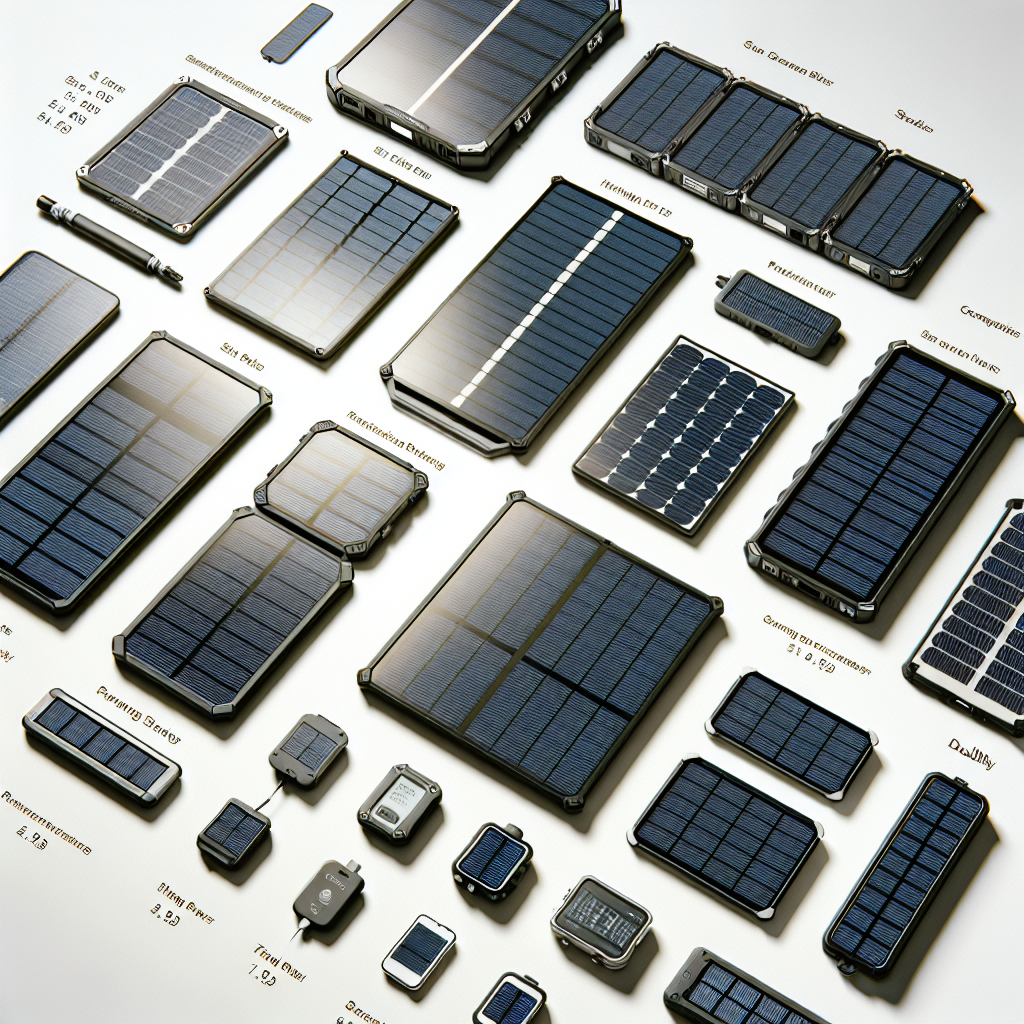
    2. Portable Solar Chargers

    When it comes to charging your phone or tablet on the go, portable solar chargers are your best friend. These chargers often feature built-in batteries, allowing you to store energy for later use. I love taking mine when I go on road trips—it’s been a lifesaver!

    Most portable solar chargers are compact and lightweight, making them easy to slip into your backpack. There are a variety of designs to choose from, so there’s something for everyone, no matter your style.

    Another perk? Many of them have multiple USB ports so you can charge more than one device at a time. I’ve often found myself charging my phone while my friend’s phone is plugged in, too. Sharing is caring, right?

    3. Solar-Powered Coolers

    If you’re a fan of picnics and adventures that require cold drinks, solar-powered coolers are the way to go. These aren’t your typical coolers; they keep your drinks chilled while being energy-efficient and eco-friendly. I can’t tell you how many times I’ve brewed up a cold one in the middle of a summer hike!

    These coolers usually come with built-in solar panels, meaning they can run off sunshine all day long. Some can even plug into regular wall outlets if you’re home, doubling their usefulness.

    Not only do they keep things cool, but many models also provide USB ports for charging your devices while you’re outside. It’s like they’re two appliances in one, making them a fantastic investment!

    4. Solar Lanterns

    Solar lanterns are perfect for lighting up your campsite or backyard. These portable lights harness sunlight during the day and shine bright at night. They come in various styles, making it easy to find one that suits your vibe.

    Setting up solar lanterns is a cinch. Just place them in a sunny spot during the day, and they’ll charge up for nighttime use. I’ve taken mine on camping trips, and they provide a cozy glow that makes the evenings feel so much more inviting.

    Plus, since they’re powered by the sun, you don’t have to worry about running out of batteries or gas. It’s all about taking advantage of natural energy, and I’m all for that!

    5. Solar-Powered Generators

    For those who need a bit more juice, solar-powered generators are a fantastic option. They can power everything from camping equipment to home appliances. I once used mine during a power outage, and let me tell you, it was a total lifesaver!

    These generators are a great backup plan for emergencies too. Since they charge from solar panels, as long as you have sunlight, you can keep your power needs met without any worries.

    Many models are quiet and clean, which is not something you’d get from traditional gas generators. With solar generators, I feel good knowing I’m not contributing to noise pollution while still enjoying all my gadgets!

    Conclusion

    Embracing portable solar power solutions has been one of the best choices I’ve made. Whether you’re out in nature or just want a reliable energy source at home, there’s definitely something out there for you. Remember to consider what you need and how you’ll be using the power, and you’ll definitely find the right fit!

    Frequently Asked Questions

    1. How do I choose the right portable solar solution for my needs?

    It really depends on what you’ll be using it for. Think about your power needs—are you charging small devices, running appliances, or lighting up a area? Once you know that, you can narrow down your choices!

    2. Can I leave my solar charger outside all the time?

    While many portable solar chargers are built to withstand the elements, it’s best to bring them in when not in use. Excessive weather can wear them down over time, so a little TLC goes a long way!

    3. Do solar-powered devices work on cloudy days?

    Yes, but their efficiency will be lower. Solar devices can still harness some sunlight when it’s cloudy, just not as much. I’ve used my charger on overcast days, and while it took longer to charge, it still did the job!

    4. How long does it take to charge devices using portable solar power?

    Charging times vary depending on the device and the solar panel’s power. On average, it may take anywhere from a few hours to a full day, but it’s always worth it knowing you’re using renewable energy!

    5. Are portable solar solutions worth the investment?

    Absolutely! They save you money in the long run and help reduce your carbon footprint. Plus, you can enjoy those outdoor adventures without being tethered to a power source. It’s a win-win!