Tag: actually work?

  • How Does Solar Power Actually Work?

    How Does Solar Power Actually Work?

    1. The Sun: Our Ultimate Energy Source

    Why the Sun is Important

    Let’s dive right in! The sun is one massive ball of energy. When I learned about solar power, the first thing that blew my mind was how much energy the sun radiates. Just a single hour of sunlight could, in theory, power the world’s energy needs for an entire year. It’s amazing to think about the power we get just from that fiery ball in the sky!

    What’s even cooler is that solar energy is renewable. Unlike fossil fuels, which can run out, the sun will shine for billions of years to come. We can capture this energy in a way that doesn’t hurt the planet, which is something we should all get excited about.

    And hey, let’s not forget that the energy we receive isn’t just about heating up our planet. It stimulates our photosynthesis, which in turn helps plants grow. Basically, without the sun, there wouldn’t even be life on Earth. Isn’t nature just awesome?

    Solar Energy’s Different Forms

    When I first jumped into the solar world, I discovered there are different ways to harness the sun’s energy. There’s photovoltaic (PV) energy, which is what most folks think about when they talk about solar panels. These bad boys convert sunlight directly into electricity using materials like silicon.

    Then you’ve got solar thermal energy. It’s a little different—this process captures sunlight for heating. It’s commonly used in homes for heating water or even in large power plants to produce electricity. So, no matter where you are, there’s a way to use that sunshine!

    Finally, there’s concentrated solar power (CSP), which uses mirrors to focus sunlight onto a small area, significantly heating a fluid that drives a turbine. It’s fascinating how many different methods we have to utilize the sun’s energy!

    Efforts in Harnessing Solar Energy

    From personal experience, I’ve seen my own community get behind solar energy in a big way. Local governments and businesses have started providing incentives for people to install solar panels on their roofs. Just last year, my neighbor installed panels and cut down on his electric bill by a third—talk about a win!

    Also, the technology keeps improving. I remember when my grandfather’s solar panels used to take up half the yard and weren’t very efficient. Nowadays, panels are sleek, efficient, and can even be integrated into roofs and windows. It’s super exciting to think about where technology will go in the next few years!

    Many people aren’t aware, but you can even sell excess energy back to the grid! If you’re producing more energy than you consume, some states allow you to earn credits for that contribution— a little extra cash, if you will!

    2. How Solar Panels Work

    The Basics of PV Cells

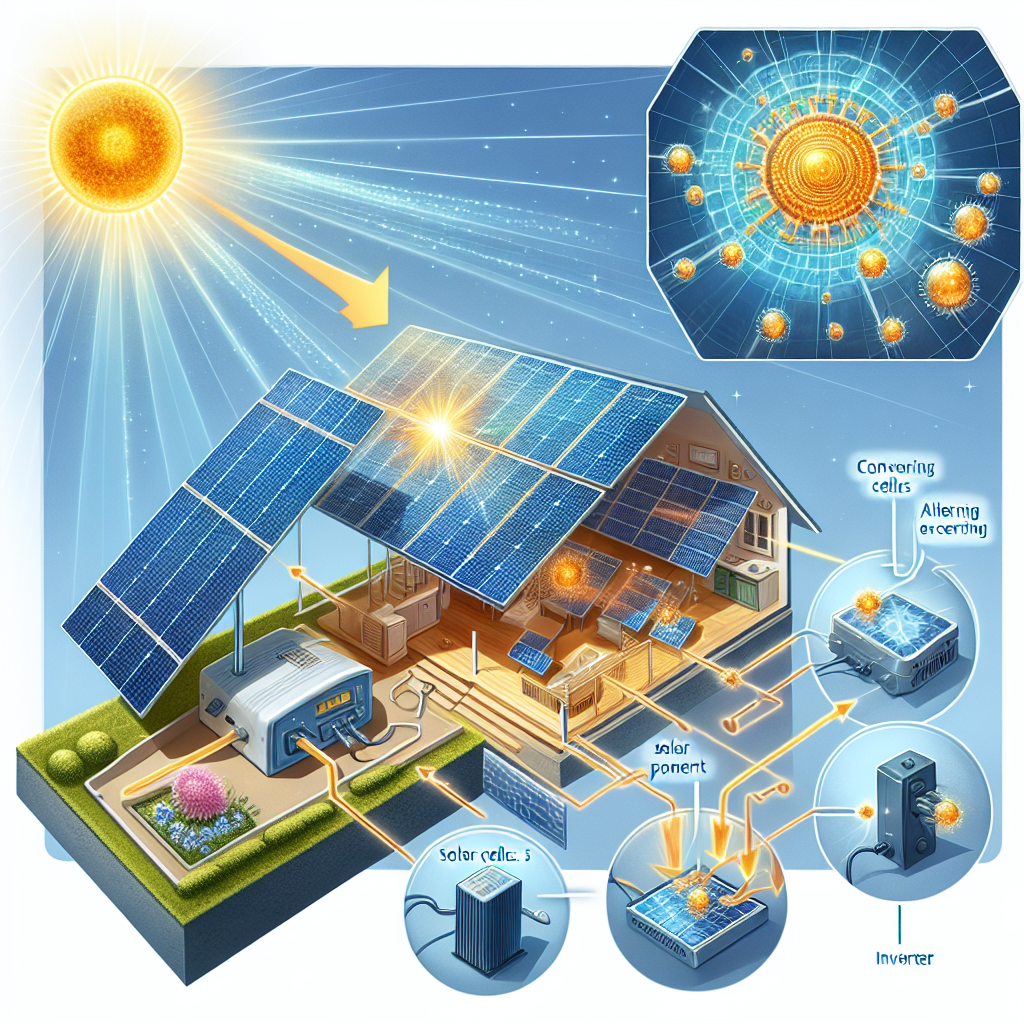
    Now, let’s talk about the real MVPs of solar energy: photovoltaic (PV) cells. These cells are made from silicon and are designed to convert sunlight into electricity. Basically, when light hits a PV cell, it knocks electrons loose, and that movement creates an electric current. It’s that spark that powers things up!

    At first, I thought it was just magic, but science backs it up! The way these cells are structured is what creates the positive and negative charges necessary for electricity flow. So next time you see a solar panel, remember: there’s a whole world of science behind those shiny rectangles!

    And here’s a fun fact—I once installed a small solar panel on my camping gear. It was incredible to be able to charge my phone while basking in the sun. It made me feel like I was truly one with nature, and I couldn’t get enough of using solar-generated electricity!

    Inverters and Energy Storage

    After learning about PV cells, the next step is understanding inverters. An inverter’s job is pretty crucial; it converts the direct current (DC) generated by solar panels into alternating current (AC), which is what our homes run on. You can think of it as the translator between the solar panels and your electrical devices.

    I remember struggling with this concept initially, but then I had an “aha!” moment. It’s like trying to communicate with someone who speaks a different language—your inverter is that bridge connecting your solar energy to the appliances in your home.

    Also, I’ve got to mention energy storage here; after all, we don’t just want energy during the day. Batteries are increasingly a part of solar setups, allowing you to store excess energy for use at night or during cloudy days. It’s pretty cool to think I could be using energy collected during the day to power my lights in the evening!

    Real-World Applications of Solar Power

    As I learned more, I became fascinated with the many applications of solar power. Homes are an obvious place, but think bigger! Just around my city, I see solar panels on schools, businesses, and even farms. It’s a testament to how far solar technology has come.

    A standout example for me is when I visited a solar farm. It was wild to see acres of solar panels gleaming in the sun, all generating energy to supply thousands of homes. Seeing it first-hand made the whole idea of solar energy feel so much more real and impactful.

    And then there’s solar water heating for pools. I’ve spent countless summers enjoying a warm pool, thanks to solar heating systems installed on nearby homes. Just another way solar power brings sunshine into our everyday lives!

    3. The Benefits of Solar Power

    Environmental Impact

    Let’s be real for a second; environmental concerns are a big deal right now. One of my favorite things about solar power is its minimal impact on the planet compared to fossil fuels. It doesn’t produce air pollutants or greenhouse gases. So, every time I see a solar panel, I feel like I’m helping to safeguard our earth!

    There seems to be a growing urgency around climate change, and solar energy presents a fundamental shift in how we can do better. I’ve become more eco-conscious, and it’s refreshing to see so many people feeling the same way. Combining solar energy with other methods like wind and hydro can help us significantly reduce our carbon footprint.

    Plus, it’s not just about the present but also about the future! Investing in solar helps foster a cleaner and healthier planet for the generations that follow. I can only hope they continue to innovate and embrace renewable energy!

    Cost Savings

    Alright, who doesn’t love saving a bit of cash? One of the compelling reasons more folks are jumping on the solar train is the financial benefits. By generating your power, you can significantly reduce your monthly energy bills. I’ve had a number of friends bragging about their low power bills after going solar, and honestly, I can’t blame them!

    Additionally, there are tax incentives and rebates available in many areas, which can lessen the initial investment. Sometimes it can feel daunting to make that leap, but with a little research, the numbers often add up in favor of going solar. Plus, it’s a long-term investment when you think about rising energy costs!

    And remember, solar panels increase property values. So, if you ever plan to sell your home, being solar-equipped can make your property a hot commodity! Who wouldn’t want to grab a property that saves energy and money?

    Energy Independence

    One more thing I truly appreciate about solar energy is the independence it offers. Relying on fossil fuels means we’re subject to fluctuating markets and prices, which can really take a toll. But with solar energy, you take control back into your hands!

    When you install solar panels, you’re generating your electricity. It’s a liberating feeling – no more worrying about how high that bill is going to be at the end of the month!

    Plus, in some regions, there are even energy cooperative setups where neighborhoods come together to invest in solar as a community. There’s this beautiful synergy that happens when communities unify towards a sustainable goal. It’s not just about personal gains; it’s about building a movement, and that’s truly exciting!

    4. How to Get Started with Solar Power

    Assessing Your Energy Needs

    Thinking about going solar? The first step is assessing your energy needs. Take a good look at your energy bills and find out how much electricity you use usually. This is a critical step that helps you furnish a proper solar setup.

    Also, think about your future energy usage. Planning to add an electric vehicle? Make sure to factor that in too! Understanding your needs will help set the stage for an effective solar energy system.

    By the way, even if you have a small home like mine, there’s still potential for solar installations. It doesn’t take a major mansion to benefit from solar power—a modest setup can still make a massive difference!

    Choosing the Right System

    Now, once you have an idea of your needs, it’s time to choose the right solar system. There are various options—grid-tied, off-grid, or hybrid systems can each serve different purposes. I initially felt overwhelmed by all the choices, but talking to friends who installed systems helped break it down!

    Grid-tied systems are typically the most common, allowing you to stay connected to the utility grid while simultaneously utilizing your solar energy. Off-grid systems can be suitable if you want to totally detach yourself from the grid, but they often require a battery storage system, which can bump up costs.

    Hybrid systems provide a bit of both worlds, letting you tap into power from both solar and the grid. Make sure to do your homework, and consider consulting solar experts to find a setup that perfectly fits you.

    Finding Qualified Installers

    So, you’ve got your needs figured out, and you may know the type of system you want—that leads us to finding a qualified installer. I can’t stress enough how vital it is to choose this step wisely. Not all installers are created equal!

    Do your research! Look for reviews and ratings. I asked my friends for recommendations and checked online platforms to compare experiences. Communication with the installer is key—if they’re willing to chat about your goals and preferences, you’re on the right track.

    Also, make sure to ask about warranties and what their follow-up service looks like. After my own installation, having someone ready to address questions and provide support made a huge difference. You want a partner in this journey, not just a quick transaction!

    5. Common Misconceptions About Solar Power

    Solar Energy is Too Expensive

    I get it; many folks think solar power is way too pricey. However, over the years, solar technology costs have significantly dropped! I remember when my uncle first looked into it, and the prices seemed sky-high. But with tax credits, rebates, and financing options, it’s become way more accessible.

    Many states and municipalities offer incentives for going solar, some even providing $0 down payment options! Getting over the initial investment hurdle can lead to awesome long-term savings on energy bills.

    So, don’t let that misconception hold you back. Each year more people are switching to solar, showing it’s becoming a valid choice for more families, including mine!

    Solar Panels Don’t Work in Cloudy Weather

    This one really surprised me! A lot of people think solar panels are useless during cloudy days. Not true! Sure, the output might be lower, but they still work perfectly fine. In fact, I’ve seen panels generate electricity even in lousy weather! It’s just about how they’re designed.

    Moreover, solar technology keeps improving—some panels are engineered to capture a broader spectrum of sunlight, making them efficient even in less-than-ideal conditions.

    The important thing to take away is that while sunny days are optimal, solar energy isn’t tied solely to them. If you’re in a place with a lot of cloudy days, no need to throw in the towel!

    All Solar Panels Look the Same

    Finally, I used to think all solar panels were the same: big, bulky rectangles. Oh boy, was I wrong! Today, there are numerous options available. Some are sleek and integrated into roofs, while others are more traditional. Different aesthetics cater to varied styles, so finding something that works for your home shouldn’t be a battle.

    Plus, as technology advances, we’re seeing innovative designs that make solar panels less obtrusive. In fact, some windows can now even act as solar panels! That blew my mind! Who would have thought we could harness energy from something we look through every day?

    So, if you’re worried about aesthetics, don’t! There are so many designs that can blend seamlessly into your property while still giving you the energy edge.

    FAQs

    1. What are solar panels made of?

    Solar panels are primarily made of silicon, which is why they’re often referred to as photovoltaic (PV) cells. This unique material allows them to convert sunlight into electricity efficiently.

    2. Can I install solar panels myself?

    While it’s technically possible to install solar panels yourself, I highly recommend hiring a qualified installer. It involves understanding local codes, permits, and ensuring everything is installed correctly for safety and efficiency.

    3. How long do solar panels last?

    Most solar panels come with a warranty ranging from 20 to 25 years, and it’s not uncommon for them to last even longer. With proper maintenance, they can serve you for many years!

    4. Do solar panels require a lot of maintenance?

    Nope! Solar panels are relatively low maintenance. Occasional cleaning and inspections are typically enough to ensure they continue functioning well. Even rain can help to clean off dust and debris!

    5. How much can I really save by going solar?

    The amount you save depends on your energy consumption, local electricity rates, and available incentives. Many households see significant reductions in their energy bills after going solar. It’s worth running the numbers to see what works for you!

  • Top Solar Power Innovations That Actually Work

    Top Solar Power Innovations That Actually Work

    1. Bifacial Solar Panels

    Understanding Bifacial Solar Technology

    So, let’s dive into this whole bifacial solar panel thing because, honestly, it’s a game changer! Unlike traditional solar panels that only capture sunlight from one side, bifacial panels can snag solar energy from both the front and the back. This design not only maximizes energy capture but can also lead to a more efficient overall system. If you’ve ever been camping and found yourself sunbathing on both sides, you get the picture!

    The science behind this is pretty cool. Bifacial panels leverage reflections from surfaces—like ground, roofs, or even snow—to boost their performance. This means they pack more punch in capturing sunlight, especially in the right installations. It’s like having a two-for-one deal with your solar energy!

    As I’ve learned from my own experiments with solar setups, the investment in bifacial panels can really pay off when you factor in their higher efficiency and longevity. It’s like taking the scenic route on the road to energy independence.

    Installation Options and Best Practices

    When thinking about installing bifacial panels, there are a couple of things to keep in mind. First off, placement is key. They work best when mounted a bit higher off the ground, allowing for adequate light reflection. Imagine your favorite concert space—the more room you have to dance, the more fun you’ll have!

    Another tip I picked up is about the materials used for mounting. Opt for reflective surfaces around the installation areas. For instance, if you’re in a snowy region, installing these panels is a no-brainer because the snow bounces that sun rays right back up. Pretty neat, right?

    Finally, maintenance is simpler than you might think. Because of the durable materials used in most bifacial panels, they can withstand harsh weather much better, which means less worry for us regular folks looking to harness the sun’s energy.

    Benefits of Bifacial Panels

    What really gets me excited about bifacial technology is the overall improvement in energy output, which sets the stage for a healthier planet. More energy means we can power our homes more sustainably. Plus, they’re often made from recyclable materials, which I think is a win-win situation for everyone!

    Economic benefits are real too! You might pay a bit extra upfront for these panels, but trust me when I say they’ll save you money in the long haul with reduced electricity bills. Who doesn’t like a bit of extra cash in their pocket?

    Ultimately, the move to bifacial panels is as much about personal empowerment as it is about environmental responsibility. It feels awesome being part of this change, pushing towards a cleaner, greener future while still being cost-effective.

    2. Solar Roof Tiles

    What Are Solar Roof Tiles?

    Now onto one of my favorite innovations: solar roof tiles. This innovation has completely revolutionized how we think about solar. Instead of clunky panels, we’ve got sleek, stylish tiles that blend seamlessly with your home’s architecture. Seriously, it’s like wearing a designer outfit, but for your roof!

    Solar roof tiles convert sunlight into electricity, just like regular panels do, but with the added bonus of aesthetic appeal. They’re designed not just to generate energy but to look good doing it. And honestly, anyone can appreciate that!

    In my experience, transforming your roof with solar tiles can enhance curb appeal, which is something homebuyers will totally notice. It’s about creating a home you’ll love and that others will admire too.

    The Installation Process

    Okay, let’s chat about installation. Globally, solar roof tiles are changing the game, but they require a bit more planning than just slapping on some traditional panels. You’ll need a professional installation, which, while it can be more costly, pays off in terms of efficiency and reliability.

    Finding skilled contractors with experience in solar tile installation is crucial. I learned the hard way that not all roofing professionals are familiar with this tech, so do your homework to find someone who gets it!

    Once they’re on your roof, they can effectively integrate the tiles into your home’s existing electrical system. This is where things really start to connect, no pun intended. Trust me, when you see that initial energy output, it’s like being on a rollercoaster of excitement.

    Long-Term Advantages

    The long-term advantages of solar roof tiles are pretty sweet! First off, they typically last longer than traditional panels. Given their dual purpose as roofing material and energy generators, it’s a solid investment that contributes to your home’s overall efficiency.

    Plus, let’s not forget about the potential savings on your insurance. Some companies might offer discounts for renewable energy installations, including solar roofs. Cha-ching!

    More importantly, using solar tiles means less reliance on fossil fuels. Each solar tile installed is one step closer to a sustainable future. I find it incredibly empowering to take that kind of action for our planet!

    3. Solar Tracking Systems

    What Are Solar Trackers?

    Let’s talk about solar tracking systems. These nifty gadgets follow the sun throughout the day to maximize energy capture. It’s like having a buddy who always knows where the best party is—always moving to get the most fun out of the sun!

    Basically, solar trackers can increase energy output by up to 25%, meaning that if you have a regular setup, you’re missing out big time. This technology is great for those who are serious about squeezing every bit of energy they can out of the sun.

    Trust me, once you see those higher numbers on your energy output, you’re going to feel like a rock star in the solar world. It’s all about harnessing the full potential of the sun’s energy, and trackers really help with that!

    Stations vs. Single Axis Trackers

    Now, when it comes to choosing your solar tracker, you’ve got a couple of options: single-axis and dual-axis trackers. Single-axis trackers move on one plane, which is ideal for installations across wide areas. I’ve seen these beauties working brilliantly on solar farms!

    On the other hand, dual-axis trackers follow the sun in two dimensions, which really amps up energy collection. They’re perfect for residential setups if you’re looking for maximum efficiency from limited space. It’s crazy how much more you can grab from the sun just by moving your setup!

    The choice depends on your specific needs, your roof size, and your budget. While dual-axis trackers take the cake in terms of efficiency, they also come at a higher price. However, the investment can pay off in the long run with increased energy generation—definitely something to keep in mind.

    Installation and Maintenance

    With any solar installation, you’ll want to know about upkeep. Proper installation is critical for performance. I remember the first time I installed a tracker; I was so nervous. But once it was up and running, and I saw how it followed the sun, I knew I made the right choice!

    Maintenance is relatively straightforward, as these systems are designed to handle various outdoor conditions. I’ve found that keeping an eye on mechanical components is key to ensuring everything runs smoothly. If you notice any odd noises or misalignments, it’s time for a quick check-up!

    The good news? Many solar tracking systems come with software that provides real-time performance analytics. This means you can easily keep tabs on how well your system is working without worrying about climbing a ladder every week. Technology is a lifesaver!

    4. Solar Energy Storage Systems

    Understanding Solar Batteries

    Alright, solar energy storage is a big topic. Think of solar batteries as your secret stash of energy for those cloudy days or when the sun goes down. They make it possible to leverage all that potential energy you’ve captured during sunny hours when you really need it. It’s like having a bank account for all that good energy!

    Solar storage systems come in various types, but lithium-ion batteries are the most common because they hold a lot of power and have a long lifespan. My personal experience with these systems was eye-opening; having power stored for nighttime use felt incredibly liberating.

    What’s even cooler is that, depending on your utility company, you might be able to sell back any excess energy stored during the day. I mean, why not make the most out of your solar setup, right? It turns the sun into a currency and it pays off in more than one way!

    Installation Considerations

    Installing solar batteries can be a bit tricky, not gonna lie. First, you need to determine the size of the system that’s right for your household. Make sure to assess your energy needs because going too small won’t cut it, and being too big could mean unnecessary expenditure.

    Engaging with an experienced installer can streamline the process too. I always chat with my installer about the best configuration for my space, and having that tailored approach can make all the difference. Proper placement and connection are totally vital for performance.

    Also, keep an eye on the battery’s performance over time. Most modern solar batteries come equipped with monitoring features that let you track how much energy you’re saving. I’d say, it’s kind of like keeping a check on your bank account—except it’s more rewarding!

    The Benefits of Energy Storage

    The benefits of energy storage speak for themselves! First, you have the ability to run your home on your own terms. Whether it’s during a power outage or at night your energy independence is in the palm of your hands, literally!

    Another bonus? Energy storage can provide you with lower electricity costs. Using stored energy during peak hours typically leads to avoiding those high tariffs. Plus, you’re contributing to a reduction in overall demand on the grid, making you a hero in the eyes of local environmentalists! Who doesn’t want that?

    Lastly, let’s not forget the added value it brings to your home. A solar storage system means you’re taking a step towards a sustainable lifestyle—and believe me, it shows when it’s time to sell or appraise your property!

    5. Transparent Solar Panels

    The Concept of Transparency

    Transparent solar panels are one of those things that make me go, “Wow, how did we get here?” Designed to fit into windows or other transparent surfaces, these panels generate energy while allowing light to pass through. It’s the future, folks!

    Essentially, they work without compromising on aesthetics. You can have your glass building while still harnessing solar energy! Imagine living in a sustainable skyscraper where every floor is, in a sense, a solar panel. Mind-blowing, right?

    From my observations, innovations like this are game-changers for urban environments where traditional solar panels might not fit. Transparent solar panels create opportunities for harnessing renewable energy in places we never dreamed it could be possible!

    Applications and Use Cases

    When I think about applications, my mind races to all the possibilities! They can be used in residential buildings, commercial glass facades, and even vehicles. For instance, imagine a car with transparent solar panels on the roof. It would be pretty revolutionary, right? Charging while you drive!

    These panels are not just for generating power; they offer a unique solution for improving energy efficiency in buildings. Windows are often a major source of heat loss or gain. Using transparent solar technology, you can mitigate those losses while generating energy—that’s the double whammy we crave!

    Many tech companies are already experimenting with transparent solar windows in their offices. I’ve heard stories of dramatic energy savings after switching to this cool technology. It just goes to show that innovation truly knows no bounds!

    Challenges and Future Potential

    Of course, even with all this promise, there are challenges to consider. The efficiency of transparent panels isn’t as high as conventional panels. But that’s part of the beauty of technology—it’s always evolving! Improvements are underway to increase their efficiency without sacrificing transparency.

    Connecting them to energy storage systems is another hurdle. For transparent panels to be a viable solution, we’ll need better battery systems in place that seamlessly integrate with this innovation. The future holds so much potential for these two technologies to complement one another!

    In the long run, transparent solar technology could redefine how cities harness energy. As urban areas continue to grow, the need for inventive energy solutions is more pressing than ever. For me, it’s exciting to think about the future we’re building, one transparent panel at a time!

    FAQs

    1. What are bifacial solar panels?

    Bifacial solar panels capture sunlight from both sides, improving overall efficiency and energy output. They utilize reflections from surfaces around them to enhance energy capture.

    2. How do solar roof tiles differ from traditional panels?

    Solar roof tiles function as both roofing material and energy generators, providing an aesthetic appeal while converting sunlight into electricity, as opposed to traditional panels which are mounted separately.

    3. What are solar trackers, and why are they beneficial?

    Solar trackers are systems that follow the sun’s movement to maximize energy capture, potentially increasing solar energy output by up to 25%. They help ensure you get the most energy from your setup!

    4. Why is energy storage important in solar energy systems?

    Energy storage allows households to save electricity generated during the day for use at night or during cloudy weather, increasing energy independence and reducing reliance on the grid.

    5. What is the future of transparent solar panels?

    The future of transparent solar panels is promising as ongoing innovations aim to increase their efficiency and expand their applications in urban environments, ultimately leading to sustainable living solutions.