Tag: all

  • How to Finance Solar Power: All Options Explained

    How to Finance Solar Power: All Options Explained

    Understanding Your Financing Options

    Private Financing

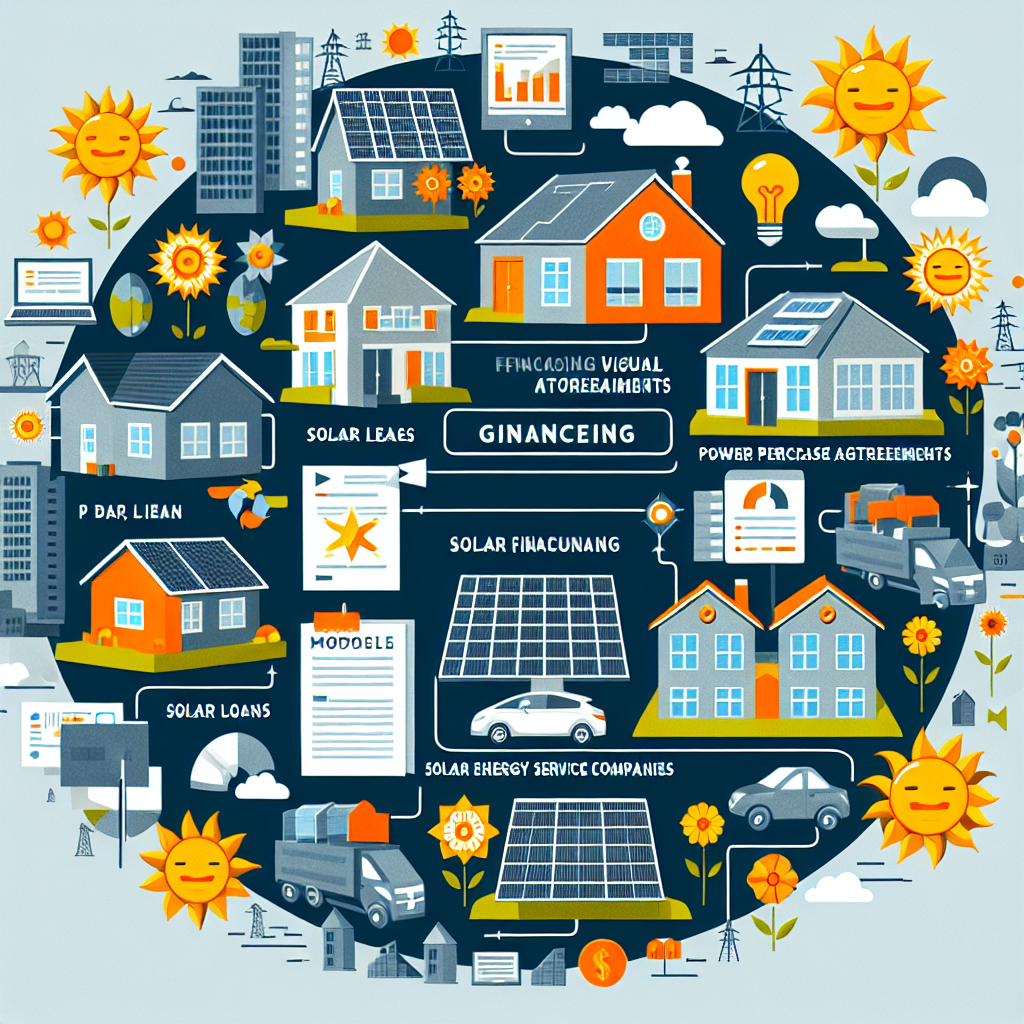
    When I first started exploring solar power, I was overwhelmed by the financing options. One of the primary methods that popped up was private financing. It’s a straightforward way to fund your solar installation without relying on third-party agreements. You basically take out a loan from a lender who specializes in renewable energy. This can come with diverse payment terms and interest rates, allowing you to pick what fits your budget.

    Your credit score can come into play here, so make sure you know where you stand. If you have a decent credit score, you could snag a better interest rate. I remember my first loan; my lender even offered a short-term loan option that allowed me to pay it off quickly and save on interest.

    Additionally, the benefit of this approach is you own your solar system outright. That means the energy savings are yours, and there are no hidden fees or surprises down the line. Once the loan is paid, those savings become pure profit!

    Solar Leases

    Another popular option is solar leasing, which I found to be quite appealing. In this arrangement, you lease your solar panel system from a provider. You pay a set monthly fee, but the company owns and maintains the system, so you don’t have to worry about the installation process or repairs.

    What’s cool about solar leases is that you can often get into solar without a hefty upfront cost, which was a game changer for me. A lot of companies offer zero-down options, so you’re literally paying for the energy produced, not the system itself. It can feel a little freeing, especially if money is tight but you still want adorable solar panels on your roof.

    Remember, though, that with a lease, you don’t get to take advantage of certain federal tax credits or rebates, since you don’t technically own the system. That said, if you’re looking for ease and lower initial investment, a lease could be just the ticket.

    Power Purchase Agreements (PPAs)

    Now, let’s chat about a Power Purchase Agreement (PPA). This was a bit of a hidden gem I discovered during my research. With a PPA, you agree to buy the electricity generated by a solar panel system installed on your property at a fixed price for a set number of years. It’s a little similar to a lease but with one major difference: you pay for the electricity, not the system.

    What I loved about PPAs is you can often lock in lower electricity rates compared to your local utility company. If your area has high electricity prices, this can be a major win. Plus, usually, the installation and maintenance costs are covered by the solar company.

    One thing to keep an eye on, though, is the length of the agreement. If you decide to sell your house in the middle of a PPA, it might complicate things. You’ll typically have to pass the agreement along to the new homeowner, which can be a sticking point.

    Government Incentives and Tax Credits

    Federal Tax Credit

    If there’s one silver lining to going solar, it’s the federal tax incentive that can significantly reduce installation costs. When I first learned about the Investment Tax Credit (ITC), I was blown away! You can deduct a substantial percentage of your solar system’s costs from your federal taxes. It’s like getting free money—almost! Just remember that you do have to owe taxes to benefit from it, though.

    This credit can shift from year to year, so keep an eye on legislative changes. I made it a point to plan my install so that I could maximize this benefit, and it paid off hugely come tax season. The edge this gives to your overall financial strategy is tough to overstate.

    Just be sure to double-check if you qualify. There are some rules and eligibility criteria you need to meet, and of course, the paperwork can be a drag. But trust me, it’s worth sorting out!

    State and Local Incentives

    In addition to the federal perks, many states offer their own incentives that can make solar financing even sweeter. Depending on where you live, you might find everything from rebates to property tax exemptions, and I personally found my state’s incentives to be incredibly helpful.

    For instance, some states give cash rebates up-front that help lower initial costs when installing solar panels. Others provide performance-based incentives that pay you for the power generated by your panels. These can add up significantly, and it’s like finding a little pot of gold at the end of the rainbow.

    Don’t forget local programs through utilities too! Sometimes, an electric company may offer unique programs or financing options that can save you even more money. I have spent a lot of time reaching out and checking eligibility on various local programs, and it paid off big time!

    Grid Access and Net Metering

    Another thing worth discussing is net metering, which has been a total lifesaver for many solar adopters. Essentially, it allows you to send excess energy back to the grid and get credited for it. This was one aspect I didn’t fully grasp initially, but once I got into it, my savings soared!

    When your solar panels generate more energy than your home needs, that surplus energy goes back to your utility company, and they give you credits on your bill. It’s such a great way to balance out your solar generation and consumption. During summer months, my system often produced a lot more than I used, allowing me to roll those credits over into the colder months when I needed energy the most.

    Just note that net metering rules vary from state to state, so it’s essential to get familiar with the regulations specific to your area. After doing the research, I felt much more confident about harnessing the power of net metering to optimize my energy use and savings.

    Choosing the Right Financing Option for You

    Assessing Your Financial Situation

    Before diving into any particular financing option, it’s crucial to assess your overall financial situation. I remember sitting down with a calculator, listing out my debts, expenses, and income, and weighing all the numbers. It really helped to have a clear picture of my budget.

    Consider how much you can pay monthly without stretching yourself too thin. If you have a good credit score, private loans might unlock lower interest rates. But if cash flow is tight, a lease or PPA can be a safer bet.

    Also, take into account any additional costs aside from the panels—maintenance, potential repairs, and insurance can add up as well. You want to be prepared so you can enjoy the benefits of solar without stressing about unexpected costs cropping up.

    Evaluating Your Long-Term Goals

    Next up, think about your long-term goals with solar energy. Do you want to own your system outright, or are you more focused on the convenience of having someone else handle the heavy lifting? Personally, I found that owning the system gave me more satisfaction and savings in the long run.

    If you plan to stay in your home for a while, a loan or purchasing system can make sense, especially since you’ll reap the rewards of energy savings down the line. But if you think relocation is in your near future, leasing could be smarter, allowing you to move without the added hassle of dealing with the system transfer.

    Being clear about your goals helps tremendously when making this decision. I gained some serious peace of mind just from writing my goals down and outlining what I wanted from my solar journey.

    Comparing Offers

    Lastly, never forget the importance of comparing offers from different solar finance providers. I’ll be honest; I learned this the hard way after jumping into a deal too quickly. It’s crucial to shop around. Rates and terms can vary significantly between lenders and providers.

    Take your time—get quotes, read reviews, and ask questions. Some providers can be quite pushy, but don’t let that rush you into a decision. Having that kind of stress-free comparison made all the difference for me. I found a great deal just by taking an afternoon to dig deeper!

    Once you find a financing option that works, make sure you understand the contract fully before signing. It’s like a commitment, and you want to be comfortable going in. Comparing options gave me a sense of control and security in my investment.

    FAQs

    1. What are the main options for financing solar power?

    The main options include private financing (loans), solar leases, power purchase agreements (PPAs), and various government incentives or tax credits.

    2. Are federal tax credits available for solar installations?

    Yes! The federal Investment Tax Credit (ITC) allows you to deduct a significant percentage of your solar installation costs from your federal taxes.

    3. What is net metering, and how does it work?

    Net metering allows you to send excess energy produced by your solar panels back to the grid, giving you credits on your utility bill. It helps you balance energy usage over time.

    4. How should I assess my financial situation before going solar?

    Start by reviewing your income, expenses, and debts. Consider how much you can afford to pay monthly, and keep in mind any additional costs associated with solar.

    5. Why is it important to compare different financing offers?

    Comparing offers helps you find the best rates and terms, ensuring you make an informed decision about which financing option suits your financial goals and needs best.
  • Solar Panel Mounting Guide: All Roof Types

    Solar Panel Mounting Guide: All Roof Types

    Hey there! If you’ve been thinking about going solar, you’re not alone. Many of us are making the shift towards renewable energy, and it’s pretty exciting. One of the most important aspects of getting solar panels installed is understanding how to mount them effectively on different roof types. Today, I’ll share my insights into this topic and break it down into five major areas that I wish I had known when I started. Let’s dive right in!

    Selecting Your Mounting System

    Understand Your Roof Type

    First things first, you need to figure out what type of roof you have. Is it flat, sloped, tiled, or metal? Knowing this is key. Each roof type has its own set of requirements and best practices. For example, a flat roof allows for a different mounting strategy than a pitched roof.

    Once you identify your roof style, you can research specific mounting systems tailored for that type. Each system will have its own pros and cons, which I learned often through trial and error or by chatting with experts. Talk about a learning curve!

    In my case, I was amazed at how much my roof type affected the installation process. So, get ready to do a bit of homework. Trust me, it’s worth it!

    Choosing the Right Mounting Equipment

    Now, onto equipment. You need to choose what kind of mounts you’ll be using. Railing mounts, ballast systems, and even pole mounts are all options. I found that companies like IronRidge and Unirac offer solid systems. Just make sure to select ones that come with a good warranty, because let’s face it, you don’t want to be replacing these things anytime soon.

    Don’t skimp on quality here! I once tried to save a few bucks by opting for a cheaper mount, and my panels didn’t sit right. It wasn’t pretty! Investing in good quality gear now can save you headaches down the line.

    Also, remember that local building codes often dictate what type of mounting hardware you can use. Always check those before making a purchase. Don’t get caught off-guard, believe me, I’ve been there!

    Tools You’ll Need

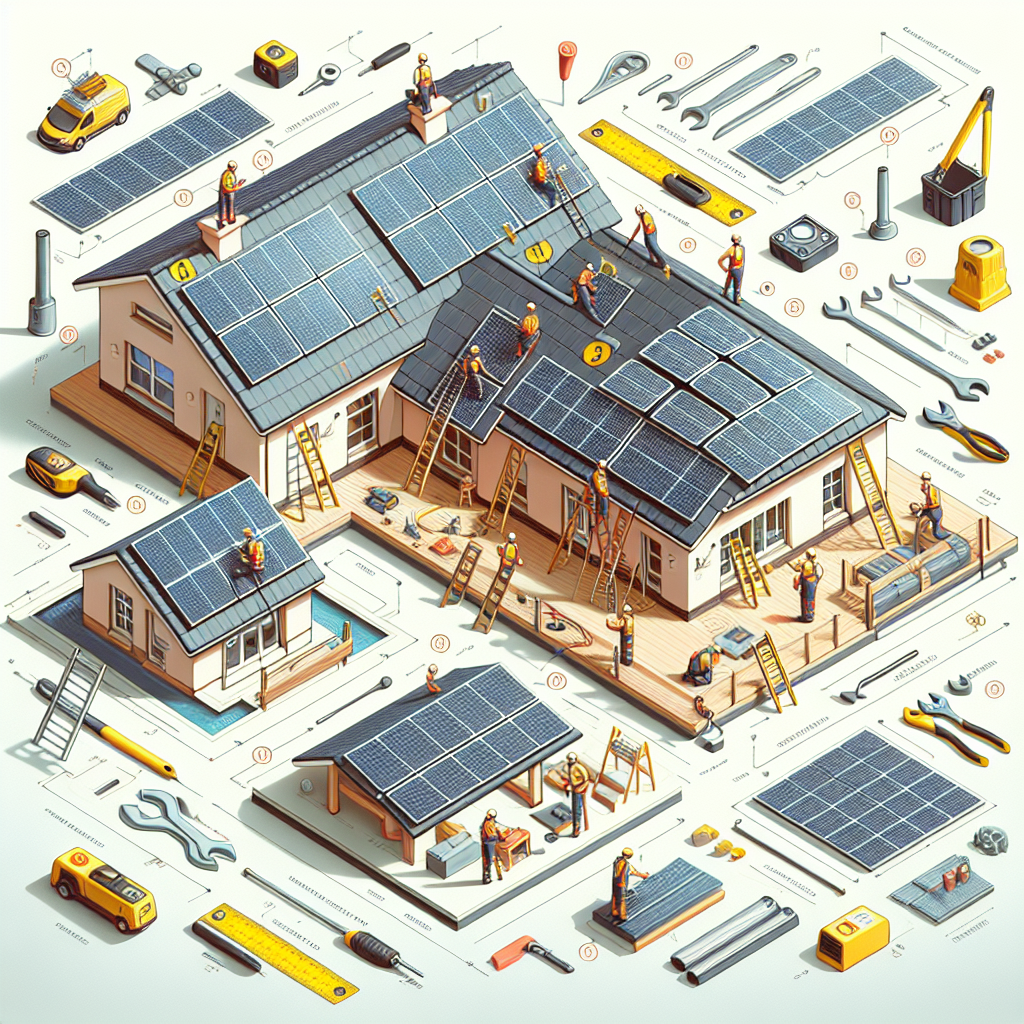
    Before you start the installation, let’s talk tools. You’ll typically need a drill, a wrench, a level, and potentially a saw if adjustments are necessary. The right tools make all the difference!

    When I first took on a DIY solar project, I didn’t have all the tools I needed and ended up making extra trips to the store. Ugh, frustrating! So it’s definitely worth it to double-check your tool inventory before diving in.

    If you’re feeling unsure or overwhelmed, it might also be worth hiring a professional for the installation. Sometimes investing in their expertise pays off!

    Preparing Your Roof for Installation

    Cleaning and Inspection

    Before you can get into the nitty-gritty of installation, your roof needs a good cleaning. Any debris like leaves, branches, or even moss can cause problems down the line. Plus, a clean surface is essential for securing the mounts properly.

    After cleaning, inspect your roof thoroughly. Look for any damage, missing shingles, or weak spots. I’ll never forget the time I overlooked a small leak, which turned into a bigger issue later on. Take the time now to avoid future headaches!

    If you find any damage, it’s wise to fix that before installing solar. You want a solid foundation for those panels, not something that’s going to cave under pressure.

    Planning Your Layout

    Next comes planning your panel layout. This isn’t just about aesthetics; it’s also about optimal energy collection. The angles and direction matter a lot! I learned that you want your panels facing true south (in the Northern Hemisphere) for maximum efficiency.

    Don’t forget about potential shading from trees or nearby buildings. I made the mistake of assuming I could get away with placing panels under some branches, and boy was I wrong!

    Use online tools like Google SketchUp to visualize your layout before you start drilling. It can save a ton of time and ensure you’re making the best use of available sunlight.

    Permits and Regulations

    Alright, let’s not forget about the legal side of things. Before you start nailing anything down, it’s crucial to check local codes and obtain the necessary permits. Each town or city can have different requirements. I personally made a call to my local office to clarify, and I’m so glad I did!

    Failing to secure the right permits can lead to fines or even having to remove your panels. Trust me, you don’t want to deal with that kind of hassle. I’ve watched friends go through that nightmare.

    Once you have all the paperwork sorted, you’re one step closer to having those panels up and running!

    Installing the Mounting Hardware

    Secure the Mounts

    With everything prepped, it’s installation time! Start by securing the mounts according to the layout you planned. Make sure to follow the instructions that come with your equipment closely. The last thing you want is to have to redo work because something is off.

    I can’t stress enough how important it is to use a level during this part. I had one panel that needed a second chance because it wasn’t level, and it drove me up the wall!

    Also, ensure that you’re tightening those mounts adequately. A loose mount can wiggle and cause damage, so don’t cut corners!

    Install the Panels

    Next step: it’s time to install your solar panels on those mounts! I was a bit anxious during my first installation, but it was mostly straightforward. If you’ve done your homework and have help, you should be good to go.

    Use care when lifting them; panels can be fragile. I recommend having a buddy help out to avoid any accidents. Plus, it makes the whole experience way more enjoyable.

    After placing them, double-check all connections and mounts. Better safe than sorry here!

    Connect to the Electrical System

    I know, I know—this is the part where things can get technical! Connecting your solar system to your home’s electrical system is essential for actually using the power generated.

    At this point, I suggest consulting a professional electrician if you’re not comfortable working with electricity. There’s no shame in it! The last thing you want is an electrical mishap that puts you or your home at risk.

    For those who are confident, be sure to follow local wiring codes. Once connected, you’re almost there! Just wait for the joy of seeing your energy meter run backward!

    Finalizing Your Installation

    Inspection and Testing

    After everything is installed, it’s important to do a thorough inspection. Check all your connections and mounts once more. I caught a few minor issues during this phase that could have escalated later!

    Next comes testing! Turn on the system and make sure everything is functioning as intended. There’s nothing quite like that first moment when you see your power meter start spinning backwards.

    If anything looks off, don’t hesitate to reach out to a professional to make sure everything is in line. Better safe than sorry—right?

    Maintenance Plans

    Once you’re up and running, establish a maintenance routine. Clean your panels a couple of times a year or anytime they look dirty. A little upkeep goes a long way in ensuring optimum efficiency!

    Don’t forget to monitor your system’s performance regularly. Most systems come with monitoring tools that will help you stay on top of how much energy you’re producing.

    And if you notice any issues, address them quickly. I once let a small issue linger, and it cost me some energy production—not cool!

    Linking with Net Metering

    The final step in this journey is often net metering, which lets you take advantage of the energy your system generates. It can be a bit of a game-changer when it comes to your energy bills.

    You’ll need to work with your energy provider to ensure they recognize and support your system. This can be an easy process, or it can take some effort to get everything aligned—so stay patient!

    Once it’s all set, you’ll be ready to enjoy the benefits of solar energy—and that’s a great feeling!

    FAQs about the Solar Panel Mounting Guide

    1. What should I consider when selecting a mounting system for solar panels?

    When selecting a mounting system, consider your roof type, the quality of the mounts, and local building codes. Each roof type necessitates different approaches, so it’s crucial to match the hardware accordingly.

    2. How do I prepare my roof before installing solar panels?

    First, you need to clean your roof and do a thorough inspection for any damage. After that, plan your layout and ensure you have the necessary permits to proceed with the installation.

    3. Can I install solar panels myself, or should I hire a professional?

    If you’re handy and confident in your abilities, a DIY installation is possible. However, if electrical work or roof access makes you nervous, hiring a professional is a smart choice to avoid any risks.

    4. How often should I inspect and maintain my solar panels?

    You should inspect and clean your solar panels at least a couple of times a year. Regular maintenance ensures they operate efficiently and any potential issues are spotted early.

    5. What is net metering and how does it work?

    Net metering allows you to receive credit for the excess energy your solar panels generate. When your system produces more energy than you consume, the surplus is sent back to the grid, offsetting costs on your future electricity bills.

    I hope this guide helps you on your solar journey! Remember, every roof is unique, and so is each installation process. Take your time, do your research, and you’ll be enjoying the benefits of clean energy in no time!

  • Solar Power for All: Making Solar Accessible

    Solar Power for All: Making Solar Accessible

    Understanding the Importance of Solar Energy

    Why Go Solar?

    Let me tell ya, embracing solar energy is not just a trend—it’s essential for a healthier planet. From reducing carbon footprints to combating climate change, going solar allows each one of us to play a pivotal role in creating a sustainable future. Not to mention, it’s a game-changer for energy independence. Imagine relying less on fossil fuels—that’s the beauty of harnessing the sun!

    Moreover, solar power leads to significant cost savings. Many folks think switching to solar is daunting, but in truth, once you install those panels, you can drastically lower or even eliminate your electric bills. It’s like having a magic money-saving machine on your roof! And trust me, seeing those savings roll in month after month is one of the best feelings ever.

    Finally, let’s not forget about job creation. The solar industry is booming! The more we invest in solar technology, the more jobs we create. From manufacturing to installation and maintenance, going solar supports a vibrant job market and stimulates our economy. So, it’s a win-win situation all around!

    Making Solar Power Accessible to Everyone

    Breaking Down the Barriers

    Let’s face it, one of the biggest hurdles to jumping on the solar bandwagon is the upfront cost. But there’s hope! Governments and utility companies are increasingly offering incentives, rebates, and financial assistance programs to make it more affordable. I’ve personally navigated these waters and found that taking the time to research available grants and tax credits can save you hundreds, if not thousands, of dollars.

    Another barrier? Misconceptions! Many folks think solar panels only work in sunny climates. Newsflash: they can harness energy even in cloudy or snowy weather. It’s critical to spread awareness about how solar technology works and its benefits, regardless of where you live. By sharing personal stories or data-driven insights, we can educate the skeptics around us.

    Lastly, community solar projects are a fantastic initiative that deserves mention. These allow multiple households to share the benefits of solar energy without needing panels on their own property. It brings the power of solar to those who might not otherwise have access. So, keep an eye out for local programs or co-ops that might offer shared solar opportunities in your neighborhood!

    Increasing Awareness Through Education

    Engaging the Community

    Education is key! When I first got interested in solar, I had no clue where to start. I wish I had more educational resources available, but I had to dig and research on my own. This is why I strongly believe in organizing community workshops and information sessions. When communities come together to learn about solar energy, the excitement is contagious!

    Additionally, partnering with local schools can introduce young minds to renewable energy concepts. Imagine a field trip to a local solar farm! Not only would students learn about the technology, but they would also understand the environmental impact. These early lessons stick with them, and they become the advocates of tomorrow.

    Let’s not overlook social media, either. Sharing stories, articles, and videos online can amplify our message and reach a broader audience. I’ve found that sharing my solar journey—complete with photos and tips—has sparked conversation and inquiries from friends and family. It creates a ripple effect of interest and engagement!

    Innovating for the Future of Solar

    Tracking Technological Advances

    The solar landscape is changing all the time. With advancements in technology, not only are solar panels becoming more efficient, but they’re also becoming more affordable and easier to install, which is fantastic! I remember when I first looked into solar options years ago, the technology was still relatively fresh and pricey. Now, it’s much more accessible, thanks to companies innovating every day.

    We’re also seeing the emergence of new products, like solar shingles that blend seamlessly with your roof. It’s like fashion for your home! Who wouldn’t want a sleek look with energy savings on the side? Staying updated on these innovations will help everyone make informed choices about their solar investments.

    Plus, the rise of energy storage solutions like home batteries means we can save solar energy for later use. This is crucial for maximizing the potential of solar power, especially during peak usage times. Investing in storage technology can truly elevate your energy independence and enhance the benefits of going solar.

    Building a Sustainable Future with Solar

    Fostering Partnerships and Collaborations

    To drive the accessibility of solar power for all, we need a collective effort. Collaborations between local governments, private sectors, and non-profit organizations can create programs that cater to diverse communities. From my experience, working together brings more resources to the table, allowing us to design initiatives that truly meet the needs of different populations.

    Volunteering for or supporting local clean energy initiatives has also made a huge difference. Sometimes it’s as simple as helping to organize events, or sharing information about solar opportunities within your community. These grassroots movements can spark incredible change. When we come together, we amplify our voices advocating for a sustainable future.

    Finally, let’s not forget the pivotal role of policy and legislation. Engaging with lawmakers and advocating for pro-solar policies can lay the groundwork for a brighter, cleaner future. It’s about creating a supportive environment where solar power thrives. When ordinary people unite and make their voices heard, we can inspire real change!

    FAQ

    1. What are the main benefits of solar energy?

    The main benefits include reduced energy bills, decreased carbon footprints, job creation, and greater energy independence. Solar energy is a clean source of power that helps combat climate change.

    2. How can communities increase solar accessibility?

    Communities can increase solar accessibility by organizing workshops, promoting community solar projects, and offering financial assistance programs. Education and collaboration are key to addressing misconceptions.

    3. Are solar panels effective in cloudy weather?

    Yes! Solar panels can still generate electricity even on cloudy days, although their efficiency may be somewhat reduced. They are designed to harness any available sunlight.

    4. What advancements are we seeing in solar technology?

    We’re seeing increased efficiency in solar panels, more affordable installation options, and innovations like solar shingles and energy storage solutions, all making solar more accessible.

    5. How can I get involved in promoting solar energy?

    You can get involved by educating yourself and others, supporting local clean energy initiatives, volunteering for events, and advocating for policies that favor solar energy. Every small effort counts!