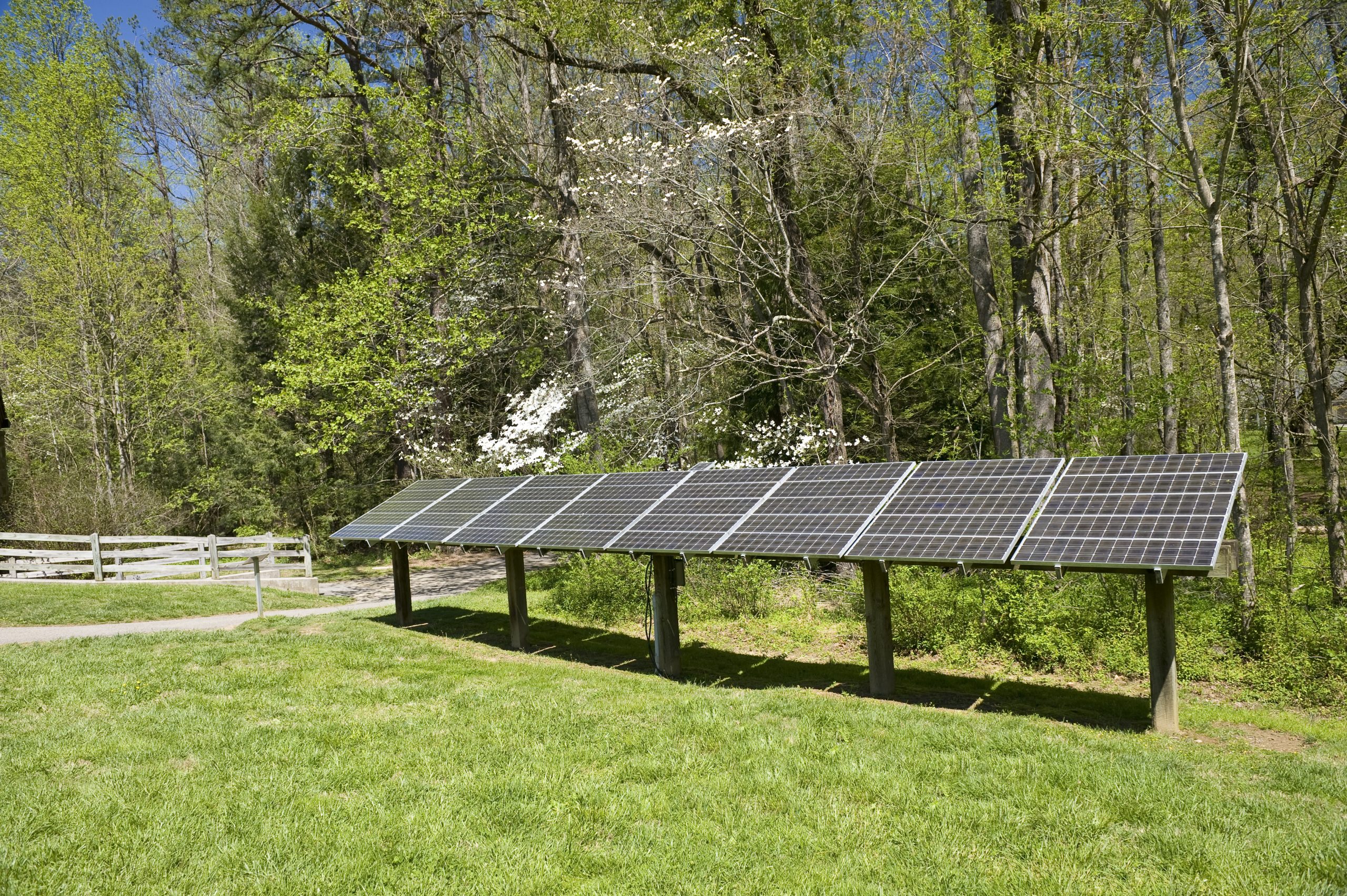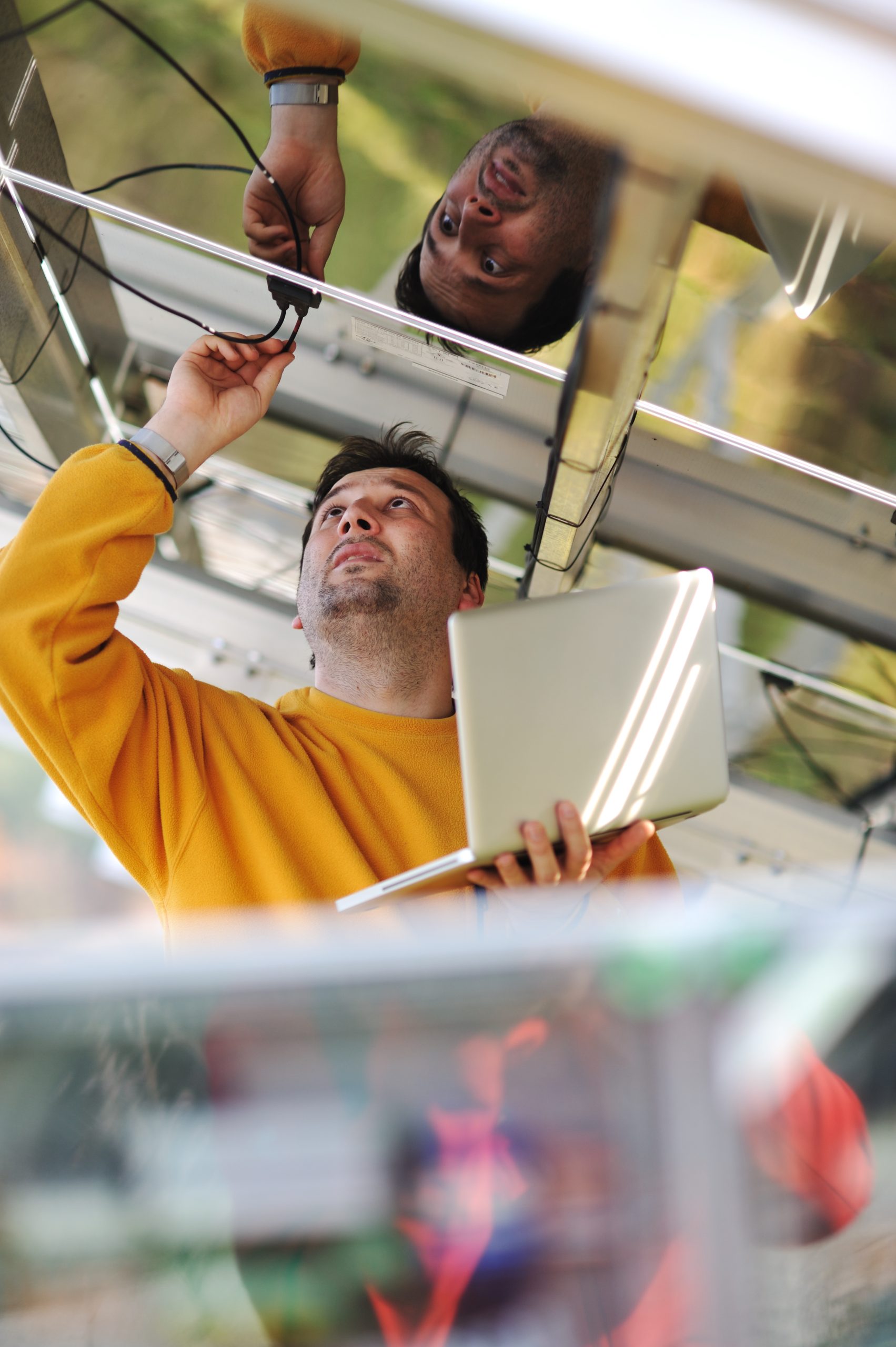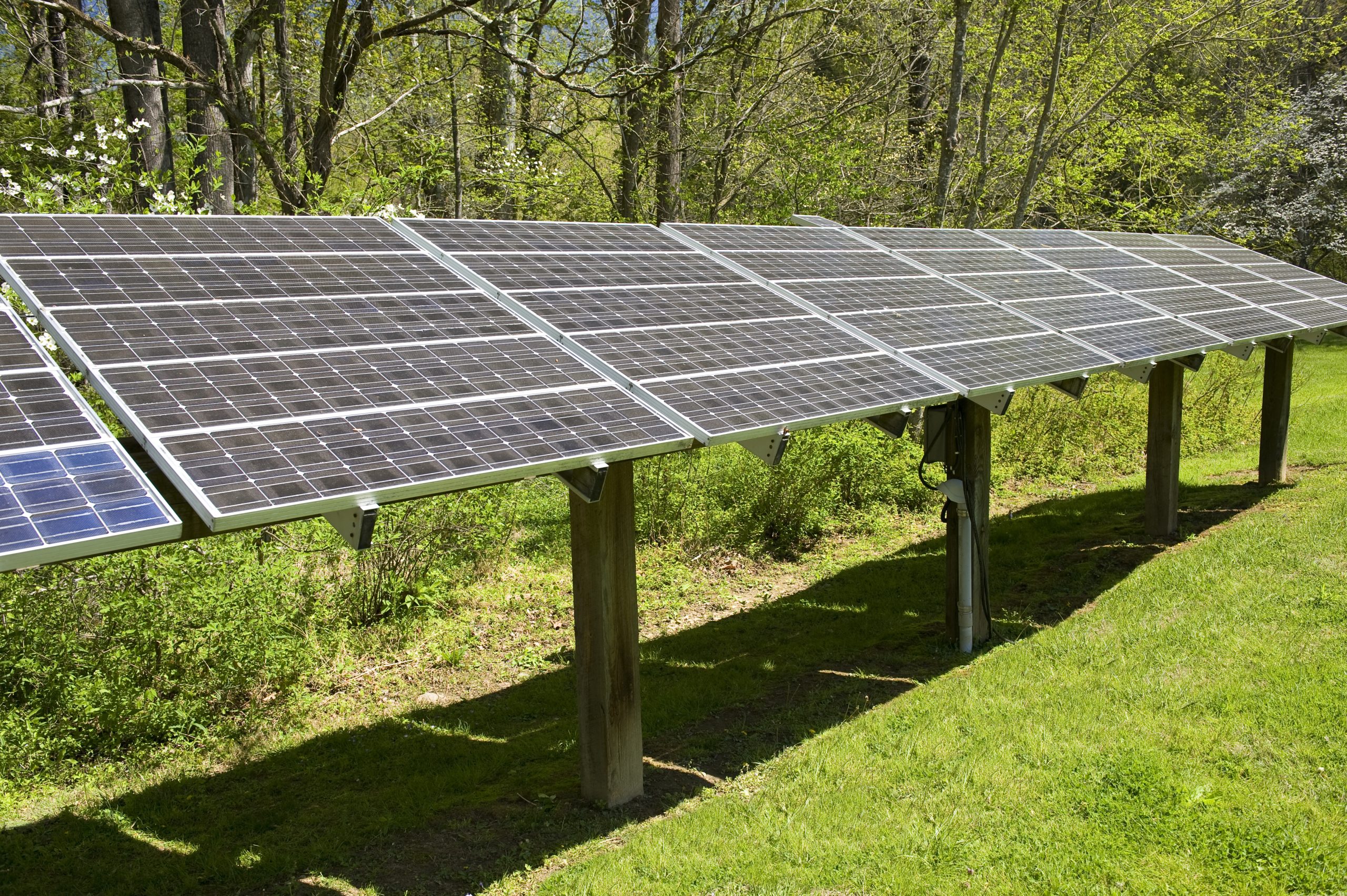
Tag: alternative energy

  • How Solar Energy is Revolutionizing the Way We Power Our Homes

    How Solar Energy is Revolutionizing the Way We Power Our Homes

    Introduction to Solar Energy:

    Solar energy is a renewable source of power that has been gaining popularity in recent years. It involves harnessing the sun’s energy and converting it into electricity using solar panels or photovoltaic cells. The use of solar energy can help reduce our dependence on fossil fuels, which are non-renewable resources that pollute the environment and contribute to climate change. With advancements in technology, solar power has become more efficient and cost-effective than ever before.

    The Benefits of Using Solar Power in Your Home:

    There are many benefits to using solar power in your home. Firstly, solar energy is clean and renewable, so you can enjoy guilt-free living knowing that you are not contributing to environmental damage. Secondly, solar power can save you money on your utility bills over time. Although there may be an initial investment required for installation, once the system is up and running, you will generate free electricity from the sun. Thirdly, solar power can increase the value of your property if you decide to sell your home in the future. Lastly, solar power provides a reliable source of backup power during outages or emergencies.

    How Solar Panels Work and Their Efficiency Rates:

    Solar panels work by capturing sunlight and converting it into direct current (DC) electricity through photovoltaic cells. These cells contain layers of silicon, which absorb photons from the sun and release electrons, creating an electrical flow. This DC electricity then passes through an inverter, which converts it into alternating current (AC) electricity that can be used to power your home. The efficiency rates of solar panels vary depending on their quality and design. Generally speaking, higher-quality panels with better warranties have higher efficiency rates, meaning they can produce more electricity per square foot.

    Common Misconceptions About Solar Energy Debunked:

    One common misconception about solar energy is that it requires constant sunshine to function effectively. While solar panels do perform best in direct sunlight, they can still generate electricity even under cloudy conditions. Another myth is that solar panels are too expensive to install. While there may be an initial investment required, the costs associated with installing solar panels have decreased significantly over the past decade due to technological advances and government incentives. Additionally, solar panels require little maintenance and can last for decades, making them a worthwhile long-term investment.

    WM2A4805 1348 scaled

    Conclusion: Why Switching to Solar is the Way Forward:

    Switching to solar power is a smart decision for both the environment and your wallet. By generating your own electricity from a renewable resource, you can reduce your carbon footprint and save money on utilities over time. As technology continues to improve and costs continue to decrease, now is the perfect time to make the switch to solar power.

  • Solar Panels 101: Everything You Need to Know About Installing and Using Them

    Solar Panels 101: Everything You Need to Know About Installing and Using Them

    Are you thinking about installing solar panels on your home or business? If so, there are a few things you need to know before taking the plunge. In this article, we’ll cover everything from the basics of solar panels to maintenance tips and FAQs. Let’s get started!

    Introduction to Solar Panels

    A solar panel is a device that converts sunlight into electricity using photovoltaic cells. These cells are made up of layers of silicon, which absorb photons from the sun and release electrons, creating an electrical current. Solar panels can be used to power homes, businesses, and even entire communities.

    Types of Solar Panels

    There are several types of solar panels available on the market today. The most common type is monocrystalline, which uses a single crystal of silicon to generate electricity. Polycrystalline panels use multiple crystals of silicon, while thin-film panels are made with layers of photovoltaic material deposited onto a substrate. Each type has its own advantages and disadvantages depending on factors like efficiency, cost, and durability.

    How Do Solar Panels Work

    When light hits a solar panel, it causes the photovoltaic cells to create an electrical current. This current flows through wiring in the panel and is sent to an inverter, which converts the DC (direct current) energy into AC (alternating current), making it usable for household appliances and electronics. Excess energy can be stored in batteries or sold back to the grid.

    Benefits of Using Solar Power

    There are many benefits to using solar power, including lower utility bills, reduced carbon emissions, and increased property value. Solar panels also provide a reliable source of backup power in case of outages or emergencies. Additionally, many governments offer tax credits and other incentives for homeowners who install solar panels.

    The Cost of Installing Solar Panels

    The cost of installing solar panels varies widely depending on factors such as system size, location, and installer quality. On average, residential systems range from $8,000 to $25,000 after tax credits and rebates. While this may seem expensive upfront, solar panels typically pay for themselves within five to ten years due to savings on electricity bills.

    Determining if Your Home is Suitable for Solar Panels

    Not all homes are suitable for solar panels, but most are. Factors that affect suitability include roof orientation, shading, and age. Homes with south-facing roofs and minimal shading tend to be ideal candidates for solar panels. However, newer technologies have made it possible to install panels on east-west facing roofs as well. It’s best to consult with a professional installer to determine if your home is suitable for solar panels.

    Choosing the Right Solar Panel Installer

    Finding the right solar panel installer is crucial to ensuring a successful installation. Look for companies with positive reviews, high ratings, and experience in your area. Be sure to ask questions about warranty coverage, financing options, and any additional services offered.

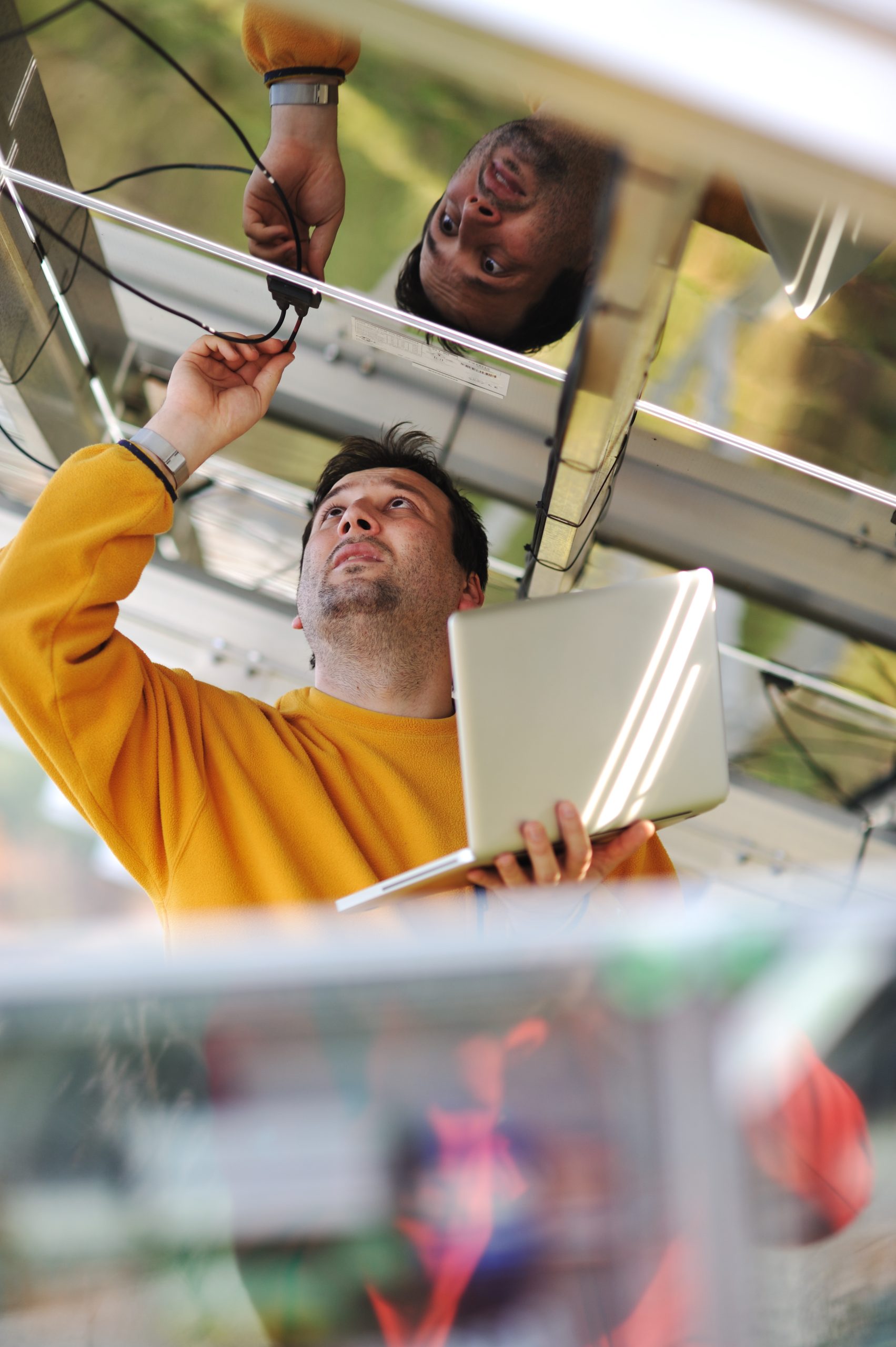
    young expert working at solar panels HKZqpITHj scaled

    Maintenance and Cleaning Tips for Solar Panels

    closeup detail of the wheel assembly on a modern automobile the rim is removed showing the front rotor and caliper rYceReKRSs scaled

    Solar panels require little maintenance once they’re installed. However, regular cleaning is important to ensure optimal performance. Dust, dirt, and debris can accumulate on the surface of the panels, reducing their ability to produce electricity. Use a soft cloth and water to gently remove any buildup. Avoid using harsh chemicals or abrasive materials, as these can damage the panels.

    FAQs About Solar Panels

    What happens when it rains or snows?

    Solar panels work less efficiently when covered in rain or snow, but they will still produce some electricity. Once the weather clears, the panels will return to normal operation.

    Can I go off-grid with solar panels?

    Yes, it’s possible to go completely off-grid with solar panels, although it requires careful planning and design. Off-grid systems rely on battery storage to supply electricity during periods of low sunlight or at night.

    Do solar panels make noise?

    No, solar panels do not make any noise when operating. They are silent and vibration-free.

    Conclusion

    In conclusion, solar panels are a great way to reduce your carbon footprint and save money on utilities over time. Whether you’re interested in saving the environment or saving money, solar panels are a smart investment for your home or business.

  • Solar Panels 101: Everything You Need to Know About Installing and Using Them

    Solar Panels 101: Everything You Need to Know About Installing and Using Them

    Are you interested in learning more about solar panels? Whether you’re considering installing them on your roof or just want to learn more about this renewable energy source, we have everything you need to know right here. In our Solar Panels 101 guide, we’ll cover the basics of solar power, different types of solar panels, how they work, benefits of using solar power, installing solar panels on your roof, maintenance tips, common myths debunked, and frequently asked questions about solar panels. Let’s get started!

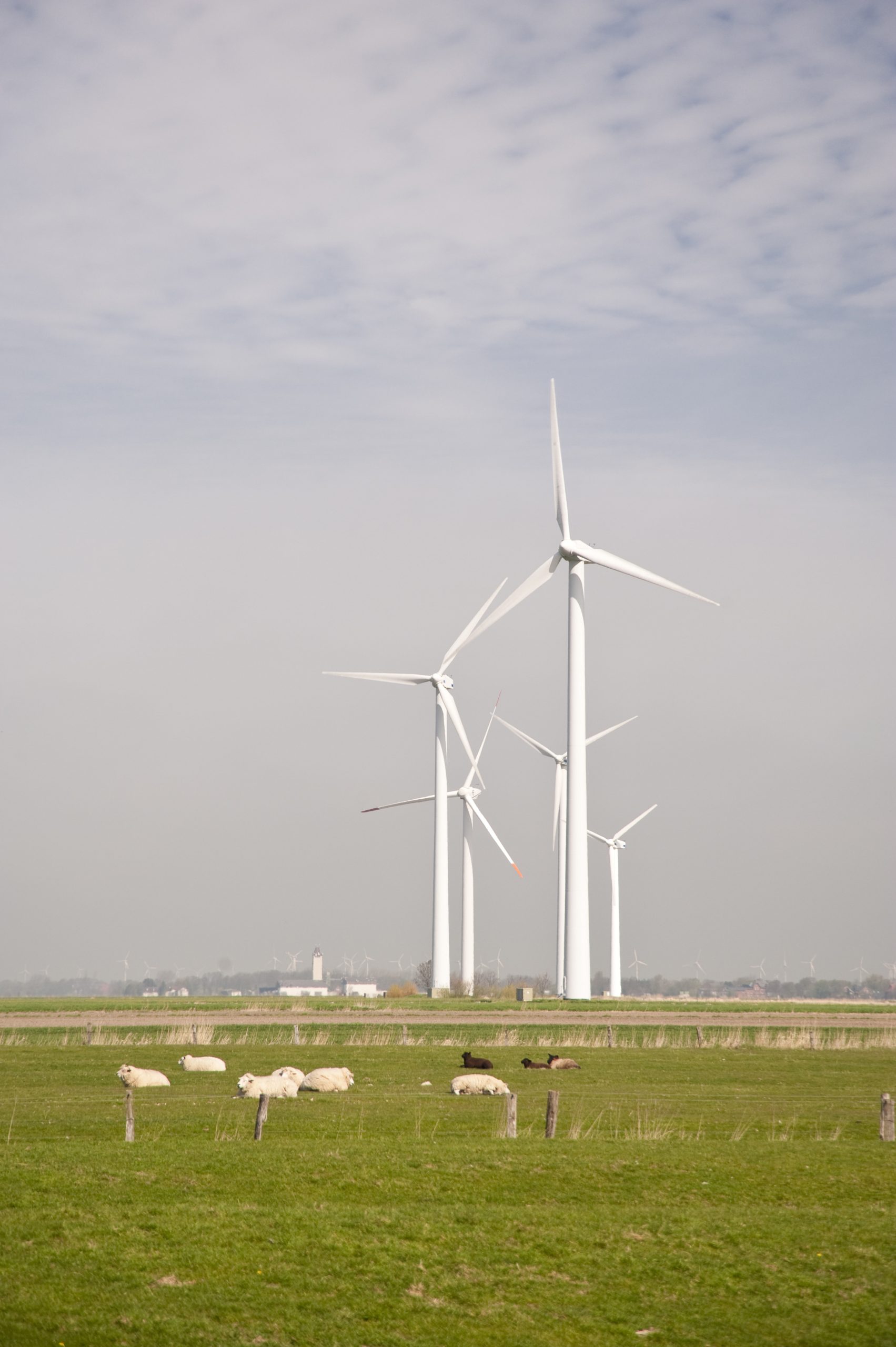
    wind turbine mys3 V

    Introduction to Solar Panels

    A solar panel is a device that converts sunlight into electricity. It’s made up of photovoltaic (PV) cells, which are typically made from silicon. When sunlight hits these PV cells, it causes an electrical current to flow through them, creating usable electricity.

    Types of Solar Panels

    There are several types of solar panels available on the market today. The most commonly used are monocrystalline, polycrystalline, thin-film, and bifacial solar panels. Monocrystalline solar panels are made from a single crystal of silicon and are considered to be the most efficient type of solar panel. Polycrystalline solar panels are made from multiple crystals of silicon and are slightly less efficient than monocrystalline panels. Thin-film solar panels are made using layers of photovoltaic materials deposited onto a substrate, making them lightweight and flexible. Bifacial solar panels generate electricity from both sides of the panel, increasing their efficiency.

    How Do Solar Panels Work

    As we mentioned earlier, solar panels convert sunlight into electricity. This process is known as the photovoltaic effect. When sunlight hits a solar panel, it excites the electrons within the PV cells, causing them to move around and create an electrical current. This current is then captured by wiring within the solar panel and sent to an inverter, which converts the DC (direct current) electricity generated by the solar panels into AC (alternating current) electricity that can be used to power your home or business.

    wind energy fyHRFEqO 1 scaled

    The Benefits of Using Solar Power

    There are many benefits to using solar power for your home or business. First and foremost, solar power is renewable and sustainable, meaning it won’t run out like traditional fossil fuels will. Additionally, using solar power can help reduce your carbon footprint and lower your utility bills over time. Many people choose to install solar panels because they offer a reliable source of backup power in case of emergencies or grid failures. Finally, solar panels can increase the value of your property if you decide to sell it in the future.

    Installing Solar Panels on Your Roof

    If you’re thinking about installing solar panels on your roof, there are some things you should consider first. Firstly, make sure your roof is structurally sound enough to support the weight of the solar panels. Secondly, consider the orientation and angle of your roof – ideally, your solar panels should face south towards the sun and have a pitch of between 30 and 45 degrees. Lastly, make sure you hire a reputable installer who has experience with solar panel installation. They’ll ensure that your system is installed correctly and meets all safety standards.

    Maintenance and Cleaning Tips for Solar Panels

    Once your solar panels are installed, you may wonder what kind of maintenance they require. Luckily, solar panels don’t require much maintenance at all! However, regular cleaning can help keep your panels operating efficiently. Dust, dirt, and debris can accumulate on your panels over time, reducing their ability to capture sunlight. To clean your panels, use a soft cloth and water to gently remove any buildup. Avoid using harsh chemicals or abrasive tools, as these can damage your panels.

    Common Myths About Solar Energy Debunked

    Despite the growing popularity of solar power, there are still many misconceptions about its efficacy and cost-effectiveness. Here are a few common myths about solar energy that we’d like to dispel:

    Myth #1: Solar panels only work in direct sunlight. While solar panels do produce more electricity when exposed directly to sunlight, they can still generate electricity even under cloudy conditions.

    Myth #2: Solar panels are too expensive. While the initial investment required for solar panel installation can be significant, solar panels can actually save you money in the long run by reducing your reliance on traditional utilities. Additionally, tax credits and other financial incentives may be available to offset the costs of installation.

    Myth #3: Solar panels aren’t practical for residential use. On the contrary, solar panels are becoming increasingly popular among homeowners looking to reduce their carbon footprint and save money on their energy bills. Even small-scale residential systems can generate enough electricity to meet basic household needs.

    FAQs about Solar Panels

    Here are some frequently asked questions about solar panels that we hear often:

    Q: How much does it cost to install solar panels?

    A: The cost of installing solar panels varies depending on factors such as location, system size, and equipment quality. Generally speaking, however, the average cost of installing a residential solar panel system ranges from $9,000 to $28,000 after tax credits and rebates.

    Q: Can I install solar panels myself?

    A: While it’s technically possible to install solar panels yourself, it’s not recommended unless you have extensive knowledge of electrical and construction practices. Professional installation ensures that your system is installed safely and properly, maximizing its performance and lifespan.

    Q: What happens during a blackout if my house runs on solar power?

    A: During a blackout, homes with solar panels may continue to receive electricity from their batteries, assuming they have battery storage capabilities. If no battery storage exists, the home will lose access to electricity until the grid comes back online.

  • How Solar Energy is Revolutionizing the Way We Power Our Homes

    How Solar Energy is Revolutionizing the Way We Power Our Homes

    Solar power has become an increasingly popular form of renewable energy in recent years, and it’s not hard to see why. With the rising costs of traditional forms of electricity and concerns about climate change mounting, more and more people are turning to solar energy as a way to reduce their carbon footprint and save money on their utility bills. In this article, we’ll explore how solar energy is revolutionizing the way we power our homes.

    wind energy zyBycV5O scaled

    Introduction to Solar Energy

    Solar energy is generated by harnessing the power of the sun through photovoltaic cells or solar panels. These panels convert sunlight into direct current (DC) electricity, which can then be converted into alternating current (AC) electricity that can be used to power your home. The benefits of using solar power in your home are numerous, including lower utility bills, reduced reliance on fossil fuels, and decreased greenhouse gas emissions.

    The Benefits of Using Solar Power in Your Home

    One of the most significant advantages of using solar power in your home is the potential for cost savings over time. While there may be some upfront costs associated with installing solar panels, once they’re installed you’ll be generating free electricity from the sun. This means that you could potentially eliminate or significantly reduce your monthly utility bill, depending on factors such as your location, panel efficiency, and usage patterns. Additionally, many states offer tax credits or other financial incentives for homeowners who install solar panels, further reducing the overall cost of ownership.

    Another benefit of using solar power in your home is the reduction in reliance on fossil fuels. Fossil fuels like coal and natural gas contribute significantly to air pollution and global warming, making them less than ideal sources of energy. By switching to solar power, you can reduce your dependence on these non-renewable resources and help promote a cleaner, greener future.

    Finally, solar power offers increased flexibility and independence. Unlike traditional grid-based electrical systems, solar power allows you to generate your own electricity on site, meaning that you aren’t tied to the whims of the utility company. If the power goes out due to weather or other issues, your solar system will continue to provide electricity to your home.

    How Solar Panels Work and Their Efficiency Rates

    Solar panels work by converting sunlight into DC electricity via photovoltaic cells made of silicon. These cells contain layers of positively and negatively charged material that create an electric field when exposed to light. When sunlight hits the cell, electrons within the silicon atoms are excited and move around, creating a flow of electricity. This DC electricity is then sent to an inverter, which converts it into AC electricity that can be used to power your home.

    The efficiency rates of solar panels vary based on several factors, including the type of panel, its age, and environmental conditions. Generally speaking, modern solar panels have efficiency rates between 15% and 20%, meaning that they can convert around 15-20% of incoming sunlight into usable electricity. However, advances in technology and manufacturing processes are driving up efficiency rates all the time, so it’s possible that newer models will boast even higher conversion rates.

    Common Misconceptions About Solar Energy Debunked

    Despite the growing popularity of solar power, there are still plenty of misconceptions floating around about what it takes to make solar work effectively. Here are three common myths about solar energy and why they simply aren’t true:

    Myth #1: You need perfect weather conditions to generate enough solar power.

    While solar panels do perform better in direct sunlight, they can still generate electricity under cloudy skies or during periods of low light. Additionally, many modern solar panels come equipped with anti-reflective coatings that allow them to capture more light than earlier models, improving their performance in indirect sunlight.

    Myth #2: Installing solar panels requires major renovations to your home.

    In reality, installing solar panels typically involves little more than bolting them onto your roof or attaching them to a nearby structure. Depending on the size of your system, installation can take anywhere from one day to a week, but most homeowners experience minimal disruption to their daily lives during the process.

    Myth #3: Solar panels don’t last long enough to justify the investment.

    While it’s true that solar panels won’t last forever, modern models are designed to last for decades with proper maintenance. Most high-quality solar panels come with warranties of at least 25 years, meaning that you can expect them to keep producing electricity for well over two decades after installation. And since the cost of solar continues to decrease over time, it’s likely that your initial investment will pay off in saved utility costs before the end of the panel’s lifespan.

    Conclusion

    As you can see, solar power has the potential to revolutionize the way we power our homes. Whether you’re looking to save money on utilities, reduce your carbon footprint, or increase your energy independence, solar energy is a smart choice for today’s eco-conscious consumer. So if you’re ready to join the solar revolution, talk to a local installer today to learn more about how you can start generating clean, renewable energy right at home.

  • How Solar Energy is Revolutionizing the Way We Power Our Homes

    How Solar Energy is Revolutionizing the Way We Power Our Homes

    Solar energy is one of the most promising sources of renewable energy, and it has been gaining popularity in recent years. With increasing concerns about climate change and environmental sustainability, many homeowners are looking for ways to reduce their carbon footprint and switch to clean energy sources. In this blog post, we will explore how solar power is revolutionizing the way we power our homes.

    Introduction to Solar Energy

    Solar energy is derived from the sun’s rays and converted into electricity using photovoltaic (PV) cells or panels. These panels are typically mounted on rooftops or other structures where they can receive direct sunlight throughout the day. The PV cells contain layers of semiconductor materials that absorb photons from the sun’s rays and release electrons, creating an electrical current. This current is then sent through wiring to a battery storage system or directly to the home’s electrical panel.

    The Benefits of Using Solar Power in Your Home

    There are several benefits to using solar power in your home. Firstly, solar energy is a clean and renewable source of energy that does not produce any greenhouse gas emissions or air pollution. Secondly, solar power can help you save money on your monthly utility bills by generating free electricity from the sun. Thirdly, solar panels have become more affordable over time, making them accessible to a wider range of homeowners. Finally, installing solar panels can increase the value of your home and make it more attractive to potential buyers.

    How Solar Panels Work and Their Efficiency Rates

    Solar panels work by converting sunlight into electricity using PV cells made of silicon or other semiconductor materials. When sunlight hits these cells, it causes electrons to be released, which create an electrical current. The efficiency rate of solar panels refers to the amount of sunlight that is converted into usable electricity. Generally speaking, higher-efficiency solar panels generate more electricity per square foot than lower-efficiency ones. However, high-efficiency panels tend to be more expensive upfront.

    Incentives for Switching to Solar Energy

    Many governments around the world offer incentives for homeowners who switch to solar energy. Some examples include tax credits, rebates, and net metering programs. Net metering allows homeowners to sell excess electricity generated by their solar panels back to the grid at retail rates. Tax credits and rebates vary depending on location but can significantly offset the cost of installing solar panels.

    electricity generating solar energy panels BFZCTa6Ns scaled

    Conclusion: Why You Should Consider Solar Power

    Switching to solar power is not only good for the environment but also makes financial sense in the long run. By reducing your reliance on fossil fuels and switching to clean energy, you can save money on your monthly utility bills while helping to combat climate change. Additionally, with government incentives available in many areas, now may be the perfect time to invest in solar power for your home.

  • Solar Panels 101: Everything You Need to Know About Installing and Using Them

    Solar Panels 101: Everything You Need to Know About Installing and Using Them

    Are you thinking about making the switch to solar power? If so, you’re not alone. More and more people are choosing to use renewable energy sources like solar panels to power their homes and businesses. But before you dive in headfirst, there are a few things you need to know about installing and using solar panels. In this article, we’ll cover everything from types of solar panels to determining your energy needs and beyond. Let’s get started!

    Introduction to Solar Panels

    A solar panel is a device that converts sunlight into electricity. It’s made up of photovoltaic cells, which absorb light particles (photons) and release electrons, creating an electrical current. These cells are typically made of silicon or other semiconductor materials. When multiple cells are connected together, they form a solar module, which can be used to generate electricity for homes and businesses.

    mg i5a9852 scaled

    Types of Solar Panels

    There are several different types of solar panels available on the market today. The most common type is monocrystalline, which uses high-purity silicon wafers to convert sunlight into electricity. Polycrystalline panels, on the other hand, use lower-grade silicon fragments to create smaller crystals. Other types include thin film solar panels, bifacial solar panels, and floating solar panels. Each type has its own unique advantages and disadvantages depending on factors such as efficiency, cost, and durability.

    How Do Solar Panels Work

    As mentioned earlier, solar panels work by converting sunlight into electricity through the use of photovoltaic cells. When sunlight hits these cells, it causes electrons to become excited and move around, creating an electrical current. This current is then sent to an inverter, which converts it into usable AC electricity that can be used to power your home or business. Any excess energy generated by the solar panels can be stored in batteries for later use.

    The Benefits of Using Solar Power

    WM2A4805 1348 scaled

    There are many benefits to using solar power over traditional forms of energy generation. For one thing, solar power is completely renewable and sustainable, meaning it won’t run out or harm the environment. Additionally, solar panels require very little maintenance once they’re installed, saving you money on future repairs and replacement costs. Finally, using solar power can help reduce your carbon footprint and save you money on your monthly utility bills.

    Determining Your Energy Needs

    Before you install solar panels, it’s important to determine how much energy you need to power your home or business. To do this, you’ll need to calculate your energy usage based on factors such as square footage, appliance usage, and HVAC system size. Once you have a good idea of how much energy you need, you can choose a solar panel system that will meet those needs without breaking the bank.

    Choosing the Right Solar Panel System for You

    When choosing a solar panel system, there are several factors to consider. First, you’ll want to decide what type of solar panel best suits your needs. Monocrystalline and polycrystalline panels are popular choices, but there are also thin film, bifacial, and floating options available. Second, you’ll need to determine the size of your solar panel system based on your energy needs and budget. Finally, you’ll need to choose a reputable installer who can handle the installation process for you.

    Installing and Maintaining Your Solar Panels

    Once your solar panel system is installed, you’ll need to maintain it properly to ensure optimal performance. This includes regular cleanings to remove dust and debris, inspections to check for damage or wear, and occasional repairs if necessary. Fortunately, with proper care and attention, your solar panel system should last for years to come.

    Common Questions About Solar Panels Answered

    Here are some answers to commonly asked questions about solar panels:

    How long does it take to install solar panels? Depending on the size of your system, installation can take anywhere from a day to a week.

    Can I install solar panels myself? While it’s possible to install solar panels yourself, it’s generally recommended to hire a professional installer to ensure safety and accuracy.

    What happens when it rains or snows? Solar panels are designed to withstand rain and snow, although heavy accumulations may cause issues. Most systems are angled to allow water and snow to slide off easily.

    Will my roof support solar panels? Not all roofs are suitable for solar panel installation, especially older or damaged ones. Consult with a professional installer to determine whether your roof can support the weight of solar panels.

    Are solar panels noisy? No, solar panels produce no noise while generating electricity.

  • Solar Power: The Future of Renewable Energy

    Solar Power: The Future of Renewable Energy

    The world is changing rapidly, and with it, the way we generate energy. For years, fossil fuels have been the primary source of power for homes, businesses, and transportation. However, as technology advances and people become more aware of environmental issues, renewable energy sources are gaining popularity. One such source is solar power.

    Solar power involves harnessing the sun’s energy to produce electricity. It is a clean, efficient, and sustainable method of generating electricity that has numerous benefits. In this article, we will explore some of those benefits, dispel common myths about solar power, and provide tips on how to choose the best solar panels for your home.

    Introduction to Solar Power

    Solar power is generated through photovoltaic (PV) cells that convert sunlight into direct current (DC) electricity. These cells are made up of semiconductor materials, usually silicon, which absorb photons from the sun and release electrons, creating an electrical current. This current is then converted into alternating current (AC) electricity that can be used to power homes and businesses.

    The Benefits of Using Solar Energy

    One of the most significant advantages of using solar power is its eco-friendliness. Unlike traditional forms of energy generation, solar power does not emit greenhouse gases or other pollutants that contribute to climate change. By switching to solar power, you can reduce your carbon footprint and help preserve the environment for future generations.

    Another benefit of solar power is its cost-effectiveness. While installing solar panels may require a substantial initial investment, they typically pay for themselves within five to seven years through reduced energy bills. Additionally, once the system is installed, there are minimal maintenance costs involved.

    Common Misconceptions About Solar Power

    Despite the many benefits of solar power, there are still several misconceptions surrounding this form of energy generation. One of the most prevalent myths is that solar panels only work in warm climates. While solar panels do perform better in direct sunlight, they can still generate electricity in cloudy conditions. Additionally, advancements in PV cell technology have made solar panels more efficient, so they can generate more electricity with less sunlight than before.

    Another misconception is that solar panels are unsightly and bulky. While this may have been true in the past, modern solar panels are sleeker and more compact than ever before. They come in various sizes and colors, making them a versatile option for both residential and commercial properties.

    electricity generating solar energy panels BFZCTa6Ns 2 scaled

    How to Choose the Best Solar Panels for Your Home

    If you’re considering installing solar panels at your home, there are several factors to consider when choosing the right system for you. First, determine the amount of energy your household uses. This information will help you calculate the size of the solar panel system needed to meet your energy needs.

    Next, research different types of solar panels to find one that suits your budget and lifestyle. Monocrystalline and polycrystalline panels are two popular options, each with their unique set of pros and cons. You should also look into the efficiency rating of the panels, as higher ratings indicate greater energy output.

    Finally, consider the warranty and customer support offered by the manufacturer. A reliable warranty ensures that any defects or malfunctions will be covered, giving you peace of mind knowing that you’ll receive assistance if needed.

    In conclusion, solar power is a promising alternative to traditional forms of energy generation. With its eco-friendliness, cost-effectiveness, and versatility, it’s no wonder why more people are turning to solar power every day. Whether you’re looking to reduce your carbon footprint or save money on energy bills, solar power is certainly worth exploring.

  • How to Choose the Best Solar Power Generator for Your Needs

    How to Choose the Best Solar Power Generator for Your Needs

    Are you ready to make the switch to solar power? If so, congratulations! You’re joining millions of people around the world who are choosing renewable energy over traditional fossil fuels. In this blog post, we’ll cover everything you need to know about how to choose the best solar power generator for your needs.

    Solar power has become increasingly popular in recent years due to its many benefits. Not only is it a clean and sustainable source of energy, but it can also save you money on your electricity bills in the long run. Additionally, solar panels have become more affordable than ever before, making them an accessible option for homeowners and businesses alike.

    One of the first things you’ll need to consider when choosing a solar power generator is the cost. While solar power may initially seem expensive, it’s important to compare the costs of installing solar panels with those of traditional energy sources. When you take into account the rising costs of electricity from utility companies, as well as the potential savings on your monthly bills, investing in solar power can be a wise financial decision.

    Once you’ve decided that solar power is right for you, it’s time to choose the best solar power generator for your specific needs. There are several factors to consider when selecting a solar panel system, including:

    The amount of sunlight available at your location

    Your energy consumption patterns

    The size of your property or business

    Your budget

    There are many different types of solar panels available on the market today, ranging from small portable units to large commercial systems. Some common options include monocrystalline, polycrystalline, thin film, and bifacial solar panels. Each type of panel has its own unique advantages and disadvantages, so it’s essential to do your research before making a purchase.

    Another factor to consider when choosing a solar power generator is whether to install the panels yourself or hire a professional installer. While installing your own solar panels can be a rewarding DIY project, it requires specialized knowledge and skills. For most homeowners and businesses, hiring a qualified installer is the safest and most efficient option.

    DSC 1852 326 scaled

    In conclusion, switching to solar power is a smart choice for both your wallet and the environment. By following these tips, you can choose the best solar power generator for your specific needs and enjoy the benefits of renewable energy for years to come.

    graphicstock realistic earth closeup render BYF bAQicl scaled

  • Solar Panels 101: Everything You Need to Know About Installing and Using Them

    Solar Panels 101: Everything You Need to Know About Installing and Using Them

    Are you interested in learning more about solar panels? If so, then this article is for you. Solar power has become increasingly popular over the years due to its many benefits. In this post, we will cover everything you need to know about installing and using solar panels. Let’s get started!

    Introduction to Solar Panels

    A solar panel is a device that converts sunlight into electricity. It is made up of photovoltaic cells which absorb light from the sun and convert it into usable energy. There are several types of solar panels available on the market today, but they all work based on the same principle.

    Types of Solar Panels

    There are three main types of solar panels: monocrystalline, polycrystalline, and thin-film. Monocrystalline solar panels are made from a single silicon crystal and are considered to be the most efficient type of solar panel. Polycrystalline solar panels are made from multiple silicon fragments and are slightly less efficient than monocrystalline panels. Thin-film solar panels are made with layers of photovoltaic material deposited onto a substrate and are typically used in smaller applications such as RVs or boats.

    How Do Solar Panels Work

    When sunlight hits a solar panel, the photons in the light interact with the electrons in the photovoltaic cells, causing them to flow in a certain direction. This creates an electrical current which can be harnessed and used as energy. The amount of energy produced by a solar panel depends on various factors including the intensity of the sunlight, the angle at which the panel is facing, and the efficiency of the panel itself.

    The Benefits of Using Solar Power

    One of the biggest advantages of using solar power is that it is renewable and sustainable. Unlike fossil fuels, solar power does not produce any greenhouse gas emissions or other pollutants. Additionally, once you have installed a solar panel system, your energy costs will be significantly reduced since you will no longer have to pay for electricity from the grid. Another benefit of solar power is that it is reliable and consistent – unlike wind or hydroelectric power, solar power is always available during daylight hours.

    Determining Your Energy Needs

    Before choosing a solar panel system, it is essential to determine how much energy you require. To do this, you will need to evaluate your energy consumption patterns and identify areas where you can reduce your energy usage. Once you have determined your energy needs, you can choose a solar panel system that meets those requirements.

    young expert working at solar panels HKZqpITHj 2 scaled

    Choosing the Right Solar Panel System for You

    There are several things to consider when choosing a solar panel system. First, you should decide what size system you need based on your energy requirements. Next, you will want to select a reputable manufacturer who produces high-quality products. Finally, you will need to choose between a roof-mounted or ground-mounted system depending on your property layout and budget.

    Installing and Maintaining Your Solar Panels

    Once you have chosen your solar panel system, you will need to install it properly. Depending on your location and climate, there may be specific installation guidelines you will need to follow. After installation, you will also need to maintain your solar panel system regularly to ensure optimal performance. This includes cleaning the panels periodically and inspecting them for damage or wear.

    Common Questions About Solar Panels Answered

    JM Industrial YAX 9942 scaled

    In conclusion, if you are considering installing solar panels, there are plenty of resources available online to help guide you through the process. Whether you are looking for information on the different types of solar panels available or trying to determine whether solar power is right for you, we hope this article has been helpful.

  • How to Choose the Best Solar Panels for Your Home or Business

    How to Choose the Best Solar Panels for Your Home or Business

    Introduction to Solar Power and Its Benefits

    Solar power is a renewable source of energy that has become increasingly popular in recent years. With the rise in global warming awareness, many people are looking for ways to reduce their carbon footprint and switch to cleaner sources of energy. Solar panels convert sunlight into electricity, which can be used to power homes or businesses. There are several benefits to using solar power:

    Lower Electric Bills: Once you have installed your solar system, you will start generating your own electricity, reducing your reliance on traditional utility companies. This means lower monthly bills and savings over time.

    Increased Property Value: Homes with solar systems tend to sell faster and at higher prices than those without them. Adding solar panels to your property increases its value and makes it more attractive to potential buyers.

    Environmental Benefits: By switching to solar power, you are helping to reduce greenhouse gas emissions and combat climate change. Solar power is clean and produces no pollution or hazardous waste.

    large solar energy panel array BFeqZppNs 4 scaled

    The Cost of Solar Panels vs Traditional Energy Sources

    While there may be an initial investment required when installing solar panels, they often pay for themselves within just a few years due to reduced electricity costs. The cost of solar panels has also decreased significantly over the past decade, making them more affordable than ever before. Additionally, government tax credits and rebates make it even easier to justify the upfront expense. When compared to traditional energy sources such as coal or natural gas, solar power becomes even more appealing since it eliminates unpredictable fluctuations in pricing and provides long-term stability.

    JM Industrial YAX 9768 scaled

    Choosing the Best Solar Panels for Your Needs

    When choosing the best solar panels for your home or business, there are several factors to consider. First, determine how much energy you need to generate based on your daily usage patterns. You want to ensure that your solar panel system meets all of your energy needs while not oversizing it unnecessarily. Next, research different types of solar panels available on the market, including monocrystalline, polycrystalline, thin film, and bifacial. Each type has unique features and advantages depending on your location, budget, and specific requirements. Finally, look for reputable brands with high efficiency ratings and positive reviews from other customers.

    Installing and Maintaining Your Solar System

    Once you have chosen the right solar panels for your needs, it’s time to install them. Professional installation is recommended to ensure proper placement and connection to your electrical system. Regular maintenance is also important to keep your solar panels functioning optimally. This includes inspecting them for any damage or dirt buildup, ensuring wiring connections remain secure, and replacing faulty components as needed. With proper care and attention, your solar panel system can provide reliable energy for decades to come.