Tag: backup power

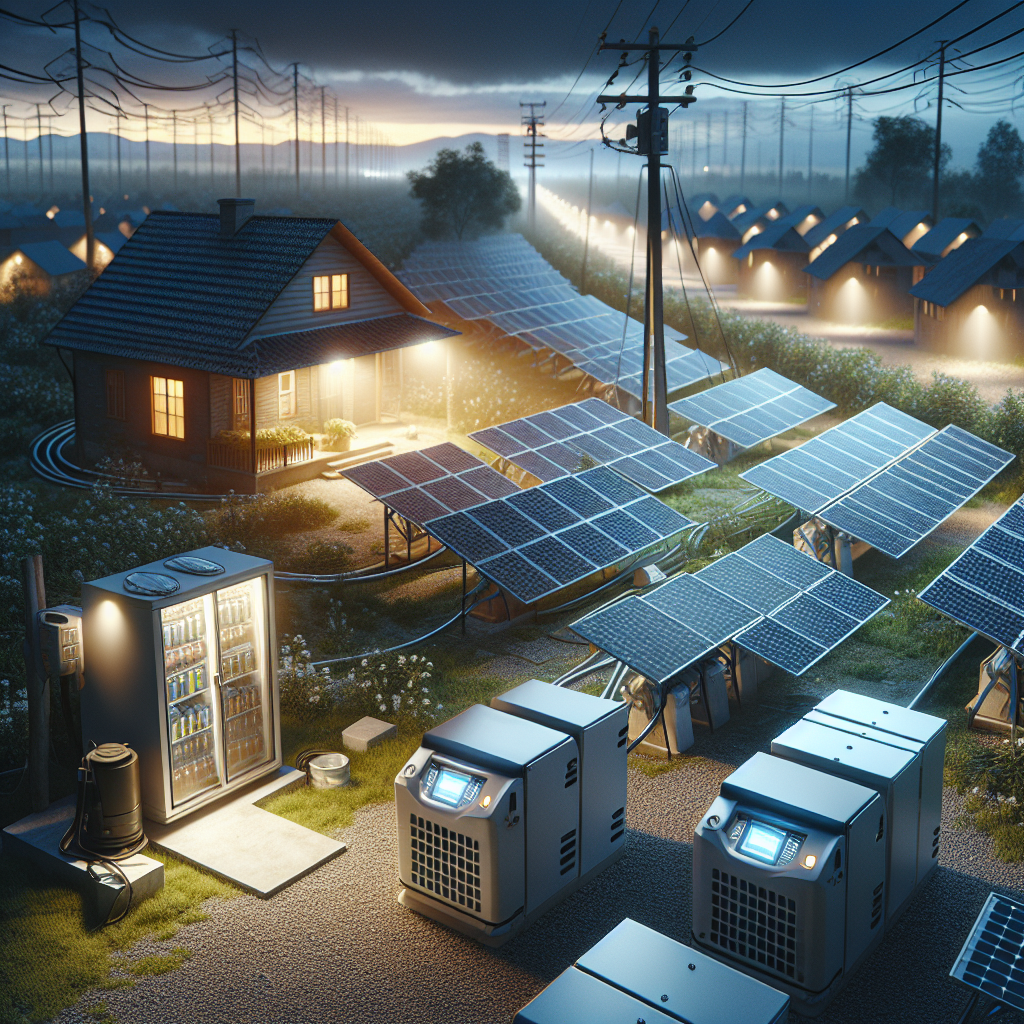
  • How Solar Generators Provide Backup Power During Outages

    How Solar Generators Provide Backup Power During Outages

    The Fundamentals of Solar Power Technology

    Understanding Solar Panels

    In my journey into renewable energy, I found solar panels to be the heart of any solar generator system. They capture sunlight and convert it into electricity using photovoltaic cells. What’s fascinating is how panels differ in efficiency and wattage—some powerful enough to handle multiple devices while others might just trickle charge a small phone. You really want to take some time to research what suits your needs best!

    What I often tell folks is to consider the placement of these panels. They need direct sunlight for maximum performance. Installing them on a roof or an open field makes a huge difference. The more sunlight they soak up, the better they function! And here’s a pro tip: Regular cleaning can significantly improve efficiency. Dust and debris can block those rays from reaching the cells.

    Lastly, don’t forget about the type of solar panels to choose from—monocrystalline, polycrystalline, or thin-film! Each type has its pros and cons, so do your homework or chat with an expert. Picking the right one is crucial for ensuring you get the most out of your investment.

    Battery Storage Systems

    The Role of Batteries in Solar Generators

    Battery storage is like your safety net when the sun goes down or if the grid goes down. Personally, I’ve found lithium-ion batteries to be the most efficient for my solar generator setup. They store energy harvested during sunlit hours for later use. Nothing’s worse than having all that solar energy during the day but then, when you need it most—poof! No power.

    One thing that really surprised me is how battery quality impacts performance. Cheaper batteries might save you some bucks upfront, but they can quickly drain or become ineffective, especially after a few cycles. Investing in a high-quality battery system pays off in the long run.

    You also need to consider the capacity of your battery storage. I learned the hard way that if you don’t size your battery for your needs, you could end up with a lot of wasted energy. A good rule of thumb is to determine how much power you typically use and then ensure your battery can handle that load comfortably.

    Inverter Functionality

    Why You Need an Inverter

    So, let’s talk inverters—the unsung heroes that convert DC power from your solar panels and batteries into AC power, which is what most of our household devices use. I remember the first time I incorrectly installed an inverter—it was a total disaster! Getting the right inverter that matches your system’s capacity is key to preventing headaches down the road.

    When selecting an inverter, consider whether you want a pure sine wave or modified sine wave inverter. Pure sine wave inverters mimic the power you get from the grid and are best for sensitive electronics. I’ve personally had experiences where my modified sine wave inverter caused issues with specific devices, like chargers or some kitchen appliances. So, it’s always better to err on the safe side.

    Additionally, it’s worth looking into inverter efficiency ratings. I’ve come across some amazing options that have high efficiencies, which means less energy wasted during conversion. Trust me, it’s a game-changer when you find an inverter that can do the job without breaking the bank.

    Connecting Your Solar Generator

    Setting Up Your Systems

    Setting everything up for my first solar generator was quite the adventure! It felt like assembling a puzzle. The first step is to make sure your solar panels are correctly connected to the battery and inverter. There are lots of guides and videos out there, but taking a hands-on approach made me truly understand how it all fits together.

    One lesson I learned quickly is not to rush the installation process. It’s tempting to get everything up and running ASAP, but poor connections can lead to inefficiencies or even hazards. I always double-check my connections, label wires, and keep everything organized. It helps avoid chaos when trouble-shooting later.

    And saying goodbye to grid dependency is liberating! At first, I was a little apprehensive about relying solely on my solar generator, but after a few successful trial runs, I was hooked. Regular maintenance and monitoring of your solar generator system can keep things running smoothly, which is essential for long-term reliability.

    Benefits During Power Outages

    How Solar Generators Keep You Powered

    Having a solar generator during a power outage is like owning a life jacket in stormy seas. I made that realization during a recent outage—thanks to my solar setup, I was able to keep my fridge running and charge my devices. That peace of mind is unmatched! It’s a comforting feeling knowing you’ve got backup power ready when you need it.

    Beyond basic appliances, I discovered that solar generators can also power tools and outdoor equipment, which is great for DIY projects or on-the-go setups. Whether camping or working in the backyard, there’s versatility that’s hard to beat. Just make sure your generator’s wattage can handle the load of what you plan to power.

    Not only do solar generators save the day in emergencies, but they’re also great for the environment. Using renewable energy reduces dependence on fossil fuels, which feels pretty darn good! Plus, once you’ve gotten over that initial investment, your ongoing costs are minimal, making it a smart long-term choice.

    Frequently Asked Questions

    1. How long can a solar generator power my appliances during an outage?

    The duration really depends on the power capacity of your batteries and how many appliances you’re trying to run simultaneously. Generally, a well-equipped system can provide several hours to a couple of days of power.

    2. Can I use my solar generator indoors?

    Yes, you can use your solar generator indoors, but be cautious with gas-powered generators due to carbon monoxide emissions. However, electric solar generators are safe to use indoors!

    3. Is it worth investing in a solar generator for emergencies?

    Absolutely! It provides peace of mind knowing you’ll have power when the grid goes down, and it’s a sustainable choice that reduces your carbon footprint.

    4. How much maintenance does a solar generator require?

    Maintenance is minimal—just keep your solar panels clean, monitor battery health, and regularly check connections to ensure everything’s functioning properly.

    5. What type of appliances can I power with a solar generator?

    You can power a variety of appliances, including lights, refrigerators, medical equipment, and even tools, as long as your generator has enough wattage to handle the load!
  • 15 Best Solar Generators for Home Backup Power

    15 Best Solar Generators for Home Backup Power

    Understanding Solar Generators

    What is a Solar Generator?

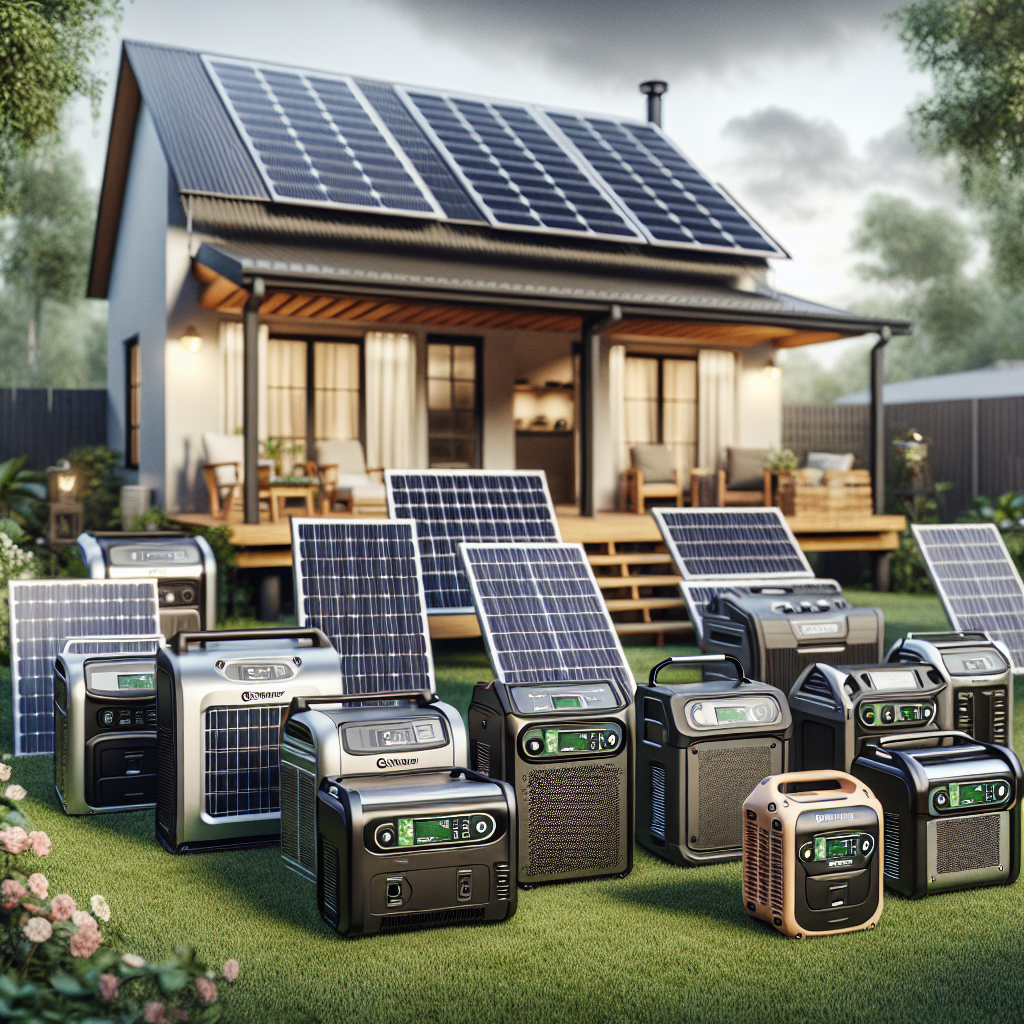
    So, first off, let’s chat about what a solar generator actually is. To me, a solar generator is like a power bank, but supercharged with solar energy! Basically, it harnesses sunlight and converts it into electricity, which can be used to power up your devices or even your whole home when the lights go out. That’s something I want to put you onto!

    I remember the first time I used one during a blackout. It was super enlightening (pun definitely intended) to see how these handy devices could keep my fridge running and my phone charged without needing any fossil fuels. Seriously, it felt like magic!

    In essence, you’re not just using renewable energy; you’re jumping on the eco-friendly bandwagon and doing your bit for Mother Earth, all while enjoying the comforts of power at home. Who knew saving the planet could feel this good?

    Benefits of Using Solar Generators

    Why switch to solar generators, you ask? Well, let me lay it down for you. One of the top reasons is the cost savings over time. Once you invest, it’s nearly free electricity! Imagine cutting down your electricity bills significantly just by catching a few rays. Trust me; it feels great!

    Moreover, these generators are often portable. I’ve used mine for camping trips too! It’s like having a mini power station that’s easy to carry. You can charge up your devices, run lights, or even power small appliances while enjoying the great outdoors. Talk about versatility!

    Lastly, let’s not forget that having a solar generator provides peace of mind during emergencies. I’ll never forget that stormy night when the power went out for hours. My solar generator was my lifeline, allowing me to keep the essentials running while others were left in the dark. Pure bliss!

    Key Features to Look For

    Battery Capacity

    When you’re on the hunt for a solid solar generator, battery capacity is a biggie. This is the amount of energy your generator can store, and it’s crucial for deciding how long you can power your gadgets. I learned this the hard way with my first generator – let’s just say I ran out of juice quicker than I expected!

    Make sure to check the watt-hour (Wh) rating of the battery. To give you a heads-up, I usually aim for at least 500Wh if I want to keep the fridge running during a blackout.

    Also, try to calculate the appliances you’ll want to run. If you’re taking a few devices along for a camping trip or just a few lamps during power outages, knowing the overall consumption can make or break your solar generator experience.

    Portability and Weight

    Another thing that has made me a fan of solar generators is portability. If you plan to use it for camping or different areas of your home, the weight can be crucial. Some of these units are a bit on the hefty side, so if you’re like me, you might want something that can be easily tossed in the car.

    I’ve had my share of awkward moments trying to lug around heavy gear. That’s why I usually look for models with wheels or handles for that extra convenience.

    Remember, just because a generator is portable doesn’t mean it’s less powerful. Some of the best models pack a punch in a lightweight design, making it easier to enjoy the benefits wherever and whenever!

    Solar Panel Compatibility

    When it comes to charging your generator, you’ll want to check what solar panels it works with. Many generators come with built-in solar modules, but I recommend knowing if you’ll have to buy them separately too. It’s just smart planning!

    I once got a generator that didn’t match up well with my existing panels and boy, was that a hassle! I’d suggest looking for modular options that let you add panels as needed — kind of like building up your energy arsenal!

    Another thing to consider is the charging time. If you’re in a pinch, you’ll want a generator that can charge quickly during those sunny days. To get the most out of your purchase, check the charging specs before diving in!

    Comparing Top Models

    When to Choose a Smaller Unit

    If you’re just starting with solar generators, smaller units can be perfect. They’re usually lighter on the budget and simpler to manage. I bought a compact model for my first outing, which turned out to be more than enough for my phone and a couple of lights.

    These smaller generators are great for short trips or emergencies at home, especially if you’re just looking to charge a few small gadgets. Just remember, they might not handle larger appliances!

    This is ideal if you don’t need much electricity or are just dipping your toes into the world of solar power. Sometimes, starting small is the best way to find out what suits your needs.

    When to Opt for a Higher Capacity Model

    On the flip side, if you plan to run several devices or larger appliances, a higher-capacity model is the way to go. There was this one time I camped with buddies, and my little generator couldn’t handle the blenders we brought along. Yeah, it was a smoothie-less trip!

    You’ll need a robust unit to keep the fridge running or even run a portable heater during winter outages. Higher capacity generally means a bigger investment, but I’d argue it’s totally worth it if it keeps your home liveable until the power kicks back in!

    So, when you dive into the market, make sure you consider your future needs as well. It’s better to get the right fit than to end up needing an upgrade sooner than expected!

    Brand Comparisons

    When it comes to choosing solar generators, brand reputation can play a role. I’ve noticed that some brands just have a knack for creating reliable products. For instance, I’ve had luck with brands that specifically focus on solar technology; they tend to understand the nuances better!

    Before I settle on a model, I always check reviews from real users. It gives me confidence that I’m not just relying on flashy marketing. It’s also a learning experience – sometimes it’s in the comments that you discover useful tips or potential pitfalls.

    Choosing a well-regarded brand might mean you get a better warranty or customer service, which is something to consider if you want a hassle-free experience. I can’t stress enough how knowing you can reach out for support is comforting!

    Cost and Budgeting

    Setting Your Budget

    Before diving into purchasing a solar generator, sit down and decide on a budget. I learned early on that the best gear doesn’t always equal the most expensive. It’s essential to balance quality with what you’re willing to spend.

    Look for sales or seasonal discounts. Some retailers drop prices during certain times of the year, and my best buys have come during these periods. A little patience can go a long way!

    Don’t forget to factor in potential extra costs like solar panels (if needed), maintenance, or even accessories (like carrying cases or additional battery packs). I once bought a generator only to realize I needed extra cables, which added up!

    Long-Term Investment Considerations

    Consider solar generators as long-term investments in stored energy. I like to think of it as ensuring peace of mind instead of just purchasing a new gadget. Over time, the savings on energy bills can outweigh the upfront cost.

    Moreover, many states and regions offer incentives or tax breaks for renewable energy investments. It’s worth checking if your solar generator qualifies for any programs. This savings can make a real difference in your overall investment!

    Plus, having a solar generator not only prepares you for blackouts but also supports sustainable energy initiatives, which feels pretty good if you ask me. You’re part of a bigger movement toward cleaner energy!

    Quality vs. Price

    When shopping, it can be super tempting to just grab the cheapest option, but I’ve learned the hard way that you often get what you pay for. A well-made generator can last longer and perform better over time, which is a major plus!

    In my experience, it’s always smart to read reviews and check the build quality. If you skimp on quality, you may end up needing a replacement sooner than later, and then you’re back to square one.

    Sometimes a mid-range price point can give you the best balance of features and durability, so don’t shy away from those models that sit between the basic and high-end price tags!

    Final Thoughts and Recommendations

    My Top Recommendations

    From my personal experience, I’d suggest focusing on the brands that have solid reputations, good customer support, and warranty options. There’s comfort in knowing that should something go south, you have people backing you up.

    As for brands, I’ve had great experiences with models from Goal Zero and Jackery. They pack good power in sizes that are manageable for home and outdoor use. Each has different capacity options, so you’re ensured to find something that fits your needs.

    Finally, invest in your first solar generator wisely—research, compare, and weigh your options. Not all heroes wear capes, but I’ve got to say that a trusty solar generator can feel like a superhero when you need it most!

    Overcoming Initial Hesitations

    If you’re like I was when I first got into solar generators, you might be unsure about whether it’s worth it. Trust me, I totally get it; there’s a learning curve. But once you dive in, the benefits really begin to shine!

    Just remember, every purchase is a lesson. I’ve learned through trial and error, and to be honest, I cherish every mistake because they’ve all pushed me closer to making the right choices now.

    It’s all part of the journey, and soon enough, the worry of outages and energy bills will feel like a thing of the past. Seriously, take that leap; you won’t regret it!

    Engaging with the Community

    Don’t just stop at buying—keep engaging! Solar energy communities online are a goldmine for tips, hacks, and comparisons. I’ve found sharing my own experiences has not only helped me but also others who are looking for guidance.

    Joining forums or social media groups can elevate your understanding and keep you updated on the latest innovations and best practices. It’s like building your own little network of support!

    With so many people invested in solar power, you’ll find camaraderie! Share your stories, ask your questions, and get involved with others. Trust me; you’ll feel more connected to your solar journey.

    FAQ

    1. What is a solar generator used for?

    A solar generator is primarily used to store energy harnessed from sunlight, which can then power various electrical devices during outages or in off-grid setups.

    2. How long does it take to charge a solar generator?

    The charging time for a solar generator can vary greatly depending on its size and the solar panels used. Generally, it can take anywhere from a few hours to a full day under optimal sun conditions.

    3. Are solar generators worth the investment?

    Yes! Over time, solar generators can save you money on energy bills and provide a reliable backup power source during emergencies, making them a wise investment for many.

    4. Can I use a solar generator to power my home appliances?

    Yes, as long as the wattage of the generator meets or exceeds the power demand of your home appliances. It’s crucial to check the specifications of both your appliances and the generator.

    5. How do I maintain my solar generator?

    Maintaining a solar generator includes regular cleaning, checking for wear and tear, and ensuring that the batteries are charged periodically even when not in use, to extend their lifespan.

  • Solar Power System Design Calculations

    Solar Power System Design Calculations

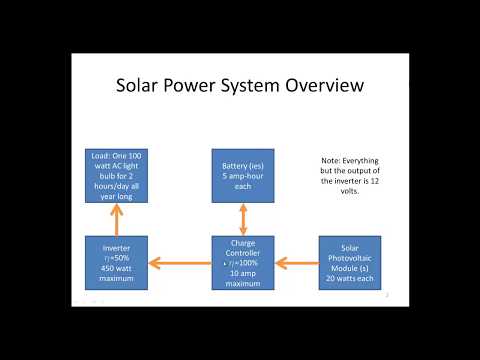
    This video examines a simple treatment for developing a solar power system.
    Bear in mind: This is not shown for real systems as some simplifying presumptions are made that should not be made when establishing a system. This video is for instructional functions just.