Tag: best

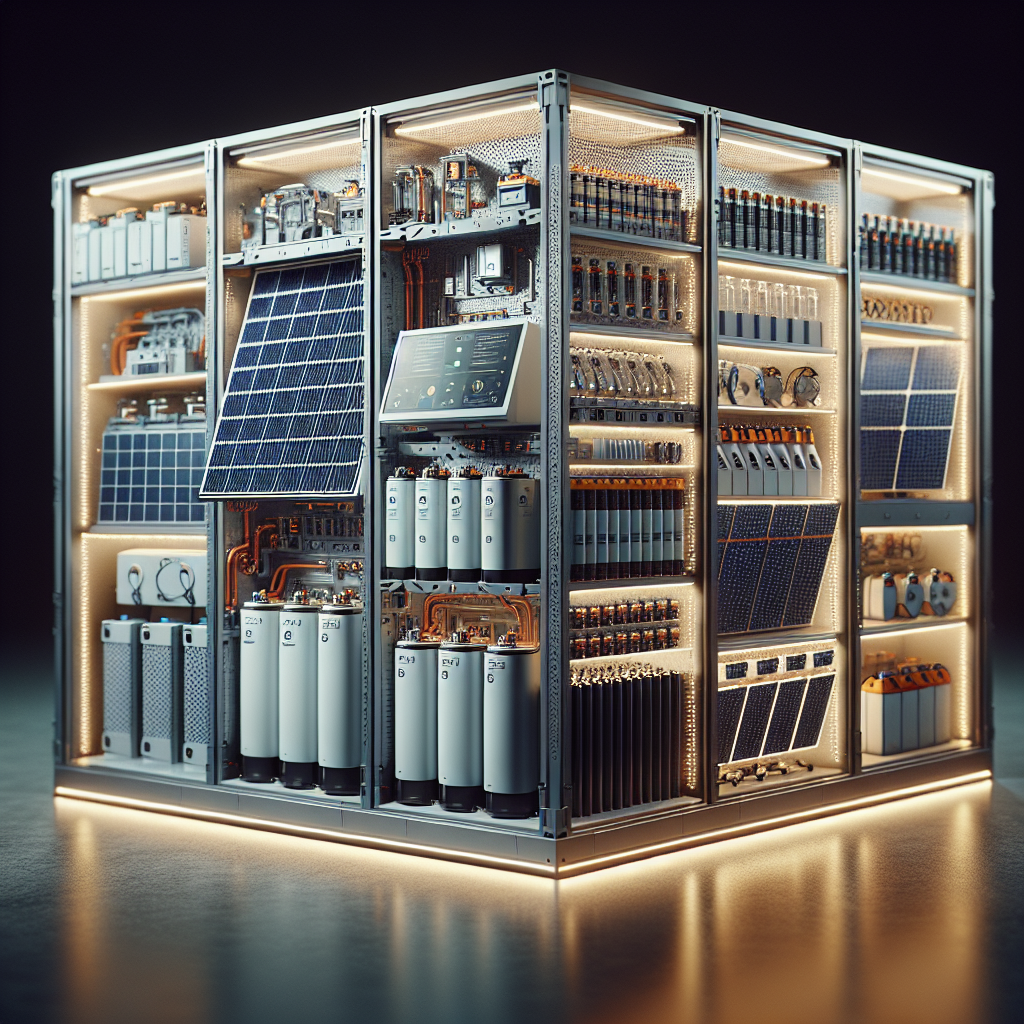
  • Best Solar Batteries for Home Storage

    Best Solar Batteries for Home Storage

    Understanding Solar Battery Types

    Lithium-Ion Batteries

    Let me start with lithium-ion batteries, as they’re pretty much the rockstars of the solar battery world. They’re compact, efficient, and have a longer lifespan compared to other types. When I first switched to solar energy, I was amazed at how light and easy to install these batteries were! Their ability to store a large amount of energy is something that just can’t be overlooked.

    Moreover, these batteries can charge and discharge rapidly, which means they can crank out power when you need it the most. Imagine powering up your house during an outage; it’s like having your very own superhero! They also have a higher cycle count, which translates to better value for my investment over time.

    On the downside, I learned that they can be a bit pricey upfront. But with all the benefits, I found that the long-term savings and efficiency made it all worth it. If I were to recommend a battery type based on my experiences, lithium-ion steals the show!

    Lead-Acid Batteries

    Next up are lead-acid batteries, the older but still relevant players in the solar battery game. These are the OGs and come in two varieties: flooded and sealed. I’ve dabbled with sealed lead-acid batteries, and honestly, they’re like that dependable friend who always shows up in a pinch. They’re quite affordable and can work efficiently for residential uses.

    However, one thing that struck me was their weight. If you ever plan on moving these around, get ready for a workout! Their lifespan is generally shorter than lithium-ion, but I found that they still do a decent job for many households. If you’re on a tighter budget, this could be a solid choice—but keep an eye on their maintenance needs.

    In my journey, I realized that while they might not be as glamorous as lithium-ion, lead-acid batteries get the job done and can be a great option if you don’t mind the extra upkeep. If you value lower upfront costs, give these a thought!

    Saltwater Batteries

    Now, let’s get a bit more eco-friendly with saltwater batteries. These are relatively new in the market, and I find that they have some appealing qualities! Made from non-toxic materials, they’re safe for both the environment and human health, making my heart smile.

    Saltwater batteries are also sturdy and can withstand temperature extremes better than other batteries. I remember reading that their lifespan can match or even exceed that of lithium-ion ones, which is a huge win. They’re not as widely available, but every time I think about their sustainability, it gives me hope for cleaner energy solutions.

    The catch? Well, they can be a bit bulky and may not offer the same power density as lithium-ion batteries. However, if you’re passionate about a greener future, these batteries definitely deserve your attention. It’s like the planet is giving back for the choices we make!

    Factors to Consider When Choosing a Solar Battery

    Capacity and Energy Needs

    Understanding battery capacity is key. Essentially, it’s all about how much energy your home requires. I spent some time calculating my energy consumption to figure out the right capacity for my setup. It’s safer to overestimate a little so you’re not left in the dark during peak usage times. It’s all about that peace of mind, right?

    When I analyzed my energy needs, I realized that aligning the battery capacity with my solar system output made a huge difference. It allowed me to maximize efficiency and ensure I had enough juice to last through the night or in case of cloudy days.

    So, if you’re venturing down this path, grab a piece of paper and jot down your monthly energy consumption. Trust me, knowing your numbers helps tremendously and makes you feel so much more in control!

    Cost and Budget

    Ah, the money talk! One of the first things I had to assess was my budget. Electric services can put a strain on finances, so finding a battery that fits my budget was crucial. I quickly realized that while cheaper options are available, they might not offer the longevity and performance I wanted.

    In my experience, it helped to think long-term rather than just the upfront costs. You spend a little more to get a better battery, and that can translate into savings on utility bills. It’s basically an investment in my future energy independence.

    Every time I paid my electricity bill and saw the drastic cuts in costs, I felt even better about the money spent initially. So, approach the cost aspect with an open mind—consider what you’ll save in the long run!

    Warranty and Lifespan

    And finally, let’s chat about warranties. This is super important! When I purchased my first solar battery, I was keen on getting one with a decent warranty. It’s like the manufacturer saying, “Hey, we’ve got your back!” A good warranty generally indicates confidence in the product’s durability.

    The lifespan of the battery is also something to consider. When I was shopping around, I found that most lithium-ion batteries promised 10-15 years, while lead-acid ones offered around 5-10 years. That knowledge greatly influenced my decision!

    So, keep an eye out for warranties that match the battery’s lifespan. You don’t just want a battery that works well for a year and then fizzles out on you. It’s all about securing a reliable investment that acts like an old friend and sticks around for years!

    Top Brands in Solar Batteries

    Tesla Powerwall

    First up on the list is the Tesla Powerwall. When I finally got my hands on this beauty, I understood all the rave reviews! Tesla really packed a punch with its sleek design and impressive energy storage capacity. The installation was straightforward, and the app interface gave me total control and insights into my energy use.

    The Powerwall has also made a name for itself with features like grid resilience and the ability to integrate with solar panels. I love that I can monitor my energy consumption and production right from my phone. It’s like having a personalized energy manager in my pocket!

    However, I did notice the upfront costs might be a concern for some. But after experiencing the efficiency first-hand, it’s a trade-off I’d make any day. They are pretty much setting the standard for other brands!

    Sonnen Eco

    Next on my journey was the Sonnen Eco. This battery is fascinating because it focuses on sustainability and community energy sharing. When I installed it, I felt like I was part of something bigger than just my energy needs; it was about contributing to a greener future.

    The Sonnen Eco has a long lifespan and comes with great monitoring features as well—kudos for that! On top of that, it’s designed to be modular, so you can expand your system as your needs grow. It was seriously impressive, and I felt empowered with every use!

    The only downside? Well, it does come with a higher price tag. But hey, if you’re looking to contribute to sustainable energy efforts, it’s worth every penny. Plus, their customer support is top-notch, and that matters!

    LG Chem RESU

    Lastly, I want to mention LG Chem RESU. This one threw me for a loop because I didn’t expect such high performance from a brand that’s primarily known for electronics. When I installed it, I was blown away by its compact design and efficiency—it just fits conveniently in small spaces!

    The RESU series also supports a long lifespan and good warranty options, which made my decision easy. I felt confident that I wasn’t just throwing my money at something that would quickly fail!

    The price point is also competitive, so if you’re looking for reliable performance without breaking the bank, give LG Chem a solid look. You won’t regret it!

    Installation and Maintenance Tips

    Professional Installation

    First things first, consider getting a pro for installation. It might be tempting to do it yourself, but after my initial DIY attempt with another project, I quickly learned my lesson. A professional installer can ensure that everything is set up right from the get-go, which is crucial for overall performance.

    The right installer will also help you navigate those complex local regulations or permits, which can be a headache to deal with alone. It’s a bit of money to invest initially, but it pays off to avoid any potential issues down the line!

    Plus, knowing my system was set up correctly gave me peace of mind, allowing me to enjoy my solar energy without worries. Trust me, when it comes to investment tech, professional installation is the way to go.

    Regular Maintenance Checks

    Once installed, keep in mind that batteries, like your car, need some regular TLC too! I made it a point to schedule check-ups at least annually to ensure everything’s ticking along nicely. This means checking the connections, cleaning any dust that settles, and making sure there are no signs of wear.

    Being proactive with maintenance means that small problems can be caught early before they lead to bigger headaches. I remember a couple of times where I saved myself from major issues just because I kept my eyes peeled.

    Taking care of these big investments not only maintains efficiency but also extends their lifespan. You want your batteries to last, so give them the care they deserve!

    Monitoring System Performance

    Lastly, always keep an eye on performance metrics. Many modern batteries come with monitoring systems that are super helpful. The app on my phone has been a game-changer—it tells me when I’m producing and using power, and I can adjust my habits accordingly.

    I learned early on that understanding my energy usage patterns allowed me to maximize efficiency, positively affecting my bills and ensuring a reliable flow of energy. If you see fluctuations, don’t just shrug it off. Investigate! Your battery might be trying to tell you something.

    Staying informed about how your battery is performing keeps everything running smoothly, and you’ll feel more connected to your energy consumption. It’s all part of being an energy-savvy homeowner!

    FAQ

    1. What are solar batteries used for?

    Solar batteries store energy produced by solar panels. This allows you to use stored energy during the night or during outages, providing a reliable power source when you need it most.

    2. How long do solar batteries typically last?

    Most solar batteries can last anywhere from 5 to 15 years, depending on the type. Lithium-ion tends to last longer, while lead-acid batteries may need replacing sooner.

    3. Do solar batteries require maintenance?

    Yes, they do! Regular checks for connections, cleaning, and monitoring performance can help ensure your solar batteries last longer and operate efficiently.

    4. Can I install a solar battery myself?

    While it might be tempting, I highly recommend having a professional do it. Proper installation is critical for safety, performance, and adhering to local regulations.

    5. Are solar batteries worth the investment?

    Absolutely! While the upfront cost can be high, the savings on energy bills, the value of energy independence, and potential government incentives make solar batteries a worthwhile investment in the long run.

  • 10 Effective Best Solar Backup System Strategies for 2025

    10 Effective Best Solar Backup System Strategies for 2025

    1. 1. Prioritize High-Quality Battery Storage
    2. 2. Optimize Your Solar Panel Placement
    3. 3. Incorporate Smart Energy Management
    4. 4. Choose Reliable Inverter Technologies
    5. 5. Regular Maintenance and System Checks
    6. 6. Expand with Modular System Designs
    7. 7. Use Energy Monitoring Tools
    8. 8. Plan for Future Scalability
    9. 9. Understand Government Incentives and Policies
    10. 10. Partner with Certified Solar Installers

    1. Prioritize High-Quality Battery Storage

    Choosing the Right Battery Technologies for 2025

    In 2025, selecting the best solar backup system means paying close attention to the quality of your battery storage. Advanced lithium-ion batteries remain the top choice due to their durability, efficiency, and decreasing costs. When evaluating batteries, consider their capacity, cycle life, and warranty periods. Opt for systems that offer at least 10 years of reliable performance, ensuring your backup system is resilient during prolonged outages.

    For example, Tesla’s Powerwall and LG Chem’s RESU series have set industry standards for home energy storage. These systems are known for their high energy density and safety features. Investing in high-quality batteries not only guarantees consistent power supply but also maximizes your solar investment’s return over the long term.

    Additionally, emerging technologies like solid-state batteries look promising for 2025. They offer even greater safety and energy density. Keep an eye on industry trends, and consider future-proofing your system by choosing batteries with scalable options.


    Practical Tips for Battery Selection

    Always assess your household’s energy consumption patterns before choosing a battery. Use energy audits to identify peak usage times and required backup duration. A well-sized battery system reduces unnecessary costs and ensures power availability when needed.

    Trusted manufacturers often provide detailed performance data and testing results. Be sure to select batteries with proven reliability and support from local installers. Remember, the best solar backup system hinges on integrating quality batteries that match your specific needs.

    Financial Considerations

    While high-capacity batteries may have higher upfront costs, they tend to offer better value in terms of lifespan and performance. Look for options with attractive financing plans or government incentives that help offset initial expenses.


    2. Optimize Your Solar Panel Placement

    Maximizing Sun Exposure in 2025

    Your best solar backup system will perform at its peak when your solar panels are positioned optimally. In 2025, advancements in panel technology make it more critical than ever to ensure your panels capture maximum sunlight. The ideal placement depends on your geographic location, roof tilt, and shading factors.

    For instance, panels should face true south (in the Northern Hemisphere) at an angle that matches your latitude for maximum efficiency. Using solar tracking systems can further enhance energy capture by adjusting panel angles throughout the day and seasons. This approach can increase electricity generation by 20-30%, making your backup system more robust and self-sufficient.

    Addressing shading issues from trees, buildings, or nearby objects is crucial. Regular trimming and strategic landscaping can prevent shading and maintain optimal panel performance. Additionally, perform annual site assessments to ensure ongoing efficiency as surrounding environments evolve.


    Technological Innovations to Consider

    Emerging technologies like bifacial panels and solar modules with integrated micro-inverters provide higher energy yields, especially in challenging conditions. Incorporating these innovations can significantly boost your system’s backup capacity.

    In 2025, smart mounting brackets and adjustable racking systems are becoming standard, simplifying installation and fine-tuning adjustments. Investing in these features ensures your system remains at peak performance regardless of future space constraints or shading issues.

    Practical Installation Tips

    • Consult with certified solar installers who understand local sun paths and shading patterns.
    • Use solar analysis software to model optimal placement before installation.
    • Opt for tilt-adjustable mounts to adapt to seasonal sunlight variations.


    3. Incorporate Smart Energy Management

    Smart Controllers and Automation

    In 2025, integrating smart energy management systems (EMS) is a game-changer for optimizing your best solar backup system. These systems enable real-time monitoring of energy production and consumption, allowing you to prioritize critical loads during outages.

    Smart controllers can automatically switch between grid power, solar, and stored battery energy, ensuring seamless operation. For example, during a blackout, your EMS can prioritize powering essential appliances like refrigerators, medical devices, and lighting, while reducing non-essential loads.

    Automation reduces manual intervention, saving time and reducing human error. Advanced EMS platforms also provide insights into energy usage patterns, helping you identify opportunities to conserve power and extend backup durations.


    Data-Driven Optimization

    Leveraging data analytics and predictive algorithms allows your system to adapt dynamically. For instance, predictive maintenance alerts can notify you of potential battery or inverter issues before failure occurs, minimizing downtime.

    In 2025, many EMS are compatible with mobile apps, enabling remote control and troubleshooting. This flexibility is essential for maximizing system uptime during emergencies and optimizing overall performance.

    Tips for Effective Management

    1. Regularly review system analytics to identify consumption trends.
    2. Set up alerts for system anomalies or maintenance needs.
    3. Integrate your EMS with home automation for enhanced control.


    4. Choose Reliable Inverter Technologies

    String vs. Microinverters in 2025

    The inverter is the heart of your best solar backup system. In 2025, the choice between string inverters and microinverters can significantly affect system reliability and efficiency. String inverters are cost-effective and suitable for large, unobstructed roofs, while microinverters excel in complex shading scenarios and provide more granular monitoring.

    Microinverters optimize each panel’s output independently, making them ideal for mixed shading conditions or uneven roof tilts. While initially more expensive, their long-term benefits in performance and ease of maintenance are noteworthy.

    For homeowners looking for the best solar backup system that offers resilience and flexibility, microinverter systems are gaining popularity due to their robustness and modular design.


    Inverter Efficiency & Lifespan

    Choose inverters with high efficiency ratings (above 98%) to minimize energy loss. Additionally, investing in models with extended warranties ensures longevity, which is crucial for a dependable backup system.

    Many leading brands now offer smart inverters that can communicate with your energy management system, providing real-time diagnostics. This feature simplifies troubleshooting and maintains optimal system health.

    Installation and Maintenance Tips

    • Always work with certified inverter installers to ensure proper setup.
    • Schedule annual inspections to check for dirt, corrosion, or hardware issues.
    • Keep firmware updated to benefit from the latest performance improvements.


    5. Regular Maintenance and System Checks

    Maintaining Peak Performance in 2025

    A robust best solar backup system isn’t just about installation—regular maintenance is essential. In 2025, proactive checks ensure your energy system operates at peak efficiency and longevity. Routine inspections of panels, batteries, and inverters can prevent costly repairs down the line.

    Cleaning panels to remove dust or debris increases energy collection, especially in arid or polluted environments. Battery health reports and inverter performance logs should be reviewed periodically to identify potential issues early.

    Incorporating scheduled maintenance into your annual checklist guarantees that your backup system remains reliable during emergencies. Proper upkeep also helps meet warranty requirements, protecting your investment.


    DIY Tips vs. Professional Services

    While basic maintenance like cleaning panels can be DIY, complex tasks such as inverter calibration or battery testing are best left to certified professionals. Engaging experienced technicians also ensures compliance with safety standards.

    PREPARE Mag ad 970 x 250

    In 2025, many companies offer remote diagnostics tools that help homeowners monitor system health in real time. This technology simplifies maintenance schedules and minimizes downtime.

    Record Keeping for Maintenance

    • Keep detailed logs of inspections, repairs, and system performance.
    • Use digital apps or spreadsheets for tracking maintenance history.
    • This data can be valuable for warranty claims and future upgrades.


    6. Expand with Modular System Designs

    Scalability for Future Growth

    As your energy needs evolve, a modular approach to your best solar backup system ensures seamless expansion. Modular designs allow adding extra panels, batteries, or inverters without extensive overhauls, which is vital in 2025 as energy demands grow.

    Popular in both residential and small commercial installations, these systems offer flexibility, making it easier to adapt to changes like new appliances or home renovations. Start with a core setup and expand as needed.

    Many top manufacturers now develop plug-and-play modules to streamline installation and future upgrades, saving both time and money.


    Cost-Effective Expansion Strategies

    Rather than over-investing initially, plan your system with future expansion in mind. This foresight helps spread costs over time and ensures your backup system remains reliable as your household’s energy demands increase.

    Consult with installers about compatible components and potential upgrade paths to maximize your system’s lifespan and performance.

    Practical Tips for Growing Your System

    1. Choose modular inverter and battery brands known for compatibility.
    2. Assess your future energy needs annually to plan expansions.
    3. Leverage government incentives aimed at encouraging system upgrades.


    7. Use Energy Monitoring Tools

    Real-Time Data for Optimization

    In 2025, energy monitoring tools are more advanced and user-friendly than ever. These tools provide real-time data on energy generation, consumption, and storage, empowering you to make informed decisions about your best solar backup system.

    Many systems now come with mobile apps that display detailed dashboards, allowing you to track performance from anywhere. This transparency helps identify inefficiencies and optimize energy use, especially during high-demand periods or outages.

    By leveraging detailed analytics, homeowners can adjust behaviors, such as shifting appliance use to sunny periods, to maximize solar energy and extend backup capacity.


    Benefits of Energy Monitoring Integration

    Integrated monitoring reduces maintenance costs by alerting you of potential problems before they escalate. Additionally, monitoring tools can help fulfill warranties by providing detailed records of system performance and anomalies.

    Some advanced platforms even predict future energy needs based on historical data, aiding in system planning and upgrades.

    Tips for Effective Monitoring

    • Connect your system with Wi-Fi for remote access.
    • Set alerts for unusual drops in performance or system errors.
    • Regularly review data to identify trends and optimize usage.


    8. Plan for Future Scalability

    Designing for Long-Term Growth

    Planning for future growth is essential when selecting the best solar backup system in 2025. A scalable system allows easy addition of panels and storage units as your energy needs increase, protecting your investment.

    For example, starting with a modest system that can be expanded avoids premature obsolescence. Modular inverters and batteries are key components for easy scalability, reducing installation costs for future upgrades.

    This foresight ensures your system remains relevant and efficient over the years, especially as renewable energy technology continues to advance.


    Financial and Practical Implications

    Although initial costs might be higher for scalable systems, the long-term savings and flexibility justify the investment. Staying informed about emerging grants and incentives for upgrades can further reduce costs.

    Consult with your installer to develop a phased plan that aligns with budget and future goals.

    Tips for Future-Ready Systems

    1. Choose inverter and battery brands supporting modular expansion.
    2. Estimate future energy consumption based on household plans.
    3. Keep abreast of technological innovations that enhance scalability.


    9. Understand Government Incentives and Policies

    Maximizing Financial Benefits in 2025

    In 2025, government incentives for renewable energy are more accessible, making the best solar backup system a smart investment. Tax credits, rebates, and grants can significantly lower upfront costs, accelerating your return on investment.

    Stay informed about local, state, and federal policies that support solar and backup system installations. For example, programs like the Inflation Reduction Act offer substantial credits for renewable energy upgrades.

    Working with knowledgeable installers helps ensure you leverage all available incentives, making your system more affordable and boosting its overall value.


    Policy Trends and Future Outlook

    Policy landscapes are continuously evolving. In 2025, expect increased incentives tied to grid resilience and sustainability initiatives, encouraging more homeowners to invest in reliable backup systems.

    Follow updates from energy departments and industry associations to maximize benefits and stay compliant with emerging standards.

    Action Tips for Homeowners

    • Research available incentives before purchasing.
    • Work with installers experienced in navigating policy frameworks.
    • Document all transactions and paperwork for rebates and tax purposes.


    10. Partner with Certified Solar Installers

    The Importance of Professional Installation

    Choosing the right installer is crucial for ensuring your best solar backup system performs optimally. Certified professionals understand local regulations, optimal system design, and best practices for installation in 2025.

    A qualified installer ensures your system is correctly sized, efficiently installed, and compliant with safety standards. Proper installation reduces the risk of performance issues, outages, and warranty voiding.

    Research reviews, certifications, and references before selecting an installer. Partnering with reputable professionals guarantees peace of mind and the best return on your investment.


    Long-Term Support and Maintenance

    Good partnerships extend beyond installation. Choose an installer that offers ongoing support, maintenance, and system upgrades. Regular service keeps your backup system operating at peak efficiency, especially during critical events.

    Schedule annual inspections and keep communication open to address

  • Top 5 Best Solar Battery Backup Strategies for 2025: The Ultimate Guide

    Top 5 Best Solar Battery Backup Strategies for 2025: The Ultimate Guide

    Table of Contents

    1. 1. Choosing the Right Battery Chemistry
    2. 2. Optimal Battery Sizing and Capacity Planning
    3. 3. Incorporating Smart Energy Management Systems
    4. 4. Leveraging Renewable Energy Integration and Financing
    5. 5. Regular Maintenance and Future-Proofing Your Backup System

    1. Choosing the Right Battery Chemistry

    Understanding Different Battery Types

    When planning the best solar battery backup for 2025, selecting the right battery chemistry is critical. The most common types are lithium-ion, lead-acid, and emerging solid-state batteries. Lithium-ion batteries dominate the market due to their high energy density, longer lifespan, and decreasing costs. For example, lithium iron phosphate (LiFePO4) batteries are gaining popularity because they offer enhanced safety and durability, making them suitable for residential solar back systems.

    Lead-acid batteries, while historically used, are less favored now due to their limited lifespan and lower efficiency. They are cheaper upfront but require more maintenance and replacement over time. Solid-state batteries are still in development but promise significant improvements in safety and energy density, potentially becoming a game-changer for the best solar battery backup in upcoming years.

    In 2025, I recommend prioritizing lithium-based chemistries for most residential applications. They provide a good balance between cost, performance, and longevity, ensuring your backup system remains reliable through multiple cycles and seasonal changes.

    Safety, Cost, and Performance Considerations

    Safety is paramount. Lithium-ion batteries are generally safe if properly installed with appropriate management systems, but incorrect handling or manufacturing flaws can lead to thermal runaway. Always choose batteries from reputable manufacturers with certified safety features. Cost-wise, lithium-ion batteries have seen a dramatic price decrease—about 80% over the past decade—making them more accessible for the average homeowner in 2025.

    Performance metrics, such as cycle life (typically 3,000–5,000 cycles for lithium-ion), efficiency (around 90–95%), and warranty periods also influence your choice. Investing in high-quality batteries reduces long-term costs and ensures your solar backup remains effective when needed most, especially during outages or peak demand times.


    2. Optimal Battery Sizing and Capacity Planning

    Assessing Your Energy Needs

    One of the most common mistakes homeowners make when choosing a best solar battery backup system is underestimating their energy requirements. In 2025, the key is to analyze your typical power consumption, including essential appliances, EV charging, and emergency power needs. Use detailed energy audits and smart monitoring systems to gather accurate data. A typical household might need anywhere from 10 to 30 kWh of backup capacity for resilience during outages.

    For example, if your goal is to sustain basic lighting, refrigeration, and communication devices during a power outage, sizing your battery to cover your critical loads for at least 24-48 hours is ideal. Larger capacities enable you to reduce reliance on grid power, maximize your solar investment, and become more energy independent in 2025.

    Most installers recommend oversizing slightly to cover unforeseen needs or future expansion, such as adding new appliances or electric vehicle charging stations.

    Practical Tips for Battery Sizing

    • Calculate your peak loads to ensure batteries can handle the maximum demand.
    • Include contingency margin—about 20-30%—to ensure resilience in unexpected situations.
    • Consider future growth—adding more solar panels or household appliances—when planning capacity.

    Smart energy management systems can optimize how stored energy is used, further extending your backup’s usefulness. Remember, the right capacity ensures your system is both reliable and cost-effective in 2025.

    3. Incorporating Smart Energy Management Systems

    The Role of Automation in Backup Efficiency

    Modern homes are increasingly equipped with smart energy management systems (EMS) that integrate seamlessly with solar and battery backup solutions. In 2025, the best solar battery backup setups utilize smart EMS to automate load prioritization, ensuring critical devices stay powered during outages. These systems analyze real-time data, predict energy needs, and optimize battery discharge, making your backup more efficient and extendable.

    For example, during a grid outage, the EMS can automatically shut off non-essential appliances, conserving stored energy for essentials like refrigeration, medical devices, or communication. This smart control prevents premature battery depletion and enhances overall system longevity.

    Many advanced EMS feature remote monitoring and mobile app alerts, giving homeowners peace of mind knowing that their backup system is functioning correctly and ready at a moment’s notice. In 2025, integrating such systems is no longer optional but essential for maximizing your solar backup’s potential.

    Benefits of Integrating Smart Systems

    • Enhanced energy efficiency and prolonged battery life.
    • Automatic load shedding during outages to preserve critical power.
    • Real-time system diagnostics and predictive maintenance alerts.

    Choosing a best solar battery backup with advanced smart management features helps ensure stability and readiness, especially as energy loads become more complex with electric vehicle charging and home automation trends.

    4. Leveraging Renewable Energy Integration and Financing

    Synergizing Solar, Wind, and Storage

    Integrating multiple renewable sources—solar panels combined with small wind turbines—can enhance your best solar battery backup. In 2025, hybrid systems are more popular due to their ability to generate power continuously, even when sunlight is limited or during seasonal changes. This ensures that your battery system remains charged and ready for emergencies.

    PREPARE Mag ad 970 x 250

    For instance, a homeowner in a windy area might pair solar with wind turbines, ensuring more consistent energy supply. This integration reduces dependency on grid power and can diminish energy costs long-term.

    Furthermore, microgrid capabilities allow your home to operate independently, making your backup system even more resilient. By leveraging multiple renewable sources, you gain greater control, reliability, and savings over time.

    Funding, Incentives, and Future-Proofing

    Incentives and rebates for clean energy investments are still available in 2025, making it more affordable to install high-quality solar and storage systems. Many governments and local agencies offer tax credits, grants, and low-interest financing options. These financial tools can make obtaining the best solar battery backup more accessible for homeowners and businesses alike.

    Investing in future-proofed solutions—such as batteries that are scalable or compatible with upcoming technology—ensures your system remains effective for years to come. Staying updated with advancements in battery chemistry and system integration helps maximize your return on investment.

    5. Regular Maintenance and Future-Proofing Your Backup System

    Ensuring Longevity and Reliability

    Even the most advanced best solar battery backup systems require routine maintenance to sustain peak performance. In 2025, this includes checking battery voltages, ensuring proper cooling, and updating software for smart management features.

    Manufacturers typically recommend inspection and servicing every 1-2 years. Regular maintenance prevents issues like capacity fade, corrosion, or unsafe conditions, thus extending the life of your investment.

    Many systems now include remote diagnostics, allowing technicians to identify potential problems early and perform necessary updates via software. This proactive approach minimizes downtime and reduces repair costs over time.

    Planning for System Upgrades

    As technology evolves, future-proofing your backup system is more critical than ever. Choose modular batteries that can be expanded as your energy needs grow, especially with the increase in electric vehicle ownership. Additionally, select systems compatible with emerging standards and grid integration protocols.

    Staying informed about new battery chemistries and smart system upgrades ensures your energy independence is resilient against technological obsolescence. Investing in a well-maintained and adaptable system means your best solar battery backup will remain reliable well into 2025 and beyond.

    Frequently Asked Questions

    1. What is the best solar battery backup for 2025?

    The best solar battery backup options in 2025 are lithium-ion-based systems, especially lithium iron phosphate (LiFePO4), due to their safety, longevity, and efficiency. Top brands offer intelligent management features and scalable capacities, making them ideal for residential use.

    2. How do I size my solar battery backup system?

    To size your system, analyze your energy consumption during outages, prioritize critical loads, and include future expansion considerations. Using smart energy monitors can provide detailed data to inform your decision and ensure your backup system meets your specific needs.

    3. Why is integrating smart energy management important in 2025?

    Smart energy management systems optimize backup performance by automating load shedding, maximizing battery lifespan, and providing real-time diagnostics. These features ensure your home remains resilient, especially during extended outages or peak demand periods.

    4. How can I ensure my solar battery backup system remains reliable?

    Regular maintenance, software updates, and selecting scalable, future-proof systems are key. Also, staying informed about technological advances and leveraging available incentives can help you maintain a reliable and cost-effective backup solution throughout 2025 and beyond.

    Conclusion

    Choosing the best solar battery backup in 2025 requires careful consideration of battery chemistry, sizing, smart system integration, renewable energy synergy, and maintenance practices. By following these strategies, you’ll enhance your energy independence, reliability, and safety during outages. Investing in a well-designed, future-proof backup system ensures you’re prepared for the evolving energy landscape and can enjoy peace of mind knowing your home’s power needs are covered no matter what happens.


  • The Ultimate Guide to the 10 Best Solar Panels for Home in 2025

    The Ultimate Guide to the 10 Best Solar Panels for Home in 2025

    Choosing the best solar panels for home in 2025 is more important than ever as more homeowners seek sustainable, cost-effective energy solutions. With advances in technology and increased efficiency, the options can be overwhelming. In this comprehensive guide, I’ll walk you through the top 10 solar panels of 2025, helping you make an informed decision to maximize your energy savings and minimize your carbon footprint.

    Table of Contents

    1. 1. Renogy Hyperion 250W
    2. 2. Panasonic High Efficiency Series
    3. 3. SunPower Element, CUL2 415W
    4. 4. LG Neon RESiDLite Series
    5. 5. Q-peak HD V2 400W
    6. 6. Astronergy Factory 12 360W
    7. 7. Jinko Eagle 72HC 370W
    8. 8. REC Alpha HD 370W
    9. 9. BenQ Solar Eco Line 375W
    10. 10. ACE Solar Power Pack

    1. Renogy Hyperion 250W

    High Efficiency and Durability

    The Renogy Hyperion 250W is renowned for its robust build and high efficiency, making it a top choice among homeowners in 2025. It features monocrystalline cells that deliver excellent energy conversion, even in low-light conditions. This panel’s durability ensures it withstands harsh weather, including snow, rain, and high winds, which is critical for longevity and consistent performance.

    Ease of Installation

    One of the standout qualities of the Renogy Hyperion is its ease of installation—an important factor for DIY homeowners. The panel comes with pre-drilled holes and adjustable mounting options, simplifying setup. Additionally, Renogy provides comprehensive installation guides and support, which is beneficial for those new to solar energy systems.

    Investing in a reliable, efficient panel like the Hyperion can significantly cut your electricity bills and increase property value. Expect an ROI within 5-7 years, depending on your energy consumption and local sunlight exposure.


    2. Panasonic High Efficiency Series

    Leading Technology for Homeowners

    Panasonic’s solar panels are recognized for their cutting-edge HIT™ technology, which combines monocrystalline silicon with thin-film layers to maximize sunlight absorption. This results in high efficiency rates, often surpassing 20% in 2025. For homeowners looking for top-tier performance, Panasonic offers some of the best solar panels for home with a remarkable power output per square foot.

    Environmental Benefits and Long-Term Savings

    Using Panasonic’s solar panels can significantly reduce your household’s carbon footprint, aligning with global sustainability goals for 2025. Their long-term durability and high output translate into substantial savings over the system’s lifespan, typically exceeding 30 years. This makes Panasonic a smart investment if you’re seeking the best solar panels for home that combine efficiency and reliability.

    Tip: Pair Panasonic panels with energy-efficient appliances to maximize your solar investment in 2025.


    3. SunPower Element, CUL2 415W

    Industry Leading Efficiency

    SunPower’s Element series continues to dominate for its industry-leading efficiency—reaching up to 22% in 2025. The CUL2 415W module is ideal for homeowners with limited roof space who want maximum power output. Its sleek, aesthetically pleasing design integrates seamlessly into residential settings, enhancing curb appeal along with energy performance.

    Smart Monitoring and Warranty

    This panel offers advanced monitoring systems that allow homeowners to track energy production in real-time via mobile apps. SunPower’s generous 25-year warranty on both product and performance underscores its commitment to quality. Such features make it one of the best solar panels for home in this competitive landscape.

    Action Tip: For best results, ensure proper shading analysis before installation to optimize efficiency gains.

    4. LG Neon RESiDLite Series

    Elegant Design Meets Power

    LG’s Neon RESiDLite panels have gained a reputation for their sleek aesthetics combined with high performance. Equipped with LG’s multi-wire cell technology, they deliver consistent power output even in less-than-ideal conditions. This makes LG one of the best solar panels for home, especially for homeowners concerned about looks and efficiency.

    Advanced Durability and Weather Resistance

    Built with rugged materials, these panels are designed to withstand hail, snow, and high temperatures—conditions at the forefront of concerns for many in 2025. Installing LG Neon panels can be a sound investment, offering a steady return through reduced energy costs over decades.

    Pro Tip: Regular maintenance, like cleaning dirt and debris from the surface, ensures optimal output from LG panels.


    5. Q-peak HD V2 400W

    High Power Density

    The Q-peak HD V2 400W is a powerful choice for homeowners seeking high wattage with fewer panels. Its innovative design offers high power density, reducing installation space needs—especially beneficial for properties with limited roof area. This panel is one of the best solar panels for home in terms of maximizing energy generation per square foot.

    PREPARE Mag ad 970 x 250

    Cost-Effectiveness and Return on Investment

    While slightly premium-priced, the high efficiency and durability of Q-peak’s panels can lead to faster payback periods. Expect energy savings to offset initial costs within 4-6 years in most regions of 2025, depending on local sunlight exposure.

    Tip: Proper inverter selection enhances these panels’ performance, making the most of their high efficiency.

    6. Astronergy Factory 12 360W

    Reliable Performance for Home Use

    Astronergy’s Factory 12 series offers dependable energy production and excellent value. With monocrystalline modules that perform well in varied climates, these panels are especially popular among cost-conscious homeowners who don’t want to sacrifice quality. They rank among the best solar panels for home for their balanced price and performance.

    Sustainable Manufacturing and Certification

    Astronergy emphasizes sustainable manufacturing practices, adhering to strict environmental standards. Certified for safety and efficiency, these panels can be confidently installed in residential settings, ensuring long-term satisfaction and compliance with regulations in 2025.

    7. Jinko Eagle 72HC 370W

    High Efficiency and Low LID

    The Jinko Eagle 72HC 370W boasts impressive efficiency figures, thanks to its optimized cell design. Its low Light-Induced Degradation (LID) ensures sustained output over years of operation, making it a reliable component of your home’s solar system in 2025.

    Ease of Integration with Inverter Systems

    Jinko panels are compatible with most inverter brands, simplifying the upgrade or installation process. Their modular design allows flexible configuration, fitting different roof sizes and budgets.

    8. REC Alpha HD 370W

    Next-Generation Efficiency

    REC Alpha HD 370W is considered one of the best solar panels for home due to its high efficiency and innovative technology. Its heterojunction cell design offers superior performance, especially in fluctuating weather conditions typical of 2025 climate patterns.

    Environmental Impact and Sustainability

    REC prioritizes sustainability, and their panels are manufactured with eco-friendly processes. Investing in REC panels supports environmentally conscious choices while providing high energy yields.

    9. BenQ Solar Eco Line 375W

    Affordable Quality for Homeowners

    BenQ Solar’s Eco Line offers excellent value with high-quality monocrystalline modules perfect for residential rooftops. Its competitive price point makes it one of the best solar panels for home in 2025, providing a quick return on investment with reliable performance.

    Performance Monitoring and Support

    BenQ integrates intelligent monitoring systems, allowing homeowners to track energy production remotely. Coupled with strong customer support, these panels enhance your solar experience, assuring long-term satisfaction.

    10. ACE Solar Power Pack

    All-in-One Solar Solution

    The ACE Solar Power Pack is a comprehensive package tailored for homeowners wanting a hassle-free installation. It includes high-efficiency panels, inverter, mounting hardware, and monitoring system, streamlining the process to harness solar energy effectively in 2025.

    Ideal for Upgrading Older Systems

    If you’re upgrading an existing system or installing solar for the first time, the ACE Power Pack offers flexibility and high performance. Its modular design ensures scalability and adaptability to different home layouts.

    Frequently Asked Questions

    What are the features of the best solar panels for home in 2025?
    The best solar panels for home in 2025 combine high efficiency, durability, ease of installation, and excellent warranties. They are designed to maximize energy production while enduring diverse weather conditions.
    How do I choose the right solar panel for my home?
    Consider your roof size, orientation, shading, and energy needs. Look for panels with high efficiency, good warranties, and proven reliability. Consulting with a solar specialist can also help tailor the best system for your home.
    Are premium solar panels worth the investment?
    Yes, high-efficiency panels like those from SunPower or Panasonic may have a higher upfront cost but offer greater energy output, longer lifespan, and better performance, leading to significant savings over time.
    Can I install solar panels myself in 2025?
    While many panels are DIY-friendly, professional installation is recommended to ensure safety, optimal performance, and compliance with local regulations. Many top brands provide detailed guides and support for DIY enthusiasts.

    Conclusion

    In 2025, selecting the best solar panels for home is crucial if you aim to maximize energy efficiency, reduce costs, and contribute to a sustainable future. From industry leaders like SunPower and Panasonic to budget-friendly options like BenQ and Astronergy, there’s a perfect panel for every homeowner’s needs. Remember, investing in quality solar panels today means you’ll reap the benefits of clean, renewable energy for decades to come. Make an informed choice by considering the options outlined above, and you’ll be well on your way to a greener, more energy-independent home in 2025.

  • The Ultimate Guide to the 10 Best Solar Panels for 2025: Effective Power Tips

    The Ultimate Guide to the 10 Best Solar Panels for 2025: Effective Power Tips


    1. Peak Power Performer: SunPower Maxeon 3

    Unmatched Efficiency and Output

    The SunPower Maxeon 3 stands out as one of the best solar panels in 2025, delivering exceptional efficiency ratings of over 22%. This means more electricity generation per square foot, making it ideal for homeowners with limited roof space who want maximum power. Its innovative all-back-contact design minimizes shading impacts, ensuring consistent performance throughout the day.

    Many users report that the Maxeon 3 provides reliable high-energy output, even in less-than-ideal sunlight conditions. For those looking to optimize their energy savings in 2025, investing in this top-tier panel can significantly reduce electricity bills and carbon footprint.

    Real-world examples show that households installing SunPower Maxeon 3 panels often see a 30% increase in energy production compared to standard panels. This makes it a wise choice for those seeking the best solar panels for long-term savings and efficiency.

    Durability and Warranty

    Durability is crucial when selecting solar panels. The Maxeon 3 boasts a solid IP67-rated enclosure, making it resistant to dirt, debris, and water ingress. It is designed to withstand harsh weather, including hail and strong winds.

    SunPower offers an industry-leading 25-year product and power warranty, giving homeowners peace of mind for decades to come. Choosing a durable and reliable solar panel ensures you don’t face unexpected costs or replacements, a valuable factor in 2025’s fluctuating climate conditions.

    Pro tip: When evaluating the best solar panels, always consider the warranty and durability features that align with your local environment.


    2. Budget-Friendly Choice: Renogy Eclipse Monocrystalline

    Affordable Performance without Compromising Quality

    If you’re searching for some of the best solar panels that won’t break the bank, the Renogy Eclipse Monocrystalline panels are an excellent option in 2025. These panels offer solid efficiency rates around 20%, providing a good balance between cost and performance.

    Renogy is known for producing durable, reliable panels that are perfect for first-time solar buyers or those looking to expand an existing system. In the current market, their hybrid approach balances affordability with a robust energy output, making it a top choice.

    Practically, many homeowners who opt for Renogy Eclipse panels report quick installations and noticeable reductions in their energy bills within the first few months. They’re ideal for budget-conscious consumers seeking the best solar panels in 2025.

    Installation and Maintenance

    Renogy panels are lightweight and designed for quick, straightforward installation. Maintenance is minimal, typically requiring just periodic cleaning and inspections. In 2025, innovations in panel design mean fewer invasive procedures and more user-friendly setups.

    Furthermore, Renogy’s extensive warranty coverage ensures your investment remains protected. Overall, these panels offer excellent value, especially for those new to solar energy or with limited upfront budgets.

    Tip: Evaluate your energy needs and available roof space to determine if budget-friendly panels like Renogy meet your requirements for 2025.


    3. Most Efficient Light Harvester: LG Neon R

    Maximizing Output in Limited Space

    The LG Neon R series has continued to dominate in efficiency rankings, making it one of the best solar panels for maximizing energy production in limited space. Achieving efficiencies of up to 21.7%, these panels are engineered to generate more power even under suboptimal lighting conditions.

    In 2025, LG’s innovative cell technology captures more sunlight, translating into higher kilowatt-hour yields. This is especially advantageous for urban environments or small rooftops where space is at a premium. Many consumers are choosing LG Neon R panels to get the most out of their solar investment.

    Real-world data show performance consistently outperforming traditional panels, with some installations producing up to 35% more energy annually than comparable products.

    Design and Aesthetics

    LG Neon R panels are sleek and aesthetically pleasing, fitting well on contemporary roofs. Their low-profile design not only enhances appearance but also reduces wind resistance, improving durability.

    For 2025, LG has integrated smart monitoring features, allowing users to track performance via apps, making maintenance and optimization easier—another advantage for those seeking the best solar panels with smart tech features.

    To optimize value, pairing these panels with energy storage solutions can maximize energy independence and savings.


    4. Long-Lasting Durability: Panasonic HIT N330

    Built for Reliability and Longevity

    Choosing best solar panels means considering longevity, and the Panasonic HIT N330 delivers just that. With an expected lifespan of over 30 years, these panels are built to withstand tough weather conditions without losing efficiency.

    The HIT technology combines crystalline and amorphous silicon layers, which ensures high performance even in low-light situations—making it ideal for diverse climates typical in 2025. Many users in colder or cloudier regions have reported consistent energy production from these panels.

    Moreover, Panasonic provides a comprehensive 25-year warranty on performance and material integrity, emphasizing their commitment to durability and customer satisfaction.

    Environmental Resistance Capabilities

    The HIT N330 panels have excellent resistance to humidity, salt, and potential-induced degradation (PID), which can affect many cheaper panels over time. This robustness guarantees your investment remains safe for decades.

    Installing high-quality panels like Panasonic’s is a strategic move when considering long-term energy security and minimizing maintenance costs in 2025.

    Tip: For harsh environments, always select panels that specify environmental resistance and long-term durability to ensure consistent performance.


    5. Smart Tech Integration: Tesla Solar Panels

    Connected Solar Systems for Modern Homes

    In 2025, solar technology isn’t just about efficiency—it’s about integration. Tesla’s solar panels are part of a larger ecosystem that includes smart inverters and the Powerwall energy storage system. This makes Tesla a standout in the best solar panels category for tech-savvy homeowners.

    These panels seamlessly connect with Tesla’s Energy app, allowing real-time monitoring of energy production, consumption, and system health. This smart integration helps users optimize their energy use and reduce waste, especially during peak sunlight hours.

    Many users report that Tesla’s solar solutions have improved their ability to manage energy dynamically, resulting in savings and increased sustainability. As smart home features become standard, Tesla’s offerings are poised to lead the market in 2025.

    Installation and Compatibility

    Tesla’s panels are designed for straightforward, scalable installation, compatible with various roof types. Their sleek, low-profile design minimizes visual impact, blending into modern home aesthetics.

    By combining solar panels with other smart home systems, owners gain full control over their energy footprint—making Tesla a compelling choice when seeking the best solar panels integrated with cutting-edge technology.

    Pro tip: Consider pairing Tesla’s panels with their Powerwall for maximum energy independence in 2025.


    6. Best for Small Roofs: Renogy 320W Monocrystalline

    Compact yet Powerful Design

    Limited roof space doesn’t mean you have to compromise on energy production. The Renogy 320W Monocrystalline panels are among the best solar panels for small or constrained spaces in 2025. Their compact size yet high wattage output makes them perfect for smaller rooftops, balconies, or shaded areas.

    Many homeowners have reported that these panels, despite their size, provide sufficient energy for basic household needs, especially when paired with energy-efficient appliances. This makes them ideal for rental properties or urban settings where space is at a premium.

    In 2025, the trend towards mini-systems and modular solar setups has made such panels more popular than ever, offering flexibility and cost savings.

    Ease of Deployment

    Renogy’s panels are lightweight, easy to install, and compatible with various mounting systems. They’re suitable for DIY enthusiasts or professional installers seeking a quick setup process.

    By selecting efficient small panels, you can optimize limited space and still benefit from the advantages of solar energy in 2025.

    Tip: Use microinverters or optimizers to maximize output from each panel and improve performance in shaded conditions.


    7. High Performance for Remote Installations: SunPower Equinox

    Reliable Power in Off-Grid and Remote Areas

    The SunPower Equinox system is renowned as one of the best solar panels options for remote or off-grid applications in 2025. Its high efficiency and robust build ensure dependable energy generation where grid access is limited or unavailable.

    Many outdoor enthusiasts, remote communities, and off-grid homesteaders choose SunPower for its proven performance under challenging conditions. Its low temperature coefficient means it produces excellent power even in colder climates.

    Investing in the Equinox for remote areas can reduce reliance on generators and diesel fuel, aligning with sustainability goals for 2025.

    System Integration and Scaling

    The system is designed for easy scalability, allowing users to add more panels as energy needs grow. Its modular approach makes expanding or upgrading straightforward without complex reconfigurations.

    Additionally, their durable design withstands snow, wind, and other environmental stresses. This resilience makes SunPower Equinox ideal for specialized applications demanding the best solar panels in remote settings.

    Pro tip: Always assess your specific environmental conditions and choose panels designed to meet those challenges for maximum longevity.


    8. Ease of Installation: Canadian Solar CS6K-300P

    User-Friendly Design for Fast Setup

    If ease of installation is a priority, the Canadian Solar CS6K-300P panels are among the best solar panels for 2025 due to their plug-and-play features and lightweight design. They are perfect for DIY installers or professionals seeking quick deployment.

    In addition to straightforward wiring, these panels come with pre-installed junction boxes, reducing setup time. This streamlined process can save money and reduce labor costs.

    Many users appreciate how hassle-free these panels are, ensuring homeowners and businesses can start generating clean energy almost immediately.

    Compatibility and Support

    Canadian Solar offers excellent customer support and detailed installation guides, easing the process further. Their panels are compatible with most standard mounting systems and inverters, making them flexible for various systems.

    In 2025, rapid installation and reliable support systems make these panels a go-to choice for quick, effective solar setups.

    Tip: Proper planning and professional consultation can maximize the efficiency and lifespan of your installed best solar panels.


    9. Most Affordable Solar Panels: GCL-SI Mono-X

    Cost-Effective and Proven Performance

    The GCL-SI Mono-X panels are known for providing impressive value for money, making them some of the best solar panels for affordability in 2025. While maintaining efficiency levels around 19.5%, they offer reliable performance suitable for homeowners on a budget.

    These panels are a popular choice for large-scale installations where cost per watt is a critical factor. They also benefit from GCL’s extensive manufacturing experience, ensuring quality and longevity.

    Numerous case studies indicate that installations using GCL-SI Mono-X panels see significant reductions in energy costs within the first year of use.

    Long-term Investment and Return

    Low upfront costs combined with solid efficiency translate into quicker payback periods. Plus, their proven durability and decent warranty make them a sensible long-term investment.

    The key in 2025 is balancing initial investment with expected performance; GCL-SI panels strike that balance well.

    Tip: Always verify the latest warranty and certification from trusted sources when choosing affordable best solar panels.


    Emerging Innovations

    2025 is a pivotal year for solar technology, with breakthroughs focused on increasing efficiency, reducing costs, and enhancing sustainability. Perovskite solar cells, for example, show promise for higher efficiency with less material use, potentially revolutionizing the marketplace.

    Moreover, bifacial panels that capture sunlight from both sides are becoming standard in premium systems, boosting energy yields by up to 20%. Smart, AI-driven monitoring and predictive maintenance will become commonplace, maximizing performance and lifespan.

    Manufacturers are also focusing on eco-friendly production methods, reducing the environmental impact of panel manufacturing, aligning with global sustainability goals.

    Future-Proofing Your Investment

    When selecting the best solar panels in 2025, consider future-proof features like scalability, smart technology, and durability. Investing in panels with cutting-edge features ensures your system remains efficient and reliable for decades.

    Stay informed about emerging trends by consulting trusted industry sources and considering installation options that support technological upgrades.

    Pro tip: A well-chosen solar system today can adapt seamlessly to upcoming advancements, securing your energy independence and savings in the long run.

    Frequently Asked Questions

    What are the best solar panels to buy in 2025?
    Based on efficiency, durability, and technology, the SunPower Maxeon 3 and LG Neon R are among the top contenders in 2025. Factors such as budget, space, and specific needs will determine the best fit for you.
    How do I choose the most efficient solar panels?
    Look for panels with high efficiency ratings (over 20%), good warranties, and proven performance in your climate. Research recent reviews and real-world testing results to gauge efficiency in actual conditions.
    Are expensive solar panels worth it?
    Higher-priced panels often offer better efficiency and durability, leading to greater long-term savings. However, the most suitable panels depend on your specific energy needs, budget, and installation constraints.

  • The Best Ways to Utilize Solar Energy at Home

    The Best Ways to Utilize Solar Energy at Home

    Converting Sunlight into Electricity

    Understanding Solar Panels

    First off, let’s dive into solar panels. These magical gadgets convert sunlight into electricity, and I’ve got to say, they’ve changed my whole energy game. When I installed mine, I was amazed at how much energy I could harness just from the sun’s rays. It’s almost like having a little sun-powered generator on my roof!

    There are mainly two types of panels: photovoltaic (PV) and thermal. PV panels are the ones that convert sunlight directly into electricity, while thermal panels can be used to heat water. I personally went with PV panels because, let’s face it, electricity is my main goal!

    Installing them can seem daunting, but it’s totally worth it. You may need to consult an installer, but trust me, once they’re up, you’ll start seeing those energy bills decline faster than you can say “solar energy.”

    DIY Solar Projects

    If you’re feeling a bit crafty, there are plenty of DIY projects to get you started with solar energy. I recently built a solar oven (yes, you read that right!) that cooks food using sunlight. It’s a fun project, and the taste of sun-warmed pizza is out of this world!

    There’s also solar water heaters you can assemble with a few materials. All you need is some black pipe, a water tank, and sunlight. It’s one of those projects you’ll feel proud about when you tell your friends, “Yeah, I made my own water heater!”

    Plus, these DIY projects are not just about saving money; they’re about engaging with renewable energy in a practical way. It’s hands-on learning at its finest!

    Choosing the Right System

    Picking the right solar system for your needs is crucial. You don’t want to end up with a system that’s either overkill or insufficient. My friend had a system that was way too big for her tiny apartment, and she ended up paying more than she needed!

    Take a good look at your electricity consumption and consider how much solar power you’ll realistically need. Since I love using my air conditioner, I opted for a system that could manage my moderate to high usage, which was a smart choice.

    Remember to look for warranties and check if the company has a good reputation—this is an investment for years to come. You want peace of mind with something that’s going to be on your roof for decades!

    Solar Heating Solutions

    Using Solar Water Heaters

    Solar water heaters are another way to tap into solar energy, and let me tell you, they’re a game-changer, especially during the winter months. You can save a ton on your heating bills. My hot showers have never felt better, and I know I’m doing my part for the planet!

    This kind of system uses solar collectors to absorb sunlight and heat water. It’s fairly straightforward to install and can work in conjunction with traditional water heaters for those rainy days.

    When I first set mine up, I was amazed at how quickly it heated my water. I even started experimenting with washing clothes in hot water—everything came out fresher, and I wasn’t burning through the grid for energy!

    Passive Solar Heating

    Passive solar heating is all about design and architecture—not necessarily gadgets. If you’re building or renovating, consider ways to maximize sunlight exposure in your home. I once visited a friend whose house was perfectly oriented to capture the sun’s warmth during the day.

    Large windows, thermal mass (like concrete or stone), and insulation can dramatically reduce your heating bills in winter. It’s all about harnessing the sun without the use of mechanical systems, which is both eco-friendly and cost-efficient.

    I implemented some of these strategies in my own home, like installing sun-catching windows, and it made a noticeable difference in how cozy my space feels when winter rolls around!

    Solar Air Heating Systems

    So, if you’re really into it, consider solar air heating systems. These work by circulating the air through collectors that warm it before sending it into your home. They’re especially great for workshops or garages where keeping warm is essential during colder months.

    The setup itself isn’t too complicated, and many people have noted significant reductions in their heating costs. I’ve thought about installing one in my garage for those late-night DIY projects!

    I’ve also heard that some people are even experimenting with integrating this system in combination with other types for maximum efficiency. Talk about getting creative!

    Energy Storage Solutions

    Batteries for Solar Energy Storage

    Storing your solar energy can be as important as generating it! Batteries allow you to save excess energy for when the sun isn’t shining. I recently added batteries to my system, and it has made a world of difference on cloudy days.

    These batteries store power during peak sunlight and release it for my use at night or during emergencies. It adds an extra layer of peace, knowing I have power stored and ready to go!

    When choosing a battery system, make sure you get one that suits your energy needs. There are variations in capacity and longevity, so do your homework. The upfront investment pays off when you’re no longer solely relying on the grid!

    Net Metering

    Net metering is a fantastic option for those with grid-tied solar systems. It allows you to sell back excess energy to the grid. When I learned about this, I was so excited—I could make money from my solar panels!

    Basically, you get credited for the electricity your system generates, which can offset your future bills. This is an awesome way to actually benefit financially from your solar setup.

    Most utilities have different rules regarding net metering, so check your local regulations to ensure you maximize your benefits. It’s like having a little side hustle powered by the sun!

    Solar Incentives and Tax Credits

    Don’t forget to look into incentives and tax credits available in your area. When I installed my solar panels, I was pleasantly surprised by the financial incentives offered by the government. It’s essentially free money for going green!

    These credits can significantly lower the cost of your solar installation. I would highly recommend doing a bit of research to find out what’s available in your state. You’ll be thanking yourself later when you see those numbers!

    Additionally, some local programs offer rebates or low-interest loans for solar energy. It’s worth checking—who doesn’t want to save cash while saving the planet?

    Eco-Friendly Lifestyle Choices

    Electric Vehicles and Solar Charging Stations

    If you’re into electric vehicles (EVs), pairing one with your solar system is an absolute win! I made the leap to an electric car last year, and I connected a solar charging station at home. It feels super awesome to know I’m charging my car with clean energy.

    Having a solar charging station not only saves on fuel costs but also reduces carbon emissions. It’s like taking your solar energy efforts to the next level!

    There’s just something thrilling about the thought of driving around knowing you’re not burning fossil fuels. Talk about a sustainable lifestyle!

    Community Initiatives

    Getting involved in local sustainability initiatives also plays a significant role in utilizing solar energy. Many communities are launching solar co-ops, allowing people to come together for collective purchasing. I joined one in my area, and it feels so good to be part of something bigger.

    Working in a group not only allows for better deals but also promotes awareness in the neighborhood about the benefits of solar energy. The more we spread the word, the more people will jump on board!

    Remember, every little bit counts in building a sustainable future. Plus, it’s a great way to meet like-minded folks and get inspired!

    Greening Your Other Home Operations

    Finally, don’t overlook greening your other home operations. Switching to energy-efficient appliances and reducing overall consumption complements your solar setup beautifully. I swapped my old fridge for an energy-efficient model, and it has made a notable impact on my energy usage.

    Additionally, using smart home technology to monitor energy consumption has helped me make conscious decisions. You wouldn’t believe how much money I’ve saved just by adjusting my habits!

    Incorporating these eco-friendly practices alongside solar energy empowers you to live a more sustainable lifestyle. It’s all about making conscious choices that protect our beautiful planet!

    FAQs

    1. What are the main benefits of solar energy at home?

    The main benefits of solar energy at home include reduced electricity bills, a lower carbon footprint, increased home value, and in some areas, credits for energy produced.

    2. How do I know how many solar panels I need?

    To determine how many solar panels you need, examine your monthly electricity usage, calculate your energy needs, and consult with a solar provider for a more precise assessment.

    3. Are there any government incentives for using solar energy?

    Yes, many governments offer tax credits, rebates, and net metering for solar energy systems. Be sure to research local incentives to take advantage of these opportunities!

    4. Is solar energy worth the investment?

    For most homeowners, solar energy is worth the investment due to long-term savings on electricity bills and a significant increase in home value, making it a solid financial choice.

    5. Can I install solar panels myself?

    While it is possible to install solar panels yourself if you’re handy, it’s generally recommended to hire professionals for safety, efficiency, and ensuring compliance with local regulations.

  • The Best Solar Power Solutions for Your Home Office

    The Best Solar Power Solutions for Your Home Office

    Understanding Your Energy Needs

    Calculating Your Energy Consumption

    One of the first things I did when considering solar power for my home office was to figure out how much energy I actually used. It’s super important to take a good look at your appliances, lights, and devices. I grabbed a notepad and jotted down everything I used regularly. You might be surprised at how quickly those kilowatts add up!

    Once you have your list, use a wattage calculator to estimate the total energy consumption in kilowatt-hours (kWh). I found out that my computer setup, along with some lighting, used more energy than I expected. The goal here is to understand what you need before diving into solar solutions.

    Lastly, keep in mind that energy needs can change depending on the time of year. My home office gets a lot of sunlight, which means I’m less likely to use lights during the day in the summer. It’s something to consider when planning your solar power setup.

    Identifying Peak Usage Times

    Knowing when you’re using the most energy can help you make smarter choices about your solar setup. For me, I realized that my peak usage was in the afternoon, right when the sun was shining brightest. Tracking your energy usage can be enlightening—it really helped me optimize my solar investments.

    Consider using smart plugs or energy monitors to track real-time energy consumption. There are some cool apps out there that help monitor usage, showing you which devices are drawing the most power. It’s like getting a sneak peek into your energy habits!

    Once you have this data, you can decide how much solar energy you need to offset your peak times, thus maximizing your investment. I learned that times of high usage could be optimized by utilizing solar energy when it’s most abundant.

    Setting a Budget

    So let’s talk money. Setting a budget before investing in solar solutions is critical. I made the mistake of diving in headfirst without considering my financial landscape. Start by figuring out how much you’re willing to spend upfront and how much you want to save long-term.

    Research financing options, rebates, or even tax credits available for solar installations. Some states offer fantastic incentives that can significantly reduce your initial outlay. I was lucky enough to take advantage of a state program that gave me a nice break!

    Ultimately, the budget you set will guide your choices, from choosing between different solar panel brands to whether you want to go with a full installation or a DIY approach.

    Selecting the Right Solar Panels

    Understanding Different Types of Solar Panels

    There’s a whole smorgasbord of solar panels out there! You’ve got monocrystalline, polycrystalline, and thin-film options. I personally went with monocrystalline panels because they are super efficient and take up less space.

    Monocrystalline panels have higher efficiency rates but tend to be a bit pricier. Polycrystalline panels are more affordable but slightly less efficient. If budget isn’t a big concern, go with monocrystalline. But if you’re looking to stretch your dollars, poly panels can still get the job done!

    Thin-film panels are another option, popular for larger rooftops due to their lightweight nature. However, they require a lot of space and aren’t as efficient as the other types, so I’d recommend those primarily for bigger installations.

    Assessing Quality vs. Cost

    When selecting solar panels, you really have to weigh quality against cost. Sure, you might find cheaper panels, but remember, you get what you pay for! I learned this lesson the hard way by initially opting for the lowest-priced option and then having to replace them a year later.

    Look for manufacturers that provide a solid warranty—at least 25 years is a good benchmark. This not only covers defects but also protects your investment over time. I felt way more secure knowing that my panels were good for the long haul.

    Don’t forget to read reviews! People who’ve actually installed the panels can give you insight that manufacturers won’t. Sometimes it pays to spend a little more for a lot more peace of mind.

    Installation Options

    So you’ve picked your panels—now what? Time to think about installation. I had the choice of either going the DIY route or hiring professionals. After weighing my options, I realized that professional installation was best for me, especially since I didn’t want to climb on my roof!

    DIY installation can save you some cash, but make sure you’re comfortable with electrical work and roof installation. I’ve seen tutorials online, and while they make it look easy, trust me, you’ll want to think twice!

    If you decide to hire professionals, get quotes from multiple companies. Ask them about their experience with residential projects and read reviews. It really made a difference when I chose a company with great customer feedback—they handled everything smoothly!

    Incorporating Battery Storage

    The Benefits of Battery Storage

    Let’s chat battery storage—it’s an absolute game changer! Adding battery storage to your solar setup allows you to store excess energy produced during the day to use at night or during cloudy days. It has been so helpful for me, especially with those long workdays.

    Battery systems like the Tesla Powerwall or LG Chem RESU can help you maintain energy independence, minimizing reliance on the grid. I might sound like a nerd, but having that backup during a power outage truly provides peace of mind.

    Also, don’t forget that some utility companies offer time-of-use rates that make it cheaper to use stored energy during peak hours. It’s all about making your system work for you, and battery storage helps achieve that!

    Selecting the Right Battery System

    Now that you’re sold on battery storage, how do you choose the right one? Start by sizing the system based on your energy needs. I found it helpful to determine how long I’d want power during an outage and what appliances I’d need to run.

    Look for lithium-ion batteries as they tend to be more efficient and have longer lifespans compared to lead-acid batteries. I went the lithium route, and it has paid dividends in terms of lifespan and performance.

    In addition to considering capacity, don’t overlook installation costs and warranty. A battery system can be a considerable investment, so ensure that what you choose fits your budget while offering decent backup capability.

    Integrating with Existing Solar Systems

    If you’ve already got a solar system going, adding battery storage may be straightforward. Most modern configurations make it simple to integrate battery systems. I just had to consult with my solar installer, and they handled the rest!

    Be sure that your current inverter can accommodate battery storage. If not, you may need to upgrade, which can change your budget. Checking compatibility is crucial to avoid surprises down the line.

    I loved that my installer offered a comprehensive service that included integration—they really knew their stuff! It felt great to have experts guide me through this process and take away any guesswork.

    Going Beyond Just Powering Your Office

    Using Solar for Home Energy Efficiency

    When you think about going solar, it’s not just about your office. I realized that integrating solar solutions in my entire home made a significant difference in energy efficiency. I started by upgrading appliances to ENERGY STAR-rated products, which complemented my solar setup perfectly.

    Additionally, consider other energy-efficient practices. Sealing drafts and adding insulation helped minimize energy loss in my home. I found that these small changes reduced my overall consumption, allowing me to maximize the solar energy I was generating.

    Combining solar energy with energy-efficient practices creates a win-win situation. It not only decreases your bills but also helps the environment. I love knowing I’m doing my part!

    Extending Solar Solutions Outdoors

    Another thing I discovered is how solar energy could extend beyond just office use. I started using outdoor solar lights, which not only saved money but also added some ambiance to my yard. It’s like having my little solar kingdom out there!

    Solar water heaters were another addition I considered for home energy efficiency. They dramatically reduce heating costs and can work well with a solar installation. I haven’t installed one yet, but it’s definitely on my wishlist!

    By using solar energy for outdoor endeavors, you can create a more sustainable lifestyle that resonates throughout your entire property. It’s exciting to think that so many facets of life can be powered by the sun!

    Staying Informed on Solar Innovations

    Don’t forget that solar technology is always evolving. Staying updated with innovations can lead to improvements in your energy efficiency and cost savings. I subscribe to several solar blogs and newsletters to keep me in the loop.

    Whether it’s learning about the latest charging technologies for electric cars or new efficiency ratings, these innovations could affect how I power my office and home. Engaging with the community through forums has also been enlightening!

    Continuing to educate yourself allows you to make informed decisions. This approach could even lead to future upgrades for your solar system that enhance your experience and savings.

    FAQs

    1. How do I know if solar power is right for my home office?

    The best way to determine if solar power is suitable for your home office is by assessing your energy needs, calculating your budget, and considering your long-term goals. If you find the potential for savings on your electricity bills and feel comfortable with the upfront investment, it’s likely a good fit!

    2. Are there financial incentives for installing solar panels?

    Absolutely! Many states and local governments offer financial incentives, tax credits, and rebates to encourage solar adoption. I recommend checking out local resources and the Database of State Incentives for Renewables & Efficiency (DSIRE) for up-to-date information.

    3. Can I install solar panels myself?

    It’s possible to install solar panels yourself if you’re knowledgeable about electrical work and installation processes. But don’t underestimate the complexity—it can be quite challenging! Hiring a professional is usually the safest route unless you’re very experienced.

    4. How long do solar panels last?

    Most solar panels are designed to last between 25 to 30 years, but their efficiency can degrade over time. A quality product combined with regular maintenance can keep them effective for many years beyond that initial period.

    5. What’s the best way to choose a solar installer?

    Start by getting multiple quotes and check references. Look for installers with extensive experience, excellent customer reviews, and certifications. I made sure to ask detailed questions, and it really helped me find the right fit for my project!

  • The Best Practices for Solar Energy Use at Home

    The Best Practices for Solar Energy Use at Home

    Maximize Solar Panel Placement

    Evaluate Your Roof

    When I first decided to go solar, the placement of panels on my roof was crucial. I learned that a south-facing roof often gets the most sunlight throughout the day. This is really key if you want to get the most out of your solar system. It’s worth getting up there and measuring which areas catch the most sunlight, or even hiring a pro to help assess it.

    Don’t just consider the angle of your roof but also nearby trees or tall buildings. These can create shade and reduce efficiency. I had to trim a few branches to ensure my panels wouldn’t be shadowed during peak sunlight hours. It made a noticeable difference!

    Also, think about future growth. If there are young trees nearby, it might be worth planning for their growth in the years to come. You want to set yourself up for success down the line, not just today.

    Understand Local Regulations

    When I first jumped into the solar game, I thought it was just about installation. But boy, was I wrong! Each place has its own rules about solar panel installation. Researching local regulations is something I wish I had prioritized earlier.

    For instance, there can be zoning laws that dictate how tall your panels can be or if they’re allowed at all. And don’t forget about permits! I learned this the hard way when I had to halt my project to apply for permits. Make your life easier by checking this before you start.

    Additionally, some homeowners’ associations have their own set of rules that might restrict where or how you can put solar panels. It’s vital to know these things upfront so you don’t run into headaches later on.

    Optimize Your Angle

    Another lesson I learned was about the angle of the solar panels. Did you know that the tilt can hugely influence how much power you generate? I initially thought “flat is fine,” but found out that a tilted angle can help capture sun rays more efficiently.

    If your roof allows for it, adjust the panels to catch the sun’s rays directly, especially during peak hours. Then there are tools and apps that can help you figure out the best angle based on your location.

    And if you’re feeling extra ambitious, consider whether adjustable mounts might be right for you. They can be a bit pricey, but the boost in efficiency can make it worthwhile in the long run.

    Choose the Right Solar Technology

    Understand Different Panel Types

    Picking the right kind of solar panel can really affect how your system works. Initially, I was just drawn to the shiny ones, but I got an education on the various types available. You have monocrystalline, polycrystalline, and thin-film panels, and each has its pros and cons.

    For my home, I ended up going with monocrystalline panels because they’re known for higher efficiency rates. They might be a bit pricier, but their performance in limited space really paid off. Be sure to weigh your options based on your home’s specific needs.

    Also, check the warranties that come with different panel types! High-quality panels often come with long warranties, which is always a good indicator of their lifespan and reliability.

    Inverter Options Matter

    I neglected to pay enough attention to the inverter when I first installed my system. That’s the gadget that converts the sun’s energy into usable electricity for my home. So, there are string inverters, microinverters, and power optimizers, and each works in different ways.

    For instance, I chose microinverters because they maximize production – even if one panel is shaded, the others will still perform well. I had to weigh my budget and needs, but it turned out to be a smart move!

    Take a hard look at how you’ll want to configure your solar system and chat with your installer about the best fit for your setup. Sometimes cheaper isn’t always better; it could end up costing you more down the road.

    Battery Storage Solutions

    Solar batteries were something I didn’t fully appreciate until I started using them. These beauties store excess energy generated by your solar panels. This means you can keep the lights on even when the sun goes down, or during a power outage, which is a huge win!

    I initially thought a battery setup might be overkill for my small home, but after seeing the difference in reliability, I wish I had done it sooner. Some batteries even allow you to optimize energy use during peak rate times, which can lead to significant savings over time.

    Researching various battery options is essential. Each battery type can offer different storage lengths and discharge rates. Consult with experts, but also consider your own energy habits and needs when choosing the right one!

    Implement Energy Efficiency Practices

    Seal and Insulate Your Home

    A couple of months after my solar panels went up, I realized they weren’t the only part of the equation. Energy efficiency is just as important! Sealing up drafts around windows and doors made a noticeable change in my power consumption.

    When I went through my home, I was shocked at how many little gaps I found. I snagged some caulk and insulation strips and went to town. After sealing everything up, my energy bills dropped significantly, even in extreme weather.

    It’s super satisfying to know your home is cozy and efficient, all while working with your solar setup. Trust me, it’s not just about generating energy; it’s also about not wasting what you’ve got!

    Upgrade Appliances

    I found it hard to part with some of my old reliable appliances, but hot dang, a switch to energy-efficient models made a world of difference! Appliances with the ENERGY STAR label can use significantly less electricity, which means you’ll lower your demands on your home’s solar system.

    For example, my old fridge was a real energy guzzler. After switching to a more efficient model, I could literally see the difference on my energy bills. Plus, many modern appliances now come with smart technology that can help optimize how and when they use energy!

    When upgrading, consider your lifestyle too. Some models may have features that align perfectly with your needs, like smart controls or low energy use during peak times. Sustainable choices can lead to substantial savings.

    Monitor Your Energy Use

    Kicking off my solar journey included some eye-opening moments about my energy usage. I started to analyze where my power was going using monitoring systems. It’s surprisingly humbling when you realize how much energy you waste on unnecessary things!

    By using monitoring apps that sync with my solar system, I not only saw my energy production but also what was using the most energy. The insights helped me make smarter decisions, like running the dishwasher later in the day when the solar output was high.

    The cool thing is you can also set goals and alerts to keep on track. It’s a nifty way to engage with your energy use and incentivizes good habits. Plus, you’ll feel pretty proud seeing not only your solar production but the savings stacking up!

    Take Advantage of Incentives and Rebates

    Know Available Incentives

    I won’t lie – when I learned about the tax credits for solar installation, it was like Christmas came early! There are tons of programs out there at both local and federal levels that can help offset the costs associated with going solar.

    Make sure you do your homework to find out what’s available in your area. From tax rebates to state-funded programs, knowing where to look can save you a bundle and make the transition smoother.

    Plus, some utility companies even offer rebates for installing solar panels, or they can provide credits for energy you send back to the grid. Sweet deal, right? Don’t miss out – every bit helps!

    Consult with Professionals

    In my early days of getting solar set up, I learned the value of consulting with a pro. There are so many variables when it comes to installation, financing, and maintenance that having an expert on your side is a lifesaver.

    I can’t stress enough how invaluable it is to get a personalized consultation. These folks will tailor solutions that fit your home’s unique needs and walk you through the incentives you might qualify for.

    Plus, they often have insider knowledge about any recent changes in regulations or programs that you might not have heard about. Trust me, avoiding any unexpected surprises down the line is worth the initial investment of consulting!

    Stay Updated on Changes

    Staying connected with the latest in solar tech and policy changes is key to making the most out of your system. After my installation, I signed up for newsletters and joined online communities that focused on solar energy.

    These platforms keep you in the loop about new state incentives, updates to technology, and even methods of optimizing your solar energy use. It’s inspiring to see success stories from others and utilize that knowledge!

    Keep in mind that the solar landscape is always evolving, so continually educating yourself can result in better savings and efficiency. Remember, being proactive pays off!

    FAQ

    1. How do I know if my home is suitable for solar panels?

    The best way to determine suitability is to evaluate your roof orientation, angle, and shading from trees or buildings. Consulting with a professional installer can also provide you with insights based on your unique situation.

    2. What incentives can I apply for when installing solar panels?

    Incentives vary by location, but common ones include federal tax credits, state rebates, and utility incentives. Check with local energy authorities or the Database of State Incentives for Renewables & Efficiency for detailed information.

    3. Are solar batteries worth the investment?

    Solar batteries can be a great investment if you’re keen on maximizing your energy independence. They store excess energy for use during peak times or outages and can help you save on energy costs over time.

    4. How can I make my home more energy-efficient alongside solar energy?

    Simple steps like sealing leaks, upgrading to energy-efficient appliances, and monitoring your energy use can enhance your solar system’s effectiveness. Small changes make a big impact!

    5. Is it necessary to hire a professional for solar installation?

    While DIY can be tempting, hiring a professional ensures that everything is installed correctly and safely. They will also navigate regulations, permits, and any available incentives, which can save you time and hassle.

  • Best Solar Setup for Farms

    Best Solar Setup for Farms

    Understanding Your Energy Needs

    Identifying Energy Consumption

    First things first, you’ve got to know what you’re working with. Take a good hard look at your farm’s energy consumption. This means going through your utility bills and figuring out how much energy you typically use. Are there peak times when you seem to be using most of your power? Most farms have specific periods when energy use skyrockets, especially during planting or harvest seasons.

    I remember the first time I did this — it felt like a homework assignment, but I learned so much. I found out that my biggest energy hogs were my irrigation systems and livestock cooling systems. It’s crucial to get a handle on when and where your energy is going.

    Once you have a good grasp on your consumption, you can start to map out how much solar energy you’ll actually need to cover those costs. It’s like budgeting, but for solar, and it’s super important for the next steps.

    Evaluating Energy Sources

    Next up is understanding your current energy sources. Are you fossil-fuel dependent, or do you use any renewable sources already? Each energy source comes with its own set of costs and environmental impacts. I found that knowing this helped me realize just how much I was spending and how much of an impact I could make.

    If you’re running a hybrid setup, it’s a good time to think about how much of your energy can come from solar and how much you’re willing to invest in this transition. You don’t have to go all-in right away; sometimes, a phased approach works best.

    Researching energy efficiencies and the types of solar technology available to farm operations will shed light on what best matches your needs. It’s an exciting era for solar technology!

    Setting Realistic Goals

    This step is all about setting practical and attainable goals. You might dream of running your entire farm on solar, but is that a realistic goal to achieve right now? Maybe start smaller — like covering specific buildings or systems first. That’s how I rolled in my first year.

    One of my goals was to reduce energy costs by 30% within the first five years. Having that clear goal kept me focused and motivated. It also made it easier to track progress and adjust my strategy along the way. Don’t be afraid to dream big, but start friendly!

    Once you set your goals, let them guide your decisions about the types or sizes of solar installations you’ll consider. It will help keep everything aligned and make your sense of purpose even stronger.

    Choosing the Right Solar Technology

    Types of Solar Panels

    So now that we have a firm grip on our energy needs and goals, let’s dive into what solar technology options are out there. There are mainly two types of solar panels you’ll be looking at: monocrystalline and polycrystalline. The former usually takes the crown for efficiency, but the latter can be more cost-effective.

    I often recommend checking the warranty and lifespan of panels too. A good panel should last at least 25 years! No one wants to be replacing panels every few years because that’s just throwing money down the drain.

    My experience has shown that investing in slightly more expensive, high-efficiency panels often pays off in the long haul, especially on farms where space can be limited. Higher efficiency means less space needed, making the installation process easier.

    Inverters: What You Need to Know

    Next on the tech checklist is inverters. They convert the direct current (DC) produced by solar panels into alternating current (AC) that your farm uses. There are string inverters, microinverters, and power optimizers. Which one works best for you? That’s a question I had to navigate.

    String inverters are usually the most cost-effective, but if you have a complex roof or shading issues, microinverters might be the way to go. They offer better efficiency in certain circumstances, though they come at a higher upfront cost.

    My advice? Consult with a solar expert to evaluate your specific setup and help you choose the most effective inverter for your needs. Just remember, the inverter is a crucial piece of the puzzle!

    Storage Solutions

    Your solar setup wouldn’t be complete without some form of energy storage. Battery storage allows you to make the most of your solar energy, especially during the crucial nighttime hours. There are various options available, each with different costs, capacities, and effectiveness.

    I encountered some sticker shock when exploring battery systems! The initial investment can be high, but the long-term savings on energy bills helped me feel more comfortable with the payment. Factor in the amount of power you typically use and when you use it to choose the best battery system for your farm.

    Think of it like your farm is its own small power grid. Having storage gives you that extra flexibility and resilience — something I’ve found incredibly beneficial, especially during storms when the grid can go out!

    Installation and Maintenance Considerations

    Choosing a Qualified Installer

    Okay, you’ve picked out your solar tech, now you need to find someone to install it! This is crucial. I learned the hard way that all installers are not created equal. Look for someone with solid reviews and understand the warranty options they provide, as that will speak volumes about their service.

    It helps to get multiple quotes! I did, and it allowed me to understand the price range and what to expect from different companies. Treat it like any other part of farm planning — a bit of diligence goes a long way!

    Ask about their experience with farm installations specifically. It’s a different ballgame than residential work, and you want to ensure they know how your unique needs shape the installation process.

    Understanding the Installation Process

    Knowing what to expect during the installation will ease some of that anxiety. Generally, it starts with site assessment, which may include evaluating the roof or ground space, followed by permits and grid registrations.

    Once all permits are sorted, the actual installation can take as little as a day! For larger farms, this may take longer as they may require extensive racking systems and more panels.

    Make sure to keep an open line of communication with your installer throughout this whole process. It’s important to stay updated, and it gives you a chance to ask any last-minute questions you might have.

    Routine Maintenance

    Now, let’s talk maintenance. People often think solar is a “set it and forget it” kind of deal. While it’s brilliantly low-maintenance, it does need some TLC. Regular cleaning and inspections are key. Dust and debris can accumulate and impact efficiency; trust me, I’ve seen it happen!

    I recommend setting up a regular schedule based on the climate in your area. If it’s windy and dusty, you might need to clean those panels more often than if you’re in a rainy climate, where nature does the job for you.

    Also, don’t forget to have a technician inspect the system at least once a year. They’ll check the wiring, inverters, and all critical components to ensure everything is running smoothly.

    Exploring Financial Incentives

    Government Grants and Rebates

    Time to talk about the cash! Solar power is not just good for the environment; it can also be good for your wallet! There are various government grants and rebates that can significantly reduce the upfront costs of installation.

    Check out programs like the federal investment tax credit (ITC) that allow you to deduct a portion of the solar installation costs from your taxes. Each state has different incentives, so definitely do your research here — it can save you a ton!

    From experience, I can say that staying on top of these incentives is vital. They can change year by year, so it’s worth consulting with a financial advisor familiar with energy credits and incentives.

    Financing Options

    If upfront costs still feel daunting even with incentives, don’t sweat it! Financing solutions like solar loans or power purchase agreements (PPAs) can help ease the burden. Many companies offer payment plans, making it more feasible for farmers who might be cash-strapped.

    I personally went the loan route. It allowed me to install my system without a massive cash outlay upfront, which eased my financial worries while still being able to start enjoying solar benefits right away!

    So, be sure to explore all your options. Every farmer’s financial situation is different, and there’s no one-size-fits-all solution when it comes to financing solar setups.

    Long-Term Economic Benefits

    Last but definitely not least is understanding the long-term financial benefits. Many farmers often overlook just how much they can save on energy costs down the line. Once your system is paid off, the savings are substantial. I’ve even reinvested my savings back into my farm!

    Beyond energy savings, having solar can increase your property value, which is another feather in your cap. Many prospective buyers are interested in farms with renewable energy sources, so it can be a big selling point down the line.

    These economic benefits also mean you can use your funds for other exciting projects on the farm. It’s a win-win situation, and that’s something you want to keep in mind as you embark on your solar journey.

    Frequently Asked Questions

    What are the key benefits of solar energy for farms?

    The major benefits include substantial cost savings on energy bills, increased property value, and a reduced carbon footprint. Plus, it can provide energy independence, allowing you to manage your power usage better.

    How do I know the right solar setup for my farm?

    You’ll want to start by evaluating your energy needs and consumption patterns. Professional assessments can also help determine what type of solar technology would work best for your unique situation.

    What maintenance is required for solar panels on farms?

    Regular cleaning and inspections are essential to ensure your solar panels operate efficiently. You may also want to have a technician check your system at least once a year to catch any potential issues early on.

    Are there financial incentives for installing solar on farms?

    Yes, there are numerous government grants, rebates, and tax credits that can significantly reduce installation costs. Be sure to research what’s available in your state, as they may vary.

    How long does it take to install a solar system on a farm?

    The installation can usually take anywhere from a day to several days, depending on the size and complexity of your setup. It’s best to stay in communication with your installer for a clear timeline.

  • Best Time to Buy Solar Panels

    Best Time to Buy Solar Panels

    Understand Seasonal Trends

    Weather Matters

    Let me tell you, timing is everything when it comes to buying solar panels. One of the first things to consider is the weather. Typically, solar panel installations pick up during the sunnier months. This is especially true in places like California or Arizona, where the sunshine is practically begging for solar panels to come alive. Imagine trying to install them during snowstorms! Not ideal, right?

    So, if you’re thinking of purchasing, keep a keen eye on the forecast. Spring and summer are bustling periods for solar, while winter may slow down the installation process due to harsh conditions. Plus, many solar companies offer promotions during off-peak months to attract buyers, which can be a nice perk if you’re strategic.

    As an added bonus, buying in the offseason can sometimes afford you a better deal. You’ll not only help yourself by avoiding the rush, but you might also snag some killer discounts. Everybody loves saving a buck!

    Industry Cycles

    The solar industry has its own rhythm, much like the seasons. There are certain times of the year when companies tend to roll out new products, which usually means they’re trying to clear out inventory for the latest and greatest. This can be a great time for savvy buyers like you and me to jump on the opportunity for a better price.

    For instance, if you’re keeping track of when these companies unveil their new tech, you might find yourself in luck! You could catch the tail end of those models they need to sell quickly, and if you’re unfamiliar with how this works, think of it like waiting for the end-of-season sale in your favorite store.

    Being mindful of these cycles not only helps with cost but also gives you a chance to research. Sometimes the best products come from the previous year’s lineup, often at significant savings. It’s all about being in the right place at the right time.

    Government Incentives

    If there’s one time to keep an eye on, it’s when government policies shift. Various incentives like tax credits or rebates can really make that hefty solar installation a whole lot cheaper. Trust me, it’s worth staying informed about proposed legislation that could impact your purchase.

    For example, if you’ve heard about an upcoming expiration of a tax credit, don’t wait! It’s usually wise to get your order in before that deadline rolls around. I know it can feel like a hassle, but getting those extra dollars back is pretty sweet, and it can make a big difference in the overall cost.

    Also, it’s good to check state-specific resources because certain states offer super attractive incentives that might not be obvious at first. Do a little digging, stay proactive, and you could find yourself saving a load of cash!

    Evaluate Your Energy Needs

    Assessing Your Current Electricity Usage

    Before you dive into the solar panel pool, it’s essential to reflect on your current energy consumption. Pull out those utility bills and let’s do some number crunching together! Understanding how much energy you use will help in determining the right solar system for your home.

    This is super important because you don’t want to overestimate your needs and buy more than necessary. That’s like buying a bigger pair of shoes when you could fit into the smaller ones. Plus, when you know exactly how much energy your household typically consumes, you can optimize your solar system for better efficiency.

    Once you know your average usage, you can also evaluate options for battery storage or other enhancements to maximize your system’s potential. Ain’t nothing better than being energy savvy!

    Future Changes in Usage

    When contemplating the purchase of solar panels, think about your future energy needs. Are you planning on adding electric vehicles or undergoing a renovation that might significantly increase your electricity consumption? Planning for tomorrow is vital when investing in a long-term solution like solar energy.

    Change can sneak up on us, and if you’re aware of future projects that could affect your energy usage, it’s a wise move to scale your solar array accordingly. It’s like foreseeing a growth spurt – better to buy a little extra room than to end up cramped.

    In this way, investing a bit more now can help you avoid additional costs later. The last thing you want is to have to upgrade your solar system just because you decided to build that awesome home office you’ve been dreaming of. Anticipation is key!

    Consult with a Solar Expert

    When all else fails, and you’re feeling a bit lost in the solar maze, chatting with a solar expert can provide clarity. I’ve done this myself and it was invaluable! They can offer insights specific to your needs, making recommendations that truly align with your situation.

    Experts have their fingers on the pulse of industry trends, tech advancements, and even what other customers are finding valuable. They can help you make sense of any rebates or government incentives that could apply to your purchase.

    Don’t hesitate! Getting a professional opinion can smoothen the buying process. Plus, it’s reassuring to have someone on your side who understands the ins and outs of solar systems. Let them be your guiding light through the solar journey!

    Financing Options

    Understanding Your Choices

    Alright, let’s talk about money; it’s a big part of the solar panel decision, right? You have a slue of financing options, from cash to loans to leasing. Each option comes with its own set of benefits and drawbacks, so you need to choose wisely.

    Paying outright can save you loads on interest in the long run, but if you don’t have that kind of cash lying around, financing is an excellent way to avoid major upfront costs. Just be sure to read the fine print; you don’t want to be stuck with high interest without even realizing it!

    Also, there are sometimes promotional offers from lenders or solar companies that can make financing feel more like a breeze than a storm. Look for those enticing offers – they can make financing way more manageable.

    Taxation and Rebates

    As I mentioned earlier, tax credits can really boost your decision to go solar, so don’t overlook them! Depending on where you live, there are different credits that can significantly offset both your initial costs and your total price tag. The Federal Investment Tax Credit (ITC) is still up for grabs, which means you could recoup a good portion of your installation cost!

    Make sure to consult with a tax professional if you’re not sure how these incentives work. I find it’s worth the conversation just to ensure you’re maximizing your savings!

    Your local utility may even have programs rewarding you for going solar, so research is key! These financial benefits can make solar an exceptionally appealing investment.

    Long-Term Savings versus Short-Term Costs

    It’s all about the long game when it comes to solar panels. Sure, the upfront costs can feel daunting, but let’s not forget what you’re saving in the long run! Once you’ve got your panels up and running, you’ll start to see decreases in your electricity bills, plus potential increases in your home’s market value.

    Think of your solar investment as a long-term gain rather than just a short-term expense. Even if it seems hefty now, envision those dollars you’ll save each month as the months and years accumulate. You’re setting yourself up for a greener wallet and a greener planet!

    So, take a good look at the overall picture before you get bogged down in the details. Focus on the future benefits that will outweigh those first-cost hurdles.

    Installation Timing

    Pre-Installation Preparation

    Now that we’ve tackled the big-picture stuff, it’s time to focus on the nitty-gritty of installation. Make sure you’re prepared ahead of time so everything can run smoothly. Assess your home’s structure. Is it ready for the panels? Are there trees or other obstructions that need addressing?

    Taking these steps beforehand ensures that once installation day rolls around, you’re all set and won’t be surprised by unexpected obstacles. No one wants to delay their solar dreams due to something simple that could have been fixed ahead of time!

    Finally, have a checklist ready. I find that a little organization can go a long way in these situations, so jotting down what you need to have ready before installation day will keep you focused and ensure no detail falls through the cracks.

    Optimal Installation Timeframes

    We’ve talked about peak seasons earlier, but timing your actual installation day is just as important! For optimum performance and efficiency, you typically want to avoid extreme temperature days. Solar panels perform best in moderate weather. However, this doesn’t mean you have to wait for spring or summer. Fall can be an excellent option too!

    Aside from the temperature, scheduling your installation when it’s less busy for contractors may net you quicker service and potentially lower installation costs. Many contractors offer discounts during their slower months, which means you could save some cash while still getting top-notch service.

    My advice? Call around to a few different installers and see when they have availability. You might be surprised at how much influence timing can have on both your budget and the speed of the process.

    Post-Installation Follow-Up

    Let’s not forget that our journey doesn’t end when the panels are up! After installation, it’s essential to stay in communication with your installer regarding maintenance and monitoring. This will ensure your solar system stays in great shape and continues to save you money!

    Many installers offer follow-up services or annual check-ups, and I highly recommend taking advantage of these! The last thing you want is to discover an issue that’s been brewing for months without knowing about it. Keep that open line of communication to help avoid future headaches!

    Plus, having an ongoing relationship with your installer means they’ll be there if you have any questions about your system. Utilize their expertise to keep your solar investment in tip-top condition!

    Conclusion

    In the end, buying solar panels isn’t just about picking a date on the calendar; it’s about understanding an array of factors that can impact your decision. From the seasonal trends to assessing your energy needs, every little detail matters. By keeping your finger on the pulse of the market, you position yourself to make informed choices that ultimately benefit you financially and environmentally.

    So, as you embark on this energizing journey, remember to do your research, consult with experts, and stay informed. With the right timing and careful planning, you’ll find the solar solution that’s perfect for your home.

    FAQ

    What’s the best season to buy solar panels?

    The best seasons to buy solar panels are typically spring and summer when companies are busy and often have promotions. That said, late fall can also be good if you’re looking to capitalize on off-peak discounts.

    How do government incentives affect solar panel purchases?

    Government incentives, such as tax credits and rebates, can significantly reduce the cost of purchasing solar panels, making them much more affordable. It’s essential to do your research to see what applies in your area.

    What should I consider before buying solar panels?

    Before buying solar panels, assess your electricity usage, consider your future energy needs, explore financing options, and consult with solar experts to find the best solution tailored to your situation.

    How long does it take to install solar panels?

    Installation generally takes 1-3 days, but this can vary based on system size and specific circumstances at your property.

    Do solar panels require maintenance?

    Yes, solar panels do require minimal maintenance, such as cleaning and occasional inspections to ensure they’re functioning well. Most installers recommend annual check-ups to assess performance.