Tag: best solar

  • The Best Solar Panel Kits for Small Projects in 2024

    The Best Solar Panel Kits for Small Projects in 2024

    Choosing the Right Kit for Your Needs

    Assessing Your Energy Requirements

    Before diving into the wonderful world of solar panels, it’s so important to take a moment to assess your energy needs. Do you want to power small devices or are you looking to run larger appliances? This will guide your decision on what kind of solar panel kit will work best for you. Taking stock of the wattage consumption of your devices can give you a clear picture of what you really need.

    For example, if you’re just aiming to charge a few battery packs for camping gear or lights, a smaller kit might suffice. On the other hand, powering a mini fridge or a few electronics will definitely require more robust solutions. So, jot down your gadgets’ power requirements and set some realistic expectations!

    Ultimately, understanding how much energy you need will not only help you select the right kit but will also ensure you don’t end up overspending on a system that’s way over the top for your actual usage.

    Understanding the Components of Solar Panel Kits

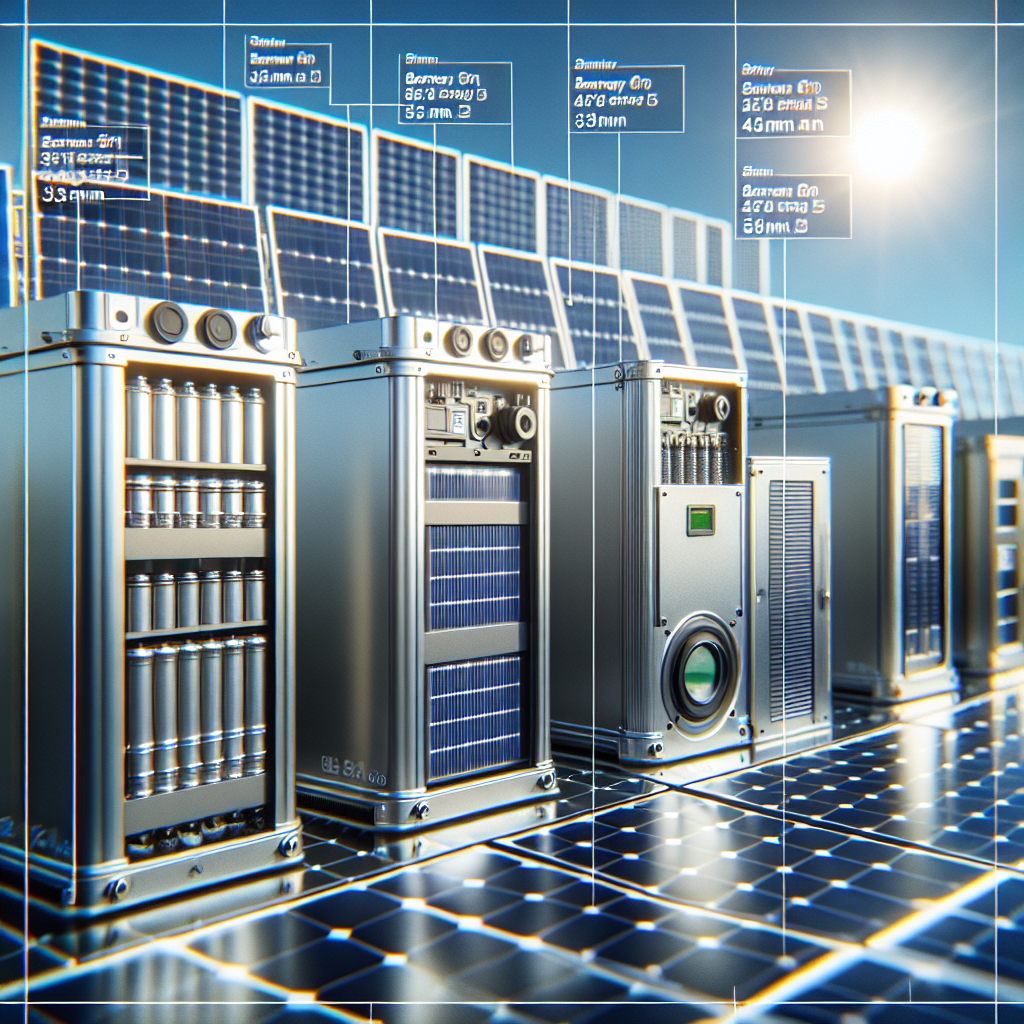
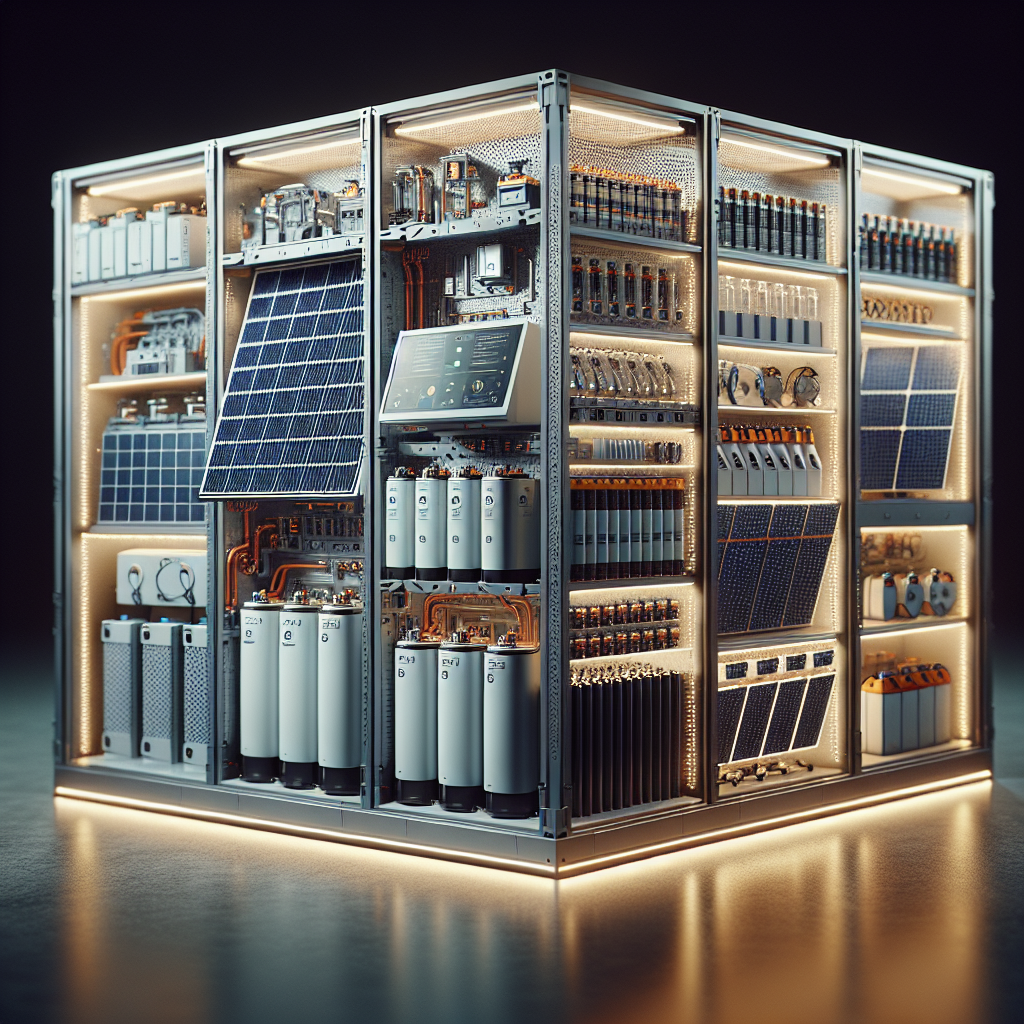
    Next up, let’s break down the typical components found in solar panel kits. Most kits will come with solar panels, a charge controller, batteries, and sometimes inverters. Each component plays a vital role in making sure you harness that sweet, sweet solar energy effectively.

    Solar panels are the star of the show – they convert sunlight into usable electricity. The charge controller ensures that your batteries are charged correctly and protects them from overcharging, which is crucial for longevity. And don’t forget about the batteries: they store the energy for when you need it. If your kit includes an inverter, it converts DC power into AC power, which is what most of your devices use.

    Understanding this setup helps demystify how these systems work together, making it easier to troubleshoot any issues you might run into down the line. Knowledge is power, and trust me, knowing your stuff can save some serious headaches!

    Setting Your Budget

    Let’s talk money – or rather, let’s talk budget. Solar projects can vary widely in cost depending on the quality and scale of the kit you choose. It’s vital to set a budget that not only fits your pocket but also aligns with your energy needs.

    When budgeting, don’t forget to factor in any additional costs such as installation (if you’re not going the DIY route), extra wires, or mounting hardware. I’ve learned the hard way that little costs can add up quickly! By planning comprehensively, you can avoid nasty surprises.

    Remember, while it’s great to snag a deal, don’t skimp on quality. Investing a bit more upfront in a reliable kit can save you money and hassle in the long run. Trust me, you won’t regret it!

    Top Picks for Small Solar Panel Kits in 2024

    Renogy 100 Watt 12 Volt Monocrystalline Solar Starter Kit

    This kit has been my go-to for small projects. It’s versatile, reliable, and easy to set up, which is perfect if you’re just starting out. The 100 watts provide enough juice to power small devices without overwhelming your setup.

    The monocrystalline panels are known for their efficiency and space-saving design. Renogy also includes a charge controller, which makes checking battery levels a breeze. It’s just plug-and-play, and who doesn’t love that?

    If you’re looking for a kit that offers solid performance without breaking the bank, I highly recommend this one. It’s perfect for backyard projects, RVs, and off-grid use!

    <h3 Goal Zero Yeti 400 Portable Power Station

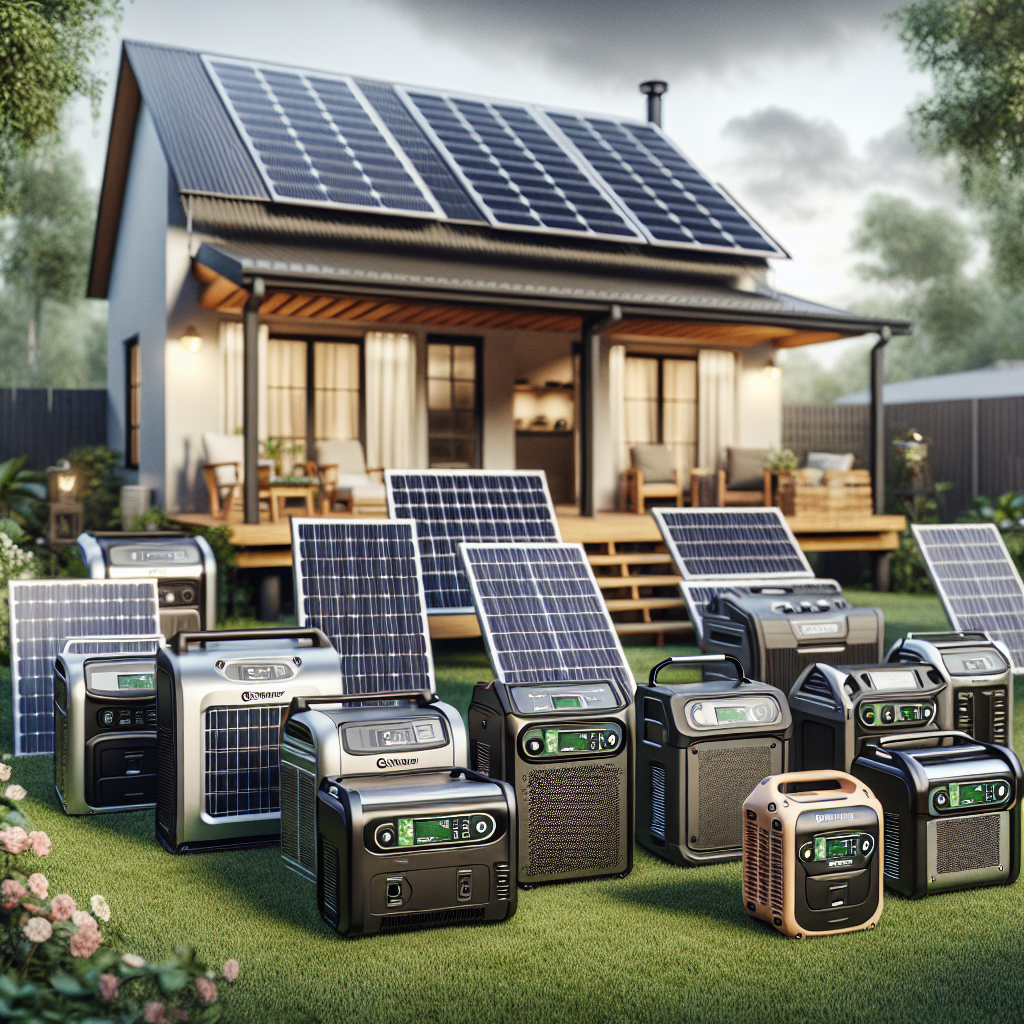
    Now, this isn’t just a solar panel kit, but it’s a game-changer for small projects! The Goal Zero Yeti 400 is like the Swiss Army knife of power solutions. With various output options, it can juice up everything from phones to small refrigerators.

    Pairing it with solar panels is as simple as it gets. Just hook it up to any compatible solar panel, and you have a portable power solution that can be used anywhere. It’s lightweight and ideal for camping, tailgating, or emergency backup.

    I’ve used this system during power outages, and it really saves the day. It’s one of those tools you’ll find yourself using more than you thought you would!

    WindyNation 400 Watt Solar Panel Kit

    If you’re looking for more power, the WindyNation kit might just be your thing. It’s slightly bigger than the other kits on this list and offers great flexibility with its solar panel options. Imagine powering multiple devices at once – the dream, right?

    The installation guide is super friendly too, so even if you’re no Bob the Builder, you can get it up and running without too much fuss. It’s also great for home backup systems, which is a big perk if you’ve got frequent power cuts.

    The value for money is incredible, and you get a lot for what you pay. It’s a solid investment if you’re a hobbyist looking to dip your toes into solar energy a bit deeper!

    Utilizing Your Solar Kit Effectively

    Installation Tips

    Installing your solar panel kit can be intimidating, but trust me, it’s all part of the fun. Start by choosing the right location where your panels can soak up the sun – generally, south-facing spots are best if you’re in the Northern Hemisphere.

    Make sure there are no trees or buildings obstructing the sun’s rays. It’s always a good idea to double-check the manufacturer’s instructions during installation. If all else fails, there are tons of YouTube tutorials out there to save the day!

    Lastly, don’t forget to secure your panels firmly. Winds and severe weather can be a concern, and you don’t want your investment flying away on you. Take your time here; it will pay off.

    Maintenance for Longevity

    Now, just because solar panels are pretty low-maintenance doesn’t mean they don’t need a little love every now and then. Regularly check your panels for dirt or debris that can block sunlight – just like cleaning your car, it’s a must-do!

    Keeping an eye on the wiring and connections is equally important. Loose connections can lead to performance issues, so take a few minutes periodically to check everything is snug and secure.

    Lastly, if you live in an area with heavy snowfall, be sure to brush off the snow after a storm to minimize loss of sunlight. Your panels work hard for you; a bit of basic care goes a long way in keeping them efficient!

    Getting the Most Out of Your Generated Power

    Using the power you generate wisely can stretch your setup even further. Prioritize energy-efficient devices that consume less power, maximizing what your solar kit can do. It’s a simple change that can lead to significant savings over time.

    Consider using timers for appliances to avoid using power during peak times of the day when solar is available. It’s about creating a routine that works for you while leveraging that sweet solar energy.

    And hey, if you find yourself in a position where you have excess power, think about charging up batteries for later use. It’s like having your cake and eating it too! Store what you don’t use for cloudy days or times of high demand.

    Conclusion: The Solar Future is Bright!

    As we wrap up, I hope this guide on the best solar panel kits for small projects in 2024 has got you excited about the possibilities. Whether you’re looking to power up that camper, run some lights in the garden, or just dabble in renewable energy, there’s a kit out there that’ll fit your needs perfectly.

    Take the plunge; trust me, once you go solar, you won’t look back! For me, it’s all about gaining independence from the grid and enjoying the freedom that comes with solar energy. If you’ve got any questions or need more tips, feel free to reach out.

    FAQs

    1. How do I determine the size of the solar panel kit I need?
    Assess your energy requirements first by noting down the wattage consumption of the devices you want to power.

    2. What components are essential in a solar panel kit?
    A basic kit should include solar panels, a charge controller, batteries, and optionally an inverter for AC power.

    3. How do I install a solar panel kit?
    Choose a sunny location, follow the manufacturer’s instructions, and ensure all connections are secure.

    4. What maintenance do solar panels require?
    Regularly clean panels, check connections, and remove any snow accumulation if applicable.

    5. Can I use solar power efficiently when I have a kit?
    Yes! Use energy-efficient appliances and consider using timers to reduce consumption during peak hours.

  • The Best Solar Power Systems for Large Homes in 2024

    The Best Solar Power Systems for Large Homes in 2024

    Understanding Your Energy Needs

    Assessing Your Household Consumption

    So, first off, let’s get real about energy. Every large home has its unique energy consumption patterns, and it’s essential to know what yours is. Grab your last few electric bills and look for that monthly usage. Is it consistent throughout the year, or does it spike during summers when your AC is working overtime? Understanding this will give you a solid foundation to build on.

    You also want to consider which appliances are the biggest energy hogs. Maybe it’s that super-efficient dryer or the multi-setting oven. Knowing this will not only help you decide how many solar panels you’ll need but also help you find areas where you can cut back a bit. It’s like doing a little energy audit on yourself!

    Don’t forget about future growth either! If you’re planning to add more family members, or hey, maybe that electric car you’ve been eyeing, be sure to factor that into your energy needs. Better to overestimate now and have options later.

    Evaluating Solar Potential

    The next step in this solar journey is to check out your home’s solar potential. Not every home is created equal, and factors like roof orientation and shading can really influence how effective your system will be. If you’re lucky enough to have a roof that faces south with minimal shading, you’re golden!

    Consider getting a professional solar assessment. It might sound a bit technical, but these pros can offer an incredible insight into how much energy you could realistically harvest. Use satellite imagery or apps that help you visualize solar access too. This is all about maximizing your investment!

    And hey, don’t overlook your local climate! If you live in a place with tons of sunny days, you’re looking at a great return on investment. But if the rain clouds roll by more often than not, you may need to be a bit more strategic about sizing your system.

    Choosing the Right System

    Alright, it’s system time! Choosing the right solar power system is like picking the right pair of shoes; it’s got to fit well! There are several options, like grid-tied, off-grid, and hybrid systems. I lean more towards grid-tied systems because they allow you to stay connected to the grid and draw energy when your solar panels aren’t cutting it—especially at night.

    Next up is understanding solar technology. Are monocrystalline panels your best bet, or do you want to go with polycrystalline or thin-film? Monocrystalline is usually the top performer, but polycrystalline can be a great budget-friendly option. Researching these will arm you with the knowledge you need to make an informed choice.

    Finally, consider the inverter system. The inverter is crucial as it converts the solar power generated into usable electricity. String inverters are quite common, but micro-inverters are getting more popular due to their efficiency, especially in shaded areas. Don’t skimp on this aspect; it truly makes a difference!

    Financing Your Solar Investment

    Exploring Incentives and Rebates

    Let’s talk money—because let’s face it, this is a big deal. There are a plethora of incentives and rebates available for solar installations. Check out the federal tax credits which can significantly reduce the overall cost of your solar array. Knowledge is power, my friends! Each state has its own set of benefits, so be sure to research what’s available to you.

    Also, some utility companies offer their own incentives for solar users. They may provide rebates and other perks for going solar, and you don’t want to miss out on that free cash! A little digging into those programs can pay off big-time.

    And remember: your solar investment might also increase your property value. That’s not an incentive you can cash in today, but it’s something to consider for tomorrow. It’s like siding with an extra score on your home!

    Financing Options

    With all that incentive stuff, you might still need to finance your solar installation. Traditional loans, solar loans, or even leasing options are available for homeowners. Personally, I’ve found a solar loan to be a great way to own my panels outright while keeping my cash flow in check.

    Don’t forget about solar leases! They can provide a way to go solar with little to no upfront investment, but just remember that you won’t own the panels or the SRECs (Solar Renewable Energy Certificates). You need to weigh those pros and cons carefully to find what fits your situation.

    Always shop around and read the fine print when looking at financing options. Some loans come with hidden fees, while others might offer better interest rates. Don’t just go with the first green lender you see; make sure it holds water!

    Working with Solar Installers

    Alright, you’ve got all your ducks in a row—now it’s time to find a reputable solar installer! I cannot stress how vital this step is. Go for someone who has solid reviews and a proven track record. Ask around your community or search online for feedback. Building relationships with local installers can also lead to better deals down the road.

    Ask them questions! An experienced installer should be willing to discuss your options, the installation process, and even provide estimates for performance. Get multiple quotes! This competitive nature sometimes kicks in, and you might end up scoring an awesome deal.

    Lastly, make sure your installer is familiar with local regulations and permitting processes. Trust me, the last thing you want is delays because they didn’t file the right paperwork. You have to play this like a well-oiled machine.

    Maintenance and Monitoring

    Regular System Checks

    Now that you’re on the solar power train, let’s chat about maintenance. It sounds a bit boring, but trust me, regular system checks are crucial to ensure optimal performance. Ultimately, you want to keep your panels clean and clear of debris. A yearly cleaning should do the trick, but you might want to check them more frequently during pollen season or after a big storm.

    It’s also wise to keep an eye on your inverter. Most systems have monitoring capabilities to track energy production. If you notice a drop in production, it’s time to investigate further. Real-life example: I noticed a dip in energy output just after a heavy storm, and a quick check revealed some branches had fallen onto the panels. I was glad I caught it early!

    Another tip is to engage with your installer for annual maintenance check-ups. They can spot issues before they turn into costly problems. Think of it like regular check-ups for your system to keep it healthy!

    Monitoring Performance

    Investing in a monitoring system pays off big time! Most modern systems have built-in monitoring apps or tools that let you see how your system is performing in real-time. It’s always kind of exciting to watch those numbers go up, right?

    Being proactive is key, so regularly review your monitoring data. Look for patterns and deviations from the norm, which can help you catch any potential issues early. It also helps to show you how much money you’re saving on that utility bill—motivation to keep going!

    And don’t forget to celebrate milestones! Once you hit that first full year of having solar, you’ll likely have saved a good chunk of change. Set goals for how much you’d like to reduce your energy costs each year and track your progress. It makes the effort feel worthwhile!

    Handling Repairs and Upgrades

    Even with proper maintenance, issues can arise. It’s like owning a car—sometimes, stuff just happens. If you notice problems with energy output or your system seems off, don’t wait too long to get it examined. A good installer should offer warranties and support, so use them!

    In addition to repairs, consider how and when you might want to upgrade your system. As technology evolves, newer solar technologies become available. You may decide to invest in a battery storage solution down the road, especially to store energy for night use or during outages.

    Finally, keep an eye on your panels’ warranties. If you’ve invested in premium panels, they often come with extensive warranties. Making a conscious effort to understand and leverage these can save you money in the long run!

    Frequently Asked Questions

    1. How much solar power will I need for my large home?

    The amount of solar power you need largely depends on your energy consumption patterns, roof size, and solar potential in your area. Conducting an energy audit can help determine the best solar system size for your needs.

    2. What are the best types of solar panels for large homes?

    Monocrystalline panels are often the best performers in terms of efficiency and space usage, but polycrystalline can also be a practical option if you’re looking to save a bit of cash. Consider your budget and energy goals when selecting.

    3. Are there financing options available for solar systems?

    Absolutely! There are various financing options like solar loans, leases, and incentives from both the government and local utilities that can help you manage the cost of solar panels without breaking the bank.

    4. How do I maintain my solar power system?

    Maintenance usually involves keeping your panels clean, checking the inverter regularly, and possibly scheduling annual check-ups with your installer. Monitoring systems can also help track performance to alert you of any issues.

    5. What should I do if my solar panel system isn’t performing well?

    If you notice a significant drop in performance, conduct a quick check of your panels for debris or obstructions. If everything seems fine, reach out to your installer for a professional evaluation to ensure everything is functioning correctly.

  • The Best Solar Panel Brands for Harsh Weather Conditions

    The Best Solar Panel Brands for Harsh Weather Conditions

    Hey there! If you’ve ever thought about going solar, you might have had concerns about how your panels would hold up in extreme weather. Trust me, I’ve been there! While most solar panels can handle typical weather, not all of them are built for the big league—like hailstorms, heavy snow, or scorching heat. In this article, I’m going to share my insights into the best solar panel brands that can weather the storm—literally! Let’s break this down into sections that will help you choose the right panels for your needs.

    Durability Under Extreme Conditions

    Understanding Weather Resistance Ratings

    When I first started researching solar panels, I came across a term called “weather resistance ratings.” These ratings are essential; they determine how well a solar panel can withstand extreme conditions. I learned that these ratings cover everything from strong winds to heavy snowfall. A panel with high ratings can take a beating!

    One key rating I always check is the hail impact resistance. The panels should be tested against hailstones of a certain size and speed. For instance, a panel that can withstand hailstones up to 1 inch without even a scratch is worth your investment!

    Keep an eye on certifications like IEC 61215 and IEC 61730; they speak volumes about the panel’s durability. Trust me—these ratings are not just numbers; they’re your peace of mind when the weather gets rough.

    Materials Matter

    Next up, let’s talk materials! The choice of materials can make or break a solar panel’s durability. In my experience, panels made with tempered glass are usually tougher against debris and hail since they are designed to withstand high impact.

    I also found that aluminum frames are common in better quality panels. They resist rust and corrosion, which is crucial for longevity, especially in humid or coastal areas. Ultimately, investing in the right materials can save you a headache down the line!

    So, when choosing solar panels, don’t ignore the kind of materials used. They play an integral role in ensuring your panels stand tall against the elements.

    Warranty Considerations

    Oh, the warranty! This is your safety net and something I definitely wouldn’t overlook. I always check how long the warranty lasts—most quality panels come with 25-year warranties. It’s like a promise from the manufacturer that they believe in their product’s durability.

    What I find particularly helpful are warranties that cover weather-related issues specifically. This shows the company stands behind its panels not just for performance but also for resilience in harsh conditions.

    In short, a robust warranty often reflects the quality of the solar panel. It’s worth digging into this aspect when considering your options!

    Efficiency in Variable Climates

    The Role of Temperature Coefficients

    So, here’s a fun fact: solar panels can lose efficiency as temperatures rise. I didn’t realize this at first, but the temperature coefficient is an important detail. It essentially tells you how much efficiency drops per degree Celsius increase.

    If you live in a particularly hot area, look for panels with a low temperature coefficient. Trust me, they’re worth the search. I’ve learned that these panels perform much better in scorching heat than their counterparts. Saves you time and money!

    In contrast, if you’re situated in a colder climate, panels that maintain efficiency even in low temperatures are a blessing. I’ve seen some exceptional brands that tackle all extremes effectively.

    Pmax Ratings and Real-World Performance

    The Pmax rating is another area I always check. It indicates the maximum power a panel can produce under standard test conditions (STC). However, real-world conditions vary, so the actual performance can differ.

    I usually recommend looking at real-world tests and consumer reviews to get a feel for how a panel actually performs under different weather conditions. Sometimes even the top-rated panels don’t shine in specific climates!

    This is where doing your homework pays off. Choose a panel with a solid reputation for maintaining power output across varying climates, and you won’t regret it.

    Adaptability to Local Conditions

    I can’t stress enough how local weather patterns can affect your solar panel performance. For instance, a brand that works wonders in a sunny desert might not be suitable for an area that experiences heavy snowfall.

    During my exploration, I discovered that some brands actually design panels with local weather conditions in mind. This means they’re built to handle what your region dishes out, and that’s a huge plus!

    So, consider not just the brand’s reputation but how well they adapt to local climates. This consideration makes all the difference.

    Top Brands to Consider

    Renowned Manufacturers

    Here’s the fun part! After digging through tons of data and personal experiences, I’ve found a few brands that truly stand out. For example, LG is known for their stellar performance under various weather conditions, from blistering heat to frigid cold.

    Then there’s Canadian Solar, which has a fantastic track record for durability. Their panels are rigorously tested for extreme conditions, making them a go-to choice for many homeowners in tough climates.

    Don’t forget about Q CELLS! I’ve heard many users rave about their efficient performance even in less-than-ideal weather. They maximize power generation and are built to last—what’s not to love?

    User Reviews and Community Feedback

    Diving into user reviews can be eye-opening. In my quest for the best, I turned to various solar forums and communities. Hearing from others who’ve lived with these brands during harsh conditions was invaluable.

    Many users shared their panels’ performance against storms or heavy snow, and this kind of real-life data can help guide your decision. I always advise checking these forums to get a sense of what to expect!

    Community feedback often reflects the brand’s actual reliability. Take a moment to gather real info from folks who have firsthand experiences.

    Cost vs. Performance Analysis

    Finally, let’s talk about cost. In my experience, balancing cost and performance is essential. Cheaper panels might have a poor reputation for durability, and when the big storms hit, you might end up paying more in repairs or replacements.

    I always suggest analyzing the long-term benefits versus the upfront costs. Sometimes paying slightly more for a reliable, tough panel pays off in the long run!

    On the flip side, it doesn’t hurt to be mindful of budget options. Some brands provide great value without skimping on durability, so keep your eyes peeled!

    Installation Quality

    Choosing the Right Installer

    Here’s something I’ve learned the hard way: the installation process is just as important as the panels themselves. It can be a game-changer in determining how well your system performs under harsh conditions.

    Finding a qualified installer in your area can make a huge difference. I always suggest checking their credentials, past projects, and customer reviews. A reputable installer knows how to adapt to unpredictable weather conditions, ensuring a tight fit and secure setup.

    Trust me; going with an experienced installer could save you headaches later. Make sure you choose someone who respects the intricacies of your location’s climate!

    Post-Installation Care

    Let’s talk maintenance! After installation, it’s crucial to keep an eye on your panels. Regular checks can help catch any issues before they become costly problems. Personally, I opted for a maintenance plan that includes routine inspections, and I’m so glad I did!

    If your panels collect debris or snow, a simple cleaning can enhance efficiency. It’s something I’ve implemented, and the results were significant! Investing in maintenance ensures the longevity and effectiveness of your solar system.

    So, don’t just set it and forget it. Being proactive about care can keep your panels in top shape, ready to take on whatever Mother Nature throws your way.

    Regular Performance Monitoring

    Lastly, I encourage performance monitoring. This could mean using smart monitoring systems that alert you if something’s amiss. I can’t tell you how beneficial mine has been; catching dips in performance early made a world of difference!

    Monitoring lets you easily track how your panels handle various weather conditions and helps in making informed decisions about maintenance or upgrades.

    In short, invest in tools that help you stay on top of your system. They can save you time, money, and a lot of stress!

    FAQ

    What is the best solar panel brand for harsh weather?

    While many brands excel, I’ve found that LG, Canadian Solar, and Q CELLS stand out for their durability and efficiency under extreme conditions.

    How do I know if a solar panel is weather-resistant?

    Check for weather resistance ratings, look for certifications like IEC 61215 and IEC 61730, and read user reviews specific to harsh weather performance.

    What maintenance do solar panels require in harsh weather?

    Regular inspections and cleanings are essential. Keeping them free from debris and snow can significantly enhance their performance.

    How do temperature coefficients affect solar panel performance?

    A lower temperature coefficient means the solar panel will lose less efficiency in hot weather, making it suitable for warmer climates.

    Are there warranties specific to weather-related damage?

    Yes! Many reputable brands offer warranties that cover weather-related issues, reflecting their confidence in their product’s durability.

  • Best Solar Battery Storage Solutions Compared

    Best Solar Battery Storage Solutions Compared

    Understanding Solar Battery Technology

    What Is Solar Battery Storage?

    When I first started diving into solar energy, I was amazed to discover how solar battery storage worked. Basically, it involves storing excess energy generated by solar panels. So, during sunny days, when you’re collecting more energy than you’re using, that excess can be saved for later. It’s like capturing sunshine in a bottle!

    As someone who loves DIY projects, the tech behind these batteries fascinated me. They usually come in lithium-ion or lead-acid varieties, each having unique benefits. Lithium batteries are popular due to their efficiency and longevity, whereas lead-acid options are often more budget-friendly.

    Being able to store energy means you can power your home during cloudy days or, even better, at night. This technology not only reduces reliance on the grid but can also save you some serious cash on energy bills!

    How Do They Work?

    Now, let’s get into the nitty-gritty of how these bad boys really work. When the sun shines, your solar panels convert that sunlight into electricity. If your batteries are set up the right way, this energy can be redirected to charge up the batteries.

    The process is usually managed by an inverter. Picture it like a traffic cop directing electrons—deciding whether your home uses solar power directly or charges the batteries for future use. This is crucial, especially during power outages.

    There’s something rewarding about watching your battery percentage rise, knowing you’re harnessing renewable energy and being more self-sufficient. I often sit back and think about how transformative this is for many households.

    Benefits of Solar Battery Storage

    One of the main perks I’ve found is energy independence. You’re not just relying on the grid anymore; instead, you’re empowered to use your own generated energy. It feels great knowing I can keep my lights on, thanks to my little solar power station!

    Another significant benefit is the financial aspect. Although the upfront costs may seem daunting, over time, savings on electricity bills can make it worthwhile. Plus, some places offer incentives, so it’s worth investigating your local policies.

    Lastly, it contributes to a greener planet. Using solar energy reduces your carbon footprint. It gives me a warm and fuzzy feeling to know that I’m doing my part for the environment, and I encourage everyone to explore how they can benefit as well.

    Top Solar Battery Storage Solutions

    Tesla Powerwall

    First off, let me tell you about the Tesla Powerwall. This thing has become somewhat of a household name in the solar battery world, and for good reason! It boasts a sleek design and integrates perfectly with solar panels.

    The tech inside is incredible. With its capacity to store 13.5 kWh of electricity, it can power your whole home during blackouts. I remember the first time I had an unexpected power cut and felt entirely at ease, knowing I had my Powerwall backing me up.

    One downside, though, is the price. It’s a significant investment; however, if you’ve got the budget, it’s certainly one of the best options available in the market.

    LG Chem RESU

    Moving on to the LG Chem RESU, this battery caught my eye because of its compact design and value for money. Not everyone has tons of space, and the RESU fits neatly into smaller areas, which is a HUGE plus in my book.

    Additionally, it offers a wide range of sizes to suit different needs, allowing you to start small and scale up if needed. It’s like having a custom solution right at your fingertips!

    One thing that impressed me was its robust cycle life. Reading up on its longevity made me feel assured that I wouldn’t be replacing it every few years – a big relief considering how annoying that can be!

    Generac PWRcell

    The Generac PWRcell is an interesting option that many people don’t always consider. It combines both solar battery storage and energy management features, meaning you get a two-for-one deal!

    With a modular system, it allows homeowners like me to start with a lower capacity and then add more units as needed. Flexibility? Yes, please! I love that it accommodates future energy needs while saving money and space.

    What’s also cool is the user-friendly app that lets you monitor your energy usage. As someone who’s always checking their phone, having this info at my fingertips is a nice touch!

    Installation and Setup Considerations

    Choosing the Right Location

    When you’re installing solar battery systems, location is everything. I quickly learned that placing my batteries in a cooler, ventilated area helps them perform better and last longer. I mean, who wants their tech to overheat, right?

    Also, it’s super important to ensure enough space around the units for cooling and safety. After all, we want these batteries to function effectively without any hiccups. I often joke that the right spot is like finding their ‘happy place’!

    Don’t forget about access too. You’ll want to check on them now and then, so choosing a location that’s easy to reach will definitely save you some time and headaches later on.

    Hiring Professionals vs. DIY

    One burning question I had was whether to hire a professional for the installation or tackle it myself. Ultimately, I decided that hiring an expert was worth the investment. They know all the ins and outs, ensuring everything is up to code.

    That being said, if you’re the DIY type and have some handy skills, installing your own system can be rewarding—and cost-effective! Just make sure you do your research and consult manuals carefully.

    Regardless of the option you choose, don’t shy away from asking for help or advice if you find yourself feeling overwhelmed. The last thing you want is to end up stuck! Trust me, it’s better to be safe than sorry.

    Understanding Local Regulations

    Before diving headfirst into the solar battery craze, you’ve gotta understand local regulations. They can vary significantly from place to place, and knowing what’s acceptable is key. I made a checklist to ensure I was following everything by the book!

    Another thing to consider is permitting. Depending on your area, you may need the green light before installing your system. It’s a bit of a hassle, but trust me, it’s worth having everything fall in line for a smooth-sailing installation process.

    Lastly, I found that talking to local solar experts or checking with your local government websites can provide some useful insights. Knowledge is power, my friends!

    Maintenance and Longevity of Solar Batteries

    Routine Checks

    One of the best pieces of advice I received on battery maintenance was to schedule routine checks. It’s just like taking your car in for a tune-up. Consistent monitoring can help you catch any problems before they escalate into something more serious.

    Checking the battery connections and looking out for any corrosion can save you a ton of headaches later. I once neglected to check mine, and let’s just say it didn’t end well. Lesson learned!

    Also, don’t forget about software updates! Some batteries have smart features that benefit from the latest updates. Keeping your battery’s software current ensures optimal performance.

    Caring for Battery Life

    Like anything else, proper care contributes significantly to the battery’s longevity. Avoid letting the charge run down to zero frequently; it can negatively impact the battery’s health over time. I try to keep mine at a comfortable middle ground.

    Additionally, avoiding extreme temperatures helps too. If you live in an area that gets super hot or frigid, consider insulated storage options. Making your batteries comfortable pays off in the long run.

    Regularly reviewing your usage and energy drain habits can also help extend battery life. The more aware you are, the less likely you are to overuse it. It’s a win-win!

    Upgrading When Necessary

    Eventually, you might find that your energy needs change, and that’s okay! Upgrading your batteries can be a smart move. I’ve heard from friends who expanded their systems successfully, boosting their energy storage capabilities, especially as they added electric vehicles or larger appliances.

    When considering upgrades, be sure to consult your manufacturer’s guidelines. Some batteries allow for additional modules, while others may require a completely new unit.

    The key is understanding your energy consumption and adapting accordingly. Keeping your system modernized can ensure you always have sufficient power for your needs.

    Conclusion and Final Thoughts

    Choosing the right solar battery storage solution can feel overwhelming at times, but I’ve found that the right research, flexibility, and a touch of humor can make the process enjoyable. From understanding the technology to maintenance, every step counts on your sustainability journey.

    Whether you lean towards the sleek Powerwall or the compact LG Chem, remember to consider what best fits your lifestyle and needs. Happy solar journeying! I’m excited about the future and the role solar energy will play in it.

    FAQ

    1. How do I choose the right solar battery for my home?

    Consider your energy needs, budget, and available space. Research different models and seek advice from professionals to find the best fit for your situation.

    2. What is the lifespan of solar batteries?

    Most solar batteries have a lifespan of about 5 to 15 years, depending on the type and usage. Regular maintenance can greatly enhance longevity.

    3. Can I install solar battery systems myself?

    It’s possible if you have the skills and knowledge, but hiring a professional is often recommended to ensure everything is installed correctly and safely.

    4. What happens during a power outage if I have solar battery storage?

    If you have a solar battery storage system, you’ll be able to use the stored energy during a power outage, keeping essential appliances running smoothly.

    5. Are there any incentives for installing solar battery storage?

    Yes! Many places offer tax credits or rebates for solar battery installations. It’s best to check with your local government or utility company to see what’s available.

  • How to Choose the Best Solar Power System for Your Home

    How to Choose the Best Solar Power System for Your Home

    Understanding Your Energy Needs

    Assessing Your Current Energy Consumption

    First off, figuring out how much energy you use is crucial. Take a peek at your energy bills for the past year. It’s super helpful to look for patterns—like how your use spikes in the summer or winter. Jot it down. Understanding these peaks and troughs can help you figure out your average energy consumption, which is key for sizing your solar power system.

    Don’t forget to consider the main appliances in your home and how much energy they consume. You can usually find the wattage on the appliance itself or in the user manuals. Tools like energy monitors can give you a real-time look at what’s munching away at your power supply.

    Once you have this information, you can start to visualize what you’ll need in terms of solar output. Think about how much of your energy consumption you’d like to cover with solar; maybe you’re cool with going 50% green, or maybe you’re all-in for 100%. Whatever the case, make a plan!

    Evaluating Your Roof and Location

    Checking Roof Orientation and Sunlight Exposure

    Your roof plays a huge role here! Ideally, you want it to face south—this is where you get the most sun. If your roof is more east or west-facing, don’t sweat it, though. You can still make it work with a good system. It might just take a few extra panels or a slightly different arrangement.

    Next is sunlight exposure. Do any big trees or buildings cast shadows on your roof? It’s like having a pesky umbrella blocking your sunshine. If your roof gets shaded during peak sun hours, you might need to think about trimming some foliage or investing in a different placement for your panels.

    Lastly, the angle of your roof can affect solar efficiency. For those of us lucky enough to have a sloped roof, you’re in good shape! But if your roof is flat, you might need some mounts to angle the panels just right. The goal is to maximize exposure to those beautiful sun rays.

    Choosing the Right Solar Panel Technology

    Exploring Different Types of Solar Panels

    Okay, now we hit one of the most exciting parts—picking out the panels! There are generally three types to consider: monocrystalline, polycrystalline, and thin-film solar panels. Each has its perks and quirks. Monocrystalline panels are the most efficient, giving you more bang for your buck in terms of space. If you’ve got limited roof space, these are your best pals!

    Polycrystalline panels are usually a bit cheaper and slightly less efficient. If you’re on a budget and have plenty of roof space, they might be a solid option. Then we’ve got thin-film panels; they’re lightweight and flexible but often take up more space for the same energy output. Knowing your roof limits will help steer your choice.

    When you’re out shopping, definitely ask about the warranties! A good solar panel should generally come with at least 25 years of warranty, so you know it’s built to last. You want a solar investment that holds up over time because once you’ve gone green, sparking joy and energy savings is the goal!

    Assessing Installation Costs and Financing Options

    Understanding Solar Incentives and Rebates

    Let’s chat dollars and cents! We all know solar isn’t just a set-it-and-forget-it kind of deal. It’s important to understand the total installation cost upfront. Your local and federal government might offer some incentives or rebates, so be sure to do your homework. The federal solar tax credit, for example, allows you to deduct a chunk from your federal taxes.

    Also, look into state and local programs. Some areas offer cash rebates or even performance-based incentives. This can significantly lower that initial price tag, making it a lot more manageable. If you do your research, you might discover savings you didn’t know about!

    Financing is another option. Many companies offer flexible plans, including solar loans or leases. This way, you can pay as you go rather than dropping a huge sum all at once. Just make sure you understand all the terms, and find a plan that aligns with your budget and energy goals.

    Finding a Reputable Solar Installer

    Researching Potential Solar Companies

    Now, for the fun part—meeting your potential partners in solar! When looking for a reputable installer, don’t hesitate to ask for recommendations from friends or family. You trust their judgment, and word-of-mouth can often lead to discovering fantastic local companies you wouldn’t find on a large scale.

    Read online reviews and check out ratings on sites like the Better Business Bureau. Look for companies that have been around for a while—experience counts! Don’t forget to check their previous installations. A reputable installer will be proud to show off their past work and will even have customer testimonials to back it up.

    Lastly, ensure they’re properly licensed and insured. This isn’t just a box to tick; you definitely want protection in case something goes wrong during the install. A trustworthy solar company will be upfront about their credentials and ready to answer any questions you might have.

    FAQs

    1. How much can I save on my energy bills with solar power?

    Your savings can vary, but many homeowners report reductions of 50% or more on their energy bills after switching to solar. It really depends on your energy consumption and the size of your solar system.

    2. Is my roof suitable for solar panels?

    Most roofs can accommodate solar panels, but factors like orientation, angle, and shading will play a crucial role in how effective your system will be. A good installer can assess this during your consultation.

    3. How long does it take to install solar panels?

    Typically, the installation process takes about one to three days, depending on the size of your system and any complexities involved. But the entire project, from consultation to activation, can take a few weeks to a few months.

    4. What happens on cloudy days?

    Don’t worry! Solar panels still generate energy on cloudy days, although the output will be lower than on sunny days. If you live in a region with lots of overcast days, it’s smart to consider a system that can supplement your needs.

    5. Do I need to maintain my solar panels?

    Not a ton! Generally, solar panels require minimal maintenance. Just a periodic cleaning and inspection will keep them running smoothly, so you can enjoy those sunny benefits with ease!

  • The Best Solar Systems for Small Homes: A Buyer’s Guide

    The Best Solar Systems for Small Homes: A Buyer’s Guide

    Understanding Your Energy Needs

    Assess Your Current Usage

    Before diving into the world of solar systems, let’s take a step back and understand your energy consumption. I remember staring at my electricity bill and cringing at the numbers. It becomes essential to analyze your current energy usage, typically documented on your utility bill. This gives you a solid baseline to figure out how much energy you need to generate.

    Start by gathering information about your monthly energy consumption. It’s usually listed in kilowatt-hours (kWh), so having a calculator at the ready can really help. You want to make sure you’re not caught off guard when the sun decides to take a day off!

    Lastly, think about the future. Are you planning to expand your space, get new appliances, or maybe even add an electric vehicle? It’s smart to account for that potential growth when sizing your system.

    Assess Your Home’s Solar Potential

    Now that you know how much energy you use, it’s important to assess how much sun your home gets. Factors like roof angle, shade from trees, or nearby buildings can significantly impact how effective your solar system can be. I spent some time observing how shadows moved across my roof during different times of the day.

    Online tools and apps can help you determine how much sunlight your specific roof receives. One cool tool I found is Google’s Project Sunroof. It gives a good idea of potential solar savings, based on your location!

    Also, don’t forget about roof orientation. South-facing roofs typically get the most sun, which is ideal. If your roof doesn’t have the right orientation, don’t panic! Ground-mounted systems can be a great alternative.

    Defining Your Goals for Solar Energy

    It’s essential to define what you want to achieve with solar energy. Are you looking to save on your electric bill, reduce your carbon footprint, or perhaps become entirely energy-independent?

    I started by jotting down my aims and comparing them. For me, saving money while contributing positively to the environment was a must. Knowing your own goals helps streamline the search for the solar system that suits you best.

    Clearly defined goals will also impact the type and size of the system you choose, so it’s a vital step in the process!

    Choosing the Right Solar System for Your Home

    Types of Solar Systems

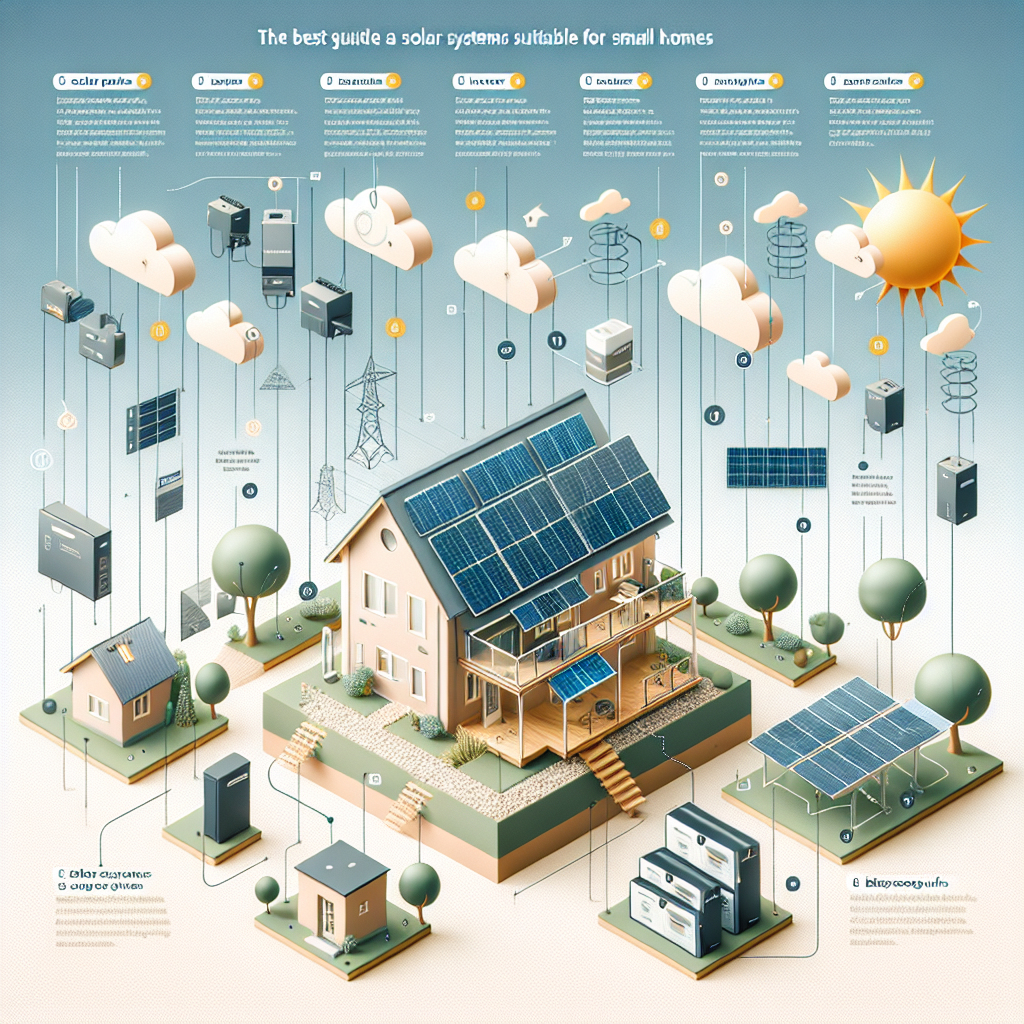
    There are mainly three options when it comes to solar systems: grid-tied, off-grid, and hybrid systems. Personally, I leaned towards a grid-tied system because it’s typically more affordable and lets you use the utility’s grid as a backup, which brought me peace of mind!

    Off-grid systems allow you to live completely independently from the utility grid. This can be awesome if you’re in a remote location, but you’ll need a good battery system and possibly a backup generator. I am still considering this for my weekend cabin in the woods!

    Hybrid systems are fancy! You can transition between grid-tied and off-grid modes, depending on what you need. They give you flexibility, but of course, they come at a higher price tag.

    Evaluating System Components

    After selecting a system type, dive into the components. Solar panels are usually the star of the show, but don’t overlook inverters and batteries. I was overwhelmed initially by the tech jargon, but once I broke it down, it became much clearer.

    Solar panels come in various types: monocrystalline, polycrystalline, and thin-film. Each has its advantages and drawbacks. Monocrystalline panels have higher efficiency rates, but thin-film panels might fit certain budgets better. Researching and reading reviews really helped me make an informed decision.

    Dive deep into inverter types too. String inverters are the most common, but microinverters can offer better performance in shady areas. It’s all about what works best for your unique situation!

    Consider Installation Services

    Choosing an installation service is a huge step that I’m very passionate about. I always suggest going with licensed professionals who specialize in solar. Not only does this ensure the job is done right, but many offer warranties and maintenance services that will give you peace down the line.

    Start by getting quotes from multiple installers. I did this and was surprised by how varied the pricing was. Selecting an installer who is well-reviewed can lead to a smoother solar journey.

    Lastly, don’t hesitate to ask questions! Your installer should be willing to guide you through every aspect of your solar journey, from the installation process to post-installation support.

    Understanding the Financial Aspects

    Initial Costs and Savings

    Let’s be real, the upfront cost of solar can be daunting. However, understanding the financial aspects can help soften that blow. After speaking with multiple contractors, I got a clearer picture of the costs. Upfront investments do turn into long-term savings over time.

    Consider available incentives and rebates! I was able to take advantage of federal tax credits, which make a significant dent in the initial costs. Unfortunately, not every state offers the same incentives, so I recommend checking with local authorities.

    It’s also beneficial to think about your savings over time. Many homeowners recoup their investment within 5-10 years, which is pretty impressive when I think about it!

    Financing Options

    If shelling out all the cash upfront isn’t feasible, don’t worry—there are financing options! I explored options like solar loans and leases, which made adopting solar much easier on my wallet.

    Solar loans often have lower interest rates, and some are available without any down payment. This option allows you to pay off the initial cost gradually while still enjoying the benefits of solar energy.

    Leasing is another popular option, where you don’t own the system; the company does. You pay a fixed monthly fee but don’t get the same tax incentives or benefits as a system owner. Do your research—what works for one person might not work for you!

    Evaluating Return on Investment

    Calculating ROI is a key part of this journey. I found it beneficial to visualize my potential savings over the years against my initial investment. You can make a plan to monitor your energy bill after installation, where you’ll begin to see the real difference!

    Keep in mind that ROI can differ depending on your local energy prices and the performance of your system. Tracking this helps keep you motivated through the initial costs.

    The end goal is to ensure that you’re confident that the chosen solar system is an investment worth making for your small home!

    Maintaining Your Solar System

    Regular Cleaning and Inspections

    Now, maintenance may seem like a chore, but trust me; it’s super important! Dust, debris, and leaves can accumulate on your panels and reduce efficiency. I made it a quick habit to check and clean my panels at least once every three months.

    Additionally, I recommend scheduling professional inspections at least once a year. These inspections ensure everything is functioning correctly and can catch any minor issues before they become major headaches.

    Pro tip: remember to check your inverter’s lights and displays. These should be monitored regularly to ensure everything is running smoothly without unexpected downtimes.

    Addressing Issues Promptly

    If you start noticing dips in energy production, don’t ignore them! Problems can arise—whether it’s a malfunctioning inverter or shading issues. I learned it’s best to address concerns sooner rather than later; it saves you time and money in the long run!

    So, if you sense something’s off, don’t hesitate to reach out to your installer. Many offer support long after the installation is complete, which is a huge comfort.

    Being proactive about your system will help you keep the green energy flowing smoothly!

    Staying Informed on Technology Advances

    Lastly, stay in the loop regarding new technology! The solar industry is rapidly evolving, with new developments and products hitting the market that can enhance efficiency and reduce costs. I love reading articles and attending webinars to keep my knowledge fresh.

    Also, keep in touch with your solar installer or local solar community. They often share insights on new tech and how it could benefit your system.

    So, consider joining forums or social media groups dedicated to solar energy. Having a network can help you stay informed and connected with like-minded individuals!

    Frequently Asked Questions

    1. What size solar system do I need for my small home?

    The size of the solar system you need depends on your energy consumption and sunny days in your area. An energy audit can help tailor the right size for you!

    2. Are there financing options available for solar systems?

    Yes! Financing options include solar loans, leases, and power purchase agreements, which make it easier to manage upfront costs.

    3. How much maintenance do solar systems require?

    Solar systems generally require minimal maintenance. Regular cleaning and annual inspections are recommended to keep them in top condition.

    4. How do I monitor the performance of my solar system?

    Many systems come with apps or monitoring systems that can show real-time energy production and consumption, making it easier to track performance!

    5. What incentives are available for solar installations?

    Incentives vary by state but often include federal tax credits, local rebates, and possibly grants depending on jurisdiction. Always check what’s available in your area!

  • How to Select the Best Solar Panel Size for Your Home

    How to Select the Best Solar Panel Size for Your Home

    Assess Your Energy Needs

    Understanding Your Energy Consumption

    Before diving into the solar panel world, I found it crucial to assess how much energy my household typically consumes. It sounds a bit tedious, but trust me; knowledge is power! Start by looking at your utility bill from the past year. Take note of your monthly usage, usually measured in kilowatt-hours (kWh). This gives you a solid baseline of how much energy you need to generate.

    Once you’ve got those numbers down, think about any future changes—like that new hot tub you’ve been dreaming about or planning to install electric vehicle charging. Adjust your baseline accordingly. It’s super important to factor in these things, or you might end up with panels that don’t meet your needs!

    So, ultimately, understanding your energy consumption is not just about current use but also about where you’re headed with your energy demands. It’s like a roadmap for your solar panel journey.

    Identifying Peak Sunlight Hours

    Next up, let’s talk about peak sunlight hours. It’s not just about slapping some panels on the roof and calling it a day; you need to know how much sunlight your area gets. This info varies by location, so grab a solar insolation chart—yeah, it sounds fancy but is super useful.

    Knowing your peak sunlight hours helps in determining how much electricity you can generate with your panels. For example, if you’re in a sunny state like Arizona, you might get about 6 to 8 hours of sunlight per day, while somewhere like Seattle might only give you about 4 to 5 hours. Your solar setup needs to match that sunny reality!

    Remember, it’s not just about total sunshine but also how consistent that sunshine is throughout the year. Understanding these patterns will help you maximize your panel size and efficiency.

    Using Energy Consumption Calculators

    I can’t stress enough how helpful energy consumption calculators are! Once you’ve gathered all your usage data and sunlight information, using a calculator can simplify everything. Many companies offer online calculators that guide you through the process.

    These tools allow you to input your monthly kWh usage, peak sunlight hours, and other variables. They’ll churn out recommendations on how many solar panels you need. It feels like having an expert in my pocket!

    Don’t forget to play around! Different inputs can yield different results. It’s a good way to see the range of options out there and help you get a clear picture of the best fit for your home.

    Evaluate the Available Space for Installation

    Considering Roof Orientation and Pitch

    Let’s dive into the physical aspect—where are you gonna put these beauties? Your roof orientation and pitch play a huge role in how effective the solar panels will be. Ideally, south-facing roofs get the most exposure, but east and west can work, too.

    If your roof isn’t directly south or there are obstacles like chimneys or trees, you may need to get creative with panel placement. When I faced this, I had to brainstorm different layouts to ensure I was getting the most bang for my buck.

    Also, consider your roof angle. A steeper pitch could impact the number of panels you can fit when compared to a flatter roof. Evaluating these elements early can save a ton of hassle down the line!

    Calculating Space Requirements

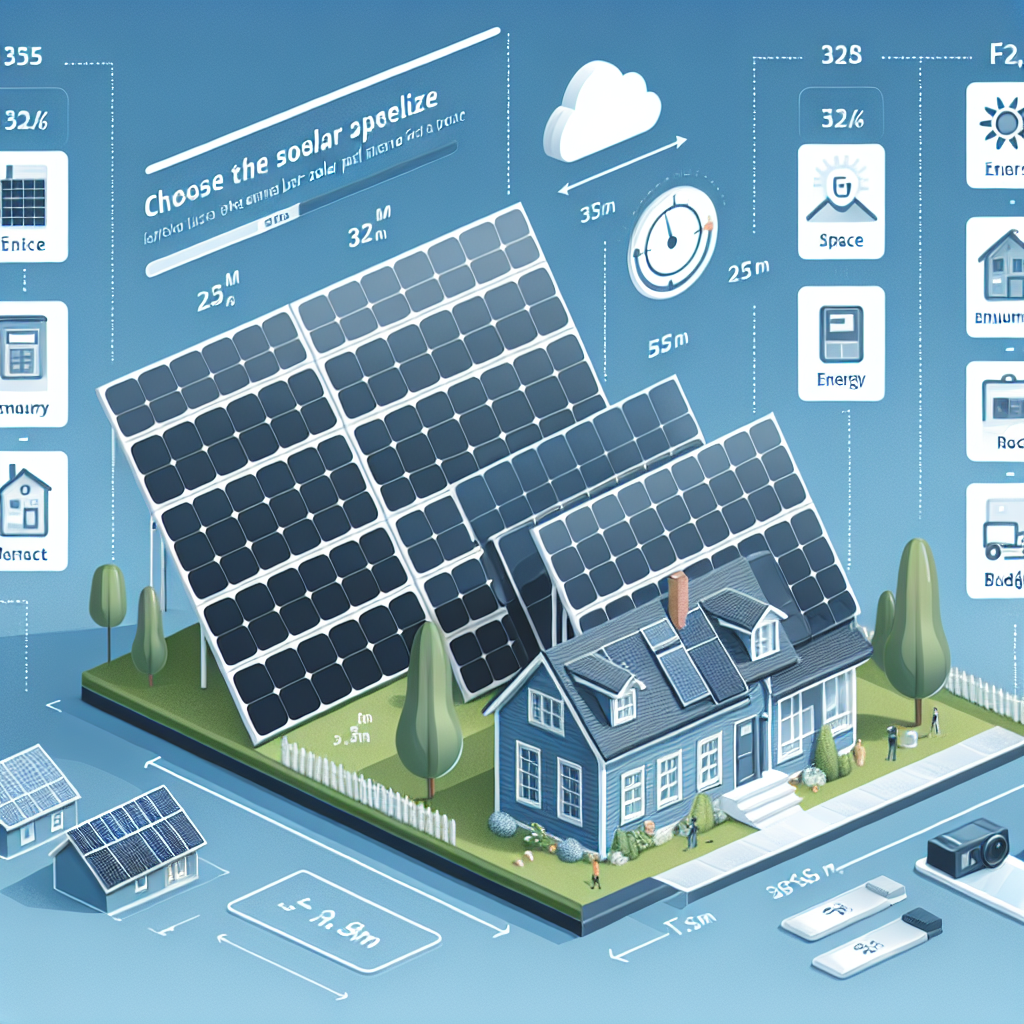
    Once you know your roof’s million-dollar details, it’s all about space! Each solar panel takes up a certain amount of square footage, and you need to calculate how many you can fit based on your energy consumption needs. Here’s where the measuring tape comes in!

    Sketch out your roof layout and start plotting where panels could go. I divided my roof into sections so I could visualize how many panels could fit while keeping in mind aesthetic appeal. We all want our homes to look good, right?

    Don’t forget to leave some room for maintenance access. You never know when a bird decides to drop by, and getting those panels cleaned should be straightforward!

    Consider Ground vs. Roof Installation

    If your roof isn’t conducive to installation (or maybe you just want a different look), there’s always the option of ground-mounted panels! This alternative allows for more flexibility in terms of positioning and angle.

    However, it does require more space—think about your yard or property size. You’ll also want to engage with your local regulations and HOAs because they sometimes have restrictions on how those ground arrays can look.

    The beauty of ground-mounted panels is that you can often tilt them to maximize performance, much easier than a fixed roof setup. Do some soul-searching to see what vibe works best for you and your property!

    Calculate the Right Number of Panels

    Determine Your Panel Output

    Now that we’ve dug deep into your energy needs, space, and all that, let’s talk numbers—the fun part! Each solar panel has a specific wattage, with the average being around 300 watts. You need to know how these panels fit into your overall energy goals.

    To calculate how many panels you need, divide your total energy consumption (remember that kWh figure we tracked?) by the panel output, adjusted for those peak sun hours we discussed. It sounds complicated, but once you get it down, it’s like riding a bike.

    You want to ensure you’re not overspending on unnecessary panels—nobody wants to pay for more than what’s needed!

    Assessing Panel Efficiency Ratings

    Here’s where I lean into my inner nerd: the efficiency ratings of your chosen solar panels matter! Higher efficiency means more energy production per panel, so if you’re tight on space, you might want to invest in panels with higher ratings.

    It’s a balancing act between efficiency, price, and the space you have available. Don’t forget, though, that some reputable brands may offer slightly lower efficiencies at a better price. So research, research, research!

    This decision is like a lifelong commitment: do your homework and make sure you’re getting something that’s worth the investment, so you don’t regret it down the line!

    Consulting with a Professional

    When in doubt, consulting with a solar professional can be invaluable! They can bring everything we’ve talked about together into a cohesive plan that suits your unique situation.

    I know it may seem like an added expense, but getting that expert eye can save you heaps of money in the long run. They’ll help you calculate and recommend adjustments based on their experience that you might not have thought of!

    Plus, they can handle permits and local regulations—those administrative hurdles that can take up so much time and energy. Don’t underestimate the power of expert guidance!

    Budgeting for Your Solar System

    Understanding Solar Panel Costs

    Let’s talk cash—budgeting for your solar system is a significant step! Costs can range widely depending on panel efficiency, brand, and installation complexities. It’s crucial to have an understanding of what you’re working with.

    Generally, the average cost of solar panels ranges from $15,000 to $30,000 before any tax credits or incentives. Knowing this, set a budget range you’re comfortable with. I aimed for the lower end and was quite pleased with the results!

    Also, many financing options are out there—so if the upfront cost seems daunting, don’t fret! You can look into loans or leasing options that can fit your financial situation better.

    Exploring Incentives and Rebates

    The world of solar incentives can feel overwhelming, but honestly, it can be a game-changer for your budget! Many states and local governments offer rebates or tax credits aimed at encouraging solar installation.

    In the U.S., the Federal Investment Tax Credit (ITC) allows you to deduct a certain percentage from your federal taxes, which can significantly lower costs. Doing a bit of homework here could save you a chunk of change.

    I recommend checking the Database of State Incentives for Renewables and Efficiency (DSIRE) to uncover what’s available in your area. Every dollar counts, right?

    Long-Term Savings Considerations

    Finally, factor in the long-term savings. It’s easy to get caught up in the initial expenses, but think about how solar panels can lead to substantial savings on your electricity bills over time.

    I was shocked at the difference on my bills after going solar. With careful calculation, many homeowners find that their panels pay for themselves over the years, sometimes even doubling their investment.

    Make sure to consider the lifespan of the panels, usually around 25 years. Factor that into your overall budget to see a fuller picture of how much you might save in the end!

    FAQ

    1. How do I calculate my energy consumption?

    Look at your utility bills over the last year to identify average monthly kWh usage. You can also add up the energy consumption of individual appliances if you want to get specific.

    2. What are peak sunlight hours?

    Peak sunlight hours refer to the time when sunlight is most direct and strongest for energy production. This varies by location, typically ranging from 4 to 8 hours a day!

    3. What if my roof isn’t suitable for solar panels?

    No worries! You can consider ground-mounted solar panels instead. They can be installed in your yard and are flexible in positioning and installation.

    4. How much do solar panels cost?

    The cost of solar panels can vary widely, but expect an average range from $15,000 to $30,000 before tax credits or incentives.

    5. Are there incentives available for going solar?

    Absolutely! Many states offer incentives, tax credits, and rebates to encourage homeowners to install solar panels. Check local resources and the DSIRE website to find what’s available in your area.

  • 15 Best Solar Generators for Home Backup Power

    15 Best Solar Generators for Home Backup Power

    Understanding Solar Generators

    What is a Solar Generator?

    So, first off, let’s chat about what a solar generator actually is. To me, a solar generator is like a power bank, but supercharged with solar energy! Basically, it harnesses sunlight and converts it into electricity, which can be used to power up your devices or even your whole home when the lights go out. That’s something I want to put you onto!

    I remember the first time I used one during a blackout. It was super enlightening (pun definitely intended) to see how these handy devices could keep my fridge running and my phone charged without needing any fossil fuels. Seriously, it felt like magic!

    In essence, you’re not just using renewable energy; you’re jumping on the eco-friendly bandwagon and doing your bit for Mother Earth, all while enjoying the comforts of power at home. Who knew saving the planet could feel this good?

    Benefits of Using Solar Generators

    Why switch to solar generators, you ask? Well, let me lay it down for you. One of the top reasons is the cost savings over time. Once you invest, it’s nearly free electricity! Imagine cutting down your electricity bills significantly just by catching a few rays. Trust me; it feels great!

    Moreover, these generators are often portable. I’ve used mine for camping trips too! It’s like having a mini power station that’s easy to carry. You can charge up your devices, run lights, or even power small appliances while enjoying the great outdoors. Talk about versatility!

    Lastly, let’s not forget that having a solar generator provides peace of mind during emergencies. I’ll never forget that stormy night when the power went out for hours. My solar generator was my lifeline, allowing me to keep the essentials running while others were left in the dark. Pure bliss!

    Key Features to Look For

    Battery Capacity

    When you’re on the hunt for a solid solar generator, battery capacity is a biggie. This is the amount of energy your generator can store, and it’s crucial for deciding how long you can power your gadgets. I learned this the hard way with my first generator – let’s just say I ran out of juice quicker than I expected!

    Make sure to check the watt-hour (Wh) rating of the battery. To give you a heads-up, I usually aim for at least 500Wh if I want to keep the fridge running during a blackout.

    Also, try to calculate the appliances you’ll want to run. If you’re taking a few devices along for a camping trip or just a few lamps during power outages, knowing the overall consumption can make or break your solar generator experience.

    Portability and Weight

    Another thing that has made me a fan of solar generators is portability. If you plan to use it for camping or different areas of your home, the weight can be crucial. Some of these units are a bit on the hefty side, so if you’re like me, you might want something that can be easily tossed in the car.

    I’ve had my share of awkward moments trying to lug around heavy gear. That’s why I usually look for models with wheels or handles for that extra convenience.

    Remember, just because a generator is portable doesn’t mean it’s less powerful. Some of the best models pack a punch in a lightweight design, making it easier to enjoy the benefits wherever and whenever!

    Solar Panel Compatibility

    When it comes to charging your generator, you’ll want to check what solar panels it works with. Many generators come with built-in solar modules, but I recommend knowing if you’ll have to buy them separately too. It’s just smart planning!

    I once got a generator that didn’t match up well with my existing panels and boy, was that a hassle! I’d suggest looking for modular options that let you add panels as needed — kind of like building up your energy arsenal!

    Another thing to consider is the charging time. If you’re in a pinch, you’ll want a generator that can charge quickly during those sunny days. To get the most out of your purchase, check the charging specs before diving in!

    Comparing Top Models

    When to Choose a Smaller Unit

    If you’re just starting with solar generators, smaller units can be perfect. They’re usually lighter on the budget and simpler to manage. I bought a compact model for my first outing, which turned out to be more than enough for my phone and a couple of lights.

    These smaller generators are great for short trips or emergencies at home, especially if you’re just looking to charge a few small gadgets. Just remember, they might not handle larger appliances!

    This is ideal if you don’t need much electricity or are just dipping your toes into the world of solar power. Sometimes, starting small is the best way to find out what suits your needs.

    When to Opt for a Higher Capacity Model

    On the flip side, if you plan to run several devices or larger appliances, a higher-capacity model is the way to go. There was this one time I camped with buddies, and my little generator couldn’t handle the blenders we brought along. Yeah, it was a smoothie-less trip!

    You’ll need a robust unit to keep the fridge running or even run a portable heater during winter outages. Higher capacity generally means a bigger investment, but I’d argue it’s totally worth it if it keeps your home liveable until the power kicks back in!

    So, when you dive into the market, make sure you consider your future needs as well. It’s better to get the right fit than to end up needing an upgrade sooner than expected!

    Brand Comparisons

    When it comes to choosing solar generators, brand reputation can play a role. I’ve noticed that some brands just have a knack for creating reliable products. For instance, I’ve had luck with brands that specifically focus on solar technology; they tend to understand the nuances better!

    Before I settle on a model, I always check reviews from real users. It gives me confidence that I’m not just relying on flashy marketing. It’s also a learning experience – sometimes it’s in the comments that you discover useful tips or potential pitfalls.

    Choosing a well-regarded brand might mean you get a better warranty or customer service, which is something to consider if you want a hassle-free experience. I can’t stress enough how knowing you can reach out for support is comforting!

    Cost and Budgeting

    Setting Your Budget

    Before diving into purchasing a solar generator, sit down and decide on a budget. I learned early on that the best gear doesn’t always equal the most expensive. It’s essential to balance quality with what you’re willing to spend.

    Look for sales or seasonal discounts. Some retailers drop prices during certain times of the year, and my best buys have come during these periods. A little patience can go a long way!

    Don’t forget to factor in potential extra costs like solar panels (if needed), maintenance, or even accessories (like carrying cases or additional battery packs). I once bought a generator only to realize I needed extra cables, which added up!

    Long-Term Investment Considerations

    Consider solar generators as long-term investments in stored energy. I like to think of it as ensuring peace of mind instead of just purchasing a new gadget. Over time, the savings on energy bills can outweigh the upfront cost.

    Moreover, many states and regions offer incentives or tax breaks for renewable energy investments. It’s worth checking if your solar generator qualifies for any programs. This savings can make a real difference in your overall investment!

    Plus, having a solar generator not only prepares you for blackouts but also supports sustainable energy initiatives, which feels pretty good if you ask me. You’re part of a bigger movement toward cleaner energy!

    Quality vs. Price

    When shopping, it can be super tempting to just grab the cheapest option, but I’ve learned the hard way that you often get what you pay for. A well-made generator can last longer and perform better over time, which is a major plus!

    In my experience, it’s always smart to read reviews and check the build quality. If you skimp on quality, you may end up needing a replacement sooner than later, and then you’re back to square one.

    Sometimes a mid-range price point can give you the best balance of features and durability, so don’t shy away from those models that sit between the basic and high-end price tags!

    Final Thoughts and Recommendations

    My Top Recommendations

    From my personal experience, I’d suggest focusing on the brands that have solid reputations, good customer support, and warranty options. There’s comfort in knowing that should something go south, you have people backing you up.

    As for brands, I’ve had great experiences with models from Goal Zero and Jackery. They pack good power in sizes that are manageable for home and outdoor use. Each has different capacity options, so you’re ensured to find something that fits your needs.

    Finally, invest in your first solar generator wisely—research, compare, and weigh your options. Not all heroes wear capes, but I’ve got to say that a trusty solar generator can feel like a superhero when you need it most!

    Overcoming Initial Hesitations

    If you’re like I was when I first got into solar generators, you might be unsure about whether it’s worth it. Trust me, I totally get it; there’s a learning curve. But once you dive in, the benefits really begin to shine!

    Just remember, every purchase is a lesson. I’ve learned through trial and error, and to be honest, I cherish every mistake because they’ve all pushed me closer to making the right choices now.

    It’s all part of the journey, and soon enough, the worry of outages and energy bills will feel like a thing of the past. Seriously, take that leap; you won’t regret it!

    Engaging with the Community

    Don’t just stop at buying—keep engaging! Solar energy communities online are a goldmine for tips, hacks, and comparisons. I’ve found sharing my own experiences has not only helped me but also others who are looking for guidance.

    Joining forums or social media groups can elevate your understanding and keep you updated on the latest innovations and best practices. It’s like building your own little network of support!

    With so many people invested in solar power, you’ll find camaraderie! Share your stories, ask your questions, and get involved with others. Trust me; you’ll feel more connected to your solar journey.

    FAQ

    1. What is a solar generator used for?

    A solar generator is primarily used to store energy harnessed from sunlight, which can then power various electrical devices during outages or in off-grid setups.

    2. How long does it take to charge a solar generator?

    The charging time for a solar generator can vary greatly depending on its size and the solar panels used. Generally, it can take anywhere from a few hours to a full day under optimal sun conditions.

    3. Are solar generators worth the investment?

    Yes! Over time, solar generators can save you money on energy bills and provide a reliable backup power source during emergencies, making them a wise investment for many.

    4. Can I use a solar generator to power my home appliances?

    Yes, as long as the wattage of the generator meets or exceeds the power demand of your home appliances. It’s crucial to check the specifications of both your appliances and the generator.

    5. How do I maintain my solar generator?

    Maintaining a solar generator includes regular cleaning, checking for wear and tear, and ensuring that the batteries are charged periodically even when not in use, to extend their lifespan.

  • Best Solar Panels for Home Use: Buyer’s Guide

    Best Solar Panels for Home Use: Buyer’s Guide

    Understanding Solar Panel Technology

    What Are Solar Panels?

    When I first looked into solar panels, I was genuinely curious about how they worked. Essentially, solar panels are made up of many solar cells that convert sunlight into electricity. It’s wild to think we can harness the sun’s energy to power our homes! These solar cells are usually made of silicon, which is a fantastic conductor of electricity.

    As I learned more, I realized there are different types of solar panels. The main ones are monocrystalline, polycrystalline, and thin-film. Each has its pros and cons, and it all boils down to efficiency, cost, and aesthetics based on what might fit best for your home.

    For anyone considering solar panels, understanding how they function can help in making a decision. They typically work best in climates with lots of sunny days, but even in cloudier regions, they can generate sufficient power for your needs!

    How Do Solar Panels Work?

    The science behind solar panels fascinated me. When sunlight strikes the solar panel, it creates an electric field across the layers of silicon. This interaction generates an electrical current that can be captured and used to power everything in your home, from the refrigerator to your TV. It all happens thanks to the photovoltaic effect, which is just a fancy way of saying “turning light into electricity.”

    After installing my own solar system, I was stoked to see how my utility meter started to spin backward! That’s what happens when you produce more energy than you use. So, you’ve got the potential for some sweet savings on your electricity bill over time.

    What’s even cooler is that with advancements in technology, modern panels are becoming more efficient, compact, and affordable. So, the dream of relying on solar energy isn’t just a trend; it’s becoming more of a reality for homeowners like us.

    The Benefits of Going Solar

    Switching to solar panels comes with loads of benefits. For starters, reduced electricity bills are a biggie. Once the panels are installed, the power they generate can significantly cut down your monthly energy costs. It’s like having a coupon for years on end!

    Next up, there’s the positive environmental impact. By going solar, you’re reducing your carbon footprint. I love knowing that my home contributes less to pollution and dependence on fossil fuels. It just feels like the right thing to do.

    Lastly, let’s talk about home value. It’s been shown that homes with solar installations can appreciate in value. So not only are you saving on energy costs, but you’re also increasing your asset’s worth. It’s a win-win situation, if you ask me!

    Choosing the Right Solar Panels for Your Home

    Market Research

    The first thing I did when choosing solar panels was a bit of market research. After all, there are tons of brands and options out there! I browsed through online reviews, comparisons, and reached out to friends who had made the switch. A little homework went a long way.

    Different manufacturers offer varying warranties, efficiency ratings, and returns on investment, and it’s super important to weigh these factors based on what’s best for your home and budget. Diving deep into resources like EnergySage or SolarReviews helped me understand what to look for.

    Don’t forget to also look into certifications. A panel with good certifications usually means it’s been tested for performance and durability. Believe me, you want something that can withstand harsh weather conditions!

    Assessing Your Energy Needs

    Next, you gotta figure out how much energy your household uses. This step was eye-opening for me! I looked at my electricity bills over the year to see trends in usage.

    Understanding your energy consumption can help you determine how many solar panels you’ll need. There are calculators online that can simplify this process – trust me, it’s essential to get this part right to ensure your solar system meets your needs!

    And remember, your energy needs might change. Whether that’s adding an electric vehicle charger or getting an above-average refrigerator, keep in mind that your future energy consumption may rise.

    Comparing Costs

    When it came to costs, I got quotes from multiple solar providers and compared their offers. Honestly, the range was wild! It’s vital to consider the total installation cost and not just the initial price of the panels. Installation can often double your upfront costs.

    Look for various financing options too; some companies offer leases or power purchase agreements, while others might allow you to buy panels outright. Consider what works for your financial situation, and don’t be afraid to negotiate!

    Lastly, be aware of any incentives, rebates, or tax credits that can help lower your total costs. It’s an investment, but with the right approach, you can get an awesome return.

    Installation and Maintenance

    Finding a Reliable Installer

    Installing solar panels isn’t a DIY gig for most folks. Trust me, you’ll want to find a qualified installer. I spent some time researching local companies, checking reviews, and seeing what certifications they had.

    Look for experience and a solid track record. A good installer will walk you through the details of the installation process, answer all your questions, and give you peace of mind.

    I also learned that it’s smart to choose an installer that offers post-installation support. Things like maintenance checks and customer service can save you a lot of hassle down the line.

    Understanding the Installation Process

    The installation process can seem a bit daunting, but it usually goes pretty smooth with a good team. I found out that the standard setup usually takes a day or two. They’ll be up on your roof installing the panels while you can kick back and relax, hopefully enjoying the knowledge that solar energy is on its way!

    Each panel gets fitted with wiring connecting it to the inverter, which converts the solar energy into usable electricity for your home. Understanding these basics made me appreciate the whole process even more.

    Once everything is up and running, it’s a good idea to test the system and make sure it’s performing optimally. You’re investing in this, so it’s important to ensure everything works as planned!

    Maintaining Your Solar Energy System

    Something I didn’t think about until after installation was maintenance. Solar panels are pretty low maintenance, but they do need some love now and then. Cleaning them off from time to time is important, especially if you live in a dusty area like me.

    Many installers offer maintenance services, which can be a good idea if you’re not keen on getting up on your roof. Regular check-ups can help in spotting and fixing any issues before they escalate.

    Keeping an eye on the system’s performance is also vital. Most modern systems have monitoring technology, so you can see how much energy you’re generating and using. It’s super gratifying to watch that production number climb!

    Solar Incentives and Financing Options

    Government Incentives

    One of the coolest things I discovered while researching solar panels was all the government incentives available. Depending on where you live, you may be eligible for significant tax credits, rebates, or incentives that make going solar not just a good idea, but a great one!

    In the U.S., the federal solar tax credit lets you deduct a percentage of the cost of the solar energy system from your federal taxes. This can significantly reduce your overall costs. It’s money in your pocket!

    Staying informed about local incentives is also key – some states or municipalities offer additional rebates or up-front cost reductions, so keep your eyes peeled for what’s out there. It’s worth it!

    Financing Options Available

    For many people, financing is the way to go when affording solar panels. Whether you choose to buy outright, take out a loan, or lease, it’s essential to pick an option that fits your budget. I found that each option has its benefits and drawbacks.

    Buying outright means no monthly payments and full ownership of your system. On the other hand, leasing means lower upfront costs but you might miss out on some long-term savings since you don’t own the system.

    Solar loans are also a viable option, allowing you to spread the costs out over a number of years. Do your research to find out what fits your financial situation best. And don’t forget to check the interest rates and terms offered by different lenders!

    Long-term Savings and Investments

    When I looked at my long-term savings, it genuinely excited me. Solar panels can pay for themselves within a few years, and from then on, it’s just free power! I compared the cost of my solar installation against what I’d save on utilities, and I was impressed.

    Returning investment (ROI) is an essential factor in determining whether or not solar is right for you. With rising utility rates and the potential for selling back power to the grid, the future looks bright for solar energy investment.

    The best part? Beyond just savings, using solar makes you more energy independent. It’s a game changer in my mind and definitely worth considering for anyone thinking seriously about home energy solutions.

    FAQ

    1. How do I know if my home is suitable for solar panels?

    Check factors like your roof’s orientation, the amount of sunlight it receives, and whether there are any shading issues from trees or buildings. A professional evaluator can help with this too!

    2. How much can I save on my electricity bill with solar panels?

    This varies significantly based on factors like your location, utility rates, and system size, but many homeowners save anywhere from 50% to 100% on their bills.

    3. How long does the installation process take?

    Typically, the entire installation can take anywhere from a few hours to a couple of days based on the size of your system. It’s much quicker than you might think!

    4. What maintenance do solar panels require?

    Generally, they need very little maintenance. Just a periodic cleaning and monitoring the system’s performance to ensure everything’s running smoothly!

    5. Are there rebates or incentives available for solar panels?

    Yes! Many states offer tax credits, grants, and rebates to help offset the cost. Be sure to check what’s available in your area as they can significantly reduce your overall expenses!

  • Best Solar Batteries for Home Storage

    Best Solar Batteries for Home Storage

    Understanding Solar Battery Types

    Lithium-Ion Batteries

    Let me start with lithium-ion batteries, as they’re pretty much the rockstars of the solar battery world. They’re compact, efficient, and have a longer lifespan compared to other types. When I first switched to solar energy, I was amazed at how light and easy to install these batteries were! Their ability to store a large amount of energy is something that just can’t be overlooked.

    Moreover, these batteries can charge and discharge rapidly, which means they can crank out power when you need it the most. Imagine powering up your house during an outage; it’s like having your very own superhero! They also have a higher cycle count, which translates to better value for my investment over time.

    On the downside, I learned that they can be a bit pricey upfront. But with all the benefits, I found that the long-term savings and efficiency made it all worth it. If I were to recommend a battery type based on my experiences, lithium-ion steals the show!

    Lead-Acid Batteries

    Next up are lead-acid batteries, the older but still relevant players in the solar battery game. These are the OGs and come in two varieties: flooded and sealed. I’ve dabbled with sealed lead-acid batteries, and honestly, they’re like that dependable friend who always shows up in a pinch. They’re quite affordable and can work efficiently for residential uses.

    However, one thing that struck me was their weight. If you ever plan on moving these around, get ready for a workout! Their lifespan is generally shorter than lithium-ion, but I found that they still do a decent job for many households. If you’re on a tighter budget, this could be a solid choice—but keep an eye on their maintenance needs.

    In my journey, I realized that while they might not be as glamorous as lithium-ion, lead-acid batteries get the job done and can be a great option if you don’t mind the extra upkeep. If you value lower upfront costs, give these a thought!

    Saltwater Batteries

    Now, let’s get a bit more eco-friendly with saltwater batteries. These are relatively new in the market, and I find that they have some appealing qualities! Made from non-toxic materials, they’re safe for both the environment and human health, making my heart smile.

    Saltwater batteries are also sturdy and can withstand temperature extremes better than other batteries. I remember reading that their lifespan can match or even exceed that of lithium-ion ones, which is a huge win. They’re not as widely available, but every time I think about their sustainability, it gives me hope for cleaner energy solutions.

    The catch? Well, they can be a bit bulky and may not offer the same power density as lithium-ion batteries. However, if you’re passionate about a greener future, these batteries definitely deserve your attention. It’s like the planet is giving back for the choices we make!

    Factors to Consider When Choosing a Solar Battery

    Capacity and Energy Needs

    Understanding battery capacity is key. Essentially, it’s all about how much energy your home requires. I spent some time calculating my energy consumption to figure out the right capacity for my setup. It’s safer to overestimate a little so you’re not left in the dark during peak usage times. It’s all about that peace of mind, right?

    When I analyzed my energy needs, I realized that aligning the battery capacity with my solar system output made a huge difference. It allowed me to maximize efficiency and ensure I had enough juice to last through the night or in case of cloudy days.

    So, if you’re venturing down this path, grab a piece of paper and jot down your monthly energy consumption. Trust me, knowing your numbers helps tremendously and makes you feel so much more in control!

    Cost and Budget

    Ah, the money talk! One of the first things I had to assess was my budget. Electric services can put a strain on finances, so finding a battery that fits my budget was crucial. I quickly realized that while cheaper options are available, they might not offer the longevity and performance I wanted.

    In my experience, it helped to think long-term rather than just the upfront costs. You spend a little more to get a better battery, and that can translate into savings on utility bills. It’s basically an investment in my future energy independence.

    Every time I paid my electricity bill and saw the drastic cuts in costs, I felt even better about the money spent initially. So, approach the cost aspect with an open mind—consider what you’ll save in the long run!

    Warranty and Lifespan

    And finally, let’s chat about warranties. This is super important! When I purchased my first solar battery, I was keen on getting one with a decent warranty. It’s like the manufacturer saying, “Hey, we’ve got your back!” A good warranty generally indicates confidence in the product’s durability.

    The lifespan of the battery is also something to consider. When I was shopping around, I found that most lithium-ion batteries promised 10-15 years, while lead-acid ones offered around 5-10 years. That knowledge greatly influenced my decision!

    So, keep an eye out for warranties that match the battery’s lifespan. You don’t just want a battery that works well for a year and then fizzles out on you. It’s all about securing a reliable investment that acts like an old friend and sticks around for years!

    Top Brands in Solar Batteries

    Tesla Powerwall

    First up on the list is the Tesla Powerwall. When I finally got my hands on this beauty, I understood all the rave reviews! Tesla really packed a punch with its sleek design and impressive energy storage capacity. The installation was straightforward, and the app interface gave me total control and insights into my energy use.

    The Powerwall has also made a name for itself with features like grid resilience and the ability to integrate with solar panels. I love that I can monitor my energy consumption and production right from my phone. It’s like having a personalized energy manager in my pocket!

    However, I did notice the upfront costs might be a concern for some. But after experiencing the efficiency first-hand, it’s a trade-off I’d make any day. They are pretty much setting the standard for other brands!

    Sonnen Eco

    Next on my journey was the Sonnen Eco. This battery is fascinating because it focuses on sustainability and community energy sharing. When I installed it, I felt like I was part of something bigger than just my energy needs; it was about contributing to a greener future.

    The Sonnen Eco has a long lifespan and comes with great monitoring features as well—kudos for that! On top of that, it’s designed to be modular, so you can expand your system as your needs grow. It was seriously impressive, and I felt empowered with every use!

    The only downside? Well, it does come with a higher price tag. But hey, if you’re looking to contribute to sustainable energy efforts, it’s worth every penny. Plus, their customer support is top-notch, and that matters!

    LG Chem RESU

    Lastly, I want to mention LG Chem RESU. This one threw me for a loop because I didn’t expect such high performance from a brand that’s primarily known for electronics. When I installed it, I was blown away by its compact design and efficiency—it just fits conveniently in small spaces!

    The RESU series also supports a long lifespan and good warranty options, which made my decision easy. I felt confident that I wasn’t just throwing my money at something that would quickly fail!

    The price point is also competitive, so if you’re looking for reliable performance without breaking the bank, give LG Chem a solid look. You won’t regret it!

    Installation and Maintenance Tips

    Professional Installation

    First things first, consider getting a pro for installation. It might be tempting to do it yourself, but after my initial DIY attempt with another project, I quickly learned my lesson. A professional installer can ensure that everything is set up right from the get-go, which is crucial for overall performance.

    The right installer will also help you navigate those complex local regulations or permits, which can be a headache to deal with alone. It’s a bit of money to invest initially, but it pays off to avoid any potential issues down the line!

    Plus, knowing my system was set up correctly gave me peace of mind, allowing me to enjoy my solar energy without worries. Trust me, when it comes to investment tech, professional installation is the way to go.

    Regular Maintenance Checks

    Once installed, keep in mind that batteries, like your car, need some regular TLC too! I made it a point to schedule check-ups at least annually to ensure everything’s ticking along nicely. This means checking the connections, cleaning any dust that settles, and making sure there are no signs of wear.

    Being proactive with maintenance means that small problems can be caught early before they lead to bigger headaches. I remember a couple of times where I saved myself from major issues just because I kept my eyes peeled.

    Taking care of these big investments not only maintains efficiency but also extends their lifespan. You want your batteries to last, so give them the care they deserve!

    Monitoring System Performance

    Lastly, always keep an eye on performance metrics. Many modern batteries come with monitoring systems that are super helpful. The app on my phone has been a game-changer—it tells me when I’m producing and using power, and I can adjust my habits accordingly.

    I learned early on that understanding my energy usage patterns allowed me to maximize efficiency, positively affecting my bills and ensuring a reliable flow of energy. If you see fluctuations, don’t just shrug it off. Investigate! Your battery might be trying to tell you something.

    Staying informed about how your battery is performing keeps everything running smoothly, and you’ll feel more connected to your energy consumption. It’s all part of being an energy-savvy homeowner!

    FAQ

    1. What are solar batteries used for?

    Solar batteries store energy produced by solar panels. This allows you to use stored energy during the night or during outages, providing a reliable power source when you need it most.

    2. How long do solar batteries typically last?

    Most solar batteries can last anywhere from 5 to 15 years, depending on the type. Lithium-ion tends to last longer, while lead-acid batteries may need replacing sooner.

    3. Do solar batteries require maintenance?

    Yes, they do! Regular checks for connections, cleaning, and monitoring performance can help ensure your solar batteries last longer and operate efficiently.

    4. Can I install a solar battery myself?

    While it might be tempting, I highly recommend having a professional do it. Proper installation is critical for safety, performance, and adhering to local regulations.

    5. Are solar batteries worth the investment?

    Absolutely! While the upfront cost can be high, the savings on energy bills, the value of energy independence, and potential government incentives make solar batteries a worthwhile investment in the long run.