Tag: bills

  • How to Reduce Your Energy Bills with Solar Power Systems

    How to Reduce Your Energy Bills with Solar Power Systems

    Understanding Solar Power Basics

    What is Solar Power?

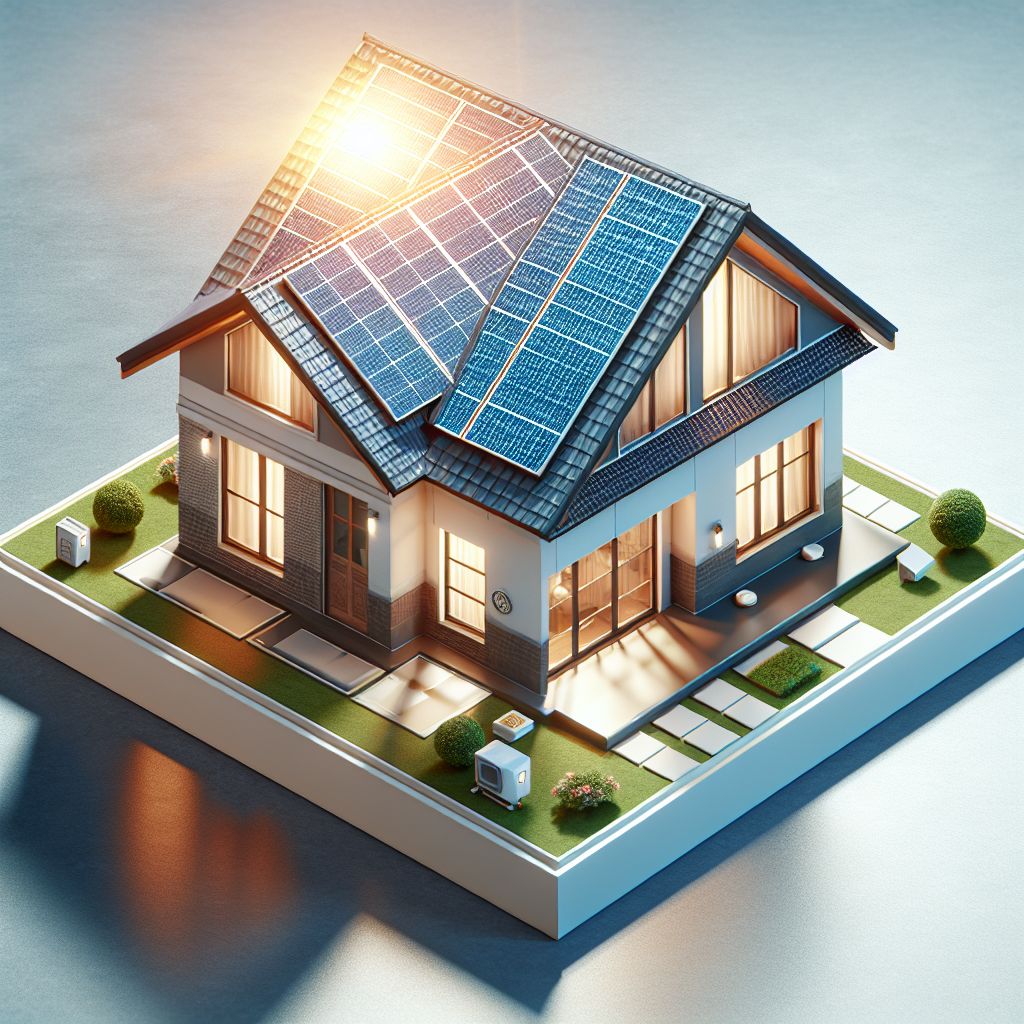
    Let’s kick things off with the basics. Solar power is energy that comes directly from the sun. Sounds simple, right? But there’s so much more to it! Basically, solar panels convert sunlight into electricity through a process called photovoltaic effect. When I first learned this, it felt like magic—turning sunbeams into energy to power my home!

    Not only is solar power renewable, but it’s pretty much an endless resource. I mean, the sun isn’t going anywhere anytime soon, so it just makes sense to tap into that energy source. And the best part? Once your solar system is up and running, harnessing the sun’s energy is practically free!

    Understanding these basics helps frame how solar power can impact your energy bills. It’s like having your own little power plant! This takes us to why many homeowners, including myself, are turning toward solar—because it’s a reliable and cost-effective way to reduce those pesky energy bills.

    Choosing the Right Solar System

    Types of Solar Panels

    Choosing the right solar system can feel a bit overwhelming, but trust me; it’s totally manageable once you break it down. There are mainly three types of solar panels: monocrystalline, polycrystalline, and thin-film. The first option, which I went with, is usually more efficient but can be pricier. Worth the investment, though!

    Polycrystalline panels are generally more affordable but slightly less efficient. Then there’s the thin-film option, which is lightweight and flexible but tends to take up more space for the same energy output. Figuring out what works best for your needs can take some research, but it pays off in the long run!

    When I upgraded my system, consulting with a solar expert really helped me make informed decisions. So, don’t hesitate to reach out for advice—figuring out the types of solar panels will lead you on the right path to saving on energy bills.

    Installation Process

    Finding the Right Installer

    Once you’ve settled on the type of solar system you want, the next step is installation. Finding a solid installer is crucial. I know all too well how important it is to work with someone dependable. Make sure to read reviews and seek referrals—it’s like buying a new car; you really wanna be sure of what you’re getting!

    An expert installer will walk you through all the necessary permits, and trust me, they know the ins and outs of what needs to be done—way more than I would! Plus, they can help predict how much you can save on energy bills with your new system, which is super helpful.

    After installation, keep in touch with your installer for any maintenance needs. A good installer won’t just drop the system and disappear; they’ll support you all the way, which helps ensure efficiency and savings down the line.

    Understanding Incentives and Rebates

    Financial Benefits of Going Solar

    Okay, let’s talk money! One of the coolest things about going solar is the financial incentives available. Depending on where you live, there might be federal, state, and even local incentives. These can significantly affect your overall costs and savings on energy bills.

    I took full advantage of the federal tax credit when I installed my solar panels—definitely one of my better financial moves. Plus, many states offer rebates that can help offset the costs of installation. So check your local programs because, hey, every little bit helps!

    Not to mention that solar energy is a long-term investment that pays off over time. Even with the upfront costs, the savings over the years just make sense! The best advice I can give here is to get familiar with these incentives. They can save you a chunk of change, which is always nice.

    Maintaining Your Solar System

    Simple Maintenance Tips

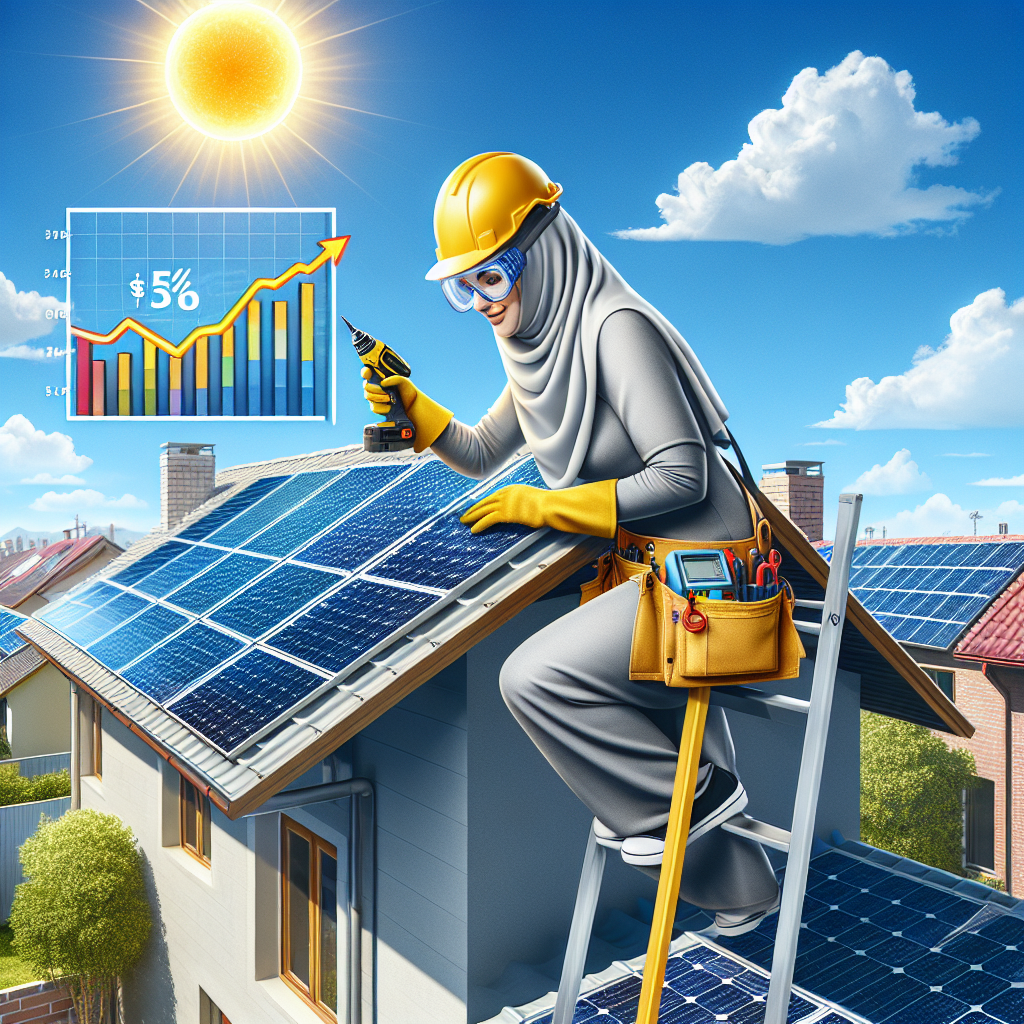
    Now that you’ve got everything in place, let’s chat about maintenance. Keeping your solar system running smoothly doesn’t have to be a hassle. First things first, I make it a point to keep the panels clean—dust, leaves, and debris can seriously cut down on efficiency.

    Checking for shading is also crucial. I once noticed a tree was growing and blocking sunlight—it was a real wake-up call! Trim any overhanging branches to maximize sunlight exposure. Regular checks can save a lot on energy bills and keep your system working like a dream.

    Lastly, stay in touch with your installer for check-ups. Having a professional routinely assess your system helps spot any issues before they turn into costly repairs. Proper maintenance truly makes a world of difference in performance and savings!

    FAQ

    1. How quickly can I expect to see savings after installing solar panels?

    Typically, homeowners begin seeing savings on their energy bills within the first month after installation. However, how quickly you see a return on investment depends on incentives and your local energy rates.

    2. Are solar panels still effective on cloudy days?

    Absolutely! Solar panels can still generate electricity even on cloudy days—though not at full capacity. They’re designed to harness as much light as possible, which is why they are still a good investment even in less sunny areas.

    3. What kind of maintenance do solar panels require?

    Most solar panel maintenance is straightforward. You should regularly clean the panels and inspect them for shading from trees or debris. Beyond that, an annual professional check-up is a good way to ensure everything is functioning well.

    4. Can I still use electricity from the grid if I have solar panels?

    Yes! If your solar system isn’t producing enough electricity (like during winter months), you can still pull energy from the grid. Many homeowners opt for a net metering system, which can allow you to receive credits for excess energy your panels generate.

    5. How long do solar panels last?

    On average, solar panels last about 25 to 30 years. Most manufacturers offer warranties for at least 25 years. As they age, their efficiency might decrease, but many still produce a significant amount of electricity beyond that time frame!
  • How Solar Power Can Slash Your Energy Bills

    How Solar Power Can Slash Your Energy Bills

    Understanding Solar Energy Basics

    What is Solar Power?

    So, let’s kick things off with the basics. Solar power is energy harnessed from the sun using various technologies. The most common way is through solar panels, which convert sunlight directly into electricity. It sounds like magic, but it’s really just good old physics at work!

    These solar panels are made up of photovoltaic (PV) cells that capture sunlight and transform it into usable electric energy. Depending on where you live, the solar potential can be fantastic, meaning you could generate quite a lot of your electricity directly from the sun’s rays!

    With climate change and rising energy costs, teaching ourselves about solar energy helps not only our wallets but also our planet. I mean, who wouldn’t want to feel like a superhero while saving the Earth and cash at the same time?

    The Importance of the Transition

    Transitioning to solar power is crucial for several reasons. First up, it significantly reduces fossil fuel dependence, which is vital for combating global warming. Every kilowatt produced through solar is one less that comes from polluting sources.

    Moreover, embracing solar energy can lead to long-term savings. Energy bills can be a real drain, and solar power offers a way to cut those down significantly. It’s a bit like switching to a more fuel-efficient car—you save bucks in the long run!

    Lastly, solar energy is a renewable resource, meaning it’s endlessly available and won’t run out like oil and gas. I can’t stress enough how liberating it feels to switch to energy that’s always there for the taking—sunshine!

    Technology Choices

    When diving into solar power, it’s essential to consider the various technologies available. You’ve got traditional solar panels, which are the most commonly recognized, but there are also solar thermal systems and even emerging technologies like solar shingles.

    For example, solar shingles lay flat on your roof and look just like regular roof tiles. They blend in so well that you’d hardly know they’re generating power! This kind of innovation is exciting and a testament to how far we’ve come in making solar energy more accessible and aesthetic.

    Choosing the right technology depends on your budget and aesthetics. Take the time to do a little homework and see what fits best for your lifestyle and home setup!

    Financial Incentives

    Government Rebates

    One of the coolest things about going solar is the financial incentives out there. Many governments offer rebates and tax credits for homeowners who install solar panels. These financial boosts can significantly lower the cost of installation, making it way more manageable.

    In the United States, for instance, there’s a federal solar tax credit that can be up to 26% of your installation costs. That’s money back in your pocket! You’d be crazy not to take advantage of it. Just make sure to check the eligibility requirements in your area before diving in.

    Another neat option is local utility rebates, which can vary from one area to another. Many states have their own incentive programs that sweeten the deal even further, so it’s worth asking your provider about those options!

    Financing Options

    If upfront costs are giving you cold feet, don’t sweat it! There are plenty of financing options available to help spread the load. Solar loans allow you to pay for the panels over time while still enjoying the lower energy bills right away.

    Plus, there are power purchase agreements (PPAs), where a company installs the solar system at no cost to you, and you simply pay for the power it generates—usually at a lower rate than your local utility. It’s like having your cake and eating it too!

    Make sure you explore all available financing paths; several programs are designed to make solar energy more accessible to everybody, regardless of your current financial situation. Don’t let money hold you back!

    Long-Term Savings

    Now, let’s talk about the cherry on top—long-term savings! Once you’ve got your solar system up and running, your electricity bills can drop dramatically. Imagine paying little to nothing for energy—sounds sweet, right?

    Typically, solar systems pay for themselves within a few years, depending on energy consumption and location. After that, it’s like you’ve hit the jackpot! The more you produce, the less you pay. And if you generate extra energy, you might even sell it back to the grid!

    Plus, let’s not forget that solar panels increase property value. You’re not just saving money; you’re also investing in your home. Buyers love the idea of lower energy bills, which can make your property even more attractive in the long run.

    Environmental Benefits

    Reduces Carbon Footprint

    Switching to solar power isn’t just about saving money; it’s about helping our planet too. By using solar energy, you significantly reduce your carbon footprint. Every little bit counts, baby! The less reliance on fossil fuels cuts down on harmful emissions, making the air a bit cleaner for all of us.

    Many people don’t realize how much energy they use daily, but when you switch over to solar, you’re actively reducing that impact. It’s genuinely empowering to know that you’re making a difference.

    Taking responsibility for our energy choices can have a ripple effect. The more people go solar, the more it encourages others to follow, leading to a larger impact on climate change trends overall. It’s like joining a big, beautiful solar family!

    Conservation of Resources

    Another fantastic aspect of solar energy is its ability to conserve our limited natural resources. When we harness energy directly from the sun, we lessen the demand for carbon-intensive resources like coal and natural gas that are quickly depleting.

    By tapping into solar, you’re taking a stand for a sustainable future. This renewable energy source is abundant and practically limitless on a human timescale, so you won’t be scrambling for resources down the line like with fossil fuels.

    It feels great to know that every ray of sunshine is just waiting to be utilized! So, not only are you saving your bills, but you’re also participating in a vital movement to protect our planet for future generations.

    Promoting Sustainability

    Switching to solar power also promotes sustainability in your community. As more people adopt solar, it generates awareness and enthusiasm about clean energy. Neighbors might start discussions on how to lower energy costs, which can progress into community-focused solar projects.

    Also, solar installations can lead to job creation in the renewable energy sector. Local economies benefit because there’s a demand for skilled labor to install and maintain these systems, boosting local employment and innovation.

    Being part of the solar movement is not just about what’s happening at your home; it’s about contributing to a larger cause. The more we talk about renewable energy, the more we inspire others to think sustainably and make a change!

    Conclusion

    Embracing solar energy has never been more crucial. From understanding the basics to taking advantage of financial incentives, the benefits are clear. And it feels great not only to be saving money but also to protect our environment for future generations. I’ve seen firsthand how solar can change lives, so if you’re even a bit curious, I encourage you to research and explore the possibilities!

    FAQs

    1. How much can I save by switching to solar power?

    Your savings will vary based on energy consumption, location, and system size, but many homeowners find significant reductions on their electricity bills, often saving thousands over time!

    2. Are there any upfront costs?

    While solar systems do require an initial investment, there are many financing options available, including loans and power purchase agreements, to help spread those costs over time.

    3. How long does it take to see a return on investment?

    Typically, homeowners see their solar systems pay for themselves in about 5 to 7 years on average, but this can vary based on energy prices and usage patterns.

    4. Does solar power work in cloudy climates?

    Absolutely! While solar panels are less efficient in cloudy weather, they still produce energy. You’ll be surprised at how much power they can generate even when it’s not sunny!

    5. What happens if I generate more energy than I use?

    Any excess energy generated can be sold back to the grid, meaning you can actually earn credits or payments from your utility provider. How’s that for a bonus?