Tag: buy?

  • Solar Panel Types Compared: Which Should You Buy?

    Solar Panel Types Compared: Which Should You Buy?

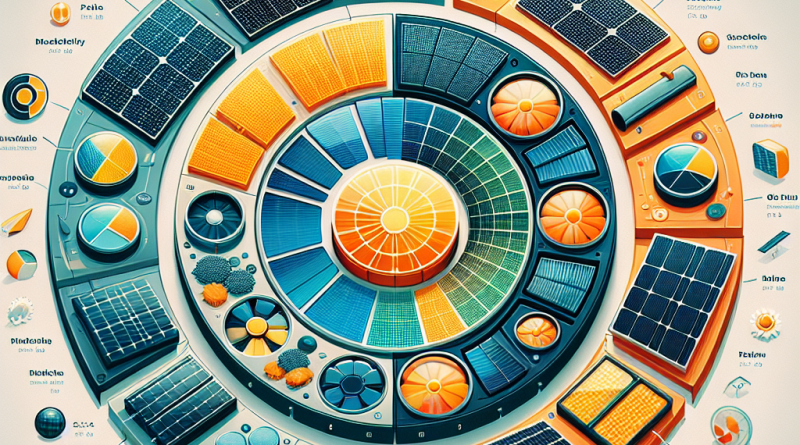
    Monocrystalline Solar Panels

    What Are They?

    Monocrystalline solar panels are like the crème de la crème of solar technology. They’re made from a single crystal structure, which sounds fancy, right? Basically, this means they’re super efficient—often boasting efficiencies of over 20%. I remember the first time I saw them; they were sleek, black, and just looked right at home on a roof.

    These panels are made from silicon that’s been melted down and formed into bars, which are then sliced to create the wafers for the panels. What’s cool about them is that the purity of the silicon boosts their performance. If you really want to maximize your energy output in a limited space, these babies are worth considering.

    However, I’ve gotta mention that they tend to come with a higher price tag. So if you’re on a tight budget, you might want to weigh your options carefully before jumping in.

    Advantages of Monocrystalline

    One of the biggest perks of monocrystalline panels is their longevity. I’ve seen some of these panels come with warranties of up to 25 years! They’re built to stand the test of time. Plus, their efficiency means you get more power per square foot. If you live in an area with limited roof space, you’ll appreciate this greatly.

    Another awesome feature is that they perform better in warmer conditions compared to other types. So if you live in a sweltering area, you won’t be losing out on energy like you might with other panels. I know a few homeowners who’ve praised how well their monocrystalline panels have held up during hot summers.

    Lastly, aesthetically speaking, they look pretty sleek. If you care about curb appeal, these panels have a nice, uniform look that many find appealing. Trust me, they’re bound to impress your neighbors!

    Disadvantages of Monocrystalline

    Now, let’s keep it real—these panels aren’t without their faults. As I mentioned, they tend to be pricier. If you’re working on a strict budget, this could be a downside you have to consider. Sometimes, it’s all about finding that balance between cost and efficiency.

    Another thing to keep in mind is that they can be less resilient to shading. If your rooftop is shaded by trees or buildings, you might want to consider a type that doesn’t mind the shade. A good friend of mine learned that the hard way—his gorgeous monocrystalline panels didn’t perform nearly as well as he anticipated.

    Finally, manufacturing these panels has a higher energy input compared to others. So, if you’re keen on making an environmentally friendly choice, this factor might make you reconsider. As I’ve learned, sometimes a smart investment doesn’t just mean money—it also means being mindful of your carbon footprint.

    Polycrystalline Solar Panels

    What Are They?

    Next up, we have polycrystalline solar panels. These guys are often seen as the more affordable cousin of monocrystalline panels. Made from multiple silicon crystals, they appear speckled and have a blue hue. The first time I installed these, I thought it was cool how they looked in the sunlight!

    These panels are produced by melting raw silicon and pouring it into a mold, which then cools. This process is a bit more straightforward than making monocrystalline panels, which helps keep costs down. If you see a deal on solar panels, there’s a good chance these are what you’re looking at.

    While they might lag behind in efficiency—often around 15-20%—they can still get the job done, especially for those of us just starting with solar energy. If you’re worried about a hefty bill, polycrystalline panels might give you that sweet spot between cost and performance.

    Advantages of Polycrystalline

    One of the main draws of polycrystalline panels is their price point. If you’re not looking to break the bank, these panels can be a fantastic entry into solar energy. I’ve chatted with many homeowners who were able to afford a full setup without needing to get a second mortgage!

    They’re also relatively easy to produce, which can contribute to a lower environmental impact during manufacturing. Less energy-intensive production can definitely be a plus for eco-conscious consumers like myself.

    Lastly, these panels perform decently in high temperatures, though perhaps not as well as monocrystalline ones. If you live in a temperate area, you’ll likely find that they work just fine in your home setup without any major issues.

    Disadvantages of Polycrystalline

    However, they do have their downsides. First off, their efficiency isn’t as high as monocrystalline panels. So, if you’ve got limited space, you might need to install more panels to get the same energy output. This factor is something I had to consider when planning my own setup.

    They also tend to have a shorter lifespan—usually around 25 years. This isn’t a deal-breaker, but it’s worth noting if you’re looking for something that lasts a bit longer. I did notice a few friends opting for monocrystalline panels because they wanted that peace of mind.

    Finally, aesthetics can be a concern. They typically have more of a patchy look compared to the sleek monocrystalline panels. If the visual appeal matters to you, it might be something to think about when making your choice.

    Thin-Film Solar Panels

    What Are They?

    Thin-film solar panels are often the underdog in the solar world. I’ve found them to be quite interesting as they’re made by layering thin sheets of photovoltaic material, making them incredibly lightweight and versatile. This can be a game changer, especially for certain installations.

    These panels come in three main types: amorphous silicon, cadmium telluride, and copper indium gallium selenide. The versatility of materials used is pretty fascinating. For instance, because they can be applied to flexible materials, I’ve seen them used in unconventional ways, like on building facades or even vehicles!

    While they’re not as efficient as the crystalline options, they thrive best in low-light conditions. If you find yourself in an area with frequent cloudy days, thin-film might just suit your needs perfectly. I’ve had friends swear by these for their unique applications.

    Advantages of Thin-Film

    One of the biggest advantages? Flexibility! Literally! Thin-film panels can be installed on a variety of surfaces. If you need something that can adapt to a specific shape or curve, these panels can do the trick—and they still perform!

    They also tend to be cheaper to produce and install. If you’re working with a tighter budget or looking for a unique installation, this can be a big selling point. I’ve seen folks take a chance on thin-film panels because they simply wanted something different.

    Lastly, they perform better in heat and shady conditions than their crystalline counterparts. If your area has lots of trees or you’re dealing with other shading issues, these panels might give you better performance overall. Trust me; you won’t miss out on energy just because it’s a bit cloudy.

    Disadvantages of Thin-Film

    On the flip side, it’s important to chat about the downsides. One significant issue I came across is lower efficiency ratings—usually around 10-15%. This means you’ll need a lot more roof space to produce the same amount of power as the other panels. For those folks with smaller roofs, this can pose a challenge.

    Additionally, their lifespan is shorter, typically around 10-20 years. You might need to think about replacing them sooner than the crystalline options. I’ve had friends who were surprised by this fact, so it’s worth mentioning upfront.

    Also, they’re more sensitive to high temperatures and can degrade faster under extreme conditions. If you live in a hot climate, this sensitivity could affect performance. It’s something I carefully considered when weighing my own options.

    Conclusion

    When it comes to choosing the right solar panel, it all boils down to your specific needs and circumstances. If you’ve got the budget and want maximum efficiency, monocrystalline panels are a solid choice. If you’re looking for a more affordable option, polycrystalline might be what you need.

    And hey, if you want something unique or plan to deal with shading, thin-film panels could be your best bet. I think the key takeaway here is to assess your situation and be honest about your priorities, whether it’s cost, efficiency, or aesthetics.

    Ultimately, we all want to harness the power of the sun, and each type of panel can get you there. So, explore your options, do your homework, and find what works best for you!

    FAQ

    1. What is the difference between monocrystalline and polycrystalline solar panels?

    Monocrystalline panels are made from a single silicon crystal and are typically more efficient but also pricier. Polycrystalline panels are made from multiple silicon crystals, which makes them more affordable but slightly less efficient.

    2. How do thin-film solar panels compare in efficiency?

    Thin-film solar panels tend to have lower efficiency levels, usually around 10-15%. They do, however, perform better in low-light conditions and heat, making them suitable for certain locations.

    3. What are the lifespan expectations for each solar panel type?

    Monocrystalline and polycrystalline panels generally last about 25 years, while thin-film panels have a shorter lifespan of about 10-20 years.

    4. Are solar panels worth the investment?

    Absolutely! Solar panels can significantly reduce your energy bills and contribute to a more sustainable lifestyle. Many places even offer incentives to make the investment more attractive.

    5. Can I mix different types of solar panels on one installation?

    While it’s possible to mix different types of solar panels, it’s usually not recommended due to differences in efficiency and output. It’s best to use the same type for optimal performance.

  • Best Time to Buy Solar Panels

    Best Time to Buy Solar Panels

    Understand Seasonal Trends

    Weather Matters

    Let me tell you, timing is everything when it comes to buying solar panels. One of the first things to consider is the weather. Typically, solar panel installations pick up during the sunnier months. This is especially true in places like California or Arizona, where the sunshine is practically begging for solar panels to come alive. Imagine trying to install them during snowstorms! Not ideal, right?

    So, if you’re thinking of purchasing, keep a keen eye on the forecast. Spring and summer are bustling periods for solar, while winter may slow down the installation process due to harsh conditions. Plus, many solar companies offer promotions during off-peak months to attract buyers, which can be a nice perk if you’re strategic.

    As an added bonus, buying in the offseason can sometimes afford you a better deal. You’ll not only help yourself by avoiding the rush, but you might also snag some killer discounts. Everybody loves saving a buck!

    Industry Cycles

    The solar industry has its own rhythm, much like the seasons. There are certain times of the year when companies tend to roll out new products, which usually means they’re trying to clear out inventory for the latest and greatest. This can be a great time for savvy buyers like you and me to jump on the opportunity for a better price.

    For instance, if you’re keeping track of when these companies unveil their new tech, you might find yourself in luck! You could catch the tail end of those models they need to sell quickly, and if you’re unfamiliar with how this works, think of it like waiting for the end-of-season sale in your favorite store.

    Being mindful of these cycles not only helps with cost but also gives you a chance to research. Sometimes the best products come from the previous year’s lineup, often at significant savings. It’s all about being in the right place at the right time.

    Government Incentives

    If there’s one time to keep an eye on, it’s when government policies shift. Various incentives like tax credits or rebates can really make that hefty solar installation a whole lot cheaper. Trust me, it’s worth staying informed about proposed legislation that could impact your purchase.

    For example, if you’ve heard about an upcoming expiration of a tax credit, don’t wait! It’s usually wise to get your order in before that deadline rolls around. I know it can feel like a hassle, but getting those extra dollars back is pretty sweet, and it can make a big difference in the overall cost.

    Also, it’s good to check state-specific resources because certain states offer super attractive incentives that might not be obvious at first. Do a little digging, stay proactive, and you could find yourself saving a load of cash!

    Evaluate Your Energy Needs

    Assessing Your Current Electricity Usage

    Before you dive into the solar panel pool, it’s essential to reflect on your current energy consumption. Pull out those utility bills and let’s do some number crunching together! Understanding how much energy you use will help in determining the right solar system for your home.

    This is super important because you don’t want to overestimate your needs and buy more than necessary. That’s like buying a bigger pair of shoes when you could fit into the smaller ones. Plus, when you know exactly how much energy your household typically consumes, you can optimize your solar system for better efficiency.

    Once you know your average usage, you can also evaluate options for battery storage or other enhancements to maximize your system’s potential. Ain’t nothing better than being energy savvy!

    Future Changes in Usage

    When contemplating the purchase of solar panels, think about your future energy needs. Are you planning on adding electric vehicles or undergoing a renovation that might significantly increase your electricity consumption? Planning for tomorrow is vital when investing in a long-term solution like solar energy.

    Change can sneak up on us, and if you’re aware of future projects that could affect your energy usage, it’s a wise move to scale your solar array accordingly. It’s like foreseeing a growth spurt – better to buy a little extra room than to end up cramped.

    In this way, investing a bit more now can help you avoid additional costs later. The last thing you want is to have to upgrade your solar system just because you decided to build that awesome home office you’ve been dreaming of. Anticipation is key!

    Consult with a Solar Expert

    When all else fails, and you’re feeling a bit lost in the solar maze, chatting with a solar expert can provide clarity. I’ve done this myself and it was invaluable! They can offer insights specific to your needs, making recommendations that truly align with your situation.

    Experts have their fingers on the pulse of industry trends, tech advancements, and even what other customers are finding valuable. They can help you make sense of any rebates or government incentives that could apply to your purchase.

    Don’t hesitate! Getting a professional opinion can smoothen the buying process. Plus, it’s reassuring to have someone on your side who understands the ins and outs of solar systems. Let them be your guiding light through the solar journey!

    Financing Options

    Understanding Your Choices

    Alright, let’s talk about money; it’s a big part of the solar panel decision, right? You have a slue of financing options, from cash to loans to leasing. Each option comes with its own set of benefits and drawbacks, so you need to choose wisely.

    Paying outright can save you loads on interest in the long run, but if you don’t have that kind of cash lying around, financing is an excellent way to avoid major upfront costs. Just be sure to read the fine print; you don’t want to be stuck with high interest without even realizing it!

    Also, there are sometimes promotional offers from lenders or solar companies that can make financing feel more like a breeze than a storm. Look for those enticing offers – they can make financing way more manageable.

    Taxation and Rebates

    As I mentioned earlier, tax credits can really boost your decision to go solar, so don’t overlook them! Depending on where you live, there are different credits that can significantly offset both your initial costs and your total price tag. The Federal Investment Tax Credit (ITC) is still up for grabs, which means you could recoup a good portion of your installation cost!

    Make sure to consult with a tax professional if you’re not sure how these incentives work. I find it’s worth the conversation just to ensure you’re maximizing your savings!

    Your local utility may even have programs rewarding you for going solar, so research is key! These financial benefits can make solar an exceptionally appealing investment.

    Long-Term Savings versus Short-Term Costs

    It’s all about the long game when it comes to solar panels. Sure, the upfront costs can feel daunting, but let’s not forget what you’re saving in the long run! Once you’ve got your panels up and running, you’ll start to see decreases in your electricity bills, plus potential increases in your home’s market value.

    Think of your solar investment as a long-term gain rather than just a short-term expense. Even if it seems hefty now, envision those dollars you’ll save each month as the months and years accumulate. You’re setting yourself up for a greener wallet and a greener planet!

    So, take a good look at the overall picture before you get bogged down in the details. Focus on the future benefits that will outweigh those first-cost hurdles.

    Installation Timing

    Pre-Installation Preparation

    Now that we’ve tackled the big-picture stuff, it’s time to focus on the nitty-gritty of installation. Make sure you’re prepared ahead of time so everything can run smoothly. Assess your home’s structure. Is it ready for the panels? Are there trees or other obstructions that need addressing?

    Taking these steps beforehand ensures that once installation day rolls around, you’re all set and won’t be surprised by unexpected obstacles. No one wants to delay their solar dreams due to something simple that could have been fixed ahead of time!

    Finally, have a checklist ready. I find that a little organization can go a long way in these situations, so jotting down what you need to have ready before installation day will keep you focused and ensure no detail falls through the cracks.

    Optimal Installation Timeframes

    We’ve talked about peak seasons earlier, but timing your actual installation day is just as important! For optimum performance and efficiency, you typically want to avoid extreme temperature days. Solar panels perform best in moderate weather. However, this doesn’t mean you have to wait for spring or summer. Fall can be an excellent option too!

    Aside from the temperature, scheduling your installation when it’s less busy for contractors may net you quicker service and potentially lower installation costs. Many contractors offer discounts during their slower months, which means you could save some cash while still getting top-notch service.

    My advice? Call around to a few different installers and see when they have availability. You might be surprised at how much influence timing can have on both your budget and the speed of the process.

    Post-Installation Follow-Up

    Let’s not forget that our journey doesn’t end when the panels are up! After installation, it’s essential to stay in communication with your installer regarding maintenance and monitoring. This will ensure your solar system stays in great shape and continues to save you money!

    Many installers offer follow-up services or annual check-ups, and I highly recommend taking advantage of these! The last thing you want is to discover an issue that’s been brewing for months without knowing about it. Keep that open line of communication to help avoid future headaches!

    Plus, having an ongoing relationship with your installer means they’ll be there if you have any questions about your system. Utilize their expertise to keep your solar investment in tip-top condition!

    Conclusion

    In the end, buying solar panels isn’t just about picking a date on the calendar; it’s about understanding an array of factors that can impact your decision. From the seasonal trends to assessing your energy needs, every little detail matters. By keeping your finger on the pulse of the market, you position yourself to make informed choices that ultimately benefit you financially and environmentally.

    So, as you embark on this energizing journey, remember to do your research, consult with experts, and stay informed. With the right timing and careful planning, you’ll find the solar solution that’s perfect for your home.

    FAQ

    What’s the best season to buy solar panels?

    The best seasons to buy solar panels are typically spring and summer when companies are busy and often have promotions. That said, late fall can also be good if you’re looking to capitalize on off-peak discounts.

    How do government incentives affect solar panel purchases?

    Government incentives, such as tax credits and rebates, can significantly reduce the cost of purchasing solar panels, making them much more affordable. It’s essential to do your research to see what applies in your area.

    What should I consider before buying solar panels?

    Before buying solar panels, assess your electricity usage, consider your future energy needs, explore financing options, and consult with solar experts to find the best solution tailored to your situation.

    How long does it take to install solar panels?

    Installation generally takes 1-3 days, but this can vary based on system size and specific circumstances at your property.

    Do solar panels require maintenance?

    Yes, solar panels do require minimal maintenance, such as cleaning and occasional inspections to ensure they’re functioning well. Most installers recommend annual check-ups to assess performance.