Tag: buyer’s guide

  • The Best Solar Systems for Small Homes: A Buyer’s Guide

    The Best Solar Systems for Small Homes: A Buyer’s Guide

    Understanding Your Energy Needs

    Assess Your Current Usage

    Before diving into the world of solar systems, let’s take a step back and understand your energy consumption. I remember staring at my electricity bill and cringing at the numbers. It becomes essential to analyze your current energy usage, typically documented on your utility bill. This gives you a solid baseline to figure out how much energy you need to generate.

    Start by gathering information about your monthly energy consumption. It’s usually listed in kilowatt-hours (kWh), so having a calculator at the ready can really help. You want to make sure you’re not caught off guard when the sun decides to take a day off!

    Lastly, think about the future. Are you planning to expand your space, get new appliances, or maybe even add an electric vehicle? It’s smart to account for that potential growth when sizing your system.

    Assess Your Home’s Solar Potential

    Now that you know how much energy you use, it’s important to assess how much sun your home gets. Factors like roof angle, shade from trees, or nearby buildings can significantly impact how effective your solar system can be. I spent some time observing how shadows moved across my roof during different times of the day.

    Online tools and apps can help you determine how much sunlight your specific roof receives. One cool tool I found is Google’s Project Sunroof. It gives a good idea of potential solar savings, based on your location!

    Also, don’t forget about roof orientation. South-facing roofs typically get the most sun, which is ideal. If your roof doesn’t have the right orientation, don’t panic! Ground-mounted systems can be a great alternative.

    Defining Your Goals for Solar Energy

    It’s essential to define what you want to achieve with solar energy. Are you looking to save on your electric bill, reduce your carbon footprint, or perhaps become entirely energy-independent?

    I started by jotting down my aims and comparing them. For me, saving money while contributing positively to the environment was a must. Knowing your own goals helps streamline the search for the solar system that suits you best.

    Clearly defined goals will also impact the type and size of the system you choose, so it’s a vital step in the process!

    Choosing the Right Solar System for Your Home

    Types of Solar Systems

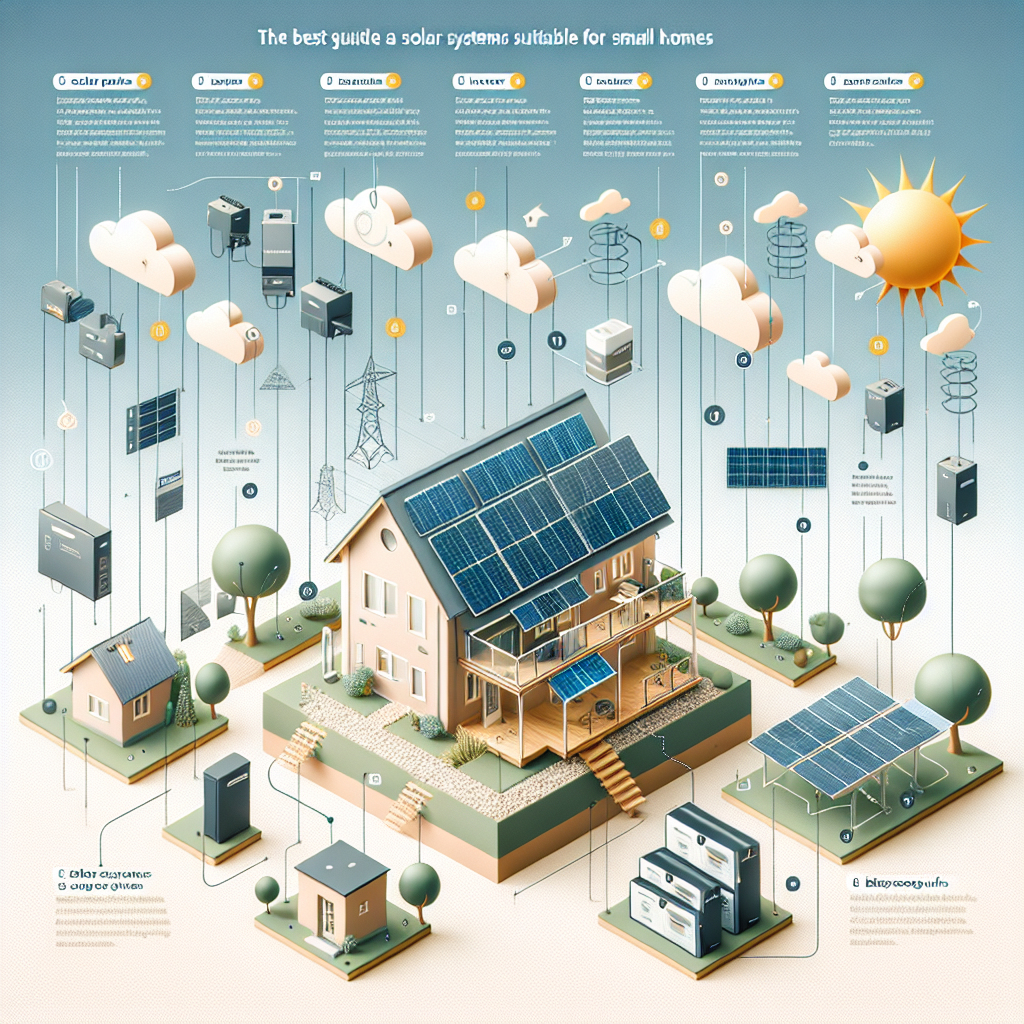
    There are mainly three options when it comes to solar systems: grid-tied, off-grid, and hybrid systems. Personally, I leaned towards a grid-tied system because it’s typically more affordable and lets you use the utility’s grid as a backup, which brought me peace of mind!

    Off-grid systems allow you to live completely independently from the utility grid. This can be awesome if you’re in a remote location, but you’ll need a good battery system and possibly a backup generator. I am still considering this for my weekend cabin in the woods!

    Hybrid systems are fancy! You can transition between grid-tied and off-grid modes, depending on what you need. They give you flexibility, but of course, they come at a higher price tag.

    Evaluating System Components

    After selecting a system type, dive into the components. Solar panels are usually the star of the show, but don’t overlook inverters and batteries. I was overwhelmed initially by the tech jargon, but once I broke it down, it became much clearer.

    Solar panels come in various types: monocrystalline, polycrystalline, and thin-film. Each has its advantages and drawbacks. Monocrystalline panels have higher efficiency rates, but thin-film panels might fit certain budgets better. Researching and reading reviews really helped me make an informed decision.

    Dive deep into inverter types too. String inverters are the most common, but microinverters can offer better performance in shady areas. It’s all about what works best for your unique situation!

    Consider Installation Services

    Choosing an installation service is a huge step that I’m very passionate about. I always suggest going with licensed professionals who specialize in solar. Not only does this ensure the job is done right, but many offer warranties and maintenance services that will give you peace down the line.

    Start by getting quotes from multiple installers. I did this and was surprised by how varied the pricing was. Selecting an installer who is well-reviewed can lead to a smoother solar journey.

    Lastly, don’t hesitate to ask questions! Your installer should be willing to guide you through every aspect of your solar journey, from the installation process to post-installation support.

    Understanding the Financial Aspects

    Initial Costs and Savings

    Let’s be real, the upfront cost of solar can be daunting. However, understanding the financial aspects can help soften that blow. After speaking with multiple contractors, I got a clearer picture of the costs. Upfront investments do turn into long-term savings over time.

    Consider available incentives and rebates! I was able to take advantage of federal tax credits, which make a significant dent in the initial costs. Unfortunately, not every state offers the same incentives, so I recommend checking with local authorities.

    It’s also beneficial to think about your savings over time. Many homeowners recoup their investment within 5-10 years, which is pretty impressive when I think about it!

    Financing Options

    If shelling out all the cash upfront isn’t feasible, don’t worry—there are financing options! I explored options like solar loans and leases, which made adopting solar much easier on my wallet.

    Solar loans often have lower interest rates, and some are available without any down payment. This option allows you to pay off the initial cost gradually while still enjoying the benefits of solar energy.

    Leasing is another popular option, where you don’t own the system; the company does. You pay a fixed monthly fee but don’t get the same tax incentives or benefits as a system owner. Do your research—what works for one person might not work for you!

    Evaluating Return on Investment

    Calculating ROI is a key part of this journey. I found it beneficial to visualize my potential savings over the years against my initial investment. You can make a plan to monitor your energy bill after installation, where you’ll begin to see the real difference!

    Keep in mind that ROI can differ depending on your local energy prices and the performance of your system. Tracking this helps keep you motivated through the initial costs.

    The end goal is to ensure that you’re confident that the chosen solar system is an investment worth making for your small home!

    Maintaining Your Solar System

    Regular Cleaning and Inspections

    Now, maintenance may seem like a chore, but trust me; it’s super important! Dust, debris, and leaves can accumulate on your panels and reduce efficiency. I made it a quick habit to check and clean my panels at least once every three months.

    Additionally, I recommend scheduling professional inspections at least once a year. These inspections ensure everything is functioning correctly and can catch any minor issues before they become major headaches.

    Pro tip: remember to check your inverter’s lights and displays. These should be monitored regularly to ensure everything is running smoothly without unexpected downtimes.

    Addressing Issues Promptly

    If you start noticing dips in energy production, don’t ignore them! Problems can arise—whether it’s a malfunctioning inverter or shading issues. I learned it’s best to address concerns sooner rather than later; it saves you time and money in the long run!

    So, if you sense something’s off, don’t hesitate to reach out to your installer. Many offer support long after the installation is complete, which is a huge comfort.

    Being proactive about your system will help you keep the green energy flowing smoothly!

    Staying Informed on Technology Advances

    Lastly, stay in the loop regarding new technology! The solar industry is rapidly evolving, with new developments and products hitting the market that can enhance efficiency and reduce costs. I love reading articles and attending webinars to keep my knowledge fresh.

    Also, keep in touch with your solar installer or local solar community. They often share insights on new tech and how it could benefit your system.

    So, consider joining forums or social media groups dedicated to solar energy. Having a network can help you stay informed and connected with like-minded individuals!

    Frequently Asked Questions

    1. What size solar system do I need for my small home?

    The size of the solar system you need depends on your energy consumption and sunny days in your area. An energy audit can help tailor the right size for you!

    2. Are there financing options available for solar systems?

    Yes! Financing options include solar loans, leases, and power purchase agreements, which make it easier to manage upfront costs.

    3. How much maintenance do solar systems require?

    Solar systems generally require minimal maintenance. Regular cleaning and annual inspections are recommended to keep them in top condition.

    4. How do I monitor the performance of my solar system?

    Many systems come with apps or monitoring systems that can show real-time energy production and consumption, making it easier to track performance!

    5. What incentives are available for solar installations?

    Incentives vary by state but often include federal tax credits, local rebates, and possibly grants depending on jurisdiction. Always check what’s available in your area!
  • Best Solar Panels for Home Use: Buyer’s Guide

    Best Solar Panels for Home Use: Buyer’s Guide

    Understanding Solar Panel Technology

    What Are Solar Panels?

    When I first looked into solar panels, I was genuinely curious about how they worked. Essentially, solar panels are made up of many solar cells that convert sunlight into electricity. It’s wild to think we can harness the sun’s energy to power our homes! These solar cells are usually made of silicon, which is a fantastic conductor of electricity.

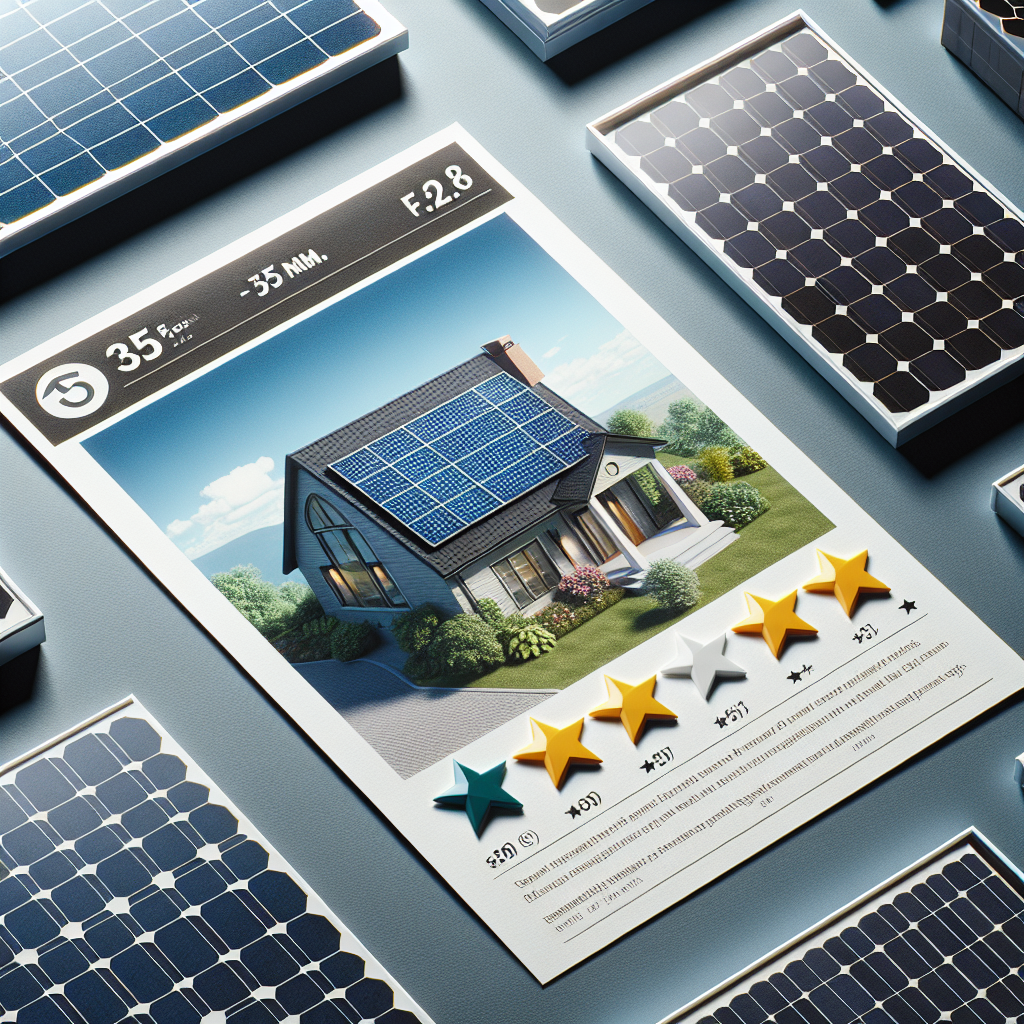
    As I learned more, I realized there are different types of solar panels. The main ones are monocrystalline, polycrystalline, and thin-film. Each has its pros and cons, and it all boils down to efficiency, cost, and aesthetics based on what might fit best for your home.

    For anyone considering solar panels, understanding how they function can help in making a decision. They typically work best in climates with lots of sunny days, but even in cloudier regions, they can generate sufficient power for your needs!

    How Do Solar Panels Work?

    The science behind solar panels fascinated me. When sunlight strikes the solar panel, it creates an electric field across the layers of silicon. This interaction generates an electrical current that can be captured and used to power everything in your home, from the refrigerator to your TV. It all happens thanks to the photovoltaic effect, which is just a fancy way of saying “turning light into electricity.”

    After installing my own solar system, I was stoked to see how my utility meter started to spin backward! That’s what happens when you produce more energy than you use. So, you’ve got the potential for some sweet savings on your electricity bill over time.

    What’s even cooler is that with advancements in technology, modern panels are becoming more efficient, compact, and affordable. So, the dream of relying on solar energy isn’t just a trend; it’s becoming more of a reality for homeowners like us.

    The Benefits of Going Solar

    Switching to solar panels comes with loads of benefits. For starters, reduced electricity bills are a biggie. Once the panels are installed, the power they generate can significantly cut down your monthly energy costs. It’s like having a coupon for years on end!

    Next up, there’s the positive environmental impact. By going solar, you’re reducing your carbon footprint. I love knowing that my home contributes less to pollution and dependence on fossil fuels. It just feels like the right thing to do.

    Lastly, let’s talk about home value. It’s been shown that homes with solar installations can appreciate in value. So not only are you saving on energy costs, but you’re also increasing your asset’s worth. It’s a win-win situation, if you ask me!

    Choosing the Right Solar Panels for Your Home

    Market Research

    The first thing I did when choosing solar panels was a bit of market research. After all, there are tons of brands and options out there! I browsed through online reviews, comparisons, and reached out to friends who had made the switch. A little homework went a long way.

    Different manufacturers offer varying warranties, efficiency ratings, and returns on investment, and it’s super important to weigh these factors based on what’s best for your home and budget. Diving deep into resources like EnergySage or SolarReviews helped me understand what to look for.

    Don’t forget to also look into certifications. A panel with good certifications usually means it’s been tested for performance and durability. Believe me, you want something that can withstand harsh weather conditions!

    Assessing Your Energy Needs

    Next, you gotta figure out how much energy your household uses. This step was eye-opening for me! I looked at my electricity bills over the year to see trends in usage.

    Understanding your energy consumption can help you determine how many solar panels you’ll need. There are calculators online that can simplify this process – trust me, it’s essential to get this part right to ensure your solar system meets your needs!

    And remember, your energy needs might change. Whether that’s adding an electric vehicle charger or getting an above-average refrigerator, keep in mind that your future energy consumption may rise.

    Comparing Costs

    When it came to costs, I got quotes from multiple solar providers and compared their offers. Honestly, the range was wild! It’s vital to consider the total installation cost and not just the initial price of the panels. Installation can often double your upfront costs.

    Look for various financing options too; some companies offer leases or power purchase agreements, while others might allow you to buy panels outright. Consider what works for your financial situation, and don’t be afraid to negotiate!

    Lastly, be aware of any incentives, rebates, or tax credits that can help lower your total costs. It’s an investment, but with the right approach, you can get an awesome return.

    Installation and Maintenance

    Finding a Reliable Installer

    Installing solar panels isn’t a DIY gig for most folks. Trust me, you’ll want to find a qualified installer. I spent some time researching local companies, checking reviews, and seeing what certifications they had.

    Look for experience and a solid track record. A good installer will walk you through the details of the installation process, answer all your questions, and give you peace of mind.

    I also learned that it’s smart to choose an installer that offers post-installation support. Things like maintenance checks and customer service can save you a lot of hassle down the line.

    Understanding the Installation Process

    The installation process can seem a bit daunting, but it usually goes pretty smooth with a good team. I found out that the standard setup usually takes a day or two. They’ll be up on your roof installing the panels while you can kick back and relax, hopefully enjoying the knowledge that solar energy is on its way!

    Each panel gets fitted with wiring connecting it to the inverter, which converts the solar energy into usable electricity for your home. Understanding these basics made me appreciate the whole process even more.

    Once everything is up and running, it’s a good idea to test the system and make sure it’s performing optimally. You’re investing in this, so it’s important to ensure everything works as planned!

    Maintaining Your Solar Energy System

    Something I didn’t think about until after installation was maintenance. Solar panels are pretty low maintenance, but they do need some love now and then. Cleaning them off from time to time is important, especially if you live in a dusty area like me.

    Many installers offer maintenance services, which can be a good idea if you’re not keen on getting up on your roof. Regular check-ups can help in spotting and fixing any issues before they escalate.

    Keeping an eye on the system’s performance is also vital. Most modern systems have monitoring technology, so you can see how much energy you’re generating and using. It’s super gratifying to watch that production number climb!

    Solar Incentives and Financing Options

    Government Incentives

    One of the coolest things I discovered while researching solar panels was all the government incentives available. Depending on where you live, you may be eligible for significant tax credits, rebates, or incentives that make going solar not just a good idea, but a great one!

    In the U.S., the federal solar tax credit lets you deduct a percentage of the cost of the solar energy system from your federal taxes. This can significantly reduce your overall costs. It’s money in your pocket!

    Staying informed about local incentives is also key – some states or municipalities offer additional rebates or up-front cost reductions, so keep your eyes peeled for what’s out there. It’s worth it!

    Financing Options Available

    For many people, financing is the way to go when affording solar panels. Whether you choose to buy outright, take out a loan, or lease, it’s essential to pick an option that fits your budget. I found that each option has its benefits and drawbacks.

    Buying outright means no monthly payments and full ownership of your system. On the other hand, leasing means lower upfront costs but you might miss out on some long-term savings since you don’t own the system.

    Solar loans are also a viable option, allowing you to spread the costs out over a number of years. Do your research to find out what fits your financial situation best. And don’t forget to check the interest rates and terms offered by different lenders!

    Long-term Savings and Investments

    When I looked at my long-term savings, it genuinely excited me. Solar panels can pay for themselves within a few years, and from then on, it’s just free power! I compared the cost of my solar installation against what I’d save on utilities, and I was impressed.

    Returning investment (ROI) is an essential factor in determining whether or not solar is right for you. With rising utility rates and the potential for selling back power to the grid, the future looks bright for solar energy investment.

    The best part? Beyond just savings, using solar makes you more energy independent. It’s a game changer in my mind and definitely worth considering for anyone thinking seriously about home energy solutions.

    FAQ

    1. How do I know if my home is suitable for solar panels?

    Check factors like your roof’s orientation, the amount of sunlight it receives, and whether there are any shading issues from trees or buildings. A professional evaluator can help with this too!

    2. How much can I save on my electricity bill with solar panels?

    This varies significantly based on factors like your location, utility rates, and system size, but many homeowners save anywhere from 50% to 100% on their bills.

    3. How long does the installation process take?

    Typically, the entire installation can take anywhere from a few hours to a couple of days based on the size of your system. It’s much quicker than you might think!

    4. What maintenance do solar panels require?

    Generally, they need very little maintenance. Just a periodic cleaning and monitoring the system’s performance to ensure everything’s running smoothly!

    5. Are there rebates or incentives available for solar panels?

    Yes! Many states offer tax credits, grants, and rebates to help offset the cost. Be sure to check what’s available in your area as they can significantly reduce your overall expenses!