Tag: can

  • How Solar Generators Can Help You Prepare for Emergencies

    How Solar Generators Can Help You Prepare for Emergencies

    Understanding the Need for Backup Power

    Why Backup Power is Essential

    You know those moments when the lights flicker, and you’re left holding your breath wondering if the power’s going to stay? I’ve been there. Emergencies can hit at any time – whether it’s a snowstorm, hurricane, or even an unexpected blackout during summer. Having reliable backup power can truly mean the difference between chaos and some semblance of comfort.

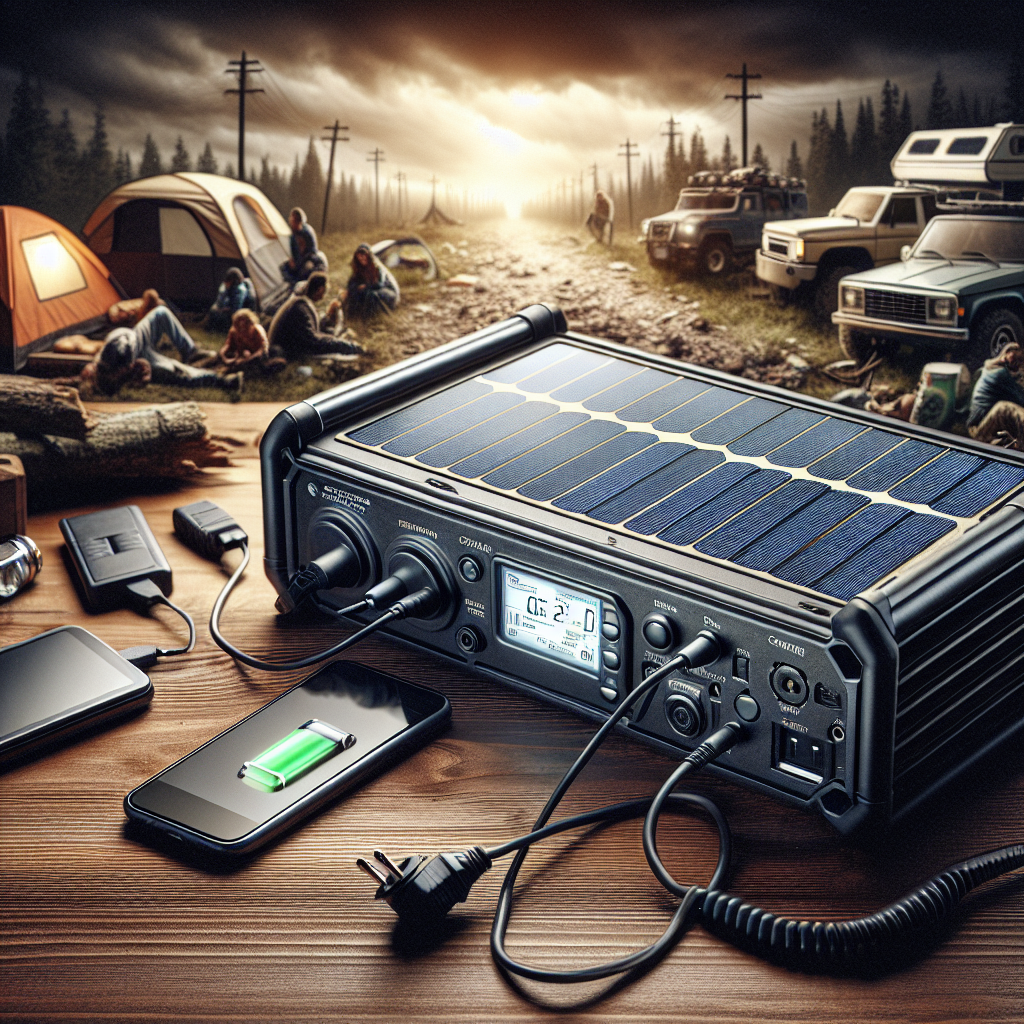
    When the usual power supply goes down, especially in extreme weather conditions, we often face frustrating challenges. Refrigerators stop keeping our food fresh, smartphones lose their charge, and our comfort is compromised. Having a solar generator on hand allows us to sidestep that panic and stay in control.

    Moreover, in today’s tech-driven world, staying connected is crucial. Whether it’s for emergency updates or simply to reach out to loved ones, a solar generator ensures you’re powered up, keeping the lines of communication open, and providing peace of mind during unpredictable scenarios.

    Portability for Emergency Situations

    Easy to Transport

    One thing I look for in an emergency power source is portability. Let’s be real: when a severe storm is headed your way, the last thing you want is a heavy, cumbersome generator that requires a truck to move. The beauty of solar generators is their compact design. You can easily toss one in the back of your car or carry it to a different location, such as your garage or your front porch.

    I’ve done camping trips where I’ve brought along my solar generator, and it was a lifesaver – providing power for lights, charging devices, and even cooking! So, imagine how helpful it would be during an emergency at home. You can move it where it’s needed most or even take it with you if you need to evacuate.

    This portability becomes absolutely critical when you have family members who depend on electric-powered medical equipment. Knowing you can safely power those necessities no matter where you are is incredibly reassuring.

    Environmentally Friendly Solution

    Reduce Your Carbon Footprint

    As a nature lover, I have a personally vested interest in reducing my carbon footprint. That’s where solar generators come in! These nifty devices harness the energy from the sun, allowing you to generate your own power without contributing to greenhouse gas emissions. It’s eco-friendly electricity that doesn’t pollute the environment.

    During emergencies or blackouts, traditional generators often require fuel, which themselves can pose risks such as leaks or spills. I remember the time my neighbor’s gas generator caused a small scare due to a fuel leak while we were in the middle of a storm. With a solar generator, you can avoid those risks entirely. Just soak up the sun, and you’re good to go!

    On top of that, using renewable energy sources sets a positive example for your community and demonstrates that sustainability can be practical, especially in times of need. It’s a win-win: you get the power you need without harming the planet.

    Cost-Effectiveness Over Time

    Investment Worth Making

    Now, lemme tell you – I initially hesitated at the price of a solar generator. But after a few months of using it, the costs became more manageable compared to my local power bills and fuel costs. They tend to pay for themselves over time, especially in the long run with rising energy prices.

    Think about it: once you invest in a solar generator, the sunlight is free! No more trips to the gas station or hefty utility bills for the power that you generate yourself. I found that, especially after investing in some eco-friendly appliances, my overall energy costs dropped significantly.

    Not only is your wallet happy, but you’re also gaining energy independence. This means less vulnerability during price fluctuations and emergencies. For anyone who enjoys knowing they don’t have to constantly rely on external energy sources, it’s a comforting feeling.

    Versatile Usage for Daily Needs

    Beyond Emergencies

    What I love about solar generators is they’re not just for emergencies – they can be an everyday solution. Whether it’s powering outdoor events, camping trips, or even some off-grid weekend fun, I can always count on my solar setup to deliver.

    When I host backyard parties, I often use my solar generator to run lights, speakers, and even a small grill. It’s more convenient than dragging out extension cords or worrying about tripping over them. Everyone loves the ambiance, and I can relax knowing everything is powered sustainably.

    Plus, it comes in handy for hobbies as well! I’ve taken my solar generator out while working on DIY projects that require power tools. Having that portable energy source can make all the difference in convenience and creativity.

    FAQs

    What is a solar generator?

    A solar generator is a device that converts solar energy into usable electrical power. It typically includes solar panels, a battery to store energy, and an inverter to convert that energy into a format that can be used for household appliances and devices.

    How long can a solar generator provide power?

    The duration a solar generator can provide power depends on the size of the battery and the power consumption of the devices you are using. Smaller generators might provide a few hours of power for basic necessities, while larger models can last longer or power multiple devices simultaneously.

    Can I use a solar generator indoors?

    Yes! One of the benefits of solar generators is that they are typically safe to use indoors. They don’t produce harmful emissions, unlike traditional gas generators. Just ensure that there is a well-ventilated area for bigger models.

    Are solar generators worth the investment?

    Absolutely! While the initial cost can be high, solar generators can save money over time by reducing electricity costs and dependence on fuel. Plus, they provide peace of mind during emergencies.

    Do solar generators require maintenance?

    They do require some maintenance, but it’s minimal. You’ll want to keep the solar panels clean and ensure that the battery is regularly charged and maintained to extend its lifespan. Simple upkeep goes a long way!

  • How Solar Power Can Slash Your Energy Bills

    How Solar Power Can Slash Your Energy Bills

    Understanding Solar Energy Basics

    What is Solar Power?

    So, let’s kick things off with the basics. Solar power is energy harnessed from the sun using various technologies. The most common way is through solar panels, which convert sunlight directly into electricity. It sounds like magic, but it’s really just good old physics at work!

    These solar panels are made up of photovoltaic (PV) cells that capture sunlight and transform it into usable electric energy. Depending on where you live, the solar potential can be fantastic, meaning you could generate quite a lot of your electricity directly from the sun’s rays!

    With climate change and rising energy costs, teaching ourselves about solar energy helps not only our wallets but also our planet. I mean, who wouldn’t want to feel like a superhero while saving the Earth and cash at the same time?

    The Importance of the Transition

    Transitioning to solar power is crucial for several reasons. First up, it significantly reduces fossil fuel dependence, which is vital for combating global warming. Every kilowatt produced through solar is one less that comes from polluting sources.

    Moreover, embracing solar energy can lead to long-term savings. Energy bills can be a real drain, and solar power offers a way to cut those down significantly. It’s a bit like switching to a more fuel-efficient car—you save bucks in the long run!

    Lastly, solar energy is a renewable resource, meaning it’s endlessly available and won’t run out like oil and gas. I can’t stress enough how liberating it feels to switch to energy that’s always there for the taking—sunshine!

    Technology Choices

    When diving into solar power, it’s essential to consider the various technologies available. You’ve got traditional solar panels, which are the most commonly recognized, but there are also solar thermal systems and even emerging technologies like solar shingles.

    For example, solar shingles lay flat on your roof and look just like regular roof tiles. They blend in so well that you’d hardly know they’re generating power! This kind of innovation is exciting and a testament to how far we’ve come in making solar energy more accessible and aesthetic.

    Choosing the right technology depends on your budget and aesthetics. Take the time to do a little homework and see what fits best for your lifestyle and home setup!

    Financial Incentives

    Government Rebates

    One of the coolest things about going solar is the financial incentives out there. Many governments offer rebates and tax credits for homeowners who install solar panels. These financial boosts can significantly lower the cost of installation, making it way more manageable.

    In the United States, for instance, there’s a federal solar tax credit that can be up to 26% of your installation costs. That’s money back in your pocket! You’d be crazy not to take advantage of it. Just make sure to check the eligibility requirements in your area before diving in.

    Another neat option is local utility rebates, which can vary from one area to another. Many states have their own incentive programs that sweeten the deal even further, so it’s worth asking your provider about those options!

    Financing Options

    If upfront costs are giving you cold feet, don’t sweat it! There are plenty of financing options available to help spread the load. Solar loans allow you to pay for the panels over time while still enjoying the lower energy bills right away.

    Plus, there are power purchase agreements (PPAs), where a company installs the solar system at no cost to you, and you simply pay for the power it generates—usually at a lower rate than your local utility. It’s like having your cake and eating it too!

    Make sure you explore all available financing paths; several programs are designed to make solar energy more accessible to everybody, regardless of your current financial situation. Don’t let money hold you back!

    Long-Term Savings

    Now, let’s talk about the cherry on top—long-term savings! Once you’ve got your solar system up and running, your electricity bills can drop dramatically. Imagine paying little to nothing for energy—sounds sweet, right?

    Typically, solar systems pay for themselves within a few years, depending on energy consumption and location. After that, it’s like you’ve hit the jackpot! The more you produce, the less you pay. And if you generate extra energy, you might even sell it back to the grid!

    Plus, let’s not forget that solar panels increase property value. You’re not just saving money; you’re also investing in your home. Buyers love the idea of lower energy bills, which can make your property even more attractive in the long run.

    Environmental Benefits

    Reduces Carbon Footprint

    Switching to solar power isn’t just about saving money; it’s about helping our planet too. By using solar energy, you significantly reduce your carbon footprint. Every little bit counts, baby! The less reliance on fossil fuels cuts down on harmful emissions, making the air a bit cleaner for all of us.

    Many people don’t realize how much energy they use daily, but when you switch over to solar, you’re actively reducing that impact. It’s genuinely empowering to know that you’re making a difference.

    Taking responsibility for our energy choices can have a ripple effect. The more people go solar, the more it encourages others to follow, leading to a larger impact on climate change trends overall. It’s like joining a big, beautiful solar family!

    Conservation of Resources

    Another fantastic aspect of solar energy is its ability to conserve our limited natural resources. When we harness energy directly from the sun, we lessen the demand for carbon-intensive resources like coal and natural gas that are quickly depleting.

    By tapping into solar, you’re taking a stand for a sustainable future. This renewable energy source is abundant and practically limitless on a human timescale, so you won’t be scrambling for resources down the line like with fossil fuels.

    It feels great to know that every ray of sunshine is just waiting to be utilized! So, not only are you saving your bills, but you’re also participating in a vital movement to protect our planet for future generations.

    Promoting Sustainability

    Switching to solar power also promotes sustainability in your community. As more people adopt solar, it generates awareness and enthusiasm about clean energy. Neighbors might start discussions on how to lower energy costs, which can progress into community-focused solar projects.

    Also, solar installations can lead to job creation in the renewable energy sector. Local economies benefit because there’s a demand for skilled labor to install and maintain these systems, boosting local employment and innovation.

    Being part of the solar movement is not just about what’s happening at your home; it’s about contributing to a larger cause. The more we talk about renewable energy, the more we inspire others to think sustainably and make a change!

    Conclusion

    Embracing solar energy has never been more crucial. From understanding the basics to taking advantage of financial incentives, the benefits are clear. And it feels great not only to be saving money but also to protect our environment for future generations. I’ve seen firsthand how solar can change lives, so if you’re even a bit curious, I encourage you to research and explore the possibilities!

    FAQs

    1. How much can I save by switching to solar power?

    Your savings will vary based on energy consumption, location, and system size, but many homeowners find significant reductions on their electricity bills, often saving thousands over time!

    2. Are there any upfront costs?

    While solar systems do require an initial investment, there are many financing options available, including loans and power purchase agreements, to help spread those costs over time.

    3. How long does it take to see a return on investment?

    Typically, homeowners see their solar systems pay for themselves in about 5 to 7 years on average, but this can vary based on energy prices and usage patterns.

    4. Does solar power work in cloudy climates?

    Absolutely! While solar panels are less efficient in cloudy weather, they still produce energy. You’ll be surprised at how much power they can generate even when it’s not sunny!

    5. What happens if I generate more energy than I use?

    Any excess energy generated can be sold back to the grid, meaning you can actually earn credits or payments from your utility provider. How’s that for a bonus?

  • Can You Get Solar Power in an Apartment?

    Can You Get Solar Power in an Apartment?

    Understanding Solar Power Options for Apartment Dwellers

    What is Solar Power?

    Alright, let’s kick things off with the basics. Solar power is energy that comes from the sun, and it gets converted into electricity or heat. For those of us living in apartments, that might sound like a distant dream, but hang tight! There are options that cater specifically to us.

    This renewable energy source is not just a fad; it’s a sustainable way to power up your life. For apartment folks, it’s important to know that you can still play a role in harnessing this amazing resource. Whether you have a balcony or a window, there are innovative ways to tap into solar energy.

    Essentially, solar panels absorb sunlight and convert it into usable energy. But we’ll dive into the types of systems available later. For now, know that getting more familiar with solar energy is the first step toward going green in your apartment!

    Different Types of Solar Solutions

    So, what kinds of solar solutions are out there? Well, there are a few key players that I found useful: rooftop solar panels, portable solar panels, and community solar programs. Each has its perks, especially when you’re working with limited space.

    Rooftop panels are less of an option for many apartment dwellers unless your building allows for it. However, portable solar panels are perfect for balconies. They’re designed for easy use and can generate enough juice for your devices without needing a full-on roof installation.

    Then there are community solar programs. These are pretty innovative! You can subscribe to a solar farm and get credit for the energy produced, even if you don’t have a panel on your apartment. Cool, right? It’s like sharing a pizza but in the energy world!

    The Benefits of Solar Power in an Apartment

    Imagine this: lower energy bills, a smaller carbon footprint, and contributing to a sustainable future. How can you not get excited? By investing in solar, even from an apartment, you’re doing your part for the planet!

    An added bonus? Some states offer tax credits and rebates for going solar. It’s a win-win situation where you lower your bills and potentially save a chunk of cash during tax season!

    Plus, think about the value it can add to your apartment life. Environmentally conscious tenants are becoming more common, which might make your spot more desirable in the rental market. Trust me, it’s a step in the right direction!

    Challenges of Implementing Solar Power in an Apartment

    Space Limitations

    Alright, let’s get real. One of the biggest challenges of adopting solar power in an apartment is space. Most folks don’t have expansive rooftops or yards to set up a massive solar array, and it can feel pretty discouraging.

    If you live in a high-rise, good luck getting on that rooftop! But don’t fret; there are options to get around this. Even the smallest balcony can accommodate a portable solar setup. It all comes down to being creative and resourceful!

    Consider this: if your building has common areas or roofs that face the sun, you could talk to your landlord about collective solar solutions. You never know what’s possible until you ask!

    Landlord and Building Regulations

    Another hurdle? Your landlord’s policies! Some properties have strict rules about installations and changes to the building. If you’re renting, it’s vital to check your lease or chat with your landlord before making any moves.

    Building regulations can sometimes clamp down on what you can and can’t do. Some apartments might not allow any changes, while others might be open to solar installations. Make sure you know the rules of your building!

    Also, it’s a good idea to look into homeowners’ associations (HOAs) if you’re in a managed property. That can also dictate how feasible solar is for you. Just be proactive about gathering all the info!

    Cost and Investment

    Ah, the cost of going solar. It’s no secret that solar products can carry a hefty price tag upfront. However, it’s crucial to see this as an investment rather than just a cost. Think long-term! Over time, you’ll save money on electric bills, but the upfront is significant.

    Portable solar setups can be relatively affordable; prices vary greatly depending on capacity and features. I’ve seen some compact systems that work great for charging devices at around $200 to $300—a much lower commitment than full installations!

    However, be sure to shop around and read reviews. Look for financial assistance programs available in your area. With creativity and diligent research, you’ll find a path that fits your budget.

    Finding Local Resources and Incentives

    Research Community Solar Programs

    One of my favorite paths to pursue solar energy is to look into community solar programs. It’s a way for renters and owner-occupiers to participate without needing a rooftop. Simply put, you contribute to a larger solar farm, and they credit your monthly bills. How great is that?

    I suggest starting with a quick online search for programs in your area. Many states are rolling out these initiatives, and you might find one that’s perfect for you! They often provide diverse options that can cater to all sorts of living arrangements.

    Getting involved is super easy, and being part of a community solar program could really enhance your apartment experience. Plus, you can talk about it at parties—who wouldn’t want to brag about being eco-savvy?

    Utilize Government Incentive Programs

    Don’t overlook the power of government incentives! Many areas offer substantial rebates or tax credits to encourage solar energy. By researching local incentives, you’ll save some bucks and encourage solar growth in your community.

    Websites like the Database of State Incentives for Renewables & Efficiency (DSIRE) are treasure troves of information. Check them out! You might be surprised at what’s available just for you.

    Even your local utility companies might provide programs aimed at increasing solar use. Connecting with a local solar installer can help navigate this landscape and find out what you’re eligible for.

    Connect with Local Solar Installers

    Another gold mine for resources is connecting with local solar installers. Even if you aren’t ready to jump into an installation just yet, these professionals can give you the lowdown on what options you have.

    Research online, ask around, and read reviews about local installers. A good installer won’t just give you a sales pitch; they’ll take the time to understand your situation and suggest what works best for you.

    Plus, they often keep up with the latest industry developments. You might learn about new products or incentives that could work with your unique apartment circumstances!

    Wrapping Up: Making the Switch to Solar Power

    Taking the First Step

    Making the switch to solar power feels like a big deal, right? But remember, every small step counts! Start by assessing your living situation, researching your options, and talking to your landlord. It doesn’t have to be overwhelming!

    Even little actions, like swapping out some incandescent bulbs for energy-efficient ones, can begin to lower your bills while you gather the courage to go solar.

    Once you’ve done your homework, you can confidently choose a solar solution, whether it’s portable panels or participating in a community solar program. Trust me, you’ll feel accomplished having taken that step toward sustainability!

    Enjoying the Benefits

    As you initiate this journey, don’t forget to enjoy the rewards along the way. There’s something incredibly fulfilling about knowing you’re contributing to a cleaner, greener planet while saving money!

    Plus, you might inspire your friends and neighbors to follow suit! When people see your setup, they might just ask how you did it, giving you the chance to spread the solar love.

    Living in an apartment doesn’t have to mean giving up on greener initiatives. Embracing solar power within your space, big or small, can ignite change for both your wallet and the planet.

    Final Thoughts

    In the end, solar power is a fantastic way to reduce your carbon footprint and save on energy costs, even in an apartment setting. With the right research, creativity, and willingness to explore options, you can embrace this change and be part of a much larger energy conversation.

    So, here’s to you taking that leap! Whether it’s starting small or diving into a community project, every effort counts. Remember, making a positive impact doesn’t require a mansion—your apartment can be a green machine too!

    FAQs

    1. Can I use solar power if I live on a lower floor?

    Absolutely! Even if you’re on a lower floor, you can explore options like portable solar panels for use on balconies or windows. Community solar programs can also be a great fit!

    2. What are portable solar panels, and how do they work?

    Portable solar panels are smaller, lightweight panels designed to provide power for devices like smartphones or laptops. They work by converting sunlight into electricity, which you can then use via USB or other connections.

    3. Are community solar programs available everywhere?

    Not everywhere, but they’re gaining popularity! Check your local state’s offerings, as many areas are starting to create these programs to help renters access solar power.

    4. What are the typical costs for portable solar panels?

    Costs can vary widely based on brand and capacity, but you can find decent options starting around $200 to $300. Comparing prices online can help you find the best budget-friendly choice.

    5. How can I convince my landlord to allow solar installations?

    Having an open conversation about the long-term benefits of solar for both rent savings and property value is key. Also, showing them potential tax benefits or incentives can strengthen your case!

  • How Solar Power Can Lead to Energy Independence

    How Solar Power Can Lead to Energy Independence

    Harnessing Renewable Energy Sources

    Understanding Solar Power

    Let’s start with the basics of solar power. It’s a renewable energy source that utilizes sunlight to generate electricity. In my journey of exploring energy alternatives, I found it fascinating that all you need is sunshine and some panels to convert that light into power. It feels like magic, doesn’t it?

    But seriously, solar panels are made of photovoltaic cells that capture sunlight and convert it into electricity. And here’s a perk – they’re becoming more efficient with technology improving year over year. I mean, who wouldn’t want to use something that’s abundant and free!

    Plus, solar energy is sustainable. Unlike fossil fuels, which can run out and pollute the environment, solar has the potential to offer a clean source of energy for many years ahead. It’s a win-win situation for both us and the planet!

    The Benefits of Solar Energy

    When it comes to benefits, let me tell you, they are plenty. First off, utilizing solar power decreases your dependence on traditional energy sources. I can’t stress how liberating it feels to know you’re not tied to fluctuating utility bills and external suppliers!

    Moreover, generating your power means you’re less vulnerable to energy crises that can arise from geopolitical tensions or natural disasters. We all remember how those power outages can disrupt our lives, right? With solar, you can have a little slice of independence.

    And don’t forget about the environmental impact. Using solar energy helps reduce greenhouse gas emissions, which contributes to combating climate change. It’s a great feeling to know that by going solar, I’m doing my part for a healthier planet.

    Costs and Savings

    Now, let’s chat about costs because I know this is on everyone’s mind. Initially, the investment in solar panels can seem steep. However, the long-term savings on your energy bill can be mind-blowing! I installed solar panels a couple of years back, and now I barely pay any utility bill!

    Many areas also have incentives, rebates, and tax credits that can drastically lower your upfront costs. For example, the federal solar tax credit can cover a significant percentage of the installation costs. It’s always worth checking what’s available in your area. You might find that going solar is not only feasible but smart financially!

    And remember, once those panels are paid off, it’s like golden rays of income just rolling in. With the right setup, you could even sell excess power back to the grid. Now, how cool is that?

    Creating Local Energy Solutions

    Microgrids and Community Initiatives

    One of the coolest things about solar energy is how it can empower communities. Ever heard of microgrids? They allow neighborhoods to create their own local energy sources. With a few solar installations, towns can band together, produce their own electricity, and reduce their reliance on larger, distant utilities. Trust me, it’s a game-changer!

    Communities can work together to invest in solar power, sharing the costs and ultimately benefiting everyone. When I see neighborhoods coming together for a solar project, it truly warms my heart. It’s about more than energy; it’s about unity and collaboration!

    Moreover, local initiatives can champion energy transitions. By promoting solar power, communities can reduce their carbon footprint and serve as models for others. It’s like a ripple effect that can inspire other towns and cities. Who wouldn’t want to be part of that movement?

    Energy Resilience

    Now let’s talk resilience. With the way climate change is shaking things up, power outages and energy shortages are becoming more common. Energy resilience through solar power means that communities have a reliable source during crises.

    Let’s not forget that having solar energy can also support critical services like hospitals and emergency shelters. When Mother Nature strikes, and the grid goes down, guess who can keep the lights on? That’s right, solar-powered facilities.

    In my view, investing in solar is investing in the future. By building resilience now, we can ensure that our communities remain stable and secure, no matter what happens outside.

    Job Creation and Economic Opportunities

    Switching to solar power doesn’t just help the environment; it also creates jobs! The solar industry is expanding rapidly. It needs hands-on deck for installation, maintenance, and innovation.

    I’ve seen firsthand how local economies can thrive with job opportunities sprouting up around renewable energy sectors. More jobs mean more money circulating in the community, and that’s a fantastic cycle!

    Furthermore, educational programs surrounding solar energy can empower the next generation. Schools can offer courses and training in renewable energy, stirring interest and preparing young folks for careers in this growing field. It’s exciting to think about the future workforce that will drive sustainable energy solutions!

    Reducing Carbon Footprint

    The Impact of Solar on the Environment

    Going solar can dramatically reduce your carbon footprint, which is a term we’re hearing more and more. It refers to the total greenhouse gases produced to support our lifestyle, and trust me, the numbers can be shocking.

    By switching your energy source from fossil fuels to solar, each household or business can ostensibly save tons of carbon dioxide emissions each year. Based on my own calculations, going solar has helped reduce my household emissions significantly.

    The collective impact of millions, or even billions of individuals transitioning to solar can lead to substantial environmental benefits. By reducing reliance on fossil fuels, we contribute to cleaner air and water, promoting biodiversity. It’s like being on the frontlines of saving our planet!

    Incentives for Going Green

    There are tons of reasons to go green, and incentives play a massive role. Many governments and organizations are now offering financial incentives to encourage solar adoption. That’s a positive signal that they want us to make the switch!

    Various rebates, tax credits, and grants can ease the financial burden of solar installation. A smart move is to research what programs are available in your state. If you think about it, this can make a world of difference for individuals or families considering solar energy.

    And there’s this compelling realization that each time we install solar panels, we contribute to a larger movement that champions sustainable practices. That feeling of knowing you’re part of something truly revolutionary? Priceless!

    Personal and Community Initiatives

    Last but definitely not least, it’s essential to hold ourselves accountable, right? Encourage friends and family to consider solar energy. Talk about your personal experience and the changes you’ve seen. Trust me; you’ll inspire others!

    Moreover, community workshops and informational sessions can help demystify solar technology. I love seeing the spark in people’s eyes when they realize how feasible and accessible solar energy can be. It’s about sharing knowledge and supporting one another!

    Working with local organizations to provide resources and workshops can bridge the gap for those hesitant about transitioning to solar. Each small step creates a larger movement towards energy independence—one solar panel at a time!

    Conclusion

    In conclusion, solar power can indeed pave the way to energy independence. By harnessing renewable sources, creating local energy solutions, building resilience, reducing our carbon footprint, and encouraging initiatives, we can empower ourselves and our communities.

    From my personal adventures in the solar realm, I can assure you that while the journey may be challenging, every bit of effort is worth it for a sustainable future. At the end of the day, it’s about taking control of our energy needs while fostering a healthier planet for future generations.

    FAQ

    What is solar power?

    Solar power is energy harnessed from sunlight to generate electricity. It uses solar panels featuring photovoltaic cells that convert light into energy.

    How does solar energy contribute to energy independence?

    Solar energy allows individuals and communities to generate their own power, reducing reliance on external suppliers and traditional energy sources.

    Are there financial incentives for installing solar panels?

    Yes! Many governments offer rebates, tax credits, and grants to promote solar energy adoption, which can significantly lower the installation costs.

    Can solar energy help during natural disasters?

    Absolutely! Solar power systems can provide electricity during power outages caused by natural disasters, offering a reliable energy source to critical services.

    What impact does solar energy have on the environment?

    By switching to solar energy, individuals can reduce their carbon footprint, leading to fewer greenhouse gas emissions and a positive impact on the environment.

  • How Solar Power Can Reduce Your Household Emissions

    How Solar Power Can Reduce Your Household Emissions

    1. Understanding Solar Energy

    What is Solar Energy?

    So, what exactly is solar energy? It’s pretty simple, really. Solar energy comes from the sun and is harnessed using solar panels. These panels contain photovoltaic cells that convert sunlight into electricity. When I first learned about it, I was amazed at how we could tap into such a vast and free energy source!

    Solar energy is clean and renewable, which means it doesn’t produce harmful emissions when generating power. It’s incredible to think that by installing solar panels, we’re basically turning our homes into mini power plants while helping the planet.

    Understanding this concept is key to appreciating how solar energy contributes to reducing household emissions. By relying on solar energy instead of fossil fuels, we not only improve our environment but also take control of our energy bills.

    The Benefits of Solar Energy

    The benefits of harnessing solar energy are overwhelming. First off, switching to solar reduces greenhouse gas emissions, a major contributor to climate change. After installing my solar panels, I noticed a significant drop in my household’s carbon footprint. There’s something rewarding about knowing I’m doing my part!

    Not to mention, solar power can lead to substantial savings. While the initial investment may seem daunting, the long-term benefits are clear. My energy bills went down significantly, and I’ve even earned credits back through my local utility company.

    Moreover, adopting solar energy can increase property values. Future buyers are often drawn to homes with solar panels because they know they’re getting energy savings and reducing emissions. It’s a win-win all around!

    Debunking Common Solar Energy Myths

    When I first considered solar energy, I encountered a ton of myths that nearly swayed my decision. One common misconception is that solar panels only work in sunny climates. The truth is, solar panels can generate electricity even on cloudy days! I’ve seen them perform pretty well even when the skies are overcast.

    Another myth revolves around the cost. Some people think solar is too expensive, but many financing options and incentives are available. Once I started researching, I found numerous programs that made it much more affordable than I expected.

    Lastly, there’s a belief that solar panels are an eyesore. While design is subjective, modern panels are sleek and can actually enhance a home’s aesthetic appeal. I’ve had neighbors compliment mine more than once!

    2. Installing Solar Panels

    Choosing the Right Panels

    Choosing the right solar panels can feel a bit overwhelming with so many options out there. It’s essential to do your homework. I spent time researching different brands and technology types, such as monocrystalline and polycrystalline panels, to find what worked best for my needs.

    Consider the efficiency ratings, as they indicate how well a panel converts sunlight into energy. The higher the efficiency, the more energy your system can generate. This can make all the difference when it comes to working with limited space, especially if your roof isn’t huge.

    Don’t skip reading reviews and asking for recommendations from friends or family who’ve made the switch themselves. Knowing someone’s personal experience can go a long way in making the right choice.

    Finding a Reliable Installer

    Once you’ve picked your panels, the next step is finding a reliable installer. This was crucial for me; a good installation can make or break your system’s performance. I sought out online reviews and asked around for trustworthy recommendations.

    When interviewing installers, I made sure to ask lots of questions about their experience and warranties. A reputable company should handle all permits and inspections, making the process smoother for you.

    Taking the time to research installer credentials and ensuring they have a good reputation in the community will save you headaches down the line. It really pays off to invest time in this step!

    The Installation Process

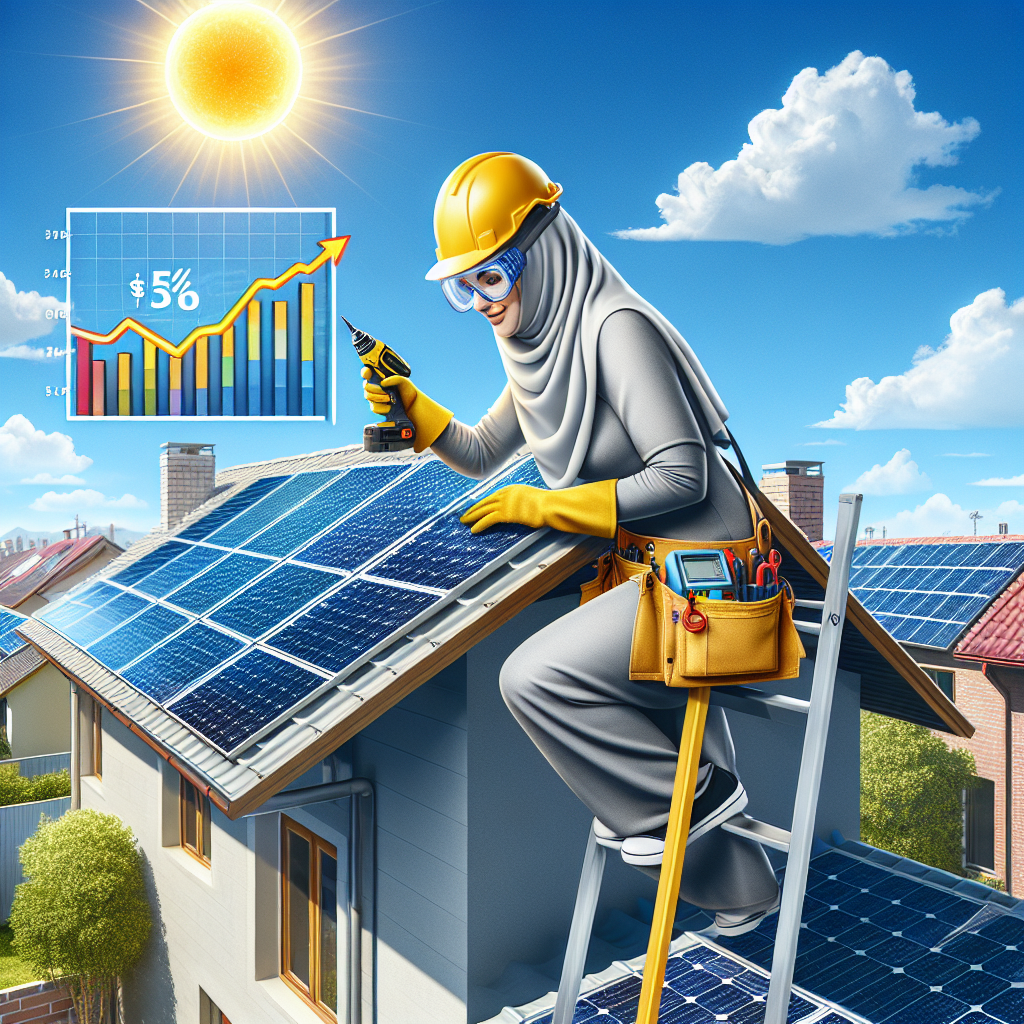
    The installation day was exciting and a bit nerve-wracking! Thankfully, the process was quicker and less disruptive than I anticipated. My installer laid out a plan, and in just a day, my roof was filled with shiny new panels.

    During this process, they take care of setting up an inverter, which converts the energy collected by the panels into usable electricity for the home. I was really surprised at how swiftly everything came together!

    After the installation, my excitement grew even more as I began tracking my energy production in real-time. It’s thrilling to see your energy meter actually spinning backward—proof that I was contributing to a cleaner future!

    3. Understanding Your Energy Needs

    Assessing Your Energy Consumption

    Before switching to solar, I spent time understanding my energy consumption. I went through my utility bills to find out how much energy I typically used. It wasn’t as intimidating as it sounds; just a little math and some simple tracking made all the difference.

    Knowing your energy needs is crucial in designing a system that meets those needs. I discovered that being conscious of energy conservation helped minimize costs. Simple swaps, like LED bulbs and energy-efficient appliances, took my commitment to reducing emissions even further!

    Creating an inventory of your household appliances and their usage can clarify how much energy you might need from your solar setup. It feels great to have a better grasp of my energy habits!

    Tracking Your Energy Usage

    After my solar panels got installed, tracking my energy usage became super important. Many solar systems come with monitoring tools that help you see how much energy you’re producing and using. I loved watching my stats soar as clear sunny days rolled in!

    These tools offer real-time data, which is not only fun but helps me adjust my energy habits. If it looks like I’m using too much on a specific day, I can be wise about switching things off or adjusting my schedule then.

    By being proactive and tracking my energy use, I’ve enhanced my solar investment and made better decisions, turning my home into an eco-friendly haven.

    Encouraging Family Participation

    Getting my family involved in understanding energy needs turned out to be a rewarding experience. We sat down together to discuss how much energy we were using and brainstormed ways to reduce consumption. Kids love seeing data, so they were super into it!

    Encouraging everyone to be mindful of how much energy they use each day has created a family culture focused on sustainability. It became a joint effort, and everyone has fun finding new ways to cut down on energy waste.

    This sense of teamwork has made the transition to solar feel like a community initiative rather than just a personal project. It’s something we’re proud of together!

    4. Benefits of Going Solar

    Saving Money

    Let’s talk money—who doesn’t love saving some cash? One of the major incentives for going solar is the financial benefits. After just a few months, I noticed that my energy bill was drastically lower, allowing me to allocate those funds elsewhere.

    Some states even offer tax credits and rebates for solar installation, so make sure to check for any financial support available in your area. This makes the investment way more manageable than I’d ever imagined!

    Furthermore, thanks to net metering, any extra energy my panels produce goes back into the grid, and I receive credits on my utility bill. It’s a fantastic way to save money while caring for the beauty of Mother Earth!

    Increasing Home Value

    One great surprise about installing solar panels? They can significantly increase your home’s value. Homebuyers are increasingly looking for energy-efficient features, and having solar panels installed gives my home a leg up in the market.

    When I found out solar homes often sell for a premium price, it added another layer of excitement to my decision. It feels good to know that the choice I made for a sustainable future can also benefit my investment!

    As home values rise, it only makes sense that solar power is seen as an asset by prospective buyers. This trend solidifies my belief that going solar is not only good for me but also adds value to the environment.

    Contributing to a Greener Planet

    Ultimately, every time I look at my solar panels, I feel proud knowing they help reduce pollution and greenhouse gas emissions. It’s comforting to be proactive and contribute positively to the planet we share.

    Switching to solar has turned my home into part of the solution to climate change rather than a contributor. We need more folks to realize that these small changes can lead to massive impacts for our environment.

    When enough people make the switch, the ripple effect can be felt globally. It’s fulfilling to think that I’m contributing to a healthier, greener world for future generations!

    5. The Future of Solar Power

    Technological Advancements

    The future of solar power is looking bright—pun intended! Technology is advancing at breakneck speed, and new innovations are continuously emerging. Just look at the developments in battery storage technology.

    With improved storage options, we can now save enough energy to power our homes even during cloudy days or at night. This capability opens up the possibilities of fully independent energy systems, which is a game-changer!

    It’s exciting to think about how these advancements will continue to improve efficiency and reduce costs. Staying engaged with the latest news in solar tech has become a hobby of mine. Knowledge is power, right?

    Solar Energy Incentives

    Government incentives play a significant role in the widespread adoption of solar energy. Programs are popping up all over the place to encourage homeowners to make this eco-friendly transition. I encourage people to research what’s available in their state!

    Whether it’s tax rebates, grants, or even community solar initiatives, the landscape is rich with opportunities. These incentives have made it way more feasible for folks to go solar—don’t miss out!

    The growth of these programs demonstrates a broader commitment to renewable energy and addressing climate change on a legislative level. Knowing I’m part of a growing movement lifts my spirits immensely!

    Community Impacts

    Switching to solar power isn’t just a personal decision; it can impact entire communities. When more homes adopt solar energy, we create a collective shift towards cleaner energy and brighter futures.

    Schools and local non-profits are also jumping on the solar bandwagon, harnessing renewable energy to cut costs and reinvest back into programs. Seeing communities benefit from solar energy is heartwarming; it’s more than just about individual savings.

    By encouraging local adoption of solar initiatives, we create an ecosystem where everyone reaps the benefits. After all, it’s always great when we can work together for a cleaner tomorrow!

    FAQs

    1. How much can I save on my energy bills by switching to solar?

    The savings vary, but many homeowners see a significant reduction in their monthly electric bills—often 20% to 50%! The exact savings depend on your energy consumption, local incentives, and the efficiency of your solar panels.

    2. What are the initial costs of installing solar panels?

    Initial costs can vary widely based on your home’s size and energy requirements, but the average cost can range from $15,000 to $25,000. However, incentives and financing options can help lessen this financial burden.

    3. Can solar panels work in cloudy or rainy weather?

    Absolutely! Solar panels can still generate electricity on cloudy days, although their efficiency might decrease. Many systems are designed to take advantage of indirect sunlight, so don’t let a little cloud cover deter you.

    4. How long do solar panels last?

    Most solar panels come with warranties covering 25 years, but many systems continue to function efficiently well beyond that! Regular maintenance can extend their life even further.

    5. What incentives are available for installing solar panels?

    Incentives vary by state, but you may be eligible for federal tax credits, local rebates, and grants. It’s worth it to check with your local energy authority to see what’s available in your region!