Tag: care

  • Solar Panel Maintenance: Essential Care Guide

    Solar Panel Maintenance: Essential Care Guide

    Regular Inspection

    Why Inspections Matter

    Picture this: you’ve invested in solar panels, and they’re just sitting up there soaking up the sun. It’s easy to forget about them, right? But that’s where regular inspections come in. Trust me, giving those panels a good look over every now and then can save you lots of headaches later. You want to catch any potential issues before they turn into costly repairs.

    Regular inspections not only help to ensure that your panels are working at their best but also extend their lifespan. Think of it as taking your car in for a routine check-up. You’re keeping things in top shape and spotting any minor issues before they blow up into major problems. A good habit to get into!

    I often set a calendar reminder to inspect my panels every six months. That way, I know I’m being consistent, and it keeps my panels happy and productive.

    Signs of Damage to Look For

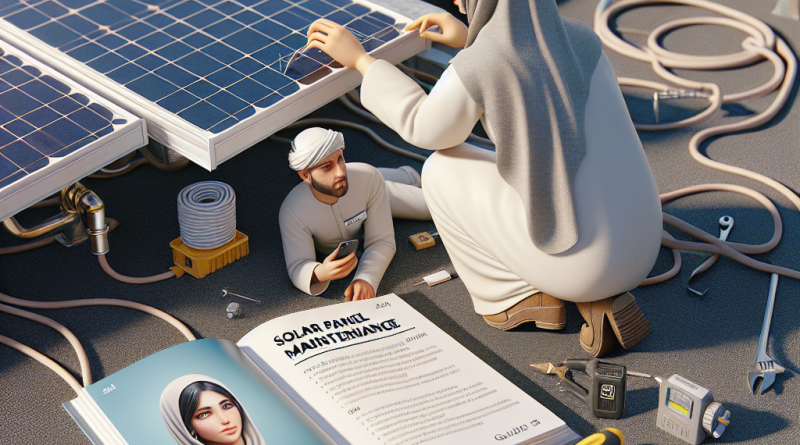
    When you’re up there checking out your solar panels, there are a few things to keep an eye on. Look for any cracks or chips in the glass. These can allow moisture in, which can wreak havoc on the inner workings of your system. If you notice any discoloration or dullness, it could mean dirt buildup or, worse, permanent damage.

    Also, check the wiring. If you see any frayed wires or loose connections, it’s time to act! Small issues can turn into big problems if they’re not addressed. Trust me, preventative maintenance is the key to a smooth operation.

    Finally, watch out for any signs of pest activity. Birds or squirrels sometimes find solar panels to be cozy real estate. I’ve seen nests start to form, which isn’t just messy; it can block sunlight and hinder energy production.

    Frequency of Inspections

    How often should you inspect your solar panels? Well, that can depend on a few factors. If you live in an area with a lot of storms or dust, you might want to check them more often—think every few months. However, for most folks, a biannual inspection is just fine.

    Also, after big weather events, like hail or heavy snow, it’s smart to give them a once-over. I’ve learned that paying attention to the weather can be just as important as the actual inspection! If you know a storm is coming, check those panels before it hits.

    Remember, it’s all about keeping your system running smoothly and efficiently. Keeping a log of your inspections can be helpful too, so you can track what’s been done and when.

    Cleaning Methods

    When and How to Clean

    Your solar panels love it when they’re clean. A good wash helps maximize their efficiency. But how do you know when it’s time to clean? If your panels look dirty, or you notice a drop in energy production, it’s time to break out the hose!

    I like to clean my panels early in the morning or late in the afternoon when they’re cooler. This prevents any possible damage from sudden temperature changes and helps to avoid getting burned while up on the roof. Safety first, am I right?

    You can use a simple soap solution and a soft brush to scrub them down. Just don’t use anything abrasive—no one likes scratches! Rinse it off with a hose, and voila, they’re shiny and ready for some sun!

    Professional vs. DIY Cleaning

    This is a big debate among solar panel owners. Do you go the DIY route or hire a professional? Personally, I think it depends on your comfort level. If you’re handy and don’t mind getting your hands dirty, then cleaning them yourself can be quite rewarding; you save some bucks, and you know exactly what’s going on with your panels.

    However, if you’re hesitant about climbing up on the roof, or if the panels are particularly large or hard to reach, it might be worth calling in the pros. They have the right tools and know-how to avoid potential damage.

    Some companies even offer maintenance packages that include cleaning, inspections, and repairs. This can be a wise investment if you want peace of mind and a hassle-free experience.

    Tips for Effective Cleaning

    When it comes to cleaning, there are a few tricks I’ve picked up along the way. First off, don’t skimp on the inspect-and-clean combo. Always check your panels for debris or damage before cleaning. You don’t want to make a bad situation worse!

    Be mindful of your cleaning tools. Use a soft-bristle brush, a bucket of water, and a gentle soap mixture. If you have a ladder, use that safe and sturdy for reaching high spots, and never attempt to clean icy panels. Safety is paramount!

    And finally, if you’re on the roof, make sure you’re secure. A harness can be a lifesaver. Slipping off the roof while trying to clean seriously isn’t the best way to start a sunny day.

    Monitoring Performance

    Understanding Energy Production

    Monitoring your solar panel performance is crucial. It lets you know just how well they’re doing. Most systems have a monitoring feature that tracks energy production. You’ll be able to see how much energy is being generated daily, which helps you catch any dips in efficiency.

    When I first set up my solar panels, I was amazed at how much information I could get just from my smartphone. It made me feel in control of my investment! Keeping tabs on energy production helps you understand when the right time is to inspect or clean your panels.

    Having this data at my fingertips also provides some satisfaction and motivation to keep everything shipshape. You can see firsthand how all that sunshine translates into energy savings for your home.

    Identifying Performance Issues

    If you notice a significant drop in production, don’t panic. Instead, take a closer look. It could be as simple as dirt buildup or a nearby tree casting new shade. I recall experiencing a dip in energy in the winter and discovered that a tree limb had grown enough to partially block sunlight.

    In more serious cases, check for blown fuses or checking your inverter’s performance. Any abnormal behavior there could signal that something needs your attention. Keeping a checklist for common issues can save you a lot of troubleshooting time.

    Every once in a while, it’s advisable to have a professional technician come and inspect the inverter and connections. I do this annually just to keep the system running smoothly.

    Using Monitoring Tools

    As I mentioned earlier, many solar systems come with built-in monitoring tools, but there are also third-party options available. These tools can provide real-time updates on your panel’s performance from any smart device.

    Using dedicated solar monitoring apps has made managing my solar system so much easier. These apps often analyze trends and provide insights into how to optimize energy production, which allows me to adjust my settings and usage accordingly.

    Don’t ignore these tools—they’re like your solar panel’s best friend. Having the right data helps you make informed decisions on when to clean and inspect your panels, directly impacting your energy efficiency and savings.

    Safety Tips for Maintenance

    Proper Equipment

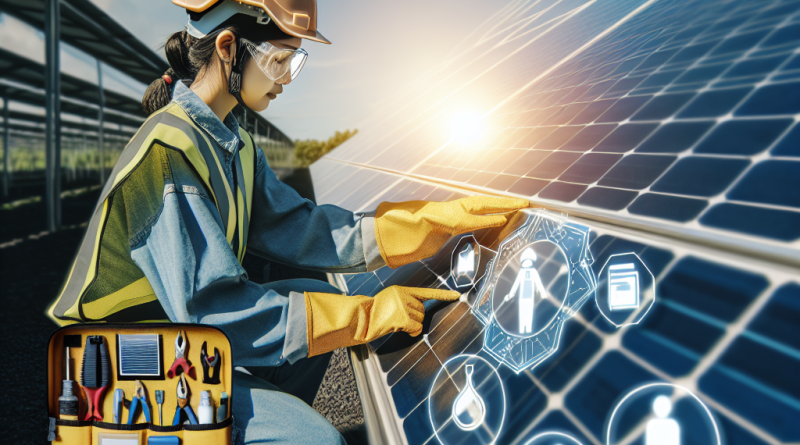
    When it comes to maintaining your solar panels, safety should always be your number one concern. You want to make sure you’ve got the right equipment before heading up on the roof. I always start by checking my ladder, making sure it’s sturdy and placed on a flat surface. Trust me, you don’t want to be slipping and sliding while trying to clean!

    Wear non-slip shoes for better grip, and if you’re working with water or cleaning solutions, consider using rubber soled boots. It can make a big difference in keeping your footing secure. And don’t forget safety goggles if you’re up close with cleaning solutions.

    If you feel unsure about any part of the process, it’s worth it to hire a pro. A trained technician knows how to work safely around your panels without risking injury.

    Working with Electricity

    Remember, solar panels are connected to your home’s electrical system. This means there’s electricity involved, and you want to keep that in mind during maintenance. Always turn off the inverter before doing any work, especially when you’re inspecting wiring.

    It’s wise to check for any visible signs of wear on the electrical components. I also make a habit of keeping an eye on my system’s output and ensure that everything runs smoothly. If anything looks odd, I don’t hesitate to call in a professional.

    Staying cautious and informed about the electrical aspects can prevent accidents and keep you safe while ensuring the solar panels remain functional.

    Preventing Accidents

    Safety shouldn’t just be a checklist item; it’s something you incorporate into your entire maintenance routine. Always keep the roof clear of any debris or loose materials before climbing up. You’d be surprised how many accidents happen from something slipping out of hand.

    When in doubt about any maintenance task, whether it’s cleaning or inspecting, trust your gut. Don’t put yourself in a risky situation. It’s always better to be safe than sorry!

    Finally, have a buddy system in place when working on the roof. Having someone with you is a great way to enhance safety and provide backup if you need assistance.

    Understanding Warranties and Support

    Your Warranty Coverage

    When I first invested in solar panels, understanding warranties was a bit overwhelming. However, knowing your coverage can save you a lot of money and stress down the line. Most manufacturers offer warranties ranging from 10 to 25 years for solar panels, but these often cover specific components.

    Check to see what’s included in your warranty—does it cover the performance or just the materials? Knowing these details can be crucial when it comes time to file a claim if something goes wrong.

    Always keep a copy of your warranty documentation handy. I recommend storing it in a safe spot, so you have quick access when needed. This proactive approach helped me immensely when I had to call a manufacturer regarding a performance issue.

    Manufacturer Support

    Most solar panel manufacturers have customer support teams ready to assist with any questions or concerns. Don’t hesitate to reach out if you notice any performance issues or if you have questions about your warranty. They can provide essential guidance and often help troubleshoot problems over the phone.

    Also, check online forums or community groups; these can be treasure troves of information. Fellow solar panel owners often share their experiences and solutions—sometimes even faster than waiting for a direct response from the manufacturer.

    And remember, no question is too small. The more informed you are, the better equipped you’ll be to maintain your system effectively.

    Professional Help and Routine Maintenance

    Sometimes DIY just isn’t enough, and that’s okay! Knowing when to call in the pros is a massive part of maintaining your solar system. I’ve developed a routine where I schedule a professional inspection at least once a year. This not only keeps my panels in prime condition, but it also gives me peace of mind knowing that experts are handling the details.

    Always keep a list of reputable service providers handy. Ask for recommendations from friends or check online reviews to ensure you’re choosing a reliable team. And once you’ve found a trustworthy maintenance service, build a relationship with them.

    Many of them offer package deals for maintenance services, including inspections, cleaning, or even minor repairs. These services can help extend the life of your panels, making them well worth the investment.

    FAQ

    1. How often should I inspect my solar panels?

    It’s generally recommended to inspect your solar panels at least twice a year, but more frequent checks might be necessary if you live in a dusty or storm-prone area.

    2. Can I clean my solar panels myself?

    Absolutely! Cleaning your solar panels yourself can save money, but make sure you follow safety precautions, and don’t hesitate to call professionals if you’re not comfortable.

    3. What are common signs that my solar panels need maintenance?

    Look out for decreased energy production, visible dirt buildup, damage to the panels, or issues with wiring. If anything seems off, it’s a good idea to inspect or call a pro.

    4. Is professional maintenance necessary?

    While it’s not mandatory, having a professional maintenance check annually can pay off by catching problems early and ensuring your system runs efficiently.

    5. How do I understand my warranty coverage for solar panels?

    Check your warranty document for specifics on what components are covered and for how long. Manufacturers usually have clear policies that detail what is included, so keep this information handy.

  • Solar Panel Maintenance: Essential Care Tips

    Solar Panel Maintenance: Essential Care Tips

    1. Regular Inspections

    Why Inspections Matter

    So, let’s talk about inspections—these are the backbone of solar panel maintenance. In my experience, catching issues before they spiral out of control is a game changer. When you make a habit of checking your panels regularly, you ensure they’re always operating at peak efficiency.

    During inspections, keep your eyes peeled for any obvious signs of damage. Anything from debris buildup to physical anomalies can be a red flag. Often, a quick visual inspection is enough to spot issues that need addressing.

    Not only does inspecting your panels help in catching issues, but it also allows you to familiarize yourself with your system. Over time, you’ll start to notice what’s normal and what’s not, making it easier to spot problems in the future.

    How to Conduct an Inspection

    When I inspect my solar panels, I typically follow a simple routine. First, I ensure the area is safe, wearing appropriate gear if necessary—climbing up on roofs can be a bit dangerous! Check for things like dirt, leaves, or other debris on the panels.

    Next, I check the wiring and connections to ensure everything is snug and intact. Loose connections can definitely impact performance, and on some rare occasions, they can be a fire hazard too!

    Lastly, I always make it a point to examine the inverter. It’s the heart of your solar system, converting sunlight into usable electricity. A flickering light or error message here is a sign that something’s amiss.

    When to Call a Professional

    Now, while I love doing my inspections, sometimes it’s best to call in the pros, especially if you’re not comfortable climbing that ladder. It’s definitely worth the investment if your panels are showing signs of serious wear or if you’re just not 100% sure what you’re looking at.

    Finding a reputable solar technician can save you a lot of headaches down the road. They can perform a thorough check, run diagnostic tests, and ensure that everything’s running smoothly. Plus, they can help identify any potential issues you’re not equipped to handle!

    Trust me, having a second set of trained eyes on your system isn’t just smart—it’s crucial for the long-term health of your solar investment.

    2. Cleaning the Panels

    Why Keep Them Clean?

    Cleansing your solar panels might sound like a chore but hear me out—clean panels can significantly increase efficiency. Dust, dirt, and grime can block sunlight, and you want every ray of sunshine to count. After all, the goal here is to generate as much energy as possible!

    I remember when I first got my solar system. I didn’t think washing the panels was such a big deal until I saw how much brighter and more efficient they became after a good clean. Seriously, it was like night and day!

    Plus, keeping them tidy helps prolong their lifespan. You wouldn’t let dirt build up on your car, right? Solar panels deserve the same care and attention.

    How to Clean Your Solar Panels

    The process doesn’t have to be overly complicated. Using a soft cloth or a sponge with warm, soapy water works wonders. I usually wait for a cloudy day or do it early in the morning to avoid harsh sunlight, which can dry out soap and leave streaks.

    Rinse off the soapy water thoroughly and voila! Your panels are ready to soak up the sun. On tough grime, a little vinegar can work miracles. Just remember to avoid abrasive materials that could scratch the glass.

    If you’re not super comfortable cleaning them yourself—or if you have a larger system—it might be smarter to hire professionals who know what they’re doing! I mean, let’s be honest, safety first!

    When to Clean Your Panels

    As for timing, I try to clean the panels every couple of months, especially if I notice a lot of dust or after a heavy rain. Paying attention to local pollen or construction can also give you hints about when your panels might need a good scrub.

    In areas with heavy snowfall, managing the snow on your panels can be crucial too. Leaving it can block sunlight; however, it’s crucial not to direct any strong force on your panels or use sharp objects, or you might accidentally damage them!

    Ultimately, it’s all about paying attention to how clean your panels stay. Think of it as pampering your solar panels—they’ll reward you with efficiency!

    3. Monitoring Performance

    Keeping an Eye on Efficiency

    Monitoring your solar panel performance is another essential part of maintenance. I can’t stress enough how important it is to check the data your system provides. Most modern systems have built-in monitoring, allowing you to see exactly how much energy your panels are producing.

    Regularly checking this data helps you spot any major dips in performance, which can indicate an issue. I look at it like tracking my fitness; if I suddenly start feeling sluggish, something’s probably not quite right!

    Understand the expected output for your system, depending on weather conditions. This knowledge will help you easily spot inconsistencies and act accordingly.

    Understanding Your System’s Specs

    Each solar system is unique, so get to know yours. Familiarize yourself with its rated capacity, typical performance, and any quirks that come along with it. My system has a bit spotty performance on especially cloudy days which I’ve learned to account for.

    Knowing these details allows you to compare your output against similar systems. If you have friends or neighbors with solar, don’t hesitate to chat with them about their performance. Sometimes, it’s easier to gauge how your system stacks up and whether there’s a problem lurking underneath.

    Also, please don’t hesitate to use apps that come with your system; they often provide real-time data that can be super insightful. Nothing like some friendly tech to keep you informed!

    Adjustments Based on Performance

    If you detect performance dips, don’t panic! It doesn’t always mean your system is broken. Sometimes it’s just a matter of making a few adjustments. A disconnect might have occurred in your inverter; it happens!

    Consult your monitor and cross-reference its readings with seasonal expectations. If something feels off and you can’t pinpoint it, reaching out for professional help is the way to go. They’re trained to troubleshoot and can often identify problems that aren’t obvious to the untrained eye.

    Being proactive about monitoring means you’re catching issues when they’re tiny instead of letting them grow into big headaches down the line.

    4. Managing Vegetation

    Keeping Trees and Bushes in Check

    This one might not seem like a biggie, but managing vegetation around your solar panels is crucial. I always make sure to keep my garden trimmed back to prevent shading during those peak solar hours. It’s all about maximizing exposure!

    Overhanging branches or unruly bushes can cast shadows on your panels, which can really hit performance. I remember a time when I noticed my output drop; a tree had grown quite a bit and was blocking the sun in the afternoon. A simple trim did wonders!

    It’s often an overlooked part of the maintenance puzzle. Just keep an eye on tree growth and be proactive about any potential shading issues. Your panels will thank you!

    Seasonal Considerations

    Seasons change, and so do the habitats around your panels. In autumn, leaves can be a pain, creating a blanket that blocks sunlight. I’ve found that a seasonal check during the fall helps me avoid any pile-ups that can lead to inefficiencies.

    If you’re nestled in an area with a lot of wild flora, just plan to keep up with the growth. Some folks go so far as to install fence barriers; that’s a solid move if you’re really passionate about maximizing energy.

    In winter, snow can also create issues. Make sure you clear off any heavy snowfalls so your panels can get right back to work!

    Regular Maintenance Activities

    Plan out specific times of the year for vegetation management. Whether it’s spring cleaning or late summer pruning, those regular checks are key. I love scheduling them right alongside my regular system checks to keep everything tidy.

    Don’t hesitate to get help if managing your flora becomes overbearing. There’s absolutely no shame in calling in pros who can handle yard work, allowing you more time to focus on enjoying the benefits of your solar system.

    The goal is to have clear panels soaking up sunshine—never let an unruly hedge ruin your day!

    5. Professional Maintenance Services

    When to Call for Help

    Although I’m all for DIY, there are just some aspects of solar maintenance where I recommend calling in the experts. If you’re feeling overwhelmed by any of the more technical issues or if your system isn’t generating electricity at all, get a pro involved.

    Knowing the right time to call for help can save you a world of trouble. Trust me; you don’t want to be knee-deep in an electrical issue when a simple call could clear things up!

    It’s like taking your car for a checkup before a long road trip. You wouldn’t want to risk a breakdown in the middle of your journey, right? The same logic applies to solar maintenance.

    Choosing the Right Professionals

    When searching for a professional service, do your research. Look for companies with great reviews and certifications, as I found that certified experts do tend to have a good track record. Plus, chatting with other local solar homeowners can be a goldmine of info!

    Ask questions to gauge their abilities. A solid company should be able to explain what they do in a way that’s easy to understand. I always feel more comfortable when I know the ins and outs of what’s happening with my system.

    And, of course, qualified professionals carry insurance. This isn’t just for peace of mind; it’ll save you headaches should something go awry during their service. You don’t want to be on the hook for accidents that happen while someone else is on your roof!

    Scheduled Professional Maintenance

    Many pros offer scheduled maintenance services, which is fantastic. I personally love knowing that my panels are in good hands at regular intervals throughout the year. These visits can include full inspections, cleaning, and any necessary repairs.

    Having a scheduled plan means you’re not forgetting about your solar investment. You’re giving it the attention it deserves! It also allows for budgeting for these services, thus making it less of a financial stressor in the long run.

    It’s all about keeping everything running smoothly, ensuring you’re getting the most bang for your buck when it comes to solar energy production!

    Frequently Asked Questions

    1. How often should I inspect my solar panels?

    I recommend inspecting your solar panels at least twice a year, but more often if you notice any performance dips or after severe weather.

    2. Should I clean my solar panels myself?

    If you’re comfortable doing so, cleaning them yourself is totally fine! Just remember to use the right materials and avoid harsh chemicals that could damage the panels.

    3. How do I know if my solar panels need repairs?

    Watch for any significant output drops and check the inverter. If things seem irregular and you can’t figure it out, it might be time to call a pro!

    4. Can vegetation really impact my solar panel performance?

    Absolutely! Overgrown branches and stubborn bushes can block sunlight and decrease efficiency, so it’s essential to keep them in check.

    5. Is professional maintenance necessary?

    While many homeowners can handle routine maintenance, professional checks can give you peace of mind, especially for spotting and fixing issues you might not notice!