Tag: changing

  • How Off-Grid Solar Systems Are Changing Rural Communities

    How Off-Grid Solar Systems Are Changing Rural Communities

    Empowering Local Economies

    Creating New Job Opportunities

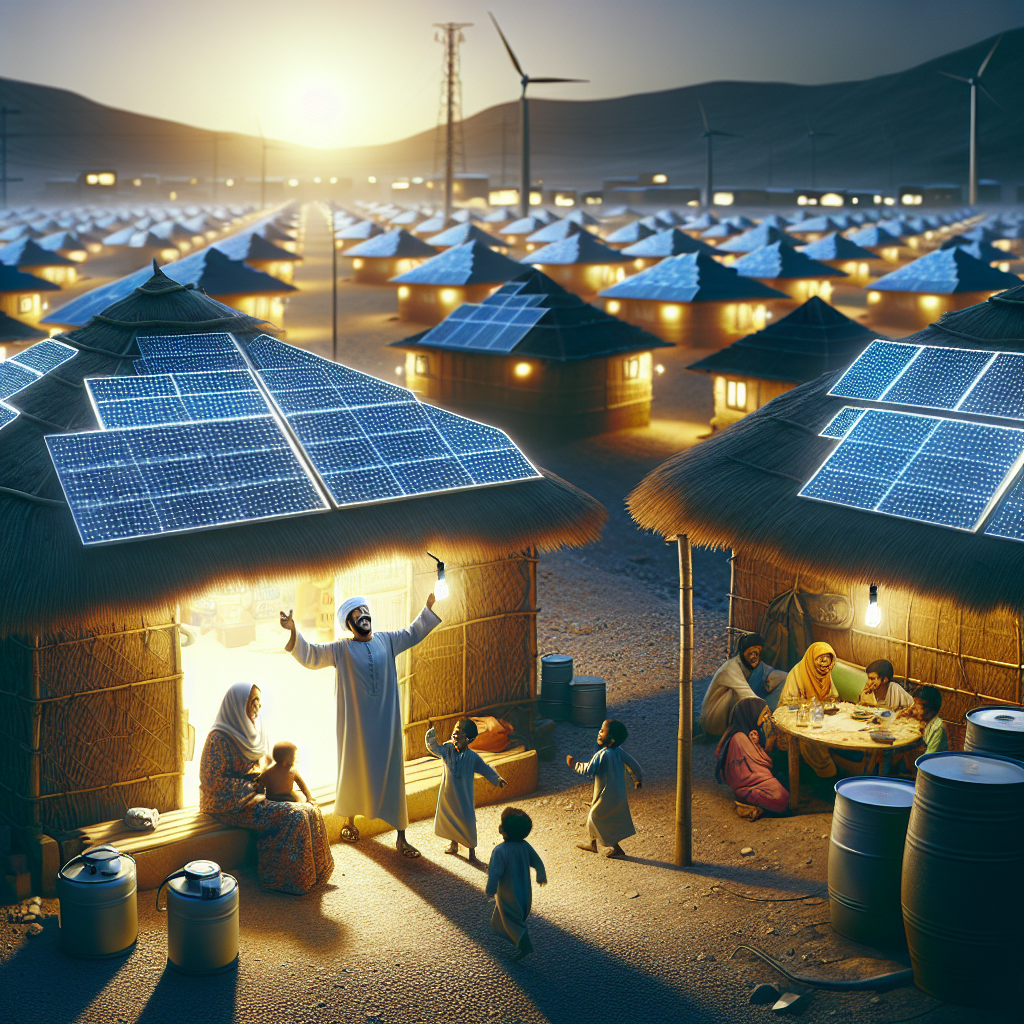
    When I first dove into the world of off-grid solar systems, I was amazed by the potential for job creation in rural areas. Not only do these systems require installation, but they also need maintenance and support, which creates a range of jobs. From technicians to salespeople, there’s room for all kinds of expertise in the solar realm.

    Plus, local workers are often more invested in their communities compared to outsiders. They understand the unique challenges and opportunities of their neighborhoods and can create innovative solutions that resonate with the local populace.

    In my experience, a thriving job market boosts community pride and economic stability. The money stays local, and as people become employed, they have more power to invest back into their own community. It’s a win-win!

    Boosting Entrepreneurship

    It’s pretty exciting how off-grid solar can unleash a wave of entrepreneurship. Imagine local farmers who rely on intermittent power sources suddenly having a reliable energy supply. They can expand their operations or even start value-added businesses like processing or selling their products directly.

    This not only brings in more income for them but also gives rise to local markets and shops. I’ve seen villages transform into bustling hubs filled with vibrant small businesses—all thanks to the reliable energy from solar systems.

    Moreover, I’ve noticed that when entrepreneurs have access to energy, they’re able to think bigger. They can innovate, develop new products, and even export goods to wider markets, which further strengthens the local economy.

    Reducing Energy Costs

    Another significant advantage I’ve seen with off-grid solar systems is the reduction in energy costs for rural households. Traditional power sources can be outrageously expensive, especially when you factor in transportation and infrastructure costs. With solar, families can produce their own energy, often at a lower cost.

    This savings can be transformative—imagine redirecting the money you would have spent on electricity to education or healthcare. I’ve chatted with families who have been able to afford books and school supplies for their kids simply because they’ve cut down on their energy expenditures.

    Long-term, these savings can lead to financial independence for many households. It’s all about giving them more control over their finances, which is essential in building a sustainable future.

    Enhancing Access to Essential Services

    Improvements in Healthcare

    One of the most heartwarming changes I’ve witnessed is in the field of healthcare. With solar power, clinics that once struggled with power outages can keep their lights on and run essential medical equipment. This can be a game-changer in emergencies.

    I’ve heard stories of how childbirth has become safer in areas with solar-powered clinics, as medical staff can have reliable lighting and can store medicines that require refrigeration. It’s amazing how something as simple as consistent electricity can truly save lives.

    Moreover, telemedicine has gained traction in rural areas thanks to better energy access. Health professionals can connect with specialists located far away, providing villagers the medical attention they need without the exhausting travel.

    Educational Opportunities

    Then there’s the impact on education. Schools can now harness solar energy to power computers and internet access. This opens up a world of possibilities for students who otherwise might not have access to modern educational materials.

    I’ve seen classrooms turn into vibrant learning environments where kids are not only reading about the world but actually connecting with it online. It’s this bridge across distances that can inspire the next generation of leaders and innovators.

    Education is the cornerstone of development, and reliable solar power makes it more accessible. Schools can offer extended hours, host adult education classes, and even provide tech training!

    Connecting Communities

    Off-grid solar systems aren’t just about power—they’re about connection. With better energy solutions, rural areas can now implement better communication services. I’m talking about everything from reliable phone services to internet connectivity.

    This connectivity allows communities to share resources, collaborate on projects, and promote local businesses more effectively. I’ve seen how local online forums or social media groups can propel a community’s growth just by keeping everyone informed and engaged.

    Moreover, the sense of belonging strengthens when people can communicate effortlessly. I’ve seen farmers share tips, educational resources, and good old-fashioned support via these new connections, creating a unified community spirit.

    Fostering Sustainability and Environmental Responsibility

    Reducing Dependence on Fossil Fuels

    Switching to solar energy directly translates to reduced dependence on fossil fuels, which is something I am particularly passionate about. I’ve talked to folks out in the fields who get the real importance of this shift. The cleaner our energy sources, the healthier our planet!

    There’s something satisfying about knowing that local communities are taking charge of their energy future while simultaneously preserving the environment. I’ve seen firsthand how this creates a ripple effect in sustainable practices within the community.

    People become more aware as they engage with solar technologies, leading to a broader understanding of environmental stewardship. It’s empowering to be part of this shift towards a cleaner future.

    Promoting Ecological Awareness

    On top of reducing carbon footprints, off-grid solar installations have sparked a consciousness about resource management. Rural communities are starting to engage in better practices such as water conservation and sustainable farming. It’s all interconnected, really!

    I’ve had conversations with many farmers who are keen on adopting permaculture techniques alongside solar installations. They’re understanding that harnessing energy wisely can also mean better stewardship of water and soil.

    This mindset can lead to a renaissance of eco-awareness in rural areas, creating communities that are not just off-grid but also greener and smarter.

    Encouraging Renewable Energy Innovations

    As more rural communities embrace solar power, there’s also a flourishing of creativity and innovation. People are thinking outside the box to create systems that suit their specific needs. I find it amazing how necessity breeds innovation!

    I’ve seen small-scale solar projects involving clever DIY solutions that maximize efficiency, and it’s proof that even the smallest community can make a big difference when it comes to energy independence.

    With more people involved in renewable energy discussions, there’s bound to be exciting developments that could inspire larger projects or collaborations. It’s truly a collective journey into a sustainable future!

    Strengthening Community Resilience

    Coping with External Shocks

    Off-grid solar systems contribute greatly to community resilience. When I think about how vulnerable some rural areas have been to energy crises or disasters, it’s heartening to see them bounce back more swiftly thanks to the decentralized power provided by solar.

    These systems can be a lifeline during natural disasters, when the grid may fail or be destroyed. Communities with solar setups can continue to access essential services like refrigeration for medicine or emergency communication. It’s empowering and provides peace of mind.

    Over time, I’ve realized that resilience isn’t just bouncing back; it’s also about adapting and growing stronger. And solar power plays a pivotal role in that equation!

    Building Social Cohesion

    It’s no surprise to me that solar energy installations can help foster a sense of community. In many places, I’ve seen neighbors coming together to discuss how to best utilize their shared solar resources. This collaboration strengthens bonds, enhances trust, and creates a more connected community.

    When people invest their time and resources in a common cause, they not only learn from one another but also develop a shared vision for the future. It becomes about so much more than just energy—it’s about relationships and camaraderie.

    I love the feeling when a community rallies together—it’s contagious! This newfound unity often leads to other initiatives, such as local clean-up days or community gardens, which can beautify the environment even further.

    Encouraging Youth Engagement

    Finally, let’s talk about the inspiring effect solar energy has on the youth. I’ve seen firsthand how introducing sustainable practices can spark interest in renewable energy fields among young people. Many are keen to learn more about solar technology and environmental science, inspiring the next generation of innovators.

    Programs offering training on solar installation and renewable energy come from grassroots initiatives directly led by passionate community members. This hands-on experience gives students a taste of what it means to work in a growing and crucial sector.

    When the youth feel engaged, they often become advocates for their communities, sharing knowledge and information with their peers. This creates a cycle of learning that can help propel entire communities forward toward a sustainable future.

    FAQ

    1. What are off-grid solar systems?

    Off-grid solar systems are setups that generate electricity independently from the traditional power grid. They are usually composed of solar panels, batteries for energy storage, and inverters to convert stored energy into usable electricity.

    2. How do off-grid solar systems empower local economies?

    Off-grid solar systems create jobs in installation, maintenance, and support services while allowing local entrepreneurs to thrive by decreasing energy costs and enabling them to invest in their businesses.

    3. In what ways do off-grid solar systems improve healthcare?

    By providing reliable power, these systems allow clinics to maintain essential equipment, store medicine properly, and even enable telemedicine, making healthcare more accessible in rural areas.

    4. How do off-grid solar systems promote sustainability?

    They reduce dependence on fossil fuels, encourage ecological awareness, and inspire local innovation, creating a cleaner environment and making communities more self-sufficient.

    5. What is the community impact of solar energy on youth engagement?

    Solar energy initiatives often spark interest among youth in renewable energy careers, leading to hands-on training and advocacy, which fosters a new generation of environmentally-conscious leaders.

  • How Tesla Powerwall Is Changing the Energy Storage Game

    How Tesla Powerwall Is Changing the Energy Storage Game

    The Shift to Renewable Energy

    Understanding the Basics

    When I first started looking into renewable energy, I was amazed by the potential it holds for a sustainable future. Solar and wind power are incredible resources, but they come with their own challenges, mainly due to their intermittency. That’s where the Tesla Powerwall steps in. This sleek battery system allows us to store energy from renewable sources, ensuring that we have a steady supply even when the sun isn’t shining or the wind isn’t blowing.

    I’ve seen firsthand how the transition to renewables not only helps the environment but also offers significant savings on electricity bills. With the Powerwall, homeowners can draw from their stored solar energy during peak hours, drastically reducing reliance on grid power, and—and here’s the kicker—saving money in the long run. Honestly, it felt like my energy bills dropped off the map.

    This shift is more than just a trend; it’s becoming a necessity. As more people adopt renewable technologies, the demand for efficient energy storage solutions increases, and that’s precisely where Tesla’s innovation shines. The Powerwall has made it easier for everyday folks like us to make a powerful contribution to the planet.

    The Versatility of the Powerwall

    Home Setup and Integration

    One thing I really love about the Tesla Powerwall is its versatility. Setting it up at home is a breeze—seriously, it fits into various home environments, whether you have a quaint little cottage or a modern mansion. Tesla provides all the guidance needed for installation, making it accessible to everyone.

    The greatest part? It integrates seamlessly with solar panels. I’ve seen folks combine their rooftop solar systems with a Powerwall, providing them with a customized energy portfolio that suits their needs. It’s like having your cake and eating it too—enjoying the benefits of solar energy while having a backup during outages. What’s not to love?

    Plus, the Powerwall’s compact design means it doesn’t have to be an eyesore in your garage or basement. Bolstered by its sleek, stylish look, it can be mounted on the wall or kept discreetly out of sight, providing both form and function. This way, you don’t just get utility; you also keep your home’s aesthetic intact!

    Energy Independence

    Empowering Homeowners

    Let’s talk about something revolutionary—the idea of energy independence. Back when I first considered installing the Powerwall, I felt this wave of empowerment wash over me. We’re no longer tied to fluctuating energy prices or power outages caused by storms, which used to give me major anxiety. Instead, it allows homeowners like you and me to take control of our energy usage.

    This doesn’t just benefit us on a personal level; it contributes to the grid as a whole. In times of high demand, we can even sell excess energy back to the grid, making our homes not only energy-efficient but potentially profitable, too. I mean, how often do we get to feel that much power in our own hands?

    Plus, energy independence is about security. With the ability to store power, we are better equipped for outages which have been more frequent in recent years. Peace of mind? Definitely achieved!

    Environmental Impact

    Reducing Our Carbon Footprint

    Every time I hear about climate change or environmental degradation, I feel a little tug at my heartstrings. The Tesla Powerwall has made it a lot easier for me to lower my carbon footprint. By utilizing stored solar energy, not only am I reducing reliance on fossil fuels, but I’m also helping shrink the overall demand placed on the power grid.

    It’s a team effort! By actively participating in the shift toward renewable energy, I feel like I’m part of something bigger—a movement toward sustainability. Isn’t that just the best feeling? My contributions, as small as they might seem in the grand scheme, add up when coupled with millions of others committing to the same goal.

    Every kilowatt-hour of energy saved or produced from clean sources is a step toward a healthier planet. I can honestly say it feels great knowing that my energy choices matter.

    The Future of Energy Storage

    Innovations and Developments

    Looking ahead, I honestly believe the Tesla Powerwall is just the tip of the iceberg. With advancements in technology, we can expect even more innovative solutions for energy storage on the horizon. Tesla is constantly improving their technology, and I’m eager to see how they push the boundaries of what residential energy storage can do.

    Moreover, other companies are following suit; competition breeds innovation, and that’s fantastic for consumers. Engaging with various energy storage technologies can transform how we view energy use at home, ultimately leading to smarter, more sustainable practices.

    A huge part of the growth in this sector also involves policy changes pushing for cleaner energy solutions. As governments adopt more supportive frameworks for renewable energy and storage, I can only imagine the leaps we can make in energy efficiency in the decades to come!

    FAQ

    1. What is the Tesla Powerwall?

    The Tesla Powerwall is a rechargeable lithium-ion battery that stores energy from solar panels or the grid, allowing homeowners to utilize stored energy during peak usage times or outages.

    2. How does the Powerwall help with energy costs?

    By storing energy generated from solar panels, the Powerwall enables users to draw on this stored energy during times when electricity prices are higher, which can significantly reduce energy costs.

    3. Is installation of the Powerwall complex?

    Nope! The installation is designed to be user-friendly, and Tesla provides detailed guidance. Many homeowners find they can easily integrate it into their existing energy systems with the help of professionals.

    4. Can the Powerwall work without solar panels?

    Yes! The Powerwall can be charged using electricity from the grid, so it’s a helpful option even for homes without solar panels. It can still provide backup power and help manage energy usage efficiently.

    5. What impact does the Powerwall have on the environment?

    The Powerwall reduces dependence on fossil fuels and assists in lowering overall energy consumption from the grid, contributing to an overall decrease in carbon emissions and supporting a transition toward renewable energy.

  • How Solar Energy Solutions Are Changing the Agriculture Industry

    How Solar Energy Solutions Are Changing the Agriculture Industry

    1. Solar-Powered Irrigation Systems

    The Importance of Efficient Water Management

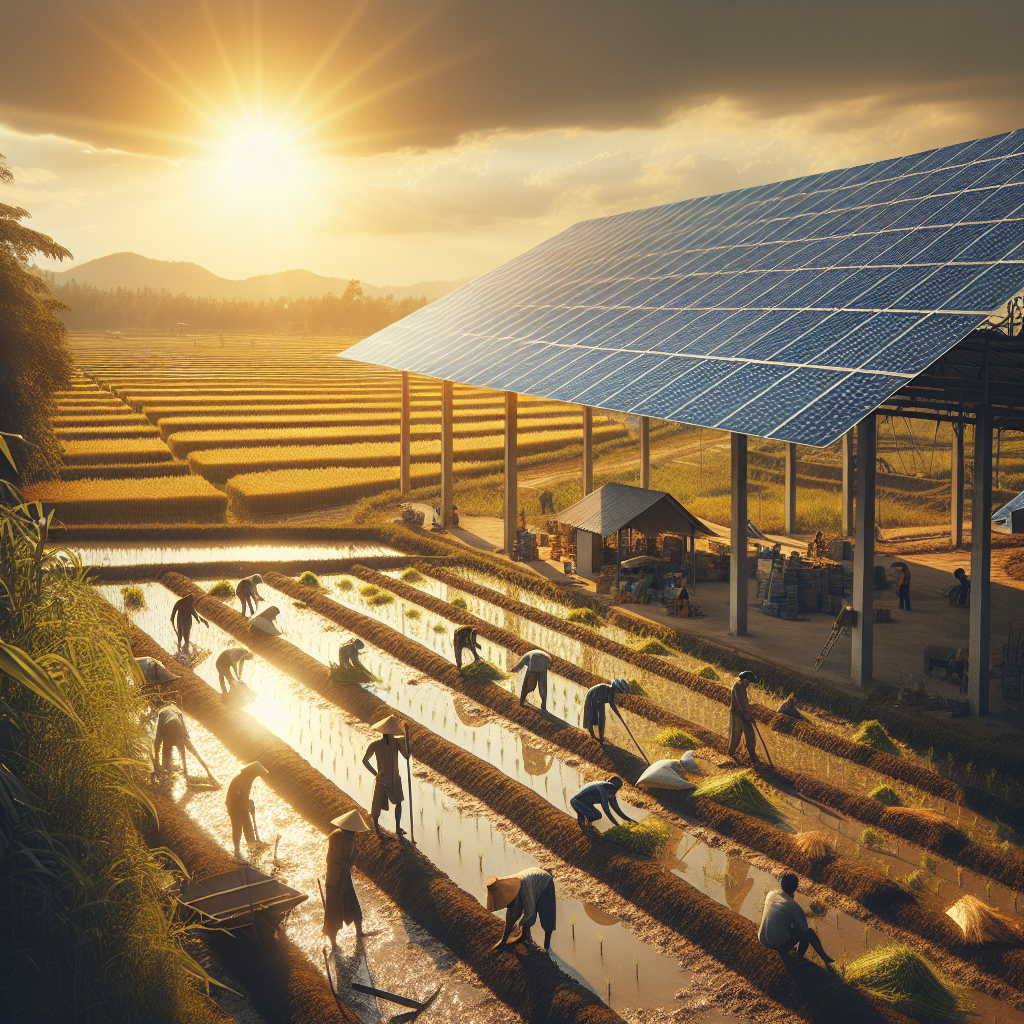
    When I first delved into the world of agriculture, one of the biggest challenges was managing water resources. We all know water is essential for farming, but with solar-powered irrigation systems, things really took a turn for the better. These systems allow farmers to use clean energy to pump water efficiently, cutting down on electricity costs significantly.

    Not only does this eco-friendly approach lower expenses, but it also promotes sustainable farming practices. Farmers can harness solar power during the day when they’re most likely to need water for their crops, ensuring that every drop counts. It’s like having a reliable buddy that never gets tired!

    The beauty of solar irrigation is that it’s easily adaptable to different types of agriculture. Whether you’re growing fruits, vegetables, or even flowers, solar-powered irrigation can be tailored to fit the needs of any farm. It’s a win-win for both the environment and agricultural productivity.

    Installation Challenges and Considerations

    Now, let’s be real: while solar irrigation systems sound fantastic, installation can be a hurdle for some. I remember when I first considered it; I had to think about the upfront costs and logistics before diving in. It’s crucial to assess your land’s needs, determine the best location for solar panels, and understand the local regulations.

    Working with a local solar provider can ease this process. They help in customizing solutions that integrate seamlessly with your farm while guiding you through permits and potential subsidies. It’s definitely worth consulting an expert – they can save you from headaches down the road.

    Plus, once installed, the maintenance is usually minimal. You just need to place your trust in the system, give it regular checks, and you’re good to go. It gives me peace of mind knowing my irrigation system is both efficient and eco-conscious.

    Long-Term Benefits to Crop Yield

    What I love most about solar-powered irrigation systems is how they positively impact crop yield. With a reliable water source, crops are healthier and more productive. That means more fruits and veggies for everyone and a boost in profit for the farmer! I’ve experienced first-hand how consistent watering translates to stronger crops.

    This… paired with lower energy costs and sustainable practices, creates a loop of growth and savings. It’s fascinating to think that something as simple as switching to solar can spark such significant changes in output and profitability.

    Ultimately, every farmer wants to provide quality produce to the community while maintaining a sustainable practice. Solar-powered irrigation helps me achieve that balance, making a real difference in the agriculture industry.

    2. Reducing Carbon Footprint and Promoting Sustainability

    The Shift Towards Renewable Energy

    Honestly, when I embarked on my farming journey, I had no idea how much the agriculture sector contributes to the carbon footprint. What turned everything around for me was discovering renewable energy and how incorporating solar solutions could drastically reduce that impact. It just felt right to align my farming practices with a cleaner, greener future.

    By utilizing solar energy, we can help mitigate climate change effects. Solar panels don’t just provide energy; they symbolize a commitment to safeguarding our planet while still reaping the rewards of agriculture. It’s a powerful movement that brings the community together.

    It’s invigorating to be part of this sustainability revolution. Seeing our collective efforts to reduce emissions and promote eco-friendliness gives me hope for the future of farming and the Earth in general.

    Financial Incentives for Farmers

    Let’s talk dollars and cents. Switching to solar not only benefits the environment, but it also taps into an array of financial incentives. Depending on where you are, there might be grants, tax breaks, or rebates available for farmers who shift towards solar. Believe me, every little bit helps!

    When I looked into it, I was pleasantly surprised at the financial assistance and programs aimed specifically at encouraging farmers to adopt solar solutions. These incentives can offset initial costs, making it much easier to commit to a sustainable practice.

    Over time, the savings on energy bills and possible increases in crop yield can lead to a serious boost in profitability. It’s about investing wisely for the long haul. Farming is no easy task, but going solar can make it a whole lot more financially manageable.

    Community Engagement and Support

    One delightful surprise was discovering how my move to solar energy brought the community closer together. I found that many neighboring farmers were thinking along the same lines, and we started collaborating on sustainability projects. Pooling resources and sharing experiences led to more innovative solutions in our farming practices.

    Community engagement around solar solutions has created a support network. Farmers within that network exchange tips, best practices, and even work together on larger solar installations. There’s something special about working side by side for a common cause; it builds camaraderie and collective strength.

    Additionally, the community’s awareness of local sustainability efforts has increased, encouraging even more conversations about responsible agriculture. Everybody benefits from a healthy, spirited community that values environmental sustainability!

    3. Empowering Farmers with Energy Independence

    A New Era of Self-Sufficiency

    One of the most liberating aspects of adopting solar energy solutions is energy independence. I can’t describe the feeling of being less reliant on traditional energy sources and skyrocketing utility bills. Having that freedom allows me to focus on what I do best: farming!

    Solar systems can produce ample electricity, helping to power everything from irrigation systems to greenhouse climate control. The idea that you can create your own energy is incredibly empowering. It frees you from the ebbs and flows of energy prices, making budget planning much easier.

    What’s even cooler is that this independence can extend to sharing excess energy with neighbors or selling it back to the grid. It truly opens up a whole new world of possibilities for farmers, enabling one to become not just producers but also energy providers.

    Tech Innovations Driving Efficiency

    With the technological advancements in solar energy solutions, I’ve found that energy independence goes hand in hand with increased efficiency. Modern solar panels boast higher absorption rates, and pairing them with battery storage systems means I can store energy for nighttime or cloudy days.

    Integrating smart technology into energy management has been a game-changer as well. Tracking energy consumption and understanding how and when I use it has allowed me to optimize processes. It eliminates waste and ensures that I’m utilizing every ounce of solar energy available.

    These technological innovations aren’t just fascinating; they are practical tools that make farming smarter and more efficient, reaffirming the vital role solar energy plays in today’s agriculture.

    Building Resilience for Future Generations

    One thing I often think about is the legacy we leave behind for future generations of farmers. By advocating for solar energy solutions, we’re not only promoting sustainable agriculture but also fostering resilience against the unpredictable climate crises we face today. It’s like passing down a gift that keeps on giving.

    Solar energy holds the promise of creating a thriving agricultural community that is prepared for the future. An investment in renewable energy is an investment in the land and the farmers who will cultivate it for generations to come. Farmers today have the opportunity to instill eco-friendly practices into their operations that can withstand the test of time.

    Reflecting on this makes me hopeful. It reminds me that by embracing new technologies now, we’re contributing positively to not just our farms, but our environment and future farming communities.

    4. Enhancing Crop Resilience to Climate Change

    Adapting Farming Techniques for Severe Weather

    Climate change is knocking at all our doors, and as a farmer, I’ve seen firsthand how adverse weather events can wreak havoc on our crops. Embracing solar energy solutions has made me realize how crucial it is to adapt our farming techniques to be more resilient. Being proactive about climate challenges is essential.

    With solar technology, I’ve been able to harness energy that supports various climate-resilient practices. This could include drip irrigation systems that use less water or integrating solar-powered ventilation for greenhouses, keeping crops safe from extreme temperatures. Adapting in these ways means less damage and better outcomes.

    Resilience isn’t just about surviving; it’s about thriving and finding ways to work with what nature offers. Builders of tomorrow’s farms might find that solar energy adaptation helps them navigate climate changes much more effectively.

    Research and Development Opportunities

    What’s genuinely exciting is the ongoing research and development in the agricultural sector, which focuses on integrating solar solutions. Collaborating with universities and research institutions can lead to discovering new resistant crop varieties that perform well in varying climates. This research generates a wealth of knowledge!

    The bottom line is that solar energy can be a catalyst for ongoing development. As universities explore various factors, farmers who implement these findings can become even more resilient as they adapt their practices based on scientific research.

    Engaging in this continuous learning fosters adaptability. I often attend workshops and talks focused on innovative approaches, which continue to strengthen our ability to face climate challenges head-on.

    Collaborative Farming Efforts

    Sometimes it takes a village, and I truly believe that pooling resources can elevate our resilience. Farmers working together can establish shared solar farms or irrigation systems built on renewable resources. This model spreads out the risks and helps us adapt more effectively to climate pressures.

    Creating cooperative networks among local farmers encourages collaboration on crop rotations, sharing knowledge on best practices, and developing joint strategies for climate adaptation. At the heart of it, we’re all in this together.

    By uplifting each other through collaboration, we enhance not just our individual sustainability but the sustainability of the entire agricultural community. Together, we can tackle anything that comes our way.

    5. Improving Economic Viability for Farmers

    The Cost-Benefit Analysis of Going Solar

    Let’s get down to brass tacks. Implementing solar energy solutions can significantly improve the economic viability of any farming operation. I remember running the numbers for my own setup, considering not just the installation costs but the long-term savings on energy bills. It was an eye-opener!

    When you factor in lower operational costs due to relying on solar energy, the investment pays for itself over time. With this decrease in overhead, farmers can allocate resources to other aspects of their operations, allowing for growth and innovation.

    Moreover, the implementation of solar can attract potential investors. Demonstrating a commitment to sustainability makes a farm more attractive to those looking to fund eco-friendly ventures. It’s an economic win-win in my book!

    Access to New Markets

    Shifting to solar energy solutions not only boosts local credibility, but it also opens doors to niche markets. Green or sustainable products are becoming more demanded by consumers. By meeting these expectations with solar energy, I’ve tapped into a market that values eco-friendliness.

    Setting up sustainable certifications can help distinguish your products on store shelves. It’s about meeting the consciousness of modern consumers who care about how their food is grown. When I started promoting the sustainable aspect of my farm, I saw an uptick in demand and community support.

    Joining cooperatives or local organic farmers’ markets can highlight this angle even more. Together, our voices can encourage more farmers to adopt sustainable practices, ultimately benefiting the economy and the local food system.

    Fostering Innovation and Adaptation

    Let’s face it: agriculture isn’t standing still. By implementing solar solutions, I have felt more inspired to innovate. The initial investment in new technology opens up windows to explore experimental practices and advanced farming techniques.

    Collaboration with technology firms to improve agritech might seem daunting, but it’s an important aspect of staying competitive. I’ve seen neighboring farms adopt tech like drone monitoring and precision agriculture, and it’s inspiring to see how solar energy can power these innovations!

    This drive toward innovation not only signifies growth for my own farm but contributes to the entire agricultural landscape. Innovation paves the way for a more robust and resilient farming industry that not only survives but thrives.

    FAQ

    1. How do solar-powered irrigation systems work?

    Solar-powered irrigation systems use solar panels to convert sunlight into electricity, which then powers water pumps. This allows farmers to efficiently transport water to crops without relying on traditional energy sources.

    2. What are the cost benefits of switching to solar energy?

    Switching to solar energy can significantly reduce energy bills and provide financial incentives such as tax breaks and grants, helping offset the initial installation costs in the long run.

    3. Can solar energy solutions help combat climate change?

    Yes! By reducing reliance on fossil fuels and lowering carbon emissions, solar energy solutions contribute to a more sustainable agricultural sector that actively fights against climate change.

    4. What types of crops benefit from solar-powered irrigation?

    Solar-powered irrigation can benefit nearly all types of crops, including fruits, vegetables, and flowers. It’s especially useful for high-value crops requiring consistent watering.

    5. How can farmers collaborate on solar energy initiatives?

    Farmers can collaborate by forming cooperatives to share resources or setting up joint solar panels. Engaging in community discussions about sustainable practices also fosters a supportive environment for such initiatives.

  • How Solar Panels Are Changing the Way We Use Energy

    How Solar Panels Are Changing the Way We Use Energy

    Embracing Renewable Energy Sources

    The Shift in Energy Mindset

    When I first started learning about energy sources, it was clear: the world was heavily dependent on fossil fuels. But as I continued my journey, I discovered the massive shift towards renewable energy sources, especially solar. This change in mindset isn’t just a trend; it’s a necessity due to climate change. Many folks are finally realizing that solar energy provides a viable, sustainable alternative that can power our homes without harming the planet.

    Education plays a big role in this shift. People are gaining awareness through social media, documentaries, and community initiatives. They’re understanding that by harnessing the sun’s power, we’re not just saving money, we’re contributing to a sustainable future. It’s exciting to see how grassroots movements are driving this change!

    I’ve personally felt the impact of this change. Neighbors and friends are making the switch, and it fosters a sense of community. There’s a growing pride in producing energy locally, and it’s high time we embraced this shift enthusiastically. It feels good to know we’re part of something bigger, and for me, that’s a win-win!

    Reducing Energy Costs

    The Financial Benefits of Solar

    One of the coolest perks of solar panels is how they can save you some serious dough. Seriously, when I made the leap and installed solar panels at home, I was amazed at how much my energy bill dropped. It’s like magic, but it’s science! By generating your own energy, you become less reliant on traditional energy suppliers, which can lead to substantial savings over time.

    And it’s not just about the day-to-day savings. There are also tax credits and incentives that really sweeten the deal. I remember filing my taxes that first year after installation and getting a nice break because of those credits. It feels great knowing that the government supports this transition to renewable energy.

    Lastly, let’s not forget about the long-term benefits. I’ve seen projections that homeowners with solar panels often see a good return on their investment. When you think about the rising costs of energy, having solar panels means you’re ahead of the game. It’s like having an insurance policy against future price hikes, which is a comforting thought!

    Enhancing Energy Independence

    The Power of Self-Sufficiency

    You know what’s pretty liberating? The idea of being less dependent on big energy companies. Installing solar panels at home has given me a sense of freedom I didn’t expect. It’s like saying to the energy market, “Nah, I got this!” And let me tell you, it feels amazing to produce your own electricity.

    A huge bonus is the ability to charge batteries and make power during outages. I remember one time there was a storm that knocked out power in the neighborhood for a couple of days, but I was fine thanks to my solar setup. Being energy independent means more security for you and your family.

    Plus, with new technologies like battery storage, I can store excess energy for days when the sun isn’t shining. It’s peace of mind, knowing that I’m not totally reliant on the grid. It’s freedom and control over my energy use that I genuinely cherish!

    Impact on the Environment

    Promoting a Greener Planet

    Let’s face it, the environment needs all the help it can get. When I think about my solar panels, I feel like I’m contributing to a cleaner planet. By shifting away from fossil fuels, we reduce greenhouse gas emissions, helping to combat climate change—a cause that’s close to my heart.

    Every time I see my energy meter run backward, I celebrate a small victory for Mother Earth. It encourages me to live a more sustainable life, sparking joy in small eco-friendly choices, from using less plastic to supporting local organic farms.

    With the growing demand for solar, we’re also sending a strong message to companies and governments that we care about the planet. More solar means less coal, oil, and gas, driving innovation in clean energy tech. It’s all connected; your choice can indeed ripple through society!

    The Future of Energy Use

    Innovations on the Horizon

    The solar industry is buzzing with excitement about what’s to come. I’ve been following the innovations that promise to change our energy landscape for good. Imagine solar panels that are even more efficient or thin-film solar technology that’s lightweight and easy to install!

    There’s also talk about integrating solar power in other ways, like solar roofing systems and even solar-powered devices. Just think: the more we innovate, the less we rely on traditional energy, shaping a future that’s greener. I love watching this evolution unfold!

    Additionally, as more people tap into solar, we’re likely to see decreased prices and increased accessibility. It’s a beautiful cycle—more adoption leads to more innovation leads to more efficiency. We’re not just looking at a shift in how we use energy; we’re on a trajectory to redefining it altogether!

    Frequently Asked Questions

    1. How do solar panels work?

    Solar panels work by converting sunlight into electricity through photovoltaic cells. When sunlight hits these cells, it creates direct current (DC) electricity, which is then converted into alternating current (AC) electricity for use in your home.

    2. Are there financial incentives for installing solar panels?

    Yes! Many governments offer tax credits, rebates, and incentives to encourage solar installation. These can help offset the upfront costs, making solar more accessible and affordable.

    3. What happens if my solar panels produce more energy than I use?

    If your solar panels produce excess energy, it can often be fed back into the grid through a process called net metering. You may receive credits or payments from your utility company for the energy you send back.

    4. How long does it take for solar panels to pay for themselves?

    The payback period for solar panels varies based on factors like installation costs, local electricity rates, and available incentives, but many people see a return on investment within 5 to 10 years, depending on these factors.

    5. Can solar panels work in cloudy or rainy conditions?

    Absolutely! Solar panels can still generate electricity on cloudy and rainy days, though they typically produce less power. They are designed to be efficient in various weather conditions, so don’t worry; they’ll still work!