Tag: Common Misconceptions About Solar Energy Debunked

  • Going Green with Solar: The Eco-Friendly Choice for Your Home or Business

    Going Green with Solar: The Eco-Friendly Choice for Your Home or Business

    Introduction to Solar Power:

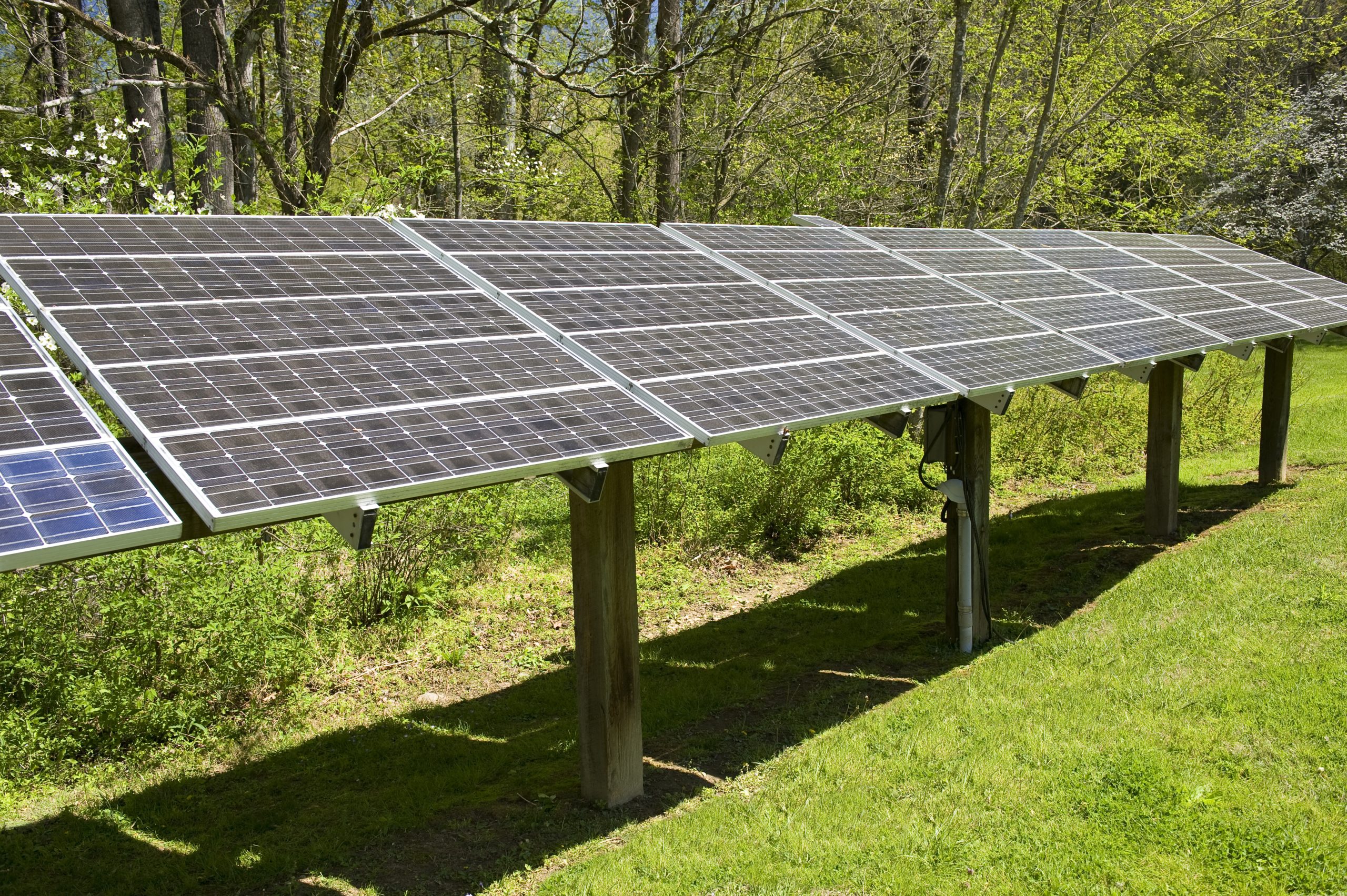
    Solar power is a renewable source of energy that harnesses the sun’s natural light and converts it into electricity. It has become increasingly popular in recent years due to its eco-friendliness, cost efficiency, and versatility. Whether you are looking to reduce your carbon footprint or save money on utility bills, solar power may be just what you need.
    modern solar panel used for generating electricity from the sunlight SKl tbuCSo scaled

    The Benefits of Going Green with Solar Energy:

    There are many benefits to using solar power for your home or business. First and foremost, it is an environmentally friendly option that reduces greenhouse gas emissions and helps combat climate change. Additionally, solar panels can help lower your monthly utility costs by generating clean energy that you can use right at home. With no moving parts and little maintenance required, solar panels are also incredibly low-maintenance and long-lasting. Finally, installing solar panels can increase the value of your property, making it a wise investment both financially and environmentally.

    How Solar Panels Work and Why They’re Efficient:

    Solar panels work by capturing photons from the sun’s rays and converting them into direct current (DC) electricity. This DC electricity then passes through an inverter which converts it into alternating current (AC) electricity, which can be used to power your home or business. The efficiency of solar panels depends on several factors including their quality, placement, and orientation. Higher quality panels will typically have a higher efficiency rating, meaning they can generate more electricity with less sunlight. Proper placement and orientation are also important as they can maximize exposure to sunlight and minimize shading.

    Common Misconceptions About Solar Energy Debunked:

    One common misconception about solar energy is that it requires constant sunshine to function effectively. While solar panels do perform better in direct sunlight, they can still generate electricity even under cloudy conditions. Another myth is that solar panels are expensive and not worth the investment. However, with tax credits and other incentives available, solar panels can actually save you money over time. Finally, some people believe that solar panels are unsightly and detract from the appearance of their property. In reality, there are many sleek and modern designs available that can complement any style of architecture.

    Conclusion: Making the Switch to Solar Power:

    Making the switch to solar power is easier than ever before. There are numerous companies offering affordable and high-quality solar panel systems that can be customized to fit your specific needs. By going green with solar energy, you can reduce your carbon footprint, save money on utilities, and enjoy the peace of mind knowing that you are doing your part to protect the planet. So why wait? Contact a local solar company today and start reaping the benefits of this amazing technology!

  • 5 Reasons Why Your Business Should Go Solar Today

    5 Reasons Why Your Business Should Go Solar Today

    Solar energy is a clean, renewable source of power that has become increasingly popular in recent years. Many businesses are now turning to solar as a way to reduce their carbon footprint and save money on energy costs. If you’re still not convinced about the benefits of going solar, here are five reasons why your business should make the switch today:

    Introduction to Solar Energy

    Solar panels work by converting sunlight into electricity using photovoltaic cells. These cells are made up of semiconducting materials such as silicon, which absorb photons from the sun and release electrons, creating an electrical current. The electricity generated by these panels can be used immediately or stored in batteries for later use.

    The Benefits of Going Solar for Your Business

    1. Lower Electricity Bills – By generating your own electricity with solar panels, you can significantly reduce your reliance on traditional utility companies. This means lower electricity bills for your business, which can add up over time.

    2. Increased Property Value – Businesses that invest in solar technology often see an increase in property value due to the added benefit of having sustainable energy sources.

    3. Reduced Carbon Footprint – One of the biggest advantages of switching to solar energy is the reduction in greenhouse gas emissions. By producing your own electricity, you can reduce your dependence on fossil fuels and help combat climate change.

    green backyard BKux f46Sj scaled

    4. Improved Public Image – Customers are becoming more environmentally conscious and expect the businesses they support to reflect those values. By going solar, you can demonstrate your commitment to sustainability and attract customers who share those values.

    How Much Can Your Business Save by Switching to Solar

    The amount your business can save by switching to solar depends on several factors, including the size of your building, your location, and how much electricity you consume. However, according to EnergySage, the average commercial solar panel system saves between $10,000 and $30,000 per year. Over the lifetime of the system (which typically lasts around 25-30 years), this adds up to significant savings for your business.

    Common Misconceptions About Solar Energy Debunked

    There are many misconceptions about solar energy that may prevent some businesses from making the switch. Here are three common myths debunked:

    Myth #1: Solar Panels Don’t Work in Cloudy Weather – While it’s true that solar panels generate less electricity when there’s less sunlight available, they can still produce enough energy even on cloudy days. In fact, studies have shown that solar panels perform just as well in cloudy weather as they do in direct sunlight.

    Myth #2: Solar Panels Are Too Expensive – While installing solar panels requires an initial investment, the cost of solar has decreased dramatically in recent years. Additionally, tax credits and other financial incentives can offset the cost of installation, making solar a more affordable option for businesses.

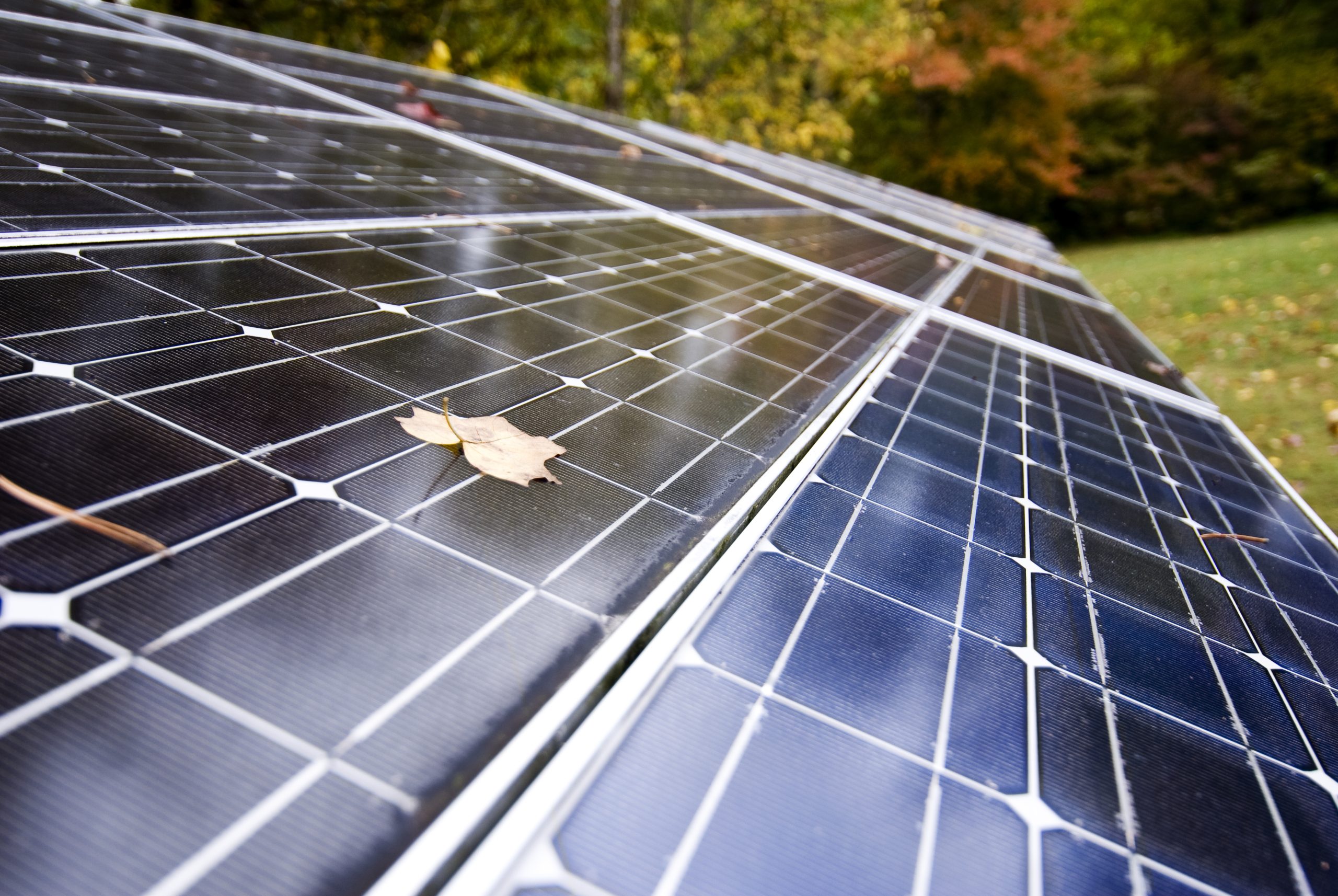
    Myth #3: Solar Panels Need Constant Maintenance – Once installed, solar panels require very little maintenance. They don’t need to be washed regularly, and any debris that falls onto them will usually blow off on its own. Most solar panels come with warranties that cover damage or defects, so you can rest easy knowing that you’re protected.

    Conclusion: Why Your Business Should Invest in Solar Today

    In conclusion, there are numerous benefits to switching to solar energy for your business. From reduced electricity bills to improved public image, solar panels offer a wide range of benefits that make them a smart investment for forward-thinking businesses. So if you’re looking to reduce your environmental impact, save money on energy costs, and position yourself as a leader in sustainability, consider making the switch to solar today.

  • The Benefits of Switching to Solar Energy

    The Benefits of Switching to Solar Energy

    Are you ready to make the switch to solar energy? If so, you’re in for a treat. Solar power is one of the most efficient and sustainable sources of energy available today. In this article, we will explore the benefits of switching to solar energy and how it can help you save money while reducing your carbon footprint.

    Introduction to Solar Energy

    Solar energy is generated by harnessing the sun’s rays through photovoltaic cells or concentrated solar power systems. These systems convert the sun’s energy into electricity that can be used to power homes, businesses, and even entire communities. The use of solar energy has become increasingly popular over the past decade due to its numerous advantages over traditional forms of energy such as coal, oil, and natural gas.

    The Advantages of Switching to Solar Power

    One of the biggest advantages of using solar energy is its cost-effectiveness. While initial installation costs may seem high, solar panels have a lifespan of up to 25 years, making them an excellent long-term investment. Additionally, once installed, there are no ongoing maintenance costs associated with solar panels, which means they can generate free electricity for decades.

    Another advantage of solar energy is its environmental friendliness. Unlike fossil fuels, solar energy produces zero emissions, helping to reduce air pollution and combat climate change. By switching to solar energy, you can significantly reduce your carbon footprint and contribute to a more sustainable future.

    TA 03282016 iIMG 0497 scaled

    Common Misconceptions About Solar Energy Debunked

    Despite its many benefits, there are still some common misconceptions about solar energy that persist. One of the most prevalent myths is that solar panels don’t work well in cloudy climates. However, this isn’t true; solar panels can still produce electricity even under low light conditions. Another misconception is that solar panels require frequent cleaning to maintain their efficiency. This is also untrue; solar panels only need to be cleaned occasionally, depending on factors like weather patterns and location.

    How to Make the Transition to Solar Energy

    Making the transition to solar energy is easier than ever before. Many companies offer affordable financing options for homeowners who want to install solar panels but lack the upfront funds. Additionally, there are now several online tools available that allow you to estimate the potential savings from installing solar panels based on your location and energy usage.

    In conclusion, switching to solar energy offers numerous benefits including reduced costs, lower greenhouse gas emissions, and increased sustainability. With advancements in technology and government incentives, now is the perfect time to consider making the switch to solar energy.

  • Going Green with Solar: The Eco-Friendly Choice for Your Home or Business

    Going Green with Solar: The Eco-Friendly Choice for Your Home or Business

    Solar power is a clean, renewable source of energy that has become increasingly popular in recent years. With the rise in global warming and climate change concerns, many people are looking for ways to reduce their carbon footprint and live more sustainably. Switching to solar power is one way to do this, and it can also save you money on your electricity bills in the long run. In this blog post, we’ll explore why going green with solar is such an eco-friendly choice for your home or business.

    The Benefits of Going Green with Solar Energy

    There are numerous benefits to using solar power as your primary source of energy. First and foremost, solar power is completely renewable and sustainable. Unlike fossil fuels, which are finite resources that contribute to air pollution and environmental degradation, solar power generates no emissions and produces no waste. This makes it an excellent choice for those who want to reduce their impact on the environment.

    Another benefit of solar power is its cost effectiveness. While there may be some upfront costs associated with installing solar panels, they typically pay for themselves within just a few years through savings on electricity bills. Additionally, once your system is installed, there are very little maintenance costs involved, making it a smart financial investment over time.

    How Solar Panels Work and Their Efficiency Rates

    Solar panels work by converting sunlight into usable electricity. They are made up of photovoltaic cells, which absorb sunlight and convert it into direct current (DC) electricity. A device called an inverter then converts this DC electricity into alternating current (AC) electricity, which can be used to power your home or business.

    The efficiency rates of solar panels vary depending on several factors, including the type of panel, its age, and the amount of sunlight it receives. Generally speaking, most modern solar panels have an efficiency rate of around 20%, meaning they can generate enough electricity from sunlight to meet about 20% of the average household’s energy needs. However, advancements in technology continue to improve these efficiency rates, making solar power even more effective and efficient.

    Common Misconceptions About Solar Energy Debunked

    Despite the growing popularity of solar power, there are still many misconceptions surrounding this form of renewable energy. One common myth is that solar panels only work in warm climates. While solar panels do perform better in direct sunlight, they can still generate electricity in cloudy conditions and colder temperatures. Another misconception is that solar panels require frequent maintenance and cleaning. In reality, solar panels are designed to be low-maintenance and can often go months or even years without needing any attention at all.

    Conclusion: Why Choose Solar for Your Home or Business

    Choosing to switch to solar power is not only good for the environment but also makes sound economic sense. By reducing your reliance on traditional forms of energy, you can lower your monthly utility bills while helping to protect the planet. And with the continued improvements in solar technology, now is an ideal time to make the switch to solar power. So why wait? Start exploring your options today and discover how easy it can be to start living a greener life with solar power.

    large solar energy panel array BFeqZppNs 1 scaled
  • The Benefits of Switching to Solar Energy

    The Benefits of Switching to Solar Energy

    Solar energy is a clean, renewable source of power that has become increasingly popular in recent years. With the rising costs of traditional forms of electricity and an increased awareness of environmental concerns, many homeowners are considering making the switch to solar energy. In this article, we will explore some of the benefits of switching to solar energy and why you should consider making the switch.

    Introduction to Solar Energy

    Solar energy works by harnessing the sun’s rays through photovoltaic cells or solar panels. These panels convert the sunlight into usable electricity for your home or business. Solar energy can be used to power everything from lights and appliances to heating systems and air conditioners.

    The Cost-Saving Benefits of Switching to Solar

    One of the most compelling reasons to switch to solar energy is the potential cost savings. While there may be initial installation costs involved, once your system is up and running, you could see significant reductions in your monthly utility bills. The exact amount of savings will depend on factors such as the size of your system, your location, and electricity rates in your area. However, studies have shown that homeowners who switch to solar energy can save thousands of dollars over the lifetime of their system.

    How Solar Energy Can Improve Your Home’s Value

    In addition to saving money on utilities, installing a solar energy system can also increase the value of your home. According to research, homes with solar energy systems sell for more than those without them. This means that not only can you reduce your own carbon footprint but also contribute positively towards climate change mitigation efforts. Additionally, if you decide to move, having a solar energy system installed can make your home more attractive to buyers looking for eco-friendly features.

    mg i5a9857 2 scaled

    The Environmental Advantages of Using Solar Power

    Another benefit of using solar energy is its positive impact on the environment. By using solar energy instead of fossil fuels, you can significantly reduce your carbon emissions and help combat climate change. Solar energy is also a renewable resource, meaning it won’t run out like coal, oil, or natural gas eventually will. Furthermore, solar panels don’t produce any noise pollution or air pollution, which makes them an excellent choice for people living near busy roads or industrial areas.

    Common Misconceptions About Solar Energy Debunked

    Despite the numerous benefits of solar energy, there are still several misconceptions about it. One common myth is that solar panels require constant maintenance and cleaning. In reality, modern solar panels are designed to be low-maintenance and self-cleaning. Another misconception is that solar energy isn’t reliable because it depends on weather conditions. While solar panels do work best when exposed to direct sunlight, they can still generate electricity even under cloudy skies. Finally, some people believe that solar energy is too expensive for the average homeowner. As mentioned earlier, while there may be initial costs associated with installing a solar energy system, the long-term savings often outweigh these expenses.

    Conclusion: Why You Should Consider Making the Switch

    Overall, switching to solar energy offers numerous benefits including cost savings, improved property values, environmental advantages, and reliability. If you’re interested in reducing your carbon footprint, saving money on utilities, and investing in a sustainable future, then making the switch to solar energy might be right for you.

  • How Solar Energy is Revolutionizing the Way We Power Our Homes

    How Solar Energy is Revolutionizing the Way We Power Our Homes

    Introduction to Solar Energy:

    Solar energy is a renewable source of power that has been gaining popularity in recent years. It involves harnessing the sun’s energy and converting it into electricity using solar panels or photovoltaic cells. The use of solar energy has many benefits, including reducing carbon emissions, lowering utility bills, and increasing home values.

    large solar energy panel array BFeqZppNs 2 scaled

    The Benefits of Using Solar Power in Your Home:

    One of the main advantages of using solar energy in your home is its ability to reduce your reliance on traditional fossil fuels such as coal and natural gas. By generating clean energy from the sun, you can significantly decrease your carbon footprint and help combat climate change. Additionally, solar power can save you money on your monthly utility bills by producing free electricity for your home. As an added bonus, homes with solar panels often sell at higher prices than those without them, making it a wise investment for homeowners.

    How Solar Panels Work and Their Efficiency Rates:

    Solar panels are made up of photovoltaic (PV) cells which absorb sunlight and convert it into direct current (DC) electricity. This DC electricity then passes through an inverter where it is converted into alternating current (AC) electricity, which can be used to power your home. The efficiency rates of solar panels vary depending on their quality and design, but typically range between 15%-20%. However, advancements in technology have led to the development of more efficient solar panels with efficiency rates above 30%.

    Common Misconceptions About Solar Energy Debunked:

    There are several myths surrounding solar energy that prevent people from fully understanding its potential. One common misconception is that solar panels only work in warm climates. In reality, solar panels can generate electricity even in cloudy weather conditions, so they can be effective in any region. Another myth is that solar panels require constant maintenance. While regular cleaning and inspection are recommended, most solar panels come with warranties that cover any necessary repairs or replacement parts. Finally, some people believe that installing solar panels requires significant structural changes to their home. However, most solar panel systems can be installed quickly and easily without major renovations.

    Conclusion:

    In conclusion, solar energy is revolutionizing the way we power our homes. With its numerous benefits, including reduced carbon emissions, lower utility bills, and increased home values, it’s no wonder why more and more people are turning to this renewable source of power. Whether you’re looking to save money or protect the environment, switching to solar energy is a smart decision for both your wallet and the planet.

  • The Benefits of Switching to Solar Energy

    The Benefits of Switching to Solar Energy

    Solar energy is a clean, renewable source of power that has become increasingly popular in recent years. With the rising costs of traditional forms of electricity and concerns about climate change, many homeowners are considering making the switch to solar energy. In this article, we’ll explore some of the benefits of switching to solar energy and why you should consider making the switch yourself.

    Introduction to Solar Energy

    Solar panels work by converting sunlight into usable electricity through photovoltaic cells. These cells generate direct current (DC) electricity which can then be converted into alternating current (AC) electricity for use in your home or business. Solar panels can either be installed on rooftops or mounted on poles in open areas where they can receive maximum exposure to sunlight. The amount of electricity generated depends on factors such as the size and efficiency of the panel, the angle at which it is placed, and the amount of sunlight available.

    The Cost-Saving Benefits of Switching to Solar

    One of the main reasons people choose to switch to solar energy is because it can save them money in the long run. Although there may be an initial investment required to install solar panels, once they are up and running, you will start saving money on your monthly utility bills. Depending on your location and energy needs, you could potentially save thousands of dollars over the lifetime of your solar system. Additionally, with tax credits and other incentives offered by governments and utilities, the cost of installing solar panels can be significantly reduced.

    How Solar Panels Work and Their Efficiency Rates

    Solar panels work by capturing sunlight and converting it into electrical energy using photovoltaic cells. The efficiency rate of these cells varies depending on their quality and design. Generally speaking, higher-quality panels have higher efficiency rates, meaning they can produce more electricity from the same amount of sunlight. However, even lower-efficiency panels can still provide significant savings and environmental benefits when used properly.

    Incentives for Going Solar in Your Area

    Many states and local governments offer incentives for residents who make the switch to solar energy. Some examples include tax credits, rebates, and net metering programs. Net metering allows homeowners to sell excess electricity back to the grid, providing additional revenue and reducing overall costs. It’s important to research what incentives are available in your area before deciding whether to go solar.

    Common Misconceptions About Solar Energy Debunked

    There are several common misconceptions about solar energy that prevent people from making the switch. One of the most prevalent myths is that solar panels don’t work well in cloudy climates. While it’s true that solar panels perform better in direct sunlight, they can still generate electricity under less ideal conditions. Another misconception is that solar panels require frequent maintenance and repairs. In reality, modern solar panels are designed to last for decades without needing major repairs or replacement.

    Conclusion: Why You Should Consider Making the Switch

    Switching to solar energy offers numerous benefits including cost savings, increased sustainability, and reduced reliance on fossil fuels. With government incentives and advancements in technology, now is a great time to consider making the switch. Whether you’re looking to reduce your carbon footprint or simply save money on your energy bills, solar energy is definitely worth exploring.

    a single wind turbine over a cloud filled blue sky clipping path is included for easy isolation of the turbine HtJr Ari scaled
  • Going Green with Solar: The Eco-Friendly Choice for Your Home or Business

    Going Green with Solar: The Eco-Friendly Choice for Your Home or Business

    Solar power is a clean, renewable source of energy that has become increasingly popular in recent years. With the rise in awareness about climate change and the need to reduce our carbon footprint, many homeowners and businesses are turning to solar power as an eco-friendly alternative to traditional forms of electricity generation. In this blog post, we’ll explore why going green with solar energy is such a great choice for your home or business.

    Introduction to Solar Power

    Solar panels work by converting sunlight into usable electricity through photovoltaic cells. These cells are made up of layers of silicon, which absorb photons from the sun and release electrons, creating an electrical current. This current can be used immediately or stored in batteries for later use. Solar panels can be installed on rooftops, in open fields, or even floating on bodies of water.

    The Benefits of Going Green with Solar Energy

    There are numerous benefits to using solar power instead of traditional forms of electricity generation. First and foremost, solar power is completely renewable and sustainable, meaning it won’t run out like fossil fuels eventually will. Additionally, solar power produces no emissions, making it much cleaner than coal or natural gas. It also requires very little maintenance once it’s been installed, so you can enjoy low-cost, reliable energy for years to come.

    How Solar Panels Work and Why They’re Efficient

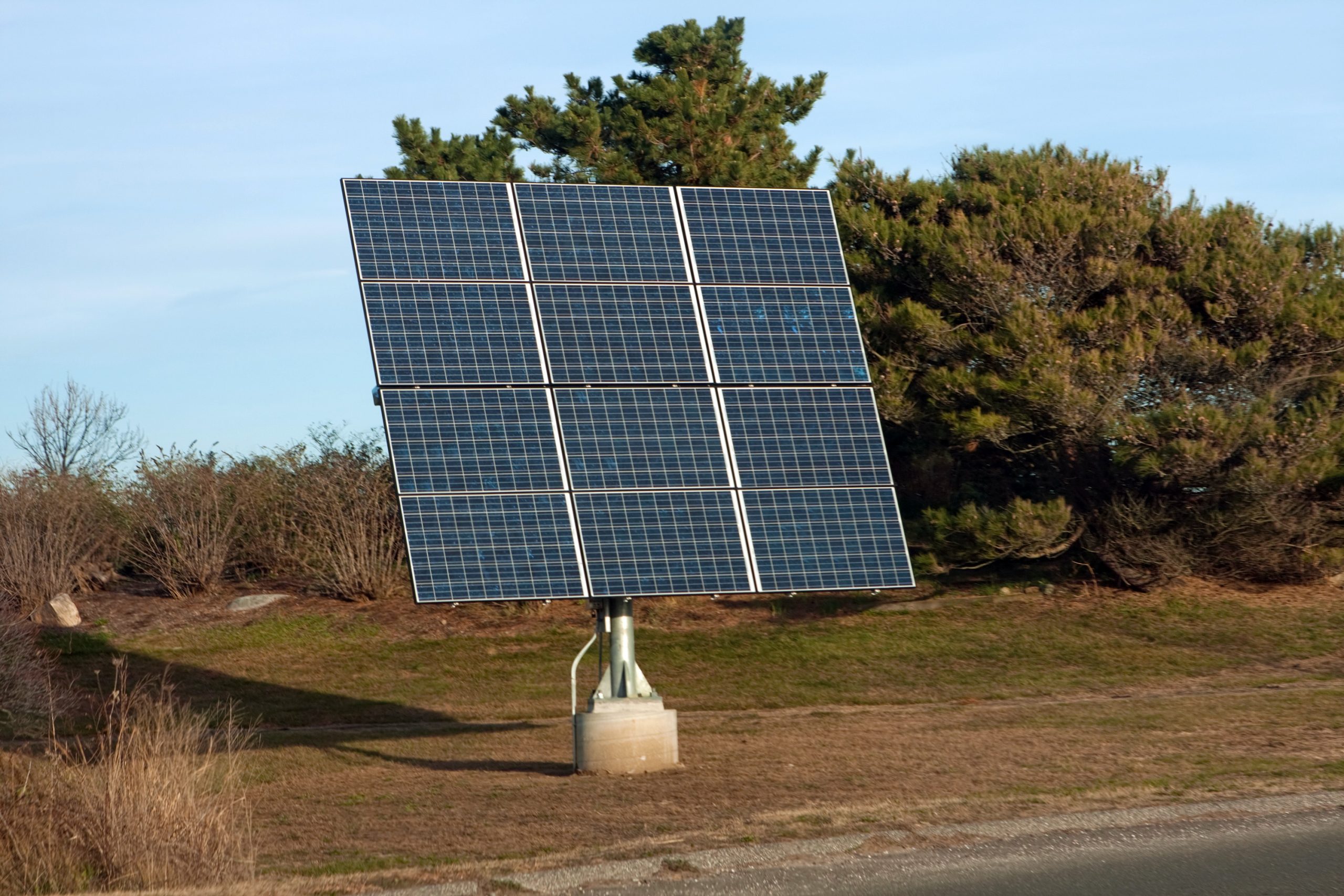
    One reason why solar panels are becoming more efficient is due to advancements in technology. Newer models of solar panels have higher efficiency ratings, meaning they can generate more electricity with less sunlight. Additionally, solar panels can now track the movement of the sun throughout the day, ensuring they’re always positioned to capture maximum sunlight.

    Common Misconceptions About Solar Energy Debunked

    Despite the many benefits of solar power, there are still some common misconceptions about its efficacy. One myth is that solar panels don’t work well in cloudy climates. While it’s true that solar panels do perform better in direct sunlight, they can still generate electricity in cloudy conditions. Another myth is that solar panels are too expensive to be practical. While installation costs can be high, solar panels typically pay for themselves within 5-10 years thanks to lower energy bills and tax credits.

    solar energy panels at work BteRwTpVj 2 scaled

    Conclusion: Making the Switch to Solar Power

    Making the switch to solar power is not only good for the environment, but it can also save you money in the long run. Whether you’re looking to install solar panels at your home or business, there are plenty of options available to suit your needs. Do your research and find a reputable installer who can help guide you through the process. By choosing solar power, you’re taking an important step towards a greener future for yourself and generations to come.

  • The Benefits of Solar Energy: Why You Should Switch Today

    The Benefits of Solar Energy: Why You Should Switch Today

    Solar energy is a clean, renewable source of power that has been gaining popularity in recent years. With the increasing demand for sustainable and eco-friendly sources of energy, solar power has emerged as one of the most promising options. In this blog post, we will explore the benefits of solar energy and why you should consider switching to it today.

    Introduction to Solar Energy

    Solar energy is generated by harnessing the sun’s rays through photovoltaic cells or solar panels. These panels are usually installed on rooftops or in open areas where they can receive maximum sunlight. The electricity produced by these panels can be used to power homes, businesses, and even entire communities.

    The Environmental Benefits of Solar Power

    One of the biggest advantages of solar energy is its environmental friendliness. Unlike traditional forms of energy such as coal or natural gas, solar power does not produce any greenhouse gases or air pollution. This means that using solar energy can help reduce our carbon footprint and combat climate change.

    How Solar Can Save You Money in the Long Run

    While installing solar panels may require an initial investment, they can save you money in the long run. Once the system is set up, you can generate your own electricity, reducing your dependence on utility companies. Additionally, with government incentives and tax credits available, switching to solar energy can prove to be a financially sound decision.

    The Advantages of Using Solar Energy for Your Home or Business

    There are several advantages of using solar energy for your home or business. Firstly, it provides a reliable source of backup power in case of outages. Secondly, it increases the value of your property, making it a wise financial investment. Lastly, it reduces your reliance on fossil fuels, which are finite resources that contribute significantly to global warming.

    Common Misconceptions About Solar Energy Debunked

    Despite the numerous benefits of solar energy, there are still some common misconceptions about it. One of them is that solar panels only work in warm climates. However, solar panels can function efficiently even in cold temperatures, provided they receive adequate sunlight. Another myth is that solar panels are expensive and difficult to maintain. While installation costs have decreased over time, maintenance expenses are minimal, and the systems typically come with warranties that cover repair or replacement costs.

    earth laying in the grass BFxS15Arj scaled

    Conclusion: Why Switching to Solar is a Smart Decision

    In conclusion, switching to solar energy is a smart decision for both the environment and your wallet. It offers numerous benefits including reduced carbon emissions, potential cost savings, increased property values, and reliable backup power. As more people continue to adopt solar energy, it will become even more accessible and affordable, making it a viable option for everyone. So, if you’re looking for a sustainable and eco-friendly way to power your home or business, look no further than solar energy.

  • The Benefits of Solar Energy: Why You Should Switch Today

    The Benefits of Solar Energy: Why You Should Switch Today

    Solar energy is one of the most abundant and renewable sources of power in the world. With increasing concerns about climate change, reducing carbon emissions has become a top priority for many individuals and organizations alike. One way to achieve this goal is by switching to solar energy. In this blog post, we will explore the benefits of using solar energy and why you should consider making the switch today.

    Introduction to Solar Energy

    Solar energy refers to the conversion of sunlight into electricity or heat. This process involves the use of photovoltaic (PV) cells that convert light from the sun into direct current (DC) electricity. The DC electricity is then converted into alternating current (AC) electricity which can be used to power homes and businesses. Solar panels are typically installed on rooftops or in open areas where they can receive maximum exposure to sunlight.

    The Environmental Benefits of Switching to Solar

    One of the primary benefits of switching to solar energy is its positive impact on the environment. By using solar energy, you can significantly reduce your carbon footprint and help combat climate change. According to the National Renewable Energy Laboratory, solar energy reduces greenhouse gas emissions by up to 28,000 pounds per year for every household that makes the switch. Additionally, solar energy does not produce any air pollution or water pollution, making it a clean and sustainable source of power.

    JM Industrial YAX 9831 1 scaled

    How Solar Can Save You Money in the Long Run

    While there may be an initial investment required to install solar panels, many homeowners and business owners find that switching to solar energy can save them money in the long run. Although the cost of installing solar panels has decreased over time, it still requires a significant upfront investment. However, once the system is installed, you can expect to see lower utility bills each month as you generate your own electricity. Furthermore, with tax credits and other incentives available, switching to solar energy can be even more affordable.

    Common Misconceptions About Solar Energy Debunked

    Despite the numerous benefits of solar energy, there are still some common misconceptions that persist. For example, some people believe that solar panels require too much maintenance or that they won’t work well in certain climates. However, these beliefs are simply untrue. Solar panels require very little maintenance once they are installed, and they can work effectively in a wide range of climates. Additionally, advancements in technology have made solar panels more efficient than ever before, allowing them to generate more electricity with less sunlight.

    Conclusion: Why Switching to Solar is a No-Brainer

    In conclusion, switching to solar energy offers numerous benefits including environmental, financial, and practical advantages. While there may be an initial investment required, the long-term savings and positive impact on the planet make it a no-brainer decision. As more individuals and organizations continue to make the switch to solar energy, we can collectively work towards achieving a cleaner and greener future.