Tag: Common Misconceptions About Solar Energy Debunked

  • The Benefits of Switching to Solar Power: Why It’s Time to Make the Change

    The Benefits of Switching to Solar Power: Why It’s Time to Make the Change

    Solar power is a clean, renewable source of energy that has been gaining popularity in recent years. With increasing concerns about climate change and environmental sustainability, many homeowners are considering making the switch to solar power. In this blog post, we will explore the benefits of switching to solar power and why now is the time to make the change.

    Introduction to Solar Power

    Solar panels work by converting sunlight into electricity using photovoltaic cells. These cells are made up of semiconductor materials such as silicon, which absorb photons from sunlight and release electrons, creating an electrical current. The electricity generated by these panels can be used immediately or stored in batteries for later use.

    The Environmental Benefits of Switching to Solar Power

    One of the most significant advantages of solar power is its positive impact on the environment. By generating electricity through solar panels, you reduce your reliance on fossil fuels, which are responsible for greenhouse gas emissions and air pollution. According to EnergySage, the average household with solar panels reduces their carbon footprint by around 100 tons over the lifetime of their system. This reduction in emissions not only helps combat climate change but also improves local air quality, reducing respiratory problems like asthma and lung cancer.

    How Much Money Can You Save by Going Solar

    Another benefit of switching to solar power is the potential savings on your energy bills. While the initial cost of installing solar panels may seem high, it is typically offset by long-term savings on your utility bills. According to EnergySage, the average homeowner saves between $10,000 and $30,000 over the lifetime of their solar panel system. Additionally, some states offer tax credits and other financial incentives for homeowners who install solar panels, further increasing the potential savings.

    Common Misconceptions About Solar Energy Debunked

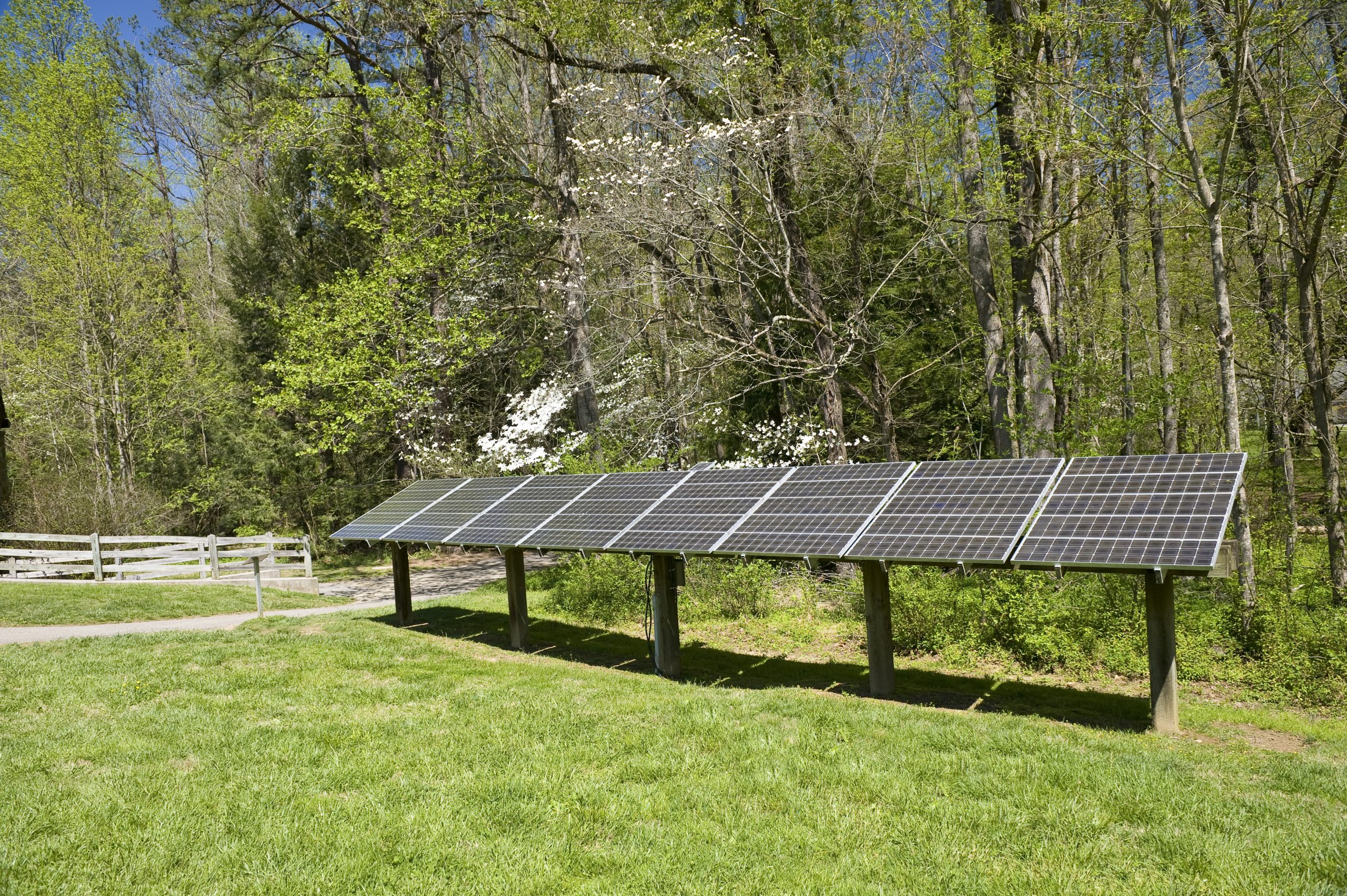
    Despite the numerous benefits of solar power, there are still several misconceptions surrounding this form of energy. One common myth is that solar panels don’t work well in cloudy climates. However, while solar panels do produce more electricity when exposed to direct sunlight, they can still generate electricity even under cloudy skies. Another misconception is that solar panels require frequent maintenance, but in reality, they are designed to last for decades with little to no maintenance required.

    solar energy panels at work BteRwTpVj scaled

    Choosing the Right Solar Panels for Your Home

    If you decide to make the switch to solar power, choosing the right solar panels for your home is essential. There are several factors to consider when selecting solar panels, including efficiency, durability, and cost. When evaluating different options, look for panels with a high efficiency rating, meaning they convert more sunlight into electricity than lower-efficiency models. Additionally, choose panels that are designed to withstand harsh weather conditions and have a warranty that covers any damage or defects.

    Conclusion: Why It’s Time to Make the Change

    In conclusion, switching to solar power offers numerous benefits, including reduced environmental impact, potential cost savings, and increased energy independence. With advancements in technology and government incentives, now is the perfect time to make the switch to solar power. So, if you’re looking for a way to reduce your carbon footprint and save money on your energy bills, consider investing in solar panels for your home today.

  • The Benefits of Switching to Solar Power: Why It’s Time to Make the Change

    The Benefits of Switching to Solar Power: Why It’s Time to Make the Change

    Solar power is a clean, renewable source of energy that has been gaining popularity in recent years. With more and more people becoming aware of its benefits, many homeowners are switching to solar power as their primary source of electricity. In this blog post, we will explore why it’s time for you to make the switch too!

    Introduction to Solar Power

    Solar panels work by converting sunlight into usable electrical energy through photovoltaic cells. These cells absorb light particles called photons from the sun and release electrons, which generate an electric current. The electricity produced by these panels can be used immediately or stored in batteries for later use.

    Environmental Benefits of Switching to Solar Power

    One of the biggest advantages of using solar power is its environmental friendliness. Unlike traditional forms of energy such as coal or natural gas, solar power does not produce any greenhouse gases or air pollution. This means that by switching to solar power, you can significantly reduce your carbon footprint and help combat climate change. Additionally, solar panels require very little maintenance, so they don’t contribute to noise pollution or visual pollution either.

    How Much Money Can You Save by Going Solar?

    Another major benefit of going solar is the potential savings on your electric bill. While the initial cost of installing solar panels may seem high, over time, you can save thousands of dollars on your utility bills. Depending on where you live and how much sunlight your roof receives, you could potentially generate enough electricity to meet all of your energy needs at no additional cost. Plus, with tax credits and other incentives available in some areas, the upfront costs of installation can be greatly reduced.

    JM Industrial YAX 9717 scaled

    Common Misconceptions About Solar Energy Debunked

    Despite the numerous benefits of solar power, there are still several misconceptions about it that persist. One common myth is that solar panels only work in warm climates. However, solar panels actually work just fine in colder temperatures; they simply convert less sunlight into electricity when it’s cloudy or dark outside. Another misconception is that solar panels are expensive and difficult to maintain. While the initial investment can be significant, the long-term savings often outweigh the costs, and solar panels require very little maintenance once they’re installed.

    Choosing the Right Solar Panels for Your Home

    When choosing solar panels for your home, there are several factors to consider. First, you need to determine the size of your energy needs based on your household’s usage patterns. Then, you should choose a panel system that is appropriately sized to meet those needs while also taking into account the amount of sunlight your roof receives. Finally, you’ll want to research different types of panels and brands to find one that fits your budget and meets your performance expectations.

    Conclusion: Why It’s Time to Make the Change

    In conclusion, now is the perfect time to switch to solar power. Not only do solar panels provide a clean, renewable source of energy, but they can also save you money on your electric bills in the long run. By reducing your carbon footprint and helping combat climate change, you can feel good knowing that you’re doing your part to protect the environment. So what are you waiting for? Start exploring your options today and discover the benefits of solar power for yourself!

  • Going Green with Solar: The Eco-Friendly Choice for Your Home or Business

    Going Green with Solar: The Eco-Friendly Choice for Your Home or Business

    Solar power is a clean, renewable source of energy that has become increasingly popular in recent years. With the rise in awareness about climate change and the need to reduce our carbon footprint, many homeowners and businesses are turning to solar power as an eco-friendly alternative to traditional forms of electricity generation. In this blog post, we will explore the benefits of going green with solar energy, how solar panels work, common misconceptions about solar energy debunked, and why it’s time to make the switch to solar power.

    Introduction to Solar Power

    Solar power involves harnessing the energy from the sun through photovoltaic cells that convert light into electrical current. These cells are typically mounted on rooftops or other structures where they can receive direct sunlight throughout the day. The electricity generated by these cells can be used immediately or stored in batteries for later use.

    The Benefits of Going Green with Solar Energy

    There are numerous benefits to using solar power as your primary source of electricity. First and foremost, solar power is completely renewable and sustainable, meaning it won’t run out like fossil fuels eventually will. Additionally, solar power produces no emissions, making it one of the most environmentally friendly sources of energy available. It also reduces reliance on foreign oil and helps create jobs within the local community. Finally, solar power can save you money over time, as once the initial investment of installing solar panels is made, there are minimal maintenance costs associated with them.

    How Solar Panels Work and Why They Are Efficient

    Solar panels work by capturing sunlight and converting it into usable electricity through a process called the photovoltaic effect. When sunlight hits the surface of the panel, electrons within the panel’s semiconductor material absorb the energy from the light and begin moving around, creating an electrical current. This current is then captured and sent to an inverter, which converts it into AC (alternating current) electricity that can be used to power homes and businesses. Solar panels are highly efficient because they are designed to capture as much sunlight as possible, with some models boasting efficiency rates above 20%.

    Common Misconceptions About Solar Energy Debunked

    Despite its growing popularity, there are still several myths and misconceptions surrounding solar power. One of the most prevalent is that solar panels don’t work well in cloudy climates. While it’s true that solar panels do perform better in direct sunlight, they can still generate electricity even under cloud cover. Another misconception is that solar panels require frequent maintenance and repairs. In reality, once installed, solar panels have very low maintenance requirements and can last upwards of 30 years without needing significant repairs.

    Conclusion: Making the Switch to Solar Power

    In conclusion, switching to solar power is not only good for the environment but also makes financial sense in the long term. By reducing reliance on nonrenewable resources and generating clean energy, solar power is a win-win solution for both homeowners and businesses alike. Whether you’re looking to reduce your carbon footprint or simply save money on your utility bills, now is the perfect time to consider making the switch to solar power.

    large solar energy panel array BFeqZppNs 3 scaled

  • Going Green with Solar: The Eco-Friendly Choice for Your Home or Business

    Going Green with Solar: The Eco-Friendly Choice for Your Home or Business

    Solar power is a clean, renewable source of energy that has become increasingly popular in recent years. With the rise in global warming and climate change concerns, many people are looking for ways to reduce their carbon footprint and live more sustainably. Switching to solar power is one way to do this, and it can also save you money on your electricity bills in the long run. In this blog post, we’ll explore why going green with solar is such an eco-friendly choice for your home or business.

    The Benefits of Going Green with Solar Energy

    There are numerous benefits to using solar power as your primary source of energy. First and foremost, solar power is completely renewable and sustainable. Unlike fossil fuels, which are finite resources that contribute to air pollution and environmental degradation, solar power generates no emissions and produces no waste. This makes it an excellent choice for those who want to reduce their impact on the environment.

    Another benefit of solar power is its cost savings potential. While there may be some upfront costs associated with installing solar panels, once they’re installed, you’ll enjoy significantly reduced electricity bills over time. Additionally, many governments offer tax credits and other financial incentives to encourage individuals and businesses to switch to solar power, making it even more affordable.

    How Solar Panels Work and Their Efficiency Rates

    Solar panels work by converting sunlight into usable electricity through photovoltaic cells. These cells contain layers of silicon, which absorb photons from the sun and release electrons, creating an electrical current. The efficiency rates of solar panels vary depending on factors like the type of panel, its age, and the amount of sunlight it receives. Generally speaking, modern solar panels have an efficiency rate of around 20%, meaning they can convert about one-fifth of the sunlight they receive into usable electricity.

    Common Misconceptions About Solar Energy Debunked

    Despite the many benefits of solar power, there are still some common misconceptions about it that persist. One of the most prevalent myths is that solar panels don’t work well in cloudy climates. However, this isn’t true – while solar panels do perform better in direct sunlight, they can still generate electricity in cloudy conditions. Another misconception is that solar panels require frequent maintenance and cleaning. In reality, solar panels are designed to be low-maintenance and can typically go several months without needing any attention.

    a single wind turbine over a cloud filled blue sky clipping path is included for easy isolation of the turbine HtJr Ari scaled

    Conclusion: Why Choose Solar for Your Home or Business

    mg img 2846 scaled

    In conclusion, switching to solar power is an eco-friendly choice that can help you reduce your carbon footprint and save money on your electricity bills over time. Whether you’re considering solar power for your home or business, there are plenty of options available to suit your needs and budget. From rooftop solar panels to ground-mounted arrays, there’s a solution out there that will work for you. So why not take the plunge and start reaping the benefits of solar power today?

  • The Benefits of Switching to Solar Energy

    The Benefits of Switching to Solar Energy

    Solar energy is a clean, renewable source of power that has become increasingly popular in recent years. With the rising costs of electricity and concerns about climate change, many homeowners are considering making the switch to solar energy. In this article, we’ll explore some of the benefits of switching to solar energy and why it may be the right choice for you.

    Introduction to Solar Energy

    Solar panels work by converting sunlight into usable electricity through photovoltaic cells. These panels can be installed on your roof or in your yard, depending on your needs and available space. Once installed, they require little maintenance and can provide your home with all the energy it needs.

    wind turbine mys3 V 1

    Environmental Benefits of Switching to Solar Energy

    One of the biggest advantages of using solar energy is its environmental impact. By generating electricity from the sun, you reduce your reliance on fossil fuels and help decrease greenhouse gas emissions. This means cleaner air and water, as well as a healthier planet for future generations.

    How Much Money Can You Save by Going Solar?

    Another benefit of going solar is the potential savings on your utility bills. While there is an initial investment required to install solar panels, they can quickly pay for themselves over time. The amount of money you save will depend on factors such as your location, the size of your system, and current electricity rates. However, many homeowners report significant reductions in their monthly bills after making the switch to solar energy.

    Common Misconceptions About Solar Energy Debunked

    Despite the growing popularity of solar energy, there are still many misconceptions about how it works and whether it’s practical for everyday use. One common myth is that solar panels don’t work in cloudy weather or at night. While it’s true that solar panels generate less electricity when there is less sunlight, modern systems are designed to store excess energy during peak hours so that you have enough power even when the sun isn’t shining. Another misconception is that installing solar panels requires major renovations to your home. In reality, most systems can be installed without any structural changes to your property.

    Conclusion: Why Switching to Solar is a Smart Choice

    In conclusion, switching to solar energy offers numerous benefits, including reduced carbon emissions, potential cost savings, and increased energy independence. Whether you’re looking to lower your utility bills or do your part to combat climate change, solar energy is a smart choice for your home.

  • Going Green with Solar: The Eco-Friendly Choice for Your Home or Business

    Going Green with Solar: The Eco-Friendly Choice for Your Home or Business

    Introduction to Solar Power:

    Solar power is a renewable source of energy that has been gaining popularity in recent years. It involves harnessing the sun’s energy and converting it into electricity using solar panels or photovoltaic cells. The use of solar power not only helps reduce our carbon footprint but also provides numerous benefits for both homeowners and businesses alike.

    The Benefits of Going Green with Solar Energy:

    1. Cost Savings – While there may be an initial investment required, solar panels can significantly lower your monthly utility bills over time. With increasing electricity rates, switching to solar power can help you save money on your energy costs.

    2. Environmentally Friendly – By choosing solar power, you are reducing your reliance on fossil fuels which contribute to air pollution and climate change. This means less greenhouse gas emissions and cleaner air for everyone.

    3. Increased Property Value – Homes equipped with solar panels have been found to increase their property value by up to 4%. If you plan on selling your house in the future, installing solar panels could potentially earn you more profit.

    How Solar Panels Work and Their Efficiency Rates:

    Solar panels work by capturing sunlight and converting it into direct current (DC) electricity through photovoltaic cells made from silicon. These cells then convert this DC electricity into alternating current (AC) electricity that can be used to power homes and businesses. The efficiency rate of solar panels varies depending on factors such as weather conditions, panel quality, and installation location. Generally speaking, most modern-day solar panels have an efficiency rating between 15% and 20%, meaning they can generate enough electricity to meet the needs of many households.

    Common Misconceptions About Solar Energy Debunked:

    There are several misconceptions about solar energy that prevent people from making the switch. Here are some common myths debunked:

    1. Myth: Solar panels don’t work well in cloudy climates.

    Fact: While solar panels do produce more electricity when exposed to direct sunlight, they can still generate electricity even under cloudy skies. Additionally, advancements in technology have improved the performance of solar panels in low light conditions.

    large solar energy panel array BFeqZppNs 2 scaled

    2. Myth: Solar panels require frequent maintenance.

    Fact: Once installed, solar panels require little to no maintenance. They are designed to withstand extreme weather conditions and last for decades without needing any repairs or replacement.

    Conclusion: Why Choose Solar for Your Home or Business:

    Switching to solar power is not just good for the environment; it makes financial sense too. Whether you choose to install solar panels at home or at your place of business, you will enjoy significant cost savings while contributing towards a sustainable future. As technology continues to improve, the efficiency and affordability of solar power will continue to rise, making it an attractive option for anyone looking to make the switch.

  • The Benefits of Switching to Solar Energy

    The Benefits of Switching to Solar Energy

    Introduction to Solar Energy:

    Solar energy is a renewable source of power that has been gaining popularity in recent years. It involves harnessing the sun’s energy and converting it into electricity using solar panels or photovoltaic cells. With advancements in technology, solar energy has become more accessible and affordable than ever before.

    solar energy panels at work BteRwTpVj 1 scaled

    The Environmental Benefits of Switching to Solar Energy:

    One of the biggest benefits of switching to solar energy is its positive impact on the environment. Unlike traditional forms of energy such as coal or natural gas, solar energy does not produce any greenhouse gases or air pollution. This means that by using solar energy, you are reducing your carbon footprint and helping to combat climate change.

    How Solar Can Save You Money in the Long Run:

    While there may be an initial investment required to switch to solar energy, many people find that it saves them money in the long run. The cost of installing solar panels has decreased significantly over the past decade, making it more affordable for homeowners and businesses alike. Additionally, once the system is installed, there are no monthly bills associated with using solar energy. Instead, you can enjoy lower utility costs and even earn tax credits for using clean energy.

    Common Misconceptions About Solar Energy Debunked:

    Despite the numerous benefits of solar energy, there are still some common misconceptions about this form of power. One of the most prevalent myths is that solar panels only work in warm climates. In reality, solar panels can generate electricity from sunlight regardless of temperature or weather conditions. Another misconception is that solar panels require frequent maintenance or replacement. While they do need occasional cleaning, solar panels have a lifespan of up to 25 years, meaning they don’t need to be replaced often.

    Conclusion: Why Switching to Solar is a Smart Choice:

    Switching to solar energy is a smart choice for both individuals and businesses looking to reduce their environmental impact while also saving money in the long run. By harnessing the power of the sun, we can create cleaner energy and protect our planet for future generations. Whether you choose to install solar panels at home or incorporate sustainability practices into your business model, transitioning to solar energy is one step towards creating a better world.

  • The Benefits of Solar Energy: Why You Should Switch Today

    The Benefits of Solar Energy: Why You Should Switch Today

    Solar energy is one of the most abundant and renewable sources of power in the world. It’s a clean, green source of electricity that can help reduce our dependence on fossil fuels while also lowering our carbon footprint. If you’re thinking about making the switch to solar energy, here are some benefits that might convince you to take the plunge.

    Introduction to Solar Energy

    Solar panels work by converting sunlight into usable electricity through photovoltaic cells. These cells are made up of semiconductor materials such as silicon, which absorb photons from the sun and release electrons, creating an electrical current. This current is then sent to an inverter, which converts it into AC voltage that can be used to power your home or business.

    electricity generating solar energy panels BFZCTa6Ns 1 scaled

    The Advantages of Switching to Solar Power

    One of the biggest advantages of switching to solar energy is the potential for significant cost savings over time. While there may be some initial costs associated with installing solar panels, once they’re installed, you’ll be generating free electricity from the sun. This means that you’ll be able to significantly reduce your monthly utility bills, and even earn money back through net metering programs offered by many utilities.

    Another advantage of solar energy is its environmental benefits. By using solar power, you’ll be reducing your reliance on fossil fuels, which contribute to air pollution and climate change. In fact, according to the National Renewable Energy Laboratory, solar power has the potential to reduce greenhouse gas emissions by up to 28,000 pounds per year for every household that makes the switch.

    Common Misconceptions About Solar Energy Debunked

    mg i5a3199 scaled

    One common misconception about solar energy is that it doesn’t work well in cloudy or rainy climates. However, this isn’t necessarily true. While solar panels do perform better in direct sunlight, they can still generate electricity in cloudy conditions. Additionally, solar panels aren’t affected by rain or other weather events, so they can continue to generate electricity even during storms.

    How to Get Started with Solar Energy in Your Home

    If you’re interested in getting started with solar energy in your home, there are several steps you can take. First, consider consulting with a professional solar installer who can assess your property and provide you with a quote for installation. From there, you’ll need to decide whether to purchase or lease your solar panel system, and determine if you qualify for any tax credits or rebates offered by your state or local government. Finally, sit back and enjoy the benefits of generating your own clean, renewable energy.