Initial Costs of Solar Power Installation
Understanding the Upfront Investment
When I first dove into solar power for my business, I’ll admit the initial costs nearly knocked the wind out of me. Between the solar panels, inverters, and installation fees, it sure felt like a hefty price tag. But let’s unpack what those costs really involve.
The most significant expense is usually the solar panels themselves. Depending on your energy needs and the size of the setup, you might be looking at a few thousand dollars at the very least. Plus, there might be permits and inspections that you need to contend with.
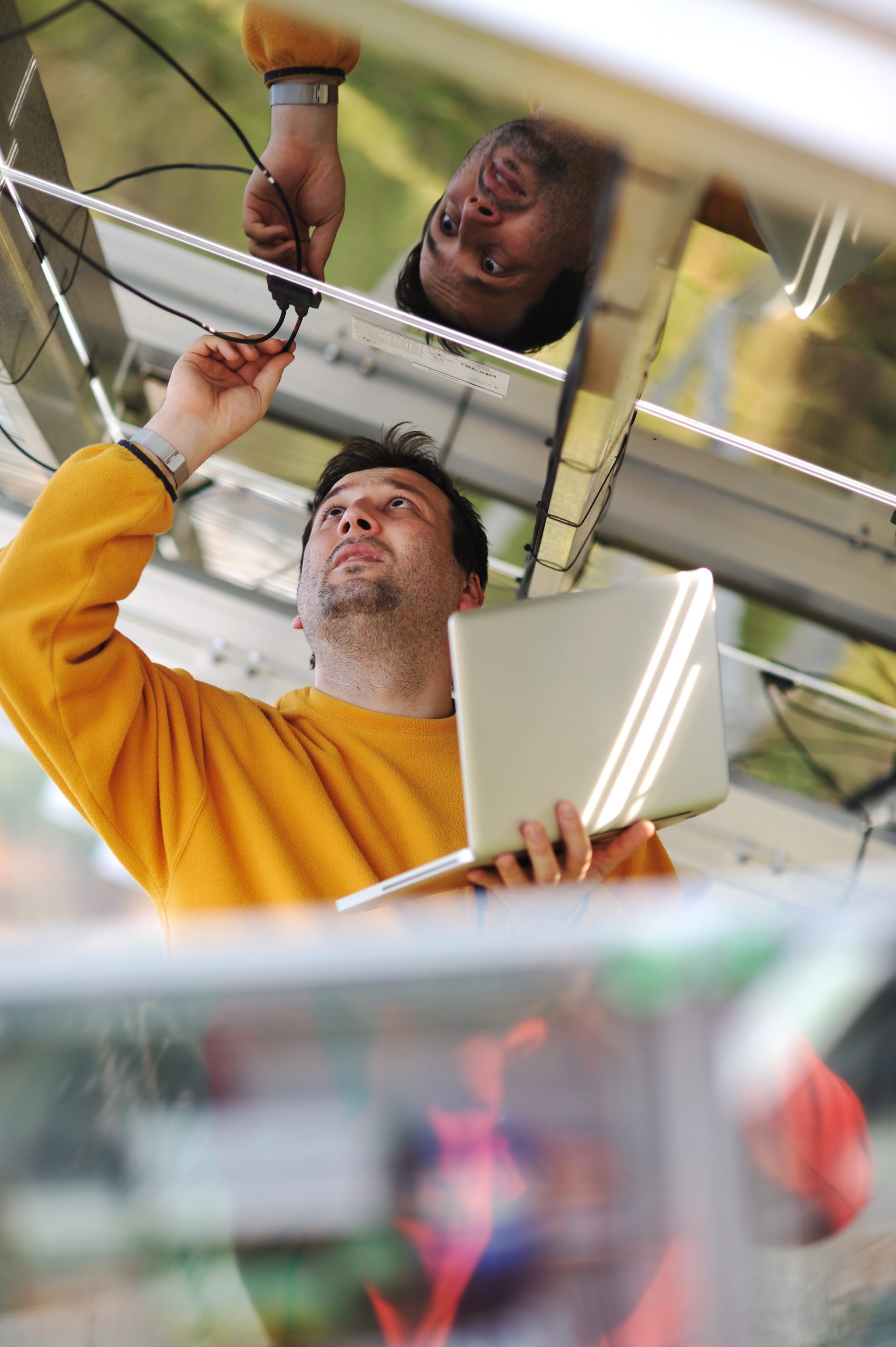
Don’t forget about labor! Hiring a reputable contractor is essential to getting a proper installation. I learned the hard way that cutting corners can lead to bigger headaches down the road. So, plan wisely, and factor in these expenses. It’s crucial for a solid starting point in your cost-benefit analysis.
Incentives and Rebates
One silver lining in this cost cloud is that various incentives are out there. Tax credits, local utility rebates, and even state programs can significantly lower your upfront costs. It’s almost like a treasure hunt at the beginning of the process!
I remember spending hours researching what was available to me in my area. Every state has different rules, so making sure that you’re aware of all potential savings can make the installation more financially viable. Believe me, take the time to find those hidden gems!
Be proactive—reach out to local solar companies. Many have specialists who can help you navigate through the mire of incentives. This will greatly aid in trimming those initial costs, putting you one step closer to a brighter, greener future.
Financing Options
Now, let’s not forget about financing your solar power system! If the upfront costs look intimidating, financing options might just work wonders. From solar loans to power purchase agreements (PPAs), there’s a ton to explore.
A solar loan can spread out your payments over several years, which can alleviate some of the initial financial strain while letting you enjoy the benefits of solar energy right away. A PPA typically allows you to pay for the energy the system produces, usually at a lower rate than your current utility rate.
Honestly, when you find the right financing route, those initial costs may not be as scary. You can make a plan that suits your budget and helps you get the energy savings rolling as soon as possible. It’s all about finding what fits best for you!
Long-term Savings Potential
Energy Bill Reductions
Let’s talk about the real magic, long-term savings! After investing in solar, one of the first things I noticed was how much my energy bills dropped. Gone were the days of exorbitant electric bills bogging me down.
Depending on your system size, many folks experience reductions of up to 70% in their energy costs. Can you imagine what that could do for your budget? More funds to put back into the business or even just for splurging on a nice dinner—it’s win-win!
Even on cloudy days, the energy you generate can still cover a large chunk of your energy usage. It’s just a comforting feeling, knowing there’s less reliance on fluctuating utility prices. You’ll sleep a little better knowing you’re saving money in the long run.
Return on Investment (ROI)
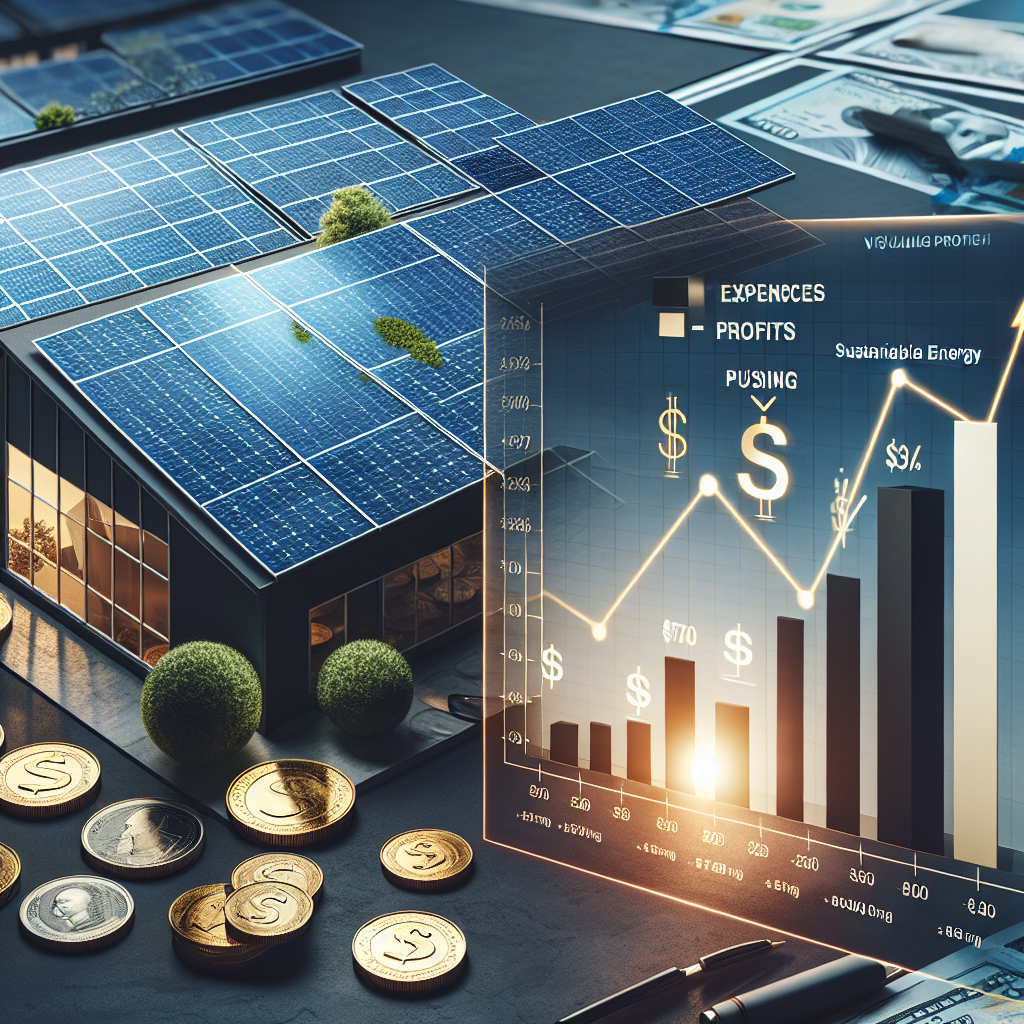
Every business owner loves to see a good ROI, right? After my solar installation, I found that the return was not only promising but also backed by substantial data. Typically, businesses can expect payback periods ranging from 4 to 8 years.
That’s not just liberating; it’s empowering! Once the system is paid off, it’s like your energy is practically free—meaning profits can be redirected toward growth and expansion. That’s the kind of thing that gets me excited!
If you do the math, it’s clear that solar isn’t merely an expense; it’s an investment. Over a 20-year lifespan, many report savings of tens of thousands of dollars. It’s a no-brainer for businesses looking to secure a brighter future.
Equipment Longevity
Another facet of long-term savings involves the longevity of the solar panels themselves. I’ve found that most reputable panels come with warranties stretching between 25 to 30 years. That’s a lot of energy generation time!
Quality panels require minimal maintenance, making them a low-effort, high-reward solution. I can say, I’ve only needed to clean them a couple of times a year, and that’s about it! You can’t beat that kind of hassle-free efficiency.
Over time, you’ll find that your initial investment pays off long after installation, as you’ll continue to save on energy costs without major additional expenses. It’s a solid investment not just for today but for years down the road.
Environmental Impact
Reducing Carbon Footprint
The environmental aspect of solar power is one of the things I’m most passionate about. Installing solar panels helps reduce your carbon footprint significantly. Every kilowatt-hour of solar energy produced translates to less reliance on fossil fuels.
In my experience, it’s empowering to think that I’m contributing to a cleaner planet. Some estimates suggest that a typical solar installation can offset several tons of carbon dioxide annually. When you look at it that way, you’re not just saving money; you’re genuinely making a difference.
Every bit counts. More businesses adopting solar means collectively, we can have a positive environmental impact. It’s a great conversation starter with your clients, especially those who also care about sustainability.
Promoting Renewable Energy
I love being a part of the renewable energy movement! By switching to solar, I’m not just helping my business; I’m supporting the growth of an entire green energy market. Each panel installed is a step forward in making renewable energy the mainstream option.
Pushing for this change has the power to influence friend businesses. When you share your positive experience, others might just get inspired to do the same. Together, we can create a momentum that leads to more innovation and sustainability.
I always think of it this way: every ounce of solar energy generated is one less dependency on non-renewable resources. We’ve got to build a sustainable future for the upcoming generations; being part of this transition feels wonderful!
Community Benefits
Switching to solar doesn’t just help the environment; it also has community benefits. When businesses go solar, they create jobs in installation, maintenance, and technology innovation. This aspect often gets overlooked but means the world, especially in local economies.
In my journey, I’ve noticed that as the community embraces solar, it fosters relationships and fosters pride. Businesses supporting green initiatives can also attract eco-conscious consumers. It’s a great way to build loyalty while being socially responsible.
We’re all in this together! Supporting local services and green initiatives strengthens the community fabric and paves the way for a healthier planet. It’s incredible and encouraging to be a part of something greater!
Potential Challenges
Maintenance and Repairs
Just like any major investment, solar power can come with its own set of challenges. For instance, maintenance and repairs can be a reality check. My panels have been pretty low maintenance, but it’s good to be prepared for the periodic checks and necessary upkeep.
Regular cleaning and inspections can help ensure maximum efficiency. I recommend setting aside a little budget for any potential repairs, especially if you live in areas with extreme weather conditions or dirt buildup.
Keeping tabs on performance can help catch issues early. Remember, the less downtime your system has, the better your investment holds. It’s just something to keep in mind as you plan your solar journey.
Weather and Location Limitations
Your business location plays a big role in solar power efficiency. If you live in an area that doesn’t get much sun, it can impact the amount of energy you can generate. This was a sticking point for a friend of mine who got excited for solar but realized his cloudy skies weren’t ideal.
It’s crucial to assess the climate and potential shading (think trees and buildings) when considering your solar setup. You don’t want surprise challenges down the line, so consult with experts on best practices for maximizing output based on your specific conditions.
However, don’t let location deter you! There are alternatives like battery storage that can help you store energy for cloudy days. Just be ready to explore options that best align with where your business is.
Evolving Technology
Technology is always advancing, and the solar industry is no exception. While it’s exciting, it can also be a bit nerve-wracking. I’ve had moments where I’ve wondered if I should upgrade equipment or install cutting-edge tech for even better performance.
New developments happen quickly, from highly efficient panels to energy storage solutions. It’s a good practice to keep yourself informed about advancements that could benefit your system or future installations, but try not to stress about it all at once!
Initially investing in quality panels will go a long way. Most systems perform well for decades, so you shouldn’t feel pressured to upgrade every few years. Focus on making the best decision for your needs, and then enjoy the ride!
Conclusion
In summary, going solar for your business is a journey filled with costs, savings, and important considerations. You have the potential for significant long-term savings and environmental impacts—making it an attractive choice for many business owners.
As I shared my experiences, remember to consider your unique situation and plan accordingly. With the right information and mindset, I believe you can make a decision that’s best for you and your business!
FAQ
What are the primary costs associated with solar power installation?
The primary costs include purchasing solar panels, inverters, installation fees, and any necessary permits or inspections. Don’t forget about potential maintenance costs down the line!
How can businesses reduce initial costs for solar installation?
Businesses can utilize various incentives and rebates offered by federal and state programs. Additionally, exploring financing options like loans or power purchase agreements can help ease the upfront financial burden.
What kind of savings can a business expect after installing solar power?
Many businesses experience 50-70% reductions in energy costs after going solar. The typical payback period ranges from 4 to 8 years, after which they can enjoy significant savings.
How does solar power contribute to environmental benefits?
Solar power reduces carbon emissions and reliance on fossil fuels. It also promotes renewable energy and supports job creation in local communities, contributing to a greener economy.
What are some potential challenges of installing solar power?
Challenges may include maintenance and repair needs, weather-related efficiency issues, and keeping up with evolving technology. It’s important to stay informed and plan accordingly to mitigate these challenges.