Initial Investment Costs
Understanding Solar Panel Costs
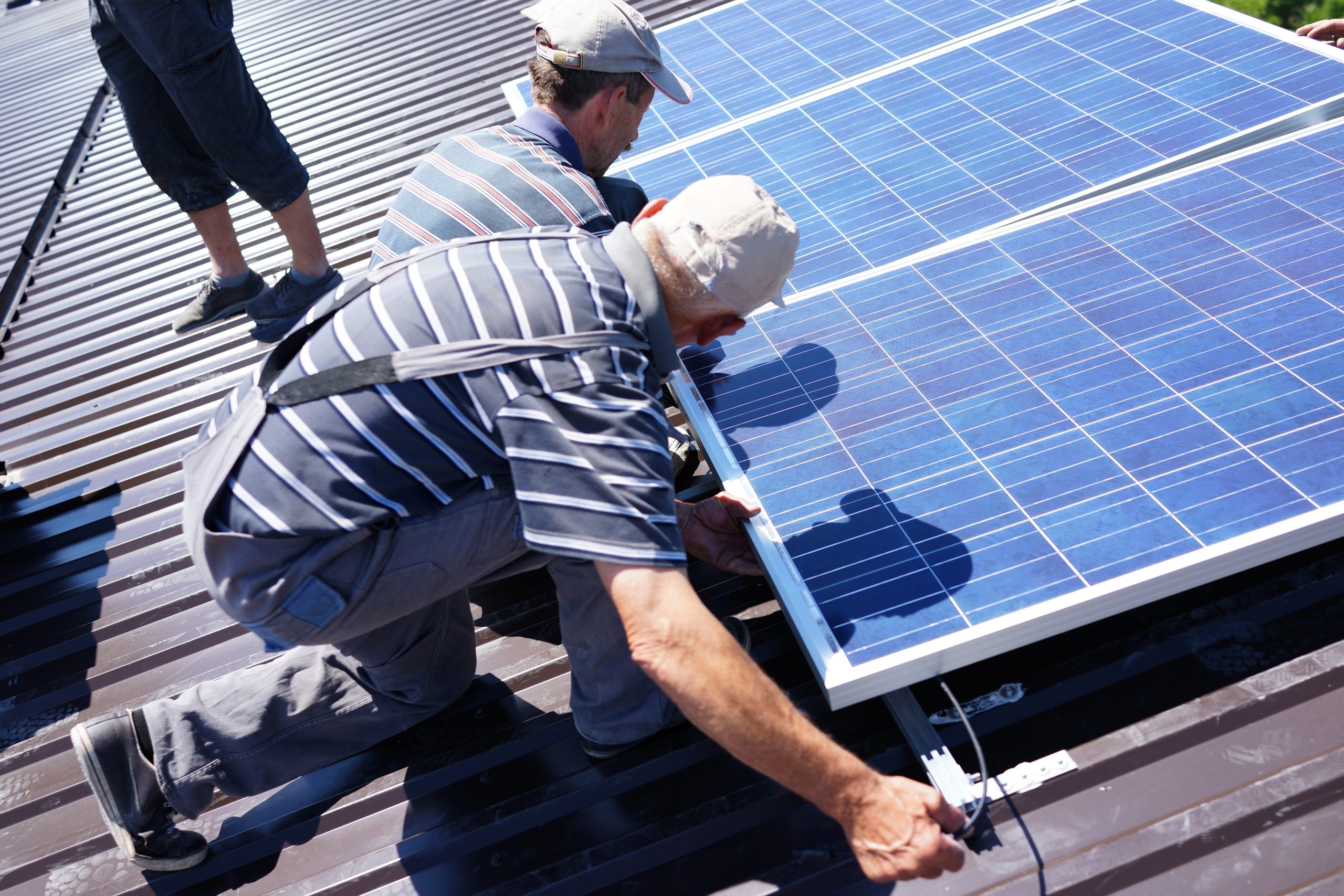
Starting with solar panels, I’ve often found that the initial investment can be a real doozy. When you’re shelling out for the panels themselves, installation, and any necessary permits, it can feel like you’re buying a small car. However, those shiny panels don’t just sit there—they’re investments in your future electricity savings. Depending on your system, you might be looking at anywhere between $10,000 to $30,000, but the sweet part is the potential savings over time.
Keep in mind, though, that prices can vary significantly based on your location and the size of the system you’re putting in. For instance, if you live in a sunny area, you might not need as many panels to generate the same amount of power as someone in a cloudier region. Plus, incentives and tax credits can help reduce that upfront cost, which is a major relief.
In my own journey, I had to weigh the cost against my monthly electric bill. Seeing the savings piling up after a couple of years made that hefty investment worth it, and I felt pretty proud owning my green energy setup!
Grid Connection Fees
On the flip side, let’s chat about grid power. When you’re plugged into the grid, you definitely have some costs associated with that. Utilities often charge a connection fee, and then there’s the monthly bill based on how much energy you use. These can add up quickly—especially during peak times when prices skyrocket.
As I dug deeper into my own electric bills, I was shocked at how much I was shelling out during summer months when AC usage peaks. Every time I’d see that bill spike, it felt like a punch to the gut. It made me really reconsider keeping the lights on without a backup plan.
In some cases, you might also have to deal with “demand charges,” which are based on your highest electricity use in a month. It’s like getting penalized for having a big party! So be sure to check with your local utility about what fees are in play, because it can really add up over time.
Long-Term Savings
Benefits of Solar Savings
When it comes to long-term savings, solar has some serious advantages. Once you’ve paid off your solar panel system, your electricity costs can plummet to nearly zero! It’s like getting a free pass on your electricity bill. Plus, if you’re in a net metering program, you might even get credits for sending energy back to the grid.
From my experience, after a few years of worrying about those pesky electric bills, I started to notice a huge dip in my expenses. It can be tough at first, but eventually, those savings start to shine through, and it feels great knowing that I’m contributing to a sustainable future.
Remember, though, the payoff period varies. Depending on your location, the insurance costs, maintenance, and how much sunlight your area gets, you might expect returns on your investment in anywhere from 5 to 15 years. It’s a long game, but I can confidently say it’s been worth it—both for my wallet and for the planet!
Utility Rate Fluctuations
With grid power, there’s always a catch. Utility rates aren’t set in stone; they can fluctuate based on demand, which is something I learned the hard way. Every few years, it seems like my electricity provider would throw a rate hike into the mix, leaving me scrambling to budget around it.
The unpredictability of those costs was frustrating. It felt like every time I got used to a certain rate, bam! There it was—another increase eating away at my spending money. I began to realize that, over time, sticking with the grid could become a slippery slope.
In contrast, those fixed rates with solar—especially if you leverage financing—can bring peace of mind. Sure, there may be occasional increases in maintenance costs, but the freedom from those unpredictable bills is liberating!
Environmental Costs
The Case for Solar Energy
One of the most compelling reasons I turned to solar was its positive impact on the environment. While those traditional power plants can churn out pollution like nobody’s business, solar feels like a breath of fresh air. Literally! The fewer fossil fuels burned means a smaller carbon footprint, which is something I take pretty seriously.
Even though I can’t feel the impact directly, I love knowing that I’m helping to reduce greenhouse gases. Every time I looked at those panels soaking up the sun, it reminded me of my part in the larger fight against climate change. And honestly, that peace of mind is priceless.
Participating in solar energy is a way of showing commitment not just to personal savings, but to a cleaner planet. It’s exciting to be part of a community that’s moving toward sustainability. It motivates me to keep pushing for greener practices in all areas of my life.
Environmental Impact of Grid Power
Now, let’s not sugarcoat it—the grid has its downsides when it comes to the environment. Relying on fossil fuels can lead to a multitude of problems: from air and water pollution to habitat destruction. Seeing the impact of energy production on local ecosystems weighed heavily on my conscience.
While I was disconnecting myself from some of that burden with solar, I couldn’t help but think about those who are still tied to the grid. The idea that traditional electricity generation can really harm our planet is sobering, and it made me more determined to advocate for renewable energies.
Switching to solar has empowered me to champion eco-friendly practices. It feels good to make choices that benefit me financially and contribute to the global effort to protect our natural resources.
Financial Risks and Incentives
Understanding Solar Incentives
One of the big winners with solar is the financial incentives the government offers. Honestly, I wasn’t aware of just how many options were out there until I did some digging. Tax credits can really help knock down that initial price, which made my decision to go solar even easier.
Many states also offer rebates that can cut your costs. This was a game-changer for me. It’s like a gift for making an eco-friendly choice. I suggest anyone considering solar do their research—there are plenty of offers to take advantage of!
Once I realized that there are also financing options available, I felt a weight lift off my shoulders. I didn’t have to scrape together the total cost upfront; I could spread the payments out over time, making it more manageable.
Risks Associated with Grid Reliance
On the other hand, being solely reliant on the grid brings some financial risks that can make anyone uneasy. Every rate hike adds stress, and if my utility ever faced insolvency or had to shut down, what did that mean for my electricity access? It was a scary thought, honestly.
I remember discussing this concern with friends who also rely on grid power. It can feel like we’re at the mercy of corporations and policies far beyond our control. The unpredictability of future costs became an undeniable risk factor for me.
With solar, I felt more in control of my electricity situation. While there’s always some risk involved (like equipment failing), it seemed far less daunting than the unknowns of remaining solely reliant on the grid.
Conclusion and Final Thoughts
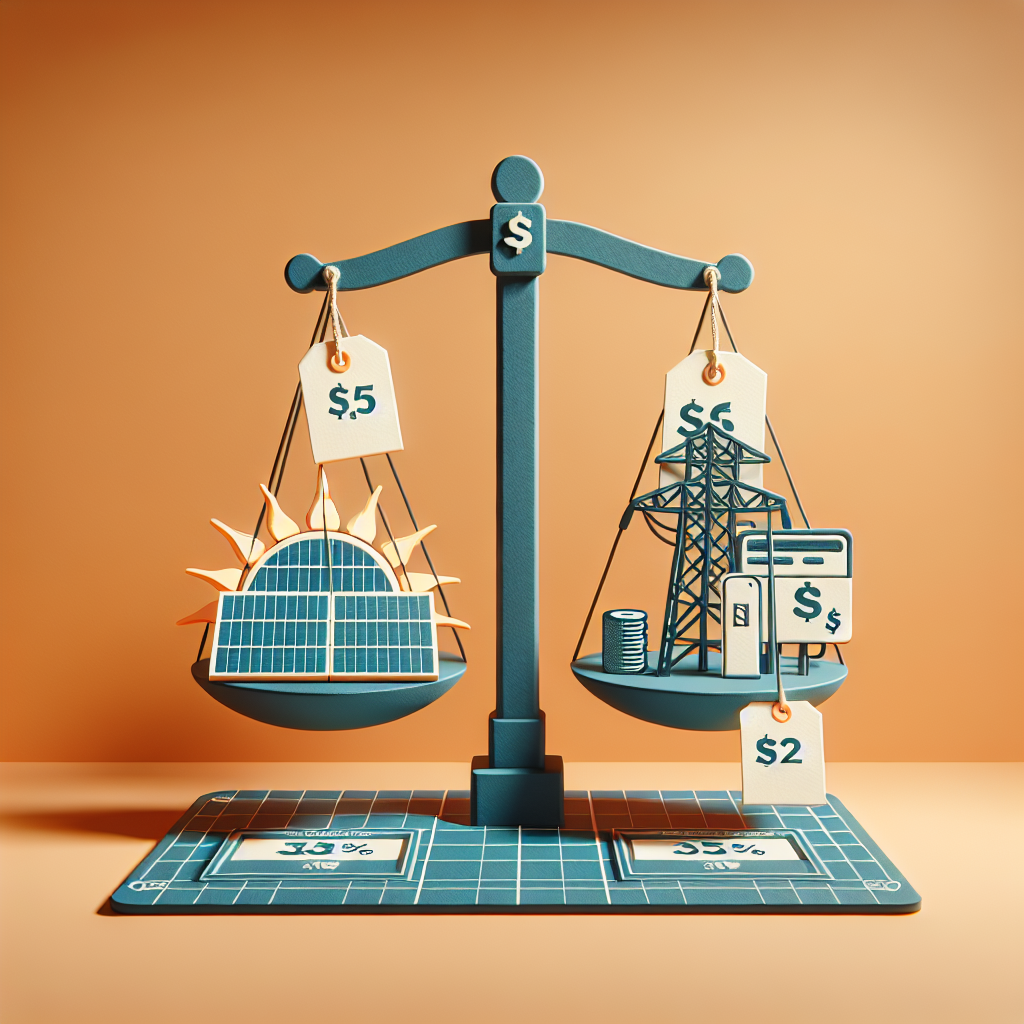
In conclusion, the Solar vs Grid Power: Cost Comparison is certainly complex, but from my experience, the benefits of solar power seem to outweigh the grid’s allure. Sure, the initial investment can be steep, but that long-term savings, environmental impact, and financial control are reasons enough to make the switch. Ultimately, it’s really about what you value in the long run. Are you willing to invest in a cleaner future—or risk the uncertainty that comes with traditional power? For me, the choice was clear!
FAQ
1. What are the initial costs associated with solar panels?
The initial costs for solar panels can typically range from $10,000 to $30,000, depending on your system size and location. There may be state and federal incentives that can help reduce these upfront costs.
2. How can I tell if going solar is worth it for me?
Start by analyzing your yearly electrical costs and consider potential savings over time. If you live in a sunny area, contribute to environmental efforts, and feel comfortable with long-term investments, solar could be a great choice for you!
3. What are some risks of relying on grid power?
Reliance on the grid exposes you to unpredictable utility rates, potential company insolvency, and environmental harm due to fossil fuel consumption which could affect your overall expenses and well-being.
4. What incentives are available for solar energy?
There are many incentives, including tax credits and state rebates, that can significantly lower installation costs. It’s always a good idea to research what’s available in your area before making a decision.
5. How does solar energy impact the environment compared to grid power?
Solar energy drastically reduces reliance on fossil fuels, leading to a significant decrease in greenhouse gas emissions and other pollutants. In contrast, grid power often relies on non-renewable resources that can harm the planet.