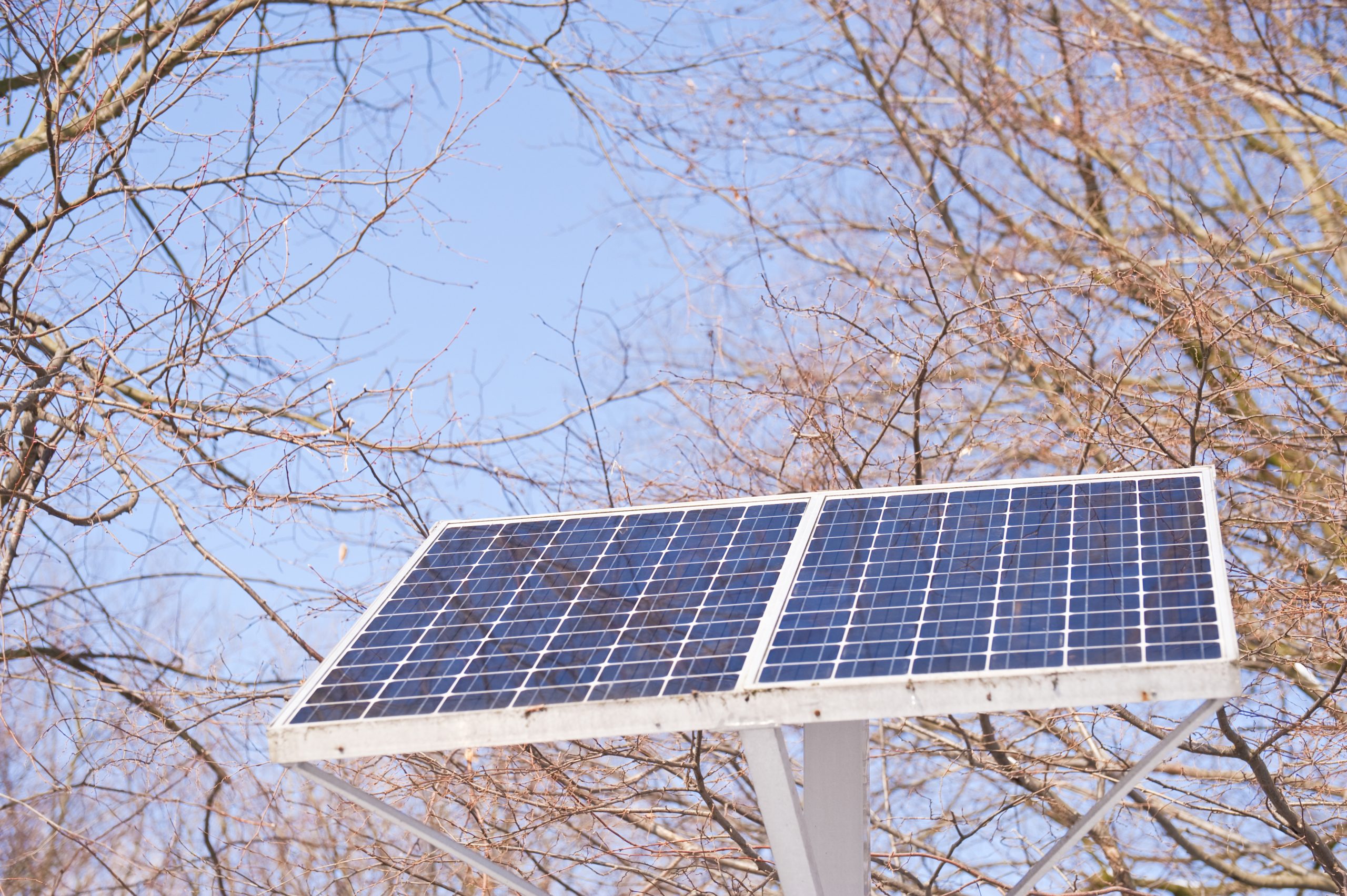
Solar power is a renewable source of energy that has been gaining popularity in recent years. Many homeowners are considering switching to solar power as a way to reduce their carbon footprint and save money on their electric bills. But the question remains, can you really save money with solar panels? In this blog post, we will break down the costs associated with going solar and help you determine if it’s worth the investment.
Introduction to Solar Power and Its Benefits
Solar power involves capturing the sun’s energy and converting it into usable electricity. This process is done using solar panels, which are made up of photovoltaic cells that convert sunlight into direct current (DC) electricity. The DC electricity is then converted into alternating current (AC) electricity, which can be used to power your home or fed back into the grid.
One of the main benefits of solar power is its environmental friendliness. By generating electricity from the sun, you are reducing your reliance on fossil fuels and helping to combat climate change. Additionally, solar power can help you save money on your electric bill over time.
The Cost of Going Solar: Is It Worth the Investment
The cost of installing solar panels varies depending on the size of your system and where you live. On average, residential solar systems range in price from $10,000 to $20,000. However, there are several factors that can affect the overall cost of your system, including:
The type and quality of solar panels you choose
The amount of electricity you need to generate
The location of your home and the availability of sunlight
Tax credits and rebates available in your area
Despite the initial cost of installation, many homeowners find that solar power is a worthwhile investment in the long run. Depending on your location and electricity usage, you could see a return on your investment within just a few years. And once your system is paid off, you can enjoy free electricity for the life of the system.
Choosing the Best Solar Panels for Your Home
When choosing solar panels for your home, there are several factors to consider. First, you should decide what type of panel you want. There are two main types of solar panels: monocrystalline and polycrystalline. Monocrystalline panels are more efficient but also more expensive, while polycrystalline panels are less efficient but generally cheaper.
You should also consider the size and wattage of your panels. Generally speaking, larger panels with higher wattages will produce more electricity. However, the size and wattage of your panels will depend on your specific needs and budget.
Installing Solar Panels Yourself vs Hiring a Professional
While some homeowners may opt to install their own solar panels, hiring a professional installer is often recommended. Installing solar panels requires specialized knowledge and skills, such as electrical work and roofing. If installed incorrectly, your system may not function properly or could even pose a safety risk.
Additionally, professional installers typically offer warranties and guarantees on their work, ensuring that any issues with your system are addressed promptly. They can also advise you on the best placement and orientation of your panels to maximize their efficiency.
In conclusion, while the initial cost of installing solar panels can be significant, many homeowners find that it is a worthwhile investment in terms of both savings and environmental impact. By carefully selecting the right panels for your home and working with a professional installer, you can ensure that your system functions efficiently and effectively for years to come.