Tag: Cost Savings

  • Why Businesses are Turning to Solar Energy for their Operations

    Why Businesses are Turning to Solar Energy for their Operations

    Solar energy is becoming increasingly popular among businesses as they look for ways to reduce costs and become more environmentally friendly. In this article, we will explore the benefits of using solar energy for your business operations, how much you can save by switching to solar, common misconceptions about solar energy, success stories from companies that have made the switch, and our final thoughts on why it’s time for your business to go solar.

    Introduction to Solar Energy

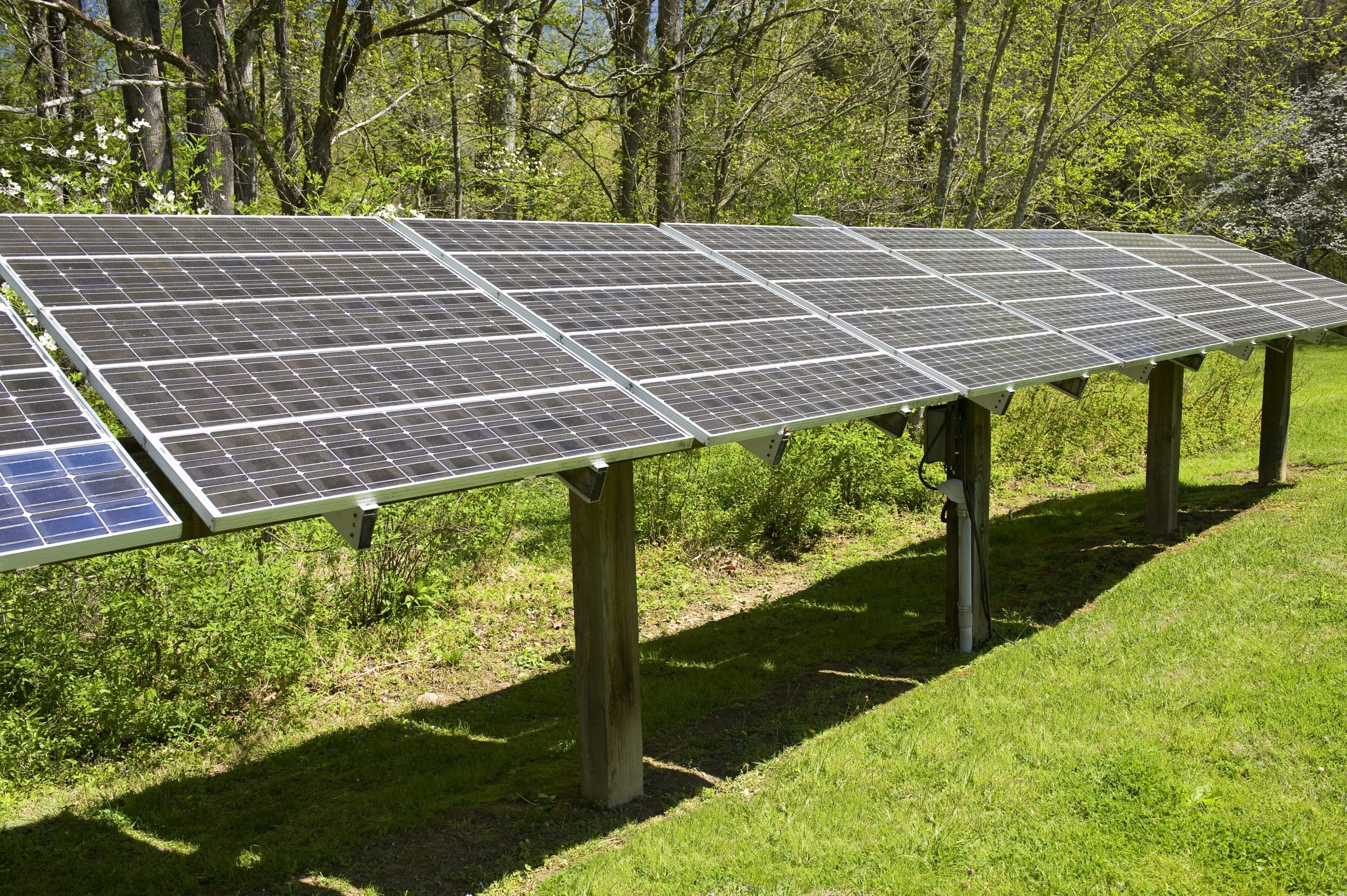
    Solar energy refers to the conversion of sunlight into electricity or heat. It is a renewable source of energy that does not produce any greenhouse gas emissions or other pollutants. The most commonly used type of solar panel is the photovoltaic (PV) cell, which converts light directly into electrical power.

    The Benefits of Using Solar Energy for Businesses

    There are several reasons why businesses are turning to solar energy:

    1. Cost savings – While initial installation costs may be high, solar panels typically last between 25-30 years, meaning long-term cost savings. Additionally, many countries offer incentives such as tax credits and rebates for businesses that invest in solar energy.

    2. Environmental sustainability – By reducing reliance on fossil fuels, businesses can significantly decrease their carbon footprint and demonstrate commitment to environmental responsibility.

    3. Energy independence – With solar panels installed on site, businesses no longer need to rely on external sources for their energy needs. This means greater control over energy costs and less vulnerability to supply chain disruptions.

    4. Improved public perception – Customers and stakeholders often view businesses with a positive lens when they prioritize sustainability efforts like adopting solar energy.

    How Much Can a Business Save by Switching to Solar?

    The amount saved depends on various factors including location, size of the business, and current energy consumption patterns. However, according to Energy Sage, an online marketplace for solar installations, businesses can expect to save anywhere from 10% to 30% on their monthly utility bills after installing solar panels. Overall, the average commercial property owner saves around $10,000 annually by going solar.

    Common Misconceptions About Solar Energy

    Despite its growing popularity, there are still some common misconceptions surrounding solar energy. Here are three of them:

    1. Solar panels only work in direct sunlight – While solar panels do perform better in direct sunlight, they also generate electricity under cloudy conditions. In fact, studies show that PV cells can generate up to 80% of their maximum output even under low-light conditions.

    solar energy Mk2WEV9d 1 scaled

    2. Solar panels require frequent maintenance – Once installed, solar panels require little to no maintenance beyond occasional cleaning. Most manufacturers provide warranties ranging from 25-30 years, ensuring that the system remains functional throughout its lifecycle.

    3. Solar panels are expensive – While initial installation costs may be higher than traditional energy systems, the long-term cost savings make solar energy a worthwhile investment. Additionally, financing options such as leasing and Power Purchase Agreements (PPAs) allow businesses to start saving money without incurring large upfront expenses.

    Success Stories: Companies that Have Made the Switch

    Many businesses across industries have already made the switch to solar energy, demonstrating significant cost savings and reduced carbon footprints. Some notable examples include:

    1. Walmart – The retail giant has committed to sourcing 100% of its energy from renewables by 2025. As part of this initiative, it has installed solar panels at over 900 locations worldwide, generating enough energy to power nearly 60,000 homes.

    mg i5a9857 2 scaled

    2. Google – The tech company has set a goal of achieving zero net carbon emissions by 2030. To achieve this, it has invested heavily in solar energy, installing panels at data centers and offices globally. According to Google, these projects have generated millions of dollars in savings while helping to mitigate climate change.

    3. Anheuser-Busch – The brewing company has installed solar panels at multiple facilities, including its flagship plant in St. Louis. These panels generate enough energy to power the equivalent of 7,000 households each year, representing a significant reduction in energy costs and carbon emissions.

    Conclusion and Final Thoughts

    In conclusion, businesses are increasingly recognizing the benefits of using solar energy for their operations. From cost savings to improved environmental sustainability, there are numerous advantages to making the switch. Common misconceptions about solar energy should be dispelled so that business owners can make informed decisions based on facts rather than myths. Finally, successful case studies demonstrate that businesses across different industries have achieved significant results through solar adoption.

  • The Benefits of Switching to Solar Power: Why It’s Time to Make the Change

    The Benefits of Switching to Solar Power: Why It’s Time to Make the Change

    Solar power is a clean, renewable source of energy that has been gaining popularity in recent years. With concerns about climate change and sustainability on the rise, more people are looking for ways to reduce their carbon footprint and switch to cleaner sources of energy. In this blog post, we will explore the benefits of switching to solar power and why it’s time to make the change.

    Introduction to Solar Power

    Solar power involves harnessing the energy from the sun through photovoltaic cells or solar panels. These panels convert sunlight into electricity that can be used to power homes, businesses, and even entire communities. The use of solar power has many environmental and economic benefits, making it an attractive option for those looking to reduce their reliance on fossil fuels.

    The Environmental Benefits of Switching to Solar Power

    One of the biggest advantages of using solar power is its positive impact on the environment. Unlike traditional forms of energy such as coal or natural gas, solar power produces no greenhouse gases or air pollution. This means that by switching to solar power, you can significantly reduce your carbon footprint and help combat climate change.

    In addition to reducing emissions, solar power also helps conserve water resources. Many traditional methods of generating electricity require large amounts of water, which can have negative effects on local ecosystems. By contrast, solar power requires very little water, making it an ideal choice for arid regions where water supplies may be limited.

    How Much Money Can You Save by Going Solar

    Another advantage of switching to solar power is the potential for significant cost savings over time. While there may be some upfront costs associated with installing solar panels, many homeowners find that they quickly recoup these expenses through reduced utility bills. Additionally, solar panels typically come with warranties of 25-30 years, meaning that once they are installed, you can enjoy free electricity for decades to come.

    Businesses can also benefit from switching to solar power, as it can help them save money on their energy bills while also improving their reputation as environmentally responsible companies. Some governments offer tax credits or other financial incentives for businesses that invest in renewable energy, further increasing the appeal of solar power.

    JM Industrial YAX 9831 scaled

    Advantages of Using Solar Energy for Your Home or Business

    There are several reasons why individuals and businesses might choose to switch to solar power. One major advantage is increased independence from the grid. By producing your own electricity, you become less reliant on external factors like fluctuating energy prices or blackouts. Additionally, solar power offers greater flexibility in terms of placement and installation, allowing you to generate electricity in remote locations or areas without access to traditional power grids.

    wind energy fyHRFEqO scaled

    Common Misconceptions About Solar Power Debunked

    Despite the numerous benefits of solar power, there are still some common misconceptions about this form of energy. For example, some people believe that solar panels only work in warm climates or during daytime hours. However, modern solar panels are designed to capture energy from indirect sunlight and can continue generating electricity even after dark thanks to battery storage technology. Another myth is that solar panels are expensive and difficult to maintain. While there may be some initial costs involved, solar panels generally require very little maintenance beyond occasional cleaning and inspection.

    Conclusion: Why It’s Time to Make the Switch to Solar Power

    Overall, the benefits of switching to solar power far outweigh any drawbacks. From the environmental and economic advantages to the increased independence and flexibility offered by solar energy, there are plenty of compelling reasons to consider making the switch. Whether you’re a homeowner looking to reduce your carbon footprint or a business owner seeking to cut costs and improve your company’s sustainability profile, now is the perfect time to explore the possibilities of solar power.

  • The Benefits of Switching to Solar Power: Why It’s Time to Make the Change

    The Benefits of Switching to Solar Power: Why It’s Time to Make the Change

    Solar power is a clean, renewable source of energy that has been gaining popularity in recent years. With increasing concerns about climate change and sustainability, more people are looking for ways to reduce their carbon footprint and switch to cleaner sources of energy. In this blog post, we will explore the benefits of switching to solar power and why it’s time to make the change.

    Introduction to Solar Power

    Solar power involves harnessing the energy from the sun through photovoltaic cells or solar panels. These panels convert sunlight into electricity that can be used to power homes, businesses, and other applications. The use of solar power has many environmental and economic benefits, making it an attractive option for those who want to reduce their reliance on fossil fuels.

    The Environmental Benefits of Switching to Solar Power

    One of the main advantages of using solar power is its positive impact on the environment. Unlike traditional forms of energy such as coal or natural gas, solar power does not produce greenhouse gases or contribute to air pollution. This means that by switching to solar power, you can significantly reduce your carbon footprint and help combat climate change.

    Another benefit of solar power is that it is a renewable resource. Unlike non-renewable resources like oil and gas, which are finite and will eventually run out, solar power can provide an endless supply of energy without depleting any natural resources. By switching to solar power, you can ensure a reliable source of energy that won’t run out.

    How Much Money Can You Save by Going Solar

    In addition to its environmental benefits, switching to solar power can also save you money in the long run. While there may be some upfront costs associated with installing solar panels, they typically pay for themselves within 5-10 years due to reduced energy bills. Additionally, once your system is installed, you can expect to see significant savings on your monthly utility bill.

    The Advantages of Using Solar Energy for Your Home or Business

    There are several advantages to using solar energy for your home or business. First, solar power provides a reliable source of backup power in case of blackouts or emergencies. Second, it can increase the value of your property if you decide to sell. Finally, solar power allows you to take control of your energy production and reduce your dependence on external factors such as fluctuating energy prices.

    Common Misconceptions About Solar Power Debunked

    Despite the numerous benefits of solar power, there are still some common misconceptions about this form of energy. One of the most prevalent myths is that solar panels don’t work well in cloudy climates. However, even in areas with less direct sunlight, solar panels can still generate enough electricity to meet your needs. Another misconception is that solar panels require frequent maintenance or replacement. In reality, modern solar panels have a lifespan of around 25 years and require little to no maintenance during that time.

    Conclusion: Why It’s Time to Make the Switch to Solar Power

    Switching to solar power offers numerous benefits, including reducing your carbon footprint, saving money on energy bills, and taking control of your energy production. Whether you’re considering solar power for your home or business, now is the perfect time to make the switch. As technology continues to improve and costs continue to decrease, solar power is becoming an increasingly viable option for anyone looking to reduce their reliance on fossil fuels and embrace a greener future.

    wind turbine silhouette sunset or sunrise economic system background Hw9glvkOnMg 2 scaled
  • The Benefits of Switching to Solar Power: Why It’s Time to Make the Change

    The Benefits of Switching to Solar Power: Why It’s Time to Make the Change

    Solar power is a clean, renewable source of energy that has been gaining popularity in recent years. With concerns about climate change and sustainability on the rise, more people are looking for ways to reduce their carbon footprint and switch to cleaner sources of energy. In this blog post, we will explore the benefits of switching to solar power and why it’s time to make the change.

    Introduction to Solar Power

    Solar power involves harnessing the energy from the sun through photovoltaic cells or solar panels. These panels convert sunlight into electricity that can be used to power homes, businesses, and even entire communities. The use of solar power has many environmental and economic benefits, making it an attractive option for those looking to reduce their reliance on fossil fuels.

    DSC 1852 326 scaled

    The Environmental Benefits of Switching to Solar Power

    One of the main advantages of using solar power is its positive impact on the environment. Unlike traditional forms of energy such as coal or natural gas, solar power does not produce greenhouse gases or other pollutants that contribute to global warming. By switching to solar power, you can significantly reduce your carbon footprint and help combat climate change.

    Another benefit of solar power is that it is a renewable resource. Unlike finite resources like oil and gas, the sun will continue to shine for billions of years, providing us with a virtually unlimited supply of energy. This makes solar power a sustainable solution that won’t run out over time.

    How Much Money Can You Save by Going Solar

    In addition to its environmental benefits, switching to solar power can also save you money in the long run. While there may be some upfront costs associated with installing solar panels, they typically pay for themselves within 5-10 years through reduced energy bills. Once your system is paid off, you can enjoy free electricity for the life of the panel (usually around 25 years).

    The Advantages of Using Solar Energy for Your Home or Business

    There are several advantages to using solar energy for your home or business. Firstly, solar power provides a reliable source of backup power in case of blackouts or emergencies. Secondly, it can increase the value of your property if you decide to sell it in the future. Finally, solar power gives you greater control over your energy usage and independence from utility companies.

    Common Misconceptions About Solar Power Debunked

    Despite the many benefits of solar power, there are still some common misconceptions about this form of energy. One of the most prevalent myths is that solar panels don’t work well in cloudy climates. However, modern solar panels are designed to capture even low levels of light, making them effective in a wide range of weather conditions. Another misconception is that solar panels require frequent maintenance or replacement. In reality, most solar panels come with a warranty of at least 25 years and require very little maintenance beyond occasional cleaning.

    Conclusion: Why It’s Time to Make the Switch to Solar Power

    Given the numerous benefits of switching to solar power, it’s clear that now is the time to make the change. Whether you’re motivated by environmental concerns, cost savings, or increased independence, solar power is a smart choice for anyone looking to reduce their carbon footprint and take control of their energy usage. So what are you waiting for? Start exploring your options today and discover how easy it can be to switch to solar power!

  • DIY Solar Panels: Is Installing Your Own System Worth It

    DIY Solar Panels: Is Installing Your Own System Worth It

    Introduction to DIY Solar Panels

    Solar power is a renewable source of energy that has become increasingly popular in recent years. Many homeowners are interested in installing their own solar panels as a way to reduce their carbon footprint and save money on electricity bills. In this article, we will explore the benefits of DIY solar panels and whether or not they are worth the effort.

    The Benefits of Solar Power for the Environment

    One of the main advantages of using solar power is its environmental friendliness. Unlike traditional forms of energy such as coal or oil, solar power does not produce any greenhouse gas emissions. This means that it can help to combat climate change by reducing our reliance on fossil fuels. Additionally, solar panels do not generate noise pollution or visual disturbances, making them an ideal choice for residential areas.

    How Expensive is Solar Power Really

    Many people assume that solar power is too expensive to be practical. However, the cost of solar panels has decreased significantly over the past decade, making them more affordable than ever before. While installation costs vary depending on the size and complexity of your system, many homeowners find that they can recoup their investment within just a few years through savings on their electricity bills. Furthermore, there are often tax credits available for those who install solar panels, which can further offset the initial cost.

    large solar energy panel array BFeqZppNs 1 scaled

    What are the Best Solar Power Generators

    There are several types of solar generators available, including portable models that can be used for camping or emergency situations. For home use, however, most people prefer grid-tied systems. These systems are connected to the electrical grid and allow you to sell excess energy back to the utility company. Off-grid systems are also available for those who live in remote locations without access to the grid.

    Can You Install Your Own Solar Panels

    While installing your own solar panels may seem daunting at first, many homeowners have found success with DIY projects. There are numerous online resources available that provide step-by-step instructions for installing solar panels. That being said, it’s important to note that working with electricity can be dangerous if proper safety precautions aren’t taken. If you don’t feel comfortable tackling the project yourself, consider hiring a professional installer.

    Conclusion: Is Installing Your Own System Worth It

    Ultimately, whether or not installing your own solar panel system is worth it depends on your individual circumstances. While there are certainly upfront costs associated with installation, many homeowners find that the long-term savings make it a worthwhile investment. Additionally, the environmental benefits of solar power make it an attractive option for those looking to reduce their carbon footprint. With the right knowledge and tools, installing your own solar panels can be a rewarding experience both financially and personally.

  • The Benefits of Switching to Solar Power: Why It’s Time to Make the Change

    The Benefits of Switching to Solar Power: Why It’s Time to Make the Change

    Solar power is a clean, renewable source of energy that has been gaining popularity in recent years. With concerns about climate change and sustainability on the rise, more people are looking for ways to reduce their carbon footprint and switch to cleaner sources of energy. In this blog post, we will explore the benefits of switching to solar power and why it’s time to make the change.

    Introduction to Solar Power

    Solar power involves harnessing the energy from the sun through photovoltaic cells or solar panels. These panels can be installed on rooftops, in fields, or on other structures where they can receive direct sunlight. The electricity generated by these panels can then be used to power homes, businesses, and even entire communities.

    modern solar panel used for generating electricity from the sunlight SKl tbuCSo 1 scaled

    The Environmental Benefits of Switching to Solar Power

    One of the biggest advantages of solar power is its environmental benefits. By using solar energy, you can significantly reduce your reliance on fossil fuels, which are responsible for a significant amount of greenhouse gas emissions. According to the National Renewable Energy Laboratory, solar power has the potential to reduce carbon dioxide emissions by up to 28,000 pounds per year for every household that makes the switch.

    How Much Money Can You Save by Going Solar

    Another advantage of solar power is the potential for significant cost savings over time. While there may be some initial costs associated with installing solar panels, many homeowners find that they recoup those costs within just a few years due to reduced energy bills. Additionally, once your system is paid off, you can enjoy free electricity for the life of the panels, which can be up to 30 years or more.

    The Advantages of Using Solar Energy for Your Home or Business

    In addition to reducing your carbon footprint and saving money, there are several other advantages to using solar energy for your home or business. For example, solar power can provide a reliable source of backup power in case of outages or emergencies. Additionally, solar panels require very little maintenance, so you can enjoy peace of mind knowing that your system is working efficiently without requiring much attention from you.

    Common Misconceptions About Solar Power Debunked

    Despite the many benefits of solar power, there are still some common misconceptions about this type of energy. One of the most prevalent myths is that solar panels don’t work well in cloudy climates. However, this isn’t true – solar panels can still generate electricity even when it’s cloudy outside. Another misconception is that solar panels are too expensive to be practical. While there may be some upfront costs associated with installation, the long-term savings often outweigh these expenses.

    Conclusion: Why It’s Time to Make the Switch to Solar Power

    Overall, the benefits of switching to solar power far outweigh any drawbacks. By making the switch, you can reduce your carbon footprint, save money on energy bills, and enjoy a reliable source of renewable energy. Whether you’re a homeowner, business owner, or community leader, now is the time to consider making the switch to solar power.

  • Why Businesses are Turning to Solar Energy for Sustainability

    Why Businesses are Turning to Solar Energy for Sustainability

    Solar energy is one of the most abundant and renewable sources of power in the world. With increasing concerns about climate change, businesses across various industries have been turning to solar energy as a sustainable source of power that can help reduce their carbon footprint while also saving money on energy costs. In this blog post, we will explore why businesses are turning to solar energy for sustainability, including its benefits, how it works, financial incentives, case studies, and ultimately why it’s time for your business to go solar.

    Introduction to Solar Energy and Sustainability

    Solar energy refers to the conversion of sunlight into electricity using photovoltaic (PV) cells or concentrated solar power systems. These systems capture the energy from the sun and convert it into usable electricity that can be used to power homes, buildings, and even entire cities. The use of solar energy has become increasingly popular due to its numerous environmental and economic benefits.

    The Benefits of Using Solar Energy for Businesses

    One of the main benefits of using solar energy for businesses is its ability to significantly reduce greenhouse gas emissions. By switching to solar energy, companies can lower their reliance on fossil fuels and decrease their overall carbon footprint. Additionally, solar energy can provide cost savings over time by reducing energy bills and stabilizing long-term energy prices. Furthermore, solar panels require little maintenance once they are installed, which means businesses can save on maintenance costs as well.

    How Solar Panels Work and Their Efficiency Rates

    Solar panels work by capturing sunlight and converting it into direct current (DC) electricity through PV cells made of silicon. This DC electricity then passes through an inverter, which converts it into alternating current (AC) electricity that can be used to power appliances and equipment within a building or facility. The efficiency rates of solar panels vary depending on factors such as weather conditions, panel orientation, and shading. However, modern solar panels typically have an efficiency rate between 15% and 20%, meaning they can generate up to 20% of their rated capacity under ideal conditions.

    wind turbine silhouette sunset or sunrise economic system background rD3eYTydnMx scaled

    Financial Incentives for Switching to Solar Energy

    There are several financial incentives available for businesses that switch to solar energy. One of the most significant incentives is the federal investment tax credit (ITC), which allows businesses to deduct 30% of the total system cost from their taxes. Many states also offer additional incentives, such as rebates or net metering programs, which allow businesses to sell excess energy back to the grid at retail rates. Additionally, many banks and financing institutions offer low-interest loans specifically designed for solar projects.

    Case Studies: Successful Businesses that Use Solar Energy

    Many successful businesses across various industries have already switched to solar energy for sustainability purposes. For example, Walmart, the largest private employer in the United States, has set a goal to obtain 100% of its energy from renewable sources by 2028. To achieve this goal, the company has installed solar panels on more than 900 of its stores nationwide. Similarly, Google has committed to achieving zero carbon emissions by 2030 and has invested heavily in solar energy to reach this target. Other notable examples include Tesla, Amazon, and Apple, all of which have implemented large-scale solar installations to power their operations.

    Conclusion: Why It’s Time for Your Business to Go Solar

    In conclusion, there are numerous reasons why businesses should consider switching to solar energy for sustainability purposes. From reduced greenhouse gas emissions to cost savings and financial incentives, solar energy offers a compelling solution for businesses looking to improve their environmental impact and bottom line. As seen with successful case studies like Walmart and Google, solar energy can not only benefit the environment but also drive innovation and growth within organizations. So, if you’re ready to take the next step towards sustainability, it’s time to consider going solar.

  • Why Businesses are Turning to Solar Energy for Sustainability

    Why Businesses are Turning to Solar Energy for Sustainability

    Introduction to Solar Energy and Sustainability:

    Solar energy is a renewable source of power that has gained popularity in recent years due to its eco-friendliness, cost-effectiveness, and reliability. Businesses are increasingly turning to solar energy as a way to reduce their carbon footprint, save money on electricity bills, and improve sustainability efforts. The use of solar energy not only helps businesses become more environmentally responsible but also provides them with an opportunity to enhance their brand reputation by demonstrating commitment to sustainability goals.

    The Benefits of Solar Energy for Businesses:

    One of the primary benefits of using solar energy is the significant reduction in electricity costs over time. While installation costs can be high, businesses typically see a return on investment within five to seven years through reduced utility bills. Additionally, solar panels require little maintenance once installed, which means they provide long-term savings without additional expenses.

    graphicstock aerial view of highway and windmills in the middle of green forest cloudy sky netherlands H G ks BGZ scaled

    Another benefit of solar energy is its versatility. Solar panels can be installed on rooftops or in open spaces, making it possible for businesses to generate power where traditional sources are unavailable or impractical. This makes solar energy ideal for remote locations, rural areas, and off-grid applications.

    How Companies are Using Solar Energy Today:

    Businesses across various industries have embraced solar energy as part of their sustainability strategies. For example, Amazon’s massive warehouses rely entirely on solar power, while Apple uses solar energy to power its data centers. In addition, many hotels, airports, and shopping malls have incorporated solar energy into their operations to reduce energy consumption and lower operating costs.

    Incentives and Rebates for Going Solar:

    Governments around the world offer incentives and rebates to encourage businesses to adopt solar energy. These include tax credits, grants, and subsidies that make it easier for companies to afford the initial installation costs. Some states even mandate utilities to purchase excess solar energy generated by businesses at retail rates, providing another revenue stream for businesses.

    mg i5a9839 scaled

    Conclusion: Why Your Business Should Consider Solar:

    As concerns about climate change continue to grow, businesses must take action to reduce their environmental impact. By switching to solar energy, companies can significantly reduce their carbon emissions, save money on electricity bills, and demonstrate their commitment to sustainability goals. With government incentives and advancements in technology, now is the perfect time for businesses to consider solar energy as a viable option for meeting their energy needs.

  • The Future is Bright: How Solar Technology is Changing Our World

    The Future is Bright: How Solar Technology is Changing Our World

    In a world increasingly driven by the quest for sustainable energy solutions, solar technology stands out as a beacon of hope and innovation. With the sun providing an abundant and renewable resource, harnessing its power has never been more important. Over the past decade, advancements in solar technology have transformed how we generate electricity, making it more efficient, accessible, and impactful than ever before. From photovoltaic cells to cutting-edge solar thermal systems, the landscape of harnessing sunlight is evolving rapidly.

    Innovations in solar technology continue to push boundaries. For instance, bifacial solar panels are gaining traction; these panels can capture sunlight on both sides, increasing energy generation potential significantly. Additionally, developments in perovskite materials promise to enhance efficiency while reducing production costs—making solar energy even more appealing to consumers and businesses alike. The integration of smart technologies within solar systems allows for real-time monitoring and optimization, ensuring that every ray of sunshine contributes effectively to our energy needs.

    wind energy zyBycV5O scaled

    As we embrace these technological strides, one cannot overlook the profound environmental impact of shifting towards solar energy. Traditional fossil fuels have long dominated our energy landscape but at a staggering cost—pollution and greenhouse gas emissions contributing to climate change. In contrast, utilizing solar power dramatically reduces carbon footprints. According to studies from various organizations, transitioning to solar can cut household carbon emissions by up to 80%. Moreover, as communities adopt larger-scale solar projects like community rooftops or utility-scale farms, the collective impact multiplies exponentially.

    The economic benefits accompanying this green revolution are equally compelling. The shift toward renewable energy sources not only helps combat climate change but also stimulates job creation across various sectors. The Solar Foundation’s National Solar Jobs Census reports that the U.S. alone has seen tens of thousands of new jobs in installation and manufacturing over recent years—a trend that shows no signs of slowing down. As training programs expand and educational institutions incorporate renewable energy courses into their curricula, we’re preparing a workforce equipped for tomorrow’s challenges while simultaneously boosting local economies with clean energy investments.

    Moreover, homeowners adopting solar solutions report significant cost savings on their electricity bills over time. With decreasing installation costs coupled with governmental incentives such as tax credits and rebates for residential installations, making the switch becomes financially viable for many families striving for independence from fluctuating utility prices.

    To fully embrace this promising future powered by the sun requires thoughtful policies and grassroots initiatives aimed at promoting widespread adoption. Numerous states have implemented progressive policies that encourage investment in renewable energies—like California’s ambitious goals for reaching 100% clean energy by 2045 or New York’s commitment to generating 70% of its electricity from renewables by 2030.

    Community initiatives also play a crucial role in fostering change at local levels; neighborhood co-ops are forming where residents collectively invest in shared solar projects maximizing returns on their investments while enhancing communal ties among participants who share similar values about sustainability.

    In conclusion, as we navigate this pivotal moment in history marked by climate urgency and technological marvels alike—the future indeed looks bright with solar technology leading us toward cleaner air and economic vitality! Embracing innovation while prioritizing collaboration will pave the way for an energized society ready to harness Earth’s most abundant resource: sunlight!