Tag: during

  • How Solar Generators Provide Backup Power During Outages

    How Solar Generators Provide Backup Power During Outages

    The Fundamentals of Solar Power Technology

    Understanding Solar Panels

    In my journey into renewable energy, I found solar panels to be the heart of any solar generator system. They capture sunlight and convert it into electricity using photovoltaic cells. What’s fascinating is how panels differ in efficiency and wattage—some powerful enough to handle multiple devices while others might just trickle charge a small phone. You really want to take some time to research what suits your needs best!

    What I often tell folks is to consider the placement of these panels. They need direct sunlight for maximum performance. Installing them on a roof or an open field makes a huge difference. The more sunlight they soak up, the better they function! And here’s a pro tip: Regular cleaning can significantly improve efficiency. Dust and debris can block those rays from reaching the cells.

    Lastly, don’t forget about the type of solar panels to choose from—monocrystalline, polycrystalline, or thin-film! Each type has its pros and cons, so do your homework or chat with an expert. Picking the right one is crucial for ensuring you get the most out of your investment.

    Battery Storage Systems

    The Role of Batteries in Solar Generators

    Battery storage is like your safety net when the sun goes down or if the grid goes down. Personally, I’ve found lithium-ion batteries to be the most efficient for my solar generator setup. They store energy harvested during sunlit hours for later use. Nothing’s worse than having all that solar energy during the day but then, when you need it most—poof! No power.

    One thing that really surprised me is how battery quality impacts performance. Cheaper batteries might save you some bucks upfront, but they can quickly drain or become ineffective, especially after a few cycles. Investing in a high-quality battery system pays off in the long run.

    You also need to consider the capacity of your battery storage. I learned the hard way that if you don’t size your battery for your needs, you could end up with a lot of wasted energy. A good rule of thumb is to determine how much power you typically use and then ensure your battery can handle that load comfortably.

    Inverter Functionality

    Why You Need an Inverter

    So, let’s talk inverters—the unsung heroes that convert DC power from your solar panels and batteries into AC power, which is what most of our household devices use. I remember the first time I incorrectly installed an inverter—it was a total disaster! Getting the right inverter that matches your system’s capacity is key to preventing headaches down the road.

    When selecting an inverter, consider whether you want a pure sine wave or modified sine wave inverter. Pure sine wave inverters mimic the power you get from the grid and are best for sensitive electronics. I’ve personally had experiences where my modified sine wave inverter caused issues with specific devices, like chargers or some kitchen appliances. So, it’s always better to err on the safe side.

    Additionally, it’s worth looking into inverter efficiency ratings. I’ve come across some amazing options that have high efficiencies, which means less energy wasted during conversion. Trust me, it’s a game-changer when you find an inverter that can do the job without breaking the bank.

    Connecting Your Solar Generator

    Setting Up Your Systems

    Setting everything up for my first solar generator was quite the adventure! It felt like assembling a puzzle. The first step is to make sure your solar panels are correctly connected to the battery and inverter. There are lots of guides and videos out there, but taking a hands-on approach made me truly understand how it all fits together.

    One lesson I learned quickly is not to rush the installation process. It’s tempting to get everything up and running ASAP, but poor connections can lead to inefficiencies or even hazards. I always double-check my connections, label wires, and keep everything organized. It helps avoid chaos when trouble-shooting later.

    And saying goodbye to grid dependency is liberating! At first, I was a little apprehensive about relying solely on my solar generator, but after a few successful trial runs, I was hooked. Regular maintenance and monitoring of your solar generator system can keep things running smoothly, which is essential for long-term reliability.

    Benefits During Power Outages

    How Solar Generators Keep You Powered

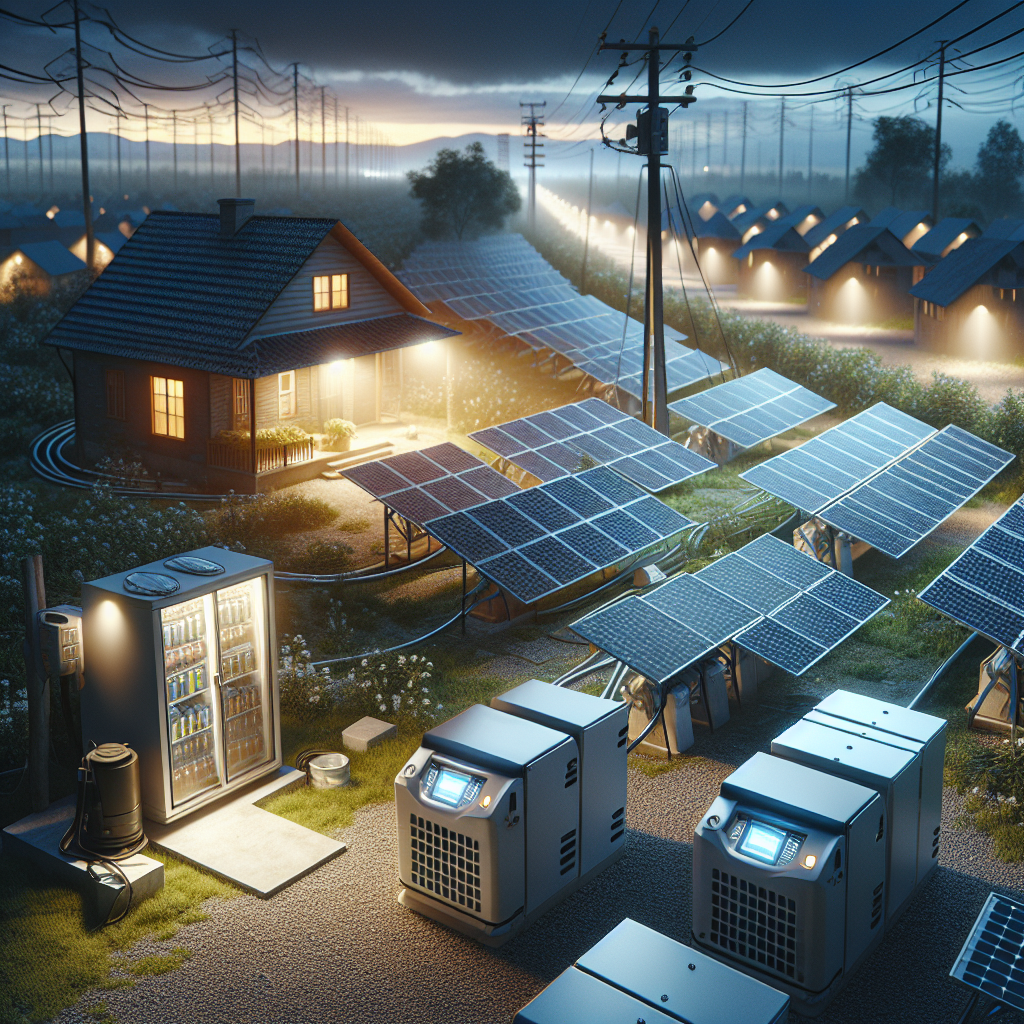
    Having a solar generator during a power outage is like owning a life jacket in stormy seas. I made that realization during a recent outage—thanks to my solar setup, I was able to keep my fridge running and charge my devices. That peace of mind is unmatched! It’s a comforting feeling knowing you’ve got backup power ready when you need it.

    Beyond basic appliances, I discovered that solar generators can also power tools and outdoor equipment, which is great for DIY projects or on-the-go setups. Whether camping or working in the backyard, there’s versatility that’s hard to beat. Just make sure your generator’s wattage can handle the load of what you plan to power.

    Not only do solar generators save the day in emergencies, but they’re also great for the environment. Using renewable energy reduces dependence on fossil fuels, which feels pretty darn good! Plus, once you’ve gotten over that initial investment, your ongoing costs are minimal, making it a smart long-term choice.

    Frequently Asked Questions

    1. How long can a solar generator power my appliances during an outage?

    The duration really depends on the power capacity of your batteries and how many appliances you’re trying to run simultaneously. Generally, a well-equipped system can provide several hours to a couple of days of power.

    2. Can I use my solar generator indoors?

    Yes, you can use your solar generator indoors, but be cautious with gas-powered generators due to carbon monoxide emissions. However, electric solar generators are safe to use indoors!

    3. Is it worth investing in a solar generator for emergencies?

    Absolutely! It provides peace of mind knowing you’ll have power when the grid goes down, and it’s a sustainable choice that reduces your carbon footprint.

    4. How much maintenance does a solar generator require?

    Maintenance is minimal—just keep your solar panels clean, monitor battery health, and regularly check connections to ensure everything’s functioning properly.

    5. What type of appliances can I power with a solar generator?

    You can power a variety of appliances, including lights, refrigerators, medical equipment, and even tools, as long as your generator has enough wattage to handle the load!
  • How to Safeguard Your Solar Power System During Storms

    How to Safeguard Your Solar Power System During Storms

    1. Assess Your System’s Risk

    Understanding Weather Vulnerabilities

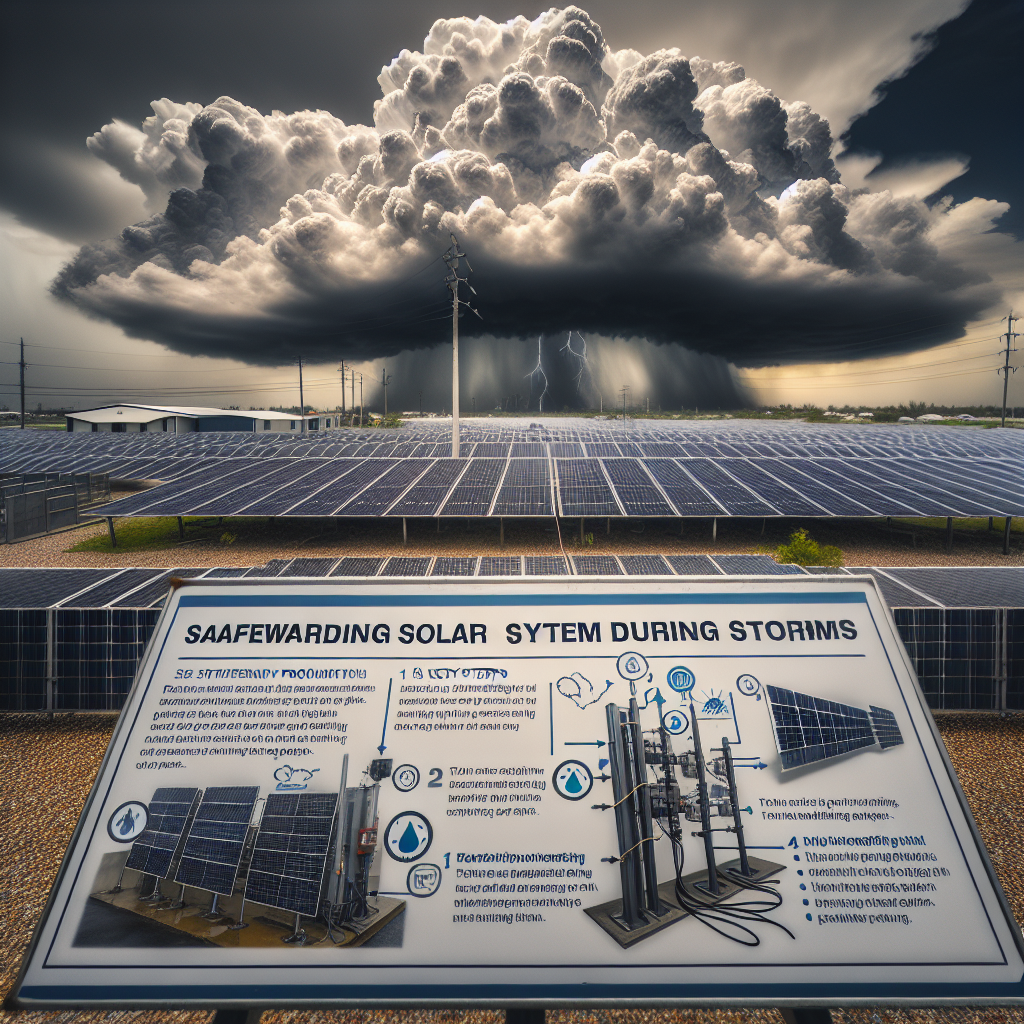
    One of the first steps I took when considering storm protection for my solar power system was assessing the vulnerabilities inherent in my location. Each region has its own risks; for instance, areas prone to hurricanes, heavy winds, or hail need specific safeguards. You don’t just want to wait until the storm hits to realize your system has weak spots.

    Take time to research the types of storms that commonly occur in your area. Websites from local meteorological services or climate research organizations can be invaluable for gaining insight. Knowing what kind of risks you’re up against helps in forming a plan tailored to your unique situation.

    Additionally, consider talking to your neighbors who are also solar owners. They might share experiences or tips about protecting their systems that could benefit you in the long run!

    Evaluating Installation Quality

    Let me tell you—if you want to ride out the storms with your solar system intact, the installation quality matters immensely. I once had a situation where my neighbor’s system faltered due to poor installation practices.

    In my research, I found that reputable installers often follow strict guidelines and best practices. Make sure your solar panels are securely mounted to withstand high winds and that the wiring is protected from water damage. A thorough inspection can prevent catastrophic failures during storms.

    Also, ensure your panels are positioned to minimize exposure to direct hits from strong winds. Consultation with a trusted installer about the initial setup can lead to better resilience later on.

    Regular Maintenance Checks

    You better believe that having a schedule for maintenance is crucial! Regularly checking your solar power system doesn’t just extend its life; it also helps pinpoint any issues before they turn serious. My routine includes examining all components, from the batteries to the solar panels themselves.

    Look out for loose connections, dirt buildup, or potential corrosion which can all affect performance, especially during stormy weather. I find that doing these checks every few months gives me peace of mind knowing I’m doing my part to keep everything shipshape.

    Also, engaging a professional for at least an annual inspection can provide insights that I wouldn’t catch on my own—even seasoned pros can miss things sometimes!

    2. Implement Protective Measures

    Investing in Storm Shields or Covers

    One of the smartest purchases I made was storm shields. They act like a bodyguard for my solar panels. There are all kinds of options available, from temporary covers you can put on before a storm hits to permanent shields designed specifically for harsh conditions.

    When shopping around, I found out that not all shields are created equal. Some are far sturdier than others, and reading customer reviews helps to sift through the options. A bit of research pays off when it comes to finding the right materials that can withstand severe weather.

    Additionally, I learned that positioning these covers correctly is essential. Covering your panels by following the manufacturer’s instructions can ensure better protection and avoid causing unintentional damage.

    Secure Loose Parts

    Loose parts can become dangerous projectiles during storms. One time, I neglected to secure some garden furniture, and let me tell you, it was a mess afterward! For your solar power system, make sure that all cables and connections are tight and secure.

    Take the time to check for anything that could blow away or could be a hazard during high winds, not just around the solar panels but also nearby structures. This could include tree branches or even tools. I always make it a habit to do a little pre-storm ‘sweep’ of my yard.

    Being proactive about securing items helps prevent damage that could lead to costly repairs. I’ve learned over the years that being prepared is key to minimizing stress when a storm is brewing!

    Elevate Equipment Where Necessary

    If there’s one aspect I wish I’d considered earlier, it’s the elevation of key equipment. Flooding can be a significant threat to solar installations, especially in storm-prone areas. When I set up my system, I made sure to elevate it above potential water levels.

    This strategy involves placing battery banks, inverters, and other essential equipment on elevated platforms. This might mean investing in new bases or supports, but I assure you, it’s worth every penny. It saves you the headache and potential costs of water damage.

    It’s not just about having a quality solar system; it’s about designing your setup to endure nature’s unpredictability. I’ve definitely learned to think ahead in this respect!

    3. Develop an Emergency Plan

    Creating a Backup Power Strategy

    Let me tell you, when storms threaten, having a backup power strategy can be a lifesaver. I’ve created a plan around my solar system to ensure I won’t be left in the dark during outages.

    This could mean relying on a battery storage system that kicks in automatically when the grid goes down. I debated for a while whether to invest in one, and I can’t stress enough how glad I am that I did. It’s a bit like insurance—you hope you never need it, but if you do, you’re grateful to have it!

    Also, think about limiting your energy usage during storms. Prioritize what you need to keep running—like your fridge or emergency lights. I’ve learned to keep my usage efficient, especially during peak storm season.

    Establishing Communication Channels

    In a storm, communication can be crucial. I always include a step in my emergency plan to ensure I stay in contact with my loved ones. Having a group chat ready to go is helpful to quickly share updates in case of severe storms.

    I also made sure to keep emergency numbers handy, not just for family but for utility companies and local emergency services. Technology can let you down in outages, so having those contacts saved somewhere off-grid is a good strategy.

    If there’s anything I’ve learned, it’s that staying connected can mitigate a lot of worries! Planning for how to reach out for help can ease fluffier nerves during turbulent times.

    Practice Your Plan

    Once I had my emergency plan set, I knew it wasn’t enough just to write it down. Practicing my plan made all the difference—especially when I started to include my kids! It’s a little drill we have where we pretend a storm is coming and we switch into action.

    We check everything—from securing items outside to rolling our backup power strategies into practice. This way, everyone in the family knows their role, should a real storm approach. It’s good bonding time while simultaneously encouraging learning.

    Facing an emergency is less daunting when you know exactly what to do. It builds up our confidence as a family, and let me tell you, that’s a key power I don’t want to overlook!

    4. Stay Informed During Storm Season

    Monitor Weather Reports

    If there’s one thing I’ve learned, it’s the importance of keeping an eye on the weather. During storm season, I tune into local forecasts frequently. Technology advancements have made it easier than ever to receive updates, whether it’s through apps on my phone or alerts on my smart devices.

    I’ve noticed that having multiple sources for weather updates gives me a clearer picture of what to expect. When a storm is brewing, I take that information seriously and adjust my preparedness strategies accordingly.

    More than once, those early warnings helped me secure my property and solar installation before the brunt of a storm arrived. It’s all about getting that crucial heads-up before things could go south!

    Utilize Social Media for Real-Time Updates

    Social media can be a surprisingly useful tool during severe weather events. I often follow local news channels and emergency services on platforms like Twitter and Facebook for real-time updates. It’s all about knowing what’s happening in your community.

    Sometimes, social media can provide insights that regular weather reports may miss. I’ll get updates about road closures or specific emergency resources in my area, so I always keep an eye on it when bad weather is on the horizon.

    Plus, it fosters community engagement. I’ve found a bunch of local groups which share advice or support during storms—definitely a great way to keep the spirits high during storm season!

    Prepare for Post-Storm Assessments

    Once a storm passes, it doesn’t mean we’re out of the woods just yet. Getting prepared for what comes next is equally important. Immediately after storm conditions ease, I gear up to inspect my solar power system.

    The post-storm assessment involves looking for visible damage or debris that may affect my system’s performance. In one instance, after a major storm, I found small branches had fallen close to my panels. A quick clean-up ensured optimal functionality.

    It’s also a great time to assess my emergency plan based on the latest storm experience. What went well? What needs tweaking? Adapting my strategies post-storm makes every occurrence a learning curve!

    5. Consult Professionals When Needed

    Finding the Right Experts

    I cannot emphasize enough the importance of consulting professionals. While I love DIY projects, I realize when it comes to my solar power system—or any electrical work, honestly—it’s just not worth the risk to go it alone.

    Taking time to find trusted local professionals who can provide insight on installations or repairs can save a significant headache in the long run. Reviews and referrals from friends are incredible resources for finding expertise you can rely on.

    Working with experts not only provides peace of mind but also ensures your system stays compliant with local regulations and codes, which is essential especially when storms hit.

    Learning from Installers

    I made a habit of asking my installers questions whenever they performed maintenance checks. This opened the door to valuable knowledge that I could apply going forward. I learned about things I could do to keep my system in its best shape and best practices for safeguarding against storms.

    Mastering some basic knowledge about my own system has empowered me. I firmly believe that understanding how my solar power works—and what it needs to weather storms—is as crucial as the installation itself.

    Plus, getting to know your installer often leads to better customer service. They’ll remember you and be more likely to keep you informed about any updates or changes needed to maintain performance.

    Joining Community Resources

    Last but not least, I found value in joining local solar energy associations or community groups. These groups often provide resources, seminars, and learning events to help keep owners informed about safety, maintenance, and advancements in solar technology.

    Networking with fellow solar owners has given me additional strategies to safeguard my system. Plus, who doesn’t love a little camaraderie in facing the same challenges?

    Remember, we’re all in this together! Sharing experiences can make a real difference, especially when tackling storm preparations as versatile homeowners.

    Frequently Asked Questions

    1. What should I do before a storm hits?

    Before a storm, it’s wise to assess your system’s risk, secure loose parts, and consider investing in storm shields or covers.

    2. How can I stay informed during storm season?

    Monitoring local weather reports and utilizing social media for real-time updates are great ways to stay informed during storm season.

    3. What are some post-storm assessment tips?

    Following a storm, inspect your solar power installation for any physical damage or debris blocking the panels, and modify your emergency plan based on the recent experience.

    4. Should I consult professionals about my solar system?

    Yes! Consulting professionals ensures proper installation, compliance with local codes, and allows you to learn more about your solar power system.

    5. What resources can I join for more information on solar safety?

    Joining local solar energy associations or community groups can provide valuable resources and networking opportunities to help you safeguard your solar power system.

  • How Solar Generators Save Money During Power Outages

    How Solar Generators Save Money During Power Outages

    Reliability During Emergencies

    Peace of Mind When the Lights Go Out

    There’s nothing quite like sitting in the dark during a power outage, worrying about when the power will come back on. With a solar generator, I’ve found a reliable backup that gives me peace of mind. It’s a fantastic feeling to know that when the grid goes down, I can still power essential appliances like my fridge or Wi-Fi router.

    The moment the power outage hits, I’ve learned that my solar generator kicks in seamlessly, thanks to the stored energy from the sun. No loud gas-powered generators or frantic searches for candles; just a smooth transition to a more reliable energy source. This reliability is crucial, especially when you’ve got kids or pets depending on you.

    It’s all about having that security. You’re not left wondering if your food will spoil or if the kids can still watch a movie during a storm. All of this together gives a solid sense of safety, knowing you can navigate through the storm without too much disruption.

    Reducing Dependence on the Grid

    Empower Yourself with Solar Power

    Let’s talk about how solar generators can reduce your dependence on the grid. Initially, I was a little skeptical, but after doing some research, I realized that harnessing solar energy allows for greater independence. When I used to rely solely on my utility provider, outages would leave me entirely vulnerable.

    With a solar generator, I’m not just saving bucks, but I’m also putting power back in my own hands. I’ve learned that by becoming less reliant on the grid, I can control my energy needs, especially in emergencies. That’s a real game changer!

    This empowerment fundamentally changes how you view your energy consumption. Instead of waiting helplessly for the utility company to restore power, you are actively engaged in producing and using your own energy. It’s liberating and can save you money in scenarios when the grid fails.

    Lower Energy Costs

    Save Money Even When the Sun is Shining

    One of the biggest perks of using a solar generator is how it can ultimately save you money. While there’s an initial investment needed, I’ve noticed that my bills have significantly decreased since incorporating solar into my life. On sunny days, the energy captured can really cut down on using grid power.

    Some folks forget that every kWh you don’t consume from the grid is money saved. Plus, during an outage, my generator means I spend less on purchasing expensive options like gas. The more I’ve learned about solar energy, the clearer it became that harnessing that energy is a smart financial decision!

    Let’s not forget about those sweet tax incentives and rebates. They can soften the blow of your initial costs incredibly. It’s like Uncle Sam giving you a high-five for going green, and frankly, who doesn’t love that?

    Environmental Benefits

    Making a Positive Impact

    When I decided to invest in a solar generator, it wasn’t just about saving money; I wanted to make a difference too. By using solar power, I’m significantly reducing my carbon footprint. With every sunny day, I feel good knowing I’m contributing to a larger cause—helping the environment!

    We all know that climate change is a huge issue. By choosing solar, I’ve become part of the solution rather than contributing to the problem. Less reliance on fossil fuels means cleaner air and a healthier planet. It’s rewarding knowing my energy choices reflect my values.

    If everyone made similar choices, just imagine the positive impact it could have! Living sustainably not only benefits us but also future generations, making it a sweet deal all around.

    Versatility and Portability

    Energy on the Go

    One of the things that truly thrill me about solar generators is their versatility. I’ve often utilized mine for camping trips, outdoor events, or even backyard parties. Having portable power opens up so many possibilities! It’s not just there for home emergencies; it’s my go-to energy source when I’m out enjoying nature or just hanging out in the yard.

    When I’m on a camping trip, it’s great to power my gadgets and tools without scrambling for an outlet or using a noisy generator that ruins the peaceful vibes. Plus, they’re usually lightweight and easy to transport, so taking them with me is such a breeze.

    This versatility also allows me to use the generator for small-scale needs outside my house. Powering things like lights, speakers, and even a mini fridge becomes effortless when I’m on the move. It’s energy freedom at its best!

    FAQs about Saving Money with Solar Generators

    1. How do solar generators work?

    Solar generators capture sunlight through solar panels and convert it into electricity. This electricity is stored in batteries for later use during power outages or when needed, as long as there’s sunlight to recharge.

    2. Are solar generators expensive?

    While the initial costs can be higher than traditional generators, many find that the long-term savings on energy bills and the environmental benefits make them a more cost-effective choice over time.

    3. Can I use a solar generator indoors?

    It’s essential to follow manufacturer guidelines, but many certified solar generators are safe to use indoors, as they don’t produce harmful emissions like gas-powered generators.

    4. Do solar generators work on cloudy days?

    Yes! Solar generators can still generate power on cloudy days, although not as efficiently as sunny days. However, their batteries store energy for use when sunlight is low.’

    5. Can I connect a solar generator to my home’s electrical system?

    In many cases, yes! With the proper setup, you can connect a solar generator to your home’s electrical system to provide backup power during outages. Just make sure to consult with a professional to ensure it’s done safely.