Tag: Eco-Friendly

  • Solar Panels 101: Everything You Need to Know About Installing and Using Them

    Solar Panels 101: Everything You Need to Know About Installing and Using Them

    Are you interested in learning more about solar panels? Whether you’re considering installing them on your roof or just want to learn more about this renewable energy source, we have everything you need to know right here. In our Solar Panels 101 guide, we’ll cover the basics of solar power, different types of solar panels, how they work, benefits of using solar power, installing solar panels on your roof, maintenance tips, common myths debunked, and frequently asked questions about solar panels. Let’s get started!

    wind turbine mys3 V

    Introduction to Solar Panels

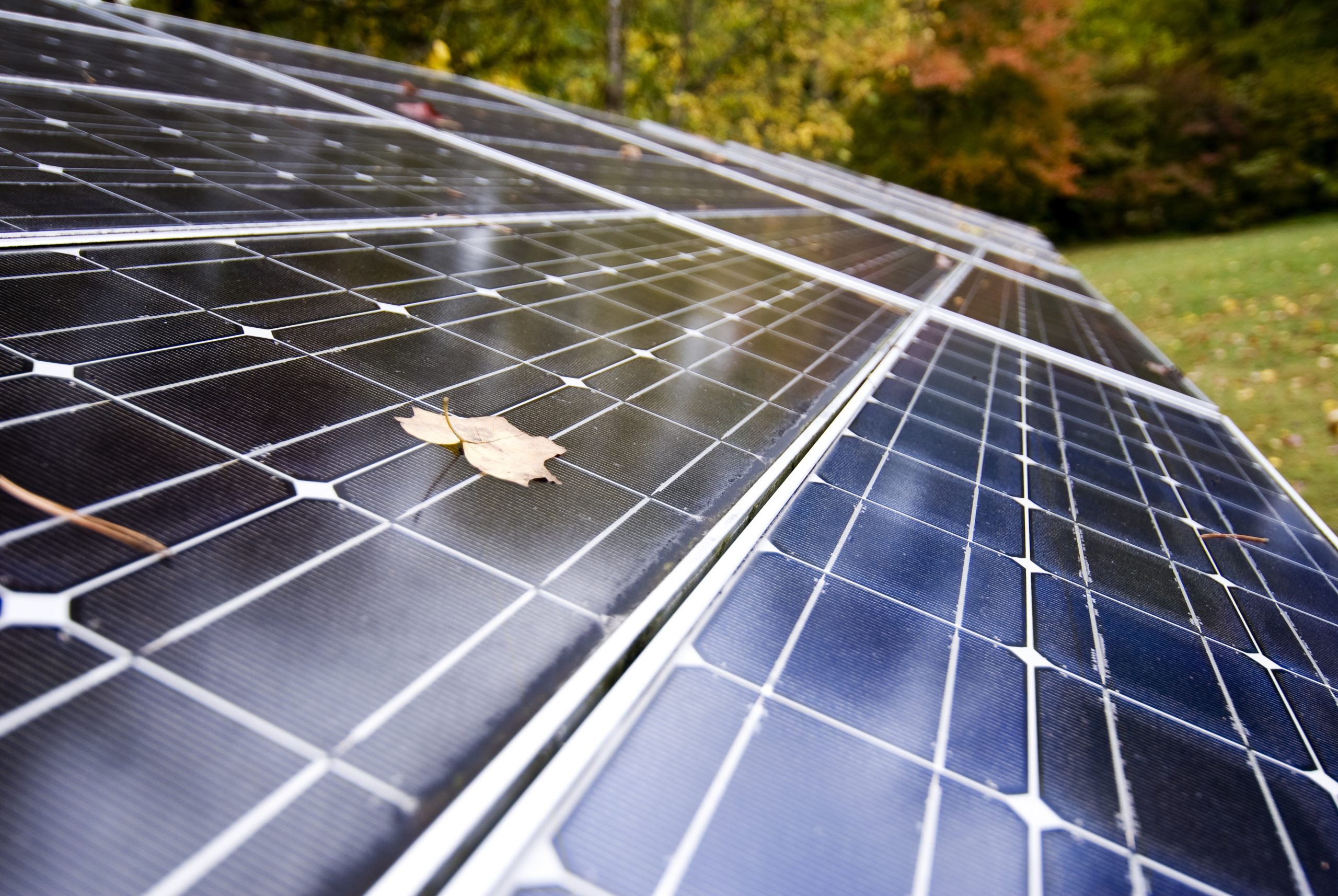
    A solar panel is a device that converts sunlight into electricity. It’s made up of photovoltaic (PV) cells, which are typically made from silicon. When sunlight hits these PV cells, it causes an electrical current to flow through them, creating usable electricity.

    Types of Solar Panels

    There are several types of solar panels available on the market today. The most commonly used are monocrystalline, polycrystalline, thin-film, and bifacial solar panels. Monocrystalline solar panels are made from a single crystal of silicon and are considered to be the most efficient type of solar panel. Polycrystalline solar panels are made from multiple crystals of silicon and are slightly less efficient than monocrystalline panels. Thin-film solar panels are made using layers of photovoltaic materials deposited onto a substrate, making them lightweight and flexible. Bifacial solar panels generate electricity from both sides of the panel, increasing their efficiency.

    How Do Solar Panels Work

    As we mentioned earlier, solar panels convert sunlight into electricity. This process is known as the photovoltaic effect. When sunlight hits a solar panel, it excites the electrons within the PV cells, causing them to move around and create an electrical current. This current is then captured by wiring within the solar panel and sent to an inverter, which converts the DC (direct current) electricity generated by the solar panels into AC (alternating current) electricity that can be used to power your home or business.

    wind energy fyHRFEqO 1 scaled

    The Benefits of Using Solar Power

    There are many benefits to using solar power for your home or business. First and foremost, solar power is renewable and sustainable, meaning it won’t run out like traditional fossil fuels will. Additionally, using solar power can help reduce your carbon footprint and lower your utility bills over time. Many people choose to install solar panels because they offer a reliable source of backup power in case of emergencies or grid failures. Finally, solar panels can increase the value of your property if you decide to sell it in the future.

    Installing Solar Panels on Your Roof

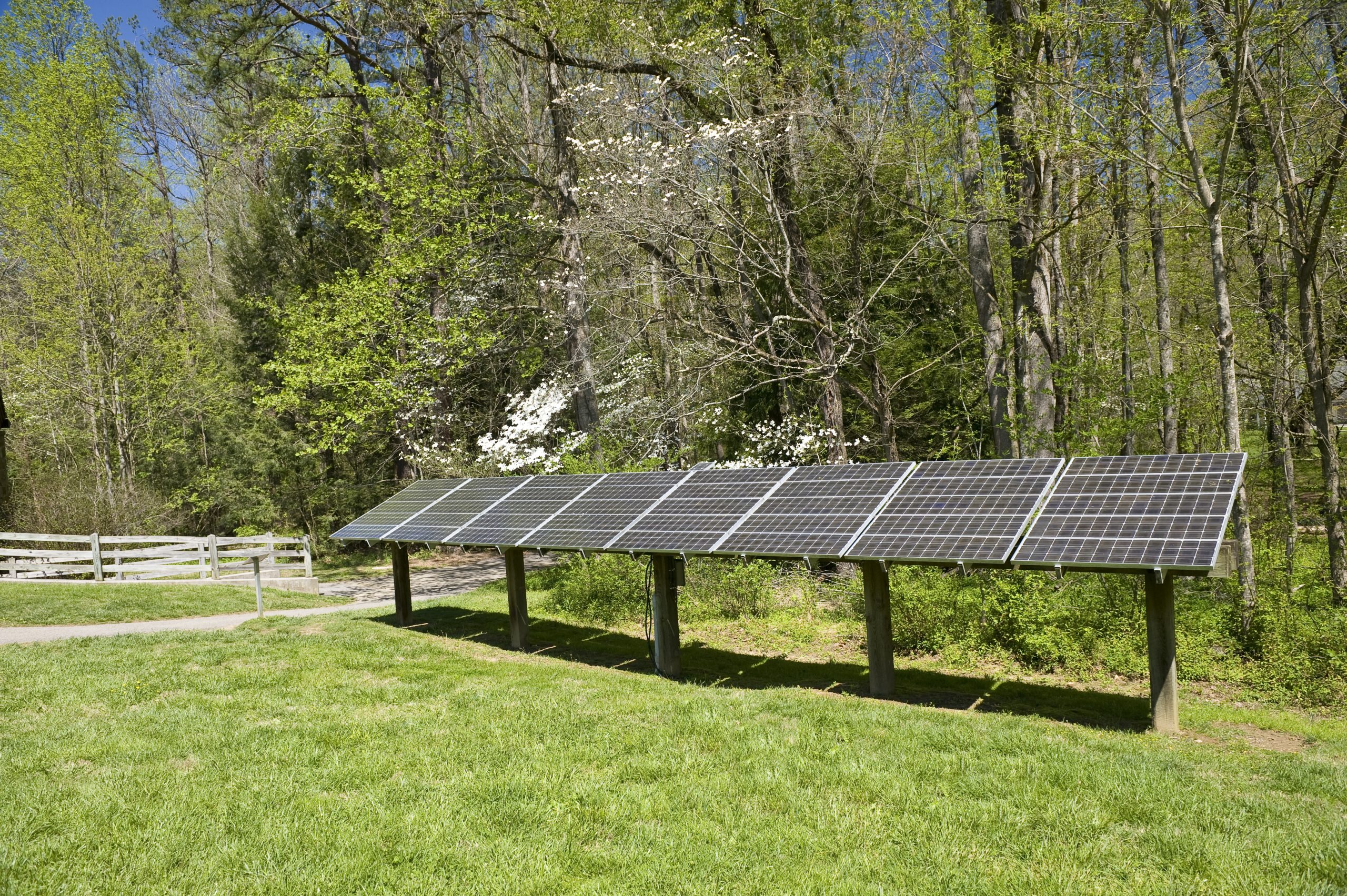
    If you’re thinking about installing solar panels on your roof, there are some things you should consider first. Firstly, make sure your roof is structurally sound enough to support the weight of the solar panels. Secondly, consider the orientation and angle of your roof – ideally, your solar panels should face south towards the sun and have a pitch of between 30 and 45 degrees. Lastly, make sure you hire a reputable installer who has experience with solar panel installation. They’ll ensure that your system is installed correctly and meets all safety standards.

    Maintenance and Cleaning Tips for Solar Panels

    Once your solar panels are installed, you may wonder what kind of maintenance they require. Luckily, solar panels don’t require much maintenance at all! However, regular cleaning can help keep your panels operating efficiently. Dust, dirt, and debris can accumulate on your panels over time, reducing their ability to capture sunlight. To clean your panels, use a soft cloth and water to gently remove any buildup. Avoid using harsh chemicals or abrasive tools, as these can damage your panels.

    Common Myths About Solar Energy Debunked

    Despite the growing popularity of solar power, there are still many misconceptions about its efficacy and cost-effectiveness. Here are a few common myths about solar energy that we’d like to dispel:

    Myth #1: Solar panels only work in direct sunlight. While solar panels do produce more electricity when exposed directly to sunlight, they can still generate electricity even under cloudy conditions.

    Myth #2: Solar panels are too expensive. While the initial investment required for solar panel installation can be significant, solar panels can actually save you money in the long run by reducing your reliance on traditional utilities. Additionally, tax credits and other financial incentives may be available to offset the costs of installation.

    Myth #3: Solar panels aren’t practical for residential use. On the contrary, solar panels are becoming increasingly popular among homeowners looking to reduce their carbon footprint and save money on their energy bills. Even small-scale residential systems can generate enough electricity to meet basic household needs.

    FAQs about Solar Panels

    Here are some frequently asked questions about solar panels that we hear often:

    Q: How much does it cost to install solar panels?

    A: The cost of installing solar panels varies depending on factors such as location, system size, and equipment quality. Generally speaking, however, the average cost of installing a residential solar panel system ranges from $9,000 to $28,000 after tax credits and rebates.

    Q: Can I install solar panels myself?

    A: While it’s technically possible to install solar panels yourself, it’s not recommended unless you have extensive knowledge of electrical and construction practices. Professional installation ensures that your system is installed safely and properly, maximizing its performance and lifespan.

    Q: What happens during a blackout if my house runs on solar power?

    A: During a blackout, homes with solar panels may continue to receive electricity from their batteries, assuming they have battery storage capabilities. If no battery storage exists, the home will lose access to electricity until the grid comes back online.

  • The Benefits of Solar Energy for Eco-Friendly Living

    The Benefits of Solar Energy for Eco-Friendly Living

    Environmental Impact

    Reducing Carbon Footprint

    One of the biggest perks of going solar is the significant reduction in carbon emissions. By switching to solar energy, you’re essentially opting for a cleaner way to power your life. I love knowing that my energy source is renewable and sustainable. It feels great to be part of a movement that combats climate change and minimizes our ecological footprint.

    To break it down: traditional energy sources like fossil fuels release a ton of greenhouse gases. But solar energy harnesses the sun’s rays, which means there are no emissions! Every ray of sunlight captured is another step toward a healthier planet.

    Plus, it’s not just about the energy we use in our homes. By popularizing solar energy, we encourage more people to make sustainable choices, leading to a ripple effect that can involve entire communities. And that, my friends, is powerful!

    Preserving Natural Resources

    Another major benefit is that solar energy helps preserve our planet’s precious natural resources. I used to think that energy was just something I paid for, but now I realize it’s also connected to how we treat our environment.

    The mining and drilling required for fossil fuels not only devastates the landscape, but it also depletes valuable natural resources. By switching to solar, we’re tapping into a source that is abundant and does not run out, which is a complete game-changer for sustainability.

    Every house that adopts solar panels is one less house relying on those depleting fossil fuels. And honestly, knowing that I’m doing my part to keep the planet intact? That’s a pretty good feeling!

    Encouraging Biodiversity

    You’d be surprised at how solar energy can contribute to biodiversity! By reducing our reliance on fossil fuels, we’re helping preserve natural habitats that would otherwise be destroyed by drilling, mining, and pollution.

    Transitioning to solar supports the wildlife that might otherwise be endangered by habitat loss. I always feel a sense of responsibility toward nature, and knowing I’m helping wildlife thrive in their natural habitats gives me a great deal of satisfaction.

    So every time I see a bird or a butterfly in my garden, I think, “Hey, I did my part to help keep their home safe.” It might seem small, but it’s these little victories that add up to a healthier ecosystem!

    Financial Savings

    Lower Energy Bills

    Who doesn’t love saving money, right? One of the immediate benefits I noticed after switching to solar was the dramatic reduction in my electricity bills. Those savings can really add up over time, and let’s be honest, they allowed me to splurge on a few fun things!

    With solar panels on my roof, I’m not only generating power for my home but also consuming less from the grid. It’s like getting a paycheck every month in the form of lower bills. And with various incentive programs out there, I could access rebates and tax credits that made it even easier to go solar.

    In my experience, the initial investment might look steep, but the long-term savings are totally worth it. Plus, there’s something satisfying about covering your energy needs with something as natural as sunshine!

    Increased Property Value

    Investing in solar panels has also proven to be a savvy move for increasing my property’s value. Many buyers today really gravitate toward homes that come with solar energy systems because they know they can save on electricity costs.

    Research shows that homes equipped with solar panels typically sell for more than comparable homes without them. If you’re contemplating putting your house on the market, having solar can seriously catch the eyes of eco-conscious buyers.

    Every time I think about the future, I feel reassured knowing my home is more valuable due to my solar installation—it’s like I’m building equity in a more sustainable way!

    Government Incentives

    Let’s not overlook the impact of government incentives when considering the financial benefits of going solar. I was pleasantly surprised to discover various rebates and tax credits I qualified for when I made the switch.

    These incentives can significantly lighten the financial burden associated with installing solar panels. It’s pretty much like the government giving you a nice pat on the back for making eco-friendly decisions, which is super encouraging!

    Based on my experience, I found these incentives made the transition much easier and more affordable. It’s definitely worth looking into what your local government offers—it can make a world of difference!

    Energy Independence

    Reducing Dependence on Fossil Fuels

    Energy independence is a concept that’s often discussed but can feel very abstract. However, after switching to solar energy, I understood it on a personal level. By producing my own power, I’m no longer relying on these large utility companies that rely on fluctuating fossil fuel prices.

    Knowing I’m partially self-sufficient feels empowering. It makes me more resilient against the unpredictabilities of the energy market. I feel like I’m taking control of my energy future, and that is incredibly liberating!

    Plus, it generally encourages more investment in local renewable resources, which can also benefit my community. Every day, I wake up knowing I’m part of a bigger movement toward independence from those external energy pressures!

    Enhancing Grid Resilience

    Solar energy systems can contribute to a more stable and reliable energy grid. When many people switch to solar, we reduce the overall strain on the grid, especially during peak demand times. It’s a major win-win situation!

    From my perspective, having more decentralized energy sources like solar panels means fewer outages and higher stability. For those times when the grid goes down, having a solar setup with battery storage can keep your lights on longer, so I can relax a little easier during storms or other emergencies.

    This resilience is crucial, as we face climate change and its associated extreme weather. Creating a community of homes using solar energy helps bolster not just my household but the whole neighborhood, making us less vulnerable to energy disruptions.

    Encouraging Local Economy

    The rise of solar energy also promotes local job creation, which is something that can’t be overlooked. By choosing solar, I’m supporting local businesses—from installation to maintenance—which helps build a stronger community.

    I’ve enjoyed getting to know my local solar company; they care about the community just as much as I do. Hiring local solar experts for installations fosters economic growth, helping keep funds circulating within the community.

    When I make eco-friendly choices like solar energy, I’m not just benefiting myself—I’m participating in creating jobs and building a better economy, and that feels good!

    Energy Efficiency

    Maximizing Resources

    You know, energy efficiency and solar energy go hand in hand. When I invested in solar, I also took the time to make my home more energy-efficient. This meant I wasn’t just generating power but utilizing it in the most effective way possible.

    After making some smart upgrades, I tapped into a world of savings! Things like LED lighting and energy-efficient appliances meant I was maximizing the power I produced. It’s about making every ounce of sunshine work for me.

    For anyone looking to go solar, I encourage you to also consider efficiency upgrades. It’s like finding that perfect outfit that just fits, and suddenly everything feels right—you get to enjoy your solar benefits even more!

    Increased Battery Storage

    Battery storage for solar energy isn’t just a trend; it’s a game-changer! When I added battery storage, it unlocked the potential of my solar system. I could store energy produced during sunny days for later use, like during the evenings when the sun sets.

    This feature has allowed me to maximize my solar energy use and reduces reliance on the grid even further. It gives me peace of mind knowing I have backup power when needed. Plus, I can power my home during grid outages or unexpected emergencies.

    Investing in battery storage is something everyone should explore—it enhances the overall efficiency of your solar system and makes you a true energy management superstar!

    Smart Home Integration

    Speaking of energy efficiency, integrating solar energy with smart home technology is a match made in eco-heaven! I love controlling my energy consumption from my smartphone, making real-time adjustments that help utilize solar energy more effectively.

    Using smart devices means automated energy use, efficient scheduling, and constantly optimizing consumption patterns. If I know it’s a sunny day, I can schedule heavy appliance use during peak solar energy production times, maximizing my efficiency.

    By really leaning into smart home integration, I feel like I am in tune with my home energy system in a whole new way. It’s all about working smarter—not just harder—when it comes to living sustainably!

    Conclusion

    Solar energy isn’t just a trend; it’s a way of life. From environmental benefits to financial savings, energy independence, and efficiency, the reasons to go solar stack up quickly. I’ve personally experienced these advantages, and the journey has been fulfilling and empowering.

    While making the switch might seem daunting, it’s totally achievable and worth it. The satisfaction that comes from contributing to a sustainable future and saving money at the same time is irreplaceable!

    If you’re considering solar, embrace the journey. You’ll not only improve your life but also positively impact the planet. What’s not to love about that?

    Frequently Asked Questions

    1. What are the main benefits of solar energy?

    The primary benefits include reducing your carbon footprint, saving money on energy bills, increasing property value, gaining energy independence, and enhancing energy efficiency.

    2. How does solar energy impact the environment?

    Solar energy reduces reliance on fossil fuels, which minimizes greenhouse gas emissions and helps preserve natural resources and wildlife habitats.

    3. Are there financial incentives for switching to solar?

    Yes! Many governments offer tax credits, rebates, and incentives that can significantly lessen the financial burden of installing solar panels.

    4. How does solar energy improve energy efficiency?

    By using solar energy, homeowners often make energy-efficient upgrades which maximize the resources they generate, leading to lower overall energy consumption.

    5. Can solar energy systems provide backup power?

    Absolutely! With the addition of battery storage, solar energy systems can provide backup power during outages, ensuring you stay powered when the grid goes down.

  • The Impact of Solar Energy on Eco-Friendly Living

    The Impact of Solar Energy on Eco-Friendly Living

    Reducing Carbon Footprint

    Understanding Carbon Footprint

    When I first started exploring eco-friendly living, I stumbled upon the term “carbon footprint.” It refers to the total greenhouse gas emissions produced by our activities, measured in equivalent tons of CO2. It’s amazing to think about how much our daily habits contribute to this figure. Whether it’s driving a car or using electricity, every action adds up.

    By using solar energy, I realized one of the easiest ways to reduce my carbon footprint. Solar panels convert sunlight directly into electricity without releasing harmful emissions. It’s an exciting way to harness nature’s resources sustainably. When I made the switch, I felt like I was finally doing my part to help the planet.

    Each household can significantly lower its carbon emissions by adopting solar energy. Over time, just one home outfitted with solar panels can prevent tons of CO2 from entering the atmosphere. I saw firsthand how my home’s eco-friendliness could inspire others in my community.

    Saving on Energy Costs

    The Financial Benefits

    Let me tell you, one of the best parts of switching to solar energy is the savings on my energy bills. Initially, the investment in solar panels felt daunting, but those worries quickly faded as I started seeing my monthly electricity bills plummet. In fact, many regions offer tax incentives and rebates that can help offset installation costs.

    Once I installed my panels, I began to see a decrease in my energy expenses every month. It felt great knowing I was not only saving money but also promoting a greener lifestyle. Over time, it became clear that these savings could be reinvested in other eco-friendly initiatives around my home.

    Plus, there’s something rewarding about generating your own electricity. It gives you this sense of independence from utility companies. I love being able to produce energy from the sun, and watching my investments pay off every month enhances that feeling.

    Encouraging Renewable Energy Adoption

    Leading by Example

    When I made the switch to solar, it wasn’t just a personal choice. I quickly realized that by leading by example, I could encourage friends and family to consider renewable energy. It’s funny how one conversation can turn into a community-wide discussion about sustainable practices.

    After sharing my solar journey on social media and with those close to me, I noticed a ripple effect. Many friends started asking questions about installation and efficiency. It felt awesome to be in a position to motivate others to embrace renewable sources. The social aspect of going solar can’t be overstated; it creates a movement.

    Every time I see a new solar array pop up on a neighbor’s roof, I can’t help but feel a sense of pride. We’re not just saving money and reducing emissions individually; we’re collectively shifting the culture toward sustainable energy use. Changing perceptions about renewable energy has been a rewarding outcome of my solar transition.

    Increasing Property Value

    The Value Boost

    When I installed solar panels, I didn’t just think about the immediate benefits; I also considered the long-term value of my property. Homes with solar energy systems are increasingly attractive to buyers. Studies show that properties with solar not only sell faster but often at a premium.

    For someone like me, who is always thinking ahead, this seemed like a smart investment. Real estate agents often report a growing interest in homes with renewable energy features, and I wanted to be ahead of the game. The potential increase in property value was a huge plus I wasn’t willing to overlook.

    After speaking with my real estate agent, I learned that homes with solar panels stand out in the market. Buyers are eager to invest in properties that promise lower utility costs and eco-friendly living. It makes sense – who wouldn’t want to save money while being environmentally responsible?

    Promoting Sustainable Mindsets

    Cultivating Awareness

    The last benefit I want to share revolves around the mindset of sustainability. Making the leap to solar energy has completely changed how I view my consumption habits and my environmental impact. It’s like a lightbulb went off in my head! I became more conscious of waste and resource management.

    Not only has my lifestyle changed, but I’ve also noticed a shift in the conversations I have with others. When people see the changes I’ve made, it inspires them to think critically about their own habits. Starting discussions on energy efficiency and reducing waste became a passionate topic for me!

    Being part of a community of solar users and eco-advocates has helped foster a sustainable mindset in my daily life. It’s not just about personal gains anymore; it’s about contributing to a broader movement. Encouraging others to think eco-friendly has become a driving force in my mission to push for renewable energy adoption.

    FAQs

    1. How much can I save on my energy bills with solar energy?

    Many homeowners report savings of 20-50% on their electricity bills after switching to solar energy. The exact amount can depend on factors like your location, solar panel efficiency, and your energy consumption habits.

    2. What is the process for installing solar panels?

    The installation process typically involves an initial consultation with a solar provider, followed by site assessment, proposal generation, financing discussions, and finally, the installation of the solar panels. It’s often quicker than you’d expect!

    3. Do solar panels require maintenance?

    Solar panels are pretty low-maintenance. Most systems just require occasional cleaning to ensure they are free of debris. Regular inspections might also be recommended to ensure optimal performance.

    4. Will solar panels increase my property taxes?

    In many areas, the increase in property value from solar energy systems does not lead to higher property taxes. However, it’s always good to check local policies to be sure.

    5. Can I still use electricity from the grid with solar energy?

    Absolutely! When you have solar panels, you can use electricity generated by them during the day and pull from the grid when necessary. This combination is known as a grid-tied system and offers a great balance of sustainability and reliability.

  • The Top Solar Power Systems for Eco-Friendly Living

    The Top Solar Power Systems for Eco-Friendly Living

    1. Understanding Solar Power Systems

    What are Solar Power Systems?

    Solar power systems harness the energy from the sun to generate electricity or heat. Essentially, they convert sunlight into usable energy, either for your home or businesses. Just imagine getting all that energy for free! Personally, when I first tried to figure out how solar worked, it honestly blew my mind. The technology has come a long way and it makes it easier for anyone to switch to renewable energy.

    There are two primary types of solar systems: photovoltaic (PV) systems and solar thermal systems. PV systems use solar panels to convert sunlight directly into electricity, while solar thermal systems use the sun’s heat to produce hot water or steam for heating purposes. Each has its unique benefits, and the choice depends on your specific needs and setup.

    Understanding how these systems work lays the foundation for making a smart investment. From my experience, taking the time to grasp the basics really helps when selecting the right options for your eco-friendly living goals.

    Benefits of Solar Energy

    Going solar has a ton of benefits—both for you and for the environment. First, it drastically reduces your electricity bills. I’ve personally noticed a massive drop in my utility payments since going solar. This savings can be redirected into other enjoyable or necessary expenses.

    Secondly, solar energy is renewable and abundant. Unlike fossil fuels, which are on this never-ending depletion path, sunlight is free and available everywhere. It’s a clean source of power, making it a critical piece in reducing our carbon footprint and fighting climate change.

    Lastly, in many places, government incentives and rebates make switching to solar even more affordable. If you’re like me, every bit of financial assistance counts. Even just being aware of these can help during the installation process.

    Types of Solar Power Systems

    As a homeowner, I found it essential to delve into the types of solar power systems available. The most common types are grid-tied systems, off-grid systems, and hybrid systems. Grid-tied systems connect to the local electric grid and allow you to draw power when your solar system isn’t producing enough energy.

    On the flip side, off-grid systems operate independently of the electric grid. These are typically outfitted with battery storage, which means you can access energy no matter the time of day. This is an excellent option if you live in a remote area or just want complete independence from traditional electricity sources.

    Hybrid systems offer the best of both worlds by integrating grid access with battery storage. Some nights the grid takes care of us, while during sunny days, we rely on solar. It really allows for flexibility and maximization of renewable energy use!

    2. Choosing the Right Solar Panels

    Types of Solar Panels

    When I started my solar journey, I quickly learned that not all solar panels are created equal. There are three main types you’ll encounter: monocrystalline, polycrystalline, and thin-film. Monocrystalline panels are known for their high efficiency and sleek design, which is great if aesthetics matter to you.

    Then, there are polycrystalline panels. While they’re generally less efficient than their monocrystalline cousins, they’re often more budget-friendly. If you’re like me and need to watch your wallet, this could be a suitable option.

    Lastly, thin-film solar panels are lightweight and flexible, making them easy to install in various spaces. However, they typically require more roof space, as they have a lower efficiency than the other two. Choosing the right panel is crucial, and once you understand the differences, it becomes easier to weigh your options.

    Factors to Consider When Selecting Solar Panels

    Choosing solar panels is more than just picking a pretty color. There are several factors to consider. First, you need to think about efficiency. Higher efficiency means better performance and less space needed on your roof. Personally, I wanted panels that weren’t just pretty but wouldn’t require me to clutter my roof with tons of them.

    Next is durability. Look for panels with robust warranties and a solid track record. I went with a brand known for its longevity and performance, and it’s paid off so far with no issues. Choosing panels meant to withstand extreme weather can save you from future headaches.

    Lastly, pay attention to the cost versus output ratio. Sure, a cheap panel may look good on your budget sheet, but if it produces less energy over time, it might not be worth it. That’s where research and reviews come into play, and I found plenty of resources online to help me navigate this process.

    Installation and Maintenance of Solar Panels

    Once you’ve chosen the perfect solar panels, it’s time to talk about installation. I must say, finding a reputable installer made all the difference for me. I did my homework and selected a company with strong reviews and a solid warranty, which alleviated many of my worries.

    Post-installation, maintaining your solar panels is essential. They’re pretty low maintenance, but I still check them regularly for debris and dirt—especially after heavy storms. A simple rinse can boost their effectiveness and maintain efficiency. I set reminders in my phone to inspect them every few months to stay on top of it!

    And don’t forget about monitoring your system! Most systems come with apps these days. You can track how much energy you’re producing in real-time, and it feels like I’m watching magic happen every sunny day. It keeps you engaged and shows just how much you’re contributing to eco-friendly living.

    3. Off-Grid vs. Grid-Tied Systems

    Grid-Tied Advantage

    When I first thought about going solar, I was drawn to the grid-tied systems. The ability to draw on the grid when my setup couldn’t meet my energy needs provided comfort. It’s kind of like having a safety net in case of cloudy days.

    Plus, many grid-tied systems let you sell back excess energy to the utility company, which puts money back in your pocket. This net metering option is an absolute gem! I remember that first time I checked my utility bill and saw that credit—what a win!

    However, I did worry about the dependency on the grid. Given the unpredictability of energy availability, this type of system could leave you hanging if there’s a blackout. Still, I thought it was a fair trade-off for my lifestyle at that time.

    Off-Grid Independence

    If you’re a free spirit or live in a remote area, off-grid solar systems might fit your vibe better. After switching to solar, I caught myself daydreaming about the freedom of being completely independent. Off-grid systems require battery storage, which lets you store energy for when you need it most, like at night or during overcast days.

    These systems can feel like a breath of fresh air, providing security and self-sufficiency, especially if you live in an area prone to power outages. They do, however, require a higher upfront investment due to batteries and setup complexity, which isn’t a tiny detail to overlook.

    In the end, the idea of living off the grid sounds romantic until you realize you need to factor in the cost, maintenance, and space for energy storage. It’s essential to approach this decision with careful consideration.

    Hybrid Systems: The Best of Both Worlds

    After deciding on my own solar system, I realized that the hybrid option melded the best of both worlds together. These systems combine the connection to the grid while also offering battery storage, giving you the best options available. I mean, what’s better than being able to tap into the grid when needed and still havin’ that independence?

    Hybrid systems are super flexible, allowing for customization based on energy needs. You won’t feel boxed into one method of energy production. I appreciated this when evaluating my energy use and preferences over time.

    It’s crucial to weigh all options, though. This hybrid style can be more costly, so consider your budget and long-term energy goals. I found that many people, myself included, valued the balance between independence and accessibility—a solid compromise!

    4. Financial Incentives and Tax Credits for Solar

    Federal Tax Credits

    If you’re thinking about going solar, you’ll want to familiarize yourself with available financial incentives, especially federal tax credits. I’m talking about the Investment Tax Credit (ITC), which allows you to deduct a significant percentage of your solar system installation costs from your federal taxes. When I learned about this, it made my decision to go solar even more exciting!

    These credits can save you a hefty amount, and the percentage has varied in past years. So always stay updated on current guidelines, and remember: you’ve got to actually install your system to benefit from this lovely bonus!

    Plus, be sure to consult with a tax professional who can help you navigate the specifics of your situation. I found it incredibly helpful to have someone in my corner assisting with the nitty-gritty parts of taxes and ensuring I got my credits appropriately.

    State and Local Incentives

    Don’t sleep on local incentives; they can be just as great as federal ones! Many states and municipalities offer additional tax credits, rebates, or grants for renewable energy projects. When I dove into this part, I found that some localities even provide performance-based incentives that pay you for the solar power you generate.

    This was a huge win for me, as it meant the local government was actively supporting the adoption of green technology. Check with local regulations or utility companies—sometimes you’ll luck out with an unexpected incentive program.

    Also, certain states have net metering laws, which as mentioned before, can mean you get credits for feeding energy back into the grid. The overall savings from local and state programs can really make a difference!

    Financing Options for Solar Energy

    Buying a solar system can seem daunting at first, especially price-wise. It doesn’t have to drain your savings! Over the years, I discovered several financing methods available, from solar loans to leases and Power Purchase Agreements (PPAs). Loans generally let you own the system and qualify for incentives, whereas leases and PPAs can help those who aren’t ready for the full financial commitment but want to enjoy solar benefits now.

    Leasing means you don’t actually own the system but pay for the energy produced by the panels. On the flip side, a PPA involves paying for the power generated, which can be a smoother way to start your solar journey without the initial investment stress.

    Consider your goals and financial situation—there’s a plan out there that fits you. I found it beneficial to sit down and crunch the numbers, so I knew what would work best for my budget and lifestyle.

    5. The Future of Solar Energy

    Advancements in Solar Technology

    The future of solar energy is bright—pun intended! I’m constantly amazed by the advancements in solar panel technology. Research is leading to panels that are more efficient, more affordable, and less obtrusive in design. There’s even talk about solar skins that can blend in with your roof! How cool is that?

    With improved efficiency, more homes than ever will be able to benefit from solar energy in a smaller footprint. It honestly gives me hope for global energy solutions as we tackle climate change.

    As advancements in solar energy continue, we can look forward to more innovative energy storage solutions, which will help with our energy independence. The future is indeed looking fantastic!

    Impact on the Environment

    Switching to solar energy isn’t just about saving money; it also plays a crucial role in benefiting our planet. Reducing reliance on fossil fuels means fewer greenhouse gas emissions—something I value deeply as we seek to create a healthier environment for future generations.

    By opting for solar, we’re promoting a sustainable lifestyle, leading to cleaner air and less pollution overall. Personally, knowing I’m doing something meaningful for the planet makes every dollar I spend seem worthwhile.

    Every year, more families are embracing solar power, leading to a massive shift in energy consumption patterns, and I can’t help but feel hopeful about collective progress toward a greener planet.

    Community Involvement in Renewable Energy

    As solar energy becomes more commonplace, community-driven initiatives are starting to sprout up. From neighborhood solar co-ops that allow residents to pool resources for a collective solar project to social campaigns that promote education about renewable energy—there’s a lot happening!

    Getting involved in these local initiatives has been one of the most fulfilling experiences for me. It fosters camaraderie among neighbors while promoting sustainable energy practices. Plus, working together strengthens relationships, and there’s nothing like a community working towards a common goal to make a difference.

    Whether participating in local sustainability fairs or simply spreading the word about solar energy, everyone can contribute to the future of renewable energy one small step at a time.

    FAQs About Solar Power Systems

    1. How much can I save by switching to solar energy?

    The amount you save can vary widely depending on your location, energy usage, and the size of your solar system. However, many homeowners see savings of anywhere from 20% to 50% on their energy bills.

    2. Are solar panels expensive to install?

    Initial installation costs can be high, but thanks to falling prices for solar technology and financial incentives, many homeowners can find affordable options. The long-term savings on electricity bills often outweigh the upfront costs.

    3. What happens during cloudy days or at night?

    Ingrid-tied systems draw electricity from the grid when solar production is low. Off-grid systems use storage batteries to provide power when there’s no sunlight. So, you’ll always have a way to get power, no stress!

    4. Do I need to maintain solar panels?

    Solar panels are generally low-maintenance, with most requiring just a cleaning a few times a year to remove dirt and debris. Regular inspections can also help maximize efficiency.

    5. What is net metering?

    Net metering is a billing arrangement that allows you to receive credits on your electricity bill for any excess energy your solar system generates and sends back to the grid. This can help offset future energy costs and is an attractive benefit for many homeowners.

  • Going Green: The Financial and Environmental Benefits of Solar Power

    Going Green: The Financial and Environmental Benefits of Solar Power

    In recent years, solar power has surged in popularity, emerging as a beacon of hope for both environmentally conscious individuals and savvy homeowners looking to save money. But what exactly is the solar advantage? Understanding the fundamentals can illuminate just how transformative this energy source can be for your wallet and the planet.

    At its core, solar power harnesses sunlight through photovoltaic (PV) cells, converting it into usable electricity. This clean energy alternative reduces reliance on fossil fuels and offers an abundance of sunshine waiting to be tapped into. With technology advancing rapidly, solar panels have become more efficient and accessible than ever before. The prospect of generating your own electricity from a renewable source is not only appealing but increasingly practical.

    Now let’s talk numbers—specifically, how going solar can lighten your financial load. Many homeowners are surprised to discover that installing a solar energy system can lead to significant savings over time. Federal tax incentives, state rebates, and local programs often exist to encourage the switch to renewable energy sources. For instance, the federal solar tax credit allows you to deduct a substantial percentage of your installation costs from your federal taxes. In some cases, this incentive alone can offset thousands of dollars in expenses!

    Furthermore, reducing monthly electricity bills is another compelling reason to consider solar energy. Once installed, your system will generate free electricity for decades—typically 25 years or more! Imagine watching your utility bill shrink while contributing positively to the environment; it’s a win-win situation that many homeowners cherish.

    Speaking of environmental benefits—let’s delve into the eco-friendly impact of adopting solar power. Traditional energy generation methods contribute significantly to greenhouse gas emissions and climate change. By choosing solar, you’re actively participating in reducing carbon footprints and promoting cleaner air quality for future generations. Each kilowatt-hour generated by solar panels mitigates harmful emissions that would otherwise result from burning fossil fuels.

    Moreover, embracing solar energy can help preserve precious natural resources such as water—energy production often requires vast amounts of water for cooling processes in conventional plants. Transitioning to a sustainable model like solar drastically minimizes these needs, making it an essential component in fighting ecological degradation.

    So how does one embark on this green journey? Making the switch doesn’t have to be daunting; there are straightforward steps you can follow:

    1. **Research**: Start by gathering information about different types of systems available—grid-tied vs. off-grid—and their respective benefits.

    2. **Assess Your Home**: Evaluate your roof space and orientation toward sunlight exposure; south-facing roofs typically yield optimal results.

    3. **Find Reputable Installers**: Seek out qualified professionals with solid reviews or recommendations who understand local regulations and financing options.

    4. **Explore Financing Options**: Investigate loans or leasing programs if upfront costs pose a barrier; many companies offer flexible payment plans tailored to individual budgets.

    5. **Monitor Performance**: Once installed, keep track of your system’s output; this ensures everything functions correctly while allowing you to witness firsthand how much you’re saving.

    Transitioning to solar power is not just about capitalizing on immediate financial rewards; it’s a commitment toward sustainability that pays dividends for years ahead—both economically and ecologically! Embrace this opportunity today because every small step counts when we strive toward greener living together!

    mg i5a9842 1 scaled

  • From Solar Panels to Sustainability: Why Solar Power is the Key to a Greener Planet

    From Solar Panels to Sustainability: Why Solar Power is the Key to a Greener Planet

    As we stand at the crossroads of an energy revolution, solar power emerges as a beacon of hope, illuminating our path toward sustainability. Harnessing the sun’s limitless energy is not just a technological marvel; it’s a critical step in safeguarding our planet for future generations. Let’s delve into the science behind solar power, its economic advantages, environmental impact, and the exciting innovations shaping its future.

    At its core, solar power operates on a simple yet ingenious principle: converting sunlight into electricity. Through photovoltaic (PV) cells, which are typically made from silicon, solar panels capture photons emitted by the sun. When these particles strike the cells, they energize electrons within the silicon structure, creating an electric current. This process is not only efficient but also scalable—solar technology can be implemented in residential rooftops or large-scale solar farms alike. Moreover, advancements such as concentrated solar power systems further enhance energy capture by using mirrors or lenses to focus sunlight and generate steam that drives turbines.

    wind turbine silhouette sunset or sunrise economic system background Hw9glvkOnMg scaled

    The economic benefits of embracing solar energy are profound and multifaceted. For homeowners and businesses alike, installing solar panels can lead to significant reductions in electricity bills. The initial investment may seem daunting; however, various incentives such as tax credits and rebates can alleviate upfront costs. Over time, these savings accumulate substantially—many users report cutting their electricity expenses by 50% or more!

    Beyond individual savings, the solar industry fosters job creation on an impressive scale. According to recent reports, jobs in renewable energy have been growing at rates far exceeding those in fossil fuel sectors. From manufacturing components to installation and maintenance services, new opportunities abound across various skill levels. Communities investing in solar projects often experience revitalization as local economies thrive on this burgeoning sector.

    But what about Mother Earth? The environmental impact of adopting solar energy cannot be overstated—it’s one of the cleanest forms of power available today. By harnessing sunlight rather than burning fossil fuels like coal or natural gas, we reduce greenhouse gas emissions significantly. In fact, transitioning to renewable sources like solar could help mitigate climate change effects while improving air quality nationwide—a win-win situation! Additionally, with water scarcity becoming a pressing issue globally, utilizing solar technologies requires far less water compared to conventional power generation methods.

    As we embrace this sustainable energy source fully, innovation continues to push boundaries within solar technology itself. Cutting-edge developments include flexible solar panels that can be integrated into building materials or wearable devices that allow personal energy generation on-the-go! Furthermore, researchers are exploring bifacial panels that capture sunlight from both sides for increased efficiency and artificial intelligence systems optimized for effective performance monitoring.

    In conclusion, from scientific principles guiding photovoltaic cells to tangible economic boosts for communities and unparalleled environmental benefits—solar power stands out as a cornerstone for achieving sustainability goals worldwide. With ongoing innovations paving the way for even greater efficiencies and applications in everyday life ahead lies an inspiring opportunity: a greener planet powered by clean energy sourced directly from our sun! Embracing this transition today can shape not only our future but also ensure a thriving Earth for generations yet unseen.

  • Solar Power 101: Everything You Need to Know to Get Started

    Solar Power 101: Everything You Need to Know to Get Started

    In recent years, solar power has emerged as a shining star in the quest for sustainable energy solutions. But how much do we really understand about this renewable resource? Let’s dive into everything you need to know before embarking on your solar journey.

    *Is Solar Power Really Helpful to the Environment?**

    Absolutely! One of the most compelling reasons to consider solar power is its positive impact on our planet. By harnessing sunlight, which is abundant and free, we reduce our reliance on fossil fuels. This shift leads to a significant decrease in greenhouse gas emissions, helping combat climate change. Moreover, solar energy systems can contribute to cleaner air and lessen water usage compared to traditional energy sources. In short, going solar is an eco-friendly choice that supports the health of our environment.

    *How Expensive Is Solar Power?**

    The price tag associated with solar power can vary widely based on several factors such as location, panel quality, installation costs, and available incentives. While initial investments may seem daunting—often ranging from $15,000 to $30,000 for a residential setup—consider the long-term savings on electricity bills and potential tax credits or rebates that can significantly offset those costs. Many homeowners find that their systems pay for themselves over time through reduced utility expenses. Additionally, financing options have made it more accessible than ever!

    storyblocks female hand holding sprout wilde pine tree in nature green forest earth day save environment concept growing seedling forester planting Simu7RKUX scaled

    *What Is the Best Solar Power Generator?**

    Selecting the right solar generator depends largely on your specific needs and intended use. For home use in emergencies or outdoor activities like camping, brands like Goal Zero Yeti and Jackery are popular due to their reliability and performance. If you’re looking for something more robust for off-grid living or backup power during outages, portable options like Bluetti offer high capacity and efficiency. Researching features such as battery life, wattage output, and portability will help you find the best fit for your lifestyle.

    *Can I Install My Own Solar Panels?**

    Yes! With some DIY spirit and proper research under your belt, installing your own solar panels is entirely feasible. However, it’s crucial to understand local regulations regarding permits and safety standards before proceeding. Comprehensive guides are available online detailing step-by-step processes. Still, many homeowners prefer hiring professional installers who bring expertise in optimizing system performance while ensuring compliance with electrical codes.

    *What Is Renewable Energy?**

    Renewable energy refers to power derived from resources that naturally replenish themselves over time—think wind, hydroelectricity, geothermal heat—and of course—solar! Unlike finite fossil fuels that deplete over time and release harmful emissions when burned for energy generation; renewables offer a sustainable alternative with minimal environmental impact.

    *How Long Does It Take for My Solar Batteries To Recharge?**

    The recharge time for solar batteries varies based on their capacity and sunlight availability; typically ranging from 4-8 hours under ideal conditions. Some advanced systems even feature smart technology that optimizes charging times based on real-time data about sun exposure throughout the day. Remember that frequent monitoring of battery levels will ensure you’re never caught off guard without power when you need it most.

    By understanding these essential facets of solar energy—from environmental benefits to cost considerations—you’ll be well-equipped to make informed decisions on adopting this radiant technology in your life! Whether it’s powering your home sustainably or enjoying nature’s beauty without sacrificing comfort—a bright future awaits with solar power at your side!

  • Solar Powered Homes: The Future is Now

    Solar Powered Homes: The Future is Now

    The world is changing, and so are our homes. With the rise of renewable energy sources, more people are turning to solar power as a way to reduce their carbon footprint and save money on utility bills. In this article, we’ll explore everything you need to know about solar-powered homes, from the benefits of using solar energy in your home to how to install and maintain a solar system at home. Let’s dive right in!

    Introduction to Solar Powered Homes

    A solar-powered home is one that uses photovoltaic (PV) cells to convert sunlight into electricity. These PV cells are typically mounted onto rooftops or other structures where they can get the most exposure to direct sunlight. Once the sun hits these cells, it creates an electrical current that can be used to power appliances, lights, and even entire households.

    One of the biggest advantages of solar-powered homes is their ability to generate clean energy. Unlike traditional fossil fuels like coal and oil, which release greenhouse gases into the atmosphere, solar panels produce no emissions whatsoever. This makes them not only better for the environment but also healthier for humans who live near them.

    Another benefit of solar-powered homes is their potential for cost savings over time. While installing a solar system can be expensive upfront, many homeowners find that the investment pays off in the long run through reduced utility costs and increased property values. Additionally, there may be tax credits available for those who choose to go solar, making it an even more attractive option.

    solar energy panels at work BteRwTpVj scaled

    How to Install and Maintain a Solar System at Home

    Installing a solar system requires careful planning and consideration. First, you’ll want to assess your energy needs and determine how much power you’ll need to generate each day. You’ll also need to consider factors such as roof orientation, shading, and weather patterns to ensure optimal placement of your solar panels.

    Once you have determined the size and scope of your project, it’s time to hire a professional installer. A reputable contractor will work with you to design and install a customized system that meets your specific needs. They will also provide guidance on maintenance and upkeep to ensure that your system continues to operate efficiently over time.

    Examples of Successful Solar-Powered Communities Around the World

    As interest in solar energy has grown, many communities around the world have embraced its potential by creating entirely solar-powered neighborhoods. One example is the community of Boulder City, Nevada, which was built specifically to house workers constructing the nearby Hoover Dam. Today, nearly 100% of the city’s residents rely on solar power for their energy needs.

    Similarly, the town of Tromso, Norway has become a leader in sustainability by transitioning to entirely renewable energy sources, including wind and solar power. By doing so, they have been able to reduce their carbon footprint while also boosting economic development in the region.

    Conclusion

    In conclusion, solar-powered homes represent a promising future for both individuals and communities alike. Whether you’re interested in reducing your environmental impact or simply saving some cash on utilities, going solar could be the perfect solution for you. And with advancements in technology and decreasing installation costs, now is the perfect time to make the switch.

    AS6 3476 108 scaled

  • Solar Powered Homes: The Future is Now

    Solar Powered Homes: The Future is Now

    The world is changing, and so are our energy needs. With the increasing demand for electricity and the depletion of non-renewable resources, it’s time to turn towards a more sustainable source of power – solar energy. Solar power has become one of the most popular forms of renewable energy in recent years, and many homeowners are now turning to this clean and efficient form of energy to power their homes. In this article, we will explore everything you need to know about solar-powered homes, including the benefits, how to transition, and successful communities that have already made the switch.

    Introduction to Solar Powered Homes

    A solar-powered home is a residential property that generates its own electricity using photovoltaic (PV) cells or solar panels installed on the roof or walls of the building. These PV cells convert sunlight into direct current (DC) electricity, which is then converted into alternating current (AC) by an inverter to be used in the home. Solar-powered homes not only reduce reliance on traditional fossil fuels but also provide numerous other benefits such as lower utility bills, increased property value, and reduced carbon footprint.

    Benefits of Using Solar Energy in Your Home

    One of the primary benefits of using solar energy in your home is the significant reduction in electricity costs over time. Although the initial investment may seem high, solar panels can typically pay for themselves within 5-10 years through savings on utility bills. Additionally, solar-powered homes increase property values due to their eco-friendly nature and long-term cost savings. Another benefit of solar energy is its ability to generate electricity without producing any greenhouse gas emissions, making it a cleaner and healthier alternative to traditional sources of energy.

    electricity generating solar energy panels BFZCTa6Ns 3 scaled

    How to Transition to a Solar-Powered Home

    Transitioning to a solar-powered home requires careful planning and consideration. First, determine if your home is suitable for solar panel installation by assessing factors like roof orientation, shading, and available space. You should also consider your energy consumption patterns and identify areas where you can conserve energy to maximize the efficiency of your solar system. Once you have determined that your home is suitable for solar panel installation, research different types of solar systems and financing options available in your area. It’s essential to work with reputable contractors and professionals who can guide you through the process and ensure that your system meets all safety and performance standards.

    Examples of Successful Solar-Powered Communities

    Many communities around the world have successfully transitioned to solar-powered homes, demonstrating the feasibility and effectiveness of this renewable energy source. One example is the community of Wildpoldsried in Germany, which produces six times more energy than it consumes from its 7,836 solar panels installed throughout the town. Similarly, the city of Lancaster in California has set a goal of achieving zero net energy status by 2020, thanks to its widespread adoption of solar energy. By following these examples, we can create a brighter future for ourselves and generations to come.

  • How Solar Energy is Revolutionizing the Way We Power Our Homes

    How Solar Energy is Revolutionizing the Way We Power Our Homes

    Introduction to Solar Energy:

    Solar energy is a renewable source of power that has been gaining popularity in recent years. It involves harnessing the sun’s energy and converting it into electricity using solar panels or photovoltaic cells. The use of solar energy can help reduce our dependence on fossil fuels, which are non-renewable resources that pollute the environment and contribute to climate change. With advancements in technology, solar power has become more efficient and cost-effective than ever before.

    The Benefits of Using Solar Power in Your Home:

    There are many benefits to using solar power in your home. Firstly, solar energy is clean and renewable, so you can enjoy guilt-free living knowing that you are not contributing to environmental damage. Secondly, solar power can save you money on your utility bills over time. Although there may be an initial investment required for installation, once the system is up and running, you will generate free electricity from the sun. Thirdly, solar power can increase the value of your property if you decide to sell your home in the future. Lastly, solar power provides a reliable source of backup power during outages or emergencies.

    How Solar Panels Work and Their Efficiency Rates:

    Solar panels work by capturing sunlight and converting it into direct current (DC) electricity through photovoltaic cells. These cells contain layers of silicon, which absorb photons from the sun and release electrons, creating an electrical flow. This DC electricity then passes through an inverter, which converts it into alternating current (AC) electricity that can be used to power your home. The efficiency rates of solar panels vary depending on their quality and design. Generally speaking, higher-quality panels with better warranties have higher efficiency rates, meaning they can produce more electricity per square foot.

    Common Misconceptions About Solar Energy Debunked:

    One common misconception about solar energy is that it requires constant sunshine to function effectively. While solar panels do perform best in direct sunlight, they can still generate electricity even under cloudy conditions. Another myth is that solar panels are too expensive to install. While there may be an initial investment required, the costs associated with installing solar panels have decreased significantly over the past decade due to technological advances and government incentives. Additionally, solar panels require little maintenance and can last for decades, making them a worthwhile long-term investment.

    WM2A4805 1348 scaled

    Conclusion: Why Switching to Solar is the Way Forward:

    Switching to solar power is a smart decision for both the environment and your wallet. By generating your own electricity from a renewable resource, you can reduce your carbon footprint and save money on utilities over time. As technology continues to improve and costs continue to decrease, now is the perfect time to make the switch to solar power.