Tag: Efficient

  • The Benefits of Switching to Solar Power: Why It’s Time to Make the Change

    The Benefits of Switching to Solar Power: Why It’s Time to Make the Change

    Solar power is a clean, renewable source of energy that has been gaining popularity in recent years. With increasing concerns about climate change and the need for sustainability, many homeowners and businesses are considering making the switch to solar power. In this blog post, we will explore the benefits of switching to solar power and why now is the time to make the change.

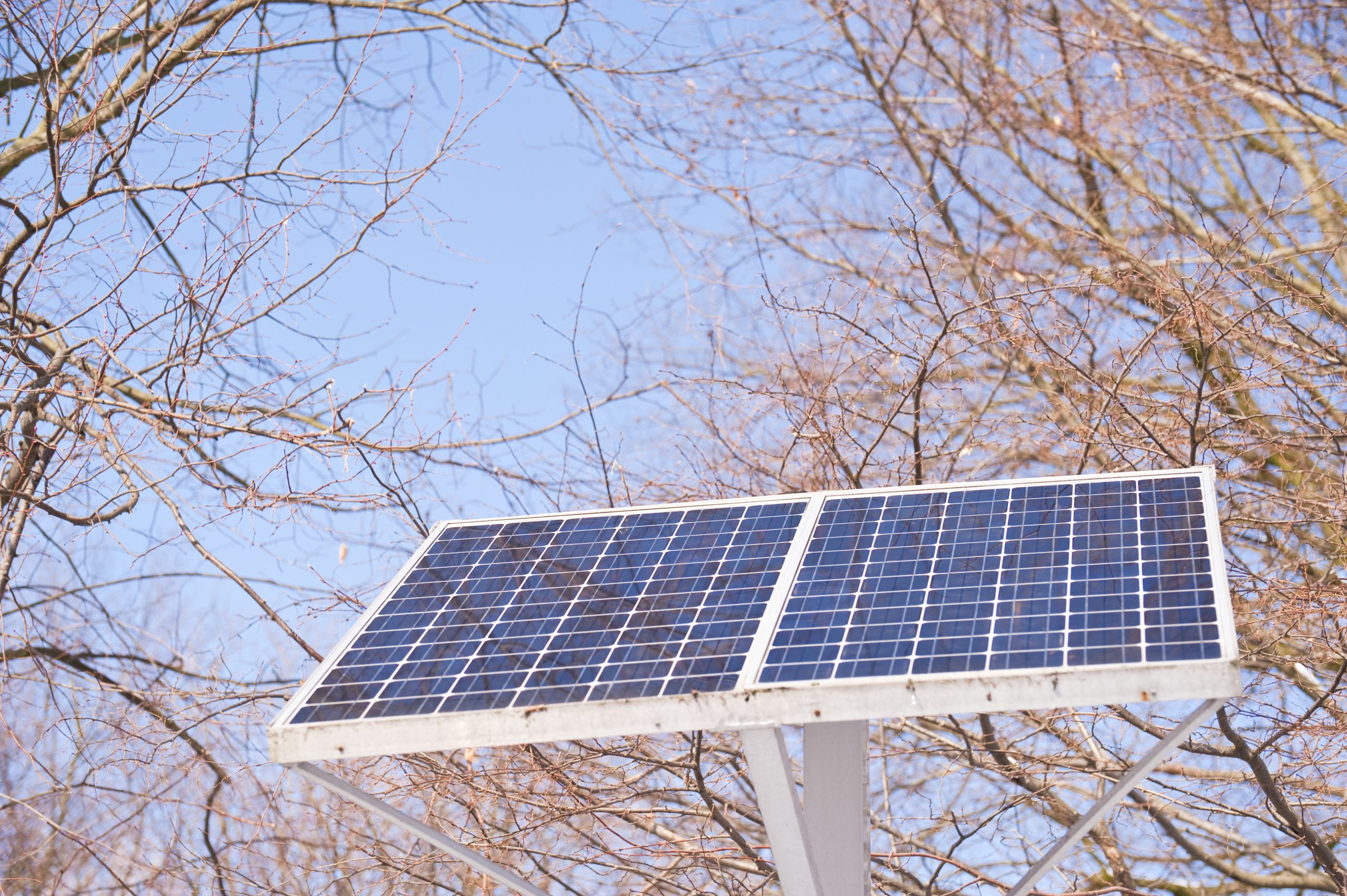
    large solar energy panel array BFeqZppNs 1 scaled

    Introduction to Solar Power and Its Benefits

    Solar panels work by converting sunlight into electricity using photovoltaic cells. The electricity generated by these panels can be used immediately or stored in batteries for later use. One of the main benefits of solar power is its environmental friendliness. Unlike traditional fossil fuels, solar power does not produce greenhouse gases or other pollutants, which makes it an excellent choice for those who want to reduce their carbon footprint. Additionally, solar power is a reliable source of energy that is not subject to price fluctuations like oil or gas.

    Another benefit of solar power is its cost-effectiveness. While there may be some upfront costs associated with installing solar panels, they typically pay for themselves within 5-10 years through reduced energy bills. Furthermore, once the system is installed, there are minimal maintenance costs involved. This means that over time, you can save thousands of dollars on your energy bills while also reducing your reliance on nonrenewable sources of energy.

    How Solar Panels Work and Their Efficiency Rates

    Solar panels are made up of several layers of materials, including silicon wafers, conductive metal contacts, and protective glass or plastic coverings. When sunlight hits the panel, the photons from the light interact with the electrons in the silicon wafer, creating an electrical current. This current is then captured by the metal contacts and sent to an inverter, which converts the DC (direct current) power produced by the panels into AC (alternating current) power that can be used in homes and businesses.

    The efficiency rates of solar panels vary depending on factors such as the type of panel, the amount of sunlight available, and the temperature. Generally speaking, most modern solar panels have an efficiency rate of around 20%, meaning they can convert 20% of the sunlight that hits them into usable electricity. However, advancements in technology continue to improve the efficiency rates of solar panels, making them more effective at capturing energy from the sun.

    Making the Transition to Solar Power: A Step-by-Step Guide

    Switching to solar power can seem daunting, but it doesn’t have to be. Here are some steps you can take to make the transition smoothly:

    1. Assess your energy needs: Before investing in solar panels, it’s essential to determine how much energy your home or business uses. You can do this by reviewing your utility bills or consulting with an expert.

    2. Determine the feasibility of solar power: Depending on where you live, the availability of sunlight may limit the effectiveness of solar panels. Consult with a professional to determine if solar power is a viable option for you.

    3. Choose the right equipment: There are many types of solar panels available, each with different specifications and efficiencies. Choosing the right one depends on your budget, energy needs, and location.

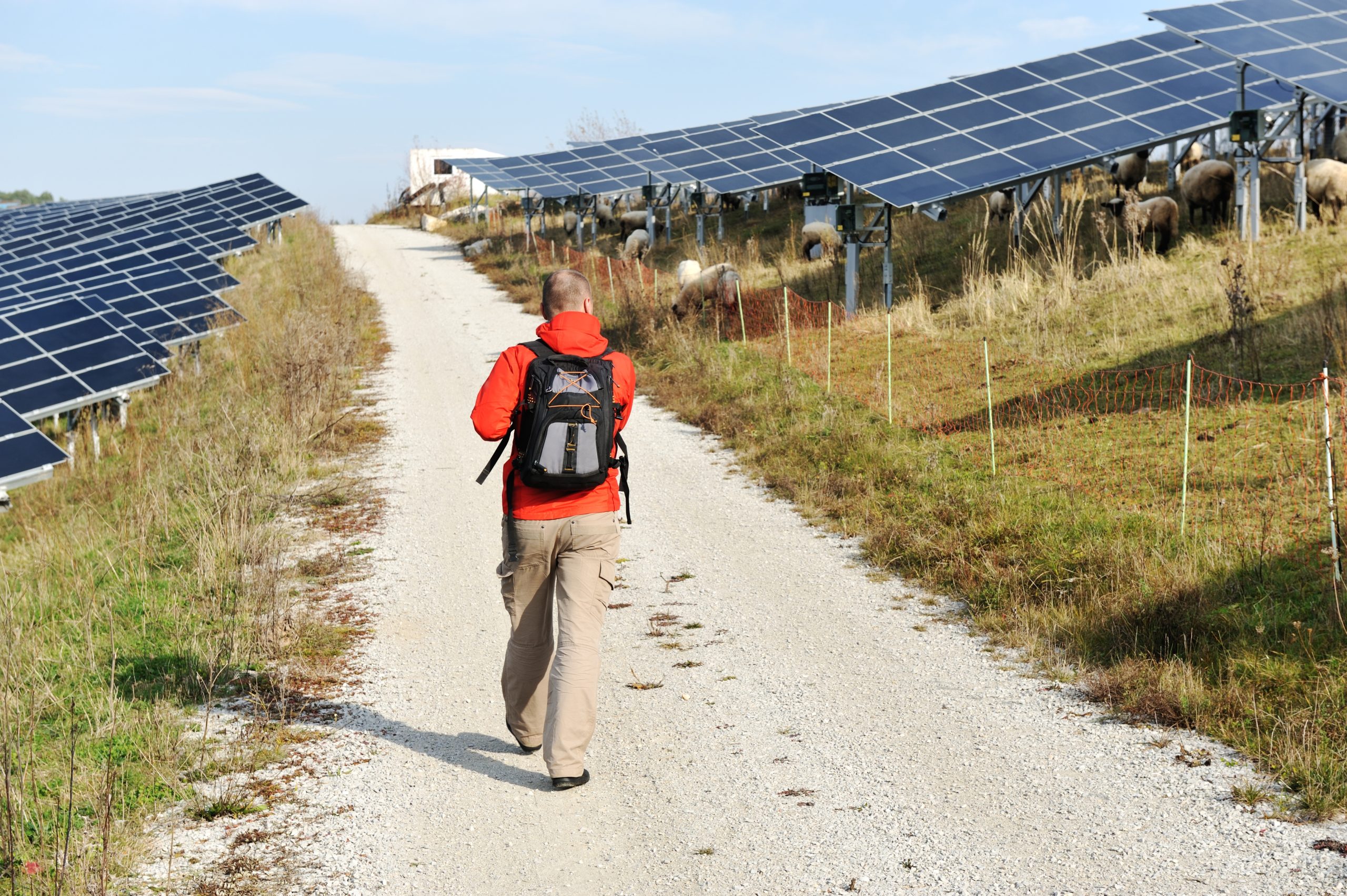
    man walking on a countryside road with solar panels BYSI2jpri 1 scaled

    4. Secure financing: Installing solar panels requires an initial investment, but there are many financing options available, including loans and tax credits, that can help offset the costs.

    5. Hire a reputable installer: Finding a qualified contractor to install your solar panels is crucial to ensuring they function properly and provide optimal energy output. Seek referrals from friends or family members and check online reviews before hiring anyone.

    Conclusion

    In conclusion, switching to solar power offers numerous benefits, including lower energy bills, increased sustainability, and reduced dependence on nonrenewable resources. By following these simple steps, you can make the transition to solar power easily and efficiently. So, what are you waiting for? It’s time to harness the power of the sun and start saving money today!

  • The Benefits of Switching to Solar Power: Why It’s Time to Make the Change

    The Benefits of Switching to Solar Power: Why It’s Time to Make the Change

    Solar power is a clean, renewable source of energy that has been gaining popularity in recent years. With increasing concerns about climate change and environmental sustainability, many people are looking for ways to reduce their carbon footprint and switch to cleaner sources of energy. In this blog post, we will explore the benefits of switching to solar power and why it’s time to make the change.

    Introduction to Solar Power and Its Benefits

    Solar power involves harnessing the energy from the sun through photovoltaic cells or solar panels. These panels convert sunlight into electricity that can be used to power homes, businesses, and other applications. One of the main benefits of solar power is its renewable nature – unlike fossil fuels, which are finite resources, the sun’s energy is limitless and free. Additionally, solar power produces no greenhouse gas emissions, making it an environmentally friendly option.

    The Cost-Effectiveness of Switching to Solar Energy

    While there may have been some initial costs associated with installing solar panels, they have become much more affordable over time. As technology continues to improve, the cost of solar power has decreased significantly, making it competitive with traditional forms of energy such as coal and natural gas. Furthermore, once you install solar panels on your property, you can expect to save money on your monthly utility bills since you will be generating your own electricity.

    solar energy Mk2WEV9d scaled

    How Solar Panels Work and Their Efficiency Rates

    Solar panels work by converting sunlight into direct current (DC) electricity using photovoltaic cells made of silicon. The DC electricity then passes through an inverter, which converts it into alternating current (AC) electricity that can be used to power appliances and electronics in your home or business. The efficiency rates of solar panels vary depending on factors such as the type of panel, the amount of sunlight available, and the temperature. However, modern solar panels typically have efficiency rates between 15% and 20%.

    Making the Transition to Solar Power: A Step-by-Step Guide

    Switching to solar power requires careful planning and consideration. Here are some steps you can take to make the transition:

    1. Conduct research on solar power and determine if it’s feasible for your location and needs.

    2. Contact local solar installation companies and request quotes for installation.

    3. Choose a reputable company and sign a contract for installation.

    4. Schedule a site visit with the installer to assess your property and determine the best placement for the solar panels.

    5. Wait for permits and approvals from your city or county before beginning construction.

    6. Installation begins! This process usually takes several days to complete.

    7. Once installed, enjoy the benefits of producing your own clean energy and saving money on your utility bills.

    Conclusion

    In conclusion, switching to solar power offers numerous benefits including reduced reliance on nonrenewable energy sources, lowered carbon footprint, and potential savings on utility bills. While there may be upfront costs involved in installing solar panels, the long-term benefits far outweigh these expenses. We encourage everyone to consider making the switch to solar power and taking advantage of all the benefits it provides.

  • The Top Solar Inverters for Efficient Home Energy Use

    The Top Solar Inverters for Efficient Home Energy Use

    Understanding Solar Inverters

    What is a Solar Inverter?

    So, let’s kick things off by talking about what a solar inverter actually is. In the simplest terms, a solar inverter is a device that converts the direct current (DC) electricity generated by your solar panels into alternating current (AC) electricity, which is what most home appliances use. This conversion is crucial because without it, your solar energy wouldn’t be usable in your home.

    From my own experience, choosing the right inverter can feel a bit overwhelming with all the different options out there. It’s kinda like trying to pick the best coffee in a coffee shop with dozens of blends. They all look great, but you need to find what suits your needs the best!

    But there’s more to it than just conversion. A good inverter can also monitor your system performance, providing insights on energy production and consumption. That means you’ll have a better grasp on how much energy you’re actually using, which can help you save on your bills!

    Types of Solar Inverters

    String Inverters

    First up, we have string inverters. These are the most common type and they work by connecting multiple solar panels together into a single string. This setup is simple and cost-effective, and honestly, it’s how I started my solar journey. They are also easy to install, which is a major plus if you’re looking to save some cash on labor costs.

    However, one downfall I’ve noticed with string inverters is that if one panel is shaded or dirty, it affects the entire string’s performance. It’s like a team where one player slacks off, and the whole game suffers. So if you have a lot of shading on your property, you might want to think twice about this option.

    But on the bright side, they generally come with a good warranty and can be quite reliable for years, so keep that in mind if this is the route you’re going down!

    Microinverters

    Next up are microinverters. These are like the cool kids on the block—instead of one inverter handling multiple panels, each panel has its own little inverter! I was fascinated when I first learned about these because of how they optimize output; they allow each panel to work independently.

    This means that shading on one panel won’t drag down the performance of the whole system. If you live in an area with a lot of shading or have an irregular roof shape, microinverters could be the way to go! However, they do tend to cost more upfront, so it’s a bit of a trade-off.

    One of the things I love about microinverters is their monitoring capabilities. You can see how each panel is doing individually. It’s like being a coach who gets to see each player’s stats during a game, which is pretty cool and useful!

    Power Optimizers

    Then, we’ve got power optimizers, which are somewhat of a hybrid between string inverters and microinverters. Power optimizers sit at each panel but feed into a central inverter. This means you get some of the benefits of microinverters, like increased efficiency when there’s shading, all while keeping the central inverter approach. This was something I found appealing during my research.

    The beauty of these devices is they optimize the energy coming from each panel, which increases overall performance without the higher cost of microinverters. If you’re aiming for efficiency but don’t want the extra expense, I’d definitely recommend looking into these bad boys.

    Plus, they’re usually easy to install, so you won’t need to spend forever trying to figure it out. And let’s be real, who has time for that? Overall, power optimizers are a solid option if you’re looking for a middle ground.

    Efficiency Ratings

    Understanding Efficiency Ratings

    Next up is efficiency ratings. When I first dove into the solar world, I learned that not all inverters are created equal, and that’s where efficiency ratings come into play. Essentially, these ratings tell you how much of the solar energy hitting your panels is being converted into usable electricity.

    Most high-quality inverters boast efficiency ratings above 95%. This means they’re converting most of the energy they receive into power you can use in your home. It’s a pretty big deal because higher efficiency means lower energy bills in the long run!

    Always check these ratings. Higher efficiency often equates to a better inverter, which can save you a lot more in the future. I’ve seen too many people getting sidetracked by flashiness, so focus on those numbers—it really matters!

    The Importance of Warranty

    Another thing you definitely want to look at is the warranty. In my experience, the best inverters will offer warranties ranging from 5 to 25 years. A longer warranty can provide peace of mind because it shows the manufacturer has faith in their product, and they’ll cover you in case anything goes wrong.

    Some might offer extensive service, which means if your inverter has issues, they’ll help you fix it without a headache. A short warranty can mean that the manufacturer isn’t as confident in their product, which might be a red flag.

    Trust me, you don’t want to skimp out here. You’ll be spending a decent chunk of cash on your solar setup, so aim for reliability, folks!

    Compatibility with Solar Systems

    Lastly, it’s essential to ensure that your chosen inverter is compatible with your solar panel system. When I first started out, I experienced a bit of a hiccup in finding an inverter that matched my panel specifications. Each inverter has its own specs, so it’s crucial that yours lines up with your solar installation.

    Finding a compatible system can sometimes feel like finding a needle in a haystack. I recommend consulting the installation professional to double-check that everything fits snugly together. The right combination will make operating your system a breeze!

    Once you have that compatibility sorted, you’ll be cruising toward energy efficiency and savings in no time. It’s like having your dream team all on the same page. Trust me; you want that!

    Conclusion: Making the Right Choice

    In wrapping things up, choosing the right solar inverter isn’t as daunting as it may seem once you break it down. Whether you’re leaning towards string inverters for their simplicity, microinverters for added efficiency, or power optimizers for their middle-ground benefits, just remember to consider those efficiency ratings and warranty lengths!

    The whole process can seem overwhelming, but with a little homework and by keeping your needs in mind, you’re sure to land on the inverter that suits you best. After all, solar energy isn’t just about saving the planet; it’s also about saving your hard-earned cash!

    So, roll up your sleeves, do your research, and get ready to enjoy the many benefits that come with solar energy. Your future self will be thanking you for the energy savings and the positive impact on the world!

    Frequently Asked Questions

    1. What is the main function of a solar inverter?

    The main function of a solar inverter is to convert the direct current (DC) electricity produced by solar panels into alternating current (AC) electricity that can be used by home appliances.

    2. Are microinverters worth the extra cost?

    Yes, if you have a property with shading issues or various roof orientations, microinverters can provide greater efficiency by allowing each panel to operate independently.

    3. How can I check an inverter’s efficiency rating?

    You can find an inverter’s efficiency rating on the manufacturer’s website or in the product specifications before purchasing. Look for ratings above 95% for optimal performance.

    4. Why is warranty important for solar inverters?

    A longer warranty period indicates manufacturer confidence and provides protection for your investment. It helps ensure that you’re covered in case any issues arise with the inverter.

    5. How do I ensure inverter compatibility with my solar panels?

    To ensure compatibility, check the technical specifications of both the inverter and solar panels. Consulting with a professional installer can also help confirm that everything aligns properly.

  • How to Design an Efficient Solar Power System

    How to Design an Efficient Solar Power System

    Step 1: Assess Your Energy Needs

    Understanding Your Power Consumption

    Before diving into solar panel shopping, it’s crucial to know how much energy you actually use. Start by gathering your energy bills for the past year. Then, tally up the monthly usage – this will give you a solid baseline. I remember when I first did this; I was shocked at how much energy my appliances were guzzling!

    Once you have that data, make sure to consider seasonal changes. For instance, if you use air conditioning heavily in summer or electric heating in winter, those fluctuations can impact your solar needs. It’s all about painting an accurate picture!

    Finally, be sure to account for future needs. Maybe you’re thinking of getting an electric vehicle or adding more devices. It’s smarter to overestimate your needs rather than risk underestimating them. Trust me; you don’t want your system to let you down when you need it the most!

    Determining Peak Usage Times

    Now that you know how much energy you consume, it’s time to dive into when you use that energy. This is where things get super interesting! Analyzing your peak usage times can help you decide how to set up your solar system for maximum efficiency.

    Track your usage patterns for a couple of weeks. When are you running your dishwasher? What times do you crank up the air conditioning? By identifying these peak times, you can optimize your solar power system to generate energy precisely when you need it!

    Not only does this help in saving money, but it also allows for more energy independence. I’ve noticed my energy bill shrink since I began using my solar energy right when I needed it most. It feels fantastic to be proactive about my energy consumption!

    Calculating Future Energy Needs

    As I mentioned earlier, it’s important to think ahead. Are you planning on buying new appliances or even a home office setup? You should consider potential increases in energy consumption. By projecting future energy needs, you can ensure your solar system meets not just your current lifestyle, but your future one too!

    A great way to estimate this is by researching the energy consumption of new appliances and calculating their affordability in relation to your solar capacity. For example, if you plan to add solar heating or an electric vehicle, I’d suggest looking into how much additional energy those will require.

    Being forward-thinking makes a huge difference. I’ve set my system with enough buffer to handle my future gadget cravings, and it feels great not having to stress about upgrading later!

    Step 2: Evaluate Your Location

    Sunlight Exposure

    Your solar power setup is only as good as its exposure to sunlight. I didn’t realize how much the surrounding landscape could affect my system until I had it installed! Factors like tall trees or nearby buildings can create shading issues that can impact energy production.

    To get an accurate idea of sunlight exposure, I recommend tracking the sunlight at your location over different times of the year. Using tools or apps specifically designed for this can make your life easier. Trust me; knowing how much sun your panels will receive is crucial!

    Once you’ve assessed sunlight exposure, it can also steer you towards potential panel placements. The last thing you want is a fancy solar panel system that’s hidden away in the shade. Be strategic about it!

    Local Weather Conditions

    Living in a region with consistent overcast weather? That’s a factor to consider! Depending on where you live, the efficacy of your solar system can greatly vary due to local weather patterns. Researching your area’s sunshine hours and average conditions can play a huge role in decisively planning your solar setup.

    I remember being super excited about my solar panels and then realizing that my location wasn’t as sunny as I thought. It made me adjust my calculations and expectations. However, with advancements in solar technology, even cloudy areas can generate sufficient power!

    It’s also worthwhile to take note of unusual weather conditions that might occur in your area. For instance, heavy snow can impact energy output, but knowing these factors can help you plan your upkeep and maintenance schedules effectively.

    Local Regulations and Incentives

    Don’t overlook the importance of local regulations related to solar installation. I can’t stress enough how crucial it is to know your area’s rules and potential incentives. Many local governments encourage solar energy through rebates, tax credits, or even financing options, and it’s good to be in the loop!

    Before launching into your design, grabbing information on building permits or restrictions can save you aggravation later. There might be specific guidelines on panel placement or zoning regulations that can affect your design!

    Being informed about these regulations not only helps you avoid legal headaches but also empowers you to take advantage of local incentives, potentially reducing your overall installation costs significantly.

    Step 3: Choose the Right Solar System Components

    Solar Panels

    The choice of solar panels is one of the most significant decisions you’ll make. It’s where the magic begins! From monocrystalline to polycrystalline and thin-film panels, each type has its pros and cons. Going with high-efficiency panels can often yield better performance, especially in smaller spaces.

    I went with monocrystalline panels because they are super space-efficient and I had limited real estate. They can be more expensive upfront, but the performance and longevity have paid off in the long run. Do your research, weigh your options, and consider your budget while looking for panels!

    Also, think about warranty and reputation! A solid warranty from the manufacturer is a testament to the confidence they have in their product. It’s worth looking around and seeing what options line up best with your energy goals.

    Inverters and Battery Storage

    Next up are inverters and batteries. Inverters are crucial as they convert the direct current (DC) generated by solar panels into alternating current (AC) that your home can use. I had my own battle with choosing between string inverters and microinverters—both have their perks!

    As for battery storage, if you’re in a place that experiences power outages, it’s something you should seriously consider. Batteries can store excess energy generated which can be critical during nighttime or power failures. Plus, they help to utilize solar energy efficiently during peak demands.

    The right combo of inverter and batteries can seriously maximize the output of your solar system. Do yourself a favor and consult manufacturers or local installers to find the best fit for your setup.

    Mounting Systems

    Don’t skimp on mounting systems! They’re the unsung heroes that hold your solar panels in place safely. Depending on your roof type—flat, sloped, or even ground-mounted—you’ll need a specific type of mounting system.

    Choosing the right mounting system can help ensure that your solar panels catch the most sunlight possible. I learned this the hard way; I had to reposition my panels because they weren’t getting enough exposure. Lesson learned!

    Speaking of learning, chat with your contractor and discuss the best mounting options for your location and roof conditions. This step is vital for ensuring longevity and resilience against the elements!

    Step 4: Installation and Maintenance

    Hiring Professionals vs. DIY

    Now comes the biggie: installation! You can either hire professionals or take the DIY route if you’re feeling adventurous. I thought about tackling it myself initially, but after some consideration, I opted for professionals. I mean, who really wants to mess up wiring on their roof, right?

    If you lean towards hiring professionals, do your research! Get quotes from different solar installation companies, ask about their experience, and check reviews. Many companies will typically handle local permits for you. That’s a win!

    If you feel confident in your abilities to DIY, set aside enough time and have a solid plan. Watch tutorials, read articles, and gather your materials beforehand. It’s super rewarding to see your system come together if you choose to go this route!

    Regular Maintenance Schedule

    Once your solar panels are up and running, don’t forget about maintenance! Establish a regular cleaning and inspection schedule to keep everything in check. Dust, debris, or bird droppings can reduce efficiency over time.

    I try to clean my panels a few times a year, and if you live in a snowy area, make sure the snow is cleared off, too. This small act can make a big difference in your energy output!

    Also, don’t shy away from professional inspections. They can catch potential issues before they become major problems. Plus, many warranties require regular maintenance to remain valid.

    Staying Informed on New Technologies

    The solar industry is super dynamic; new technologies pop up all the time! I like to keep myself updated whenever I can. From tracking solar policy changes to innovative technologies, staying informed can lead to better efficiency and savings.

    Being active in local solar or renewable energy groups can help you connect with other enthusiasts and stay in the loop. It’s a great way to learn from others’ experiences and make informed decisions about upgrades or improvements to your system.

    Trust me, from personal experience, being proactive and informed not only keeps my system running at its best but also inspires others to take the plunge into solar energy!

    Step 5: Monitor and Optimize Your System

    Use Monitoring Tools

    Having a monitoring system is like having a watchful guardian for your solar power setup. It helps track energy production, consumption, and system health. There are some great apps and web interfaces available to give you real-time data right at your fingertips!

    I love being able to check in and see how much energy I’m producing on a sunny day versus a cloudy day. It’s not just about knowing your system’s efficiency; it’s also a great conversation starter when friends come over!

    Plus, if something goes wonky, having real-time alerts can help you address issues quickly before they worsen. It’s surprisingly empowering to know what’s going on with your energy production!

    Adjusting for Seasonal Changes

    Your solar energy production will likely fluctuate throughout the year, depending on the weather and season. This variability is something I learned to embrace, rather than be frustrated about. Each season offers different energy dynamics!

    For example, in the winter, shorter days mean less energy production. It’s good to prepare for this change by being conservative with energy usage during those months. I find it insightful to adjust my expectations based on the time of year.

    Remember, every season brings its own unique benefits and challenges; it’s all about understanding your system and being flexible with your energy habits!

    Learning from Data

    Lastly, don’t just look at the numbers—learn from them! Analyze your monitoring data regularly and spot trends or irregularities. Understanding your system’s performance over time can shine a light on potential improvements.

    For instance, if I notice that my output dipped during certain months, I evaluate what factors might’ve contributed—was it weather-related, dirt buildup, or maybe a tree that grew too tall in the backyard?

    By actively learning from the data, I’ve been able to optimize my energy usage and make informed decisions. It’s all part of the fun of owning a solar power system!

    FAQs

    1. What is the first step in designing an efficient solar power system?

    The first step involves assessing your energy needs. You’ll want to review your energy consumption patterns and determine how much energy you use.

    2. How do I evaluate the location for my solar panels?

    When evaluating your location, consider sunlight exposure, local weather conditions, and any possible shading from trees or buildings that could affect energy production.

    3. Should I hire professionals for the solar panel installation?

    While DIY is an option if you’re confident, hiring professionals ensures that the installation is done correctly and can save you headaches down the line. Professionals can also assist with permits.

    4. How can I maintain my solar power system effectively?

    Regularly clean your solar panels, schedule inspections with professionals, and keep tabs on monitoring tools to detect any issues with your system.

    5. What technologies can I utilize to monitor my solar system’s performance?

    There are various apps and monitoring tools that provide real-time data on energy production and consumption, allowing you to track your solar system’s efficiency effectively.

  • The Ultimate Guide to 10 Effective Energy Efficient Solar Homes for 2025

    The Ultimate Guide to 10 Effective Energy Efficient Solar Homes for 2025

    1. 1. Modern Smart Solar Homes
    2. 2. Passive Solar Design Principles
    3. 3. Battery Storage & Energy Management
    4. 4. Green Roof and Living Wall Homes
    5. 5. Advanced HVAC & Air Tightness
    6. 6. Sustainable Building Materials
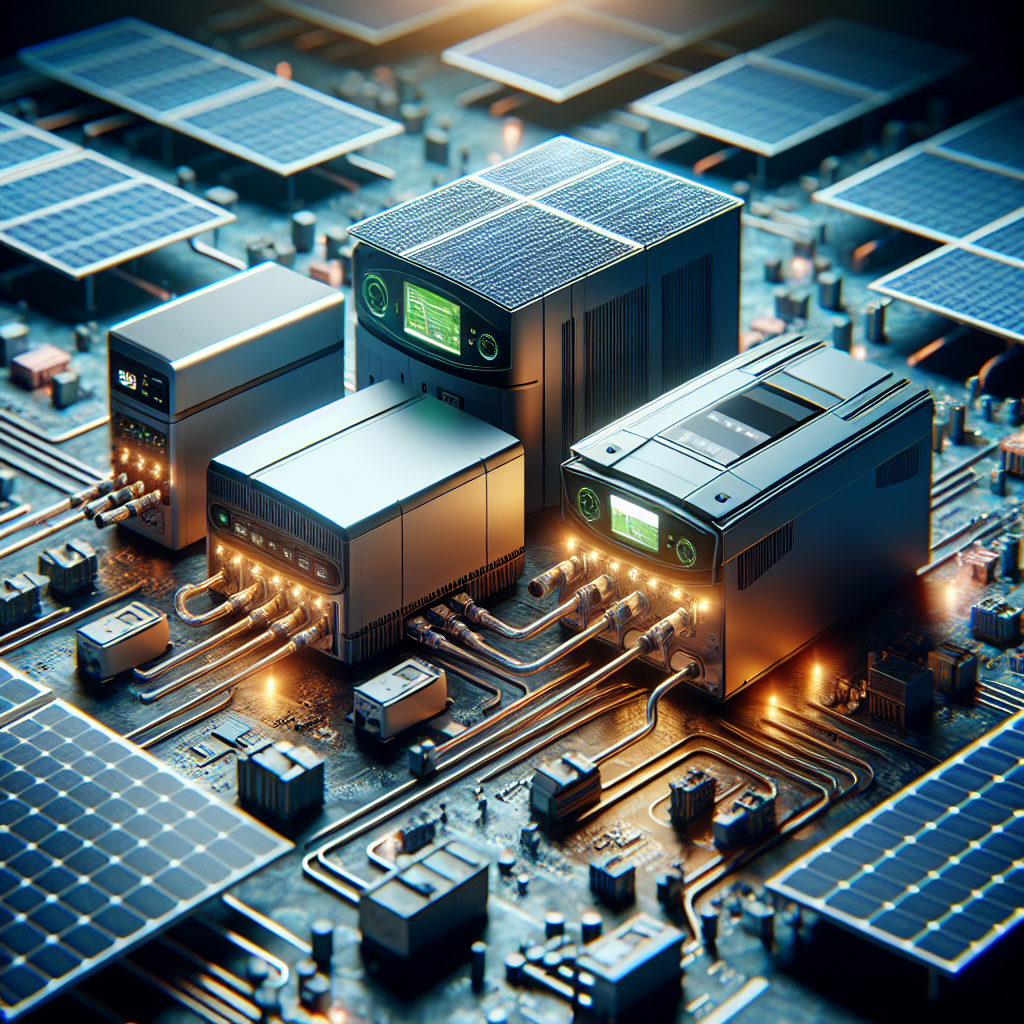
    7. 7. Next-Gen Solar Inverters
    8. 8. High-Performance Solar Panel Arrays
    9. 9. Smart Home Automation for Efficiency
    10. 10. Strategic Location & Community Planning

    1. Modern Smart Solar Homes

    Integrating Smart Technologies with Solar Power

    In 2025, the most energy efficient solar homes are those that incorporate advanced smart technology. These homes are equipped with intelligent energy management systems that monitor and optimize energy consumption in real time. By integrating smart thermostats, lighting, and appliances, homeowners can drastically reduce waste and ensure maximum efficiency.

    For example, some homes now use AI-driven systems that analyze usage patterns and adjust energy flows automatically. This not only improves efficiency but also extends the lifespan of solar components by preventing unnecessary wear and tear. As a result, energy efficient solar homes become more responsive, affordable, and eco-friendly.

    Furthermore, smart home systems enable remote control through mobile apps, allowing owners to manage energy usage from anywhere. This flexibility helps homeowners make better decisions about when to run appliances or conserve power, ultimately reducing energy bills and carbon footprint.

    2. Passive Solar Design Principles

    Maximizing Natural Light and Heat

    Passive solar design is a cornerstone of energy efficient solar homes. By carefully planning window placement, insulation, and shading, homeowners can harness the sun’s power naturally. In 2025, homes are increasingly designed to maximize daylight while minimizing heat loss and gain.

    For instance, large south-facing windows in the Northern Hemisphere allow sunlight to warm the home during winter, reducing the need for artificial heating. Overhangs and shading devices prevent heat gain in summer, keeping indoor climates comfortable without additional cooling.

    Designing with passive solar principles not only decreases reliance on active heating and cooling systems but also enhances overall energy efficiency. Combining this with modern insulation standards ensures homes stay warm in winter and cool in summer—key features of energy efficient solar homes in 2025.

    3. Battery Storage & Energy Management

    Enabling Reliable and Off-Grid Power

    Batteries are transforming energy efficient solar homes into resilient, self-sufficient habitats. In 2025, advanced lithium-ion and solid-state batteries are commonplace, providing homeowners with the ability to store excess solar energy for use during cloudy days or at night.

    This integration offers several benefits: it reduces dependence on grid power, lowers energy costs, and enhances resilience during outages. Sophisticated energy management systems optimize when and how stored energy is used, ensuring maximum efficiency and savings.

    Popular products like Tesla Powerwall and Sonnen batteries now come with intelligent algorithms that learn usage patterns and adjust accordingly. For homeowners committed to sustainable living, battery storage is an essential component of energy efficient solar homes.

    4. Green Roof and Living Wall Homes

    Creating Climate-Responsive, Eco-Friendly Structures

    Green roofs are not just eco-friendly features; they also contribute significantly to the energy efficiency of solar homes. In 2025, homes with green roofs offer excellent insulation, reducing heating and cooling demands throughout the year.

    Living walls help manage urban heat island effects and improve air quality. These systems can be combined with solar panels to create highly sustainable, self-contained dwellings. In addition, green roofs extend the lifespan of roofing materials and help retain rainwater.

    Homeowners who integrate these eco-friendly features benefit from lower energy bills, healthier indoor environments, and a stronger connection with nature. As sustainable design gains importance, green roofs are becoming a standard in energy efficient solar homes.

    5. Advanced HVAC & Air Tightness

    Innovations in Heating, Ventilation, and Cooling

    Heating, ventilation, and air conditioning (HVAC) systems are key to achieving energy efficiency. In 2025, homes utilize high-efficiency air conditioners, heat pumps, and energy recovery ventilators (ERVs). These systems use minimal energy while maintaining optimal comfort.

    Air tightness is another critical factor. New building codes emphasize airtight construction combined with controlled ventilation to prevent energy leakage. This approach reduces cooling and heating loads, making solar-powered homes more sustainable and budget-friendly.

    For example, ductless mini-split systems and smart vents work seamlessly with solar energy setups, providing efficient climate control. This combination ensures that your home remains comfortable without compromising energy efficiency.

    6. Sustainable Building Materials

    Using Low-Embodied-Energy and Recycled Materials

    Selecting sustainable building materials is crucial for energy efficient solar homes. In 2025, homeowners and builders favor materials with low embodied energy—meaning less energy was used during manufacturing and transportation. Examples include reclaimed wood, recycled steel, and eco-friendly insulation.

    PREPARE Mag ad 970 x 250

    These materials not only reduce the overall carbon footprint but also contribute to better indoor air quality and durability. High-performance insulation made from natural fibers or recycled materials enhances thermal retention, further reducing energy needs.

    Efficient construction practices also focus on minimizing waste and optimizing resource use. Together, these strategies make energy efficient solar homes more environmentally friendly and cost-effective over their lifespan.

    7. Next-Gen Solar Inverters

    Maximizing Energy Conversion and Reliability

    Inverters are the heart of any solar energy system, converting DC to AC power. In 2025, the latest inverter technologies are more efficient, durable, and capable of handling higher power densities. Microinverters and power optimizers now enable improved performance for each solar panel, even in partial shading.

    Smart inverters also support grid integration, allowing homes to feed excess energy back into the grid, and offering homeowners incentives or credits. Their ability to monitor system health and optimize output maximizes energy harvesting from solar panels.

    Choosing the right inverter technology is essential for the overall efficiency and resilience of energy efficient solar homes. As technology evolves, these systems become smarter and more reliable, ensuring maximum returns for homeowners.

    8. High-Performance Solar Panel Arrays

    Advanced Panel Technologies for Maximum Output

    In 2025, solar panel technology continues to advance with higher efficiency rates and better durability. Thin-film and bifacial panels now dominate the market, capturing sunlight from multiple angles and increasing energy production by up to 25% compared to previous models.

    Furthermore, panels with anti-reflective coatings and superior tracking systems help maximize sunlight absorption throughout the day. Coupled with optimal tilt and spacing, these advancements make solar arrays more productive and cost-effective.

    Homeowners investing in high-performance solar panels ensure their homes remain energy efficient and truly harness the sun’s full potential, making these homes some of the most effective in 2025.

    9. Smart Home Energy Automation

    Automated, Adaptive Energy Use

    Automation technology plays a pivotal role in energy efficient solar homes. AI-powered energy management systems learn household habits, adjusting lighting, appliances, and HVAC use to optimize energy consumption. This can improve efficiency by up to 30% according to recent studies.

    Scheduling systems for appliances like dishwashers and washing machines ensure energy is used during peak sunlight hours, maximizing solar gain. Integrating grid demand response programs enables homes to reduce consumption during peak grid times, saving money and reducing strain.

    For residents, smart automation enhances comfort and convenience while promoting sustainability—an essential feature for the most effective energy efficient solar homes in 2025.

    10. Strategic Location & Community Planning

    Harnessing Site and Community Benefits

    The location of a home significantly impacts its energy efficiency and solar potential. In 2025, urban planners and developers prioritize sites with maximum sunlight exposure, minimal shading, and favorable climate conditions.

    Community-based planning also promotes shared renewable energy systems, such as microgrids and solar co-ops, reducing costs and increasing overall sustainability. Accessible infrastructure, walkable neighborhoods, and local green initiatives further enhance the effectiveness of energy efficient solar homes.

    By selecting optimal locations and participating in eco-conscious communities, homeowners can amplify the benefits of their solar investments, contributing to a cleaner, more sustainable world.

    Conclusion

    As we look ahead to 2025, the importance of energy efficient solar homes cannot be overstated. From advanced smart technology and passive design principles to innovative materials and community strategies, each aspect plays a vital role in creating sustainable living spaces. Embracing these 10 effective features ensures homeowners not only save money but also contribute positively to the environment. Whether you’re building a new home or upgrading your current one, prioritizing energy efficient solar homes today is a smart step toward a greener, more resilient future.

    Frequently Asked Questions

    What are the key features of energy efficient solar homes in 2025?
    Key features include smart energy management systems, passive solar design, high-efficiency solar panels, battery storage, green roofs, and advanced HVAC systems, all aimed at maximizing energy savings and sustainability.
    How can I make my existing home more energy efficient with solar?
    You can add or upgrade solar panels, improve insulation, incorporate smart home automation, and install battery storage. Consulting with a solar professional can help develop a customized plan.
    Why are green roofs important for energy efficient solar homes?
    Green roofs provide insulation, reduce heat island effects, and improve air quality, all of which contribute to lowering cooling and heating energy demands.
    Are community solar programs effective in 2025?
    Yes, community solar programs enable multiple households to share renewable energy costs and benefits, making solar power more accessible and efficient for urban and rural residents alike.