Tag: energy use

  • The Top Solar Inverters for Efficient Home Energy Use

    The Top Solar Inverters for Efficient Home Energy Use

    Understanding Solar Inverters

    What is a Solar Inverter?

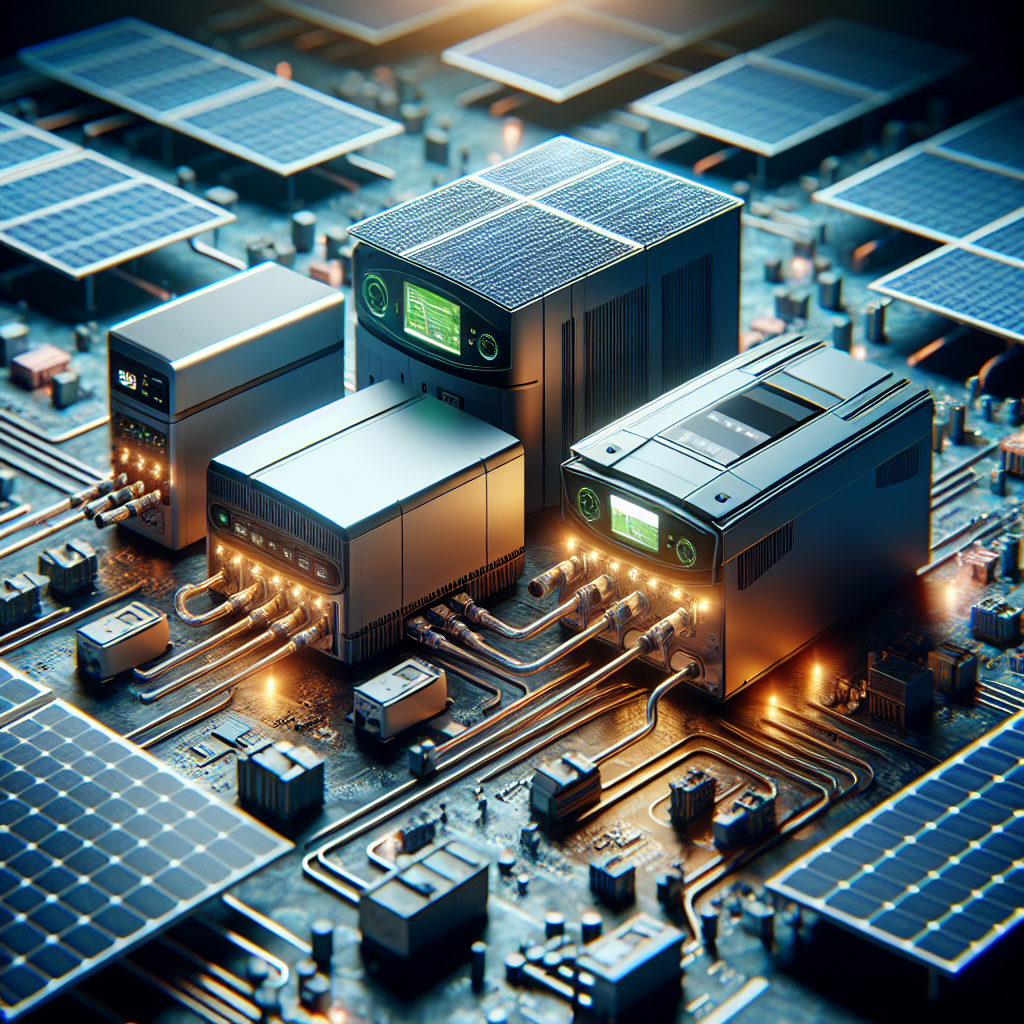
    So, let’s kick things off by talking about what a solar inverter actually is. In the simplest terms, a solar inverter is a device that converts the direct current (DC) electricity generated by your solar panels into alternating current (AC) electricity, which is what most home appliances use. This conversion is crucial because without it, your solar energy wouldn’t be usable in your home.

    From my own experience, choosing the right inverter can feel a bit overwhelming with all the different options out there. It’s kinda like trying to pick the best coffee in a coffee shop with dozens of blends. They all look great, but you need to find what suits your needs the best!

    But there’s more to it than just conversion. A good inverter can also monitor your system performance, providing insights on energy production and consumption. That means you’ll have a better grasp on how much energy you’re actually using, which can help you save on your bills!

    Types of Solar Inverters

    String Inverters

    First up, we have string inverters. These are the most common type and they work by connecting multiple solar panels together into a single string. This setup is simple and cost-effective, and honestly, it’s how I started my solar journey. They are also easy to install, which is a major plus if you’re looking to save some cash on labor costs.

    However, one downfall I’ve noticed with string inverters is that if one panel is shaded or dirty, it affects the entire string’s performance. It’s like a team where one player slacks off, and the whole game suffers. So if you have a lot of shading on your property, you might want to think twice about this option.

    But on the bright side, they generally come with a good warranty and can be quite reliable for years, so keep that in mind if this is the route you’re going down!

    Microinverters

    Next up are microinverters. These are like the cool kids on the block—instead of one inverter handling multiple panels, each panel has its own little inverter! I was fascinated when I first learned about these because of how they optimize output; they allow each panel to work independently.

    This means that shading on one panel won’t drag down the performance of the whole system. If you live in an area with a lot of shading or have an irregular roof shape, microinverters could be the way to go! However, they do tend to cost more upfront, so it’s a bit of a trade-off.

    One of the things I love about microinverters is their monitoring capabilities. You can see how each panel is doing individually. It’s like being a coach who gets to see each player’s stats during a game, which is pretty cool and useful!

    Power Optimizers

    Then, we’ve got power optimizers, which are somewhat of a hybrid between string inverters and microinverters. Power optimizers sit at each panel but feed into a central inverter. This means you get some of the benefits of microinverters, like increased efficiency when there’s shading, all while keeping the central inverter approach. This was something I found appealing during my research.

    The beauty of these devices is they optimize the energy coming from each panel, which increases overall performance without the higher cost of microinverters. If you’re aiming for efficiency but don’t want the extra expense, I’d definitely recommend looking into these bad boys.

    Plus, they’re usually easy to install, so you won’t need to spend forever trying to figure it out. And let’s be real, who has time for that? Overall, power optimizers are a solid option if you’re looking for a middle ground.

    Efficiency Ratings

    Understanding Efficiency Ratings

    Next up is efficiency ratings. When I first dove into the solar world, I learned that not all inverters are created equal, and that’s where efficiency ratings come into play. Essentially, these ratings tell you how much of the solar energy hitting your panels is being converted into usable electricity.

    Most high-quality inverters boast efficiency ratings above 95%. This means they’re converting most of the energy they receive into power you can use in your home. It’s a pretty big deal because higher efficiency means lower energy bills in the long run!

    Always check these ratings. Higher efficiency often equates to a better inverter, which can save you a lot more in the future. I’ve seen too many people getting sidetracked by flashiness, so focus on those numbers—it really matters!

    The Importance of Warranty

    Another thing you definitely want to look at is the warranty. In my experience, the best inverters will offer warranties ranging from 5 to 25 years. A longer warranty can provide peace of mind because it shows the manufacturer has faith in their product, and they’ll cover you in case anything goes wrong.

    Some might offer extensive service, which means if your inverter has issues, they’ll help you fix it without a headache. A short warranty can mean that the manufacturer isn’t as confident in their product, which might be a red flag.

    Trust me, you don’t want to skimp out here. You’ll be spending a decent chunk of cash on your solar setup, so aim for reliability, folks!

    Compatibility with Solar Systems

    Lastly, it’s essential to ensure that your chosen inverter is compatible with your solar panel system. When I first started out, I experienced a bit of a hiccup in finding an inverter that matched my panel specifications. Each inverter has its own specs, so it’s crucial that yours lines up with your solar installation.

    Finding a compatible system can sometimes feel like finding a needle in a haystack. I recommend consulting the installation professional to double-check that everything fits snugly together. The right combination will make operating your system a breeze!

    Once you have that compatibility sorted, you’ll be cruising toward energy efficiency and savings in no time. It’s like having your dream team all on the same page. Trust me; you want that!

    Conclusion: Making the Right Choice

    In wrapping things up, choosing the right solar inverter isn’t as daunting as it may seem once you break it down. Whether you’re leaning towards string inverters for their simplicity, microinverters for added efficiency, or power optimizers for their middle-ground benefits, just remember to consider those efficiency ratings and warranty lengths!

    The whole process can seem overwhelming, but with a little homework and by keeping your needs in mind, you’re sure to land on the inverter that suits you best. After all, solar energy isn’t just about saving the planet; it’s also about saving your hard-earned cash!

    So, roll up your sleeves, do your research, and get ready to enjoy the many benefits that come with solar energy. Your future self will be thanking you for the energy savings and the positive impact on the world!

    Frequently Asked Questions

    1. What is the main function of a solar inverter?

    The main function of a solar inverter is to convert the direct current (DC) electricity produced by solar panels into alternating current (AC) electricity that can be used by home appliances.

    2. Are microinverters worth the extra cost?

    Yes, if you have a property with shading issues or various roof orientations, microinverters can provide greater efficiency by allowing each panel to operate independently.

    3. How can I check an inverter’s efficiency rating?

    You can find an inverter’s efficiency rating on the manufacturer’s website or in the product specifications before purchasing. Look for ratings above 95% for optimal performance.

    4. Why is warranty important for solar inverters?

    A longer warranty period indicates manufacturer confidence and provides protection for your investment. It helps ensure that you’re covered in case any issues arise with the inverter.

    5. How do I ensure inverter compatibility with my solar panels?

    To ensure compatibility, check the technical specifications of both the inverter and solar panels. Consulting with a professional installer can also help confirm that everything aligns properly.

  • How Flexible Solar Panels Are Revolutionizing Energy Use

    How Flexible Solar Panels Are Revolutionizing Energy Use

    Innovative Design and Technology

    Lightweight Materials

    One of the standout features of flexible solar panels is their lightweight composition. Unlike traditional panels that feel bulky and heavy, these newcomers are made from advanced materials that allow them to be easily transported and installed. This means you can set up solar power almost anywhere, from rooftops to RVs, which opens up a world of possibilities for energy use.

    I remember helping a friend install flexible panels on his camper van. It was such a breeze! We didn’t have to worry about the weight or strength of the roof too much, which wouldn’t have been possible with traditional panels. The ease of installation truly revolutionizes how we think about mobile energy solutions.

    Moreover, the lightweight aspect also means that flexible solar panels can be integrated into different structures without overpowering them. Imagine sleek designs on urban buildings or boats – it’s a game changer for aesthetics in green energy applications!

    Durability and Versatility

    Flexible solar panels are built to last. They stand firmly against harsh weather conditions which makes them incredibly versatile. One of my favorite aspects is how they perform in various environments, whether it’s extreme heat or the cool coastal breeze. You can feel confident knowing they’ll withstand the elements.

    It’s like having a reliable friend who’s always there, rain or shine. They’re designed to have a longer lifespan compared to rigid panels, which gives homeowners and businesses a better return on investment over time.

    Also, their versatility allows them to be used not just on rooftops but also on boats, tents, and even on wearable technology. Just picture a camping trip with your own power source right on your tent – that’s the future of outdoor adventure!

    Advanced Efficiency Ratings

    Efficiency is crucial when it comes to solar energy. Flexible solar panels have come a long way in maximizing energy capture. I’ve been following advancements in this tech for years, and the progress is wild! Today’s flexible panels can convert sunlight into electricity at rates that are comparable to their traditional counterparts.

    This means you can get the power you need without sacrificing space or compromising on performance. In fact, I have a family member who recently switched to flexible panels in their yard, and they’re thrilled with the efficiency they’re getting.

    Not to mention, manufacturers are continuously pushing the envelope to improve these ratings even further. It’s exciting to think about where technology will take us next.

    Environmental Impact

    Reduced Carbon Footprint

    As someone who’s passionate about sustainability, I can’t overlook the eco-friendly benefits of flexible solar panels. They are made with less energy-intensive materials to produce and offer an alternative to fossil fuels, reducing the carbon footprint associated with energy consumption.

    Installing flexible solar panels can significantly lessen our reliance on non-renewable resources. This is huge in the fight against climate change, and I personally feel like it’s our responsibility to improve the planet’s health however we can.

    In every discussion about solar energy, I emphasize that even small actions can lead to significant changes, and these panels fit right into that narrative. It’s all about making energy cleaner and more sustainable.

    Recycling and Disposal

    One common concern with solar technology is what happens to it at the end of its life cycle. Flexible solar panels are designed with recyclability in mind. As they grow in popularity, advancements in recycling practices are being developed, making this an important aspect of their environmental impact.

    I’ve been reading up on how many manufacturers are implementing take-back programs. This means they’ll recycle their old products properly, preventing waste and promoting sustainability. It’s inspiring to see companies taking responsibility!

    In the end, knowing that flexible solar panels can be disposed of in an eco-friendly way gives me peace of mind. It aligns with the growing emphasis on a circular economy where we reuse and repurpose materials instead of sending them to landfills.

    Energy Independence

    Flexible solar panels empower individuals and communities by promoting energy independence. Imagine being able to produce your own power, reducing utility bills, and relying less on grid energy. It’s liberating!

    I have a close friend who invested in these panels for her home and she’s thrilled to see her energy bills drop substantially. She feels more in control of her energy use and it’s such a beneficial feeling! We’ve even started discussing how she could support her community with excess energy.

    Energy independence with solar not only means lower costs but also enhances resilience during power outages. The peace of mind that comes from knowing you have a backup power source is priceless.

    Market Growth and Future Trends

    Growing Demand

    The market for flexible solar panels is exploding! As more people seek sustainable energy solutions, I’ve noticed an uptick in demand for flexible systems. This is fueled by a combination of environmental awareness and technological advancements.

    I was recently at a renewable energy fair, and the buzz around flexible panels was electrifying. Everyone is eager to learn about their benefits and applications. It’s clear that going green is no longer a passing trend.

    With government incentives and a push toward cleaner energy, I expect sales to keep soaring. It’s a fascinating time to be involved in the green energy conversation!

    Technological Innovations

    Innovation is at the heart of the flexible solar panel movement. Developers are continuously working to enhance their efficiency, durability, and aesthetics. It’s exciting to think about what’s next!

    From integrating technology into design to improving energy capture, I’ve seen some mind-blowing prototypes. It feels like we’re on the brink of a breakthrough in solar energy technology. I can’t help but feel optimistic about where this could lead.

    The combination of smart technology and flexible solar panels can revolutionize smart homes and electric vehicles, paving the way for a more connected and sustainable future.

    Potential Challenges

    Of course, with any emerging technology, some challenges remain. While flexible solar panels offer incredible benefits, they still need to overcome hurdles like cost and widespread adoption. Price points can be a barrier for some folks, but as production scales, I suspect costs will come down.

    Additionally, while they are gaining traction, they still require consumer education. I’m trying my best to inform friends and family about their benefits, but it can be a slow process.

    In the end, tackling these challenges head-on will be crucial for flexible solar panels to truly revolutionize energy use. But I believe that with time, they’ll become a household standard.

    FAQs

    1. What are flexible solar panels?

    Flexible solar panels are lightweight and versatile solar energy systems made from advanced materials. They can be installed in a variety of locations and environments due to their adaptability.

    2. How do flexible solar panels differ from traditional solar panels?

    Unlike traditional solar panels, flexible solar panels are much lighter, easier to install, and often more durable against various weather conditions. They also have a wider range of applications.

    3. Are flexible solar panels efficient?

    Yes! Many modern flexible solar panels achieve efficiency ratings comparable to traditional solar panels, making them a viable option for capturing solar energy.

    4. What impact do flexible solar panels have on the environment?

    Flexible solar panels help reduce carbon footprints, and many are designed with recyclability in mind, supporting a more sustainable path for solar energy solutions.

    5. What are the future trends in flexible solar technology?

    Future trends include advancements in efficiency, integration with smart technology, and the expanding market as awareness and demand for sustainable energy solutions grow.

  • The Best Practices for Solar Energy Use at Home

    The Best Practices for Solar Energy Use at Home

    Maximize Solar Panel Placement

    Evaluate Your Roof

    When I first decided to go solar, the placement of panels on my roof was crucial. I learned that a south-facing roof often gets the most sunlight throughout the day. This is really key if you want to get the most out of your solar system. It’s worth getting up there and measuring which areas catch the most sunlight, or even hiring a pro to help assess it.

    Don’t just consider the angle of your roof but also nearby trees or tall buildings. These can create shade and reduce efficiency. I had to trim a few branches to ensure my panels wouldn’t be shadowed during peak sunlight hours. It made a noticeable difference!

    Also, think about future growth. If there are young trees nearby, it might be worth planning for their growth in the years to come. You want to set yourself up for success down the line, not just today.

    Understand Local Regulations

    When I first jumped into the solar game, I thought it was just about installation. But boy, was I wrong! Each place has its own rules about solar panel installation. Researching local regulations is something I wish I had prioritized earlier.

    For instance, there can be zoning laws that dictate how tall your panels can be or if they’re allowed at all. And don’t forget about permits! I learned this the hard way when I had to halt my project to apply for permits. Make your life easier by checking this before you start.

    Additionally, some homeowners’ associations have their own set of rules that might restrict where or how you can put solar panels. It’s vital to know these things upfront so you don’t run into headaches later on.

    Optimize Your Angle

    Another lesson I learned was about the angle of the solar panels. Did you know that the tilt can hugely influence how much power you generate? I initially thought “flat is fine,” but found out that a tilted angle can help capture sun rays more efficiently.

    If your roof allows for it, adjust the panels to catch the sun’s rays directly, especially during peak hours. Then there are tools and apps that can help you figure out the best angle based on your location.

    And if you’re feeling extra ambitious, consider whether adjustable mounts might be right for you. They can be a bit pricey, but the boost in efficiency can make it worthwhile in the long run.

    Choose the Right Solar Technology

    Understand Different Panel Types

    Picking the right kind of solar panel can really affect how your system works. Initially, I was just drawn to the shiny ones, but I got an education on the various types available. You have monocrystalline, polycrystalline, and thin-film panels, and each has its pros and cons.

    For my home, I ended up going with monocrystalline panels because they’re known for higher efficiency rates. They might be a bit pricier, but their performance in limited space really paid off. Be sure to weigh your options based on your home’s specific needs.

    Also, check the warranties that come with different panel types! High-quality panels often come with long warranties, which is always a good indicator of their lifespan and reliability.

    Inverter Options Matter

    I neglected to pay enough attention to the inverter when I first installed my system. That’s the gadget that converts the sun’s energy into usable electricity for my home. So, there are string inverters, microinverters, and power optimizers, and each works in different ways.

    For instance, I chose microinverters because they maximize production – even if one panel is shaded, the others will still perform well. I had to weigh my budget and needs, but it turned out to be a smart move!

    Take a hard look at how you’ll want to configure your solar system and chat with your installer about the best fit for your setup. Sometimes cheaper isn’t always better; it could end up costing you more down the road.

    Battery Storage Solutions

    Solar batteries were something I didn’t fully appreciate until I started using them. These beauties store excess energy generated by your solar panels. This means you can keep the lights on even when the sun goes down, or during a power outage, which is a huge win!

    I initially thought a battery setup might be overkill for my small home, but after seeing the difference in reliability, I wish I had done it sooner. Some batteries even allow you to optimize energy use during peak rate times, which can lead to significant savings over time.

    Researching various battery options is essential. Each battery type can offer different storage lengths and discharge rates. Consult with experts, but also consider your own energy habits and needs when choosing the right one!

    Implement Energy Efficiency Practices

    Seal and Insulate Your Home

    A couple of months after my solar panels went up, I realized they weren’t the only part of the equation. Energy efficiency is just as important! Sealing up drafts around windows and doors made a noticeable change in my power consumption.

    When I went through my home, I was shocked at how many little gaps I found. I snagged some caulk and insulation strips and went to town. After sealing everything up, my energy bills dropped significantly, even in extreme weather.

    It’s super satisfying to know your home is cozy and efficient, all while working with your solar setup. Trust me, it’s not just about generating energy; it’s also about not wasting what you’ve got!

    Upgrade Appliances

    I found it hard to part with some of my old reliable appliances, but hot dang, a switch to energy-efficient models made a world of difference! Appliances with the ENERGY STAR label can use significantly less electricity, which means you’ll lower your demands on your home’s solar system.

    For example, my old fridge was a real energy guzzler. After switching to a more efficient model, I could literally see the difference on my energy bills. Plus, many modern appliances now come with smart technology that can help optimize how and when they use energy!

    When upgrading, consider your lifestyle too. Some models may have features that align perfectly with your needs, like smart controls or low energy use during peak times. Sustainable choices can lead to substantial savings.

    Monitor Your Energy Use

    Kicking off my solar journey included some eye-opening moments about my energy usage. I started to analyze where my power was going using monitoring systems. It’s surprisingly humbling when you realize how much energy you waste on unnecessary things!

    By using monitoring apps that sync with my solar system, I not only saw my energy production but also what was using the most energy. The insights helped me make smarter decisions, like running the dishwasher later in the day when the solar output was high.

    The cool thing is you can also set goals and alerts to keep on track. It’s a nifty way to engage with your energy use and incentivizes good habits. Plus, you’ll feel pretty proud seeing not only your solar production but the savings stacking up!

    Take Advantage of Incentives and Rebates

    Know Available Incentives

    I won’t lie – when I learned about the tax credits for solar installation, it was like Christmas came early! There are tons of programs out there at both local and federal levels that can help offset the costs associated with going solar.

    Make sure you do your homework to find out what’s available in your area. From tax rebates to state-funded programs, knowing where to look can save you a bundle and make the transition smoother.

    Plus, some utility companies even offer rebates for installing solar panels, or they can provide credits for energy you send back to the grid. Sweet deal, right? Don’t miss out – every bit helps!

    Consult with Professionals

    In my early days of getting solar set up, I learned the value of consulting with a pro. There are so many variables when it comes to installation, financing, and maintenance that having an expert on your side is a lifesaver.

    I can’t stress enough how invaluable it is to get a personalized consultation. These folks will tailor solutions that fit your home’s unique needs and walk you through the incentives you might qualify for.

    Plus, they often have insider knowledge about any recent changes in regulations or programs that you might not have heard about. Trust me, avoiding any unexpected surprises down the line is worth the initial investment of consulting!

    Stay Updated on Changes

    Staying connected with the latest in solar tech and policy changes is key to making the most out of your system. After my installation, I signed up for newsletters and joined online communities that focused on solar energy.

    These platforms keep you in the loop about new state incentives, updates to technology, and even methods of optimizing your solar energy use. It’s inspiring to see success stories from others and utilize that knowledge!

    Keep in mind that the solar landscape is always evolving, so continually educating yourself can result in better savings and efficiency. Remember, being proactive pays off!

    FAQ

    1. How do I know if my home is suitable for solar panels?

    The best way to determine suitability is to evaluate your roof orientation, angle, and shading from trees or buildings. Consulting with a professional installer can also provide you with insights based on your unique situation.

    2. What incentives can I apply for when installing solar panels?

    Incentives vary by location, but common ones include federal tax credits, state rebates, and utility incentives. Check with local energy authorities or the Database of State Incentives for Renewables & Efficiency for detailed information.

    3. Are solar batteries worth the investment?

    Solar batteries can be a great investment if you’re keen on maximizing your energy independence. They store excess energy for use during peak times or outages and can help you save on energy costs over time.

    4. How can I make my home more energy-efficient alongside solar energy?

    Simple steps like sealing leaks, upgrading to energy-efficient appliances, and monitoring your energy use can enhance your solar system’s effectiveness. Small changes make a big impact!

    5. Is it necessary to hire a professional for solar installation?

    While DIY can be tempting, hiring a professional ensures that everything is installed correctly and safely. They will also navigate regulations, permits, and any available incentives, which can save you time and hassle.