Tag: energy

  • How to Upgrade Your Home with Solar Energy Storage

    How to Upgrade Your Home with Solar Energy Storage

    Understanding Solar Energy Storage Systems

    What is Solar Energy Storage?

    So, you’re thinking about hopping on the solar energy bandwagon? Great choice! Solar energy storage systems are essentially batteries that store energy generated by your solar panels. This stored energy can be used when the sun isn’t shining. They come in various forms, like lithium-ion batteries and lead-acid systems. Personally, I’ve found lithium-ion batteries to really pack a punch when it comes to efficiency.

    What these storage systems do is pretty nifty: they ensure you have a consistent power supply, day or night. Remember that feeling of relief when you grab your phone just before heading to bed, and it’s at a solid 80%? That’s how your home should feel with a reliable storage system! You can kick those energy bills to the curb and put the power back in your hands. Talk about a glow-up for your home!

    Another fantastic aspect is that they can power crucial devices during outages. Imagine a storm hits, and everyone’s scrambling for candles. But with your solar storage system, you’ve got lights shining and Netflix buffering. Now that’s a total win-win!

    Choosing the Right Solar Storage System for Your Home

    Assessing Your Energy Needs

    The first step here is all about knowing your own energy habits. Ask yourself, what appliances do I use the most? How much energy do they gobble? Once you nail this down, you can figure out how much storage capacity you really need. I remember mapping out my energy usage, like a mini science project! It was super informative and helped me make an informed decision.

    There’s a handy formula I picked up along the way: if you want to power your refrigerator, consider that it uses about 100-800 watts. If it runs for about 24 hours, you’d be looking at needing some pretty significant storage capacity. So, figure out your go-to systems, and count all the wattage they need. This is where the real planning begins!

    Doing this upfront saves you some serious cash in the long run. A common pitfall is overcommitting to a system that’s way bigger than your needs, or underwhelming oneself with too little storage. Trust me, understanding your usage is like finding your sweet spot in the energy world.

    Installation Process for Solar Energy Storage

    Hiring Professionals vs. DIY

    When it comes to installing solar energy storage systems, the decision between a pro installation or going the DIY route can be a total game-changer. Sure, saving some bucks is tempting, but sometimes it’s just worth it to have someone who knows their stuff do the install. I had friends insist on DIY, and let’s just say, it ended up taking way longer than anticipated.

    Picking a qualified installer is crucial. Look for certifications, reviews, and experience to ensure you’re getting the right help. When I finally chose a professional team, they walked me through the entire process and even made awesome suggestions tailored to my needs. The ease and peace of mind were totally worth it.

    But if you’re a true hands-on person, then go for it! Just make sure to do your homework. There are resources and forums where others share their DIY journeys—it’s like having a whole team behind you. You might discover tips and tricks that can save you time and hassle!

    Maximizing the Benefits of Solar Energy Storage

    Monitoring Your Energy Consumption

    After getting your system up and running, the next step is maximizing that return on investment. Keeping tabs on your energy usage is key! Many solar systems come with monitoring apps or dashboards that show how much energy you’re generating and consuming. I love checking mine; it’s like a mini video game where I track my progress and hit those energy-saving goals.

    With monitoring, I also noticed patterns in my usage. Turns out, I was using a ton of energy during peak hours. Shifting those tasks to times when energy is cheaper—thanks to my stored solar power—helps slice those bills down significantly. It’s all about being a smart player in the energy game!

    Don’t forget about maintenance! Regular checkups can keep your system in shape and running efficiently. It’s like taking your car for regular oil changes. A little attention goes a long way in prolonging the life of your system.

    Understanding the Financial Implications

    Initial Costs vs. Long-Term Savings

    Now, let’s talk dollars and cents! The upfront cost of solar storage systems can seem steep, but let me tell you, the long-term savings are where it’s at! You’ve got to consider the energy prices over the next decade. If you can lock in cheaper energy now, you’re saving more in the future. I did a little math (with some help; math is not my strong suit!) and realized my investment would be paid off in a couple of years. Major win!

    Don’t forget to explore any local incentives or rebates available in your area. These can dramatically shave off the initial costs, making the switch more attractive. I found that mine offered quite a few rebates, which was an unexpected bonus when finalizing my budget.

    In the end, understanding the financial implications means looking at both the short and long term. It’s all about making a shift that not only benefits the green side of things, but also your pocketbook. And let’s be honest, who doesn’t love hearing that little notification that you’ve saved some cash?

    FAQs About Upgrading Your Home with Solar Energy Storage

    1. How does solar energy storage work?

    Solar energy storage systems generally work by capturing energy produced during the day when the sun is shining and storing it in batteries for later use. This allows you to use solar energy even when the sun sets or when there are power outages.

    2. Is it worth it to install solar energy storage?

    Absolutely! While there’s an upfront investment, the potential for long-term savings on energy bills, combined with energy independence and decreased reliance on the grid, makes it a worthwhile upgrade for many homeowners.

    3. What types of batteries are used for solar energy storage?

    The most common types include lithium-ion batteries, which are known for their efficiency and longevity, and lead-acid batteries, which tend to be more affordable but have shorter lifespans.

    4. How do I find a reliable installer for my solar storage system?

    Look for installers with good reviews, appropriate certifications, and experience in the field. Don’t hesitate to ask for references and check their previous work.

    5. Can I install solar energy storage myself?

    Yes, if you have the technical know-how, you can opt for a DIY installation. Make sure to research thoroughly and follow all safety guidelines. However, hiring a professional can give you peace of mind and ensure everything is done correctly.

  • Solar Energy Companies Near Me: Tips for Choosing the Right One

    Solar Energy Companies Near Me: Tips for Choosing the Right One

    Understanding Your Solar Needs

    Assessing Your Energy Consumption

    Before diving into the deep end of solar energy, it’s super important to take a good look at your energy consumption. Seriously, this is where you’ll find out how much juice you’re using and what size system you’ll need. Grab your past energy bills and start breaking down your monthly usage. You’ll get a clearer picture of what your home requires. Trust me, you don’t wanna overspend on a system that’s way too big or too small for your needs.

    Once you’ve got your numbers, think about future needs too! Are you planning on getting an electric vehicle or adding more appliances? Keep those in mind as they could affect your solar needs. More than likely, your energy requirements will change, so having some foresight can really pay off.

    Lastly, don’t forget to consider your roof’s orientation and shading. If your house is covered in trees, that could impact how much sunlight your panels will actually get. It’s like finding the perfect spot on the beach – you want the sun, but not the shade!

    Researching Local Solar Companies

    Checking Reviews and Ratings

    This part is like going on a first date—make sure you do your homework! Start by checking online reviews for solar companies in your area. Websites like Yelp, Google Reviews, or even social media can give you great insights into other customers’ experiences. Pay attention to their responsiveness, installation efficiency, and how well they handle customer service. You definitely want a company that’s all about making you happy.

    Speaking of ratings, don’t forget to look at their ratings from organizations such as the Better Business Bureau. This can be a good indicator of the company’s reputation and reliability. Remember, a little digging can save you a whole lot of hassle later on!

    Also, ask around in your community! Friends, neighbors, or local groups can offer personal recommendations which can be gold. Real-life experiences often highlight things you won’t find in a review.

    Evaluating Pricing and Financing Options

    Understanding Quotes and Estimates

    So, once you’ve shortlisted a few solar companies, it’s time to tackle the world of pricing. Prepare yourself! When you request quotes, some companies will lowball their estimates to get your attention, while others might offer premium options. Don’t just look at the bottom line—check what’s included. Are there hidden costs for equipment or installation? It’s crucial to know that you’re not getting tricked!

    Another magic word here is ‘customized.’ Look for companies that offer tailored solutions! A good solar provider should take the time to evaluate your specific situation and craft a quote based on that. In my experience, this shows they care about you rather than just making a sale.

    Financing is key too! You might want to explore whether they offer loans, leases, or power purchase agreements (PPAs). Each option has its perks and downsides, so familiarize yourself before hopping on board. Choosing the financing option that works for you can save you loads of stress down the road!

    Inquiring About Warranties and Maintenance

    Understanding Warranty Terms

    When it comes to solar panels, warranties can mean the difference between a good investment and a headache. Most manufacturers offer product and performance warranties, so you’ll want to clarify what’s offered. A solid warranty can give you peace of mind as it protects you from unexpected issues.

    Read the fine print! Make sure you understand what the warranty covers and for how long. It’s crucial to know what’s included regarding repairs or replacements because you don’t wanna be left hanging with a broken panel and no support.

    Also, how about regular maintenance? Some companies offer service contracts that you might want to look into. Keeping your system in tip-top shape will not only extend its life but also assure maximum efficiency.

    Getting Contracts in Order

    Reading the Fine Print

    When you’ve finally chosen your solar company, it’s time to get everything in writing. Contracts can be long and boring, but trust me, it’s worth it to read them thoroughly! Make sure all details are laid out, including pricing, installation timelines, and warranty coverage. You want to be crystal clear on what you’re signing up for.

    If you see something that seems off, don’t hesitate to ask questions. A reputable company will be more than happy to clarify anything you don’t understand. If they brush you off, that could be a red flag that they’re not the right fit!

    Lastly, double-check the cancellation policy. Things change, and knowing your options if you need to cancel could save you a bunch of stress later on.

    FAQ

    1. How do I know if solar energy is right for me?

    Start by assessing your energy consumption and future needs. If you’re proactive about it and find that solar can save you money or effectively meet your energy needs, it might be the right choice!

    2. What factors should I consider when selecting a solar company?

    Look at their reviews, pricing, financing options, warranties, and how thorough they are in understanding your unique needs. Each company should take the time to evaluate your situation instead of just giving you a cookie-cutter quote.

    3. Are solar panel warranties worth it?

    Absolutely! Warranties protect you from unexpected repair costs and ensure the longevity of your system. Always choose a company that offers solid warranties and understands your concerns.

    4. What financing options are available for solar energy systems?

    Typically, you can choose between purchasing your system outright, getting a loan, leasing, or entering a power purchase agreement (PPA). Each option has its benefits depending on your financial situation.

    5. How important is maintenance for solar panels?

    Regular maintenance is crucial for the efficiency and longevity of your solar panels. Some companies offer maintenance contracts, which can help ensure that everything is running perfectly smoothly over the years.

  • How to Combine Solar Generators with Portable Energy Solutions

    How to Combine Solar Generators with Portable Energy Solutions

    Understanding Solar Generators and Their Benefits

    What is a Solar Generator?

    When I first came across solar generators, I was intrigued. In simple terms, a solar generator captures sunlight and converts it into electricity. It’s usually composed of solar panels, a battery, and an inverter. It’s portable and can be used anywhere there is sunshine, making it a fantastic option for off-grid adventures or emergencies.

    The beauty of solar generators lies in their capacity to provide clean energy. Unlike traditional generators that rely on fuel, solar generators harness renewable energy. This not only helps in reducing carbon footprints but also means you can enjoy power without the noise and pollution that comes with gas-powered generators.

    What struck me the most was the versatility these generators offer. Whether you’re camping in the woods or outfitting your RV for a road trip, solar generators allow you to charge your devices and power small appliances anytime, anywhere.

    Benefits of Combining Solar Generators with Portable Solutions

    Combining solar generators with portable energy solutions opens up a whole new world of convenience. It’s like having a backup plan that doesn’t rely on traditional power sources. For instance, using solar generators allows you to tap into the sun’s energy, which is free and abundant. No more worrying about your fuel supply running dry!

    On a practical note, this combo ensures that I have power during outages or while exploring remote areas. Last summer, I camped in the national park for a week and, let me tell you, having that portable energy meant I could power my fridge, charge my camera, and even run a small fan. It made the whole experience a comfortable one.

    Plus, nowadays, the solar technology has really advanced. It’s not just about charging small gadgets anymore; you can power larger devices and appliances, extending your outdoor adventures while keeping your comforts intact. I love knowing I can enjoy nature without sacrificing the conveniences of modern life!

    Environmental Impact of Solar Power

    As someone who’s passionate about sustainability, merging solar power with portable energy solutions was a no-brainer for me. The environmental benefits are immense! With rising concerns about climate change, solar generators provide an eco-friendly way to reduce our reliance on fossil fuels.

    Using solar energy means fewer emissions. I really appreciate how I can generate power sustainably without contributing to pollution. It’s a win-win; I enjoy my technology without harming the planet.

    Every time I charge my devices using solar power, I feel good knowing I’m part of the solution. It’s all about protecting our environment for future generations, and this technology is helping me do that while enjoying my lifestyle. If you’re also eco-conscious, this is a great way to get involved!

    Choosing the Right Portable Energy Solutions

    Types of Portable Energy Solutions

    When figuring out what portable energy solution to combine with my solar generator, I looked at a few types. There are various options – from small power banks to larger portable battery packs. Each has its place depending on your needs.

    I personally leant towards the larger portable battery packs because they not only charge my phone but can also run my laptop or small appliances like a fan. Most of these solutions use lithium-ion batteries, which are efficient and compact.

    Another cool option is solar-powered chargers, especially for smaller gadgets like smartphones. I love how lightweight they are; perfect for hiking trips. Just a matter of one less thing to worry about when you’re on the move!

    What to Consider When Choosing

    When I was looking for the right portable energy solution, I realized it’s crucial to consider a few factors. Capacity is key – how much power do you need? Read the specifications on battery capacity to see how much energy can be stored and potentially used.

    Another thing is the charging options available. I found that having multiple ways to charge my battery pack (like wall outlets, car ports, and solar panels) is super convenient. Flexibility is crucial when you’re outdoors.

    Lastly, I thought about portability itself. Since I’ll be carrying it around, it needs to be lightweight and easy to lug around. That ferrying my gear is essential for a stress-free trip, so choose one that won’t weigh you down!

    Compatibility with Solar Generators

    Now here’s the kicker! Ensuring compatibility between your portable energy solution and your solar generator is vital. I remember when I first set everything up and realized I had to double-check the output and input regulations.

    Look for solutions that specifically mention compatibility with solar generators, as some may only work with grid charging. It’s about ensuring you’re maximizing the use of the sun’s energy.

    Also, I recommend investing in products that have built-in protections against overcharging or high voltage. This way, you can relax, knowing that both your solar generator and portable battery pack are in good hands.

    Integrating the Systems Together

    Setting Up Your Solar Generator

    Setting up my solar generator was a breeze! You just unpack it, position the solar panels towards the sun, and connect everything accordingly. It’s fascinating how quickly it starts collecting energy! I was amazed at how easy it was to do.

    Before I got started, I looked at where I was placing it. A clear, unobstructed area is vital to getting the most sunlight. I even set mine up on my balcony once and watched it absorb rays all day, filling up my battery bank without any fuss.

    Once you’ve got it positioned right, connecting your portable battery pack is just a matter of plugging them together. It’s a simple and effective process that anyone can do!

    Monitoring Energy Production

    One thing I really love about solar generators is their ability to track energy production. Most systems come with handy apps and interfaces that tell you how much energy you’re generating and how much is being used. I constantly check mine to see if I’m maximizing my setup.

    Paying attention to this is important, especially if you have multiple devices running. I’ve learned to adjust my usage during the day to conserve energy when the sun isn’t as bright. Just little shifts can go a long way in harnessing maximum power!

    Plus, it gives me peace of mind knowing I’m being energy-efficient and not draining resources unnecessarily. Keeping track helps me feel connected to my system and empowered to use it effectively.

    Making Adjustments When Necessary

    Sometimes, things don’t go as planned, and I’ve had to make adjustments. Just the other day, I felt my battery pack wasn’t charging as efficiently as it should due to some clouds rolling in. I had to reposition my panels and reduce my device usage for a while.

    It’s all part of learning how to optimize my setup. Each trip teaches me more about what works and what doesn’t. That’s what makes it all fun, right? Each experience helps!”

    Be flexible and willing to adapt. Eventually, I found my groove, and now I can efficiently meld both solar generators and portable energy solutions into my daily life!

    Maintenance Tips for Your Solar Generator and Portable Solutions

    Keeping Your Equipment Clean

    Regular maintenance can significantly extend the life of your solar generator and batteries. Over time, dust and dirt can build up on the solar panels and affect their efficiency. I’ve developed a habit of cleaning mine frequently, especially after returning from trips.

    Using a soft, damp cloth is usually enough to wipe down the panels and remove any debris without damaging anything. I always recommend checking for any cracks or wear as well. If you notice anything off, sooner is better than later!

    Keeping it clean doesn’t just enhance performance; it also gives me peace of mind knowing I’m caring for my investment. A little cleaning here and there really goes a long way.

    Battery Care and Management

    Proper battery management is essential! I learned this the hard way when I neglected to charge my portable power bank for months. When I finally needed it, it simply wouldn’t work anymore. So, I’ve committed to maintaining a regular charging schedule, even when not in use.

    It’s advised to keep the battery between 20% to 80% charged to maintain its health. Also, avoid exposing it to extreme heat or cold, as this can significantly shorten its lifespan. I store mine in a cool, dry place, just to be safe.

    Taking good care of the batteries ensures I can rely on them when I need them the most. Plus, it saves money in the long run, and who doesn’t appreciate that?

    Final Thoughts on Utilizing Energy Solutions

    When taking all of this into account, combining solar generators with portable energy solutions has completely reshaped my approach to power. It empowers me to enjoy life outdoors without the hassle of traditional energy sources. I feel self-sufficient and connected to nature while being responsible.

    Whether it’s for fun weekends, emergency situations, or just reducing my carbon footprint, I firmly believe this combo is invaluable. Every trip I do now has this sturdy energy reserve backing it up, ensuring I can charge my devices without complications.

    So, if you’re leaning towards a more sustainable, versatile, and convenient way to manage your energy needs, combining solar generators with portable energy solutions is definitely the way to go! Dive in and explore all the possibilities just like I did!

    FAQs

    1. What are the primary components of a solar generator?

    A solar generator typically includes solar panels, a battery, and an inverter. The solar panels collect sunlight, which is converted into electricity and stored in the battery. The inverter then converts that stored energy into usable power for your devices.

    2. How do I choose the right portable energy solution?

    When choosing a portable energy solution, consider its capacity, compatibility with your devices, and its port options for charging. It’s essential to find something lightweight and easy to transport as well.

    3. How often should I clean my solar panels?

    It’s a good idea to clean your solar panels regularly, especially after outings that may leave them dusty or dirty, at least every few months in general use. Keeping them clean helps maintain efficiency.

    4. Can I charge my battery while using it to power devices?

    Generally, yes! Most modern portable battery solutions allow for pass-through charging, meaning you can charge them while powering your devices simultaneously. Just be sure to check the specifications of your specific model.

    5. Is it eco-friendly to use solar generators and portable power solutions?

    Absolutely! By using solar energy, you significantly reduce reliance on fossil fuels and decrease harmful emissions. It’s a clean, renewable energy source that benefits the planet.

  • The Hidden Benefits of Solar Energy You Might Not Know

    The Hidden Benefits of Solar Energy You Might Not Know

    Environmental Impact: It’s More Than Just Savings

    Reducing Carbon Footprints

    One thing that really stood out for me when I switched to solar was just how much it helped reduce my carbon footprint. Every kilowatt-hour of electricity generated by solar means less reliance on fossil fuels. It’s eye-opening to think about how much cleaner our air can become with more people jumping on the solar bandwagon.

    Plus, every little bit counts. It’s not just about making massive changes; even as individuals, our small contributions add up to a significant collective impact. I’ve found I feel a sense of pride knowing I’m doing my part for the planet.

    So, if you’ve ever thought about going solar, remember it’s not just about saving money; it’s about contributing to a healthier Earth. That’s a win-win in my book!

    Conserving Water

    Another hidden gem of solar energy is its role in conserving water. Traditional energy sources, like coal and natural gas, use tons of water for cooling processes. But solar? It needs very little water to operate, and that was a huge eye-opener for me.

    By choosing solar, you’re also helping preserve our precious water resources. Living in a region where drought is a concern, I’ve become much more conscious about my water usage. Every drop saved can have a ripple effect on local ecosystems.

    Thinking about it that way, each solar panel can reduce the strain on our water systems, which is something we should all care about greatly. Let’s not underestimate the impact this can have.

    Enhancing Biodiversity

    Did you know that solar farms can enhance local biodiversity? It’s fascinating! Many solar installations are designed with the environment in mind, allowing native plants and animals to thrive rather than disrupt the ecosystem.

    By harnessing the sun’s power, we can create clean energy while promoting a diverse range of flora and fauna. I’ve read about projects where solar installations have become habitats for local wildlife, which just goes to show how we can coexist with nature.

    These solar setups not only provide clean energy but also foster a healthier ecosystem. How cool is that? It’s another reason I’m so passionate about supporting solar initiatives.

    Increasing Home Value: A Smart Investment

    Attracting Buyers

    When I installed solar panels on my home, one of the first things I noticed was my home’s value shoot up. Buyers are increasingly looking for homes that offer energy-efficient features, and solar is right up there at the top of that list.

    It’s refreshing to see that being eco-friendly translates to a higher market value. When potential buyers walked through my home, they were genuinely interested in the solar aspect, asking questions about installation and savings. It became a conversation starter!

    This trend isn’t just a passing phase—it’s a strong move towards sustainability in the housing market. Increasing home value through solar is definitely an exciting prospect for sellers.

    Long-Term Savings

    Investing in solar energy isn’t just a fad, and it’s seriously one of the best financial decisions I’ve made. Once the panels are installed, the electricity savings just keep coming, which feels like free cash in my pocket!

    Many states also offer tax incentives for going green, which can really sweeten the deal. I’ve done the calculations, and the long-term savings from reduced energy bills often justify the initial investment. The math just made sense!

    Knowing that I’m not only saving money but also supporting sustainable practices is a fantastic feeling. If you’re in it for the long haul, solar is a smart investment for sure.

    Energy Independence

    Let me tell you, being tied to the grid can be a drag. The freedom that comes with solar energy felt liberating when I realized I could generate my own power. No more price hikes from the utility companies; just me and my solar panels!

    Energy independence means I can control my energy usage and costs. During peak hours when energy prices are sky-high, my solar setup keeps my bills lower. How’s that for a confidence boost?

    It’s empowering to be in charge of my energy production rather than relying on external suppliers. If the grid fails—like during a storm or outage—my solar system can still provide energy. That peace of mind is invaluable!

    Health Benefits: A Personal Touch

    Improving Air Quality

    After switching to solar, I’ve noticed a significant improvement in my neighborhood’s air quality. Since solar power reduces reliance on fossil fuels, it helps decrease harmful emissions. I genuinely feel like I’m doing something good for my community.

    Cleaner air means fewer respiratory issues, making it a healthier environment for everyone. Plus, knowing my solar usage contributes to better air quality fills me with satisfaction.

    Seeing kids play outside without worry about pollutants brings me joy. That’s a huge hidden benefit that often goes unnoticed, but it’s one of the reasons I champ solar energy so openly.

    Reducing Noise Pollution

    It’s amazing how peaceful life can be when you transition to solar energy. Traditional power plants generate a lot of noise, while solar panels operate silently. I didn’t realize how much I cherished the quiet until it became part of my daily routine.

    This reduction in noise contributes to a more serene living environment, which is fantastic for mental health. After all, who doesn’t appreciate a little calm amidst the chaos of daily life?

    The peace that comes with renewable energy sources is a hidden yet profound advantage. It makes me feel more connected with my surroundings, and that’s a tremendous quality of life boost.

    Promoting Active Lifestyles

    Disabling fossil fuel dependency can lead to safer recreational spaces and parks, as the demand for cleaner environments increases. I’ve noticed more green spaces popping up around my area, making it lovely for walking and biking!

    When your community prioritizes sustainability, it encourages residents to engage in healthier activities. After all, who wouldn’t want to enjoy a sunny day in a park without worrying about pollution?

    Living in a healthier environment promotes an active lifestyle, thereby justifying my stance on solar energy as more than just a financial investment—it’s an investment in well-being.

    Technological Advancements: The Future is Bright

    Smart Energy Management

    The tech behind solar energy keeps advancing, and I’ve thoroughly enjoyed learning about it. Many solar panels now come equipped with smart technology that allows you to monitor energy production easily. This means I can tweak my energy usage at different times of the day for maximum efficiency!

    These smart systems can also integrate with home management systems, making everything seamlessly organized. I’ve found it fascinating to see real-time data at my fingertips, letting me feel more connected with my energy consumption.

    The future of solar technology looks incredibly bright, and I’m here for it! Embracing these advancements feels like being part of something bigger, and I can’t wait to see where it leads us.

    Storage Solutions

    Battery storage is another significant perk of modern solar systems. I remember how excited I felt when I learned I could store energy for use later, especially during peak hours or in an outage. It’s like having a backup plan right at home!

    With battery solutions, I can now use my solar energy after the sun sets, which is a fantastic way to make the most of my investment. It’s impressive how technology makes this possible and ensures I’m always prepared.

    The convenience and efficiency of storage solutions truly amp up the appeal of solar energy. It really solidifies my support as I continue to learn more about these advancements.

    Innovative Installations

    I’ve also noticed how creative and efficient solar installations have become over the years. From solar shingles to balcony setups in urban areas, the adaptability of solar technology is stunning. It opens the door for even more people to join the renewable energy movement!

    These innovations mean more options for homeowners with unique spaces. I love that you don’t have to have a massive roof or ideal conditions to take advantage of solar energy, broadening the appeal exponentially.

    The creativity and determination behind solar technology show us that the future can be bright—and sustainable. I find that incredibly exciting!

    FAQ

    1. How does solar energy help reduce my carbon footprint?
    Solar energy generates electricity without the harmful emissions associated with fossil fuels, leading to a significant reduction in your carbon footprint.
    2. What are some unseen financial benefits of going solar?
    In addition to lowering your electricity bills, going solar can increase your home’s value and reduce long-term energy costs, making it a wise investment.
    3. Can solar energy improve air quality?
    Absolutely! Using solar energy lessens the reliance on fossil fuels, which are a major source of air pollutants. This can lead to improved air quality in your community.
    4. Are solar systems noisy?
    Not at all! Solar panels operate silently compared to traditional power generation methods, helping to create a more peaceful living environment.
    5. What are some future innovations in solar energy?
    Solar technology is rapidly advancing, with innovations like smart energy management and battery storage solutions making solar more accessible and efficient than ever before.
  • The Future of Renewable Energy: Solar’s Leading Role

    The Future of Renewable Energy: Solar’s Leading Role

    1. Increasing Efficiency of Solar Technology

    Advancements in Solar Panel Efficiency

    One of the most exciting things about solar technology is how quickly it’s improving. I remember when solar panels could barely convert 15% of sunlight into energy. Now, we’re seeing panels that push past 22% efficiency! That leap is huge for anyone considering going solar, as more power for your roof means less space needed.

    Additionally, researchers are always looking for innovative materials like perovskite, which could make solar technology even more efficient. It’s a thrilling time in the industry; we might soon see even higher efficiency ratings, which could make solar even more accessible and appealing to homeowners.

    So whether you’re contemplating installing panels or just curious about the tech, keep an eye out—solar efficiency is only going to get better, and that means more energy options for us all!

    Cost Reductions Through Technological Innovation

    Cost is often a barrier for folks thinking about switching to solar, right? Just a decade ago, solar installations came with a hefty price tag. Thanks to better manufacturing processes and technology improvements, the costs have plummeted. I’ve seen solar prices drop by over 70%, and many regions have great incentives to help you save even more.

    With these lower costs, going solar isn’t just for the tech-savvy or well-off anymore. It’s now a real option for many folks who want to save money on their energy bills and contribute to a cleaner planet.

    At the end of the day, understanding how the technology is evolving can help you make an informed decision if you’re considering this energy transition.

    The Role of Smart Grids

    Now, let’s talk about smart grids. These nifty systems are basically the nervous system of modern electricity supply. They help integrate more solar power into our existing energy framework, which is crucial since solar is variable. If it’s sunny, we need to use that energy efficiently!

    Personal experience has shown that smart grids can manage energy supply more effectively, reducing waste and even helping people sell excess energy back to the grid. Imagine making a little money while your panels are just sitting there soaking up the sun—it’s a real game changer!

    As we move forward, more homes and municipalities are going to adopt smart grid technologies, further pushing solar energy into the spotlight as a major player in the energy game.

    2. Policy Support and Legislation

    Government Incentives and Subsidies

    Let me tell you, policy can make a world of difference in the renewable energy sector. In various places, governments are offering generous incentives to encourage solar adoption. These can come in the form of tax credits, rebates, or even grants. When I first looked into solar, I was blown away by the number of options available that could help offset the costs.

    Not only do these incentives make going solar more affordable, but they also stimulate job creation in the renewable energy sector—something we desperately need. Everyone wins when the government gets behind solar!

    If you’re curious about what’s available in your area, make it a point to check with local energy offices or websites. You might be surprised to find financial support that makes your solar dreams come true.

    International Agreements and Climate Goals

    Climate change is a big conversation, and solar energy stands at its forefront. International agreements, like the Paris Agreement, have led many countries to commit to reducing carbon emissions significantly. I’ve noticed a surge in countries prioritizing renewable energy, including solar, to meet these ambitious goals.

    These agreements create a framework that encourages nations to invest in solar technology and infrastructure. Companies and homeowners are included in this journey, which helps convert lofty climate talk into tangible actions that can change our energy landscape.

    It’s inspiring to watch different countries push each other and work collectively on renewable energy solutions, especially solar. And it helps when you know that your personal solar efforts contribute to a global movement.

    Local and State-Level Initiatives

    While national policies are essential, let’s not forget about local initiatives. Many states are leading the way with their own renewable energy goals—some even pledging to go 100% renewable by a certain date. I’ve seen towns rolling out community solar projects that allow even renters to benefit from solar energy!

    Local initiatives can lead to tailored solutions that account for the unique needs of communities. They often engage local citizens in conversations about energy efficiency and cleaner options, inviting them to be part of the solution.

    This grassroots approach fosters collaboration and resource-sharing that can ultimately make solar more accessible to everyone. It’s a win-win, and it feels great to get involved at the community level!

    3. Growing Public Awareness and Acceptance

    The Shift in Public Perception

    It’s fascinating to watch how public perception around solar energy has shifted over the years. I remember when solar felt like an experimental tech only for environmentalists. Now, it’s trendy! More people are realizing that not only is solar good for the environment, but it’s also practical and cost-effective.

    As education spreads, I’ve noticed more homes sporting solar panels that weren’t there just a few years ago. This kind of acceptance can only grow and lead to increased demand for solar energy solutions.

    Just think about it: as our friends and neighbors embrace solar, it creates a powerful ripple effect that encourages even more people to join in on the clean energy movement!

    Community Engagement and Activism

    Activism plays a huge role in shifting the narrative around renewable energy. More communities are rallying for cleaner energy solutions and supporting local solar initiatives. I’ve seen local groups host events that not only educate but also empower people to take action. Engaged citizens lead to policy changes, greater investments, and widespread adoption.

    Getting involved at the grassroots level can be really powerful. I encourage anyone feeling passionate about solar or sustainability to find local groups or initiatives that resonate with them. Together, we can build a more sustainable future!

    Community engagement helps break down the barriers that may keep some folks on the sidelines—everyone has a role to play!

    Educational Outreach

    Education is absolutely key to promoting solar energy. Schools and universities are increasingly offering programs and courses focused on renewable energy technologies, helping equip young people with the knowledge they need for the future. I think it’s inspiring to know that the next generation will be better equipped to tackle energy challenges.

    Moreover, public workshops and informational sessions provided by local utilities or non-profits have emerged regularly, educating potential users about the benefits and processes of solar energy. I’ve met so many individuals who became interested in solar simply by attending an informative webinar or local event.

    With more and more people educated about the benefits and realities of solar energy, I genuinely believe we can expect continued growth in adoption rates in the coming years.

    4. Technological Innovations Driving Adoption

    Emerging Technologies in Solar Energy

    Emerging technologies in solar energy are nothing short of incredible! From solar shingles to solar-powered roofs, there’s a world of innovation on the horizon. I personally think it’s super cool that you can now blend aesthetic norms with solar tech—not just jarring panels on a rooftop but sleek, integrated designs!

    These innovations make it increasingly attractive and practical for a wide variety of homes, making it easier for people to consider making the switch. If aesthetics match performance, I can’t imagine why anyone wouldn’t want to explore solar options.

    Keeping up with these emerging technologies isn’t just for techies; it’s crucial for anyone curious about renewable energy!

    Storage Solutions: Battery Technology

    One of the big concerns folks have had with solar energy is around energy storage, especially on cloudy days. Enter battery technology! Recent advancements, like lithium-ion and even the newer solid-state batteries, have changed the game.

    I’ve talked to quite a few friends who’ve invested in home battery systems, allowing them to store excess solar energy for when they need it most. It’s truly amazing to think about how this level of flexibility can help folks control their energy consumption, especially during peak hours.

    As we know, this technology is still evolving, and I’m eagerly waiting to see where it goes! It’s a vital part of ensuring solar energy can compete with traditional supplies.

    Integration of Smart Technologies

    Smart home technology is becoming a fantastic ally to solar energy. I’ve dived into using smart thermostats and controls that optimize energy use based on when my solar energy supply is at its peak.

    These devices can easily communicate with your solar setup to maximize savings and minimize your energy bills. The combination of solar energy with smart tech is game-changing—it creates a dynamic energy management system.

    As technology continues to improve, I strongly believe more folks will recognize the value of integrating solar into their everyday lives. It’s not just about solar panels this time; it’s about making our homes smarter too!

    5. Future Prospects for Solar Energy

    Global Market Growth

    The solar market is showing no signs of slowing down. As I keep my ear to the ground, it’s clear that investment funds are pouring into solar companies and projects worldwide. The potential for continued growth is enormous—think about all the countries hopping on the renewable energy bandwagon!

    With so much investment and interest, we can expect innovations and improvements across the board. Over the next few years, solar’s pie piece in the global energy mix is going to expand significantly!

    For anyone considering investing, now might be a golden time to look into solar technology, companies, or start-ups that are shaping this promising sector.

    Solar Energy in Developing Countries

    One of the most hopeful trends I’ve witnessed is the integration of solar energy in developing nations. With limited access to reliable electricity, these communities are turning to solar as a solution. I’ve read fantastic success stories where solar installations have powered schools and clinics!

    These projects not only provide power but empower communities, fostering economic growth and improving quality of life. The ripple effects can be life-altering, and it’s just amazing to see how solar is fostering change.

    As this trend continues, I’m optimistic that we’ll see a more balanced global energy landscape, driven by the beautiful promise of solar power.

    Technological Advancements Driving Domestic Growth

    With every passing year, breakthroughs in technology create new opportunities that were previously thought impossible. Whether it’s lower prices for solar panels or better integration with other renewable sources, the prospects for solar seem brighter than ever!

    As these technologies mature, more households will be able to leverage solar for both personal savings and environmental benefits. It’s an exciting prospect that I can’t help but get giddy about!

    Ultimately, the future of solar and renewable energy is very promising, and we should all keep our eyes peeled as the landscape continues to evolve.

    Frequently Asked Questions

    1. What are the main factors contributing to the growth of solar energy?

    The growth of solar energy can be attributed to increasing efficiency and cost reductions in technology, supportive governmental policies, growing public awareness, and technological innovations.

    2. How can individuals take advantage of government incentives for solar energy?

    Individuals can research local and national incentives through government websites or local energy agencies and apply for tax credits, rebates, or grants that help reduce the upfront costs of solar installations.

    3. What role do smart grids play in solar energy adoption?

    Smart grids manage energy supply and demand effectively, allowing the integration of more solar energy into the electric system, enhancing efficiency, and enabling users to sell excess energy back to the grid.

    4. Are there any educational resources available for learning about solar energy?

    Absolutely! Many schools, universities, and local organizations offer workshops, webinars, and courses focused on renewable energy, especially solar. Educational platforms also provide online resources.

    5. What’s the future outlook for solar energy globally?

    The future outlook for solar energy is optimistic, with an expected increase in global market growth, adoption in developing countries, and ongoing technological advancements that will drive domestic growth further.

  • How Tesla Powerwall Is Changing the Energy Storage Game

    How Tesla Powerwall Is Changing the Energy Storage Game

    The Shift to Renewable Energy

    Understanding the Basics

    When I first started looking into renewable energy, I was amazed by the potential it holds for a sustainable future. Solar and wind power are incredible resources, but they come with their own challenges, mainly due to their intermittency. That’s where the Tesla Powerwall steps in. This sleek battery system allows us to store energy from renewable sources, ensuring that we have a steady supply even when the sun isn’t shining or the wind isn’t blowing.

    I’ve seen firsthand how the transition to renewables not only helps the environment but also offers significant savings on electricity bills. With the Powerwall, homeowners can draw from their stored solar energy during peak hours, drastically reducing reliance on grid power, and—and here’s the kicker—saving money in the long run. Honestly, it felt like my energy bills dropped off the map.

    This shift is more than just a trend; it’s becoming a necessity. As more people adopt renewable technologies, the demand for efficient energy storage solutions increases, and that’s precisely where Tesla’s innovation shines. The Powerwall has made it easier for everyday folks like us to make a powerful contribution to the planet.

    The Versatility of the Powerwall

    Home Setup and Integration

    One thing I really love about the Tesla Powerwall is its versatility. Setting it up at home is a breeze—seriously, it fits into various home environments, whether you have a quaint little cottage or a modern mansion. Tesla provides all the guidance needed for installation, making it accessible to everyone.

    The greatest part? It integrates seamlessly with solar panels. I’ve seen folks combine their rooftop solar systems with a Powerwall, providing them with a customized energy portfolio that suits their needs. It’s like having your cake and eating it too—enjoying the benefits of solar energy while having a backup during outages. What’s not to love?

    Plus, the Powerwall’s compact design means it doesn’t have to be an eyesore in your garage or basement. Bolstered by its sleek, stylish look, it can be mounted on the wall or kept discreetly out of sight, providing both form and function. This way, you don’t just get utility; you also keep your home’s aesthetic intact!

    Energy Independence

    Empowering Homeowners

    Let’s talk about something revolutionary—the idea of energy independence. Back when I first considered installing the Powerwall, I felt this wave of empowerment wash over me. We’re no longer tied to fluctuating energy prices or power outages caused by storms, which used to give me major anxiety. Instead, it allows homeowners like you and me to take control of our energy usage.

    This doesn’t just benefit us on a personal level; it contributes to the grid as a whole. In times of high demand, we can even sell excess energy back to the grid, making our homes not only energy-efficient but potentially profitable, too. I mean, how often do we get to feel that much power in our own hands?

    Plus, energy independence is about security. With the ability to store power, we are better equipped for outages which have been more frequent in recent years. Peace of mind? Definitely achieved!

    Environmental Impact

    Reducing Our Carbon Footprint

    Every time I hear about climate change or environmental degradation, I feel a little tug at my heartstrings. The Tesla Powerwall has made it a lot easier for me to lower my carbon footprint. By utilizing stored solar energy, not only am I reducing reliance on fossil fuels, but I’m also helping shrink the overall demand placed on the power grid.

    It’s a team effort! By actively participating in the shift toward renewable energy, I feel like I’m part of something bigger—a movement toward sustainability. Isn’t that just the best feeling? My contributions, as small as they might seem in the grand scheme, add up when coupled with millions of others committing to the same goal.

    Every kilowatt-hour of energy saved or produced from clean sources is a step toward a healthier planet. I can honestly say it feels great knowing that my energy choices matter.

    The Future of Energy Storage

    Innovations and Developments

    Looking ahead, I honestly believe the Tesla Powerwall is just the tip of the iceberg. With advancements in technology, we can expect even more innovative solutions for energy storage on the horizon. Tesla is constantly improving their technology, and I’m eager to see how they push the boundaries of what residential energy storage can do.

    Moreover, other companies are following suit; competition breeds innovation, and that’s fantastic for consumers. Engaging with various energy storage technologies can transform how we view energy use at home, ultimately leading to smarter, more sustainable practices.

    A huge part of the growth in this sector also involves policy changes pushing for cleaner energy solutions. As governments adopt more supportive frameworks for renewable energy and storage, I can only imagine the leaps we can make in energy efficiency in the decades to come!

    FAQ

    1. What is the Tesla Powerwall?

    The Tesla Powerwall is a rechargeable lithium-ion battery that stores energy from solar panels or the grid, allowing homeowners to utilize stored energy during peak usage times or outages.

    2. How does the Powerwall help with energy costs?

    By storing energy generated from solar panels, the Powerwall enables users to draw on this stored energy during times when electricity prices are higher, which can significantly reduce energy costs.

    3. Is installation of the Powerwall complex?

    Nope! The installation is designed to be user-friendly, and Tesla provides detailed guidance. Many homeowners find they can easily integrate it into their existing energy systems with the help of professionals.

    4. Can the Powerwall work without solar panels?

    Yes! The Powerwall can be charged using electricity from the grid, so it’s a helpful option even for homes without solar panels. It can still provide backup power and help manage energy usage efficiently.

    5. What impact does the Powerwall have on the environment?

    The Powerwall reduces dependence on fossil fuels and assists in lowering overall energy consumption from the grid, contributing to an overall decrease in carbon emissions and supporting a transition toward renewable energy.

  • The Role of Solar Energy in Fighting Climate Change

    The Role of Solar Energy in Fighting Climate Change

    1. Solar Energy Reducing Carbon Footprint

    Understanding Carbon Footprint

    So, what’s all this fuss about carbon footprints, right? Essentially, it’s the total amount of greenhouse gases, including carbon dioxide, that are directly or indirectly emitted by our daily activities. As someone who’s really passionate about the environment, I’ve learned that understanding our impact is the first step in making positive changes. It’s kinda like looking at your bank account – you need to know what you’re spending before you can start saving!

    Carbon footprints vary based on what you do. Whether it’s driving a car, maintaining your home, or even your eating habits, everything adds up. But here’s the neat part: by switching to solar energy, we can drastically reduce those numbers. Imagine harnessing the power of the sun to power your life – it’s a game changer for our planet!

    As I swapped out conventional energy sources for solar, I witnessed firsthand how fulfilling it was to contribute to lowering my own carbon footprint. Every solar panel installed is a step toward cleaner air and a healthier global climate. And trust me, that feels pretty amazing!

    Solar Power vs. Fossil Fuels

    Now, let’s compare solar power with fossil fuels. Fossil fuels are like that friend who only brings negativity into a room. They contribute to pollution, climate change, and a host of health issues. Solar energy, on the other hand, is clean, renewable, and abundant! When I learned that solar panels could produce energy without emitting those harmful gases, it just felt like a no-brainer.

    Switching to solar is not just about being trendy; it’s literally about saving the planet. Each time we harness solar energy instead of burning fossil fuels, we reduce harmful emissions, allowing our planet to breathe a little easier. It’s not just a personal win; it’s a victory for Mother Earth!

    Investing in solar energy means investing in a brighter future, one where we can actually combat climate change. I’ve seen it firsthand; it’s not just idealism; it’s pragmatism. The more we shift toward renewable sources, the more we pave the way for a sustainable future.

    Benefits to Personal Health

    Let’s not forget about our health! Living in an environment plagued by pollution can be incredibly harmful to our well-being. With less reliance on fossil fuels, air quality improves significantly. I can personally attest to how my allergies have lessened since I started using solar energy. Clean air is a huge bonus that often gets overlooked!

    Studies have shown that reducing air pollution has direct health benefits, like lowering rates of asthma and respiratory issues. Just think about it – sunlight provides us with energy without the collateral damage of smoke and fumes. It’s like getting the perks of a warm sunny day without the sunburn!

    Embracing solar energy can transform not just our surroundings but also our bodies and minds. When I harness the sun’s energy, I feel more alive, focused, and, believe it or not, happier. It’s uplifting, knowing you’re part of a solution that benefits both people and the planet.

    2. Economic Advantages of Solar Energy

    Lower Energy Bills

    Let’s talk about money, baby! One of the most appealing aspects of solar energy is the potential for significant savings on your energy bills. When I made the switch, the first thing I noticed was how my energy expenditures took a nosedive! Investing in solar means the sun does the hard work for you, and your wallet gets heavier.

    Once your solar panels are installed, you’re tapping into a free source of energy. Of course, the installation costs can be hefty at first, but trust me when I say that it pays off in the long run. Watching my savings grow every month is like finding extra cash in your pocket – it just feels that good.

    Moreover, many regions provide incentives and rebates for solar installation, making it even more feasible. It’s like getting a pat on the back for making a smart choice. After all, who doesn’t love saving some cash while saving the planet?

    Job Creation in the Solar Industry

    Let’s face it, folks: the solar industry is thriving, and with that growth comes job creation! Every time a new solar project is initiated, jobs are created. From manufacturing, installation, to maintenance; the possibilities are endless. I always feel hopeful when I see young people excited about pursuing careers in renewable energy.

    This sector isn’t just creating jobs; it’s fostering innovation and development within local communities. By choosing solar, we’re not just powering our homes; we’re also powering economies and inspiring the next generation in the field of sustainability.

    I’ve witnessed local communities flourish when they invest in solar energy. It’s a win-win scenario for everyone involved. More jobs mean more resources, which lead to healthier communities. When we pivot to solar, we’re contributing to creating a sustainable and prosperous future.

    Energy Independence

    Energy independence is another intriguing benefit of solar energy. When you produce your own energy, you rely less on outside sources, and that alone feels pretty empowering. I remember when I installed my solar panels; the thought that I could generate my own electricity was exhilarating!

    By investing in solar, you’re not just decreasing dependency on fossil fuels; you’re also bolstering energy security for your community. With solar energy, concerns about energy price fluctuations and political instability in oil-producing regions diminish. It creates a sense of stability that we all could use in today’s unpredictable world.

    So, whether you’re a homeowner, business owner, or a community leader, embracing solar energy means championing energy independence. It’s all about being proactive instead of reactive, and trust me when I say that this approach could turn the tides for many.

    3. Solar Energy’s Role in Energy Security

    Decentralized Energy Production

    The beauty of solar energy lies in its decentralized nature. With a network of small energy producers instead of a few big players, it creates a robust energy grid. When I think about energy production, I love the idea of many homes and businesses generating their energy rather than relying on a single source. It’s empowering!

    This decentralization means that when one area experiences an energy crisis, it won’t affect the entire grid. I find it comforting knowing that solar adoption in my community contributes to a more resilient and secure energy landscape. It reminds me that we are all in this together.

    By encouraging local solar power production, we create a community-driven approach to energy management. This collaboration not only strengthens relationships among community members but fosters a sense of ownership and responsibility toward our energy use.

    Natural Disaster Resilience

    Natural disasters can wreak havoc on our energy systems, but solar energy offers a pathway to resilience. During a hurricane, while traditional energy sources struggle to keep the lights on, solar panels can continue working when paired with battery storage. I can’t tell you how many times I’ve heard stories of neighborhoods staying powered during emergencies thanks to solar. It’s truly inspiring!

    Having the capability to produce energy independently during critical times brings a level of safety that is hard to overlook. When combined with preparedness tools, solar can ensure we have resources when we need them the most. I mean, who wouldn’t want to be that person who helps others when disaster strikes?

    Investing in solar energy not only protects our homes but also ensures that local businesses can bounce back after calamity. It promotes a pathway towards recovery and rejuvenation within our communities. Together, we can build a foundation that withstands nature’s unpredictable challenges.

    Encouraging Energy Innovation

    Lastly, let’s talk about the innovation that solar energy inspires. With solar technology evolving each year, we are constantly discovering more efficient ways to harness the sun’s energy. I’ve been following these advancements, and it’s honestly exciting to see what the future holds!

    In recent years, the development of solar technologies has revolutionized how we think about energy. From solar shingles to floating solar farms, the possibilities are endless! This kind of innovation creates an environment where we can continuously improve our energy systems while reducing environmental impacts.

    The more we invest in solar technology, the more breakthroughs we’re likely to see. And who knows? The next big thing could be just around the corner, revolutionizing the way we produce energy. That makes me feel optimistic about the future – one powered by creativity and fresh ideas!

    4. Environmental Protection through Solar Energy

    Preserving Natural Resources

    One thing I’ve learned since diving into the world of solar energy is how it significantly contributes to preserving our natural resources. Unlike fossil fuels, which deplete finite resources, solar energy is a renewable power source. It’s like planting a tree: as long as the sun shines, it keeps giving! How cool is that?

    Using solar energy means less extraction and drilling, which can devastate our landscapes and deplete our water supplies. Every solar panel we install aids in conserving those vital natural resources that we really can’t afford to lose. It’s about being responsible stewards of the planet!

    When we lean into solar technology, we’re not just fighting climate change; we’re actively participating in preserving our environment. I believe that greatness lies in each small step we take, and choosing solar is undoubtedly an impactful step in the right direction.

    Protecting Biodiversity

    The health of our planet’s ecosystems is fundamentally tied to how we generate energy. Fossil fuel extraction disrupts habitats and threatens wildlife, leading to a decline in biodiversity. However, that’s where solar energy steps in, allowing us to transition away from harmful practices!

    When solar projects are designed thoughtfully, they can coexist harmoniously with the environment. I often see solar farms that thoughtfully integrate their designs to avoid disturbing local wildlife. It’s like having a win-win situation for both humans and nature.

    Protecting biodiversity isn’t just an ecological concern; it’s about preserving the intricate web of life upon which we all rely. By backing solar initiatives, we’re basically teaming up with nature, advocating for a healthier planet and a richer diversity of life!

    Mitigating Climate Impact

    Overall, the impact of solar energy on climate change cannot be overstated. It’s like being armed with a superhero power to combat global warming. Every time we harness solar energy, we’re reducing greenhouse gas emissions that contribute to climate change. Isn’t that a significant badge of honor?

    Studies show that transitioning to solar energy can drastically lower emissions. I’ve seen firsthand how communities committing to renewables are helping to create a cleaner, cooler world. It gives one hope, knowing that our individual choices can lead to global change.

    Mitigating climate change takes a collective effort. The more we engage with solar initiatives, the more we empower ourselves to take action and drive future progress. Together, we can create a sustainable world that generations to come will thank us for.

    5. Community Benefits of Solar Energy

    Community Engagement and Education

    In my experience, the journey toward embracing solar energy often inspires communities to come together. Whether it’s organizing a local clean-up, discussing renewable energy at town hall meetings, or just sharing the benefits of solar, a sense of unity blossoms. I love being part of something bigger than myself, and solar energy has that magic touch!

    Educational initiatives surrounding solar energy can ignite passion and spark interest within communities, especially among younger generations. Kids get super excited about science when they learn about solar panels, and that excitement can encourage future careers in sustainable sectors!

    When communities pool their resources to adopt solar energy, they set an example for others. I often feel a sense of pride when I see neighborhoods working together, united by a shared goal of a greener, brighter future!

    Local Economic Growth

    Transitioning to solar energy is more than just eco-friendly – it can stimulate local economies, too! Think about it: when communities invest in solar, they’re not just going green; they’re also creating jobs for local installers, electricians, and engineers. That’s a huge boost to local economies!

    Moreover, solar energy can reduce energy costs for local businesses, allowing them to reinvest those savings back into the community. I’ve witnessed small businesses flourish once they switched to solar; it’s incredibly rewarding to see that tangible difference. The community wins; the economy wins; it’s a total no-brainer!

    As a bonus, businesses that embrace solar energy can attract environmentally conscious customers. Today’s consumers are becoming more aware of the impacts of their purchases, and supporting local solar initiatives can give businesses a competitive edge. Everyone loves a good story about sustainability!

    Strengthening Community Resilience

    Lastly, embracing solar energy fosters resilience within communities. By building local energy sources, communities become less reliant on external power grids that may fail during natural disasters or crises. During tough times, being energy self-sufficient gives a sense of comfort, like having a safety net.

    I’ve seen neighborhoods bounce back quicker from crises when they incorporate solar into their energy mix. It creates a sense of pride and ownership, knowing that the community banded together to rise above challenges. There’s something truly special about leaning on each other, and solar energy naturally encourages that sense of unity!

    Community resilience ensures that everyone works towards a sustainable and secure future – a future that allows us to adapt to changes while remaining strong. This is how we foster vibrant, flourishing communities together, and I can’t wait to see more regions embrace solar energy wholeheartedly!

    FAQs about Solar Energy and Climate Change

    1. How does solar energy help in fighting climate change?

    Solar energy helps reduce our carbon footprint by replacing fossil fuels with a clean and renewable energy source, thereby lowering greenhouse gas emissions that contribute to global warming.

    2. What economic benefits does solar energy provide?

    Solar energy can lead to lower energy bills, job creation in the solar sector, and greater energy independence for communities, which can stimulate local economies.

    3. How does solar energy enhance energy security?

    Solar energy promotes decentralized energy production and builds resilience against natural disasters by ensuring communities can produce their power independently when conventional energy sources fail.

    4. Why is solar energy important for environmental protection?

    Solar energy preserves natural resources, protects biodiversity, and mitigates climate impacts by reducing reliance on fossil fuels that can harm ecosystems and deplete vital resources.

    5. How can communities benefit from solar energy?

    Communities can benefit from solar energy through increased engagement in sustainability initiatives, local economic growth, and strengthened resilience against environmental challenges.
  • How to Get Government Incentives for Solar Energy Installation

    How to Get Government Incentives for Solar Energy Installation

    Understanding Solar Energy Incentives

    What Are Government Incentives?

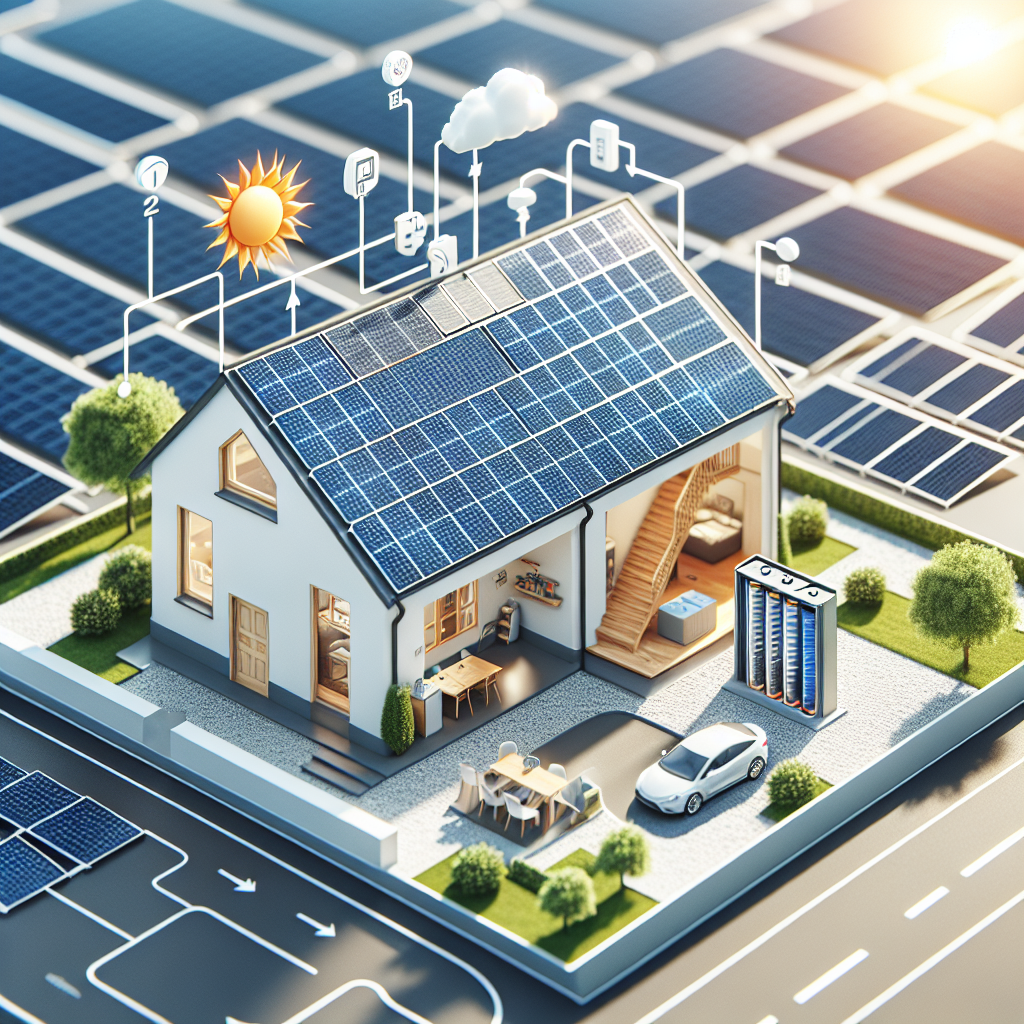
    Government incentives for solar energy installations are basically financial benefits offered by federal, state, and sometimes local governments to encourage you to go solar. These can come in the form of tax credits, rebates, grants, and even low-interest loans. The goal is to make solar energy more accessible for homeowners and businesses, which ultimately helps the environment by reducing reliance on fossil fuels.

    From my perspective, these incentives can really lighten the financial load when installing solar panels. I remember when I installed my panels, having those rebates made a notable difference in the initial investment. It’s like getting a pat on the back for saving the planet while also benefiting your wallet!

    Keep in mind, though, that incentives can vary based on where you live. Each state has different rules and offerings, so it’s important to do some local research for the specific benefits available in your area.

    Researching Available Programs

    Finding Local and Federal Programs

    When I was first looking to go solar, the sheer number of programs out there seemed overwhelming. I started with the Database of State Incentives for Renewables & Efficiency (DSIRE), which is a fantastic resource. It lists every incentive available by state and even offers information about local programs.

    Additionally, checking in with your local utility companies can often lead you to hidden gems of information. They frequently offer their own rebates as part of their renewable energy goals. I remember discovering a rebate that cut my installation costs significantly just by asking my utility provider!

    If you’re still feeling lost, there are organizations and solar advocates who can help you navigate the complexities. Don’t hesitate to reach out; people love sharing their successes and tips!

    Evaluating Solar Energy Systems

    Choosing the Right System for You

    Once I understood the incentives, it was time to pick the right solar energy system. It’s important to remember that not all systems are created equal. Depending on your energy needs, your roof’s orientation, and even your aesthetic preferences, your solar panel choice can vary considerably.

    I found solar calculators online that helped me assess my energy needs based on usage. By doing some math and comparing it to different systems, I got a clearer picture of what would work best for me. Coupled with the financial incentives, this helped narrow my options significantly.

    Plus, reading reviews and seeing actual installations in my area gave me confidence in my choice. I even visited a few friends who had panels installed, which provided invaluable insight.

    Applying for Incentives

    Filling Out the Necessary Forms

    Once I selected the system I wanted, it was time to tackle the application processes for incentives. I won’t lie; it can feel a bit tedious. But ensuring that I filled everything out correctly made a massive difference in how quickly I started receiving benefits.

    Many times, my solar installation company helped me with the paperwork. They were seasoned pros when it came to these applications and provided me numerous forms to ensure I did it right. I just made sure to double-check and sign where needed, which saved me a lot of hassle in the long run!

    Remember, missing paperwork or incorrect information can delay your incentives. So, it pays to be thorough and to keep copies of everything you submit!

    Monitoring Your Incentive Benefits

    Keeping Track of Incentives and Rebates

    After installation and getting my incentives, I found it extremely helpful to actively monitor them. I installed an app on my phone that kept tabs on both my energy production and the financial benefits I was receiving. It’s nice to see how much energy I’ve saved and know that I’ve truly made a difference.

    I also made it a habit to review my tax credits during tax season. This way, I could maximize my benefits and ensure I wasn’t missing any deductions. I even consulted with a tax professional who was savvy about energy incentives; it was worth every penny to ensure I was on track!

    Staying engaged with your solar energy system not only keeps you informed about your savings but can also appeal to future upgrades or maintenance needs down the line. You never know how new incentives might pop up either!

    FAQs

    1. What types of government incentives are available for solar energy installation?

    Incentives can range from federal tax credits, state rebates, and grants, to performance-based incentives. Each location may have different offerings, so check local resources for specifics.

    2. How can I find out about programs in my area?

    The Database of State Incentives for Renewables & Efficiency (DSIRE) is a great place to start. Additionally, contact your local utility companies as they often have their own programs aimed at encouraging solar energy.

    3. Do I need to handle the paperwork myself?

    Not necessarily! Many solar installers will help guide you through the paperwork needed to apply for incentives. Just make sure to keep copies of everything you submit.

    4. Can I still get incentives if I live in an apartment?

    In some cases, yes! You might be able to invest in community solar programs or work with your landlord for individual installations. It’s worth investigating the options available in your area.

    5. Are there any incentives for maintenance or upgrades to existing solar systems?

    Yes, some states offer incentives for maintenance or upgrades, but these vary by location. Always check local resources and programs to see what’s available as technology and offerings continue to evolve.

  • How to Transition to Solar Energy Without Breaking the Bank

    How to Transition to Solar Energy Without Breaking the Bank

    1. Assess Your Energy Needs

    Understanding Your Current Energy Usage

    First things first, you gotta know what you’re working with. Before diving into solar energy, I took a good look at my energy bills and consumption patterns. Grab a few of your previous statements. This will help you see how much power your household uses on a monthly basis.

    Remember to factor in seasonal changes too; some months are definitely worse than others. Consider whether there are appliances or devices you might be using more than you realize. It’s like shining a flashlight on your consumption habits.

    Once you see the big picture, you can proceed to understand how much solar power you’ll need to cover your usage. This will be the backbone of your solar transition strategy.

    Calculating Potential Savings

    Next, I crunched some numbers. By calculating potential savings from solar, I estimated how much I could save on my electricity bills over the years. There are plenty of online calculators that make this easier for you, too!

    Consider how incentives and rebates might impact the costs. Many states and local governments are eager to promote solar energy and tend to offer tax credits or rebates. This further sweetens the deal — a win-win!

    All this will give you a clearer idea of how much money you can save by making the switch and how long it might take to see returns on your investment. It’s essential info as you lay your groundwork!

    Setting Your Budget

    When I felt confident about my energy needs and potential savings, it was time to set a budget. I had to decide how much I was willing to spend upfront versus what I wanted to finance. There’s a big difference between paying cash or taking out a loan, folks!

    Your budget will guide your decisions moving forward. While it may be tempting to grab the fanciest equipment on the market, remember you can often accomplish your goals with mid-range systems at a lower cost.

    Be realistic and don’t forget about ongoing maintenance costs. Having a solar energy setup is a long-term commitment and budgeting accordingly will save you headaches down the road.

    2. Explore Financing Options

    Loans vs. Cash Purchases

    Once I had a good grip on my finances, I looked into financing options. Cash is king, but not everyone can drop a hefty lump sum right off the bat. Consider solar loans — they can help you pay for the system over time.

    If you’re not going the loan route, some vendors offer payment plans that allow you to pay gradually while enjoying the benefits of solar energy from day one. It’s basically like having your cake and eating it too!

    At the end of the day, choose the option that aligns with your financial goals and capabilities. It might even help to run scenarios of different financing arrangements to see which is a better fit for your lifestyle.

    Leasing Solar Panels

    If the idea of ownership sounds daunting, leasing solar panels is another cool option. With leasing, you pay a monthly fee to use the solar panels instead of buying them outright. This can lead to lower upfront costs and quicker installation.

    One thing to keep in mind is that leasing may limit your benefits in the long term. You won’t get the tax credits that come with ownership, and you’re essentially paying rent for the panels. Weigh your options carefully!

    I found this arrangement worked best for folks who want immediate results without breaking the bank. Just make sure to read the fine print and understand the terms before signing anything.

    Government Incentives

    Never underestimate the power of good ol’ incentives! Many states offer substantial tax credits for going solar, and federal tax credits can bring costs down significantly. I was able to save quite a bit thanks to these perks!

    Keep an eye out for local programs as well. Community-funded solar projects might provide additional financial assistance or perks to help ease the transition you’re making towards renewable energy.

    Doing research on these opportunities not only saves you money but also gives you a sense of community. It’s incredible to see how many people are in this together, pushing for greener energy solutions.

    3. Choose the Right Equipment

    Finding Quality Panels

    As I explored my options, quality solar panels became a priority for me. Just like any other product, there’s a range of quality and effectiveness. Brands may boast different efficiencies or warranties, and I quickly learned that these factors could impact overall savings down the road.

    While cheaper panels might save you money upfront, they often come with less durability and longevity. I found investing a bit more in quality gear can lead to better returns in the long haul.

    Be sure to check reviews and ask for recommendations. Fellow solar users can often provide great insights into their experiences with particular panels and brands.

    Inverters and Battery Storage

    Inverters are another crucial component of your solar system. They convert the energy captured by your panels into usable power for your home. I learned that investing in a good inverter could notably improve the efficiency of my entire setup.

    Battery storage can also be a game-changer, allowing you to store excess energy generated for later use, especially during peak hours. This was a feature that made a big difference for me, particularly during times of high demand.

    Take your time researching which types of inverters or battery options fit your goals best – each option brings various benefits to the table!

    Installation Considerations

    Choosing the right installation company was a major decision in my solar journey. Certifications and experience matter — you want professionals who know what they’re doing to ensure your system runs smoothly for years.

    I recommend getting multiple quotes and talking to past clients if possible. Don’t just look for the lowest price; look for value, reliability, and customer service too.

    Also, consider the timing of installation. Some companies have busier seasons than others. If you can schedule during the off-season, you might get a better deal and more attention to your setup.

    4. Monitor and Maintain Your System

    Regular Check-Ups

    After going solar, I quickly learned the importance of monitoring my system. Keeping an eye on how things are running ensures you’re getting the energy output you expect. Most solar setups come with monitoring apps — take advantage of those!

    Make regular check-ups part of your routine. This might involve clearing off debris or snow in the winter or checking connections and tightening cables. It keeps your system in peak condition and protects your investment.

    Some companies even offer maintenance plans, and while it’s an added expense, it could save you hassle later on. A well-maintained system performs better and lasts longer, so consider it a worthy investment!

    Understanding Performance Reports

    Analyzing performance reports can also be enlightening. These reports give you a snapshot of your energy production over time. I found this data invaluable when recalibrating my energy use or when evaluating if I needed further upgrades.

    Understanding these metrics can also be motivational. Seeing your progress in numbers can boost your commitment towards sustainability and energy efficiency.

    If something seems off, don’t hesitate to reach out to your installer or a professional for help. Early detection of issues can save you lots of trouble down the road.

    Anticipating Repairs

    Some repairs may arise, even with a well-installed system. Knowing what to expect is key. Most solar components have warranties, so keep those documents handy. If something breaks, you want to know if it’s covered!

    Having a plan for unexpected repairs can ease the financial burden. Setting aside a small fund specifically for maintenance or repairs might just save your wallet in the long run.

    Accepting that repairs may happen is part of the journey. Just as with any home improvement, being proactive helps in keeping everything running smoothly!

    5. Educate Yourself and Your Community

    Learning More about Solar Energy

    Staying educated on solar trends and products is a surefire way to get the most out of your investment. I dove into articles, webinars, and local workshops to keep learning more. The solar landscape is always changing!

    Connect with local solar associations or groups that can provide valuable insights. The more you know, the better decisions you can make regarding your household’s energy management.

    Staying informed not only empowers you but can help others too. Sharing knowledge is powerful and can inspire those around you to consider making the switch as well.

    Joining Community Initiatives

    Engaging in local initiatives can elevate your solar experience. Many communities have programs promoting collective solar purchasing. By teaming up with neighbors for group buys, you can often snag discounts and streamlining the process.

    Community initiatives can also provide platforms for discussions on legislation and local laws governing solar energy. Being part of this discourse can strengthen solar incentives and contribute to a wider movement.

    Being proactive in your community boosts awareness, and it’s just plain fun to be part of a collective goal for renewable energy. Let’s all go green together!

    Sharing Your Experience

    Finally, don’t shy away from sharing your journey! Your experiences can inspire others who are contemplating the switch to solar energy. Share your successes and mistakes — every nugget of information can be a big help to others!

    Blogging, social media, or even casual chats in your neighborhood can spark conversations about solar energy. Sharing your journey may even motivate someone else to take that leap of faith.

    Remember, solar energy isn’t just a personal benefit; it’s a step towards a sustainable future for everyone!

    Frequently Asked Questions

    1. How much can I really save by switching to solar energy?

    Your savings will depend on various factors, including your current electricity usage, available incentives, and the size of your solar system. Many users report savings of 50-100% on their utility bills.

    2. Is it better to buy or lease solar panels?

    It depends on your financial situation. Buying panels is typically more cost-effective in the long run since you will own the system and benefit from tax incentives. Leasing may offer lower initial costs but doesn’t provide the same long-term benefits.

    3. Are there maintenance costs associated with solar panels?

    Yes, maintenance is a part of owning solar panels. Regular upkeep like cleaning and system checks may incur some costs, but many systems have low maintenance needs and warranties cover most issues.

    4. What should I look for in a solar installer?

    When choosing an installer, look for certifications, experience, and positive customer reviews. It’s also beneficial to get multiple quotes to compare services and pricing before making a commitment.

    5. How long does it take to install solar panels?

    Installation typically takes 1-3 days, depending on the size of your system and any site-specific challenges. However, the entire process can take a few weeks from consultation to final connection to the grid.

  • How Solar Inverters Impact Your Energy Efficiency

    How Solar Inverters Impact Your Energy Efficiency

    Understanding Solar Inverters

    What is a Solar Inverter?

    Let me tell you, solar inverters are an essential part of any solar panel system. In simple terms, they convert the direct current (DC) electricity generated by your solar panels into alternating current (AC) electricity, which is what most home appliances use. Without these nifty devices, your solar panels would just sit there, doing nothing for you.

    The incredible thing is that there are different types of solar inverters, like string inverters and micro-inverters. Each type has its perks and drawbacks, which I learned by researching and asking experts in the field. Understanding these differences is crucial if you want to maximize your energy efficiency.

    When I first got into solar energy, I was amazed at how much I didn’t know. Choosing the right inverter can lead to better energy performance, since it directly affects how much energy is used versus what is wasted. Knowledge is power, right?

    Enhancing Energy Conversion Efficiency

    The Role of Inverters in Energy Conversion

    Okay, so here’s something cool: solar inverters play a huge role in determining how efficiently your solar energy gets converted. The better the inverter, the less energy you lose in the conversion process. For instance, high-quality inverters can achieve conversion efficiencies of over 98%. Imagine the savings on your energy bill!

    In my own experience, I noticed a significant difference in my energy conversion rate after upgrading my inverter. It was almost like I had flipped a switch! Being able to harness more energy from the same amount of sunlight means more savings. What’s not to love?

    Every percentage point of efficiency adds up over time. Trust me, when you’re looking at your energy bills and you see that nice reduction, you’ll appreciate your inverter choice even more.

    Impact on Energy Storage Solutions

    Inverters and Battery Storage

    Let’s get down to how inverters help with energy storage. Particularly, if you’ve got a battery system paired with your solar setup, your inverter plays a massive role. Some inverters can manage the flow of energy to and from your batteries, deciding when to store energy and when to draw it. It’s like having a personal assistant for your energy!

    When I first installed my battery storage system, I was amazed at how my inverter regulated the charging and discharging cycles. This means I could rely on stored energy when the sun wasn’t shining, which drastically increased my energy efficiency.

    Having the right inverter made all the difference. It not only maximized my solar energy usage but also ensured I had enough power saved up for those cloudy days. Energy independence, baby!

    Overall System Reliability and Longevity

    The Importance of Quality Inverters

    Now, let’s chat about reliability. The quality of your solar inverter can impact the overall lifespan of your solar setup. I’ve learned that cheaper inverters might be tempting, but they often lead to failures and inefficiencies that can cost you in the long run.

    After a few years with my reliable inverter, I can say that its performance has been consistent. Regular maintenance and monitoring really keep my system healthy. It’s reassuring to know that my inverter is doing its job, and that translates to savings.

    Investing in a high-quality inverter not only boosts your energy efficiency today but also safeguards your solar investment for years to come. Long-term benefits often outweigh the initial costs. Trust me on this one!

    Maximizing Your Solar Investment

    The Financial Benefits of Efficient Inverters

    Last but definitely not least, let’s discuss the financial side of things. Choosing the right solar inverter can make your solar investment way more profitable. With a higher conversion rate and better energy management, you’ll see a significant drop in your utility bills.

    When I did the math after installing a quality inverter, it was like a light bulb went on! The savings on my monthly bills quickly started to cover the inverter’s cost. Plus, many states offer incentives for using efficient systems, which just sweetens the deal.

    Ultimately, the right solar inverter isn’t just about efficiency; it’s about turning your investment into long-term gains. And who doesn’t want more money in their pocket, right?

    Frequently Asked Questions

    1. What is the main function of a solar inverter?

    The main function of a solar inverter is to convert the direct current (DC) electricity generated by solar panels into alternating current (AC) electricity that can be used by home appliances.

    2. How does the inverter affect energy efficiency?

    A good quality inverter maximizes the conversion efficiency, meaning less energy is wasted during the transformation process. Higher efficiency directly translates to lower energy bills.

    3. Can solar inverters work with battery storage?

    Yes! Many solar inverters are designed to work in conjunction with battery storage systems, allowing optimal management of energy flow to maximize energy preservation and usage.

    4. How long do solar inverters typically last?

    Most solar inverters have a lifespan of around 5 to 10 years, depending on the type and quality. Regular maintenance can help extend their lifespan even further.

    5. Are there incentives for choosing efficient solar inverters?

    Absolutely! Many states and local governments offer financial incentives for using high-efficiency solar inverters, which can add further savings to your solar investment.