Tag: energy

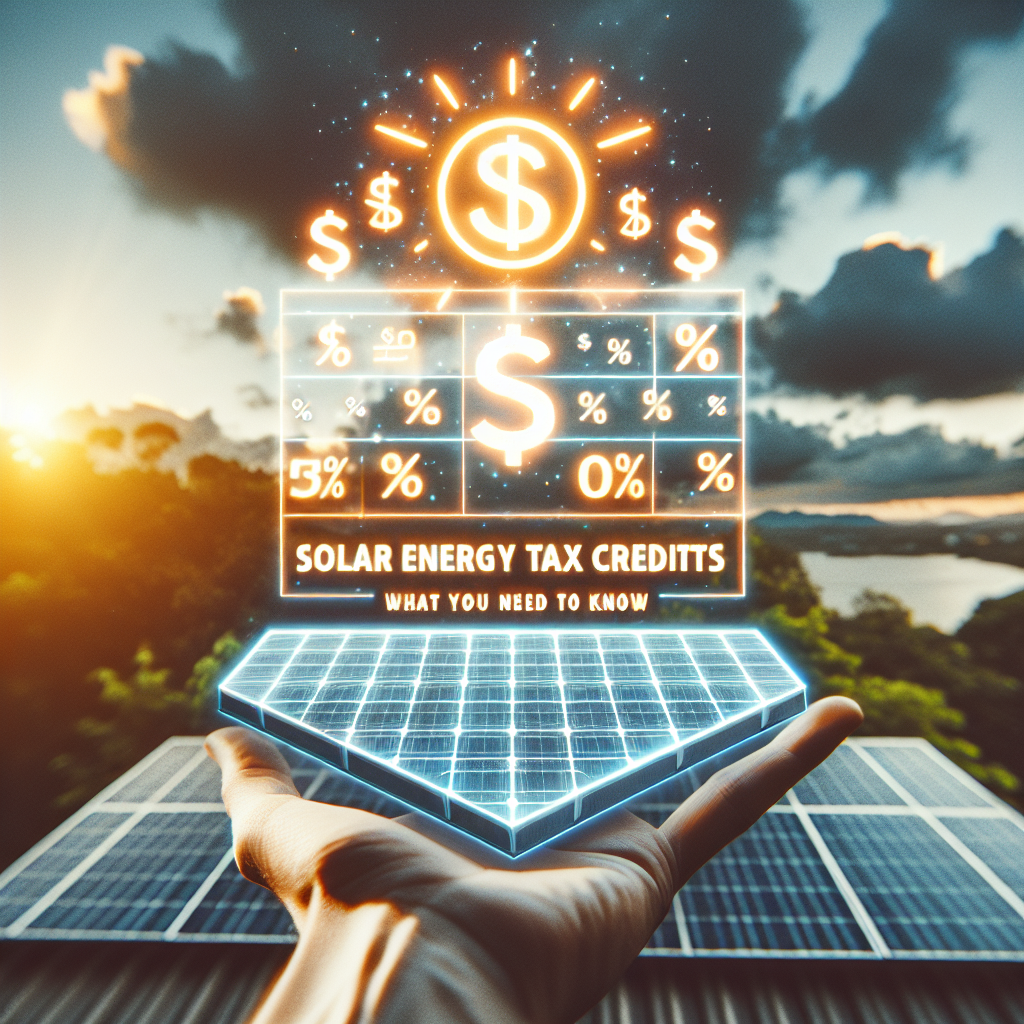
  • Solar Energy Tax Credits: What You Need to Know

    Solar Energy Tax Credits: What You Need to Know

    Understanding Solar Energy Tax Credits

    What Are Solar Energy Tax Credits?

    So, let’s kick things off with the basics. Solar energy tax credits are financial incentives offered by the government to make solar power more affordable. When you decide to go solar, you’re not just reducing your electricity bill; you can also reduce your tax liability. How cool is that? These are basically credits that you can apply against the amount of tax you owe, so they can be quite a beneficial scenario if you’re looking to invest in renewable energy.

    In simple terms, whenever you install qualifying solar energy systems in your home or business, you can claim a certain percentage of the installation costs as a tax credit. This is a fantastic way to lower the financial barrier of going green!

    And the incentive didn’t stop there! Over the years, updates and extensions have been made to these credits, which makes it a sweet deal for anyone considering making the switch to solar energy.

    The Importance of the Federal Solar Investment Tax Credit (ITC)

    The Federal Solar Investment Tax Credit (ITC) has been a game changer for the solar industry. This credit allows you to deduct a substantial percentage of your solar panel installation costs from your federal taxes. If you ask me, that’s like getting paid to go green!

    As of now, the ITC offers a credit of 26% through 2022, which will step down to 22% in 2023. Knowing that makes me feel like I need to get on that solar bandwagon ASAP before rates drop! So keep an eye on those dates, guys.

    Using the ITC not only makes your solar setup more affordable but also contributes to reducing reliance on fossil fuels—talk about a win-win!

    State-Specific Incentives

    While the federal credit is amazing, don’t overlook additional state-specific incentives that can sweeten the deal even more! In my experience, every state has different rules and perks, from rebates to additional tax credits or grants for solar installations.

    For instance, some states might offer rebates that give you a chunk of cash back after installation, while others may have programs that reduce your property taxes if you go solar. This can significantly change the overall cost perspective.

    So, do your homework on what’s available in your state. Trust me, a little research can lead to huge savings!

    Eligibility Requirements for Solar Tax Credits

    Who Qualifies for the Tax Credits?

    When I first started diving into solar energy, one of my biggest questions was, “Do I even qualify for these tax credits?” The good news is, if you own your home, you’re often eligible for the federal tax credit. However, there are specific guidelines you need to follow.

    You’ll need to have an eligible solar energy system installed—this generally means it should be new and meet certain standards set by the IRS. Whether you’re installing solar panels, solar water heaters, or even battery storage systems, make sure they meet technical guidelines!

    Remember that for rental properties or businesses, different qualifications will apply, so it’s worth checking into that if you don’t live in the property yourself.

    What Installation Costs Are Covered?

    Not all costs are created equal when it comes to tax credits. The costs that qualify for the solar tax credit are typically the installation expenses, which can include the price of materials and labor. However, I found that it’s crucial to ask your installer for a detailed quote that breaks down these costs.

    Some folks might be surprised to learn that permits, equipment for the solar system, and even the sales tax on the system itself might be eligible for the credit! Every little bit helps, right?

    Taking the time to investigate exactly what gets covered will save you stress and potentially money down the line.

    Documenting Your Installation

    When it comes to filing for tax credits, documentation is key! Don’t leave things to chance—make sure you’re keeping track of all the necessary paperwork. In my experience, I learned the hard way that proper documentation can save you headaches later on.

    Keep your installation contract, all invoices, and photos of your completed system. When tax season comes around, it’s easier to have everything organized rather than scrambling to find those documents.

    Plus, if you ever face an audit, having comprehensive records will be invaluable. Trust me, it’s worth the effort!

    Tax Credit Application Process

    Filing Taxes with Solar Credits

    Alright, so after you’ve installed your solar system and gathered all that documentation, it’s time to think about filing your taxes. The good news is that you will fill out IRS Form 5695 to claim your credit!

    Those forms can seem intimidating at first, but it’s not as scary as it sounds. Just take a deep breath and follow the instructions! You’ll input the total cost of your solar energy installation, and the form will do the math for you—easy peasy!

    If you’re confused at any point, don’t hesitate to ask a tax professional for help. It’s better to get it right from the start than to make costly mistakes.

    Deadlines and Important Dates

    Every year, the deadline for applying for tax credits usually coincides with the income tax filing deadline—April 15 in the U.S. But if you’re like me and always seem to file your taxes at the last minute, remember that extensions won’t apply to tax credits; they expire based on the year.

    It’s essential to keep an eye on the calendar, especially if you’re planning upgrades or installations in anticipation of the upcoming tax year. Mark those important dates down!

    This way, you can avoid missing out on any potential savings. No one wants to be that person who loses money just because they forgot a deadline!

    The Role of Tax Professionals

    Now, I can’t stress enough how beneficial it is to consult with a tax professional, especially regarding something as intricate as solar tax credits. I learned this the hard way, trust me.

    They can guide you through the requirements and ensure that you’re maximizing your benefits when tax time rolls around. Plus, they can help navigate those tricky forms and provide specific advice based on your situation.

    In my book, having a seasoned pro on your side makes the process way less overwhelming and far more rewarding.

    Future of Solar Tax Credits

    Potential Changes on the Horizon

    As someone who’s pretty plugged into the solar scene, I can tell you that the future of solar tax credits is buzzing with potential changes. Governments continuously assess climate policies, which means the credits can evolve as new regulations are established.

    Keeping an eye on proposed legislation or changes to the ITC will help you stay ahead of the game. I mean, wouldn’t it just be a drag to plan something only to find out that the rules have shifted?

    By staying informed, you can make better decisions regarding your solar investment. It’s always wise to adapt and be ready for changes!

    Long-Term Financial Benefits

    Investing in solar energy isn’t just about getting a quick tax credit; it’s about long-term savings. From my own perspective, the real beauty of solar lies in the reduction of your monthly energy bills and the increase in your property value.

    Over the years, many homeowners have reported their solar panels significantly boosted their resale value. And who doesn’t want to pass that on to the next owner? It’s a savvy investment in the long run!

    So, while you’re eyeing those tax credits, remember to visualize how solar can change your lifestyle and finances in the future!

    Encouraging More People to Go Solar

    At the end of the day, the goal of solar tax credits is simple: to encourage more folks to invest in renewable energy. The more people that switch to solar, the more momentum we gain in the fight against climate change.

    Every household that moves to solar represents a step towards sustainability. I’m super passionate about getting the word out and driving more interest in solar options.

    Let’s face it, the more informed people are about tax credits and their benefits, the more likely they’ll give solar a try. And that’s exactly how we build a brighter, greener future!

    FAQ

    1. What are solar energy tax credits?

    Solar energy tax credits are financial incentives that reduce your tax liability when you install solar energy systems in your home or business.

    2. How much can I deduct with these tax credits?

    As of 2022, you can deduct 26% of your solar installation costs from your federal taxes. This percentage will decrease to 22% in 2023.

    3. Who qualifies for solar tax credits?

    Homeowners who install eligible solar systems can claim tax credits. You typically must own the system and have the installation done by a qualified contractor.

    4. How do I apply for the solar tax credits?

    You can apply by filing IRS Form 5695 along with your tax return. Be sure to keep all relevant documents and receipts related to your installation!

    5. Are there state-specific incentives for solar energy?

    Yes! Many states offer additional rebates, tax credits, and programs that reduce costs for homeowners investing in solar energy. Research what’s available in your state to maximize savings!

  • How Flexible Solar Panels Are Revolutionizing Energy Use

    How Flexible Solar Panels Are Revolutionizing Energy Use

    Innovative Design and Technology

    Lightweight Materials

    One of the standout features of flexible solar panels is their lightweight composition. Unlike traditional panels that feel bulky and heavy, these newcomers are made from advanced materials that allow them to be easily transported and installed. This means you can set up solar power almost anywhere, from rooftops to RVs, which opens up a world of possibilities for energy use.

    I remember helping a friend install flexible panels on his camper van. It was such a breeze! We didn’t have to worry about the weight or strength of the roof too much, which wouldn’t have been possible with traditional panels. The ease of installation truly revolutionizes how we think about mobile energy solutions.

    Moreover, the lightweight aspect also means that flexible solar panels can be integrated into different structures without overpowering them. Imagine sleek designs on urban buildings or boats – it’s a game changer for aesthetics in green energy applications!

    Durability and Versatility

    Flexible solar panels are built to last. They stand firmly against harsh weather conditions which makes them incredibly versatile. One of my favorite aspects is how they perform in various environments, whether it’s extreme heat or the cool coastal breeze. You can feel confident knowing they’ll withstand the elements.

    It’s like having a reliable friend who’s always there, rain or shine. They’re designed to have a longer lifespan compared to rigid panels, which gives homeowners and businesses a better return on investment over time.

    Also, their versatility allows them to be used not just on rooftops but also on boats, tents, and even on wearable technology. Just picture a camping trip with your own power source right on your tent – that’s the future of outdoor adventure!

    Advanced Efficiency Ratings

    Efficiency is crucial when it comes to solar energy. Flexible solar panels have come a long way in maximizing energy capture. I’ve been following advancements in this tech for years, and the progress is wild! Today’s flexible panels can convert sunlight into electricity at rates that are comparable to their traditional counterparts.

    This means you can get the power you need without sacrificing space or compromising on performance. In fact, I have a family member who recently switched to flexible panels in their yard, and they’re thrilled with the efficiency they’re getting.

    Not to mention, manufacturers are continuously pushing the envelope to improve these ratings even further. It’s exciting to think about where technology will take us next.

    Environmental Impact

    Reduced Carbon Footprint

    As someone who’s passionate about sustainability, I can’t overlook the eco-friendly benefits of flexible solar panels. They are made with less energy-intensive materials to produce and offer an alternative to fossil fuels, reducing the carbon footprint associated with energy consumption.

    Installing flexible solar panels can significantly lessen our reliance on non-renewable resources. This is huge in the fight against climate change, and I personally feel like it’s our responsibility to improve the planet’s health however we can.

    In every discussion about solar energy, I emphasize that even small actions can lead to significant changes, and these panels fit right into that narrative. It’s all about making energy cleaner and more sustainable.

    Recycling and Disposal

    One common concern with solar technology is what happens to it at the end of its life cycle. Flexible solar panels are designed with recyclability in mind. As they grow in popularity, advancements in recycling practices are being developed, making this an important aspect of their environmental impact.

    I’ve been reading up on how many manufacturers are implementing take-back programs. This means they’ll recycle their old products properly, preventing waste and promoting sustainability. It’s inspiring to see companies taking responsibility!

    In the end, knowing that flexible solar panels can be disposed of in an eco-friendly way gives me peace of mind. It aligns with the growing emphasis on a circular economy where we reuse and repurpose materials instead of sending them to landfills.

    Energy Independence

    Flexible solar panels empower individuals and communities by promoting energy independence. Imagine being able to produce your own power, reducing utility bills, and relying less on grid energy. It’s liberating!

    I have a close friend who invested in these panels for her home and she’s thrilled to see her energy bills drop substantially. She feels more in control of her energy use and it’s such a beneficial feeling! We’ve even started discussing how she could support her community with excess energy.

    Energy independence with solar not only means lower costs but also enhances resilience during power outages. The peace of mind that comes from knowing you have a backup power source is priceless.

    Market Growth and Future Trends

    Growing Demand

    The market for flexible solar panels is exploding! As more people seek sustainable energy solutions, I’ve noticed an uptick in demand for flexible systems. This is fueled by a combination of environmental awareness and technological advancements.

    I was recently at a renewable energy fair, and the buzz around flexible panels was electrifying. Everyone is eager to learn about their benefits and applications. It’s clear that going green is no longer a passing trend.

    With government incentives and a push toward cleaner energy, I expect sales to keep soaring. It’s a fascinating time to be involved in the green energy conversation!

    Technological Innovations

    Innovation is at the heart of the flexible solar panel movement. Developers are continuously working to enhance their efficiency, durability, and aesthetics. It’s exciting to think about what’s next!

    From integrating technology into design to improving energy capture, I’ve seen some mind-blowing prototypes. It feels like we’re on the brink of a breakthrough in solar energy technology. I can’t help but feel optimistic about where this could lead.

    The combination of smart technology and flexible solar panels can revolutionize smart homes and electric vehicles, paving the way for a more connected and sustainable future.

    Potential Challenges

    Of course, with any emerging technology, some challenges remain. While flexible solar panels offer incredible benefits, they still need to overcome hurdles like cost and widespread adoption. Price points can be a barrier for some folks, but as production scales, I suspect costs will come down.

    Additionally, while they are gaining traction, they still require consumer education. I’m trying my best to inform friends and family about their benefits, but it can be a slow process.

    In the end, tackling these challenges head-on will be crucial for flexible solar panels to truly revolutionize energy use. But I believe that with time, they’ll become a household standard.

    FAQs

    1. What are flexible solar panels?

    Flexible solar panels are lightweight and versatile solar energy systems made from advanced materials. They can be installed in a variety of locations and environments due to their adaptability.

    2. How do flexible solar panels differ from traditional solar panels?

    Unlike traditional solar panels, flexible solar panels are much lighter, easier to install, and often more durable against various weather conditions. They also have a wider range of applications.

    3. Are flexible solar panels efficient?

    Yes! Many modern flexible solar panels achieve efficiency ratings comparable to traditional solar panels, making them a viable option for capturing solar energy.

    4. What impact do flexible solar panels have on the environment?

    Flexible solar panels help reduce carbon footprints, and many are designed with recyclability in mind, supporting a more sustainable path for solar energy solutions.

    5. What are the future trends in flexible solar technology?

    Future trends include advancements in efficiency, integration with smart technology, and the expanding market as awareness and demand for sustainable energy solutions grow.

  • Solar Panel Cleaning Guide: Maximize Your Energy Output

    Solar Panel Cleaning Guide: Maximize Your Energy Output

    Understanding the Importance of Regular Cleaning

    Why Clean Solar Panels?

    Let me tell you, when I first got my solar panels installed, I had no idea how important cleaning them would be. Dust, dirt, and bird droppings can all accumulate over time, and they can significantly reduce the efficiency of your panels. I learned the hard way that neglecting to clean them could mean less energy output and lower savings on my energy bills.

    Think about it: every little bit of grime can block sunlight from hitting the solar cells. That light is what generates power for my home. So, if you want to maximize your investment, regular cleaning is an absolute must.

    Plus, clean solar panels have a longer lifespan. When you take the time to care for your panels, you’re not just enhancing their efficiency; you’re also ensuring they last longer, which is a fantastic return on your investment.

    Frequency of Cleaning

    Depending on where you live, the frequency of cleaning can vary. For my panels, I found that bi-annual cleaning works wonders. However, if you live in a particularly dusty area or near lots of trees, you might want to do it more often, like every couple of months.

    Weather also plays a huge role. Rain can help wash off some debris, but after a storm, I usually check to see if a good scrub is needed. It’s also good practice to have a regular cleaning schedule, so it doesn’t sneak up on you.

    Don’t forget the seasons! In the spring, I tend to check my panels after all that pollen settles, and in the fall, it’s a must-do before the winter snow hits.

    The Benefits of Clean Panels

    Now, let’s talk perks! Aside from maximizing energy production, clean solar panels can boost your home’s curb appeal. If you ever plan on selling your house, potential buyers will definitely notice those sparkling panels.

    A clean system also means fewer maintenance issues down the line. It’s like keeping your car in good shape: the better you care for it, the less you have to spend on repairs.

    Plus, think about the environment! A more efficient solar panel helps reduce your carbon footprint, contributing to a greener planet. It’s a win-win situation when you keep your panels clean!

    Choosing the Right Cleaning Techniques

    Methods for Cleaning

    I’ve tried a few different methods for cleaning my solar panels, and let me tell you, not all methods are created equal. The safest way I’ve found is using a soft brush and water. It’s gentle enough not to scratch the surface, yet effective at removing dirt.

    Another method I sometimes use is a spray cleaning solution designed for solar panels. Just make sure it’s environmentally friendly. Nobody wants to mess with that!

    Seriously, avoid using harsh chemicals or pressure washers. They might seem like a swift solution, but they can cause long-term damage to your panels.

    DIY vs. Professional Cleaning

    This is a big question I had when I started: should I DIY or hire a pro? I’ve done my own cleaning several times, and while it’s certainly cost-effective, I learned that it can also be time-consuming and risky.

    If you’re up on your roof, safety should be your top priority. Always wear proper gear, and if you’re feeling iffy about it, just call in the pros. They have experience and the right equipment!

    In the end, it boils down to your comfort level and how much time you want to spend. Personally, I mix it up. I do some basic cleaning myself but hire pros for annual deep cleans.

    Tools and Supplies Needed

    For my DIY cleanings, I keep things pretty simple. I use a soft-bristle broom, a bucket of soapy water, and a garden hose. That’s pretty much my cleaning toolbox!

    If you’re feeling fancy, there are also solar panel cleaning kits available with fancy brushes and squeegees. They work great and make the job a bit easier.

    Just remember to be gentle. Your goal is to clean, not to scrub away your investment!

    Safety Precautions to Keep in Mind

    Climbing Safety

    Being up on a roof can be daunting, right? I freaked out the first time I had to do it! Make sure to wear non-slip shoes and never attempt to clean on a rainy or wet day. Trust me, slipping is the last thing you want to deal with.

    Consider setting up a safety harness or have someone outside with you, just in case. It’s always better to be safe than sorry.

    And if you’re like me and you hate heights, that’s a huge sign to call the pros. There’s no shame in getting help!

    Protecting Your Equipment

    It’s not just about protecting yourself; you’ve got to take care of your panels, too! Before getting started, inspect your panels for any cracks or damage. If you see anything, it’s best to get it checked out before cleaning.

    A tip I learned is to avoid using metal tools. They can scratch your panels, and nobody wants that. Stick with soft materials to keep everything safe.

    Also, if you’re using a ladder, make sure it’s secured. I’ve had a near-miss once when I didn’t double-check, and I learned my lesson the hard way!

    Condition of Your Panels

    Pay attention to how your panels are performing. If you notice a significant drop in output, it might be time for a thorough cleaning. Sometimes, dirt builds up so much that you don’t even realize the panels need attention.

    It’s also worth noting if your panels are in a location that might require more frequent cleaning. For example, if they’re near a busy road, you may find a lot of debris collecting.

    Keep an eye out for bird droppings and leaves—these can really mess with efficiency if left unchecked!

    Regular Maintenance Tips

    Inspecting Your Panels

    Aside from the cleaning, I find it incredibly useful to regularly inspect my solar panels. I usually do a visual check every month or so to see if there’s any debris or dirt. You’ll be surprised how much can accumulate!

    Look for anything unusual. If there are dark spots or discoloration, it might be a sign of mold or mildew, which need to be dealt with promptly.

    A little upkeep can go a long way in ensuring your panels run efficiently!

    Keeping the Surrounding Area Clean

    Don’t forget, the area around your panels can wreak havoc on their cleanliness too. Trim any overhanging branches that might drop leaves or twigs onto your panels. I learned this the hard way when I had to do a deep clean thanks to my lovely tree!

    Also, consider landscaping the area to minimize debris. I added some gravel around my setup to help keep things cleaner.

    Regular yard maintenance can greatly reduce the amount of material that gets blown up onto your panels.

    Monitoring Performance

    Lastly, I highly recommend keeping an eye on the performance of your solar panels. Many systems have monitoring tools that can show you how much energy you’re generating. If you see a drop, that’s a sure sign it’s time for a cleaning!

    Making a habit of checking the performance can save you from future headaches. I discovered this tool and it’s been a game changer for my maintenance schedule!

    Staying proactive ensures you’re getting the most out of your investment without any unpleasant surprises.

    FAQ

    1. How often should I clean my solar panels?

    Generally, it’s a good idea to clean them at least twice a year, but if you live in a dusty area, you might need to do it more often.

    2. Can I use a pressure washer on my solar panels?

    No, it’s best to avoid pressure washers because they can damage the panels. Stick to soft brushes and water for cleaning!

    3. Is it safe to clean solar panels myself?

    It’s safe as long as you take proper precautions! Make sure you have safety gear and are comfortable on a roof.

    4. What tools do I need for cleaning solar panels?

    A soft brush, bucket of soapy water, and a garden hose are usually all you need. You can also find specialized solar panel cleaning kits if you prefer.

    5. What should I do if I notice damage on my solar panels?

    If you see any cracks or damage, it’s best to contact a professional to assess the situation before cleaning.

  • Solar Energy Myths: What Actually Works?

    Solar Energy Myths: What Actually Works?

    Myth 1: Solar Energy is Too Expensive

    Understanding the Costs

    When I first considered solar energy, the price tag threw me off. I mean, who wants to fork out a huge chunk of change upfront? But the truth is, the costs have dropped significantly over the past few years. I remember talking to my neighbor, who made the switch, and he shared that his system paid for itself in just a few years through energy savings and tax incentives.

    Plus, many states offer rebates and financing options that can make solar more affordable than it seems. I always tell people, don’t let the sticker price scare you off. Look at the long-term picture; you’re investing in your future while contributing to a greener planet.

    Exploring the financial options can really change your perspective. I discovered options like solar leases or power purchase agreements (PPAs), which can mitigate those upfront costs completely. It may be worth exploring what your area has to offer!

    Myth 2: Solar Panels Only Work in Sunny Areas

    Weather Myths Busted

    This notion had me doubting whether solar was right for me living in a slightly overcast region. I thought, “What’s the point of putting panels up if they won’t get enough sun?” But then reality hit – solar panels actually work pretty efficiently in cloudy weather! I learned that they absorb sunlight, not just direct sunlight. Ain’t that cool?

    Actually, I visited a friend who lives in a place that’s notorious for rain, and he proudly showed off his solar setup. Despite the cloudy skies, his energy bills were slashed. The technology has improved to the point where the production isn’t just reliant on full brightness.

    Turns out, as long as there’s daylight, solar panels will generate some electricity. So, if you’re living in a cloudier area, don’t count solar energy out! You can still harness that power effectively.

    Myth 3: Solar Energy Isn’t Reliable

    Debunking Reliability Concerns

    Reliability is a biggie! I was worried about whether my system would actually generate enough energy when needed. The truth is that solar technology has come a long way. Many systems include battery storage, which can store energy for those less sunny days or when the grid goes down. I remember hearing about friends who had a backup power source thanks to their solar setup during a storm, and it saved their fridge and freezer from spoiling. Major win!

    Additionally, I also found that there are hybrid systems that integrate solar and grid power, allowing you to pull from both sources as needed, ensuring you’re never left in the dark. It’s a seamless way to have reliable energy, and I felt at ease knowing I could switch between sources without a hitch.

    The advancements in technology mean that solar is now more reliable than ever, so I wouldn’t settle for that outdated myth. If you do your research and choose the right system, you’ll be all set!

    Myth 4: Solar Energy Requires Too Much Maintenance

    Maintenance Realities

    Here’s one I’ve often heard – solar panels are a hassle to maintain. But let me clear this up: solar panels are surprisingly low-maintenance. I’ve had mine for a few years now, and honestly, the most I do is a quick wash every six months or so to keep dirt and debris off. It’s a simple job!

    Most of the systems out there are built to withstand the elements. I’ve talked to multiple installers, and they’ve told me that modern panels are designed with durability in mind. They’re tough cookies, resisting weather-related wear and tear better than most people give them credit for.

    And don’t forget about warranties! Most solar panel companies offer warranties ranging from 20 to 25 years. That’s assurance I rarely get with other home appliances. Once it’s up and running, you can pretty much forget about it, which is a huge relief.

    Myth 5: Solar Energy is Not Effective in Winter

    Winter Performance Insights

    This myth is a sneaky one! I mean, who wants to invest in a system that’s only good for half the year? But I dug a bit deeper, and guess what? Solar panels can actually perform well in cold weather! They are based on the intensity of sunlight rather than the temperature.

    As long as there’s sunlight, solar technologies will work – and trust me, some of the most efficient solar production can occur during bitter winter months. I’ve seen it happen. My neighbor’s panels were doing just fine during last winter’s chilly blasts, all while he enjoyed some serious energy savings.

    And don’t forget about snow! While it might cover the panels temporarily, it usually melts off quickly. The panels are designed in a way that allows them to shed snow easily when the sun starts shining again. So it’s not a deal-breaker during the colder months! Embrace winter with solar!

    Frequently Asked Questions

    1. What are the main costs associated with solar energy systems?

    The main costs include the purchase price of the solar panels, installation fees, and potential maintenance costs, though many systems are low-maintenance.

    2. Can solar panels function during rainy or cloudy days?

    Yes! Solar panels can still generate electricity even on cloudy days, although production may be reduced.

    3. How often do I need to maintain my solar panel system?

    Generally, solar panels require minimal maintenance. Cleaning them a couple of times a year is usually sufficient.

    4. Is investing in solar energy worth it?

    Absolutely! Solar energy can lead to significant savings on energy bills, increased home value, and positive environmental impacts.

    5. Do solar panels work efficiently in winter conditions?

    Yes! Solar panels can work efficiently in winter, as they are based on sunlight intensity rather than temperature.

  • Solar Energy Savings Calculator

    Solar Energy Savings Calculator

    Understanding Your Energy Consumption

    Getting to Know Your Energy Bills

    When I first decided to look into solar energy, I didn’t pay much attention to my energy bills. But trust me, that’s the first step! Seriously, if you want to figure out how much you might save with solar, you need to know how much energy you’re using on a regular basis. Take a month or two of bills and find the average kilowatt-hours (kWh) you consume.

    You’ll see patterns based on the seasons too. Like, your usage might spike during summer when the air conditioning kicks in or stick around higher in winter when you’re cranking up the heat. This knowledge is key, as solar panels work best when they can offset the highest usage times.

    Also, don’t forget to check for any additional fees or charges that can up your bill. Sometimes utilities add pesky little fees that can make your usage seem higher than it is. Knowing all this prepares you for the next exciting step!

    Understanding Your Peak Usage

    This part is crucial! Knowing when you use the most energy helps in figuring out how much solar power you’ll really need. I started tracking my peak usage hours by simply observing my daily activities—when I cook, use the washing machine, or binge my favorite shows.

    It’s like a lightbulb moment (pun intended!) when you realize that solar panels can actually produce more energy when the sun is shining the brightest, which is often when you need it the most. This realization shifted my perspective on the entire endeavor.

    So grab a notepad or your phone and just jot down a weekly schedule of when you see those energy spikes. It’ll arm you with solid info when diving into the next steps of your solar journey!

    Assessing Your Current Setup

    Next came the fun part—looking at my current energy setup. I mean, do you even know how much energy your home appliances consume? I started flipping over device labels like a detective. Turns out, some appliances use way more energy than I thought!

    After gathering that intel, I compiled a list of my biggest energy hogs. Guess what I found? My old fridge was quite the beast, sucking energy like there’s no tomorrow! Awareness is such a game changer and was essential in determining what size solar system I would need down the line.

    Enlist the help of energy auditing tools or even local services if you feel like it’s out of your wheelhouse. This could save you a boatload in the long run when you know what to focus on.

    Evaluating Solar Options

    Types of Solar Systems

    After understanding my energy consumption, it was time to get into the types of solar systems. There’s a bunch out there—grid-tied, off-grid, and hybrid systems. I did a little research first, and grid-tied systems seemed to fit my lifestyle best since they allow me to draw energy from the grid when I need it but use solar when the sun’s out.

    Don’t forget to weigh the pros and cons! Off-grid systems, while cool for being self-sustaining, come with steep initial costs and could lead to potential energy shortages if you’re not careful.

    I found this part super exciting because it really lets you customize your solar journey to fit your situation. Picking the right system is like choosing the perfect outfit—it just has to feel right!

    Calculating Potential Savings

    This is the moment we all wait for, right? Figuring out how much moolah you can save! There are fantastic online calculators that can help you estimate savings based on your location, roof size, and even local solar incentives. I used one that asked me to plug in my average energy use and it spit out potential savings that blew my mind!

    What I loved the most? It wasn’t just about financial savings. The calculator also emphasized the environmental impact, which helped me feel even better about my move toward solar. It’s like getting a two-for-one deal on feeling good!

    Remember to factor in local rebates and tax credits too! In some places, they can provide a nice financial boost that’ll make going solar even more attractive.

    Choosing a Solar Provider

    Finding a reliable solar provider is the final step in this adventure. I made a list of local companies, checking their reviews and websites. The customer service aspect cannot be stressed enough—these folks will be your buddies through this whole process!

    I personally scheduled quotes with multiple companies. Seeing how they present their proposals can also give you clues about their professionalism. A company that provides a clear breakdown of costs and doesn’t pressure you? Gold star in my book!

    Trust your gut too! If something feels off or a provider is too pushy, move on. There are plenty of fish in the solar sea. Make sure you feel comfy with your choice before signing any dotted lines.

    Common Questions About Solar Energy Savings Calculator

    FAQs

    1. What is a Solar Energy Savings Calculator?
    A Solar Energy Savings Calculator allows you to estimate how much money you can save by installing solar panels based on your current energy consumption.

    2. Why is it vital to know my energy consumption before going solar?
    Understanding your energy consumption helps you determine the size of the solar system you’ll need, ensuring you get the most efficient use of solar power.

    3. Can I really save money with solar energy?
    Yes! Many homeowners see significant savings on their electric bills by switching to solar, especially when factoring in local incentives and tax credits.

    4. How do I evaluate different solar providers?
    Look for reviews, ask for clear cost breakdowns, and assess their customer service styles to find a provider that meets your needs.

    5. What types of solar systems should I consider?
    The most common are grid-tied, off-grid, and hybrid systems. Each has its pros and cons depending on your personal energy needs and lifestyle.

  • The Impact of Solar Energy on Eco-Friendly Living

    The Impact of Solar Energy on Eco-Friendly Living

    Reducing Carbon Footprint

    Understanding Carbon Footprint

    When I first started exploring eco-friendly living, I stumbled upon the term “carbon footprint.” It refers to the total greenhouse gas emissions produced by our activities, measured in equivalent tons of CO2. It’s amazing to think about how much our daily habits contribute to this figure. Whether it’s driving a car or using electricity, every action adds up.

    By using solar energy, I realized one of the easiest ways to reduce my carbon footprint. Solar panels convert sunlight directly into electricity without releasing harmful emissions. It’s an exciting way to harness nature’s resources sustainably. When I made the switch, I felt like I was finally doing my part to help the planet.

    Each household can significantly lower its carbon emissions by adopting solar energy. Over time, just one home outfitted with solar panels can prevent tons of CO2 from entering the atmosphere. I saw firsthand how my home’s eco-friendliness could inspire others in my community.

    Saving on Energy Costs

    The Financial Benefits

    Let me tell you, one of the best parts of switching to solar energy is the savings on my energy bills. Initially, the investment in solar panels felt daunting, but those worries quickly faded as I started seeing my monthly electricity bills plummet. In fact, many regions offer tax incentives and rebates that can help offset installation costs.

    Once I installed my panels, I began to see a decrease in my energy expenses every month. It felt great knowing I was not only saving money but also promoting a greener lifestyle. Over time, it became clear that these savings could be reinvested in other eco-friendly initiatives around my home.

    Plus, there’s something rewarding about generating your own electricity. It gives you this sense of independence from utility companies. I love being able to produce energy from the sun, and watching my investments pay off every month enhances that feeling.

    Encouraging Renewable Energy Adoption

    Leading by Example

    When I made the switch to solar, it wasn’t just a personal choice. I quickly realized that by leading by example, I could encourage friends and family to consider renewable energy. It’s funny how one conversation can turn into a community-wide discussion about sustainable practices.

    After sharing my solar journey on social media and with those close to me, I noticed a ripple effect. Many friends started asking questions about installation and efficiency. It felt awesome to be in a position to motivate others to embrace renewable sources. The social aspect of going solar can’t be overstated; it creates a movement.

    Every time I see a new solar array pop up on a neighbor’s roof, I can’t help but feel a sense of pride. We’re not just saving money and reducing emissions individually; we’re collectively shifting the culture toward sustainable energy use. Changing perceptions about renewable energy has been a rewarding outcome of my solar transition.

    Increasing Property Value

    The Value Boost

    When I installed solar panels, I didn’t just think about the immediate benefits; I also considered the long-term value of my property. Homes with solar energy systems are increasingly attractive to buyers. Studies show that properties with solar not only sell faster but often at a premium.

    For someone like me, who is always thinking ahead, this seemed like a smart investment. Real estate agents often report a growing interest in homes with renewable energy features, and I wanted to be ahead of the game. The potential increase in property value was a huge plus I wasn’t willing to overlook.

    After speaking with my real estate agent, I learned that homes with solar panels stand out in the market. Buyers are eager to invest in properties that promise lower utility costs and eco-friendly living. It makes sense – who wouldn’t want to save money while being environmentally responsible?

    Promoting Sustainable Mindsets

    Cultivating Awareness

    The last benefit I want to share revolves around the mindset of sustainability. Making the leap to solar energy has completely changed how I view my consumption habits and my environmental impact. It’s like a lightbulb went off in my head! I became more conscious of waste and resource management.

    Not only has my lifestyle changed, but I’ve also noticed a shift in the conversations I have with others. When people see the changes I’ve made, it inspires them to think critically about their own habits. Starting discussions on energy efficiency and reducing waste became a passionate topic for me!

    Being part of a community of solar users and eco-advocates has helped foster a sustainable mindset in my daily life. It’s not just about personal gains anymore; it’s about contributing to a broader movement. Encouraging others to think eco-friendly has become a driving force in my mission to push for renewable energy adoption.

    FAQs

    1. How much can I save on my energy bills with solar energy?

    Many homeowners report savings of 20-50% on their electricity bills after switching to solar energy. The exact amount can depend on factors like your location, solar panel efficiency, and your energy consumption habits.

    2. What is the process for installing solar panels?

    The installation process typically involves an initial consultation with a solar provider, followed by site assessment, proposal generation, financing discussions, and finally, the installation of the solar panels. It’s often quicker than you’d expect!

    3. Do solar panels require maintenance?

    Solar panels are pretty low-maintenance. Most systems just require occasional cleaning to ensure they are free of debris. Regular inspections might also be recommended to ensure optimal performance.

    4. Will solar panels increase my property taxes?

    In many areas, the increase in property value from solar energy systems does not lead to higher property taxes. However, it’s always good to check local policies to be sure.

    5. Can I still use electricity from the grid with solar energy?

    Absolutely! When you have solar panels, you can use electricity generated by them during the day and pull from the grid when necessary. This combination is known as a grid-tied system and offers a great balance of sustainability and reliability.

  • How Solar Generators Support Sustainable Energy Goals

    How Solar Generators Support Sustainable Energy Goals

    1. Clean Energy Generation

    Understanding Solar Power

    So, let’s dive right into what solar power really is. Essentially, it’s a way to harness energy from the sun and convert it into electricity. I find it fascinating that we can tap into such an abundant resource! The technology mainly involves solar panels, which capture sunlight and convert it into usable energy. This process reduces our reliance on fossil fuels and cuts down harmful emissions. Every time I see a solar panel glistening in the sun, I think, “There’s a little bit of hope for our planet right there.”

    This clean energy generation is a vital part of sustainable energy goals. Not only does it help reduce carbon footprints, but it also promotes cleaner air. You know that fresh feeling you get after a rainstorm? Clean energy can help maintain that kind of atmosphere! Plus, solar generators are pretty versatile. Whether you’re powering your home or taking it on the road for an adventurous camping trip, these little guys pack a punch.

    What’s even more thrilling is that solar technology is evolving. Advancements in solar panel efficiency and battery storage solutions mean that we can get more power from less space. It’s like having a magic box of sunshine that keeps on giving!

    Reducing Carbon Footprint

    One of the most significant benefits of solar generators is their role in reducing our carbon footprint. Every kilowatt-hour (kWh) of energy we generate with solar power significantly decreases the greenhouse gases emitted into the atmosphere. Imagine every sunny day contributing to a healthier planet! Solar generators allow you to feel like you’re making a real difference in the world.

    Plus, as I started using solar energy in my daily life, I noticed the positive impact on my energy bills. Less reliance on traditional power sources doesn’t just feel good ethically; it feels good financially too! It’s a win-win in my book, and I can’t help but share that excitement with everyone.

    In the grand scheme of things, every bit counts. If everyone shifted even a small percentage of their power usage to solar, could you imagine the reduction in pollution? It’s enough to get me charged up about the future!

    Long-term Sustainability

    Solar generators are not just a passing trend; they are a step towards long-term sustainability. In my experience, investing in solar energy has proven to be a resilient choice. With the right setup, solar systems can last for decades with minimal maintenance, providing energy security for years to come.

    This long-term sustainability aspect is critical as we navigate the challenges posed by climate change. By adopting solar energy solutions, we strengthen our energy independence and enhance our resilience against fluctuating energy markets. It feels empowering to know we’re taking charge of our energy sources.

    Furthermore, as technology progresses, solar energy becomes increasingly accessible and affordable. So, it’s not just about today; it’s about paving the way for a more sustainable future where clean energy is the norm and not the exception.

    2. Energy Independence

    Breaking Free from Fossil Fuels

    One of the most liberating aspects of solar generators is energy independence. For far too long, many of us have relied heavily on fossil fuels to power our lives. It’s like being in a toxic relationship; you know you need to get out, but it feels so comfortable. Well, moving towards solar energy allows us to break free from that cycle!

    With solar generators, I’ve felt the shift from dependency on non-renewable energy sources to a more sustainable lifestyle. Owning a solar generator means I can produce my own electricity and have a significant say in my energy usage. It’s empowering to pay less money to corporations drilling for oil and instead invest in sustainable resources.

    This move towards energy independence is not only good for the wallet but also for the community. As more homes and businesses adopt solar, we build a network of energy producers that can support one another, further solidifying our collective independence from fossil fuels.

    Local Economic Benefits

    Going solar can also have fantastic economic benefits. I’ve noticed that more people are shifting towards solar energy, leading to job creation in the renewable energy sector. This burgeoning industry employs skilled workers to design, install, and maintain solar technologies, which could stimulate local economies and reduce unemployment rates.

    Additionally, Solar-powered businesses can save on operational costs, allowing them to invest more in growth and development. As I’ve seen these benefits unfold in my community, it’s hard not to get excited about the ripple effect of going solar!

    Being part of a local economy that invests in sustainable practices is something to be proud of. It’s inspiring to see how communities can thrive when united by a shared vision for a cleaner future.

    Resilience Against Energy Crises

    In my journey towards sustainable energy options, I’ve learned that solar generators can provide remarkable resilience against energy crises. When traditional power grids experience outages or surges, solar generators can keep essential appliances running, offering a lifeline during emergencies.

    With climate change resulting in more extreme weather events, having a backup energy source is becoming increasingly vital. I can’t tell you how reassuring it feels to know that I have solar-powered alternatives if the grid goes down. This is especially crucial for people in rural areas or places that frequently suffer from outages.

    Ultimately, choosing solar is about future-proofing our energy needs. Knowing that we have reliable energy sources reduces anxiety about potential crises, ensuring we can weather any storm—literally and figuratively!

    3. Environmental Protection

    Decreasing Air Pollution

    One of the reasons I advocate for solar generators is their positive impact on air quality. By utilizing solar energy, we can drastically reduce the number of pollutants released into the environment. Consider the smog-filled skies that often result from fossil fuel combustion; solar energy has the potential to clear the air, quite literally!

    Solar generators help keep our air clean, which results in healthier communities. I’ve witnessed firsthand how improved air quality can lead to decreased respiratory illnesses and overall better public health.

    Feeling good about the air you breathe is a powerful motivator. Each time I use my solar generator, I think about all the people benefiting from cleaner air, and it fills me with a sense of purpose and inspiration.

    Protecting Biodiversity

    Solar energy doesn’t just benefit us humans; it helps preserve wildlife and plant species as well. Establishing solar farms can minimize land degradation and bee destruction that traditional energy sources often cause. It’s amazing to see how renewable energy can support biodiversity.

    From my perspective, taking steps to protect the planet’s unique ecosystems is a responsibility we all share. Renewable energy supports the delicate balance of nature, and every time we choose solar over other energy sources, we contribute to that balance.

    Furthermore, supporting solar energy means less deforestation, water pollution, and habitat destruction. It’s all about creating a healthier environment for future generations, and that’s something to strive for!

    Sustainable Water Management

    Another critical aspect is the impact of solar on water conservation. Traditional energy production methods can be incredibly water-intensive, consuming vast amounts of this precious resource. When I learned about solar energy’s minimal water usage, it genuinely opened my eyes to the importance of sustainable water management.

    With solar generators, we don’t need to worry about polluting rivers and lakes or depleting water sources. This means healthier ecosystems and better access to clean water for all living creatures, including us!

    By embracing solar technology, we take a step toward ensuring sustainable water practices. It feels good knowing that my energy choices contribute to preserving one of our most crucial resources. Together, we can create a healthier environment.

    4. Economic Viability

    Long-term Savings

    Let’s talk dollars and cents. One of the most compelling reasons for adopting solar generators is the potential for long-term savings. Initially, the investment can seem daunting, but once you move to renewable energy, the benefits really stack up over time. I’ve personally experienced a drop in my energy bills since investing in solar technology.

    As energy prices continue to rise, those savings can help offset the initial installation costs. It’s like the gift that keeps on giving! Knowing that my money isn’t going into fossil fuel coffers but rather toward sustainable solutions has been incredibly rewarding.

    The stability in energy costs helps reduce financial unpredictability, which is especially helpful for families and small businesses. When everyone spends less on energy, it leaves more room in the budget for other essential expenses!

    Job Creation

    Adopting solar technology isn’t just beneficial for individual homes; it can also lead to significant job creation within local economies. Each solar installation requires skilled labor, and as demand for solar energy increases, so does the need for trained professionals. I’ve seen this firsthand, as numerous companies have popped up around my area, offering jobs in solar energy.

    This trend strengthens communities, allowing more people to support their families and contribute to economic growth. Plus, with the right training and education in renewable energy fields, we can invest in a brighter future for our young people.

    Engaging in the solar industry is like joining a movement towards a healthier economy and cleaner planet. It’s genuinely inspiring to witness the positive changes happening around us.

    Innovation & Technological Advancement

    Solar energy is at the forefront of innovation and technological advancement. Every year, we’re seeing new improvements in efficiency and storage solutions. I can barely keep up with all the exciting developments! Investing in solar creates a demand for research and development, pushing boundaries and leading to incredible breakthroughs.

    As companies and researchers innovate, we can expect even more powerful solar products in the coming years—think about it! The advancements in battery technology mean we can store energy more efficiently, ensuring that we have power even when the sunshine isn’t abundant.

    This also fosters a culture of sustainability, encouraging other industries to think creatively about their energy consumption practices. The more we innovate, the closer we get to comprehensive solutions to our global energy challenges!

    5. Community Enhancement

    Promoting Local Initiatives

    One of the coolest things I’ve noticed while advocating for solar energy is its ability to promote local initiatives. When communities go solar together, there’s this energy of camaraderie that’s hard to describe. It helps rally support for green projects and organize community events that focus on sustainable practices.

    Getting involved with local solar initiatives can also lead to significant public engagement. I’ve attended events focused on clean energy that not only educate people about solar but also encourage them to participate in the movement. It’s all about creating an involved community that cares about the world around them!

    When communities unite to push for renewable energy initiatives, it fosters a spirit of collaboration and drives critical changes at the local level. I’ve seen how this can lead to more community gardens, recycling programs, and other eco-friendly practices being implemented.

    Building Social Equity

    Solar energy can be a great equalizer. Many low-income communities face disproportionate impacts from pollution and climate change. Access to solar energy provides an opportunity for these populations to reduce energy costs and gain independence from traditional energy sources.

    In my experience, there’s something powerful and unifying about giving everyone access to clean energy. Promoting solar installations in underserved communities helps build social equity and fosters inclusivity. It’s about uplifting every corner of our society through sustainable practices.

    Watching people transform their energy-use habits brings a warm feeling—it’s about creating a brighter future together. I genuinely believe that when we lift each other up, we all rise.

    Encouraging Participation in Sustainability

    Adopting solar energy encourages participation in sustainability, which is vital for lasting change. As more individuals and businesses switch to solar, it inspires others to follow suit. It’s a bit like ripple effects in a pond; one drop can create significant waves!

    In my own neighborhood, I’ve seen how one household’s solar panel installation ignited others’ interest. Suddenly, people started talking about their energy sources and wanting to make a change. It’s fascinating how a shared vision can mobilize a community.

    This collective action helps us advocate for policies that support renewable energy, paving the way for a greener future. Everyone has a role to play, and when we recognize that our choices matter, we encourage a culture of responsibility and sustainability.

    Frequently Asked Questions

    1. How do solar generators reduce our carbon footprint?

    Solar generators produce electricity without burning fossil fuels, which means they emit no greenhouse gases. By using clean energy from the sun, we significantly reduce our carbon emissions, contributing to a healthier planet.

    2. What are the economic benefits of investing in solar energy?

    Investing in solar energy often leads to long-term savings on energy bills. Additionally, the solar industry creates jobs and encourages local economies to thrive, providing opportunities for economic growth.

    3. How can solar energy support local communities?

    Solar energy encourages local initiatives, promotes social equity, and inspires community engagement. As people work together to adopt renewables, they strengthen their communities and support each other in sustainable practices.

    4. What role does solar energy play in environmental protection?

    Solar energy helps reduce air pollution and protect biodiversity. Its use minimizes habitat destruction, conserves water, and contributes to cleaner air quality, making the environment healthier for all living beings.

    5. What innovations are emerging in the solar energy sector?

    The solar energy sector is constantly evolving, with advancements in solar panel efficiency and energy storage technology leading the way. Innovations are making solar energy more accessible and affordable for everyone, driving the shift towards sustainable energy solutions.

  • The Latest Trends in Home Solar Energy Systems

    The Latest Trends in Home Solar Energy Systems

    1. Increased Energy Efficiency

    Understanding Energy Efficiency in Solar Systems

    One of the coolest things I’ve noticed recently in the home solar energy scene is the emphasis on energy efficiency. When I first got into solar, it seemed like just slapping some panels on your roof would do the trick. But now, manufacturers are focusing on maximizing the amount of power generated from each panel. This means better technology that converts sunlight into electricity more effectively.

    For example, many systems are now incorporating microinverters or power optimizers. These nifty devices help optimize the performance of each solar panel individually rather than relying on the performance of the whole system. If one panel is shaded or dirty, it doesn’t drag the rest down with it. That’s a game changer for anyone serious about minimizing energy waste.

    Additionally, with the rise of smart home technology, homeowners are now able to monitor their energy consumption in real-time. Understanding when you use the most energy allows for better management and helps to save on costs over time. It’s like having a personal coach for your energy consumption!

    2. Battery Storage Solutions

    The Shift to Home Battery Systems

    Ah, battery storage! This is a trend that’s truly groundbreaking. I remember the days when solar systems were just for generating power during the day. But with advancements in battery technology, we can now store that excess power for use at night or during outages. It’s a real peace of mind knowing I can still keep my lights on, even when the grid goes down.

    Modern battery systems like the Tesla Powerwall or LG Chem Resu are being adopted by more and more homeowners. These units can store energy generated during the day and release it when needed, which means you can make the most out of your solar setup. No more depending on the utility company – I’m all about that independence!

    Plus, battery technology is continually improving, allowing for more power to be stored in smaller and more efficient packages. A few years back, I had to choose between capacity and space; now, I don’t have to worry about it. It’s pretty neat and keeps my home running seamlessly.

    3. Smart Solar Technology

    Integrating Smart Home Systems with Solar Energy

    Okay, so let’s talk tech! Smart devices are changing the way we think about energy consumption and solar systems. I love the way smart technology is being integrated into solar systems nowadays. We’re talking about solar panels that can automatically adjust their orientation to capture the most sunlight or tracking devices that follow the sun across the sky.

    I’ve also been able to sync my solar energy system with home automation technologies. This means my smart thermostats, lights, and appliances are all connected, allowing me to schedule energy usage when my solar panels are most productive. Trust me, it’s a total game changer having that kind of control!

    Moreover, smart inverters are enhancing the reliability of solar power. They help in managing the flow of energy and ensure that the grid remains stable. It makes the entire solar experience so much smoother and gives me the ability to manage my home’s energy needs better than ever before.

    4. Community Solar Programs

    The Rise of Shared Solar Initiatives

    Have you guys heard about community solar programs? These initiatives are fantastic for individuals who may not have the means to install solar panels on their own roof, or for those who live in apartments or condos. It’s like being part of a solar club! In community solar, you can buy into a shared solar farm and benefit from the collective energy produced.

    From my experience, these programs allow homeowners to receive credit on their electricity bills based on the energy generated by the farm. It’s a win-win situation for everyone involved – more people get access to clean energy without the upfront costs of personal solar installations.

    Living in a community solar initiative also brings people together with a shared purpose of sustainability. I love hearing about the positive impacts these programs are having on local economies, as they create jobs and encourage more renewable energy practices. It’s really heartwarming to see so many folks gathering around a good cause!

    5. Government Incentives and Policy Changes

    Staying Updated with Solar Energy Policies

    Last but definitely not least, we can’t ignore the role of government incentives that boost the solar energy sector. In the past few years, I’ve noticed an increase in tax credits and rebates for homeowners looking to install solar energy systems. It’s super encouraging! Every little bit helps; that tax refund can go a long way toward covering installation costs.

    Policy changes are also making it easier for homeowners to choose solar. Many states are implementing net metering policies that allow you to sell excess energy back to the grid. I’ve seen the impact this has on household bills, and it’s a brilliant way to encourage renewable energy use.

    It’s essential to stay informed about these changes, as they can differ significantly from state to state. Regularly checking with local renewable energy authorities will help you navigate the world of solar energy incentives, ensuring you take full advantage of what’s out there.

    FAQ

    1. What are the main benefits of solar energy systems for homes?

    The main benefits include reduced electricity bills, increased property value, and positive environmental impacts by relying on renewable energy sources.

    2. How do battery storage systems work with solar energy?

    Battery storage systems store excess energy produced by your solar panels during the day. You can then use this stored energy during the night or during power outages.

    3. What is community solar, and how does it work?

    Community solar allows multiple customers to share the benefits of a solar power installation. Participants can buy into a shared solar farm, receiving credits on their electricity bills based on the energy generated.

    4. Are there government incentives for installing solar systems?

    Yes! Many states offer tax credits, rebates, and incentives to encourage homeowners to install solar panels and adopt renewable energy practices.

    5. How can smart technology enhance my solar energy system?

    Smart technology can integrate with your solar system to optimize energy production and consumption, allowing better management of energy use and improving efficiency through real-time monitoring.

  • Why Solar Energy is a Wise Choice for Homeowners

    Why Solar Energy is a Wise Choice for Homeowners

    Drastically Reduces Electricity Bills

    Understanding the Cost Savings

    One of the first things I noticed when I switched to solar energy was how much my electricity bills decreased. I mean, who doesn’t love saving money? You can generate a significant portion of your electricity from the sun, which means less reliance on the grid. Over time, these savings can really add up!

    When I first crunched the numbers, I was amazed to see how quickly I could recoup my initial investment in solar panels. Depending on where you live and how much sunlight you get, some people even end up paying nothing for electricity after a while. That’s a game-changer, friends!

    Moreover, many states offer tax credits and incentives that can offset the initial costs. So, heading into solar energy isn’t just about being eco-friendly; it’s also about securing financial freedom. Who would’ve thought saving the planet could save you bucks too?

    Long-Term Financial Benefits

    Let’s get real for a second: solar panels are an investment. I always look at things with a long-term mindset. Sure, the up-front costs can be daunting, but the return on investment is absolutely worth it. When I looked at the life expectancy of solar panels—often 25 years or more—it made complete sense to invest.

    Many homeowners see their property values increase after installing solar panels, too. This is something you can bank on if you ever decide to sell your home. Buyers are increasingly prioritizing energy-efficient homes, and having solar installed can make your house more appealing.

    Additionally, with conventional energy costs rising over time, solar energy provides stability. I love the idea of locking in my energy costs for decades instead of being at the mercy of fluctuating utility prices.

    Low Maintenance Requirements

    Let’s face it, nobody really enjoys home maintenance, right? That’s another perk I love: once the solar system is installed, it’s easy-peasy to maintain. Most solar panels don’t require anything more than a good cleaning occasionally to ensure they’re operating at peak efficiency.

    In fact, many warranties last for 20 to 25 years, which means you can enjoy all the benefits without the constant upkeep. And if something does go wrong? Good luck finding a company that doesn’t back their products!

    Honestly, that’s less time worrying about repairs or upgrades and more time enjoying all the financial benefits. Plus, a little TLC in the form of cleaning can keep your system performing optimally, and that’s easy for most folks to handle.

    Positive Environmental Impact

    Reducing Carbon Footprint

    By switching to solar energy, I felt like I really did my part for Mother Earth. Solar power is a clean, renewable resource that significantly reduces greenhouse gas emissions. It’s empowering to think that by harnessing the power of the sun, I’m contributing to a healthier planet.

    Every kilowatt-hour of solar electricity I produce means less reliance on fossil fuels. This was a key motivator for me in making the switch. Knowing my home was powered by clean energy felt rewarding in a way I hadn’t anticipated.

    The more we collectively adopt solar energy, the more we can fight against climate change. It’s a ripple effect; one solar panel at a time can lead to substantial improvements in air quality and a decrease in harmful emissions.

    Encouraging Sustainable Practices

    Installing solar panels prompted me to explore other sustainable practices. Once I got into the solar groove, I found myself making other eco-friendly choices, whether it was conserving water or switching to energy-efficient appliances. It sparked a sense of responsibility for both my home and our planet.

    This journey toward sustainability doesn’t just stop at solar panels; it’s a lifestyle! People are becoming more conscious of their environmental footprints, and solar energy is a fantastic starting point.

    Plus, I noticed many communities promoting sustainability as a trend. You get a sense of belonging, like you’re part of a movement. It feels good to be in friendly company with likeminded folks all working toward a similar goal.

    Creating Energy Independence

    Being able to produce your own energy is like a power-up in the game of life! Having solar installations on my roof means I’m not so reliant on the grid or conventional energy providers. It’s a cool autonomy that I really appreciate.

    In times of outages or crises, having solar and battery storage can be a lifesaver. Imagine not being left in the dark—literally—while your neighbors scramble for candles! That level of independence feels good.

    As renewable energy becomes more integral to our lifestyles, it’s exciting to think about leading the charge with local independence from traditional energy sources. This is especially pertinent today, where energy security is more important than ever.

    Increase in Property Value

    Market Demand for Solar Homes

    The real estate market is rapidly evolving, and solar energy is driving a lot of that change. When I installed my solar panels, I wasn’t just saving on bills; I was also increasing my home’s marketability. Studies show that homes with solar installations typically sell for more than those without.

    Potential buyers are getting smarter about energy efficiency, and they often prefer homes that come equipped with solar systems. It adds a layer of customization and appeal that can attract more buyers, not to mention higher offers.

    Buying a home is an investment, and solar boosts its value while ensuring ongoing cost savings for the future owners. In this competitive housing market, having that edge is crucial.

    Long-Term Financial Gains

    Beyond immediate savings, the long-term financial implications of solar energy are impressive. I always talk about how home values increase, but it’s important to consider the overall picture. Buyers today are looking for homes that won’t bleed their wallets on energy bills.

    With solar energy as part of the equation, you could potentially command a better price when it’s time to sell. The shift toward sustainable living means that homes with greener features are becoming hot commodities.

    For me, it was about securing my financial future, and that included ensuring my home’s value appreciated rather than depreciated. Investing in solar was not just smart; it was practical.

    Community Impact and Appeal

    Homebuyers today are often concerned about community and environmental impact. By choosing solar energy, I’m not just boosting my property value; I’m also contributing to a larger commitment to sustainability within my neighborhood.

    Neighborhoods with a focus on green living are becoming more desirable, so having solar panels on my roof aligns me with that ethos. It’s like wearing a badge of honor while showing I’m doing my part for the community.

    Moreover, having a community engaged in renewable energy can foster collaboration and ideas around other initiatives, again amplifying that positive ripple effect I mentioned. It’s exciting to be part of a movement that’s changing the world, one home at a time.

    Conclusion

    In wrapping up, I can’t recommend solar energy enough for any homeowner considering the switch. It’s an investment that pays off in more ways than one, from financial savings to positively impacting our planet. It brings a sense of empowerment, independence, and community connection that feels great!

    FAQ

    Q1: How much can I expect to save on my electricity bills with solar energy?

    A1: While savings vary by location and energy usage, many homeowners report savings of 50-100% on their electricity bills. It really depends on your system and how much sunlight your area receives.

    Q2: Are there incentives available for installing solar panels?

    A2: Yes! Many states offer tax credits, rebates, and other incentives. It’s worth checking with your local government or utility company to see what’s available in your area.

    Q3: How long do solar panels actually last?

    A3: Most solar panels come with a warranty of 20-25 years, but many can continue to function efficiently beyond that. Their durability depends on the quality of the installation and the brand.

    Q4: Will solar panels add value to my home?

    A4: Absolutely! Homes with solar energy systems often sell for more than those without. It’s an attractive feature for many buyers looking for energy-efficient homes.

    Q5: Is maintaining solar panels difficult?

    A5: Nope! Solar panels require minimal maintenance, mainly cleaning them occasionally to remove dust and debris. Most owners find it very manageable.

  • Enhancing Your Home’s Energy Efficiency with Solar

    Enhancing Your Home’s Energy Efficiency with Solar

    Understanding Solar Energy Basics

    What is Solar Energy?

    Solar energy is simply energy that we get from the sun. It’s like nature’s ultimate gift! I remember the first time I learned about solar panels and how they convert sunlight into electricity. It blew my mind! By harnessing this energy, we can reduce our reliance on fossil fuels and keep our environment pristine.

    The process involves photovoltaic cells, which are the magic behind solar panels. They absorb sunlight, initiating a reaction that generates electricity. This means that even on those cloudy days, solar energy can still be captured, which was a real surprise for me at first!

    Plus, solar energy is renewable! You don’t have to worry about running out as long as the sun is shining, and it’s available in abundance. This realization alone motivated me to dive deeper into solar energy solutions for my home.

    Benefits of Solar Energy

    One of the best parts about using solar energy is the cost savings. I mean, who doesn’t love saving money? Once you install solar panels, your electricity bills can drop significantly—sometimes even disappear altogether! That’s dough I’d rather spend elsewhere.

    Not to mention, there’s a positive impact on the environment. Using solar energy means reducing greenhouse gas emissions. Every bit counts, right? Knowing that I’m contributing to the health of our planet pushes me to promote this solution to friends and family.

    And let’s not forget about solar incentives! There are tax credits and rebates that make going solar so much easier on the wallet. I took advantage of many of these, leading to a much lower upfront cost for my installation.

    Choosing the Right Solar Technology

    Choosing the right solar technology is key to ensuring efficiency in your home. There are two main types of solar panels: monocrystalline and polycrystalline. I opted for monocrystalline because they are more efficient and take up less space—perfect for my cozy roof.

    It’s crucial to research and consider which technology fits your energy needs and budget. Also, be on the lookout for new technologies like thin-film solar cells. They’re becoming more popular and could be the wave of the future!

    Lastly, don’t forget about battery storage options! Having a battery backup ensures that even when the sun goes down, your home still has power. Trust me, after a few power outages, you’ll want this security in your life.

    Assessing Your Home’s Energy Needs

    Conducting an Energy Audit

    Before diving headfirst into solar, I’ll tell you – it’s so important to understand your current energy consumption. Conducting an energy audit at home will give you a clear picture of how much energy you use. It’s like looking under the hood of your car before a road trip!

    I started my audit by checking my utility bills for the past year and noting peak usage times. It’s a bit tedious, but you get to see how much energy those appliances really pull. You might be shocked to discover which devices are energy hogs!

    After that, I didn’t stop! I inspected insulation, windows, and appliances. A small leak in insulation can cause more energy loss than you think, and it will lead to higher energy usage—making solar less effective if not tackled first.

    Setting Goals for Solar Adoption

    After understanding your energy needs, it’s essential to set clear goals for what you want to achieve with solar. Are you looking to power your entire home or just a portion? For me, I aimed to go as close to 100% as possible but had to balance that with budget constraints.

    Additionally, consider the timeline for your solar setup. Do you want to install as soon as possible, or do you have some flexibility? Having a timeline helped me stay focused on my goals and ensured I didn’t jump into any rushed decisions.

    Lastly, keep improvement goals in the mix! As you switch to solar, you might also want to explore further energy-saving measures, like adding smart home technology or energy-efficient appliances—synergy is key!

    Calculating Your Solar Requirements

    Now that you’ve got your audit and goals, it’s time to crunch some numbers! Start by estimating your solar panel needs based on your energy consumption. Tools like solar calculators can give a good starting point. I remember being amazed by how many panels could be required to fully meet my energy needs!

    Next, consider your roof space. This part was key for me! I had to make sure my roof could handle the number of panels I needed without feeling cramped or cluttered. An expert can help with this if you’re unsure!

    Finally, look at your local weather trends. If you live in a sunny area, your output will be higher, while regions with heavy snowfall or frequent rain might require more panels to meet energy needs. That’s just the reality of solar!

    Installing Solar Panels

    Choosing a Reputable Installer

    Alright, it’s the moment we’ve all been waiting for—installation! But first, you want to choose a reputable installer. Do some homework. Ask friends, read reviews, and get recommendations. For me, the right installer made all the difference—they really walked me through everything.

    During your search, ask potential installers about their experience, qualifications, and warranties. A solid company will stand by their work and products, which gives peace of mind in the long run.

    Also, don’t forget to get multiple quotes! This helped me find a competitive price and good fit for my project. Don’t shy away from negotiating terms; it’s all part of the process!

    Understanding the Installation Process

    Installation was super exciting! It started with a thorough survey of my home to ensure the best mounting options. Then came the actual installation of the solar panels, wiring, and inverter. I even got to watch the crew in action, which was way cooler than I expected!

    There’s usually a bit of disruption during installation, like having a crew on your roof, but the excitement outweighed any hassle. Plus, they took every step to keep my home clean and tidy throughout the process.

    Once everything was installed, the final touches included connecting to the grid and a quick inspection. Seeing it all come together was so rewarding; honestly, I felt like a mini electricity mogul!

    Monitoring Your Solar System

    Once the installation is complete, don’t just sit back and relax. Monitoring your solar system is vital! Most solar panels come with an app or a monitoring tool that lets you see how much energy you’re producing and using in real-time.

    This part is super interesting! I enjoy tracking my energy production and comparing it against my usage. It’s almost like a little game to see how much energy I can “save” each day! And if anything goes wrong, the monitoring system alerts you to address it quickly.

    Always keep an eye out for maintenance too. While solar panels are pretty low-maintenance, a good cleaning every now and then helps them perform at their best, and trust me, a little care goes a long way!

    Maximizing Your Solar Energy Output

    Regular Maintenance Practices

    Now, here’s where the real fun begins: maximizing your solar energy output! Regular maintenance is key. A simple wash of your panels can do wonders. I swear, my panels looked like brand new after a good scrub, and they performed significantly better too!

    Also, keep an eye out for overhanging branches or debris that might block sunlight. I learned this the hard way when one of my trees started to grow and cast a shadow, and trust me, it made a real difference in my output!

    Lastly, ensure your inverter is in good shape, as it translates the energy your panels produce. If something isn’t working right, it can decrease overall efficiency; staying aware can prevent this easily!

    Utilizing Smart Energy Solutions

    Integrating smart energy solutions with your solar setup is a game changer! Smart thermostats, energy-efficient appliances, and energy storage systems can make the most of your solar energy. I invested in a smart thermostat that learned my habits and optimized my usage in tandem with my solar generation.

    This technology doesn’t just make life easier; it actively works to cut down on energy wastage. For example, my air conditioning system knows when I’m home and when it can save energy by adjusting the temperature, all while keeping me comfortable!

    With storage solutions like batteries, I can use my solar energy even at night. It’s like having a little stash of sunshine to power my home when the sun goes down. What a great feeling!

    Evaluating Your Energy Production

    Finally, it’s time to evaluate your energy production regularly. Seeing how your system performs can be so motivating. I remember feeling proud of my growth once I could compare months of production and savings!

    This process involves analyzing your utility bills alongside your solar monitoring data. This helps you understand your return on investment and assess whether you need to make adjustments to your system or energy usage habits.

    I’ve found monthly check-ins help me stay engaged with my solar system. Plus, if I spot issues early, I can address them before they become major problems, keeping my system in tip-top shape!

    FAQ – Frequently Asked Questions

    1. What are the initial costs of installing solar panels?

    The initial costs can vary widely depending on the size of your system, type of panels, and local installation costs. Generally, homeowners should budget anywhere from $15,000 to $30,000, but remember to look into financing options and incentives that can reduce this cost!

    2. How long does it take to install solar panels?

    Installation usually takes between one to three days, depending on the size and complexity of the system. After that, your installer will coordinate with your local utility for grid connection, which can take additional days to weeks.

    3. Do solar panels work in cloudy weather?

    Yes! Solar panels can still generate electricity during cloudy days, although their output may be reduced. They work best in direct sunlight, but they are designed to perform even in less-than-ideal conditions.

    4. How much maintenance do solar panels require?

    Solar panels are relatively low-maintenance. However, I recommend cleaning them occasionally to remove dust, leaves, or snow, and having an inspection done yearly to ensure everything is functioning optimally!

    5. Will solar panels increase my home value?

    Absolutely! Many studies indicate that homes with solar energy systems tend to sell for more than those without. Plus, buyers nowadays are increasingly interested in energy efficiency and sustainability, making it an attractive feature!

    Thanks for reading! I hope this guide on enhancing your home’s energy efficiency with solar energy helps you navigate your own solar journey.