Tag: Environmentalism

  • Solar Panels 101: Everything You Need to Know About Installing and Using Them

    Solar Panels 101: Everything You Need to Know About Installing and Using Them

    Are you thinking about installing solar panels on your home or business? If so, there are a few things you need to know before taking the plunge. In this article, we’ll cover everything from the basics of solar panels to maintenance tips and FAQs. Let’s get started!

    Introduction to Solar Panels

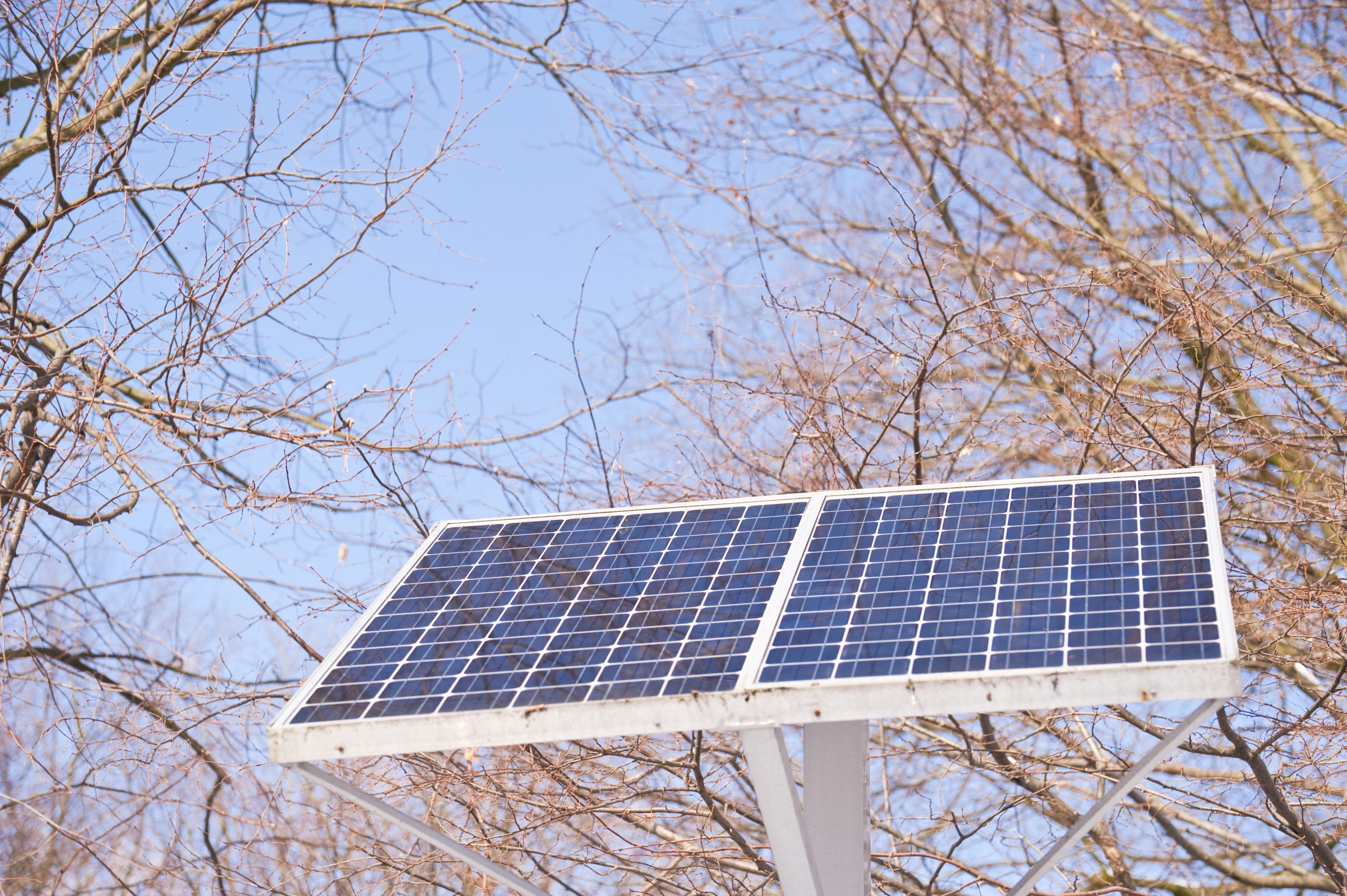
    A solar panel is a device that converts sunlight into electricity using photovoltaic cells. These cells are made up of layers of silicon, which absorb photons from the sun and release electrons, creating an electrical current. Solar panels can be used to power homes, businesses, and even entire communities.

    Types of Solar Panels

    There are several types of solar panels available on the market today. The most common type is monocrystalline, which uses a single crystal of silicon to generate electricity. Polycrystalline panels use multiple crystals of silicon, while thin-film panels are made with layers of photovoltaic material deposited onto a substrate. Each type has its own advantages and disadvantages depending on factors like efficiency, cost, and durability.

    How Do Solar Panels Work

    When light hits a solar panel, it causes the photovoltaic cells to create an electrical current. This current flows through wiring in the panel and is sent to an inverter, which converts the DC (direct current) energy into AC (alternating current), making it usable for household appliances and electronics. Excess energy can be stored in batteries or sold back to the grid.

    Benefits of Using Solar Power

    There are many benefits to using solar power, including lower utility bills, reduced carbon emissions, and increased property value. Solar panels also provide a reliable source of backup power in case of outages or emergencies. Additionally, many governments offer tax credits and other incentives for homeowners who install solar panels.

    The Cost of Installing Solar Panels

    The cost of installing solar panels varies widely depending on factors such as system size, location, and installer quality. On average, residential systems range from $8,000 to $25,000 after tax credits and rebates. While this may seem expensive upfront, solar panels typically pay for themselves within five to ten years due to savings on electricity bills.

    Determining if Your Home is Suitable for Solar Panels

    Not all homes are suitable for solar panels, but most are. Factors that affect suitability include roof orientation, shading, and age. Homes with south-facing roofs and minimal shading tend to be ideal candidates for solar panels. However, newer technologies have made it possible to install panels on east-west facing roofs as well. It’s best to consult with a professional installer to determine if your home is suitable for solar panels.

    Choosing the Right Solar Panel Installer

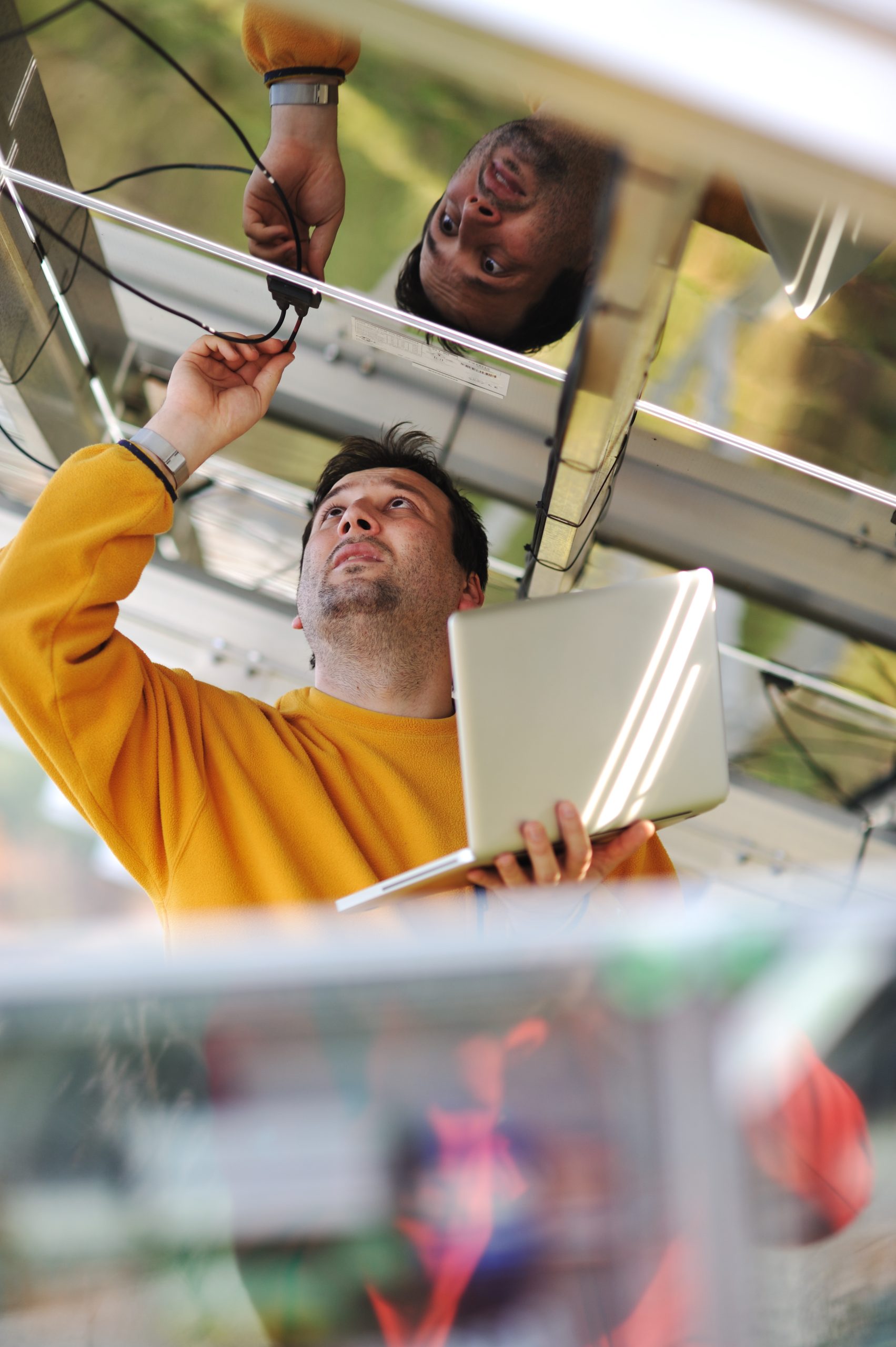
    Finding the right solar panel installer is crucial to ensuring a successful installation. Look for companies with positive reviews, high ratings, and experience in your area. Be sure to ask questions about warranty coverage, financing options, and any additional services offered.
    young expert working at solar panels HKZqpITHj scaled

    Maintenance and Cleaning Tips for Solar Panels
    closeup detail of the wheel assembly on a modern automobile the rim is removed showing the front rotor and caliper rYceReKRSs scaled

    Solar panels require little maintenance once they’re installed. However, regular cleaning is important to ensure optimal performance. Dust, dirt, and debris can accumulate on the surface of the panels, reducing their ability to produce electricity. Use a soft cloth and water to gently remove any buildup. Avoid using harsh chemicals or abrasive materials, as these can damage the panels.

    FAQs About Solar Panels

    What happens when it rains or snows?

    Solar panels work less efficiently when covered in rain or snow, but they will still produce some electricity. Once the weather clears, the panels will return to normal operation.

    Can I go off-grid with solar panels?

    Yes, it’s possible to go completely off-grid with solar panels, although it requires careful planning and design. Off-grid systems rely on battery storage to supply electricity during periods of low sunlight or at night.

    Do solar panels make noise?

    No, solar panels do not make any noise when operating. They are silent and vibration-free.

    Conclusion

    In conclusion, solar panels are a great way to reduce your carbon footprint and save money on utilities over time. Whether you’re interested in saving the environment or saving money, solar panels are a smart investment for your home or business.

  • Solar Panels 101: Everything You Need to Know About Installing and Using Them

    Solar Panels 101: Everything You Need to Know About Installing and Using Them

    Introduction to Solar Panels

    If you’re thinking about making the switch to solar power, then you might be wondering where to start. In this article, we’ll cover everything you need to know about installing and using solar panels in your home or business.

    solar energy Mk2WEV9d 1 scaled

    Types of Solar Panels

    There are several types of solar panels available on the market today. The most common type is crystalline silicon, which accounts for over 90% of all solar panel installations worldwide. Other popular options include thin-film solar panels, bifacial solar panels, and monocrystalline solar panels. Each type has its own unique advantages and disadvantages, so it’s important to do your research before choosing a specific model.

    How Do Solar Panels Work?

    Solar panels work by converting sunlight into electricity through a process called photovoltaic (PV) conversion. When light hits the surface of the panel, it knocks electrons loose from their atoms, creating an electrical current that can be harnessed as energy. This energy is stored in batteries or sent directly to your home or business via an inverter.

    Benefits of Using Solar Power

    One of the biggest benefits of using solar power is the potential savings on your monthly utility bill. Depending on your location and energy usage, you could save hundreds or even thousands of dollars per year by switching to solar. Additionally, solar power is renewable and sustainable, meaning it won’t run out like traditional fossil fuels. It also produces no greenhouse gas emissions, helping to reduce our impact on the environment.

    The Cost of Installing Solar Panels

    The cost of installing solar panels varies depending on factors such as the size of your system, the quality of the equipment used, and the complexity of the installation. On average, however, residential solar systems range in price from $5,000 to $20,000 after tax credits and rebates. While this may seem expensive upfront, many homeowners find that the long-term savings make it worthwhile.

    What is the Payback Period for Solar Panels?

    The payback period for solar panels depends on various factors, including the cost of electricity in your area, the amount of sunlight your location receives, and the efficiency of your solar panels. However, on average, most homeowners see a return on investment within five to seven years after installation. After that point, they enjoy free electricity for the life of the system.

    Finding a Reputable Installer

    Choosing a reputable installer is crucial when it comes to ensuring the success of your solar project. Look for companies with positive reviews, high ratings, and experience in the industry. Ask for references from past customers and check with local authorities to ensure that the company is licensed and insured.

    Common Mistakes When Installing Solar Panels

    One common mistake people make when installing solar panels is not properly assessing their energy needs. Before starting any solar project, it’s essential to determine how much energy you use each day and what kind of system will meet those needs. Another mistake is not considering the orientation and angle of the panels. To maximize energy production, they should face south and have a tilt equal to your latitude plus 15 degrees. Finally, failing to maintain and clean the panels regularly can lead to reduced performance and shortened lifespan.

    Maintenance and Cleaning Tips

    To keep your solar panels functioning at peak capacity, regular maintenance and cleaning are necessary. Dust, dirt, pollen, and other debris can accumulate on the surface of the panels, reducing their ability to generate electricity. Use a soft cloth and water to gently remove these substances every few months. If there are stubborn stains or deposits, consider hiring a professional cleaner to avoid damaging the delicate surfaces.

    Conclusion

    In conclusion, while installing solar panels requires some initial investment, the long-term benefits far outweigh the costs. By understanding the different types of panels available, how they work, and the best practices for installation and maintenance, you can successfully transition to solar power and start enjoying the financial and environmental benefits today.

  • Solar Panels 101: Everything You Need to Know About Installation and Maintenance

    Solar Panels 101: Everything You Need to Know About Installation and Maintenance

    Are you considering installing solar panels on your home? If so, you’re not alone. More and more people are turning to renewable energy sources like solar power as a way to reduce their carbon footprint and save money on their electricity bills in the long run. But before you dive into the world of solar panel installation, there are some things you need to know about this technology and how it works. In this article, we’ll cover everything from the basics of solar panels to maintenance tips and common myths debunked. Let’s get started!

    Introduction to Solar Panels

    A solar panel is essentially a collection of photovoltaic (PV) cells that convert sunlight into direct current (DC) electrical energy. These PV cells are made up of layers of silicon, which absorbs photons from the sun and releases electrons, creating an electrical flow. This DC energy is then converted into alternating current (AC) by an inverter, which can be used to power your home or fed back into the grid.

    Types of Solar Panels

    There are several types of solar panels available on the market today, including monocrystalline, polycrystalline, thin-film, and bifacial panels. Monocrystalline panels are made from a single crystal of silicon and are considered the most efficient type of panel, while polycrystalline panels are made from multiple crystals and are slightly less efficient but generally cheaper. Thin-film panels use layers of photovoltaic material deposited onto a substrate, making them lightweight and flexible, while bifacial panels generate electricity from both sides of the panel, increasing their efficiency.

    How Solar Panels Work

    As we mentioned earlier, solar panels work by converting sunlight into electrical energy through the use of PV cells. When sunlight hits these cells, it causes electrons to be released, creating an electrical flow. This DC energy is then sent to an inverter, which converts it into AC energy that can be used to power your home or fed back into the grid. The amount of energy generated by a solar panel depends on factors such as its size, orientation, and the amount of sunlight it receives.

    wind turbine silhouette sunset or sunrise economic system background rD3eYTydnMx scaled

    The Benefits of Using Solar Energy

    One of the main benefits of using solar energy is that it is a clean and renewable source of energy that produces no greenhouse gas emissions or other pollutants. By switching to solar power, you can significantly reduce your carbon footprint and help combat climate change. Additionally, solar panels can help you save money on your electricity bills over time, as they typically have a lifespan of around 25 years and require little maintenance once installed.

    Determining if Your Home is Suitable for Solar Panels

    Not all homes are suitable for solar panel installation, as the amount of sunlight received and the orientation of the roof are important factors to consider. Ideally, your roof should face south or west and receive at least six hours of direct sunlight per day. Additionally, your roof should be free from shading obstructions such as trees or nearby buildings. If you’re unsure whether your home is suitable for solar panels, consult with a professional installer who can assess your property and provide guidance.

    Choosing the Right Solar Panel Installation Company

    When choosing a company to install your solar panels, it’s essential to do your research and choose one that has a good reputation and experience in the industry. Look for companies that have been in business for several years and have positive reviews from past customers. It’s also important to ask for references and check with your local Better Business Bureau to ensure that the company has a good track record.

    Understanding the Costs Involved in Solar Panel Installation

    The cost of solar panel installation varies depending on the size and complexity of the system, as well as the location and quality of the components used. On average, however, residential solar systems range in price from $10,000 to $30,000 after tax credits and rebates. While this may seem like a significant investment upfront, many homeowners find that the savings on their electricity bills over time make it worthwhile.

    Maintenance and Cleaning Tips for Solar Panels

    Once your solar panels are installed, they require very little maintenance beyond regular cleaning. Dust, dirt, and debris can accumulate on the surface of the panels, reducing their efficiency, so it’s recommended to clean them periodically with a soft cloth and water. Avoid using abrasives or harsh chemicals, as these can damage the surface of the panels. Additionally, keep an eye out for any signs of wear or damage to the panels and contact a professional installer if necessary.

    Common Myths About Solar Panels Debunked

    Despite the growing popularity of solar energy, there are still many misconceptions and myths surrounding this technology. One common myth is that solar panels don’t work in cloudy weather or during the winter months when days are shorter. However, while solar panels do produce less energy under these conditions, they can still generate electricity even on cloudy days. Another myth is that solar panels are too expensive and not worth the investment. As we discussed earlier, while the initial costs may be higher, many homeowners find that the long-term savings on their electricity bills make solar panels a wise financial decision.

    large solar energy panel array BFeqZppNs scaled

    Conclusion: Why You Should Consider Solar Panels

    In conclusion, if you’re looking for a way to reduce your carbon footprint, save money on your electricity bills, and contribute to a cleaner and more sustainable future, solar panels may be the answer. With the right knowledge and professional installation, solar panels can provide reliable and efficient energy for your home for years to come. So why wait? Start exploring your options today and discover the benefits of going solar!

  • The Benefits of Switching to Solar Power: Why It’s Time to Make the Change

    The Benefits of Switching to Solar Power: Why It’s Time to Make the Change

    Solar power is a clean, renewable source of energy that has been gaining popularity in recent years. With more and more people becoming aware of its benefits, many homeowners are making the switch from traditional electricity sources to solar power. In this article, we will explore some of the advantages of switching to solar power and why it’s time for everyone to make the change.

    wind energy fyHRFEqO scaled

    Introduction to Solar Power and Its Benefits

    Solar panels work by converting sunlight into usable electrical energy through photovoltaic cells. These panels can be installed on rooftops or other surfaces where they can receive direct sunlight throughout the day. The energy produced by these panels can either be used immediately or stored in batteries for later use. One of the main benefits of using solar power is that it produces no greenhouse gas emissions, making it an environmentally friendly option. Additionally, solar power can help reduce our dependence on fossil fuels, which are finite resources that contribute significantly to climate change.

    The Cost-Effectiveness of Switching to Solar Power

    One common misconception about solar power is that it is too expensive for most people to afford. However, with advancements in technology and government incentives, the cost of installing solar panels has decreased significantly over the past decade. In fact, in many cases, the cost of solar power is now comparable to or even lower than traditional electricity sources. Furthermore, once you have installed solar panels, you can expect to save money on your monthly utility bills since you will be generating your own electricity. Depending on your location and usage patterns, you may even be able to generate excess energy that can be sold back to the grid.

    How Solar Energy Can Help You Save Money in the Long Run

    While there may be some upfront costs associated with installing solar panels, they typically pay for themselves within just a few years. This means that after the initial investment, you can enjoy free electricity for the rest of the system’s lifespan, which can be upwards of 25 years. Additionally, if you decide to sell your home, having solar panels installed can increase its value and make it more attractive to potential buyers.

    The Environmental Advantages of Using Solar Power

    In addition to being cost-effective, solar power also offers significant environmental benefits. By using solar power, you can reduce your carbon footprint and help combat climate change. Solar power generates no greenhouse gases, meaning it does not contribute to air pollution or global warming. Additionally, solar panels require very little maintenance, so they do not produce any noise or visual pollution.

    Conclusion: Why It’s Time for Everyone to Make the Switch

    Overall, there are numerous benefits to switching to solar power. From reducing your carbon footprint to saving money on your utility bills, solar power is a smart choice for anyone looking to make their home more sustainable and efficient. So why wait? Contact a local installer today and start reaping the benefits of solar power!

    man walking on a countryside road with solar panels BYSI2jpri scaled
  • Solar Panels 101: Everything You Need to Know About Installing and Using Them

    Solar Panels 101: Everything You Need to Know About Installing and Using Them

    Introduction to Solar Panels

    If you’re considering making the switch to solar power, then congratulations! By choosing renewable energy, you’ll not only be reducing your carbon footprint but also saving money on your electricity bills in the long run. In this article, we’ll cover everything you need to know about installing and using solar panels.

    Types of Solar Panels

    There are several types of solar panels available on the market today. The most common type is monocrystalline silicon, which is made from a single crystal of silicon and has a high efficiency rate. Polycrystalline silicon is another popular option that uses multiple crystals of silicon and is slightly less efficient than monocrystalline panels. Other types include thin-film solar panels, which use layers of photovoltaic (PV) material deposited onto a substrate, and bifacial solar panels, which generate electricity from both sides of the panel.

    young expert working at solar panels HKZqpITHj scaled

    How Do Solar Panels Work

    Solar panels work by converting sunlight into usable electrical energy through the photovoltaic effect. When light hits the PV cells on the surface of the panel, it causes electrons to become excited and move around, creating an electric current. This current is then sent to an inverter, which converts it into AC electricity that can be used to power your home or fed back into the grid.

    JM Industrial YAX 9887 1 scaled

    Benefits of Using Solar Power

    One of the main benefits of using solar power is that it reduces your reliance on fossil fuels and helps to combat climate change. Additionally, solar panels can help you save money on your electricity bills over time, as they typically have a lifespan of at least 25 years. Many people choose to install solar panels as a way to increase their property value, as homes with solar systems tend to sell for more than those without them.

    The Cost of Installing Solar Panels

    The cost of installing solar panels varies depending on factors such as the size of your system, the location of your home, and the quality of the components you choose. On average, however, the cost per watt of installed capacity ranges from $3-$6, meaning that a typical residential system might cost between $7,000 and $14,000 after tax credits and rebates.

    What is the Payback Period for Solar Panels

    The payback period for solar panels depends on various factors, including the system’s initial cost, the amount of electricity it generates, and the prevailing electricity rates in your area. Generally speaking, though, most homeowners see a return on investment within 5-10 years, after which point their solar system will begin generating pure profit.

    Choosing a Reputable Installer

    When selecting a company to install your solar panels, it’s essential to choose one that has a good reputation and experience in the industry. Look for reviews from other customers, check if they offer warranties on their workmanship, and make sure they have all necessary licenses and certifications.

    Maintenance and Cleaning Tips

    Once your solar panels are installed, there’s very little maintenance required beyond occasional cleaning. To keep your panels functioning efficiently, try to avoid shading them with trees or buildings, and give them a quick rinse every few months to remove any dirt or debris buildup. If you live in a particularly dusty or polluted area, you may want to consider hiring a professional cleaner once a year.

    Common Myths About Solar Panels Debunked

    Despite the growing popularity of solar power, many myths still persist about its efficacy and affordability. Some of the most common misconceptions include the idea that solar panels don’t work well in cloudy climates, that they require frequent repairs and replacement, and that they’re too expensive for the average homeowner. However, these beliefs couldn’t be further from the truth; modern solar panels are designed to perform optimally even under low-light conditions, and with proper installation and maintenance, they can last upwards of 25 years with minimal repair costs. As for pricing, thanks to government incentives and decreasing manufacturing costs, solar power is becoming increasingly accessible to households across the country.

    Conclusion

    In conclusion, switching to solar power is a smart decision for anyone looking to reduce their environmental impact while also saving money on their utility bills. With so many options available in terms of panel types, financing methods, and installer choices, there’s no reason why everyone shouldn’t consider going solar. So what are you waiting for? Start researching your options today and take the first step towards a brighter, greener future.

  • The Future of Renewable Energy: How Solar Power Is Leading the Charge

    The Future of Renewable Energy: How Solar Power Is Leading the Charge

    Solar power is a form of renewable energy that has been gaining popularity in recent years. With advancements in technology and government initiatives to promote clean energy, solar power is becoming an increasingly viable alternative to traditional forms of energy like coal and oil. In this blog post, we will explore the benefits of solar power, its latest technological advancements, how it’s transforming the industrial sector, and why it makes economic sense.

    wind turbine

    Introduction to Solar Power and Its Benefits

    Solar power involves harnessing the energy from the sun through photovoltaic cells or concentrated solar power systems. These systems convert sunlight into electricity that can be used to power homes, businesses, and even entire cities. One of the main benefits of solar power is that it produces no greenhouse gas emissions, making it a clean source of energy. Additionally, solar panels require little maintenance once they are installed, which means they can provide reliable energy for decades with minimal upkeep costs.

    The Latest Advancements in Solar Technology

    One area where solar power has seen significant progress is in efficiency. The latest solar panels have an efficiency rate of around 20%, meaning they can generate twice as much electricity as older models. Another promising development in solar technology is the use of perovskite materials, which could potentially increase efficiency rates even further. Researchers are also exploring ways to store excess solar energy so that it can be used when the sun isn’t shining. This includes developing new battery technologies and using existing infrastructure like hydroelectric dams to store excess energy.

    How Solar Energy Is Transforming the Industrial Sector

    Solar power is not just being used by residential and commercial customers; it’s also transforming the industrial sector. Many large companies are now using solar power to meet their energy needs, including Amazon, Google, and Walmart. These companies are investing in large-scale solar projects that can produce enough energy to power entire data centers or distribution facilities. As more companies turn to solar power, it’s creating jobs and driving innovation in the industry.

    Exploring the Economics of Solar Power

    Despite the many benefits of solar power, there are still some who argue that it’s too expensive compared to traditional sources of energy. However, the economics of solar power are changing rapidly. The cost of solar panels has dropped significantly over the past decade, making them more affordable than ever before. Additionally, governments around the world are offering tax credits and other incentives to encourage the adoption of solar power. When you factor in the long-term savings on energy bills and the environmental benefits, solar power becomes an attractive option for both homeowners and businesses alike.

    In conclusion, solar power is leading the charge towards a cleaner, more sustainable future. From its latest technological advancements to its impact on the industrial sector, solar power is proving itself to be a viable solution to our energy needs. And with the right policies and incentives in place, solar power can become an economically sound choice for consumers and businesses alike.

  • Solar Panels 101: Everything You Need to Know About Installing and Using Them

    Solar Panels 101: Everything You Need to Know About Installing and Using Them

    Are you thinking about installing solar panels on your home or business? If so, you’re not alone. More people than ever before are turning to renewable energy sources like solar power as a way to reduce their carbon footprint and save money on their electricity bills. But if you’re new to the world of solar panels, it can be overwhelming to figure out where to start. That’s why we’ve put together this guide to everything you need to know about installing and using solar panels. Let’s get started!

    Types of Solar Panels

    There are several different types of solar panels available on the market today. The most common type is called monocrystalline silicon, which consists of a single crystal of silicon that has been sliced into thin wafers. Polycrystalline silicon is another popular option, made up of multiple crystals of silicon that have been melted down and recrystallized. Other types include thin-film solar cells, which use layers of photovoltaic materials deposited onto a substrate, and bifacial solar panels, which generate electricity from both sides of the panel.

    How Do Solar Panels Work

    Solar panels work by converting sunlight into usable electrical energy through a process known as the photovoltaic effect. When light hits the surface of the solar cell, it causes electrons in the material to become excited and move around, creating an electric current. This current is then captured by metal contacts on the top and bottom of the cell and sent off to be used in your home or business.

    Benefits of Using Solar Power

    There are many benefits to using solar power for your home or business. First and foremost, solar power is renewable and sustainable, meaning it won’t run out like traditional fossil fuels will. Additionally, solar power can help you save money on your electricity bills over time, especially if you live in an area with high electricity rates. Solar panels also produce no emissions, making them a clean and environmentally friendly choice.
    The Cost of Installing Solar Panels

    The cost of installing solar panels varies depending on a number of factors, including the size of your system, the type of panels you choose, and the location of your property. On average, however, residential solar systems range in price from $10,000 to $25,000 after tax credits and rebates. While this may seem expensive upfront, keep in mind that solar panels typically last between 25 and 30 years, meaning they could end up paying for themselves over time through savings on your electricity bills.

    Finding the Right Contractor for Your Project

    Choosing the right contractor for your solar project is crucial to ensuring its success. Look for companies with experience in installing solar panels in your area, as well as positive reviews from past customers. It’s also important to ask potential contractors for references and to check with your local Better Business Bureau to make sure there are no complaints against the company. Finally, make sure to get at least three quotes before choosing a contractor to ensure you’re getting the best deal possible.

    graphicstock close up of an unfinished modern eco house HC rJo6 scaled

    Understanding Incentives and Rebates

    Many states and municipalities offer incentives and rebates for residents who install solar panels on their homes or businesses. These programs can vary widely depending on where you live, but often include tax credits, cash rebates, and net metering agreements that allow you to sell excess electricity back to the grid. Be sure to research these options thoroughly before beginning your solar project to ensure you take advantage of all available incentives and rebates.

    Maintenance Tips for Solar Panels

    Once your solar panels are installed, there isn’t much maintenance required to keep them running smoothly. However, here are some tips to help ensure your panels continue to operate efficiently:

    Keep your panels free from dust and debris buildup

    Check for any damage or wear and tear on the panels regularly

    Ensure trees or other objects aren’t blocking sunlight from reaching the panels

    Contact a professional installer if you notice any issues with your system

    FAQs About Solar Panels

    Here are answers to some frequently asked questions about solar panels:

    How long do solar panels last? Typically, solar panels last between 25 and 30 years.

    Can I install solar panels myself? While it’s technically possible to install solar panels yourself, it’s recommended to hire a professional installer to ensure proper installation and maximize efficiency.

    Will my roof support solar panels? Most modern roofs are designed to accommodate solar panels, but it’s always a good idea to consult with a professional roofer before beginning your project.

  • Solar Panels 101: Everything You Need to Know About Installing and Using Them

    Solar Panels 101: Everything You Need to Know About Installing and Using Them

    Are you interested in learning more about solar panels? If so, this article is for you. Solar power has become increasingly popular over the years due to its many benefits. In this post, we will cover everything you need to know about installing and using solar panels on your roof. Let’s get started!

    Introduction to Solar Panels

    A solar panel is a device that converts sunlight into electricity. It consists of photovoltaic cells that absorb light from the sun and convert it into usable energy. There are several types of solar panels available, each with their unique features and advantages.

    Types of Solar Panels

    There are three main types of solar panels: monocrystalline, polycrystalline, and thin-film. Monocrystalline panels are made from high-grade silicon and have a higher efficiency rate compared to other types. Polycrystalline panels are made from lower grade silicon but are cheaper than monocrystalline ones. Thin-film panels are made by depositing layers of photovoltaic material onto a substrate such as glass or plastic. They are lightweight and flexible, making them ideal for use in portable devices.

    How Do Solar Panels Work

    When sunlight hits the surface of a solar panel, it knocks electrons loose from atoms within the panel’s semiconductor material. These free electrons then flow through an electrical circuit and can be used as electricity. The amount of electricity generated depends on factors like the intensity of the sunlight, the angle at which the panel faces the sun, and the temperature outside.

    The Benefits of Using Solar Power

    One of the biggest benefits of using solar power is that it reduces our reliance on fossil fuels. This means fewer greenhouse gas emissions and cleaner air for everyone. Additionally, solar power is renewable and sustainable, meaning it won’t run out anytime soon. Another benefit is that solar panels require little maintenance once they’re installed, saving homeowners money in the long run.

    Installing Solar Panels on Your Roof

    If you’re thinking about installing solar panels on your roof, there are some things you should consider first. First, make sure your roof gets enough direct sunlight throughout the day. Also, check if your local government offers tax credits or rebates for switching to solar power. Finally, hire a reputable contractor who specializes in installing solar panels to ensure a safe and efficient installation process.

    Maintenance and Cleaning Tips for Solar Panels

    To keep your solar panels working efficiently, regular cleaning and maintenance are necessary. Dust, dirt, and debris can accumulate on the surface of the panels, reducing their ability to generate electricity. To clean them, use a soft cloth and water to wipe away any grime. Avoid using harsh chemicals or abrasive materials that could scratch the surface of the panels.

    Common Myths About Solar Energy Debunked

    Despite the growing popularity of solar power, there are still many misconceptions surrounding it. One common myth is that solar panels don’t work well in cold weather. However, this isn’t true – solar panels actually perform better in colder temperatures because they produce more energy when they’re cooler. Another myth is that solar panels are too expensive for most people to afford. While initial costs may be high, solar panels typically pay for themselves within five to ten years due to reduced utility bills and increased property value.

    FAQs about Solar Panels

    What size solar panel do I need for my house?

    The size of the solar panel you need depends on several factors, including the size of your household, how much electricity you consume daily, and the location of your home. A professional installer can help determine what size panel would best suit your needs.

    Can I install solar panels myself?

    While it’s possible to install solar panels yourself, it’s not recommended unless you have experience with electrical systems and roofing. Hiring a licensed contractor ensures that the job is done safely and correctly, and also provides warranty coverage in case anything goes wrong down the line.

    a single wind turbine over a cloud filled blue sky BF0 uG 0Hj scaled

    Conclusion

    cute little kid sleeping HF1Zw5daHj scaled

    In conclusion, solar panels offer numerous benefits to homeowners looking to reduce their carbon footprint and save money on utilities. By understanding the different types of solar panels available, how they work, and proper maintenance techniques, you can make informed decisions about whether solar power is right for you.

  • Solar Panels 101: Everything You Need to Know About Installing and Using Them

    Solar Panels 101: Everything You Need to Know About Installing and Using Them

    Introduction to Solar Panels

    If you’re thinking about installing solar panels on your home or business, it can be overwhelming with all the information out there. That’s why we created this guide – to help walk you through everything you need to know about solar panels! In this article, we will cover types of solar panels, how they work, benefits of using solar power, cost of installation, finding a contractor, permitting and inspection process, maintenance tips for solar panels, and frequently asked questions about solar panels. Let’s get started!

    Types of Solar Panels

    There are several different types of solar panels available on the market today. The most common type is monocrystalline silicon, which uses high-grade silicone wafers to convert sunlight into electricity. Polycrystalline silicon is another popular option that uses lower grade silicone fragments to create smaller cells. Other types include thin film solar panels, bifacial solar panels, and floating solar panels. Each type has its own unique advantages and disadvantages depending on your specific needs.

    JM Industrial YAX 9943 scaled

    How Do Solar Panels Work?

    Solar panels work by converting sunlight into usable energy in the form of direct current (DC) electricity. This DC electricity then flows through an inverter, which converts it into alternating current (AC) electricity that can be used to power your home or business. Any excess energy produced by the solar panels can be stored in batteries for later use or fed back into the grid for credit on your utility bill.

    Benefits of Using Solar Power

    There are many benefits to using solar power as your primary source of energy. First and foremost, solar power is renewable and sustainable, meaning it won’t run out like traditional fossil fuels. It also produces no greenhouse gas emissions, making it much cleaner than other forms of energy production. Additionally, using solar power can save you money on your monthly utility bills and increase the value of your property if you decide to sell.

    The Cost of Installing Solar Panels

    The cost of installing solar panels varies widely based on factors such as location, system size, and equipment quality. However, the average cost per kilowatt hour (kWh) of installed solar capacity was around $2.85 in 2020, according to EnergySage. Many states offer tax credits and rebates for homeowners who install solar panels, which can significantly reduce the overall cost.

    wind energy fyHRFEqO 1 scaled

    Finding the Right Contractor for Your Project

    Choosing the right contractor for your solar panel project is crucial to ensure a successful installation. Look for companies with experience in the industry, positive reviews from past customers, and certifications from reputable organizations such as NABCEP or SEIA. Always ask for references and check their credentials before signing any contracts.

    Permitting and Inspection Process

    Before beginning construction on your solar panel system, you must obtain proper permitting and approval from local authorities. This includes submitting plans and drawings for review, paying fees, and passing inspections throughout the installation process. Your contractor should handle these steps for you but make sure to stay informed and involved every step of the way.

    Maintenance Tips for Solar Panels

    Once your solar panel system is up and running, there are some basic maintenance tasks you should perform regularly to keep them functioning at peak performance. These include cleaning the surface of the panels, checking for damage or wear, inspecting the wiring connections, and ensuring the mounting structure is secure. Most manufacturers recommend professional maintenance checks once a year to catch any issues early on.

    FAQs About Solar Panels

    Here are some commonly asked questions about solar panels:

    1. How long do solar panels last? Typically, solar panels have a lifespan of between 25-30 years. After this time, their efficiency may begin to decline.

    2. Can I install solar panels myself? While it’s possible to install solar panels yourself, it’s not recommended unless you have extensive knowledge and experience in electrical systems. Hiring a licensed contractor is generally safer and more efficient.

    3. What happens when it rains or snows? Solar panels are designed to withstand rain and snow, so they shouldn’t suffer any significant damage during normal weather conditions. However, heavy hailstorms or extreme weather events could potentially cause damage to the panels.

    4. Will my roof support the weight of solar panels? Before installing solar panels, it’s essential to determine whether your roof can support the additional weight. A qualified contractor can conduct a structural analysis to determine whether your roof is suitable for solar panels.

    In conclusion, installing solar panels on your home or business can provide numerous benefits including reduced energy costs, increased property value, and environmental sustainability. By understanding the basics of solar panel technology, working with a trusted contractor, and maintaining your system properly, you can enjoy the benefits of solar power for years to come.

  • Solar Panels 101: Everything You Need to Know About Installing and Using Them

    Solar Panels 101: Everything You Need to Know About Installing and Using Them

    Are you considering installing solar panels in your home or business? If so, you’re not alone. More people than ever before are turning to renewable energy sources like solar power as a way to reduce their carbon footprint and save money on utility bills over the long term. But if you’re new to the world of solar panels, it can be difficult to know where to start. That’s why we put together this comprehensive guide to everything you need to know about installing and using solar panels. Let’s get started!

    Introduction to Solar Panels

    A solar panel is essentially a device that converts sunlight into electricity through photovoltaic cells. These cells are made up of layers of silicon, which absorbs photons from the sun and releases electrons, creating an electrical current. This current is then sent to an inverter, which converts it into usable AC (alternating current) electricity for your home or business.
    Types of Solar Panels

    There are several different types of solar panels available on the market today. The most common type is monocrystalline, which uses high-grade silicon wafers to produce efficient, durable panels. Polycrystalline panels use lower-grade silicon but are still effective at converting sunlight into electricity. Other types include thin film, bifacial, and floating solar panels.

    graphicstock close up of an unfinished modern eco house HC rJo6 scaled

    How Do Solar Panels Work

    As mentioned above, solar panels work by capturing sunlight and converting it into electricity via photovoltaic cells. When light hits these cells, it causes electrons to become excited and move around, creating an electrical current. This current is then sent to an inverter, which converts it into usable AC electricity that can be used to power your home or business.

    The Benefits of Using Solar Power

    There are many benefits to using solar power instead of traditional fossil fuels. First and foremost, solar power is clean and renewable, meaning it doesn’t contribute to air pollution or greenhouse gas emissions. It also helps reduce our dependence on foreign oil and can even create jobs in the growing solar industry. Additionally, once you install solar panels, you will likely see significant savings on your monthly utility bills over time.

    Determining Your Energy Needs

    Before you can choose the right solar panel system for your needs, you’ll need to determine how much energy you currently consume and what kind of energy usage patterns you have. Look at your past utility bills to get an idea of how much electricity you typically use each day, week, and month. Once you have a good understanding of your energy needs, you can begin researching different solar panel systems to find one that meets those needs.

    Choosing the Right Solar Panel System for You

    When choosing a solar panel system, there are several factors to consider. First, think about the size of your roof and how many panels you can fit on it. Consider the efficiency rating of each panel and look for ones with higher ratings. Also, take into account the cost per kilowatt hour (kWh) generated by each panel and compare them to other options. Finally, make sure to check reviews and customer feedback to ensure you’re getting quality products.

    Installing and Maintaining Your Solar Panels

    Once you’ve chosen the right solar panel system for your needs, installation should be relatively straightforward. A professional installer will come out to your property and assess the best placement for your panels based on things like shading and orientation. They will then mount the panels onto your roof or other surface and connect them to your existing electrical system. After installation, maintenance requirements are minimal – just keep the panels free of dust and debris and monitor their performance regularly.

    solar energy panels at work BteRwTpVj 1 scaled

    Common Misconceptions About Solar Panels

    Despite the increasing popularity of solar power, there are still some misconceptions about solar panels that persist. For example, some people believe that they don’t work well in cloudy climates or during winter months when days are shorter. However, modern solar panels are designed to capture as much sunlight as possible regardless of weather conditions, making them viable options for homes and businesses across the country. Another myth is that solar panels are too expensive, but with advances in technology and government tax credits, they are becoming more affordable every year.

    Conclusion: Is Solar Power Right For Me

    If you’re looking for a sustainable source of energy that can help you save money on utilities over the long term, solar power may be the answer. By investing in solar panels, you’ll not only reduce your carbon footprint but also enjoy the peace of mind knowing that you’re doing something positive for both yourself and the environment.