Tag: essential

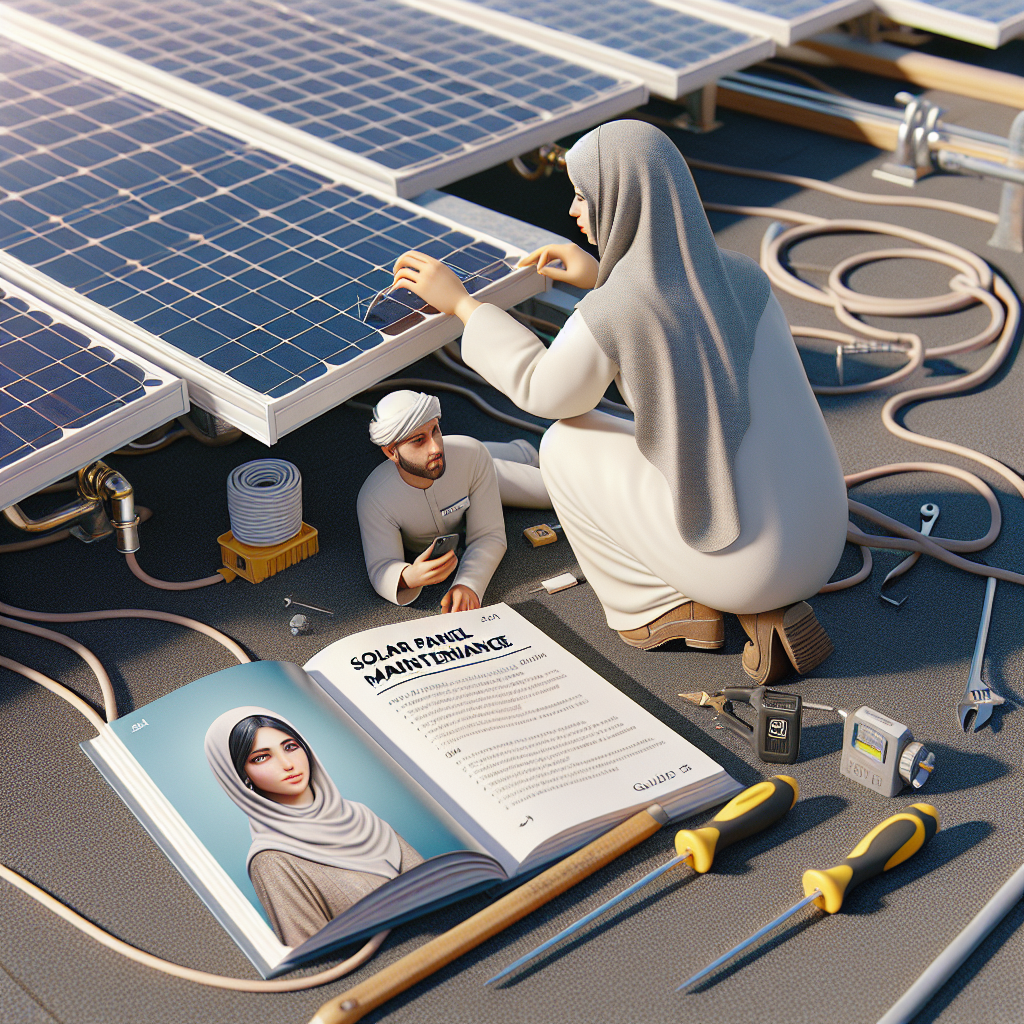
  • Solar Panel Maintenance: Essential Care Guide

    Solar Panel Maintenance: Essential Care Guide

    Regular Inspection

    Why Inspections Matter

    Picture this: you’ve invested in solar panels, and they’re just sitting up there soaking up the sun. It’s easy to forget about them, right? But that’s where regular inspections come in. Trust me, giving those panels a good look over every now and then can save you lots of headaches later. You want to catch any potential issues before they turn into costly repairs.

    Regular inspections not only help to ensure that your panels are working at their best but also extend their lifespan. Think of it as taking your car in for a routine check-up. You’re keeping things in top shape and spotting any minor issues before they blow up into major problems. A good habit to get into!

    I often set a calendar reminder to inspect my panels every six months. That way, I know I’m being consistent, and it keeps my panels happy and productive.

    Signs of Damage to Look For

    When you’re up there checking out your solar panels, there are a few things to keep an eye on. Look for any cracks or chips in the glass. These can allow moisture in, which can wreak havoc on the inner workings of your system. If you notice any discoloration or dullness, it could mean dirt buildup or, worse, permanent damage.

    Also, check the wiring. If you see any frayed wires or loose connections, it’s time to act! Small issues can turn into big problems if they’re not addressed. Trust me, preventative maintenance is the key to a smooth operation.

    Finally, watch out for any signs of pest activity. Birds or squirrels sometimes find solar panels to be cozy real estate. I’ve seen nests start to form, which isn’t just messy; it can block sunlight and hinder energy production.

    Frequency of Inspections

    How often should you inspect your solar panels? Well, that can depend on a few factors. If you live in an area with a lot of storms or dust, you might want to check them more often—think every few months. However, for most folks, a biannual inspection is just fine.

    Also, after big weather events, like hail or heavy snow, it’s smart to give them a once-over. I’ve learned that paying attention to the weather can be just as important as the actual inspection! If you know a storm is coming, check those panels before it hits.

    Remember, it’s all about keeping your system running smoothly and efficiently. Keeping a log of your inspections can be helpful too, so you can track what’s been done and when.

    Cleaning Methods

    When and How to Clean

    Your solar panels love it when they’re clean. A good wash helps maximize their efficiency. But how do you know when it’s time to clean? If your panels look dirty, or you notice a drop in energy production, it’s time to break out the hose!

    I like to clean my panels early in the morning or late in the afternoon when they’re cooler. This prevents any possible damage from sudden temperature changes and helps to avoid getting burned while up on the roof. Safety first, am I right?

    You can use a simple soap solution and a soft brush to scrub them down. Just don’t use anything abrasive—no one likes scratches! Rinse it off with a hose, and voila, they’re shiny and ready for some sun!

    Professional vs. DIY Cleaning

    This is a big debate among solar panel owners. Do you go the DIY route or hire a professional? Personally, I think it depends on your comfort level. If you’re handy and don’t mind getting your hands dirty, then cleaning them yourself can be quite rewarding; you save some bucks, and you know exactly what’s going on with your panels.

    However, if you’re hesitant about climbing up on the roof, or if the panels are particularly large or hard to reach, it might be worth calling in the pros. They have the right tools and know-how to avoid potential damage.

    Some companies even offer maintenance packages that include cleaning, inspections, and repairs. This can be a wise investment if you want peace of mind and a hassle-free experience.

    Tips for Effective Cleaning

    When it comes to cleaning, there are a few tricks I’ve picked up along the way. First off, don’t skimp on the inspect-and-clean combo. Always check your panels for debris or damage before cleaning. You don’t want to make a bad situation worse!

    Be mindful of your cleaning tools. Use a soft-bristle brush, a bucket of water, and a gentle soap mixture. If you have a ladder, use that safe and sturdy for reaching high spots, and never attempt to clean icy panels. Safety is paramount!

    And finally, if you’re on the roof, make sure you’re secure. A harness can be a lifesaver. Slipping off the roof while trying to clean seriously isn’t the best way to start a sunny day.

    Monitoring Performance

    Understanding Energy Production

    Monitoring your solar panel performance is crucial. It lets you know just how well they’re doing. Most systems have a monitoring feature that tracks energy production. You’ll be able to see how much energy is being generated daily, which helps you catch any dips in efficiency.

    When I first set up my solar panels, I was amazed at how much information I could get just from my smartphone. It made me feel in control of my investment! Keeping tabs on energy production helps you understand when the right time is to inspect or clean your panels.

    Having this data at my fingertips also provides some satisfaction and motivation to keep everything shipshape. You can see firsthand how all that sunshine translates into energy savings for your home.

    Identifying Performance Issues

    If you notice a significant drop in production, don’t panic. Instead, take a closer look. It could be as simple as dirt buildup or a nearby tree casting new shade. I recall experiencing a dip in energy in the winter and discovered that a tree limb had grown enough to partially block sunlight.

    In more serious cases, check for blown fuses or checking your inverter’s performance. Any abnormal behavior there could signal that something needs your attention. Keeping a checklist for common issues can save you a lot of troubleshooting time.

    Every once in a while, it’s advisable to have a professional technician come and inspect the inverter and connections. I do this annually just to keep the system running smoothly.

    Using Monitoring Tools

    As I mentioned earlier, many solar systems come with built-in monitoring tools, but there are also third-party options available. These tools can provide real-time updates on your panel’s performance from any smart device.

    Using dedicated solar monitoring apps has made managing my solar system so much easier. These apps often analyze trends and provide insights into how to optimize energy production, which allows me to adjust my settings and usage accordingly.

    Don’t ignore these tools—they’re like your solar panel’s best friend. Having the right data helps you make informed decisions on when to clean and inspect your panels, directly impacting your energy efficiency and savings.

    Safety Tips for Maintenance

    Proper Equipment

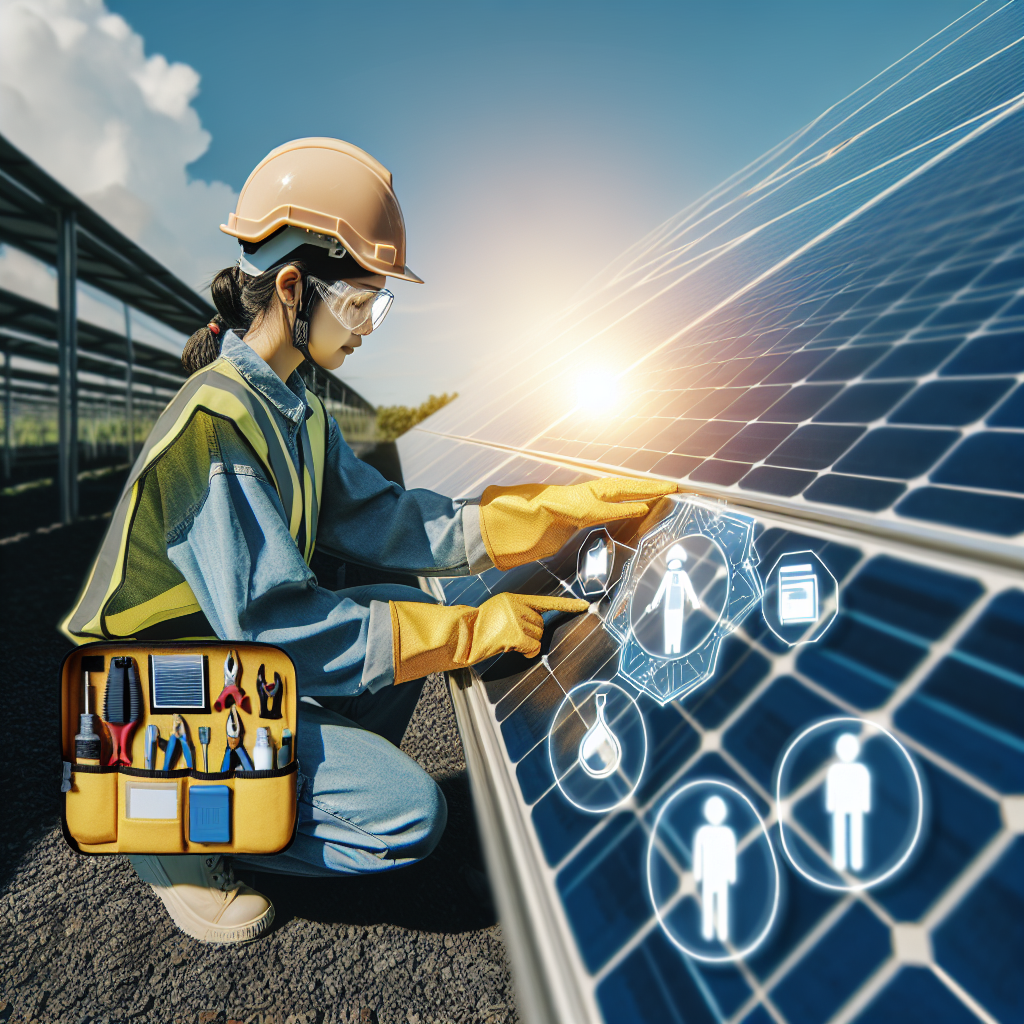
    When it comes to maintaining your solar panels, safety should always be your number one concern. You want to make sure you’ve got the right equipment before heading up on the roof. I always start by checking my ladder, making sure it’s sturdy and placed on a flat surface. Trust me, you don’t want to be slipping and sliding while trying to clean!

    Wear non-slip shoes for better grip, and if you’re working with water or cleaning solutions, consider using rubber soled boots. It can make a big difference in keeping your footing secure. And don’t forget safety goggles if you’re up close with cleaning solutions.

    If you feel unsure about any part of the process, it’s worth it to hire a pro. A trained technician knows how to work safely around your panels without risking injury.

    Working with Electricity

    Remember, solar panels are connected to your home’s electrical system. This means there’s electricity involved, and you want to keep that in mind during maintenance. Always turn off the inverter before doing any work, especially when you’re inspecting wiring.

    It’s wise to check for any visible signs of wear on the electrical components. I also make a habit of keeping an eye on my system’s output and ensure that everything runs smoothly. If anything looks odd, I don’t hesitate to call in a professional.

    Staying cautious and informed about the electrical aspects can prevent accidents and keep you safe while ensuring the solar panels remain functional.

    Preventing Accidents

    Safety shouldn’t just be a checklist item; it’s something you incorporate into your entire maintenance routine. Always keep the roof clear of any debris or loose materials before climbing up. You’d be surprised how many accidents happen from something slipping out of hand.

    When in doubt about any maintenance task, whether it’s cleaning or inspecting, trust your gut. Don’t put yourself in a risky situation. It’s always better to be safe than sorry!

    Finally, have a buddy system in place when working on the roof. Having someone with you is a great way to enhance safety and provide backup if you need assistance.

    Understanding Warranties and Support

    Your Warranty Coverage

    When I first invested in solar panels, understanding warranties was a bit overwhelming. However, knowing your coverage can save you a lot of money and stress down the line. Most manufacturers offer warranties ranging from 10 to 25 years for solar panels, but these often cover specific components.

    Check to see what’s included in your warranty—does it cover the performance or just the materials? Knowing these details can be crucial when it comes time to file a claim if something goes wrong.

    Always keep a copy of your warranty documentation handy. I recommend storing it in a safe spot, so you have quick access when needed. This proactive approach helped me immensely when I had to call a manufacturer regarding a performance issue.

    Manufacturer Support

    Most solar panel manufacturers have customer support teams ready to assist with any questions or concerns. Don’t hesitate to reach out if you notice any performance issues or if you have questions about your warranty. They can provide essential guidance and often help troubleshoot problems over the phone.

    Also, check online forums or community groups; these can be treasure troves of information. Fellow solar panel owners often share their experiences and solutions—sometimes even faster than waiting for a direct response from the manufacturer.

    And remember, no question is too small. The more informed you are, the better equipped you’ll be to maintain your system effectively.

    Professional Help and Routine Maintenance

    Sometimes DIY just isn’t enough, and that’s okay! Knowing when to call in the pros is a massive part of maintaining your solar system. I’ve developed a routine where I schedule a professional inspection at least once a year. This not only keeps my panels in prime condition, but it also gives me peace of mind knowing that experts are handling the details.

    Always keep a list of reputable service providers handy. Ask for recommendations from friends or check online reviews to ensure you’re choosing a reliable team. And once you’ve found a trustworthy maintenance service, build a relationship with them.

    Many of them offer package deals for maintenance services, including inspections, cleaning, or even minor repairs. These services can help extend the life of your panels, making them well worth the investment.

    FAQ

    1. How often should I inspect my solar panels?

    It’s generally recommended to inspect your solar panels at least twice a year, but more frequent checks might be necessary if you live in a dusty or storm-prone area.

    2. Can I clean my solar panels myself?

    Absolutely! Cleaning your solar panels yourself can save money, but make sure you follow safety precautions, and don’t hesitate to call professionals if you’re not comfortable.

    3. What are common signs that my solar panels need maintenance?

    Look out for decreased energy production, visible dirt buildup, damage to the panels, or issues with wiring. If anything seems off, it’s a good idea to inspect or call a pro.

    4. Is professional maintenance necessary?

    While it’s not mandatory, having a professional maintenance check annually can pay off by catching problems early and ensuring your system runs efficiently.

    5. How do I understand my warranty coverage for solar panels?

    Check your warranty document for specifics on what components are covered and for how long. Manufacturers usually have clear policies that detail what is included, so keep this information handy.
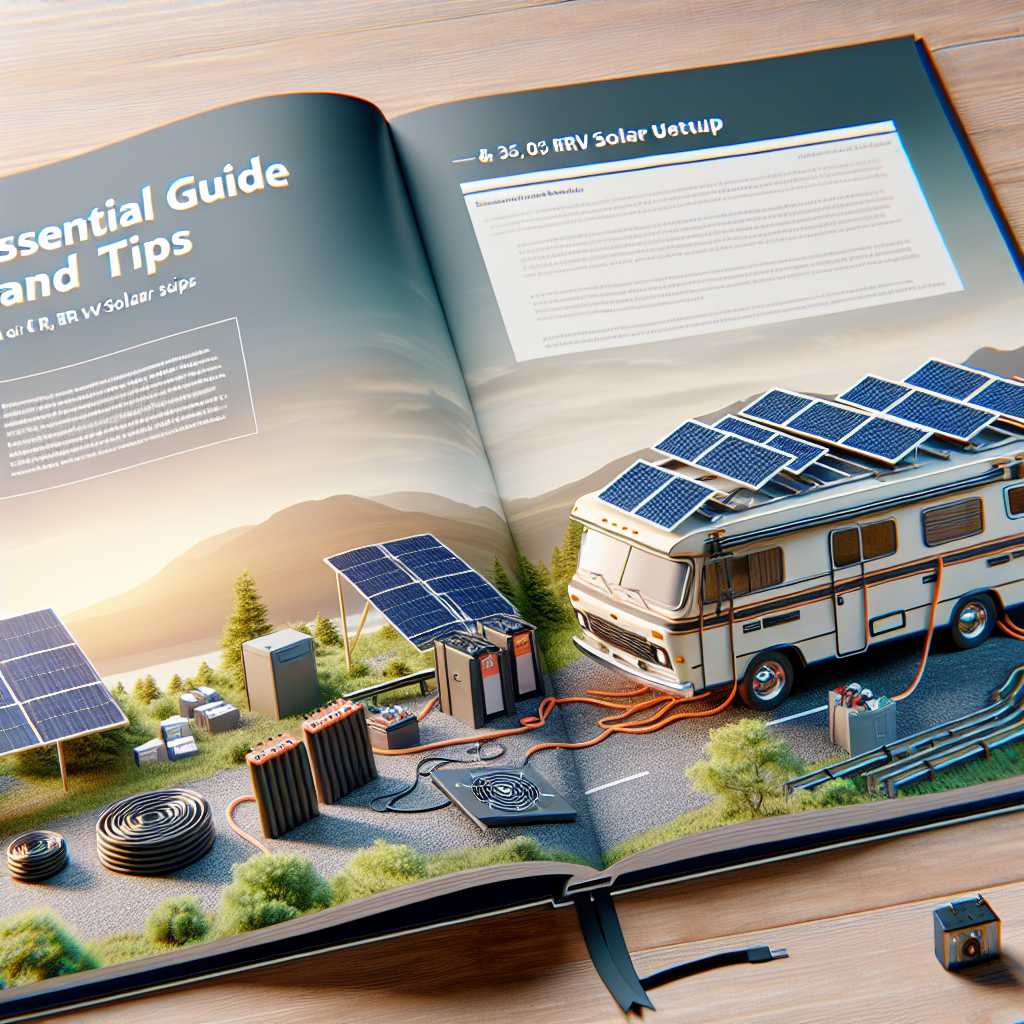
  • RV Solar Setup: Essential Guide and Tips

    Understanding Your Energy Needs

    Calculating Power Requirements

    Before diving into the whole solar setup, the first thing I had to do was figure out how much power I actually needed. It’s like trying to figure out how much coffee you need on a road trip; too little, and you’re in trouble! I started by making a list of all my devices – from my fridge and lights to my phone chargers. Adding up their wattages gives you a good starting point.

    Next, I calculated how many hours I would need each device running per day. For instance, my lights were only on at night, while the fridge was running 24/7. This step is crucial because, believe me, you don’t want to end up with insufficient power when you’re out in the wild.

    Once I had my total watt-hours figured out, I looked for a solar setup that could cover that amount. I’ll tell you this—it feels great knowing exactly what your energy needs are when you’re shopping around for solar panels! It saves a ton of headaches later on.

    Assessing Your Space

    After getting a handle on energy demands, the next step I took was checking out my RV’s roof space. Not every RV roof is created equal! I measured how much space I had for solar panels considering any vents or air conditioners that might get in the way.

    If you’re planning this setup, remember to consider how many panels you’re aiming for based on your energy needs. I didn’t want to overcrowd my roof, causing air flow issues. So, finding that balance was key!

    And don’t forget about the angle! An angled roof can give you a nice boost in solar efficiency! I made sure to keep those factors in mind before pulling the trigger on my purchase.

    Setting Realistic Expectations

    It’s nice to dream about living off the grid with unlimited power, but I learned quickly to keep my expectations realistic. Solar setups are fantastic, but the efficiency depends a lot on where you’re camping. I made sure to consider my travel plans and where I would likely be stopping.

    Another thing I learned is that cloudy days can actually throw a wrench into things—not everything is sunshine and rainbows in the solar world. So, factoring in battery storage when planning your setup was a game changer for me.

    In a nutshell, understanding your energy needs and setting realistic expectations can help you build a more effective and manageable solar setup.

    Choosing the Right Solar Equipment

    Solar Panels

    Now that I was clear on my needs, it was time to pick the solar panels. I found myself overwhelmed by all the options, but a little research goes a long way. I found monocrystalline panels to be the most efficient for the space I had, giving me more power without taking up too much room.

    Another thing to keep in mind is the durability. While I was dreaming of road trips, I had to remember that the panels would be exposed to the elements. I chose panels with better weather resistance—gotta love those rainy days, after all!

    Don’t forget to check the warranties. A strong warranty gives you peace of mind that the company stands behind its product. After some digging, I landed on a few options that offered solid performance and warranties I loved.

    Batteries and Inverters

    Next up were batteries and inverters—these are your lifeline when the sun dips below the horizon. I went for deep-cycle batteries because they can handle being drained and recharged regularly, which is exactly what I needed for off-grid living.

    When it came to inverters, I learned they convert the solar energy collected into usable power for my devices. I wanted a pure sine wave inverter for the smoothest operation with sensitive electronics. This piece is crucial in preventing any of my precious gadgets from malfunctioning!

    Size matters here as well; I made sure to choose an inverter that matched my energy requirements. It’s all about harmony in the setup, and having the right sizes ensures optimal performance!

    Solar Charge Controllers

    Solar charge controllers were the last piece of the puzzle for my solar setup. They’re necessary to prevent overcharging the batteries, which can be a disaster waiting to happen. I went for a programmable one, so I could tailor the charging to the specific batteries I had.

    Setting up the charge controller properly is key. I made sure it matched up with my system’s voltage and wasn’t just a random choice. It’s all about making informed decisions!

    Lastly, I found out that having a monitoring feature on my charge controller allowed me to keep an eye on my system’s performance, which provides that extra reassurance while out exploring.

    Installation Tips and Tricks

    Preparing Your RV

    Time to get my hands dirty! Before installing anything, I made sure my RV’s roof was clean and free from debris. It’s like prepping a canvas before painting—if you skip this step, you’re asking for trouble!

    Then I mapped out where I was going to place everything. I used a pencil to mark spots to drill the mounting holes for the panels. I didn’t want to end up with no idea where I was going mid-installation.

    Lastly, if your RV has a rubber roof, ensure it’s totally compatible with the mounting hardware you choose. I double-checked everything to avoid any misadventures down the road.

    Running Cables and Wiring

    Running cables can feel like a daunting task when you’re knee-deep in wires, but it was surprisingly simple! I made sure to use proper gauge wires to avoid any overheating issues. Following the rules will keep everything nice and efficient.

    One hack I used was labeling my cables as I went. Trust me on this one—it’s a lifesaver! There’s nothing worse than getting everything set up only to find you’ve mixed up positive and negative connections.

    I also made sure to run the wires through protective conduits to keep them safe from wear and tear. Just little things like this can make a world of difference in the long run.

    Testing Your System

    Once everything was wired up, it was finally time to test the system, and wow, what a relief! I took some time to monitor the setup, checking each component to ensure everything was functioning as expected. Watching the meters come to life brought an overwhelming sense of accomplishment!

    I made sure to check how the system performed in different conditions—solar panels in sunlight vs. shade. It’s all about understanding the limits and capabilities of my new setup.

    Finally, I created a simple maintenance schedule to check my gear for wear-and-tear every few months. Regular maintenance can spare you plenty of headaches later on, which I happily learned from experience!

    Maintaining Your Solar Setup

    Regular Inspections

    Now that my solar system was up and running, I needed to keep it in shape. I set up a timeline for regular inspections—checking for any dirt, debris, or physical damage to the panels. A clean panel is a happy panel!

    During these inspections, I also monitored battery health. Making sure the connections are tight and that there’s no corrosion helps to avoid any surprises down the line. After all, preventive maintenance is always cheaper than fixing a major issue!

    Plus, I documented any changes or findings during inspections—it has proven helpful to reference over time. This way, I can keep track of how my system is performing and any trends that pop up.

    Battery Maintenance

    Battery care can’t be overlooked in the solar game, that’s for sure. I learned to regularly check the electrolyte levels in my lead-acid batteries and top them off with distilled water as needed. Keeping them healthy means my power keeps flowing!

    I also invested in a multi-meter to keep track of their voltage. This little gadget quickly gave me insights into whether my batteries were healthy or if they needed some extra love.

    With lithium batteries, maintenance is often a breeze. Still, if you go that route, just make sure to read up on the specific maintenance requirements—they’re usually pretty low, but it’s good to know what to look for!

    Upgrading as Needed

    Finally, I keep my eyes peeled for innovations in the solar world. As technology progresses, that might mean upgrading certain components down the line. I was keen on staying ahead to ensure my system remained as efficient as possible!

    It’s also smart to assess my travel patterns. If I find that I’m trekking more remote areas with less sun exposure, I might consider adding more panels or a bigger battery bank in the future.

    Don’t forget to read user reviews before making any upgrades. It’s helpful to see what others have experienced—no one likes investing in gear that doesn’t live up to the hype!

    Conclusion

    Setting up a solar system in your RV is an exciting adventure that allows you to enjoy your travels without worrying about power. With a bit of planning, the right equipment, and regular maintenance, you can ensure a smooth and efficient solar setup. Just remember to enjoy the ride—happy camping!

    FAQ

    1. What do I need to consider when calculating my RV’s energy needs?

    You’ll want to list all devices you plan to use and their wattage. Calculate how many hours each device runs daily to get a total energy requirement in watt-hours.

    2. How do I choose the right solar panels for my RV?

    Look for panels that match your power needs and available roof space. Consider durability, efficiency ratings, and warranty options that work for you.

    3. What are the benefits of using deep-cycle batteries?

    Deep-cycle batteries are designed to be repeatedly discharged and recharged, making them perfect for solar setups where energy use varies throughout the day.

    4. How often should I inspect my solar system?

    I recommend conducting inspections every few months, checking for dirt, damage, and ensuring all connections are secure. Regular maintenance extends the life of your setup.

    5. Can I upgrade my solar setup later on?

    Absolutely! As technology improves or your energy needs change, you can always upgrade components like panels, batteries, and inverters to keep your system running optimally.

  • RV Solar Setup: Essential Guide and Tips

    RV Solar Setup: Essential Guide and Tips

    Understanding RV Solar Power

    What is RV Solar Power?

    Let me tell ya, using solar power on my RV has been a game changer! When I first started researching RV solar setups, I had no idea what I was getting myself into. Essentially, RV solar power is the use of solar panels to convert sunlight into electricity, allowing you to harness the power of the sun to charge batteries and run appliances while you’re off the grid.

    It’s not just for hardcore eco-warriors, either! Anyone can benefit from having a solar setup in their RV, whether you’re boondocking in a remote location or parked in an RV park. More freedom to roam and explore? Yes, please!

    In its simplest form, the system consists of solar panels, a charge controller, batteries for storage, and an inverter to convert the stored energy into usable power. Getting to grips with these components is the first step in unlocking the solar lifestyle!

    Why Go Solar on Your RV?

    In my experience, the benefits of going solar are immense. First off, there’s the independence it gives you. You’re not tied to a grid, and you no longer have to awkwardly search for that one RV park that has available power hookups.

    Secondly, think about the savings! Sure, there’s an upfront investment, but you’ll save on campground fees and fuel. Plus, you get to skip those pesky generator noises, leaving you to enjoy the sounds of nature instead!

    And let’s not forget the environmental perks. It feels great to reduce your carbon footprint while enjoying the great outdoors. It’s a win-win situation that I can’t recommend enough.

    How Solar Works for RVs

    Now, how does all this solar magic work? It all starts with those shiny solar panels up on the roof. They absorb sunlight and convert it into DC electricity, which gets sent to the charge controller.

    The charge controller works like a traffic cop, regulating the flow of electricity to the batteries to prevent overcharging. Once you have the energy stored in your batteries, you can tap into it anytime you need it!

    If you’re running AC appliances, you’ll also use an inverter. This handy device takes that stored DC power and converts it into AC power, making it usable for all your household gadgets. Perfect for those coffee lovers who just can’t start the day without brewing their morning fix!

    Selecting the Right Solar Components

    Solar Panels Selection

    Choosing solar panels is kinda like picking a new car – you have to find the right fit for your needs. There are various types out there, such as monocrystalline, polycrystalline, and thin-film, each with its pros and cons.

    I personally prefer monocrystalline because they tend to be more efficient and take up less space on the roof. If you have a limited area, they might be the best choice for you, too!

    Always consider your power needs when selecting panels. The wattage you choose will play a significant role in how much electricity you generate. It’s definitely worth doing the math and finding out what works for your lifestyle.

    Charge Controllers: The Heart of the System

    The charge controller is crucial, and don’t skimp on this piece! It regulates the voltage coming from the panels and protects your batteries, which can be a real lifesaver.

    There are two main types of charge controllers: PWM (Pulse Width Modulation) and MPPT (Maximum Power Point Tracking). I’ve found that MPPT models are more efficient, especially if you’re dealing with larger setups.

    Reading up on the specs of charge controllers can make a big difference in your RV solar experience. Trust me, keeping your batteries healthy is essential for powering your adventures!

    Batteries: Storing the Sunshine

    Choosing the right batteries can be daunting since there’s so much to consider. Lead-acid batteries are the most common but can be heavy and require maintenance. On the flip side, lithium batteries are lighter, have a longer lifespan, and require less upkeep, but they can be pricier.

    I went with lithium batteries, and it was the best decision! They charge faster, can be discharged more deeply, and just overall make my life easier on the road.

    Always calculate your consumption needs and select batteries that fit those needs, ensuring you have enough power for those late-night movie marathons or that killer blender for smoothie-making!

    Installation Tips and Best Practices

    DIY vs Professional Installation

    Here’s where you get to make a decision: Do you want to take the DIY route or call in the pros? I’ll admit, I jumped in and did my installation myself, mainly because I love a project that involves learning something new.

    If you’re comfortable with basic tools and wiring, go for it! There are tons of tutorials and resources out there. Just take your time and measure twice, cut once – you don’t want to mess up and have to fix it later.

    On the flip side, if the thought of working with electricity makes you a bit queasy, hiring a professional is a smart move. It’s all about what you’re comfortable with and if you’d rather be out exploring rather than tinkering under the roof!

    Safety Considerations

    Safety first! Ensure you’re using high-quality components and taking the necessary precautions while installing your solar setup. I always double-check connections to avoid any short circuits that might ruin my day!

    Wear safety goggles and gloves when working with tools and batteries. It’s not just about protecting your gear – it’s about keeping yourself safe from electric shocks or spills.

    Also, don’t forget about ventilation if you’re storing batteries. Adequate airflow will help keep everything running smoothly and prevent overheating.

    Testing Your Setup

    After installation, the fun part is testing everything out! I was beyond excited to see if my panels were working as expected. Start by checking all your connections, then monitor how your system performs.

    Use a multimeter to check your battery voltages and see if everything is functioning as it should. If your battery isn’t charging properly or your appliances aren’t getting enough power, it’s worth troubleshooting before you head out on your adventures.

    Once you’re confident everything is working great, enjoy some off-grid living! There’s nothing quite like knowing you have the power of the sun at your disposal.

    Maximizing Solar Efficiency

    Optimal Panel Placement

    Our solar panels’ placement can significantly impact how effective your setup is. You want them to get maximum sun exposure throughout the day, so angle and position are key.

    If you’re parked in the shade or facing the wrong direction, it can make all the difference in terms of efficiency. I’ve learned to scout out spots with as much unobstructed sunlight as possible.

    Investing in a tilting solar panel mount can make a world of difference, allowing you to adjust the angle based on the sun’s position. A little adjustment goes a long way!

    Maintaining Your System

    Just like your trusty RV, your solar setup needs a little TLC to keep it running smoothly. Regularly inspect your panels for dirt or debris that might block sunlight. A thorough wipe down every few months can really help maximize efficiency!

    Also, check your connections and cables. Over time, you might find loose wiring or corrosion, so stay on top of these things. Better to catch a small issue early than deal with bigger headaches down the road!

    Battery maintenance is crucial too. If you’re using lead-acid batteries, make sure to check water levels regularly. For lithium batteries, keep an eye on performance and replace them when it’s time.

    Energy Conservation Practices

    Using solar power means it’s also wise to practice energy conservation. This can be as simple as using LED lights or turning off your electronics when not in use. I’ve become quite the pro at utilizing my resources wisely!

    Another tip is to plan your high-energy activities during peak sunlight hours. For instance, running appliances like your microwave during the day when your panels are generating power makes total sense. Maximize that sunlight!

    Keeping your energy consumption in check will ensure you have plenty of power for the fun stuff. Nobody wants to run out of juice while attempting to watch that epic sunset on a quiet evening!

    Wrap-Up

    All in all, setting up an RV solar system was one of the best investments I’ve made. The freedom to roam without worrying about power is exhilarating! With the right components, proper installation, and a few maintenance tips, you’ll be on your way to enjoying the great outdoors, powered by the sun.

    Don’t be intimidated by the technical aspects; take it one step at a time, do your research, and soon enough, you’ll be a solar pro like me!

    I hope you found this guide helpful. Join the solar revolution and get out there to explore with confidence!

    FAQs

    1. How do I know what size solar system I need for my RV?

    To determine the size, assess your power needs based on your appliances and usage patterns. Add up their wattage and ensure your solar panels can meet this demand, even on cloudy days.

    2. Can I install solar panels on any type of RV?

    Yes! Most RVs can accommodate solar panels, but you’ll want to assess your roof space and weight limits. Look for a flat surface with good sun exposure for best results.

    3. How much maintenance do solar panels require?

    Solar panels require minimal maintenance. Regularly clean them and check connections for wear. For batteries, monitor water levels (for lead-acid) or performance (for lithium) to keep everything running smoothly.

    4. How long do solar panels last?

    Most solar panels come with a warranty of 25 years, and they can even last longer if properly maintained. Keep an eye on performance as they age, and consider replacement when efficiency dips significantly.

    5. Is solar power worth the initial cost for an RV?

    Absolutely! While the upfront cost can be notable, the long-term savings on campground fees and fuel, along with the freedom of off-grid camping, make it worth every penny in my opinion!

  • Solar Panel Maintenance: Essential Care Tips

    Solar Panel Maintenance: Essential Care Tips

    1. Regular Inspections

    Why Inspections Matter

    So, let’s talk about inspections—these are the backbone of solar panel maintenance. In my experience, catching issues before they spiral out of control is a game changer. When you make a habit of checking your panels regularly, you ensure they’re always operating at peak efficiency.

    During inspections, keep your eyes peeled for any obvious signs of damage. Anything from debris buildup to physical anomalies can be a red flag. Often, a quick visual inspection is enough to spot issues that need addressing.

    Not only does inspecting your panels help in catching issues, but it also allows you to familiarize yourself with your system. Over time, you’ll start to notice what’s normal and what’s not, making it easier to spot problems in the future.

    How to Conduct an Inspection

    When I inspect my solar panels, I typically follow a simple routine. First, I ensure the area is safe, wearing appropriate gear if necessary—climbing up on roofs can be a bit dangerous! Check for things like dirt, leaves, or other debris on the panels.

    Next, I check the wiring and connections to ensure everything is snug and intact. Loose connections can definitely impact performance, and on some rare occasions, they can be a fire hazard too!

    Lastly, I always make it a point to examine the inverter. It’s the heart of your solar system, converting sunlight into usable electricity. A flickering light or error message here is a sign that something’s amiss.

    When to Call a Professional

    Now, while I love doing my inspections, sometimes it’s best to call in the pros, especially if you’re not comfortable climbing that ladder. It’s definitely worth the investment if your panels are showing signs of serious wear or if you’re just not 100% sure what you’re looking at.

    Finding a reputable solar technician can save you a lot of headaches down the road. They can perform a thorough check, run diagnostic tests, and ensure that everything’s running smoothly. Plus, they can help identify any potential issues you’re not equipped to handle!

    Trust me, having a second set of trained eyes on your system isn’t just smart—it’s crucial for the long-term health of your solar investment.

    2. Cleaning the Panels

    Why Keep Them Clean?

    Cleansing your solar panels might sound like a chore but hear me out—clean panels can significantly increase efficiency. Dust, dirt, and grime can block sunlight, and you want every ray of sunshine to count. After all, the goal here is to generate as much energy as possible!

    I remember when I first got my solar system. I didn’t think washing the panels was such a big deal until I saw how much brighter and more efficient they became after a good clean. Seriously, it was like night and day!

    Plus, keeping them tidy helps prolong their lifespan. You wouldn’t let dirt build up on your car, right? Solar panels deserve the same care and attention.

    How to Clean Your Solar Panels

    The process doesn’t have to be overly complicated. Using a soft cloth or a sponge with warm, soapy water works wonders. I usually wait for a cloudy day or do it early in the morning to avoid harsh sunlight, which can dry out soap and leave streaks.

    Rinse off the soapy water thoroughly and voila! Your panels are ready to soak up the sun. On tough grime, a little vinegar can work miracles. Just remember to avoid abrasive materials that could scratch the glass.

    If you’re not super comfortable cleaning them yourself—or if you have a larger system—it might be smarter to hire professionals who know what they’re doing! I mean, let’s be honest, safety first!

    When to Clean Your Panels

    As for timing, I try to clean the panels every couple of months, especially if I notice a lot of dust or after a heavy rain. Paying attention to local pollen or construction can also give you hints about when your panels might need a good scrub.

    In areas with heavy snowfall, managing the snow on your panels can be crucial too. Leaving it can block sunlight; however, it’s crucial not to direct any strong force on your panels or use sharp objects, or you might accidentally damage them!

    Ultimately, it’s all about paying attention to how clean your panels stay. Think of it as pampering your solar panels—they’ll reward you with efficiency!

    3. Monitoring Performance

    Keeping an Eye on Efficiency

    Monitoring your solar panel performance is another essential part of maintenance. I can’t stress enough how important it is to check the data your system provides. Most modern systems have built-in monitoring, allowing you to see exactly how much energy your panels are producing.

    Regularly checking this data helps you spot any major dips in performance, which can indicate an issue. I look at it like tracking my fitness; if I suddenly start feeling sluggish, something’s probably not quite right!

    Understand the expected output for your system, depending on weather conditions. This knowledge will help you easily spot inconsistencies and act accordingly.

    Understanding Your System’s Specs

    Each solar system is unique, so get to know yours. Familiarize yourself with its rated capacity, typical performance, and any quirks that come along with it. My system has a bit spotty performance on especially cloudy days which I’ve learned to account for.

    Knowing these details allows you to compare your output against similar systems. If you have friends or neighbors with solar, don’t hesitate to chat with them about their performance. Sometimes, it’s easier to gauge how your system stacks up and whether there’s a problem lurking underneath.

    Also, please don’t hesitate to use apps that come with your system; they often provide real-time data that can be super insightful. Nothing like some friendly tech to keep you informed!

    Adjustments Based on Performance

    If you detect performance dips, don’t panic! It doesn’t always mean your system is broken. Sometimes it’s just a matter of making a few adjustments. A disconnect might have occurred in your inverter; it happens!

    Consult your monitor and cross-reference its readings with seasonal expectations. If something feels off and you can’t pinpoint it, reaching out for professional help is the way to go. They’re trained to troubleshoot and can often identify problems that aren’t obvious to the untrained eye.

    Being proactive about monitoring means you’re catching issues when they’re tiny instead of letting them grow into big headaches down the line.

    4. Managing Vegetation

    Keeping Trees and Bushes in Check

    This one might not seem like a biggie, but managing vegetation around your solar panels is crucial. I always make sure to keep my garden trimmed back to prevent shading during those peak solar hours. It’s all about maximizing exposure!

    Overhanging branches or unruly bushes can cast shadows on your panels, which can really hit performance. I remember a time when I noticed my output drop; a tree had grown quite a bit and was blocking the sun in the afternoon. A simple trim did wonders!

    It’s often an overlooked part of the maintenance puzzle. Just keep an eye on tree growth and be proactive about any potential shading issues. Your panels will thank you!

    Seasonal Considerations

    Seasons change, and so do the habitats around your panels. In autumn, leaves can be a pain, creating a blanket that blocks sunlight. I’ve found that a seasonal check during the fall helps me avoid any pile-ups that can lead to inefficiencies.

    If you’re nestled in an area with a lot of wild flora, just plan to keep up with the growth. Some folks go so far as to install fence barriers; that’s a solid move if you’re really passionate about maximizing energy.

    In winter, snow can also create issues. Make sure you clear off any heavy snowfalls so your panels can get right back to work!

    Regular Maintenance Activities

    Plan out specific times of the year for vegetation management. Whether it’s spring cleaning or late summer pruning, those regular checks are key. I love scheduling them right alongside my regular system checks to keep everything tidy.

    Don’t hesitate to get help if managing your flora becomes overbearing. There’s absolutely no shame in calling in pros who can handle yard work, allowing you more time to focus on enjoying the benefits of your solar system.

    The goal is to have clear panels soaking up sunshine—never let an unruly hedge ruin your day!

    5. Professional Maintenance Services

    When to Call for Help

    Although I’m all for DIY, there are just some aspects of solar maintenance where I recommend calling in the experts. If you’re feeling overwhelmed by any of the more technical issues or if your system isn’t generating electricity at all, get a pro involved.

    Knowing the right time to call for help can save you a world of trouble. Trust me; you don’t want to be knee-deep in an electrical issue when a simple call could clear things up!

    It’s like taking your car for a checkup before a long road trip. You wouldn’t want to risk a breakdown in the middle of your journey, right? The same logic applies to solar maintenance.

    Choosing the Right Professionals

    When searching for a professional service, do your research. Look for companies with great reviews and certifications, as I found that certified experts do tend to have a good track record. Plus, chatting with other local solar homeowners can be a goldmine of info!

    Ask questions to gauge their abilities. A solid company should be able to explain what they do in a way that’s easy to understand. I always feel more comfortable when I know the ins and outs of what’s happening with my system.

    And, of course, qualified professionals carry insurance. This isn’t just for peace of mind; it’ll save you headaches should something go awry during their service. You don’t want to be on the hook for accidents that happen while someone else is on your roof!

    Scheduled Professional Maintenance

    Many pros offer scheduled maintenance services, which is fantastic. I personally love knowing that my panels are in good hands at regular intervals throughout the year. These visits can include full inspections, cleaning, and any necessary repairs.

    Having a scheduled plan means you’re not forgetting about your solar investment. You’re giving it the attention it deserves! It also allows for budgeting for these services, thus making it less of a financial stressor in the long run.

    It’s all about keeping everything running smoothly, ensuring you’re getting the most bang for your buck when it comes to solar energy production!

    Frequently Asked Questions

    1. How often should I inspect my solar panels?

    I recommend inspecting your solar panels at least twice a year, but more often if you notice any performance dips or after severe weather.

    2. Should I clean my solar panels myself?

    If you’re comfortable doing so, cleaning them yourself is totally fine! Just remember to use the right materials and avoid harsh chemicals that could damage the panels.

    3. How do I know if my solar panels need repairs?

    Watch for any significant output drops and check the inverter. If things seem irregular and you can’t figure it out, it might be time to call a pro!

    4. Can vegetation really impact my solar panel performance?

    Absolutely! Overgrown branches and stubborn bushes can block sunlight and decrease efficiency, so it’s essential to keep them in check.

    5. Is professional maintenance necessary?

    While many homeowners can handle routine maintenance, professional checks can give you peace of mind, especially for spotting and fixing issues you might not notice!

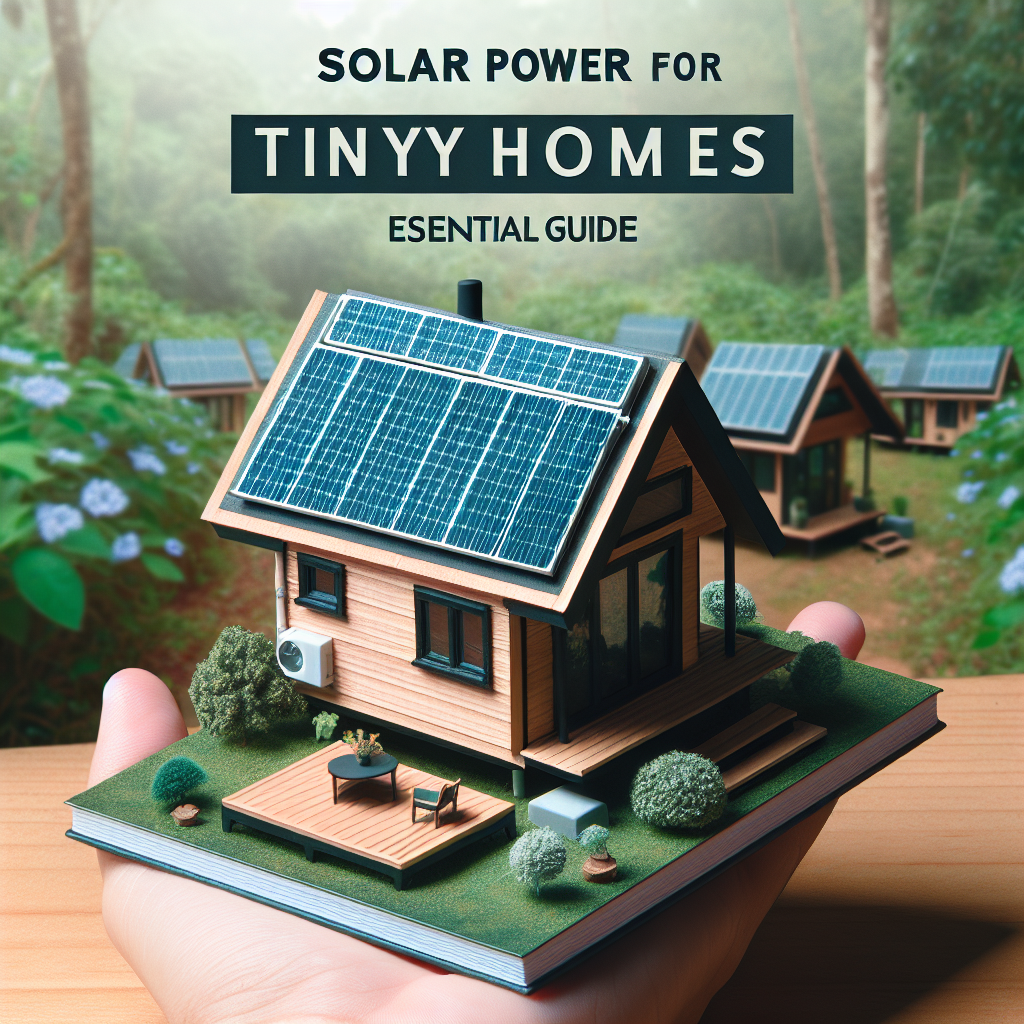
  • Solar Power for Tiny Homes: Essential Guide

    Solar Power for Tiny Homes: Essential Guide

    Assessing Your Energy Needs

    Understanding Your Power Consumption

    Before diving into the world of solar power, you need to take a hard look at how much energy your tiny home really needs. This is the first and most crucial step. Think about everything that runs on electricity—lights, appliances, and even gadgets. Sometimes, it can feel overwhelming, but don’t stress. Grab a notebook, make a list, and note the wattage for each device you use.

    I usually recommend calculating your daily usage by estimating how many hours each device runs. For example, if you have a fridge that uses 200 watts and runs 24 hours a day, that’s 4,800 watt-hours daily. Don’t forget to add those small, often overlooked devices like phone chargers and LED lights!

    The goal here is to come up with an estimate of your daily energy consumption. This helps in choosing a solar system that’s just right for your tiny home. Believe me, getting this step right makes everything else easier down the line.

    Identifying Essential Appliances

    Once you’ve got a good handle on your overall energy consumption, it’s time to sift through and identify which appliances are absolutely essential. You might find that you can live without that toaster or a second fridge, which helps in reducing your energy needs. Prioritize appliances that enhance your lifestyle while keeping your energy draw in check, like energy-efficient LED lights or a small, energy-efficient microwave.

    Consider factors like usage frequency and wattage. If an appliance consumes more energy than it’s worth, it could be time to say goodbye. From my own experiences, downsizing appliances has made a big difference—not just in energy bills but in simply decluttering my space!

    This step is about making smart choices that fit your tiny home lifestyle while keeping energy costs low. Trust me, you’ll love the simplicity that comes with fewer gadgets sucking up juice.

    Calculating Size of the Solar System

    Okay, now comes the part where you actually size up your solar system! You have your energy needs figured out—now let’s put that to work. The type and size of solar panels you’ll need depend on your energy consumption and the average amount of sun you get in your area. You can use online calculative tools or even consult with a professional if you want some extra guidance.

    A good rule of thumb (just from my own journey) is that a typical tiny home might need anywhere from 300 to 1,200 watts of solar capacity. This depends on if you’re just aiming to run essential items or want to power everything. Based on what you calculated, you can then determine the number of panels needed. Grab a coffee; this part’s a little technical, but you’ve got this!

    Always consider the battery storage if you’re looking to use the energy when the sun isn’t shining. This setup can give you peace of mind knowing you’ll have power even on cloudy days! It’s a game-changer, for real.

    Choosing the Right Solar Equipment

    Understanding Solar Panels

    You’ve got your energy needs sorted—now it’s time for the fun part: choosing your solar panels! There are several types on the market. Monocrystalline panels tend to be more efficient, while polycrystalline panels are often cheaper but can be slightly less efficient.

    From my experience, I found that space can be a constraint in tiny homes. So, opting for a high-efficiency panel might be worth the investment, especially if you want to maximize that precious roof space! Remember to check for warranties and reliability, too; you’ll want panels that have a good track record.

    dive into some research, look into customer reviews and expert opinions. It’s okay to take your time here. After all, this is your energy future we’re talking about!

    Exploring Inverters and Charge Controllers

    Next on your list is understanding inverters and charge controllers. An inverter is crucial because it converts the DC electricity generated by your solar panels into AC electricity that your appliances use. You’ll definitely want a quality inverter to ensure everything runs smoothly without a hitch.

    Charge controllers, on the other hand, manage the power going into and coming from your batteries, preventing overcharging and ultimately prolonging battery life. It’s like having a little helper ensuring everything is balanced. Look out for MPPT (Maximum Power Point Tracking) controllers—they’re usually the most efficient and worth it!

    Investing in good quality components here can save you a ton of headaches later on, believe me. I’ve seen friends skimp on these parts, only to regret it when their systems fail unexpectedly. Do your research and make sure you’re picking the right gear! It’s all about getting the best for your tiny home.

    Battery Storage Solutions

    Battery storage is a must if you want independence and reliability in your power supply. When the sun doesn’t shine, having a solid battery storage solution allows you to keep using your appliances without worry. Look into lithium-ion batteries—they’re lightweight and pack a powerful punch!

    Again, make sure to assess how much energy you’ll need to store based on your earlier calculations. Some people may only need a smaller setup, while others with bigger energy needs will require larger battery banks. It’s about tailoring your energy system to your lifestyle—don’t hesitate to reach out for help if you’re confused!

    Don’t forget about maintenance and monitoring your system. Knowing how well everything is performing keeps you in control. Plus, it gives you peace of mind. Making the investment in good batteries pays off down the line—I can’t tell you how often I’ve had friends thank me for suggesting a decent battery storage system!

    Installing Your Solar System

    Preparing for Installation

    When installation time rolls around, it’s super important to go into it equipped and informed. Depending on your comfort level, you could hire a professional or even go the DIY route. Just keep in mind, safety first! Make sure to have all your equipment, gear, and knowledge in line before jumping in.

    If you’re undertaking a DIY project like I did, make sure to read the manuals for every piece of equipment! They contain crucial information about wiring and handling. Sometimes, it’s in the details where trouble hides, so don’t skip the nitty-gritty guidelines.

    Before you start, consult local zoning laws or homeowner’s association rules. Trust me, nothing worse than finishing the job only to be told you need to take it down! It’s always a bummer when red tape gets in the way of your awesome solar setup.

    Executing the Installation

    On the day of installation, take your time! It’s easy to rush through things, but each step matters. Whether you’re mounting your panels or connecting the inverters and batteries, ensure that everything is secure and correctly wired. I recommend having a buddy help you out; it makes things not just safer but way more fun!

    Document your process with photos! Not only does it help in troubleshooting later, but it’s also an awesome way to chart your progress. Plus, it just feels good to see how far you’ve come. Remember to check all connections and ensure everything is operating as it should once everything is set up.

    Don’t forget about safety—work securely and in accordance with any local regulations. You’ll thank yourself later for being cautious now!

    Testing and Monitoring Your System

    Once everything is installed, the moment of truth has arrived—it’s time to test your system! I recommend checking voltage and ensuring everything is functioning like it should. You may want to invest in monitoring tools to keep tabs on production and performance over time. It’s all about having real-time updates on how your system is doing!

    Routine checks will help ensure that everything is running smoothly. It can be as simple as a monthly inspection to see if the panels are clean and that there’s no debris blocking sunlight. Make sure to also keep an eye on battery levels, which can indicate overall system health.

    Celebrate your achievements! Integrating solar into your tiny home journey is not just about saving money—it’s about embracing renewable energy and reducing your carbon footprint. A little effort yields a massive reward in terms of saving money and preserving the planet. You’re a champion for going solar!

    Maintaining Your Solar System

    Routine Inspections

    Keeping your solar system in top shape is essential for ensuring it performs at its best. I can’t stress enough how important routine inspections are. Looking over your panels for dirt or debris can make a significant difference in performance. Occasionally, a quick rinse with some water is all it takes to keep things efficient!

    Also, make sure that all connections remain secure and that aging components are taken care of before they fail. Being proactive here means you can dodge a lot of frustrations down the line. Maintain a record of these inspections, too—it can help you keep track of when things were checked last.

    Some folks hire professionals for yearly checks, which is worthwhile if you have the budget and want peace of mind. Just remember, a little maintenance goes a long way in ensuring your solar panels work effectively throughout their lifespan!

    Cleaning Your Solar Panels

    A clean solar panel is a happy solar panel! Dust, grime, and bird droppings can significantly cut down efficiency, so cleaning them periodically is a total must. Some people like to get up there with a sponge and hose, while others just let the rain do the work—which, honestly, can be surprisingly effective!

    If you live in a particularly dusty area or have lots of birds around, more frequent cleanings will help. In my case, I found having a cleaning schedule worked wonders. It didn’t take long, and the boost in performance made it worthwhile.

    Always ensure you take safety precautions while cleaning your solar panels. Depending on your roof type, it may be prudent to consult a professional for cleaning—or at least to show me how to do it safely!

    Keeping Up-to-Date with Technology

    The tech world is a whirlpool of constantly evolving innovations, and solar power is no different. Staying updated with the latest advancements can help you refine your solar power system. Whether it’s better battery options or more efficient panels, keeping your ear to the ground can save you money in the long run.

    You never know when a new product might help you save costs or improve efficiency. I spent some time researching new technologies and found incredible options when it came to inverters and batteries—some that have radically improved efficiency while being environmentally friendly!

    Engage with online communities or local solar workshops, as they can provide insights into experiences others have had. Staying informed can help you continue to embrace solar power and get the most bang for your buck as a proud tiny home dweller.

    FAQ

    1. How do I calculate my energy needs for a tiny home?

    Start by listing all of your appliances and devices along with their wattages. Estimate how many hours you use each one daily, then sum up the total watt-hours needed. This will give you a clear picture of your energy requirements.

    2. What type of solar panels should I choose for my tiny home?

    Monocrystalline panels are often the most efficient choice if space is limited, but polycrystalline may fit better if you’re on a tighter budget. Consider your specific needs and do research on panel efficiency and warranties.

    3. Do I need battery storage for my solar system?

    If you want to use power during the night or cloudy days, battery storage is crucial. It allows you to store excess energy generated during the day for use later on. Always consider your energy needs when choosing battery size and type.

    4. Can I install solar panels myself?

    Yes, many people choose the DIY route for solar installation. Just make sure you understand the technical aspects involved and always prioritize safety. It may also be helpful to consult professionals if you’re unsure about any steps.

    5. How do I maintain my solar panels?

    Routine inspections and cleaning are key. Look for dirt, grime, and check your connections regularly. A clean panel system works better and can save you on utility bills over time.

  • Why Solar Generators are Essential for Modern Living

    Why Solar Generators are Essential for Modern Living

    The Financial Benefits of Solar Generators

    Cost Savings on Electricity Bills

    One of the first things I noticed after investing in a solar generator was the significant drop in my electricity bills. It’s pretty wild how harnessing the sun can lead to such tangible savings. Every month, I see my energy expenses decreasing, and it feels like I’m actually earning back the money I spent on my solar generator. It’s like getting paid for sunshine, and who wouldn’t want that?

    Initially, I was unsure if the cost of entry into solar technology would outweigh the savings. But you’ll often find that the upfront investment pays off in the long run. As energy prices continue to rise, having a solar generator means that I’m less affected by those fluctuations. I can plan my budget better, and trust me, that’s always a win.

    The financial benefits don’t stop there. Some regions even offer incentives or rebates for using renewable energy sources. This can significantly lower the initial cost of a solar generator. So, checking local and state programs might lead to even more savings, which is always a nice bonus!

    Environmental Impact of Solar Generators

    Reducing Carbon Footprint

    Let’s talk about the planet for a second. One major reason I jumped on the solar bandwagon was my desire to reduce my carbon footprint. Traditional generators tend to be pretty harsh on the environment. They emit greenhouse gases, and honestly, that just doesn’t sit right with me. With a solar generator, I can produce power without contributing to that problem.

    Knowing that my energy source is clean and sustainable brings me peace of mind. I’m not just saving a few bucks; I’m also playing my part in combating climate change. It’s incredible to think that every sunny day is an opportunity to generate clean energy, and by doing so, I’m directly helping our beautiful planet.

    Plus, I feel a sense of pride showing off my solar generator to friends and family. It’s not just a smart investment; it’s a commitment to being a responsible earthling. And if we all made similar choices, imagine how much of an impact we could have on the environment as a collective!

    Convenience and Versatility of Solar Generators

    Portable Power Anywhere

    A cool thing about solar generators is their portability. No more running extension cords from the house to the backyard or the campsite! I can take my solar generator with me wherever I go, whether it’s a picnic in the park or an off-grid camping trip. This flexibility has opened a whole new world of possibilities for outdoor adventures.

    And guess what? You can power more than just your essential devices. I’ve used my generator to cook meals outdoors, keep drinks cold, and even watch movies under the stars. It’s not every day that you can whip up a gourmet meal in nature while watching the sunset, right? The possibilities are endless.

    Moreover, having portable electricity gives me peace of mind during power outages at home. I never have to worry about being completely in the dark or running around trying to find candles. My solar generator has saved me more than once during storms when the lights went out suddenly.

    Energy Independence with Solar Generators

    Less Reliance on the Grid

    In a world where energy independence feels like a distant dream for many, owning a solar generator is my ticket to less reliance on the grid. It’s empowering to know that I have my own source of energy. With power outages becoming more common due to extreme weather, having a solar generator feels like having an insurance policy against dark times.

    When I first unplugged from the grid, it was a liberating experience. No longer was I at the mercy of utility companies’ pricing and policies. I felt a newfound freedom, knowing I could generate my own electricity. That brings an unparalleled sense of autonomy that simply can’t be matched by traditional power sources.

    The ability to harness solar energy means I can enjoy certain luxuries without worry. From charging my devices to running appliances, I know I have the capacity to maintain my lifestyle even when the external power supply falters. And in a crazy world, isn’t that a comforting thought?

    Ease of Use of Solar Generators

    Simple Setup and Maintenance

    One of the biggest misconceptions I had about solar generators was that they were complicated to set up and maintain. But I’m here to tell you that it could not be further from the truth! When I got mine, the setup was incredibly straightforward. Just plug it into the solar panels, and boom! I was generating my own power in no time.

    Maintenance is also a breeze. Unlike gas generators that require regular oil checks and uncomfortable cleaning, solar generators just need a quick wipe-down now and then. I love how low-maintenance they are. Just a little care here and there, and I’m good to go!

    With easy-to-read indicators and user-friendly interfaces, anyone can understand how to use a solar generator. Whether you’re a tech whiz or more on the clueless side, you won’t have a problem finding your way around. For me, that was a game-changer because I didn’t want anything that would cause headaches or confusion.

    FAQ

    What is a solar generator?

    A solar generator is a portable power station that uses solar panels to convert sunlight into electricity, which can be stored in batteries for later use. They are typically used for camping, emergencies, or as an alternative energy source for homes.

    Are solar generators worth the investment?

    Absolutely! Solar generators can save you money on electricity bills, reduce your carbon footprint, and provide reliable power during outages. Plus, they require minimal maintenance once set up.

    How do I maintain my solar generator?

    Maintaining a solar generator is usually easy. Regularly check for any dirt on the solar panels and clean them if needed. Keep the battery charged and stored in a cool, dry place to ensure longevity.

    Can I use solar generators for home appliances?

    Yes, you can! Solar generators can power a variety of home appliances, depending on their wattage. Just make sure to check the wattage requirements of your devices and the output capacity of your solar generator.

    How long do solar generators last?

    With proper care and maintenance, solar generators can last for many years. The batteries may need replacing after several years of heavy use; however, the overall unit is designed to withstand the test of time.

  • Why Solar Power is Essential for Future Generations

    Why Solar Power is Essential for Future Generations

    1. Environmental Impact

    Reducing Carbon Footprint

    One of the biggest reasons I think solar power is essential is because of its role in reducing our carbon footprint. Every time we generate electricity using solar panels, we are cutting out a significant amount of greenhouse gases that typically come from burning fossil fuels. It’s a win-win situation, allowing us to power our homes while being kinder to our planet.

    I’ve seen it firsthand how shifting to renewable energy sources, especially solar, can make a substantial difference. Not just in my immediate environment but on a global scale! If more folks made this change, we’d be on a path to significantly lowering our carbon emissions.

    Plus, solar power can also help with air quality. Cleaner air means healthier lives, and who wouldn’t want that? It’s just one of those things that feels right when you think about the future generations that will inherit our planet.

    Preserving Natural Resources

    When I think about solar power, I can’t help but appreciate how it helps preserve our natural resources. Unlike fossil fuels, which are finite and becoming harder to extract, solar energy is abundant and sustainable. The sun is literally shining every day, waiting for us to harness its energy!

    By switching to solar, we’re reducing the need for coal mining and oil drilling, which can be devastating to the environment and biodiversity. Each solar panel installed is a step away from depleting our precious natural resources, making it a no-brainer in my book.

    It’s all about leaving the Earth in a better state than we found it. Future generations deserve a world where they don’t have to worry about running out of resources like clean air and safe water, and solar power plays a huge part in that vision.

    Combatting Climate Change

    Let’s face it: climate change is a serious threat to our existence. The more I learn about the impacts of climate change, the more I realize how essential solar energy is in combating it. Solar power is a key player in transitioning to a low-carbon economy.

    When using solar energy, we’re powering our homes and industries without adding to global warming. I mean, how cool is it that a simple solar panel can help fight against such a huge issue? It’s like joining a global team that works towards making our world a sustainable place to live.

    In my experience, every small decision counts. Every solar panel installed is another step away from catastrophic climate impacts. We truly owe it to ourselves and the generations to come to invest in such solutions!

    2. Economic Benefits

    Job Creation

    Switching to solar isn’t just good for Mother Earth; it’s also a huge boost for our economy! One of the coolest things I’ve discovered about solar power is the jobs it creates. The solar industry is booming, and with the rise in installations, more jobs are popping up in manufacturing, sales, and maintenance.

    When I talk to folks who have transitioned to solar, many mention that the local solar companies they worked with have created job opportunities in their communities. It’s heartwarming to see the direct correlation between renewable energy uptake and employment growth. Keeping jobs local keeps our communities thriving!

    I genuinely believe that investing in solar power is an investment in our workforce. By supporting this industry, we not only create careers but also foster innovation and growth in clean technology sectors.

    Long-Term Savings

    Let’s not ignore the financial side—solar power can be a great money-saver in the long run! Yeah, there’s an upfront cost to installing solar panels, but when you consider the long-term savings on utility bills, it becomes a pretty smart investment.

    Once I analyzed my energy consumption and compared it to the potential savings from solar, I realized I could save thousands over the years. Plus, many states offer incentives and tax rebates to sweeten the deal even more. It really feels like a no-brainer!

    When future generations think about their economic situation, I bet they’re going to wish they had made the switch sooner. With solar, they won’t just be saving on energy costs; they’ll be investing in a sustainable future for themselves.

    Energy Independence

    Another reason I advocate for solar power is it promotes energy independence. By harnessing the sun’s energy, we’re relying less on foreign oil and gas. And you know what? That feels empowering!

    Energy independence means greater security for our economy, and it minimizes the volatility in energy prices. We don’t have to be at the mercy of global markets that fluctuate wildly on a daily basis.

    It’s refreshing knowing that we can take control of our energy needs, and my hope is that future generations won’t have to experience the same energy crises we’ve faced in the past. Solar power is truly a key player in this shift towards independence.

    3. Accessibility and Technological Advances

    Increased Accessibility

    The more I dive into solar energy, the more I appreciate how technology is making it accessible for everyone. I’ve witnessed small communities and individuals harnessing solar energy, which is pretty inspiring. This technology is no longer just for wealthy homeowners!

    From community solar projects to affordable solar solutions, there’s a shift happening that allows more people to partake in this renewable resource. People in rural areas, for instance, can get electricity where conventional power lines won’t reach.

    I’m excited to see how this democratization of energy will empower future generations. Everyone deserves access to clean energy, and it’s heartwarming to know that progress is being made!

    Innovative Technologies

    Technology in the solar sector is moving at a lightning-fast pace. From more efficient solar panels to sophisticated battery storage solutions, we’re seeing innovation that was unimaginable a decade ago! I mean, remember when we used to think solar panels were those clunky things that couldn’t generate much energy?

    The truth is, as these technologies evolve, they become more effective and affordable. I’ve seen first-hand how new advancements are improving the energy output of solar systems, making them an even better investment.

    This technological drive is crucial for the future. As we continue to innovate, we’ll create solutions that cater to diverse needs and ensure that cleaner energy becomes the norm rather than the exception.

    Community Engagement

    Another cool thing about solar energy is the way it fosters community engagement. Communities are coming together to share resources and knowledge. I’ve seen neighborhoods rally around solar projects—doing bulk purchases to get lower prices and sharing their experiences to help others.

    Most importantly, conversations around solar can spark interest in other environmental initiatives. It encourages folks to think about sustainability and engage in community programs. It’s that ripple effect that makes my heart smile.

    Connecting over common goals not only strengthens relationships but creates informed advocates for our planet. Future generations are going to thrive in a world where community matters, and we can thank solar power for helping to foster that sense of togetherness.

    4. Energy Resilience

    Adaptability to Climate Changes

    As we navigate the complexities of climate change, resilience becomes a vital trait for energy systems. Solar power allows us to create more adaptable energy infrastructures that can withstand climate impacts. I feel like that’s a huge conversation we need to have!

    Having solar energy means that communities can rely less on centralized power grids that may fail during natural disasters—think hurricanes or wildfires. Instead, neighborhoods can generate and store their own energy, providing a sense of security and resilience.

    Future generations will benefit tremendously from this adaptability. They’ll have the means to thrive despite unpredictable climate events that we can’t even fully imagine yet. It’s empowering to think we’re paving the way for such stability!

    Decentralized Energy Production

    One of the fantastic things about solar power is its capacity for decentralized energy production. When we install solar panels on our rooftops, we become our own power producers. This shift means communities are less reliant on aging power plants that may not hold up in extreme weather.

    Furthermore, it enhances energy security at a local level, reducing systemic risks. It’s like having a mini power plant right on your roof! I’ve experienced days in my neighborhood where, despite outages, homes with solar remained lit.

    No doubt, investing in solar means contributing to a future where energy resilience is the norm. It makes me proud to be a part of this movement that helps shape a better and more stable energy landscape for tomorrow.

    Grid Stability

    As more folks move toward solar energy, we’re also enhancing the stability of our power grid. Solar can actually contribute to a more balanced energy mix, which is vital as we phase out fossil fuels. I love the way this transition is happening right now!

    With solar energy, we can flatten peak loads on the grid and reduce the strain on traditional power sources. As we install more solar across various regions, we’re not just creating pockets of energy but a more resilient national grid.

    Future generations will thank us for thinking proactively about our energy systems. They’ll inherit a grid that’s more robust and less prone to the disruptions we see nowadays, and that’s worth celebrating!

    5. Education and Awareness

    Promoting Sustainability Education

    Last but not least, solar power enhances education around sustainability. When people learn about solar energy, they often expand their understanding of environmental issues and the importance of renewable resources. I’ve seen kids get excited about solar energy in schools, and that gives me hope!

    This kind of awareness leads to more educated consumers who make informed decisions about their energy use. Schools starting solar programs and community workshops are helping to spread the word. It’s wonderful to see that collective effort towards a common goal!

    Future generations will be equipped with the knowledge they need to tackle environmental challenges head-on. They’ll grow up in a world where sustainability is part of daily conversations, and that’s something I want to be a part of.

    Empowering Advocacy

    Another exciting aspect is how knowledge leads to advocacy. When people grasp the benefits of solar power, they’re often more motivated to push for policies that support renewable energy growth. I’ve participated in community meetings where residents rally behind local solar initiatives, and it’s energizing!

    Being part of a movement means we’re shaping policies that will allow solar power to flourish. It’s thrilling to imagine what future generations can achieve with a society that’s dedicated to solar and other renewables.

    Advocating for sustainability today means providing future generations the tools they need to champion their own causes and make a significant impact. It’s genuinely a beautiful cycle!

    Inspiring Future Innovators

    Lastly, solar power inspires innovation across various fields. With the rise of solar technology and energy management solutions, we witness young minds turning their attention to developing even smarter and more efficient systems. The creativity I’m seeing is incredible!

    This new wave of innovators is going to redefine how we think about energy and sustainability. By nurturing that passion, we can expect a future filled with groundbreaking solutions to not just energy challenges but wider environmental issues.

    It’s a privilege to watch future generations rise with this spirit of innovation. With the right education and encouragement, they’ll create powerful changes that resonate for years to come.

    Frequently Asked Questions

    1. Why is solar power important for the environment?

    Solar power is crucial because it reduces our carbon footprint, helps preserve natural resources, and combats climate change, which benefits not just the current generation but also future ones.

    2. How does solar energy contribute to the economy?

    Solar energy creates jobs, provides long-term savings on energy bills, and promotes energy independence, which contributes positively to the economy.

    3. What advancements are being made in solar technology?

    Solar technology is rapidly evolving with more effective panels, advanced battery storage solutions, and systems that make solar energy more accessible to everyone.

    4. How can solar energy improve community resilience?

    Solar energy promotes adaptability to climate changes, supports decentralized energy production, and contributes to grid stability, making communities more resilient against disruptions.

    5. What role does education play in promoting solar power?

    Education fosters awareness about sustainability, empowers advocacy for renewable energy policies, and inspires future innovators to develop pioneering solutions in the energy field.

  • Essential Tips for Choosing the Right Solar Panels

    Essential Tips for Choosing the Right Solar Panels

    1. Understand Your Energy Needs

    Assessing Energy Consumption

    First off, you’ve gotta know how much energy you actually use. Check your electricity bills over the past year—it’s like your personal energy diary. Look at the kWh (kilowatt-hours) you consume monthly, because that’s the baseline you’ll use to figure out how much solar power you need. Trust me, getting this data is like the equivalent of checking your bank account before splurging on a new gadget!

    Next, think about how your energy use might change. Are you adding new appliances or planning to get an electric vehicle? These things can amp up your consumption. Make sure to factor those future needs into your planning so that once you install your solar panels, you’re not left in the lurch.

    Also, don’t overlook seasonal variations. In winter, you might use heating more, while summer might mean cranking up the air conditioning. Knowing these patterns helps you choose a solar setup that meets your needs, come rain or shine. Got it? Good, let’s move on!

    2. Research Different Types of Solar Panels

    Monocrystalline vs. Polycrystalline

    When I first started my solar journey, I thought all solar panels were basically the same. Boy, was I wrong! You’ve got monocrystalline panels, which are super efficient and space-saving, and polycrystalline panels, which are usually more affordable but take up a bit more space. Think of it as the difference between that sleek, high-end sports car and a reliable family sedan. Do you want high performance or high value? It depends on your priorities!

    Each type has its pros and cons. Mono panels tend to be more effective in low-light conditions—great if you live somewhere cloudy, while poly panels can do just fine in direct sunlight. So, really consider your local climate when making this choice. It all adds up, you know?

    Once you’ve narrowed down the type that fits your needs, look into the manufacturers. Some brands have a solid track record for quality and durability—learn from my mistakes and check reviews! You won’t want to invest in something that doesn’t hold up in the long run.

    3. Evaluate Panel Efficiency Ratings

    Importance of Efficiency

    Now, let’s get into the nitty-gritty of efficiency ratings. A high-efficiency solar panel can convert more sunlight into usable electricity. This is super important if you’re short on roof space or if you’re in a less sunny area. I can’t stress enough how much research into efficiency can save you a headache later on!

    Check out the ratings provided by the National Renewable Energy Laboratory (NREL) or other trusted organizations. They’ve done a ton of research for you, so take advantage of it! When I was choosing my panels, I made sure to select those with efficiency ratings of at least 18%—it made all the difference.

    And don’t forget to ask manufacturers about how their panels perform at different temperatures. Some panels lose efficiency in heat—this was a revelation for me. Always consider the climate and how it might impact performance over time!

    4. Consider Your Budget and Financing Options

    Understanding Costs

    Let’s be real for a second: solar panels can be a significant investment. I remember staring at quotes and feeling overwhelmed. Not only do you have to factor in the cost of panels themselves, but there are installation costs, maintenance, and any permits you may need. It’s like a big puzzle, but I promise you can do it!

    To help with the financial side, know that there are often local, state, or even federal incentives available. Research any tax credits or rebates—you could save a boatload! And if you’re really strapped, consider financing options like solar loans or leases. They can reduce upfront costs and get you started on your solar journey right away.

    Most importantly, don’t rush this step. Take your time, compare prices, and negotiate with different solar providers. I learned that sometimes being persistent could mean lowering my costs significantly. Your budget is essential, so make it work for you!

    5. Choose a Reputable Installer

    Finding Quality Installation

    Finally, the installer you choose is crucial. A great solar panel system is only as good as its installation, and I can’t emphasize this enough! Do your homework by checking reviews or asking for recommendations from friends or family. A reputable installer will handle everything from permits to connections, and they know local requirements.

    Be sure to ask potential installers about their warranties. A decent company should offer a strong workmanship warranty, so you’re covered in case something goes awry. I learned the hard way that saving a few bucks on installation can end up costing way more if something goes wrong down the line.

    Also, don’t shy away from asking questions. You want someone who’s not just trying to sell you something but genuinely cares about providing you the best options for your situation. Building a relationship with your installer can lead to better service and support down the line as well.

    FAQ

    1. How do I know how many solar panels I need?

    Calculate your monthly energy usage in kWh and divide that value by the output of the solar panels you’re considering. This will help you determine how many you’ll need to meet your energy demands!

    2. What’s the difference between monocrystalline and polycrystalline panels?

    Monocrystalline panels are made from single silicon crystals and are generally more efficient and space-efficient, while polycrystalline panels are made from multiple silicon crystals and tend to be less expensive but less efficient.

    3. Are solar panels worth the investment?

    Absolutely! While the initial costs can be high, solar panels can reduce your electricity bills, increase your property value, and help you take advantage of available incentives—long-term savings are definitely worth it!

    4. How do I find a good solar installer?

    Check reviews, ask for recommendations from friends, and look at their track record. Make sure to ask about warranties and installation experience to ensure quality service.

    5. Can solar panels work in cloudy climates?

    Yes! Solar panels can still generate electricity in cloudy conditions, though they may be slightly less efficient. Choosing high-efficiency panels can help ensure you still get good performance even in less sunny environments.