Tag: explained

  • The Advantages of Monocrystalline Solar Panels Explained

    The Advantages of Monocrystalline Solar Panels Explained

    High Efficiency Rates

    Understanding Efficiency

    One thing that really stands out about monocrystalline solar panels is their efficiency. These panels convert sunlight into electricity like a champ, usually hitting around 15% to 22% efficiency rates, which is pretty impressive. So, if you’re after maximum performance from limited space, these guys are hard to beat.

    What I love is that this means you’ll generate more energy in less area. So, if you’ve got limited roof space, you can still capture plenty of solar energy. This is especially handy for urban dwellers where space is at a premium and you don’t want panels sticking out like a sore thumb.

    And here’s the kicker: higher efficiency often translates into higher savings on energy bills. More energy captured means a reduced reliance on your utility company, which, let’s face it, is a win-win!

    Durability and Longevity

    Built to Last

    Another aspect I really appreciate is the longevity of monocrystalline panels. They’re built to endure harsh weather conditions and have longer warranties, typically around 25 years. It feels good knowing I’ve made a solid investment when I go with these panels.

    What’s more, these panels are constructed from high-quality silicon, so they’re less prone to defects or performance declines over time. It’s like having a reliable car that just keeps on going; if you look after it, it rarely lets you down!

    So, when you’re looking into solar energy, consider how long you plan to live in your home. Long-lasting panels can mean fewer headaches and lower maintenance costs in the long run. Plus, it gives you peace of mind knowing you won’t be scrambling to replace them anytime soon!

    Space Efficiency

    Making the Most of Your Roof

    Space is often a significant factor in choosing solar panels, especially for city folk or those with smaller homes. Monocrystalline panels excel here because of their high power output relative to their size. You truly can make the most of every square inch!

    With these panels, I’ve found that I can fit more actual energy-producing surface area on my roof. Even with fewer panels, I can harvest enough energy to keep my electricity bills in check. It means less clutter and a sleeker look for my house!

    So, if you’re limited on space and still want to go big on solar, monocrystalline is the way to go. It’s all about maximizing that precious real estate and getting the most bang for your buck!

    Performance in Low Light Conditions

    Thriving When It’s Cloudy

    One of my favorite perks of monocrystalline panels is their performance in low-light conditions. Have you ever noticed how some days just feel gloomy? These panels do an admirable job of still generating electricity when the skies aren’t cooperating, which is a fantastic feature.

    This can make a massive difference throughout the year, especially during winter months or rainy seasons when sunlight can be scarce. Knowing my system won’t suffer much in those gloomy conditions gives me a sense of reliability.

    Plus, that mid-day dip in sunlight when clouds roll in? No problem! With monocrystalline technology, you can still bank on decent generation, ensuring your energy needs are met more consistently than with other panel types. It’s nice not to have to stress, even on those less-than-ideal days!

    Aesthetic Appeal

    The Look of Elegance

    Let’s not forget the aesthetic aspect! I mean, who doesn’t want their home to look great, right? Monocrystalline panels have a sleek, black appearance that complements many roofs well, making it an attractive option for those looking to boost their curb appeal.

    When I had mine installed, I was pleasantly surprised at how nice they looked against my home. It was like a cherry on top of an already great improvement. These panels blend in rather than stand out obnoxiously, which is a definite plus!

    Apart from making your home more attractive, having appealing solar panels can actually increase your property value. Future buyers often consider aesthetics when choosing a home — and solar panels that look nice can certainly be a selling point down the line.

    Frequently Asked Questions

    1. What is the main advantage of monocrystalline solar panels?

    The primary advantage is their high efficiency, which allows them to produce significantly more energy compared to other types of solar panels, even in limited space.

    2. How long do monocrystalline solar panels last?

    Typically, they can last up to 25 years or more, making them a long-term investment for home energy solutions.

    3. Are monocrystalline panels suitable for all climates?

    Yes, they perform well in varying climates, including low-light conditions, which makes them versatile for different geographical areas.

    4. Do monocrystalline panels require a lot of maintenance?

    No, they are low-maintenance due to their durability, and regular cleaning is usually sufficient to keep them functioning optimally.

    5. Can monocrystalline solar panels increase my home’s value?

    Absolutely! They can boost your home’s curb appeal and overall value, making it attractive to potential buyers who are looking for environmentally friendly options.

  • The Pros and Cons of Hybrid Solar Systems Explained

    The Pros and Cons of Hybrid Solar Systems Explained

    Understanding Hybrid Solar Systems

    What is a Hybrid Solar System?

    Alright, so let’s dive into the whole hybrid solar system thing. Basically, a hybrid solar system combines standard solar panels with a battery storage system. This means you can both generate your own energy and store some of it for later use. It’s like having your cake and eating it too, right?

    What’s cool about these systems is that they give homeowners more flexibility. You don’t have to rely solely on the grid—which can be unpredictable at times. Imagine being able to power up your devices without stressing about those pesky utility bills. Now that’s a win in my book!

    In terms of setup, these systems can be a little more complex than standard solar setups. You’ve got solar panels to capture sunlight, inverters to convert that energy, and batteries to store it all. But the end result? A powerful system that’s ready to tackle energy demands even when the sun isn’t shining.

    The Advantages of Hybrid Solar Systems

    Energy Independence

    If you ask me, one of the biggest perks of hybrid solar systems is the energy independence they provide. By generating and storing your own energy, you’re less at the mercy of rising energy costs. It feels pretty liberating to know that you’re creating your own power!

    Plus, during power outages, having a hybrid system means you can keep your essentials running. Lights, fridge, even your Wi-Fi—who wouldn’t want to keep that going during an outage? I’m all in for not getting left in the dark!

    This level of autonomy not only boosts your comfort but can also increase the value of your home. Potential buyers love the idea of a home that can run on its own, especially in today’s eco-conscious market.

    Reduced Electric Bills

    Let’s talk about money savings, shall we? Hybrid solar systems help you decrease those electric bills, sometimes significantly. Of course, the amount you save can vary based on how much energy you generate and use, but I’ve seen some folks save dozens of dollars each month!

    Not only that, but being able to draw energy from your stored battery during peak usage times can maximize those savings. I’d much prefer to pull from my own battery instead of worrying about peak electrical costs from the grid.

    Over time, the reduced bills can really add up. It turns out hybrid solar systems can be a solid investment, giving you a return on what you put in in terms of installation costs.

    Environmental Impact

    Going green is a huge motivation for many homeowners—and rightly so! Hybrid solar systems allow you to produce clean, renewable energy. The fact that you’re lowering your carbon footprint while powering your home feels like a double hug for the planet.

    Every solar panel counts towards reducing reliance on fossil fuels. I always feel a little proud every time I see my energy meter running backward and knowing I’m contributing to a healthier planet.

    Moreover, as we shift towards more sustainable energy sources, hybrid systems support that transition. It’s not just a personal win; it’s a win for communities and future generations too.

    The Disadvantages of Hybrid Solar Systems

    Higher Initial Costs

    Alright, let’s face it—one of the downsides is the price tag. Setting up a hybrid system isn’t exactly pocket change. Between the solar panels, inverters, installation, and battery costs, it adds up. I’ve seen some folks hesitate because of the upfront investment required.

    While the long-term savings are appealing, I completely understand why some people might be put off by those initial costs. It can feel like an overwhelming decision, especially when it seems like you’re investing more in a system that’s not a guaranteed quick fix for energy savings.

    In addition, the maintenance of hybrid systems can involve extra costs. Maintaining the batteries and all the components can add some ongoing expenses that might not be on everyone’s radar before diving in.

    Complex Installation Process

    Let’s talk installation. It can be a bit of a headache. Setting up a hybrid solar system usually requires professionals, and that can complicate things more than a straightforward solar panel installation.

    From my experience, it’s crucial to find a reputable installer who understands the ins and outs of hybrid systems. If you don’t, you might end up with a system that isn’t functioning as efficiently as it could. Ain’t nobody got time for that!

    Lastly, the learning curve on monitoring your system can be steep. You’ll need to stay on top of how your energy is being generated and stored—hopefully not during your lunch breaks!

    Battery Limitations

    Let’s get real—the batteries in hybrid systems have limits. They have a finite lifespan and generally need replacing every few years, which adds to the overall cost of ownership.

    Moreover, not all batteries are created equal. Some may not hold enough charge for larger households, which could leave you wanting more energy storage on those cloudy days. I know I’ve looked at mine and thought, “C’mon, charge more!”

    There’s also the risk of battery technology changing. The rapid advancement in this field means that what you install today might not stack up against the impressive options coming out tomorrow. It’s a bit of a gamble!

    Conclusion

    So, there you have it! Hybrid solar systems come with their own set of pros and cons. Energy independence, reduced bills, and a smaller environmental footprint can draw you in, but don’t sleep on the higher costs and complexities.

    As with any home improvement choice, it really boils down to what you value most in your energy usage. Ultimately, it’s about finding a balance that aligns with your lifestyle and financial situation.

    If you’re considering going hybrid, I suggest doing your research, reaching out to folks in your local area who have made the switch, and maybe even taking a few quotes before making that leap!

    FAQ

    1. What is a hybrid solar system?

    A hybrid solar system combines solar panels with battery storage, allowing you to generate and store your energy, offering more independence from the grid.

    2. What are the main benefits of a hybrid solar system?

    The main benefits include energy independence, reduced electricity bills, and a positive environmental impact.

    3. What are some drawbacks of hybrid solar systems?

    Some drawbacks include the high initial costs, complex installation processes, and maintenance requirements for batteries.

    4. How much can I save on electricity with a hybrid system?

    Savings vary based on energy usage and system efficiency, but many homeowners see a noticeable decrease in their electric bills over time.

    5. How long do batteries for hybrid systems last?

    Typically, batteries for hybrid solar systems last 5 to 15 years, depending on the type of battery and how you care for them.

  • Is Solar Power Worth It? Real Benefits Explained

    1. Environmental Impact

    The Reduction of Carbon Footprint

    When I first dove into solar energy, one of the key reasons I was drawn to it was the positive environmental impact. Solar power significantly reduces carbon emissions compared to fossil fuels. By harnessing energy from the sun, we can reduce our reliance on polluting energy sources, which is a big win for the planet.

    The transition to solar means that we’re not just taking, but also giving back to the Earth. It’s like planting trees, but instead of just growing one, you’re planting an entire forest of solar panels that help absorb and utilize sunlight for energy!

    Let’s be real; saving the environment is not just a nice thought—it’s essential for future generations. Each solar panel installed means one less carbon footprint on our beautiful planet. It’s these small steps that can encourage larger collective actions for a healthier Earth.

    <h3.Reducing Pollution

    Another eye-opening realization I had was how solar power helps in cutting down pollution levels. Traditional power plants are notorious for releasing harmful substances into the air. With solar energy, we’re looking at a zero-emission option during operation, which is music to my ears!

    Don’t get me wrong, manufacturing and installing solar panels does have an environmental footprint, but once they’re functional, they operate clean and green. It’s like switching from a gas-guzzler to an electric car—the difference becomes visible in cleaner air and less smog.

    By embracing solar power, we aren’t just saving energy; we’re doing our part to make the air cleaner and our ozone layer less depleted. This is especially important for urban areas where pollution levels are alarmingly high.

    Promoting Sustainability

    Sustainability is the trending buzzword, isn’t it? Everyone’s talking about it, but few are actually doing anything substantial. With solar energy, I feel empowered to contribute to sustainability efforts. We can generate electricity without depleting resources!

    This means we’re investing in technology that harnesses the most abundant resource available—sunlight! Honestly, I love the idea that my energy needs can be met in a sustainable manner, reducing our dependency on finite resources like coal and oil.

    By adopting solar, I feel like I’m part of this amazing movement toward a sustainable future, where my choices directly impact the environment in a positive way. Who wouldn’t want to be a part of that legacy?

    2. Economic Benefits

    Lower Energy Bills

    Let’s talk money, shall we? When I first installed my solar panels, I couldn’t believe the difference in my energy bills. The moment I saw those savings instantly, I knew I had made the right choice. It’s incredible how much you can save by generating your own electricity.

    For me, that was like hitting the jackpot! Instead of throwing money at my utility company every month, I could see that cash staying in my pocket. It felt freeing to think about how those savings could go toward things I actually wanted, like travel or investments.

    Not to mention, many states offer incentives and rebates for solar panel installation, making it an even sweeter deal financially! These perks can significantly offset the initial costs, making it more accessible for those of us who are on a budget.

    Property Value Increase

    So, here’s something cool: homes with solar panels typically see an increase in property value. I learned that buyers are increasingly looking for energy-efficient homes, and having solar systems can make your place stand out on the market.

    When I decided to install solar panels, I had the long-term thought in mind. It’s like digging your roots deeper into homeownership while also growing its value. Trust me; this is something that not only adds to your property but can pay off if you decide to sell someday.

    Plus, who wouldn’t want to walk through their neighborhood and feel a sense of pride, knowing their home is equipped with green energy tech while increasing its value? It’s a win-win!

    Job Creation

    Another aspect that brightens my day—solar energy has shown to create

  • Is Solar Power Worth It? Real Benefits Explained

    Is Solar Power Worth It? Real Benefits Explained

    Cost Savings on Energy Bills

    Lower Monthly Expenses

    Bill shock, right? We’ve all been there—the unending rise in energy prices makes you want to pull your hair out. I remember the first time I saw my monthly bill exceed what I’d budgeted. I was genuinely fed up! Switching to solar power dramatically reduced my monthly energy costs. Now, I’ve got a surplus of cash each month, which feels like winning the energy lottery!

    With solar panels, you’re generating your own electricity. It’s like becoming your own energy supplier. This means less dependency on your utility, especially when rates are going through the roof. I’ve actually had months where the bills were practically non-existent, and it felt great not dumping so much of my hard-earned money into energy bills!

    Also, let’s not forget about those lovely tax incentives for going solar. Often, you can claim a percentage of installation costs on your taxes. I mean, who doesn’t love a nice fat return after a big spend? Add that up, and the savings are hard to ignore.

    Long-Term Savings

    Initially, when I was contemplating solar energy, I was worried about the upfront costs. But once I dug deeper into the world of solar, it became clear that long-term savings were significant. It’s like investing in your future, and believe me, once you pay off those solar panels, the money saved is pure gold!

    Over time, the savings add up substantially. A decent system can pay for itself within a few years, especially when you factor in rising electricity costs. As I’ve become more energy-efficient and made it a goal to stay conscious of my usage, I’ve even found ways to use less energy than before—stacking those savings higher!

    Plus, if you’re ever thinking about selling your home, solar panels can actually boost your property value. Homebuyers today are increasingly looking for energy-efficient features, and homes with solar panels tend to sell quicker and at higher prices. It’s like adding a cherry on top of an already enticing home deal!

    The Benefit of Energy Independence

    Let me tell you, there’s a real peace of mind that comes from producing your own energy. No more worrying about power outages or rolling blackouts; you can rely on your system to keep the lights on. I honestly feel like I’m breaking free from the tie of the utility companies, and it’s a liberating experience!

    Energy independence means that you have power! And in a world where energy bills fluctuate like a rollercoaster, having your own sourced energy feels secure. I don’t have to stress every time a news report mentions rising oil prices. No more worrying about unexpected spikes in my bills due to global events. How refreshing is that?

    Also, with advancements in battery storage technologies, you can store excess energy generated during sunny days for use at night. That’s a win-win situation where your energy independence comes into play even more, making you less reliant on grid energy at night!

    Environmental Impact

    Reduction in Carbon Footprint

    One of the coolest parts about going solar is knowing I’m helping the planet. Every solar panel I installed is reducing my household’s carbon footprint. Seriously, it’s a gratifying feeling to see my contribution to cleaner air and combating climate change.

    Fossil fuels are becoming increasingly scrutinized, and rightly so. The benefits of switching to solar can be felt on a global level since solar energy is clean and sustainable. I’m proud to say that I’m not only saving money—I’m doing my part in leaving a cleaner world for future generations!

    On days when I see my energy usage drop because of my solar array, I can’t help but think of all the emissions I’m helping avoid. Whether it’s reducing pollutants in the air or conserving precious resources, making the switch feels like a no-brainer.

    Pushing Renewable Energy Forward

    By investing in solar power, I feel like I’m participating in a bigger movement. Every person who makes the switch is a step towards a more significant transition to renewable energy sources. It’s empowering to know that I’m making a statement in support of sustainable alternatives to fossil fuels.

    The more we advocate for and invest in solar energy, the more mainstream it becomes. It pushes innovation and the development of smarter, more efficient technologies. I’m excited to see where it goes and to know I’m part of that journey!

    And it’s not just individuals; communities and businesses are shifting gears, too. As more of us adopt solar energy solutions, we strengthen the demand for renewable resources, which helps advance this necessary transition away from outdated energy systems.

    Contributing to a Sustainable Future

    Every time I glance at my solar panels, it reminds me I’m doing my part for a more sustainable future. I think about the generations to come and how vital it is they inherit a world that prioritizes clean energy. By embracing solar energy, I’m casting my vote for a brighter, greener future.

    Being part of the solution fuels my passion! Knowing that I’m contributing to the decline of fossil fuel dependence and watching the growth of green energy markets is really inspiring. Every effort counts, and I whole-heartedly believe we can create lasting change if we work together.

    Long story short, going solar isn’t just about my home. It’s an investment in my community, my planet, and a future filled with hope for environmental recovery. It makes me optimistic about the road ahead.

    Increased Home Value

    Attracting Eco-Conscious Buyers

    When I decided to put solar panels on my house, I didn’t just do it for myself. I also considered the long-term benefits if I ever decided to sell. Real estate trends indicate that eco-friendly homes are increasingly attractive to buyers who prioritize sustainability. So, if my time comes to move, I know I’ve made my home a hot commodity!

    Buyers are now more educated about energy efficiency and are often willing to pay a premium for homes that come with solar power. Just think about it: while some buyers are still looking for all those costly renovations to be done, I can list my home as ready-to-move-in while touting the lower energy costs that come with solar.

    The added value can really set a house apart in a competitive market. When I see homes listed specifically highlighting their solar energy capabilities, it excites me—there’s value being created that transcends just the property itself.

    Lower Maintenance Costs

    Another bonus of installing solar panels is that they are usually fairly low maintenance. Once they’re up and running, all I really need to do is clean them a couple of times a year. It’s not like the roof needs constant repairs—my panels have proven to be durable and reliable. If you’re investing in home improvements, that’s music to your ears!

    Additionally, quality solar systems come with warranties that protect your investment for decades. Knowing I have that security has eased my mind; I’m not worried about surprise repair costs or failures. It allows me to enjoy my home without stressing over unexpected expenses.

    While many home improvements might require ongoing investments, my solar panels aren’t one of them. That keeps my home value high while providing me with peace of mind. It’s like a well-oiled machine that keeps cranking along with minimal fuss!

    Incentives Enhancing Value

    Diving into the solar realm revealed some incredible financial incentives I hadn’t thought of. From federal tax credits to state-specific benefits and rebates, the initial investment starts to look much more appealing. I found that these incentives significantly increase the perceived value of my home, making it an attractive option for buyers.

    Potential homeowners will view my solar setup as a financially smart investment. It’s hard to put a price tag on the allure of energy independence, especially when they know the current market rates. This translates to higher demand and, consequently, potential offers at a price point I can feel good about.

    Those incentives, combined with energy savings, paint the solar picture with bright colors. It’s not just about the immediate benefits; it’s about positioning my home for long hours of future enjoyment—who wouldn’t want that?

    Grid Security and Reliability

    Defense Against Power Outages

    Who knows how often those unexpected power outages happen? It can feel like the world is ending when your lights flicker off during a storm or heatwave. That’s why one of the reasons I love my solar system is its ability to provide power, even when the grid goes down. That reality gives me serious peace of mind!

    With a good battery backup system, I can store energy for later use. This means I don’t have to sit in the dark or fry during a summer blackout. I can cook, keep my fridges running, and stay connected—all thanks to my solar panels!

    Moreover, it shifts the worry from the utility companies to my own efforts. I’m in control of my energy supply, and the security it gives me is pretty empowering. Sometimes, you don’t realize how much you need that dependability until the lights go out.

    Resilience Through Natural Disasters

    Let’s be real for a second: climate change has made extreme weather events all too common. Having solar panels means that my home is better equipped to deal with emergencies. Surviving storms and other disasters is less daunting when I know my energy source isn’t solely dependent on the grid.

    For instance, during a hurricane in my local area, the power struggled to stay on for days. Other homes went dark, but my solar energy kept flowing, and I was able to help neighbors charge devices and stay connected. It felt great to be that helping hand!

    Additionally, my ability to remain self-sufficient during tough times is, frankly, a superpower! Having an energy source that is an extension of my home allows me to be resourceful when others may need assistance.

    Future-Proofing My Home

    As our worries about energy dependability grow, having a solar array is a way of future-proofing my home. Energy demands are only going to increase, and having a plan that includes a renewable alternative makes sense in the long run. I can sleep easier knowing that I’m on the right track with smart choices for my home.

    Shifting to solar also means I’m likely to see fewer increases in my energy bills down the line. As technology improves, I can embrace those advancements without feeling financially strapped. I mean, who wouldn’t want that kind of foresight for their home?

    Solar energy isn’t a passing trend; it’s a lasting investment! I feel like I’m embracing changes that not only benefit myself but the planet altogether. That brings me immense satisfaction as a homeowner, and I hope everyone can feel this excitement, too!

    FAQ

    1. How can solar power save me money on energy bills?

    By installing solar panels, you can generate your own electricity which reduces your reliance on the grid. This can result in significantly lower energy bills, especially as electricity rates increase over time.

    2. Will installing solar panels increase my home’s value?

    Absolutely! Homes with solar panels tend to attract eco-conscious buyers and can sell at higher prices, especially as the demand for energy-efficient homes continues to rise.

    3. What are the environmental benefits of solar power?

    Solar power reduces your carbon footprint and helps decrease dependence on fossil fuels. By switching to solar, you contribute to cleaner air and a healthier planet for future generations.

    4. Does solar energy provide reliability during power outages?

    Yes! With a solar battery storage system, you can store energy for use during outages, providing stability and independence from the grid, particularly in emergencies.

    5. Are there incentives for installing solar panels?

    Yes, many federal and state programs offer tax credits, rebates, and other incentives that can significantly lower the installation costs, making solar a financially wise decision.
  • Solar Power ROI Calculator: Investment Returns Explained

    Solar Power ROI Calculator: Investment Returns Explained

    Understanding the Cost of Solar Installation

    Initial Investment Breakdown

    So, you’re thinking about diving into solar energy? I totally get it! But before you splash your cash—let’s break down what you’ll actually be spending. The first thing on the list is the solar panel installation, which includes the panels, inverters, and any additional equipment. It’s crucial to get a detailed quote from a reputable installer to avoid any surprise costs later on.

    But wait, there’s more! Labor costs are often overlooked. Depending on where you live, these can vary quite a bit. It’s essential to factor in not just the going rate for installers but also any potential permits or inspections that might pop up. Trust me, I learned this the hard way when I installed mine!

    Lastly, don’t forget about those sneaky maintenance costs. While solar panels are generally low-maintenance, you’ll want to set aside some cash for cleaning them occasionally or for potential repairs down the line. Planning for these expenses will help you get a clearer picture of your overall investment.

    Calculating Energy Savings

    Estimating Your Energy Bill Reduction

    One of the most attractive parts about going solar is the energy savings! To calculate how much your energy bills will drop, you’ll first need to dive into your energy consumption data. Check your electricity usage over the past year to get an accurate baseline. Believe me, knowing your numbers is half the battle!

    Once you know your consumption, it’s time to look at the size of the solar system you’ll need. An average system can cover anywhere from 50% to 100% of your electricity usage—depending on your location and roof size. Putting pen to paper, or fingers to keyboard, will show you just how much of your bill can be slashed!

    Beyond just the dollar signs, I like to think about the environmental impact too. Reducing your energy bill is sweet, but reducing your carbon footprint? That’s a win-win! You’re not just saving money; you’re also doing your part for this beautiful planet of ours.

    Evaluating Incentives and Rebates

    Federal and State Incentives

    Okay, let’s talk cash! There are some fantastic federal and state incentives that can give your solar investment a serious boost. The federal solar tax credit is a game changer, allowing you to deduct a percentage of your solar installation costs from your federal taxes. It’s honestly like the government throwing you a bone for going green.

    But don’t stop there! Many states offer additional rebates, tax credits, or performance-based incentives. Check out your local government’s website or hit up a solar installer for info. I remember finding a rebate that cut my costs by thousands, which made my decision so much easier!

    Incentives change often, so keeping an eye on them is important. When I first considered solar, I had to stay on my toes and remember to ask questions. The more informed you are, the better results you’ll see in your ROI!

    Calculating the Return on Investment (ROI)

    Understanding Payback Period

    Evaluating the payback period helps you understand just how long it will take to recoup your initial investment through energy savings. It’s like figuring out how long it’ll take for your solar system to pay for itself! Typically, most systems have a payback period of about 5 to 10 years. Just think of it as a little waiting game.

    To calculate this, divide the total cost of your system by your annual savings. The result will give you the years it takes to break even. I remember when I hit that magic number—it felt like I was finally in the clear!

    While a shorter payback period is sweeter, don’t forget about the long-term benefits. After you’ve recouped your costs? It’s all gravy, baby! You’ll be enjoying those energy savings for years to come while helping Mother Earth at the same time.

    Projecting Long-Term Benefits

    Beyond Immediate Savings

    Long-term benefits from solar don’t end after you’ve paid back your system. After all those years of savings, those low energy bills continue to rack up. Let’s not ignore the energy independence angle—less reliance on fluctuations in energy prices means more stability for your wallet. I mean, who doesn’t like predictable expenses?

    Another benefit you might not have considered is the increase in property value. Homes with solar installations often sell for more than those without. Think of it as a shiny upgrade that makes your place more appealing, especially to eco-conscious buyers.

    Of course, there’s also the feel-good factor for many of us eco-warriors out there. Knowing that my energy source is renewable and helps reduce our reliance on fossil fuels is a huge bonus. It’s not just an investment in my finances; it’s an investment in our planet’s future!

    Frequently Asked Questions

    1. What does ROI mean in the context of solar energy?

    ROI, or Return on Investment, in solar energy refers to the financial return you can expect from installing a solar system compared to the total costs involved. It looks at savings over time and helps you understand your investment’s profitability.

    2. How do I start calculating my solar investment?

    Begin by estimating your energy needs and total solar installation costs, then explore available incentives. After that, calculate potential energy savings to assess your payback period and overall ROI.

    3. Are there tax credits available for solar installations?

    Yes! The federal solar tax credit allows you to deduct a percentage of your solar installation costs from your federal taxes, and additional state incentives may also be available.

    4. How long does it take to see savings after installing solar panels?

    The payback period usually takes between 5 to 10 years, but this varies based on the size of your system, local energy prices, and incentives you qualify for.

    5. Does solar increase property value?

    Definitely! Studies show that homes with solar installations often sell for more than those without, making it a smart investment not just for energy savings but also for property appreciation.

  • Solar Net Metering Explained: Complete Guide

    Solar Net Metering Explained: Complete Guide

    Understanding Solar Net Metering

    What is Solar Net Metering?

    Hey there! So, let’s dive into what Solar Net Metering actually is. Essentially, it’s a billing arrangement that allows homeowners with solar panels to get credit for the surplus electricity they generate. Pretty sweet, right? If you generate more power than you use, that extra energy gets sent back to the grid, and you get credits on your electric bill.

    This means that if your solar system produces 1000 kWh in a month, but you only use 800 kWh, you’ll receive a credit for the extra 200 kWh. It’s like having a bank for your energy! Knowing how this works is key, especially when considering going solar yourself.

    Not every state offers the same net metering benefits, so it’s super important to check the rules specific to where you live. But overall, net metering can be a complete game-changer for anyone looking to manage their electricity costs and go greener.

    The Benefits of Solar Net Metering

    Lower Electricity Bills

    One of the biggest draws of solar net metering for me has been the potential savings on electricity bills. With net metering, you’re essentially paying less for electricity because you’re producing your own energy. All those credits can significantly cut down your monthly costs.

    I remember when I first got my solar panels installed. I was blown away by how quickly I started seeing those savings reflected on my bills. It made going solar feel totally worth it! For many homeowners, this isn’t just about saving bucks; it’s about taking control of your energy future.

    Plus, with rising energy costs, having a system in place that allows you to offset those expenses is just smart. I always say: why pay for energy when you can create your own?

    How Net Metering Works

    The Process

    Let’s break down how net metering actually works. When your solar panels generate electricity, that energy powers your home first. If you produce more than you use, that surplus flows back to the grid, which is where the magic happens. Your electric meter actually runs backward—how cool is that?

    At the end of the billing period, the utility company checks your meter to see how much energy you used versus how much you sent back. They calculate this, and voilà! You receive a credit for any excess energy, which you can use to offset your next month’s bill.

    It’s a straightforward process, but it’s vital to understand how to track these credits. Some utilities provide online accounts where you can monitor your generation and usage, making things even easier!

    Challenges and Limitations of Net Metering

    Potential Drawbacks

    Before I dove headfirst into solar, I did encounter a few challenges with net metering that I wish I had known upfront. One downside is that not all states have favorable net metering policies, meaning some utility companies may not give you as much value for the energy you send back.

    Additionally, there are limits on how much energy you can roll over and how long you can keep those credits. It can be frustrating if you’re generating a lot but not benefiting as much as you hoped. However, knowledge is power; knowing these details can help you strategize and make the most of your system!

    Lastly, while net metering can help with costs, the initial investment into solar technology can be hefty. It might take a while before you see returns on that investment, but I promise, in the long run, the benefits often outweigh the initial costs.

    Getting Started with Solar Net Metering

    Determining If Solar is Right for You

    Thinking about getting into solar? The first step is assessing whether it fits your situation. Factors like your electricity usage, roof space, and local sunlight availability are essential in this decision. You may want to consult with a solar expert who can give a personalized analysis based on your needs—you don’t have to go through this alone!

    I’d also recommend looking into the specifics of your local net metering policies. Different regions have different incentives and you want to know what you’re getting into before making serious commitments. It’s all about doing your homework and having knowledge in hand!

    Lastly, don’t hesitate to ask questions! Engage with the local solar community, read some testimonials, and really weigh the pros and cons. It’s a big decision, but from my experience, it’s one of the best investments I’ve ever made!

    Frequently Asked Questions

    What is net metering?

    Net metering is a billing arrangement that allows solar energy users to send surplus energy back to the grid in exchange for credits. It helps offset future electricity bills.

    How do I benefit from solar net metering?

    By participating in net metering, you can lower your electricity bills significantly as you earn credits for the energy you send back to the grid. It’s essentially a way to “bank” your excess energy for later use.

    Are there limitations to net metering?

    Yes, some states have caps on how much energy you can bank or how long you can keep credits. This varies by utility company and state regulations, so it’s wise to check local policies.

    What should I consider before installing solar panels?

    Before installation, assess your electricity usage, roof conditions, local sunlight exposure, and, importantly, your region’s net metering policies. Understanding all these factors can help ensure you make an informed decision.

    Is solar worth the investment?

    For many people, yes! While the upfront costs can be significant, the savings on electricity bills and potential incentives often lead to long-term financial benefits. Plus, you’re contributing to a more sustainable future!

  • How to Finance Solar Power: All Options Explained

    How to Finance Solar Power: All Options Explained

    Understanding Your Financing Options

    Private Financing

    When I first started exploring solar power, I was overwhelmed by the financing options. One of the primary methods that popped up was private financing. It’s a straightforward way to fund your solar installation without relying on third-party agreements. You basically take out a loan from a lender who specializes in renewable energy. This can come with diverse payment terms and interest rates, allowing you to pick what fits your budget.

    Your credit score can come into play here, so make sure you know where you stand. If you have a decent credit score, you could snag a better interest rate. I remember my first loan; my lender even offered a short-term loan option that allowed me to pay it off quickly and save on interest.

    Additionally, the benefit of this approach is you own your solar system outright. That means the energy savings are yours, and there are no hidden fees or surprises down the line. Once the loan is paid, those savings become pure profit!

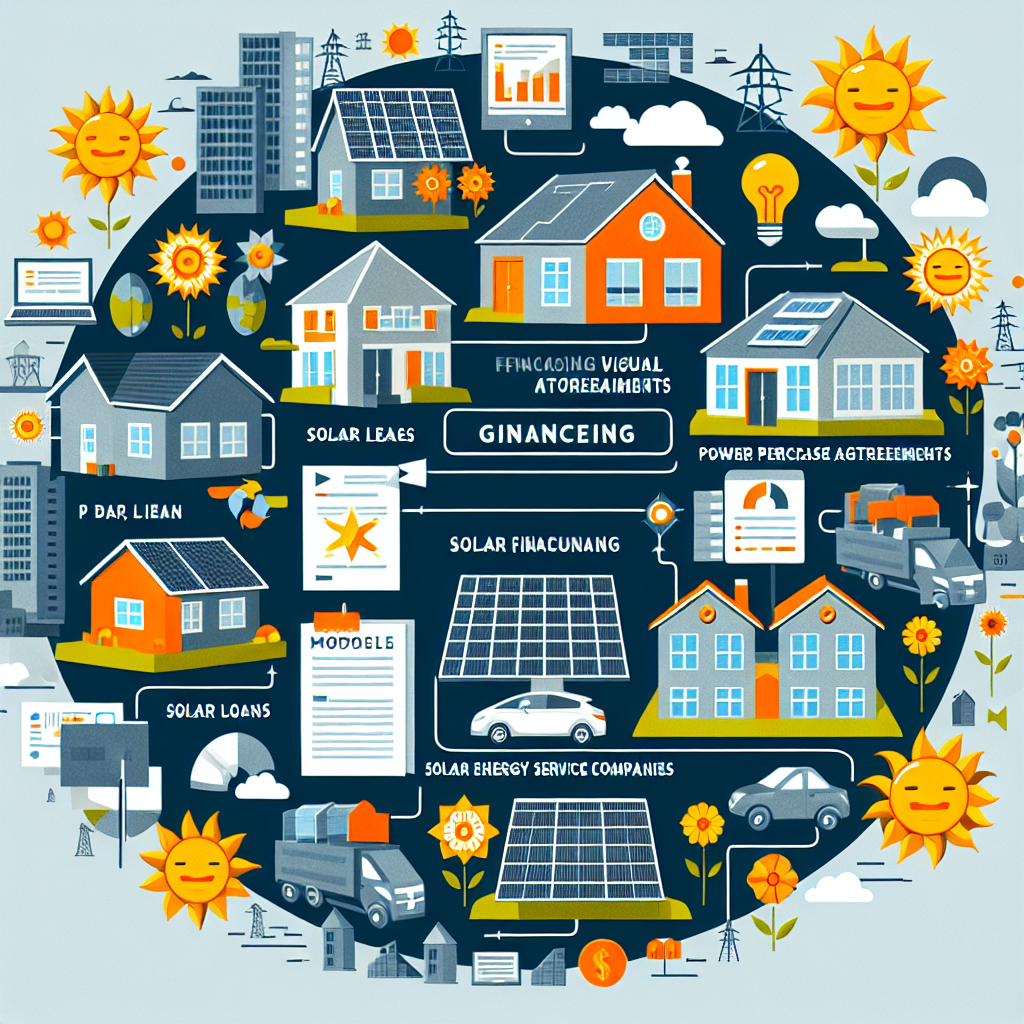
    Solar Leases

    Another popular option is solar leasing, which I found to be quite appealing. In this arrangement, you lease your solar panel system from a provider. You pay a set monthly fee, but the company owns and maintains the system, so you don’t have to worry about the installation process or repairs.

    What’s cool about solar leases is that you can often get into solar without a hefty upfront cost, which was a game changer for me. A lot of companies offer zero-down options, so you’re literally paying for the energy produced, not the system itself. It can feel a little freeing, especially if money is tight but you still want adorable solar panels on your roof.

    Remember, though, that with a lease, you don’t get to take advantage of certain federal tax credits or rebates, since you don’t technically own the system. That said, if you’re looking for ease and lower initial investment, a lease could be just the ticket.

    Power Purchase Agreements (PPAs)

    Now, let’s chat about a Power Purchase Agreement (PPA). This was a bit of a hidden gem I discovered during my research. With a PPA, you agree to buy the electricity generated by a solar panel system installed on your property at a fixed price for a set number of years. It’s a little similar to a lease but with one major difference: you pay for the electricity, not the system.

    What I loved about PPAs is you can often lock in lower electricity rates compared to your local utility company. If your area has high electricity prices, this can be a major win. Plus, usually, the installation and maintenance costs are covered by the solar company.

    One thing to keep an eye on, though, is the length of the agreement. If you decide to sell your house in the middle of a PPA, it might complicate things. You’ll typically have to pass the agreement along to the new homeowner, which can be a sticking point.

    Government Incentives and Tax Credits

    Federal Tax Credit

    If there’s one silver lining to going solar, it’s the federal tax incentive that can significantly reduce installation costs. When I first learned about the Investment Tax Credit (ITC), I was blown away! You can deduct a substantial percentage of your solar system’s costs from your federal taxes. It’s like getting free money—almost! Just remember that you do have to owe taxes to benefit from it, though.

    This credit can shift from year to year, so keep an eye on legislative changes. I made it a point to plan my install so that I could maximize this benefit, and it paid off hugely come tax season. The edge this gives to your overall financial strategy is tough to overstate.

    Just be sure to double-check if you qualify. There are some rules and eligibility criteria you need to meet, and of course, the paperwork can be a drag. But trust me, it’s worth sorting out!

    State and Local Incentives

    In addition to the federal perks, many states offer their own incentives that can make solar financing even sweeter. Depending on where you live, you might find everything from rebates to property tax exemptions, and I personally found my state’s incentives to be incredibly helpful.

    For instance, some states give cash rebates up-front that help lower initial costs when installing solar panels. Others provide performance-based incentives that pay you for the power generated by your panels. These can add up significantly, and it’s like finding a little pot of gold at the end of the rainbow.

    Don’t forget local programs through utilities too! Sometimes, an electric company may offer unique programs or financing options that can save you even more money. I have spent a lot of time reaching out and checking eligibility on various local programs, and it paid off big time!

    Grid Access and Net Metering

    Another thing worth discussing is net metering, which has been a total lifesaver for many solar adopters. Essentially, it allows you to send excess energy back to the grid and get credited for it. This was one aspect I didn’t fully grasp initially, but once I got into it, my savings soared!

    When your solar panels generate more energy than your home needs, that surplus energy goes back to your utility company, and they give you credits on your bill. It’s such a great way to balance out your solar generation and consumption. During summer months, my system often produced a lot more than I used, allowing me to roll those credits over into the colder months when I needed energy the most.

    Just note that net metering rules vary from state to state, so it’s essential to get familiar with the regulations specific to your area. After doing the research, I felt much more confident about harnessing the power of net metering to optimize my energy use and savings.

    Choosing the Right Financing Option for You

    Assessing Your Financial Situation

    Before diving into any particular financing option, it’s crucial to assess your overall financial situation. I remember sitting down with a calculator, listing out my debts, expenses, and income, and weighing all the numbers. It really helped to have a clear picture of my budget.

    Consider how much you can pay monthly without stretching yourself too thin. If you have a good credit score, private loans might unlock lower interest rates. But if cash flow is tight, a lease or PPA can be a safer bet.

    Also, take into account any additional costs aside from the panels—maintenance, potential repairs, and insurance can add up as well. You want to be prepared so you can enjoy the benefits of solar without stressing about unexpected costs cropping up.

    Evaluating Your Long-Term Goals

    Next up, think about your long-term goals with solar energy. Do you want to own your system outright, or are you more focused on the convenience of having someone else handle the heavy lifting? Personally, I found that owning the system gave me more satisfaction and savings in the long run.

    If you plan to stay in your home for a while, a loan or purchasing system can make sense, especially since you’ll reap the rewards of energy savings down the line. But if you think relocation is in your near future, leasing could be smarter, allowing you to move without the added hassle of dealing with the system transfer.

    Being clear about your goals helps tremendously when making this decision. I gained some serious peace of mind just from writing my goals down and outlining what I wanted from my solar journey.

    Comparing Offers

    Lastly, never forget the importance of comparing offers from different solar finance providers. I’ll be honest; I learned this the hard way after jumping into a deal too quickly. It’s crucial to shop around. Rates and terms can vary significantly between lenders and providers.

    Take your time—get quotes, read reviews, and ask questions. Some providers can be quite pushy, but don’t let that rush you into a decision. Having that kind of stress-free comparison made all the difference for me. I found a great deal just by taking an afternoon to dig deeper!

    Once you find a financing option that works, make sure you understand the contract fully before signing. It’s like a commitment, and you want to be comfortable going in. Comparing options gave me a sense of control and security in my investment.

    FAQs

    1. What are the main options for financing solar power?

    The main options include private financing (loans), solar leases, power purchase agreements (PPAs), and various government incentives or tax credits.

    2. Are federal tax credits available for solar installations?

    Yes! The federal Investment Tax Credit (ITC) allows you to deduct a significant percentage of your solar installation costs from your federal taxes.

    3. What is net metering, and how does it work?

    Net metering allows you to send excess energy produced by your solar panels back to the grid, giving you credits on your utility bill. It helps you balance energy usage over time.

    4. How should I assess my financial situation before going solar?

    Start by reviewing your income, expenses, and debts. Consider how much you can afford to pay monthly, and keep in mind any additional costs associated with solar.

    5. Why is it important to compare different financing offers?

    Comparing offers helps you find the best rates and terms, ensuring you make an informed decision about which financing option suits your financial goals and needs best.

  • The Science Behind Solar Energy Efficiency Explained

    The Science Behind Solar Energy Efficiency Explained

    Hey there! If you’ve ever thought about solar energy and how it works, you’re not alone. I’ve dove deep into this world and want to share my journey with you. Let’s break down this complex topic into digestible parts and really get a grip on how solar energy efficiency works!

    Understanding Solar Cells

    What Are Solar Cells?

    So, first things first: solar cells. These little wonders are what convert sunlight into electricity. They’re made up of semiconductor materials, like silicon. This material has unique properties that allow it to absorb photons from sunlight and release electrons, which leads to electricity. It’s pretty wild!

    In a typical solar panel, you’ll find dozens of these solar cells strung together, allowing them to generate more power. It’s like a team of little workers all pitching in to do something great! But how well they function can depend on a lot of different factors, and that’s where efficiency comes into play.

    Getting familiar with these solar cells and their structure is crucial to understanding how they optimize energy production. The efficiency of a cell can vary widely; some are rated around 15%, while others can reach beyond 20%. The higher the efficiency, the more energy they can convert from the sunlight hitting them—pretty exciting!

    The Role of Temperature

    Impact of Heat on Efficiency

    You might not think about temperature when considering solar panels, but trust me, it plays a huge role in their efficiency. As the temperature rises, the efficiency of the solar cells actually decreases. It’s like they can’t handle the heat!

    This happens because the increased temperatures can lead to more electron movement within the cell, but not in a way that helps produce more electricity. Instead, it leads to what’s called a “temperature coefficient,” and this means for every degree above a certain point, the efficiency can drop.

    So, while long, sunny days are great for solar energy, if it gets too hot, we might not get as much juice as we expect. It’s essential to pay attention to this factor, especially if you’re considering solar energy in a hot climate. Some panels are designed to be more heat resistant, so looking into those can be a smart choice!

    Sunlight Angle and Intensity

    The Best Position for Solar Panels

    One of the fascinating things I’ve learned is how the angle of sunlight can affect energy production. Solar panels should be positioned to face the sun directly to maximize their exposure. This means during different times of the year and day, the angle matters a lot!

    Installing solar panels can get a bit tricky because you want them to catch those rays at the right angle. Some people even invest in tracking systems that adjust the panels as the sun moves through the sky, ensuring they’re always getting the best hit of sunlight.

    If you’re thinking about setting up solar panels, be sure to consider your roof’s angle and where the sun shines during peak hours. It might seem like a small detail, but trust me, it can make a big difference in your energy output!

    Shading Effects

    How Shadows Can Sabotage Efficiency

    Let’s chat about shading—this is a sneaky little enemy when it comes to solar efficiency. Even a small shadow from a nearby tree or building can significantly reduce the energy output of the entire panel. It’s kind of wild to think about how such a small thing can have a big impact!

    When shadows hit a panel, it can stop the flow of electricity, sort of like traffic getting jammed on the highways. That’s why planning your installation site is vital. Taking time to check for potential shading during different times of the day can save a lot of future headaches.

    There are some technologies that help mitigate this issue, like microinverters, which allow each panel to operate independently. If one gets shaded, it won’t necessarily bring the others down with it. But still, keeping an eye on those pesky shadows is necessary for getting the most bang for your buck!

    The Effect of Weather

    How Different Conditions Impact Performance

    Weather can be a real mixed bag when it comes to solar energy. While sunny days are prime for generating energy, cloudy or overly rainy days can cut energy production down quite a bit. This doesn’t mean solar panels are useless on these days, but the efficiency surely takes a hit!

    Interestingly, some studies have shown that solar panels can still generate energy even in low-light conditions. They just won’t be operating at full capacity. So, if you live in a place known for its overcast skies, you may still get some benefits—it’s just important to manage expectations.

    The role of weather can be particularly important when considering a solar investment. Understanding your local climate can help you project your potential energy output and understand how much savings you can expect!

    Conclusion

    So there you have it! Solar energy efficiency is influenced by many factors, from the materials that make up solar cells to environmental conditions like temperature and shading. Understanding these elements can help us make smarter choices about our energy solutions.

    Embracing solar technology is more than just about going green—it’s also about innovation and saving money in the long run. As we move toward a more sustainable future, understanding the science behind these systems only empowers us further.

    Thanks for joining me on this exploration! If you have questions or want to learn more, feel free to reach out. Let’s keep the conversation going about harnessing the sun’s energy effectively!

    FAQ

    1. What are solar cells made of?

    Solar cells are mainly composed of semiconductor materials, like silicon, which is vital for converting sunlight into electricity.

    2. How does temperature affect solar panel efficiency?

    Higher temperatures can reduce the efficiency of solar panels, meaning they produce less electricity when it’s too hot outside.

    3. Why is the angle of solar panels important?

    The angle determines how much direct sunlight panels can capture, which directly impacts their energy output. Optimal positioning can increase efficiency significantly.

    4. Can shading from trees impact solar panels?

    Absolutely! Any shading on a panel can significantly reduce energy output, so it’s crucial to install panels in spots that minimize shadows.

    5. What about solar efficiency in cloudy weather?

    Solar panels can still generate energy during cloudy days, but their efficiency will be lower compared to sunny conditions. They won’t stop working, though!

  • Solar Tax Credits Explained: Maximize Your Savings

    Solar Tax Credits Explained: Maximize Your Savings

    Understanding Solar Tax Credits

    What Are Solar Tax Credits?

    Okay, so let’s kick things off with the basics. Solar tax credits are basically an incentive offered by the government to encourage folks like you and me to invest in solar energy systems. These credits can significantly reduce the total tax liability you owe, which in many cases can mean big bucks in your pocket.

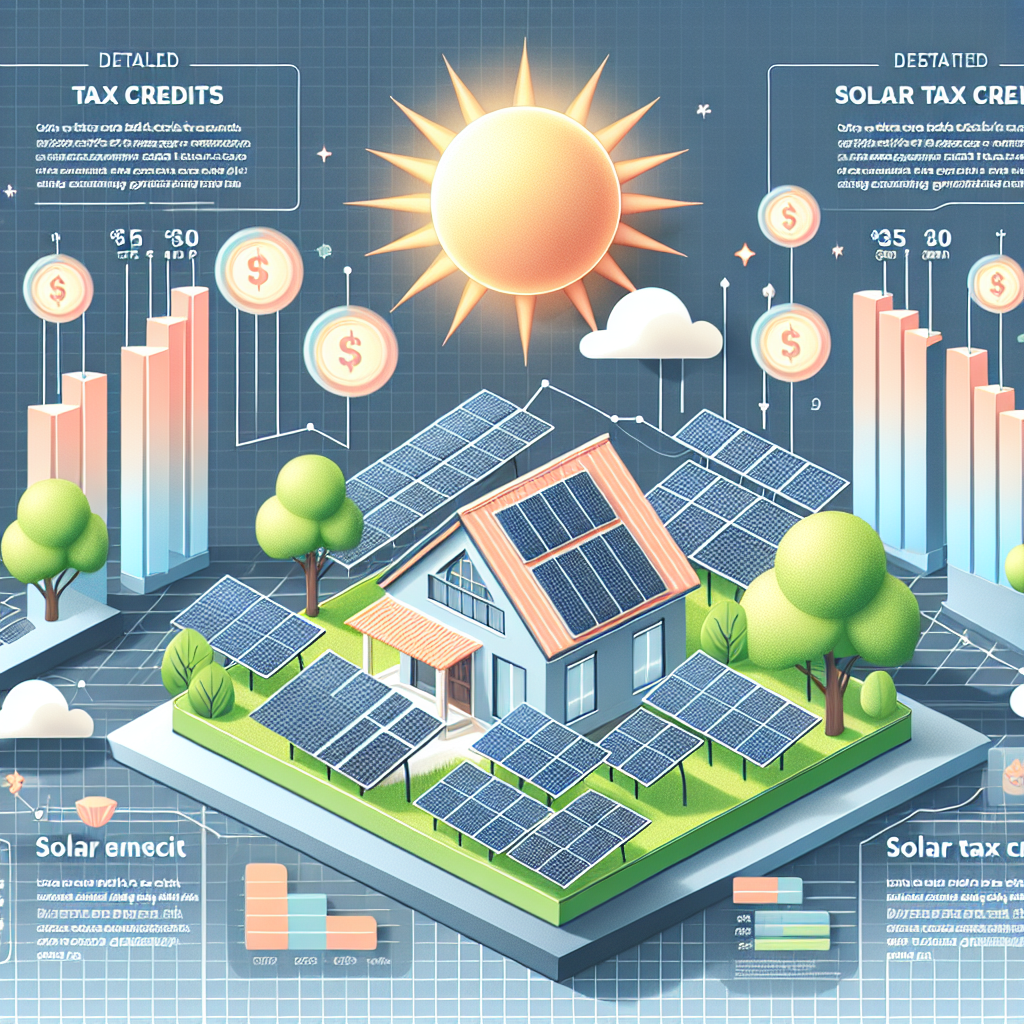
    The most common type of solar tax credit you’ll hear about is the Investment Tax Credit (ITC). This bad boy allows you to deduct a sizeable percentage of your solar installation costs from your federal taxes. I mean, who wouldn’t want to save money on their tax bill, right?

    To put it simply, solar tax credits make going green more financially feasible. They empower homeowners and businesses alike to harness the clean energy of the sun without breaking the bank upfront. It’s a win-win situation if you ask me!

    Who Qualifies for Solar Tax Credits?

    You might be wondering if you’re eligible for these credits. The good news is that most homeowners who install solar panels on their property can take advantage of the ITC. There are certain criteria you need to meet, but if you own the solar equipment and it’s installed on your primary or secondary home, you’re likely in the clear.

    It’s also worth mentioning that this credit isn’t just for the average Joe. Businesses and residential buildings can also cash in on these savings. So if you’re thinking of installing solar energy systems for a rental property or a commercial building, don’t shy away from exploring your options!

    Remember, though, tax credits typically only apply to systems that are brand new and operational by the end of the tax year you’re claiming them for. So timing is everything when it comes to maximizing your savings on solar tax credits!

    How Much Can You Save?

    This is where it really gets exciting—how much dough can you actually save? The ITC has stipulated some juicy percentages, allowing you to deduct a hefty portion of your solar installation costs. Currently, you can save up to 30% of your total solar investment, which is a huge deal!

    To give you a better idea, if you install a solar system that costs $20,000, you could wipe $6,000 off your tax bill. Now, that’s some serious savings! It’s like finding a twenty-dollar bill in your winter coat pocket when you thought the season was over.

    That said, keep in mind that these percentages can fluctuate based on legislation changes. It’s always important to do your homework to stay updated on the most current rates that apply to you!

    How to Claim Solar Tax Credits

    Gather Your Documentation

    Alright, before diving headfirst into the claiming process, you gotta get your paperwork in order. Start by collecting all your important documents related to the solar installation. This includes your purchase agreement, the installation contract, and any invoices related to the system.

    It’s kinda like preparing for a home audit, but way less daunting! The IRS will want to see proof that you installed a solar energy system that qualifies for the tax credits. Without the right documentation, you might find it difficult to claim those sweet savings.

    Trust me, being organized about your paperwork now will save you a whole lot of headaches when it’s time to file your taxes in April!

    Filing Your Taxes

    Once you’ve got your documents ready, it’s time to tackle your tax return. When filing, you’ll need to fill out IRS Form 5695, which is specifically for claiming residential energy credits. This form helps you calculate exactly how much credit you’re eligible for based on your installation costs.

    It might sound a bit intimidating, but breaking it down step-by-step makes it pretty manageable. If you ever feel stuck, don’t hesitate to ask a professional tax preparer for help. They can guide you through the process and make sure everything is filed correctly, so you don’t lose out on potential savings.

    Keep in mind that if you don’t use your entire tax credit in one year, you might be able to roll over the unused amount to the next tax year. This way, you won’t miss out, and it gives you a little cushion for future filings!

    Stay Updated on Deadline Dates

    Deadlines are never fun, but they are crucial when it comes to maximizing your solar tax credits. Make sure you keep track of all relevant dates for filing, especially if tax year-end deadlines change. Missing out on these deadlines could cost you significant savings!

    Additionally, it’s smart to keep an eye on any legislative changes that may impact solar tax credits down the line. Policies can shift quickly in the energy sector, and being informed means you’ll always be prepared to take advantage of the best opportunities.

    Set reminders on your calendar and stay alert the closer you get to tax season. It’s all about being proactive and making the most of your green investments!

    Long-Term Benefits of Solar Tax Credits

    Environmental Impact

    Now, let’s chat about the bigger picture. Beyond just saving money, going solar has a meaningful environmental impact. Every time you invest in solar energy, you’re reducing your carbon footprint and helping to create a more sustainable future. It feels good, doesn’t it?

    It’s not just about your savings; you’re also contributing to the well-being of our planet and future generations. Solar energy reduces reliance on fossil fuels, which is a step towards cleaner air and a healthier environment.

    So next time you’re basking in the sun-kissed glow of your home’s solar panels, remind yourself that you’re part of a larger movement toward sustainability. You’re a solar hero, and that’s something to be proud of!

    Increased Property Value

    Another perk of going solar? Boosting your property’s value! Homes equipped with solar energy systems often have increased marketability and resale value. Prospective buyers are usually drawn to homes with solar panels because of the potential for lower energy costs.

    In some markets, homes with solar installations can sell for thousands more than their non-solar counterparts. So not only are you saving money now, but you’re also investing in your property’s future value. Talk about getting the best of both worlds!

    Plus, when you do decide to sell, you’ll be able to showcase your energy efficiency to potential buyers, which can enhance their buying experience and increase competition for your home. It’s like a cherry on top of your solar sundae!

    Energy Savings Over Time

    Let’s not forget about the long-term energy savings you’ll enjoy. Once your solar system is installed, your energy bills can drop like a rock—especially during peak usage times. Depending on where you live and how much sunlight you get, you might even eliminate your electricity bill altogether.

    Over time, these savings can amount to tens of thousands of dollars! So while the initial investment might feel hefty, the payoff in the long run is so worth it. Think of it as planting a money tree that keeps growing!

    Plus, many states offer additional incentives and rebates for solar installation, which can increase your initial savings from the get-go. So keep an eye out for these state-specific programs to maximize your overall savings even more.

    Frequently Asked Questions

    What are solar tax credits?

    Solar tax credits are financial incentives offered by the government to reduce the cost of installing solar energy systems. The most common is the Investment Tax Credit (ITC), which allows you to deduct a percentage of your installation costs when filing your taxes.

    How do I qualify for solar tax credits?

    Most homeowners who own their solar equipment and have it installed on their primary or secondary residence can qualify for solar tax credits. Even businesses and rental properties may also be eligible!

    How much can I save with solar tax credits?

    Currently, you can save up to 30% of your installation costs! So, for example, if your solar system costs $20,000, you could deduct $6,000 from your tax bill.

    What documents do I need to claim solar tax credits?

    You’ll need to gather your purchase agreement, installation contract, and any invoices related to your solar installation. Make sure these documents are ready when you prepare your taxes.

    What are the long-term benefits of solar tax credits?

    Besides immediate savings, solar tax credits can increase your property value, provide energy savings over time, and help reduce your environmental footprint. So you’re making a good investment financially and for the planet!

  • Solar Installation Costs Explained Simply

    Solar Installation Costs Explained Simply

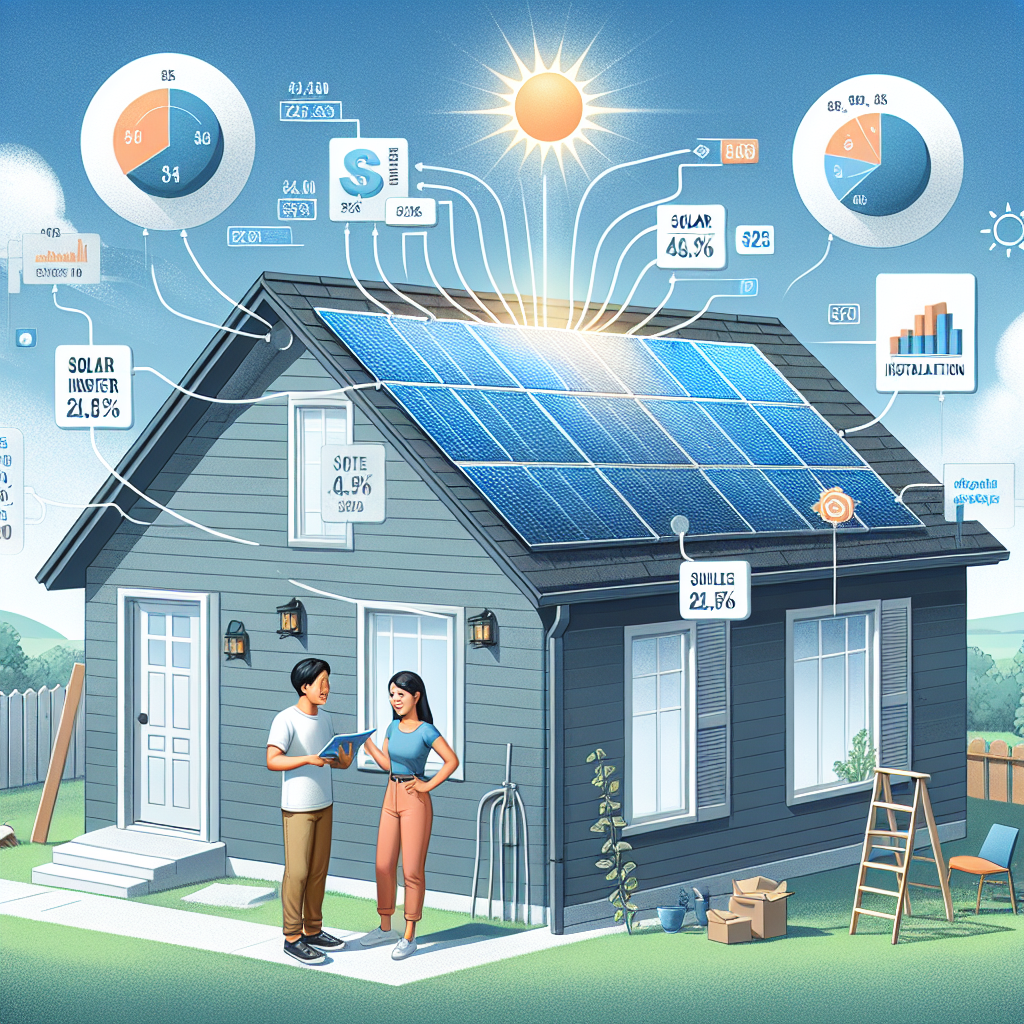
    Understanding the Costs of Solar Panels

    Initial Investment and Equipment Costs

    First off, let’s tackle the big elephant in the room: the upfront costs. Solar panels aren’t exactly pocket change. When I first considered going solar, I was hit with the initial investment number, and honestly, it can be a bit intimidating. Prices can vary based on the type and brand of panels, inverters, and other necessary equipment.

    But here’s the kicker: while that initial investment might sting a little, I realized that this is a long-term play. It’s about how much I’d save on my electricity bills over time. A little upfront cost often leads to significant savings in the long run, trust me.

    On top of the panels, don’t forget to factor in the costs for mounting, wiring, and installation labor. You’ll want to get a solid quote from a reputable installer, so you know what you’re in for from the get-go.

    Incentives and Rebates

    Now, let’s chat about the silver lining: government incentives and rebates. When I was diving into my research, I discovered a whole slew of financial incentives that dramatically changed the game for me. Depending on where you live, there could be state and federal tax credits that can wipe thousands off the total cost.

    For instance, the Federal Solar Tax Credit allows homeowners to deduct a significant percentage of their solar installation costs from their federal taxes. This was a huge boost for my budget and made solar a no-brainer.

    And don’t overlook state and local programs. Some areas even have additional rebates or low-interest financing options to help make solar accessible to more folks. Definitely take the time to explore what’s available in your local area!

    Long-term Financial Benefits

    Let’s talk about ROI—return on investment. After my solar panels were installed, I quickly understood why so many people rave about them. The most thrilling part was watching my electricity bills shrink. I mean, who doesn’t love saving money?

    Surprisingly, some studies suggest that you can actually increase the market value of your home with solar panels. Buyers are becoming increasingly eco-conscious, and having solar power can be a selling point. It’s a smart financial move, and honestly, it also feels good to contribute to a more sustainable future.

    Over the years, as energy prices continue to rise, the savings just pile up. I look forward to years of lower energy bills and the peace of mind that comes with it. That’s what I call a win-win!

    Installation Costs: Breaking It Down

    Finding the Right Installer

    Choosing the right installer is majorly important. I mean, this isn’t something you want to skimp on. When I began my search, I made sure to browse through reviews, talk to friends, and get recommendations. Seriously, do your homework here! The quality of the installation can impact your system’s efficiency and lifespan.

    Don’t hesitate to reach out to multiple companies for quotes. I learned that prices can vary quite a bit and it’s always wise to compare what different companies are offering. Plus, sometimes installers will offer seasonal discounts, and it pays to ask!

    During the selection process, remember to ask your installer about their experience, warranties, and any certifications they have. It’s reassuring to know you’re getting work done by professionals who know their stuff. It really makes a difference!

    Permits and Inspection Fees

    Another area where costs can sneak in is permits and inspection fees. Now, I didn’t think about this much at first, but these costs can add up quickly. Depending on where you live, there might be various regulations and paperwork to tackle.

    After getting my panels installed, I was informed of the necessary inspections to ensure everything was up to code. This was a relief knowing that my system was compliant and safe, but it did add a little extra to the budget that I hadn’t anticipated.

    Before diving in, I recommend checking with your installer about the process in your area. They can usually help guide you through the necessary steps, which is helpful to avoid unnecessary costs and delays!

    Ongoing Maintenance and Repairs

    Let’s not forget about maintenance down the road! While solar panels are generally low-maintenance, there are still some considerations to keep in mind. I didn’t realize it at first, but keeping an eye on my panels is crucial. I learned that regular cleaning and inspections can boost efficiency and longevity.

    If something does go wrong—though it’s rare—it’s essential to have a plan for repairs. I recommend setting aside a little budget for ongoing maintenance. I’ve found that having a service plan can be super beneficial to cover any unexpected issues.

    Just remember, even though maintenance costs are an additional consideration, the overall savings and benefits of solar often outweigh these expenses. It’s all part of the journey toward greater savings and sustainability!

    Conclusion: Is Solar Worth It?

    This leads us to the ultimate question: Is going solar worth it? In my experience, absolutely! After diving into the costs and benefits, I can confidently say that solar installations have been one of my best investments. It’s not just about the dollars saved; it’s about contributing to a cleaner, more sustainable future.

    Don’t let the initial costs deter you. Once you break down the numbers and consider the long-term savings, the value becomes crystal clear. For me, switching to solar has been a rewarding experience that I encourage others to consider—whether for financial reasons or environmental ones.

    At the end of the day, do your homework, understand what you’re getting into, and take the leap if you can. You might just find it’s one of the best decisions you ever make.

    Frequently Asked Questions

    1. What is the average cost of installing solar panels?

    The average cost can vary widely based on location, size of the system, and type of panels, but it usually falls between $15,000 to $25,000 before incentives.

    2. Are solar panel installations eligible for tax credits?

    Yes! In the U.S., there is a federal tax credit available for solar installations, which can significantly reduce the costs.

    3. How long does a solar installation take?

    The installation process typically takes one to three days, depending on the size and complexity of the system.

    4. Do solar panels require a lot of maintenance?

    Not really! They’re quite low-maintenance, but it’s a good idea to have them inspected and cleaned periodically.

    5. Will solar panels increase my home’s value?

    Absolutely! Many studies show that homes with solar installations tend to sell for higher values than similar homes without them.