Tag: Financial Incentives for Switching to Solar Power

  • Going Green with Solar: The Eco-Friendly Choice for Your Home or Business

    Going Green with Solar: The Eco-Friendly Choice for Your Home or Business

    Solar power is a clean, renewable source of energy that has become increasingly popular in recent years. With the rise in awareness about climate change and the need to reduce our carbon footprint, many homeowners and businesses are turning to solar energy as an eco-friendly alternative to traditional forms of electricity generation. In this blog post, we will explore the benefits of going green with solar power, how solar panels work, common myths about solar energy debunked, financial incentives for switching to solar power, and why choosing solar energy is the right choice for your home or business.

    Introduction to Solar Power

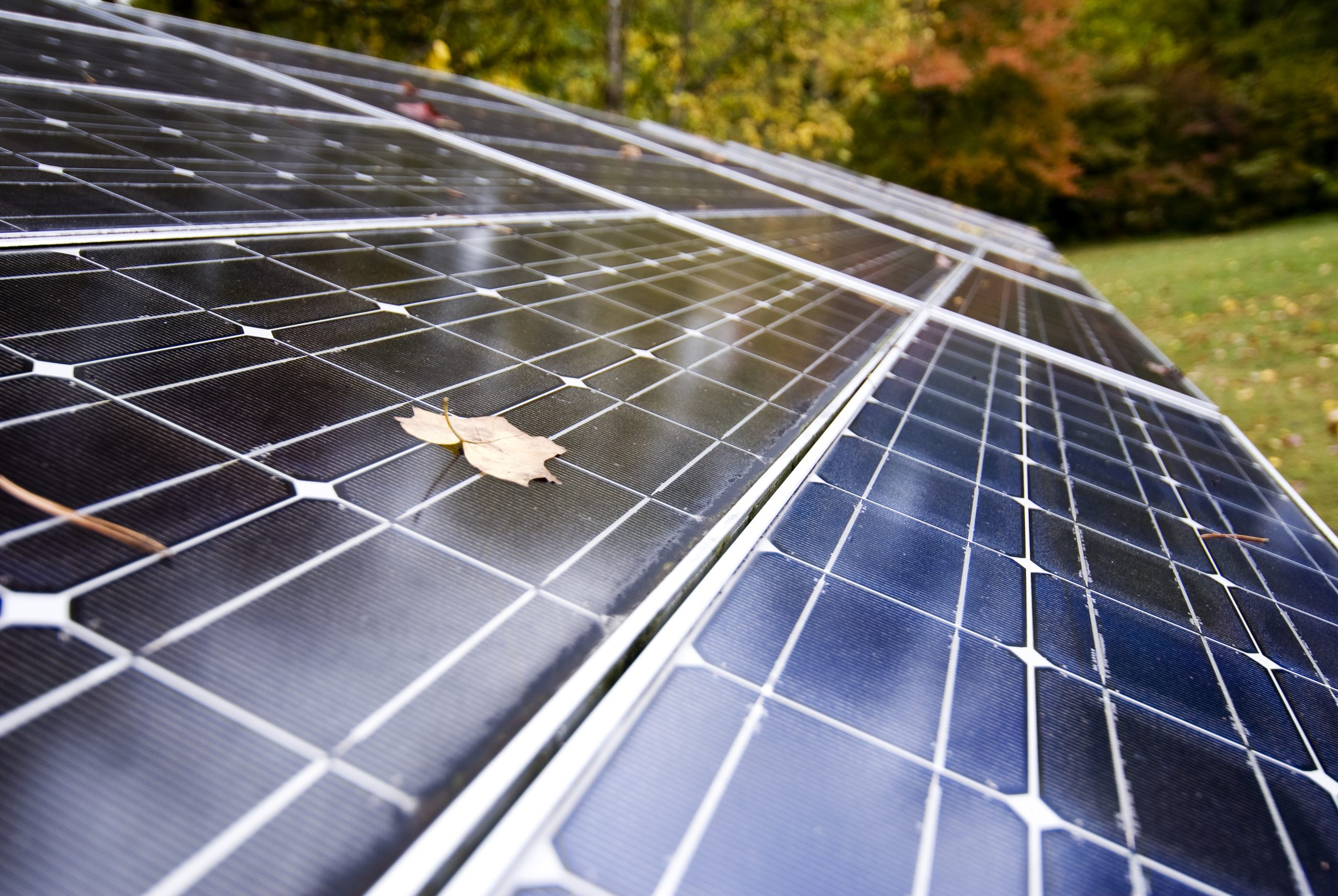
    Solar power involves harnessing the energy from the sun through photovoltaic (PV) cells mounted on rooftops or other structures. These PV cells convert sunlight into direct current (DC) electricity, which can then be converted into alternating current (AC) electricity using an inverter. This AC electricity can then be used to power homes, businesses, and even entire communities.

    The Benefits of Going Green with Solar Energy

    There are numerous benefits to going green with solar energy. First and foremost, solar power is a clean and renewable source of energy that produces no emissions or pollution. By switching to solar energy, you can significantly reduce your carbon footprint and help combat climate change. Additionally, solar power can save you money on your energy bills over time, as the cost of solar installation continues to decrease and the cost of traditional forms of electricity continues to increase. Furthermore, solar power provides a reliable source of backup power in case of outages or emergencies. Finally, solar power can increase the value of your property, making it a wise investment both financially and environmentally.

    How Solar Panels Work and Their Efficiency Rates

    Solar panels work by capturing sunlight and converting it into usable electricity. The PV cells within the panel are made up of layers of silicon, which absorb photons from the sun’s rays and release electrons, creating an electrical current. The efficiency rate of solar panels refers to the percentage of sunlight that they can convert into electricity. Currently, most solar panels have an efficiency rate between 15% and 20%, although newer technologies are being developed to increase this rate.

    Common Myths About Solar Energy Debunked

    Despite the growing popularity of solar energy, there are still several misconceptions and myths surrounding its use. One common myth is that solar panels require constant maintenance and cleaning to maintain their effectiveness. However, this is not true – once installed, solar panels require very little maintenance beyond occasional inspection and cleaning. Another myth is that solar panels don’t work well in cloudy climates. While solar panels do produce less electricity when exposed to less light, they can still generate significant amounts of electricity even under cloudy skies. Finally, some people believe that solar panels are too expensive to be practical. However, as mentioned earlier, the cost of solar installation continues to decrease, making it more affordable than ever before.

    Financial Incentives for Switching to Solar Power

    In addition to the environmental and economic benefits of going green with solar power, there are also several financial incentives available for those who make the switch. Many states offer tax credits or rebates for installing solar panels, and some utilities offer discounts on electricity usage for customers who generate their own power. Additionally, solar power can provide long-term savings on energy costs, as the price of traditional forms of electricity continues to rise while the cost of solar installation continues to decrease.

    Conclusion: Why Choose Solar Energy

    Choosing solar energy is a smart decision for both your wallet and the planet. By reducing your carbon footprint and saving money on energy bills, you can contribute to a healthier environment and a brighter future. Whether you choose to install solar panels on your home or business, switching to solar energy is a wise investment that will pay off in the long run. So go ahead – take the plunge and start generating your own clean, renewable energy today!

    wind energy zkRk9V5d 1 scaled
  • Going Green with Solar: The Eco-Friendly Choice for Your Home or Business

    Going Green with Solar: The Eco-Friendly Choice for Your Home or Business

    Solar power is a clean, renewable source of energy that has become increasingly popular in recent years. With the rise in awareness about climate change and the need to reduce our carbon footprint, many homeowners and businesses are turning to solar power as an eco-friendly alternative to traditional forms of electricity generation. In this blog post, we will explore the benefits of going green with solar energy, how solar panels work and their efficiency rates, common myths about solar energy debunked, financial incentives for switching to solar power, and why choosing solar energy is the right choice for your home or business.

    Introduction to Solar Power

    Solar power involves harnessing the energy from the sun’s rays using photovoltaic (PV) cells. These cells convert sunlight into direct current (DC) electricity, which can then be converted into alternating current (AC) electricity that can be used to power homes and businesses. Solar panels are typically mounted on rooftops or other structures where they can receive maximum exposure to sunlight throughout the day.

    The Benefits of Going Green with Solar Energy

    There are numerous benefits to using solar power as an eco-friendly alternative to traditional forms of electricity generation. Some of these benefits include:

    Reduced carbon emissions: By generating electricity through solar power, you can significantly reduce your reliance on fossil fuels, thereby reducing your carbon footprint and helping to combat climate change.

    Lower utility bills: While there may be some upfront costs associated with installing solar panels, once they are installed, you can expect to see significant reductions in your monthly utility bills. Depending on your location and system size, you could potentially generate enough electricity from your solar panels to meet all of your energy needs.

    Increased property value: Homes and businesses equipped with solar panels have been shown to increase in value, making them a wise investment not only for the environment but also for your wallet.

    solar energy panels at work BteRwTpVj 3 scaled

    How Solar Panels Work and Their Efficiency Rates

    Solar panels work by capturing sunlight and converting it into usable electricity. The PV cells within the panel are made up of layers of silicon, which absorb photons from the sun’s rays and release electrons, creating an electrical current. The efficiency rate of solar panels refers to the amount of sunlight that is converted into usable electricity. Generally speaking, most modern solar panels have an efficiency rate between 15% and 20%, although some high-efficiency models can reach rates of up to 30%.

    Common Myths About Solar Energy Debunked

    Despite the growing popularity of solar power, there are still many misconceptions and myths surrounding its use. Here are a few of the most common ones and why they are untrue:

    Myth: Solar panels don’t work well in cloudy climates.

    Truth: While solar panels do perform better in direct sunlight, they can still generate electricity even under cloudy skies. Additionally, many modern solar panels are designed specifically for low-light conditions, meaning they can still produce a significant amount of electricity even when the weather isn’t ideal.

    Myth: Solar panels require too much maintenance.

    Truth: Once installed, solar panels generally require very little maintenance beyond occasional cleaning and inspection. Most systems come with warranties that cover any necessary repairs or replacement parts, so you can rest easy knowing that you’re protected.

    Financial Incentives for Switching to Solar Power

    In addition to the environmental and cost-saving benefits of solar power, there are also several financial incentives available for those who make the switch. Some of these incentives include:

    Tax credits: Many countries offer tax credits for homeowners and businesses that install solar panels. These credits can help offset the initial installation costs and make solar power more affordable than ever before.

    Net metering: If you generate excess electricity from your solar panels, net metering allows you to sell that extra energy back to the grid at retail prices. This can result in additional savings on your monthly utility bill.

    Conclusion: Why Choose Solar Energy

    Choosing solar energy is a smart decision for both the planet and your pocketbook. Not only does it reduce your carbon footprint and help combat climate change, but it can also save you money on your monthly utility bills over time. With the variety of financial incentives available and the increased property values associated with solar-powered homes and businesses, now is the perfect time to consider making the switch to solar power.