Tag: for beginners

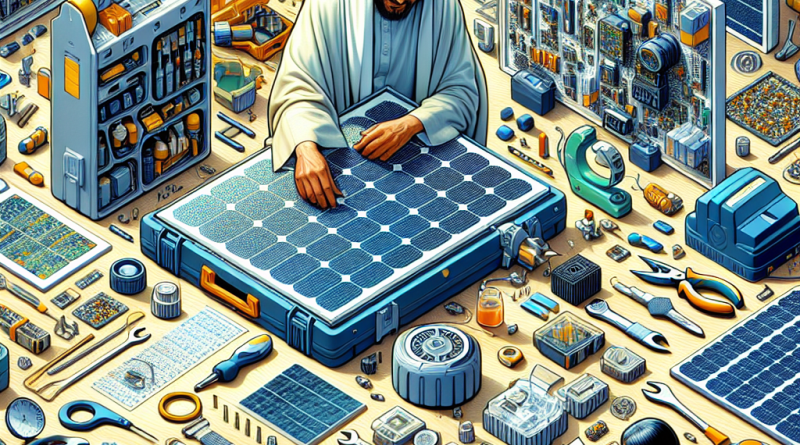
  • The Best DIY Solar Panel Kits for Beginners in 2024

    The Best DIY Solar Panel Kits for Beginners in 2024

    Understanding Solar Energy and Its Benefits

    What is Solar Energy?

    So let’s kick things off with the basics: solar energy is basically the energy we capture from the sun. It’s clean, renewable, and comes straight from our favorite giant ball of light in the sky. By using solar panels, we can convert that sunlight into electricity for our homes.

    This isn’t just some techy mumbo-jumbo; I’ve experienced first-hand how harnessing the sun can reduce my power bills. Imagine slashing your electric bill while simultaneously doing your bit for Mother Earth. It’s a win-win!

    Plus, with all the advancements in solar technology, it’s becoming easier than ever for folks like us (who may not have a PhD in engineering) to tap into this amazing resource.

    Benefits of DIY Solar Panels

    Diving into DIY solar panels is super rewarding. One major plus is cost savings. Instead of shelling out thousands for professionally installed systems, DIY kits let you snag a deal while learning something cool along the way.

    Then there’s the bragging rights. Seriously, when you tell your friends you built your own solar panel, their jaws drop. You’ll feel like a renewable energy rockstar!

    Lastly, you get to pick the components that suit your specific needs. No one-size-fits-all nonsense. You design it your way, tailored to your energy goals and lifestyle. It’s your project, after all!

    Environmental Impact

    Let’s not forget about the green side of things. Using renewable energy reduces your carbon footprint, contributing to a healthier planet. Solar energy doesn’t emit harmful pollutants – it’s got that clean reputation!

    By going solar, you’re supporting the shift away from fossil fuels. And let’s be real, we all want to leave a better world for future generations. Plus, with every installation, you’re joining a community of eco-warriors aiming for a sustainable future.

    It’s a great feeling knowing that your DIY venture not only makes financial sense but also benefits our environment. That’s something to feel proud of!

    Choosing the Right DIY Solar Panel Kit

    Assessing Your Energy Needs

    The first step while choosing your kit is figuring out your energy needs. How much electricity does your household use? It’s a good idea to track your energy consumption over a month or so to get an accurate picture.

    Once you have a baseline, you can do some math to decide what kind of solar panel kit will work for you. This part might seem tricky, but it’s super important to ensure you get something that will cover your needs without going overboard.

    If this feels daunting, don’t sweat it. Many online calculators can help you assess your energy needs quickly, so you can focus more on picking the right kit!

    Comparing Different Kits

    After you know what you need, it’s time to shop around. Not all solar kits are created equal. Some come with more panels or better technology. I remember looking through the options, feeling overwhelmed by the choices.

    Check reviews and compare specifications carefully. Features like efficiency ratings, warranties, and customer support can really make a difference in your satisfaction down the road.

    Online communities, like DIY forums or local solar groups, can be goldmines of information. Don’t hesitate to ask for opinions on what others recommend and their personal experiences with different kits.

    Budget Considerations

    Alright, so money talk. When you’re choosing a DIY solar panel kit, it’s super important to stick to your budget. Trust me, costs can add up quickly, especially if you start adding fancy features.

    But don’t just automatically go for the cheapest option. Sometimes you get what you pay for, and I’ve learned the hard way that trying to save bucks upfront might lead to more expenses down the line if things go wrong.

    Set a budget that allows for a quality product while still keeping some funds aside for installation or any additional equipment you might need, like inverters and wiring. It’s all about balancing what you want with what you can afford!

    Installation Process for DIY Solar Panel Kits

    Preparation and Tools Needed

    Once you’ve got your kit, it’s time for the fun part – installation! But first things first: prepare your workspace and gather all the necessary tools. I can’t stress enough how helpful this step is.

    You’ll need basic things like screwdrivers, pliers, and maybe a drill. Make sure to read through your kit’s instructions carefully; they will usually have a handy list of tools you’ll need. Don’t be that person who has to make three trips to the hardware store!

    Also, check the weather before starting. You don’t want to be up on your roof in a downpour – trust me, that’s just a recipe for disaster.

    Following the Instructions

    When it comes to putting it all together, consistency is key. Follow the instructions step by step. I usually find it helpful to lay out all components before starting so I can visualize how it all fits together.

    As you go, take your time with each phase. If something doesn’t make sense, don’t hesitate to reach out to online communities or check YouTube for visual guides; there’s a ton of resources out there that can help clear things up.

    This part is where the magic happens – assembling the parts into a working unit is super satisfying. Patience is a virtue, so enjoy the process!

    Testing and Final Adjustments

    After you’ve assembled everything, it’s time for the big test. Switch it on and see if it’s generating power! If all goes well, you should see those voltages rising and feel that surge of accomplishment.

    If not, don’t panic. Check every connection and ensure everything is in order. Sometimes it might just need a little tweaking. I found myself needing to adjust my wiring a couple of times during my first install.

    Once you’ve made sure it’s working perfectly, take a step back and admire your handiwork. You’ve just turned sunlight into electricity! That’s pretty rad, isn’t it?

    Maintenance and Troubleshooting

    Regular Maintenance Tips

    All right, now that your DIY solar panels are up and running, let’s talk maintenance. Just like a car, you’ve got to keep an eye on things to ensure it runs smoothly. Cleaning the panels is essential; dirt and dust can block sunlight and reduce effectiveness.

    I typically keep an eye on my panels seasonally. A gentle rinse with water is often all they need, but if you’ve got a lot of grime, a soft sponge and mild detergent can work wonders.

    Also, periodically check for overhanging branches or debris that might cast shadows. Your goal is to get as much sun as possible, after all!

    Common Issues and Solutions

    Even the best laid plans can go awry sometimes, right? If you start noticing a drop in performance, it may be time to do some troubleshooting. Check for obstructions, and recheck your connections and inverter performance.

    Sometimes, especially after a storm, my panels needed some adjustments. Being proactive about common issues like shading, cable damage, or inverter failure can save you headaches later on.

    If things get tricky, don’t hesitate to refer to your kit’s manual or search for specific solutions online. The DIY solar community is super helpful and can often provide insights you might not have thought of!

    Upgrades and Future Expansion

    Finally, let’s talk about future-proofing your setup. As your energy needs grow, or if you start getting the fever for even more solar power, think about potential upgrades or expansions.

    You may want to add more panels or incorporate battery storage to save energy for those not-so-sunny days. Planning for growth means you can customize your setup as your life changes, and who doesn’t love flexibility?

    Plus, don’t forget to keep abreast of the latest in solar tech; new innovations pop up regularly. Who knows, in a couple of years, there might be even more efficient panels or systems that catch your eye!

    FAQs

    1. Can I install a DIY solar panel kit by myself?

    Absolutely! Many DIY solar panel kits are designed with beginners in mind. With some basic tools and a little patience, you can successfully install your kit.

    2. How long does the installation process typically take?

    The installation duration can vary based on your experience and the kit. Generally, it takes anywhere from a few hours to a couple of days. Just take your time and follow the instructions carefully!

    3. What maintenance do solar panels require?

    Maintaining solar panels includes regular cleaning, checking for damage, and ensuring that they aren’t obstructed by debris or overhanging branches. A little attention goes a long way!

    4. Can I expand my solar panel system later on?

    Yes, many systems are designed to be modular, meaning you can add more panels or equipment over time as your energy needs change. Just keep that in mind during your initial setup!

    5. Are there any financial incentives for installing solar panels?

    Yes! Many places offer tax credits, rebates, or other financial incentives for installing solar panels. It’s definitely worth checking out local policies when considering your installation!

  • Solar Panels for Beginners: Start Here

    Solar Panels for Beginners: Start Here

    Understanding How Solar Panels Work

    The Basics of Solar Energy

    So, let’s kick things off with the fundamentals—how does solar energy even work? At its core, solar panels convert sunlight into electricity. Pretty wild, right? It all starts with photovoltaic cells, which are made up of silicon. When sunlight hits these cells, it excites the electrons, creating an electric current. Talk about a clean and efficient way to generate power!

    Now, I remember the first time I really wrapped my head around this concept. I watched a simple YouTube video that explained it with visuals. It turned a complex idea into something more accessible. Sometimes, just seeing it in action can make all the difference.

    Understanding solar energy is like getting to know the friend who’ll power your home while saving you money. The more familiar I became with it, the more I realized how beneficial it is—not just for my wallet, but for the planet too!

    Types of Solar Panels

    Alright, so you get the basics, but did you know there are different types of solar panels out there? Yep! The three main types are monocrystalline, polycrystalline, and thin-film panels. Each has its own advantages. For instance, monocrystalline panels are super efficient, making them the favorite for limited roof space.

    When I was doing my research, I found that each type has its own pros and cons. For example, polycrystalline panels tend to be more affordable but are less efficient. I had to weigh my options based on my budget and energy needs. It’s smart to do the same!

    If you ever feel overwhelmed by the choices, remember that your local supplier can offer advice tailored to your home’s situation. Just don’t be afraid to ask questions—everyone starts somewhere!

    The Role of Inverters

    Now let’s chat about inverters. They’re the unsung heroes of any solar panel system. Essentially, they convert the direct current (DC) generated by the panels into alternating current (AC), which is what most households use. If you ever hear someone talk about a solar setup, don’t overlook the inverter!

    I’ll be honest—when I first learned about inverters, I brushed it off as a boring technical detail. However, ensuring you have a high-quality inverter can make or break your solar experience. A good inverter can optimize your energy production and extend the life of your system.

    So, if someone tries to sell you on a low-cost inverter, do your homework first! Investing a little more upfront can save you a lot in the long run.

    Choosing the Right System for Your Home

    Assessing Your Energy Needs

    Before diving headfirst into a solar purchase, it’s crucial to assess your energy needs. This means looking at your current electricity bills and understanding how much energy you use on average. I made a handy spreadsheet and tracked my consumption for a few months—it really helped me gauge how many panels I would need.

    Keep in mind that your energy needs might change over time. If you plan to expand your family or get an electric vehicle, it’s smart to consider these factors when sizing your system. I wish I had thought about this sooner!

    Lastly, don’t forget to factor in seasonal changes that might affect your energy consumption, like air conditioning in summer or heating in winter. Understanding these nuances is key to making a well-informed decision.

    Budgeting for Your Solar System

    Now let’s talk money! When I decided to go solar, I quickly realized budgeting was crucial. Solar systems can have varying costs based on the type of panels, installation fees, and any additional equipment you’ll need, like batteries.

    I spent a good amount of time getting quotes from different companies to compare prices and included items in the total cost. I also learned about government incentives and rebates that could save me a ton of cash! Don’t skip this step—it can make solar power much more attainable.

    Additionally, consider financing options. There are plenty of nifty loans and leasing programs available now that can help ease the financial burden. It’s all about finding a solution that fits your budget and makes solar feasible for you!

    Finding Reputable Installers

    You’re almost there! The final step in choosing the right system is finding a reputable installer. You want someone who knows their stuff, right? I started by asking friends and family if they had any recommendations. Local Facebook groups and community forums can also be great places to gather reviews.

    Once I had a few contenders, I made sure to check their credentials. Look for proper licensing and insurance—this is essential for protecting your investment. Some installers even offer warranties and maintenance plans that can provide peace of mind.

    Ultimately, don’t be afraid to ask questions during the consultation. A good installer will be happy to clarify any doubts. It’s your home, after all—you deserve to be informed every step of the way!

    Maintaining Your Solar Panels

    Regular Cleaning and Inspections

    Just like any other appliance, your solar panels need a bit of love and care. Regular cleaning is essential for maximizing efficiency. I learned firsthand how dirt and debris can diminish solar output. Depending on where you live, a simple rinse with water a couple of times a year might be all you need!

    Also, don’t forget those routine inspections. I recommend having a professional check your system annually. This helps catch any potential issues before they turn into costly repairs. Plus, it’s a great way to ensure that everything is working as it should.

    If you notice any changes in performance, err on the side of caution and have it checked out. Staying proactive can save you headaches down the line!

    Monitoring Your System Performance

    Another handy tip: keep an eye on your solar system’s performance. Many newer systems come with apps or monitoring systems that allow you to track energy production in real time. I was amazed at how much information I could access right on my phone!

    Monitoring not only keeps you informed but also helps you understand any seasonal variations in performance. I noticed that during rainy months, my output would dip, but it bounced back on sunnier days. Being aware allows you to plan your energy use more efficiently.

    If something seems off, like abnormally low energy production, reach out to your installer. It’s better to address issues early on rather than wait—your solar system is an investment after all!

    Upgrading or Expanding Your System

    As life evolves, so might your energy needs. If you find that your household has grown or you want to invest in electric vehicles, it might be time to consider upgrades or expansions to your system. Knowing how your original installation was done will make this process smoother.

    I was pleasantly surprised at how easy it could be to add panels to my existing setup. Just make sure to consult the installer to ensure your current inverter can handle the additional load. This conversation can save you some serious stress and cash!

    Lastly, don’t hesitate to dive deeper into solar storage options. Upgrading to include batteries can allow you to store excess energy for later use, effectively making your system even more efficient. As technology advances, more options will be at your fingertips.

    Final Thoughts

    Going solar has been one of the best decisions I’ve made for both my budget and the environment. I hope this comprehensive guide helps demystify the process for you. From understanding how solar panels work to keeping them in tip-top shape, I’ve laid out everything I wish I’d known when starting my solar journey. So roll up your sleeves, do your research, and set your home on the path toward energy independence!

    FAQ

    What is the main function of solar panels?

    Solar panels convert sunlight into electricity through photovoltaic cells, allowing you to harness renewable energy to power your home.

    How much money can I save by installing solar panels?

    The savings vary based on your energy needs and local utility rates, but many homeowners save hundreds to thousands of dollars on their electricity bills annually.

    Do solar panels require a lot of maintenance?

    No, solar panels require minimal maintenance. Regular cleaning and annual inspections are usually sufficient to ensure optimal performance.

    Can I install solar panels myself?

    While it’s possible to install solar panels as a DIY project, it’s typically recommended to hire professionals to ensure proper installation and adherence to safety standards.

    What incentives are available for solar panel installation?

    There are often federal and state incentives available for solar panel installations, including tax credits and rebates. Research your local options for more specific information.