Tag: for emergencies

  • How Solar Generators Can Help You Prepare for Emergencies

    How Solar Generators Can Help You Prepare for Emergencies

    Understanding the Need for Backup Power

    Why Backup Power is Essential

    You know those moments when the lights flicker, and you’re left holding your breath wondering if the power’s going to stay? I’ve been there. Emergencies can hit at any time – whether it’s a snowstorm, hurricane, or even an unexpected blackout during summer. Having reliable backup power can truly mean the difference between chaos and some semblance of comfort.

    When the usual power supply goes down, especially in extreme weather conditions, we often face frustrating challenges. Refrigerators stop keeping our food fresh, smartphones lose their charge, and our comfort is compromised. Having a solar generator on hand allows us to sidestep that panic and stay in control.

    Moreover, in today’s tech-driven world, staying connected is crucial. Whether it’s for emergency updates or simply to reach out to loved ones, a solar generator ensures you’re powered up, keeping the lines of communication open, and providing peace of mind during unpredictable scenarios.

    Portability for Emergency Situations

    Easy to Transport

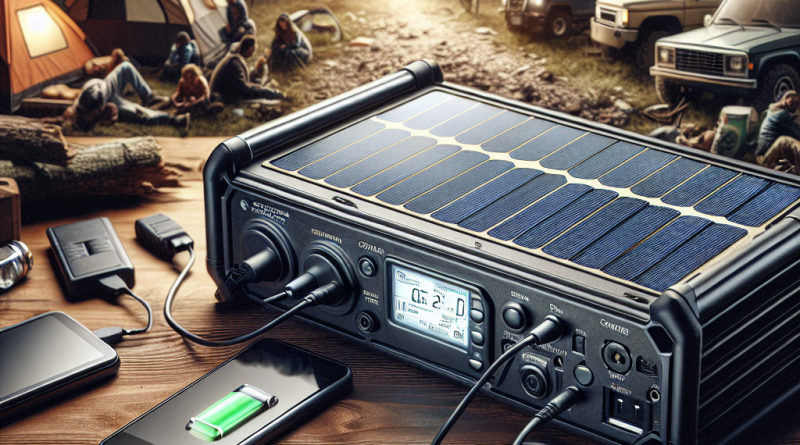
    One thing I look for in an emergency power source is portability. Let’s be real: when a severe storm is headed your way, the last thing you want is a heavy, cumbersome generator that requires a truck to move. The beauty of solar generators is their compact design. You can easily toss one in the back of your car or carry it to a different location, such as your garage or your front porch.

    I’ve done camping trips where I’ve brought along my solar generator, and it was a lifesaver – providing power for lights, charging devices, and even cooking! So, imagine how helpful it would be during an emergency at home. You can move it where it’s needed most or even take it with you if you need to evacuate.

    This portability becomes absolutely critical when you have family members who depend on electric-powered medical equipment. Knowing you can safely power those necessities no matter where you are is incredibly reassuring.

    Environmentally Friendly Solution

    Reduce Your Carbon Footprint

    As a nature lover, I have a personally vested interest in reducing my carbon footprint. That’s where solar generators come in! These nifty devices harness the energy from the sun, allowing you to generate your own power without contributing to greenhouse gas emissions. It’s eco-friendly electricity that doesn’t pollute the environment.

    During emergencies or blackouts, traditional generators often require fuel, which themselves can pose risks such as leaks or spills. I remember the time my neighbor’s gas generator caused a small scare due to a fuel leak while we were in the middle of a storm. With a solar generator, you can avoid those risks entirely. Just soak up the sun, and you’re good to go!

    On top of that, using renewable energy sources sets a positive example for your community and demonstrates that sustainability can be practical, especially in times of need. It’s a win-win: you get the power you need without harming the planet.

    Cost-Effectiveness Over Time

    Investment Worth Making

    Now, lemme tell you – I initially hesitated at the price of a solar generator. But after a few months of using it, the costs became more manageable compared to my local power bills and fuel costs. They tend to pay for themselves over time, especially in the long run with rising energy prices.

    Think about it: once you invest in a solar generator, the sunlight is free! No more trips to the gas station or hefty utility bills for the power that you generate yourself. I found that, especially after investing in some eco-friendly appliances, my overall energy costs dropped significantly.

    Not only is your wallet happy, but you’re also gaining energy independence. This means less vulnerability during price fluctuations and emergencies. For anyone who enjoys knowing they don’t have to constantly rely on external energy sources, it’s a comforting feeling.

    Versatile Usage for Daily Needs

    Beyond Emergencies

    What I love about solar generators is they’re not just for emergencies – they can be an everyday solution. Whether it’s powering outdoor events, camping trips, or even some off-grid weekend fun, I can always count on my solar setup to deliver.

    When I host backyard parties, I often use my solar generator to run lights, speakers, and even a small grill. It’s more convenient than dragging out extension cords or worrying about tripping over them. Everyone loves the ambiance, and I can relax knowing everything is powered sustainably.

    Plus, it comes in handy for hobbies as well! I’ve taken my solar generator out while working on DIY projects that require power tools. Having that portable energy source can make all the difference in convenience and creativity.

    FAQs

    What is a solar generator?

    A solar generator is a device that converts solar energy into usable electrical power. It typically includes solar panels, a battery to store energy, and an inverter to convert that energy into a format that can be used for household appliances and devices.

    How long can a solar generator provide power?

    The duration a solar generator can provide power depends on the size of the battery and the power consumption of the devices you are using. Smaller generators might provide a few hours of power for basic necessities, while larger models can last longer or power multiple devices simultaneously.

    Can I use a solar generator indoors?

    Yes! One of the benefits of solar generators is that they are typically safe to use indoors. They don’t produce harmful emissions, unlike traditional gas generators. Just ensure that there is a well-ventilated area for bigger models.

    Are solar generators worth the investment?

    Absolutely! While the initial cost can be high, solar generators can save money over time by reducing electricity costs and dependence on fuel. Plus, they provide peace of mind during emergencies.

    Do solar generators require maintenance?

    They do require some maintenance, but it’s minimal. You’ll want to keep the solar panels clean and ensure that the battery is regularly charged and maintained to extend its lifespan. Simple upkeep goes a long way!

  • Solar Generators for Emergencies: Complete Guide

    Solar Generators for Emergencies: Complete Guide

    Understanding Solar Generators

    What Are Solar Generators?

    Alright, let’s start with the basics. A solar generator is basically a cool gadget that takes sunlight and turns it into usable electricity. It’s like having a mini power plant but without all the noise and mess. You can charge your devices, run small appliances, and keep the lights on during an outage. Pretty neat, right?

    They typically consist of solar panels, a battery storage system, and an inverter. The solar panels collect sunlight, the batteries store the energy for later use, and the inverter converts the stored energy into AC power for your devices. It’s a smart way to keep your life running, especially when the grid goes down.

    From my experience, the beauty of solar generators is their portability. You can take them on camping trips or have them ready at home for any emergencies. Trust me, I never regretted investing in one!

    How Do They Work?

    Now, let’s dive into how they actually work. At the core, it’s all about harnessing the sun’s energy. The solar panels absorb sunlight and generate DC electricity. If you’re really into tech, you’ll appreciate that this process is called the photovoltaic effect. Sounds fancy, huh?

    Once the electricity is generated, it flows into the battery, where it’s stored until you need it. When you connect your devices, the inverter switches the DC electricity to AC electricity, which most of our home appliances need. It’s like translating a language so everything can communicate properly!

    In practice, using a solar generator is pretty straightforward. Plug in the solar panels, let them soak up the sun, and draw from the battery when needed. Just make sure you’re charging it on sunny days — it won’t work as well on a rainy one, trust me!

    The Benefits of Having a Solar Generator

    So, why should you even consider getting one? First off, let’s talk about sustainability. Using solar energy reduces your carbon footprint, which is something we can all feel good about. Each time you charge your phone or power a light with solar energy, you’re doing your part for the planet.

    Another huge benefit? Reliability. Power outages can happen anytime, and what’s worse than being in the dark with dead phones? With a solar generator, you can keep your essential devices running and stay connected to the world when it matters most.

    Plus, once you have it set up, it’s pretty much free energy. Yes, you’ll have the initial investment in the generator, but think about it: Sunshine is free! It’s a long-term money-saver, especially if you think about all the emergency kits out there that fall short when the power’s out.

    Choosing the Right Solar Generator

    Power Output Considerations

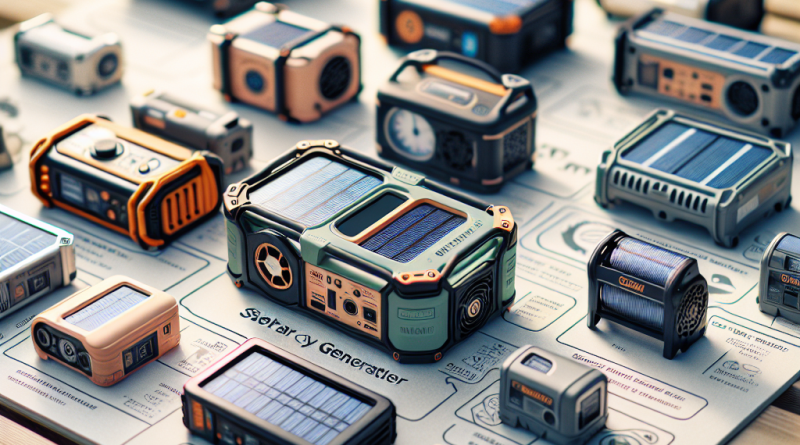
    Okay, so you’re pumped about the idea of a solar generator — great! But how do you choose the right one? Here’s my first tip: consider the power output. This is essentially how much energy a generator can provide. A common mistake is assuming one model will work for all our needs.

    Think about what you’ll be powering. If you just need to charge your phone and run a couple of lights, a smaller generator will do just fine. But if you want to power a fridge or other larger appliances, you’re gonna need a beast of a generator!

    When I was selecting mine, I made a list of all my must-have devices and calculated the total wattage. It helped me narrow down the options quickly. It’s super handy, so I highly recommend doing the same!

    Battery Capacity

    Next up: battery capacity. This is critical, especially if you want to use power for extended periods. You wouldn’t want to drain it after just a few hours of use! Battery capacity is measured in watt-hours (Wh), and the larger the capacity, the longer you can power your devices.

    When I was shopping, I found that some models had multiple battery configurations, which was a sweet option. You could customize your setup based on how much power you think you’ll need. More batteries mean more fun, right?

    It’s worth noting that battery technology has come a long way. Many modern generators use lithium batteries, which tend to last longer and charge faster. As someone who doesn’t have the patience for waiting, I highly appreciate this feature!

    Portability Features

    Before buying, think about how portable you need your solar generator to be. Do you plan on moving it around a lot, or is it going to sit in one place? Some generators come with wheels and handles, making them easy to roll around like your trusty suitcase on a trip.

    I remember lugging a heavier generator back and forth for family BBQs and wishing for a lighter option. You definitely don’t want to worry about back strain when you need emergency power! Check the weight and design to ensure it fits your lifestyle.

    Also, consider the size. Will it fit in your car for that camping adventure? A compact model could be the best bet if you plan on taking it with you often. The last thing you want is to be caught off guard with an unmanageable generator!

    Setting Up Your Solar Generator

    Location, Location, Location

    Location is everything when it comes to setting up your generator. You’ll want to place solar panels in an area that gets maximum sunlight without obstructions like trees and buildings. Believe me, I learned this the hard way by putting mine behind the house, thinking it would be okay. Spoiler alert: it wasn’t!

    Choosing a flat, stable surface is crucial too. You don’t want your solar panels tipping over in the wind. Set them up where they can catch the sun all day long — it will pay off in terms of energy collected! Additionally, ensure it’s away from kids and pets who might mess with the setup.

    Feel free to experiment a little. Maybe one day you’ll find your favorite spot and realize it’s perfect for gathering those sun rays. The sun moves, so adapt as needed to get the best energy output.

    Connecting the Solar Panels

    Next step: connecting the solar panels. This is usually pretty straightforward thanks to the design of most generators. Just plug them into the battery, and voilà! But, of course, make sure to follow the manufacturer’s instructions as not all setups are the same.

    Sometimes, it can take a little time for the panels to start gathering energy, so patience is key. I usually check the system every now and then to ensure everything is functioning smoothly. It gives you peace of mind knowing your generator is good to go!

    If you run into trouble, don’t sweat it! Most models come with clear instructions, and there’s often plenty of online support. It’s a great feeling when you finally get everything up and running, and you know you’re ready for anything.

    Testing Your Setup

    Before you rely on your solar generator in an emergency, give it a solid test run. I suggest powering your devices and seeing how long the battery lasts. This is where knowing your devices’ power requirements comes in handy.

    Try to run the generator with different appliances and see how it handles the load. This testing process can identify any potential weaknesses before you’re in an emergency situation. It’s like a spaceship going through a sound test before liftoff!

    Keep an eye on the indicator lights and battery levels during testing. It’s all about ensuring reliability and understanding how everything works. Plus, you’ll be more at ease knowing your generator’s performance firsthand. It’s all about that confidence boost!

    Maintaining Your Solar Generator

    Regular Cleaning

    Alright, we’re getting to the nitty-gritty: maintenance! To keep your solar generator in tip-top shape, regular cleaning of the solar panels is essential. Dust and debris can block sunlight from reaching the panels, limiting energy production. I clean mine once a month.

    It doesn’t have to be a huge chore; just wipe them down with a soft cloth and some water. Avoid harsh chemicals or abrasive sponges as they might damage the surface. Trust me, I learned from a friend’s unfortunate mishap!

    Additionally, check the connections and cables for any wear or damage. Make that a part of your maintenance routine. Just like we do tune-ups for our cars, a little TLC for your generator goes a long way!

    Battery Care

    The battery is the heart of your solar generator, so giving it proper care is crucial. Make sure to follow the manufacturer’s guidelines about charging cycles. Overcharging or letting the battery die can reduce its lifespan significantly.

    I like to keep track of battery health, especially how many charge cycles it’s gone through. You want to avoid deep discharging it too often, so find that sweet spot between using your generator and letting it rest.

    Don’t let your generator sit unused for too long either. Regular use can help maintain battery health, so make it a part of your routine — maybe even charge your phone with it to give it some exercise!

    Storing Your Generator

    Lastly, let’s chat about storage. When you’re not using your solar generator, store it in a cool, dry place. Extreme temperatures can harm the battery and other components, which can be a real bummer when you need it most.

    I always try to ensure it’s protected from moisture as well. Being waterlogged isn’t a good look for generators, right? If you can, cover it up or store it in a waterproof bag or case.

    Also, don’t forget to periodically check on it. Make sure it’s ready to go when you are! Nothing beats that peace of mind knowing you’ve prepared well, and your solar generator is ready for action in any emergency.

    Conclusion

    Having a solar generator can be a real game-changer when it comes to emergencies. With the right knowledge of understanding, choosing, setting up, and maintaining your solar generator, you’ll be well-equipped to tackle any power outage that comes your way. And hey, it’s good for the planet too!

    I hope this guide has helped demystify the whole solar generator process for you. If you have any questions, don’t hesitate to reach out — I’m here to help!

    FAQs

    1. What can I power with a solar generator?

    It depends on the size and capacity of your solar generator. Smaller models can handle devices like phones, laptops, and lights, while larger ones can power appliances like refrigerators and even small air conditioners.

    2. How long does it take to charge a solar generator?

    Charging time varies based on the generator and sunlight conditions. On a sunny day, it may take several hours to fully charge, but cloudy days can extend this time significantly.

    3. Do I need permits to use a solar generator?

    Generally, no permits are required for personal solar generators. However, if you’re using it in a more permanent or commercial setup, it’s good to check with local regulations just to be safe.

    4. How long does the battery last?

    The lifespan of a solar generator battery typically ranges from 5 to 15 years, depending on how well you maintain it. Regular charging and not letting it completely drain will help ensure a longer life.

    5. Can a solar generator work during a power outage?

    Absolutely! That’s the beauty of a solar generator. When the grid goes down, your generator can step in to provide the power you need as long as it has been charged beforehand.