Tag: for your home

  • How to Choose the Best Solar Power System for Your Home

    How to Choose the Best Solar Power System for Your Home

    Understanding Your Energy Needs

    Assessing Your Current Energy Consumption

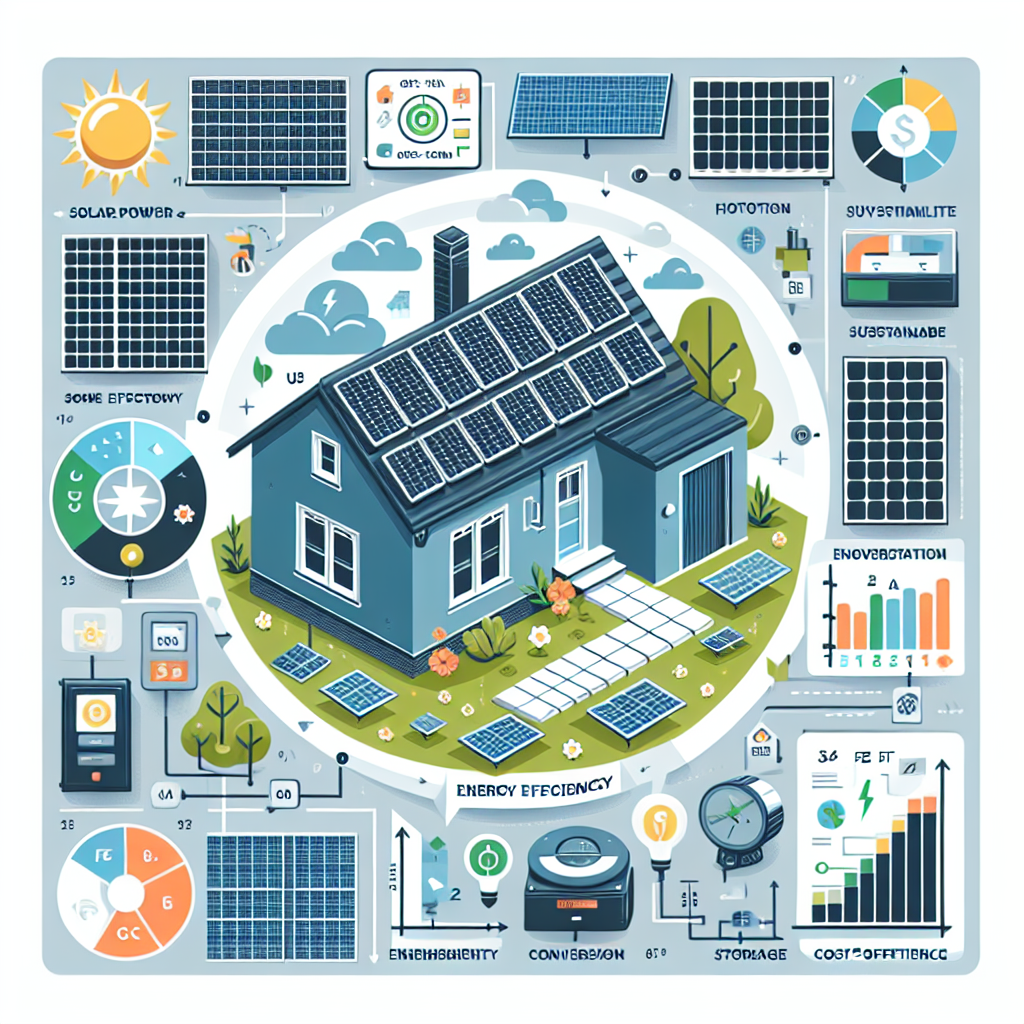
    First off, figuring out how much energy you use is crucial. Take a peek at your energy bills for the past year. It’s super helpful to look for patterns—like how your use spikes in the summer or winter. Jot it down. Understanding these peaks and troughs can help you figure out your average energy consumption, which is key for sizing your solar power system.

    Don’t forget to consider the main appliances in your home and how much energy they consume. You can usually find the wattage on the appliance itself or in the user manuals. Tools like energy monitors can give you a real-time look at what’s munching away at your power supply.

    Once you have this information, you can start to visualize what you’ll need in terms of solar output. Think about how much of your energy consumption you’d like to cover with solar; maybe you’re cool with going 50% green, or maybe you’re all-in for 100%. Whatever the case, make a plan!

    Evaluating Your Roof and Location

    Checking Roof Orientation and Sunlight Exposure

    Your roof plays a huge role here! Ideally, you want it to face south—this is where you get the most sun. If your roof is more east or west-facing, don’t sweat it, though. You can still make it work with a good system. It might just take a few extra panels or a slightly different arrangement.

    Next is sunlight exposure. Do any big trees or buildings cast shadows on your roof? It’s like having a pesky umbrella blocking your sunshine. If your roof gets shaded during peak sun hours, you might need to think about trimming some foliage or investing in a different placement for your panels.

    Lastly, the angle of your roof can affect solar efficiency. For those of us lucky enough to have a sloped roof, you’re in good shape! But if your roof is flat, you might need some mounts to angle the panels just right. The goal is to maximize exposure to those beautiful sun rays.

    Choosing the Right Solar Panel Technology

    Exploring Different Types of Solar Panels

    Okay, now we hit one of the most exciting parts—picking out the panels! There are generally three types to consider: monocrystalline, polycrystalline, and thin-film solar panels. Each has its perks and quirks. Monocrystalline panels are the most efficient, giving you more bang for your buck in terms of space. If you’ve got limited roof space, these are your best pals!

    Polycrystalline panels are usually a bit cheaper and slightly less efficient. If you’re on a budget and have plenty of roof space, they might be a solid option. Then we’ve got thin-film panels; they’re lightweight and flexible but often take up more space for the same energy output. Knowing your roof limits will help steer your choice.

    When you’re out shopping, definitely ask about the warranties! A good solar panel should generally come with at least 25 years of warranty, so you know it’s built to last. You want a solar investment that holds up over time because once you’ve gone green, sparking joy and energy savings is the goal!

    Assessing Installation Costs and Financing Options

    Understanding Solar Incentives and Rebates

    Let’s chat dollars and cents! We all know solar isn’t just a set-it-and-forget-it kind of deal. It’s important to understand the total installation cost upfront. Your local and federal government might offer some incentives or rebates, so be sure to do your homework. The federal solar tax credit, for example, allows you to deduct a chunk from your federal taxes.

    Also, look into state and local programs. Some areas offer cash rebates or even performance-based incentives. This can significantly lower that initial price tag, making it a lot more manageable. If you do your research, you might discover savings you didn’t know about!

    Financing is another option. Many companies offer flexible plans, including solar loans or leases. This way, you can pay as you go rather than dropping a huge sum all at once. Just make sure you understand all the terms, and find a plan that aligns with your budget and energy goals.

    Finding a Reputable Solar Installer

    Researching Potential Solar Companies

    Now, for the fun part—meeting your potential partners in solar! When looking for a reputable installer, don’t hesitate to ask for recommendations from friends or family. You trust their judgment, and word-of-mouth can often lead to discovering fantastic local companies you wouldn’t find on a large scale.

    Read online reviews and check out ratings on sites like the Better Business Bureau. Look for companies that have been around for a while—experience counts! Don’t forget to check their previous installations. A reputable installer will be proud to show off their past work and will even have customer testimonials to back it up.

    Lastly, ensure they’re properly licensed and insured. This isn’t just a box to tick; you definitely want protection in case something goes wrong during the install. A trustworthy solar company will be upfront about their credentials and ready to answer any questions you might have.

    FAQs

    1. How much can I save on my energy bills with solar power?

    Your savings can vary, but many homeowners report reductions of 50% or more on their energy bills after switching to solar. It really depends on your energy consumption and the size of your solar system.

    2. Is my roof suitable for solar panels?

    Most roofs can accommodate solar panels, but factors like orientation, angle, and shading will play a crucial role in how effective your system will be. A good installer can assess this during your consultation.

    3. How long does it take to install solar panels?

    Typically, the installation process takes about one to three days, depending on the size of your system and any complexities involved. But the entire project, from consultation to activation, can take a few weeks to a few months.

    4. What happens on cloudy days?

    Don’t worry! Solar panels still generate energy on cloudy days, although the output will be lower than on sunny days. If you live in a region with lots of overcast days, it’s smart to consider a system that can supplement your needs.

    5. Do I need to maintain my solar panels?

    Not a ton! Generally, solar panels require minimal maintenance. Just a periodic cleaning and inspection will keep them running smoothly, so you can enjoy those sunny benefits with ease!
  • How to Select the Best Solar Panel Size for Your Home

    How to Select the Best Solar Panel Size for Your Home

    Assess Your Energy Needs

    Understanding Your Energy Consumption

    Before diving into the solar panel world, I found it crucial to assess how much energy my household typically consumes. It sounds a bit tedious, but trust me; knowledge is power! Start by looking at your utility bill from the past year. Take note of your monthly usage, usually measured in kilowatt-hours (kWh). This gives you a solid baseline of how much energy you need to generate.

    Once you’ve got those numbers down, think about any future changes—like that new hot tub you’ve been dreaming about or planning to install electric vehicle charging. Adjust your baseline accordingly. It’s super important to factor in these things, or you might end up with panels that don’t meet your needs!

    So, ultimately, understanding your energy consumption is not just about current use but also about where you’re headed with your energy demands. It’s like a roadmap for your solar panel journey.

    Identifying Peak Sunlight Hours

    Next up, let’s talk about peak sunlight hours. It’s not just about slapping some panels on the roof and calling it a day; you need to know how much sunlight your area gets. This info varies by location, so grab a solar insolation chart—yeah, it sounds fancy but is super useful.

    Knowing your peak sunlight hours helps in determining how much electricity you can generate with your panels. For example, if you’re in a sunny state like Arizona, you might get about 6 to 8 hours of sunlight per day, while somewhere like Seattle might only give you about 4 to 5 hours. Your solar setup needs to match that sunny reality!

    Remember, it’s not just about total sunshine but also how consistent that sunshine is throughout the year. Understanding these patterns will help you maximize your panel size and efficiency.

    Using Energy Consumption Calculators

    I can’t stress enough how helpful energy consumption calculators are! Once you’ve gathered all your usage data and sunlight information, using a calculator can simplify everything. Many companies offer online calculators that guide you through the process.

    These tools allow you to input your monthly kWh usage, peak sunlight hours, and other variables. They’ll churn out recommendations on how many solar panels you need. It feels like having an expert in my pocket!

    Don’t forget to play around! Different inputs can yield different results. It’s a good way to see the range of options out there and help you get a clear picture of the best fit for your home.

    Evaluate the Available Space for Installation

    Considering Roof Orientation and Pitch

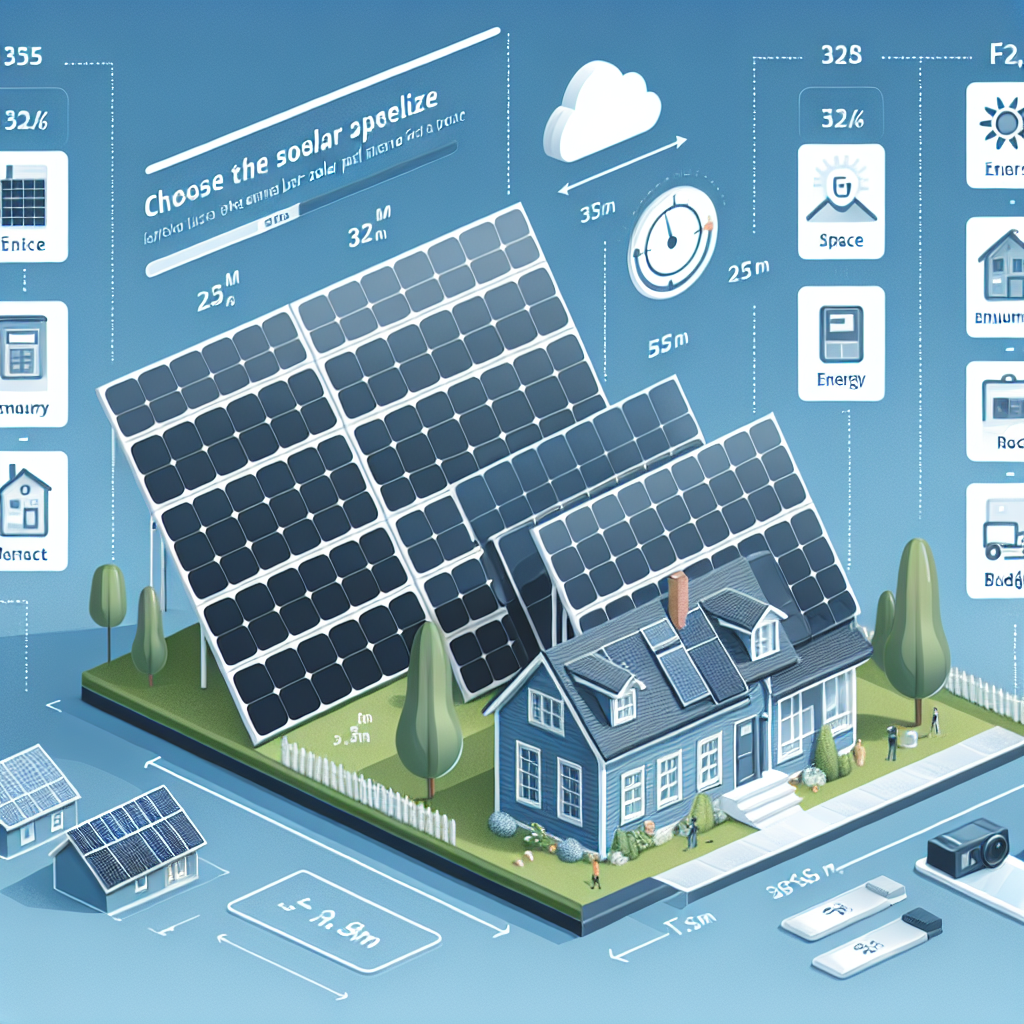
    Let’s dive into the physical aspect—where are you gonna put these beauties? Your roof orientation and pitch play a huge role in how effective the solar panels will be. Ideally, south-facing roofs get the most exposure, but east and west can work, too.

    If your roof isn’t directly south or there are obstacles like chimneys or trees, you may need to get creative with panel placement. When I faced this, I had to brainstorm different layouts to ensure I was getting the most bang for my buck.

    Also, consider your roof angle. A steeper pitch could impact the number of panels you can fit when compared to a flatter roof. Evaluating these elements early can save a ton of hassle down the line!

    Calculating Space Requirements

    Once you know your roof’s million-dollar details, it’s all about space! Each solar panel takes up a certain amount of square footage, and you need to calculate how many you can fit based on your energy consumption needs. Here’s where the measuring tape comes in!

    Sketch out your roof layout and start plotting where panels could go. I divided my roof into sections so I could visualize how many panels could fit while keeping in mind aesthetic appeal. We all want our homes to look good, right?

    Don’t forget to leave some room for maintenance access. You never know when a bird decides to drop by, and getting those panels cleaned should be straightforward!

    Consider Ground vs. Roof Installation

    If your roof isn’t conducive to installation (or maybe you just want a different look), there’s always the option of ground-mounted panels! This alternative allows for more flexibility in terms of positioning and angle.

    However, it does require more space—think about your yard or property size. You’ll also want to engage with your local regulations and HOAs because they sometimes have restrictions on how those ground arrays can look.

    The beauty of ground-mounted panels is that you can often tilt them to maximize performance, much easier than a fixed roof setup. Do some soul-searching to see what vibe works best for you and your property!

    Calculate the Right Number of Panels

    Determine Your Panel Output

    Now that we’ve dug deep into your energy needs, space, and all that, let’s talk numbers—the fun part! Each solar panel has a specific wattage, with the average being around 300 watts. You need to know how these panels fit into your overall energy goals.

    To calculate how many panels you need, divide your total energy consumption (remember that kWh figure we tracked?) by the panel output, adjusted for those peak sun hours we discussed. It sounds complicated, but once you get it down, it’s like riding a bike.

    You want to ensure you’re not overspending on unnecessary panels—nobody wants to pay for more than what’s needed!

    Assessing Panel Efficiency Ratings

    Here’s where I lean into my inner nerd: the efficiency ratings of your chosen solar panels matter! Higher efficiency means more energy production per panel, so if you’re tight on space, you might want to invest in panels with higher ratings.

    It’s a balancing act between efficiency, price, and the space you have available. Don’t forget, though, that some reputable brands may offer slightly lower efficiencies at a better price. So research, research, research!

    This decision is like a lifelong commitment: do your homework and make sure you’re getting something that’s worth the investment, so you don’t regret it down the line!

    Consulting with a Professional

    When in doubt, consulting with a solar professional can be invaluable! They can bring everything we’ve talked about together into a cohesive plan that suits your unique situation.

    I know it may seem like an added expense, but getting that expert eye can save you heaps of money in the long run. They’ll help you calculate and recommend adjustments based on their experience that you might not have thought of!

    Plus, they can handle permits and local regulations—those administrative hurdles that can take up so much time and energy. Don’t underestimate the power of expert guidance!

    Budgeting for Your Solar System

    Understanding Solar Panel Costs

    Let’s talk cash—budgeting for your solar system is a significant step! Costs can range widely depending on panel efficiency, brand, and installation complexities. It’s crucial to have an understanding of what you’re working with.

    Generally, the average cost of solar panels ranges from $15,000 to $30,000 before any tax credits or incentives. Knowing this, set a budget range you’re comfortable with. I aimed for the lower end and was quite pleased with the results!

    Also, many financing options are out there—so if the upfront cost seems daunting, don’t fret! You can look into loans or leasing options that can fit your financial situation better.

    Exploring Incentives and Rebates

    The world of solar incentives can feel overwhelming, but honestly, it can be a game-changer for your budget! Many states and local governments offer rebates or tax credits aimed at encouraging solar installation.

    In the U.S., the Federal Investment Tax Credit (ITC) allows you to deduct a certain percentage from your federal taxes, which can significantly lower costs. Doing a bit of homework here could save you a chunk of change.

    I recommend checking the Database of State Incentives for Renewables and Efficiency (DSIRE) to uncover what’s available in your area. Every dollar counts, right?

    Long-Term Savings Considerations

    Finally, factor in the long-term savings. It’s easy to get caught up in the initial expenses, but think about how solar panels can lead to substantial savings on your electricity bills over time.

    I was shocked at the difference on my bills after going solar. With careful calculation, many homeowners find that their panels pay for themselves over the years, sometimes even doubling their investment.

    Make sure to consider the lifespan of the panels, usually around 25 years. Factor that into your overall budget to see a fuller picture of how much you might save in the end!

    FAQ

    1. How do I calculate my energy consumption?

    Look at your utility bills over the last year to identify average monthly kWh usage. You can also add up the energy consumption of individual appliances if you want to get specific.

    2. What are peak sunlight hours?

    Peak sunlight hours refer to the time when sunlight is most direct and strongest for energy production. This varies by location, typically ranging from 4 to 8 hours a day!

    3. What if my roof isn’t suitable for solar panels?

    No worries! You can consider ground-mounted solar panels instead. They can be installed in your yard and are flexible in positioning and installation.

    4. How much do solar panels cost?

    The cost of solar panels can vary widely, but expect an average range from $15,000 to $30,000 before tax credits or incentives.

    5. Are there incentives available for going solar?

    Absolutely! Many states offer incentives, tax credits, and rebates to encourage homeowners to install solar panels. Check local resources and the DSIRE website to find what’s available in your area.

  • The Best Solar Power Solutions for Your Home Office

    The Best Solar Power Solutions for Your Home Office

    Understanding Your Energy Needs

    Calculating Your Energy Consumption

    One of the first things I did when considering solar power for my home office was to figure out how much energy I actually used. It’s super important to take a good look at your appliances, lights, and devices. I grabbed a notepad and jotted down everything I used regularly. You might be surprised at how quickly those kilowatts add up!

    Once you have your list, use a wattage calculator to estimate the total energy consumption in kilowatt-hours (kWh). I found out that my computer setup, along with some lighting, used more energy than I expected. The goal here is to understand what you need before diving into solar solutions.

    Lastly, keep in mind that energy needs can change depending on the time of year. My home office gets a lot of sunlight, which means I’m less likely to use lights during the day in the summer. It’s something to consider when planning your solar power setup.

    Identifying Peak Usage Times

    Knowing when you’re using the most energy can help you make smarter choices about your solar setup. For me, I realized that my peak usage was in the afternoon, right when the sun was shining brightest. Tracking your energy usage can be enlightening—it really helped me optimize my solar investments.

    Consider using smart plugs or energy monitors to track real-time energy consumption. There are some cool apps out there that help monitor usage, showing you which devices are drawing the most power. It’s like getting a sneak peek into your energy habits!

    Once you have this data, you can decide how much solar energy you need to offset your peak times, thus maximizing your investment. I learned that times of high usage could be optimized by utilizing solar energy when it’s most abundant.

    Setting a Budget

    So let’s talk money. Setting a budget before investing in solar solutions is critical. I made the mistake of diving in headfirst without considering my financial landscape. Start by figuring out how much you’re willing to spend upfront and how much you want to save long-term.

    Research financing options, rebates, or even tax credits available for solar installations. Some states offer fantastic incentives that can significantly reduce your initial outlay. I was lucky enough to take advantage of a state program that gave me a nice break!

    Ultimately, the budget you set will guide your choices, from choosing between different solar panel brands to whether you want to go with a full installation or a DIY approach.

    Selecting the Right Solar Panels

    Understanding Different Types of Solar Panels

    There’s a whole smorgasbord of solar panels out there! You’ve got monocrystalline, polycrystalline, and thin-film options. I personally went with monocrystalline panels because they are super efficient and take up less space.

    Monocrystalline panels have higher efficiency rates but tend to be a bit pricier. Polycrystalline panels are more affordable but slightly less efficient. If budget isn’t a big concern, go with monocrystalline. But if you’re looking to stretch your dollars, poly panels can still get the job done!

    Thin-film panels are another option, popular for larger rooftops due to their lightweight nature. However, they require a lot of space and aren’t as efficient as the other types, so I’d recommend those primarily for bigger installations.

    Assessing Quality vs. Cost

    When selecting solar panels, you really have to weigh quality against cost. Sure, you might find cheaper panels, but remember, you get what you pay for! I learned this lesson the hard way by initially opting for the lowest-priced option and then having to replace them a year later.

    Look for manufacturers that provide a solid warranty—at least 25 years is a good benchmark. This not only covers defects but also protects your investment over time. I felt way more secure knowing that my panels were good for the long haul.

    Don’t forget to read reviews! People who’ve actually installed the panels can give you insight that manufacturers won’t. Sometimes it pays to spend a little more for a lot more peace of mind.

    Installation Options

    So you’ve picked your panels—now what? Time to think about installation. I had the choice of either going the DIY route or hiring professionals. After weighing my options, I realized that professional installation was best for me, especially since I didn’t want to climb on my roof!

    DIY installation can save you some cash, but make sure you’re comfortable with electrical work and roof installation. I’ve seen tutorials online, and while they make it look easy, trust me, you’ll want to think twice!

    If you decide to hire professionals, get quotes from multiple companies. Ask them about their experience with residential projects and read reviews. It really made a difference when I chose a company with great customer feedback—they handled everything smoothly!

    Incorporating Battery Storage

    The Benefits of Battery Storage

    Let’s chat battery storage—it’s an absolute game changer! Adding battery storage to your solar setup allows you to store excess energy produced during the day to use at night or during cloudy days. It has been so helpful for me, especially with those long workdays.

    Battery systems like the Tesla Powerwall or LG Chem RESU can help you maintain energy independence, minimizing reliance on the grid. I might sound like a nerd, but having that backup during a power outage truly provides peace of mind.

    Also, don’t forget that some utility companies offer time-of-use rates that make it cheaper to use stored energy during peak hours. It’s all about making your system work for you, and battery storage helps achieve that!

    Selecting the Right Battery System

    Now that you’re sold on battery storage, how do you choose the right one? Start by sizing the system based on your energy needs. I found it helpful to determine how long I’d want power during an outage and what appliances I’d need to run.

    Look for lithium-ion batteries as they tend to be more efficient and have longer lifespans compared to lead-acid batteries. I went the lithium route, and it has paid dividends in terms of lifespan and performance.

    In addition to considering capacity, don’t overlook installation costs and warranty. A battery system can be a considerable investment, so ensure that what you choose fits your budget while offering decent backup capability.

    Integrating with Existing Solar Systems

    If you’ve already got a solar system going, adding battery storage may be straightforward. Most modern configurations make it simple to integrate battery systems. I just had to consult with my solar installer, and they handled the rest!

    Be sure that your current inverter can accommodate battery storage. If not, you may need to upgrade, which can change your budget. Checking compatibility is crucial to avoid surprises down the line.

    I loved that my installer offered a comprehensive service that included integration—they really knew their stuff! It felt great to have experts guide me through this process and take away any guesswork.

    Going Beyond Just Powering Your Office

    Using Solar for Home Energy Efficiency

    When you think about going solar, it’s not just about your office. I realized that integrating solar solutions in my entire home made a significant difference in energy efficiency. I started by upgrading appliances to ENERGY STAR-rated products, which complemented my solar setup perfectly.

    Additionally, consider other energy-efficient practices. Sealing drafts and adding insulation helped minimize energy loss in my home. I found that these small changes reduced my overall consumption, allowing me to maximize the solar energy I was generating.

    Combining solar energy with energy-efficient practices creates a win-win situation. It not only decreases your bills but also helps the environment. I love knowing I’m doing my part!

    Extending Solar Solutions Outdoors

    Another thing I discovered is how solar energy could extend beyond just office use. I started using outdoor solar lights, which not only saved money but also added some ambiance to my yard. It’s like having my little solar kingdom out there!

    Solar water heaters were another addition I considered for home energy efficiency. They dramatically reduce heating costs and can work well with a solar installation. I haven’t installed one yet, but it’s definitely on my wishlist!

    By using solar energy for outdoor endeavors, you can create a more sustainable lifestyle that resonates throughout your entire property. It’s exciting to think that so many facets of life can be powered by the sun!

    Staying Informed on Solar Innovations

    Don’t forget that solar technology is always evolving. Staying updated with innovations can lead to improvements in your energy efficiency and cost savings. I subscribe to several solar blogs and newsletters to keep me in the loop.

    Whether it’s learning about the latest charging technologies for electric cars or new efficiency ratings, these innovations could affect how I power my office and home. Engaging with the community through forums has also been enlightening!

    Continuing to educate yourself allows you to make informed decisions. This approach could even lead to future upgrades for your solar system that enhance your experience and savings.

    FAQs

    1. How do I know if solar power is right for my home office?

    The best way to determine if solar power is suitable for your home office is by assessing your energy needs, calculating your budget, and considering your long-term goals. If you find the potential for savings on your electricity bills and feel comfortable with the upfront investment, it’s likely a good fit!

    2. Are there financial incentives for installing solar panels?

    Absolutely! Many states and local governments offer financial incentives, tax credits, and rebates to encourage solar adoption. I recommend checking out local resources and the Database of State Incentives for Renewables & Efficiency (DSIRE) for up-to-date information.

    3. Can I install solar panels myself?

    It’s possible to install solar panels yourself if you’re knowledgeable about electrical work and installation processes. But don’t underestimate the complexity—it can be quite challenging! Hiring a professional is usually the safest route unless you’re very experienced.

    4. How long do solar panels last?

    Most solar panels are designed to last between 25 to 30 years, but their efficiency can degrade over time. A quality product combined with regular maintenance can keep them effective for many years beyond that initial period.

    5. What’s the best way to choose a solar installer?

    Start by getting multiple quotes and check references. Look for installers with extensive experience, excellent customer reviews, and certifications. I made sure to ask detailed questions, and it really helped me find the right fit for my project!