Tag: generators

  • Solar Generators for Emergencies: Complete Guide

    Solar Generators for Emergencies: Complete Guide

    Understanding Solar Generators

    What Are Solar Generators?

    Alright, let’s start with the basics. A solar generator is basically a cool gadget that takes sunlight and turns it into usable electricity. It’s like having a mini power plant but without all the noise and mess. You can charge your devices, run small appliances, and keep the lights on during an outage. Pretty neat, right?

    They typically consist of solar panels, a battery storage system, and an inverter. The solar panels collect sunlight, the batteries store the energy for later use, and the inverter converts the stored energy into AC power for your devices. It’s a smart way to keep your life running, especially when the grid goes down.

    From my experience, the beauty of solar generators is their portability. You can take them on camping trips or have them ready at home for any emergencies. Trust me, I never regretted investing in one!

    How Do They Work?

    Now, let’s dive into how they actually work. At the core, it’s all about harnessing the sun’s energy. The solar panels absorb sunlight and generate DC electricity. If you’re really into tech, you’ll appreciate that this process is called the photovoltaic effect. Sounds fancy, huh?

    Once the electricity is generated, it flows into the battery, where it’s stored until you need it. When you connect your devices, the inverter switches the DC electricity to AC electricity, which most of our home appliances need. It’s like translating a language so everything can communicate properly!

    In practice, using a solar generator is pretty straightforward. Plug in the solar panels, let them soak up the sun, and draw from the battery when needed. Just make sure you’re charging it on sunny days — it won’t work as well on a rainy one, trust me!

    The Benefits of Having a Solar Generator

    So, why should you even consider getting one? First off, let’s talk about sustainability. Using solar energy reduces your carbon footprint, which is something we can all feel good about. Each time you charge your phone or power a light with solar energy, you’re doing your part for the planet.

    Another huge benefit? Reliability. Power outages can happen anytime, and what’s worse than being in the dark with dead phones? With a solar generator, you can keep your essential devices running and stay connected to the world when it matters most.

    Plus, once you have it set up, it’s pretty much free energy. Yes, you’ll have the initial investment in the generator, but think about it: Sunshine is free! It’s a long-term money-saver, especially if you think about all the emergency kits out there that fall short when the power’s out.

    Choosing the Right Solar Generator

    Power Output Considerations

    Okay, so you’re pumped about the idea of a solar generator — great! But how do you choose the right one? Here’s my first tip: consider the power output. This is essentially how much energy a generator can provide. A common mistake is assuming one model will work for all our needs.

    Think about what you’ll be powering. If you just need to charge your phone and run a couple of lights, a smaller generator will do just fine. But if you want to power a fridge or other larger appliances, you’re gonna need a beast of a generator!

    When I was selecting mine, I made a list of all my must-have devices and calculated the total wattage. It helped me narrow down the options quickly. It’s super handy, so I highly recommend doing the same!

    Battery Capacity

    Next up: battery capacity. This is critical, especially if you want to use power for extended periods. You wouldn’t want to drain it after just a few hours of use! Battery capacity is measured in watt-hours (Wh), and the larger the capacity, the longer you can power your devices.

    When I was shopping, I found that some models had multiple battery configurations, which was a sweet option. You could customize your setup based on how much power you think you’ll need. More batteries mean more fun, right?

    It’s worth noting that battery technology has come a long way. Many modern generators use lithium batteries, which tend to last longer and charge faster. As someone who doesn’t have the patience for waiting, I highly appreciate this feature!

    Portability Features

    Before buying, think about how portable you need your solar generator to be. Do you plan on moving it around a lot, or is it going to sit in one place? Some generators come with wheels and handles, making them easy to roll around like your trusty suitcase on a trip.

    I remember lugging a heavier generator back and forth for family BBQs and wishing for a lighter option. You definitely don’t want to worry about back strain when you need emergency power! Check the weight and design to ensure it fits your lifestyle.

    Also, consider the size. Will it fit in your car for that camping adventure? A compact model could be the best bet if you plan on taking it with you often. The last thing you want is to be caught off guard with an unmanageable generator!

    Setting Up Your Solar Generator

    Location, Location, Location

    Location is everything when it comes to setting up your generator. You’ll want to place solar panels in an area that gets maximum sunlight without obstructions like trees and buildings. Believe me, I learned this the hard way by putting mine behind the house, thinking it would be okay. Spoiler alert: it wasn’t!

    Choosing a flat, stable surface is crucial too. You don’t want your solar panels tipping over in the wind. Set them up where they can catch the sun all day long — it will pay off in terms of energy collected! Additionally, ensure it’s away from kids and pets who might mess with the setup.

    Feel free to experiment a little. Maybe one day you’ll find your favorite spot and realize it’s perfect for gathering those sun rays. The sun moves, so adapt as needed to get the best energy output.

    Connecting the Solar Panels

    Next step: connecting the solar panels. This is usually pretty straightforward thanks to the design of most generators. Just plug them into the battery, and voilà! But, of course, make sure to follow the manufacturer’s instructions as not all setups are the same.

    Sometimes, it can take a little time for the panels to start gathering energy, so patience is key. I usually check the system every now and then to ensure everything is functioning smoothly. It gives you peace of mind knowing your generator is good to go!

    If you run into trouble, don’t sweat it! Most models come with clear instructions, and there’s often plenty of online support. It’s a great feeling when you finally get everything up and running, and you know you’re ready for anything.

    Testing Your Setup

    Before you rely on your solar generator in an emergency, give it a solid test run. I suggest powering your devices and seeing how long the battery lasts. This is where knowing your devices’ power requirements comes in handy.

    Try to run the generator with different appliances and see how it handles the load. This testing process can identify any potential weaknesses before you’re in an emergency situation. It’s like a spaceship going through a sound test before liftoff!

    Keep an eye on the indicator lights and battery levels during testing. It’s all about ensuring reliability and understanding how everything works. Plus, you’ll be more at ease knowing your generator’s performance firsthand. It’s all about that confidence boost!

    Maintaining Your Solar Generator

    Regular Cleaning

    Alright, we’re getting to the nitty-gritty: maintenance! To keep your solar generator in tip-top shape, regular cleaning of the solar panels is essential. Dust and debris can block sunlight from reaching the panels, limiting energy production. I clean mine once a month.

    It doesn’t have to be a huge chore; just wipe them down with a soft cloth and some water. Avoid harsh chemicals or abrasive sponges as they might damage the surface. Trust me, I learned from a friend’s unfortunate mishap!

    Additionally, check the connections and cables for any wear or damage. Make that a part of your maintenance routine. Just like we do tune-ups for our cars, a little TLC for your generator goes a long way!

    Battery Care

    The battery is the heart of your solar generator, so giving it proper care is crucial. Make sure to follow the manufacturer’s guidelines about charging cycles. Overcharging or letting the battery die can reduce its lifespan significantly.

    I like to keep track of battery health, especially how many charge cycles it’s gone through. You want to avoid deep discharging it too often, so find that sweet spot between using your generator and letting it rest.

    Don’t let your generator sit unused for too long either. Regular use can help maintain battery health, so make it a part of your routine — maybe even charge your phone with it to give it some exercise!

    Storing Your Generator

    Lastly, let’s chat about storage. When you’re not using your solar generator, store it in a cool, dry place. Extreme temperatures can harm the battery and other components, which can be a real bummer when you need it most.

    I always try to ensure it’s protected from moisture as well. Being waterlogged isn’t a good look for generators, right? If you can, cover it up or store it in a waterproof bag or case.

    Also, don’t forget to periodically check on it. Make sure it’s ready to go when you are! Nothing beats that peace of mind knowing you’ve prepared well, and your solar generator is ready for action in any emergency.

    Conclusion

    Having a solar generator can be a real game-changer when it comes to emergencies. With the right knowledge of understanding, choosing, setting up, and maintaining your solar generator, you’ll be well-equipped to tackle any power outage that comes your way. And hey, it’s good for the planet too!

    I hope this guide has helped demystify the whole solar generator process for you. If you have any questions, don’t hesitate to reach out — I’m here to help!

    FAQs

    1. What can I power with a solar generator?

    It depends on the size and capacity of your solar generator. Smaller models can handle devices like phones, laptops, and lights, while larger ones can power appliances like refrigerators and even small air conditioners.

    2. How long does it take to charge a solar generator?

    Charging time varies based on the generator and sunlight conditions. On a sunny day, it may take several hours to fully charge, but cloudy days can extend this time significantly.

    3. Do I need permits to use a solar generator?

    Generally, no permits are required for personal solar generators. However, if you’re using it in a more permanent or commercial setup, it’s good to check with local regulations just to be safe.

    4. How long does the battery last?

    The lifespan of a solar generator battery typically ranges from 5 to 15 years, depending on how well you maintain it. Regular charging and not letting it completely drain will help ensure a longer life.

    5. Can a solar generator work during a power outage?

    Absolutely! That’s the beauty of a solar generator. When the grid goes down, your generator can step in to provide the power you need as long as it has been charged beforehand.

  • 15 Best Solar Generators for Home Backup Power

    15 Best Solar Generators for Home Backup Power

    Understanding Solar Generators

    What is a Solar Generator?

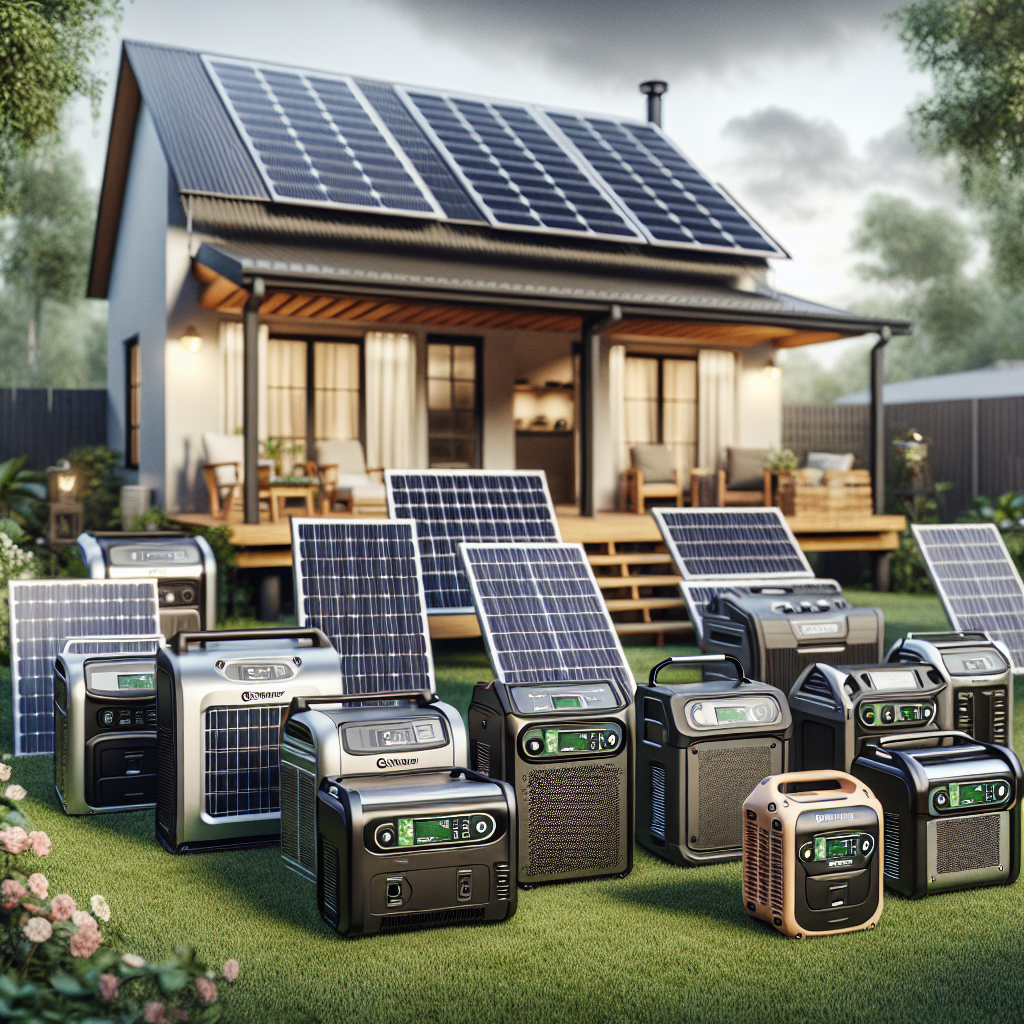
    So, first off, let’s chat about what a solar generator actually is. To me, a solar generator is like a power bank, but supercharged with solar energy! Basically, it harnesses sunlight and converts it into electricity, which can be used to power up your devices or even your whole home when the lights go out. That’s something I want to put you onto!

    I remember the first time I used one during a blackout. It was super enlightening (pun definitely intended) to see how these handy devices could keep my fridge running and my phone charged without needing any fossil fuels. Seriously, it felt like magic!

    In essence, you’re not just using renewable energy; you’re jumping on the eco-friendly bandwagon and doing your bit for Mother Earth, all while enjoying the comforts of power at home. Who knew saving the planet could feel this good?

    Benefits of Using Solar Generators

    Why switch to solar generators, you ask? Well, let me lay it down for you. One of the top reasons is the cost savings over time. Once you invest, it’s nearly free electricity! Imagine cutting down your electricity bills significantly just by catching a few rays. Trust me; it feels great!

    Moreover, these generators are often portable. I’ve used mine for camping trips too! It’s like having a mini power station that’s easy to carry. You can charge up your devices, run lights, or even power small appliances while enjoying the great outdoors. Talk about versatility!

    Lastly, let’s not forget that having a solar generator provides peace of mind during emergencies. I’ll never forget that stormy night when the power went out for hours. My solar generator was my lifeline, allowing me to keep the essentials running while others were left in the dark. Pure bliss!

    Key Features to Look For

    Battery Capacity

    When you’re on the hunt for a solid solar generator, battery capacity is a biggie. This is the amount of energy your generator can store, and it’s crucial for deciding how long you can power your gadgets. I learned this the hard way with my first generator – let’s just say I ran out of juice quicker than I expected!

    Make sure to check the watt-hour (Wh) rating of the battery. To give you a heads-up, I usually aim for at least 500Wh if I want to keep the fridge running during a blackout.

    Also, try to calculate the appliances you’ll want to run. If you’re taking a few devices along for a camping trip or just a few lamps during power outages, knowing the overall consumption can make or break your solar generator experience.

    Portability and Weight

    Another thing that has made me a fan of solar generators is portability. If you plan to use it for camping or different areas of your home, the weight can be crucial. Some of these units are a bit on the hefty side, so if you’re like me, you might want something that can be easily tossed in the car.

    I’ve had my share of awkward moments trying to lug around heavy gear. That’s why I usually look for models with wheels or handles for that extra convenience.

    Remember, just because a generator is portable doesn’t mean it’s less powerful. Some of the best models pack a punch in a lightweight design, making it easier to enjoy the benefits wherever and whenever!

    Solar Panel Compatibility

    When it comes to charging your generator, you’ll want to check what solar panels it works with. Many generators come with built-in solar modules, but I recommend knowing if you’ll have to buy them separately too. It’s just smart planning!

    I once got a generator that didn’t match up well with my existing panels and boy, was that a hassle! I’d suggest looking for modular options that let you add panels as needed — kind of like building up your energy arsenal!

    Another thing to consider is the charging time. If you’re in a pinch, you’ll want a generator that can charge quickly during those sunny days. To get the most out of your purchase, check the charging specs before diving in!

    Comparing Top Models

    When to Choose a Smaller Unit

    If you’re just starting with solar generators, smaller units can be perfect. They’re usually lighter on the budget and simpler to manage. I bought a compact model for my first outing, which turned out to be more than enough for my phone and a couple of lights.

    These smaller generators are great for short trips or emergencies at home, especially if you’re just looking to charge a few small gadgets. Just remember, they might not handle larger appliances!

    This is ideal if you don’t need much electricity or are just dipping your toes into the world of solar power. Sometimes, starting small is the best way to find out what suits your needs.

    When to Opt for a Higher Capacity Model

    On the flip side, if you plan to run several devices or larger appliances, a higher-capacity model is the way to go. There was this one time I camped with buddies, and my little generator couldn’t handle the blenders we brought along. Yeah, it was a smoothie-less trip!

    You’ll need a robust unit to keep the fridge running or even run a portable heater during winter outages. Higher capacity generally means a bigger investment, but I’d argue it’s totally worth it if it keeps your home liveable until the power kicks back in!

    So, when you dive into the market, make sure you consider your future needs as well. It’s better to get the right fit than to end up needing an upgrade sooner than expected!

    Brand Comparisons

    When it comes to choosing solar generators, brand reputation can play a role. I’ve noticed that some brands just have a knack for creating reliable products. For instance, I’ve had luck with brands that specifically focus on solar technology; they tend to understand the nuances better!

    Before I settle on a model, I always check reviews from real users. It gives me confidence that I’m not just relying on flashy marketing. It’s also a learning experience – sometimes it’s in the comments that you discover useful tips or potential pitfalls.

    Choosing a well-regarded brand might mean you get a better warranty or customer service, which is something to consider if you want a hassle-free experience. I can’t stress enough how knowing you can reach out for support is comforting!

    Cost and Budgeting

    Setting Your Budget

    Before diving into purchasing a solar generator, sit down and decide on a budget. I learned early on that the best gear doesn’t always equal the most expensive. It’s essential to balance quality with what you’re willing to spend.

    Look for sales or seasonal discounts. Some retailers drop prices during certain times of the year, and my best buys have come during these periods. A little patience can go a long way!

    Don’t forget to factor in potential extra costs like solar panels (if needed), maintenance, or even accessories (like carrying cases or additional battery packs). I once bought a generator only to realize I needed extra cables, which added up!

    Long-Term Investment Considerations

    Consider solar generators as long-term investments in stored energy. I like to think of it as ensuring peace of mind instead of just purchasing a new gadget. Over time, the savings on energy bills can outweigh the upfront cost.

    Moreover, many states and regions offer incentives or tax breaks for renewable energy investments. It’s worth checking if your solar generator qualifies for any programs. This savings can make a real difference in your overall investment!

    Plus, having a solar generator not only prepares you for blackouts but also supports sustainable energy initiatives, which feels pretty good if you ask me. You’re part of a bigger movement toward cleaner energy!

    Quality vs. Price

    When shopping, it can be super tempting to just grab the cheapest option, but I’ve learned the hard way that you often get what you pay for. A well-made generator can last longer and perform better over time, which is a major plus!

    In my experience, it’s always smart to read reviews and check the build quality. If you skimp on quality, you may end up needing a replacement sooner than later, and then you’re back to square one.

    Sometimes a mid-range price point can give you the best balance of features and durability, so don’t shy away from those models that sit between the basic and high-end price tags!

    Final Thoughts and Recommendations

    My Top Recommendations

    From my personal experience, I’d suggest focusing on the brands that have solid reputations, good customer support, and warranty options. There’s comfort in knowing that should something go south, you have people backing you up.

    As for brands, I’ve had great experiences with models from Goal Zero and Jackery. They pack good power in sizes that are manageable for home and outdoor use. Each has different capacity options, so you’re ensured to find something that fits your needs.

    Finally, invest in your first solar generator wisely—research, compare, and weigh your options. Not all heroes wear capes, but I’ve got to say that a trusty solar generator can feel like a superhero when you need it most!

    Overcoming Initial Hesitations

    If you’re like I was when I first got into solar generators, you might be unsure about whether it’s worth it. Trust me, I totally get it; there’s a learning curve. But once you dive in, the benefits really begin to shine!

    Just remember, every purchase is a lesson. I’ve learned through trial and error, and to be honest, I cherish every mistake because they’ve all pushed me closer to making the right choices now.

    It’s all part of the journey, and soon enough, the worry of outages and energy bills will feel like a thing of the past. Seriously, take that leap; you won’t regret it!

    Engaging with the Community

    Don’t just stop at buying—keep engaging! Solar energy communities online are a goldmine for tips, hacks, and comparisons. I’ve found sharing my own experiences has not only helped me but also others who are looking for guidance.

    Joining forums or social media groups can elevate your understanding and keep you updated on the latest innovations and best practices. It’s like building your own little network of support!

    With so many people invested in solar power, you’ll find camaraderie! Share your stories, ask your questions, and get involved with others. Trust me; you’ll feel more connected to your solar journey.

    FAQ

    1. What is a solar generator used for?

    A solar generator is primarily used to store energy harnessed from sunlight, which can then power various electrical devices during outages or in off-grid setups.

    2. How long does it take to charge a solar generator?

    The charging time for a solar generator can vary greatly depending on its size and the solar panels used. Generally, it can take anywhere from a few hours to a full day under optimal sun conditions.

    3. Are solar generators worth the investment?

    Yes! Over time, solar generators can save you money on energy bills and provide a reliable backup power source during emergencies, making them a wise investment for many.

    4. Can I use a solar generator to power my home appliances?

    Yes, as long as the wattage of the generator meets or exceeds the power demand of your home appliances. It’s crucial to check the specifications of both your appliances and the generator.

    5. How do I maintain my solar generator?

    Maintaining a solar generator includes regular cleaning, checking for wear and tear, and ensuring that the batteries are charged periodically even when not in use, to extend their lifespan.

  • Best Portable Solar Generators for Camping and Emergency Backup

    Best Portable Solar Generators for Camping and Emergency Backup

    Understanding Portable Solar Generators

    What Are They?

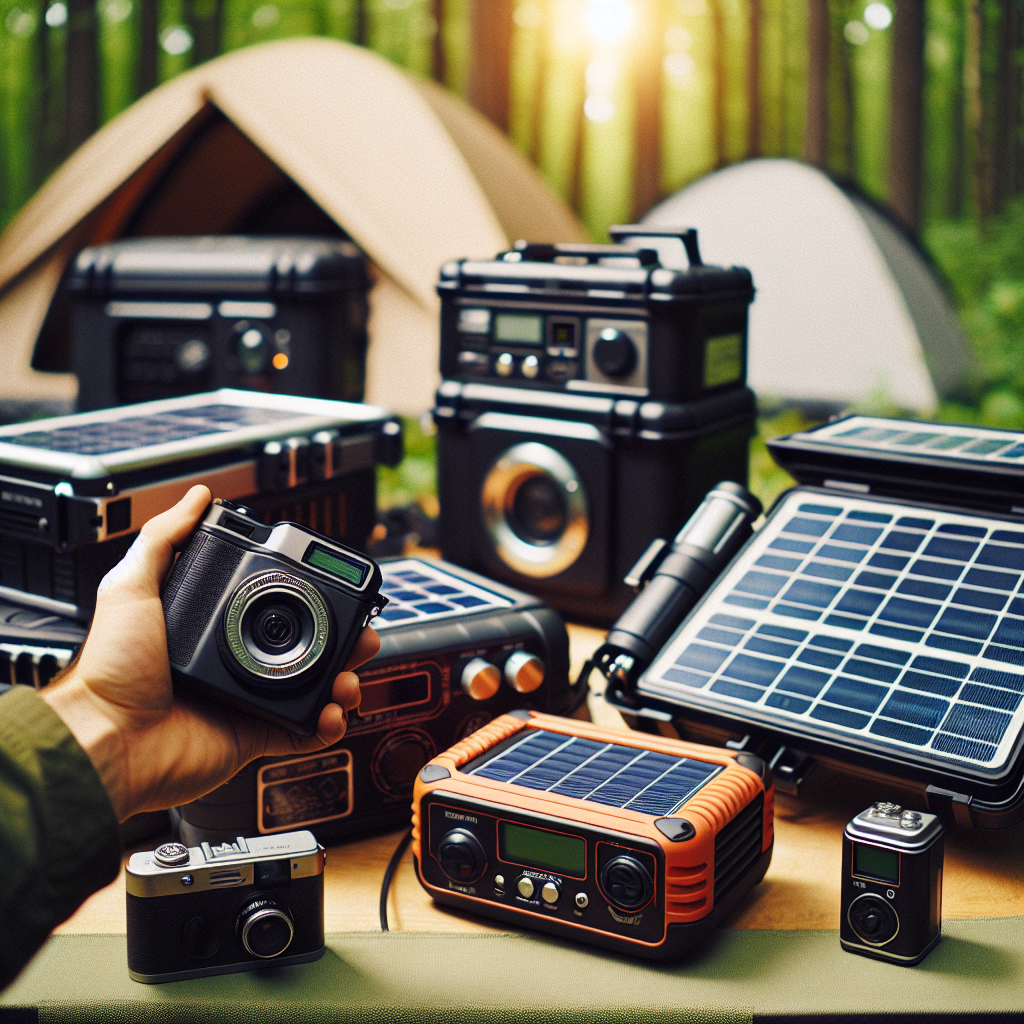
    Okay, so first off, let’s break it down. Portable solar generators are essentially power stations that harness energy from the sun. They’re a game changer for camping trips or when the power goes out. Wondering how they work? Well, they use solar panels to collect sunlight, convert it into electricity, and store it for use whenever you need it. Super neat, right?

    They’ve come a long way from the clunky machines of the past. These days, they’re compact, easily transportable, and can power a variety of devices. You can charge your phone, run your lights, or even power a mini fridge. If you’re heading out into the great outdoors or need a backup during an emergency, these generators are a lifesaver.

    Another cool thing? Many models come with multiple output ports, meaning you can plug in several devices at once. It’s like having a mini power grid right in your backpack! Now, you don’t have to sacrifice comforts while out camping or during unforeseen power outages.

    Key Features to Look For

    Battery Capacity

    So, if you’re searching for a portable solar generator, the battery capacity is one of the first things you’ll want to check out. Think of it like the size of the water tank – the larger the capacity, the longer you can run your devices. Most portable models range anywhere from 150 to 3000 watt-hours. For a weekend camping trip, something in the 300-600 watt-hour range is usually ample.

    But hey, don’t just focus on size; also consider how many devices you plan to power. If you’re planning on using multiple gadgets at once, a higher capacity will be essential. If you’re just charging your phone or running a small lantern, a smaller generator will do the trick.

    Also, check how fast it charges! A good generator should recharge substantially from both solar and AC sources. Because let’s face it, when you’re out camping, you don’t want to wait hours for it to juice back up!

    Portability and Design

    Weight and Size

    Now, let’s chat about portability. If you’re like me, you don’t want to lug around a ton of weight when you’re out in nature. Ideally, you’ll want a solar generator that’s lightweight and compact. Many of them weigh under 50 pounds, making them a breeze to carry. But don’t just grab the smallest one – it’s a balance between portability and performance.

    The size also matters! If you have limited space in your vehicle or camping gear, go for a design that fits well. Some have built-in handles, and others come with wheels for easy transport. Honestly, it’s worth trying them out in stores or checking the dimensions online so you know exactly what you’re getting into.

    Plus, some brands offer stylish designs! Who knew a portable power source could look so good? You might not be throwing a fashion show in the woods, but it’s nice to have something that doesn’t look ugly hanging out with your campsite gear.

    Solar Panel Efficiency

    Type of Panels

    When I dive into portable solar generators, one of the most crucial aspects is the efficiency of the solar panels. The type of panels used can make a significant difference in how much energy you’re collecting. Generally, there are two kinds: monocrystalline and polycrystalline. Monocrystalline panels are more efficient and take up less space, making them more desirable, especially for portable models.

    Polycrystalline panels might be cheaper but have a lower efficiency. If you’re going to be out there in the wilderness, you want every little bit of sun captured, right? I like to think of it as investing a little more upfront for a lot more energy later. Plus, better efficiency means faster charging times, which is a huge bonus on those grey, cloudy days.

    Also, consider how the panels fold or store away. Some models come with an easy-to-pack design that makes setup a breeze, while others might need some assembly. After a long hike, no one wants to struggle with complicated setup instructions!

    Budget and Value for Money

    How Much to Spend?

    Last but not least, let’s talk dollars and cents. The price of portable solar generators can vary widely, from a couple hundred bucks to several thousand. It can be tempting to go for the cheapest option, but trust me, you’ll want to find a balance between cost and quality. Invest a bit more and you’ll likely get a more reliable and durable unit that lasts longer.

    In my experience, figuring out what features you really need can save you a lot of cash. For example, if you don’t need hundreds of watts or multiple USB outputs, you don’t need to buy the top-of-the-line model. Shop around, compare features, and check reviews, because let’s be real, honest feedback from other campers can be gold!

    Lastly, keep an eye out for warranties. A long warranty can save you major headaches if your generator decides to quit on you unexpectedly. You don’t want to end up stuck with a dysfunctional pile of metal when you need it most!

    FAQ

    1. What can I power with a portable solar generator?

    You can power a variety of small electronics and appliances, including phones, lights, small refrigerators, laptops, and even some cooking devices, depending on the wattage of your generator.

    2. How long does it take to charge a solar generator?

    Charging time varies based on the solar panel output, battery capacity, and sunlight conditions. Generally, it can take anywhere from a few hours to a full day for an optimal charge with solar panels.

    3. Are portable solar generators noisy?

    Nope! One of the great things about solar generators is that they run silently compared to traditional gas generators, which is a huge plus when camping or in emergency situations.

    4. Can I use a portable solar generator indoors?

    Yes! Portable solar generators are safe to use indoors since they do not produce fumes or require fuel combustion, making them perfect for indoor backup power during emergencies.

    5. How often should I maintain my solar generator?

    Maintenance is pretty minimal. Regularly check the battery levels, clean the solar panels, and store it in a dry place. It’s also good practice to run it occasionally to ensure everything is functioning smoothly.

  • Solar vs Gas Generators: Which Really Saves More Money?

    Solar vs Gas Generators: Which Really Saves More Money?

    Initial Investment Costs

    Understanding Upfront Costs

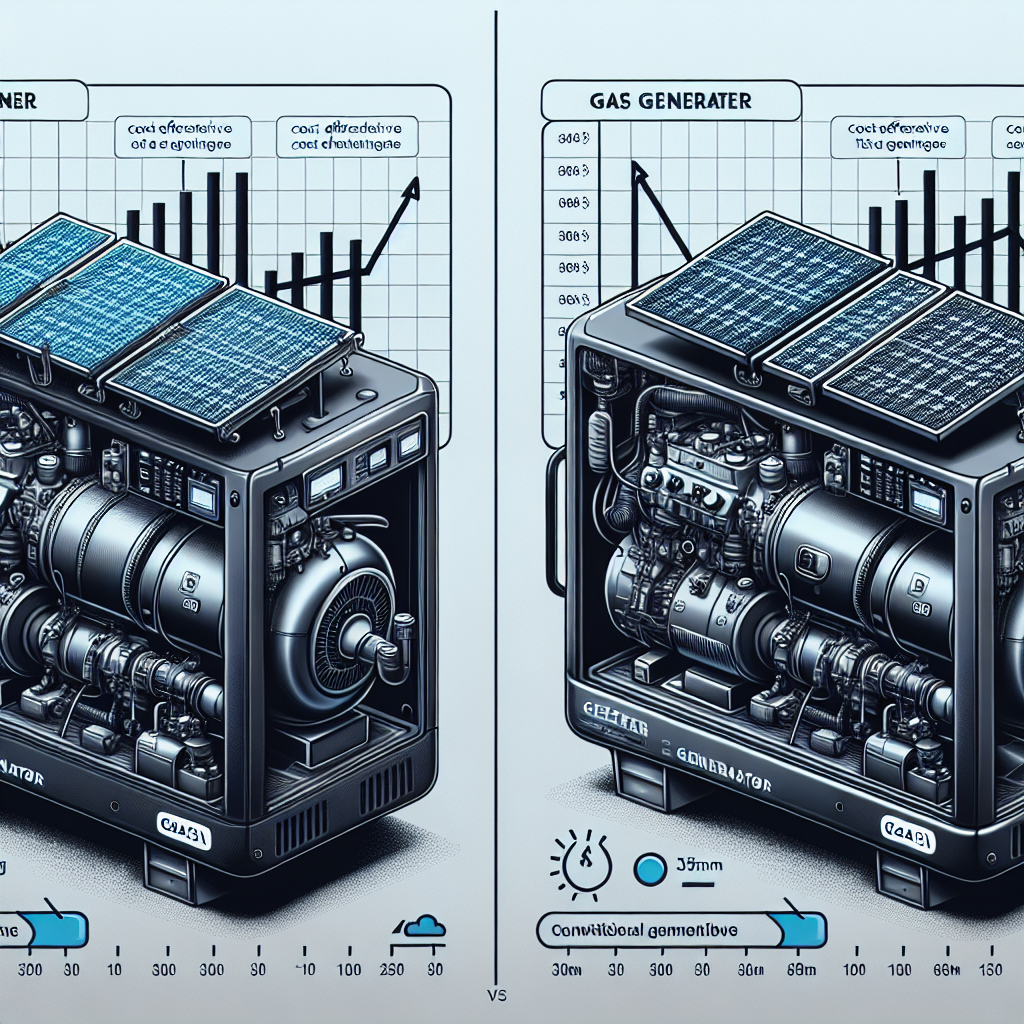
    So, first things first, when we dive into the world of generators, one of the biggest factors we need to consider is the upfront investment. Solar generators often come with a hefty price tag. We’re talking about the panels, the inverter, and of course, the storage system. My own experience has shown me that an average solar setup can run anywhere from $5,000 to $30,000, depending on how extensive your needs are. You gotta weigh that against a gas generator, which could set you back anywhere from a few hundred bucks to a couple thousand.

    But don’t let the initial sticker shock deter you. Solar energy is an investment that can pay for itself over time, especially if you live in a sunny area that benefits from electricity savings. Gas generators, while cheaper upfront, typically require more frequent replacements, maintenance checks, and fuel purchases. That’s where the hidden costs start to pile up!

    In my experience, taking a good look at your budget can really help you assess what works best for you in the long run. Do you have a lump sum ready for the solar setup, or would it be easier to manage smaller gas generator costs? It’s all about strategy!

    Operating Costs

    Fuel Expenses

    Let’s talk about operating costs for a moment. This is where I’ve really seen both sides of the coin with solar and gas generators. Gas generators need, well, gas! And prices at the pump can be all over the place. You might find yourself suddenly dishing out more money than you planned just to keep that thing running. It’s a running expense that just doesn’t quit.

    On the flip side, once you’ve installed your solar panels, your fuel is essentially free. The sun shines every day, and if you’re set up well with a good battery system, you’re not tied down to the world of fluctuating gas prices. I once went a whole summer without paying a dime on electricity bills, and it was amazing!

    Plus, let’s not forget maintenance costs. Gas generators require regular oil changes, filter replacements, and more. You may even find yourself calling in a technician from time to time for repairs. With solar, other than cleaning your panels occasionally, you’re pretty much set!

    Efficiency and Performance

    Assessing Energy Output

    Next, we’ve got efficiency and performance. Many people think, “Hey, a gas generator cranks out a ton of power!” And yes, they do deliver a substantial punch, especially for heavy-duty needs. However, think about this: solar panels convert sunlight to electricity more efficiently than ever before.

    On a sunny day, my solar setup has pumped out more energy than I could use, allowing me to send some back to the grid or store it for later. Gas generators can struggle with peak demand, leading to potential performance issues that could leave you in the lurch during crucial moments.

    Have you ever been in a situation where you need that power right away? Knowing my system is reliable and efficient is a game changer. I honestly feel a sort of peace of mind when I’m running on solar, versus the nervousness that sometimes hits when running a gas generator could fail me during those critical moments.

    Environmental Impact

    Going Green

    Now, let’s get real about the environment. Solar energy is clean, renewable, and contributes to reducing your carbon footprint. In my own case, I’ve seen the difference it can make to go solar—not just in my bills, but in how I feel about my impact on the planet.

    Gas generators, on the other hand, while useful, burn fossil fuels and emit greenhouse gases that contribute to climate change. Trust me, every time I fill up my gas can, I feel a little twinge of guilt. It’s a reminder that even though it’s convenient, there’s a long-term cost to our planet.

    There’s something gratifying about harnessing energy from the sun. I can throw parties without feeling bad about our environmental choices. Knowing that I’m part of a solution is very rewarding and adds to my overall happiness.

    Incentives and Financial Benefits

    Tax Credits and Rebates

    Let’s talk money again but in a different way—tax credits and rebates! When you decide to invest in solar, there are often incentives available that can seriously cut down your costs. For example, in many places, you can receive a tax credit on your solar investment, which could be 26% or more! That’s a big deal!

    Gas generators don’t come with the same perks. Sure, they might be cheaper upfront, but you don’t see tax deductions for maintaining fossil fuel systems. You might even end up paying more over time with added fuel and maintenance costs.

    It’s worth doing a little research into your local incentives because they can make a significant difference in the financial decision-making process for solar energy. When I found out about the rebates in my area, switching to solar felt even more like the logical choice.

    Frequently Asked Questions

    1. Which generator option is cheaper in the long run?

    Generally, solar generators can be cheaper in the long run because they don’t have ongoing fuel costs like gas generators do. The upfront cost may be higher, but the savings on electricity and minimal maintenance can tip the scales in your favor.

    2. How do I determine my energy needs?

    Assess your power consumption by reviewing your previous utility bills, or use a device to measure the energy usage of your appliances. Knowing how much energy you need will help you choose the right generator.

    3. Is solar energy reliable?

    Yes! Solar energy is reliable, especially if you have a good storage system in place. While weather affects solar output, advancements in technology have made systems more efficient and dependable.

    4. What are the maintenance requirements for solar vs. gas generators?

    Solar panels require minimal maintenance, typically just cleaning them occasionally. Gas generators need regular oil changes, filter replacements, and may require more frequent repairs.

    5. Can you really save money with solar panels?

    Absolutely! Many homeowners see substantial savings on their electricity bills after going solar, and you can capitalize on tax incentives that make going solar even more affordable.

  • The Benefits of Solar Generators for Emergency Preparedness

    The Benefits of Solar Generators for Emergency Preparedness

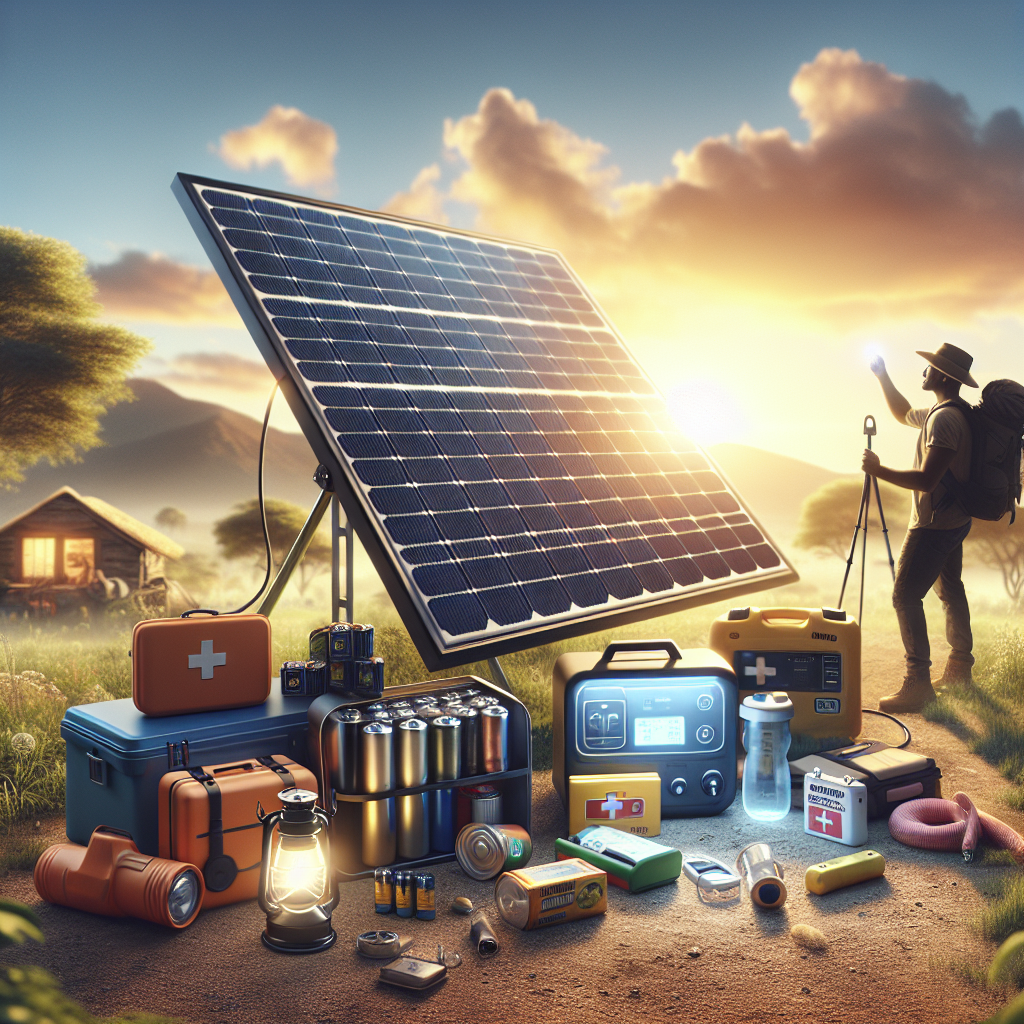
    As we all know, unforeseen emergencies can strike at any moment. Whether it’s a hurricane, wildfire, or a snowstorm, being prepared for power outages is crucial. One tool I’ve come to rely on is the solar generator. In my journey of prepping, I’ve discovered several noteworthy benefits of using solar generators for emergency preparedness. Let’s dive into the main areas that highlight these benefits!

    Clean and Renewable Energy Source

    Sustainability at Its Best

    What I absolutely love about solar generators is that they utilize sunlight, one of the most abundant and clean energy sources available. Unlike traditional generators that often rely on fossil fuels, solar generators produce power without emitting harmful pollutants. This not only helps reduce my carbon footprint but also supports the planet’s health.

    Whenever I use my solar generator, I feel good knowing that I’m doing my part to promote sustainability. It’s like giving Mother Earth a helping hand. Plus, during emergencies where conventional power sources might fail or be unavailable, solar energy is still there—waiting for us to soak it up!

    Not to mention, operating on renewable energy means I’m prepared for a longer duration with fewer environmental impacts. It really makes solar generators a win-win for both personal preparedness and ecological responsibility.

    Independence From the Grid

    Another major perk of solar generators is that they grant me a sense of independence from the traditional power grid. In a world where power outages can leave us feeling helpless, having my own self-sustaining power source is empowering. When storms hit and knock out power lines, I never panic because I know I’ve got backup.

    Imagine sipping coffee in your cozy home during a blackout, knowing that you can power essential devices like your fridge or phone. That’s the reassurance I get when using my solar generator. This independence allows me to remain self-sufficient and enjoy more peace of mind during an emergency.

    Plus, independence from the grid means I don’t have to worry about skyrocketing energy bills or fuel supply shortages. I can soak up the sun and harness that energy at no additional cost, which is pretty awesome!

    Portability and Ease of Use

    Let’s get real—one of the coolest things about solar generators is their portability. Many models are lightweight and designed for easy transport. As someone who’s always on-the-go, I find it super convenient to carry my solar generator to different locations, whether it’s camping, tailgating, or even in the backyard during a barbeque.

    Setting it up is a breeze, too! All you need to do is place it in a sunny spot, connect your devices, and voilà! It’s so simple that even my less tech-savvy friends can figure it out. That ease of use is what makes it a perfect tool for everyone, not just tech enthusiasts.

    In emergencies, portability becomes even more critical. If I ever need to evacuate or relocate due to an emergency, having a solar generator that I can easily take with me ensures that I’ve got power no matter where I am.

    Versatility in Powering Devices

    Charge Multiple Devices

    One of the fantastic features of solar generators is their ability to power multiple devices at once. Whether it’s charging my smartphone, powering a small fridge, or keeping lights on, a solar generator can handle it! I remember one stormy night when the power went out, and I was able to charge my phone, keep my laptop running, and use a small fan – all at the same time.

    This versatility means I can remain connected and comfortable during emergencies. I’ve also used my generator for outdoor activities, powering speakers for music or even running a laptop for work—it’s powerful enough to handle whatever I throw at it.

    The various ports available on most solar generators allow me to connect everything from USB devices to larger appliances, which makes it an incredibly functional tool to have on hand.

    Backup for Essential Appliances

    Another benefit I’ve found is that solar generators can act as a reliable backup for essential appliances. In a power-out scenario, the fridge is usually the first thing on my mind. Losing food is the last thing I want to experience, especially during emergencies. Luckily, I can plug in my fridge and keep my groceries safe until the power returns.

    When prepping for any situation, I always make sure that my generator can handle the crucial appliances I need. This might include lights, a coffee maker, or a water purification system—basically anything that contributes to my comfort and safety during rough times.

    This feature distinguishes solar generators from other emergency power options. I don’t only have power; I have the right amount of power to stay prepared and safe.

    Cost-Effective in the Long Run

    Investing in a solar generator can seem like a hefty sum at first, but let me tell you, it’s a cost-effective choice in the long run. Given that it uses sunlight, I’m not paying for fuel or electricity every time I need it. In addition, there are often grants, rebates, or incentives available that can help offset initial costs.

    Overall, when I think about future expenses for fuel or maintenance on traditional generators, the financial logic becomes clear. With a solar generator, I essentially have zero operating costs once it’s purchased. Just think about that! It’s a bit of an upfront investment, but the long-term savings make it worthwhile.

    Moreover, as energy prices are continually fluctuating, having a backup power source that operates independently allows me to sidestep those rising costs. A solar generator really becomes a cost-saving champion during emergencies.

    Environmental Impact and Contribution

    Reducing Carbon Footprint

    One of my favorite aspects of solar generators is their positive impact on the environment. By utilizing solar power instead of fossil fuels, I actively contribute to reducing my carbon footprint. Every time I hook up my solar generator, I remind myself that I’m using clean energy, which energizes my passion for sustainability.

    Environmental issues are serious, and I feel that even small actions can contribute to the bigger picture. When I choose to rely on solar energy, I’m doing my part to help mitigate climate change, preserve natural resources, and protect wildlife.

    Making environmentally-friendly choices doesn’t have to be daunting; using a solar generator is a simple yet impactful step I can take to promote a greener planet.

    Encouraging Others to Go Green

    When friends and family see me using my solar generator, they often get curious and ask questions. This has led me to share my knowledge and experiences—and, who knows, maybe inspire them to make similar choices. It feels great to promote green energy solutions within my community and foster conversations on sustainability.

    Using a solar generator at home also prompts discussions about renewable energy when guests are around. It’s a great way to educate and encourage others to reconsider their energy consumption habits and explore cleaner energy options.

    The ripple effect of encouraging my network to embrace greener practices can be significant. As more people move towards sustainable choices, I believe we can collectively make a difference in protecting our planet for future generations.

    Promoting Innovation in Energy Technology

    Lastly, the rise in popularity of solar generators is driving innovation in energy technology. The more people who utilize solar power, the more attention gets directed toward research and development. This means advancements in efficiency, battery storage, and overall energy technology are likely to continue growing.

    When I invest in a solar generator, I’m not just prepping for emergencies; I’m also supporting the industry that’s paving the way toward a cleaner and more sustainable future. Companies are motivated to innovate, knowing consumers are seeking out energy solutions that align with eco-friendly values.

    As consumers, our choices matter. Choosing solar generators not only benefits our immediate situation during emergencies but also contributes to a thriving market for sustainable energy solutions. Trust me, it makes a difference!

    Frequently Asked Questions

    1. What are the key benefits of using a solar generator during emergencies?

    The major benefits include clean energy sourcing, independence from the grid, portability, versatility in powering devices, and long-term cost-effectiveness, all of which significantly contribute to emergency preparedness.

    2. Can solar generators power large appliances?

    Yes, many solar generators are capable of powering both small and large appliances, provided they have adequate wattage capacity. That’s why it’s essential to check the specs to ensure it meets your needs.

    3. How do solar generators help the environment?

    Solar generators use renewable energy from the sun, leading to a decrease in carbon emissions. By relying on solar power, you’re making a commitment to reducing your carbon footprint and promoting sustainability.

    4. Are solar generators easy to transport?

    Absolutely! Most solar generators are lightweight and designed for portability, making them easy to take anywhere—whether it’s for camping trips or in case of emergency relocations.

    5. Do solar generators have any ongoing costs?

    No, once you purchase a solar generator, there are typically no ongoing fuel or electricity costs. They operate on free sunlight, making them very cost-effective in the long run.

  • The Role of Solar Generators in Sustainable Living

    The Role of Solar Generators in Sustainable Living

    Harnessing Clean Energy

    Understanding Solar Energy

    When I first dipped my toes into the world of solar energy, I was amazed at how basic sunlight could be converted into something so useful! Solar energy harnesses the sun’s power through photovoltaic cells, which create electricity. This is a game changer for anyone living a sustainable lifestyle because it’s renewable and abundant. Imagine switching on your appliances without a worry of depleting resources!

    Plus, using solar generators eliminates reliance on fossil fuels, greatly reducing greenhouse gas emissions. I can’t stress enough how important it is to shift towards cleaner energy sources. It not only benefits our planet but also lowers our energy bills in the long run. Trust me, it feels great to know I’m doing my part for the Earth!

    To really understand solar energy, I would encourage you to research how solar panels work. The more you know, the more engaged you’ll feel in making eco-friendly choices. It’s quite a fascinating subject that’s easier to grasp than it seems at first glance!

    Benefits of Clean Energy

    One major perk I’ve noticed is how solar generators can help decrease my electrical bills significantly. By producing my own power, I’ve seen my monthly costs drop, which is a win-win situation. Not only that, but I also love the fact that solar generators can contribute to energy independence. We shouldn’t have to rely solely on large energy companies that don’t always have our best interests at heart.

    Moreover, the positive environmental impact really strikes a chord with me. With climate change being such a pressing issue, adopting sustainable practices like using solar generators contributes to reducing our carbon footprint. Every little bit adds up, and knowing I’m part of that solution gives me a sense of fulfillment.

    Lastly, having a solar generator is fantastic for emergencies. I sleep better at night knowing that if there’s a blackout, I’ve got backup power at my fingertips. It’s all about comfort and security in our chaotic world!

    Solar Generators and Their Portability

    One thing I truly love about solar generators is their portability. Unlike traditional energy solutions, solar generators can be used in various locations. I can take mine camping, tailgating, or even to a family picnic! You can literally set up your generator and power up your devices wherever you are. It’s like having a tiny power plant in your backpack!

    This portability means I can stay connected without using fossil fuels, which is super appealing. I feel great about reducing my carbon footprint while enjoying the great outdoors. It’s wild how something so simple can foster a deeper connection with nature!

    And if you’re thinking of tailing your adventures with friends, you can even share the power! I’ve powered up friends’ devices during our camping trips, making the experience all the more enjoyable and connected. It’s perfect for those who love the outdoors without wanting to sacrifice the comforts of technology.

    Cost-Effectiveness of Solar Generators

    Initial Investment vs. Long-Term Savings

    Initially, I hesitated at the thought of investing in a solar generator. Let’s be real—those upfront costs can sting a little. However, I’ve come to realize that they’re essentially an investment in my future. In a few years, I’ve started to see a noticeable reduction in my electricity bills, which makes that initial investment feel justifiable.

    Moreover, many governments offer incentives and tax breaks for those who go solar. Keeping track of these incentives has been super helpful for my wallet. I encourage everyone to do their research—these benefits can significantly offset the initial costs, making solar generators even more appealing!

    As I look down the road, it feels reassuring to know that I won’t be affected by rising utility prices. If anything, my dependence on traditional forms of energy diminishes. It’s empowering knowing I’m working towards energy autonomy!

    Maintenance Costs

    When investing in a solar generator, one question that pops to mind is, “What about maintenance?” Honestly, I’ve found that the maintenance costs are quite minimal. A solar generator generally requires very little upkeep compared to other powering options. Occasionally, I wipe down the panels and check the battery level, but that’s about it!

    This simplicity means that once you’ve set everything up, you’re free from those pesky maintenance worries that plague fossil fuel generators. It offers peace of mind that I didn’t expect. Plus, who doesn’t love the idea of low maintenance?

    It’s liberating to know that as long as the sun shines, I’ve got an effective energy source with very little hassle! That creates more time for leisure, and let’s be real, that’s something we can all appreciate.

    Return on Investment

    Over the months, I’ve calculated my savings from using a solar generator. Let me tell you—seeing those numbers adds up quickly! Not only have I cut down on my electric bills, but I’ve also gained more energy independence. It’s like getting a sweet return on an investment that keeps giving back year after year.

    As the years go by, I’ll likely recover my initial costs and move into the realm of pure savings. I keep telling my friends that if they’re serious about sustainability, they should start considering a solar generator! The ROI isn’t just financial though; it’s also about peace of mind and doing something good for the planet.

    Knowing I’m contributing to a cleaner environment while benefiting financially is the kind of double win I can only encourage others to explore. The future is green, my friends, and it’s time to be part of that movement!

    Applications of Solar Generators

    Home Energy Supply

    I absolutely love the versatility of solar generators for home energy supply. During power outages, I find solace in knowing I’ve got backup at my fingertips! I can power my fridge, keep my devices charged, and even run essential medical equipment if need be. It’s a comforting notion in today’s unpredictable world.

    The ability to provide power for small appliances and electronics gives me and my family peace of mind. Sometimes, all it takes is that extra boost of power to ensure everything functions smoothly when the grid goes offline. It’s pretty empowering!

    Plus, owning a solar generator helps me encourage friends and family to consider their own sustainable energy solutions. It’s a chain effect that I’m proud to be part of—and more people should join in and explore this alternative lifestyle!

    Outdoor Adventures

    One of the coolest parts about having a solar generator is how it revolutionizes outdoor adventures! Whether I’m camping, hiking, or picnicking, I can still enjoy the comforts of electricity. Cooking meals on my portable stove, charging my phone, or even setting up a mini movie night under the stars—all possible because I brought along my trusty solar generator!

    And oh, the looks of surprise I get when I power up my devices while surrounded by nature! It’s a nice twist on the standard camping experience. I love showcasing how we can connect to the natural world while still enjoying tech enhancements!

    It opens the door to endless possibilities for leisure and creativity during outdoor events. Just imagine having sweet tunes blasting while you and your pals roast marshmallows around a campfire—that’s a vibe I’ll never get tired of!

    Business Uses

    Solar generators are not just for personal use; they’re also changing the game for businesses! As someone who has always been a fan of sustainability, it makes sense that more companies are turning to solar generators to reduce their energy costs. It’s an opportunity for businesses to showcase their commitment to green practices.

    Imagine a local shop powered by clean energy! It resonates with customers who are increasingly focused on sustainable purchasing options. I’ve noticed that this trend strengthens customer loyalty. People feel good about supporting businesses that align with their values.

    Additionally, for those involved in event planning, having solar generators on hand can power everything from lighting to sound systems. More events are opting for eco-friendly power solutions, and it’s exciting to see businesses lead the charge toward sustainability!

    Conclusion: Embracing a Sustainable Future

    As I wrap up this exploration of solar generators and their role in sustainable living, I can confidently say that choosing solar is a lifestyle shift that brings countless rewards. From harnessing clean energy to experiencing long-term savings and enjoying the versatility they offer, every aspect excites me. It’s like transforming how we view power and our relationship with the environment!

    You don’t have to be an eco-warrior to appreciate the benefits that solar generators can bring to our lives. I personally think we should all embrace this shift towards a greener future—where every bit counts, and we invest in our planet while enjoying modern conveniences.

    So, if you haven’t already, I urge you to consider how solar generators can fit into your life. The journey to sustainability is truly a collective one, and every individual effort helps steer our planet towards a brighter future!

    FAQ

    1. What exactly is a solar generator?

    A solar generator is a device that converts sunlight into electricity and stores it for later use. It allows you to power various devices without relying on traditional energy sources.

    2. How much can I save on my electricity bills by using a solar generator?

    This can vary based on your energy consumption, but many users experience significant savings over time. As solar energy is free, the more you rely on it, the more money you potentially save!

    3. Do solar generators require a lot of maintenance?

    Nope! Solar generators generally require minimal maintenance—usually just cleaning the panels occasionally and checking the battery levels to ensure optimal performance.

    4. Can I use a solar generator for camping?

    Absolutely! That’s one of the best uses for a solar generator. They’re portable and perfect for camping trips, allowing you to power up devices and appliances on-the-go.

    5. Are there government incentives for using solar generators?

    Yes, many governments offer tax rebates and incentives for using solar energy, which can help offset your initial costs. It’s always a good idea to check local policies to see what’s available!

  • The True Cost of Solar Generators: Is It Worth It?

    The True Cost of Solar Generators: Is It Worth It?

    Initial Purchase Costs

    Understanding the Price Tag

    When I first started looking into solar generators, I was taken aback by the upfront costs. It’s not just a casual trip to the store; we’re talking about investments that range from a few hundred to a couple thousand bucks! This can be quite the sticker shock, especially if you’re used to regular electric generators that might seem significantly cheaper at face value.

    But here’s the kicker: solar generators often come with a longer lifespan. They might hit your wallet hard initially, but if you think of it as a long-term investment, the price starts to make a bit more sense. It’s important to consider factors like warranty and brand reputation when making your choice.

    Don’t forget about the accessories! Things like solar panels may not be included in the base price of the generator. Make sure to account for those extra costs when you’re budgeting, so you don’t end up in a pickle later on.

    Cost vs. Performance

    In my experience, performance and reliability are things you definitely want to pay attention to. Some solar generators may be priced lower, but when it comes to actually powering your devices, they can fall flat. Keep an eye on the wattage and battery capacity, which are key indicators of how much they can handle.

    I learned this the hard way during a camping trip, where my not-so-expensive solar generator struggled to keep my small fridge running. I ended up wishing I had pushed my budget a bit for something that could deliver. The right generator can save you money in the long run by reducing reliance on gas or other fuels, which are continually on the rise in price.

    In essence, while the initial purchase price is important, think of it as a part of the whole picture, rather than the sole factor. A higher initial investment can often lead to a better user experience and save you more dough in the long run.

    Operating Costs

    Maintenance and Upkeep

    Talking about operating costs, there’s a silver lining with solar generators: they often require less maintenance compared to gas generators. Since there are fewer moving parts, things like oil changes and air filter replacements are a thing of the past!

    However, do keep in mind that solar panels need cleaning. Dust and debris can hinder their performance, and unexpected repairs down the line can pop up. It’s always smart to set aside a little extra in your budget for those random maintenance tasks that can sneak up on you.

    In my experience, staying proactive with maintenance can save you money. Regular checks and cleaning can extend the life of your generator significantly, making those occasional costs worthwhile.

    Energy Costs and Savings

    One of the biggest benefits of going solar is, of course, the energy savings. With solar generators, you’re literally harnessing the sun’s energy for free! Depending on your location and energy needs, this can cut down your electricity bill substantially.

    My own solar generator has cut my energy costs in half. That feels like a huge win! Just be sure to calculate how much you use versus what your generator can provide—you don’t want to run your fridge and microwave simultaneously unless you’re 100% sure it can handle it.

    Also, keep an eye out for incentives! Many places offer tax breaks or rebates for going solar, which can really help offset initial costs when you’re just starting out.

    Environmental Impact

    Reducing Your Carbon Footprint

    Now, let’s talk about the feel-good aspect of solar generators: the environment. Using solar power means reducing your carbon footprint and contributing to a healthier planet. I mean, who doesn’t want to save the Earth while saving some bucks?

    Switching to renewable energy like solar can play a substantial role in battling climate change. It’s a step in the right direction—not only for you but for future generations as well.

    Plus, depending on where you live, you can boost your green credentials and sometimes even increase your property value if you go solar. It’s a win-win situation for homeowners looking to be more eco-friendly!

    Noise and Pollution Reduction

    Another huge plus with solar generators is the absence of noise and air pollution, compared to traditional generators. You won’t have to deal with the deafening roar of gasoline engines, which is especially nice during a peaceful camping trip.

    I’ve had the pleasure of enjoying the tranquility of nature without the nuisance of annoying engine noise flooding the campsite. Solar generators are remarkably quiet, letting you truly connect with your surroundings.

    In my experience, it’s super refreshing to know that my energy source doesn’t emit harmful fumes while I’m out enjoying the great outdoors or even just chilling at home.

    Long Term Value

    Durability and Lifespan

    Long-term value is often measured by how long the product will last versus how much you paid for it. Solar generators are generally built to last, especially if you go with reputable brands. Their battery life and performance can often outweigh the initial sticker shock over the years.

    I learned this when choosing between a cheaper model I was drawn to and a pricier option with rave reviews. I decided to invest in the more reliable one, and wow—years later, I still haven’t faced any major issues. It’s proven to be well worth every penny!

    And let’s not forget about advances in technology. As solar tech continues to improve, older models often become obsolete faster. So investing in a quality unit can mean more longevity—something to consider when thinking about your final choice!

    Resale Value

    If you ever decide to sell your solar generator, you’ll be glad to know they often retain a decent resale value. This is especially true for well-maintained units. People are increasingly looking into second-hand solar generators, which can give you a good chunk of change if you decide to upgrade.

    It’s great knowing that what I invested in has not only lessened my bills but then can also put some money back in my pocket down the road. Plus, it’s an appealing selling point for eco-minded buyers!

    Keep in mind that having documentation of your maintenance and usage history can help bolster resale value as well. It’s always good to show potential buyers that you’ve taken care of it.

    Conclusion

    So, is it worth it? Absolutely, but like any major purchase, it’s key to weigh those upfront costs against the long-term savings, performance, and environmental benefits. Personally, I wouldn’t switch back to traditional generators if you paid me; the advantages I’ve experienced truly outweigh all the cons. Dive deep, assess your needs, and make the best choice for you, but rest assured that the world of solar generators is a bright one!

    FAQ

    1. Are solar generators worth the initial investment?

    Yes, while the initial cost may seem high, solar generators often pay off in the long run through energy savings and less maintenance. They also provide a cleaner source of energy.

    2. How long do solar generators typically last?

    Most solar generators can last over 10 years with proper care and maintenance. Investing in a quality brand can extend that lifespan even further.

    3. Do solar generators require a lot of maintenance?

    No, solar generators typically require much less maintenance compared to gas generators. You’ll need to occasionally clean the solar panels and check the battery performance.

    4. Can solar generators power my home during an outage?

    Yes, solar generators can power your home during outages, depending on the wattage and battery capacity. Planning and knowing your essential load can make a big difference!

    5. Are there financial incentives for purchasing a solar generator?

    Yes, many areas offer incentives such as tax credits or rebates for solar energy purchases. Be sure to check with your local government or solar provider for available programs.

  • How Solar Generators Save Money During Power Outages

    How Solar Generators Save Money During Power Outages

    Reliability During Emergencies

    Peace of Mind When the Lights Go Out

    There’s nothing quite like sitting in the dark during a power outage, worrying about when the power will come back on. With a solar generator, I’ve found a reliable backup that gives me peace of mind. It’s a fantastic feeling to know that when the grid goes down, I can still power essential appliances like my fridge or Wi-Fi router.

    The moment the power outage hits, I’ve learned that my solar generator kicks in seamlessly, thanks to the stored energy from the sun. No loud gas-powered generators or frantic searches for candles; just a smooth transition to a more reliable energy source. This reliability is crucial, especially when you’ve got kids or pets depending on you.

    It’s all about having that security. You’re not left wondering if your food will spoil or if the kids can still watch a movie during a storm. All of this together gives a solid sense of safety, knowing you can navigate through the storm without too much disruption.

    Reducing Dependence on the Grid

    Empower Yourself with Solar Power

    Let’s talk about how solar generators can reduce your dependence on the grid. Initially, I was a little skeptical, but after doing some research, I realized that harnessing solar energy allows for greater independence. When I used to rely solely on my utility provider, outages would leave me entirely vulnerable.

    With a solar generator, I’m not just saving bucks, but I’m also putting power back in my own hands. I’ve learned that by becoming less reliant on the grid, I can control my energy needs, especially in emergencies. That’s a real game changer!

    This empowerment fundamentally changes how you view your energy consumption. Instead of waiting helplessly for the utility company to restore power, you are actively engaged in producing and using your own energy. It’s liberating and can save you money in scenarios when the grid fails.

    Lower Energy Costs

    Save Money Even When the Sun is Shining

    One of the biggest perks of using a solar generator is how it can ultimately save you money. While there’s an initial investment needed, I’ve noticed that my bills have significantly decreased since incorporating solar into my life. On sunny days, the energy captured can really cut down on using grid power.

    Some folks forget that every kWh you don’t consume from the grid is money saved. Plus, during an outage, my generator means I spend less on purchasing expensive options like gas. The more I’ve learned about solar energy, the clearer it became that harnessing that energy is a smart financial decision!

    Let’s not forget about those sweet tax incentives and rebates. They can soften the blow of your initial costs incredibly. It’s like Uncle Sam giving you a high-five for going green, and frankly, who doesn’t love that?

    Environmental Benefits

    Making a Positive Impact

    When I decided to invest in a solar generator, it wasn’t just about saving money; I wanted to make a difference too. By using solar power, I’m significantly reducing my carbon footprint. With every sunny day, I feel good knowing I’m contributing to a larger cause—helping the environment!

    We all know that climate change is a huge issue. By choosing solar, I’ve become part of the solution rather than contributing to the problem. Less reliance on fossil fuels means cleaner air and a healthier planet. It’s rewarding knowing my energy choices reflect my values.

    If everyone made similar choices, just imagine the positive impact it could have! Living sustainably not only benefits us but also future generations, making it a sweet deal all around.

    Versatility and Portability

    Energy on the Go

    One of the things that truly thrill me about solar generators is their versatility. I’ve often utilized mine for camping trips, outdoor events, or even backyard parties. Having portable power opens up so many possibilities! It’s not just there for home emergencies; it’s my go-to energy source when I’m out enjoying nature or just hanging out in the yard.

    When I’m on a camping trip, it’s great to power my gadgets and tools without scrambling for an outlet or using a noisy generator that ruins the peaceful vibes. Plus, they’re usually lightweight and easy to transport, so taking them with me is such a breeze.

    This versatility also allows me to use the generator for small-scale needs outside my house. Powering things like lights, speakers, and even a mini fridge becomes effortless when I’m on the move. It’s energy freedom at its best!

    FAQs about Saving Money with Solar Generators

    1. How do solar generators work?

    Solar generators capture sunlight through solar panels and convert it into electricity. This electricity is stored in batteries for later use during power outages or when needed, as long as there’s sunlight to recharge.

    2. Are solar generators expensive?

    While the initial costs can be higher than traditional generators, many find that the long-term savings on energy bills and the environmental benefits make them a more cost-effective choice over time.

    3. Can I use a solar generator indoors?

    It’s essential to follow manufacturer guidelines, but many certified solar generators are safe to use indoors, as they don’t produce harmful emissions like gas-powered generators.

    4. Do solar generators work on cloudy days?

    Yes! Solar generators can still generate power on cloudy days, although not as efficiently as sunny days. However, their batteries store energy for use when sunlight is low.’

    5. Can I connect a solar generator to my home’s electrical system?

    In many cases, yes! With the proper setup, you can connect a solar generator to your home’s electrical system to provide backup power during outages. Just make sure to consult with a professional to ensure it’s done safely.

  • The Role of Solar Generators in Disaster Preparedness Plans

    The Role of Solar Generators in Disaster Preparedness Plans

    Understanding Solar Generators

    What Are Solar Generators?

    To kick things off, let’s talk about what solar generators actually are. At their core, they’re systems that convert sunlight into usable electricity. These bad boys are equipped with solar panels, a battery to store the energy, and an inverter that helps power your devices. From my experience, they’re pretty nifty and can be lifesavers in tough situations!

    When the sun is shining, these generators work hard to soak up that energy. It’s like having a mini power plant right in your backyard. They can charge batteries during the day and keep your essential devices running when the lights go out. And believe me, being able to watch your favorite show or keep your phone charged during a storm makes all the difference.

    Also, here’s a fun fact: solar generators produce clean energy! That means less pollution and a smaller carbon footprint, which is something we all can get behind. It feels good to know you’re using sustainable energy during a disaster—it’s like helping Mother Earth while prepping for the unexpected!

    Importance of Backup Power During Disasters

    Why Backup Power is Essential

    Disasters can strike at any moment, and when they do, having backup power is crucial. You never know when natural disasters like hurricanes, floods, or wildfires might cut off your power supply. Trust me, it’s one of those situations you want to be prepared for. Getting caught without power can turn a stressful situation into total chaos.

    Having a solar generator means you can still power essential items like lights, refrigerators, and medical devices. I’ve been in situations where not having backup power can lead to a whole host of issues, including spoiled food or, worse, a lack of communication with loved ones.

    Moreover, backup power can be a source of comfort. Feeling secure knowing you have enough resources to keep you and your family safe can make all the difference. When everyone else is in panic mode, you can relax a little, knowing you’re set up for success.

    Choosing the Right Solar Generator

    Factors to Consider

    Choosing a solar generator can feel overwhelming—I get it! There are so many options on the market, and they vary in size, capacity, and price. First, think about the devices you need to power. Make a list of your essentials and calculate how much power you’ll need during an emergency. This is the number one thing to do to avoid a big headache later on!

    Next, check the battery capacity of the generators you’re looking at. Bigger isn’t always better, but you want something that can hold enough juice to power your essentials for a certain amount of time. If you’re planning on running larger appliances, you’ll definitely need a more robust generator.

    Lastly, don’t forget about portability. If you ever need to hoof it out of dodge, you want a generator that you can easily transport. Some models come with wheels, while others are small enough to carry. It’s amazing how much easier life is when you have something that’s user-friendly and easy to manage.

    Solar Generators in Emergency Plans

    Integrating Solar Generators into Your Emergency Kit

    Having a solar generator is just the tip of the iceberg when it comes to disaster plans. You’ve got to think about how they fit into your overall emergency kit. I always recommend establishing a comprehensive plan that includes all the essentials, and obviously, your solar generator is a key piece of that puzzle.

    Make sure you have all the necessary cords and connectors readily available. There’s nothing worse than having a generator but realizing you don’t have the right cables to plug in your devices! Organizing everything in one location makes it easy to grab and go when the need arises.

    Also, practice using your solar generator! Familiarizing yourself with its operation can save you a lot of time and stress during an actual emergency. Trust me; you don’t want to be fumbling around when the situation turns serious.

    Maintenance and Care for Your Solar Generator

    Keeping Your Generator Ready for Action

    Owning a solar generator means you also have to take responsibility for its upkeep. Like any piece of equipment, it needs a little TLC now and then for maximum efficiency. Start with regular checks—make sure the solar panels are clean and free of debris. Believe me, a little maintenance goes a long way!

    Also, keep an eye on the battery health. Many generators come with built-in monitors to help you stay on top of things. Staying aware of the battery’s charge level will help you avoid surprises when the power goes out.

    Lastly, if you haven’t used your solar generator in a while, do a test run to make sure everything works just as it should. You don’t want to find out the hard way that something’s off when you really need it!

    FAQs

    1. What is a solar generator?

    A solar generator is a device that converts sunlight into electricity, typically comprised of solar panels, a battery, and an inverter. It’s perfect for providing backup power during emergencies!

    2. Why do I need a solar generator for disaster preparedness?

    When disasters strike, power outages can happen. A solar generator provides a reliable source of electricity to keep critical devices running, helping you stay safe and connected.

    3. How do I choose the right solar generator for my needs?

    Consider factors like power capacity, portability, and the devices you plan to power. Make a list of essentials to guide your purchasing decision.

    4. How can I integrate a solar generator into my emergency plan?

    Incorporate your solar generator into your overall emergency kit by ensuring all necessary accessories are organized and readily accessible. Practicing usage beforehand is crucial!

    5. What maintenance does a solar generator require?

    Regular maintenance includes keeping solar panels clean, monitoring battery health, and running occasional tests to ensure everything is functioning properly.

  • How Solar Generators Are Becoming More Affordable in 2024

    How Solar Generators Are Becoming More Affordable in 2024

    Technological Advancements in Solar Technology

    Breakthroughs in Efficiency

    Over the years, I’ve witnessed the incredible advancements in solar technology. It’s mind-blowing how scientific innovations have made solar generators more efficient. Systems that previously converted about 15% of sunlight into energy are now hitting numbers closer to 22%. Imagine what that kind of improvement translates to—more power, less space, and better output regardless of your installation area.

    One of the main drivers behind these breakthroughs is the development of new materials like perovskite. This new breed of solar cell isn’t just more efficient; it’s also cheaper to produce. Manufacturers are racing to implement these technologies, leading to competitive pricing, which ultimately benefits us consumers. When I see new panels hitting the market, it feels like every innovation pushes us closer to a green energy revolution.

    Efficiency improvements also come from better energy storage systems. Modern solar generators are integrating smarter battery systems that can store excess energy generated during sunny periods, making them more reliable when the sun isn’t shining. That means your investment goes further, and you can depend on these systems for a more consistent power supply.

    Decreased Manufacturing Costs

    Economies of Scale

    One of the biggest shifts I’ve noticed is how solar manufacturers are leaning into economies of scale. As demand for solar technologies rises, companies ramp up production, leading to significant cost reductions in manufacturing. This isn’t just a blip, either; it’s a long-term trend that’s solidifying the solar industry’s place in energy production.

    Buying solar panels used to feel like a luxury, but as more people embrace renewables, we’re looking at lower prices across the board. It’s kind of exciting to think that you’re not just saving on your electric bill but also contributing to a larger movement to make clean energy accessible to everyone.

    Plus, with more competition in the market, there are now tons of options for consumers. Everyone from small startups to big corporations is vying for our attention with innovative solutions that fit our budgets. It feels empowering to pick and choose what works best for my needs while also gushing over the cost savings.

    Government Incentives and Subsidies

    Financial Benefits for Homeowners

    Let’s talk money—who doesn’t love a good financial incentive, right? Governments worldwide are stepping up their game with initiatives that support solar energy adoption. From tax credits to rebates, I’ve seen firsthand how these incentives can drastically lower the initial cost of solar generators.

    When I went solar, the financial relief was a game-changer. The federal tax credit alone reduced my out-of-pocket expense significantly. It’s not just about getting free money; it’s a powerful nudge towards investing in sustainable energy solutions that we all benefit from.

    Moreover, local and state programs are popping up all over the place. Some offer low-interest loans specifically for solar installations. These help make the switch more accessible for families wary of high upfront costs. It turns the dream of clean energy into a more achievab le reality for countless folks. Feeling secure in making the switch because I know there’s financial backing? That’s a huge win in my book!

    Growing Acceptance and Awareness

    Social Shift Towards Renewable Energy

    Maybe you’ve noticed it too—the conversation around renewable energy is changing. It’s slowly becoming mainstream, and for good reason. We’re all feeling the impacts of climate change, and solar generators are often touted as a sustainable solution. This rising public awareness is driving change at an alarming rate.

    More and more people are realizing that solar isn’t just for eco-warriors or the tech-savvy; it’s for average people like you and me. I love chatting with friends about how they can save money and contribute to a greener planet. It’s nice to see that the narrative is shifting, making us all feel like we have a role to play in the larger scheme of things.

    There’s a wave of community-driven initiatives promoting solar energy, too. I’ve participated in local workshops and meet-ups, where folks swap stories and ideas about solar solutions. This collective effort not only builds awareness but also brings down costs as communities join forces to tackle solar installations together.

    Innovation in Financing Options

    Flexible Payment Plans

    When I started looking at solar generators, the financing options blew me away. Gone are the days where paying upfront is the ONLY option. Now, companies provide innovative financing solutions that help spread the cost out, allowing more people to transition to solar energy without breaking the bank.

    Think about it: programs such as solar leasing and power purchase agreements mean you can have a solar setup without the hefty upfront expenses. You can pay a regular monthly amount, which is often less than your electric bill. Talk about a stress reliever! This shift means I get to enjoy the benefits of solar energy now, while subtly saving money over time.

    The flexibility of financing alternatives has opened the doors for renters too. Not everyone owns their home, but that doesn’t mean those folks can’t take advantage of solar through shared solar programs or similar initiatives. It’s heartening to see even those who haven’t traditionally been involved in solar power finding ways to tap into the advantages.

    FAQ

    1. Why are solar generators becoming more affordable in 2024?

    Solar generators are becoming more affordable due to advancements in technology, decreased manufacturing costs, government incentives, growing public awareness, and innovative financing options. Each of these factors contributes to lowering the overall price for consumers.

    2. What technological advancements are impacting solar generators?

    Recent technological advancements include more efficient solar panels and better energy storage solutions, which allow for higher energy conversion rates and smarter energy management systems. This enhances the overall performance and reliability of solar generators.

    3. How do government incentives help in purchasing solar generators?

    Governments are offering various financial incentives like tax credits and rebates, making solar generators more affordable. These incentives help offset the initial investment and encourage more people to consider solar energy.

    4. What are the new financing options available for solar energy?

    New financing options include solar leasing and power purchase agreements that allow consumers to install solar generators without paying upfront costs. These plans spread costs over time, often resulting in lower monthly payments than traditional utility bills.

    5. How can I stay informed about new solar technologies and trends?

    Staying informed can be as simple as following reputable solar energy websites, subscribing to newsletters, or engaging in local community forums and workshops. The more we communicate about solar technology, the more educated we all become!

    There you have it! I hope this breakdown empowers you to explore solar energy with enthusiasm. After all, with so many changes happening in 2024, it’s an exciting time to go solar!