Tag: Going Green

  • Renewable Energy Explained: The Benefits of Going Green with Solar Power

    Renewable Energy Explained: The Benefits of Going Green with Solar Power

    Solar power is a type of renewable energy that has been gaining popularity in recent years. It involves harnessing the sun’s energy and converting it into electricity using solar panels or photovoltaic cells. In this article, we will explore what solar power is, its environmental benefits, dispel myths about its cost, and provide tips for getting started with solar panels at home.

    Introduction to Renewable Energy: What is Solar Power?

    Solar power is one of several types of renewable energy sources available today. Unlike fossil fuels such as coal, oil, and natural gas, which are finite resources, renewable energy sources like solar power can be replenished naturally over time. By harnessing the power of the sun, we can generate clean and sustainable energy without harming the environment.

    The Environmental Benefits of Going Green with Solar Power

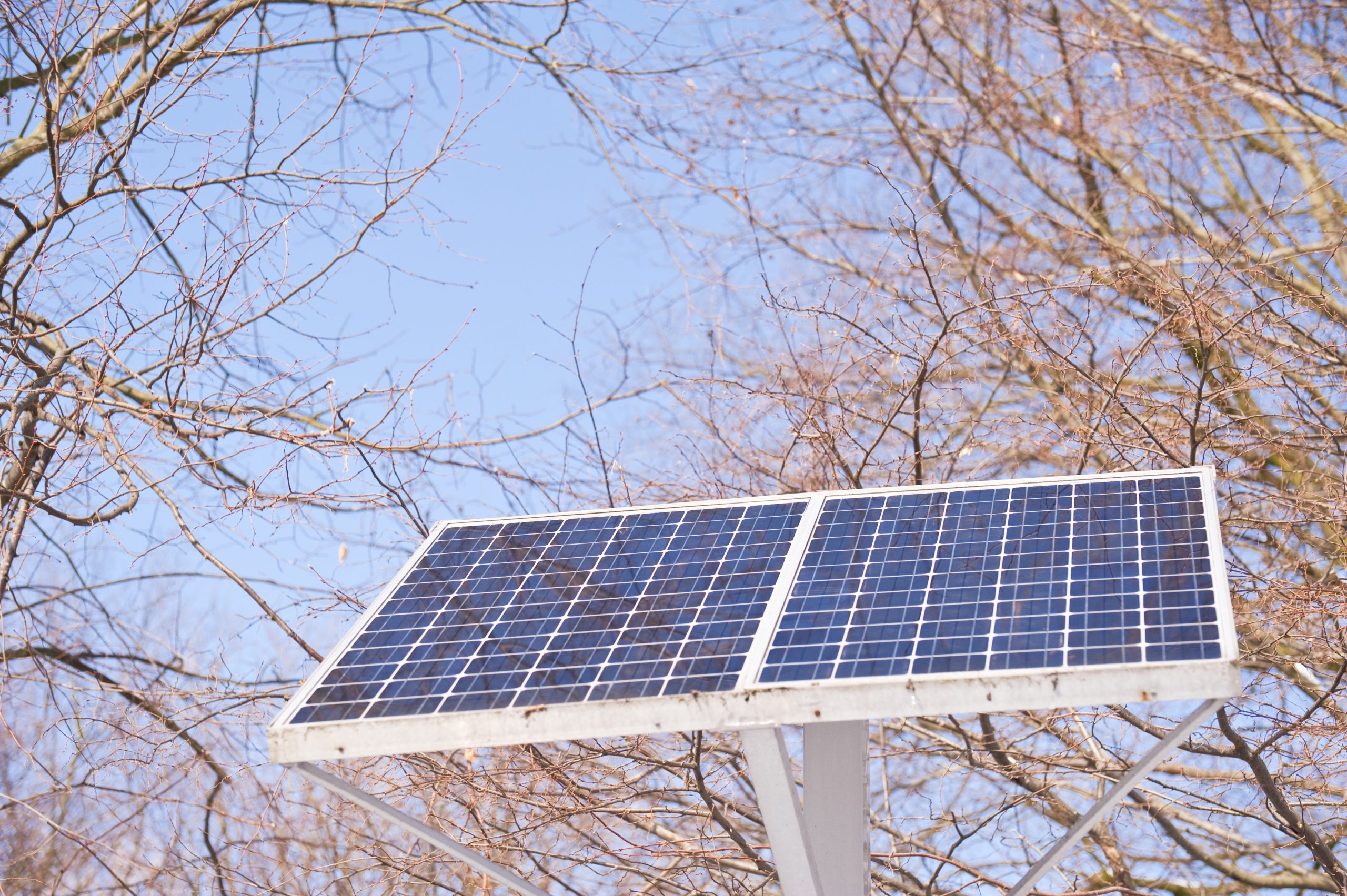
    One of the main advantages of solar power is its positive impact on the environment. Unlike traditional forms of energy generation, solar power does not produce greenhouse gases or other pollutants that contribute to climate change. This means that by switching to solar power, you can reduce your carbon footprint and help protect the planet for future generations.
    solar energy Mk2WEV9d scaled

    Another benefit of solar power is that it requires very little maintenance once installed. Unlike wind turbines or hydroelectric dams, solar panels do not require any fuel or water to operate, making them highly efficient and low-maintenance. Additionally, because they have no moving parts, there is less wear and tear on the equipment, reducing the need for repairs and replacement.

    Is Solar Power Really Expensive? Dispelling Myths About the Cost of Solar Energy

    While many people believe that solar power is too expensive for most households, the truth is that the costs associated with installing solar panels have decreased significantly in recent years. With advances in technology and increased demand, the price per watt of solar power has dropped from $76.67 in 1970 to just $0.25 in 2020. As a result, more and more families are able to afford solar panel installation.

    Additionally, while the initial investment may seem high, solar panels typically pay for themselves within five to seven years through savings on utility bills. And unlike traditional energy sources, solar power does not experience price spikes or fluctuations, providing stable long-term savings.

    How Can I Start Using Solar Power in My Home? Tips for Getting Started With Solar Panels

    If you’re interested in starting to use solar power in your home, there are several steps you can take to get started. First, consider conducting an energy audit to determine how much energy your household uses and where you could potentially save energy. Then, research different solar panel options and companies to find the best fit for your needs and budget. Finally, work with a professional installer to ensure proper placement and configuration of your solar panels for maximum efficiency.

    In conclusion, solar power is a powerful tool for reducing our carbon footprint and creating a cleaner, greener future. While there may be some upfront costs associated with installing solar panels, the long-term savings and environmental benefits make it well worth the investment.

  • Solar Power: The Key to a Greener Future

    Solar Power: The Key to a Greener Future

    The world is changing, and so are our energy needs. With the increasing demand for electricity and the depletion of non-renewable resources such as coal and oil, it’s time we turn towards renewable sources of energy like solar power. Solar power has become one of the most popular forms of alternative energy due to its numerous benefits. In this blog post, we will explore everything you need to know about solar power, including its advantages, cost-effectiveness, and how to choose the best solar panels for your home. Let’s dive in!

    Introduction to Solar Power and Its Benefits

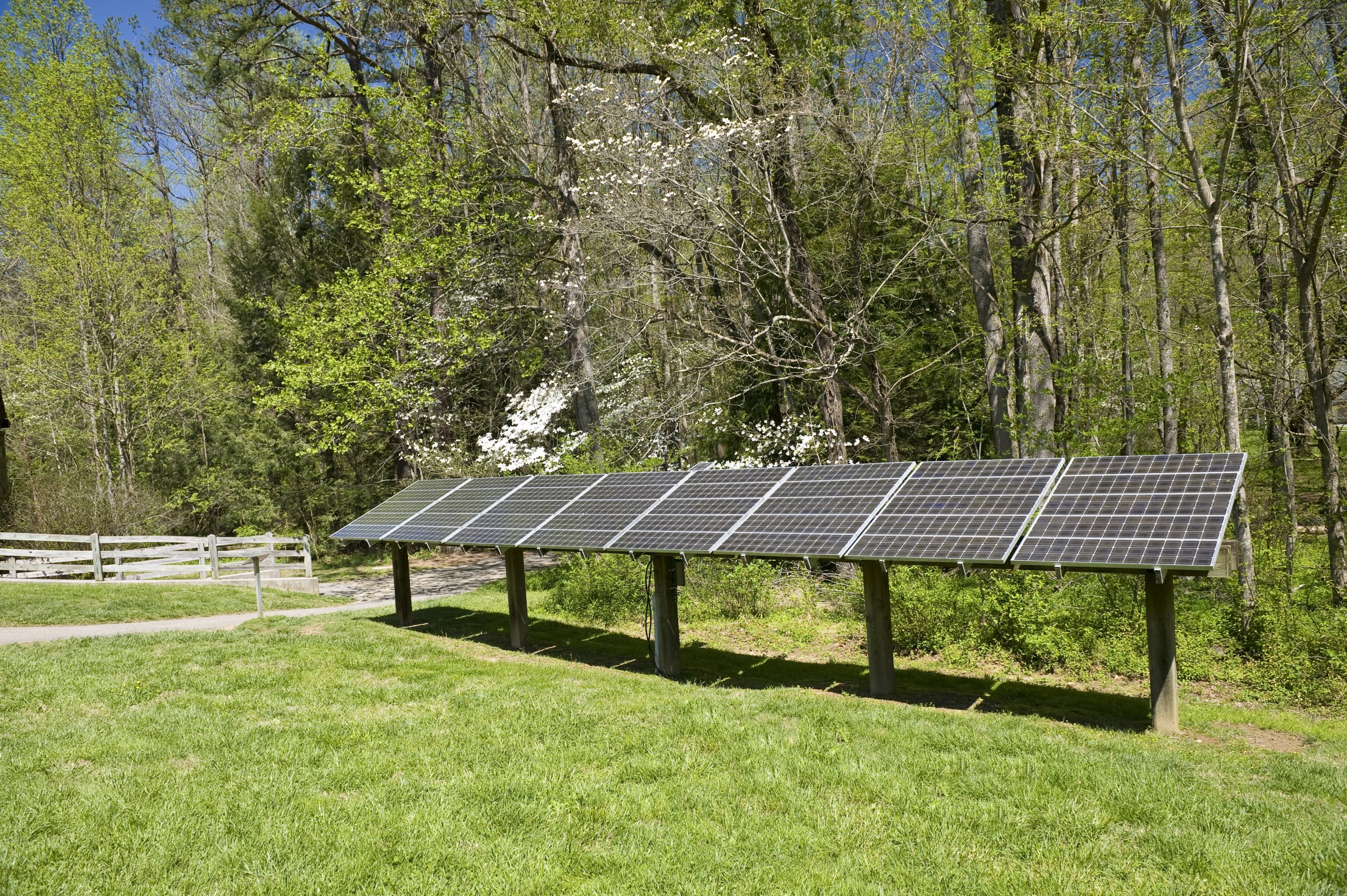
    Solar power is generated using photovoltaic (PV) cells that convert sunlight into direct current (DC) electricity. These PV cells are made up of semiconductor materials such as silicon, which absorb photons from sunlight and release electrons, creating an electrical current. This DC electricity is then converted into alternating current (AC) electricity that can be used to power homes and businesses.

    One of the biggest advantages of solar power is its environmental friendliness. Unlike traditional fossil fuels, solar power does not produce greenhouse gases or air pollution, making it a clean source of energy. Additionally, solar power is abundant and free, meaning it won’t run out like other finite resources. Another benefit of solar power is its versatility – it can be used in a variety of applications, from small residential systems to large utility-scale projects.

    electricity generating solar energy panels BFZCTa6Ns 1 scaled

    The Cost of Going Solar: Is It Worth the Investment?

    While the initial costs of installing solar panels may seem high, going solar can actually save you money in the long run. The cost of solar has decreased significantly over the past decade, making it more affordable than ever before. Depending on where you live, you may even qualify for tax credits or rebates that can offset the installation costs.

    Additionally, once your solar system is installed, you’ll see significant savings on your monthly electric bill. The amount you save will depend on factors such as your location, the size of your system, and electricity rates in your area. On average, homeowners who go solar can expect to save between $10,000 and $30,000 over the lifetime of their solar system.

    Choosing the Best Solar Panels for Your Home

    When choosing solar panels for your home, there are several factors to consider. First, you’ll want to determine the size of your system based on your energy consumption needs. You’ll also want to consider the efficiency of the panels – higher efficiency means more power output per square foot. Finally, you’ll want to look at the warranty and reliability of the panel manufacturer.

    DIY Solar Panel Installation: Can You Do it Yourself?

    While some DIY enthusiasts may attempt to install their own solar panels, it’s generally recommended to hire a professional installer. Professional installers have the knowledge and experience necessary to ensure that your system is properly designed and installed for optimal performance. Additionally, they can help navigate any permitting requirements and provide guidance on maintaining your system for maximum longevity.

    Renewable Energy 101: What You Need to Know About Sustainability

    As we move towards a greener future, it’s important to understand the basics of renewable energy. Renewable energy refers to sources of energy that can be replenished naturally within a human lifespan, such as wind, hydroelectric, geothermal, and biomass. By incorporating these sustainable practices into our daily lives, we can reduce our carbon footprint and protect the environment for generations to come.

    In conclusion, solar power is a key component of a sustainable future. Whether you’re looking to save money on your electric bills or reduce your carbon footprint, investing in solar power is a wise decision. From understanding the benefits of solar power to choosing the right solar panels for your home, we hope this blog post has provided you with all the information you need to make informed decisions about your energy choices.

  • Solar Power: The Key to a Greener Future

    Solar Power: The Key to a Greener Future

    The world is changing, and so are our energy needs. With the ever-increasing demand for electricity, it’s no surprise that people are looking for alternative sources of power. One such source is solar power – an eco-friendly option that has gained popularity in recent years. In this article, we will explore everything you need to know about solar power, including its benefits, cost-effectiveness, and how to choose the best panels for your home. Let’s dive right in!

    Introduction to Solar Power and Its Benefits

    Solar power is generated by harnessing the sun’s energy through photovoltaic cells. These cells convert light into direct current (DC) electricity, which can then be converted into alternating current (AC) electricity that can be used to power homes and businesses. There are several benefits to using solar power as your primary source of energy. First and foremost, it’s renewable and sustainable – unlike fossil fuels, which are finite resources. Additionally, solar power produces zero emissions, making it much cleaner than traditional forms of energy generation like coal or natural gas. Finally, solar power can help reduce your overall energy costs over time, especially if you live in an area with high electricity rates.

    wind energy fyHRFEqO scaled

    The Cost of Going Solar: Is It Worth the Investment?

    One common concern when considering solar power is the initial investment required. While installing solar panels on your roof may require a significant upfront cost, there are many factors to consider before deciding whether or not it’s worth the investment. For one thing, the cost of solar panels has decreased significantly over the past decade, making them more affordable than ever before. Additionally, depending on where you live, there may be tax credits or other financial incentives available to offset the cost of installation. Ultimately, the decision to go solar depends on your individual circumstances and goals. However, for those who prioritize sustainability and long-term savings, solar power is definitely worth considering.

    Choosing the Best Solar Panels for Your Home

    If you decide to take the plunge and install solar panels on your roof, choosing the right ones is essential. There are several factors to consider when selecting solar panels, including efficiency, durability, and cost. Efficiency refers to how well the panel converts sunlight into usable electricity. Durability is important because you want your panels to last for years without incurring any damage. Finally, cost is always a consideration – but remember that cheaper isn’t necessarily better when it comes to something as critical as your home’s energy system. Do your research and consult with professionals to ensure that you choose the best solar panels for your specific needs.

    DIY Solar Panel Installation: Can You Do it Yourself?

    While some DIY enthusiasts may be tempted to tackle their own solar panel installation, it’s generally recommended to leave this task to the pros. Professional installers have the necessary training and experience to ensure that your panels are installed correctly and safely. Additionally, they can provide valuable advice on things like placement, wiring, and code compliance. That being said, there are certainly steps you can take to prepare for your solar panel installation, such as clearing your roof of debris and ensuring that it’s structurally sound. By working closely with your installer and taking these proactive measures, you can make sure that your solar panel installation goes smoothly and efficiently.

    Renewable Energy 101: What You Need to Know About Sustainability

    Finally, let’s talk about why going green matters. As mentioned earlier, solar power is just one form of renewable energy – but there are plenty of others out there too. Wind turbines, hydroelectric power, geothermal heating and cooling systems – all of these technologies play a crucial role in reducing our dependence on nonrenewable resources. But beyond environmental concerns, there are also economic advantages to embracing sustainability. From creating jobs in emerging industries to increasing energy independence, transitioning to renewable energy sources makes sense from both a moral and practical standpoint. So do your part today by exploring your options for switching to clean energy, whether it’s through solar power or another renewable resource.

  • Going Green: The Financial and Environmental Benefits of Solar Power

    Going Green: The Financial and Environmental Benefits of Solar Power

    In recent years, solar power has surged in popularity, emerging as a beacon of hope for both environmentally conscious individuals and savvy homeowners looking to save money. But what exactly is the solar advantage? Understanding the fundamentals can illuminate just how transformative this energy source can be for your wallet and the planet.

    At its core, solar power harnesses sunlight through photovoltaic (PV) cells, converting it into usable electricity. This clean energy alternative reduces reliance on fossil fuels and offers an abundance of sunshine waiting to be tapped into. With technology advancing rapidly, solar panels have become more efficient and accessible than ever before. The prospect of generating your own electricity from a renewable source is not only appealing but increasingly practical.

    Now let’s talk numbers—specifically, how going solar can lighten your financial load. Many homeowners are surprised to discover that installing a solar energy system can lead to significant savings over time. Federal tax incentives, state rebates, and local programs often exist to encourage the switch to renewable energy sources. For instance, the federal solar tax credit allows you to deduct a substantial percentage of your installation costs from your federal taxes. In some cases, this incentive alone can offset thousands of dollars in expenses!

    Furthermore, reducing monthly electricity bills is another compelling reason to consider solar energy. Once installed, your system will generate free electricity for decades—typically 25 years or more! Imagine watching your utility bill shrink while contributing positively to the environment; it’s a win-win situation that many homeowners cherish.

    Speaking of environmental benefits—let’s delve into the eco-friendly impact of adopting solar power. Traditional energy generation methods contribute significantly to greenhouse gas emissions and climate change. By choosing solar, you’re actively participating in reducing carbon footprints and promoting cleaner air quality for future generations. Each kilowatt-hour generated by solar panels mitigates harmful emissions that would otherwise result from burning fossil fuels.

    Moreover, embracing solar energy can help preserve precious natural resources such as water—energy production often requires vast amounts of water for cooling processes in conventional plants. Transitioning to a sustainable model like solar drastically minimizes these needs, making it an essential component in fighting ecological degradation.

    So how does one embark on this green journey? Making the switch doesn’t have to be daunting; there are straightforward steps you can follow:

    1. **Research**: Start by gathering information about different types of systems available—grid-tied vs. off-grid—and their respective benefits.

    2. **Assess Your Home**: Evaluate your roof space and orientation toward sunlight exposure; south-facing roofs typically yield optimal results.

    3. **Find Reputable Installers**: Seek out qualified professionals with solid reviews or recommendations who understand local regulations and financing options.

    4. **Explore Financing Options**: Investigate loans or leasing programs if upfront costs pose a barrier; many companies offer flexible payment plans tailored to individual budgets.

    5. **Monitor Performance**: Once installed, keep track of your system’s output; this ensures everything functions correctly while allowing you to witness firsthand how much you’re saving.

    Transitioning to solar power is not just about capitalizing on immediate financial rewards; it’s a commitment toward sustainability that pays dividends for years ahead—both economically and ecologically! Embrace this opportunity today because every small step counts when we strive toward greener living together!

    mg i5a9842 1 scaled