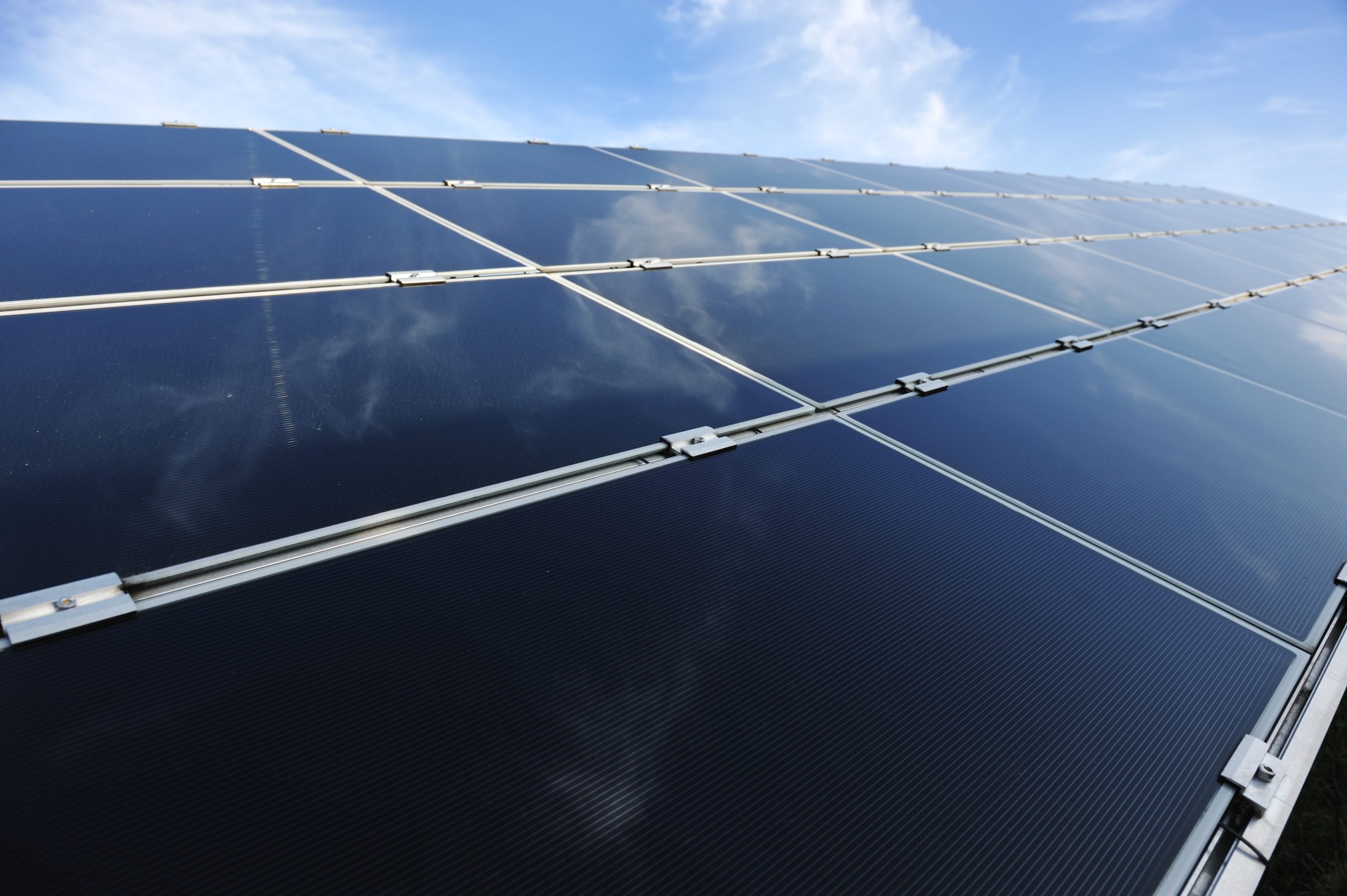
Solar power has become increasingly popular in recent years, and for good reason. With the rise of climate change awareness and a growing desire to reduce our carbon footprints, many homeowners are turning to solar energy as an eco-friendly alternative to traditional electricity sources. In this article, we’ll explore what it means to have a solar-powered home and why you should consider making the switch.
The Benefits of Going Solar
There are several benefits to using solar power in your home. First and foremost, solar energy is renewable and sustainable, meaning that it won’t run out or harm the environment like fossil fuels can. Additionally, using solar power can help lower your monthly utility bills since you’re generating your own electricity rather than relying on the grid. Solar panels also add value to your home, making them a great investment if you plan on selling in the future. Finally, there are tax credits available for those who install solar panels, which can further offset the cost of installation.
How to Make Your Home More Energy Efficient with Solar Power
If you’re interested in going solar but aren’t sure where to start, there are some steps you can take to make your home more energy efficient before installing solar panels. For example, you may want to upgrade your insulation or replace old appliances with newer, more energy-efficient models. You can also look into smart thermostats and other devices that allow you to monitor and control your energy usage remotely. By taking these steps first, you can maximize the benefit of your solar panel system and potentially even reduce your overall costs.
Common Myths About Solar Power Debunked
Despite its growing popularity, there are still some misconceptions about solar power that persist. One common myth is that solar panels only work in sunny climates. While they do perform better in direct sunlight, solar panels can still generate electricity in cloudy conditions or at night when connected to batteries. Another myth is that solar panels require a lot of maintenance. In reality, once installed, solar panels don’t need much upkeep beyond occasional cleaning and monitoring. They’re designed to last for decades, so you can rest easy knowing that your investment will pay off over time.
Conclusion
In conclusion, switching to solar power is not just a trend – it’s a wise decision for both your wallet and the planet. Whether you’re looking to save money on utilities or reduce your carbon footprint, solar power is a viable option for many homeowners. And with advancements in technology and government incentives, now is a great time to make the switch. So why wait? Start exploring your options today and see how solar power can transform your home and your life.
Are you interested in learning more about solar power? If so, this article is for you. Solar energy has become increasingly popular over the years due to its numerous benefits and cost-effectiveness. In this guide, we will cover everything you need to know about solar power, including how it works, its environmental impact, costs, types of panels, DIY installation tips, renewable energy sources besides solar power, battery storage, maintenance, and repair. Let’s get started!
Introduction to Solar Energy
Solar energy refers to the conversion of sunlight into electricity using photovoltaic (PV) cells or solar thermal systems. The PV cells are made up of semiconductor materials that absorb photons from sunlight and release electrons, creating an electrical current. This process generates clean and sustainable energy that can be used to power homes, businesses, and other applications.
The Benefits of Using Solar Power
There are several benefits of using solar power, including:
1. Cost savings – Once installed, solar panels require little to no maintenance, which means lower long-term costs compared to traditional energy sources. Additionally, many countries offer tax credits and rebates for homeowners who install solar panels.
2. Environmental friendliness – Solar power produces zero emissions, making it a clean source of energy that doesn’t contribute to climate change.
3. Independence – By generating your own electricity, you become less reliant on external factors such as fluctuating energy prices and supply chain disruptions.
4. Property value – Homes with solar panel installations often have higher property values than those without them.
5. Job creation – The solar industry creates jobs for people across various sectors, ranging from manufacturing to installation.
How Does Solar Power Work
As mentioned earlier, solar power works by converting sunlight into electricity through PV cells. When light hits these cells, it causes electrons to move around, creating an electrical current. This current is then transferred to wiring within the cell, where it can be harnessed and used to power appliances and devices.
Is Solar Power Really Helpful for the Environment
Yes, solar power is incredibly helpful for the environment. As previously stated, it produces zero greenhouse gas emissions, meaning it does not contribute to global warming or air pollution. Additionally, solar panels do not produce any noise or visual pollution, making them ideal for use in residential areas.
The Costs of Going Solar
While there may be some initial costs associated with installing solar panels, they tend to pay off in the long run. Depending on your location and system size, the average cost per kilowatt hour (kWh) generated by solar panels ranges between $0.08 and $0.17. However, this price tends to decrease over time as technology improves and economies of scale are achieved.
Types of Solar Panels and Their Efficiency
There are several different types of solar panels available, each with their unique advantages and drawbacks. Some common types include monocrystalline, polycrystalline, thin film, bifacial, and floating solar panels. Monocrystalline panels are generally considered the most efficient type, but also tend to be the most expensive. Thin film panels, on the other hand, are cheaper but less efficient. Bifacial panels generate electricity from both sides of the panel, while floating solar panels are designed specifically for water bodies like lakes and reservoirs.
DIY Solar Panel Installation Tips
If you’re looking to save money on your solar panel installation, consider doing it yourself. Here are some tips to help you get started:
1. Determine your energy needs – Before starting your project, calculate how much energy you consume on a daily basis to ensure you purchase enough panels to meet your requirements.
2. Choose the right equipment – Make sure to choose high-quality components such as PV cells, batteries, and inverters to maximize efficiency and minimize downtime.
3. Plan your layout carefully – Consider factors such as shading, orientation, and accessibility when planning your panel placement.
4. Follow safety guidelines – Working with electricity can be dangerous if proper precautions aren’t taken. Always wear appropriate protective gear and follow all necessary safety protocols.
Renewable Energy Sources Besides Solar Power
While solar power is one of the most widely recognized forms of renewable energy, there are others worth considering as well. These include wind turbines, hydroelectric dams, geothermal heating/cooling systems, and biomass energy production. Each of these technologies has its own unique advantages and limitations depending on the specific application.
Battery Storage for Solar Energy
One challenge facing solar power adoption is the issue of intermittency – solar panels only generate electricity during daylight hours, leaving households without power at night. To address this problem, many homeowners opt for battery storage solutions that allow excess energy produced during the day to be stored for later use. There are several types of batteries available for this purpose, including lithium-ion, lead acid, and flow batteries.
Maintenance and Repair of Solar Systems
Once installed, solar panels require very little maintenance beyond occasional cleaning and inspection. Most reputable brands come with warranties covering defects and performance issues, ensuring peace of mind for homeowners. For repairs, it’s best to consult with a professional installer or manufacturer representative to determine the cause of the problem and the best course of action moving forward.
In conclusion, solar power offers numerous benefits to homeowners, businesses, and society as a whole. From reducing carbon emissions to saving money on energy bills, there are plenty of reasons why switching to solar makes sense. Whether you decide to go DIY or hire a professional installer, investing in solar power is a smart decision that will pay dividends for years to come.
Solar power is one of the most promising sources of renewable energy, and it’s no wonder why more homeowners are considering installing solar panels on their roofs. With the rising costs of electricity and concerns about climate change, many people are looking for ways to reduce their carbon footprint while also saving money in the long run. If you’re thinking about making the switch to solar power, here are some reasons why investing in solar panels for your home can be a smart decision.
Introduction to Solar Power and Its Benefits
Solar panels work by converting sunlight into usable electricity through photovoltaic cells. These cells generate direct current (DC) electricity, which is then converted into alternating current (AC) electricity that can be used to power your home. Solar panels can be installed on rooftops or other structures where they can get the most exposure to sunlight throughout the day.
One of the biggest benefits of using solar power is that it’s a clean and renewable source of energy. Unlike fossil fuels, solar power doesn’t produce any greenhouse gas emissions or air pollution, which makes it much better for the environment. Additionally, solar power can help reduce our dependence on foreign oil and promote energy independence.
The Cost-Effectiveness of Solar Panels for Homes
While the initial cost of installing solar panels may seem high, there are many financial incentives available that can make solar power a very cost-effective option for homeowners. The federal government offers tax credits for residential solar installations, and many states offer additional rebates and incentives as well.
In addition to these incentives, solar panels can significantly lower your monthly electricity bills over time. Depending on your location and energy needs, you could potentially save thousands of dollars per year on your electricity bill by switching to solar power. And with advancements in technology and manufacturing, the cost of solar panels has been steadily decreasing, making them more affordable than ever before.
Choosing the Best Solar Generator for Your Needs
When choosing a solar generator, there are several factors to consider. First, you need to determine how much electricity you will need to generate based on your household’s energy usage. You should also consider the size and layout of your property, as this can affect the placement and orientation of your solar panels.
There are many different types of solar generators available, including grid-connected systems, off-grid systems, and hybrid systems that combine both. Grid-connected systems are the most common type of solar system, and they allow you to sell excess energy back to the grid. Off-grid systems are designed for homes located in remote areas without access to utility grids, while hybrid systems provide backup power in case of outages or emergencies.
Installing and Maintaining Your Own Solar Panels
Installing solar panels on your own can be a daunting task, but it’s definitely possible with the right knowledge and tools. Many DIY enthusiasts have successfully installed their own solar panels, often at a significant cost savings compared to hiring a professional installer. However, if you don’t feel comfortable doing it yourself, there are many reputable solar installation companies that can assist you with the process.
Once your solar panels are installed, maintenance requirements are minimal. You’ll want to keep them free from dust and debris, and occasionally check the wiring connections to ensure everything is functioning properly. Most solar panels come with a warranty that covers defects and performance issues, so you can rest easy knowing that you’re protected in case anything goes wrong.
Overall, investing in solar panels for your home can be a wise financial decision that not only saves you money on your electricity bills but also reduces your carbon footprint and promotes sustainability. Whether you choose to install your own solar panels or hire a professional installer, the benefits of solar power are undeniable, and now is a great time to make the switch.
The world is changing, and so are our homes. With the rise of renewable energy sources, more people are turning to solar power as a way to reduce their carbon footprint and save money on utility bills. In this article, we’ll explore everything you need to know about solar-powered homes, from the benefits of using solar energy in your home to how to install and maintain a solar system at home. Let’s dive right in!
Introduction to Solar Powered Homes
A solar-powered home is one that uses photovoltaic (PV) cells to convert sunlight into electricity. These PV cells are typically mounted onto rooftops or other structures where they can get the most exposure to direct sunlight. Once the sun hits these cells, it creates an electrical current that can be used to power appliances, lights, and even entire households.
One of the biggest advantages of solar-powered homes is their ability to generate clean energy. Unlike traditional fossil fuels like coal and oil, which release greenhouse gases into the atmosphere, solar panels produce no emissions whatsoever. This makes them not only better for the environment but also healthier for humans who live near them.
Another benefit of solar-powered homes is their potential for cost savings over time. While installing a solar system can be expensive upfront, many homeowners find that the investment pays off in the long run through reduced utility costs and increased property values. Additionally, there may be tax credits available for those who choose to go solar, making it an even more attractive option.
How to Install and Maintain a Solar System at Home
Installing a solar system requires careful planning and consideration. First, you’ll want to assess your energy needs and determine how much power you’ll need to generate each day. You’ll also need to consider factors such as roof orientation, shading, and weather patterns to ensure optimal placement of your solar panels.
Once you have determined the size and scope of your project, it’s time to hire a professional installer. A reputable contractor will work with you to design and install a customized system that meets your specific needs. They will also provide guidance on maintenance and upkeep to ensure that your system continues to operate efficiently over time.
Examples of Successful Solar-Powered Communities Around the World
As interest in solar energy has grown, many communities around the world have embraced its potential by creating entirely solar-powered neighborhoods. One example is the community of Boulder City, Nevada, which was built specifically to house workers constructing the nearby Hoover Dam. Today, nearly 100% of the city’s residents rely on solar power for their energy needs.
Similarly, the town of Tromso, Norway has become a leader in sustainability by transitioning to entirely renewable energy sources, including wind and solar power. By doing so, they have been able to reduce their carbon footprint while also boosting economic development in the region.
Conclusion
In conclusion, solar-powered homes represent a promising future for both individuals and communities alike. Whether you’re interested in reducing your environmental impact or simply saving some cash on utilities, going solar could be the perfect solution for you. And with advancements in technology and decreasing installation costs, now is the perfect time to make the switch.
Solar power is a renewable source of energy that has been gaining popularity in recent years. With concerns about climate change and sustainability on the rise, many homeowners are considering making the switch to solar energy. If you’re thinking about investing in solar panels for your home, here are some reasons why it may be worth the investment:
Introduction to Solar Power and Its Benefits
Solar power involves harnessing the sun’s energy through photovoltaic cells that convert light into electricity. This process generates clean energy without producing any greenhouse gas emissions or other pollutants. By using solar panels, you can reduce your reliance on fossil fuels and help combat climate change. Additionally, solar power can save you money on your energy bills over time, as well as increase the value of your home.
The Environmental Impact of Solar Energy
One of the biggest benefits of solar power is its environmental impact. Unlike traditional forms of energy production, such as coal or natural gas, solar power does not produce any air or water pollution. It also doesn’t contribute to deforestation or habitat destruction. By switching to solar power, you can significantly reduce your carbon footprint and support sustainable living practices.
The Cost-Effectiveness of Solar Panels for Homes
While there may be an initial cost associated with installing solar panels, they can quickly pay for themselves over time. The cost of solar panels has decreased dramatically in recent years, making them more affordable than ever before. Additionally, many states offer tax credits and rebates for homeowners who install solar panels. Overall, solar panels can save you money on your energy bills while providing a reliable source of energy.
Choosing the Best Solar Power Generator
When choosing a solar panel generator, there are several factors to consider. First, determine how much energy your household uses on average. You will want to choose a system that can generate enough energy to meet those needs. Secondly, consider the efficiency rating of the solar panels. Higher efficiency ratings mean that the panels will generate more energy per square foot. Finally, think about the warranty and durability of the panels. You want a product that will last for years to come.
Installing Your Own Solar Panels: Is It Worth It?
Many homeowners opt to hire professionals to install their solar panels, but others prefer to take on the project themselves. Installing your own solar panels can be a challenging task, so make sure you have the necessary skills and tools before attempting it. However, if you do decide to tackle this project yourself, you could potentially save thousands of dollars on installation costs.
Renewable Energy 101: What You Need to Know
In addition to solar power, there are many other types of renewable energy sources available, including wind, hydroelectric, geothermal, and biomass. Each type of renewable energy has unique advantages and disadvantages, depending on location, climate, and resources. Understanding these differences can help you make informed decisions about which form of renewable energy is best suited for your needs.
Overall, solar power offers numerous benefits for both individuals and the environment. While there may be an upfront cost associated with installing solar panels, they can quickly pay for themselves over time. Whether you choose to hire a professional installer or DIY, investing in solar power is a wise decision for anyone looking to reduce their carbon footprint and save money on energy bills.
Renewable energy has become increasingly popular over the years, and with good reason. Not only does it help reduce our carbon footprint, but it also saves us money on utility bills in the long run. One of the most popular forms of renewable energy is solar power. Solar panels are becoming more affordable and accessible to homeowners, making them a great option for those looking to invest in clean energy. Here’s why you should consider investing in solar power for your home:
The Benefits of Solar Power for Your Home
Solar power offers numerous benefits that make it an attractive choice for homeowners. First and foremost, it can significantly reduce your electricity bill. Depending on where you live, you could save up to 20% or more on your monthly utilities by switching to solar power. Additionally, solar panels have a lifespan of around 30 years, so once they’re installed, you won’t need to worry about replacing them anytime soon.
Another benefit of solar power is its eco-friendliness. By using solar panels, you’ll be generating clean energy that doesn’t produce greenhouse gases or contribute to climate change. This makes solar power a smart choice for anyone who wants to do their part in protecting the environment.
How Much Does it Cost to Install Solar Panels?
One common concern people have when considering solar power is the cost. While installing solar panels may require a significant initial investment, there are many factors that determine how much it will actually cost. The size of your roof, the amount of sunlight it receives, and the type of system you choose all play a role in determining the overall cost. However, with tax credits and rebates available in some areas, the actual cost of installation may be lower than you think.
Choosing the Best Solar Generator for Your Needs
When choosing a solar generator, there are several things to consider. First, decide what you want to use the generator for. If you plan on using it solely for backup power during outages, then a smaller unit may suffice. However, if you want to generate enough power to run your entire household, then a larger system may be necessary.
You’ll also want to consider the efficiency of the solar panels themselves. Look for high-efficiency models that can convert as much sunlight into usable energy as possible. Additionally, consider the warranty offered by the manufacturer and any additional features such as battery storage capacity.
DIY Solar Panel Installation: Is It Worth It?
While it’s technically possible to install solar panels yourself, it’s not recommended unless you have experience working with electrical systems. Professional installation ensures that everything is done correctly and safely, which is crucial when dealing with electricity. Additionally, professionals know how to optimize placement and orientation for maximum efficiency, which can result in greater savings in the long run.
In conclusion, investing in renewable energy is a smart choice for homeowners looking to reduce their carbon footprint and save money on utilities. Solar power is a highly effective form of renewable energy that offers numerous benefits, including reduced electricity costs and eco-friendliness. Whether you choose to hire a professional installer or opt for DIY installation, investing in solar power is a decision you won’t regret.
Are you tired of paying high electricity bills? Do you want to reduce your carbon footprint and contribute to a more sustainable future? If so, installing your own solar panels may be the perfect solution for you. In this blog post, we will explore the benefits of DIY solar panels, discuss whether or not solar power is truly environmentally friendly, and help you decide if installing your own solar panels is a good idea.
Introduction to DIY Solar Panels
Solar panels are becoming increasingly popular as people seek ways to reduce their energy costs and live a greener lifestyle. While many homeowners opt to hire professionals to install solar panels on their behalf, others choose to take on the project themselves. Installing your own solar panels can save you money and provide you with a sense of satisfaction knowing that you have taken steps towards reducing your reliance on traditional forms of energy.
The Benefits of Installing Your Own Solar Panels
There are several advantages to installing your own solar panels:
1. Cost savings – By installing your own solar panels, you can avoid the cost of hiring a professional installer. This can result in significant savings over time.
2. Environmental benefits – Solar power is renewable and produces no greenhouse gas emissions. By generating your own electricity using solar panels, you can significantly reduce your carbon footprint.
3. Energy independence – With your own solar panel system, you become less dependent on the grid and can generate your own electricity whenever you need it.
4. Sense of accomplishment – Taking on a DIY project like installing solar panels can give you a feeling of pride and achievement.
Is Solar Power Really Helpful for the Environment
While solar power has numerous environmental benefits, there are some drawbacks to consider as well. The production of solar panels requires the use of certain chemicals and materials that can have negative impacts on the environment. Additionally, while solar power generates electricity without producing greenhouse gases, it does require water to clean and maintain the panels. However, when compared to the environmental impact of traditional fossil fuels, solar power remains one of the most environmentally-friendly options available.
Conclusion: Should You Install Your Own Solar Panels
Installing your own solar panels can be a great way to save money and reduce your carbon footprint. However, it’s important to carefully consider all aspects of the project before taking on such a large undertaking. If you have experience working with electrical systems and feel confident in your ability to complete the installation safely, then installing your own solar panels may be a good option for you. Otherwise, it may be best to consult with a professional installer who can ensure that the job is done correctly and efficiently. Ultimately, the decision to install your own solar panels should be based on your individual needs and preferences.
In today’s world, we are constantly searching for ways to reduce our carbon footprint and live more sustainably. One of the most effective ways to do this is by harnessing the power of solar energy. Solar energy has become increasingly popular in recent years due to its numerous benefits and cost-effectiveness. In this blog post, we will explore everything you need to know about solar energy, including its advantages, how it works, common misconceptions, innovative technologies, and why switching to solar is the right choice for your home or business.
Introduction to Solar Energy
Solar energy refers to the conversion of sunlight into electricity using photovoltaic (PV) cells. These PV cells are made up of semiconductor materials that absorb photons from sunlight and convert them into direct current (DC) electricity. This DC electricity is then converted into alternating current (AC) electricity through an inverter, which can be used to power homes and businesses.
The Benefits of Using Solar Energy
There are many reasons why people choose to switch to solar energy. Here are some of the top benefits:
1. Cost savings – While the initial investment may seem high, solar panels have a long lifespan and can significantly lower your electricity bills over time. Additionally, there are tax credits available for those who install solar panels.
2. Environmental impact – By using solar energy, you can greatly reduce your reliance on fossil fuels, which contribute to air pollution and climate change.
3. Independence – With solar energy, you can generate your own electricity and not rely on traditional utility companies.
4. Property value – Homes with solar panels tend to sell faster and at higher prices than those without.
5. Reliability – Unlike wind turbines or hydroelectric dams, solar panels require little maintenance and can last for decades.
How Solar Panels Work
As mentioned earlier, solar panels work by converting sunlight into electricity using PV cells. When light hits these cells, electrons within the cell become excited and move around, creating an electrical flow. This electrical flow is captured by metal plates on either side of the cell and sent to wiring beneath the panel. From here, the electricity is sent to an inverter, where it is converted into AC electricity that can be used to power homes and businesses.
Common Misconceptions About Solar Energy
Despite the many benefits of solar energy, there are still several myths and misconceptions surrounding it. Here are three of the most common ones:
1. It doesn’t work well in cloudy climates – While solar panels do produce less electricity when they are shaded or covered in snow, they can still be highly effective even in cloudier climates like the Pacific Northwest.
2. It’s too expensive – While installing solar panels does require an initial investment, the costs associated with installation have decreased dramatically in recent years, making it much more affordable for homeowners and businesses alike.
3. You need a lot of space – While having more surface area for solar panels can certainly increase your energy output, even small rooftops can accommodate enough panels to make a significant difference in your electricity usage.
Innovations in Solar Technology
One exciting development in the field of solar technology is the use of perovskites, a type of crystalline material that could potentially replace silicon as the primary component of PV cells. Perovskites are cheaper and easier to manufacture than silicon, making them a promising alternative for large-scale solar projects. Another emerging technology is floating solar arrays, which allow for the placement of solar panels on bodies of water such as lakes and reservoirs.
Conclusion: Why Switching to Solar is the Right Choice
Switching to solar energy is a smart decision for both homeowners and businesses. Not only does it offer significant cost savings over time, but it also reduces your environmental impact and provides greater independence and reliability. As technology continues to improve, solar energy will continue to play a key role in our transition towards a greener tomorrow.
The world is changing at a rapid pace, and one of the most significant changes that we are witnessing is the shift towards renewable energy sources. Solar power has emerged as one of the most promising alternatives to traditional fossil fuels, and there have been numerous advancements in solar technology over the past few years. In this blog post, we will take a closer look at some of the latest innovations in solar energy and explore how they are transforming our world.
Introduction to Solar Innovations
Solar panels have come a long way since their initial introduction into the market. While traditional silicon-based solar cells are still widely used, there have been several new developments in the field of photovoltaic (PV) technology. One such development is thin-film PV cells, which use less material than traditional solar cells and can be applied to a variety of surfaces, including flexible materials like plastic or fabric. Another promising area of research is perovskite solar cells, which use a hybrid organic-inorganic material to absorb sunlight and generate electricity. These cells have shown great promise due to their low cost and high efficiency.
Latest Advancements in Renewable Energy Technology
Another exciting area of research in the realm of renewable energy is energy storage. With the increasing adoption of solar power, there is a growing need for efficient ways to store excess energy generated during peak hours. One solution to this problem is batteries, and there have been several recent advances in battery technology. Lithium-ion batteries, which are currently used in many electronic devices, are being scaled up to handle larger loads, while flow batteries, which use liquid electrolytes, offer a more scalable option for large-scale energy storage.
The Benefits of Using Solar Energy
One of the main benefits of using solar energy is its environmental friendliness. Unlike fossil fuels, solar power generates no greenhouse gas emissions, making it an attractive alternative for those concerned about climate change. Additionally, solar power can help reduce reliance on foreign oil and increase energy independence. Furthermore, solar power can often be installed on site, reducing transmission losses and improving grid resilience.
How Solar Power is Changing the World
As solar power becomes more widespread, it is having a profound impact on communities around the globe. From rural areas in developing countries to urban centers in developed nations, solar power is providing access to clean, affordable energy. It is also creating jobs and stimulating economic growth by generating demand for skilled workers in the installation and maintenance of solar systems.
Conclusion and Final Thoughts on Solar Innovations
In conclusion, the future looks bright for solar power. As technology continues to improve and costs continue to decline, solar power will become an even more viable alternative to traditional fossil fuels. Whether you’re interested in reducing your carbon footprint, saving money on your energy bills, or supporting local job creation, there has never been a better time to invest in solar power.
In recent years, solar power has surged in popularity, emerging as a beacon of hope for both environmentally conscious individuals and savvy homeowners looking to save money. But what exactly is the solar advantage? Understanding the fundamentals can illuminate just how transformative this energy source can be for your wallet and the planet.
At its core, solar power harnesses sunlight through photovoltaic (PV) cells, converting it into usable electricity. This clean energy alternative reduces reliance on fossil fuels and offers an abundance of sunshine waiting to be tapped into. With technology advancing rapidly, solar panels have become more efficient and accessible than ever before. The prospect of generating your own electricity from a renewable source is not only appealing but increasingly practical.
Now let’s talk numbers—specifically, how going solar can lighten your financial load. Many homeowners are surprised to discover that installing a solar energy system can lead to significant savings over time. Federal tax incentives, state rebates, and local programs often exist to encourage the switch to renewable energy sources. For instance, the federal solar tax credit allows you to deduct a substantial percentage of your installation costs from your federal taxes. In some cases, this incentive alone can offset thousands of dollars in expenses!
Furthermore, reducing monthly electricity bills is another compelling reason to consider solar energy. Once installed, your system will generate free electricity for decades—typically 25 years or more! Imagine watching your utility bill shrink while contributing positively to the environment; it’s a win-win situation that many homeowners cherish.
Speaking of environmental benefits—let’s delve into the eco-friendly impact of adopting solar power. Traditional energy generation methods contribute significantly to greenhouse gas emissions and climate change. By choosing solar, you’re actively participating in reducing carbon footprints and promoting cleaner air quality for future generations. Each kilowatt-hour generated by solar panels mitigates harmful emissions that would otherwise result from burning fossil fuels.
Moreover, embracing solar energy can help preserve precious natural resources such as water—energy production often requires vast amounts of water for cooling processes in conventional plants. Transitioning to a sustainable model like solar drastically minimizes these needs, making it an essential component in fighting ecological degradation.
So how does one embark on this green journey? Making the switch doesn’t have to be daunting; there are straightforward steps you can follow:
1. **Research**: Start by gathering information about different types of systems available—grid-tied vs. off-grid—and their respective benefits.
2. **Assess Your Home**: Evaluate your roof space and orientation toward sunlight exposure; south-facing roofs typically yield optimal results.
3. **Find Reputable Installers**: Seek out qualified professionals with solid reviews or recommendations who understand local regulations and financing options.
4. **Explore Financing Options**: Investigate loans or leasing programs if upfront costs pose a barrier; many companies offer flexible payment plans tailored to individual budgets.
5. **Monitor Performance**: Once installed, keep track of your system’s output; this ensures everything functions correctly while allowing you to witness firsthand how much you’re saving.
Transitioning to solar power is not just about capitalizing on immediate financial rewards; it’s a commitment toward sustainability that pays dividends for years ahead—both economically and ecologically! Embrace this opportunity today because every small step counts when we strive toward greener living together!