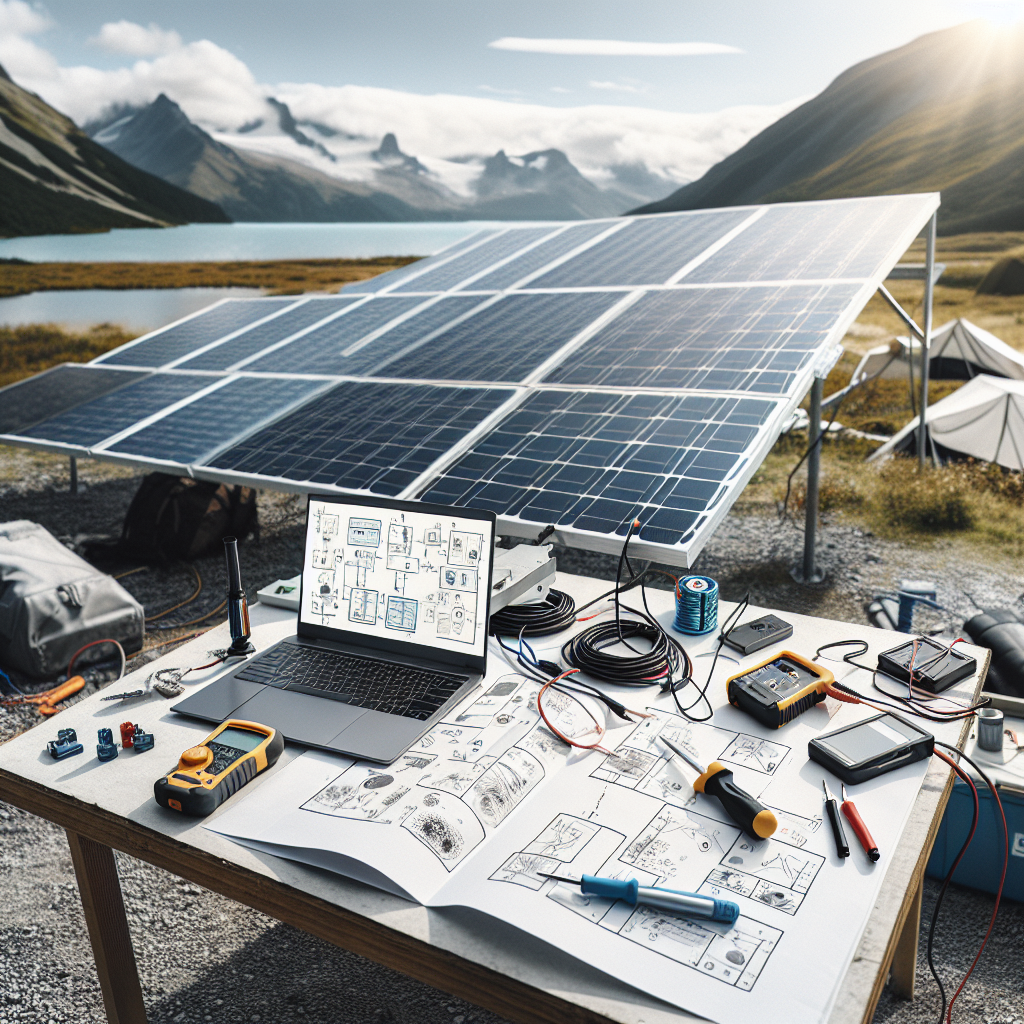
Tag: guide

  • Solar Power for Remote Work Setup Guide

    Solar Power for Remote Work Setup Guide

    Understanding Solar Power Basics

    What is Solar Power?

    Let’s kick things off by breaking down what solar power really is. In simple terms, it’s energy harnessed from the sun, which we can convert into electricity. It’s like tapping into a giant battery in the sky that’s full of energy. Pretty cool, right?

    Solar panels, typically installed on roofs or in solar farms, capture sunlight and convert it to electrical energy using photovoltaic cells. These cells work their magic by allowing photons (light particles) to knock electrons free from atoms, creating a flow of electricity.

    Embracing solar power for your remote work setup not only helps reduce your carbon footprint but also can cut down on your utility bills. It’s like getting paid to work in the sunshine!

    Benefits of Solar Energy

    If you’re like me and you enjoy the idea of saving some cash while being eco-friendly, let’s dig into the benefits. First off, using solar energy reduces both your electricity bills and reliance on unstable energy markets.

    Secondly, solar energy is renewable. Unlike fossil fuels, which are finite and depleting, the sun isn’t headed for extinction anytime soon. So, you’ll always have a reliable source of energy for your work needs.

    Lastly, let’s talk about increased home value. Homes equipped with solar energy systems can be more attractive to buyers. It’s like adding a cherry on top when you decide to sell!

    Types of Solar Power Systems

    Not all solar systems are created equal. There are generally two main types of solar power systems: grid-tied and off-grid. A grid-tied system remains connected to the pavement, allowing excess energy to go back to the grid, sort of like sharing with neighbors.

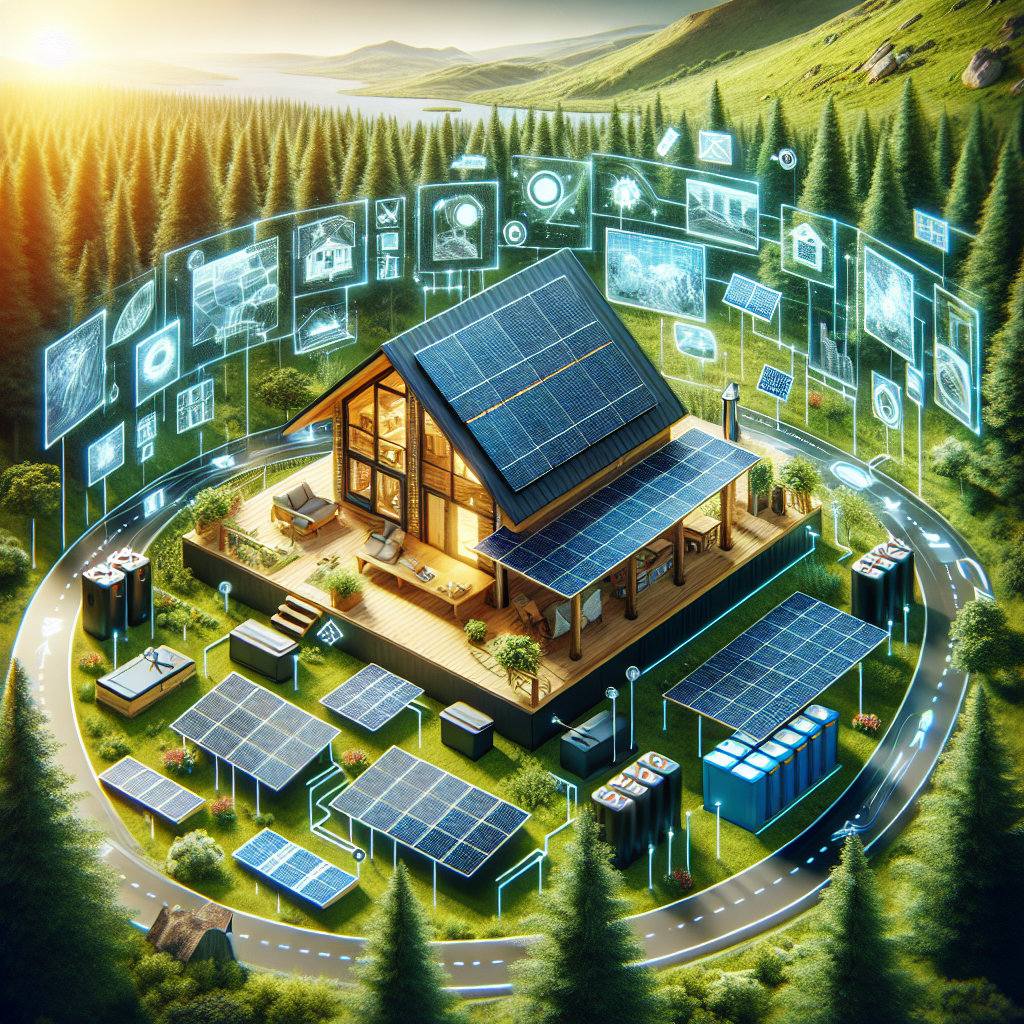
    On the other hand, an off-grid system is your self-sufficient powerhouse. This setup is great for remote locations where the power grid doesn’t reach you. I have a buddy who lives in a cabin deep in the woods, and he swears by his off-grid solar system.

    Consider your power needs and location carefully when choosing your system. It’s important to find a balance that suits your work from home setup while keeping those energy bills low.

    Choosing the Right Equipment

    Solar Panels

    The first piece of the puzzle is choosing your solar panels. Look for panels with a good efficiency rating, meaning they convert more sunlight into usable energy. I learned the hard way that not all solar panels are created equally!

    Most panels come in two types: monocrystalline and polycrystalline. Monocrystalline panels are generally more efficient and take up less space. I opted for these after realizing how much roof space I had to cover.

    Do your own research or consult with a solar provider to find panels that fit your budget and energy needs. You don’t want to skimp on quality when it comes to generating your own power!

    Batteries

    Depending on whether you choose to go off-grid or not, batteries can be an essential part of your solar setup. Batteries store excess energy for use during cloudy days or at night when your panels are snoozing.

    There are various types of batteries available, with lithium-ion being one of the most common due to their long lifespan and ability to charge quickly. I remember being shocked at how much a good battery can cost, but they’re worth the investment in the long run.

    Choosing the right battery capacity depends on your energy needs and how long you want to stay powered during outages. It’s better to overestimate than underestimate!

    Inverters

    Inverters are the unsung heroes of your solar setup. They convert the direct current (DC) produced by the solar panels into alternating current (AC), which is what your devices use. Without an inverter, your solar energy wouldn’t do you a whole lot of good!

    There are two main types of inverters: string inverters and microinverters. String inverters are more common and suitable for most residential setups, while microinverters can increase efficiency in shaded areas. 

    When selecting an inverter, make sure it can handle your maximum energy output. Investing in a high-quality inverter can save a lot of hassle down the road and we all prefer smooth sailing, right?

    Installation Tips

    DIY vs Professional Installation

    Now it’s the moment of truth: installation! Depending on your skill set and comfort level, you might consider a DIY approach or hire professionals. I initially thought I could tackle it myself, but let’s just say I was glad to leave it to the experts.

    Professional installation can ensure that everything complies with local regulations and will likely come with warranties. Plus, these pros have the got-a-cool-solar-expert vibe that you might want to embrace!

    If you decide to go the DIY route, be sure you thoroughly research the process. There are plenty of online resources and kits available to guide you through it, but remember, safety first!

    Optimal Panel Placement

    Location, location, location! That’s the real estate motto, and it applies to solar panel installation too. To maximize the energy you capture, position your panels where they will receive the most sunlight throughout the day.

    Generally, south-facing roofs are ideal, but the angle and tilt can also affect output. I’d recommend consulting with a solar professional to get the perfect angle for your house. It’s a small detail that can make a huge difference.

    Don’t forget to think about potential shading from trees or buildings. A little shade can bring down your output significantly, so consider any factors that might obstruct sun exposure.

    User-Friendly Experience

    Finally, your solar power system should be user-friendly. Make sure any monitoring systems available are easy to use and offer real-time data, so you can track your energy production and consumption. This data can help you optimize your energy use.

    Some systems come with smartphone apps, which makes it super easy to keep an eye on things while sipping your coffee or binge-watching your favorite series. I find myself checking mine more often than I should, just out of curiosity.

    Make the most of the technology available, as it can play a big part in understanding how to tweak your solar usage for a more efficient and cost-effective experience.

    Maintaining Your Solar Power System

    Routine Maintenance Checks

    Now that you’re generating your own solar power, it’s essential to keep things running smoothly. Regular maintenance checks help ensure efficiency and longevity. I make it a habit to check on my system at least once a season.

    Cleaning the solar panels is often part of the routine. Dust, leaves, or bird droppings can reduce their efficiency, so keeping them clean is always a good practice. A soft brush and mild soapy water work wonders!

    Additionally, it’s wise to check the wiring and connections for any signs of wear and tear. Catching potential issues early can save you a lot of headaches down the road!

    Monitoring Energy Production

    Staying on top of your system’s performance is key. Many modern setups come with monitoring systems that track energy output in real-time. This cool tech can alert you if there’s a drop, which could mean something’s wrong.

    I’ve learned that being proactive about monitoring my system has helped me resolve issues quickly and even optimize for certain periods of high usage. It’s like having your own energy watchdog!

    Analyzing your energy generated over time can also help you understand seasonal variances and plan accordingly, whether it’s ramping up work during sunny months or using stored energy wisely during cloudy times.

    Long-term Planning for System Replacement

    Eventually, like all good things, your solar panels will reach a point where they need replacement. Most panels come with warranties ranging from 20 to 25 years, so plan accordingly. Knowing the lifespan of your system can help you budget for this future expense.

    When it comes time for replacement, consider newer technologies or upgrades that could boost efficiency. The world of solar power is constantly evolving, and you might find even better options than what you initially chose.

    If you keep up with maintenance and monitoring, you’ll have a much clearer understanding of when to replace your system, ensuring that you continue to harness the power of the sun effectively.

    Frequently Asked Questions

    1. What is the average cost of installing a solar power system?

    The cost can vary based on your location, the size of the system, and available incentives, but on average, you may be looking at anywhere from $15,000 to $25,000 before any tax credits.

    2. How long does it take to install a solar power system?

    Most installations can be done in a day or two, but don’t forget that permitting and inspection can add some time to the overall process.

    3. How does solar energy affect my property value?

    Typically, homes with solar power systems see an increase in property value. Many buyers find solar panels attractive due to the potential savings on energy bills.

    4. Can I use solar power during an outage?

    If you’re on a grid-tied system without batteries, no. But if you have an off-grid setup or a grid-tied system with a battery, you can power your home during an outage.

    5. Is solar energy environmentally friendly?

    Absolutely! Solar power reduces reliance on fossil fuels and decreases greenhouse gas emissions, contributing positively to the environment.

  • Off-Grid Solar Living: Complete Setup Guide

    Off-Grid Solar Living: Complete Setup Guide

    Understanding Off-Grid Living

    What Does Off-Grid Mean?

    So, let’s kick things off by chatting about what being off-grid even means. Basically, it’s living without being plugged into the local power grid. This can sound a bit daunting at first, but it’s also incredibly freeing. You’re essentially saying goodbye to those pesky electric bills and gaining some serious independence.

    For me, the shift to off-grid living was about self-sufficiency. It’s about harnessing natural resources, like solar power, to meet your everyday energy needs. Once you get the hang of it, you’ll find there’s a real satisfaction in knowing you’re living lightly on the planet.

    Trust me, once you start, you’ll appreciate how connected you are to the environment. It’s not just about avoiding bills; it’s a lifestyle choice that connects you to nature in a way that few other things can.

    Benefits of Going Off-Grid

    Now, I can’t stress enough the positives that come with choosing this lifestyle. First off, there’s the environmental impact. We’re all looking for ways to lessen our footprint, and with solar power, you’re tapping into a renewable resource!

    Secondly, there’s the financial aspect. Sure, setting up your solar system might cost a bit upfront, but once it’s all up and running, those savings on your electricity bills become life-changing. It’s like having your cake and eating it too!

    And let’s not forget about the peace of mind. When the grid goes down, like during a storm, I’ve got my solar setup to keep the lights on and my food fresh. You really can’t put a price on that kind of comfort!

    Choosing Your Off-Grid Location

    Next up is choosing where you’re gonna set up shop. It can be a daunting task, but you want to consider a few key factors. Is the site sunny enough? You’d be surprised how much sun can affect your system’s efficiency.

    Additionally, think about access to resources like water and land for food if you’re planning to grow your own meals. Being off-grid often means being a bit more resourceful, so having those natural perks is a game changer.

    Lastly, you’ll want to consider local zoning laws and permits. Nobody wants a nasty surprise from the authorities! Make sure you’re clear on what’s allowed in your chosen spot to avoid complications down the line.

    Choosing the Right Solar System

    Assessing Your Energy Needs

    Alright, let’s talk solar! It’s crucial to know how much energy you actually need before diving in. Start by listing all your daily power-hungry appliances. This will help you gauge what size solar system is right for you.

    For me, I started off with a small setup, but as I added things like a refrigerator and a laptop, I realized I needed to scale up. It’s an evolving process, so don’t rush it!

    Knowing your energy needs upfront also prevents overspending on a system that might be too big or, conversely, having one that leaves you in the dark!

    Different Types of Solar Panels

    Next, let’s dive into the types of solar panels available. You’ll typically find three main types: monocrystalline, polycrystalline, and thin-film. Each comes with its pros and cons, so knowing what fits your needs is important.

    Monocrystalline panels are known for their high efficiency and long lifespan, making them popular—especially if you have limited roof space. Polycrystalline is generally more affordable but with slightly less efficiency. Lastly, thin-film panels are lightweight and flexible, but you may need more of them to get the same wattage.

    Think about your setup and where you’re going to put the panels. Sometimes the look can influence your choice too, since you’re making a long-term investment.

    Battery Storage Options

    Battery storage is where many off-grid enthusiasts find their sweet spot! Simply put, it allows you to store excess energy for those cloudy days or at night. I learned the hard way when I didn’t have enough battery to last through a rainy week!

    Lead-acid and lithium-ion batteries are your main options. Lead-acid is cheaper upfront but has a shorter lifespan, while lithium-ion tends to be more cost-effective in the long run despite the initial investment.

    Knowing how much storage you’ll need is crucial as well. You want to balance your energy needs with what you can spend, so do your homework here!

    Setting Up Your Solar System

    Installation Basics

    Okay, time to roll up those sleeves! Setting up your solar system might sound intimidating, but it can be a fun DIY project if you’re willing to learn. You’ll need to begin with mounting your solar panels in a sun-friendly location.

    Next up, connecting the wires! I always recommend double-checking everything as you go. It’s super easy to make a mistake when you’re excited to power up. Take your time to ensure all the connections are secure.

    Last but not least, you’ll need to install the inverter, which converts the DC power from your panels into AC power for your home. There are many online guides that can help walk you through this, plus videos are super helpful!

    Connecting to Your Power Needs

    Now that the panels are mounted and the inverter is set up, it’s time to connect your solar system to your home. This is where the fun really begins! You’ll need to figure out how to route the power from your inverter into your breaker box.

    If this part sounds tricky, don’t hesitate to call in a pro! I always say it’s better to be safe than sorry, especially when you’re messing with electricity.

    After all, once everything is set up correctly, you’ll get to enjoy your new off-grid energy source to its fullest!

    Testing and Maintenance

    Finally, regular maintenance is key after your setup is complete. Make it a habit to check on your solar panels for dirt and debris at least a few times a year—keeping them clean helps maintain efficiency.

    Monitoring your system’s performance can help catch any issues early on. There are great apps and monitoring systems available today that make this a breeze.

    Don’t forget about your batteries, too! Keeping an eye on the electrolyte levels in lead-acid batteries or ensuring your lithium-ion batteries are functioning optimally will benefit your energy system.

    Living Off The Grid: The Final Steps

    Embracing the Lifestyle

    Now that you’ve got your system set, it’s time to embrace the off-grid lifestyle! There’s an adjustment period for sure, especially when it comes to being mindful of your energy usage.

    Start small—turning off lights when you leave a room, being cognizant of how often you run appliances—every little bit counts! You might even find a new sense of freedom and creativity in managing your energy.

    Cultivating this new habit forces you to appreciate life’s simple pleasures, like catching a sunrise while enjoying your morning coffee from your cozy cabin.

    Creating Community Connections

    One thing I absolutely love about off-grid living is the community. Connect with others who are on the same journey! Whether it’s through local groups or online forums, sharing tips and tricks can make your experience richer.

    Attending workshops or trade shows can not only provide you with valuable information but also make new friends who share your passion. Who knows? You might find a building buddy or someone to swap resources with!

    Remember, going off-grid isn’t just about power; it’s about building a lifestyle and a network that supports your goals.

    Looking Toward the Future

    Lastly, always be thinking ahead. The tech in solar energy is advancing rapidly! As you get more comfortable with your setup, stay on the lookout for new technologies that could benefit you.

    Consider features like smart-home integration or energy management systems down the line. It’ll not only help your own needs but can also increase the resale value of your home if you ever decide to move.

    Embracing the ever-evolving nature of solar technology allows you to make the most of your off-grid experience!

    FAQ

    1. What do I need to know about energy needs before going off-grid?

    Understanding your energy needs is crucial! Make a list of all your appliances and their wattage to accurately size your solar system.

    2. Are there specific solar panel brands you recommend?

    I’ve had great experiences with brands like LG and Canadian Solar, but it’s always best to research based on your specific needs.

    3. Can I go off-grid on a budget?

    Absolutely! Start small and gradually expand as you can afford it. There are also many resources online for affordable DIY setups.

    4. What are the challenges of living off-grid?

    The biggest challenges often include energy regulation, maintenance, and adapting to a new lifestyle, but it’s also incredibly rewarding.

    5. How much sunlight do I need for solar panels to work effectively?

    Most solar panels can still generate power in cloudy conditions, but ideally, you’ll want a location with ample sunlight exposure for maximum efficiency.

  • Smart Home Solar Integration Guide

    Smart Home Solar Integration Guide

    Understanding the Basics of Solar Energy

    What is Solar Energy?

    So, let’s dive right in! Solar energy is essentially energy from the sun that is harnessed using various technologies, like solar panels. Think of it as a gift from nature that can power up your home without filling up your utility bills. I remember when I first learned about it; I was blown away by how powerful those rays from the sun can be! Solar energy is not just a trend; it’s a clean, renewable source that can power everything from small devices to entire houses.

    As we grow more concerned about climate change, solar energy becomes a more appealing option. It’s like having your own little slice of sustainability right at home. Plus, the tech around it has come a long way. Not only can we capture and use this energy, but we can also store it for when the sun isn’t shining. Amazing, huh?

    So, how does it work? Simply put, solar panels convert sunlight into electricity. This process involves photovoltaic cells that create direct current (DC) electricity, which is then converted to alternate current (AC) for use in our homes. Understanding this basic concept is essential as we move deeper into how to incorporate solar into our smart homes.

    The Benefits of Going Solar

    Okay, let’s talk benefits! One of the coolest things about solar energy is that it can save you a ton of cash in the long run. Yup, I said it! After the initial setup costs, you’re looking at lower energy bills month after month. In my case, my electric bills have dropped significantly since installing solar panels. It’s like a mini-victory every time I check my bill!

    But savings aren’t the only perk. By going solar, you’re also reducing your carbon footprint. You’re making a conscious decision to do your part for the planet and chasing that greener lifestyle. It feels good to be able to say that I contribute to a cleaner environment. When my friends ask me about my solar setup, I can proudly tell them it’s helping reduce greenhouse gas emissions.

    We also can’t forget about energy independence. When you generate your own power, especially with a battery backup, you’re less stressed about rising energy costs or power outages. Trust me, it’s nice knowing that I’m somewhat shielded from utility price hikes. This ensures peace of mind, especially during the scorching summer days or unpredictable stormy nights.

    Myths about Solar Energy

    Now, let’s clear the air about some myths. One major misconception I stumbled upon early in my solar journey was the belief that solar energy only works in sunny regions. This couldn’t be further from the truth! Even on cloudy days, solar panels can capture some sunlight and generate energy. I mean, I live in a place where we have plenty of rainy days, and my solar system still performs well.

    Another myth to bust is the idea that solar panels require too much maintenance. Honestly, the upkeep is pretty straightforward—just a bit of cleaning to remove dirt and debris every now and then. When I first got my panels, I worried about maintenance, but it quickly turned out to be much less of a hassle than I anticipated.

    And, of course, there’s the belief that solar panels won’t pay for themselves. In reality, with available government incentives and ever-decreasing installation costs, most homeowners start to see returns on their investment in just a few years. I’ve had mine long enough to fully appreciate this; it’s like watching your money work for you!

    Choosing the Right Solar System for Your Smart Home

    Assessing Your Energy Needs

    When I first took the plunge into solar, I learned that assessing your energy needs is crucial. You don’t want to install a system that’s too small or unnecessarily large. Start by looking at your electricity bills over the past year to see how much energy you’re using monthly. It’s like doing a little audit of your own personal energy consumption.

    Also, think about your home’s layout and how many solar panels you might fit on your roof. I spent a weekend taking a close look at my roof’s orientation, checking how many hours of sunlight it receives, and that helped in planning my installation perfectly. It’s all about maximizing exposure!

    Finally, consider your future needs too. If you plan to get an electric vehicle or expand your family (and energy needs), factor that into your calculations. You’ll want a system that grows with you instead of getting stuck feeling cramped. It’s all about projecting positive vibes into the future!

    Researching Solar Options

    Next, it’s time to dive into research mode. You’ve got options. I remember being so overwhelmed by the sheer number of solar systems and brands out there. It’s important to take your time, compare the features, warranties, and efficiency rates. Talk about a rabbit hole!

    One approach I found super helpful was checking out online reviews and testimonials. These gave me real insight into how different systems perform over time. I even attended a few local workshops hosted by solar companies that allowed me to see systems up close and ask tons of questions.

    Consider the type of panels too—monocrystalline, polycrystalline, or thin-film. Each has unique benefits and costs, so weigh those according to your specific needs. My rule of thumb is to go for efficiency without breaking the bank, and this research phase was key in guiding my decision.

    Selecting an Installer

    Choosing a trustworthy installer was a biggie for me. Frankly, I was anxious about making the right pick because the installation quality affects how well your solar system performs. So I took my time here. I got recommendations from friends, checked online reviews, and even asked potential contractors for references.

    A good installer will assess your property, walk you through the systems they suggest, and help you navigate any permits and incentives. When I met with my installer, they took the time to explain every step of the process and made me feel comfortable. It was clear they were experts in their field, and it made all the difference!

    Once you feel confident with an installer, discuss warranties and guarantees. Make sure you know what’s covered and for how long. I always feel better knowing that I have a safety net should any issues arise down the road.

    Integrating Smart Technology with Solar

    Energy Management Systems

    Now, let’s talk tech! Integrating smart technology with solar is where the magic truly happens. Energy management systems help you monitor your energy production and consumption in real time. When I installed my system, I set up a nifty app that allows me to track production and see when I’m using the most energy throughout the day.

    This kind of insight is a game-changer. I can adjust my habits or run appliances during peak production hours, which can save even more on my bills! Having this level of control in my hands feels empowering, and I love showing off my sunny query results to friends!

    Plus, some of these systems even alert you if there’s an issue, ensuring you’re always in the loop. Knowing I’m always on top of my energy consumption helps me maintain that balance between comfort and cost-effectiveness.

    Smart Home Devices and Automation

    Who doesn’t love convenience? Integrating smart home devices with solar has made life around my house a breeze. For instance, I’ve got smart thermostats, lighting, and appliances that work in harmony with my solar energy. When the sun’s shining bright, my smart devices know to utilize that clean energy rather than relying on the grid.

    What happens is awesome automation! If bright sunlight is hitting my panels, my smart thermostat will kick the AC on to cool the house without dipping into grid energy. That’s when I feel like I’m living in the future! When I programmed my system to do this, it made a noticeable difference in how my energy consumption patterns shifted.

    Also, don’t forget to explore smart plugs and energy-efficient devices; they can be programmed to run at optimal solar production times. This means you can maximize solar energy usage without even lifting a finger. Who knew tech could be this fun and energy-efficient?

    Battery Storage Options

    Battery storage systems are quite possibly the cherry on top of your solar setup. These systems allow you to store excess energy produced during the day for use at night or during cloudy days. Having battery storage has been a game-changer for me, letting my home run on solar energy even after sunset!

    When looking into battery options, consider factors like capacity and discharge rates. Some systems let you run almost entirely off-grid, while others serve as backup power during outages. It’s about what fits your lifestyle! In my journey, choosing a battery meant weighing how much I wanted to rely on solar versus backup energy. After much thought, I opted for a system that lets me maximize my solar use.

    Once I invested in battery storage, I felt a newfound freedom. No more worrying about power outages or how high my utility bill could soar. It’s liberating to know I’m actively using what I generate myself and contributing to sustainability at the same time!

    Maintaining Your Solar System

    Regular Inspections and Cleaning

    Okay, so we’ve gotten through the setup; now let’s talk maintenance. One of the biggest parts of keeping your solar system in tip-top shape is performing regular inspections. I’ve set a reminder every six months to check for any dirt buildup on my solar panels. A quick rinse with a hose is often all they need, but it’s essential to keep them as efficient as possible.

    Also, look out for any shading from nearby trees or debris—especially after storms. I remember a massive storm bending one of my tree branches, and I had to call in a pro to trim it back. I didn’t want anything compromising my panel’s performance!

    In my experience, working with a skilled team for routine inspections is crucial. They not only check the panels but also evaluate the inverter and electrical connections to ensure everything is functioning properly. It’s definitely peace of mind that’s worth the investment.

    Monitoring System Performance

    Monitoring your solar system’s performance is key to maximizing your investment. I always recommend checking your performance data regularly! Like I mentioned before, my app tracks everything for me, from energy production to consumption trends.

    Using this data, I’ve been able to adjust my energy usage and save even more. I once noticed a drop in output during the winter months. That insight drove me to clean my panels and make sure everything was functioning well again. Knowing how to interpret this data can help you catch potential issues before they become major problems.

    If you see something off in the reports, don’t hesitate to call your installer. They can help you troubleshoot and figure out any necessary repairs or adjustments. Staying proactive really pays off!

    Taking Advantage of Incentives

    Last but not least, keep an eye out for any state or federal incentives for maintenance or upgrades. When I was setting up my system, I was amazed by how many rebates and tax credits were available to help offset costs. And you might find there are programs for maintaining and upgrading your system too!

    Checking with local officials or solar associations in your area can help you navigate this landscape. There are sometimes grants offered to encourage solar growth, and if your system needs upgrading, that might open new incentive doors. Knowledge is power in this area!

    By taking advantage of these incentives, it helps ensure you’re getting the most value out of your investment. I’ve felt great about my decision to go solar, and it’s a sweet spot to save money while doing what’s right for our planet.

    FAQ

    1. What is solar energy, and how does it work?
    Solar energy is energy from the sun that is captured using solar panels. These panels convert sunlight into electricity using photovoltaic cells.
    2. How much can I save by installing solar panels?
    Savings vary by location and energy usage, but many people see a significant reduction in their monthly energy bills after installing solar panels. It can help provide long-term savings that pay off the upfront investment.
    3. Do I need a battery for my solar system?
    While not necessary, having a battery allows you to store excess energy for use at night or during cloudy days, giving you more energy independence and peace of mind during power outages.
    4. How often should I clean and inspect my solar panels?
    It’s a good idea to clean your solar panels every six months and have them inspected at least once a year to ensure they’re operating efficiently.
    5. What kind of smart devices can I integrate with my solar system?
    You can integrate a variety of smart devices such as smart thermostats, smart plugs, and energy management systems to optimize your energy consumption and usage during peak solar production times.
  • Solar Panel Recycling: Complete Guide

    Solar Panel Recycling: Complete Guide

    Understanding Solar Panel Composition

    Materials Used in Solar Panels

    Solar panels, as you might know, are made primarily from silicon, glass, and metals. Silicon is the heart of these panels, where the magic of converting sunlight into electricity happens. Glass, on the other hand, is crucial for protection against the elements. And then you have metals like aluminum and silver, which are used for the frame and wiring respectively.

    Knowing the breakdown of materials helps in understanding why recycling solar panels is so vital. Each material not only has significant value but can be ecologically harmful if not disposed of properly. We’ve got to take care of our planet, right?

    I always encourage folks to think of solar panels not as waste but as a source of valuable materials. By recycling, we’re giving a second life to resources and keeping the cycle of consumption sustainable.

    Types of Solar Panels and Their Lifespan

    There are mainly three types of solar panels: monocrystalline, polycrystalline, and thin-film. Monocrystalline panels tend to have the longest lifespan (up to 25 years), which is great for long-term investments. Polycrystalline panels are a tad less efficient, but they often come at a lower cost.

    Thin-film panels might be the least durable but can be lightweight and flexible, making them ideal for specific applications. Understanding these details is essential when it comes to the recycling process—various types may need different handling strategies.

    Your choice in solar panels affects how and when you’ll recycle them. So it’s a good idea to do some research before committing to a specific type based on your needs and how you envision the future of your energy systems.

    Environmental Impact of Solar Panels

    While solar energy is a clean alternative to fossil fuels, the environmental footprint of production and disposal of solar panels needs attention. Some panels contain hazardous materials like cadmium and lead, and improper disposal can lead to leaching of these substances into soil and water.

    I think it’s super crucial to weigh both the benefits and the challenges of solar energy. By recycling, we not only reduce waste but also minimize the chance of harmful materials making their way into ecosystems.

    Taking a proactive approach by supporting solar panel recycling initiatives can help raise awareness and make a significant difference in reducing our collective environmental impact.

    Why Recycling Solar Panels Matters

    Conserving Resources

    Recycling solar panels helps conserve valuable resources. By recapturing materials like silicon, aluminum, and glass, we’re decreasing the need for new raw materials, which often involves extraction processes that can be very damaging to the environment.

    I remember participating in a local recycling drive and feeling proud when I learned how many tons of material we were able to recuperate. It’s an eye-opening experience seeing those numbers in action—definitely motivates you to recycle more!

    Sustainability is key. By embracing recycling, we can significantly contribute to a circular economy, where waste is minimized, and materials are reused as much as possible. It feels good to be part of something bigger.

    Reducing Waste in Landfills

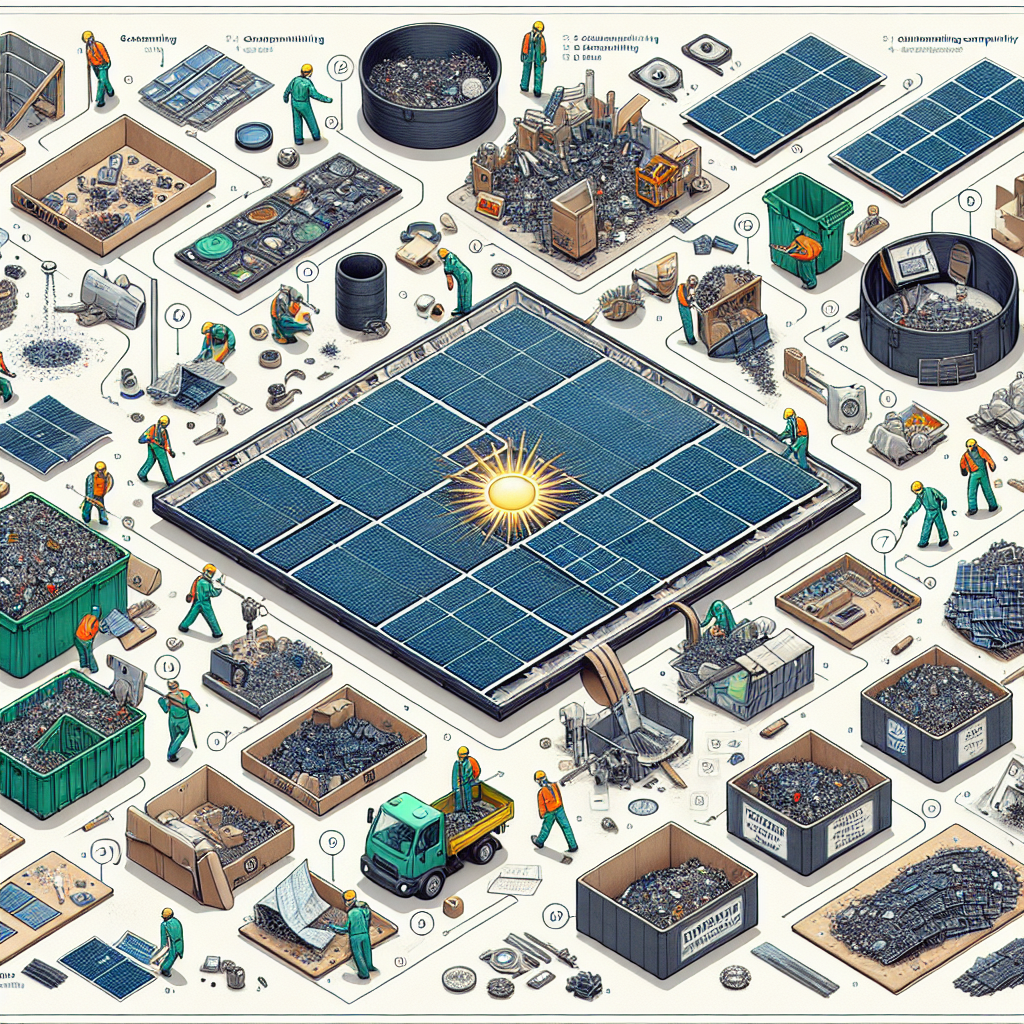
    When solar panels reach the end of their life cycle, the last place we want them to end up is in a landfill. This only contributes to the growing waste crisis we are facing globally. By recycling, we divert these materials from landfills and ensure they are properly managed.

    There’s something so satisfying about not just throwing things away mindlessly. I think if everyone had a recycling habit, we could save tons of waste from entering landfills.

    It’s not just the environment that benefits; it’s also our communities. Local businesses can thrive with recycling programs, and supporting them can forge stronger community ties. Let’s save our Earth and our towns at the same time!

    Promoting Innovation

    Finally, recycling promotes innovation within the sector. As the demand for solar panels increases, so does the need for more efficient recycling processes. Companies are investing in technologies that allow for better recovery of materials, which can lead to new business models.

    I’ve seen some exciting developments in this space! Recyclers are finding ingenious ways to extract precious materials while lowering the environmental costs—an absolute win-win!

    When we support recycling, we encourage businesses to think creatively about how to address both waste and energy challenges. It’s an empowering narrative, turning problems into solutions!

    How to Recycle Solar Panels Effectively

    Finding a Certified Recycler

    The first step in recycling your solar panels is to do a bit of homework. Look for certified recyclers in your area—these folks are trained to handle solar panels safely and are familiar with the regulations. You want to ensure your panels are disposed of responsibly!

    I recommend checking out reviews and asking around. Often local solar installers or environmental groups will be able to point you in the right direction. It’s all about building a community around sustainability.

    Once you find a recycler, do not hesitate to ask questions about their process. Transparency is key to feeling confident that your panels will be managed responsibly.

    Preparation for Recycling

    Before dropping off your panels, it’s important to prepare them properly. Disconnect any wiring and components, and clean them if necessary. This helps the recycling process go smoothly and ensures that recyclable materials are not contaminated.

    It might seem like a bit of a hassle, but trust me, the long-term benefits of taking these small steps totally outweigh any inconvenience. Besides, it’s kind of satisfying to know you did everything right.

    You might also want to document your disposal process—photos or receipts can be handy for tracking purposes or in case you need to reference it in the future. Being organized is always a good thing!

    Engaging Your Local Community

    Recycling doesn’t stop with just you; it’s a community effort! Organize local workshops that teach others about the importance of solar panel recycling. Sharing knowledge brings people together and amplifies the impact of recycling in your area.

    I’ve found that collaborating with local businesses or schools can draw in more participants—it’s awesome seeing collective action around something so vital!

    Encouragement is key. Even a small cleanup or recycling drive can inspire others to rethink their habits. Together, we can make waves in our quest to create a more sustainable tomorrow!

    Future of Solar Panel Recycling

    Research and Development

    Looking ahead, the future of solar panel recycling is bright, thanks to ongoing research and development. Companies are innovating ways to improve the recycling processes, making it easier to recover and reuse materials more effectively. How cool is that?!

    I think it’s vital for us to keep an eye on these advancements, as they may spur wider adoption of recycling practices across the industry. The more efficient the processes become, the more cost-effective and commonplace recycling solar panels will be!

    By promoting R&D in recycling, we continue to push the envelope on what’s possible for our planet, reinforcing the importance of sustainability in the solar energy sector.

    Policy and Regulation

    Policies play a huge role in the future of solar panel recycling. Advocating for stronger regulations can ensure that companies are held accountable for their waste and recycling practices. It’s essential for consumer protection and the health of our planet.

    I often join discussions or forums that center around these topics. Engaging with lawmakers and activists increases awareness and can directly influence positive changes in legislation. Your voice matters!

    Plus, when recycling is mandated by law, it sets a standard for the entire industry, leading to better practices and a greater emphasis on sustainability.

    Public Awareness Campaigns

    Finally, public awareness campaigns are crucial in fostering a culture of recycling. Creating educational content and sharing success stories can motivate individuals and communities to embrace solar panel recycling wholeheartedly.

    As someone who has participated in several campaigns, I can tell you—the more people know, the more likely they are to take action. Sharing personal stories and testimonials can be a powerful means to inspire others!

    Together, we can create a movement centered around sustainability, making solar panel recycling not just necessary, but also mainstream. The future looks promising!

    Frequently Asked Questions

    1. How long do solar panels typically last?

    Most solar panels last between 25 to 30 years. However, their efficiency might degrade over time, which is why it’s essential to consider recycling them once they’ve reached the end of their life cycle.

    2. What materials can be recycled from solar panels?

    Solar panels can be recycled for several materials, including silicon, glass, aluminum, and other metals. Recycling helps recover these valuable resources while preventing environmental pollution.

    3. Can I recycle solar panels on my own?

    While you might want to recycle solar panels yourself, it’s best to work with certified recyclers. They have the necessary machinery and expertise to recycle the panels safely and efficiently.

    4. Are there any costs associated with recycling solar panels?

    Some recyclers may charge fees for their services, while others may offer free recycling options depending on local policies or programs. It’s always good to check in advance!

    5. How can I spread awareness about solar panel recycling in my community?

    You can start by organizing educational workshops, sharing information on social media, and collaborating with local businesses to promote recycling programs. Every effort counts!

  • Solar Water Heating Guide

    Solar Water Heating Guide

    Understanding Solar Water Heating Systems

    What Are Solar Water Heating Systems?

    Hey there! Let me tell you about solar water heating systems. They’re really cool setups that use the sun’s energy to heat water for your home. Instead of relying solely on electricity or gas, these systems harness natural energy, which is super eco-friendly and can help cut down on your utility bills. Trust me, when I first learned about solar water heating, I was hooked!

    Essentially, they consist of a solar collector (usually on your roof) and a storage tank where the heated water is kept. How awesome is that? It’s like having your very own sun-powered hot water source right at home!

    What I really love about them is that they work great even in cloudy weather. Of course, sunny days are optimal, but the system can still collect some heat when it’s overcast. So if you live in a place where the sun isn’t always shining, don’t sweat it!

    The Benefits of Solar Water Heating

    Let’s talk benefits because who doesn’t love a good perk? One of the biggest advantages of solar water heating is cost savings. After the initial setup (which can feel like a chunk of change), the savings on your energy bills can be significant. You can save up to 50-80% on water heating costs. That’s like finding money in your couch cushions!

    Another benefit is sustainability. Using solar energy reduces greenhouse gas emissions and reliance on fossil fuels. I mean, I don’t know about you, but knowing I’m doing my part to help Mother Earth makes my heart happy. Plus, many governments offer incentives for installing solar systems, so you might just score some rebates or tax credits!

    Lastly, the maintenance for solar water heaters is relatively minimal. With just a little TLC and occasional checks on the system, you can ensure it runs smoothly for years. That low-maintenance aspect is definitely a win-win!

    Are There Different Types of Solar Water Heating Systems?

    You bet there are! There are basically two main types of solar water heating systems: active and passive. Active systems use pumps to circulate water or a heat-transfer fluid through the solar collectors. Think of it as your fancy coffee maker brewing that perfect cup—it’s all about circulation!

    On the other hand, passive systems don’t rely on pumps at all. Instead, they allow water to naturally flow through the system using the heat generated. It’s like the good ol’ days when we just let nature take its course.

    Choosing the right one for you depends on your budget, climate, and how much hot water you need. It’s always best to do a little research and chat with a professional to figure out what fits your home best!

    Choosing the Right System for Your Home

    Assessing Your Hot Water Needs

    Before diving headfirst into a solar water heating purchase, think about how much hot water you really use. I’m talking about showers, dishwashing, laundry—the whole shebang. When I first got mine, I had to track my usage for a bit to get a clear picture. Knowing your needs ensures you don’t over or under-size your system.

    It’s also important to consider your family size. More people typically require more hot water. Spotting patterns, like daily usage during peak times, can help determine the best system size for you. Don’t rush it—this is an important step! Trust me, you want to get this right.

    Lastly, think about your peak hot water demand times. If you have a household full of showers every morning, you’ll want a system that can handle that surge. Plan ahead, my friends!

    Evaluating Your Roof Space

    Next up, let’s chat about your roof! The amount of space available on your roof will determine how many collectors you can fit, and thus how much hot water you can generate. I remember when I was checking mine out—it’s a real science project trying to maximize every inch of space!

    Additionally, consider the direction and pitch of your roof. Ideal positioning is usually south-facing and tilted at an angle. But don’t panic if your roof isn’t perfect; there are still options for less-than-ideal roof configurations.

    Doing a bit of homework on this could save you a headache (and cash) down the road. A professional solar installer can help evaluate your space and give you tailored advice. Better safe than sorry!

    Finding the Right Installer

    This is where it gets real. Finding the right installer can make or break your solar water heating experience. I highly recommend seeking out multiple quotes and talking to potential installers. Ask about their experience, warranties, and customer service. You want to ensure these folks know their stuff!

    Also, look for reviews and testimonials from previous customers. A little detective work goes a long way. I always trust a company more when I see happy customers raving about their experience.

    And don’t forget to check for proper licensing and insurance. You wouldn’t want to trust your roof to someone who isn’t certified. Make sure you’re covered in case anything goes awry. Safety first, right?

    Cost Considerations

    Initial Investment vs. Long-term Savings

    Alright, let’s talk dollars. The initial investment for solar water heating systems can be substantial. I won’t lie, it can feel daunting at first. Prices depend on the system type, size, and installation charges. But hang tight, the long-term savings can make it all worthwhile!

    Once installed, you’ll be amazed at how much you can save on your energy bills. It’s like finding that sweet spot in your budget where extra cash is flowing in. Over time, these savings can add up and help recoup that initial cost—sometimes in just a few years!

    Plus, think about it this way: cutting your dependence on traditional energy sources is not just good for your wallet but also for the planet. Now that’s what I call a win-win!

    Available Incentives and Programs

    Did you know there are often great incentives available for solar water heating systems? You might be eligible for federal tax credits, state-specific programs, or even local utility rebates. It’s always best to check out what’s available in your area because these perks can significantly decrease your upfront costs.

    I remember when I was finalizing my decision, I stumbled upon a state rebate program that significantly reduced the invoice. Talk about a pleasant surprise! It’s like a hidden treasure waiting to be uncovered.

    Talking to your installer can be a great way to get the lowdown on these programs. They often know the ins and outs and can help you navigate the application processes. Just don’t sleep on it—some incentives have timelines!

    Financing Options

    If the upfront cost still makes your wallet tremble, don’t worry—there are financing options! Many solar companies offer various plans that allow you to spread the cost over time. I found this super helpful in making the whole process more manageable.

    Consider looking into home equity loans or personal loan options. Sometimes local green banks have programs specifically for renewable energy investments. Getting creative with your financing choices can open up more doors than you think!

    Just be sure to understand the terms before signing anything. I’ve spoken to folks who got stuck with unexpected fees or high interest rates simply because they didn’t read the fine print. You’ve been warned!

    Maintenance and Care

    Routine Maintenance Checklist

    Once your solar water heating system is up and running, keeping it in tip-top shape is important! I always tell my friends it’s like taking your car in for regular oil changes—don’t neglect it! An annual check-up by a professional can keep everything running smoothly.

    Keep an eye out for any leaks or issues with the collectors or storage tank. Routine checks can save you from major (and costly) repairs down the line. It’s like your system is a living, breathing thing that needs a little TLC!

    Also, don’t forget to clean your solar collectors periodically. Dust and debris can hinder efficiency. I like to grab a soft brush and give mine a good once-over a couple of times a year. Easy peasy!

    Signs Your System Needs Attention

    As with everything, there’s always a chance that something might go awry. Knowing the signs that your system might need some extra love is crucial. If you notice your hot water is not as hot as it used to be, it’s time to raise the flag!

    You might also want to pay attention to unusual sounds or leaks around the system. If your collectors are looking dirty or aren’t heating efficiently, that’s a red flag too. Better to address things early than let them turn into a full-blown debacle.

    And when in doubt, don’t hesitate to reach out to your installer. It’s better to ask than to be left in hot water—pun totally intended!

    Seasonal Care Tips

    Finally, it’s super important to adjust your system care with the seasons. In the winter, for instance, you’ll want to ensure the system is protected against freezing temperatures. Proper insulation and draining the system when not in use can head off some potential disasters.

    Summer, on the other hand, is when the system is working overtime! Some people actually switch to a backup heater for the fall and winter months, while others just let the system do its thing all year round. Personal choice, my friend!

    Keeping these seasonal changes in mind can save you money and frustration down the line. Your system will thank you, and so will your wallet!

    FAQs

    1. What factors determine the efficiency of a solar water heating system?

    The efficiency can depend on a variety of factors including the size and type of the system, geographic location, roof orientation, and local climate conditions. Solar collectors designed for hot climates may not perform well in cooler areas, and vice versa.

    2. Can solar water heating work in cloudy weather?

    Absolutely! While sunny days are ideal, solar water heaters can still capture sunlight, even on cloudy days. They can continue to provide hot water, just at a reduced efficiency during overcast weather.

    3. How long does a solar water heating system typically last?

    With proper maintenance, a solar water heating system can last between 15 to 30 years. Regular check-ups and quality installation are key factors in ensuring a long lifespan.

    4. What happens if my system freezes?

    If your solar water heating system isn’t properly insulated or drained during cold weather, it can damage the system. It’s essential to take precautions, like insulating pipes and draining the system when temperatures drop too low.

    5. Is it really worth the investment in solar water heating?

    Many folks, including myself, find that over time, solar water heating can save significantly on energy bills, not to mention the environmental benefits. After the installation investment, the long-term savings can be quite rewarding!

  • Solar Pool Heating Cost Guide

    Solar Pool Heating Cost Guide

    Understanding the Basics of Solar Pool Heating

    What is Solar Pool Heating?

    So, first off, let’s talk about what solar pool heating actually is. In simple terms, it’s a system that uses solar energy to warm up your pool water. Imagine soaking in a warm pool on a chilly evening—pure bliss, right? That’s what solar pool heating aims to achieve.

    These systems typically consist of solar panels installed on your roof or nearby structure, which absorb sunlight. The energy collected heats the water that’s then pumped into your pool, and voila! You’ve got a cozy swimming experience without breaking the bank on heating costs.

    Plus, solar pool heating is an eco-friendly approach. It reduces your reliance on fossil fuels and lowers your carbon footprint, so you can swim guilt-free knowing you’re doing your bit for the planet.

    Types of Solar Pool Heating Systems

    When it comes to solar pool heating systems, there are a couple of main types you might encounter: glazed and unglazed. Glazed systems are generally made from glass, providing better performance in cooler climates. They’re super effective but can be a bit pricier.

    On the other hand, unglazed systems are usually made from durable rubber or plastic, which makes them more affordable and ideal for warmer areas. They’re simpler and often easier to maintain, making them a popular choice for many homeowners.

    Choosing the right type depends on your local climate, budget, and how long you plan to enjoy your pool. Some folks even mix and match—hey, whatever floats your boat!

    Benefits of Solar Pool Heating

    Now, let’s get into the perks of going solar for your pool heating needs. First and foremost, it can be a huge money-saver. Think about it: once you’ve installed solar panels, your heating costs can drop significantly. You’re not constantly shelling out for energy bills every month.

    Another major benefit? Extended swimming season! With a reliable solar pool heating system, you can dive into your pool earlier in the spring and keep splashing around into the fall. That’s more quality pool time for you and your family!

    Lastly, people love that it’s a sustainable option. Using renewable energy sources like the sun means you’re caring for Mother Earth while enjoying your sizzling summer days. It’s really a win-win choice.

    Initial Costs of Installation

    How Much Does It Cost to Install?

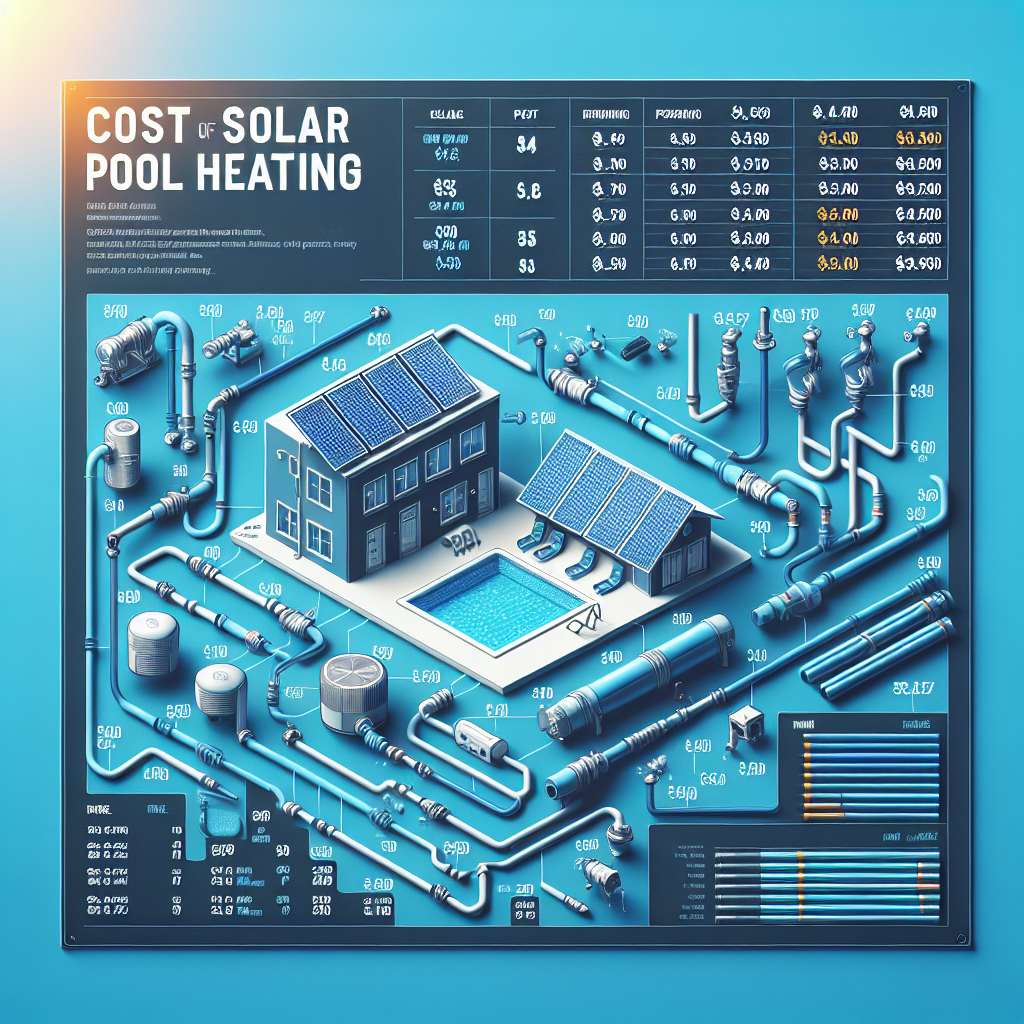
    Alright, let’s get down to the nitty-gritty: costs. On average, you’re looking at an installation cost ranging from a few thousand dollars to upwards of ten grand, depending on the system size and complexity. I remember when I was getting quotes; it felt like a big investment at first.

    Keep in mind that several factors can influence the price. The size of your pool, the type of system you choose, and local installation rates can all play a part in your total budget. The larger the pool and the more complex the layout, the more you might end up spending.

    Don’t forget to ask for multiple quotes from different contractors! This can save you a bundle. Plus, they might offer financing options to make that upfront cost a little less intimidating.

    Additional Expenses to Consider

    Once installation is done, there are still a few ongoing costs to keep in mind. Maintenance is key for your solar pool heating system, so set aside some cash for that. Regular checks will ensure everything’s working smoothly, and that means fewer headaches down the line!

    Another factor is pool water chemistry. You might need to spend a little extra on chemicals to keep your pool clean and sunny. It’s essential for the system to function well and for you to enjoy clear water.

    Lastly, energy costs might still apply if you’re using an auxiliary heating system during particularly cold spells. Just keep that in your budget as you plan ahead!

    Financing Options for Solar Heating

    For those of us who need a little financial breathing room, there are some financing options available. Look into solar loans, which can help spread those initial costs over several years. Many people I’ve talked to found this makes the whole project way more manageable.

    Sometimes, local governments or utilities offer rebates for installing solar heating systems. Definitely worth your time researching—it can significantly lower your overall expenses.

    Ultimately, the goal is to find a method that fits within your financial comfort zone so you can enjoy your warm pool all season long without breaking the bank!

    Long-Term Savings & Benefits

    Saving Money on Energy Bills

    Beyond the initial purchase and installation costs, let’s chat about long-term benefits. One of the most appealing aspects of solar pool heating is how it dramatically cuts down your energy bills in the long run. Once the system is up and running, it draws power from the sun, which is free!

    In fact, most homeowners see a considerable decrease in their monthly utility costs. After a few seasons of swimming, you might find that your system pays for itself through savings on those pesky energy bills.

    This financial relief is especially evident during peak swimming season when traditional heating methods can go through the roof—literally and figuratively!

    Increased Home Value

    Interested in increasing your property’s value? It’s no secret that more energy-efficient homes attract buyers, and having a solar pool heating system can be a great selling point. Potential buyers often see the investment in solar technology as a major benefit.

    If you ever decide to sell your home, showcasing your solar-powered pool heating can make it stand out in the market. People love the idea of enjoying a warm pool without the huge energy bills. Trust me—this can be a big drawing card!

    Besides, with more folks looking for green technology, investing in solar can signal to buyers that you care about sustainability, which is always a plus in today’s world.

    Environmental Impact

    So, let’s not forget the environment. One of the biggest wins with solar pool heating is how much it contributes to a healthier planet. As we all become more aware of climate issues, using renewable energy sources is the way to go.

    Your solar pool heating system helps reduce carbon emissions by relying on the sun instead of fossil fuels. Not to mention, it contributes to a greener pool option overall. Now, you can enjoy your summer fun while feeling good about your eco-friendly choice.

    Every little bit adds up when it comes to protecting our environment, and installing a solar heating system is a proactive way to be part of the solution. You’re literally harnessing the power of the sun—we can’t get much cooler than that!

    Tips for Maximizing Efficiency

    Proper Pool Maintenance

    Okay, now that you’re on board with solar heating, let’s talk efficiency. The first step in maximizing your system’s performance? Pool maintenance. Keeping your pool clean and the water chemistry balanced goes a long way toward efficient heating.

    Make sure to regularly skim debris, check filters, and ensure that your pump is functioning well. I find that a little upkeep goes a long way in ensuring you get the most out of your system.

    A basket of floating solar rings or a cover can also help trap heat. These nifty gadgets can keep your water warm during cooler nights, making a significant difference in overall efficiency.

    Optimal Placement of Solar Panels

    Did you know that the placement of your solar panels can dramatically affect how well they heat your pool? You want to find a sun-soaked spot—check for areas free from shade by trees or buildings during peak sunlight hours.

    I’ve seen a difference in performance just by moving panels or adjusting angles. Proper placement can boost heat capture significantly, turning your panels into little solar powerhouses.

    And don’t forget to clean them regularly! Dust, debris, and bird droppings can really diminish their effectiveness. A quick rinse every so often can enhance performance and help you soak in all that warm, cozy water.

    Monitoring Your System Performance

    Finally, let’s talk about monitoring your system for optimum performance. Many modern solar pool heating systems come with monitoring options, allowing you to keep an eye on how well they’re doing. Knowing your system’s efficiency helps you spot any issues before they turn into major problems.

    Be on the lookout for any sudden spikes in energy bills or unusual pool temperatures. It’s better to catch those things early. Some systems even have app compatibility, so you can check in from anywhere. How cool is that?

    Keeping tabs on how well your system performs ensures you’re enjoying the most out of your solar pool heating—so take advantage of those monitoring tools!

    FAQs

    1. How much can I save on energy bills with solar pool heating?

    Many homeowners report savings of up to 70% on their energy bills over traditional heating methods, depending on usage and local climate.

    2. Can I install a solar pool heating system myself?

    While some homeowners choose to install systems themselves, it’s often best to hire a professional to ensure proper installation for efficiency and longevity.

    3. How long does it take for a solar pool heating system to pay for itself?

    Typically, homeowners find that their investment pays off in about 3 to 7 years due to energy savings and increased pool usage.

    4. Will solar pool heating work in a cloudy climate?

    Yes! While it’s more effective in sunny climates, solar pool heating will still function properly in cloudy areas, just maybe not as efficiently as in full sun.

    5. What maintenance is required for solar pool heating systems?

    Maintenance is generally minimal, but you should regularly check the system for leaks, keep the panels clean, and make sure your pool’s water chemistry is balanced.

  • Solar Installation Permits Guide

    Solar Installation Permits Guide

    Understanding Local Regulations

    Identifying Your Local Authority Having Jurisdiction (AHJ)

    When I decided to go solar, the first thing I learned was that every area has its own set of rules about solar installation. Seriously, before you dive in, find out who your local authority is. This could be a city or county department. Understanding this helps in knowing exactly what permits you’ll need to apply for.

    Every AHJ has its own quirks. Some are super streamlined, while others can throw a wrench in things if you’re not prepared. I found it useful to reach out to them directly, either via phone or email. They can provide a wealth of information about what documents are required and how the whole process goes down.

    If you’re unsure where to start looking for your AHJ, a quick Google search with your city’s name followed by “permitting office” usually does the trick! Trust me, it’s good to have this checked off your list early.

    Researching Local Building Codes

    Next up is mastering the local building codes. These codes are like a playbook for your solar installation; they outline minimum safety standards that everyone must follow. I spent hours reading them, learning what I could about requirements for roof load, electrical wiring, and more.

    When I went through the codes, I made notes of anything particularly relevant to solar panels. This included how much weight my roof could support and what types of materials I was allowed to use. Spoiler alert: it can vary quite a bit depending on your area!

    If you find yourself getting overwhelmed, don’t hesitate to reach out to a local contractor who specializes in solar. They’ve usually got the rundown of what’s needed and can help navigate the codes more easily.

    Obtaining Required Permits

    Once I had a grasp of the local regulations and building codes, it was time to apply for permits. This step can feel daunting, but breaking it down into smaller tasks made it manageable. I found a checklist online that listed every permit I would need, which made it a lot less intimidating!

    Gathering all the required documents for the permits took some time. I had to submit plans of my installation and sometimes even technical specs of the solar panels I was using. This part of the process can take a while, so be patient and check in with your local authority for updates.

    After submitting everything, I made sure to keep copies of all my paperwork. One of my friends skipped this step and had to scramble to find everything later! Staying organized can save you a headache down the road.

    Working with a Solar Installer

    Selecting the Right Installer

    I can’t stress enough how important it is to choose a reputable solar installer. I went through a few reviews, asked for recommendations, and even checked their credentials. It’s like picking a contractor for any other home project; you want to make sure they know their stuff!

    When I found potential installers, I set up meetings to discuss my project and get estimates. This not only helped in understanding costs but also gave me a feel for how they operated. I recommended asking specific questions about their experience with local permits as well.

    Remember, a solid installer will know their way around the permitting process, so don’t hesitate to lean on their expertise.

    Collaborating on Permit Applications

    Your chosen installer is going to be a significant player in getting permits. In my case, my installer took the lead on this, which was a huge relief! They had a thorough understanding of what was needed, and they pretty much handled all the paperwork.

    However, it’s essential to stay in the loop. I made it a point to check in with my installer often to understand what they were doing regarding the permits. Having a good communication line ensures everything stays on track and makes the whole process smoother.

    Don’t hesitate to voice any concerns or ask questions as they prepare the applications. Transparency is crucial in this partnership!

    Managing Expectations

    There may be bumps in the road during the permitting process — delays, unexpected requirements, you name it. I learned to manage my expectations early on by being realistic about timelines. I also kept in mind that each locality handles things differently; some might have longer approval times than others.

    Keeping my energy positive during this waiting game helped immensely. I would remind myself that all the paperwork and patience would be worth it once my solar panels were installed!

    I also encouraged my friends and family who were considering solar to have their expectation in check. This advice can prevent frustration and disappointment down the line.

    Understanding the Inspection Process

    Preparing for Inspections

    After securing the necessary permits, it’s time for inspections. This was a new and somewhat intimidating stage for me, but proper preparation helped ease my anxiety. I made sure my installer was ready, too; they typically handle the logistics!

    One thing I didn’t realize was how crucial it is to have all documentation on hand — permits, plans, everything! A quick checklist can make this process less stressful, ensuring nothing gets overlooked. I even printed copies of my application, just in case!

    I also took the initiative to learn what inspectors typically look for. That way, I was able to address any concerns beforehand, potentially speeding up the process.

    Understanding What Inspectors Look For

    During the inspection, I discovered that inspectors aren’t just there to approve or reject; they’re also educators. They check for safety, code compliance, and the overall quality of the installation. Understanding their criteria helped me feel more confident.

    They often evaluate the system installation, electrical connections, and sometimes even overall aesthetics. I stood nearby during the inspection, allowing me to ask questions and understand their findings firsthand. It was eye-opening!

    This was also a great time to build rapport with the inspector! Friendly interactions can sometimes lead to smoother processes in the future, whether for you or the installer.

    Finalizing the Installation

    Once the inspection was completed and everything was up to snuff, it was time for the final touches on my solar installation. I was buzzing with excitement! I learned that this step often includes filling out final paperwork and getting everything in place for activation.

    Don’t forget to celebrate this achievement! After navigating through permits and inspections, I got together with friends and had a little solar-themed gathering. We even had a cake with a solar panel design on it – it was a fun way to mark the occasion!

    Once the installation was finalized, I was able to enjoy the benefits of my solar energy. I’ve learned that this whole journey, while challenging, is part of an exciting transition to renewable energy. It feels fantastic to know that I’m doing my part for the planet!

    FAQs

    What are the main permits required for a solar installation?
    The permits typically include building permits, electrical permits, and sometimes zoning permits. You’ll want to check with your local AHJ for specifics.
    How long does the permitting process for solar install typically take?
    It varies by location, but expect anywhere from a few weeks to a couple of months due to local regulations and approval times.
    Can I handle the permitting process myself?
    Yes, it’s possible to handle the permits yourself, but it’s often much easier to work with a qualified solar installer who knows the ropes.
    What happens during the inspection phase?
    Inspectors will review your installation to ensure it meets safety codes and local regulations. They’ll check the setup, electrical connections, and overall compliance.
    Should I be present during inspections?
    While it’s not mandatory, being present can be beneficial. It gives you a chance to ask questions and understand any issues that may arise.
  • Solar Panel Mounting Guide: All Roof Types

    Solar Panel Mounting Guide: All Roof Types

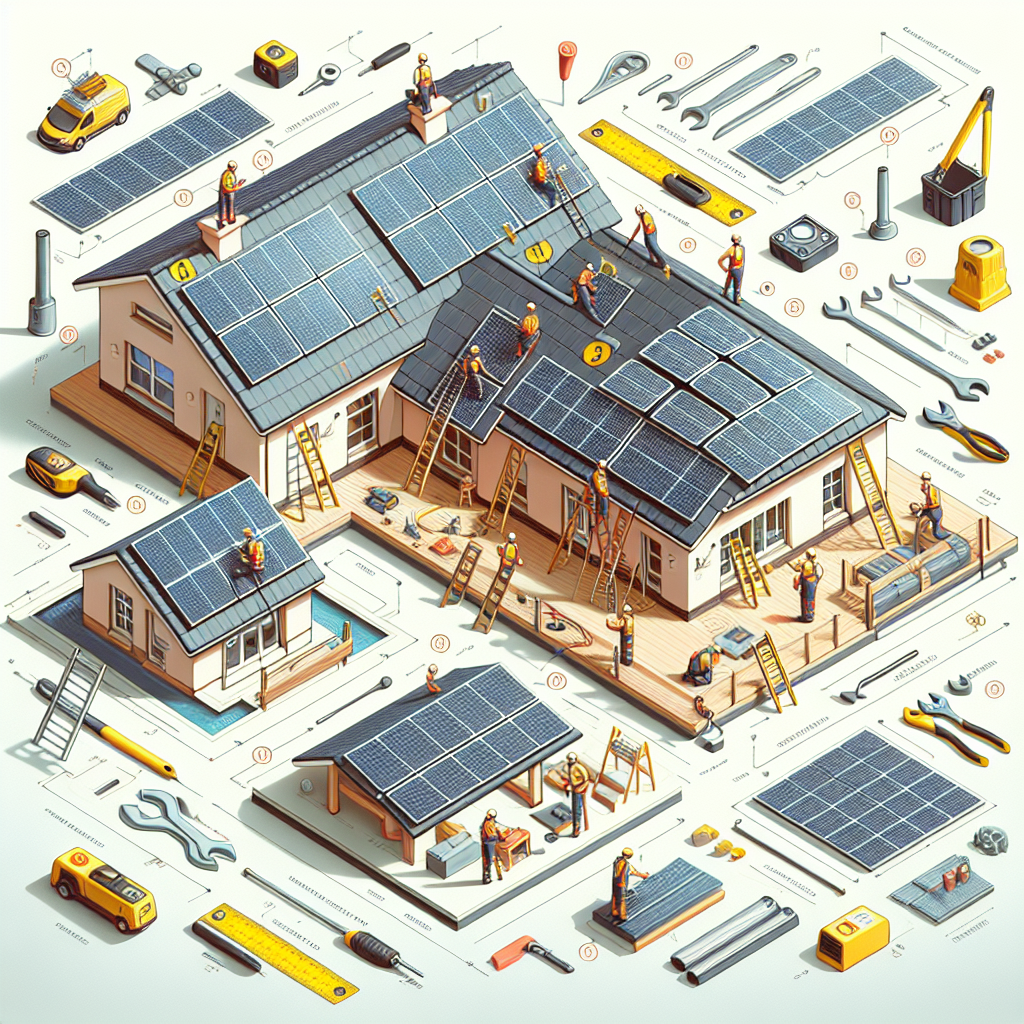
    Hey there! If you’ve been thinking about going solar, you’re not alone. Many of us are making the shift towards renewable energy, and it’s pretty exciting. One of the most important aspects of getting solar panels installed is understanding how to mount them effectively on different roof types. Today, I’ll share my insights into this topic and break it down into five major areas that I wish I had known when I started. Let’s dive right in!

    Selecting Your Mounting System

    Understand Your Roof Type

    First things first, you need to figure out what type of roof you have. Is it flat, sloped, tiled, or metal? Knowing this is key. Each roof type has its own set of requirements and best practices. For example, a flat roof allows for a different mounting strategy than a pitched roof.

    Once you identify your roof style, you can research specific mounting systems tailored for that type. Each system will have its own pros and cons, which I learned often through trial and error or by chatting with experts. Talk about a learning curve!

    In my case, I was amazed at how much my roof type affected the installation process. So, get ready to do a bit of homework. Trust me, it’s worth it!

    Choosing the Right Mounting Equipment

    Now, onto equipment. You need to choose what kind of mounts you’ll be using. Railing mounts, ballast systems, and even pole mounts are all options. I found that companies like IronRidge and Unirac offer solid systems. Just make sure to select ones that come with a good warranty, because let’s face it, you don’t want to be replacing these things anytime soon.

    Don’t skimp on quality here! I once tried to save a few bucks by opting for a cheaper mount, and my panels didn’t sit right. It wasn’t pretty! Investing in good quality gear now can save you headaches down the line.

    Also, remember that local building codes often dictate what type of mounting hardware you can use. Always check those before making a purchase. Don’t get caught off-guard, believe me, I’ve been there!

    Tools You’ll Need

    Before you start the installation, let’s talk tools. You’ll typically need a drill, a wrench, a level, and potentially a saw if adjustments are necessary. The right tools make all the difference!

    When I first took on a DIY solar project, I didn’t have all the tools I needed and ended up making extra trips to the store. Ugh, frustrating! So it’s definitely worth it to double-check your tool inventory before diving in.

    If you’re feeling unsure or overwhelmed, it might also be worth hiring a professional for the installation. Sometimes investing in their expertise pays off!

    Preparing Your Roof for Installation

    Cleaning and Inspection

    Before you can get into the nitty-gritty of installation, your roof needs a good cleaning. Any debris like leaves, branches, or even moss can cause problems down the line. Plus, a clean surface is essential for securing the mounts properly.

    After cleaning, inspect your roof thoroughly. Look for any damage, missing shingles, or weak spots. I’ll never forget the time I overlooked a small leak, which turned into a bigger issue later on. Take the time now to avoid future headaches!

    If you find any damage, it’s wise to fix that before installing solar. You want a solid foundation for those panels, not something that’s going to cave under pressure.

    Planning Your Layout

    Next comes planning your panel layout. This isn’t just about aesthetics; it’s also about optimal energy collection. The angles and direction matter a lot! I learned that you want your panels facing true south (in the Northern Hemisphere) for maximum efficiency.

    Don’t forget about potential shading from trees or nearby buildings. I made the mistake of assuming I could get away with placing panels under some branches, and boy was I wrong!

    Use online tools like Google SketchUp to visualize your layout before you start drilling. It can save a ton of time and ensure you’re making the best use of available sunlight.

    Permits and Regulations

    Alright, let’s not forget about the legal side of things. Before you start nailing anything down, it’s crucial to check local codes and obtain the necessary permits. Each town or city can have different requirements. I personally made a call to my local office to clarify, and I’m so glad I did!

    Failing to secure the right permits can lead to fines or even having to remove your panels. Trust me, you don’t want to deal with that kind of hassle. I’ve watched friends go through that nightmare.

    Once you have all the paperwork sorted, you’re one step closer to having those panels up and running!

    Installing the Mounting Hardware

    Secure the Mounts

    With everything prepped, it’s installation time! Start by securing the mounts according to the layout you planned. Make sure to follow the instructions that come with your equipment closely. The last thing you want is to have to redo work because something is off.

    I can’t stress enough how important it is to use a level during this part. I had one panel that needed a second chance because it wasn’t level, and it drove me up the wall!

    Also, ensure that you’re tightening those mounts adequately. A loose mount can wiggle and cause damage, so don’t cut corners!

    Install the Panels

    Next step: it’s time to install your solar panels on those mounts! I was a bit anxious during my first installation, but it was mostly straightforward. If you’ve done your homework and have help, you should be good to go.

    Use care when lifting them; panels can be fragile. I recommend having a buddy help out to avoid any accidents. Plus, it makes the whole experience way more enjoyable.

    After placing them, double-check all connections and mounts. Better safe than sorry here!

    Connect to the Electrical System

    I know, I know—this is the part where things can get technical! Connecting your solar system to your home’s electrical system is essential for actually using the power generated.

    At this point, I suggest consulting a professional electrician if you’re not comfortable working with electricity. There’s no shame in it! The last thing you want is an electrical mishap that puts you or your home at risk.

    For those who are confident, be sure to follow local wiring codes. Once connected, you’re almost there! Just wait for the joy of seeing your energy meter run backward!

    Finalizing Your Installation

    Inspection and Testing

    After everything is installed, it’s important to do a thorough inspection. Check all your connections and mounts once more. I caught a few minor issues during this phase that could have escalated later!

    Next comes testing! Turn on the system and make sure everything is functioning as intended. There’s nothing quite like that first moment when you see your power meter start spinning backwards.

    If anything looks off, don’t hesitate to reach out to a professional to make sure everything is in line. Better safe than sorry—right?

    Maintenance Plans

    Once you’re up and running, establish a maintenance routine. Clean your panels a couple of times a year or anytime they look dirty. A little upkeep goes a long way in ensuring optimum efficiency!

    Don’t forget to monitor your system’s performance regularly. Most systems come with monitoring tools that will help you stay on top of how much energy you’re producing.

    And if you notice any issues, address them quickly. I once let a small issue linger, and it cost me some energy production—not cool!

    Linking with Net Metering

    The final step in this journey is often net metering, which lets you take advantage of the energy your system generates. It can be a bit of a game-changer when it comes to your energy bills.

    You’ll need to work with your energy provider to ensure they recognize and support your system. This can be an easy process, or it can take some effort to get everything aligned—so stay patient!

    Once it’s all set, you’ll be ready to enjoy the benefits of solar energy—and that’s a great feeling!

    FAQs about the Solar Panel Mounting Guide

    1. What should I consider when selecting a mounting system for solar panels?

    When selecting a mounting system, consider your roof type, the quality of the mounts, and local building codes. Each roof type necessitates different approaches, so it’s crucial to match the hardware accordingly.

    2. How do I prepare my roof before installing solar panels?

    First, you need to clean your roof and do a thorough inspection for any damage. After that, plan your layout and ensure you have the necessary permits to proceed with the installation.

    3. Can I install solar panels myself, or should I hire a professional?

    If you’re handy and confident in your abilities, a DIY installation is possible. However, if electrical work or roof access makes you nervous, hiring a professional is a smart choice to avoid any risks.

    4. How often should I inspect and maintain my solar panels?

    You should inspect and clean your solar panels at least a couple of times a year. Regular maintenance ensures they operate efficiently and any potential issues are spotted early.

    5. What is net metering and how does it work?

    Net metering allows you to receive credit for the excess energy your solar panels generate. When your system produces more energy than you consume, the surplus is sent back to the grid, offsetting costs on your future electricity bills.

    I hope this guide helps you on your solar journey! Remember, every roof is unique, and so is each installation process. Take your time, do your research, and you’ll be enjoying the benefits of clean energy in no time!

  • Solar Panel Output Guide

    Solar Panel Output Guide

    Understanding Solar Panel Output

    What is Solar Panel Output?

    You might have heard the term “solar panel output” thrown around, but what does it actually mean? Well, simply put, solar panel output refers to the amount of electricity a solar panel can generate under specific conditions. It’s measured in watts, and this can vary based on a few factors, like the panel’s efficiency and the amount of sunlight it receives. Getting a grasp on this concept is super important if you’re considering solar energy for your home or business.

    In my experience, knowing how to evaluate solar panel output can save you a ton of time and money down the road. Once you know what you’re working with in terms of output, you can make more informed decisions about which panels to invest in, what your energy needs look like, and how much you can potentially save on your electricity bill.

    To put it simply, solar panel output is all about efficiency – how effectively the solar cells convert sunlight into usable energy. The better the output, the more bang you’re getting for your buck when it comes to your investment in solar energy.

    Factors Influencing Output

    The Role of Sunlight

    Alright, let’s dive into one of the biggest players in the game: sunlight. Not all sunlight is created equal, and the intensity and duration of sunlight can greatly impact how much power your solar panel produces. So if you’re thinking about installing solar panels, checking your local weather patterns is a smart first move.

    In my neck of the woods, sunny days are plentiful, which makes solar energy super attractive. However, I know folks who live in cloudy regions and may not get the same benefits. It’s essential to assess your local climate and understand how that sunlight plays into your output expectations. Sunlight quality matters!

    Don’t forget seasonal changes, either. In winter months, for instance, the angle of the sun shifts, and that can affect how much sunlight your panels get, even if there is a clear sky. Knowing all this helps paint a clearer picture of what kind of output to realistically expect from your setup.

    Choosing the Right Solar Panels

    Comparing Different Solar Technologies

    When it comes to choosing solar panels, it can feel a bit overwhelming, right? There are several types of solar technologies out there – mainly monocrystalline, polycrystalline, and thin-film. Each comes with its own pros and cons, so let’s break it down.

    Personally, I’ve had great luck with monocrystalline panels. They tend to be the most efficient and take up less space, which is fantastic if you’re dealing with a smaller roof. On the flip side, polycrystalline panels are generally more affordable but are a bit less efficient. It’s about finding that sweet spot between budget and output that fits your needs!

    Thin-film panels might appeal to those looking for flexibility and portability, but do keep in mind they often have lower efficiency rates. It’s all about understanding what you’re after in your solar panel setup. Once you make the right choice, it can significantly boost your energy output and efficiency.

    Installation Impact on Performance

    The Importance of Professional Installation

    So, here’s the deal: you can have the best solar panels in the world, but if they’re not installed correctly, you won’t get the output you’re counting on. I can’t stress enough how crucial it is to use a qualified professional for your installation. It’s one of those things where you really do get what you pay for.

    During my installation process, I opted for a reputable company with reviews that spoke to their efficiency and craftsmanship. Having experienced individuals handle the tricky bits meant I didn’t have to worry about potential mistakes or misalignments that could cost me in energy efficiency.

    Don’t skimp out on installation communication, either! Make sure the installers explain the placement of the panels to capture the most sunlight. You want to optimize your output, and a little misalignment could lead to significant energy losses over time.

    Monitoring and Maintenance

    Keeping an Eye on Performance

    Last but definitely not least, we need to talk about monitoring and maintaining your solar panels. Just like a car needs regular oil changes and check-ups, your solar panels need a little love, too! Keeping an eye on their performance is key to ensuring they’re operating at their best.

    I have a monitoring system installed that tracks my energy usage in real time. This allows me to notice any dips in production right away, so I can call a professional if something seems off. Getting that proactive approach can save you money and stress in the long run.

    Also, don’t forget about cleaning your panels! Dust and debris can build up and reduce their efficiency. A good rinse from a garden hose or a gentle brush can make a world of difference. Regular maintenance means better performance – it’s a win-win situation!

    Frequently Asked Questions

    1. How much energy can I expect my solar panels to generate?

    The energy output of your solar panels depends on various factors such as location, weather, and the type of panels you choose. On average, a typical solar system can generate between 250 to 400 watts per panel.

    2. Do solar panels work in cloudy weather?

    Yes! Solar panels can still generate electricity on cloudy days, although at a reduced output compared to sunny days. They are designed to capture diffuse sunlight, so you’ll still benefit from solar energy.

    3. How long do solar panels last?

    Most solar panels have a lifespan of about 25-30 years. With proper maintenance and monitoring, they can continue to produce significant amounts of energy even beyond that timeframe.

    4. What happens if my solar panels don’t produce enough energy?

    If your panels aren’t producing enough energy, it’s essential to troubleshoot the issue. Check for obstructions, ensure they are clean, and monitor performance through your system’s tracking app. If issues persist, calling a professional for an inspection is a smart move.

    5. How much maintenance do solar panels require?

    Solar panels are fairly low-maintenance, but it’s important to clean them regularly and have them inspected by professionals every few years to ensure optimal performance.

  • Solar Power 101: Beginner’s Guide

    Solar Power 101: Beginner’s Guide

    Understanding Solar Power Basics

    What is Solar Power?

    So, let’s kick things off with the basics! Solar power is a renewable energy source that harnesses the energy from the sun and converts it into electricity. It’s pretty fascinating, right? We’ve been getting energy from the sun since, well, forever, but technology has really caught up in making it accessible. With solar panels, sunlight strikes the cells and creates an electric current. It’s magic, but like, science magic!

    Now, what’s great about solar is that it’s not going anywhere. The sun shines, on average, 250 days a year in many places — that’s a ton of potential energy just waiting to be captured! With climate change being a hot topic (pun intended), solar power offers a cleaner alternative to fossil fuels, which is a huge win for Mother Earth.

    But hang on, we’re not just dreaming big here; solar installations are also getting more affordable! As technology improves and more folks start to use it, the costs have been coming down significantly. It’s a great time to be thinking about going solar!

    Types of Solar Power Systems

    Grid-Tied Systems

    First off, you’ve got grid-tied systems, which are the most common. These systems are connected to the utility grid. If you produce more energy than you consume, the excess goes back to the grid, and you might even get paid or receive credits. It’s like a mini loan system, but for energy!

    One thing I love about grid-tied is that you don’t need batteries. That means you can save money by not investing in energy storage. However, during a power outage, you lose power — but hey, you can always light some candles and have a cozy night in, right?

    This type of system makes it super easy to “plug into” the grid and gives you a backup, making it a solid choice for most homeowners!

    Off-Grid Systems

    Next up, the off-grid system. This one’s for the true independence lovers. With this setup, you’re completely disconnected from the utility grid, relying on solar panels and battery storage to stay powered. Think about it: the ultimate escape into nature without sacrificing modern comforts.

    While I admire the adventurous spirit of going off-grid, it’s also more complex. You have to ensure you produce enough energy to meet your needs and size your battery storage correctly. It’s like living in your own little bubble. Just picture yourself roasting marshmallows on a campfire while your friends are trying to figure out what’s wrong with the power at their houses. Jealous yet?

    But take note: living off-grid requires commitment. You’ve got to keep an eye on your energy usage and plan accordingly. It might just be the best thing you ever do or the biggest challenge — but hey, that’s the thrill of it!

    Hybrid Systems

    Lastly, let’s talk about hybrid systems, the best of both worlds. Picture this: you can connect to the grid but still have a battery storage solution as backup. This means if the power goes out, you’re still good to go. It’s like having your cake and eating it too!

    Hybrid systems allow you to maximize your energy independence while still having the safety net of the utility grid. I can’t tell you how relieving it can be knowing you’ll have power even when the grid falters.

    However, these systems can get pricier than the other two options, but if you’re looking for flexibility, it might just be worth the investment. Plus, you’re doing your part for the climate, so there’s that good vibe as well!

    The Benefits of Solar Power

    Cost Savings

    Let’s get to the juicy details: the benefits! One of the biggest perks of going solar is cost savings. After your initial investment in solar panels and installation, your monthly electricity bills can drop significantly. I mean, who doesn’t want to save some coins? It feels like you’re getting a little financial win every month!

    Not only that, but many states offer tax incentives and rebates for solar installations that can help offset costs. It’s like a cute little cherry on top of your energy cake. Look into what’s available in your area — you might be surprised!

    Plus, as energy prices continue to rise, the savings can snowball over time. Think of solar power as a long-term investment in your home’s value. When you sell your home, having solar panels can be a great selling point!

    Environmental Impact

    Then there’s the environmental impact, and let’s be real — this is a biggie. Switching to solar power can drastically reduce your carbon footprint. Less reliance on fossil fuels helps decrease air pollution and combat climate change. It feels great to know you’re helping save the planet!

    Every kilowatt-hour of solar energy generated avoids greenhouse gas emissions that come from burning fossil fuels. It’s the ultimate way to be eco-friendly while enjoying your energy without guilt! Everyone wins when we embrace clean energy.

    So, really, by investing in solar power, you’re making a change not just for yourself but for future generations. It’s like giving the earth a little hug!

    Energy Independence

    Another fantastic benefit is energy independence. With solar power, you’re not as beholden to large providers who keep raising their prices. Depending on your setup, you can generate your own energy, which gives you that sense of freedom we all crave. You’re literally powering your home! Talk about empowerment!

    This independence also leads to resilience against energy crises or shortages. In times of high demand or emergencies, you’ve got your own power supply to rely on. It’s a comforting feeling, especially if you live in an area prone to outages.

    And let’s be honest, in today’s world, who doesn’t want a little bit of that security? We all deserve to feel stable and self-reliant — and solar can definitely help you achieve that!

    How to Get Started with Solar Power

    Research Your Options

    Alright, you’re ready to take the plunge! First, the key here is research. Dive deep! Look into the different types of solar systems and see what fits your lifestyle best. I started by browsing various websites, talking to friends, and soaking up as much info as I could. Knowledge is power, especially in this arena.

    You should consider your energy needs, how much space you have for panels, and your budget. Every home is unique — it’s kinda like figuring out personal style, but for energy! Think about your goals. Are you looking to save money, be more eco-friendly, or both?

    Don’t forget to check out local regulations or incentives too. Some states have more benefits than others, and you wanna take advantage of what’s out there to help you make that switch smoothly.

    Consult with Professionals

    Next up, it’s time to chat with professionals. I can’t stress enough how helpful it was for me to reach out to solar consultants. They really helped break down all the intricate details. Plus, they can give you personalized advice based on your situation.

    They’ll assess your roof, discuss your energy usage, and tailor options that fit. It’s always a great idea to get quotes from multiple providers. Just like shopping for anything else, you want to compare prices, warranties, and services offered!

    And don’t forget to ask about installation timelines and maintenance plans. The last thing you wanna do is hop in without a good plan. So take your time here — patience is key!

    Installation

    Now we’re at the fun part — installation day! It may feel like a big deal, but think of it as a celebration of your commitment to clean energy. When the crew shows up, they’ll install your panels and connect everything to your home. It’s like unwrapping a present!

    During installation, they’ll go through some checks to ensure everything is working correctly, and they’ll explain how your system operates. I recommend sticking around to see it in action and ask any questions you might have. You’ll feel good knowing exactly how your new system works!

    After it’s up and running, it’s time to monitor your energy production! You’ll likely have access to an app or some online portal where you can watch your energy in real-time. It’s super fun and rewarding to watch your efforts pay off right before your eyes!

    Maintenance and Upkeep

    Routine Maintenance

    Once your solar system is up and running, you’ll want to think about maintenance. The good news? Solar panels require minimal upkeep. Just a bit of regular cleaning is usually enough because dust and debris can accumulate over time, especially if you live in a dusty area. I like to get up there a couple of times a year to wipe things down.

    Also, make sure to check that there aren’t any obstructions like trees or buildings that could affect the sunlight hitting your panels. Keeping things clear will ensure you’re getting the maximum benefit from your system! It’s about maintaining that sunny side up vibe.

    If your panels aren’t producing as much energy as expected, it could be a sign that something’s off. Reach out to your installer, and they can help pinpoint the problem before it becomes a major issue!

    Monitoring Performance

    Monitoring performance is key. Many systems come with monitoring tools that let you keep an eye on how much energy you’re producing. I love logging in every now and then and checking out the graphs and stats. It’s like watching your savings grow, except it’s with sunlight!

    If you notice significant drops in performance, reach out to a professional to assess. Efficient energy generation is the goal here, so staying engaged is essential. You might also find that your energy needs change over time, which is totally normal! Adjustments can be made to optimize your performance.

    Being proactive about your system means you can maximize your savings and continue benefiting from your investment in solar.

    Keeping Up with Upgrades

    Lastly, technology is always evolving, and it may be worth looking into upgrades as newer systems and technologies become available. It’s similar to how we update our phones for cooler apps; you want to stay current, so you can benefit from the latest and greatest.

    Speaking of upgrades, if you add more appliances or devices in the future, you may want to expand your solar setup. Keeping communication open with your installer will help you navigate these decisions when the time comes.

    The world of solar is constantly changing and improving, and staying informed means you’ll be ready to take advantage of any new opportunities that come your way!

    Frequently Asked Questions

    1. What is solar power?

    Solar power is energy harnessed from the sun using solar panels, which convert sunlight into electricity. It’s a renewable and clean source of energy!

    2. What are the types of solar power systems?

    There are three main types of solar power systems: grid-tied, off-grid, and hybrid systems. Each serves different needs and lifestyles.

    3. How much can I save with solar energy?

    Potential savings can vary, but many homeowners see significant reductions in their electricity bills after installing solar panels, and it can increase their home value.

    4. Do solar panels require maintenance?

    Yes, while maintenance is minimal, regular cleaning and checks are essential to ensure optimal performance of solar panels.

    5. Can I go off-grid with solar power?

    Absolutely! Off-grid solar systems allow you to be entirely self-sufficient, relying on solar energy and battery storage instead of the utility grid.