Tag: guide

  • Making the Switch to Solar: A Guide for Homeowners

    Making the Switch to Solar: A Guide for Homeowners

    Understanding Solar Energy Basics

    What is Solar Energy?

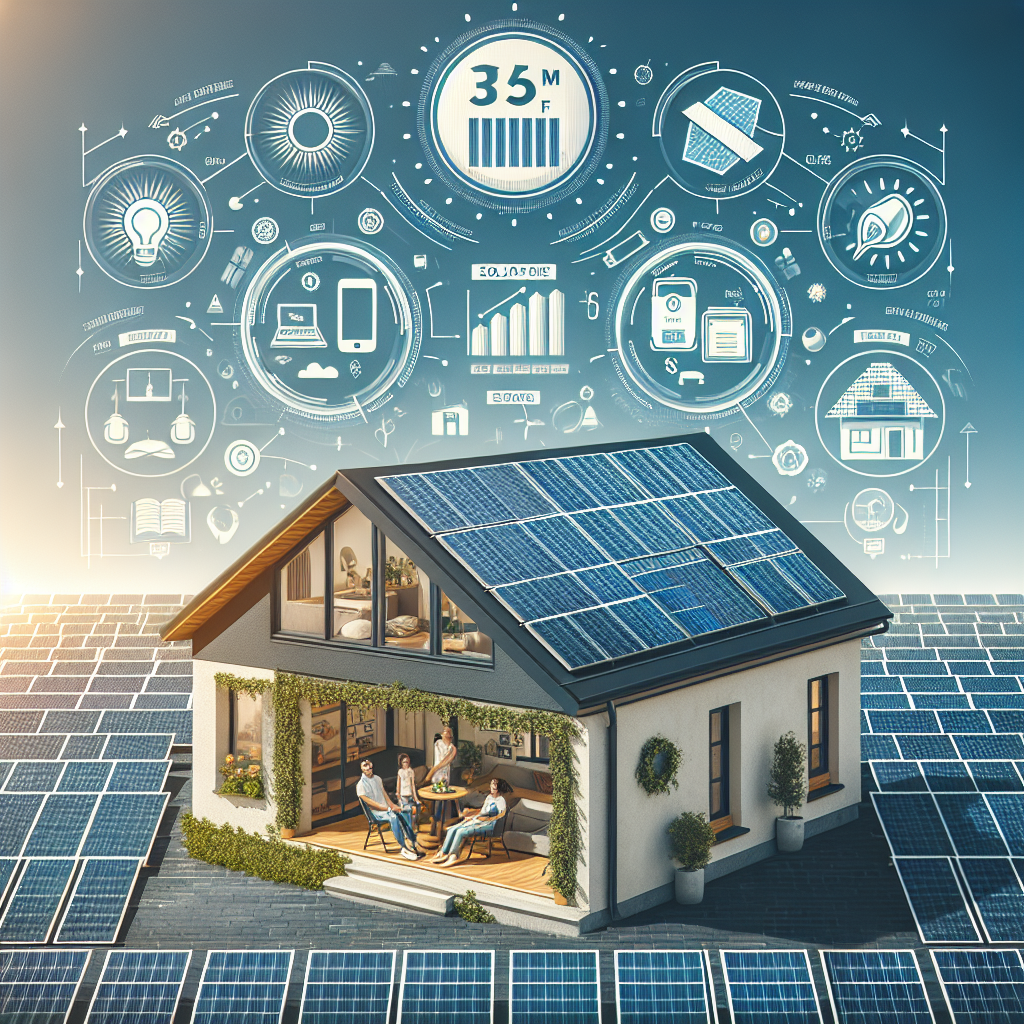
    Alright, let’s start with the basics! Solar energy is basically power harvested from the sun. We harness this energy using solar panels, which are made up of solar cells. These cells convert sunlight directly into electricity. It’s pretty wild to think about how much energy is just floating around out there, right?

    Every hour, enough sunlight hits the Earth to power the planet for an entire year. And thanks to advancements in technology, solar panels have become more efficient and affordable. This means that more homeowners—like you and me—can tap into clean energy without breaking the bank.

    Understanding how solar energy works helps us appreciate its potential benefits, from reducing electricity bills to lowering our carbon footprint. If you’re excited about making a difference, the sun is ready to help!

    Types of Solar Systems

    When it comes to solar systems, there are generally two main types: grid-tied and off-grid systems. I started with a grid-tied system because it connected us directly to the utility grid. This was a huge plus for me—it allowed me to lean on my utility company when the sun wasn’t shining. Score!

    Off-grid systems, on the other hand, are more independent, meaning they aren’t connected to the utility grid. While this sounds super cool, it requires extra equipment like batteries to store power for those cloudy days. A bit more of a commitment, but for some folks, it’s totally worth it.

    Each system has its pros and cons, but choosing the right one depends on your energy needs and your specific situation. Honestly, doing some research and asking questions was crucial for me, and I recommend leaning into that process.

    Benefits of Going Solar

    The coolest part about switching to solar is all the perks that come with it! First off, who doesn’t like saving some money? Having solar panels drastically cut my energy bill—sometimes by more than half! Plus, many states offer incentives and tax credits to help you get started.

    Another major benefit is environmental impact. Solar energy is clean and renewable, which means I’m reducing my carbon footprint and contributing to a healthier planet. Every bit counts when it comes to protecting Mother Earth!

    Also, let’s talk about energy independence. By producing my own electricity, I feel more secure—less reliant on fluctuating utility rates and the chaos of fossil fuel prices. It’s a freeing experience knowing that I’m taking control of my energy future.

    Assessing Your Home for Solar Potential

    Evaluating Roof Conditions

    Next up, let’s dive into assessing your roof. Not every home is inherently made for solar. I had to climb up (carefully!) and check mine out before I made the jump. Ideally, you’ll want a roof that’s in good condition, faces the right direction, and isn’t shaded by trees or buildings. My neighbors learned the hard way that a little branch lying over their panels could really mess up their energy production!

    If your roof’s reaching the end of its life, it might be worth considering a repair or replacement before installing solar panels. Trust me, it’s much easier to do it first than later! Your roofing contractor can help assess its viability for solar.

    Lastly, think about the pitch and size of your roof. The bigger and flatter your roof, the more room there is for panels—which usually translates to more energy! So measuring up is essential, folks.

    Understanding Sun Exposure

    Sun exposure matters a ton! Take a sunny day to stand outside and see how the sunlight dances on your property. I did this during the summer, and I learned which parts of my yard were basking in rays while others remained in the shadows. If trees or buildings obstruct the sunlight during peak hours, that could be a deal-breaker.

    There are great tools out there, like solar pathfinders or apps, that help you evaluate your sun exposure throughout the year. I played around with one of these apps, and it was super insightful to see how the sun moved across my property in different seasons.

    Maximizing sun exposure can boost your solar efficiency tremendously. Find out what hours your roof gets consistent sunlight and type in that info while evaluating the system you want to install. This step is vital for getting the most bang for your buck!

    Calculating Your Energy Needs

    Before jumping ahead, it’s crucial to calculate your energy needs. I learned this the hard way when my first estimate was way off! You’ll want to gather your electricity bills and track your usage over the past year, looking for trends in energy consumption.

    Once you have that information, you can better estimate how many solar panels you’ll need for your household. There are plenty of online calculators, but I recommend breaking it down manually a bit to truly understand your personal energy story. It makes the whole journey more relatable!

    Understanding your energy needs helps to ensure that your solar setup will cover your consumption without leaving you in the dark, especially during peak hours when demand soars. Trust me; you don’t want to be blowing money on energy you don’t actually use!

    Choosing the Right Solar Provider

    Researching Local Options

    Finding the right solar provider can be a tad overwhelming, let me tell you! When I started, it felt like I was lost in a sea of companies promising the world. So, I started by researching local options in my area. Word of mouth from friends and neighbors helped a ton, and online reviews can be pretty telling.

    I also compared at least three companies before making a decision. Getting multiple quotes is essential, and each company often has different financing options, warranties, and installation timelines. Take note of those discrepancies because they can make or break your experience!

    It’s worth taking the time to read up on local installers. Different installations can vary wildly by region. I was able to find a local company with great customer service that was familiar with the area’s regulations, which made a world of difference.

    Evaluating Financing Options

    Next up is figuring out how to pay for this setup! There are several ways to finance your solar system, like purchasing outright, which can be the most economical long-term. But I get it; sometimes, that upfront cost can feel daunting. I chose to take advantage of a solar loan that made the initial investment far more manageable.

    Leasing is another option. If you don’t want the responsibility of owning the system, leasing lets you pay for the power your solar panels produce without the burden of maintenance. Just make sure you know the terms inside and out!

    Regardless of which financing path you choose, be sure to factor in maintenance costs because it’s not just about installation. Solar panels are generally low maintenance, but it’s still smart to plan ahead for those potential expenses.

    Reading Reviews and Testimonials

    Nothing beats real-life experiences, so I found reading reviews and testimonials super helpful. When searching for local providers, explore their website and social media. Seeing genuine testimonials from past customers gave me peace of mind, knowing I was making the right choice.

    I also checked platforms like Yelp, Google, and Facebook for a wider view. Pay attention to recurring themes in customer reviews, whether they’re about service speed, installation quality, or after-the-fact support. Listen to the lessons they learned!

    Don’t be afraid to ask your prospective provider for references. A reputable company should be happy to share success stories and will likely encourage you to talk to their previous customers about their experience.

    Installing and Maintaining Your Solar System

    The Installation Process

    The actual installation! This is where the magic happens. After all that planning, my provider came to my house with everything they needed to make the install happen. The team took care of placing the panels, setting up the inverter, and connecting everything to my home. I couldn’t believe how fast it all went down!

    Good installers do a thorough walkthrough with you to make sure you understand every step. I was amazed at the care they took to ensure everything was perfectly aligned and functional. Watching them work really emphasized to me just how much expertise goes into this process!

    After the initial installation, they made sure everything was tested before they left. I was itching to flip the switch and see those first rays of sunshine turning into energy!

    Regular Maintenance Tips

    Once your solar system is up and running, don’t forget about maintenance! Keeping your panels clean is a must. Dust, dirt, and even bird droppings can reduce efficiency. I make it a point to rinse them off occasionally, especially during rainy seasons. It’s like a little spa day for my panels!

    Another key piece? Regular inspections of your system’s electrical components. Many providers offer monitoring services to track production and catch any potential issues. I personally recommend checking in on your system periodically, just to keep an eye on how it’s performing.

    Finally, know when to call in the pros. If you notice a drop in energy production or any apparent wear and tear, reach out to your provider. They’re there to support you even after the install is done!

    Understanding Warranties and Lifespan

    Warranties can feel pretty overwhelming, but they’re essential! Most solar panels come with a warranty of about 25 years, but other components like inverters may have shorter lifetimes. I made sure to understand the specifics before signing anything, so I knew what I was getting into.

    Be on the lookout for any maintenance warranties too. Sometimes companies offer warranties that cover services for a specific period which can save you unexpected costs down the line.

    Understanding these warranties can help you navigate any hiccups during the life of your system. You’ll want solar energy doing its job without unexpected surprises! Quality systems should keep working hard for years to come.

    FAQs about Switching to Solar

    1. How much can I save by switching to solar?

    The savings depend on countless factors like your energy usage, the size of your solar system, and local electricity prices. However, many homeowners report significant savings—sometimes 30-50% off their monthly energy bills!

    2. What happens if my solar panels generate more electricity than I use?

    If your panels generate more energy than you consume, most utility companies will credit you for that surplus energy. This process is often referred to as “net metering.” You might be surprised at the credits you can build up for your next electricity bills!

    3. Is it worth the investment?

    For many, yes! Solar panels pay for themselves over time through savings on your energy bill and with incentives. Plus, the peace of mind and environmental benefits? Let’s just say, it’s hard to put a price on a cleaner planet!

    4. Can I install solar panels myself?

    While DIY solar installation is possible, I recommend working with professionals. It can be complex and often requires permits. Expert installation ensures your system meets all requirements and operates efficiently.

    5. What if I sell my house?

    If you sell your home, having solar panels can be a big selling point! You may need to decide whether to transfer the solar lease, pay it off, or include it as part of the home sale. It’s worthwhile to consult with a real estate agent about the best option!

  • The Ultimate Solar Energy Guide 2025: 10 Effective Tips to Maximize Power

    The Ultimate Solar Energy Guide 2025: 10 Effective Tips to Maximize Power

    1. Introduction to the Solar Energy Guide 2025
    2. 1. Assess Your Solar Potential
    3. 2. Choose the Right Solar Panel Technology
    4. 3. Optimize Your Solar Panel Placement
    5. 4. Invest in High-Quality Inverters
    6. 5. Maximize Energy Storage Solutions
    7. 6. Regular Maintenance and System Monitoring
    8. 7. Understand Feed-in Tariffs and Incentives
    9. 8. Implement Energy Efficiency Practices
    10. 9. Stay Updated on Solar Industry Trends in 2025
    11. 10. Consult Solar Energy Experts for Personalized Advice

    Welcome to the definitive solar energy guide for 2025! Whether you’re a homeowner, business owner, or simply interested in renewable energy, understanding how to maximize your solar power is crucial. With advances in technology and favorable policies, 2025 is shaping up to be a milestone year for solar adoption. In this solar energy guide, I’ll share practical, actionable tips to help you get the most out of your solar system and make smarter energy choices. Let’s dive into the top strategies for harnessing solar power effectively this year.

    1. Assess Your Solar Potential

    Understanding Your Sunlight Exposure

    Before installing solar panels, it’s essential to evaluate how much sunlight your location receives. Use tools like solar pathfinder apps or consult local solar maps to determine shading patterns and peak sunlight hours. For example, a home in Arizona may receive over 300 sunny days per year, providing excellent solar potential. Conversely, regions with frequent cloud cover require more careful planning or higher-efficiency panels.

    Gathering accurate data helps you estimate the energy output you can expect from your solar setup. This assessment will influence equipment choices, system size, and cost estimates, ensuring you maximize the investment. Remember, understanding your solar potential is the foundational step in this solar energy guide.

    Using Solar Calculators and Professional Assessments

    Modern solar calculators and professional site assessments allow you to input your address, roof orientation, and shading to predict system performance. Companies like Tesla and SunPower offer free online tools to estimate savings and production. Additionally, scheduling a site visit by a certified solar installer provides detailed insights tailored to your property.

    For instance, a homeowner in Florida found through assessment that with optimal tilt and placement, their system could generate 90% of their electricity needs, reducing their reliance on grid power significantly. This proactive approach ensures you’re making informed decisions from the start.


    2. Choose the Right Solar Panel Technology

    Types of Solar Panels: Monocrystalline, Polycrystalline, Thin-Film

    Selecting the appropriate solar panel type is essential for maximizing efficiency and budget in your solar energy guide. Monocrystalline panels offer the highest efficiency (~20%) and durability, ideal for limited roof space. Polycrystalline panels are slightly less efficient but more affordable, suitable for larger areas. Thin-film panels provide flexibility and lighter weight but typically lower efficiency (~11-13%).

    In 2025, technological improvements mean even affordable panels can deliver better performance than older models. For example, newer monocrystalline modules boast enhanced temperature tolerance, meaning they perform better in hot climates, directly increasing yield.

    Efficiency Ratings and Cost-Benefit Analysis

    It’s important to compare efficiency ratings against costs when choosing panels. Higher efficiency panels generally cost more upfront but can generate more power in limited space, leading to savings over their lifespan. Use efficiency data along with warranty terms—most high-quality panels offer guarantees of 25 years or more.

    An effective tip from this solar energy guide is to balance your budget with long-term gains. Sometimes, investing slightly more initially pays off through increased energy savings and system longevity.


    3. Optimize Your Solar Panel Placement

    Best Orientation and Tilt Angles for 2025

    Proper placement of your panels ensures maximum solar absorption. In the Northern Hemisphere, south-facing roofs are optimal; east and west orientations can still be effective with adjusted tilts. The ideal tilt angle is approximately equal to your latitude; for example, at 40° latitude, tilt should be around 40° for peak performance.

    In 2025, new adjustable mounting systems allow homeowners to fine-tune panel angles seasonally, increasing annual energy output by up to 25%. This adaptability can be crucial in maximizing efficiency in diverse climates.

    Minimizing Shadows and Obstructions

    Shadows from trees, chimneys, or nearby buildings reduce panel output considerably. Use shade analysis tools or apps to identify shading issues during peak sunlight hours. Trim overhanging branches or consider relocating panels if shading occurs during critical periods.

    A practical tip is to schedule installation during seasons when shading is minimal, or to incorporate microinverters that optimize performance despite partial shading. Proper placement directly correlates with higher energy yields and better ROI.


    4. Invest in High-Quality Inverters

    Types of Solar Inverters and Their Benefits

    Inverters convert DC electricity from your panels into usable AC power. The main types are string inverters, microinverters, and power optimizers. String inverters are common and cost-effective, but microinverters can increase performance in shaded areas by optimizing each panel individually.

    PREPARE Mag ad 970 x 250

    In 2025, smart inverters with integrated monitoring features allow real-time system performance tracking, helping you detect issues early and maximize uptime. Investing in reliable inverters is vital for the efficiency and longevity of your solar energy system.

    Choosing an Inverter with Longevity and Compatibility

    Opt for inverters with at least 10-15 years warranty, matching or exceeding the lifespan of your panels. Compatibility with energy storage options, grid inverter requirements, and advanced features like remote monitoring should also influence your choice.

    For example, homeowners utilizing battery storage have reported increased savings and energy independence by selecting inverters that seamlessly integrate with their storage systems. This approach is a key element in this solar energy guide.


    5. Maximize Energy Storage Solutions

    Types of Batteries for Solar Storage

    Storing excess solar energy for later use enhances self-sufficiency. Lithium-ion batteries, like Tesla Powerwall or LG Chem, dominate the market in 2025 due to higher energy density, longer lifespan, and decreasing costs. Lead-acid options are still available but less prevalent.

    Homeowners in sunny regions often pair their panels with storage to reduce utility dependence during peak hours or outages, making their systems more resilient. An effective tip is to size your battery bank based on your typical energy consumption patterns to optimize savings.

    Cost and Efficiency Considerations

    Battery costs have declined by over 50% since 2020, making storage solutions more accessible. Ensure you consider round-trip efficiency, which is typically around 90-95% for lithium-ion batteries, meaning less energy is lost during charging and discharging.

    For instance, a family with a 10 kWh system might save up to 30% on energy bills by storing excess energy and using it during evening hours. Properly integrating storage is crucial for fully maximizing your solar energy investment.


    Conclusion

    In this comprehensive solar energy guide for 2025, we’ve explored ten vital tips to help you maximize your solar power system. From assessing your site’s potential to choosing the right panels, optimizing placement, investing in quality inverters, and integrating storage solutions—every step is designed to improve efficiency, reduce costs, and promote sustainability. As solar technology continues to evolve rapidly in 2025, staying informed and strategic ensures you get the most benefit from your investment. Implement these tips, and you’ll be well on your way to harnessing the full potential of solar energy this year and beyond.

    Frequently Asked Questions

    1. What is the best way to assess my solar energy potential for 2025?

    Use online solar calculators, shading analysis tools, and professional assessments to accurately evaluate your property’s sunlight exposure and system suitability in 2025.

    2. How do I choose the right solar panels in 2025?

    Compare efficiency ratings, warranties, and costs of monocrystalline, polycrystalline, and thin-film panels, considering your available space and budget for optimal selection.

    3. Why is the solar energy guide important for new solar adopters?

    It provides essential strategies, up-to-date industry insights, and practical tips to maximize system performance and savings in 2025.

    4. What are the latest trends in solar energy technology for 2025?

    Smart inverters, advanced storage batteries, transparent solar panels, and adjustable mounting systems are leading innovations that enhance efficiency and usability.

    5. How can I maximize my solar system’s performance?

    Proper placement, selecting high-efficiency equipment, regular maintenance, and leveraging storage solutions are key actions to boost your solar power output.

  • The Ultimate Guide to Solar Panels for Home Use

    The Ultimate Guide to Solar Panels for Home Use

    Hey there! If you’re thinking about jumping on the solar panel bandwagon, you’re in the right place. I’m excited to share everything I’ve learned about solar energy for home use. It’s a fantastic way to save money, reduce your carbon footprint, and enjoy the sunshine—literally! Let’s dive into the key areas covering solar panels for your home.

    Understanding Solar Panel Basics

    What Are Solar Panels?

    So, first off, what are these magic boxes that catch sunlight and turn it into electricity? Solar panels are essentially made up of photovoltaic cells that convert sunlight into energy. They’re typically installed on rooftops, but you can also find ground-mounted options if you’ve got the space. These panels harness the sun’s rays during the day, so when the sun shines, they produce power for your home.

    During my early research, I was amazed at how these panels work. They don’t need direct sunlight to function; even on cloudy days, they can still generate some energy. But the efficiency really gets a boost on sunny days. It’s all about how well those cells absorb solar radiation!

    There are different types of solar panels—monocrystalline, polycrystalline, and thin-film, to name a few. Each has its pros and cons, which can influence your choice based on your roof size, budget, and energy needs. The best part? Once installed, they require minimal maintenance!

    How Do Solar Panels Work?

    The process of converting sunlight to electricity is kinda like magic, but it’s all science! When sunlight hits the solar cells, it creates an electrical current through the photovoltaic effect. It’s fascinating to think about how that translates into power for my home.

    Have you ever wondered where that energy goes? Well, when the panels generate electricity, it flows through a system of wires to an inverter, which then converts it from direct current (DC) to alternating current (AC), the kind of electricity our homes use. Pretty neat, right?

    Plus, if your system produces more energy than you need, that surplus often gets sent back to the grid, which can earn you credits with your utility company. It’s like you’ve got your own mini power plant on your roof!

    Benefits of Solar Energy

    Now, let’s talk about why you’d want to invest in solar panels. The biggest draw for most people is the potential for savings on energy bills. After the initial setup, solar energy can drastically reduce or even eliminate your monthly electric costs—who doesn’t want that?

    Environmentally speaking, using solar energy is a game-changer. You’re reducing reliance on fossil fuels and decreasing greenhouse gas emissions, helping to combat climate change. Plus, government incentives and rebates can make it even more affordable.

    Finally, solar panels can increase your home’s value. Homebuyers are often attracted to properties with solar features because they see the long-term energy savings as a big plus. It’s a win-win situation!

    Choosing the Right Solar Panel System

    Evaluating Your Energy Needs

    Before you can choose the right system, you’ve got to know what you’re working with. Start by analyzing your energy consumption. Look at your past utility bills for a clear picture of how much energy you typically use in a month.

    Once you have your average, consider factors that might change your usage, like adding new appliances or if you plan to get an electric vehicle. This step is crucial because you want a solar system that meets or exceeds your current and future needs—don’t get stuck with an undersized system!

    I’ve learned that understanding your solar potential can also depend on your location and roof orientation. A quick web search can give you some local data and factors that affect production, like shade from trees or buildings.

    Types of Solar Panel Systems

    When it comes to solar panel setups, you’ve got a few options. The most common ones are grid-tied systems, which stay connected to the local utility grid. This setup allows you to draw power when needed and send excess energy back during sunny days.

    If you’re looking for a more independent solution, consider an off-grid system that relies solely on solar and battery storage. These are particularly great if you live in remote areas, but they can be pricier due to the need for batteries.

    Then there’s the hybrid system, which combines both. This gives you the flexibility to use grid power when necessary while still benefiting from solar. I found it helpful to consult with a professional installer to determine the best option tailored to my needs.

    Finding a Trusted Installer

    Picking the right installer is key to a successful system. After all, you wouldn’t want some shady character (pun intended!) putting up solar panels on your roof. Start by researching local solar companies and reading reviews. Ask around in your community—sometimes the best recommendations come from friends or family.

    Once you’ve narrowed it down, seek quotes from several contractors, and don’t shy away from asking questions. A good installer should be able to walk you through their process, explain your options, and help you understand financing details.

    Additionally, check if the installer is certified and has experience with the types of panels you’re interested in. I found out that some companies offer warranties on both products and installation, which can give you peace of mind for the long run!

    Installing Your Solar Panel System

    The Installation Process

    Okay, so you’re ready to install! The process may vary based on your home and system type, but generally, it starts with an assessment. An installer will inspect your roof to ensure it can support the solar panels.

    Next comes the permitting phase, and trust me, this part can be a bit of a waiting game. Depending on your location, obtaining permits can take a few weeks. But don’t worry; once everything’s approved, the exciting part begins: installation!

    The day of installation typically involves a team of professionals showing up bright and early. They’ll mount the panels, connect the wires, and set up the inverter. It usually takes a day or two, and it’s so rewarding to see the project come to life on your roof!

    Connecting to the Grid

    Once the panels are installed, it’s time to connect to the grid. In most cases, your installer will handle this step for you, but it’s important to understand the process. Your system needs to meet specific standards to ensure safety and efficiency.

    The utility company will typically send an inspector to evaluate your setup and ensure everything is up to code. Once you get the green light, you’re officially connected! You’ll be able to monitor your energy production and usage through a solar app or your utility’s online portal.

    After being hooked up, there may be a bit of a learning curve as you adjust to your new energy source. I remember checking my monitoring app constantly, marveling at how much energy we were producing!

    Maintaining Your Solar Panels

    After your system is up and running, maintenance is relatively low-key. One of the most critical tasks is keeping the panels clean. While rain can help, dust, leaves, and bird droppings can reduce efficiency, so occasional cleaning is a good idea.

    You’ll also want to keep an eye on your energy production. It’s smart to periodically compare your actual output to the estimated production provided at installation. If you notice a significant drop, it might be worth calling the installer for a check-up.

    Lastly, keep up with inspections every few years and about any warranties or service offerings your installer provides. Staying proactive will help you enjoy the benefits of solar energy for years to come!

    Financing and Incentives

    Understanding Costs

    This can be a hefty investment upfront, so let’s talk numbers. The cost varies significantly based on your location, the size of your home, and the solar panel type. On average, residential solar installations can run anywhere from $15,000 to $30,000 before any incentives.

    Many people think, “Yikes! That’s a lot!” but consider that these systems can often pay themselves off within 5 to 15 years, depending on energy usage and local electricity rates. The savings you pocket after that is what gets me excited about solar!

    It’s also smart to break down the components of the overall cost, like solar panels, inverters, installation, and any monitoring systems. Each plays a role in ensuring you get the most bang for your buck.

    Tax Credits and Incentives

    Now, let’s chat about saving some cash through tax credits. The Federal Investment Tax Credit (ITC) allows you to deduct a percentage of your solar installation from your federal taxes. As of now, that figure stands at 30%. That’s free money, folks!

    Many states and local governments also offer incentives, rebates, or even low-interest loans to help homeowners invest in solar energy. It’s worth it to look into what’s available in your area. I recommend checking out your state’s energy department website and local utility for their offerings.

    There are also solar leasing or power purchase agreements if you prefer a less expensive route upfront. With these models, you can go solar with little to no money down while just paying for the electricity produced. However, keep in mind that these arrangements won’t build equity like ownership does!

    Financing Options

    Financing solar installation has become easier over the years. Traditional bank loans, specific solar loans, or even home equity lines of credit are options to help you cover the costs. Just be sure to shop around for the best rates.

    I found that some solar companies offer their financing plans, giving you competitive interest rates and flexible payment options. Just make sure to read the fine print and understand the terms. It’s always better to be informed than stuck in a deal that doesn’t suit your needs!

    Ultimately, the goal is making solar energy accessible to everyone. Whether through incentives or financing, there are multiple ways to make this sustainable investment work for you!

    FAQs

    1. How much do solar panels cost to install?

    The cost of solar panel installation varies based on several factors, including your location, the size of your home, and the type of system you want. On average, you can expect to pay between $15,000 and $30,000 before incentives.

    2. How long do solar panels last?

    Most solar panels have a lifespan of 25 to 30 years. Many manufacturers offer warranties that guarantee the panels will produce a certain level of electricity during that period.

    3. Can solar panels work in cloudy weather?

    Yes! Solar panels can still generate electricity on cloudy days, although their efficiency is reduced. They work best in direct sunlight but can still produce energy in less-than-ideal conditions.

    4. What happens to solar panels during a power outage?

    If you have a grid-tied system without battery storage, your solar panels will shut down during an outage for safety reasons. However, with a battery storage system, you can still use the energy stored in your batteries during an outage.

    5. Are there any tax credits available for solar panel installations?

    Yes! The Federal Investment Tax Credit (ITC) allows you to deduct 30% of your solar installation costs from your federal tax return. Additionally, many states and local governments offer incentives and rebates as well.

  • Ultimate Guide to Solar Power Benefits for Homeowners

    Ultimate Guide to Solar Power Benefits for Homeowners

    1. Energy Savings and Cost Efficiency

    Understanding Energy Bills

    We’ve all been there, staring at a sky-high energy bill that makes you question your life choices. Switching to solar power dramatically reduces those expenses. When I made the leap, the first thing I noticed was how those monthly bills began to shrink. It’s like finding a hidden treasure every month!

    By generating your own electricity, you become less reliant on traditional power companies and their fluctuating rates. Many homeowners, including myself, have seen their bills drop significantly, sometimes by as much as 50% or more. The savings can be redirected toward vacations, home improvements, or just a bit more fun in life.

    With solar incentives and tax credits, the initial investment can pay off quickly. I remember feeling a rush of excitement when I learned about the local and federal tax breaks—it’s basically Uncle Sam helping to cover part of your roof!

    Return on Investment

    Every time I look at my home, I see an investment that’s only getting better. The value of a home equipped with solar panels typically increases, which means when it’s time to sell, I could recoup more than I initially invested. It’s like putting money into a savings account that earns interest every day.

    Homeowners who opt for solar often report an increase in their property value—upwards of 4% in many cases. Just think, if your home is valued at $300,000, that could mean an extra $12,000 in value simply because you went solar. Talk about a smart move!

    Add this financial benefit to the overall drop in energy costs, and you’ve got an unbeatable package. The combination of savings and increased home value ensures that solar energy systems are worth every penny spent.

    Reducing Dependence on Fossil Fuels

    Let’s have a heart-to-heart here. We all know our planet is in trouble due to fossil fuels. By choosing solar, I feel like I’m doing my part to switch to cleaner energy. It’s empowering to know that my home is powered by the sun, not by polluting sources.

    Every kilowatt of solar energy you produce reduces your dependence on non-renewable resources. It’s refreshing to think that a light bulb in my home represents cleaner air and a healthier planet. Plus, it makes me feel good knowing that I contribute support towards a more sustainable energy future.

    Solar energy means more than saving a few bucks; it’s about creating a lasting change for generations to come. So really, each time I flip on a switch, I’m also helping to reduce my carbon footprint. Neat, right?

    2. Environmental Benefits

    Lower Carbon Footprint

    When I think about my home and the impact I have on the environment, switching to solar just feels like the right thing to do. Solar power greatly reduces dependence on fossil fuels, which inherently cuts down on carbon emissions. Honestly, that makes me feel all warm and fuzzy inside.

    For me, the thought of my home contributing to cleaner air and a healthier planet is more than just a perk—it’s a responsibility. Perhaps even more compelling is realizing how just one solar system can eliminate about 100 tons of carbon dioxide over its lifetime. That’s like planting over 2,000 trees! Amazing, right?

    By using solar energy, I’ve noticed firsthand the tangible improvement in the air quality around my neighborhood. It’s not just about personal gain; it’s about making the world a better place for us all.

    Supporting Sustainable Development

    Another thing I love about solar power is how it promotes sustainable development. Installing solar panels fosters a cleaner industry that supports jobs focused on renewable energy. It’s encouraging to think that by choosing solar, not only am I enhancing my own home but I am also supporting an industry that creates jobs for skilled workers.

    Solar installations help stabilize energy prices while creating a more reliable energy supply for everyone. This means that homes like mine are less vulnerable to fossil fuel price fluctuations. It’s akin to being on a sturdy ship, navigating through turbulent waters along with the support of a growing industry.

    Being a part of this change feels rewarding. Knowing that my decision supports innovation and sustainability fills me with pride every time I catch a glimpse of my solar panels gleaming in the sunlight.

    Reducing Water Usage

    Water scarcity is a serious issue, and I didn’t even realize that traditional electricity generation is water-intensive. By switching to solar, I’ve reduced water use compared to conventional energy sources. In many ways, it’s a win-win situation!

    The water used in energy production is not just about quenching humans’ thirst; it’s also about protecting ecosystems. My choice to utilize solar energy means less water is diverted for energy production—and that’s crucial for maintaining local habitats.

    Even small steps matter, and it feels great to be mindful about water conservation while providing for my household’s energy needs. It’s just another layer of being eco-conscious—one decision at a time!

    3. Increased Energy Independence

    Self-Sufficiency

    Perhaps one of the most liberating aspects of going solar is the feeling of self-sufficiency. No longer do I feel at the mercy of the utility company and fluctuating energy prices. Instead, I’m able to produce my own energy, and it feels fantastic!

    It’s not just about saving money; it’s about having control over my energy production. For example, when storms hit and power outages abound, I know that sunlight will always be there to help power my home. That sense of empowerment is unbeatable!

    This independence also means less worry about future energy increases or shortages due to political or market fluctuations. With solar energy, I can rest easy, knowing that I am creating my own electricity and only paying for those exceptional moments when I rely on the grid.

    Investment in Local Economy

    In many ways, choosing solar not only benefits me but my community as well. Investing in solar means supporting local businesses related to installation and maintenance. I love knowing that my choice is helping to create jobs in my own backyard.

    The solar industry employs thousands of people, and it’s been a fantastic boost for the local economy. When I learned that every new solar job quite literally helps the community thrive, it made me feel even better about my decision.

    The investment in local resources not only strengthens community ties but also reinforces that we all play a role in this clean energy future. I see it as a shared journey towards a sustainable environment for all.

    Resilience Against Energy Crises

    With everything going on in the world, energy crises can strike without warning. Making the transition to solar power means my home is more resilient. Even during power outages, I still have access to energy, which provides peace of mind for my family.

    During those tough times when the power grid can’t be relied on, I’m able to maintain a sense of normalcy in my household. The availability of renewable energy creates stability, enabling more families like mine to weather any storm—literal or metaphorical!

    Being part of a growing shift toward renewable energy ensures that, as a community, we become stronger and less dependent on vulnerable energy systems. Just imagine how impactful that can be for the future!

    4. Tax Incentives and Rebates

    Understanding the Financial Benefits

    One of the things that really surprised me when I went solar was all the tax incentives available. I honestly thought it would be a complicated mess, yet it turned out to be quite straightforward. These incentives can cover a significant portion of installation costs—who wouldn’t want to save some money?

    In many areas, there are federal tax credits that cover up to 26% of installation costs. That’s huge! It felt like receiving a discount from my favorite store, except it was for an investment in my home and the environment.

    Many states also offer specific rebates that further decrease installation costs. All I needed was a little research, and soon I was on the way to maximizing those benefits. If I can do it, so can you!

    State and Local Programs

    Beyond federal incentives, numerous states have their own programs designed to encourage solar use. For me, discovering what my state had to offer was like finding extra chips in a bag that I thought was empty—it was a delightful surprise!

    Whether it’s performance-based incentives, solar renewable energy certificates (SRECs), or local rebates, exploring available options can really stack on the benefits. I remember feeling an overwhelming sense of gratitude for the support my community offered for those going green.

    Be sure to look into your local programs, as many offer significant savings that can make the decision to go solar even more enticing. There’s a world of options out there just waiting for you.

    Long-Term Financial Security

    Investing in solar isn’t just about immediate savings; it’s about creating long-term financial security. As energy prices continue to fluctuate, I feel comforted knowing that I can lock in a consistent energy price by using solar power.

    This stability translates into budgeting for the future. Knowing what my energy cost can be in the long run allows me to allocate resources more efficiently. It’s like having a friend who always knows the best routes to avoid traffic!

    The long-term gains of solar energy become very apparent; this is particularly true with increasing energy prices over time. I’ve created a safety net for my family’s future, and that’s something that gives me peace of mind.

    5. Enhancing Home Value and Curb Appeal

    Stylish Solar Design Options

    When I first installed solar panels, I had a vision in mind—not just practicality but aesthetics too! Today, there are so many stylish designs that integrate nicely with almost any home style. Gone are the days when solar panels were clunky and unattractive; the options now are sleek and modern.

    For me, choosing the right solar technology was a fun part of the process. I’m excited by how my panels now complement my home’s exterior. Honestly, they look so good on my rooftop; it gives the whole place a modern touch!

    Plus, many people are already looking to purchase homes with solar panels in place. It’s a pretty chic accessory and can make your property stand out to buyers, which is excellent when I think about selling someday.

    Boosting Property Value

    Research shows that homes with solar energy systems typically sell for more than those without. For me, knowing my investment contributes to future value is immense. When I eventually decide to sell my home, I can feel confident about recouping my solar investment, which is a huge plus!

    Buyers are continually searching for energy-efficient homes. By investing in solar, I’ve essentially made my property more attractive to potential buyers—all while providing a better lifestyle for my family right now.

    The solar installation bumps up the home’s market appeal in an increasingly eco-conscious market. I’ll definitely sleep easier knowing that my home is a coveted asset!

    Environmental Appeal

    And let’s face it: sustainability is trending! Today’s homebuyers are becoming more conscious of their environmental impact. When they see solar panels, they might just see a home that aligns with their values. This enhances not only the home’s value but its overall appeal.

    It’s not just a metric; it’s a movement. I can proudly say I’m part of that movement … every time someone compliments my beautiful solar setup, my heart swells with pride.

    As more people consider their carbon footprint, solar energy is increasingly viewed as a must-have rather than just a luxury. It’s a trend that’s definitely on the rise!

    Frequently Asked Questions

    1. What are the clear financial benefits of switching to solar power?

    The main financial benefits include significant savings on energy bills, various tax incentives, and an increase in property value. Many homeowners see a return on investment in just a few years!

    2. How does solar energy contribute to environmental sustainability?

    Solar energy reduces reliance on fossil fuels, decreases greenhouse gas emissions, and minimizes water usage in electricity generation. It plays a significant role in creating a cleaner and healthier planet.

    3. Are there local incentives available for installing solar panels?

    Definitely! Many states offer local rebates, performance incentives, and solar renewable energy certificates (SRECs) to homeowners who choose solar, helping to further reduce the overall cost.

    4. How do solar panels affect home resale value?

    Homes with solar installations generally sell for more than those without. They are increasingly valued by buyers who are seeking energy-efficient and environmentally friendly homes.

    5. What is the process of going solar?

    The process usually involves assessing your energy needs, obtaining quotes from solar installers, deciding on financing options, and finally, getting the system installed. It’s simpler than you might think!

  • How to Switch to Solar Power: Step-by-Step Guide

    How to Switch to Solar Power: Step-by-Step Guide

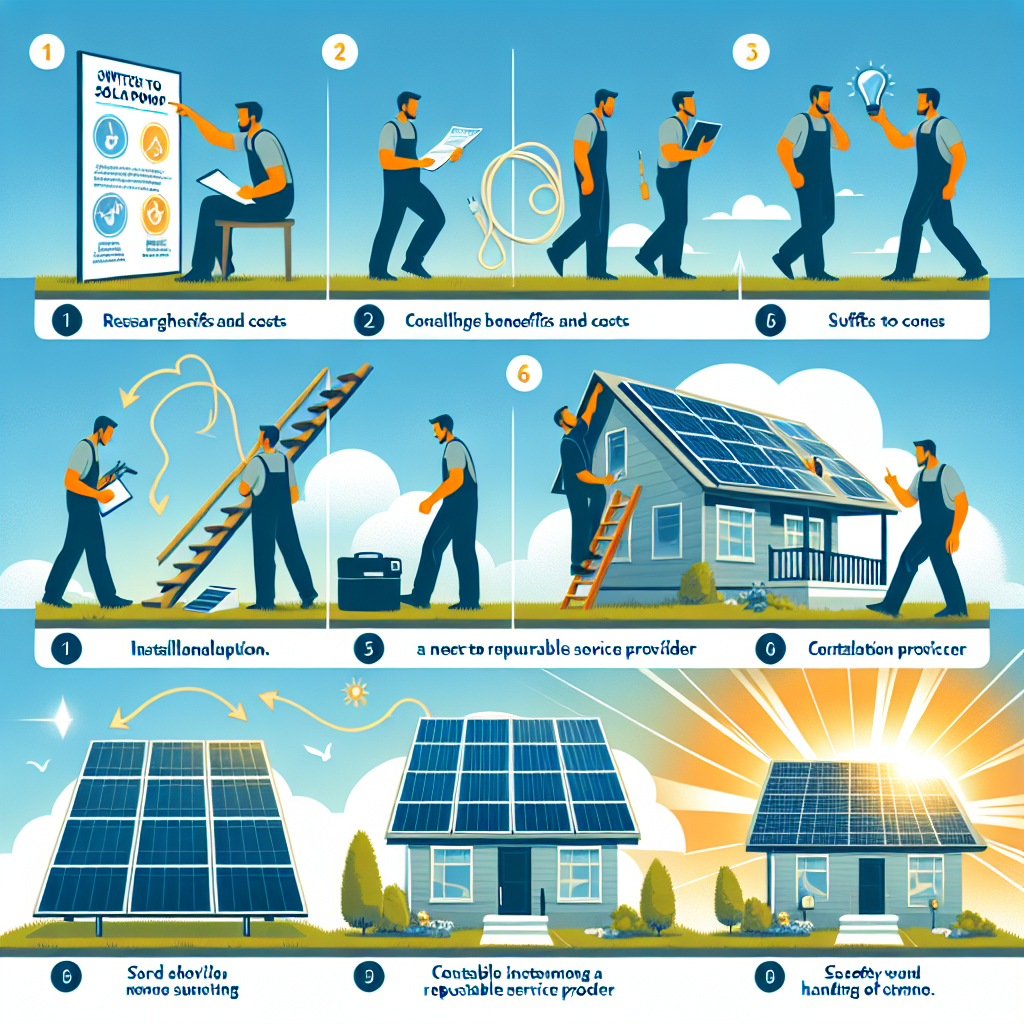
    Assess Your Energy Needs

    Understanding Your Electricity Usage

    When I first started considering solar power, I found it super helpful to get a clear picture of my energy usage. So, I dug into my electricity bills from the past year. Trust me; it’s like finding hidden treasure. You can see your monthly usage, peak hours, and how much you’re spending.

    It’s essential to understand the kilowatt-hours (kWh) you use. If you’re anything like me, you probably have a bunch of appliances, from your fridge to those funky gadgets that hang out in your garage. The more you know, the better you can plan your solar system.

    Additionally, don’t overlook seasonal variations. In summer, my AC is working overtime, while in winter, I rely more on heating. Keep track of these trends to get a true sense of your needs year-round.

    Consider Your Future Energy Needs

    Okay, so here’s the deal: your energy needs can change. Are you planning to expand your family? Wanting to buy that sweet electric car? I found it crucial to think several steps ahead. Estimating future energy consumption helps you choose the right size solar system.

    I made a rough guess about my future energy needs and it guided my choice. You might find that you need more energy in the coming years, and you don’t want to buy a system that’s too small to accommodate your lifestyle changes.

    Consider all your gadgets and potential upgrades. More devices can mean more energy, so factor that into your planning. This way, you can maximize your investment in solar power.

    Research Your Local Climate

    So, here’s where it gets interesting—climate! I had to wrap my head around how much sunlight my area gets. Where I live, some parts are sunny year-round, while others aren’t. I checked resources online and even talked to locals who had solar installed. It’s a game-changer!

    Do you know how many sunny days you have a year? It directly affects how efficient your solar system can be. You want to ensure you’re getting enough bang for your buck in those sunshine hours!

    Don’t forget about weather factors. Hail, for example, can damage panels, while shading from trees can reduce efficiency. All these elements play a role in how effective your solar power will be, so do your homework!

    Explore Financing Options

    Understand the Cost of Solar Energy Systems

    Let’s talk dollars and cents—how much is it really going to cost? When I started my journey, I was surprised to find that there are various systems, each with different costs. I strongly suggest getting multiple quotes. It helps to know what’s standard in your area.

    The costs vary based on the quality of panels and the size of the installation, which can range from a couple of thousand to tens of thousands. It’s easy to get overwhelmed, but with a bit of research, you’ll find something that aligns with your budget.

    I spent time comparing different financing models. Some people opt to buy outright, while others go for loans or leases. Each choice has its pros and cons, and can impact your long-term savings on energy bills.

    Explore Incentives and Rebates

    Let me tell you—don’t leave money on the table! Governments and utility companies often offer rebates and incentives to encourage solar power adoption. I was blown away by how much I could save once I tapped into these benefits.

    Look for federal, state, and local tax credits. Every little bit counts. For example, I saved a significant amount with the Federal Investment Tax Credit (ITC). Make sure you’re fully aware of what programs your area offers.

    I even came across low-interest financing options that were specifically tailored for solar installations. It’s like finding a hidden passage to more savings!

    Calculate Potential Savings

    Now, let’s get real about savings! I sat down with an online calculator that showed how much I could potentially save over the years. It helped paint a clearer picture of the return on my investment.

    Sure, the initial cost felt steep, but spotting those long-term savings helped me feel more comfortable with the decision. On average, solar systems can see savings within a few years if you play your cards right.

    Keep track of your current energy bills and project how they’ll change once solar kicks in. After a while, you’ll see the light (pun intended) at the end of the tunnel—lower bills and a greener footprint!

    Choose the Right Solar System

    Types of Solar Panel Systems

    Alright, so once I had my finances sorted, the fun part began—choosing the system! There are two main types: grid-tied and off-grid systems. Each suited different needs and situations.

    A grid-tied system connects to the electrical grid, so when the sun isn’t shining, you’re still covered. This was my choice since I wanted reliability without having to purchase a costly battery system. I loved knowing I could pull power from the grid anytime!

    On the flip side, off-grid systems allow you to go completely independent from the grid. They’re great if you’re out in the sticks, but the setup can be complex and pricey due to battery storage. I admired the independence it offered but chose not to go that route for my needs.

    Selecting the Right Equipment

    Choosing solar panels is like picking your favorite ice cream flavor—so many options! I researched different brands, ensuring I went for high-quality panels. Looking at reviews and ratings was key for me.

    Efficiency ratings were critical, too. I wanted panels that would capture as much sunlight as possible, so I narrowed down my search to those with high efficiency. I read about various technologies, like monocrystalline vs. polycrystalline panels, and which would work better for my situation.

    Don’t forget about inverters! They convert the energy generated into a format you can use in your home. I learned that a good inverter will last as long as your solar panels, so I invested in a reliable one.

    Hire a Reputable Installer

    This step is huge! I couldn’t stress enough the importance of finding a trustworthy solar installer. I asked friends for recommendations and even checked online reviews. A solid track record in the area was crucial for my decision.

    During consultations, I asked tons of questions—experience, warranties, installation timelines—get all the details. You should feel comfortable and confident with your choice; this is a long-term investment!

    After selecting an installer, be sure to communicate clearly about your needs and expectations. This way, everyone is on the same page, and you can avoid any hiccups during installation.

    Monitor and Maintain Your Solar System

    Keep Tabs on System Performance

    Once everything’s installed, it doesn’t just stop there! You want to keep an eye on how well your system’s performing. Most systems come with apps or online portals to track energy production and consumption.

    My system alerts me of any dips in performance, so I know when to look into potential issues. Regular checks help you catch any problems early. I can’t stress how essential it is to monitor performance!

    If you notice that your panels are underachieving, it’s time to call the installer and get their expert opinion. Early detection can save you from bigger issues down the road.

    Schedule Regular Maintenance

    Talking maintenance, it’s essential. I set up a plan for cleaning and inspecting my panels. Dust and debris can seriously reduce efficiency—a dirty solar panel can lose up to 25% of its generating capacity! Yikes.

    Even though I can wipe them clean occasionally, I found it worthwhile to hire professionals for a thorough check-up once or twice a year. They know what to look for and can spot any issues I might miss.

    Don’t forget to check the inverter periodically. They don’t typically need a lot of maintenance, but ensuring they’re functioning correctly is a must. Most issues can be taken care of early with regular care!

    Stay Informed about Technology and Regulations

    The solar world is always evolving! I make it a point to stay updated on new technologies and any changes in regulations or incentives. New panel designs are making waves and can improve efficiency.

    Additionally, if local laws or incentives change, knowing these updates could mean a boost in your savings or system performance. This knowledge keeps you ahead of the game!

    Like anything, an informed homeowner can make better decisions. Be proactive, read up, and engage with online communities or forums that focus on solar energy. You’re part of a growing movement after all!

    FAQ

    1. How do I know if my home is suited for solar panels?

    Your home should ideally have a roof that gets plenty of sunlight throughout the day with minimal shading from trees or buildings. A simple roof inspection can clarify things.

    2. What incentives are available for switching to solar energy?

    There are various federal and state tax credits, rebates offered by utility companies, and financing options, all of which can significantly lower the cost of installation.

    3. What happens if I don’t generate enough power with my solar panels?

    If your solar system can’t meet your energy needs, you’ll draw from the grid as a backup. Grid-tied systems mitigate this issue perfectly.

    4. How do I maintain my solar panel system?

    Keep your panels clean and free of debris. Regular inspections and maintenance checks by professionals will ensure long-term efficiency and performance.

    5. Is solar energy worth it?

    Absolutely! While the initial investment can seem high, the long-term savings on energy bills and the benefits to the environment make it a wise choice for many homeowners.

  • Solar Power Tax Incentives: Complete Guide

    Understanding Solar Power Tax Incentives

    What Are Solar Power Tax Incentives?

    So, when I first dived into solar energy, I was a little overwhelmed by all the terms flying around. Solar power tax incentives are essentially government perks designed to promote the use of solar energy. They can come in the form of tax credits, rebates, or even deductions. These incentives are crucial since they can significantly lower the cost of installation and make solar energy more viable for everyone.

    In every country, these incentives can vary widely. For example, in the U.S., there’s the federal solar tax credit, which allows you to deduct a substantial percentage from your federal taxes. Some states and local governments even throw in their own incentives, which can add up. It’s like a little cherry on top of the already sweet deal!

    Understanding these incentives is the first step in planning your switch to solar. Without this knowledge, you might miss out on valuable savings that could make the installation process a whole lot easier on your wallet.

    Why Are They Important?

    Now, one might wonder why these incentives even exist. Well, they play a huge role in pushing us towards renewable energy sources. By making solar power more affordable, they encourage more people to make the switch, which helps the planet and supports the growth of the solar industry.

    Think about it: less reliance on fossil fuels means cleaner air and a reduction in greenhouse gas emissions. That’s a win-win situation, right? Plus, with more folks using solar energy, we’re creating job opportunities in the renewable energy sector, which is super important nowadays.

    So, as you embark on your solar journey, remember that these incentives aren’t just financial perks; they’re part of a much larger environmental movement. When more people go solar, we’re all helping to shift the world to a more sustainable path.

    How to Qualify for Incentives

    Alright, let’s get into the nitty-gritty of qualifying for these incentives. First things first: it’s essential to understand the specific criteria in your area. Typically, to qualify for federal and state incentives, you need to install a solar energy system that meets certain standards set by the government.

    It’s also crucial to work with a certified and reputable solar contractor. They can help guide you through the paperwork and let you know what’s needed to ensure you receive all the available incentives. In my experience, having someone who knows the ropes really makes the process smoother.

    Lastly, don’t forget about the timeline! Most tax credits and rebates have deadlines, so make sure you’re getting your application in on time to cash in on those savings.

    Federal Solar Tax Credit

    What Is It?

    The federal solar tax credit, often referred to as the Investment Tax Credit (ITC), is one of the biggest tax incentives out there for anyone interested in going solar. It allows you to deduct a percentage of your solar installation cost from your federal taxes. This isn’t just pocket change, either; we’re talking thousands of dollars saved!

    This credit has varied over the years, but right now, it’s capped at a significant percentage of the total cost of solar installations. It’s essential to keep track of current percentages because they can change based on legislation.

    When I took the plunge into solar, this credit was a game-changer for me. It was like finding a treasure chest in my backyard! When tax season rolled around, I was like a kid in a candy store with all those savings.

    How to Claim the Federal Solar Tax Credit

    Claiming the federal solar tax credit isn’t rocket science, but it does require some documentation. You’ll need to use IRS Form 5695 to calculate your credit. It sounds intimidating, but once you start, it becomes much clearer.

    Make sure to gather all your receipts and documents from your solar installation—you’re going to need them to prove how much you spent. A solid tip is to keep all your info organized to make this process seamless.

    I remember feeling a mix of excitement and anxiety when filling out the forms. But it’s totally doable, and once you submit your tax return, the feeling of knowing you saved that money is worth it!

    Limitations of the Federal Solar Tax Credit

    Like everything good, there are some limitations to the federal solar tax credit. One significant limitation is that it only applies to installations for your primary residence. If you’re considering putting solar on a vacation house, there are different rules to consider.

    Additionally, there’s a cap on the total eligible expenses, which means that if your system costs exceed a certain amount, you might not receive the full tax benefit on those excess costs. So, keeping that in mind while planning your project is essential.

    And, of course, this credit is set to decrease in later years, so it’s a wise move to act sooner rather than later if you’re considering going solar. Better to get in while the getting is good!

    State and Local Incentives

    Understanding the Varying Incentives

    Beyond the federal tax credit, each state can have its own set of incentives that can significantly boost your savings. Some states offer their own tax credits, deductions, and even rebates for those who install solar energy systems.

    It’s fascinating how varied these incentives are. In some states, you might score a rebate based on the energy your system produces—like getting paid to be eco-friendly! Others might have local utility programs designed to encourage renewable energy use, which can add even more savings.

    I’ve researched local incentives, and I’ve been blown away by how much I could potentially save. It truly pays to do your homework and learn about what your state has to offer.

    How to Find State and Local Incentives

    Finding local incentives can feel daunting, but a little research makes it pretty manageable. Start by checking your state’s energy office website, which often has a list of incentives available to residents. You can also visit resources like the Database of State Incentives for Renewables & Efficiency (DSIRE) to find detailed information.

    Don’t hesitate to reach out to local solar providers, either. Most are happy to explain what incentives their customers have successfully utilized and can help you navigate the many options available.

    The best part? Knowing what you qualify for ahead of time gives you a clearer picture of your return on investment, which is super motivating when making the leap into solar energy.

    Maximizing Your Benefits

    Maximizing state and local incentives is all about strategic planning. You’ll want to stack the various benefits to create a comprehensive savings plan. Sometimes, combining federal and state incentives can make your installation much more affordable than it first appears.

    For instance, if your state offers a rebate based on solar installation costs while the federal tax credit covers another part, you could be looking at substantial savings. In my experience, taking time to crunch the numbers can lead to surprising discoveries.

    Also, don’t forget to ask your local solar installer about programs for low-income households, which often have additional incentives to encourage solar adoption in underserved areas. It’s fantastic to see how communities are coming together to embrace renewable energy!

    Financing Options for Solar Installations

    Types of Financing Available

    When it comes to going solar, financing is often a major piece of the puzzle. Luckily, there are various options to help ease those upfront costs. A common approach is the solar loan, where you borrow money to cover installation and pay it back over time. Many companies even offer crowdfunding options that encourage community investment.

    Another option is leasing. In this scenario, you don’t have to buy the solar system outright; instead, you can lease it for a monthly fee. Each of these options comes with its pros and cons, so you’ll want to assess your financial situation carefully.

    I remember discussing my options with my solar provider, and they helped break everything down for me. The clarity I received made a once-overwhelming decision much more manageable, making me feel more confident about my choices.

    Government Loans and Grants for Solar Energy

    In addition to commercial loans, look into government-backed programs that offer low-interest loans and grants for solar installations. These are typically aimed at homeowners who might not qualify for traditional financing options. The government recognizes the importance of solar energy, and they often actively work to promote it.

    Research programs like the USDA’s Rural Energy for America Program (REAP) that grants loans to rural businesses and agricultural producers to purchase renewable energy systems. It’s astonishing how much support is out there for those eager to make the switch to solar.

    I’ve seen firsthand the impact of these programs on my friends in rural communities. They’re able to adopt solar power with so much less financial strain, which is why I highly recommend exploring these types of funding opportunities if you qualify!

    Evaluating the Best Financing Solutions for You

    As you weigh your financing options, it’s essential to ask yourself a few key questions: What are my long-term goals? How long do I plan to stay in my home? Will going solar increase my property value? All of these factors can impact the financing route you choose.

    Let’s be real; some plans can be financially restrictive. It’s worth your time to shop around and compare different offers and understand the interest rates and repayment periods involved. Transparency is crucial, and your solar provider should be able to help with this.

    In my journey, I learned that personalized financing solutions were essential to getting the best deal for my situation. Take your time with this decision; the more informed you are, the better your financial future can look!

    Making the Most of Solar Power Tax Incentives

    Staying Informed About Changes in Legislation

    The world of solar power tax incentives is always evolving! Staying informed about changes in legislation is vital to making sure you take full advantage of any current incentives. New bills and tax plans can introduce benefits or take them away, making it crucial to keep your ear to the ground.

    I’ve found that following solar energy associations and advocacy groups on social media keeps me updated. These organizations often share timely updates, so you’ll be in the know. It’s a good idea to subscribe to newsletters, too!

    Being proactive can save you a lot of money in the long run. The last thing you want is to miss out on valuable incentives because you weren’t aware of changes!

    Engaging with Local Solar Advocacy Groups

    Another fantastic resource in making the most of tax incentives is engaging with local solar advocacy groups. These organizations often have hands-on experience and insights relevant to your specific area. They can provide valuable guidance on how to best navigate the process and take advantage of available programs.

    I found my local solar group through a community event, and joining opened my eyes to many resources I didn’t know existed. It’s comforting to know that there are folks advocating for solar energy and your best interests.

    Networking within these communities can lead to finding great solar providers and financing options as well. A shared experience can often lead to discovering new avenues for tax incentives, which I’ve found to be incredibly beneficial!

    Evaluating Your Own Solar Investment Over Time

    After making the leap into solar, don’t forget to periodically evaluate your investment. Keep track of how much you’re saving on energy bills and how your solar system is performing. Monitoring systems can provide valuable data about your energy production and savings over time.

    Plus, as tax incentives and energy prices fluctuate, evaluating your investment helps you understand how your initial savings have impacted your overall financial health. I like to review my setup at least once a year; it keeps me focused on my long-term energy goals.

    In the end, being proactive ensures that solar remains a worthwhile investment for many years to come. The more you engage with your solar choice, the better it can work for you and your budget!

    Frequently Asked Questions (FAQ)

    1. What are solar power tax incentives?

    Solar power tax incentives are government programs designed to encourage the adoption of solar energy. These can include federal and state tax credits, rebates, and other financial benefits that help reduce the cost of solar installations.

    2. How do I qualify for the federal solar tax credit?

    To qualify for the federal solar tax credit, you need to install a solar energy system in your primary residence that meets specific criteria. You’ll need to complete IRS Form 5695 when filing your taxes to claim the credit.

    3. What types of financing are available for solar installations?

    You can find various types of financing options, including solar loans, leases, and government-backed loans. These options can help you manage the upfront costs associated with going solar.

    4. Are there state-specific incentives for solar energy?

    Yes! Each state offers its own set of incentives that can include tax credits, rebates, and local utility programs aimed at promoting solar energy use. Researching state-specific incentives is crucial for maximizing your savings.

    5. How can I make the most of solar power tax incentives?

    To get the most out of solar power tax incentives, stay informed about changes in legislation, engage with local solar advocacy groups, and periodically evaluate your solar investment. Being proactive will help you navigate the benefits effectively!

  • Solar Power Tax Incentives: Complete Guide

    Solar Power Tax Incentives: Complete Guide

    Understanding Solar Power Tax Credits

    What Are Solar Tax Credits?

    Let’s start with the basics. Solar tax credits are incentives offered by the government to encourage homeowners and businesses to invest in solar energy systems. They’re designed to reduce the amount of tax you owe based on your solar investment. If you’ve installed solar panels, there’s a good chance you qualify for these perks!

    The key player here is the Federal Investment Tax Credit (ITC), which allows you to take a percentage of the cost of your solar panel system off your federal taxes. This means that the more you invest in solar, the less you’ll owe the IRS. How cool is that?

    Additionally, it’s essential to know that these credits can sometimes be rolled over to future tax years if they exceed your tax liability, which can be a real lifesaver if you’re not quite at the top of your income bracket.

    Eligibility for Solar Tax Credits

    Now, not everyone is eligible for these tax credits, so it’s crucial to know the ins and outs. Firstly, your solar power system must be installed on a property that you own and use as your primary or secondary home, or even a business you own.

    Secondly, the solar panels need to be new and installed within the year you plan to claim the tax credit. Sometimes people think they can just buy used panels and qualify, but that won’t cut it. The system must be operational during the tax year for which you’re claiming!

    Lastly, make sure to have all documentation in order — receipts and proof of installation — because if you don’t, the IRS isn’t going to believe you installed those shiny solar panels!

    The Financial Benefits of Utilizing Solar Tax Credits

    The financial perks of utilizing solar tax credits are pretty straightforward; it’s all about saving money! By claiming these tax credits, you can significantly lower the upfront costs of your solar installation. Imagine spending less on those utilities while cashing in on tax savings. Sounds like a win-win to me!

    Moreover, this tax dedication isn’t just a short-term benefit; it can lead to long-term savings on energy bills. With rising utility rates, investing in solar energy could mean your savings continue to grow over the years.

    Lastly, let’s not forget the increased property value. Homes with solar energy systems often see higher resale values, plus new buyers love the idea of reduced energy expenses. Basically, it’s like getting paid back for going green!

    State-Specific Solar Incentives

    Researching Local Incentives

    While the federal tax credit is a great start, many states throw in their own additional incentives. This is where it gets fun! Each state has its unique set of incentives, from rebates to grants, tax exemptions, and even performance payments.

    Before jumping into your solar installation, do a little research on what your state offers. Websites like the Database of State Incentives for Renewables & Efficiency (DSIRE) can be super helpful. It’s basically a treasure map for finding hidden solar gold!

    Remember, some states are more generous than others. For example, California and New York are known for their robust incentives, while others might have a leaner offering. It’s worth investigating to maximize your investment!

    Understanding Local Rebates and Grants

    Local utility companies often provide rebates to encourage solar installations, helping offset your initial costs. Many people don’t realize this, but these programs can save you significant cash. It’s typical for states to have more competitive programs that might even give you energy credits for the excess power your system generates.

    Getting your hands on these rebates usually requires some paperwork — you know how it goes. But trust me, it’s worth the effort. Some grants don’t even require repayment, so you’re literally getting free money to go solar. How awesome is that?

    Always keep an eye on deadlines; these incentives can change seasonally or annually. You don’t want to miss out just because you didn’t follow a couple of newsletters. Stay proactive!

    How State Incentives Work Together with Federal Credits

    If you think about it, the way these incentives work together is pretty cool. You can stack your federal ITC with state rebates, which means you’re getting even more bang for your buck. This layered approach can significantly cut your solar costs.

    Just be cautious; sometimes state incentives could change or get cut off – it’s the nature of the political game. Always be in the loop. A good rule of thumb is to consult a local solar installer who’s familiar with both state and federal incentives.

    Lastly, keep in mind that tax credits usually have an expiration date. Federal ITC credits have been extended in recent years, but that can change. So, while planning your solar installation, be mindful of timelines and project completion dates!

    Claiming Your Solar Tax Incentives

    The Application Process

    Okay, so you’ve gone solar and want to claim your incentives. What’s next? First off, the application process is actually much simpler than it seems. For federal credits, you’ll file IRS Form 5695, which is basically a one-stop shop for all your renewable energy tax credit needs.

    Be meticulous while filling out this form. If you fudge any numbers or forget something crucial, it could delay your credits — and nobody wants that. Keeping all your documentation handy will make this process smoother and quicker.

    If you’re claiming state incentives, the application process might vary. Be sure to check your state’s specific guidelines, as they often have their unique collection of forms or online submission processes.

    Record Keeping for Tax Credits

    Now, this might not sound exciting, but I can’t stress enough how vital record-keeping is. Always save your invoices, receipts, and contracts related to the solar installation. You’re going to want to have proof should any questions arise down the line.

    It’s not just about submitting your documents. You may even need these records if you sell your house in the future to demonstrate the quality and value of your solar installation. Think about it—a nice stack of paperwork can give buyers more confidence that they’re getting a good deal.

    Also, consider going digital! Scanning everything or keeping a digital folder can help you remain organized and ready for any audits or follow-ups without losing a crucial document.

    The Importance of Consulting with a Tax Professional

    I can’t tell you how important it is to chat with a tax pro. These folks know the ins and outs of tax codes and can help you navigate the application process. Plus, they can spot additional deductions you might not be aware of.

    A good tax professional will ensure you understand both the benefits and responsibilities associated with these credits. They can also provide tailored advice based on your specific financial situation, which is priceless.

    At the end of the day, your tax return is a big deal, and hiring an expert can save you time and stress — not to mention it could lead to maximizing your savings!

    Future Trends in Solar Power Tax Incentives

    Potential Changes on the Horizon

    The solar landscape is always evolving, especially when it comes to tax incentives. Staying updated on potential changes is crucial, as new legislation can significantly impact your savings. The government is continuously evaluating the effectiveness of these incentives, and some may even be expanded!

    Also, with the growing awareness of climate change, pushback for more substantial policies could yield new benefits for solar customers. Keeping an ear to the ground can help — joining solar advocacy groups or following news related to renewable energy can keep you informed.

    Having foresight in this area can help you make strategic decisions about when and how to invest in solar technology, potentially maximizing your benefits before any changes take place.

    Adoption Rates and Their Impact on Incentives

    As more people go solar, social attitudes towards these technologies are evolving. Greater adoption rates could lead to more competition and newer incentive programs in the future. Think of it as solar becoming the new normal — the more common it gets, the more likely it is for incentives to evolve or change.

    This is great news, as we can hope there will be more innovative programs designed to put solar energy within reach for everyone. With changes in technology and the landscape, it’s also likely that new financing options will emerge as well.

    So, staying engaged with local solar organizations and being part of the greater dialogue will position you well for whatever new benefits or trends come your way!

    The Role of Technology in Shaping Incentives

    The technological advancements in solar power have been nothing short of revolutionary. Improvements in efficiency are prompting further interest from potential solar buyers, leading governments to rethink their incentive strategies.

    New technologies can often lead to lower prices over time. As costs decrease due to innovation, governments may shift incentives to promote the latest advancements. Exciting, right? This could mean better systems at lower overall costs for consumers.

    Staying informed about the latest in solar tech can help you adapt and ensure your investment continues to pay off in the ever-changing market. Plus, being knowledgeable gives you more power (pun intended!) in discussions about policy and future developments.

    FAQs

    1. What is the Federal Investment Tax Credit (ITC)?

    The Federal Investment Tax Credit is a tax incentive allowing you to deduct a percentage of the cost of installing a solar energy system from your federal taxes. It’s designed to encourage homeowners and businesses to invest in solar energy.

    2. How do I know if I qualify for solar tax credits?

    To qualify for solar tax credits, ensure that your solar energy system is installed on a property you own and that it’s new and operational during the tax year for which you’re claiming the credit. Always check for local and state-specific requirements as well!

    3. Are there state-specific benefits for installing solar panels?

    Absolutely! Many states offer additional incentives such as rebates, grants, and tax exemptions. These vary by state, so it’s crucial to do your research and find out what’s available in your area.

    4. What documents do I need to claim solar tax incentives?

    You’ll need to keep good records, including invoices, receipts, and proof of installation. When claiming federal credits, you’ll file IRS Form 5695, so having all documents handy will make the process smoother.

    5. Can I claim both federal and state incentives?

    Yes! You can stack state incentives on top of your federal tax credits, which can significantly reduce your overall costs. Just be aware of each program’s terms and conditions to ensure you qualify for both.

  • Solar Net Metering Explained: Complete Guide

    Solar Net Metering Explained: Complete Guide

    Understanding Solar Net Metering

    What is Solar Net Metering?

    Hey there! So, let’s dive into what Solar Net Metering actually is. Essentially, it’s a billing arrangement that allows homeowners with solar panels to get credit for the surplus electricity they generate. Pretty sweet, right? If you generate more power than you use, that extra energy gets sent back to the grid, and you get credits on your electric bill.

    This means that if your solar system produces 1000 kWh in a month, but you only use 800 kWh, you’ll receive a credit for the extra 200 kWh. It’s like having a bank for your energy! Knowing how this works is key, especially when considering going solar yourself.

    Not every state offers the same net metering benefits, so it’s super important to check the rules specific to where you live. But overall, net metering can be a complete game-changer for anyone looking to manage their electricity costs and go greener.

    The Benefits of Solar Net Metering

    Lower Electricity Bills

    One of the biggest draws of solar net metering for me has been the potential savings on electricity bills. With net metering, you’re essentially paying less for electricity because you’re producing your own energy. All those credits can significantly cut down your monthly costs.

    I remember when I first got my solar panels installed. I was blown away by how quickly I started seeing those savings reflected on my bills. It made going solar feel totally worth it! For many homeowners, this isn’t just about saving bucks; it’s about taking control of your energy future.

    Plus, with rising energy costs, having a system in place that allows you to offset those expenses is just smart. I always say: why pay for energy when you can create your own?

    How Net Metering Works

    The Process

    Let’s break down how net metering actually works. When your solar panels generate electricity, that energy powers your home first. If you produce more than you use, that surplus flows back to the grid, which is where the magic happens. Your electric meter actually runs backward—how cool is that?

    At the end of the billing period, the utility company checks your meter to see how much energy you used versus how much you sent back. They calculate this, and voilà! You receive a credit for any excess energy, which you can use to offset your next month’s bill.

    It’s a straightforward process, but it’s vital to understand how to track these credits. Some utilities provide online accounts where you can monitor your generation and usage, making things even easier!

    Challenges and Limitations of Net Metering

    Potential Drawbacks

    Before I dove headfirst into solar, I did encounter a few challenges with net metering that I wish I had known upfront. One downside is that not all states have favorable net metering policies, meaning some utility companies may not give you as much value for the energy you send back.

    Additionally, there are limits on how much energy you can roll over and how long you can keep those credits. It can be frustrating if you’re generating a lot but not benefiting as much as you hoped. However, knowledge is power; knowing these details can help you strategize and make the most of your system!

    Lastly, while net metering can help with costs, the initial investment into solar technology can be hefty. It might take a while before you see returns on that investment, but I promise, in the long run, the benefits often outweigh the initial costs.

    Getting Started with Solar Net Metering

    Determining If Solar is Right for You

    Thinking about getting into solar? The first step is assessing whether it fits your situation. Factors like your electricity usage, roof space, and local sunlight availability are essential in this decision. You may want to consult with a solar expert who can give a personalized analysis based on your needs—you don’t have to go through this alone!

    I’d also recommend looking into the specifics of your local net metering policies. Different regions have different incentives and you want to know what you’re getting into before making serious commitments. It’s all about doing your homework and having knowledge in hand!

    Lastly, don’t hesitate to ask questions! Engage with the local solar community, read some testimonials, and really weigh the pros and cons. It’s a big decision, but from my experience, it’s one of the best investments I’ve ever made!

    Frequently Asked Questions

    What is net metering?

    Net metering is a billing arrangement that allows solar energy users to send surplus energy back to the grid in exchange for credits. It helps offset future electricity bills.

    How do I benefit from solar net metering?

    By participating in net metering, you can lower your electricity bills significantly as you earn credits for the energy you send back to the grid. It’s essentially a way to “bank” your excess energy for later use.

    Are there limitations to net metering?

    Yes, some states have caps on how much energy you can bank or how long you can keep credits. This varies by utility company and state regulations, so it’s wise to check local policies.

    What should I consider before installing solar panels?

    Before installation, assess your electricity usage, roof conditions, local sunlight exposure, and, importantly, your region’s net metering policies. Understanding all these factors can help ensure you make an informed decision.

    Is solar worth the investment?

    For many people, yes! While the upfront costs can be significant, the savings on electricity bills and potential incentives often lead to long-term financial benefits. Plus, you’re contributing to a more sustainable future!

  • Renter’s Guide to Portable Solar Power

    Renter’s Guide to Portable Solar Power

    Understanding Portable Solar Power

    What is Portable Solar Power?

    When I first stumbled upon portable solar power, it felt like discovering a hidden gem. Basically, it’s all about harnessing the sun’s energy using solar panels that you can take with you anywhere. This means you’re not tethered to a wall socket. As a renter, I found this particularly appealing because my living situation doesn’t always support traditional solar setups. The freedom portable solar power gives me is just incredible!

    But here’s the kicker: portable solar systems come in various sizes and capacities. Some are super compact, perfect for weekend camping trips, while others are designed for larger power needs. So, whether I need to charge my phone or power a small fridge, there’s a model out there that fits my needs perfectly.

    I can’t stress enough how crucial it is to know what you need versus what’s available. It’s all about matching your lifestyle with the right equipment. Do you need something robust for longer trips, or are you after a lightweight solution just for a few devices? This foundational knowledge will shape your entire solar experience.

    Choosing the Right Portable Solar Equipment

    Types of Portable Solar Panels

    Diving into the types of solar panels was like opening a can of worms but in a fun way! There are foldable panels, briefcase-style panels, and even some that come as solar blankets. Each type has its perks. I personally love the foldable ones because they’re easy to stow away, yet they unfold into something substantial when I need them.

    When I went shopping for panels, efficiency was a big buzzword thrown around. Honestly, I spent hours poring over reviews, and what I realized is that efficiency isn’t just about how much power a panel produces; it’s also about how fast it does so, especially when the sunlight is fading. Think of it as a race against time!

    Then, I looked at sizes and weight. It’s so important to pick a panel that I can lug around without breaking my back. Some people prioritize power output while others, like me, get a bit too distracted by how much space it takes up in my trunk.

    Choosing The Right Battery Storage

    Now let’s chat batteries. I learned the hard way why I shouldn’t skimp here. Imagine having your solar panels working all day and then realizing you’ve got nowhere to store that precious energy! Battery capacity is key. I went with a lithium battery to strike a balance between weight and power, and boy, was that a game changer.

    It’s also important to look at the battery’s lifespan and performance in different temperatures. I’ve had a couple of devices that dropped dead on hot summer days. You’ll want something that can handle the heat – or cold, depending on where you are.

    Lastly, I’d say don’t forget about the charging options. Some batteries can be charged through AC, DC, or solar. The more versatile, the better! It killed me when I planned a weekend getaway only to find out I couldn’t charge my battery without a plugin.

    Installation and Setup

    Setting Up Your Solar System

    Okay, let’s get into the nitty-gritty of setting everything up. I’m not going to lie; the first time I set up my portable solar system, I felt like I was assembling IKEA furniture without the manual. But fear not! It’s way simpler than it looks. First off, find your sunny spot—this can make or break your energy collection.

    I usually recommend a spot that’s free from shade and can also catch those rays at different angles throughout the day. It took me a couple of tries to figure this out, but now I can predict where the sunlight will be, kind of like a weather geek! Positioning matters, folks.

    Then you want to make sure your panels are securely set up, especially if there’s a breeze. I found some extra weights to keep my equipment from flying away on windy days. Who needs a sun-kissed day ruined because of a rogue gust of wind?

    Testing and Monitoring

    Once everything is set up, it’s time for the fun part: testing! I recommend spending the first day checking how much charge you’re actually getting. I vividly remember the excitement as I watched my battery fill up for the first time—a true “yes” moment for my portable solar journey!

    Monitoring your energy usage is probably a bit of a snooze-fest, but it’s vital. I got myself a small monitor that tracks how much energy I generate versus how much I consume. It’s a real eye-opener and keeps me from going overboard with my energy use.

    Don’t forget to keep an eye on how the equipment holds up over time. I take notes on my usage patterns, seasonal changes, and any tech issues. It’s all about refining the experience and making sure I get the most out of my setup.

    Utilizing Your Portable Solar Setup

    Everyday Uses

    Now that you have your system set up and ready to roll, what next? Let’s think about how we can incorporate solar power into our daily life. Personally, I use my portable solar panels all summer long for camping, but they’re also great for outdoor parties. I can’t tell you how handy it is to have music and lights without running an extension cord through everyone’s feet.

    Another clever use is for my home office (yes, the zoom calls just got more sun-kissed!). I can charge my laptop and phone without worrying about finding an outlet or draining my home power supply, which is super great for load management.

    I’ve also seen my friends use their setups for tailgating on game days—talk about a win-win! Nothing beats a solar-powered speaker system while grilling under the sun. The possibilities are literally endless.

    Traveling with Solar Power

    Traveling with my solar setup has totally changed the game for me. Like camping? 100% more enjoyable! With my portable solar equipment, I can power up my devices wherever I park for the night. It feels great knowing that I’m using energy that’s all-natural and free—win-win, right?

    I’ve learned to embrace the unexpected too. Sometimes you pull up to a campsite, and the ‘amenities’ are less than stellar. Maybe there’s no power outlet or it’s too far to be practical. That’s when I feel like a solar superhero with my portable gear in tow.

    Always remember to pack according to your destination. I usually have a checklist ready to ensure I have everything: my panels, battery pack, cords, and sometimes even a backup fridge if I’m planning on meal prepping. It’s all about being well-prepared!

    Maintenance and Safety

    Regular Maintenance Tips

    Keeping my solar gear in tip-top shape is straightforward, but it’s essential. I typically make it a habit to wipe down my panels after camping trips to remove any grime or dirt that can affect performance. Trust me; a clean panel means more solar energy!

    I also check for any damage or wear and tear on my equipment. Spending a little time inspecting will save a lot of headaches down the line. I remember ignoring my gear once and ended up with a faulty panel out in the field. Not a fun situation!

    As part of my routine maintenance, I’ve invested in some basic tools to keep everything in order. It’s nothing too fancy, just enough to tighten screws and screws for my battery or panels.

    Safety Practices

    Finally, I never forget the importance of safety when using solar power. It’s still electricity, after all! One key rule I stick by is not overloading my system. Just because I can plug in a bunch of devices doesn’t mean I should. I had an experience with a sudden power surge once, and let’s just say it left me with fried gadgets and a very sad face.

    Also, ensure all cables and connectors are safely tucked away out of the way. Tripping over cords can lead to awkward moments and possible injuries. Honestly, I’m still getting over the embarrassment of my first mishap!

    And don’t underestimate the power of shadows! Be cautious about setting up near foliage or structures that might block sunlight during peak hours. Sunny days are where portable solar power shines brightest, and I want to make sure nothing gets in the way!

    Frequently Asked Questions

    1. Can I use portable solar panels in an apartment?

    Absolutely! Portable solar panels are designed for versatility. You can set them up in a sunny area outside your apartment or on a balcony. They’re perfect for renters who may not have permanent installations.

    2. How much power can I realistically generate with portable solar panels?

    It really depends on the size and efficiency of your panels. On a sunny day, you could generate enough power to charge multiple devices, but larger needs will require more robust systems.

    3. What do I do if my solar panel isn’t producing energy?

    First, check for obstructions casting shadows on the panel. Then, inspect the connections and wiring. Sometimes a simple cleaning and repositioning can solve the issue!

    4. Is it worth investing in portable solar power?

    In my opinion, yes! It’s not just great for outdoor adventures; it provides flexibility and can save you money on energy bills, especially if you value sustainability.

    5. Can I recharge my devices directly from the solar panel?

    Most definitely! You can connect devices directly to the solar panel using appropriate cables. Just be sure to check the output to avoid damaging your devices.

  • Solar Power Environmental Impact Guide

    Solar Power Environmental Impact Guide

    The Carbon Footprint of Solar Energy

    Understanding Carbon Emissions

    When I first dove into the world of solar energy, I was surprised to learn about the carbon footprint associated with different energy sources. Solar power itself is a much cleaner alternative compared to fossil fuels, but it’s essential to consider the entire lifecycle— from production to installation to disposal. Each step can contribute to carbon emissions, and knowing these nuances really got me thinking.

    For instance, manufacturing solar panels requires raw materials like silicon, which itself has a footprint during extraction and processing. However, when you look at the operational phase, solar panels emit zero emissions during their use phase, which is impressive! Understanding this balance of upstream and downstream emissions makes it clear why solar is generally viewed as a green option.

    As I navigate the solar landscape, I find it valuable to keep focusing on innovations being developed to further reduce these emissions. Companies are increasingly committed to sustainable practices and reducing waste, which only enhances the overall sustainability of solar power.

    Life Cycle Assessment in Solar

    A concept that’s become super critical in my journey is Life Cycle Assessment (LCA). This involves evaluating the environmental impacts associated with all the stages of a product’s life—from raw material extraction through production, use, and disposal. It’s a super comprehensive approach.

    When evaluating solar panels through an LCA lens, I’m learning how crucial it is to grasp not just the production processes but also end-of-life strategies. Recycling is a massive factor here! As the technology evolves and more existing panels come to the end of their lifecycle, I’m excited to see practices emerge that minimize waste and maximize resource recovery.

    I always recommend looking for firms that prioritize LCA in their operations. It warmly reassures me that the industry is on the right path toward understanding and mitigating its impacts better.

    The Role of Policy and Innovation

    I’ve witnessed a significant influence from policy makers on how sustainable energy, including solar, evolves. Government incentives and regulations can either propel advances in solar technology or, unfortunately, hold it back. Whenever there are initiatives to boost renewable energy adoption, I get hopeful about the future.

    Innovation is a companion to policy. I mean, look at the leaps in solar panel efficiency over the past decade! Each new advancement tends to lower emissions associated with production and improves the overall efficacy of solar energy production. It’s a win-win!

    Creating a collaborative environment between policy makers and the energy sector could be the key to unlocking even greater potential in this field. I’m pretty excited to see how these dynamics play out in shaping a greener future.

    Land Use and Habitat Disruption

    Solar Farms and Their Footprint

    Growing up, I always appreciated the beautiful landscapes around me; tinged with surprise, I learned about the land-use implications of solar farms. While they’re wonderful for generating renewable energy, large solar installations can displace natural habitats, especially in pristine areas.

    Being a nature lover, I often think about how we can find a balance. Utilizing previously disturbed or degraded lands for solar farms could be a smart approach, minimizing the impact on undisturbed ecosystems. It makes a lot of sense to prioritize areas that are not only suitable for solar but already have human activities.

    Moreover, the integration of solar installations on rooftops or dual-use systems could also mitigate this issue. I often share this idea with friends, emphasizing the importance of innovative designs and planning in harnessing solar energy without compromising natural habitats.

    Wildlife Considerations

    When venturing into solar energy discussions, wildlife considerations often come up, and for a good reason. Habitat disruption can lead to challenges for local species, and understanding these impacts is crucial. I’ve read about various mitigation strategies that specifically aim to protect affected wildlife.

    A practice that’s gaining traction is the installation of pollinator-friendly solar developments. These combos allow vegetation to flourish beneath and around panels, providing necessary habitats while still generating energy. It’s a delightful concept that I love to champion!

    Awareness about these challenges also opens the door for discussions about wildlife corridors and conservation efforts being integrated into the planning stages of solar development. Empowering communities to become stewards of local wildlife can set the stage for responsible solar expansions.

    Mitigating Land Impact

    To lessen the impact on land use, I think there’s a solid case for solar solutions that integrate with existing infrastructure. For example, using brownfields or even rooftops can produce significant power with minimal land disturbance. Innovation holds sway here, bringing about solutions that balance land use while addressing our energy needs.

    It’s heartening to witness projects that repurpose underutilized land for solar energy – it’s like a second chance for those areas! Community-driven initiatives often arise, which is fantastic because they create local jobs while also preserving natural spaces.

    At the end of the day, sustainable land management practices will shape the long-term success of solar power. I can’t help but get energetic about the possibilities when communities, policymakers, and businesses come together to embrace innovative land-use strategies.

    Resource Extraction and Sustainable Practices

    The Reality of Resource Demand

    Diving into solar power, I was stunned to realize that there’s a hefty demand for resources like aluminum and rare-earth metals that are essential for the technology. I hadn’t put much thought into it, but it’s a crucial aspect of solar’s environmental impact story. It’s always vital to give credit to where it’s due—our energy needs do drive resource extraction.

    What struck me, however, was the growing conversation around sustainable mining practices. By emphasizing responsible sourcing, we can significantly mitigate the ecological consequences tied to these resources. I’ve read about several initiatives that aim to improve transparency and sustainable practices in their life cycles. Knowledge is power, right?

    Supporting businesses that prioritize ethical sourcing is one way I contribute to this wave. It fosters an environment where sustainability can thrive alongside innovation, which is a cause I’m passionate about!

    Recycling and Resource Recovery

    As I’m becoming more satisfied with my solar journey, recycling and resource recovery are aspects I can’t overlook. I mean, just think about how much waste could be avoided if we had comprehensive recycling systems in place for solar technology! Growing awareness of this necessity has led to newfound interest in upcycling materials from old solar panels.

    Some companies are blazing the trail in this regard. Seeing them lead the charge on recycling initiatives is heartening. I love to share their stories, as they highlight how repurposing materials not only reduces landfill waste but can also create economic opportunities in the renewable sector.

    Moreover, I’m looking forward to developments in technology that streamline the recycling processes for solar products. The more people know about and engage with these processes, the more sustainable our future can be!

    Transparency and Corporate Responsibility

    Another aspect crucial to resource extraction is transparency, and I want to shout that from the rooftops! In a world where greenwashing is pervasive, companies committed to responsible practices deserve recognition. It’s essential for all of us to support those who openly talk about their supply chains and operational impacts.

    Maintaining transparency promotes corporate responsibility, which leads to focused efforts on sustainable practices across the board. I absolutely love when companies publish sustainability reports. It’s almost like a window into their eco-conscious efforts and inspires others to jump aboard!

    Creating a culture of accountability can significantly reshape industries for the better. By advocating for responsible businesses, we collectively influence a path that promotes sustainability in the long run. That’s a movement I’m proud to support!

    Economic Impacts and Job Creation

    Renewable Economy Growth

    Shifting the narrative back to economics, exploring how solar energy fuels job creation is a fascinating aspect of its environmental impact that I find incredibly encouraging. I mean, who doesn’t love the idea of growing a renewable economy? The influx of green jobs is a beautiful realization of our collective dedication to a sustainable future.

    Statistics often show that jobs in the solar sector are growing way faster than those in fossil fuels. This growth not only reflects the rising demand for clean energy but also the sheer potential of market opportunities in the renewable space. It gives me chills of excitement every time I learn of a new solar project creating local jobs!

    I’ve been pleasantly surprised to explore the range of career paths that solar energy offers—from engineering to installation and sales to research. It’s such a diverse field, and with more education and training programs, I see boundless opportunities ahead.

    Supporting Local Communities

    Job creation doesn’t stop at individual benefits; it can really ripple through communities. I’ve seen local businesses crank up as the solar industry takes root, infusing communities with new energy – no pun intended! From contractor services to supply chains, everyone benefits.

    Communities engaging with solar projects often witness revitalization, leading to direct impacts on local economies. Supporting small businesses and community initiatives becomes intertwined with the broader goals of sustainability, and it all adds up beautifully.

    Every solar installation gone live brings a sense of community spirit, too. It’s inspiring to see folks rally together for a shared cause, and that’s something I’m always here for! It’s not just about clean energy; it’s also about strengthening community connections.

    The Future of Solar Energy Jobs

    As I think about the future, I can’t help but dream of where solar jobs may go. All signs point toward further growth as technology advances and public interest surges. I often wonder what new job types might appear—a whole new breed of sustainability consultants, perhaps?

    Investment in training programs geared towards green technologies is essential to ensure communities are prepared for the upcoming job market. We need to foster local talent, or we risk losing out on opportunities that would otherwise uplift our economies.

    I truly believe that a focus on solar energy presents not just an ecological solution, but an economic opportunity that should not be overlooked. I can’t wait to see what the future holds for us in this electrifying journey toward a cleaner, greener world!

    Community Engagement and Education

    Raising Awareness

    When it comes down to it, community engagement can either make or break the success of renewable energy projects. I’ve always felt that an informed community is an empowered community. It’s essential for everyone to understand the benefits of solar energy and how it contributes towards environmental health.

    Grassroots movements can play a pivotal role in raising awareness. I’ve joined community workshops and local informational meetings that dive into solar benefits, and honestly, these interactions leave me uplifted. Engaging discussions lead to informed citizens who can advocate for solar adoption.

    Furthermore, promoting the success stories of solar initiatives can inspire others. I’m all about sharing those triumphs that highlight how solar can transform lives and spaces. Curating a relatable narrative around solar keeps the conversation going and builds momentum.

    Collaborative Community Projects

    Once communities grasp the significance of solar, collaboration blooms! I love seeing neighborhoods come together to implement participatory solar projects. Such initiatives not only empower local voices but also build a collective sense of ownership over clean energy sources.

    One of my favorite experiences was witnessing a community-led solar co-op become a reality! From raising funds to facilitating installations, it showed me how teamwork leads to incredible outcomes. Not to mention, the resulting savings boosted local economies—the impact radiates!

    There’s something magical about collaborative efforts that unite diverse individuals toward a common goal. That sense of togetherness is at the core of renewable energy adoption, fueling a sustainable journey for all involved. I’ll always cherish being part of such efforts!

    Continuous Education and Outreach

    Lastly, I can’t stress enough how vital continuous education is in ensuring the solar movement remains dynamic. As technology evolves and new information surfaces, keeping the conversation alive helps communities adapt and thrive. I’m often thrilled to see local libraries and schools hosting workshops or utilizing educational resources for solar energy.

    I also see the power in social media and online campaigns! They can mobilize engagement in ways previously unimaginable. Just think about it: an Instagram post can ignite interest in sustainable practices—it’s a bridge to new audiences!

    It all circles back to knowledge sharing and staying connected. The conversations I have with peers about solar energy are crucial in pushing the momentum forward. A well-informed community isn’t just a goal; it’s actively shaping a sustainable future, and I love playing my part in that journey!

    Frequently Asked Questions

    1. What is the overall environmental impact of solar energy?

    The overall environmental impact of solar energy is predominantly positive, especially when compared to fossil fuels. Solar energy emits no greenhouse gases during operation but there are some emissions associated with the manufacturing and disposal of solar panels. However, the net impact is beneficial—especially as technology improves.

    2. How does solar energy impact wildlife?

    Solar energy can lead to habitat disruption if large installations are built in sensitive areas, but strategies like pollinator-friendly solar farms aim to address these issues. Protecting wildlife habitats while promoting renewable energy is key for sustainable development.

    3. Are there recycling options for solar panels?

    Yes! Recycling options for solar panels are becoming more prevalent. Several companies are focusing on the responsible disposal and recycling of solar panels, repurposing valuable materials to minimize waste.

    4. How does solar energy create local jobs?

    Solar energy creates local jobs across various sectors including installation, manufacturing, sales, and research. As the industry continues to grow, it provides a boost to local economies and contributes to job market diversification.

    5. How can I support solar energy in my community?

    You can support solar energy in your community by advocating for renewable energy adoption, participating in local initiatives, and discussing the benefits of solar power with your friends, family, and local leaders. Engaging in educational programs also strengthens community awareness.