Tag: guide

  • Solar Panel Maintenance: Essential Care Guide

    Solar Panel Maintenance: Essential Care Guide

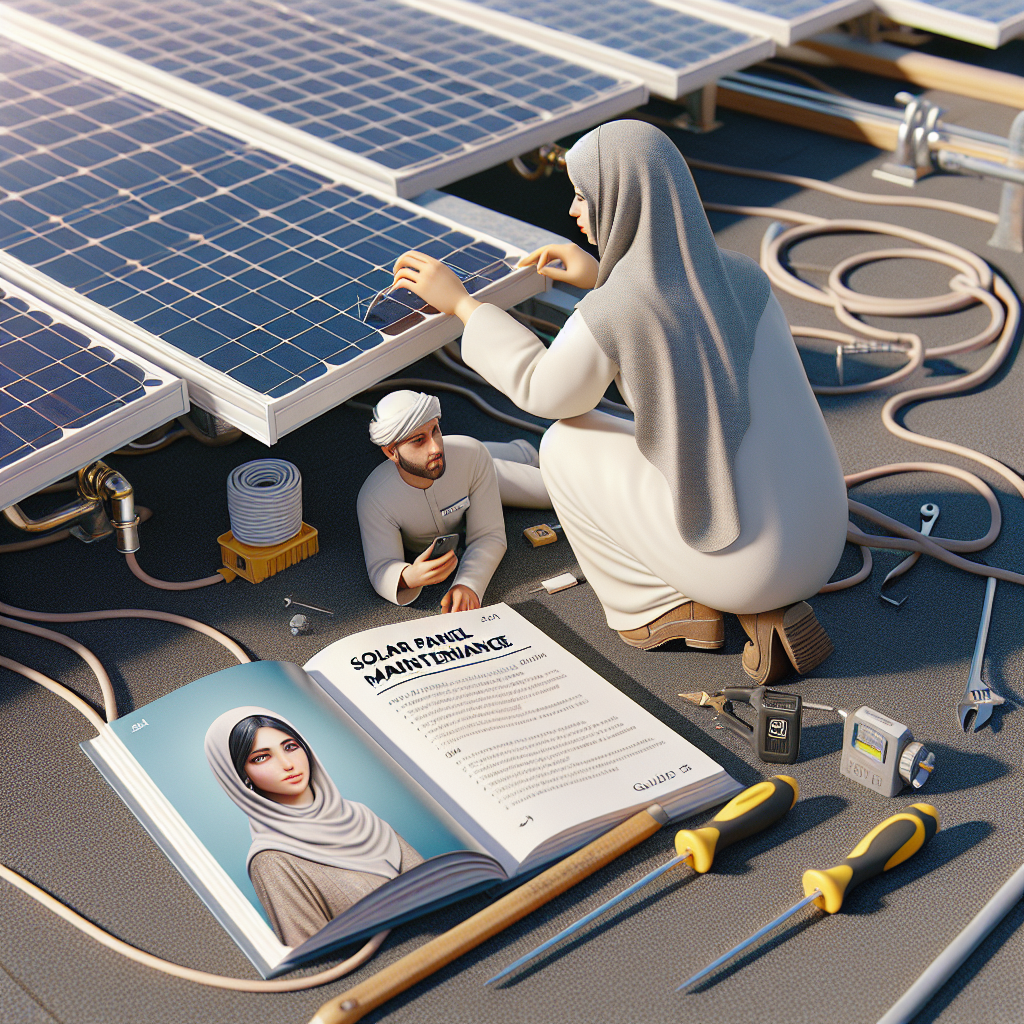
    Regular Inspection

    Why Inspections Matter

    Picture this: you’ve invested in solar panels, and they’re just sitting up there soaking up the sun. It’s easy to forget about them, right? But that’s where regular inspections come in. Trust me, giving those panels a good look over every now and then can save you lots of headaches later. You want to catch any potential issues before they turn into costly repairs.

    Regular inspections not only help to ensure that your panels are working at their best but also extend their lifespan. Think of it as taking your car in for a routine check-up. You’re keeping things in top shape and spotting any minor issues before they blow up into major problems. A good habit to get into!

    I often set a calendar reminder to inspect my panels every six months. That way, I know I’m being consistent, and it keeps my panels happy and productive.

    Signs of Damage to Look For

    When you’re up there checking out your solar panels, there are a few things to keep an eye on. Look for any cracks or chips in the glass. These can allow moisture in, which can wreak havoc on the inner workings of your system. If you notice any discoloration or dullness, it could mean dirt buildup or, worse, permanent damage.

    Also, check the wiring. If you see any frayed wires or loose connections, it’s time to act! Small issues can turn into big problems if they’re not addressed. Trust me, preventative maintenance is the key to a smooth operation.

    Finally, watch out for any signs of pest activity. Birds or squirrels sometimes find solar panels to be cozy real estate. I’ve seen nests start to form, which isn’t just messy; it can block sunlight and hinder energy production.

    Frequency of Inspections

    How often should you inspect your solar panels? Well, that can depend on a few factors. If you live in an area with a lot of storms or dust, you might want to check them more often—think every few months. However, for most folks, a biannual inspection is just fine.

    Also, after big weather events, like hail or heavy snow, it’s smart to give them a once-over. I’ve learned that paying attention to the weather can be just as important as the actual inspection! If you know a storm is coming, check those panels before it hits.

    Remember, it’s all about keeping your system running smoothly and efficiently. Keeping a log of your inspections can be helpful too, so you can track what’s been done and when.

    Cleaning Methods

    When and How to Clean

    Your solar panels love it when they’re clean. A good wash helps maximize their efficiency. But how do you know when it’s time to clean? If your panels look dirty, or you notice a drop in energy production, it’s time to break out the hose!

    I like to clean my panels early in the morning or late in the afternoon when they’re cooler. This prevents any possible damage from sudden temperature changes and helps to avoid getting burned while up on the roof. Safety first, am I right?

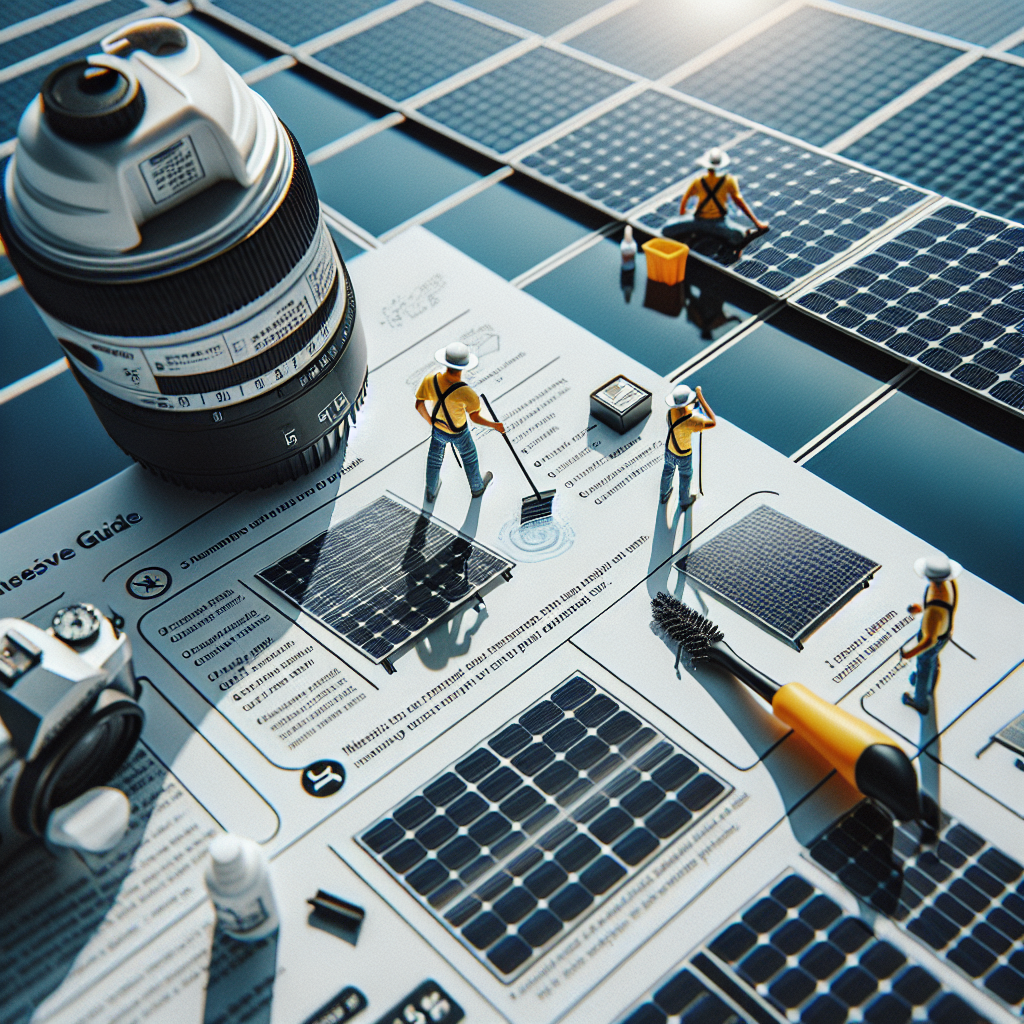
    You can use a simple soap solution and a soft brush to scrub them down. Just don’t use anything abrasive—no one likes scratches! Rinse it off with a hose, and voila, they’re shiny and ready for some sun!

    Professional vs. DIY Cleaning

    This is a big debate among solar panel owners. Do you go the DIY route or hire a professional? Personally, I think it depends on your comfort level. If you’re handy and don’t mind getting your hands dirty, then cleaning them yourself can be quite rewarding; you save some bucks, and you know exactly what’s going on with your panels.

    However, if you’re hesitant about climbing up on the roof, or if the panels are particularly large or hard to reach, it might be worth calling in the pros. They have the right tools and know-how to avoid potential damage.

    Some companies even offer maintenance packages that include cleaning, inspections, and repairs. This can be a wise investment if you want peace of mind and a hassle-free experience.

    Tips for Effective Cleaning

    When it comes to cleaning, there are a few tricks I’ve picked up along the way. First off, don’t skimp on the inspect-and-clean combo. Always check your panels for debris or damage before cleaning. You don’t want to make a bad situation worse!

    Be mindful of your cleaning tools. Use a soft-bristle brush, a bucket of water, and a gentle soap mixture. If you have a ladder, use that safe and sturdy for reaching high spots, and never attempt to clean icy panels. Safety is paramount!

    And finally, if you’re on the roof, make sure you’re secure. A harness can be a lifesaver. Slipping off the roof while trying to clean seriously isn’t the best way to start a sunny day.

    Monitoring Performance

    Understanding Energy Production

    Monitoring your solar panel performance is crucial. It lets you know just how well they’re doing. Most systems have a monitoring feature that tracks energy production. You’ll be able to see how much energy is being generated daily, which helps you catch any dips in efficiency.

    When I first set up my solar panels, I was amazed at how much information I could get just from my smartphone. It made me feel in control of my investment! Keeping tabs on energy production helps you understand when the right time is to inspect or clean your panels.

    Having this data at my fingertips also provides some satisfaction and motivation to keep everything shipshape. You can see firsthand how all that sunshine translates into energy savings for your home.

    Identifying Performance Issues

    If you notice a significant drop in production, don’t panic. Instead, take a closer look. It could be as simple as dirt buildup or a nearby tree casting new shade. I recall experiencing a dip in energy in the winter and discovered that a tree limb had grown enough to partially block sunlight.

    In more serious cases, check for blown fuses or checking your inverter’s performance. Any abnormal behavior there could signal that something needs your attention. Keeping a checklist for common issues can save you a lot of troubleshooting time.

    Every once in a while, it’s advisable to have a professional technician come and inspect the inverter and connections. I do this annually just to keep the system running smoothly.

    Using Monitoring Tools

    As I mentioned earlier, many solar systems come with built-in monitoring tools, but there are also third-party options available. These tools can provide real-time updates on your panel’s performance from any smart device.

    Using dedicated solar monitoring apps has made managing my solar system so much easier. These apps often analyze trends and provide insights into how to optimize energy production, which allows me to adjust my settings and usage accordingly.

    Don’t ignore these tools—they’re like your solar panel’s best friend. Having the right data helps you make informed decisions on when to clean and inspect your panels, directly impacting your energy efficiency and savings.

    Safety Tips for Maintenance

    Proper Equipment

    When it comes to maintaining your solar panels, safety should always be your number one concern. You want to make sure you’ve got the right equipment before heading up on the roof. I always start by checking my ladder, making sure it’s sturdy and placed on a flat surface. Trust me, you don’t want to be slipping and sliding while trying to clean!

    Wear non-slip shoes for better grip, and if you’re working with water or cleaning solutions, consider using rubber soled boots. It can make a big difference in keeping your footing secure. And don’t forget safety goggles if you’re up close with cleaning solutions.

    If you feel unsure about any part of the process, it’s worth it to hire a pro. A trained technician knows how to work safely around your panels without risking injury.

    Working with Electricity

    Remember, solar panels are connected to your home’s electrical system. This means there’s electricity involved, and you want to keep that in mind during maintenance. Always turn off the inverter before doing any work, especially when you’re inspecting wiring.

    It’s wise to check for any visible signs of wear on the electrical components. I also make a habit of keeping an eye on my system’s output and ensure that everything runs smoothly. If anything looks odd, I don’t hesitate to call in a professional.

    Staying cautious and informed about the electrical aspects can prevent accidents and keep you safe while ensuring the solar panels remain functional.

    Preventing Accidents

    Safety shouldn’t just be a checklist item; it’s something you incorporate into your entire maintenance routine. Always keep the roof clear of any debris or loose materials before climbing up. You’d be surprised how many accidents happen from something slipping out of hand.

    When in doubt about any maintenance task, whether it’s cleaning or inspecting, trust your gut. Don’t put yourself in a risky situation. It’s always better to be safe than sorry!

    Finally, have a buddy system in place when working on the roof. Having someone with you is a great way to enhance safety and provide backup if you need assistance.

    Understanding Warranties and Support

    Your Warranty Coverage

    When I first invested in solar panels, understanding warranties was a bit overwhelming. However, knowing your coverage can save you a lot of money and stress down the line. Most manufacturers offer warranties ranging from 10 to 25 years for solar panels, but these often cover specific components.

    Check to see what’s included in your warranty—does it cover the performance or just the materials? Knowing these details can be crucial when it comes time to file a claim if something goes wrong.

    Always keep a copy of your warranty documentation handy. I recommend storing it in a safe spot, so you have quick access when needed. This proactive approach helped me immensely when I had to call a manufacturer regarding a performance issue.

    Manufacturer Support

    Most solar panel manufacturers have customer support teams ready to assist with any questions or concerns. Don’t hesitate to reach out if you notice any performance issues or if you have questions about your warranty. They can provide essential guidance and often help troubleshoot problems over the phone.

    Also, check online forums or community groups; these can be treasure troves of information. Fellow solar panel owners often share their experiences and solutions—sometimes even faster than waiting for a direct response from the manufacturer.

    And remember, no question is too small. The more informed you are, the better equipped you’ll be to maintain your system effectively.

    Professional Help and Routine Maintenance

    Sometimes DIY just isn’t enough, and that’s okay! Knowing when to call in the pros is a massive part of maintaining your solar system. I’ve developed a routine where I schedule a professional inspection at least once a year. This not only keeps my panels in prime condition, but it also gives me peace of mind knowing that experts are handling the details.

    Always keep a list of reputable service providers handy. Ask for recommendations from friends or check online reviews to ensure you’re choosing a reliable team. And once you’ve found a trustworthy maintenance service, build a relationship with them.

    Many of them offer package deals for maintenance services, including inspections, cleaning, or even minor repairs. These services can help extend the life of your panels, making them well worth the investment.

    FAQ

    1. How often should I inspect my solar panels?

    It’s generally recommended to inspect your solar panels at least twice a year, but more frequent checks might be necessary if you live in a dusty or storm-prone area.

    2. Can I clean my solar panels myself?

    Absolutely! Cleaning your solar panels yourself can save money, but make sure you follow safety precautions, and don’t hesitate to call professionals if you’re not comfortable.

    3. What are common signs that my solar panels need maintenance?

    Look out for decreased energy production, visible dirt buildup, damage to the panels, or issues with wiring. If anything seems off, it’s a good idea to inspect or call a pro.

    4. Is professional maintenance necessary?

    While it’s not mandatory, having a professional maintenance check annually can pay off by catching problems early and ensuring your system runs efficiently.

    5. How do I understand my warranty coverage for solar panels?

    Check your warranty document for specifics on what components are covered and for how long. Manufacturers usually have clear policies that detail what is included, so keep this information handy.

  • RV Solar Power Guide: Getting Started

    Understanding RV Solar Power Systems

    What is RV Solar Power?

    When I first jumped into the world of RVing, I had no clue how solar power worked. But let me tell you, it’s a game changer! RV solar power systems harness sunlight to generate electricity, allowing you to off-grid like a pro. Imagine not having to worry about finding a campsite with electrical hookups — that’s the beauty of it!

    Essentially, these systems consist of solar panels that convert sunlight into energy, which is stored in batteries for later use. You can run lights, fans, and other appliances without relying on your RV’s gas-powered generator or campground hookups. It’s eco-friendly and lets you enjoy nature without sacrificing comfort.

    Plus, setting up solar power can be as simple or as complex as you want. Whether you’re a tech whiz or just looking to charge your devices while camping, there’s a solar solution out there for you. Trust me when I say, once you go solar, you won’t look back!

    Components of a Solar Power System

    Before you dive headfirst into purchasing solar gear, take a moment to understand the essential components. First up, you’ve got solar panels that capture the sun’s rays. These come in different sizes, from portable panels to roof-mounted ones designed specifically for RVs.

    Next, there are batteries that store the energy produced by these panels. Having the right type of battery is crucial — you wouldn’t want to camp out under the stars only to discover your battery doesn’t hold the charge! Deep-cycle batteries are the way to go for RV solar systems since they can be discharged and recharged many times without losing capacity.

    Lastly, to make everything work together, you need a charge controller and an inverter. The charge controller prevents overcharging your batteries and regulates the voltage. Meanwhile, the inverter converts the stored energy from the batteries into usable AC power — think of it as the bridge between your power source and your devices!

    The Benefits of Going Solar

    There are a ton of perks that come with installing solar power in your RV. For one, you’ll save on fuel costs. The more you rely on solar, the less you’ll need to crank up your generator, which can really guzzle gas. That means more money in your pocket to spend on experiences — like another trip to the national park!

    Another awesome benefit is the freedom it offers. You aren’t tied down to RV parks or campgrounds with hookups. Picture this: you can wake up in the middle of nowhere, surrounded by nature, and still have the comforts of home. With solar, I find it easier to explore those off-the-beaten-path places.

    And let’s not ignore the environmental impact. By using solar energy, you reduce your carbon footprint and contribute to preserving the great outdoors you love to explore. It feels good knowing I’m doing my part for Mother Earth while enjoying my travels!

    Choosing the Right Solar Equipment

    Assessing Your Power Needs

    Okay, before you start buying stuff, take a beat and assess what you really need. This is crucial because not every RV solar setup works for every type of camping or travel style. Start by listing all the electronics you plan to use while on the road: lights, fridge, blender, you name it!

    Once you’ve got your list, check the wattage for each device because that will help you determine how much power you need. I made the mistake of underestimating my needs during my first setup, and let me tell you, it was not fun running out of juice halfway through a road trip!

    Once you know your total wattage, factor that into how many solar panels you’ll need to meet those demands. It’s all about balance! You want enough panels to keep your batteries charged while not overdoing it and ending up with equipment that doesn’t fit in your RV.

    Researching Brands and Models

    With power needs assessed, it’s time to hit the research phase! There are countless solar panel brands available, so take the time to read reviews. Consider factors like efficiency, warranty, and customer service. The last thing you want is to invest in gear that doesn’t perform or leaves you high and dry when you need help.

    I found that watching YouTube videos from fellow RVers provided invaluable insights. They often share their personal experiences with specific products, and sometimes even do side-by-side comparisons of different models. This way, you can see how they hold up in real-life scenarios.

    Don’t be afraid to hit up forums and online groups, too! Getting opinions from the RV community can provide a wealth of knowledge. You might even score some tips on products that work well for your specific setup or learn about hidden gems in the industry!

    Installation Options

    So you’ve got your panels, batteries, and all the goodies — now it’s time to install ’em! You can go the DIY route, which is what I opted for the first time. With a decent set of tools and a handful of YouTube tutorials, I managed to install my solar system myself. It was a bit of a learning curve, but totally doable!

    If you’re not the hands-on type, consider hiring a professional. It may cost a bit more, but peace of mind is worth it. Plus, they’ll ensure everything is set up correctly and safely, which reduces the risk of electrical issues down the line.

    Whatever route you choose, make sure to thoroughly read the installation instructions for each component. Having everything done right from the start means fewer headaches later on and allows you to get out there and enjoy your travels sooner!

    Maintaining Your Solar Power System

    Regular Cleaning and Inspections

    You’ve made the investment, so let’s keep your solar system in top-notch shape! Regularly cleaning your panels is key to ensuring they operate efficiently. Dust, dirt, and grime can block sunlight and reduce power output. I make it a habit to give mine a good wash every few months, especially after a trip through dusty roads.

    Make it a point to inspect your panels for any visible damage — cracks or loose connections can cause major headaches. You want to catch any issues before they become significant problems that could leave you stranded!

    Taking 30 minutes every now and then to check in on your solar power system will save you time and effort in the long run. Trust me, it beats scrambling to fix problems when you’re trying to enjoy a relaxing camping experience.

    Battery Care

    Batteries are the heart of your solar system, and they require attention as well. Regularly monitor the state of charge for your batteries; keeping them above 50% is ideal for longevity. Too many deep discharges can lead to premature battery failure. I learned this the hard way, so save yourself the trouble!

    Also, keep an eye on the water levels in flooded lead-acid batteries. You’ll need to top them up occasionally to maintain optimal performance. Just remember to do this under the correct conditions — never when the battery is charging or discharging.

    Finally, ensure cable connections are secure and free from corrosion. A little bit of preventative care can go a long way in extending the life of your batteries and overall system!

    Upgrading Your System

    As you become more accustomed to your RV solar power system, you may find your needs change or that you want to expand on what you have. If you start running more high-wattage appliances or want to spend longer periods off-grid, upgrading your system can be a logical next step.

    Consider adding more panels or investing in a more robust battery bank to accommodate those extra watts. Some RVers even add a generator backup for peace of mind, although I like to keep it solar-focused whenever possible! It’s all about customizing your setup to fit your unique travel style.

    Stay informed about new technologies and innovations in solar energy as well. Things evolve quickly, and what might be the best option today could be outdone in a couple of years. Don’t hesitate to revisit your system every few years and make adjustments as needed!

    Final Thoughts on RV Solar Power

    So there you have it — the ins and outs of RV solar power! From understanding the basics to choosing gear and maintaining it, using solar energy has transformed my RVing experience for the better. The freedom to adventure without worrying about power keeps me coming back for more!

    Take your time in researching and figuring out what works best for your needs. Remember to enjoy the journey and embrace the learning curve that comes along with setting up a solar power system in your RV!

    Now your adventures are only limited by how far you want to roam. Embrace the solar lifestyle, and hit the road with confidence!

    FAQ

    1. What is the main function of a solar panel system in an RV?

    The main function of a solar panel system in an RV is to convert sunlight into electricity, which can power various appliances and devices while off the grid.

    2. How do I determine what type of battery I need?

    The type of battery you need depends on your power consumption requirements, but deep-cycle batteries are generally recommended for RV solar systems due to their ability to handle repeated discharges and recharges.

    3. Can I install a solar system myself?

    Yes, many RVers choose to install their solar systems themselves, especially with the plethora of online resources and tutorials available. However, if you’re not comfortable with DIY, hiring a professional is a great option.

    4. How often do I need to clean my solar panels?

    It’s a good idea to clean your solar panels every few months, especially after trips through dusty areas. This will help maintain their efficiency and ensure they capture sunlight effectively.

    5. What should I do if my RV solar system isn’t working properly?

    If your RV solar system isn’t functioning as it should, start by checking all connections and inspecting for any physical damage. Don’t hesitate to consult the manual or seek expert guidance if troubleshooting doesn’t resolve the issue!

  • RV Solar Power Guide: Getting Started

    RV Solar Power Guide: Getting Started

    Understanding RV Solar Power Systems

    What is RV Solar Power?

    Let me tell you, RV solar power is one of the most liberating ways to enjoy life on the road. Essentially, it’s a system that uses solar panels to convert sunlight into usable electricity for your RV. This means you can power all your gadgets, lights, and appliances without constantly needing to plug into a power outlet.

    It’s like bringing a little piece of home with you wherever you go, but with the added benefit of being environmentally friendly. No more worrying about finding a campsite with power hookups or dealing with noisy generators. Just the sun, your RV, and the great outdoors!

    Understanding the basics of solar power will help you make informed decisions about the system you need. You can tweak and customize your solar setup based on your travel style and energy requirements. That’s the beauty of it!

    Components of an RV Solar Power System

    A typical RV solar power system consists of solar panels, a charge controller, batteries, and an inverter. Each component has its specific role and works together to ensure you have a steady power supply. It may sound complex, but once you break it down, it becomes a lot clearer.

    The solar panels are the heart of the system, capturing sunlight and converting it into electricity. The charge controller prevents the batteries from overcharging, while the batteries store that energy for when you need it. Finally, the inverter changes that stored energy into a format usable by your appliances. Understanding these components will make you feel like a solar power wizard!

    As you plan your RV adventures, think about how much power you need for your devices. This can help you determine the size and type of solar setup that’s best for you. Trust me; having a reliable power source can make or break your camping experience!

    Benefits of Going Solar

    Honestly, the benefits of going solar are huge! First off, you gain freedom. You can camp off-grid without the fear of running out of power. You can stay at beautiful places away from crowded campgrounds, just you and nature!

    Secondly, it can save you money in the long run. Think about it: no more fuel for generators and reduced costs for campground fees. Plus, there’s something very satisfying about not relying on fossil fuels.

    Last but not least, using solar energy reduces your carbon footprint. As someone who cares about the planet, it feels good to know I’m contributing to a greener future while enjoying my RV adventures. It’s a win-win situation!

    Choosing the Right Solar Setup for Your RV

    Assessing Your Power Needs

    Before you dive into buying solar equipment, take a moment to assess your power needs. Jot down all the electronic devices you’ll be using and their wattages. The last thing you want is to run out of juice when you’re in the middle of nowhere!

    Common items like lights, phones, laptops, and small appliances can add up quickly. Once you have a good idea of your total wattage, you can start selecting the right solar panels and batteries that meet those needs. It’s like piecing together a puzzle that results in a comfortable camping experience.

    I also recommend considering how much you plan to stay off-grid. If you’re going to be in remote areas for extended periods, you might want to invest in a larger system to ensure you have enough power. It might cost more upfront, but the peace of mind is absolutely worth it!

    Different Types of Solar Panels

    When it comes to solar panels, there are a few choices. You can go for monocrystalline, polycrystalline, or thin-film panels. I’ve had my fair share of experiences with each, and I can tell you there are pros and cons to all of them.

    Monocrystalline panels are super efficient and tend to take up less space, which is great for RVs. Polycrystalline panels are a bit cheaper but require a bit more space. If you have enough roof space, this might be a good compromise. Thin-film panels are the lightweights and flexible, perfect if you’re tight on space, but they are generally less efficient.

    No matter which type you choose, make sure they’re durable and suited for the road. After all, you want something that can withstand the elements as you travel from one beautiful destination to another!

    Battery Storage Options

    Once again, batteries are vital to your solar power system. There are options like lead-acid, lithium-ion, and AGM batteries. I’ve learned the hard way how crucial it is to choose wisely here!

    Lead-acid batteries are cheaper but bulkier and require regular maintenance. Lithium-ion batteries, on the other hand, are more efficient and lighter. They’re also suitable for deep cycling, which means they can be discharged more without damage. If budget allows, I’d recommend going for lithium-ion for the long haul!

    Also, pay attention to the capacity and how many amp-hours you need. It’s the difference between comfortably powering your RV and being left in the dark! Having enough battery storage can make all the difference for those late-night star-gazing sessions.

    Installing Your RV Solar System

    DIY Installation vs. Professional Help

    When it comes to installation, the big question is whether to DIY or hire a pro. If you’re a handy person, you might enjoy taking on the challenge yourself! It’s not as daunting as it sounds, and there are tons of online resources with step-by-step guides.

    However, if you’re not comfortable working with electrical systems or simply don’t have the time, hiring a professional can save you a lot of headaches. Trust me, getting it right the first time ensures your system works efficiently and lasts for years.

    When looking for a pro, ask for recommendations from fellow RVers or check online reviews. Having the right person install your system can make all the difference, and it gives you peace of mind knowing that everything is set up correctly!

    Wiring and Mounting the Panels

    If you decide to tackle the installation yourself, you’ll need to understand the basics of wiring and mounting the solar panels. First off, choose a sunny spot on your RV roof that is free of obstructions like vents or air conditioning units. You want maximum sun exposure for optimal performance!

    As for wiring, take it step by step. Connect the panels to the charge controller, then to the batteries, and finally to the inverter. Don’t forget to follow safety precautions and refer to your components’ manuals for specific details. Trust me, it’s better to take your time and do it right!

    Once you’re all set up, don’t forget to test your system. It’s a good feeling to know everything is working properly before embarking on your next adventure!

    Finalizing Your Setup

    After installation, the last step in your solar journey is to monitor and maintain your system. Make sure to regularly check the panels for dirt or debris, which can reduce efficiency. A clean panel is a happy panel!

    You’ll also want to keep an eye on your battery levels and make sure everything is functioning smoothly. Over time, you’ll get the hang of understanding your energy consumption and where you can improve. This process is all about learning and adapting as you go.

    And remember, enjoy the journey! Having solar power in your RV gives you the freedom to explore beautiful places while staying connected. Now that’s what I call living life to the fullest!

    Maintaining Your RV Solar Power System

    Regular Maintenance Tips

    Just like your RV, your solar power system requires regular maintenance to keep it humming along smoothly. I can’t stress enough how important it is to inspect your solar panels frequently for any dirt, debris, or damage. A simple wash can drastically improve efficiency!

    Checking connections is another vital task. Loose or corroded connections can cause power loss, and nobody wants that! Keeping everything tight and tidy will prolong the life of your system.

    Don’t forget to inspect your batteries, too. Make it a habit to check the water levels in lead-acid batteries, and always ensure they’re stored in a cool, dry place. It’s all about staying on top of little maintenance tasks to avoid big problems later!

    Winterizing Your System

    If you’re like me and enjoy RVing year-round, preparing your solar system for winter is a must. Cold temperatures can affect battery performance, and snow can really hinder your solar panel’s ability to capture sunlight.

    Make sure you store your batteries properly to prevent freezing. A battery blanket can help keep things warm. Also, regularly clear any snow off your panels; you don’t want anything blocking those sunlight rays!

    Winter is a great time to perform maintenance checks while you’re cozied up. Use this downtime to readjust or upgrade your system so it’s ready to go when spring arrives!

    Troubleshooting Common Issues

    Sometimes, things don’t always go as planned, and knowing how to troubleshoot common issues can save you a lot of stress. If you notice that your battery isn’t charging like it should, double-check your connections and ensure everything is snug.

    If your panels don’t seem to be getting enough sunlight, inspect for shading or dirt. Sometimes repositioning your panels can make a world of difference!

    And if you’re still having issues, surprising though it may be, the solution could lie in your charge controller settings. Take some time to read through any manuals or resources that came with your equipment. It’s all part of becoming a solar power guru!

    RV Solar Power FAQs

    1. How many solar panels do I need for my RV?

    It really depends on your power needs, but typically, most RVs do well with one to four panels, depending on how much energy you consume. Calculate the wattage of your devices to determine the right setup!

    2. Can I run my air conditioner with solar power?

    Yes, but it requires a larger solar system and battery setup. Air conditioners consume a lot of power, so you’ll need to be aware of your energy consumption and make sure your system is properly sized!

    3. Is it safe to install a solar system myself?

    Absolutely! If you feel comfortable with basic electrical work, you can do it yourself. Just follow the instructions carefully and consider watching some tutorial videos. But if in doubt, hiring a professional is a good alternative!

    4. How long do solar panels last?

    Most solar panels last between 25-30 years. However, their efficiency may decrease over time, but proper maintenance can help prolong their lifespan. Regular inspections are key here!

    5. What should I do if my solar system isn’t working properly?

    Start by checking all your connections, cleaning your panels, and ensuring they’re getting enough sunlight. If problems persist, consult your equipment manuals, or don’t hesitate to reach out to a professional for help!

  • The Ultimate Guide to Understanding Solar Power Tax Credits

    The Ultimate Guide to Understanding Solar Power Tax Credits

    Understanding Federal Tax Credits

    What Are Federal Tax Credits?

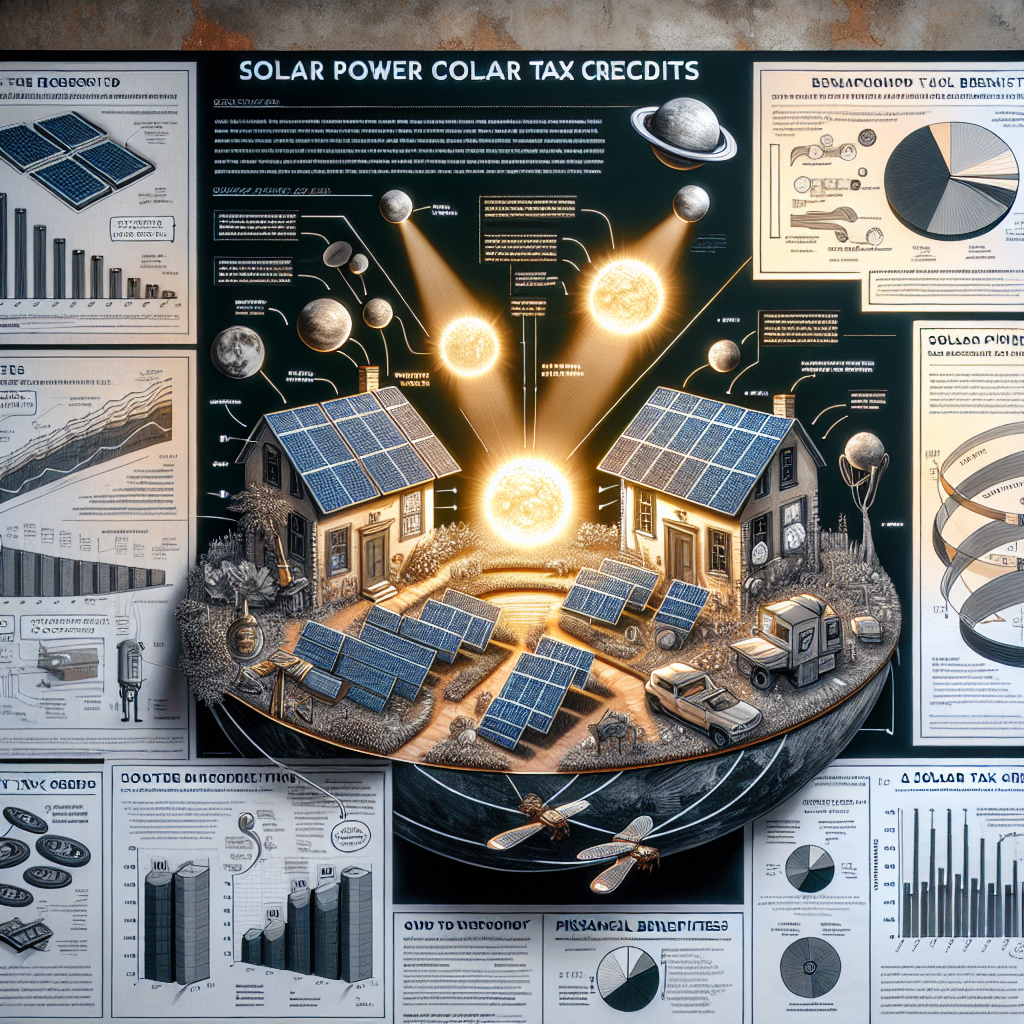
    When I first dove into solar energy, I was blown away by the potential savings from federal tax credits. These credits are incentives offered by the government to encourage homeowners to invest in renewable energy. The main one most folks talk about is the Investment Tax Credit (ITC). If you install solar panels, you could offset a significant portion of your costs during tax season.

    So, how does it work? Essentially, the ITC allows you to deduct a chunk of the installation costs from your federal taxes. The beauty of it is that it can really lighten the financial load. I found that knowing this credit existed changed my entire approach to affording solar energy.

    It’s also key to stay updated because these credits can change. They’ve been extended, reduced, and there’s chatter about future changes. Keeping your ear to the ground can help ensure you get the most and save as much as possible.

    Eligibility Criteria

    Now, you might be wondering if you’re even eligible for these credits, right? Generally speaking, if you own the solar system and it’s installed at your primary residence, you’re good to go! But there might be more criteria based on where you live and the specific setup.

    One of the things I learned was that if you lease your solar panels instead of owning them, you usually can’t claim the tax credit. Bogus, I know, but that’s the lay of the land. It’s super important to get clarity on ownership to make sure you as the homeowner get the benefits.

    Additionally, some states have their own specific requirements. Doing a bit of homework about your state’s regulations will avoid some last-minute headaches. Trust me, you’ll thank yourself later!

    How to Claim the Credit

    Okay, so you’ve got your solar panels up and you’re registered for the ITC; now what? Claiming the credit is actually quite straightforward. You’ll need to file Form 5695 along with your regular tax return.

    When I first filled out that form, I felt a little overwhelmed. I mean, tax forms can be intimidating! But once I started filling it out, I realized it was all about providing basic info about the installation cost and how many panels you have.

    Make sure to keep all your receipts and documentation organized, as the IRS likes to see proof. Having everything easy to find showed me that I was serious about my investment and made my life easier when filing ahead of the tax deadline.

    State-Specific Incentives

    Overview of State Incentives

    Each state has its unique charm and benefits regarding solar energy, and boy, I found that out the hard way! While the federal tax credits give you a solid start, many states have their own rebates and credits. This can significantly amplify your savings.

    For instance, I moved from California to Texas, and I quickly realized that while California had several lucrative incentives, Texas had its own set of perks. It’s fascinating to explore how different areas promote solar energy usage!

    If you dive into state incentives, you may find grants or specific programs aimed at encouraging solar installation. This can be like finding free money lying around—definitely keep your eyes peeled!

    How to Find State Incentives

    Finding these incentives isn’t as daunting as it seems. Start with your state government’s website. They usually have a resource section dedicated to renewable energy. When I tracked down my local incentives, it was easier than I thought—it just required a bit of research!

    Another option is to check out sites like the Database of State Incentives for Renewables & Efficiency (DSIRE). They provide a comprehensive overview of all kinds of incentives plus who qualifies. It’s a goldmine!

    If you’d rather skip the legwork, chatting with local solar installation companies might guide you to know what incentives you can snag. They usually keep a pulse on the latest state and federal programs.

    Understanding Local Rebates and Incentives

    Local utilities sometimes offer rebates for solar panel installations as well. I remember getting a nice chunk off my initial investment thanks to a rebate from my utility provider. It’s like bonus savings just for using renewable energy!

    But be on the lookout: these rebates can change often, so it pays to dig in as soon as you decide to install solar. The more you find, the more you can save. Once I understood the nuances, every step felt like a victory!

    Just keep in mind that some rebates may have specific eligibility rules, so read the fine print. You don’t want to find out later that you missed the chance to cash in on some sweet incentives!

    The Role of Solar Financing Options

    Different Financing Options

    Now, let’s chat about how to actually pay for all this solar goodness. There’s a variety of financing options available to homeowners. I spent a good chunk of time figuring this out, and trust me, it’s totally worth knowing your options!

    Loans are pretty popular—whether they’re secured against your home or not. I went the unsecured route, avoiding collateral but paying a slightly higher interest rate. I weighed convenience over long-term cost savings, but for you, it might be different.

    Some people even opt for power purchase agreements (PPAs), where you pay for the power generated by the system rather than the system itself. It’s kind of like taking a subscription service approach. You just need to find what fits your budget and lifestyle.

    Evaluating Costs vs. Savings

    One thing I learned is that it’s not just about the installation costs—it’s about evaluating your long-term savings as well. While the out-of-pocket expense can seem daunting, running the numbers for monthly energy savings helped me see the silver lining.

    It’s a smart idea to sit down and calculate how much you’ll save on your electricity bill over time versus the total cost of the solar system. I spiced things up by using online calculators, which made crunching numbers way more fun!

    After evaluating, I realized that my investment paid off in the long run. That gave me peace of mind whenever I faced my monthly expenses. Plus, it felt great to know I was doing my part for the environment!

    The Importance of Working with Financial Advisors

    Getting professional advice can really pay off. I didn’t realize initially how much guidance I needed until I sought out a financial advisor. They helped me weigh the pros and cons of different financing options against my personal financial situation.

    Finding the right advisor can make the entire process less stressful. They can break down the complexities of tax credits and incentives in terms that make sense! Get someone who knows their stuff—it’s worth every penny.

    This support helped me feel confident in my financial decisions moving forward, and I wish I hadn’t waited so long to do it. So, don’t shy away from seeking advice; you’re building a greener home, and that’s a great step!

    Navigating Future Changes in Legislation

    Staying Informed on Tax Law Changes

    Tax laws are a living thing—constantly shifting and changing, just like the weather! I found out the hard way how important it is to stay updated on any changes to solar power tax credits.

    A good rule of thumb is to follow organizations and advocacy groups dedicated to renewable energy. They provide updates and have resources that explain what any new laws mean for you. I would read their newsletters and it kept me in the loop.

    Even subscribing to updates from tax-related websites can guide you on any changes coming down the pipeline. You don’t want to miss a potential opportunity for savings because you weren’t aware of the rules!

    Preparing for Potential Changes

    While it’s great to be informed, it’s also helpful to have a plan. For instance, if the tax credit’s expiration is coming up, you might want to expedite your solar installation. That way, you’ll certainly be in line for those sweet credits.

    One thing I did was create a little calendar reminder to check in every few months. It was a simple way to ensure I stayed up to date. You don’t always have to chase down news; just keep it on your radar and you’ll feel a lot more secure!

    Also, if you’re part of a community solar program, your local solar provider might offer insights into upcoming changes and how they could affect you. Local connections can definitely keep you informed!

    Advocacy and Support Groups

    Speaking of knowing the ins and outs, joining advocacy groups focused on renewable energy can work wonders. When I got involved, I found a community of like-minded people who shared tips and strategies. It just felt right to be part of something bigger!

    These groups often lobby for better policies and can provide additional information about local initiatives or grants. It felt empowering to contribute and learn from fellow advocates who share my passion for the planet!

    So, when navigating any future changes in legislation, don’t go it alone. Tapping into these networks can yield valuable insights that can help you navigate the twists and turns of solar power tax credits.

    Frequently Asked Questions

    What is the federal tax credit for solar energy?

    The federal tax credit for solar energy, known as the Investment Tax Credit (ITC), allows homeowners to deduct a significant portion of solar installation costs from their federal taxes. As of recent updates, it’s generally 26%, but can vary, so always check the latest info!

    Am I eligible for state incentives?

    Eligibility for state incentives varies widely, depending on where you live and the specifics of the program. Most commonly, if you own your solar installation and it meets state guidelines, you should qualify. Always check local regulations!

    How do I claim the solar tax credit?

    To claim the solar tax credit, you’ll need to file IRS Form 5695 along with your tax return. This form helps you report your solar installation costs and claim the credit efficiently.

    What financing options are available for solar energy systems?

    Financing options for solar energy include personal loans, home equity loans, and power purchase agreements (PPAs). Each option has its pros and cons, so it’s worth doing some digging to find what suits your financial situation best.

    How do changes in legislation affect my solar tax credits?

    Changes in legislation can impact the availability and amount of solar tax credits. Staying informed about current and future tax laws is crucial. Joining advocacy groups can also help you navigate these potential changes!

  • How to Install Solar Panels Yourself: A Step-by-Step Guide

    How to Install Solar Panels Yourself: A Step-by-Step Guide

    Step 1: Assessing Your Energy Needs

    Understanding Energy Consumption

    Before diving into the installation, it’s crucial to understand how much energy you actually use. I remember when I first started, I was totally lost about the numbers!

    Grab your utility bills from the past year; that’s where all the info is! Look for your monthly kilowatt-hour (kWh) usage. This will give you a baseline of how much energy your system needs to generate.

    Once you have a solid grasp of your usage, think about future needs. Are you planning to add more gadgets or appliances? This is key to making sure your solar system can handle it!

    Choosing the Right System Size

    Now that you know your consumption, it’s time to size your solar panel system. It might sound a bit technical, but don’t worry; I’ll break it down!

    A good rule of thumb is that 1 kilowatt of solar panels generates about 1,200 kWh annually. So just do a quick division of your yearly consumption by that number to figure out how much power you’ll need.

    Once you have this number, you can plan how many panels you’ll need to install while leaving room for efficiency losses and possible expansion down the road!

    Research Local Incentives and Regulations

    Let’s not forget to check what incentives are available to you. I was surprised at how many rebates and tax credits I qualified for!

    Check with your local government or energy provider about any programs that can help cover costs, or even make your installation process smoother with less paperwork.

    Also, be aware of zoning laws or Homeowners Association rules if you live in a neighborhood with those restrictions. Trust me, you don’t want to be setting up your panels only to find out it’s against the rules!

    Step 2: Gathering Your Materials

    Create a Shopping List

    Okay, time to hit the store (or the internet)! You’ll need a comprehensive shopping list. I made a checklist and it helped me stay organized.

    Start with the solar panels themselves—do some research on brands and types. Then add mounting brackets, inverters, wiring, batteries (if you’re going off-grid), and safety gear like gloves and goggles.

    And always budget a little for unexpected expenses. Trust me; they tend to pop up more than we think during DIY projects!

    Where to Buy Supplies

    Now, where to buy this stuff? Local hardware stores often have a good selection, but don’t overlook online retailers! I found some amazing deals that way!

    Be sure to shop around for competitive prices—check reviews on anything you’re not familiar with, so you don’t end up with junk. Quality is essential, especially when we’re talking about something as critical as solar energy!

    Don’t hesitate to ask for help at your local store; many employees have valuable insights on the best products to choose!

    Preparing Your Workspace

    Before you get started with installation, make sure your workspace is prepped. I cannot stress this enough; a clear area makes all the difference!

    Clean the rooftop, ensure you have all your tools at hand, and double-check that your ladder is sturdy. I once had a mishap with an unstable ladder—you don’t want to repeat that!

    Ensuring a safe and organized workspace will not only ease the installation process but also keep you injury-free. Nobody wants a trip to the emergency room mid-project!

    Step 3: Installing the Solar Panels

    Mounting the Brackets

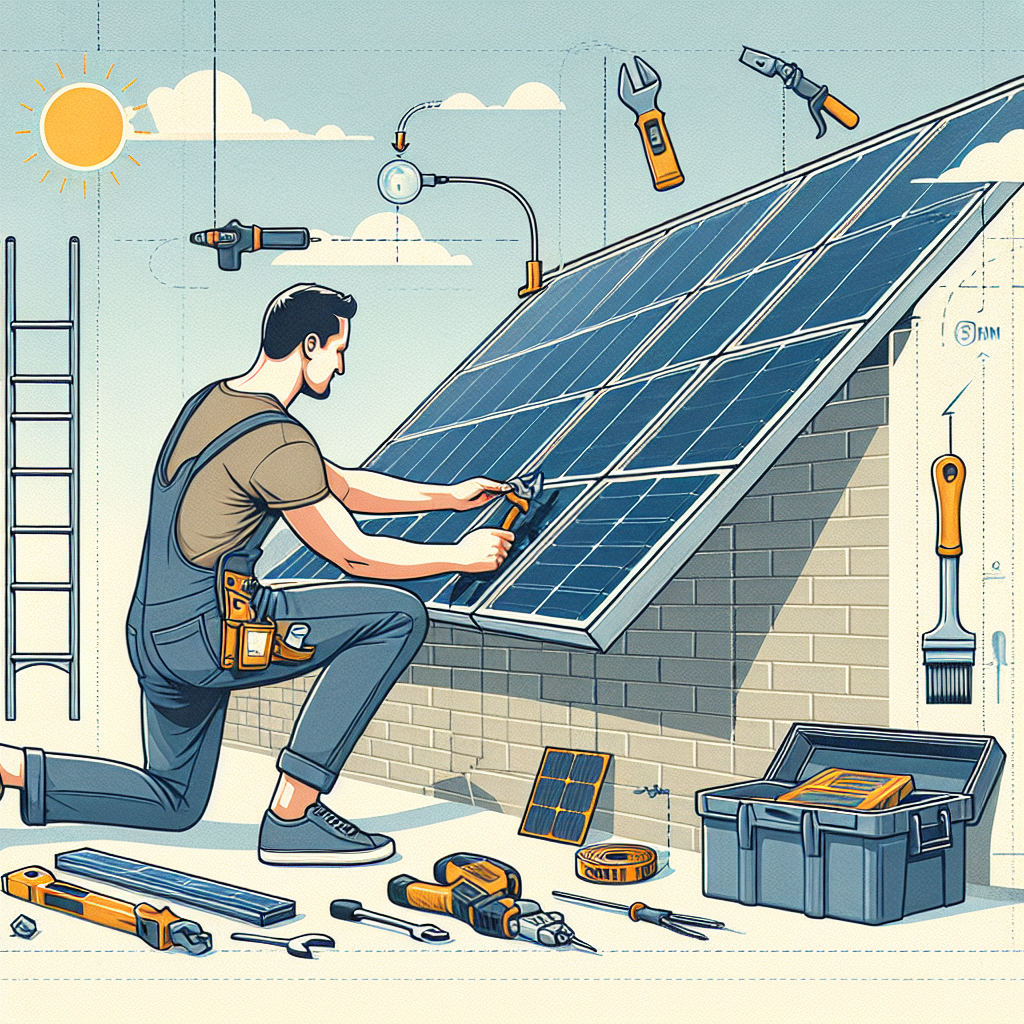
    This is the meat of the project! Start by mounting the brackets on your roof. Be sure you follow the manufacturer’s instructions because they know what’s best for their products.

    I found it helpful to mark where I’d drill with a marker, so everything was precise. Measure twice, drill once, am I right?

    Check for any structural issues on your roof; you want to make sure it can handle the weight and won’t give out under the stress of wind or snow!

    Attaching the Panels

    Once the brackets are mounted, it’s time to attach the panels. This part feels super rewarding—seeing the panels affixed to your roof makes it feel real!

    Be careful with the wiring here. Each panel usually comes with a connector, but it’s easy to get them mixed up if you’re not paying attention.

    Don’t rush this step; double-check all connections before moving on. This is crucial for your system’s efficiency and longevity!

    Connecting the Inverter

    The inverter is like the brain of your solar system; it converts the energy from the panels into usable power for your home. I’ll admit; I was a bit intimidated by the wires!

    Read the inverter’s manual thoroughly—it’ll guide you through the wiring. When I did mine, I felt like I was solving a complex puzzle!

    Once things are connected, it’s always a good idea to test everything before you call it a day. A little precaution can save you big headaches down the line!

    Step 4: Finalizing the Installation

    Testing the System

    Alright, you’re almost there! Time to fire things up and see if your hard work paid off. I vividly remember the excitement mixed with anxiety!

    Flip the switch and monitor your system for a bit. Look for any error codes or malfunctions. The inverter usually has a display that’ll show you whether everything is functioning correctly.

    If all goes well, feel free to do a little victory dance—you’ve earned it after all that effort!

    Monitoring Your System

    Consider installing a monitoring system. Many modern inverters come with apps that can track performance, which is really useful! I downloaded one to keep tabs on my energy production.

    This way, if you encounter any issues down the line, you’ll have real-time data at your fingertips to troubleshoot.

    Plus, watching those numbers go up is oddly satisfying and motivating to save even more energy!

    Documenting Your Installation

    Don’t forget to document the entire process! I took loads of photos and notes, and they’ve come in handy when looking back or if I ever need to make adjustments.

    This documentation can also be useful for insurance purposes, especially if you’re making a claim related to your solar installation. Trust me; it’s better to have it than not!

    Share your experience in forums or social media; you might just inspire someone else to join the solar movement!

    Step 5: Enjoying the Benefits

    Reduced Energy Bills

    One of the biggest perks of installing your own solar panels is watching your energy bills drop! After installation, I was amazed at how much lower my monthly bill became.

    Just think about the savings: the more you generate, the less you pay your utility. Some months, my bill was practically nonexistent!

    This extra cash can be used for anything from home improvement projects to treating yourself, and who doesn’t love that?

    Environmental Benefits

    Installing solar panels isn’t just a financial decision; it’s an ethical one too! Every time I see those panels soaking up sunlight, I know I’m making a difference.

    By shifting to renewable energy, you’re reducing your carbon footprint, helping fight climate change, and promoting sustainable energy practices.

    Telling my friends and family about the environmental impact gave me such a sense of pride. It’s comforting to know I’m contributing towards a greener planet!

    Future Upgrades

    Last but not least, think about the future! Solar technology is constantly evolving, and what I installed today could be just the start.

    You can think about adding more panels down the line or integrating battery storage solutions. I’m already considering what upgrades might work for me in the future!

    Plus, as you cultivate more knowledge, you may find yourself tackling even more energy-efficient improvements around the house. That sounds like a win-win to me!

    Frequently Asked Questions

    1. How much does it cost to install solar panels myself?

    The cost can vary based on your system’s size, but generally, when you do it yourself, you may only pay for the panels and materials, often ranging from $3,000 to $10,000, depending on your energy needs.

    2. Do I need special permits to install solar panels?

    Yes, many areas require permits for solar installation. Always check with your local building department so you’re compliant with regulations.

    3. Can I connect my solar panels to the grid?

    Absolutely! You can either set up an off-grid system or connect to the grid, allowing you to sell excess energy back to your utility provider, which can offset costs even more!

    4. What if I encounter issues during installation?

    If you run into problems, don’t panic! Consult the manuals for your equipment, or look for online forums and communities. There’s a wealth of knowledge out there!

    5. How long do solar panels last?

    Most solar panels come with warranties of 25 years but can last much longer with proper care. They often keep functioning efficiently for 30 years or even more!

  • The Best Solar Systems for Small Homes: A Buyer’s Guide

    The Best Solar Systems for Small Homes: A Buyer’s Guide

    Understanding Your Energy Needs

    Assess Your Current Usage

    Before diving into the world of solar systems, let’s take a step back and understand your energy consumption. I remember staring at my electricity bill and cringing at the numbers. It becomes essential to analyze your current energy usage, typically documented on your utility bill. This gives you a solid baseline to figure out how much energy you need to generate.

    Start by gathering information about your monthly energy consumption. It’s usually listed in kilowatt-hours (kWh), so having a calculator at the ready can really help. You want to make sure you’re not caught off guard when the sun decides to take a day off!

    Lastly, think about the future. Are you planning to expand your space, get new appliances, or maybe even add an electric vehicle? It’s smart to account for that potential growth when sizing your system.

    Assess Your Home’s Solar Potential

    Now that you know how much energy you use, it’s important to assess how much sun your home gets. Factors like roof angle, shade from trees, or nearby buildings can significantly impact how effective your solar system can be. I spent some time observing how shadows moved across my roof during different times of the day.

    Online tools and apps can help you determine how much sunlight your specific roof receives. One cool tool I found is Google’s Project Sunroof. It gives a good idea of potential solar savings, based on your location!

    Also, don’t forget about roof orientation. South-facing roofs typically get the most sun, which is ideal. If your roof doesn’t have the right orientation, don’t panic! Ground-mounted systems can be a great alternative.

    Defining Your Goals for Solar Energy

    It’s essential to define what you want to achieve with solar energy. Are you looking to save on your electric bill, reduce your carbon footprint, or perhaps become entirely energy-independent?

    I started by jotting down my aims and comparing them. For me, saving money while contributing positively to the environment was a must. Knowing your own goals helps streamline the search for the solar system that suits you best.

    Clearly defined goals will also impact the type and size of the system you choose, so it’s a vital step in the process!

    Choosing the Right Solar System for Your Home

    Types of Solar Systems

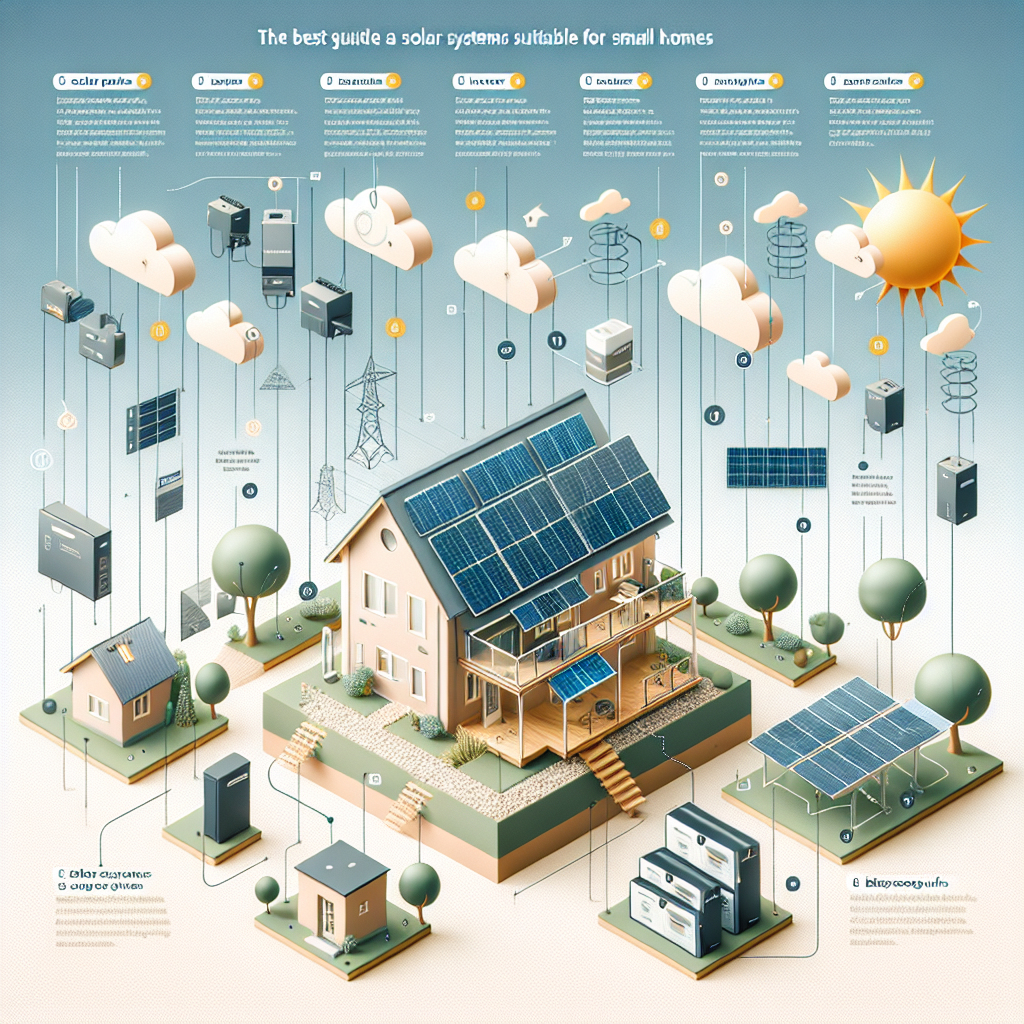
    There are mainly three options when it comes to solar systems: grid-tied, off-grid, and hybrid systems. Personally, I leaned towards a grid-tied system because it’s typically more affordable and lets you use the utility’s grid as a backup, which brought me peace of mind!

    Off-grid systems allow you to live completely independently from the utility grid. This can be awesome if you’re in a remote location, but you’ll need a good battery system and possibly a backup generator. I am still considering this for my weekend cabin in the woods!

    Hybrid systems are fancy! You can transition between grid-tied and off-grid modes, depending on what you need. They give you flexibility, but of course, they come at a higher price tag.

    Evaluating System Components

    After selecting a system type, dive into the components. Solar panels are usually the star of the show, but don’t overlook inverters and batteries. I was overwhelmed initially by the tech jargon, but once I broke it down, it became much clearer.

    Solar panels come in various types: monocrystalline, polycrystalline, and thin-film. Each has its advantages and drawbacks. Monocrystalline panels have higher efficiency rates, but thin-film panels might fit certain budgets better. Researching and reading reviews really helped me make an informed decision.

    Dive deep into inverter types too. String inverters are the most common, but microinverters can offer better performance in shady areas. It’s all about what works best for your unique situation!

    Consider Installation Services

    Choosing an installation service is a huge step that I’m very passionate about. I always suggest going with licensed professionals who specialize in solar. Not only does this ensure the job is done right, but many offer warranties and maintenance services that will give you peace down the line.

    Start by getting quotes from multiple installers. I did this and was surprised by how varied the pricing was. Selecting an installer who is well-reviewed can lead to a smoother solar journey.

    Lastly, don’t hesitate to ask questions! Your installer should be willing to guide you through every aspect of your solar journey, from the installation process to post-installation support.

    Understanding the Financial Aspects

    Initial Costs and Savings

    Let’s be real, the upfront cost of solar can be daunting. However, understanding the financial aspects can help soften that blow. After speaking with multiple contractors, I got a clearer picture of the costs. Upfront investments do turn into long-term savings over time.

    Consider available incentives and rebates! I was able to take advantage of federal tax credits, which make a significant dent in the initial costs. Unfortunately, not every state offers the same incentives, so I recommend checking with local authorities.

    It’s also beneficial to think about your savings over time. Many homeowners recoup their investment within 5-10 years, which is pretty impressive when I think about it!

    Financing Options

    If shelling out all the cash upfront isn’t feasible, don’t worry—there are financing options! I explored options like solar loans and leases, which made adopting solar much easier on my wallet.

    Solar loans often have lower interest rates, and some are available without any down payment. This option allows you to pay off the initial cost gradually while still enjoying the benefits of solar energy.

    Leasing is another popular option, where you don’t own the system; the company does. You pay a fixed monthly fee but don’t get the same tax incentives or benefits as a system owner. Do your research—what works for one person might not work for you!

    Evaluating Return on Investment

    Calculating ROI is a key part of this journey. I found it beneficial to visualize my potential savings over the years against my initial investment. You can make a plan to monitor your energy bill after installation, where you’ll begin to see the real difference!

    Keep in mind that ROI can differ depending on your local energy prices and the performance of your system. Tracking this helps keep you motivated through the initial costs.

    The end goal is to ensure that you’re confident that the chosen solar system is an investment worth making for your small home!

    Maintaining Your Solar System

    Regular Cleaning and Inspections

    Now, maintenance may seem like a chore, but trust me; it’s super important! Dust, debris, and leaves can accumulate on your panels and reduce efficiency. I made it a quick habit to check and clean my panels at least once every three months.

    Additionally, I recommend scheduling professional inspections at least once a year. These inspections ensure everything is functioning correctly and can catch any minor issues before they become major headaches.

    Pro tip: remember to check your inverter’s lights and displays. These should be monitored regularly to ensure everything is running smoothly without unexpected downtimes.

    Addressing Issues Promptly

    If you start noticing dips in energy production, don’t ignore them! Problems can arise—whether it’s a malfunctioning inverter or shading issues. I learned it’s best to address concerns sooner rather than later; it saves you time and money in the long run!

    So, if you sense something’s off, don’t hesitate to reach out to your installer. Many offer support long after the installation is complete, which is a huge comfort.

    Being proactive about your system will help you keep the green energy flowing smoothly!

    Staying Informed on Technology Advances

    Lastly, stay in the loop regarding new technology! The solar industry is rapidly evolving, with new developments and products hitting the market that can enhance efficiency and reduce costs. I love reading articles and attending webinars to keep my knowledge fresh.

    Also, keep in touch with your solar installer or local solar community. They often share insights on new tech and how it could benefit your system.

    So, consider joining forums or social media groups dedicated to solar energy. Having a network can help you stay informed and connected with like-minded individuals!

    Frequently Asked Questions

    1. What size solar system do I need for my small home?

    The size of the solar system you need depends on your energy consumption and sunny days in your area. An energy audit can help tailor the right size for you!

    2. Are there financing options available for solar systems?

    Yes! Financing options include solar loans, leases, and power purchase agreements, which make it easier to manage upfront costs.

    3. How much maintenance do solar systems require?

    Solar systems generally require minimal maintenance. Regular cleaning and annual inspections are recommended to keep them in top condition.

    4. How do I monitor the performance of my solar system?

    Many systems come with apps or monitoring systems that can show real-time energy production and consumption, making it easier to track performance!

    5. What incentives are available for solar installations?

    Incentives vary by state but often include federal tax credits, local rebates, and possibly grants depending on jurisdiction. Always check what’s available in your area!

  • How Much Do Solar Panels Actually Cost? Complete Guide

    How Much Do Solar Panels Actually Cost? Complete Guide

    Hey there! If you’ve ever found yourself daydreaming about going solar, you’re not alone. Switching to solar energy is super exciting, but let’s be real for a sec: the cost can be a bit overwhelming. In this guide, I’m going to break down the components that contribute to the overall price of solar panel systems. After all, once you have the scoop, you’ll be better equipped to make informed decisions that’ll save you bucks in the long run.

    The Basic Costs of Solar Panels

    Let’s kick things off with the very basics. When we talk about how much solar panels cost, we need to understand the main components that dictate these prices. This part is crucial if you want to get a complete picture.

    Solar Equipment

    First up is the solar equipment itself! This includes solar panels, inverters, batteries, and the mounting hardware. The price can swing wildly here, depending on the brands you choose. High-efficiency panels may cost more, but they crank out more energy, which can help you save on your electric bill.

    I remember diving into brands like LG and SunPower that were higher-priced but had excellent warranties. Trust me, investing here pays off long-term. Don’t forget to take into account the inverter—it should be just as reliable.

    And hey, batteries might feel like an afterthought, but if you want to go off-grid or have backup power, they can add a nice chunk to your costs. Make sure to do your homework!

    Installation Costs

    Next, let’s chat about installation costs. You might think, “Oh, I can just DIY this!” and while that sounds appealing, professional installation is often the way to go. Error-free installation ensures your panels will operate efficiently. It’s like hiring a pro for your car maintenance—better safe than sorry, right?

    Installation expenses include labor, permits, and inspections. Some companies bundle these costs, while others show them separately. Either way, it helps to get a few quotes to see where you can save.

    When I compared quotes, some companies were surprisingly transparent about their fees, while others had hidden costs that popped up later. Watch for those surprises like a hawk!

    Localized and Incentive-Based Costs

    Where you live plays a pivotal role too! Local regulations, available incentives, and rebates can heavily impact your overall price. Some states have super generous solar incentive programs which can help slash costs significantly.

    I live in a state that offers tax credits and rebates, so it almost felt like a no-brainer to go solar. Research your location for what’s available—you might be pleasantly surprised!

    Always keep an eye on state policies regarding net energy metering (NEM) as well. This allows you to get paid back for excess energy you generate, which adds to your savings.

    Maintenance Costs

    Now let’s pivot to maintenance costs. Who doesn’t want to know how much upkeep a solar panel system really needs? Spoiler alert: it’s not as much as you might think!

    Cleaning Your Solar Panels

    We all know that solar panels need to stay clean to be effective. That’s a no-brainer! Dust and debris can accumulate, blocking sunlight, so giving them a good wash is essential. I’ve learned that hiring someone to clean them isn’t a huge expense and “clean panels” means better efficiency, which equals better savings!

    If you’re in a rainy area, nature’s good at helping out, but think about doing a check-up a couple of times a year. For my panels, I just need a gentle rinse to keep things bright!

    There are even DIY guides out there if you’re feeling adventurous and want to tackle this job yourself. Just be cautious and safe!

    System Monitoring

    Most modern solar systems come with monitoring software that can help track energy output. It’s pretty cool, and some companies offer this service as part of the package, but remember that annual check-ins or repairs can add a little extra into your expense column.

    Seriously though, keeping an eye on how well your panels are performing lets you catch any potential issues early. I’ve used monitoring apps that send alerts, and I’ve found it’s totally worth it.

    If something breaks, you might face repair costs. But hey, usually, warranties cover the larger issues, so look at that before you purchase. You want peace of mind!

    Long-Term System Performance

    Let’s chat about how long these systems last! Most solar panels come with a warranty that lasts about 25 years. That’s incredible! However, you want to be prepared for the reality that some performance degradation is normal over time.

    It’s a good idea to look at historical energy output statistics. This will help you understand when it’s typical for panels to start underperforming. Knowing this helps manage expectations in the long haul. You don’t want to find yourself in shock a few years later!

    Regular maintenance can help maximize that longevity. Think of it as a long-term relationship with your solar panels — the more care you give, the better they’ll treat you back!

    Financing Options for Solar Panels

    Alright, folks, let’s dig into financing options. Solar costs can pile up, but there are plenty of ways to ease that financial burden. Knowing your options is essential.

    Cash Purchase

    Going all-in and buying outright is, of course, the best option if you can swing it! You won’t have to worry about monthly payments, and you’ll own your system fully from day one. Plus, you can immediately start cashing in on those savings!

    When I bought my system, it felt great to know I owned the equipment and didn’t owe anyone. However, that big upfront cost isn’t accessible to everyone. That’s the downside, really.

    But I can’t stress enough—if you can afford this route, the long-term savings (not to mention the increased home value) make it worthwhile.

    Loans and Financing Plans

    If that cash purchase gave you a panic attack, don’t sweat it! There are loan options that can help you spread the costs out. Many solar companies will offer financing plans directly, allowing you to break it down into manageable monthly payments.

    Be sure to compare interest rates and terms! I found that some loans can come with lower interest rates than my mortgage, so always ask for your best deal.

    Also, be cautious about taking on debt. Make sure the energy savings will outweigh the monthly payments. That balance is key!

    Leasing Options

    One more thing—solar leases! This option allows you to install panels without the high upfront costs, and you pay a monthly fee to use the system instead. While it’s appealing, you don’t own it, and you miss out on some of those sweet tax credits.

    Still, it’s an excellent way for folks who want to dip their toes into solar power without breaking the bank upfront. This worked for a friend of mine and they’ve loved having lower energy bills!

    Just check the fine print—some leases can increase over time and may leave you in a tricky financial situation down the line.

    The Bottom Line: Is Solar Right for You?

    Finally, the moment we’ve all been waiting for: the big question! Can you justify the costs of solar panels? It really comes down to each person’s situation. You have to weigh your options, calculate potential savings, and figure out your long-term goals.

    Assess Your Energy Needs

    First things first: assess how much energy you actually consume. I’ll tell you, my energy bills had become a nuisance before going solar, and understanding my consumption introduced me to tailored options.

    Pro tip: Getting a home energy audit can help you spot ways to cut down consumption before adding on those panels. If you’re wasting energy, why not fix that first?

    This step reshapes how you view energy use and can enlighten you about how many panels you may need down the line.

    Consult with Professionals

    I can’t stress how beneficial it is to chat with professionals before jumping in. They can help you dive deep into those numbers, projections, and systems that fit your unique needs. Spend time getting a few free consultations to help narrow down your options.

    Good conversations can lead to tailored plans that tackle your specific energy consumption, which translates to money saved!

    Trust me; I found experts who were honest and upfront, which made a big difference in my decision-making.

    Making the Right Decision

    In the end, making the right decision about solar panels comes from feeling confident in your knowledge and being aware of all the costs involved. With so much info out there, it can feel like a swamp, but taking it step by step will clarify things.

    For me, going solar turned out to be a fantastic journey—filled with learning, savings on bills, and, honestly, a little piece of mind knowing I’m contributing to a greener planet. It’s like a win-win!

    So, weigh your options, do your homework, chat with experts, and see where the road to solar takes you!

    FAQs About Solar Panel Costs

    1. What are the initial costs of solar panels?

    The initial costs commonly include the price of solar panels, inverters, batteries, and installation fees. Depending on your system’s size and the region you live in, costs can vary.

    2. Are there any recurring costs for solar panels?

    Yes, there can be maintenance costs like cleaning the panels, monitoring systems, and potentially repairs. However, many systems come with warranties that cover significant issues.

    3. Can I finance my solar panels?

    Absolutely! There are several ways to finance solar panels, including cash purchases, loans, and leasing options. Each has different implications for ownership and long-term costs.

    4. How do incentives affect solar panel costs?

    Incentives, such as tax credits and rebates, can significantly reduce the upfront cost of solar panels. They vary by state, so it’s crucial to research what’s available in your area.

    5. Is solar energy worth the investment?

    For many people, solar energy proves to be a worthwhile investment in the long run because it reduces electricity bills and increases property values. However, it really depends on your unique situation and energy needs!

  • Ultimate Guide to Home Solar Panel Installation

    Ultimate Guide to Home Solar Panel Installation

    Understanding Solar Energy

    What is Solar Energy?

    First off, let’s talk about what solar energy really is. At its core, it’s energy from the sun that can be harnessed and converted into electricity. It’s pretty cool when you think about it – power from a giant ball of gas in the sky!

    When I first learned about solar energy, I was amazed to discover how the sun can power my whole house. It’s sustainable, renewable, and most importantly, it can save you a chunk of change on your energy bills over time!

    Solar panels convert sunlight into electricity through photovoltaic cells, which is a fancy way to say they take the sun’s rays and turn them into usable power. So, essentially, every hour that the sun shines, I’m generating my own electricity!

    The Benefits of Solar Power

    One of the biggest reasons I decided to go solar is the environmental impact. Using solar energy reduces your carbon footprint; it’s a win-win for your wallet and the planet! Plus, as more and more people adopt solar power, it promotes cleaner air and a healthier environment.

    Another perk? Long-term savings. While the initial investment can be a bit hefty, most homeowners eventually see a return on their investment through reduced energy costs. I’m talking about lower electric bills and, often, even credits on your electricity bill!

    Lastly, solar energy can increase your property value. Potential buyers often view homes with solar panels as attractive because they know they can save money on utilities. Who wouldn’t want to buy a house that pays them back over time?

    Common Myths about Solar Energy

    Now, let’s address some common myths because, believe me, I fell for a few before making my move. One of the biggest misconceptions is that solar panels don’t work in cloudy or rainy weather. Fact is, they do still generate power, though efficiency might dip a bit.

    Another myth I encountered was the belief that solar panels are too expensive for the average homeowner. While it’s true that the upfront costs can be significant, incentives like tax credits and grants help to reduce the burden. Plus, financing options have dramatically evolved!

    Lastly, some folks think that solar panels require a lot of maintenance. In reality, they’re pretty low-maintenance. A good cleaning a few times a year to remove dirt and debris is usually all they need. So, don’t let misinformation beat you before you even start!

    Assessing Your Home for Solar Installation

    Evaluating Your Roof

    Before diving into solar, it’s essential to assess if your roof is suitable for installation. When I climbed up on mine, I noticed it had a good south-facing angle, which is perfect for catching sunlight. If your roof is flat or has a steep pitch, don’t worry, options are still open!

    A key factor I considered was the age and condition of the roof. If it needs repairs soon, you might want to tackle that before adding solar panels. Nothing like a fresh roof to go with your shiny new panels!

    Also, think about any obstructions like trees or taller buildings. Shades can significantly impact the effectiveness of solar panels. If you’ve got a cozy oak that’s blocking sunlight, you might need to trim it back or think about panel placement.

    Understanding Your Energy Needs

    The next step is figuring out your energy consumption. I looked through my electric bills for the past year and tracked the usage during different months. It was eye-opening to see when I was using the most electricity.

    Consider what you want to power with solar. Do you plan on just powering your lights, or do you want to run the whole house? Depending on your goals, you might need a larger system. It’s crucial to map this out to avoid any surprises down the road.

    Once I gathered all my info, I used it to size my solar system correctly, ensuring it would meet my needs without overextending my budget. It’s all about balancing what you want and what fits your energy lifestyle!

    Checking Local Regulations and Incentives

    Next up, understanding your local regulations is super important. Different states have different rules about solar panel installations. I did a little research and found out that my town made it fairly easy with clear guidelines.

    Don’t forget to check what incentives or rebates might be available to you. Some states offer significant tax breaks, aside from federal incentives, that can help ease that initial financial burden. Every little bit counts, right?

    Finally, speak with your homeowners’ association (HOA) if applicable. Some places have strict rules about the aesthetics of homes, and it helped me to get clarity upfront rather than facing issues later.

    Choosing the Right Solar Panels

    Types of Solar Panels

    When I first started looking at solar panels, I was completely overwhelmed by the options. There are primarily three types: Monocrystalline, Polycrystalline, and Thin-Film. Each offers different efficiency levels and prices, so finding the right fit for your home and budget is crucial.

    Monocrystalline panels, for instance, are more efficient and take up less space, which is great if your roof isn’t huge. But they can be a bit pricier. Meanwhile, Polycrystalline panels are cheaper but typically take up more room and aren’t quite as efficient.

    Consider how much roof space you have and what your budget is when choosing. It helped me a lot to make a pro-con list for each type, considering my energy needs and financial situation!

    Finding a Reputable Installer

    Your installation company can make all the difference in the world. I knew I needed to find a trustworthy installer who had solid reviews and good customer service. Ask around, read online reviews, and look for referrals to find the right fit.

    Make sure they’re licensed and insured. This is pivotal in case anything goes wrong during installation. The last thing you want is an unlicensed company that leaves you on the hook for damages!

    Then, get multiple quotes! I gathered estimates from a few installers, which gave me a better sense of the price range and services offered. Seeing the costs laid out helped me make an informed choice without feeling rushed or pressured.

    Understanding Warranties and Performance

    Warranties are a biggie when investing in solar panels. I made sure to understand what each warranty covered—some focus on panel performance while others cover workmanship. It’s essential to choose a panel with a solid performance warranty, typically around 25 years, so you can rest easy knowing it’s covered.

    Also, think about the long-term performance of your panels. I looked at degradation rates, meaning how much efficiency the panels may lose over time. This helped me weigh which panels were truly worth my investment.

    Keep in mind that a solid warranty usually indicates a good-quality product, so don’t settle for less. It’s your roof, and it’s worth protecting with the best!

    The Installation Process

    Preparing Your Home

    Once I selected my installer and finalized the details, it was time to prepare my home. This might involve a bit of prep work like clearing any debris from your roof or adjusting garden features that could be in the way of installation.

    The install team will likely need access to both inside and outside your home, so ensure everything is clear for them. I even had to make sure my dog was secured and calm during the chaos!

    Additionally, you’ll want to be ready for a bit of noise and activity while the panels are being installed. A little patience goes a long way on installation day—you’ll be so excited when it’s complete!

    The Actual Installation Day

    Oh boy, installation day was exciting! The team arrived early, and with a few tools and equipment, they quickly got to work. It was really impressive to watch their efficiency. They started by laying out all the equipment and explaining the process to me, which put me at ease.

    Throughout the day, they communicated well about what they were doing and answered my questions. I loved feeling involved in the process! Soon enough, those panels were installed, and I couldn’t wait to see them up and running!

    After the panels were placed, they did some wiring and connected everything to my electrical system. And the best part? They took care of all the heavy lifting while I relaxed with my favorite drink in hand!

    Final Inspections and Connection

    After installation, there was a final inspection to ensure everything was up to code. The local authorities came in, signed off the project, and then connected it to the grid. It’s crucial so that you get all the benefits of going solar, including net metering if applicable.

    At this stage, I was also introduced to monitoring apps that let me track my energy production in real time. It’s super cool to see how much energy I generate daily!

    Following the inspection, the solar energy system was officially operational, and I felt like a proud parent watching my home embrace renewable energy!

    Maintaining Your Solar Energy System

    Regular Cleaning

    Maintaining my solar panels is a key part of keeping them working efficiently. I’ve learned that a good rinse with water every few months does wonders to remove dirt and debris. It’s a simple, low-stress task that keeps my panels in optimum shape!

    If you live in a very dusty area or have lots of bird activity, you might find yourself needing to clean them more often, which was a surprise for me. Having someone check them for me was an option I considered, as I’m not too fond of heights!

    Overall, regular cleaning is a great way to maintain your investment, and it’s not overly complicated. It’s important to make it a part of your seasonal checklist!

    Monitoring Performance

    Another important aspect of maintaining my solar panels is keeping an eye on their performance. Most modern systems come with monitoring systems that provide real-time data and alerts if something goes wrong.

    I’ve set up my monitoring app, which gives me insights into energy production and alerts me if something’s off. Being proactive helps catch any issues early on, and it’s comforting to know your system is running smoothly!

    If I notice any dips or problems, I don’t hesitate to reach out to my installer for support. It’s good to have that connection to ensure everything stays in top shape!

    Routine Inspections

    Lastly, regular professional inspections should be part of your maintenance routine. I set an appointment yearly to have a technician check everything, from the wiring to the panels themselves. It’s worth it for peace of mind.

    During these inspections, they can catch potential issues that I might have missed and do a thorough cleaning too. It’s like an annual check-up for your solar system!

    By keeping a routine schedule, I feel confident my system remains efficient, and I can enjoy the perks of solar energy without worrying about underlying issues!

    FAQs

    1. How much does it cost to install solar panels?

    The average cost can vary widely depending on the size of the system and your location, but it typically ranges between $15,000 to $25,000 before incentives. Be sure to check for local rebates or tax credits!

    2. Will solar panels work during a blackout?

    Typically, no. Standard grid-tied solar systems will shut down during a blackout for safety reasons. However, having a battery backup can allow you to use your solar energy during power outages.

    3. How long do solar panels last?

    Most solar panels come with a warranty of 25 years, but they can last much longer, sometimes up to 30-40 years with proper maintenance!

    4. Do solar panels require a lot of maintenance?

    Nope! Generally, they are pretty low maintenance. Just make sure to clean them a few times a year and have a professional check-up annually.

    5. How do I find a good solar installer?

    Check reviews, ask friends for recommendations, and compare multiple quotes. Look for installers with good credentials and solid warranties for peace of mind!

  • Do Solar Panels Work in Winter? Real Performance Guide

    Do Solar Panels Work in Winter? Real Performance Guide

    Understanding Solar Energy Production

    How Solar Panels Generate Energy

    Let’s kick things off by understanding how solar panels actually work. Essentially, solar panels convert sunlight into electricity through photovoltaic cells. These cells contain semiconductor materials that generate direct current (DC) electricity when exposed to sunlight. Pretty cool, right? This is how we turn sunshine into energy for our homes!

    Now, when it comes to winter, many folks assume that less sunlight means less energy production – and while that’s partially true, it’s not the whole story. Solar panels can still produce energy even on cloudy or snowy days. The key here is temperature and light absorption. As long as there’s some sunlight, even indirect light, panels can work their magic.

    During winter, days are shorter, but that doesn’t spell doom for solar energy. In fact, colder temperatures can actually improve the efficiency of solar panels. So, there’s that silver lining: you might just be producing energy more efficiently despite the chilly temps!

    Impacts of Snow on Solar Panels

    Do Solar Panels Accumulate Snow?

    One question I get a lot is whether solar panels can get buried under snow. The short answer? Sometimes, yes. However, most solar panels are designed at an angle that allows snow to slide right off. Even if they do accumulate some snow, it often melts off quickly due to the heat generated by the panels themselves.

    If it snows heavily, it may take some time for the panels to clear themselves, but don’t fret. Once the sun comes out, those panels typically regain their productivity pretty quickly. Additionally, any debris on the panels can reduce their efficiency, so it’s wise to regularly check and clean them if possible.

    In regions where snow is a regular winter occurrence, it’s a great idea to install solar panels at a steeper angle which prevents excessive snow build-up. Just keep in mind that the panels themselves can often handle a fair amount of snow without incurring damage!

    The Efficiency of Solar Panels in Cold Temperatures

    Why Colder Is Better

    You might be wondering why cold weather can actually boost solar panel efficiency. Well, it comes down to the physics of how they operate. High temperatures can actually reduce the voltage that panels produce. However, cooler temperatures can give a boost and optimize the output.

    This means that while solar energy output may dip during winter months due to shorter days, the panels can perform efficiently on those bright and crisp winter days. I’ve seen it firsthand; some of my best readings come during that chilly weather!

    It’s not even uncommon for solar panels in snowy areas to outperform their counterparts in sunny, hot climates during peak winter conditions. So while we all love sunny beach days, colder climates have their own advantages for solar efficiency!

    Maximizing Performance in Winter

    Solar Panel Maintenance

    Now that we know solar panels can still work in winter, the next step is maximizing their performance. Regular maintenance is key! I always make it a point to check my panels after a snowstorm. Just ensuring they are clear of snow and dirt can keep the electricity flowing in.

    Consider trimming any nearby trees or shrubs that could block sunlight. You’d be surprised how much shade can impact performance. Also, monitoring the inverter can help identify when the energy production dips. If necessary, it might be worth having a professional check on them to ensure they’re functioning correctly.

    Keeping your panels in good shape doesn’t just help with winter efficiency but extends their lifespan overall. It’s like a relationship – a little care goes a long way!

    Solar Incentives and Benefits

    Financial Perks

    Last but not least, let’s chat about the financial benefits of having solar panels. Many states offer incentives and tax credits for solar energy installation, which can significantly help reduce initial costs. Even in winter, having panels means you’re saving on energy bills, and who doesn’t love that?

    In winter, when energy consumption often spikes due to heating, the surplus energy generated from solar can offset those costs. I’ve been blown away by how much I’ve saved on my electric bills during the colder months.

    Long-term, the return on investment from solar is hard to argue with, especially considering they require very little maintenance. Plus, you’re doing your part for the environment. Talk about a win-win situation!

    Frequently Asked Questions

    1. Do solar panels work at night?

    No, solar panels require sunlight to generate electricity, so they do not work at night. However, many people use battery storage systems to store energy generated during the day for use at night.

    2. Can solar panels be installed in snowy areas?

    Absolutely! Solar panels can be very effective in snowy regions. Proper installation at an angle helps prevent snow accumulation, and the panels can still generate energy on cloudy days.

    3. Should I remove snow from my solar panels?

    In most cases, the snow will melt off the panels naturally when the sun comes out. If there is a significant accumulation that lasts too long, you may consider gently removing it, but be careful to not damage the panels.

    4. Are solar panels worth it in winter?

    Yes! Winter doesn’t mean your solar panels stop producing energy. They can still be efficient in cold temperatures, plus you can save significantly on heating costs.

    5. How much energy do solar panels produce in winter?

    Energy production in winter can vary based on sunlight levels and weather conditions, but panels can produce significant energy even during the season. It’s best to monitor your output to get a realistic understanding based on your specific conditions.

  • Solar Panel Cleaning Guide: Maximize Your Energy Output

    Solar Panel Cleaning Guide: Maximize Your Energy Output

    Understanding the Importance of Regular Cleaning

    Why Clean Solar Panels?

    Let me tell you, when I first got my solar panels installed, I had no idea how important cleaning them would be. Dust, dirt, and bird droppings can all accumulate over time, and they can significantly reduce the efficiency of your panels. I learned the hard way that neglecting to clean them could mean less energy output and lower savings on my energy bills.

    Think about it: every little bit of grime can block sunlight from hitting the solar cells. That light is what generates power for my home. So, if you want to maximize your investment, regular cleaning is an absolute must.

    Plus, clean solar panels have a longer lifespan. When you take the time to care for your panels, you’re not just enhancing their efficiency; you’re also ensuring they last longer, which is a fantastic return on your investment.

    Frequency of Cleaning

    Depending on where you live, the frequency of cleaning can vary. For my panels, I found that bi-annual cleaning works wonders. However, if you live in a particularly dusty area or near lots of trees, you might want to do it more often, like every couple of months.

    Weather also plays a huge role. Rain can help wash off some debris, but after a storm, I usually check to see if a good scrub is needed. It’s also good practice to have a regular cleaning schedule, so it doesn’t sneak up on you.

    Don’t forget the seasons! In the spring, I tend to check my panels after all that pollen settles, and in the fall, it’s a must-do before the winter snow hits.

    The Benefits of Clean Panels

    Now, let’s talk perks! Aside from maximizing energy production, clean solar panels can boost your home’s curb appeal. If you ever plan on selling your house, potential buyers will definitely notice those sparkling panels.

    A clean system also means fewer maintenance issues down the line. It’s like keeping your car in good shape: the better you care for it, the less you have to spend on repairs.

    Plus, think about the environment! A more efficient solar panel helps reduce your carbon footprint, contributing to a greener planet. It’s a win-win situation when you keep your panels clean!

    Choosing the Right Cleaning Techniques

    Methods for Cleaning

    I’ve tried a few different methods for cleaning my solar panels, and let me tell you, not all methods are created equal. The safest way I’ve found is using a soft brush and water. It’s gentle enough not to scratch the surface, yet effective at removing dirt.

    Another method I sometimes use is a spray cleaning solution designed for solar panels. Just make sure it’s environmentally friendly. Nobody wants to mess with that!

    Seriously, avoid using harsh chemicals or pressure washers. They might seem like a swift solution, but they can cause long-term damage to your panels.

    DIY vs. Professional Cleaning

    This is a big question I had when I started: should I DIY or hire a pro? I’ve done my own cleaning several times, and while it’s certainly cost-effective, I learned that it can also be time-consuming and risky.

    If you’re up on your roof, safety should be your top priority. Always wear proper gear, and if you’re feeling iffy about it, just call in the pros. They have experience and the right equipment!

    In the end, it boils down to your comfort level and how much time you want to spend. Personally, I mix it up. I do some basic cleaning myself but hire pros for annual deep cleans.

    Tools and Supplies Needed

    For my DIY cleanings, I keep things pretty simple. I use a soft-bristle broom, a bucket of soapy water, and a garden hose. That’s pretty much my cleaning toolbox!

    If you’re feeling fancy, there are also solar panel cleaning kits available with fancy brushes and squeegees. They work great and make the job a bit easier.

    Just remember to be gentle. Your goal is to clean, not to scrub away your investment!

    Safety Precautions to Keep in Mind

    Climbing Safety

    Being up on a roof can be daunting, right? I freaked out the first time I had to do it! Make sure to wear non-slip shoes and never attempt to clean on a rainy or wet day. Trust me, slipping is the last thing you want to deal with.

    Consider setting up a safety harness or have someone outside with you, just in case. It’s always better to be safe than sorry.

    And if you’re like me and you hate heights, that’s a huge sign to call the pros. There’s no shame in getting help!

    Protecting Your Equipment

    It’s not just about protecting yourself; you’ve got to take care of your panels, too! Before getting started, inspect your panels for any cracks or damage. If you see anything, it’s best to get it checked out before cleaning.

    A tip I learned is to avoid using metal tools. They can scratch your panels, and nobody wants that. Stick with soft materials to keep everything safe.

    Also, if you’re using a ladder, make sure it’s secured. I’ve had a near-miss once when I didn’t double-check, and I learned my lesson the hard way!

    Condition of Your Panels

    Pay attention to how your panels are performing. If you notice a significant drop in output, it might be time for a thorough cleaning. Sometimes, dirt builds up so much that you don’t even realize the panels need attention.

    It’s also worth noting if your panels are in a location that might require more frequent cleaning. For example, if they’re near a busy road, you may find a lot of debris collecting.

    Keep an eye out for bird droppings and leaves—these can really mess with efficiency if left unchecked!

    Regular Maintenance Tips

    Inspecting Your Panels

    Aside from the cleaning, I find it incredibly useful to regularly inspect my solar panels. I usually do a visual check every month or so to see if there’s any debris or dirt. You’ll be surprised how much can accumulate!

    Look for anything unusual. If there are dark spots or discoloration, it might be a sign of mold or mildew, which need to be dealt with promptly.

    A little upkeep can go a long way in ensuring your panels run efficiently!

    Keeping the Surrounding Area Clean

    Don’t forget, the area around your panels can wreak havoc on their cleanliness too. Trim any overhanging branches that might drop leaves or twigs onto your panels. I learned this the hard way when I had to do a deep clean thanks to my lovely tree!

    Also, consider landscaping the area to minimize debris. I added some gravel around my setup to help keep things cleaner.

    Regular yard maintenance can greatly reduce the amount of material that gets blown up onto your panels.

    Monitoring Performance

    Lastly, I highly recommend keeping an eye on the performance of your solar panels. Many systems have monitoring tools that can show you how much energy you’re generating. If you see a drop, that’s a sure sign it’s time for a cleaning!

    Making a habit of checking the performance can save you from future headaches. I discovered this tool and it’s been a game changer for my maintenance schedule!

    Staying proactive ensures you’re getting the most out of your investment without any unpleasant surprises.

    FAQ

    1. How often should I clean my solar panels?

    Generally, it’s a good idea to clean them at least twice a year, but if you live in a dusty area, you might need to do it more often.

    2. Can I use a pressure washer on my solar panels?

    No, it’s best to avoid pressure washers because they can damage the panels. Stick to soft brushes and water for cleaning!

    3. Is it safe to clean solar panels myself?

    It’s safe as long as you take proper precautions! Make sure you have safety gear and are comfortable on a roof.

    4. What tools do I need for cleaning solar panels?

    A soft brush, bucket of soapy water, and a garden hose are usually all you need. You can also find specialized solar panel cleaning kits if you prefer.

    5. What should I do if I notice damage on my solar panels?

    If you see any cracks or damage, it’s best to contact a professional to assess the situation before cleaning.