Tag: guide

  • How Many Solar Panels Do I Need? Calculator Guide

    How Many Solar Panels Do I Need? Calculator Guide

    So, you’re thinking about going solar. First off, awesome choice! It’s a great way to save money and help the planet. But it can feel a little overwhelming at times – especially when it comes to figuring out how many solar panels you actually need. Don’t worry! I’ve been there too, and I’m here to help you break it down into manageable steps.

    Assess Your Energy Needs

    Understand Your Current Energy Consumption

    The first step is to get a clear picture of how much energy you use. Grab your electric bills from the last year and take a look at your average monthly usage. You’re mainly looking for the kilowatt-hours (kWh) you use. If you’re anything like me, the numbers can be a bit dizzying at first, but it’s crucial info!

    Now, don’t just peek at the total – you want to break it down further. Look at the monthly variations as well. During summer, your air conditioning likely makes your consumption skyrocket compared to winter months. Knowing these patterns helps you get a more accurate estimate.

    Once you have your numbers, it might be good to use an online calculator. They’re super handy for translating that data into a clear picture of your solar needs. Trust me, it’s easier than doing all the math yourself!

    Calculate Your Daily Energy Usage

    With your monthly consumption in hand, the next thing you need to do is break it down to a daily average. Divide your total annual kWh by 365 days. If you want the nitty-gritty, you can even go further and factor in your peak sunlight hours per day – which is typically about 4 to 6 hours depending on where you live.

    This step helps you see how much energy you’ll need to generate daily through your solar panels. It can feel like a mini puzzle, but don’t sweat it – once you have these figures down, it starts to look clearer!

    For those who feel uncomfortable with math, there are various apps and websites that can assist with this. Sometimes tapping into technology can make these calculations a whole lot easier!

    Consider Growth in Usage

    Life is always changing, right? Maybe you’re planning on adding new appliances, or perhaps you’re welcoming a new family member. It’s vital to think about how these factors will affect your energy consumption in the coming years. You definitely don’t want to face an unexpected energy deficit!

    When estimating future needs, consider a cushion of extra capacity. It’s better to overestimate than underestimate. Take a wild guess at what your energy needs might be five years down the road; being proactive about this can save you loads of hassle later on.

    So, keep a mental note of this. Future-proofing your energy needs aligns perfectly with the overall goal of energy independence, and it’s super smart as well!

    Evaluate Your Roof Space

    Understand Your Roof’s Solar Potential

    Now, let’s shift gears and talk about where those panels are going to go. Not all roofs are created equal! I had to check out my roof’s orientation. Ideally, you want a south-facing roof, but if that’s not an option, east and west aren’t bad either.

    If your roof has shades from trees or buildings, that can affect solar efficiency too. Sunlight is your best friend here! Work out how much sunlight your roof receives in a day to gauge the potential solar energy it can produce.

    Also, consider the slope of your roof. A pitch of around 30 degrees is best for solar panels, but a flat roof can work too! It might require a bit of customizing, but it’s absolutely workable.

    Check Your Roof’s Condition

    Before you throw any panels up, make sure your roof can handle them. If it’s old or in need of repairs, you might want to address that first to avoid tearing panels down later. I had to give mine a once-over and even got a professional opinion just to be safe.

    Research local codes and restrictions too – some areas have specific requirements for solar installation. Knowing these ahead of time can save you much headache down the road.

    It’s a good practice to think long-term. How much longer do you plan to stay in your home? If it’s forever, then now’s the time to invest in a solid roof. If you see moving in a few years, consider how that will affect your solar investment.

    Calculate Available Space

    Next up, let’s talk about actual real estate on your roof. Each solar panel takes up space, and knowing how many you can fit is key. Typically, panels are around 65 x 39 inches – that’s good to keep in mind when visualizing your layout!

    Make a rough sketch of your roof to see how many panels you could realistically install. This part is surprisingly fun, I promise! It also gives me a chance to play architect (sort of). You’ll also want to think about the pitch and how it might impact the number of panels you can place.

    Along with physical space, calculate how many panels you’ll need based on your energy needs. If you see that you can only fit, say, eight panels, but you need ten based on your calculations, it’s time to re-evaluate or consider a different location.

    Research Solar Panel Types

    Understand Different Types of Solar Panels

    Not all solar panels are created alike! You’ve got monocrystalline, polycrystalline, and thin-film panels to consider. I spent a LOT of time on this step, but trust me — knowing what’s out there can help you make an informed decision.

    Monocrystalline panels are more efficient and take up less space, while polycrystalline panels are typically cheaper but less efficient. Thin-film panels have a much lower efficiency and are used mainly in commercial settings. Each has its pros and cons, so do your homework to find the best fit for your roof and energy needs.

    Consider warranty periods too! Having a robust warranty is key, especially since solar panels are a long-term investment. I found that more established manufacturers often provide better warranties, and it’s always a good idea to backtrack and read user reviews.

    Efficiency Ratings

    When diving into solar panels, efficiency ratings are your best friends. High-efficiency panels can absorb more sunlight, meaning you’ll need fewer of them to meet your energy needs. I’ve seen some super efficient panels out there that can reach over 20% efficiency!

    For instance, if you’re tight on roof space, asking your installer about higher efficiency models might be worth your while. The upfront investment can feel like a lot, but more efficiency might save you money in the long run.

    Also, be sure to figure out how different panel types perform during less-than-perfect conditions, like cloudy or rainy weather. This could heavily affect your energy production and thus, your savings.

    Battery Storage and Inverters

    It’s also worth mentioning battery storage and inverters since they play crucial roles in your solar setup. Batteries store excess energy produced during the day, which can be used at night or during outages. If you’re a fan of energy independence, looking into a good battery option is important!

    Inverters, on the other hand, convert direct current (DC) electricity generated by solar panels into alternating current (AC) electricity that your home can use. It’s like the translator for solar! Make sure to factor in these components when planning your overall solar strategy.

    If you plan on eventually going off-grid, having solid battery storage and efficient inverters will be a must. It’s not always necessary at first, but it’s a step for future planning!

    Consult a Professional Installer

    Getting Estimates

    Once you’ve done all your homework (pat yourself on the back already!), it’s time to reach out to professional installers. I remember the first few quotes I got – it felt like a big deal! Make sure to get multiple quotes to compare prices, services included, and warranties offered.

    Each company should send someone to assess your property and discuss options. The right installer can be a gamechanger! You want someone who understands your needs and can guide you through the entire process.

    During your consultations, don’t hesitate to ask questions! Dive into details. It’s important to get clarity on installation timelines, afterwards maintenance, and any potential hidden costs. Knowledge is power!

    Understand Local Incentives

    Every state has its own incentives and rebates for going solar, and I highly recommend checking them out. Some states offer tax credits, while others have specific financing options that can lower your upfront costs.

    Something that helped me significantly was getting familiar with local policies. Make sure to ask your installer about these programs. They should be informed and can help you navigate the different financial incentives available.

    In many cases, local governments may also offer grants or low-interest loans specifically for solar installation. Keeping all these options in mind can really help you save some cash!

    Follow Up and Maintenance

    After your panels are installed, don’t think you’re off the hook! Regular maintenance is crucial. Most solar panels only need an annual checkup, but certain environmental factors might necessitate more frequent inspections. 

    Dust, debris, and tree leaves can block sunlight and reduce efficiency, so make sure to keep everything clean. Don’t be ashamed if you need to splash some water on those panels – it’s just part of the deal!

    If any issues arise, a good installer will provide excellent post-installation support. This includes helping you troubleshoot any problems and ensuring your panels stay efficient for years to come!

    Frequently Asked Questions

    How do I calculate how many solar panels I need?

    Start with your average energy consumption from your electric bills, calculate your daily usage, check your roof space, and look into different panel types before consulting a professional.

    What factors affect how many solar panels I need?

    Several factors come into play, like your energy consumption, roof space, panel efficiency, and local sunlight hours.

    What should I consider when assessing my roof for solar panels?

    Check the direction it faces, its condition, and the available space for installation. You also want to consider any shading that may occur throughout the day.

    Are there financial incentives for installing solar panels?

    Yes! Many states offer tax credits, rebates, and financing options to reduce upfront costs. Always check local programs before starting your installation.

    How can I maintain my solar panels after installation?

    Regular inspections are key! Look out for debris and dirt covering the panels, and plan for an annual professional checkup to ensure everything is functioning correctly.

  • DIY Solar Panel Installation: Step-by-Step Guide

    DIY Solar Panel Installation: Step-by-Step Guide

    Step 1: Planning Your Solar Panel System

    Assessing Your Energy Needs

    Before diving into the installation process, the first thing I did was assess my energy needs. This means looking at my monthly electricity bill and figuring out how much energy I actually use. It’s crucial to know your consumption because it helps in determining how many panels I would need.

    I spent some time making a list of all the appliances I use regularly, noting their wattage and how many hours I use them daily. You’d be surprised at how quickly the numbers add up! There’s nothing worse than installing a fancy new solar system only to find out it doesn’t meet my needs.

    Once I had a clear understanding of my energy requirements, I could move on to picking the right solar panel system. I recommend using online calculators or consulting with a solar professional if you’re unsure. Trust me, getting this step right will save you a lot of headaches down the road!

    Choosing the Right Location

    The next bit of planning involved choosing the right location for the panels. I knew I wanted to put them on my roof, so I spent time considering the direction my roof faces and whether trees nearby might block sunlight. This part was crucial because I needed to maximize exposure to sunlight for better energy production.

    Another thing to think about is how much space you have available. I had to measure not only the roof space but also the area around the house to ensure there would be no obstructions. If you’re thinking about ground-mounted panels, make sure you have a nice sunny spot without shadows!

    Lastly, don’t forget to check local regulations! Some places have specific codes about where solar panels can be installed. I had a quick chat with my local zoning office and, thankfully, there were no surprises.

    Budgeting for Your Solar Project

    No one likes talking about money, but budgeting is a big part of the planning phase. I put together a budget that covered not just the cost of the panels and equipment, but also installation (if I went that route), permits, and any potential upgrades to my electrical system.

    It’s important to know your budget ahead of time because solar can get pricey. I did my homework and found various financing options, including rebates and tax credits. Every little bit helps when you’re trying to make this green investment!

    Also, I made sure to leave a little wiggle room in my budget for unexpected expenses. As any DIYer will tell you, surprises tend to pop up when you least expect them!

    Step 2: Gathering Your Materials

    What You’ll Need

    Once I hammered out the planning phase, I moved on to gathering materials. I started with the solar panels themselves and added a few other components to my list, including an inverter, mounting hardware, and wiring. I found it easier to buy these components from a single supplier to ensure compatibility.

    Another item on my must-have list was a battery (if I wanted energy independence during the night). I did a lot of research on different types of batteries and ended up going for a lithium-ion model. It was definitely more pricy, but I found it to be worth it for reliability and longevity.

    Don’t forget tools! At this stage, I made sure I had all the tools ready, including a drill, screwdriver set, and measuring tape. I learned the hard way that having your tools on hand saves a ton of time and reduces the chances of frustration.

    Finding Reliable Suppliers

    With my material list in hand, I started hunting for reliable suppliers. Websites like Home Depot and Lowe’s were a good starting point, but I also looked for local suppliers who specialized in solar. Supporting local businesses is important to me, and often they have better advice and customer service.

    I reached out to a few local suppliers and was pleasantly surprised by how knowledgeable they were. They answered some of my questions and helped me fine-tune my materials list based on what I wanted to achieve. Reaching out for advice is always a good idea!

    Make sure to compare prices and check reviews before finalizing your supplier. It really pays off to do a little homework and ensure you’re getting quality materials at a fair price.

    Ordering and Organizing

    Once I settled on my suppliers, it was time to place the orders. I made a conscious effort to keep everything organized, creating a checklist for what was ordered and when it would arrive. It’s surprisingly easy to lose track when you’re juggling various items!

    After everything was ordered, I made sure I had a designated space in my garage to store all the equipment. Keeping it tidy and out of the way made things a lot smoother when the installation day finally arrived.

    And, of course, I kept an eye on the delivery dates! I found it helpful to set reminders for myself, ensuring that I could stay on top of everything and avoid any last-minute rushes.

    Step 3: Installing the Solar Panels

    Safety First

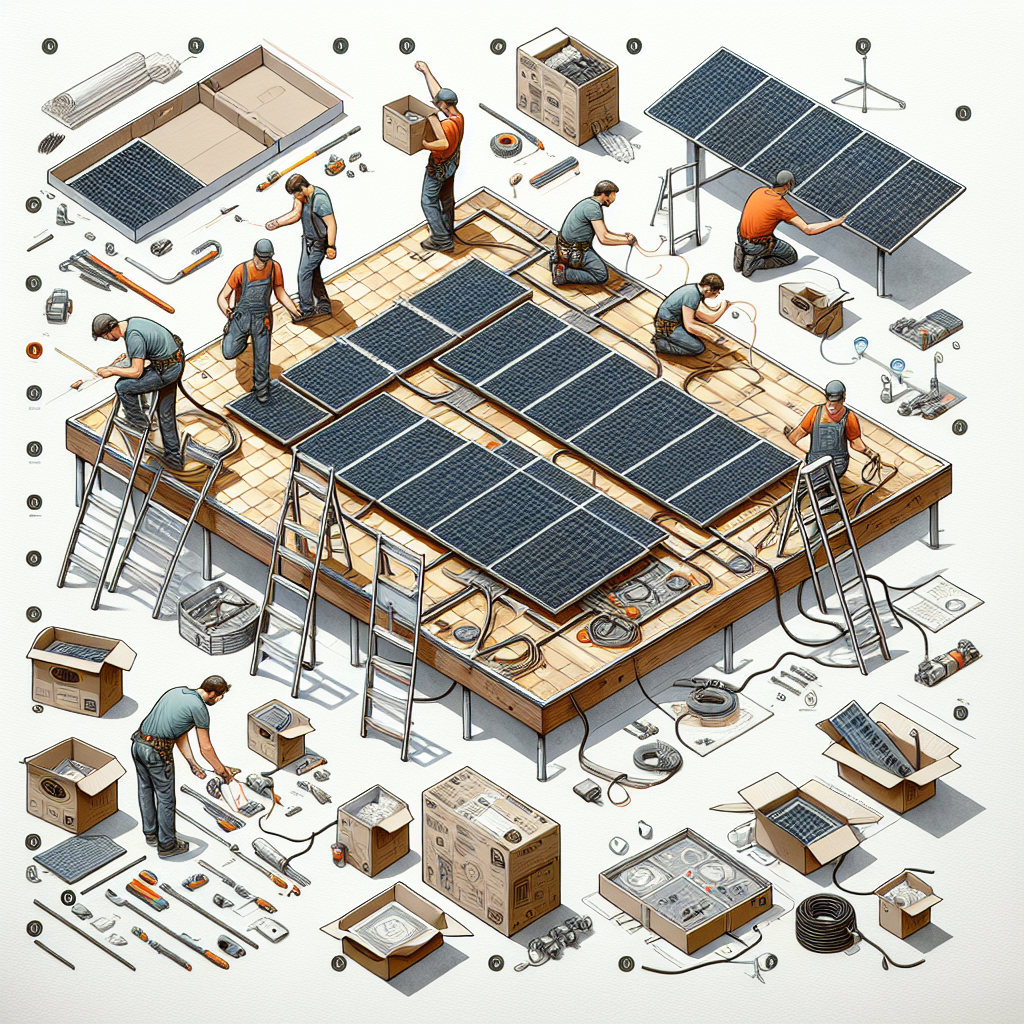
    When installation day rolled around, I knew safety was going to be a top priority. I dug out my hard hat, safety glasses, and gloves. I can’t stress how important it is to protect yourself while working, especially when you’re on the roof and dealing with electrical components.

    Additionally, I made sure to have someone with me throughout the process. There’s no reason to tackle this alone, and having a buddy made it safer and a lot more fun! Plus, sharing the experience made it easier to lift and handle larger panels.

    Remember to check the weather, too! I planned my installation for a clear day — rain or high winds would not mix well with this kind of project. Trust me, the safer you are, the smoother the process will be!

    Mounting the Panels

    After suiting up, the first step in the installation was mounting the panels. I started by following the installation manual carefully. It’s like building a piece of IKEA furniture — one wrong move and it can all go sideways!

    I made sure to double-check my measurements before drilling into the roof. I had to secure the mounting brackets properly to ensure the panels would stay in place during harsh weather conditions. It felt good to finally see those panels up there glinting in the sunlight!

    Once the brackets were secure, attaching the panels was a piece of cake. I had the right tools and everything fell into place nicely. I was giddy with excitement as I installed the last panel and stood back to admire my handiwork.

    Wiring and Inverting

    With the panels mounted securely, it was time for the electrical side of things. I took my time to carefully connect the wires from the solar panels to the inverter, making sure everything was done according to the instructions. This step is where I felt my inner electrical engineer come out!

    Once all my connections were in place, I double-checked everything. It’s one of those things where you just have to be sure. My buddy and I double-checked it together, and it was reassuring to have a second set of eyes!

    Finally, the moment of truth arrived — flipping the switch to turn on the inverter. I can’t describe the rush I felt as the lights flickered to life, and I knew my new solar system was up and running! It’s moments like these that make all the hard work totally worth it.

    Step 4: Connecting to the Grid

    Understanding Grid-Tied Systems

    If you’ve accompanied me on this solar journey so far, you’ve likely heard me talk about grid-tied systems. These systems allow you to remain connected to your local power grid, which means any extra power you produce can be sent back, earning you credits!

    Before I made the final connection, I took some time to understand how utility companies work with solar. Not all utilities have the same policies regarding net metering, so I made sure to research what my local utility offered. Knowing this really helped me understand the potential savings!

    I also reached out to my utility provider to inform them of my new solar installation. Believe it or not, many providers come to inspect your system and ensure it’s set up safely and correctly. Getting this part right is crucial to enjoying your new solar power without worries!

    Installing a Safety Disconnect

    A key component of connecting to the grid is installing a safety disconnect switch. This allows me (and any emergency responders) to shut down the solar power system safely when needed. I can’t stress enough how important this step is for safety!

    I carefully planned the placement of the disconnect switch, making it easily accessible and clearly marked. It’s one of those things that you hope you never have to use, but it’s crucial to have it just in case.

    Remember, always consult the local regulations regarding the installation of disconnect switches! I double-checked my local codes and made sure everything was compliant. You definitely don’t want to run into any legal issues down the line.

    Final Inspection

    After everything was plugged in and connected, it was time for a final inspection. I set up an appointment with my local code enforcement or utility technician to come by and check everything. It felt a bit nerve-wracking, but I was confident everything was done according to the rules!

    During the inspection, the technician checked wiring, the inverter, and overall system performance. He offered some valuable feedback and answered a few of my questions. It was enlightening to get insights from someone with experience.

    In the end, having my installation inspected gave me peace of mind. I knew that not only was my solar system functional, but it was also safe for me and my family. Plus, I was able to receive all the necessary documentation for the utility company!

    Step 5: Maintenance and Monitoring

    Regular Cleaning

    Once my solar panels were up and running, I quickly realized that regular maintenance would be key to keeping everything functioning smoothly. I learned that keeping my panels clean helps maximize efficiency. Debris, dust, and bird droppings can accumulate and affect performance!

    On sunny days, I’d get out there with a hose and gently rinse off the panels. It’s amazing how quickly they can get dirty, especially after a storm. I also keep an eye on any nearby trees or foliage, making sure nothing starts overshadowing my panels.

    Trust me, it’s a small effort compared to the benefits of a well-maintained solar panel system. Plus, it gave me another reason to get outside and enjoy the sunshine!

    Monitoring Energy Output

    An often-overlooked part of maintaining solar panels is monitoring energy output regularly. I invested in a monitoring system that tracks how much energy my solar panels produce. It’s been super insightful and helps me see how well my system is performing.

    Through the monitoring system, I can easily identify any dips in production and take action if needed. If my panels aren’t performing as expected, I know there might be something wrong that needs fixing, whether it’s shadows, dirt buildup, or electrical issues.

    Plus, it’s nice to see the savings add up each month. I get a real kick out of checking it! It’s like a game to get the most out of my panels and be as energy-efficient as possible.

    Staying Informed and Adjustments

    The final step in my solar journey is staying informed about advancements in technology and energy system options. Solar technology keeps evolving, and I want to make sure I’m getting the best bang for my buck. I often read articles and participate in local events pertaining to solar energy; it’s been a great way to learn!

    Over time, I learned that it might be worth considering battery storage or even expanding my solar capacity. Each year, the prices for solar components seem to drop, and it’s nice to stay updated on what’s possible.

    Finally, remember to connect with local solar communities, online forums, or support groups. Sharing experiences with fellow solar enthusiasts has been both comforting and enlightening, providing a huge wealth of knowledge and camaraderie in the green energy movement!

    FAQ

    1. How much can I save by installing solar panels?

    Your savings can vary based on your energy consumption, local energy prices, and any available incentives. Many people can significantly reduce or even eliminate their electricity bills.

    2. Do I need to hire a professional for installation?

    While you can DIY the installation, hiring a professional ensures it’s done correctly and safely. Plus, many states require a licensed installer for systems that are grid-tied.

    3. How do I choose the right solar panels?

    Look for panels with high efficiency rates, a good warranty, and reputable brand backing. Research and comparisons can provide valuable insights into your options.

    4. What maintenance is required for solar panels?

    Regular cleaning and monitoring of energy output are critical. Additionally, checking for any obstructions or dirt buildup can help maintain efficiency over time.

    5. Can I install solar panels myself?

    Yes, with research and the right skills, you can install them yourself. However, be sure to check local codes and regulations. Safety and proper installation practices are crucial!

  • Best Solar Panels for Home Use: Buyer’s Guide

    Best Solar Panels for Home Use: Buyer’s Guide

    Understanding Solar Panel Technology

    What Are Solar Panels?

    When I first looked into solar panels, I was genuinely curious about how they worked. Essentially, solar panels are made up of many solar cells that convert sunlight into electricity. It’s wild to think we can harness the sun’s energy to power our homes! These solar cells are usually made of silicon, which is a fantastic conductor of electricity.

    As I learned more, I realized there are different types of solar panels. The main ones are monocrystalline, polycrystalline, and thin-film. Each has its pros and cons, and it all boils down to efficiency, cost, and aesthetics based on what might fit best for your home.

    For anyone considering solar panels, understanding how they function can help in making a decision. They typically work best in climates with lots of sunny days, but even in cloudier regions, they can generate sufficient power for your needs!

    How Do Solar Panels Work?

    The science behind solar panels fascinated me. When sunlight strikes the solar panel, it creates an electric field across the layers of silicon. This interaction generates an electrical current that can be captured and used to power everything in your home, from the refrigerator to your TV. It all happens thanks to the photovoltaic effect, which is just a fancy way of saying “turning light into electricity.”

    After installing my own solar system, I was stoked to see how my utility meter started to spin backward! That’s what happens when you produce more energy than you use. So, you’ve got the potential for some sweet savings on your electricity bill over time.

    What’s even cooler is that with advancements in technology, modern panels are becoming more efficient, compact, and affordable. So, the dream of relying on solar energy isn’t just a trend; it’s becoming more of a reality for homeowners like us.

    The Benefits of Going Solar

    Switching to solar panels comes with loads of benefits. For starters, reduced electricity bills are a biggie. Once the panels are installed, the power they generate can significantly cut down your monthly energy costs. It’s like having a coupon for years on end!

    Next up, there’s the positive environmental impact. By going solar, you’re reducing your carbon footprint. I love knowing that my home contributes less to pollution and dependence on fossil fuels. It just feels like the right thing to do.

    Lastly, let’s talk about home value. It’s been shown that homes with solar installations can appreciate in value. So not only are you saving on energy costs, but you’re also increasing your asset’s worth. It’s a win-win situation, if you ask me!

    Choosing the Right Solar Panels for Your Home

    Market Research

    The first thing I did when choosing solar panels was a bit of market research. After all, there are tons of brands and options out there! I browsed through online reviews, comparisons, and reached out to friends who had made the switch. A little homework went a long way.

    Different manufacturers offer varying warranties, efficiency ratings, and returns on investment, and it’s super important to weigh these factors based on what’s best for your home and budget. Diving deep into resources like EnergySage or SolarReviews helped me understand what to look for.

    Don’t forget to also look into certifications. A panel with good certifications usually means it’s been tested for performance and durability. Believe me, you want something that can withstand harsh weather conditions!

    Assessing Your Energy Needs

    Next, you gotta figure out how much energy your household uses. This step was eye-opening for me! I looked at my electricity bills over the year to see trends in usage.

    Understanding your energy consumption can help you determine how many solar panels you’ll need. There are calculators online that can simplify this process – trust me, it’s essential to get this part right to ensure your solar system meets your needs!

    And remember, your energy needs might change. Whether that’s adding an electric vehicle charger or getting an above-average refrigerator, keep in mind that your future energy consumption may rise.

    Comparing Costs

    When it came to costs, I got quotes from multiple solar providers and compared their offers. Honestly, the range was wild! It’s vital to consider the total installation cost and not just the initial price of the panels. Installation can often double your upfront costs.

    Look for various financing options too; some companies offer leases or power purchase agreements, while others might allow you to buy panels outright. Consider what works for your financial situation, and don’t be afraid to negotiate!

    Lastly, be aware of any incentives, rebates, or tax credits that can help lower your total costs. It’s an investment, but with the right approach, you can get an awesome return.

    Installation and Maintenance

    Finding a Reliable Installer

    Installing solar panels isn’t a DIY gig for most folks. Trust me, you’ll want to find a qualified installer. I spent some time researching local companies, checking reviews, and seeing what certifications they had.

    Look for experience and a solid track record. A good installer will walk you through the details of the installation process, answer all your questions, and give you peace of mind.

    I also learned that it’s smart to choose an installer that offers post-installation support. Things like maintenance checks and customer service can save you a lot of hassle down the line.

    Understanding the Installation Process

    The installation process can seem a bit daunting, but it usually goes pretty smooth with a good team. I found out that the standard setup usually takes a day or two. They’ll be up on your roof installing the panels while you can kick back and relax, hopefully enjoying the knowledge that solar energy is on its way!

    Each panel gets fitted with wiring connecting it to the inverter, which converts the solar energy into usable electricity for your home. Understanding these basics made me appreciate the whole process even more.

    Once everything is up and running, it’s a good idea to test the system and make sure it’s performing optimally. You’re investing in this, so it’s important to ensure everything works as planned!

    Maintaining Your Solar Energy System

    Something I didn’t think about until after installation was maintenance. Solar panels are pretty low maintenance, but they do need some love now and then. Cleaning them off from time to time is important, especially if you live in a dusty area like me.

    Many installers offer maintenance services, which can be a good idea if you’re not keen on getting up on your roof. Regular check-ups can help in spotting and fixing any issues before they escalate.

    Keeping an eye on the system’s performance is also vital. Most modern systems have monitoring technology, so you can see how much energy you’re generating and using. It’s super gratifying to watch that production number climb!

    Solar Incentives and Financing Options

    Government Incentives

    One of the coolest things I discovered while researching solar panels was all the government incentives available. Depending on where you live, you may be eligible for significant tax credits, rebates, or incentives that make going solar not just a good idea, but a great one!

    In the U.S., the federal solar tax credit lets you deduct a percentage of the cost of the solar energy system from your federal taxes. This can significantly reduce your overall costs. It’s money in your pocket!

    Staying informed about local incentives is also key – some states or municipalities offer additional rebates or up-front cost reductions, so keep your eyes peeled for what’s out there. It’s worth it!

    Financing Options Available

    For many people, financing is the way to go when affording solar panels. Whether you choose to buy outright, take out a loan, or lease, it’s essential to pick an option that fits your budget. I found that each option has its benefits and drawbacks.

    Buying outright means no monthly payments and full ownership of your system. On the other hand, leasing means lower upfront costs but you might miss out on some long-term savings since you don’t own the system.

    Solar loans are also a viable option, allowing you to spread the costs out over a number of years. Do your research to find out what fits your financial situation best. And don’t forget to check the interest rates and terms offered by different lenders!

    Long-term Savings and Investments

    When I looked at my long-term savings, it genuinely excited me. Solar panels can pay for themselves within a few years, and from then on, it’s just free power! I compared the cost of my solar installation against what I’d save on utilities, and I was impressed.

    Returning investment (ROI) is an essential factor in determining whether or not solar is right for you. With rising utility rates and the potential for selling back power to the grid, the future looks bright for solar energy investment.

    The best part? Beyond just savings, using solar makes you more energy independent. It’s a game changer in my mind and definitely worth considering for anyone thinking seriously about home energy solutions.

    FAQ

    1. How do I know if my home is suitable for solar panels?

    Check factors like your roof’s orientation, the amount of sunlight it receives, and whether there are any shading issues from trees or buildings. A professional evaluator can help with this too!

    2. How much can I save on my electricity bill with solar panels?

    This varies significantly based on factors like your location, utility rates, and system size, but many homeowners save anywhere from 50% to 100% on their bills.

    3. How long does the installation process take?

    Typically, the entire installation can take anywhere from a few hours to a couple of days based on the size of your system. It’s much quicker than you might think!

    4. What maintenance do solar panels require?

    Generally, they need very little maintenance. Just a periodic cleaning and monitoring the system’s performance to ensure everything’s running smoothly!

    5. Are there rebates or incentives available for solar panels?

    Yes! Many states offer tax credits, grants, and rebates to help offset the cost. Be sure to check what’s available in your area as they can significantly reduce your overall expenses!