Tag: hidden

  • The Hidden Benefits of Solar Energy You Might Not Know

    The Hidden Benefits of Solar Energy You Might Not Know

    Environmental Impact: It’s More Than Just Savings

    Reducing Carbon Footprints

    One thing that really stood out for me when I switched to solar was just how much it helped reduce my carbon footprint. Every kilowatt-hour of electricity generated by solar means less reliance on fossil fuels. It’s eye-opening to think about how much cleaner our air can become with more people jumping on the solar bandwagon.

    Plus, every little bit counts. It’s not just about making massive changes; even as individuals, our small contributions add up to a significant collective impact. I’ve found I feel a sense of pride knowing I’m doing my part for the planet.

    So, if you’ve ever thought about going solar, remember it’s not just about saving money; it’s about contributing to a healthier Earth. That’s a win-win in my book!

    Conserving Water

    Another hidden gem of solar energy is its role in conserving water. Traditional energy sources, like coal and natural gas, use tons of water for cooling processes. But solar? It needs very little water to operate, and that was a huge eye-opener for me.

    By choosing solar, you’re also helping preserve our precious water resources. Living in a region where drought is a concern, I’ve become much more conscious about my water usage. Every drop saved can have a ripple effect on local ecosystems.

    Thinking about it that way, each solar panel can reduce the strain on our water systems, which is something we should all care about greatly. Let’s not underestimate the impact this can have.

    Enhancing Biodiversity

    Did you know that solar farms can enhance local biodiversity? It’s fascinating! Many solar installations are designed with the environment in mind, allowing native plants and animals to thrive rather than disrupt the ecosystem.

    By harnessing the sun’s power, we can create clean energy while promoting a diverse range of flora and fauna. I’ve read about projects where solar installations have become habitats for local wildlife, which just goes to show how we can coexist with nature.

    These solar setups not only provide clean energy but also foster a healthier ecosystem. How cool is that? It’s another reason I’m so passionate about supporting solar initiatives.

    Increasing Home Value: A Smart Investment

    Attracting Buyers

    When I installed solar panels on my home, one of the first things I noticed was my home’s value shoot up. Buyers are increasingly looking for homes that offer energy-efficient features, and solar is right up there at the top of that list.

    It’s refreshing to see that being eco-friendly translates to a higher market value. When potential buyers walked through my home, they were genuinely interested in the solar aspect, asking questions about installation and savings. It became a conversation starter!

    This trend isn’t just a passing phase—it’s a strong move towards sustainability in the housing market. Increasing home value through solar is definitely an exciting prospect for sellers.

    Long-Term Savings

    Investing in solar energy isn’t just a fad, and it’s seriously one of the best financial decisions I’ve made. Once the panels are installed, the electricity savings just keep coming, which feels like free cash in my pocket!

    Many states also offer tax incentives for going green, which can really sweeten the deal. I’ve done the calculations, and the long-term savings from reduced energy bills often justify the initial investment. The math just made sense!

    Knowing that I’m not only saving money but also supporting sustainable practices is a fantastic feeling. If you’re in it for the long haul, solar is a smart investment for sure.

    Energy Independence

    Let me tell you, being tied to the grid can be a drag. The freedom that comes with solar energy felt liberating when I realized I could generate my own power. No more price hikes from the utility companies; just me and my solar panels!

    Energy independence means I can control my energy usage and costs. During peak hours when energy prices are sky-high, my solar setup keeps my bills lower. How’s that for a confidence boost?

    It’s empowering to be in charge of my energy production rather than relying on external suppliers. If the grid fails—like during a storm or outage—my solar system can still provide energy. That peace of mind is invaluable!

    Health Benefits: A Personal Touch

    Improving Air Quality

    After switching to solar, I’ve noticed a significant improvement in my neighborhood’s air quality. Since solar power reduces reliance on fossil fuels, it helps decrease harmful emissions. I genuinely feel like I’m doing something good for my community.

    Cleaner air means fewer respiratory issues, making it a healthier environment for everyone. Plus, knowing my solar usage contributes to better air quality fills me with satisfaction.

    Seeing kids play outside without worry about pollutants brings me joy. That’s a huge hidden benefit that often goes unnoticed, but it’s one of the reasons I champ solar energy so openly.

    Reducing Noise Pollution

    It’s amazing how peaceful life can be when you transition to solar energy. Traditional power plants generate a lot of noise, while solar panels operate silently. I didn’t realize how much I cherished the quiet until it became part of my daily routine.

    This reduction in noise contributes to a more serene living environment, which is fantastic for mental health. After all, who doesn’t appreciate a little calm amidst the chaos of daily life?

    The peace that comes with renewable energy sources is a hidden yet profound advantage. It makes me feel more connected with my surroundings, and that’s a tremendous quality of life boost.

    Promoting Active Lifestyles

    Disabling fossil fuel dependency can lead to safer recreational spaces and parks, as the demand for cleaner environments increases. I’ve noticed more green spaces popping up around my area, making it lovely for walking and biking!

    When your community prioritizes sustainability, it encourages residents to engage in healthier activities. After all, who wouldn’t want to enjoy a sunny day in a park without worrying about pollution?

    Living in a healthier environment promotes an active lifestyle, thereby justifying my stance on solar energy as more than just a financial investment—it’s an investment in well-being.

    Technological Advancements: The Future is Bright

    Smart Energy Management

    The tech behind solar energy keeps advancing, and I’ve thoroughly enjoyed learning about it. Many solar panels now come equipped with smart technology that allows you to monitor energy production easily. This means I can tweak my energy usage at different times of the day for maximum efficiency!

    These smart systems can also integrate with home management systems, making everything seamlessly organized. I’ve found it fascinating to see real-time data at my fingertips, letting me feel more connected with my energy consumption.

    The future of solar technology looks incredibly bright, and I’m here for it! Embracing these advancements feels like being part of something bigger, and I can’t wait to see where it leads us.

    Storage Solutions

    Battery storage is another significant perk of modern solar systems. I remember how excited I felt when I learned I could store energy for use later, especially during peak hours or in an outage. It’s like having a backup plan right at home!

    With battery solutions, I can now use my solar energy after the sun sets, which is a fantastic way to make the most of my investment. It’s impressive how technology makes this possible and ensures I’m always prepared.

    The convenience and efficiency of storage solutions truly amp up the appeal of solar energy. It really solidifies my support as I continue to learn more about these advancements.

    Innovative Installations

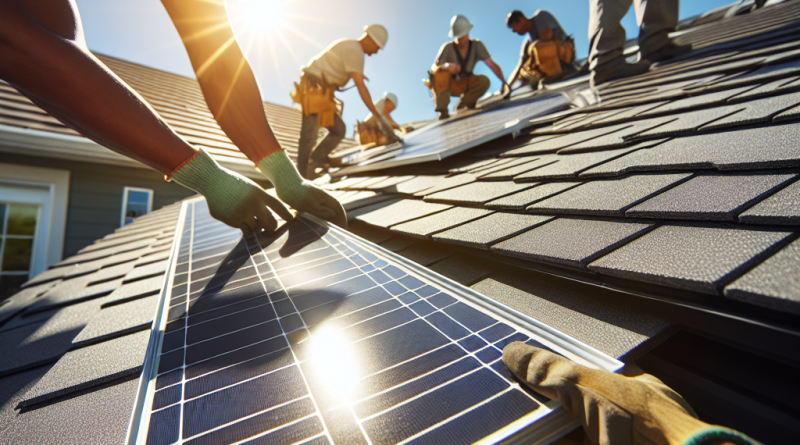
    I’ve also noticed how creative and efficient solar installations have become over the years. From solar shingles to balcony setups in urban areas, the adaptability of solar technology is stunning. It opens the door for even more people to join the renewable energy movement!

    These innovations mean more options for homeowners with unique spaces. I love that you don’t have to have a massive roof or ideal conditions to take advantage of solar energy, broadening the appeal exponentially.

    The creativity and determination behind solar technology show us that the future can be bright—and sustainable. I find that incredibly exciting!

    FAQ

    1. How does solar energy help reduce my carbon footprint?
    Solar energy generates electricity without the harmful emissions associated with fossil fuels, leading to a significant reduction in your carbon footprint.
    2. What are some unseen financial benefits of going solar?
    In addition to lowering your electricity bills, going solar can increase your home’s value and reduce long-term energy costs, making it a wise investment.
    3. Can solar energy improve air quality?
    Absolutely! Using solar energy lessens the reliance on fossil fuels, which are a major source of air pollutants. This can lead to improved air quality in your community.
    4. Are solar systems noisy?
    Not at all! Solar panels operate silently compared to traditional power generation methods, helping to create a more peaceful living environment.
    5. What are some future innovations in solar energy?
    Solar technology is rapidly advancing, with innovations like smart energy management and battery storage solutions making solar more accessible and efficient than ever before.
  • The Hidden Challenges of Installing Solar Roof Tiles

    The Hidden Challenges of Installing Solar Roof Tiles

    Understanding the Costs Involved

    Initial Investment

    Let’s talk about the initial investment. When I first decided to install solar roof tiles, I was shocked by the up-front costs. Unlike traditional solar panels, these tiles can be significantly pricier, and you really need to evaluate whether the long-term savings will be worth that hefty price tag.

    Once you add in labor and any necessary modifications to your roof, the costs can stack up quickly. Don’t forget to factor in permits and inspections, because those can also add more to your wallet than you might expect. If you think it’s just about the tiles, think again.

    In my experience, it helped to get several quotes and clearly understand what each included. This way, I could spot hidden fees or costs that might pop up later. Researching and budgeting is key in this initial phase.

    Hidden Maintenance Costs

    Another thing that caught me off guard was the maintenance costs. I assumed solar roof tiles would be super low maintenance because they’re, well, solar roof tiles. But after a bit of digging, I learned that like anything, they require attention too.

    Cleaning the tiles, addressing any damage or wear, and ensuring they function as intended can all incur costs. It’s wise to set aside a budget for maintenance even after installation. Trust me, it pays off to be prepared!

    Additionally, you might want to consider extended warranties or updates as technology changes over time. Staying ahead of the curve can ensure that your investment pays off well into the future.

    Long-Term Savings vs. Upfront Costs

    When it comes to long-term savings, my thoughts were mixed. On paper, solar roof tiles promise a reduction in energy bills and increased home value. But it’s not always straightforward. Sometimes, the actual savings can be less than expected, depending on local energy prices and available incentives.

    Make sure to thoroughly research local incentives as tax deductions, rebates, or even financing options that could help mitigate upfront costs. In some areas, utilities have programs designed to incentivize solar energy. You really want to tap into those!

    Ultimately, understanding these dynamics can help you see whether the long-term savings really make sense for your unique situation. It’s a balancing act that definitely requires careful consideration.

    Installing Solar Roof Tiles: The Technical Aspects

    Roof Compatibility

    One major hurdle I faced was roof compatibility. Not all roofs are created equal, and my charming old home with its steep pitch created some serious challenges during installation. Solar roof tiles require a sound roof structure.

    Before diving in, I had to seriously assess my roof’s condition. Cracks, leaks, or age can throw a wrench in things. If your roof needs repairs, prioritize that before even thinking about installing solar tiles.

    Getting a professional inspection helped me understand how to proceed. It could save you from frustration down the line if your roof isn’t compatible from the get-go.

    The Installation Process

    The installation process is more complex than one might expect. While I was excited to get started, there ended up being multiple steps I hadn’t anticipated such as removing existing roofing materials and ensuring proper alignment and sealing.

    Also, I wasn’t prepared for the time it would take. This is not a one-day job, and you might find the timeline stretching out longer than you expect. Patience was a virtue I definitely had to adopt.

    So, question whether your chosen installer is prepared for the technical aspects of solar roof installation. It can make a world of difference in avoiding headaches during the process.

    Understanding Technology

    Technology changes fast, right? Solar technologies can feel like they’re advancing daily. When I was looking into solar tiles, it was crucial for me to understand the different types and their efficiencies.

    Some tiles are more efficient than others, and keeping up with the latest developments can help prolong the life and effectiveness of your investment. I found it immensely helpful to chat with industry professionals who could explain the tech in layman’s terms.

    The more knowledge you have, the better equipped you are to make smart decisions about your solar installation and to choose products that offer the best return on investment.

    Permits and Regulations

    Navigating Local Laws

    Diving into local laws can feel like wandering through a maze. Each city or municipality has its own permitting process and regulations surrounding solar installations that I had to navigate. It felt overwhelming at times!

    Getting the right permits could take time and sometimes the wrong paperwork can lead to delays. I advise being proactive; talking to local officials and fully understanding what’s required can save many headaches down the road.

    Plus, some localities might have incentives or programs in place that can help you financially, if you know who to ask.

    Working with Authorities

    Finding the right contacts is crucial, too. It helped to build a relationship with the local authorities involved in permitting and inspections because they could provide guidance and clarity during the process. I kept open communication to ensure everyone was on the same page.

    It’s not just about checking boxes; it’s truly about understanding how to be compliant with the different rules in your area. Each area has its own set of regulations that can impact the workflow of your installation.

    Having a knowledgeable contractor can also help significantly since they’ve likely dealt with similar regulations numerous times before.

    Timeframes and Delays

    The timeframes for permitting and inspections can majorly affect your installation schedule. I learned this the hard way. What I thought would be a quick process turned into weeks-long waiting periods.

    With so many factors to consider, from reviewing applications to scheduling inspections, delays can often be outside of your control. I had to learn to adapt and be patient, which isn’t always easy—trust me!

    Double-checking timelines with your installer and building those potential delays into your planning can keep things from feeling like a total free-for-all. It just takes a little foresight!

    Potential Environmental Impacts

    Production Footprint

    Now that we’ve touched upon the nitty-gritty, let’s talk sustainability! Solar roof tiles seem like a no-brainer for environmental improvement. At least, that’s what I thought until I started looking into the production footprint.

    From the materials for the tiles to the energy used for manufacturing, I realized that not all solar tiles are created equally in terms of their environmental impacts. It’s crucial to research the brand you’re considering and understand how they produce their tiles.

    It’s always beneficial to go for companies that prioritize eco-friendly practices as much as possible. Remember, investing in sustainable energy should also align with sustainable practices.

    Lifecycle Management

    What happens once your solar roof tiles have reached the end of their lifespan? I hadn’t thought about this before diving into the installation. This raises questions about disposal and recycling. Some tiles can’t be just tossed in the trash and forgotten.

    Understanding the lifecycle of your solar roof tiles and how to responsibly recycle or dispose of them at the end of that life can influence your decision to install solar. The idea of “closing the loop” really matters in the sustainable energy realm.

    Companies that offer take-back programs or have a clear recycling path can help minimize your environmental footprint even further.

    Impact on Wildlife

    Lastly, I found that the installation of solar roofs can even have ecological effects. Think about birds, bats, and various local wildlife and how they might be affected by new installations. I’d never considered how the physical presence of solar tiles could change a local ecosystem.

    Doing a little extra research here pays off. Some studies suggest that certain solar installations can disrupt local habitats. This means understanding where to place your tiles is crucial.

    Chatting with environmental professionals or local wildlife organizations can yield insights into balancing your solar installation with local ecology.

    Choosing the Right Installer

    Finding Trusted Professionals

    All this brings us to one of the most vital elements of the process: choosing the right installer. Honestly, the perfect installer can make or break your entire experience with solar roof tiles. You want to do your homework and look for someone reputable.

    Ask around in your community for recommendations, look up reviews online, and don’t shy away from asking potential installers tough questions about their experience and qualifications. This is an investment, after all!

    Trust is essential, and making sure you hire someone who’s experienced can really lessen the burden and anxiety associated with the whole installation process.

    Getting Detailed Quotes

    Make sure to get detailed quotes from multiple installers. I’ve often found that installer estimates can wildly differ, and knowing exactly what is included can help you avoid nasty surprises down the line.

    Be wary of bids that seem too good to be true! Those lowball estimates can often mean cutting corners. You want to know the quality of materials and expertise is what you’re paying for.

    Engage in discussions with installers early and often. Clarifying what’s included ensures you are on the same page and can lead to a smoother process overall.

    Warranties and Guarantees

    Finally, keep an eye on warranties and guarantees. A good installer will stand behind their work, and you want that protection in case something goes wrong with your tiles. Don’t skip the fine print!

    Ask about not only the warranty on the solar roof tiles but also the installation itself. This safeguard will give you peace of mind as you enjoy your new energy-efficient home.

    Being diligent here can make a world of difference if you encounter issues after the installation is completed. It’s worth taking the extra time to ensure you’re covered.

    FAQs

    1. How much do solar roof tiles typically cost?

    The cost can vary widely depending on the type of tiles, your roof structure, and installation complexities, but generally, you can expect to pay more for solar roof tiles than traditional solar panels. It’s best to get multiple quotes for an accurate figure.

    2. Are solar roof tiles better than traditional solar panels?

    That totally depends on your goals! Solar roof tiles are often more visually appealing and integrate directly into your roof, while traditional panels might provide better efficiency for the cost. It’s about what fits your needs and aesthetic better.

    3. What kind of maintenance do solar roof tiles require?

    Solar roof tiles require periodic inspections, cleaning, and upkeep to ensure they remain efficient. These tasks will help catch any potential issues before they become major problems, giving you more peace of mind.

    4. How long does the installation process take?

    The installation process can vary based on installer experience and your roof’s condition. On average, it could take anywhere from a few days to a couple of weeks. Always discuss timelines with your chosen installer to set clear expectations.

    5. What happens at the end of the solar roof tiles’ lifecycle?

    It’s essential to consider disposal methods before installing. Some manufacturers offer recycling programs, while others might have strict disposal requirements. Be sure to research sustainability practices before making your choice!