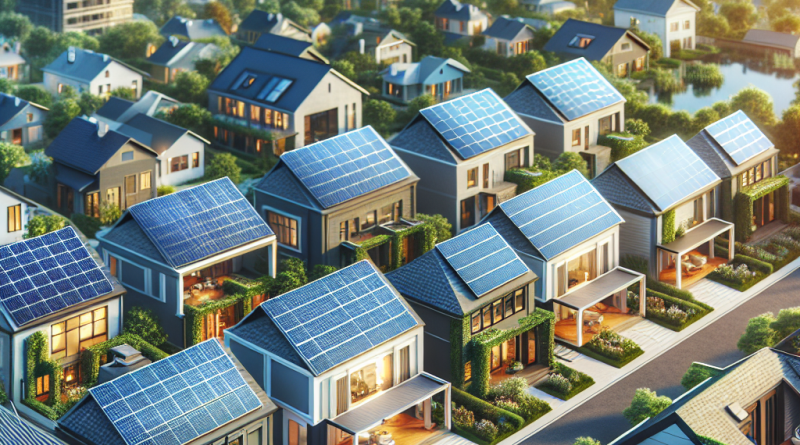
Tag: home solar

  • Ultimate Guide to Home Solar Panel Installation

    Ultimate Guide to Home Solar Panel Installation

    Understanding Solar Energy

    What is Solar Energy?

    First off, let’s talk about what solar energy really is. At its core, it’s energy from the sun that can be harnessed and converted into electricity. It’s pretty cool when you think about it – power from a giant ball of gas in the sky!

    When I first learned about solar energy, I was amazed to discover how the sun can power my whole house. It’s sustainable, renewable, and most importantly, it can save you a chunk of change on your energy bills over time!

    Solar panels convert sunlight into electricity through photovoltaic cells, which is a fancy way to say they take the sun’s rays and turn them into usable power. So, essentially, every hour that the sun shines, I’m generating my own electricity!

    The Benefits of Solar Power

    One of the biggest reasons I decided to go solar is the environmental impact. Using solar energy reduces your carbon footprint; it’s a win-win for your wallet and the planet! Plus, as more and more people adopt solar power, it promotes cleaner air and a healthier environment.

    Another perk? Long-term savings. While the initial investment can be a bit hefty, most homeowners eventually see a return on their investment through reduced energy costs. I’m talking about lower electric bills and, often, even credits on your electricity bill!

    Lastly, solar energy can increase your property value. Potential buyers often view homes with solar panels as attractive because they know they can save money on utilities. Who wouldn’t want to buy a house that pays them back over time?

    Common Myths about Solar Energy

    Now, let’s address some common myths because, believe me, I fell for a few before making my move. One of the biggest misconceptions is that solar panels don’t work in cloudy or rainy weather. Fact is, they do still generate power, though efficiency might dip a bit.

    Another myth I encountered was the belief that solar panels are too expensive for the average homeowner. While it’s true that the upfront costs can be significant, incentives like tax credits and grants help to reduce the burden. Plus, financing options have dramatically evolved!

    Lastly, some folks think that solar panels require a lot of maintenance. In reality, they’re pretty low-maintenance. A good cleaning a few times a year to remove dirt and debris is usually all they need. So, don’t let misinformation beat you before you even start!

    Assessing Your Home for Solar Installation

    Evaluating Your Roof

    Before diving into solar, it’s essential to assess if your roof is suitable for installation. When I climbed up on mine, I noticed it had a good south-facing angle, which is perfect for catching sunlight. If your roof is flat or has a steep pitch, don’t worry, options are still open!

    A key factor I considered was the age and condition of the roof. If it needs repairs soon, you might want to tackle that before adding solar panels. Nothing like a fresh roof to go with your shiny new panels!

    Also, think about any obstructions like trees or taller buildings. Shades can significantly impact the effectiveness of solar panels. If you’ve got a cozy oak that’s blocking sunlight, you might need to trim it back or think about panel placement.

    Understanding Your Energy Needs

    The next step is figuring out your energy consumption. I looked through my electric bills for the past year and tracked the usage during different months. It was eye-opening to see when I was using the most electricity.

    Consider what you want to power with solar. Do you plan on just powering your lights, or do you want to run the whole house? Depending on your goals, you might need a larger system. It’s crucial to map this out to avoid any surprises down the road.

    Once I gathered all my info, I used it to size my solar system correctly, ensuring it would meet my needs without overextending my budget. It’s all about balancing what you want and what fits your energy lifestyle!

    Checking Local Regulations and Incentives

    Next up, understanding your local regulations is super important. Different states have different rules about solar panel installations. I did a little research and found out that my town made it fairly easy with clear guidelines.

    Don’t forget to check what incentives or rebates might be available to you. Some states offer significant tax breaks, aside from federal incentives, that can help ease that initial financial burden. Every little bit counts, right?

    Finally, speak with your homeowners’ association (HOA) if applicable. Some places have strict rules about the aesthetics of homes, and it helped me to get clarity upfront rather than facing issues later.

    Choosing the Right Solar Panels

    Types of Solar Panels

    When I first started looking at solar panels, I was completely overwhelmed by the options. There are primarily three types: Monocrystalline, Polycrystalline, and Thin-Film. Each offers different efficiency levels and prices, so finding the right fit for your home and budget is crucial.

    Monocrystalline panels, for instance, are more efficient and take up less space, which is great if your roof isn’t huge. But they can be a bit pricier. Meanwhile, Polycrystalline panels are cheaper but typically take up more room and aren’t quite as efficient.

    Consider how much roof space you have and what your budget is when choosing. It helped me a lot to make a pro-con list for each type, considering my energy needs and financial situation!

    Finding a Reputable Installer

    Your installation company can make all the difference in the world. I knew I needed to find a trustworthy installer who had solid reviews and good customer service. Ask around, read online reviews, and look for referrals to find the right fit.

    Make sure they’re licensed and insured. This is pivotal in case anything goes wrong during installation. The last thing you want is an unlicensed company that leaves you on the hook for damages!

    Then, get multiple quotes! I gathered estimates from a few installers, which gave me a better sense of the price range and services offered. Seeing the costs laid out helped me make an informed choice without feeling rushed or pressured.

    Understanding Warranties and Performance

    Warranties are a biggie when investing in solar panels. I made sure to understand what each warranty covered—some focus on panel performance while others cover workmanship. It’s essential to choose a panel with a solid performance warranty, typically around 25 years, so you can rest easy knowing it’s covered.

    Also, think about the long-term performance of your panels. I looked at degradation rates, meaning how much efficiency the panels may lose over time. This helped me weigh which panels were truly worth my investment.

    Keep in mind that a solid warranty usually indicates a good-quality product, so don’t settle for less. It’s your roof, and it’s worth protecting with the best!

    The Installation Process

    Preparing Your Home

    Once I selected my installer and finalized the details, it was time to prepare my home. This might involve a bit of prep work like clearing any debris from your roof or adjusting garden features that could be in the way of installation.

    The install team will likely need access to both inside and outside your home, so ensure everything is clear for them. I even had to make sure my dog was secured and calm during the chaos!

    Additionally, you’ll want to be ready for a bit of noise and activity while the panels are being installed. A little patience goes a long way on installation day—you’ll be so excited when it’s complete!

    The Actual Installation Day

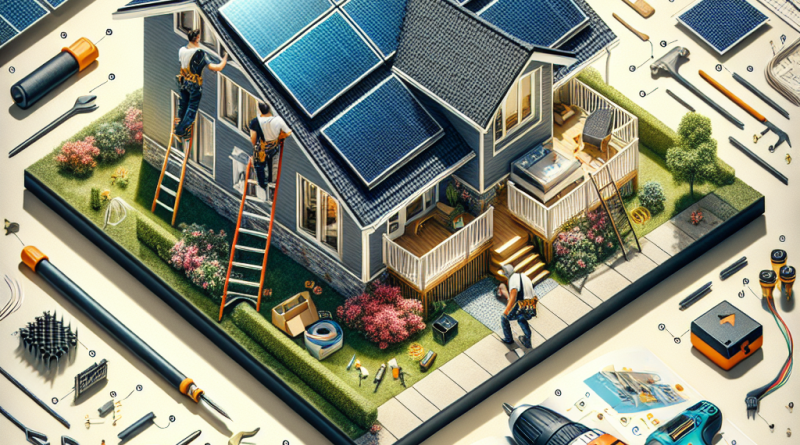
    Oh boy, installation day was exciting! The team arrived early, and with a few tools and equipment, they quickly got to work. It was really impressive to watch their efficiency. They started by laying out all the equipment and explaining the process to me, which put me at ease.

    Throughout the day, they communicated well about what they were doing and answered my questions. I loved feeling involved in the process! Soon enough, those panels were installed, and I couldn’t wait to see them up and running!

    After the panels were placed, they did some wiring and connected everything to my electrical system. And the best part? They took care of all the heavy lifting while I relaxed with my favorite drink in hand!

    Final Inspections and Connection

    After installation, there was a final inspection to ensure everything was up to code. The local authorities came in, signed off the project, and then connected it to the grid. It’s crucial so that you get all the benefits of going solar, including net metering if applicable.

    At this stage, I was also introduced to monitoring apps that let me track my energy production in real time. It’s super cool to see how much energy I generate daily!

    Following the inspection, the solar energy system was officially operational, and I felt like a proud parent watching my home embrace renewable energy!

    Maintaining Your Solar Energy System

    Regular Cleaning

    Maintaining my solar panels is a key part of keeping them working efficiently. I’ve learned that a good rinse with water every few months does wonders to remove dirt and debris. It’s a simple, low-stress task that keeps my panels in optimum shape!

    If you live in a very dusty area or have lots of bird activity, you might find yourself needing to clean them more often, which was a surprise for me. Having someone check them for me was an option I considered, as I’m not too fond of heights!

    Overall, regular cleaning is a great way to maintain your investment, and it’s not overly complicated. It’s important to make it a part of your seasonal checklist!

    Monitoring Performance

    Another important aspect of maintaining my solar panels is keeping an eye on their performance. Most modern systems come with monitoring systems that provide real-time data and alerts if something goes wrong.

    I’ve set up my monitoring app, which gives me insights into energy production and alerts me if something’s off. Being proactive helps catch any issues early on, and it’s comforting to know your system is running smoothly!

    If I notice any dips or problems, I don’t hesitate to reach out to my installer for support. It’s good to have that connection to ensure everything stays in top shape!

    Routine Inspections

    Lastly, regular professional inspections should be part of your maintenance routine. I set an appointment yearly to have a technician check everything, from the wiring to the panels themselves. It’s worth it for peace of mind.

    During these inspections, they can catch potential issues that I might have missed and do a thorough cleaning too. It’s like an annual check-up for your solar system!

    By keeping a routine schedule, I feel confident my system remains efficient, and I can enjoy the perks of solar energy without worrying about underlying issues!

    FAQs

    1. How much does it cost to install solar panels?

    The average cost can vary widely depending on the size of the system and your location, but it typically ranges between $15,000 to $25,000 before incentives. Be sure to check for local rebates or tax credits!

    2. Will solar panels work during a blackout?

    Typically, no. Standard grid-tied solar systems will shut down during a blackout for safety reasons. However, having a battery backup can allow you to use your solar energy during power outages.

    3. How long do solar panels last?

    Most solar panels come with a warranty of 25 years, but they can last much longer, sometimes up to 30-40 years with proper maintenance!

    4. Do solar panels require a lot of maintenance?

    Nope! Generally, they are pretty low maintenance. Just make sure to clean them a few times a year and have a professional check-up annually.

    5. How do I find a good solar installer?

    Check reviews, ask friends for recommendations, and compare multiple quotes. Look for installers with good credentials and solid warranties for peace of mind!

  • Smart Home Solar Integration Guide

    Smart Home Solar Integration Guide

    Understanding the Basics of Solar Energy

    What is Solar Energy?

    So, let’s dive right in! Solar energy is essentially energy from the sun that is harnessed using various technologies, like solar panels. Think of it as a gift from nature that can power up your home without filling up your utility bills. I remember when I first learned about it; I was blown away by how powerful those rays from the sun can be! Solar energy is not just a trend; it’s a clean, renewable source that can power everything from small devices to entire houses.

    As we grow more concerned about climate change, solar energy becomes a more appealing option. It’s like having your own little slice of sustainability right at home. Plus, the tech around it has come a long way. Not only can we capture and use this energy, but we can also store it for when the sun isn’t shining. Amazing, huh?

    So, how does it work? Simply put, solar panels convert sunlight into electricity. This process involves photovoltaic cells that create direct current (DC) electricity, which is then converted to alternate current (AC) for use in our homes. Understanding this basic concept is essential as we move deeper into how to incorporate solar into our smart homes.

    The Benefits of Going Solar

    Okay, let’s talk benefits! One of the coolest things about solar energy is that it can save you a ton of cash in the long run. Yup, I said it! After the initial setup costs, you’re looking at lower energy bills month after month. In my case, my electric bills have dropped significantly since installing solar panels. It’s like a mini-victory every time I check my bill!

    But savings aren’t the only perk. By going solar, you’re also reducing your carbon footprint. You’re making a conscious decision to do your part for the planet and chasing that greener lifestyle. It feels good to be able to say that I contribute to a cleaner environment. When my friends ask me about my solar setup, I can proudly tell them it’s helping reduce greenhouse gas emissions.

    We also can’t forget about energy independence. When you generate your own power, especially with a battery backup, you’re less stressed about rising energy costs or power outages. Trust me, it’s nice knowing that I’m somewhat shielded from utility price hikes. This ensures peace of mind, especially during the scorching summer days or unpredictable stormy nights.

    Myths about Solar Energy

    Now, let’s clear the air about some myths. One major misconception I stumbled upon early in my solar journey was the belief that solar energy only works in sunny regions. This couldn’t be further from the truth! Even on cloudy days, solar panels can capture some sunlight and generate energy. I mean, I live in a place where we have plenty of rainy days, and my solar system still performs well.

    Another myth to bust is the idea that solar panels require too much maintenance. Honestly, the upkeep is pretty straightforward—just a bit of cleaning to remove dirt and debris every now and then. When I first got my panels, I worried about maintenance, but it quickly turned out to be much less of a hassle than I anticipated.

    And, of course, there’s the belief that solar panels won’t pay for themselves. In reality, with available government incentives and ever-decreasing installation costs, most homeowners start to see returns on their investment in just a few years. I’ve had mine long enough to fully appreciate this; it’s like watching your money work for you!

    Choosing the Right Solar System for Your Smart Home

    Assessing Your Energy Needs

    When I first took the plunge into solar, I learned that assessing your energy needs is crucial. You don’t want to install a system that’s too small or unnecessarily large. Start by looking at your electricity bills over the past year to see how much energy you’re using monthly. It’s like doing a little audit of your own personal energy consumption.

    Also, think about your home’s layout and how many solar panels you might fit on your roof. I spent a weekend taking a close look at my roof’s orientation, checking how many hours of sunlight it receives, and that helped in planning my installation perfectly. It’s all about maximizing exposure!

    Finally, consider your future needs too. If you plan to get an electric vehicle or expand your family (and energy needs), factor that into your calculations. You’ll want a system that grows with you instead of getting stuck feeling cramped. It’s all about projecting positive vibes into the future!

    Researching Solar Options

    Next, it’s time to dive into research mode. You’ve got options. I remember being so overwhelmed by the sheer number of solar systems and brands out there. It’s important to take your time, compare the features, warranties, and efficiency rates. Talk about a rabbit hole!

    One approach I found super helpful was checking out online reviews and testimonials. These gave me real insight into how different systems perform over time. I even attended a few local workshops hosted by solar companies that allowed me to see systems up close and ask tons of questions.

    Consider the type of panels too—monocrystalline, polycrystalline, or thin-film. Each has unique benefits and costs, so weigh those according to your specific needs. My rule of thumb is to go for efficiency without breaking the bank, and this research phase was key in guiding my decision.

    Selecting an Installer

    Choosing a trustworthy installer was a biggie for me. Frankly, I was anxious about making the right pick because the installation quality affects how well your solar system performs. So I took my time here. I got recommendations from friends, checked online reviews, and even asked potential contractors for references.

    A good installer will assess your property, walk you through the systems they suggest, and help you navigate any permits and incentives. When I met with my installer, they took the time to explain every step of the process and made me feel comfortable. It was clear they were experts in their field, and it made all the difference!

    Once you feel confident with an installer, discuss warranties and guarantees. Make sure you know what’s covered and for how long. I always feel better knowing that I have a safety net should any issues arise down the road.

    Integrating Smart Technology with Solar

    Energy Management Systems

    Now, let’s talk tech! Integrating smart technology with solar is where the magic truly happens. Energy management systems help you monitor your energy production and consumption in real time. When I installed my system, I set up a nifty app that allows me to track production and see when I’m using the most energy throughout the day.

    This kind of insight is a game-changer. I can adjust my habits or run appliances during peak production hours, which can save even more on my bills! Having this level of control in my hands feels empowering, and I love showing off my sunny query results to friends!

    Plus, some of these systems even alert you if there’s an issue, ensuring you’re always in the loop. Knowing I’m always on top of my energy consumption helps me maintain that balance between comfort and cost-effectiveness.

    Smart Home Devices and Automation

    Who doesn’t love convenience? Integrating smart home devices with solar has made life around my house a breeze. For instance, I’ve got smart thermostats, lighting, and appliances that work in harmony with my solar energy. When the sun’s shining bright, my smart devices know to utilize that clean energy rather than relying on the grid.

    What happens is awesome automation! If bright sunlight is hitting my panels, my smart thermostat will kick the AC on to cool the house without dipping into grid energy. That’s when I feel like I’m living in the future! When I programmed my system to do this, it made a noticeable difference in how my energy consumption patterns shifted.

    Also, don’t forget to explore smart plugs and energy-efficient devices; they can be programmed to run at optimal solar production times. This means you can maximize solar energy usage without even lifting a finger. Who knew tech could be this fun and energy-efficient?

    Battery Storage Options

    Battery storage systems are quite possibly the cherry on top of your solar setup. These systems allow you to store excess energy produced during the day for use at night or during cloudy days. Having battery storage has been a game-changer for me, letting my home run on solar energy even after sunset!

    When looking into battery options, consider factors like capacity and discharge rates. Some systems let you run almost entirely off-grid, while others serve as backup power during outages. It’s about what fits your lifestyle! In my journey, choosing a battery meant weighing how much I wanted to rely on solar versus backup energy. After much thought, I opted for a system that lets me maximize my solar use.

    Once I invested in battery storage, I felt a newfound freedom. No more worrying about power outages or how high my utility bill could soar. It’s liberating to know I’m actively using what I generate myself and contributing to sustainability at the same time!

    Maintaining Your Solar System

    Regular Inspections and Cleaning

    Okay, so we’ve gotten through the setup; now let’s talk maintenance. One of the biggest parts of keeping your solar system in tip-top shape is performing regular inspections. I’ve set a reminder every six months to check for any dirt buildup on my solar panels. A quick rinse with a hose is often all they need, but it’s essential to keep them as efficient as possible.

    Also, look out for any shading from nearby trees or debris—especially after storms. I remember a massive storm bending one of my tree branches, and I had to call in a pro to trim it back. I didn’t want anything compromising my panel’s performance!

    In my experience, working with a skilled team for routine inspections is crucial. They not only check the panels but also evaluate the inverter and electrical connections to ensure everything is functioning properly. It’s definitely peace of mind that’s worth the investment.

    Monitoring System Performance

    Monitoring your solar system’s performance is key to maximizing your investment. I always recommend checking your performance data regularly! Like I mentioned before, my app tracks everything for me, from energy production to consumption trends.

    Using this data, I’ve been able to adjust my energy usage and save even more. I once noticed a drop in output during the winter months. That insight drove me to clean my panels and make sure everything was functioning well again. Knowing how to interpret this data can help you catch potential issues before they become major problems.

    If you see something off in the reports, don’t hesitate to call your installer. They can help you troubleshoot and figure out any necessary repairs or adjustments. Staying proactive really pays off!

    Taking Advantage of Incentives

    Last but not least, keep an eye out for any state or federal incentives for maintenance or upgrades. When I was setting up my system, I was amazed by how many rebates and tax credits were available to help offset costs. And you might find there are programs for maintaining and upgrading your system too!

    Checking with local officials or solar associations in your area can help you navigate this landscape. There are sometimes grants offered to encourage solar growth, and if your system needs upgrading, that might open new incentive doors. Knowledge is power in this area!

    By taking advantage of these incentives, it helps ensure you’re getting the most value out of your investment. I’ve felt great about my decision to go solar, and it’s a sweet spot to save money while doing what’s right for our planet.

    FAQ

    1. What is solar energy, and how does it work?
    Solar energy is energy from the sun that is captured using solar panels. These panels convert sunlight into electricity using photovoltaic cells.
    2. How much can I save by installing solar panels?
    Savings vary by location and energy usage, but many people see a significant reduction in their monthly energy bills after installing solar panels. It can help provide long-term savings that pay off the upfront investment.
    3. Do I need a battery for my solar system?
    While not necessary, having a battery allows you to store excess energy for use at night or during cloudy days, giving you more energy independence and peace of mind during power outages.
    4. How often should I clean and inspect my solar panels?
    It’s a good idea to clean your solar panels every six months and have them inspected at least once a year to ensure they’re operating efficiently.
    5. What kind of smart devices can I integrate with my solar system?
    You can integrate a variety of smart devices such as smart thermostats, smart plugs, and energy management systems to optimize your energy consumption and usage during peak solar production times.
  • The Essentials of Home Solar Power Maintenance

    The Essentials of Home Solar Power Maintenance

    Hey there! If you’re like me and have jumped on the solar power bandwagon, you probably know that keeping those solar panels in tip-top shape is crucial for them to perform their best. Let’s dive into five essential areas that we need to cover when it comes to maintaining our home solar power systems.

    Regular Cleaning

    Understanding the Importance of Cleaning

    First off, let’s talk about why cleaning is so important. Dust, dirt, and bird droppings can accumulate on solar panels and block sunlight. Think about it: If your panels are dirty, they won’t be able to do their job efficiently. Just like we need to clean our homes, our solar panels need a bit of TLC too.

    From my experience, having clean panels can boost their efficiency significantly. Regular cleaning not only helps maintain performance but also extends their lifespan. So remember, a little scrubbing goes a long way!

    Plus, cleaning your panels is a great excuse to get outside—just be careful not to let your neighbors catch you on the roof!

    How Often Should You Clean?

    So, how often should we be cleaning these bad boys? Well, it really depends on where you live. If you’re in a particularly dusty area or have lots of bird activity near your home, you might need to clean them more often—perhaps every month.

    On the other hand, if you’re in a rainy area, nature might take care of it for you. Rain can wash away some of the grime, but that doesn’t mean we can slack off entirely. I usually do a thorough clean every few months and inspect them regularly.

    Regardless of the frequency, getting into a routine can help you stay on top of this task without feeling overwhelmed.

    Safe Cleaning Methods

    When it comes to cleaning, safety is key! I always recommend using a gentle approach. A simple hose down with water might be all you need. For tougher grime, a sponge with soapy water works wonders—but avoid anything abrasive that could scratch those panels.

    If you’re climbing up to clean your panels, make sure you’re safe. A sturdy ladder and maybe even a buddy to keep an eye on you can make a world of difference.

    Remember, while it might be tempting to do it yourself, hiring a pro isn’t a bad idea either. They have the right tools and know-how to get the job done properly.

    Inspection of Components

    The Importance of Regular Inspections

    Next up is inspecting the components of your solar power system. Trust me, this isn’t just checking the panels; it’s about looking at the entirety of the system. Regular inspections can help catch any minor issues before they turn major.

    A good practice is to inspect your inverter, batteries, and even the connections. I like to do this about twice a year, paired with cleaning days. This way, I ensure everything is functioning smoothly.

    Not only does this prolong the life of your system, but it also gives you peace of mind knowing that everything’s working as it should be.

    Checklist for Inspections

    When you’re inspecting, having a checklist can be helpful. Make sure you check the electrical connections for any wear and tear, look for shading that may affect performance, and check your inverter’s display for any error messages.

    I often jot down any changes or observations. This keeps a record and helps me see how the system’s performance changes over time. Plus, it’s just nice to have that documentation for peace of mind.

    That said, if you notice anything concerning, don’t hesitate to call in a technician. Getting a second opinion can save you the trouble down the line.

    Pay Attention to the Inverter

    Your inverter is crucial—it converts the energy collected by the panels into usable electricity. If it’s not working properly, your whole system is affected! Keep an eye on the performance indicators regularly. If you see a drop in performance, chances are your inverter is struggling.

    I’ve had instances where a simple reset solved the issue, but it’s good to be cautious. I make sure to familiarize myself with the inverter manual so that I know what to look for.

    If problems persist, make sure you consult with a professional. Better safe than sorry!

    Monitoring Performance

    Understanding Your Solar Production

    Monitoring performance is a big one! Keeping track of how much energy your system produces can tell you a lot about its health. Most systems come with monitoring apps or tools that allow you to see this data in real-time. Utilize them!

    For me, having that insight has helped pinpoint issues quickly. If you see a dip in production that doesn’t match up with weather conditions, there could be something wrong.

    Regularly reviewing your performance also helps when it comes to knowing if adjustments are needed for peak performance—like trimming foliage that casts shadows on your panels.

    What to Expect from Your System

    It’s also essential to understand what your system is capable of. Each solar system is designed with efficiency in mind, but environmental factors can greatly affect this. I encourage everyone to familiarize themselves with expected production rates based on the seasons and locations.

    By understanding these aspects, I’ve been able to see when something is off faster—like when my production suddenly plummeted after some unexpected tree growth!

    So, get to know your solar potential. It helps you set realistic expectations and enables you to react quickly to any anomalies.

    Using Monitoring Tools

    Using monitoring tools can be a gamechanger. I found that using apps not only keeps me informed but also motivates me to keep my system well-maintained. Many apps provide alerts for performance deviations and can give recommendations for maintenance.

    Some smart homes even integrate solar monitoring via their home automation systems. It’s just another way to stay connected to your energy production.

    Honestly, it’s pretty cool to see how much energy I’m producing and, in turn, saving. Being aware makes me want to take better care of the system.

    System Upgrades

    Knowing When to Upgrade

    Eventually, you might find that your system needs an upgrade. Maybe your family has grown, and you need more energy—or you want to take advantage of technological advancements. Recognizing when to upgrade can maximize efficiency.

    From my experience, if your energy needs change or you’re not getting the performance you expected, it might be time to look into enhancements.

    In talking with solar professionals, I’ve realized that they can guide you on the best upgrades for your specific situation—everything from adding more panels to investing in a new inverter system.

    Researching New Technologies

    The solar technology market is always evolving. New panels are generally more efficient and can lead to better energy savings. Researching the latest in technology can be fun and can lead to significant benefits.

    In my journey, I’ve seen how things have changed and learned to keep my ear to the ground on the latest developments. Resources like forums, solar blogs, and even manufacturer websites are great for staying informed.

    If you’re not sure where to start, local renewable energy expos can be a goldmine for info and inspiration.

    Budgeting for Upgrades

    Of course, budgeting for upgrades is key. While enhancements can lead to more savings in the long run, they might require some initial investment. I suggest setting aside a bit of money regularly so that you’re prepared when those upgrades become necessary.

    Moreover, talk to your solar provider about potential financing options. Some companies offer packages or payment plans that can ease the upfront burden.

    Ultimately, investing in your system is investing in your home’s future. It’s worth considering the long-term benefits!

    Keeping Up with Warranty and Service Agreements

    Understanding Your Warranty

    Let’s wrap this up with warranties—this is crucial! Every solar system comes with a warranty, and understanding it can save you in the long run. I’m often surprised to find out how many people don’t fully utilize their warranties.

    Read through your warranty documents and keep them accessible. Knowing what’s covered and for how long ensures that if something goes wrong, you can address it without hefty repair costs coming out of your pocket.

    I’ve had a situation where one of my panels malfunctioned, but thanks to my warranty, I was able to get it replaced at no cost. It definitely pays to know what you’re entitled to!

    Service Agreements

    Service agreements can also be a lifesaver. Some companies offer regular maintenance checks as part of a service agreement, which is super beneficial for those who want to ensure everything’s working smoothly without having to think about it too much.

    I personally think this is worth it because professionals know what to look for and can catch issues before I even notice them. They work quickly and have the right tools. It’s like having a safety net!

    Plus, many service agreements come with additional perks like discounts on future upgrades or repairs.

    Documenting Everything

    Lastly, keeping detailed records is vital. Keep all warranty documents, service records, and notes from inspections together. This helps maintain a clear history of your solar system, making it easier to address any issues or future upgrades.

    I find it really handy if a repairer or inspector needs to see what’s been done before or what’s currently in play with my system. Documentation is a huge advantage, so get it organized!

    And who knows? Having a well-kept record can even enhance the resale value if you ever decide to sell your home!

    Frequently Asked Questions

    1. How often should I clean my solar panels?

    It really depends on your local conditions. If you live in a dusty area or have lots of birds, cleaning every month may be necessary. For most, every few months is enough!

    2. What should I look for during an inspection?

    During an inspection, check the panels for dirt, the inverter for performance errors, and wiring for any signs of wear. Also, consider any shading from nearby trees or structures.

    3. How do I know if my inverter is working properly?

    Your inverter should have performance indicators. If you notice a drop in energy production or any error messages, it could mean your inverter needs attention. It’s always good to familiarize yourself with its manual!

    4. When should I consider upgrading my solar system?

    If you find that your energy needs have changed, if you want to expand your system, or if newer technology is significantly more efficient, it might be time to upgrade.

    5. What’s the importance of keeping documents related to my solar system?

    Documenting warranties, service agreements, and maintenance records helps you manage issues effectively and can enhance your system’s resale value if you sell your home in the future.

  • How to Make the Most of Your Home Solar Investment

    How to Make the Most of Your Home Solar Investment

    Understand Your Energy Needs

    Assess Your Current Energy Consumption

    So, first things first, I had to figure out how much energy my household actually consumed. It’s surprising how quickly those little gadgets can rack up the electricity bills. I went through my past utility bills and noticed patterns over the months—­seasons, holidays, and all that jazz. This step is key because it helps you figure out how much solar power you need to generate.

    Next up, I took a mental (and literal) inventory of all the major appliances and devices in my home. Do I really need to run that power-hungry air conditioner all summer? Or could I save some cash by opting for a more energy-efficient model? Understanding this sets the foundation for my solar investment.

    Once I had a solid grasp on my energy usage, I set goals. Maybe I’d like to produce enough solar energy to cover 80% of my needs instead of going fully off-grid. This gave me a clearer picture and made the whole investment feel more manageable and achievable.

    Choose the Right Solar System

    Types of Solar Panels

    Alright, now that I’ve got my energy needs mapped out, it’s time to dive into choosing the right solar panels. Trust me, I spent hours researching this! There are three main types: monocrystalline, polycrystalline, and thin-film panels. Monocrystalline panels are usually more efficient but come with a higher price tag.

    Polycrystalline panels are a solid choice as well—they’re less expensive and still do a decent job. Thin-film panels? They’re more affordable but are typically less efficient, so I had to weigh my options. Each type has its pros and cons, and it’s all about what suits my situation best.

    Most importantly, I learned that efficiency ratings matter. I looked for panels with at least a 15-20% efficiency rating. Higher efficiency means less space taken up on my roof and more solar energy generated during the day.

    Consider Installation Options

    DIY vs. Professional Installation

    With so much info on solar systems, I had to decide how I’d get the panels on my roof. The DIY route crossed my mind—it sounded fun and would save some cash. However, after reading up and watching how-to videos, I realized the technical work involved could be a bit overwhelming.

    Ultimately, I opted for professional installation, and it was totally worth it. The installers took care of all the permits, inspections, and tricky wire connections. Plus, I got to sit back and enjoy a nice cup of coffee while they did all the heavy lifting!

    Having paid professionals also meant I could leverage their experience. They understood my roof’s layout and angles, helping me maximize sunlight exposure. Honestly, I felt pretty good knowing I made the right call on this one.

    Take Advantage of Incentives

    Federal and State Tax Credits

    When I decided to install solar panels, I didn’t just think about the long-term savings on my energy bills—I also looked into financial incentives offered by the government. Did you know that the federal solar tax credit can cover a generous chunk of your installation cost? It was a game changer for me!

    I dug into local and state programs as well. Some states offer additional rebates, low-interest loans, or even grants for solar projects. Honestly, it took a bit of digging, but the savings were so worth it. It’s money I could invest in upgrading my system or even putting towards another home project.

    Staying updated on these incentives is super important. Laws change, and new opportunities pop up every year. Signing up for newsletters or following relevant social media accounts helped me stay ahead of the game and snag every dime I could.

    Monitor and Maintain Your System

    Regular Check-Ups

    Alright, I’ve got my solar panels up and running, but my job doesn’t just stop there. To really milk the investment, routine check-ups are essential! I started out by setting reminders every few months to clean the panels and inspect for any debris that might be blocking the sunlight.

    Monitoring software came in handy too. I can check how much energy my system generates daily and spot any potential issues. If I noticed a dip in production, it was time to investigate—maybe there’s dirt or maybe something’s off with the inverter. Staying proactive means fewer headaches down the road.

    Lastly, I made sure to schedule a professional inspection annually. It’s a small price to pay for peace of mind. Technicians can catch issues I might miss and perform any upgrades that could boost efficiency, keeping everything running smoothly!

    Frequently Asked Questions

    1. How do I know if my home is suitable for solar panels?

    A great starting point is to evaluate your roof’s orientation and shading. Ideally, you’ll want a south-facing roof with minimal shade. You can also contact a local solar provider for an assessment.

    2. What’s the average cost of installing solar panels?

    The cost can vary widely based on your location and the size of your system, but it typically ranges from $15,000 to $25,000 before incentives. However, don’t forget about those tax credits!

    3. Can I still get solar if I live in a cloudy area?

    Absolutely! Solar panels can still generate energy even on cloudy days. Technological advancements have made them more effective in various weather conditions.

    4. How long does the installation process take?

    Generally, it could take anywhere from a few days to a couple of weeks, depending on the complexity of your system and local permitting processes. Once the permits are sorted, the actual installation goes pretty quickly!

    5. What happens if I produce more energy than I need?

    If you generate more energy than you consume, many utility companies allow you to sell that excess back to the grid through net metering. This can help offset your electricity costs even further!

  • The Latest Trends in Home Solar Energy Systems

    The Latest Trends in Home Solar Energy Systems

    1. Increased Energy Efficiency

    Understanding Energy Efficiency in Solar Systems

    One of the coolest things I’ve noticed recently in the home solar energy scene is the emphasis on energy efficiency. When I first got into solar, it seemed like just slapping some panels on your roof would do the trick. But now, manufacturers are focusing on maximizing the amount of power generated from each panel. This means better technology that converts sunlight into electricity more effectively.

    For example, many systems are now incorporating microinverters or power optimizers. These nifty devices help optimize the performance of each solar panel individually rather than relying on the performance of the whole system. If one panel is shaded or dirty, it doesn’t drag the rest down with it. That’s a game changer for anyone serious about minimizing energy waste.

    Additionally, with the rise of smart home technology, homeowners are now able to monitor their energy consumption in real-time. Understanding when you use the most energy allows for better management and helps to save on costs over time. It’s like having a personal coach for your energy consumption!

    2. Battery Storage Solutions

    The Shift to Home Battery Systems

    Ah, battery storage! This is a trend that’s truly groundbreaking. I remember the days when solar systems were just for generating power during the day. But with advancements in battery technology, we can now store that excess power for use at night or during outages. It’s a real peace of mind knowing I can still keep my lights on, even when the grid goes down.

    Modern battery systems like the Tesla Powerwall or LG Chem Resu are being adopted by more and more homeowners. These units can store energy generated during the day and release it when needed, which means you can make the most out of your solar setup. No more depending on the utility company – I’m all about that independence!

    Plus, battery technology is continually improving, allowing for more power to be stored in smaller and more efficient packages. A few years back, I had to choose between capacity and space; now, I don’t have to worry about it. It’s pretty neat and keeps my home running seamlessly.

    3. Smart Solar Technology

    Integrating Smart Home Systems with Solar Energy

    Okay, so let’s talk tech! Smart devices are changing the way we think about energy consumption and solar systems. I love the way smart technology is being integrated into solar systems nowadays. We’re talking about solar panels that can automatically adjust their orientation to capture the most sunlight or tracking devices that follow the sun across the sky.

    I’ve also been able to sync my solar energy system with home automation technologies. This means my smart thermostats, lights, and appliances are all connected, allowing me to schedule energy usage when my solar panels are most productive. Trust me, it’s a total game changer having that kind of control!

    Moreover, smart inverters are enhancing the reliability of solar power. They help in managing the flow of energy and ensure that the grid remains stable. It makes the entire solar experience so much smoother and gives me the ability to manage my home’s energy needs better than ever before.

    4. Community Solar Programs

    The Rise of Shared Solar Initiatives

    Have you guys heard about community solar programs? These initiatives are fantastic for individuals who may not have the means to install solar panels on their own roof, or for those who live in apartments or condos. It’s like being part of a solar club! In community solar, you can buy into a shared solar farm and benefit from the collective energy produced.

    From my experience, these programs allow homeowners to receive credit on their electricity bills based on the energy generated by the farm. It’s a win-win situation for everyone involved – more people get access to clean energy without the upfront costs of personal solar installations.

    Living in a community solar initiative also brings people together with a shared purpose of sustainability. I love hearing about the positive impacts these programs are having on local economies, as they create jobs and encourage more renewable energy practices. It’s really heartwarming to see so many folks gathering around a good cause!

    5. Government Incentives and Policy Changes

    Staying Updated with Solar Energy Policies

    Last but definitely not least, we can’t ignore the role of government incentives that boost the solar energy sector. In the past few years, I’ve noticed an increase in tax credits and rebates for homeowners looking to install solar energy systems. It’s super encouraging! Every little bit helps; that tax refund can go a long way toward covering installation costs.

    Policy changes are also making it easier for homeowners to choose solar. Many states are implementing net metering policies that allow you to sell excess energy back to the grid. I’ve seen the impact this has on household bills, and it’s a brilliant way to encourage renewable energy use.

    It’s essential to stay informed about these changes, as they can differ significantly from state to state. Regularly checking with local renewable energy authorities will help you navigate the world of solar energy incentives, ensuring you take full advantage of what’s out there.

    FAQ

    1. What are the main benefits of solar energy systems for homes?

    The main benefits include reduced electricity bills, increased property value, and positive environmental impacts by relying on renewable energy sources.

    2. How do battery storage systems work with solar energy?

    Battery storage systems store excess energy produced by your solar panels during the day. You can then use this stored energy during the night or during power outages.

    3. What is community solar, and how does it work?

    Community solar allows multiple customers to share the benefits of a solar power installation. Participants can buy into a shared solar farm, receiving credits on their electricity bills based on the energy generated.

    4. Are there government incentives for installing solar systems?

    Yes! Many states offer tax credits, rebates, and incentives to encourage homeowners to install solar panels and adopt renewable energy practices.

    5. How can smart technology enhance my solar energy system?

    Smart technology can integrate with your solar system to optimize energy production and consumption, allowing better management of energy use and improving efficiency through real-time monitoring.

  • The Essentials of Installing a Home Solar System

    1. Assessing Your Energy Needs

    Understanding Your Energy Consumption

    When I first considered going solar, I realized I needed to take a close look at my energy habits. It’s super helpful to track how much energy you use on a monthly basis. This usually varies by season, so diving into past utility bills gives a good picture. Trust me, it’s eye-opening to see how much energy those late-night Netflix binges really cost!

    Once I got a good read on my energy consumption, I started jotting down all the big energy use culprits in my home. Think appliances, heating and cooling systems, and even those subtle ones like phone chargers or home entertainment systems. This assessment lets you pinpoint where you can be more efficient.

    Having a strong grasp of your energy needs will also help you size up the right solar system for your home. The last thing you want is to invest in a system that doesn’t cover your needs or overestimate your consumption, leaving you with a bunch of unneeded panels. Balance is key!

    Evaluating Your Roof Space

    The next step for me was evaluating my roof space to see if solar panels could even fit. You want to assess the size and orientation of your roof. South-facing roofs are generally the best for sunlight, which means more efficiency. I had to get up there (safely, of course!) and check how much available space I had for installation.

    Any obstructions can really affect your solar panel setup, so be on the lookout for trees, chimneys, or anything else that might cast a shadow. Keep in mind that you might need to trim trees or reconfigure some of your outdoor space to maximize efficiency.

    Finally, don’t forget to consider the condition of your roof. If your roof needs repairs soon, it might be smarter to take care of that before installing solar panels, since you don’t want to disrupt the system later!

    Setting Your Budget

    Before diving in, you’ll need to outline a budget. I knew upfront that going solar could be a significant investment, and I wanted to make sure I was prepared financially. You should chalk out how much you’re willing to spend and what kind of financing options are available.

    There are lots of incentive programs, tax rebates, and the potential for long-term savings on your energy bills. Even though it seemed daunting at first, researching all the financial avenues available made the budgeting process way easier to handle.

    Don’t forget to factor in any future costs too! Like maintenance or potential roof repairs. Those little things can sneak up on you, so it’s better to be safe than sorry!

    2. Choosing the Right Solar System

    Types of Solar Panels

    Once I felt good about my energy assessment and budget, I started looking into the different types of solar panels. It’s like picking a car; there are a lot of options out there! Monocrystalline panels are known for their efficiency and sleek design, but they can carry a bit of a premium price tag.

    On the flip side, polycrystalline panels are generally less expensive but can be a bit bulkier and less efficient. There are also thin-film panels, which are lightweight and flexible but usually require more space. I had to weigh the pros and cons based on my needs and budget.

    Understanding these differences helped guide my decision, and I even took the time to read reviews and see what others were saying about their experiences with different brands. Do the research upfront; it pays off!

    Inverters and Batteries

    Choosing the right inverter is just as crucial. Inverters convert the direct current (DC) electricity generated by the solar panels into alternating current (AC), which is what your home uses. I learned that there are different types of inverters, including string inverters, microinverters, and power optimizers. Each has its own strengths and weaknesses, so I had some conversations with professionals to ensure I made the right choice.

    Batteries are another consideration. Having battery storage allows you to save energy generated during the day for use at night. This can be particularly helpful if you live in an area with a variable utility rate or rolling blackouts. I wanted that peace of mind, so I explored battery options as well.

    Ultimately, balancing costs with technological benefits helped me make informed choices on inverters and batteries, ensuring my solar system would work effectively in my home.

    Working with Professionals

    Bringing in the pros was a big step—don’t hesitate to do this! I reached out to several solar companies, collected estimates, and read reviews. Each company had different installation and maintenance plans, so I took my time comparing all the information.

    One of my biggest takeaways was the importance of working with a reputable installer. I made sure they were licensed, experienced, and had good customer feedback. It gave me a level of comfort and trust in the whole process!

    Plus, they can help handle all the local regulations, permits, and paperwork—which let me focus on getting excited about my solar investment. Great professional collaboration truly makes a difference!

    3. Installation Process

    Preparing the Site

    The day finally came for installation, and it felt like Christmas morning! Prior to the installers arriving, I made sure the site was cleared and accessible. I wanted to ensure they had enough space to work and that everything was ready to rock.

    Keeping communication open with the installation crew was key. They let me know what to expect, and if there were any surprises, they were upfront about it. Knowing there might be a few bumps in the road helped me stay relaxed!

    I also set up an area with water and snacks for the team. I think they appreciated the little gesture, and it helped build a good rapport with them. That made the installation more enjoyable for everyone involved!

    Monitoring the Installation

    I was super involved during the installation process. I made sure to ask questions and learn from the installation team. Throughout the day, I got to witness how the panels were mounted and wired, and it gave me a sense of pride seeing my system come together!

    Monitoring how they worked made me realize the amount of skill and expertise that goes into installing solar systems. Each step in the process was important, so I got to appreciate the craftsmanship and care taken to ensure it was done right.

    Plus, I snagged some handy tips from them for future maintenance—so it was a win-win all around!

    Final Checks and Commissioning

    After the installation was completed, the final inspection felt almost like graduation day! The installers walked me through the commissioning process, where they made sure everything was operating correctly. This included checking the inverter settings and ensuring the system was properly connected to the grid.

    They also set up any monitoring apps or systems I would use to track energy production. Being able to see real-time data was pretty cool! It made me feel like I was part of the solar energy revolution right from my phone!

    Once all checks were done, I got the green light to start generating my own clean energy. The sensation of flipping that switch was thrilling—I knew I was contributing to a more sustainable future, and it felt fantastic!

    4. Maintenance and Monitoring

    Regular Cleaning

    Once everything was up and running, I quickly learned that keeping the panels clean mattered. I made it a point to check them every few months to see if dirt or debris was piling up. In some cases, a good rinse with water does the trick, but sometimes I had to break out the scrubber for those tougher spots.

    Cleaning isn’t just about looks—layers of grime can impact efficiency, so keeping them spotless pays off in the long run. I even found that forming a routine for cleaning helps maintain a more consistent output throughout the year, which is super satisfying!

    Also, I discovered that certain weather patterns can help with cleaning; rain can wash away some dirt. So, if I had a rainy week, I’d just patiently wait and let nature do some of the work for me.

    Monitoring the System’s Performance

    Having a monitoring system set up was really a game-changer for me. Each day, I could check the performance and see how much energy I was generating. It was exciting and satisfying to witness my impact on both my bill and the environment.

    Some monitoring systems also send alerts if something’s off, which added a layer of peace of mind. If I notice a dip in performance, I can check it out or contact support immediately. Staying in the know maximizes my investment and keeps everything running smoothly!

    It’s like having a little pet that you have to feed and keep happy—you check in, and it gives you back rewards in the form of energy savings!

    Understanding Warranties and Service

    My solar panels came with warranties that helped ease any worries. It covered performance as well as equipment so that if something malfunctioned, I wouldn’t be left high and dry. Understanding the warranty terms is essential; it gives you confidence in knowing that you’re protected.

    Remember to keep tabs on any service agreements, too. I was fortunate enough to have the installer offer maintenance services specifically for the panels and inverters, which made upkeep a breeze!

    Reaching out for help when questions arise has saved me a few headaches. Keeping that communication open with the professionals could save you trouble down the line!

    5. Understanding Financial Benefits

    Long-term Savings

    As I started monitoring my savings, it became clear how significant they truly were. Solar energy drastically reduced my monthly utility bills! This was one of the most rewarding aspects of my investment. Over time, I could see how my initial outlay was quickly turning into savings.

    The calculations on savings felt like a lightbulb moment for me. Beyond just the immediate drop in bills, I made a long-term game plan based on the projections of when I could expect a return on investment. That’s where things get exciting!

    Knowing my long-term finances would be healthier due to solar energy was incredibly rewarding. I found that switching to solar isn’t just about saving a buck here and there; it’s about setting myself up for future financial peace as well!

    Tax Incentives and Rebates

    In addition to monthly savings, jumping into solar came with tax benefits that made it even sweeter. I was lucky enough to benefit from federal tax credits and a few local incentives in my area. Researching these options helped reduce upfront costs that were initially scary!

    Applying for these incentives was a little more paperwork than I expected, but worth every moment. I learned that local governments want to promote solar energy, so they’re often willing to help you financially make the switch. Plus, it felt great knowing I was contributing to environmental sustainability.

    Consulting with a tax professional helped navigate the financial maze of incentives. They made sure I didn’t miss out on any opportunities to maximize my solar investment.

    Increasing Home Value

    As I got more settled into my solar-powered home, I learned that solar installations could increase property values. This reality was exciting—I knew my investment wasn’t just about immediate savings, it was also adding value to my home for potential future sales.

    With renewable energy being so trendy these days, homebuyers appreciate the long-term savings and reduced environmental impact from solar systems. It’s a win-win for current homeowners wanting to improve their property value!

    Even during casual chats with neighbors, I noticed curious homebuyers often asking about energy-saving features. Promoting solar as a selling point made me feel proud and validated in my decision to go solar!

    FAQ

    1. What are the initial costs associated with installing a home solar system?

    The initial costs can vary based on the size of the system, type of panels, and installation fees. However, many homeowners find that local incentives can significantly offset these costs.

    2. How long does the installation process take?

    The installation process can generally take one to three days, depending on the size of your system and the complexity of the installation.

    3. Can I install solar panels on any type of roof?

    Not every roof is ideal for solar panels, but most roof types can work. It depends on the condition, orientation, and space available. A professional assessment can help you decide if solar is a good fit.

    4. How do solar panels generate electricity?

    Solar panels generate electricity by converting sunlight into direct current (DC) electricity, which an inverter then converts to alternating current (AC) electricity for your home’s use.

    5. What maintenance do solar panels require?

    Solar panels require very little maintenance. Regular cleaning and monitoring performance can help ensure efficiency. It’s also good to have professionals check the system periodically.