Tag: home with

  • How to Upgrade Your Home with Solar Energy Storage

    How to Upgrade Your Home with Solar Energy Storage

    Understanding Solar Energy Storage Systems

    What is Solar Energy Storage?

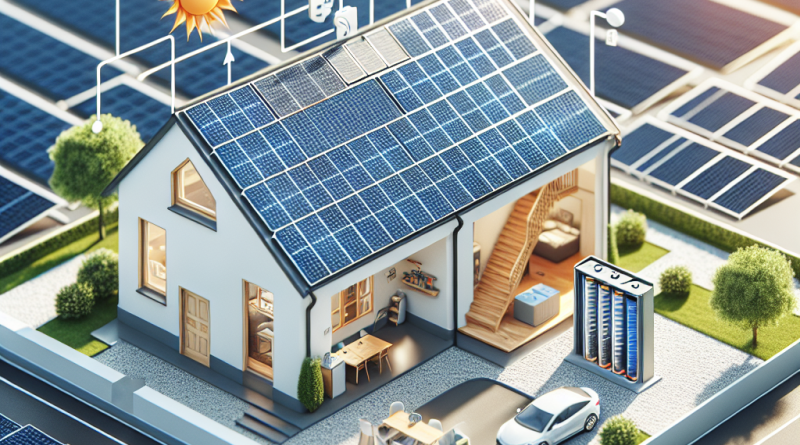
    So, you’re thinking about hopping on the solar energy bandwagon? Great choice! Solar energy storage systems are essentially batteries that store energy generated by your solar panels. This stored energy can be used when the sun isn’t shining. They come in various forms, like lithium-ion batteries and lead-acid systems. Personally, I’ve found lithium-ion batteries to really pack a punch when it comes to efficiency.

    What these storage systems do is pretty nifty: they ensure you have a consistent power supply, day or night. Remember that feeling of relief when you grab your phone just before heading to bed, and it’s at a solid 80%? That’s how your home should feel with a reliable storage system! You can kick those energy bills to the curb and put the power back in your hands. Talk about a glow-up for your home!

    Another fantastic aspect is that they can power crucial devices during outages. Imagine a storm hits, and everyone’s scrambling for candles. But with your solar storage system, you’ve got lights shining and Netflix buffering. Now that’s a total win-win!

    Choosing the Right Solar Storage System for Your Home

    Assessing Your Energy Needs

    The first step here is all about knowing your own energy habits. Ask yourself, what appliances do I use the most? How much energy do they gobble? Once you nail this down, you can figure out how much storage capacity you really need. I remember mapping out my energy usage, like a mini science project! It was super informative and helped me make an informed decision.

    There’s a handy formula I picked up along the way: if you want to power your refrigerator, consider that it uses about 100-800 watts. If it runs for about 24 hours, you’d be looking at needing some pretty significant storage capacity. So, figure out your go-to systems, and count all the wattage they need. This is where the real planning begins!

    Doing this upfront saves you some serious cash in the long run. A common pitfall is overcommitting to a system that’s way bigger than your needs, or underwhelming oneself with too little storage. Trust me, understanding your usage is like finding your sweet spot in the energy world.

    Installation Process for Solar Energy Storage

    Hiring Professionals vs. DIY

    When it comes to installing solar energy storage systems, the decision between a pro installation or going the DIY route can be a total game-changer. Sure, saving some bucks is tempting, but sometimes it’s just worth it to have someone who knows their stuff do the install. I had friends insist on DIY, and let’s just say, it ended up taking way longer than anticipated.

    Picking a qualified installer is crucial. Look for certifications, reviews, and experience to ensure you’re getting the right help. When I finally chose a professional team, they walked me through the entire process and even made awesome suggestions tailored to my needs. The ease and peace of mind were totally worth it.

    But if you’re a true hands-on person, then go for it! Just make sure to do your homework. There are resources and forums where others share their DIY journeys—it’s like having a whole team behind you. You might discover tips and tricks that can save you time and hassle!

    Maximizing the Benefits of Solar Energy Storage

    Monitoring Your Energy Consumption

    After getting your system up and running, the next step is maximizing that return on investment. Keeping tabs on your energy usage is key! Many solar systems come with monitoring apps or dashboards that show how much energy you’re generating and consuming. I love checking mine; it’s like a mini video game where I track my progress and hit those energy-saving goals.

    With monitoring, I also noticed patterns in my usage. Turns out, I was using a ton of energy during peak hours. Shifting those tasks to times when energy is cheaper—thanks to my stored solar power—helps slice those bills down significantly. It’s all about being a smart player in the energy game!

    Don’t forget about maintenance! Regular checkups can keep your system in shape and running efficiently. It’s like taking your car for regular oil changes. A little attention goes a long way in prolonging the life of your system.

    Understanding the Financial Implications

    Initial Costs vs. Long-Term Savings

    Now, let’s talk dollars and cents! The upfront cost of solar storage systems can seem steep, but let me tell you, the long-term savings are where it’s at! You’ve got to consider the energy prices over the next decade. If you can lock in cheaper energy now, you’re saving more in the future. I did a little math (with some help; math is not my strong suit!) and realized my investment would be paid off in a couple of years. Major win!

    Don’t forget to explore any local incentives or rebates available in your area. These can dramatically shave off the initial costs, making the switch more attractive. I found that mine offered quite a few rebates, which was an unexpected bonus when finalizing my budget.

    In the end, understanding the financial implications means looking at both the short and long term. It’s all about making a shift that not only benefits the green side of things, but also your pocketbook. And let’s be honest, who doesn’t love hearing that little notification that you’ve saved some cash?

    FAQs About Upgrading Your Home with Solar Energy Storage

    1. How does solar energy storage work?

    Solar energy storage systems generally work by capturing energy produced during the day when the sun is shining and storing it in batteries for later use. This allows you to use solar energy even when the sun sets or when there are power outages.

    2. Is it worth it to install solar energy storage?

    Absolutely! While there’s an upfront investment, the potential for long-term savings on energy bills, combined with energy independence and decreased reliance on the grid, makes it a worthwhile upgrade for many homeowners.

    3. What types of batteries are used for solar energy storage?

    The most common types include lithium-ion batteries, which are known for their efficiency and longevity, and lead-acid batteries, which tend to be more affordable but have shorter lifespans.

    4. How do I find a reliable installer for my solar storage system?

    Look for installers with good reviews, appropriate certifications, and experience in the field. Don’t hesitate to ask for references and check their previous work.

    5. Can I install solar energy storage myself?

    Yes, if you have the technical know-how, you can opt for a DIY installation. Make sure to research thoroughly and follow all safety guidelines. However, hiring a professional can give you peace of mind and ensure everything is done correctly.

  • How to Create an Energy-Efficient Home with Solar Power

    1. Understanding Solar Power Basics

    What is Solar Power?

    Alright, let’s kick things off by understanding what solar power really is. In simple terms, it’s energy generated from sunlight. It’s amazing how this free resource can be so powerful! Solar panels, which are basically large photovoltaic cells, convert sunlight into electricity. This energy can then be used to power your home, run appliances, or even charge your electric car. How cool is that?

    The beauty of solar power is that it’s renewable, meaning it won’t run out anytime soon—definitely a big plus in today’s fast-paced world. And honestly, who doesn’t want to harness the sun’s rays to keep their home running? Plus, the technology has advanced so much that it’s now more efficient and accessible than ever!

    On top of that, using solar power means you’re reducing your carbon footprint. You’re not just saving money on your bills, but you’re also doing something great for our planet. Win-win, am I right?

    How Does Solar Power Work?

    So, you might be wondering, “How does all this magic happen?” Here’s the scoop: solar panels are made up of photovoltaic cells that absorb sunlight. When these cells absorb sunlight, they create an electric current that can be captured and used. It’s almost like turning sunshine into electricity—who knew the sun could do all that?

    A solar inverter then converts this direct current (DC) into alternating current (AC), which is the kind of electricity that powers our homes. Pretty neat, huh? The energy is then sent to your electrical panel and distributed throughout your house to power everything from your refrigerator to your lights.

    If you generate more energy than you use, you can even send that excess energy back to the grid—hello feedback loop! This not only allows you to earn energy credits but also contributes to renewable energy resources in your area.

    Advantages of Solar Power

    Let’s talk benefits! First off, solar power can significantly lower your electricity bills. Depending on the size of your solar installation, you could save thousands over time. Imagine a world where your electric bill is virtually non-existent. Sounds like a dream, right?

    Beyond the savings, there are also government incentives available, like tax credits and rebates, aimed at encouraging homeowners to make the switch. This financial support can help offset the initial costs of installation.

    And don’t forget about the environment! Switching to solar means reducing greenhouse gas emissions and reliance on fossil fuels. It’s a step in the right direction for sustainability, and who knows, you might inspire your neighbors to go green too!

    2. Assessing Your Energy Needs

    Calculating Your Energy Consumption

    Before diving into solar, it’s super important to get a grasp on your current energy needs. This means taking a step back and looking at your monthly electricity bills. Check out how much energy you consume each month to get a baseline. This helps you determine what size solar system you may need.

    Make a list of all the major appliances in your home: your fridge, HVAC system, washing machine, and so forth. You’d be surprised how much energy these bad boys consume! The goal is to add up your total energy usage and see what part of that can potentially be covered by solar power.

    By understanding your consumption patterns, you’ll have a clearer idea of the type of solar system that suits you best—after all, there’s no point in overpaying for a system that generates more electricity than you’ll ever use!

    Evaluating Your Property’s Solar Potential

    Next up, evaluating whether your home is a good fit for solar power. The orientation of your roof, for example, plays a huge role here. South-facing roofs generally get the most sunlight, which is ideal for solar panels. If your roof isn’t facing the right way, don’t fret! There are other options like solar ground mounts that can work well too.

    You’ll also need to consider any shading from nearby trees or buildings, which could impact how much sunlight your panels receive. Sometimes a simple trim can make a huge difference! It’s all about getting that sweet sunlight on your panels.

    Lastly, consider how much space you have for installation. You want to make sure there’s enough room for the number of panels you’ll need to effectively meet your energy goals. Doing a little research ahead of time can save you time and money down the line.

    Choosing the Right System Size

    Alright, you’ve assessed your energy needs and property potential, now it’s decision time! When choosing a system size, take into account your energy consumption and potential future needs. If you plan on buying an electric vehicle or adding more appliances in the future, you might want to upsize your system right off the bat.

    Generally, a good rule of thumb is that one solar panel can produce about 300 watts per hour. Multiply that by the number of peak sunlight hours in your area, and you’ll have a better idea of how much energy you can generate. Working with a professional can also help you create a customized system size plan.

    And don’t forget to think about efficiency! Buying high-efficiency panels may increase your upfront costs, but they can generate more power in less space, making them worth the investment in the long run.

    3. Choosing the Right Solar Panel

    Types of Solar Panels

    When diving into the world of solar panels, you’ll discover there are generally three types: monocrystalline, polycrystalline, and thin-film. Monocrystalline panels are the most efficient but can be pricier. Polycrystalline panels are a more budget-friendly option that still gets the job done, while thin-film panels can be great for unique installations, but they don’t quite pack the same punch as the other two.

    It’s like choosing between a luxury sports car, a reliable sedan, and a practical hatchback. It all comes down to your needs and budget.

    Do your research and figure out what’s right for you. Sometimes you can even combine different types of panels to optimize your energy generation!

    Comparing Efficiency Ratings

    Efficiency ratings are super important when it comes to solar panels. In basic terms, this rating tells you how much sunlight is converted into usable electricity. The higher the efficiency, the more power you get from each panel, which can be a lifesaver when space is limited.

    As a general benchmark, look for panels that offer 15% efficiency or higher. While it might be tempting to opt for the cheaper option, remember that investing in higher-efficiency panels can lead to better output in the long run.

    Take your time comparing different panels’ specs and consider consulting a solar professional who can point you in the right direction. Trust me, you won’t want to skip this step!

    Evaluating Warranty and Lifespan

    When selecting your solar panels, it’s also essential to consider the warranty and lifespan of the products. Most quality solar panels come with a manufacturer’s warranty of about 25 years, which is a good indication of durability.

    It’s crucial to understand what’s covered under the warranty. Is it just the panels, or does it include labor too? Make sure you’re fully informed so there are no surprises later.

    A long lifespan typically means you’re making a solid investment. Pair this with high efficiency, and you’ve got yourself a winning combination!

    4. Installation Process

    Finding a Qualified Installer

    Now that you’ve done the research, it’s time to find a qualified installer! Not all solar installation companies are created equal, so look for ones with good reviews, practical experience, and solid warranties.

    Ask family and friends for recommendations, or check out online platforms where users share their experiences. It’s worth doing your homework to ensure you’ll be working with reputable folks!

    Once you’ve narrowed it down, get several quotes to compare not just pricing but also customer service and installation timelines. If a company seems too cheap, they might cut corners, which is the last thing you want.

    The Installation Process

    Once you’ve found the right installer, you’ll get an overview of the installation process. Generally, it begins with an inspection of your roof and property to ensure everything is good to go. Your installer will then discuss the best placement for panels and the equipment involved.

    Once the planning wraps up, the actual installation can typically be done in just one to three days, depending on your system size and roof complexity. It often involves mounting the panels and connecting them to your home’s electrical system.

    Post-installation, your installer will conduct tests to ensure everything is functioning correctly. They should also provide guidance on how to monitor the system’s performance moving forward.

    Permits and Regulations

    Before your installation kicks off, your installer will likely handle necessary permits and adhere to local regulations. In many areas, there are specific guidelines for solar panel installation, and your installer should be knowledgeable about these.

    It might seem like a hassle, but these regulations are there for your safety and the environment. Plus, having the right permits can save you from fines or costly repositioning later down the line.

    So, double check that your installer is on top of this—it’ll save everyone time and headaches in the long run!

    5. Monitoring and Maintenance

    Keeping an Eye on Energy Production

    Congratulations on your new solar system! Now, the fun part is keeping track of how much energy it produces. Most systems come with monitoring tools that you can access via an app or website, giving you real-time data on your solar production.

    Monitoring allows you to spot any potential issues early on. Are you getting less energy than usual? Maybe it’s time for a check-up! Just like with any major home investment, keeping an eye on performance will ensure you’re getting the best bang for your buck.

    Plus, seeing your solar contributions makes you feel good! It’s nice to track how you’re saving on energy bills and helping the planet at the same time.

    Regular Maintenance Tips

    Solar panels are generally pretty low-maintenance, but a few habits can help keep them in peak condition. For instance, it’s a good idea to keep your panels clean. Dust, leaves, and bird droppings can reduce efficiency, so consider a gentle wash when they start looking grimy.

    It’s also important to regularly check the connections and wiring. If you see any issues, contact your installer right away; catching problems early is a great way to avoid costly repairs later on.

    Overall, you’ll want to schedule professional inspections every few years to ensure everything is all good. This proactive approach can keep your system running efficiently for years to come.

    Understanding Inverter Lifespan

    Lastly, don’t forget about your solar inverter. While the panels may last well over 25 years, inverters typically have a lifespan of about 5 to 10 years. Knowing this, you should budget for future replacements when needed.

    Most modern inverters come with warranties, so make sure to check what’s included. When the time comes for a replacement, upgrading to a better inverter can also boost your system’s efficiency.

    Keeping an eye on the inverter’s performance is just as important as checking on the panels. A well-maintained inverter will keep your solar system running smoothly and help you get the most from your investment!

    Frequently Asked Questions

    1. How much can I save on my electricity bills with solar power?

    On average, homeowners can save 50 – 80% on their electricity bills with a well-designed solar system. Actual savings will vary based on your location, energy usage, and the size of your system.

    2. Do I need to have a sunny roof for solar panels?

    No, while sunny roofs are ideal, solar panels can also generate energy on cloudy days. Shaded areas can be supplemented with micro-inverters or optimizers to maximize production.

    3. What happens during a power outage?

    Typically, your solar system will shut down during a power outage for safety reasons. However, you can add a battery storage system to store energy for use during outages.

    4. Are there tax incentives for going solar?

    Yes, many regions offer tax credits, rebates, and incentives to homeowners who install solar systems. Make sure to check your local laws for specific opportunities.

    5. How long does it take to install solar panels?

    On average, the installation process takes about 1 to 3 days, depending on the complexity of your system and the size of your roof. Your installer can provide a more specific timeline based on your unique situation.

  • How to Upgrade Your Home with Solar Power

    How to Upgrade Your Home with Solar Power

    Assessing Your Energy Needs

    Understanding Your Current Usage

    Before diving headfirst into solar energy, it’s crucial to figure out how much energy your home currently consumes. I took a close look at my electricity bills from the past year. This gave me a decent idea of my average usage. Don’t forget to consider things like seasonal variations – summer often brings more use due to cooling systems.

    You can also use smart meters or energy monitors to get real-time data on your energy usage. It’s like having a fitness tracker, but for your home! Just keep an eye on those peak usage times, when you’re using the most energy, to figure out how much solar power you’ll actually need.

    This assessment is key. Not only does it help in sizing your solar system, but it also reveals opportunities for energy efficiency improvements. Trust me, knowing your habits can guide every step of your solar journey.

    Identifying Future Needs

    Think about any potential changes in your lifestyle. Are you planning to add more appliances, or maybe even an electric vehicle? These things can significantly bump up your energy consumption. When I upgraded my home, I made space for a future EV and adjusted my solar plans accordingly.

    Also, consider family growth or upgrades like a home office. As our lives shift, so do our energy needs. Take all of these future needs into account. You’ll thank yourself later when you don’t have to face an upgrade sooner than expected.

    This foresight can completely change your solar setup calculations, shaping not just your current consumption but also your future plans.

    Evaluating Your Roof’s Potential

    Alright, let’s talk about your roof. Is it in good condition? It’s one of the main areas to check before making any big decisions. If your roof has seen better days, you might want to repair or replace it before installing solar panels.

    Also, consider the direction and tilt of your roof. South-facing roofs generally collect the most sunlight, while shaded areas can significantly lessen performance. I had to get a bit nerdy and do the math on my roof angles and surrounding trees to maximize my solar gain.

    Finally, don’t forget about local building codes and regulations. A little research here can save you from future headaches. It’s better to know what you’re up against before you start climbing up there!

    Choosing the Right Solar System

    Types of Solar Panels

    You’ve got choices! When I was picking my solar panels, I learned about three main types: monocrystalline, polycrystalline, and thin-film. Each has its pros and cons. Monocrystalline, for instance, is super efficient but can hit harder in the wallet.

    Polycrystalline panels are more affordable but slightly less efficient. The thin-film panels offer flexibility and can be used in unique spaces, but they usually take up more room.

    To make my choice, I weighed my budget against my performance expectations. This balance is critical for getting a system that works efficiently for my needs.

    Inverters and Storage Solutions

    Let’s talk inverters—these gadgets convert the DC electricity your solar panels generate into AC electricity that’s usable in your home. There are string inverters, microinverters, and power optimizers to choose from. Each has its own perks, and I spent time comparing their efficiency and costs.

    If you want a bit of security in your solar system, think about including battery storage. Battery systems store excess energy for when the sun isn’t shining. It’s pretty sweet not to rely solely on the grid, especially during a power outage.

    When I added a battery to my system, it felt like a game-changer. I could use solar energy even when the sun wasn’t out, making me feel more self-sufficient.

    Installation Options

    You can go the DIY route, hire a contractor, or use a solar company for installation. There’s no one-size-fits-all answer here. Personally, I opted for a company just to ensure everything was done right. It’s worth my peace of mind.

    Before signing any agreements, check their ratings and reviews. I did my homework by gathering multiple quotes and comparing services. Don’t be afraid to negotiate! Remember, you’re making a significant investment.

    Also factor in warranty options. A strong warranty can save you from unexpected costs down the road. In the solar world, it’s often better safe than sorry!

    Financing and Incentives

    Understanding Costs

    Okay, let’s get real about money. Solar can be a big investment initially, and understanding the costs involved is essential. I learned to expect costs for equipment, installation, permits, and maintenance.

    Don’t skip out on additional fees that might pop up. I found it helpful to create a detailed budget covering all these aspects. It definitely made me feel more in control of my finances.

    Don’t get intimidated; there are often many options available that can help ease the financial burden. Knowledge is power, especially when it comes to solar investments!

    Tax Credits and Incentives

    The good news? There are often federal, state, and local incentives, such as tax credits, that can help reduce your overall costs. For instance, I was thrilled when I discovered that my state offered substantial tax credits for installation!

    Make sure you do your research on what’s available in your area. Government resources and local solar companies can often guide you on what to expect.

    Be prepared to fill out some forms, but trust me, the savings are usually totally worth the effort.

    Financing Options

    If paying upfront isn’t in the cards, consider financing options. I explored various possibilities, including solar loans and leasing options. Each path has its own benefits and drawbacks, so understand them before you leap.

    Look into what works best for your financial situation. Maybe a solar lease could be a good fit, where you make monthly payments while enjoying the benefits of solar power.

    An informed decision will benefit you in the long run. Take your time to evaluate what route suits your budget and goals best.

    Installation and Maintenance

    Preparing for Installation

    The big day is around the corner! Preparing for installation is simply about ensuring everything’s in place. I made sure my roof was clear of debris and my yard was accessible to workers.

    Communication is key, too. I called my installer to clarify expectations and timelines. Knowing what to expect can ease the stress of installation day.

    Also, consider how installation might impact your living space. I made a plan for my pets and took days off work to manage disruptions. Just play it safe!

    Post-Installation Advice

    Once everything’s installed, there’s often a sense of relief. But don’t forget about the next steps. I took my time reading the manuals and getting familiar with components of my new system.

    Remember, your installer should present you with an explanation of how everything works, but don’t hesitate to ask questions, too! Knowledge empowers you to engage with your energy system genuinely.

    Enjoy the benefits of your investment by tracking its performance and savings. I started using online dashboards to keep tabs on energy production, and it’s genuinely rewarding to watch the numbers rack up!

    Maintenance Tips

    Sure, solar systems are low maintenance, but they still need some TLC. I discovered that periodic cleaning and inspections could significantly continue performance. Dust and debris can build up, especially if you live in a dusty area.

    Consult your warranty for maintenance requirements—some solar companies have recommendations for maintenance schedules. I found I could manage much of the cleaning myself, but I opted for professional checks once a year.

    Staying on top of upkeep keeps your system running smoothly. Who wouldn’t want to maintain their investment?

    Monitoring Your Solar System

    Using Monitoring Tools

    Most solar systems come with monitoring tools that allow you to check energy production. I love having this transparency because it keeps me informed. Each monitoring tool can provide insights into how much energy is being produced and used.

    You can typically access these tools from your smartphone or computer. I found it super convenient to glance at my app and see how much solar energy I was generating daily.

    Being proactive means catching any issues early. If things don’t look right, you can reach out to your solar provider before minor problems become major headaches.

    Tracking Savings

    It’s all about those savings, right? Tracking how much you save on your electricity bill monthly is key. I created a spreadsheet to monitor the differences before and after installation, and I was pleasantly surprised!

    Keep in mind that these savings increase over time, especially if energy rates go up. It can often feel like you’re getting money back in your pocket.

    This data can also help when you’re thinking about future upgrades or investments. Knowing exactly how much you save can guide your financial decisions moving forward.

    Adapt and Improve

    Your solar journey doesn’t end after installation. Keeping an eye on performance and finding ways to improve energy efficiency should be the ongoing challenge. You might consider upgrades like smart home devices that optimize energy usage or EV charging. Going green opens up new possibilities for your lifestyle!

    Stay engaged with the community! Join solar forums or local groups to share experiences and learn from others. It helps not just your journey but often sheds light on innovative ideas.

    Ultimately, staying proactive can help you maximize the benefits of going solar. The investment is just the beginning—exploring new avenues for efficiency is where the fun really begins!

    FAQs

    1. How do I know if solar power is right for my home?

    Start by assessing your energy needs and roof suitability. A solid evaluation of your current energy use and future needs helps determine if solar is a good fit.

    2. What type of solar panels should I choose?

    Your choice between monocrystalline, polycrystalline, and thin-film depends on your budget and efficiency needs. Monocrystalline panels are efficient but pricier, while polycrystalline offers a balance between cost and performance.

    3. Are there any tax incentives for installing solar panels?

    Yes! Federal, state, and even local incentives can significantly reduce your installation costs. Always check to see what offers are available in your area.

    4. How much maintenance does a solar system need?

    Solar systems require low maintenance, generally involving occasional cleaning and yearly inspections. Regular upkeep ensures your system runs efficiently.

    5. Can I monitor my solar system’s performance?

    Absolutely! Most systems come with monitoring tools allowing you to track energy production and savings through apps or web platforms. It’s a great way to stay informed!

  • How to Build a Sustainable Home with Solar Power

    How to Build a Sustainable Home with Solar Power

    1. Assessing Your Home’s Solar Potential

    Understanding Site Characteristics

    When I first thought about harnessing solar power for my home, I quickly discovered the importance of site characteristics. It’s essential to look at the layout of your property. Is your home shaded by trees or other structures? If so, that could limit the sunlight that hits your solar panels. I had to spend some time analyzing the sun’s trajectory throughout the seasons to find the sweet spot where I’d get the most bang for my buck.

    Next, consider the pitch of your roof. If it’s too steep or too flat, it could affect how well your solar panels perform. I had to do a little research to determine the optimal angles when it comes to solar panel installation. For instance, a south-facing roof usually captures the most sun if you’re in the northern hemisphere.

    Lastly, think about local weather patterns. With my area being somewhat cloudy during the winter, I realized that I’d need a system that could still efficiently produce power during those less sunny months. Knowing your local climate will guide your decisions moving forward.

    How to Evaluate Solar Access

    So, here’s the deal – once you’ve got a good idea of your site’s characteristics, you must evaluate the solar access. I used tools like solar pathfinders and online mapping software to visualize how sun moves across my property throughout the year. Trust me; it makes a big difference in planning your entire solar setup.

    This part can feel a bit overwhelming, especially if you’re not a numbers person. But fear not; gathering data from a few sunny days can even give you a sneak peek at your home’s potential energy production. I started keeping a sun diary to see how each panel’s placement would fare.

    Now, if you’re feeling a bit fancy, there are companies that offer drone assessments for solar access. That’s a bit of an investment, but it can provide results that are spot on. Just consider what works best for your budget and comfort level!

    Consulting with Solar Experts

    After doing all the preliminary homework, I realized that consulting with solar experts was essential. They break down the technical side and help remove the guesswork. I reached out to a couple of local solar companies and set up consultations.

    During these meetings, I found that asking the right questions really mattered! It’s essential to inquire about their experiences, previous installations, and what warranties they offer. You’ll want to make sure that they can customize a system that meets your unique needs.

    Don’t hesitate to ask for references! I found it super helpful to hear from previous customers about their experiences – it definitely shaped my decision-making process.

    2. Choosing the Right Solar System

    Understanding Different Types of Solar Panels

    Now, let’s dive into the good stuff – choosing the right solar system! I was initially overwhelmed by the vast options available, but after doing some research, I got the hang of the different types of solar panels. There are mainly two: monocrystalline and polycrystalline panels, each with its pros and cons.

    Monocrystalline panels tend to be more efficient and take up less space, which is great if you’re tight on room. I ended up choosing these because I wanted to maximize my energy output without overhauling my whole roof.

    On the flip side, polycrystalline panels are typically more budget-friendly but tend to require a little more space. If you’re working with a larger area, these could be great, too. I found myself weighing long-term energy efficiency against my upfront costs, which was a valuable experience!

    Inverters and Battery Storage

    Once I nailed down the type of panels I wanted, the next step was understanding inverters and battery storage options. Think of inverters as the brain of your solar system – they convert the energy harvested from your panels into usable power for your home.

    There are string inverters, microinverters, and power optimizers – each one has its unique benefits. I decided on microinverters because they perform better in shaded conditions (which I had to consider given my neighborhood).

    Battery storage is also crucial, especially if you’re looking into taking full advantage of solar energy. Initially, I thought I could get away without them, until I learned about fluctuating energy needs and how batteries can store extra energy for those cloudy days or during power outages. Definitely worth considering for long-term savings!

    Cost vs. Benefits Analysis

    While building a sustainable home with solar power is exciting, it’s also essential to do a cost-benefit analysis. I sat down with a calculator and started crunching numbers on installation costs, available rebates, and the expected savings on my energy bills over time.

    It’s easy to get carried away with the potential environmental impact of solar energy, but I had to make sure it made financial sense for me, too. I found out about federal tax credits that significantly influenced my decision, so it’s super important to research what’s available in your area.

    In the end, weighing the upfront investment against the long-term savings showcased that solar energy is not just good for the planet but also my pocketbook! I felt more confident jumping into this venture knowing I had a solid financial plan in place.

    3. Installing Your Solar Panels

    Preparing Your Roof

    Getting to the installation phase was both exciting and nerve-wracking! One of the first steps was preparing my roof. I was surprised at how critical this step is; if your roof isn’t up to snuff, all your hard work could go down the drain.

    I had to make sure my roof was structurally sound, which might mean getting a professional inspection. I ended up reinforcing some areas to ensure my panels could withstand weather elements. Better safe than sorry!

    Don’t forget to clear debris and clean your roof beforehand. A clean workspace makes for better installation. I was amazed at how refreshing it felt to get everything prepped properly before diving in.

    Hiring Professional Installers vs. DIY

    At this point, I had to decide whether to hire professionals or tackle the installation myself. While I love DIY projects, I realized that this isn’t your average weekend project. I wanted to ensure that everything was done right, so I decided to hire professionals.

    Working with trained experts alleviated my stress level immensely. Plus, they completed the work in a fraction of the time it would’ve taken me alone. I enjoyed finally seeing my vision come to life without worrying about making any costly mistakes.

    However, if you’re handy and up for the challenge, go for it! Just ensure you’ve done ample research, and have someone who can help along the way. You’ll feel like a solar rockstar once you’re done!

    Final Inspections and Connections

    Installation isn’t the end of the road; the final inspections and connections are key steps to ensuring everything runs smoothly. I organized for both local officials and the solar company to come back for a ‘final walkthrough’.

    This step was super important because it verified everything was in compliance with local codes and regulations. I got a little anxious but also felt confident thanks to the preparation from the installing team.

    Once everything got the green light, it was time to connect my solar system to the grid. This is when it felt like the real party began, as I officially joined the solar community! I couldn’t wait to start seeing my new energy system in action.

    4. Understanding Maintenance and Safety

    Regular Maintenance Practices

    Alright, let’s talk maintenance – this part is crucial if you want your solar system to thrive! I quickly learned that routine maintenance helps prevent minor issues from becoming major ones.

    I made a schedule for cleaning my panels a few times a year. You wouldn’t believe how much dust and debris can stack up, especially if you live in a windy area! After a good cleaning, I noticed a significant increase in energy production.

    Also, keep an eye on the inverter; it gives you real-time updates on your system’s performance. I found it reassuring to monitor the data, as it helped me identify potential issues before they spiraled out of control.

    Safety Precautions to Consider

    With great power comes great responsibility, right? Safety around solar systems can’t be overstated. I made sure to educate myself about electrical safety and what to do in case of a malfunction.

    If you’re doing any work on the roof or around your solar panels, ensure you wear proper gear and consider safety equipment. One time, I almost slipped while cleaning – thank goodness for sturdy ladders and a partner to help!

    Most importantly, don’t forget about the dangers of high voltage. If you’re unsure at any point, please consult professionals rather than risking your health. It’s always better to be safe than to scramble when things go wrong.

    What to Do in Case of Damage

    Sometimes, despite our best efforts, shingles or solar panels can get damaged – whether from hail, strong winds, or other unexpected occurrences. When I faced minor damage to a few panels, I made sure to have my installer provide a clear plan for repair.

    I learned to document everything, including photographs of the damage and any relevant communication with my installer or insurance company. Knowing this process inside and out has helped navigate any bumps in the road smoothly.

    I also did a deep dive into my homeowner’s insurance policy to make sure it covered any solar panel damage. It’s crazy how many people overlook this step but can save you major headaches down the line!

    5. Enjoying the Benefits of Solar Power

    Lower Energy Bills

    Let me tell you – seeing those lower energy bills is one of the highlights of transitioning to solar power! After a few months of use, I got my first bill post-solar installation, and I was ecstatic to discover my savings. Seriously, it felt like Christmas!

    The way solar energy works allows you to significantly offset your energy consumption. It felt amazing to think about how much money I saved while being eco-friendly. I even started sharing my solar savings with friends and family; it feels good to inspire others!

    Plus, I noticed that as energy rates increased in my area, my savings continued to grow. It made my investment in solar power feel even smarter over time.

    Environmental Impact

    Going solar isn’t just about saving money; it’s also about the positive impact on the environment. I made a conscious choice to reduce my carbon footprint, and every day, I feel good knowing that I’m contributing to a cleaner, healthier planet.

    I dove into the numbers, and they blew my mind. My home solar system potentially reduces my carbon dioxide emissions by tons each year, and that’s a massive win in my book!

    It’s empowering to be part of a larger movement towards sustainability; I often connect with my local solar community to share experiences and best practices. Together, we can make a big difference!

    Energy Independence

    Finally, the sense of energy independence that I felt once I went solar is unparalleled! No longer did I feel at the mercy of utility companies and fluctuating energy prices. This shift made my life feel more stable.

    With my solar setup, I have the option to go off-grid if I want, and that availability adds a layer of comfort amidst unpredictable energy crises. It’s like I have my mini-power plant, and that’s just cool!

    I’ve even considered expanding my solar setup to include more advanced technology like battery storage. Being energy-independent creates a sense of security that is incredibly gratifying!

    Frequently Asked Questions

    1. How can I assess if my home is suitable for solar power?

    The best way to assess your home’s suitability for solar power is by examining the roof’s orientation and angle, analyzing shading from trees or buildings, and considering local weather patterns. Consulting with solar energy experts can also provide valuable insights.

    2. What are the different types of solar panels?

    Solar panels primarily come in two types: monocrystalline and polycrystalline. Monocrystalline panels are generally more efficient and space-saving, while polycrystalline panels are more budget-friendly. Your choice depends on your specific needs and preferences.

    3. Is DIY installation a good option for solar panels?

    While DIY installation can be feasible if you’re handy, solar installations often come with complex electrical and structural requirements. Hiring professionals is usually the safer and more efficient option to ensure that everything is set up correctly.

    4. What maintenance do solar panels require?

    Solar panels require minimal maintenance, but it’s essential to clean them several times a year from dust and debris. Regularly checking the performance of your inverter and monitoring for dirt buildup will help maintain optimal efficiency.

    5. What are the long-term benefits of installing solar panels?

    Long-term benefits of solar panels include significant savings on energy bills, a reduced carbon footprint, and increased energy independence. You’ll also enjoy the potential appreciation of your property value due to green energy solutions.