Tag: homeowners

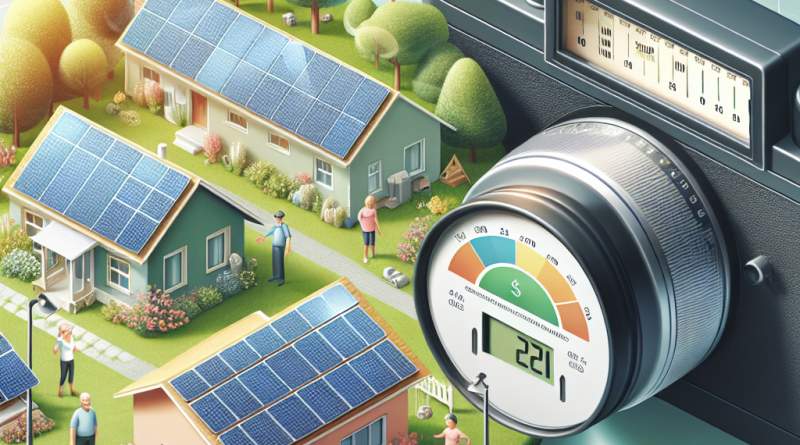
  • How Solar Water Heaters Are Saving Homeowners Money

    How Solar Water Heaters Are Saving Homeowners Money

    Reduced Energy Bills

    Lower Monthly Costs

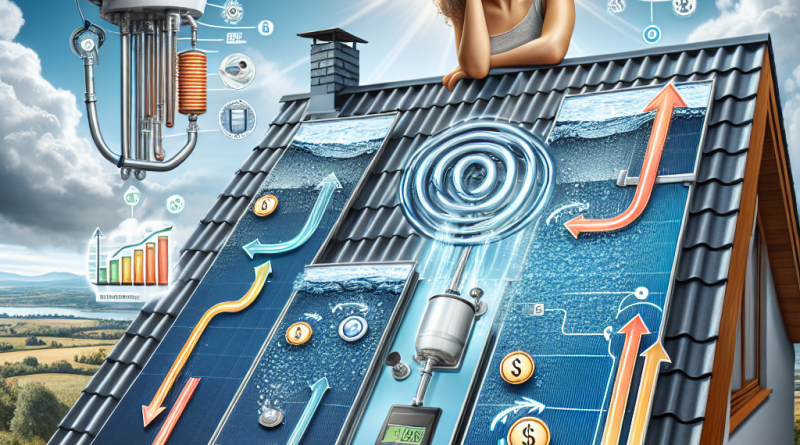
    Let me tell you, when I first installed a solar water heater, one of the most exciting things was watching my energy bills shrink like a pair of jeans after a harsh wash! By tapping into the sun’s free energy, I seriously cut down on how much I had to pay every month. It’s like I scored a secret deal with Mother Nature.

    Imagine waking up one day and seeing the difference in your bank account. Less money spent on energy means more for those little luxuries we all enjoy, whether that’s a nice dinner out or saving up for a weekend getaway. This solar setup has been a game-changer for my budget.

    Plus, many areas offer incentives and rebates for solar energy installations, making the upfront costs even easier to swallow. It’s like getting extra cash thrown your way just for being environmentally conscious!

    Steady Supply of Hot Water

    One thing I quickly realized was that having a solar water heater means you often have a reliable supply of hot water. Gone are the days of shivering while waiting for the water to heat up. With an efficient system, I can take long, hot showers anytime I want, all without stressing about the energy costs!

    Not just for showers, either. It’s great for all those household chores that require hot water, like washing dishes or doing laundry. I’ve definitely scored extra comfort points with my family, who are now enjoying hot baths anytime without a second thought!

    The solar water heaters store hot water for later use, which means I’m not only saving money but getting appreciated for all those late-night dishwashing sessions instead of bundling up in blankets to conserve warmth!

    Increased Property Value

    When it comes to selling my home, I know having a solar water heater is like adding another jewel to the crown. It’s an attractive feature that potential buyers are on the lookout for these days. Eco-friendly installations make homes more desirable, and I love being part of that trend!

    Not only does it show I’m committed to sustainability, but it also implies lower operational costs for the new owners. Who doesn’t like the idea of saving money? In this market, anything that gives your home that competitive edge is crucial!

    And hey, if and when my house does go up for sale, I can confidently promote it as part of the green revolution. It’s not just good for my wallet now but can be a solid investment down the line.

    Environmental Benefits

    Reduced Carbon Footprint

    Now, let’s get real for a second. We all know the planet’s in a bit of a pickle. By switching to a solar water heater, I’ve directly contributed to reducing my carbon footprint. Each usage of solar energy means I’m not burning through fossil fuels and releasing harmful emissions.

    It feels good, honestly. Helping to protect the environment is a responsibility I take on with pride. It’s a small change that can lead to a better future, not just for myself but for all of us. Who knew saving money could feel this good?

    Plus, spreading the word about the environmental benefits has been fun! I find myself discussing it with friends and family, encouraging them to make the switch. Together, we can make a difference, one solar water heater at a time!

    Promoting Renewable Energy

    So, here’s the deal: using a solar water heater is a step toward embracing renewable energy solutions. It’s not just about saving cash; it’s about joining a movement. More folks adopting solar means less dependency on non-renewable sources.

    It’s mind-boggling when you think about it! I’m part of a larger story, one that’s shifting our energy landscape toward a more sustainable approach. I’m keeping the conversation going! Whenever someone asks about my setup, I jump at the chance to share how it works.

    Seeing more of these systems in neighborhoods gives me hope. Together, we can inspire and ignite a passion for clean energy, and I’m all for being part of that revolution.

    Encouraging Sustainability

    Investing in a solar water heater has deepened my understanding of sustainability. It’s not just a buzzword; it’s a lifestyle choice that I am proud to embrace. Each day, I make conscientious choices, and it feels incredible to know that I’m reducing waste and conserving energy.

    It’s an ongoing learning process. The more I educate myself about solar energy, the bigger my commitment becomes. Simple things like using water-saving fixtures alongside my solar technology have compounded the impact I’m making.

    A sustainable approach isn’t just good for me; it paves the way for future generations. I want to leave a planet that’s healthier and more vibrant for my kids and grandkids. Every little effort counts, and my solar water heater is part of that journey.

    Simple Maintenance and Longevity

    Low Upkeep Costs

    One of the best revelations I’ve had with my solar water heater is how little maintenance it requires. Seriously, after the installation, I found out it’s low-key easy to take care of. That means more money stays in my pocket for other things.

    My energy company even gave me handy tips to keep everything running smoothly. A quick yearly check-up and some cleaning is often all it takes to ensure the system keeps humming along. I mean, who doesn’t love low-maintenance solutions?

    I’ve saved so much money over the years, and honestly, it feels good to know I’m not constantly pouring money into repairs and replacements. More cushion in the budget is never a bad thing!

    Long-Lasting System

    The initial investment in a solar water heater might seem steep, but hang tight for a second. These systems are built to last! With proper care, I’ve learned that they can easily last 20 years or more. That’s a solid return on investment if you ask me!

    So by investing a little upfront, I’m securing savings for years down the road. Just think about it: all that money I saved on my bills over the years quickly adds up. It feels like a weight lifted off my shoulders!

    That peace of mind—knowing I won’t have to replace it anytime soon—makes the little things, like washing dishes or running a bath, even more enjoyable. I get hot water whenever I want, and my investment packs a serious punch!

    Warranties and Guarantees

    Another perk? Many manufacturers offer warranties that can protect my investment. When I was researching my solar water heater, I was blown away by the extensive coverage options. This kind of security adds to the overall peace of mind.

    With strong warranties in place, I feel even more assured about my decision. It really shows how confident the manufacturers are about their products. The last thing you want is to worry about long-term issues, and this takes that worry off the table.

    Plus, any repairs or replacements that need to happen are often fully covered. I know I’m set for the long term, and that’s one less thing to stress about!

    Return on Investment

    Quick Payback Period

    Who doesn’t love the thought of a good return on investment? When I crunched the numbers, I realized that my solar water heater paid for itself in just a few years. That was a huge relief because I was investing in what seemed like a fancy gadget at first!

    Seeing those monetary returns made every initial hesitation melt away. Now, every time I look at my bills and see the savings, I’m reminded of why this investment was totally worth it. If only all purchases could be so rewarding!

    It’s incredible to see that my upfront costs didn’t just vanish; they instead became a solid gain for my future. It’s like I’m getting paid to be energy-conscious, which is a win-win in my book!

    Long-Term Savings

    Long-term savings are the cherry on top. Now that my solar water heater has cut down on energy costs for several years, I can confidently say it’s one of my best financial decisions. I love seeing that chunk of cash stay in my pocket rather than disappear into energy bills.

    Over years of usage, those savings snowball, and I always find myself thinking about how much more enjoyable life is when I know I’m spending less on essential services. It’s taught me to appreciate the decisions I make for both my wallet and the environment.

    Every time I see a difference in my bank statement, I get a little more pumped about having made this leap. Plus, sharing these stories makes me feel even better about encouraging others to make the switch!

    Enhancing Lifestyle Quality

    Last but certainly not least, let’s chat about lifestyle quality. The combination of savings, sustainability, and comfort leads to an elevated standard of living. That’s where the real magic happens!

    With all the extra cash I’m saving, I’ve been able to invest in experiences—family vacations, nice dinners, or even just updating my place. It’s amazing how money saved on utilities can translate to having a more fulfilling life.

    Beyond finances, I feel good every day knowing that I’m contributing to something bigger. It’s become a conversation starter, too! Friends and family are interested, and who knows, I might inspire them to join this incredible journey toward sustainable living.

    FAQ

    1. How much can I actually save with a solar water heater?

    The amount you save can vary based on where you live and how much hot water you use, but many homeowners report saving about 50-80% on their water heating bills.

    2. Are there government incentives for installing solar water heaters?

    Yes, many regions offer rebates, tax credits, and other incentives that can help lower the initial costs of installing a solar water heating system.

    3. What maintenance is required for solar water heaters?

    Simply keep an eye on the system, clean it occasionally, and have a professional check it out once a year to ensure everything’s running smoothly!

    4. How long does a solar water heater last?

    With proper maintenance, solar water heaters can last anywhere from 15 to 30 years, making them a long-term investment.

    5. Can solar water heaters work in colder climates?

    Absolutely! Many solar water heaters are specifically designed to operate efficiently in colder temperatures, although it may affect their efficiency.

  • The Top 3 Mistakes Homeowners Make When Switching to Solar

    The Top 3 Mistakes Homeowners Make When Switching to Solar

    1. Not Doing Enough Research

    Understanding Your Energy Needs

    When I first considered switching to solar, I had this vague idea of saving a ton on my energy bills, but I was clueless about my actual energy consumption. It’s super important to really understand how much energy you use in a month. Grab your electricity bills from the last year and analyze them. This will give you a clearer picture of your baseline consumption, and you can base your solar needs on that.

    Furthermore, considering your future energy needs is crucial. Are you planning to expand your family or buy an electric vehicle? If you think your energy usage will rise, factor that into your calculations now. Trust me, you don’t want to install a system and then realize it’s only meeting half of your needs and you need an upgrade.

    By getting a handle on this from the get-go, you’ll avoid one of the most common pitfalls. Without understanding your energy needs, you could end up investing in a system that’s either too small or unnecessarily big, which is just a waste of money.

    Comparing Different Providers

    Another biggie is not shopping around for different solar providers. I know, I know, researching can be a drag, but think of it as shopping for the best pair of shoes. You wouldn’t buy the first pair you try on, right? The same goes for solar companies. Take the time to compare quotes, reviews, and warranties.

    Not all solar companies provide the same quality of service or products, and you might be surprised by the price differences. I did my homework and discovered a completely different range of prices for systems that looked identical, but one company offered a far longer warranty and better customer support.

    Additionally, don’t forget to verify credentials. Make sure to check if the company is licensed and insured. It protects you against any future headaches and ensures you’re getting a professional installation.

    Ignoring Local Incentives

    Lastly, many homeowners overlook the local incentives available for solar installations. There are often state and federal tax credits, rebates, and other incentives that can significantly lower the upfront costs of going solar. When I was digging into my options, I stumbled across a state grant program that saved me a good chunk of change.

    You’ll want to check with your local government or the solar company; they should be able to guide you on what’s available in your area. Ignoring these perks is one of the most significant mistakes you can make – it’s like leaving money on the table!

    Also, keep an eye on any approved solar lease or PPA options as they might provide additional savings. These can often present you with a lower initial cost, so make sure to get clued up!

    2. Choosing the Wrong Financing Options

    Understanding Your Payment Options

    Going solar can be pricey upfront, and there are multiple ways to finance the installation. I wish someone told me just how vital it was to understand these options before going ahead. You can buy, lease, or enter into a Power Purchase Agreement (PPA), but not all methods suit everyone’s situation.

    If you have the cash, buying your system outright may give you the best long-term savings. However, leasing and PPAs can reduce the upfront costs but may lead to lower savings over time. Make sure you weigh these options against your financial situation carefully before making a decision.

    It’s tempting to say, ‘I’ll figure it out later,’ but trust me, taking the time upfront to understand these options will set you on a much better financial path.

    Overlooking Interest Rates

    If you’re going to take out a loan, don’t ignore the interest rates! When I was looking into financing my system, I learned that not all solar loans are created equal. Some come with astronomical interest rates that can totally negate your solar savings over time.

    Shop around and compare interest rates. There are some great options specifically for solar financing that offer competitive rates. Be sure to read the fine print and understand what you’re getting into—there are some predatory loans out there you want to avoid!

    Your goal should be to secure financing that has a lower interest rate so you can reap the benefits of the savings solar energy provides without getting bogged down by debt.

    Failing to Calculate Long-Term Savings

    It’s pretty easy to get caught up in the upfront costs of solar and forget about the long-term savings. Before I installed my system, I did some math (with a bit of help) to project my savings over time—and wow, was I surprised! I hadn’t realized just how much my energy bills would drop over the years.

    Calculate your projected savings over 20-25 years, which is typically the lifespan of solar panels. This helps paint a realistic picture of the return on investment you can expect over time. You may find that the initial sticker shock isn’t as scary as you thought!

    Plan for future energy price hikes too. Electricity prices are notoriously unpredictable, which means you’re future-proofing your energy costs by investing in solar!

    3. Skipping the Maintenance Plan

    Understanding Maintenance Needs

    Once you’ve got your shiny new solar panels installed, it can be tempting to think you’re done! But not so fast. I made the mistake of thinking my panels were set-and-forget. That led to a significant drop in efficiency due to dirt and debris build-up on the panels.

    Make sure to ask your installer about maintenance needs. Regular cleaning and inspections are key to keeping your panels operating optimally. Dust, leaves, and even snow can block sunlight and reduce energy production.

    Look into yearly maintenance contracts with your installation company or take the time to educate yourself on how to clean your solar panels safely if you want to do it yourself.

    Monitoring System Performance

    Monitoring your solar system’s performance is another essential habit to build. Most solar systems come with monitoring software, which allows you to track energy production in real-time. I can’t tell you how useful this feature is for spotting issues early!

    In my case, there was an unexpected drop in energy production one month, and thanks to my monitoring app, I could catch it! I contacted my installer, and they quickly resolved an unnoticed issue.

    Don’t take this capability for granted. Regularly check to ensure your system is running as expected, and keep a watchful eye on deviation from the predicted output.

    Neglecting Warranty Considerations

    Lastly, be sure you have an understanding of your warranties. Many homeowners overlook the fine print on warranties until it’s too late. When I installed my solar system, I took a good look at the warranties offered by different manufacturers. Some provided up to 25 years for parts, while others were shorter.

    Find out what is covered, what isn’t, and for how long. You don’t want to find yourself stuck with a hefty repair bill down the line due to lack of coverage. If your panels fail within the warranty period but you didn’t register the product, you might be out of luck.

    Your installation company should be your first point of contact when asking about warranty claims. Ensure you keep all necessary documentation handy. It’s just like keeping the receipt for that new gadget you bought—y’know, just in case!

    Frequently Asked Questions

    1. What are the primary mistakes homeowners make when switching to solar?

    Homeowners often fail to do enough research, choose the wrong financing options, and neglect maintenance plans. These mistakes can lead to higher costs and less energy savings over time.

    2. How can I determine my energy needs before switching to solar?

    Review your past electricity bills to analyze your energy consumption patterns. This helps you figure out how big of a solar system you will need for your home.

    3. What financing options should I consider for solar energy systems?

    You can either buy the system outright, lease it, or enter a Power Purchase Agreement (PPA). Each option has its pros and cons, so it’s essential to evaluate what works best for your financial situation.

    4. Do solar panels require maintenance?

    Yes, solar panels need regular maintenance such as cleaning and monitoring to ensure they remain efficient. It’s essential to keep an eye on their performance as well.

    5. Are there local incentives for switching to solar?

    Yes! Many local and state governments offer various incentives like tax credits, rebates, and grants to homeowners who switch to solar. Always check with your installer or local government to find out what’s available.

  • How Solar Panels Are Improving Energy Security for Homeowners

    How Solar Panels Are Improving Energy Security for Homeowners

    Enhanced Energy Independence

    Breaking Free from the Grid

    Let me tell you, there’s something super liberating about generating your own power. I’ve always found that having solar panels installed provides a solid sense of freedom. You’re not fully reliant on the electrical grid anymore, which can be pretty unpredictable at times. It feels good knowing that I’m producing my own energy, especially when the utility prices suddenly spike.

    Plus, in our current world where extreme weather can mess with power deliveries, it’s nice to have a backup. With solar panels, if the grid goes down, I at least have my own little power station to keep the essentials running. Believe me, that peace of mind is priceless.

    In a way, it’s like having a little slice of independence. No more worrying about fluctuating energy costs or crazy bills—my energy is generated right on my roof!

    Long-term Financial Savings

    Okay, let’s chat about the wallet! Going solar isn’t just about being green; it’s about saving some green too. Initially, when I considered solar panels for my home, I was a bit hesitant due to the upfront costs. But let me tell you, over time, those savings add up!

    With solar panels, my electric bill has practically plummeted. A big chunk of what I used to spend on energy is now going towards my investment in solar. Not to mention, in many places, there are tax credits and incentives that help lighten that initial load. Seriously, it’s like the government is cheering us on to go solar!

    Once those panels are paid off, it’s like getting free energy for life. Talk about a long-term savings plan! The longer I have my solar setup, the more I feel like I’m investing in my future.

    Boosting Property Value

    Here’s a little nugget I didn’t see coming: installing solar panels can actually boost my home’s value. It’s pretty wild, right? When I decided to put in solar, I didn’t just want to cut costs; I was also looking to up my game for potential future buyers.

    Real estate markets have been all a buzz about homes with solar energy systems. Many buyers are on the lookout for homes that can help reduce their carbon footprints while also saving money. Having solar panels set me apart in a competitive market, making my home not just a place to live, but a sustainable haven.

    So, if I decide to sell down the line, I can rest easy knowing that my investment in solar will likely yield a return. It’s like a win-win situation for me as a homeowner!

    Resilience During Emergencies

    Powering Through Blackouts

    I’ve had my fair share of power outages—those moments when the lights flicker and then go out, leaving you with a sense of helplessness. But since getting my solar panels, those feelings have shifted dramatically. With a battery backup, I’m now able to keep my essential appliances running during outages.

    That kind of reliability is such a game-changer. In emergencies, when the grid goes down, I still have access to power. It’s comforting to know that I can charge my phone, keep the fridge running, and maybe even power that TV to catch up on the news or binge-watch my favorite shows.

    It’s all about being prepared, and having solar panels has made my home resilient in the face of unexpected challenges. I feel ready to tackle anything that comes my way!

    Contributing to a Sustainable Future

    Let’s not forget about the bigger picture. I’m thrilled to be part of the renewable energy revolution. Using solar panels means I’m doing my bit for the planet, and I love knowing I’m not contributing to the same old carbon emissions that diesel or coal generates.

    Every day, I feel like I’m making a difference just by powering my home sustainably. It’s a kind of action that aligns with my values, and that’s a pretty fantastic feeling. Who knew that going solar could also feed my eco-friendly spirit

    Encouraging others to consider solar has become a fun conversation starter too! I’ve had friends reach out asking about my experience and the benefits, which just creates more awareness about sustainability. This is how we create positive change!

    Reducing Environmental Impact

    Reducing my carbon footprint is something I’ve always been passionate about, and going solar is a key part of that. It’s hard to ignore the evidence; fossil fuels contribute significantly to climate change, and turning to solar energy is like giving the planet a high-five.

    Since switching to solar, I have a clear sense of contributing to something larger. It’s all about creating clean energy, and each kilowatt produced by my solar panels is one less generated from non-renewable sources.

    This shift not only feels good personally, but it also feels right socially. I feel empowered knowing that I’m part of a movement that promotes clean, renewable energy for future generations.

    Access to Government Incentives

    Understanding the Benefits

    Alright, this part is super important! When I first dove into the solar energy world, I was amazed by the various government incentives available. From tax credits to rebates, there’s money on the table for those willing to invest in solar.

    Getting familiar with these incentives was a game-changer for me financially. In my state, I discovered that I could significantly lower my installation costs and even get credits back when filing taxes. Money back? Yes, please!

    These programs often change, so keeping an eye on potential benefits can truly make a difference in the overall cost and accessibility of solar energy. Don’t leave it on the table!

    Financing Options Available

    When it comes to going solar, I get that upfront costs can feel overwhelming, but financing options have become so flexible. This was definitely a sigh of relief for me! I’ve learned about power purchase agreements (PPAs), solar loans, and leasing options that make solar accessible to more folks.

    Having choices meant I could select the best financial route that worked for my budget. Not everyone can shell out a big chunk of change upfront, and these options allow many homeowners to enjoy the benefits of solar without breaking the bank.

    Knowing I have financial flexibility when going solar opened the door for a lot of people to consider the switch. The solar energy revolution doesn’t have to be out of reach!

    Long-Term Returns on Investment

    Lastly, becoming aware of long-term ROI truly opened my eyes! Installing solar panels isn’t just a trend; it’s a long-term investment that continues to pay dividends over the years.

    Thinking about it, each month when I check my energy bill, and see the savings, I feel like I made a smart move. Plus, the long lifespan of solar panels means that I’ll likely be reaping the benefits for years to come—way beyond the initial costs.

    With energy prices on the rise, knowing I’m locked into lower, predictable payments for generated energy helps keep my budget in check. It’s that peace of mind about future stability that reassures me I made the right decision.

    FAQs

    1. How much can I save on my electricity bill with solar panels?

    While savings can vary based on your location and energy usage, many homeowners see significant reductions, often by 50% or more. Over time, this adds up to substantial savings.

    2. What are the upfront costs of installing solar panels?

    Yes, upfront costs can be substantial, typically ranging from $15,000 to $25,000. However, local incentives and financing options can significantly lower this cost.

    3. How long do solar panels last?

    Most solar panels come with warranties that last 20 to 25 years and can continue to produce energy beyond that. Regular maintenance helps in prolonging their lifespan.

    4. Can I still use power from the grid with solar panels?

    Absolutely! Many solar panel systems are grid-tied, allowing you to draw energy from the grid when necessary. This dual system enhances reliability.

    5. What should I consider before installing solar panels?

    Key factors include your roof’s orientation, local climate, budget, and available incentives. Consulting with a solar professional can help clarify what’s best for your situation.

  • Ultimate Guide to Solar Power Benefits for Homeowners

    Ultimate Guide to Solar Power Benefits for Homeowners

    1. Energy Savings and Cost Efficiency

    Understanding Energy Bills

    We’ve all been there, staring at a sky-high energy bill that makes you question your life choices. Switching to solar power dramatically reduces those expenses. When I made the leap, the first thing I noticed was how those monthly bills began to shrink. It’s like finding a hidden treasure every month!

    By generating your own electricity, you become less reliant on traditional power companies and their fluctuating rates. Many homeowners, including myself, have seen their bills drop significantly, sometimes by as much as 50% or more. The savings can be redirected toward vacations, home improvements, or just a bit more fun in life.

    With solar incentives and tax credits, the initial investment can pay off quickly. I remember feeling a rush of excitement when I learned about the local and federal tax breaks—it’s basically Uncle Sam helping to cover part of your roof!

    Return on Investment

    Every time I look at my home, I see an investment that’s only getting better. The value of a home equipped with solar panels typically increases, which means when it’s time to sell, I could recoup more than I initially invested. It’s like putting money into a savings account that earns interest every day.

    Homeowners who opt for solar often report an increase in their property value—upwards of 4% in many cases. Just think, if your home is valued at $300,000, that could mean an extra $12,000 in value simply because you went solar. Talk about a smart move!

    Add this financial benefit to the overall drop in energy costs, and you’ve got an unbeatable package. The combination of savings and increased home value ensures that solar energy systems are worth every penny spent.

    Reducing Dependence on Fossil Fuels

    Let’s have a heart-to-heart here. We all know our planet is in trouble due to fossil fuels. By choosing solar, I feel like I’m doing my part to switch to cleaner energy. It’s empowering to know that my home is powered by the sun, not by polluting sources.

    Every kilowatt of solar energy you produce reduces your dependence on non-renewable resources. It’s refreshing to think that a light bulb in my home represents cleaner air and a healthier planet. Plus, it makes me feel good knowing that I contribute support towards a more sustainable energy future.

    Solar energy means more than saving a few bucks; it’s about creating a lasting change for generations to come. So really, each time I flip on a switch, I’m also helping to reduce my carbon footprint. Neat, right?

    2. Environmental Benefits

    Lower Carbon Footprint

    When I think about my home and the impact I have on the environment, switching to solar just feels like the right thing to do. Solar power greatly reduces dependence on fossil fuels, which inherently cuts down on carbon emissions. Honestly, that makes me feel all warm and fuzzy inside.

    For me, the thought of my home contributing to cleaner air and a healthier planet is more than just a perk—it’s a responsibility. Perhaps even more compelling is realizing how just one solar system can eliminate about 100 tons of carbon dioxide over its lifetime. That’s like planting over 2,000 trees! Amazing, right?

    By using solar energy, I’ve noticed firsthand the tangible improvement in the air quality around my neighborhood. It’s not just about personal gain; it’s about making the world a better place for us all.

    Supporting Sustainable Development

    Another thing I love about solar power is how it promotes sustainable development. Installing solar panels fosters a cleaner industry that supports jobs focused on renewable energy. It’s encouraging to think that by choosing solar, not only am I enhancing my own home but I am also supporting an industry that creates jobs for skilled workers.

    Solar installations help stabilize energy prices while creating a more reliable energy supply for everyone. This means that homes like mine are less vulnerable to fossil fuel price fluctuations. It’s akin to being on a sturdy ship, navigating through turbulent waters along with the support of a growing industry.

    Being a part of this change feels rewarding. Knowing that my decision supports innovation and sustainability fills me with pride every time I catch a glimpse of my solar panels gleaming in the sunlight.

    Reducing Water Usage

    Water scarcity is a serious issue, and I didn’t even realize that traditional electricity generation is water-intensive. By switching to solar, I’ve reduced water use compared to conventional energy sources. In many ways, it’s a win-win situation!

    The water used in energy production is not just about quenching humans’ thirst; it’s also about protecting ecosystems. My choice to utilize solar energy means less water is diverted for energy production—and that’s crucial for maintaining local habitats.

    Even small steps matter, and it feels great to be mindful about water conservation while providing for my household’s energy needs. It’s just another layer of being eco-conscious—one decision at a time!

    3. Increased Energy Independence

    Self-Sufficiency

    Perhaps one of the most liberating aspects of going solar is the feeling of self-sufficiency. No longer do I feel at the mercy of the utility company and fluctuating energy prices. Instead, I’m able to produce my own energy, and it feels fantastic!

    It’s not just about saving money; it’s about having control over my energy production. For example, when storms hit and power outages abound, I know that sunlight will always be there to help power my home. That sense of empowerment is unbeatable!

    This independence also means less worry about future energy increases or shortages due to political or market fluctuations. With solar energy, I can rest easy, knowing that I am creating my own electricity and only paying for those exceptional moments when I rely on the grid.

    Investment in Local Economy

    In many ways, choosing solar not only benefits me but my community as well. Investing in solar means supporting local businesses related to installation and maintenance. I love knowing that my choice is helping to create jobs in my own backyard.

    The solar industry employs thousands of people, and it’s been a fantastic boost for the local economy. When I learned that every new solar job quite literally helps the community thrive, it made me feel even better about my decision.

    The investment in local resources not only strengthens community ties but also reinforces that we all play a role in this clean energy future. I see it as a shared journey towards a sustainable environment for all.

    Resilience Against Energy Crises

    With everything going on in the world, energy crises can strike without warning. Making the transition to solar power means my home is more resilient. Even during power outages, I still have access to energy, which provides peace of mind for my family.

    During those tough times when the power grid can’t be relied on, I’m able to maintain a sense of normalcy in my household. The availability of renewable energy creates stability, enabling more families like mine to weather any storm—literal or metaphorical!

    Being part of a growing shift toward renewable energy ensures that, as a community, we become stronger and less dependent on vulnerable energy systems. Just imagine how impactful that can be for the future!

    4. Tax Incentives and Rebates

    Understanding the Financial Benefits

    One of the things that really surprised me when I went solar was all the tax incentives available. I honestly thought it would be a complicated mess, yet it turned out to be quite straightforward. These incentives can cover a significant portion of installation costs—who wouldn’t want to save some money?

    In many areas, there are federal tax credits that cover up to 26% of installation costs. That’s huge! It felt like receiving a discount from my favorite store, except it was for an investment in my home and the environment.

    Many states also offer specific rebates that further decrease installation costs. All I needed was a little research, and soon I was on the way to maximizing those benefits. If I can do it, so can you!

    State and Local Programs

    Beyond federal incentives, numerous states have their own programs designed to encourage solar use. For me, discovering what my state had to offer was like finding extra chips in a bag that I thought was empty—it was a delightful surprise!

    Whether it’s performance-based incentives, solar renewable energy certificates (SRECs), or local rebates, exploring available options can really stack on the benefits. I remember feeling an overwhelming sense of gratitude for the support my community offered for those going green.

    Be sure to look into your local programs, as many offer significant savings that can make the decision to go solar even more enticing. There’s a world of options out there just waiting for you.

    Long-Term Financial Security

    Investing in solar isn’t just about immediate savings; it’s about creating long-term financial security. As energy prices continue to fluctuate, I feel comforted knowing that I can lock in a consistent energy price by using solar power.

    This stability translates into budgeting for the future. Knowing what my energy cost can be in the long run allows me to allocate resources more efficiently. It’s like having a friend who always knows the best routes to avoid traffic!

    The long-term gains of solar energy become very apparent; this is particularly true with increasing energy prices over time. I’ve created a safety net for my family’s future, and that’s something that gives me peace of mind.

    5. Enhancing Home Value and Curb Appeal

    Stylish Solar Design Options

    When I first installed solar panels, I had a vision in mind—not just practicality but aesthetics too! Today, there are so many stylish designs that integrate nicely with almost any home style. Gone are the days when solar panels were clunky and unattractive; the options now are sleek and modern.

    For me, choosing the right solar technology was a fun part of the process. I’m excited by how my panels now complement my home’s exterior. Honestly, they look so good on my rooftop; it gives the whole place a modern touch!

    Plus, many people are already looking to purchase homes with solar panels in place. It’s a pretty chic accessory and can make your property stand out to buyers, which is excellent when I think about selling someday.

    Boosting Property Value

    Research shows that homes with solar energy systems typically sell for more than those without. For me, knowing my investment contributes to future value is immense. When I eventually decide to sell my home, I can feel confident about recouping my solar investment, which is a huge plus!

    Buyers are continually searching for energy-efficient homes. By investing in solar, I’ve essentially made my property more attractive to potential buyers—all while providing a better lifestyle for my family right now.

    The solar installation bumps up the home’s market appeal in an increasingly eco-conscious market. I’ll definitely sleep easier knowing that my home is a coveted asset!

    Environmental Appeal

    And let’s face it: sustainability is trending! Today’s homebuyers are becoming more conscious of their environmental impact. When they see solar panels, they might just see a home that aligns with their values. This enhances not only the home’s value but its overall appeal.

    It’s not just a metric; it’s a movement. I can proudly say I’m part of that movement … every time someone compliments my beautiful solar setup, my heart swells with pride.

    As more people consider their carbon footprint, solar energy is increasingly viewed as a must-have rather than just a luxury. It’s a trend that’s definitely on the rise!

    Frequently Asked Questions

    1. What are the clear financial benefits of switching to solar power?

    The main financial benefits include significant savings on energy bills, various tax incentives, and an increase in property value. Many homeowners see a return on investment in just a few years!

    2. How does solar energy contribute to environmental sustainability?

    Solar energy reduces reliance on fossil fuels, decreases greenhouse gas emissions, and minimizes water usage in electricity generation. It plays a significant role in creating a cleaner and healthier planet.

    3. Are there local incentives available for installing solar panels?

    Definitely! Many states offer local rebates, performance incentives, and solar renewable energy certificates (SRECs) to homeowners who choose solar, helping to further reduce the overall cost.

    4. How do solar panels affect home resale value?

    Homes with solar installations generally sell for more than those without. They are increasingly valued by buyers who are seeking energy-efficient and environmentally friendly homes.

    5. What is the process of going solar?

    The process usually involves assessing your energy needs, obtaining quotes from solar installers, deciding on financing options, and finally, getting the system installed. It’s simpler than you might think!

  • Why Solar Energy is a Wise Choice for Homeowners

    Why Solar Energy is a Wise Choice for Homeowners

    Drastically Reduces Electricity Bills

    Understanding the Cost Savings

    One of the first things I noticed when I switched to solar energy was how much my electricity bills decreased. I mean, who doesn’t love saving money? You can generate a significant portion of your electricity from the sun, which means less reliance on the grid. Over time, these savings can really add up!

    When I first crunched the numbers, I was amazed to see how quickly I could recoup my initial investment in solar panels. Depending on where you live and how much sunlight you get, some people even end up paying nothing for electricity after a while. That’s a game-changer, friends!

    Moreover, many states offer tax credits and incentives that can offset the initial costs. So, heading into solar energy isn’t just about being eco-friendly; it’s also about securing financial freedom. Who would’ve thought saving the planet could save you bucks too?

    Long-Term Financial Benefits

    Let’s get real for a second: solar panels are an investment. I always look at things with a long-term mindset. Sure, the up-front costs can be daunting, but the return on investment is absolutely worth it. When I looked at the life expectancy of solar panels—often 25 years or more—it made complete sense to invest.

    Many homeowners see their property values increase after installing solar panels, too. This is something you can bank on if you ever decide to sell your home. Buyers are increasingly prioritizing energy-efficient homes, and having solar installed can make your house more appealing.

    Additionally, with conventional energy costs rising over time, solar energy provides stability. I love the idea of locking in my energy costs for decades instead of being at the mercy of fluctuating utility prices.

    Low Maintenance Requirements

    Let’s face it, nobody really enjoys home maintenance, right? That’s another perk I love: once the solar system is installed, it’s easy-peasy to maintain. Most solar panels don’t require anything more than a good cleaning occasionally to ensure they’re operating at peak efficiency.

    In fact, many warranties last for 20 to 25 years, which means you can enjoy all the benefits without the constant upkeep. And if something does go wrong? Good luck finding a company that doesn’t back their products!

    Honestly, that’s less time worrying about repairs or upgrades and more time enjoying all the financial benefits. Plus, a little TLC in the form of cleaning can keep your system performing optimally, and that’s easy for most folks to handle.

    Positive Environmental Impact

    Reducing Carbon Footprint

    By switching to solar energy, I felt like I really did my part for Mother Earth. Solar power is a clean, renewable resource that significantly reduces greenhouse gas emissions. It’s empowering to think that by harnessing the power of the sun, I’m contributing to a healthier planet.

    Every kilowatt-hour of solar electricity I produce means less reliance on fossil fuels. This was a key motivator for me in making the switch. Knowing my home was powered by clean energy felt rewarding in a way I hadn’t anticipated.

    The more we collectively adopt solar energy, the more we can fight against climate change. It’s a ripple effect; one solar panel at a time can lead to substantial improvements in air quality and a decrease in harmful emissions.

    Encouraging Sustainable Practices

    Installing solar panels prompted me to explore other sustainable practices. Once I got into the solar groove, I found myself making other eco-friendly choices, whether it was conserving water or switching to energy-efficient appliances. It sparked a sense of responsibility for both my home and our planet.

    This journey toward sustainability doesn’t just stop at solar panels; it’s a lifestyle! People are becoming more conscious of their environmental footprints, and solar energy is a fantastic starting point.

    Plus, I noticed many communities promoting sustainability as a trend. You get a sense of belonging, like you’re part of a movement. It feels good to be in friendly company with likeminded folks all working toward a similar goal.

    Creating Energy Independence

    Being able to produce your own energy is like a power-up in the game of life! Having solar installations on my roof means I’m not so reliant on the grid or conventional energy providers. It’s a cool autonomy that I really appreciate.

    In times of outages or crises, having solar and battery storage can be a lifesaver. Imagine not being left in the dark—literally—while your neighbors scramble for candles! That level of independence feels good.

    As renewable energy becomes more integral to our lifestyles, it’s exciting to think about leading the charge with local independence from traditional energy sources. This is especially pertinent today, where energy security is more important than ever.

    Increase in Property Value

    Market Demand for Solar Homes

    The real estate market is rapidly evolving, and solar energy is driving a lot of that change. When I installed my solar panels, I wasn’t just saving on bills; I was also increasing my home’s marketability. Studies show that homes with solar installations typically sell for more than those without.

    Potential buyers are getting smarter about energy efficiency, and they often prefer homes that come equipped with solar systems. It adds a layer of customization and appeal that can attract more buyers, not to mention higher offers.

    Buying a home is an investment, and solar boosts its value while ensuring ongoing cost savings for the future owners. In this competitive housing market, having that edge is crucial.

    Long-Term Financial Gains

    Beyond immediate savings, the long-term financial implications of solar energy are impressive. I always talk about how home values increase, but it’s important to consider the overall picture. Buyers today are looking for homes that won’t bleed their wallets on energy bills.

    With solar energy as part of the equation, you could potentially command a better price when it’s time to sell. The shift toward sustainable living means that homes with greener features are becoming hot commodities.

    For me, it was about securing my financial future, and that included ensuring my home’s value appreciated rather than depreciated. Investing in solar was not just smart; it was practical.

    Community Impact and Appeal

    Homebuyers today are often concerned about community and environmental impact. By choosing solar energy, I’m not just boosting my property value; I’m also contributing to a larger commitment to sustainability within my neighborhood.

    Neighborhoods with a focus on green living are becoming more desirable, so having solar panels on my roof aligns me with that ethos. It’s like wearing a badge of honor while showing I’m doing my part for the community.

    Moreover, having a community engaged in renewable energy can foster collaboration and ideas around other initiatives, again amplifying that positive ripple effect I mentioned. It’s exciting to be part of a movement that’s changing the world, one home at a time.

    Conclusion

    In wrapping up, I can’t recommend solar energy enough for any homeowner considering the switch. It’s an investment that pays off in more ways than one, from financial savings to positively impacting our planet. It brings a sense of empowerment, independence, and community connection that feels great!

    FAQ

    Q1: How much can I expect to save on my electricity bills with solar energy?

    A1: While savings vary by location and energy usage, many homeowners report savings of 50-100% on their electricity bills. It really depends on your system and how much sunlight your area receives.

    Q2: Are there incentives available for installing solar panels?

    A2: Yes! Many states offer tax credits, rebates, and other incentives. It’s worth checking with your local government or utility company to see what’s available in your area.

    Q3: How long do solar panels actually last?

    A3: Most solar panels come with a warranty of 20-25 years, but many can continue to function efficiently beyond that. Their durability depends on the quality of the installation and the brand.

    Q4: Will solar panels add value to my home?

    A4: Absolutely! Homes with solar energy systems often sell for more than those without. It’s an attractive feature for many buyers looking for energy-efficient homes.

    Q5: Is maintaining solar panels difficult?

    A5: Nope! Solar panels require minimal maintenance, mainly cleaning them occasionally to remove dust and debris. Most owners find it very manageable.

  • Making the Switch to Solar: A Guide for Homeowners

    Making the Switch to Solar: A Guide for Homeowners

    Understanding Solar Energy Basics

    What is Solar Energy?

    Alright, let’s start with the basics! Solar energy is basically power harvested from the sun. We harness this energy using solar panels, which are made up of solar cells. These cells convert sunlight directly into electricity. It’s pretty wild to think about how much energy is just floating around out there, right?

    Every hour, enough sunlight hits the Earth to power the planet for an entire year. And thanks to advancements in technology, solar panels have become more efficient and affordable. This means that more homeowners—like you and me—can tap into clean energy without breaking the bank.

    Understanding how solar energy works helps us appreciate its potential benefits, from reducing electricity bills to lowering our carbon footprint. If you’re excited about making a difference, the sun is ready to help!

    Types of Solar Systems

    When it comes to solar systems, there are generally two main types: grid-tied and off-grid systems. I started with a grid-tied system because it connected us directly to the utility grid. This was a huge plus for me—it allowed me to lean on my utility company when the sun wasn’t shining. Score!

    Off-grid systems, on the other hand, are more independent, meaning they aren’t connected to the utility grid. While this sounds super cool, it requires extra equipment like batteries to store power for those cloudy days. A bit more of a commitment, but for some folks, it’s totally worth it.

    Each system has its pros and cons, but choosing the right one depends on your energy needs and your specific situation. Honestly, doing some research and asking questions was crucial for me, and I recommend leaning into that process.

    Benefits of Going Solar

    The coolest part about switching to solar is all the perks that come with it! First off, who doesn’t like saving some money? Having solar panels drastically cut my energy bill—sometimes by more than half! Plus, many states offer incentives and tax credits to help you get started.

    Another major benefit is environmental impact. Solar energy is clean and renewable, which means I’m reducing my carbon footprint and contributing to a healthier planet. Every bit counts when it comes to protecting Mother Earth!

    Also, let’s talk about energy independence. By producing my own electricity, I feel more secure—less reliant on fluctuating utility rates and the chaos of fossil fuel prices. It’s a freeing experience knowing that I’m taking control of my energy future.

    Assessing Your Home for Solar Potential

    Evaluating Roof Conditions

    Next up, let’s dive into assessing your roof. Not every home is inherently made for solar. I had to climb up (carefully!) and check mine out before I made the jump. Ideally, you’ll want a roof that’s in good condition, faces the right direction, and isn’t shaded by trees or buildings. My neighbors learned the hard way that a little branch lying over their panels could really mess up their energy production!

    If your roof’s reaching the end of its life, it might be worth considering a repair or replacement before installing solar panels. Trust me, it’s much easier to do it first than later! Your roofing contractor can help assess its viability for solar.

    Lastly, think about the pitch and size of your roof. The bigger and flatter your roof, the more room there is for panels—which usually translates to more energy! So measuring up is essential, folks.

    Understanding Sun Exposure

    Sun exposure matters a ton! Take a sunny day to stand outside and see how the sunlight dances on your property. I did this during the summer, and I learned which parts of my yard were basking in rays while others remained in the shadows. If trees or buildings obstruct the sunlight during peak hours, that could be a deal-breaker.

    There are great tools out there, like solar pathfinders or apps, that help you evaluate your sun exposure throughout the year. I played around with one of these apps, and it was super insightful to see how the sun moved across my property in different seasons.

    Maximizing sun exposure can boost your solar efficiency tremendously. Find out what hours your roof gets consistent sunlight and type in that info while evaluating the system you want to install. This step is vital for getting the most bang for your buck!

    Calculating Your Energy Needs

    Before jumping ahead, it’s crucial to calculate your energy needs. I learned this the hard way when my first estimate was way off! You’ll want to gather your electricity bills and track your usage over the past year, looking for trends in energy consumption.

    Once you have that information, you can better estimate how many solar panels you’ll need for your household. There are plenty of online calculators, but I recommend breaking it down manually a bit to truly understand your personal energy story. It makes the whole journey more relatable!

    Understanding your energy needs helps to ensure that your solar setup will cover your consumption without leaving you in the dark, especially during peak hours when demand soars. Trust me; you don’t want to be blowing money on energy you don’t actually use!

    Choosing the Right Solar Provider

    Researching Local Options

    Finding the right solar provider can be a tad overwhelming, let me tell you! When I started, it felt like I was lost in a sea of companies promising the world. So, I started by researching local options in my area. Word of mouth from friends and neighbors helped a ton, and online reviews can be pretty telling.

    I also compared at least three companies before making a decision. Getting multiple quotes is essential, and each company often has different financing options, warranties, and installation timelines. Take note of those discrepancies because they can make or break your experience!

    It’s worth taking the time to read up on local installers. Different installations can vary wildly by region. I was able to find a local company with great customer service that was familiar with the area’s regulations, which made a world of difference.

    Evaluating Financing Options

    Next up is figuring out how to pay for this setup! There are several ways to finance your solar system, like purchasing outright, which can be the most economical long-term. But I get it; sometimes, that upfront cost can feel daunting. I chose to take advantage of a solar loan that made the initial investment far more manageable.

    Leasing is another option. If you don’t want the responsibility of owning the system, leasing lets you pay for the power your solar panels produce without the burden of maintenance. Just make sure you know the terms inside and out!

    Regardless of which financing path you choose, be sure to factor in maintenance costs because it’s not just about installation. Solar panels are generally low maintenance, but it’s still smart to plan ahead for those potential expenses.

    Reading Reviews and Testimonials

    Nothing beats real-life experiences, so I found reading reviews and testimonials super helpful. When searching for local providers, explore their website and social media. Seeing genuine testimonials from past customers gave me peace of mind, knowing I was making the right choice.

    I also checked platforms like Yelp, Google, and Facebook for a wider view. Pay attention to recurring themes in customer reviews, whether they’re about service speed, installation quality, or after-the-fact support. Listen to the lessons they learned!

    Don’t be afraid to ask your prospective provider for references. A reputable company should be happy to share success stories and will likely encourage you to talk to their previous customers about their experience.

    Installing and Maintaining Your Solar System

    The Installation Process

    The actual installation! This is where the magic happens. After all that planning, my provider came to my house with everything they needed to make the install happen. The team took care of placing the panels, setting up the inverter, and connecting everything to my home. I couldn’t believe how fast it all went down!

    Good installers do a thorough walkthrough with you to make sure you understand every step. I was amazed at the care they took to ensure everything was perfectly aligned and functional. Watching them work really emphasized to me just how much expertise goes into this process!

    After the initial installation, they made sure everything was tested before they left. I was itching to flip the switch and see those first rays of sunshine turning into energy!

    Regular Maintenance Tips

    Once your solar system is up and running, don’t forget about maintenance! Keeping your panels clean is a must. Dust, dirt, and even bird droppings can reduce efficiency. I make it a point to rinse them off occasionally, especially during rainy seasons. It’s like a little spa day for my panels!

    Another key piece? Regular inspections of your system’s electrical components. Many providers offer monitoring services to track production and catch any potential issues. I personally recommend checking in on your system periodically, just to keep an eye on how it’s performing.

    Finally, know when to call in the pros. If you notice a drop in energy production or any apparent wear and tear, reach out to your provider. They’re there to support you even after the install is done!

    Understanding Warranties and Lifespan

    Warranties can feel pretty overwhelming, but they’re essential! Most solar panels come with a warranty of about 25 years, but other components like inverters may have shorter lifetimes. I made sure to understand the specifics before signing anything, so I knew what I was getting into.

    Be on the lookout for any maintenance warranties too. Sometimes companies offer warranties that cover services for a specific period which can save you unexpected costs down the line.

    Understanding these warranties can help you navigate any hiccups during the life of your system. You’ll want solar energy doing its job without unexpected surprises! Quality systems should keep working hard for years to come.

    FAQs about Switching to Solar

    1. How much can I save by switching to solar?

    The savings depend on countless factors like your energy usage, the size of your solar system, and local electricity prices. However, many homeowners report significant savings—sometimes 30-50% off their monthly energy bills!

    2. What happens if my solar panels generate more electricity than I use?

    If your panels generate more energy than you consume, most utility companies will credit you for that surplus energy. This process is often referred to as “net metering.” You might be surprised at the credits you can build up for your next electricity bills!

    3. Is it worth the investment?

    For many, yes! Solar panels pay for themselves over time through savings on your energy bill and with incentives. Plus, the peace of mind and environmental benefits? Let’s just say, it’s hard to put a price on a cleaner planet!

    4. Can I install solar panels myself?

    While DIY solar installation is possible, I recommend working with professionals. It can be complex and often requires permits. Expert installation ensures your system meets all requirements and operates efficiently.

    5. What if I sell my house?

    If you sell your home, having solar panels can be a big selling point! You may need to decide whether to transfer the solar lease, pay it off, or include it as part of the home sale. It’s worthwhile to consult with a real estate agent about the best option!

  • Why Solar Generators are a Smart Choice for Homeowners

    Why Solar Generators are a Smart Choice for Homeowners

    1. Eco-Friendly Energy Source

    Reducing Carbon Footprint

    One of the main reasons I chose to go with solar generators was to reduce my carbon footprint. I realized that traditional energy consumption contributes significantly to greenhouse gas emissions. Switching to solar energy means I’m harnessing the power of the sun, a clean and renewable resource. Seriously, it’s almost like getting a free pass to help the planet!

    Every watt of solar energy I use reduces my reliance on fossil fuels. It feels good knowing that my decisions are making a positive impact. I think of before and after; now, every time I flick a switch, I’m using energy that doesn’t hurt the earth. Just imagine how many others can do the same with simple choices!

    What I love most is that solar doesn’t just help me—it’s a step toward a more sustainable future for everyone. Each small action counts, and being part of the solution feels fantastic. Plus, it’s something I can pass down to my kids; they can inherit a healthier planet!

    Minimal Waste Production

    Using solar generators means minimal waste production. When I compare this to traditional generators, the difference is like night and day. Regular generators usually run on gasoline or diesel, which not only pollute but also create waste through harmful emissions—yikes!

    Then there’s the maintenance aspect. Solar generators generally require far less upkeep. Less oil changes, fewer trips to the gas station, and fewer emissions mean I’m reducing waste in more ways than one. It’s like when I clean up around the house, but this time I’m cleaning up the planet!

    Over time, it’s rewarding to know that I’m not just creating less waste—I’m actively participating in a cleaner world. It makes every sunny day feel a little brighter knowing I’m making a difference. And trust me, it shows when I compare my energy consumption year over year!

    Encouraging Renewable Energy Usage

    Switching to solar generators is a way to support the wider usage of renewable energy. It’s an empowering feeling! I send a clear message to manufacturers that I want more clean energy options. The more demand for solar energy, the more innovation we can see in this field!

    When I talked to neighbors about my investment in solar technology, it sparked some killer conversations. People started asking questions and showing interest. It’s very cool to watch the collective curiosity grow. Plus, I feel connected to a larger movement toward sustainable living, and that’s something I can proudly be a part of.

    So every time I charge my devices or run my home, it feels like I’m also contributing to a wave of change. It’s hard not to feel hopeful about the future when each little solar panel represents progress. How awesome is that?

    2. Cost-Effective in the Long Run

    Lower Energy Bills

    Who doesn’t love saving money? One of the most exciting benefits I experienced with solar generators has been the decrease in my energy bills. When my solar setup kicked on, I could literally feel the savings piling up. Instead of worrying about spikes in energy costs, I now enjoy a consistent, lower bill every month!

    After installing my solar generator, I began tracking my energy costs, and it’s been like watching my favorite movie unfold. The numbers dropped dramatically! Plus, some months with sunny weather, I end up generating enough power to not just cover my usage but actually go beyond it. Cha-ching!

    Eventually, I plan to upgrade my solar system further to maximize savings. Knowing that I’ve made a smart financial move gives me peace of mind and makes budgeting even easier. Lights are on without the stress of crazy bills!

    Tax Incentives and Rebates

    One of the cool aspects I didn’t realize until I dove into solar was the financial incentives available. Many states have tax credits and rebates specifically supporting the purchase of solar generators. When I filed my taxes that first year after installation, I was blown away by how much I saved!

    These incentives can significantly reduce that initial investment. They felt like a warm hug from the government saying, “Hey, thanks for going green!” I always look forward to tax season now, knowing it’s a chance to save a little more.

    Ultimately, these financial aids made the leap into solar less daunting. So, don’t underestimate them; checking what your local government offers can really lighten the financial load and motivate others to join the green energy revolution.

    Low Maintenance Costs

    Another big win is the way solar generators require much less maintenance compared to conventional systems. I’m all about minimizing hassle—who wants to deal with constant repairs and oil changes? My solar generator has proven to be quite the reliable companion, requiring just routine cleaning and occasional check-ups.

    When I set it up, maintaining it felt like a breeze. I remember thinking, “Is that it?” It’s mostly keeping the panels clear of dirt and debris, and then just letting them soak up the sun. Talk about a simple affair! The few bucks spent on maintenance are worth every penny when I think about the long-term savings.

    Knowing that my investment requires minimal upkeep frees me up for other things in my life. I can focus on enjoying my weekends without worrying about my energy setup. It’s comforting to know my solar generator is efficient and dependable.

    3. Independence from the Grid

    Energy Security

    With solar generators, I’ve discovered a newfound sense of energy security. Living in an area prone to storms and outages, I used to feel anxious when the skies turned gray. Now, when bad weather rolls in, I’m chill—my solar system still has my back!

    I love being able to harness sun power, knowing I won’t be left in the dark. Having that reliability is priceless! When those unexpected outages hit, I can still power essentials. It gives me such peace of mind—it’s like having my own little backup plan right on my rooftop!

    This energy independence feels empowered. I’m no longer tied to rising energy prices or unpredictable utility rates. It feels fantastic to be proactive about my energy use instead of reactive. Honestly, cutting the cord with the grid has been transformative!

    Emergency Preparedness

    Speaking of storms, having a solar generator prepares me for any emergencies that roll through. Should I face a power outage, I’ve got a solid backup! I made sure to plan for how to use available power efficiently in those situations so I can stretch my battery life as far as it can go.

    In addition to basic needs, I also feel ready for more complex issues. Should something catastrophic occur, my solar generator empowers me to maintain communication and operate small appliances. It sounds simple, but it provides huge relief in an uncertain situation.

    As a proud “solar nerd,” I encourage everyone to think about solar energy as a backup. The peace of mind I’ve gained is simply invaluable! I can handle whatever nature throws at me, and that’s a powerful feeling.

    Increasing Property Value

    Another bonus that surprised me was the increase in property value. Installing solar generators is an attractive upgrade! If I ever decide to sell my home, I know potential buyers will appreciate the lower utility bills and the sustainability aspect.

    Studies show that homes with solar setups often sell faster and at higher prices—what’s not to love? I’ve seen similar homes without solar remain on the market longer, making me feel even better about my investment. It’s a smart decision contributing to both my comfort and potential profit down the road.

    In short, every time I consider my solar generator’s value, I smile. It’s not just an energy source; it’s a long-term investment. It’s one of those rare purchases that pays off immediately and still holds long-term promise. Can’t beat that!

    4. Portable and Versatile

    Convenience for Outdoor Activities

    One of the things I really dig about solar generators is their portability. I can take my setup for outdoor adventures like camping, tailgating, and family picnics. It’s like having an energy buddy with me wherever I roam!

    When we head out into the woods, I can pack my solar generator and charge devices without worrying about competing for limited campground outlets. Whether it’s for powering a speaker for some tunes or keeping gadgets charged, it adds a fresh dynamic to our outings. It’s great to create those memorable experiences without depending on external power!

    Knowing I can enjoy the outdoors while staying powered up elevates every trip. No more anxiety about running out of juice on my devices! Instead, I get to soak in the moments with family and friends. It’s all about living fully while still embracing the convenience of modern life.

    Diverse Application Options

    Solar generators are incredibly versatile. Whether it’s for home use, outdoor activities, or even building projects, there’s a solar generator option for everyone. I love that this technology can cater to various needs in my life. It just makes sense!

    Honestly, I’ve thought about how I could integrate solar power into my DIY projects. It opens up exciting possibilities for crafting unique setups at home! Using it to power tools or lighting for outdoor gatherings adds another layer of creativity to every project.

    I really appreciate the adaptability of my solar generator. No matter how I want to use it, I can find a way to make it work. It’s like having an energy Swiss Army knife at my disposal; it just makes life more straightforward!

    Shared Use with Neighbors

    During those summer block parties, I’ve often shared my solar generator with neighbors. Honestly, it connects us! Having a communal power source fosters a sense of community. We can collectively come together and enjoy our gatherings without worrying about draining anyone’s battery.

    This shared use also encourages others to consider going solar. It sparks discussions about energy independence, and some neighbors have started asking about my experience. By sharing my solar generator, I’ve helped encourage a friendly dialogue around clean energy and sustainability.

    Being able to share the love of solar makes for a great bonding experience. It’s fun to talk about our different applications and come together as a community, embracing new ideas and solutions! Each time I lend it out, I feel like I’m nurturing the seeds of sustainable energy in the neighborhood.

    5. Enhanced Safety and Reliability

    Reduced Risk of Fire Hazards

    Let’s face it: safety is a primary concern with traditional generators. Do you remember my old gas generator? I had a mini-panic attack every time it rumbled to life! When I switched to solar, it was like a weight lifted off my shoulders. Solar generators have fewer risks related to fuel leaks or carbon monoxide poisoning.

    With solar, the biggest concerns are mostly around keeping the panels clean and ensuring good battery maintenance, which honestly feels like a basic routine. I never find myself stressing over gas or oil spills—what a relief! It’s made my home a much safer place.

    This enhanced safety lets me focus on what matters: my family. Knowing they’re safe and sound while I use renewable power offers me a sense of comfort I didn’t have before. It’s one less thing to worry about when trying to achieve a balanced lifestyle.

    Quiet Operation

    One of my favorite features is the peace and quiet of operating a solar generator. The loud grumble of gas generators can be a real noise nuisance, right? With my solar setup, it’s whisper-quiet! I can do my thing without disturbing the neighbors or ruining a peaceful afternoon.

    It’s an amazing feeling to power up appliances or devices without all that racket. Sometimes, I’ll find myself sitting outside just enjoying the surroundings—something I wouldn’t be able to do with traditional power sources. Nature deserves that tranquility.

    This quiet operation helps preserve the atmosphere during gatherings or peaceful evenings on the patio. It’s become a massive plus—who doesn’t like enjoying their own space without disruption? Having reliable energy that doesn’t speak volumes creates an overall sense of calm I cherish!

    Dependable Power Supply

    Dependability is key when it comes to energy—especially for someone like me. Knowing I can rely on my solar generator any time gives me huge peace of mind. Even on cloudy days, I’ve noticed how my system still functions, and it’s refreshing to witness the robustness of this technology.

    My experience has shown that regardless of weather changes or external factors, as long as I charge my generator regularly, I’m good to go. It feels awesome not to depend entirely on existing grids or local power plants for my needs. It’s like having my power backup any time, and that’s a game-changer!

    In the big picture, this reliability gives me confidence when planning for the future. With everything going on in the world, I want to ensure I’m as energy-smart as possible. I can’t wait to share more of my enthusiasm for solar power with anyone considering making the switch!

    Frequently Asked Questions

    1. Are solar generators really cost-effective?

    Absolutely! While the upfront cost may seem high, the long-term savings on energy bills, combined with tax incentives, make solar generators a smart financial investment. You’ll notice savings over time, especially if you’re using it regularly.

    2. How long do solar generators last?

    Typically, solar generators have a lifespan of 15 to 25 years. With regular maintenance and care, you can maximize their durability and reliability, which ensures you get plenty of use out of your investment.

    3. Can I use solar generators during bad weather?

    Yes! Solar generators can still generate energy during overcast or rainy days, although at reduced capacity. It’s essential to have a fully charged unit just in case you need it during unexpected weather conditions.

    4. Is it safe to use a solar generator indoors?

    Yes, one of the benefits of solar generators is that they are safe for indoor use. Unlike gas generators, they don’t produce harmful exhaust fumes, making them ideal for camping trips or indoor emergencies.

    5. Do I need to maintain a solar generator?

    While maintenance is minimal, it’s essential to keep the solar panels clean and check battery health regularly. A little routine care goes a long way to ensure peak performance and longevity!

  • The Ultimate Guide to Solar Energy for Homeowners in 2025: 10 Effective Strategies

    The Ultimate Guide to Solar Energy for Homeowners in 2025: 10 Effective Strategies

    Table of Contents

    1. Introduction to Solar Energy for Homeowners
    2. 1. Assessing Your Home’s Solar Potential
    3. 2. Choosing the Right Solar Panel System
    4. 3. Optimizing Solar Panel Placement
    5. 4. Understanding Financial Incentives in 2025
    6. 5. Solar Energy Storage Solutions
    7. 6. Maximizing Solar Energy Efficiency
    8. 7. Monitoring and Maintaining Your System
    9. 8. Integrating Solar with Home Automation
    10. 9. Future Trends in Solar Energy for Homeowners
    11. 10. Environmental and Economic Benefits of Solar Energy

    1. Introduction to Solar Energy for Homeowners

    Understanding the Basics of Solar Power

    Solar energy for homeowners has become an increasingly popular way to reduce energy bills and lessen environmental impact. In 2025, advancements in technology and government incentives make solar systems more accessible than ever before. If you’re considering solar energy for your home, now is the perfect time to explore the options available and how they can benefit you long-term.

    Solar power works by converting sunlight into electricity using photovoltaic cells. This renewable energy source requires minimal maintenance and can significantly decrease your reliance on traditional grid power. Homeowners across the globe are seeing the value of investing in solar, especially in 2025 when green initiatives are prioritized by governments worldwide.

    By understanding the fundamentals of solar energy for homeowners, you’ll be better positioned to make informed decisions. This guide provides a detailed look at strategic steps you can take to optimize your solar energy system for maximum savings and sustainability.


    2. Assessing Your Home’s Solar Potential

    Evaluating Roof Suitability

    Before investing in solar energy, it’s crucial to evaluate if your home’s roof is suitable for solar panels. Key factors include roof orientation, angle, and shading from nearby trees or structures. In 2025, advanced tools like solar mapping apps can provide precise estimates of your roof’s solar potential.

    Generally, south-facing roofs in the northern hemisphere receive the most sunlight, making them ideal for solar deployment. However, east- and west-facing roofs can also work well, especially with newer high-efficiency panels. Avoid shaded areas during peak sunlight hours to ensure optimal energy production.

    Practically, I recommend a professional solar assessment. They can perform shade analysis and structural inspections to determine whether your roof can support the solar system. A proper assessment in 2025 will help you maximize your investment and energy output.

    Calculating Your Energy Needs

    Understanding your household’s energy consumption is the first step toward designing an efficient solar setup. Review your past electricity bills to identify average monthly usage in kilowatt-hours (kWh). This data guides you in selecting the right system size to meet your needs.

    In 2025, many homeowners are opting for slightly larger systems to accommodate future energy additions or increased usage as their homes become smarter and more energy-dependent. Use online calculators to approximate how much sunlight your home receives annually and how that correlates with your energy needs.

    With a clear understanding of your consumption patterns, you can work with solar providers to customize a system that offers the best return on investment and energy savings.


    3. Choosing the Right Solar Panel System

    Types of Solar Panels in 2025

    In 2025, homeowners have access to three main types of solar panels: monocrystalline, polycrystalline, and thin-film. Each offers different efficiencies, costs, and aesthetic qualities. Monocrystalline panels are the most efficient and space-efficient, ideal for homes with limited roof space.

    Polycrystalline panels tend to be more affordable and slightly less efficient, making them suitable for larger roof areas. Thin-film panels, while less efficient, are flexible and can be integrated into unconventional surfaces, opening up new design possibilities.

    Choosing the right type depends on your home’s specific needs, budget, and aesthetics. Consulting with solar professionals can help you decide which panels will provide optimal performance and lifespan in 2025 conditions.

    PREPARE Mag ad 970 x 250

    Panel Efficiency and Warranty Considerations

    Efficiency is a key factor since it affects how much energy your system can produce relative to its size. In 2025, top-performing panels boast efficiencies over 22%, allowing homeowners to generate more power in less space. A higher efficiency panel can be a wise investment if roof space is limited.

    Warranty coverage is an often-overlooked but critical aspect. Longer warranties, typically 25 years, provide peace of mind against potential defects or performance degradation. Always review the manufacturer’s warranty and service support before making a purchase.

    By selecting panels with high efficiency and solid warranties, you ensure a durable, high-performing system that maximizes your solar energy for homeowners investment over its lifespan.


    Conclusion

    In 2025, understanding the nuances of solar energy for homeowners has never been more vital. From assessing your home’s solar potential to choosing the right system and optimizing its performance, each strategy can lead to significant savings and environmental benefits. Implementing these 10 effective strategies will help you harness the full power of solar energy and enjoy a sustainable, cost-effective energy future.

    Remember, the success of your solar energy journey depends on careful planning, choosing quality components, and staying informed about latest trends and incentives. The future of solar for homeowners looks bright—empower yourself today with these expert strategies for a cleaner, greener 2025.

    Frequently Asked Questions

    1. What are the main benefits of solar energy for homeowners?

    Solar energy for homeowners offers reduced energy bills, increased property value, energy independence, and environmental benefits such as lower carbon emissions.

    2. How do I determine if my home is suitable for solar panels?

    Assess factors like roof orientation, shading, and structural integrity. Using solar mapping tools or consulting professionals can give you precise insights into your home’s solar potential.

    3. What financial incentives are available for solar installations in 2025?

    In 2025, homeowners can access federal tax credits, state rebates, and net metering programs, significantly reducing upfront costs and improving return on investment.

    4. How long do solar panels last, and what maintenance is required?

    Most solar panels have a lifespan of 25-30 years and require minimal maintenance, mostly periodic cleaning and system checks to ensure optimal performance.

    5. Can solar energy for homeowners be integrated with home automation?

    Absolutely! In 2025, smart home systems can monitor and optimize solar energy production, storage, and consumption, making your solar setup more efficient and convenient.

    Adopting solar energy for homeowners is an investment in your household’s future and the planet’s health. Stay informed with the latest strategies, and you’ll make the most of this renewable resource in 2025 and beyond.