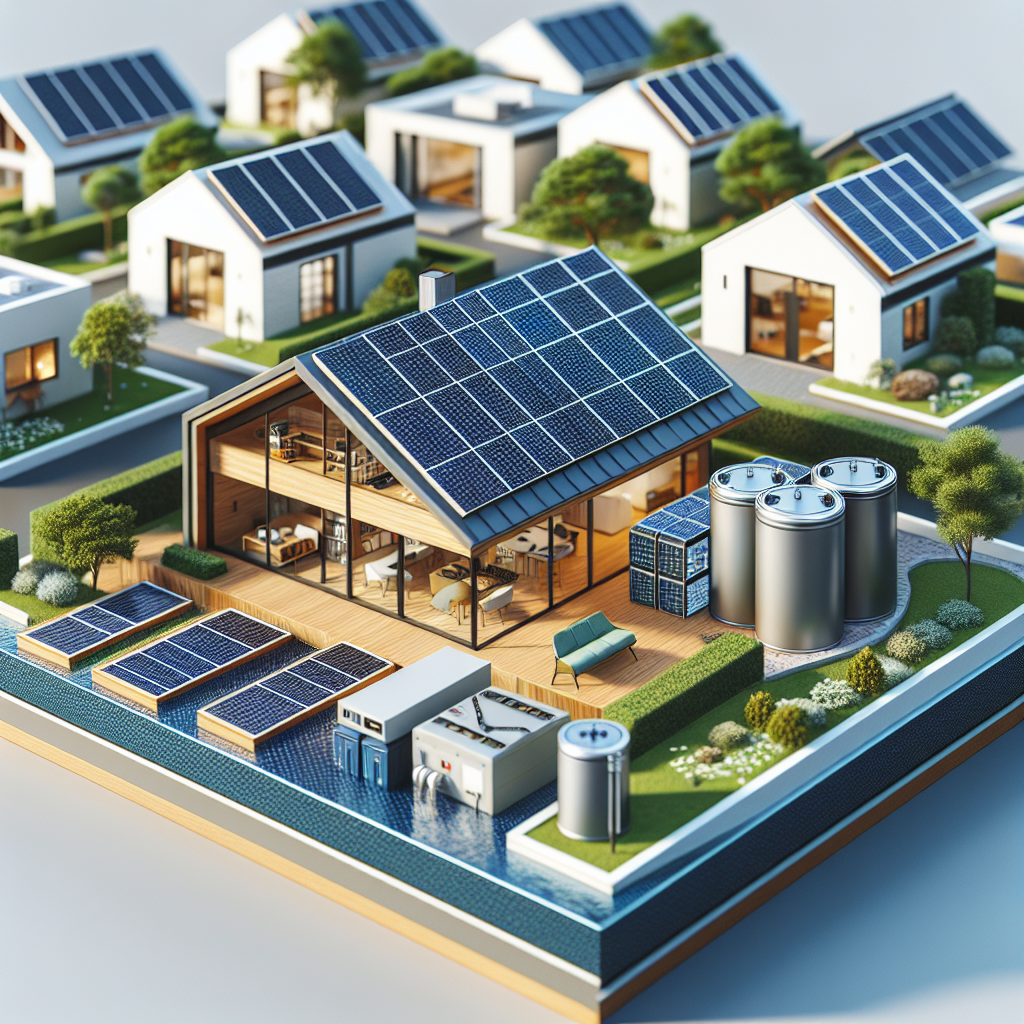
Tag: homes

  • Enhancing Your Home’s Energy Efficiency with Solar

    Enhancing Your Home’s Energy Efficiency with Solar

    Understanding Solar Energy Basics

    What is Solar Energy?

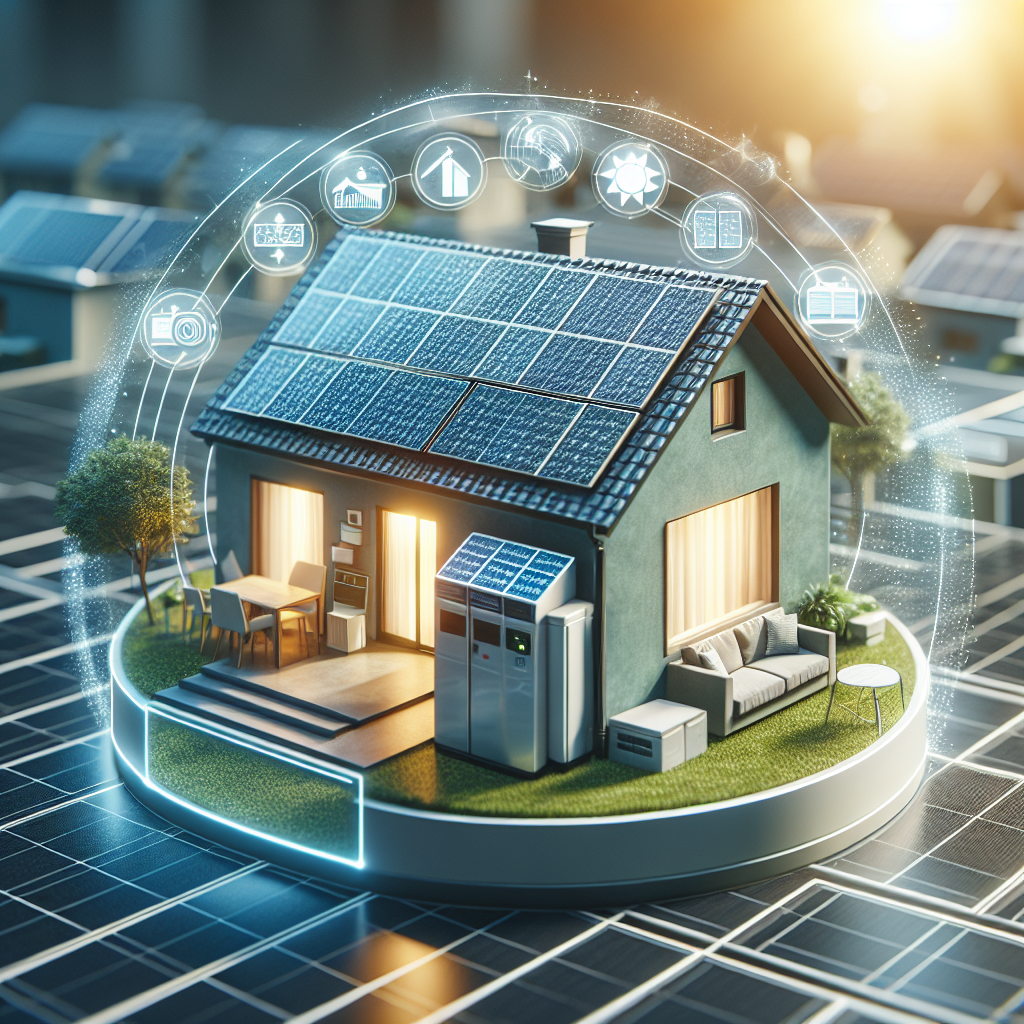
    Solar energy is simply energy that we get from the sun. It’s like nature’s ultimate gift! I remember the first time I learned about solar panels and how they convert sunlight into electricity. It blew my mind! By harnessing this energy, we can reduce our reliance on fossil fuels and keep our environment pristine.

    The process involves photovoltaic cells, which are the magic behind solar panels. They absorb sunlight, initiating a reaction that generates electricity. This means that even on those cloudy days, solar energy can still be captured, which was a real surprise for me at first!

    Plus, solar energy is renewable! You don’t have to worry about running out as long as the sun is shining, and it’s available in abundance. This realization alone motivated me to dive deeper into solar energy solutions for my home.

    Benefits of Solar Energy

    One of the best parts about using solar energy is the cost savings. I mean, who doesn’t love saving money? Once you install solar panels, your electricity bills can drop significantly—sometimes even disappear altogether! That’s dough I’d rather spend elsewhere.

    Not to mention, there’s a positive impact on the environment. Using solar energy means reducing greenhouse gas emissions. Every bit counts, right? Knowing that I’m contributing to the health of our planet pushes me to promote this solution to friends and family.

    And let’s not forget about solar incentives! There are tax credits and rebates that make going solar so much easier on the wallet. I took advantage of many of these, leading to a much lower upfront cost for my installation.

    Choosing the Right Solar Technology

    Choosing the right solar technology is key to ensuring efficiency in your home. There are two main types of solar panels: monocrystalline and polycrystalline. I opted for monocrystalline because they are more efficient and take up less space—perfect for my cozy roof.

    It’s crucial to research and consider which technology fits your energy needs and budget. Also, be on the lookout for new technologies like thin-film solar cells. They’re becoming more popular and could be the wave of the future!

    Lastly, don’t forget about battery storage options! Having a battery backup ensures that even when the sun goes down, your home still has power. Trust me, after a few power outages, you’ll want this security in your life.

    Assessing Your Home’s Energy Needs

    Conducting an Energy Audit

    Before diving headfirst into solar, I’ll tell you – it’s so important to understand your current energy consumption. Conducting an energy audit at home will give you a clear picture of how much energy you use. It’s like looking under the hood of your car before a road trip!

    I started my audit by checking my utility bills for the past year and noting peak usage times. It’s a bit tedious, but you get to see how much energy those appliances really pull. You might be shocked to discover which devices are energy hogs!

    After that, I didn’t stop! I inspected insulation, windows, and appliances. A small leak in insulation can cause more energy loss than you think, and it will lead to higher energy usage—making solar less effective if not tackled first.

    Setting Goals for Solar Adoption

    After understanding your energy needs, it’s essential to set clear goals for what you want to achieve with solar. Are you looking to power your entire home or just a portion? For me, I aimed to go as close to 100% as possible but had to balance that with budget constraints.

    Additionally, consider the timeline for your solar setup. Do you want to install as soon as possible, or do you have some flexibility? Having a timeline helped me stay focused on my goals and ensured I didn’t jump into any rushed decisions.

    Lastly, keep improvement goals in the mix! As you switch to solar, you might also want to explore further energy-saving measures, like adding smart home technology or energy-efficient appliances—synergy is key!

    Calculating Your Solar Requirements

    Now that you’ve got your audit and goals, it’s time to crunch some numbers! Start by estimating your solar panel needs based on your energy consumption. Tools like solar calculators can give a good starting point. I remember being amazed by how many panels could be required to fully meet my energy needs!

    Next, consider your roof space. This part was key for me! I had to make sure my roof could handle the number of panels I needed without feeling cramped or cluttered. An expert can help with this if you’re unsure!

    Finally, look at your local weather trends. If you live in a sunny area, your output will be higher, while regions with heavy snowfall or frequent rain might require more panels to meet energy needs. That’s just the reality of solar!

    Installing Solar Panels

    Choosing a Reputable Installer

    Alright, it’s the moment we’ve all been waiting for—installation! But first, you want to choose a reputable installer. Do some homework. Ask friends, read reviews, and get recommendations. For me, the right installer made all the difference—they really walked me through everything.

    During your search, ask potential installers about their experience, qualifications, and warranties. A solid company will stand by their work and products, which gives peace of mind in the long run.

    Also, don’t forget to get multiple quotes! This helped me find a competitive price and good fit for my project. Don’t shy away from negotiating terms; it’s all part of the process!

    Understanding the Installation Process

    Installation was super exciting! It started with a thorough survey of my home to ensure the best mounting options. Then came the actual installation of the solar panels, wiring, and inverter. I even got to watch the crew in action, which was way cooler than I expected!

    There’s usually a bit of disruption during installation, like having a crew on your roof, but the excitement outweighed any hassle. Plus, they took every step to keep my home clean and tidy throughout the process.

    Once everything was installed, the final touches included connecting to the grid and a quick inspection. Seeing it all come together was so rewarding; honestly, I felt like a mini electricity mogul!

    Monitoring Your Solar System

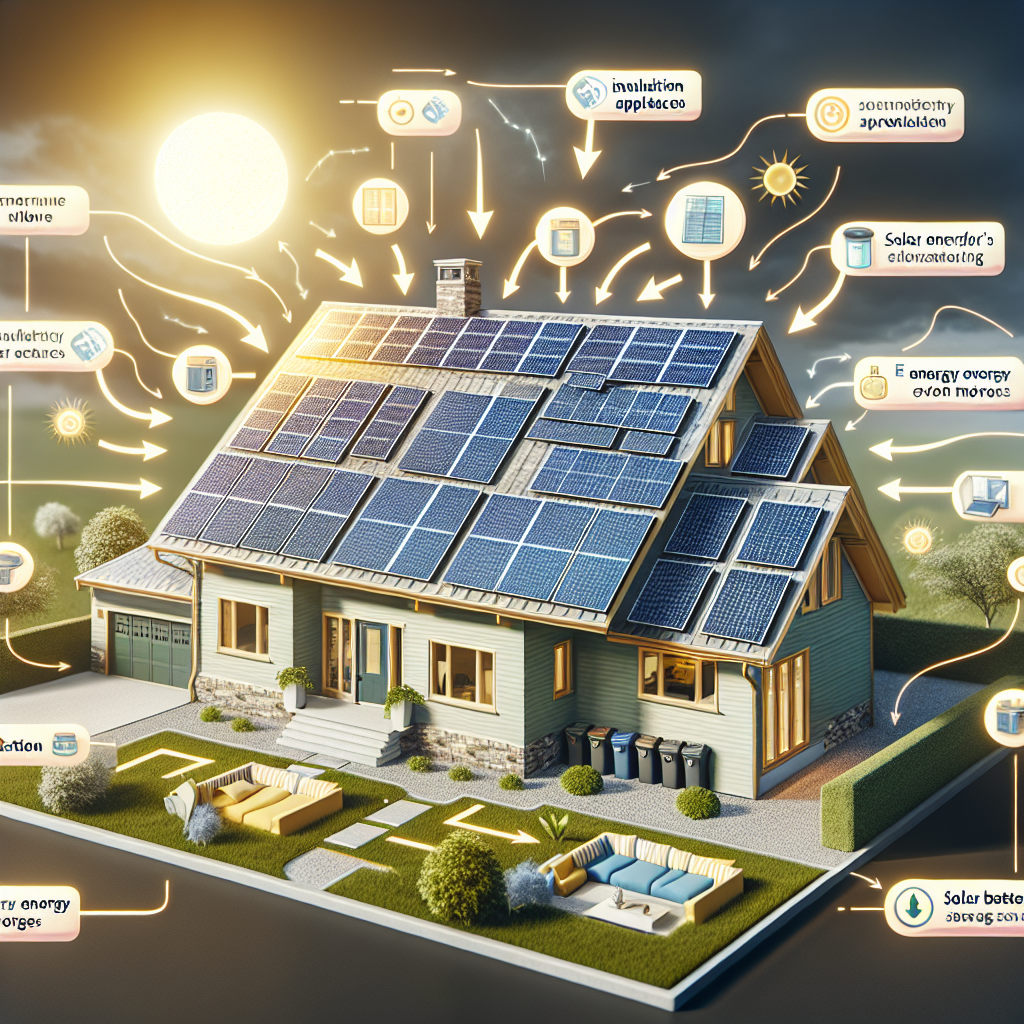
    Once the installation is complete, don’t just sit back and relax. Monitoring your solar system is vital! Most solar panels come with an app or a monitoring tool that lets you see how much energy you’re producing and using in real-time.

    This part is super interesting! I enjoy tracking my energy production and comparing it against my usage. It’s almost like a little game to see how much energy I can “save” each day! And if anything goes wrong, the monitoring system alerts you to address it quickly.

    Always keep an eye out for maintenance too. While solar panels are pretty low-maintenance, a good cleaning every now and then helps them perform at their best, and trust me, a little care goes a long way!

    Maximizing Your Solar Energy Output

    Regular Maintenance Practices

    Now, here’s where the real fun begins: maximizing your solar energy output! Regular maintenance is key. A simple wash of your panels can do wonders. I swear, my panels looked like brand new after a good scrub, and they performed significantly better too!

    Also, keep an eye out for overhanging branches or debris that might block sunlight. I learned this the hard way when one of my trees started to grow and cast a shadow, and trust me, it made a real difference in my output!

    Lastly, ensure your inverter is in good shape, as it translates the energy your panels produce. If something isn’t working right, it can decrease overall efficiency; staying aware can prevent this easily!

    Utilizing Smart Energy Solutions

    Integrating smart energy solutions with your solar setup is a game changer! Smart thermostats, energy-efficient appliances, and energy storage systems can make the most of your solar energy. I invested in a smart thermostat that learned my habits and optimized my usage in tandem with my solar generation.

    This technology doesn’t just make life easier; it actively works to cut down on energy wastage. For example, my air conditioning system knows when I’m home and when it can save energy by adjusting the temperature, all while keeping me comfortable!

    With storage solutions like batteries, I can use my solar energy even at night. It’s like having a little stash of sunshine to power my home when the sun goes down. What a great feeling!

    Evaluating Your Energy Production

    Finally, it’s time to evaluate your energy production regularly. Seeing how your system performs can be so motivating. I remember feeling proud of my growth once I could compare months of production and savings!

    This process involves analyzing your utility bills alongside your solar monitoring data. This helps you understand your return on investment and assess whether you need to make adjustments to your system or energy usage habits.

    I’ve found monthly check-ins help me stay engaged with my solar system. Plus, if I spot issues early, I can address them before they become major problems, keeping my system in tip-top shape!

    FAQ – Frequently Asked Questions

    1. What are the initial costs of installing solar panels?

    The initial costs can vary widely depending on the size of your system, type of panels, and local installation costs. Generally, homeowners should budget anywhere from $15,000 to $30,000, but remember to look into financing options and incentives that can reduce this cost!

    2. How long does it take to install solar panels?

    Installation usually takes between one to three days, depending on the size and complexity of the system. After that, your installer will coordinate with your local utility for grid connection, which can take additional days to weeks.

    3. Do solar panels work in cloudy weather?

    Yes! Solar panels can still generate electricity during cloudy days, although their output may be reduced. They work best in direct sunlight, but they are designed to perform even in less-than-ideal conditions.

    4. How much maintenance do solar panels require?

    Solar panels are relatively low-maintenance. However, I recommend cleaning them occasionally to remove dust, leaves, or snow, and having an inspection done yearly to ensure everything is functioning optimally!

    5. Will solar panels increase my home value?

    Absolutely! Many studies indicate that homes with solar energy systems tend to sell for more than those without. Plus, buyers nowadays are increasingly interested in energy efficiency and sustainability, making it an attractive feature!
    Thanks for reading! I hope this guide on enhancing your home’s energy efficiency with solar energy helps you navigate your own solar journey.

  • Solar for Historic Homes: What Works Best

    Solar for Historic Homes: What Works Best

    Understanding the Unique Challenges

    Architectural Integrity

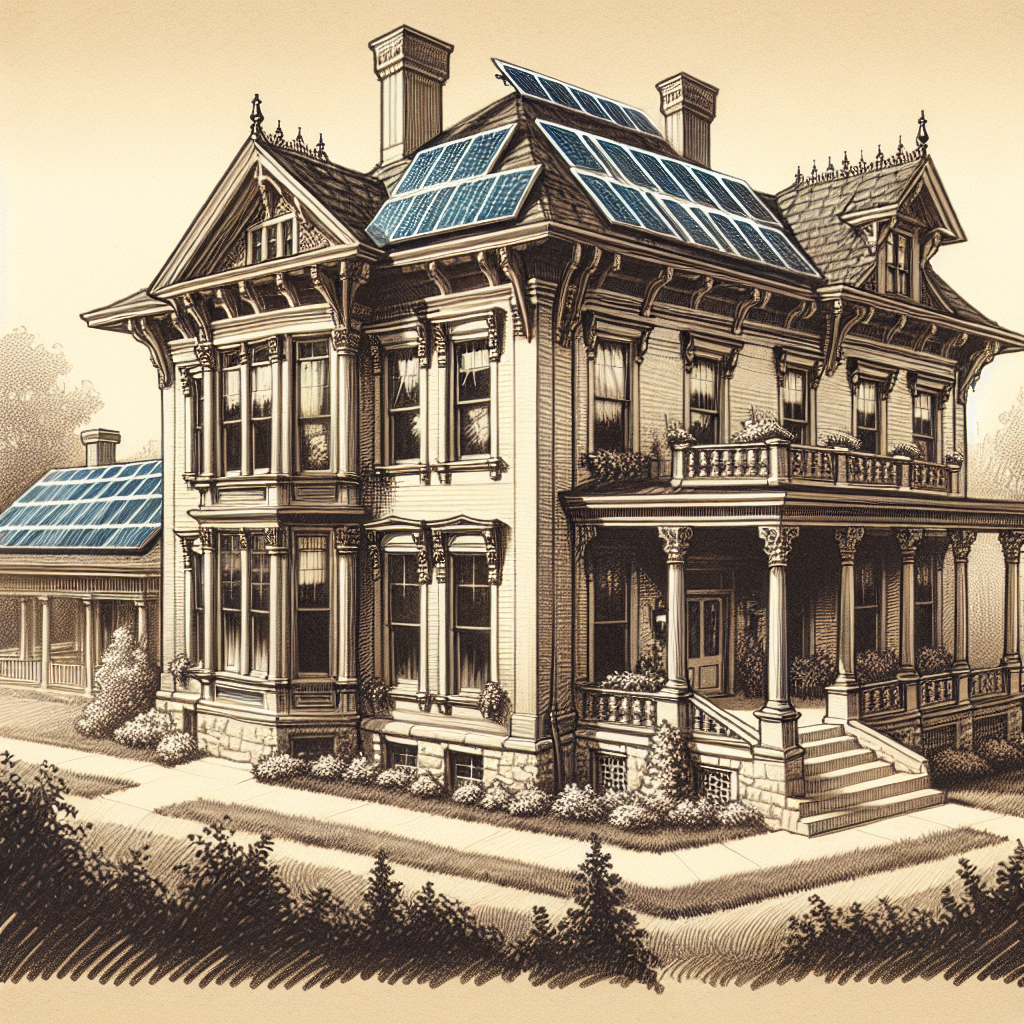
    One of the biggest hurdles in installing solar technology in historic homes is preserving their architectural integrity. These homes often have specific styles and historical significance that need to be honored. I remember walking through my own neighborhood, and seeing beautiful Victorian homes with intricate woodwork that simply couldn’t have solar panels sticking up like sore thumbs. The first step is to find ways to incorporate solar solutions that complement the design rather than detract from it.

    When considering solar panel placements, it’s crucial to think about roof orientation and Materials. A flat roof might allow for more hidden installations, while gabled roofs offer unique opportunities for aesthetics. I’ve seen some homeowners opt for solar shingles that mimic the look of traditional roofing materials, blending seamlessly into their homes.

    Consulting with a preservationist or architect familiar with your home’s style can help navigate these decisions. Don’t approach it as a daunting task, think of it as a creative challenge to honor the past while embracing future technology!

    Selecting the Right Technology

    Solar Panels Versus Solar Shingles

    When venturing into solar energy, the right technology can make all the difference. I’ve had extensive conversations with homeowners who are faced with the choice between traditional solar panels and solar shingles. Solar panels are typically more powerful and easy to install, but they can stand out on a historic roof. On the flip side, solar shingles offer a more integrated look, but they might have slightly lower efficiency.

    It’s essential to weigh the pros and cons with an energy consultant. I personally favor solar shingle installations for homes where aesthetics are a priority. They can sometimes be a bit pricier, but the visual benefits often outweigh the costs. Your choice here should align with your values regarding aesthetics and energy needs.

    Don’t forget to consider newer technologies like bifacial panels! These allow light to be captured from multiple angles, which is great if your home gets a fair amount of reflection off surrounding structures. Exploring all your tech options can be rewarding.

    Incorporating Battery Storage

    The Benefits of Backup Power

    Oh man, battery storage is something I didn’t appreciate enough at first! Having battery storage paired with your solar system is like having a safety net. Not only can it power your home during outages, but it also maximizes your solar energy usage when the sun’s not shining. It’s something I learned was crucial, especially when severe weather events knock out power lines.

    The latest battery technologies have come a long way. There are options that are more efficient and can store larger amounts of energy. I remember attending a community workshop where someone shared how their energy bills dropped significantly after adding battery storage. It really is a game changer.

    Furthermore, having battery storage can help bypass peak electricity costs, allowing you to utilize the energy you’ve stored during those high-rate times. It provides not just energy stability, but financial peace of mind in a way that aligns beautifully with maintaining a historic home.

    Engaging with Local Regulations

    Understanding Historic Preservation Laws

    Alright, let’s chat about the red tape. Engaging with local regulations can feel a little overwhelming, and I’ve been there. It’s crucial to educate yourself about the preservation laws in your area. Most towns have specific guidelines that dictate what can and cannot be done to historic properties.

    Start by reaching out to your local government or preservation society. In my case, they were extremely helpful in guiding me through the requirements and I even made some friends along the way! Make sure to have a clear plan outlining how your solar project will respect the home’s historical significance.

    Obtaining a permit can often be easier than anticipated. The key is to demonstrate that your solar installation is sensitive to the home’s character. So get your ducks in a row and tackle these bureaucratic hurdles head-on!

    Finding the Right Contractors

    Choosing Experienced Professionals

    This might be the most crucial step in your solar journey! Finding the right contractor who is experienced in working with historic homes can make or break your project. I’ve seen some individuals hire the cheapest option only to end up with issues that could have been avoided with a bit of research.

    Start by asking for recommendations from friends or neighbors. There are also numerous online reviews—take your time to sift through them. Look for contractors who showcase their past work on historic properties. It’s a good sign when they have a portfolio that includes beautiful installations that maintain the home’s integrity.

    Once you gather a list, set up interviews, and don’t hesitate to ask questions. I suggest asking how they deal with local regulations, and how specifically they’ve handled historic properties in the past. Building that rapport is key; you want someone who understands your vision and can execute it seamlessly!

    Conclusion

    Incorporating solar energy into historic homes may seem challenging, but breaking it down into thoughtful steps can make the process smoother. There’s a tangible joy in marrying modern technology with historic beauty, as I’ve experienced firsthand. And it’s not just about energy; it’s about pride in our homes and our choices for a sustainable future. So go forth and explore the possibilities!

    FAQs

    1. Can I install solar panels on my historic home without special permissions?

    Typically, yes, you will need special permissions as many local regulations exist to protect the integrity of historic homes. Always check with your local preservation officer.

    2. What are solar shingles, and how do they differ from solar panels?

    Solar shingles are roofing materials that generate electricity, while solar panels are mounted above the roof. Shingles tend to blend into the home’s architecture better.

    3. Do solar energy installations require maintenance?

    Yes, solar installations require periodic maintenance, including cleaning the panels and checking battery health. However, they are generally low-maintenance once installed.

    4. How do I find a contractor skilled in solar installations for historic homes?

    Start with referrals from friends, check online reviews, and look for contractors who specialize in historic properties. Conduct interviews to ensure they understand the unique requirements.

    5. Will solar energy significantly reduce my electricity bills?

    Yes! Many homeowners see a substantial decrease in their electricity bills after installing solar systems, especially when paired with energy storage solutions.

  • Solar Power for Tiny Homes: Essential Guide

    Solar Power for Tiny Homes: Essential Guide

    Assessing Your Energy Needs

    Understanding Your Power Consumption

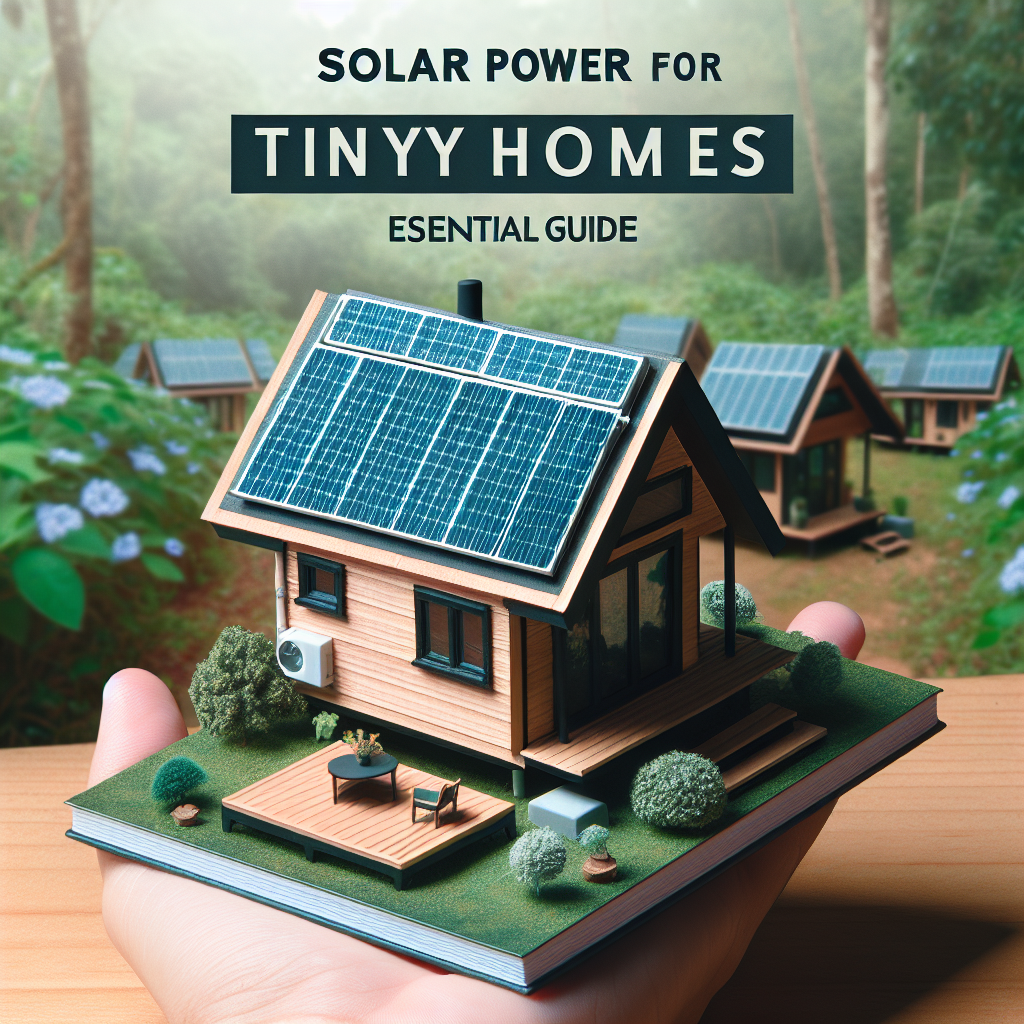
    Before diving into the world of solar power, you need to take a hard look at how much energy your tiny home really needs. This is the first and most crucial step. Think about everything that runs on electricity—lights, appliances, and even gadgets. Sometimes, it can feel overwhelming, but don’t stress. Grab a notebook, make a list, and note the wattage for each device you use.

    I usually recommend calculating your daily usage by estimating how many hours each device runs. For example, if you have a fridge that uses 200 watts and runs 24 hours a day, that’s 4,800 watt-hours daily. Don’t forget to add those small, often overlooked devices like phone chargers and LED lights!

    The goal here is to come up with an estimate of your daily energy consumption. This helps in choosing a solar system that’s just right for your tiny home. Believe me, getting this step right makes everything else easier down the line.

    Identifying Essential Appliances

    Once you’ve got a good handle on your overall energy consumption, it’s time to sift through and identify which appliances are absolutely essential. You might find that you can live without that toaster or a second fridge, which helps in reducing your energy needs. Prioritize appliances that enhance your lifestyle while keeping your energy draw in check, like energy-efficient LED lights or a small, energy-efficient microwave.

    Consider factors like usage frequency and wattage. If an appliance consumes more energy than it’s worth, it could be time to say goodbye. From my own experiences, downsizing appliances has made a big difference—not just in energy bills but in simply decluttering my space!

    This step is about making smart choices that fit your tiny home lifestyle while keeping energy costs low. Trust me, you’ll love the simplicity that comes with fewer gadgets sucking up juice.

    Calculating Size of the Solar System

    Okay, now comes the part where you actually size up your solar system! You have your energy needs figured out—now let’s put that to work. The type and size of solar panels you’ll need depend on your energy consumption and the average amount of sun you get in your area. You can use online calculative tools or even consult with a professional if you want some extra guidance.

    A good rule of thumb (just from my own journey) is that a typical tiny home might need anywhere from 300 to 1,200 watts of solar capacity. This depends on if you’re just aiming to run essential items or want to power everything. Based on what you calculated, you can then determine the number of panels needed. Grab a coffee; this part’s a little technical, but you’ve got this!

    Always consider the battery storage if you’re looking to use the energy when the sun isn’t shining. This setup can give you peace of mind knowing you’ll have power even on cloudy days! It’s a game-changer, for real.

    Choosing the Right Solar Equipment

    Understanding Solar Panels

    You’ve got your energy needs sorted—now it’s time for the fun part: choosing your solar panels! There are several types on the market. Monocrystalline panels tend to be more efficient, while polycrystalline panels are often cheaper but can be slightly less efficient.

    From my experience, I found that space can be a constraint in tiny homes. So, opting for a high-efficiency panel might be worth the investment, especially if you want to maximize that precious roof space! Remember to check for warranties and reliability, too; you’ll want panels that have a good track record.

    dive into some research, look into customer reviews and expert opinions. It’s okay to take your time here. After all, this is your energy future we’re talking about!

    Exploring Inverters and Charge Controllers

    Next on your list is understanding inverters and charge controllers. An inverter is crucial because it converts the DC electricity generated by your solar panels into AC electricity that your appliances use. You’ll definitely want a quality inverter to ensure everything runs smoothly without a hitch.

    Charge controllers, on the other hand, manage the power going into and coming from your batteries, preventing overcharging and ultimately prolonging battery life. It’s like having a little helper ensuring everything is balanced. Look out for MPPT (Maximum Power Point Tracking) controllers—they’re usually the most efficient and worth it!

    Investing in good quality components here can save you a ton of headaches later on, believe me. I’ve seen friends skimp on these parts, only to regret it when their systems fail unexpectedly. Do your research and make sure you’re picking the right gear! It’s all about getting the best for your tiny home.

    Battery Storage Solutions

    Battery storage is a must if you want independence and reliability in your power supply. When the sun doesn’t shine, having a solid battery storage solution allows you to keep using your appliances without worry. Look into lithium-ion batteries—they’re lightweight and pack a powerful punch!

    Again, make sure to assess how much energy you’ll need to store based on your earlier calculations. Some people may only need a smaller setup, while others with bigger energy needs will require larger battery banks. It’s about tailoring your energy system to your lifestyle—don’t hesitate to reach out for help if you’re confused!

    Don’t forget about maintenance and monitoring your system. Knowing how well everything is performing keeps you in control. Plus, it gives you peace of mind. Making the investment in good batteries pays off down the line—I can’t tell you how often I’ve had friends thank me for suggesting a decent battery storage system!

    Installing Your Solar System

    Preparing for Installation

    When installation time rolls around, it’s super important to go into it equipped and informed. Depending on your comfort level, you could hire a professional or even go the DIY route. Just keep in mind, safety first! Make sure to have all your equipment, gear, and knowledge in line before jumping in.

    If you’re undertaking a DIY project like I did, make sure to read the manuals for every piece of equipment! They contain crucial information about wiring and handling. Sometimes, it’s in the details where trouble hides, so don’t skip the nitty-gritty guidelines.

    Before you start, consult local zoning laws or homeowner’s association rules. Trust me, nothing worse than finishing the job only to be told you need to take it down! It’s always a bummer when red tape gets in the way of your awesome solar setup.

    Executing the Installation

    On the day of installation, take your time! It’s easy to rush through things, but each step matters. Whether you’re mounting your panels or connecting the inverters and batteries, ensure that everything is secure and correctly wired. I recommend having a buddy help you out; it makes things not just safer but way more fun!

    Document your process with photos! Not only does it help in troubleshooting later, but it’s also an awesome way to chart your progress. Plus, it just feels good to see how far you’ve come. Remember to check all connections and ensure everything is operating as it should once everything is set up.

    Don’t forget about safety—work securely and in accordance with any local regulations. You’ll thank yourself later for being cautious now!

    Testing and Monitoring Your System

    Once everything is installed, the moment of truth has arrived—it’s time to test your system! I recommend checking voltage and ensuring everything is functioning like it should. You may want to invest in monitoring tools to keep tabs on production and performance over time. It’s all about having real-time updates on how your system is doing!

    Routine checks will help ensure that everything is running smoothly. It can be as simple as a monthly inspection to see if the panels are clean and that there’s no debris blocking sunlight. Make sure to also keep an eye on battery levels, which can indicate overall system health.

    Celebrate your achievements! Integrating solar into your tiny home journey is not just about saving money—it’s about embracing renewable energy and reducing your carbon footprint. A little effort yields a massive reward in terms of saving money and preserving the planet. You’re a champion for going solar!

    Maintaining Your Solar System

    Routine Inspections

    Keeping your solar system in top shape is essential for ensuring it performs at its best. I can’t stress enough how important routine inspections are. Looking over your panels for dirt or debris can make a significant difference in performance. Occasionally, a quick rinse with some water is all it takes to keep things efficient!

    Also, make sure that all connections remain secure and that aging components are taken care of before they fail. Being proactive here means you can dodge a lot of frustrations down the line. Maintain a record of these inspections, too—it can help you keep track of when things were checked last.

    Some folks hire professionals for yearly checks, which is worthwhile if you have the budget and want peace of mind. Just remember, a little maintenance goes a long way in ensuring your solar panels work effectively throughout their lifespan!

    Cleaning Your Solar Panels

    A clean solar panel is a happy solar panel! Dust, grime, and bird droppings can significantly cut down efficiency, so cleaning them periodically is a total must. Some people like to get up there with a sponge and hose, while others just let the rain do the work—which, honestly, can be surprisingly effective!

    If you live in a particularly dusty area or have lots of birds around, more frequent cleanings will help. In my case, I found having a cleaning schedule worked wonders. It didn’t take long, and the boost in performance made it worthwhile.

    Always ensure you take safety precautions while cleaning your solar panels. Depending on your roof type, it may be prudent to consult a professional for cleaning—or at least to show me how to do it safely!

    Keeping Up-to-Date with Technology

    The tech world is a whirlpool of constantly evolving innovations, and solar power is no different. Staying updated with the latest advancements can help you refine your solar power system. Whether it’s better battery options or more efficient panels, keeping your ear to the ground can save you money in the long run.

    You never know when a new product might help you save costs or improve efficiency. I spent some time researching new technologies and found incredible options when it came to inverters and batteries—some that have radically improved efficiency while being environmentally friendly!

    Engage with online communities or local solar workshops, as they can provide insights into experiences others have had. Staying informed can help you continue to embrace solar power and get the most bang for your buck as a proud tiny home dweller.

    FAQ

    1. How do I calculate my energy needs for a tiny home?

    Start by listing all of your appliances and devices along with their wattages. Estimate how many hours you use each one daily, then sum up the total watt-hours needed. This will give you a clear picture of your energy requirements.

    2. What type of solar panels should I choose for my tiny home?

    Monocrystalline panels are often the most efficient choice if space is limited, but polycrystalline may fit better if you’re on a tighter budget. Consider your specific needs and do research on panel efficiency and warranties.

    3. Do I need battery storage for my solar system?

    If you want to use power during the night or cloudy days, battery storage is crucial. It allows you to store excess energy generated during the day for use later on. Always consider your energy needs when choosing battery size and type.

    4. Can I install solar panels myself?

    Yes, many people choose the DIY route for solar installation. Just make sure you understand the technical aspects involved and always prioritize safety. It may also be helpful to consult professionals if you’re unsure about any steps.

    5. How do I maintain my solar panels?

    Routine inspections and cleaning are key. Look for dirt, grime, and check your connections regularly. A clean panel system works better and can save you on utility bills over time.

  • The Latest Innovations in Solar Power Systems for Homes

    The Latest Innovations in Solar Power Systems for Homes

    Smart Solar Inverters

    Understanding Smart Technology

    Let me tell you, smart solar inverters are a real game-changer in the solar industry! These nifty devices not only convert the energy from your solar panels into usable electricity, but they also come packed with features that make monitoring and optimizing energy production a breeze. With built-in communication technologies, you can check your system’s performance right from an app on your smartphone. How cool is that?

    What I love about these inverters is that they provide real-time data. Imagine being able to see how much energy your home is producing or if there’s a hiccup in the system—all from your couch. Plus, they often have capabilities to connect with your home’s energy management system, helping you use electricity more efficiently. It’s like having a personal energy coach!

    Many of these inverters can automatically update with the latest software as well, meaning you’re always up-to-date with the newest tech—which is super important in such a rapidly-evolving field like solar energy.

    Improved Efficiency

    When it comes to solar inverters, the efficiency levels have skyrocketed over the last few years. We’re talking about systems that can convert up to 99% of solar energy into usable electricity. That means more power for your home and less energy wasted! Trust me, having an efficient inverter can make a big difference in your monthly utility bills.

    Furthermore, with innovations like Maximum Power Point Tracking (MPPT), these inverters can optimize the energy extracted from solar panels throughout varying conditions—think of cloudy days or when the sun is setting. It’s like having a savvy friend making sure you get the most out of your solar setup!

    I always encourage homeowners to look carefully at inverter efficiency ratings when shopping around. It’s one of those things that pays off in the long run. A quality inverter can save you a ton of headaches (and dollars) down the line!

    Remote Monitoring Capabilities

    The remote monitoring feature is honestly one of the best things about modern inverters. I remember when you had to physically go up on your roof to see if your system was performing well—how old school is that? Now, you can monitor your energy production from anywhere.

    Some smart inverters even send alerts if there’s something amiss in the system. I love how proactive this makes managing your solar power. If something goes wrong, you’ll know right away, possibly even before your electric utility notices. It’s like having a watchdog for your energy system!

    This capability not only gives peace of mind but also allows homeowners to be more engaged with their energy needs. It fosters a sense of empowerment—knowing you have the tools in place to effectively manage your home’s energy consumption.

    Home Energy Storage Solutions

    Understanding Battery Systems

    Okay, let’s chat about home energy storage systems. These babies let you store excess energy your solar panels generate, so you can use it whenever you need it. This is particularly handy during power outages or at night when sunlight is just a distant memory. I always thought of these systems like having a backup battery—one that helps you save money while keeping your house running smoothly.

    Modern batteries have come a long way in terms of efficiency and lifespan. New lithium-ion batteries are popular for their compact size and ability to last for years without losing too much charge retention. I mean, who wouldn’t want a battery that lives as long as most of your household gadgets?

    Plus, setting up a battery storage system can sometimes even get you incentives from your state or local government, making it an even sweeter deal. Just make sure to do your homework on compatibility with your existing solar setup!

    Cost-Effectiveness

    One of the coolest advancements in home energy storage is how affordable they’ve become. In the past, you could easily break the bank trying to get a decent battery storage system. But now, with different options to fit various budgets and preferences, it’s amazing to see just how accessible it has become for regular homeowners like us!

    On top of affordability, with the savings generated from using stored energy during peak hours, you might find that your investment pays for itself over time. I’ve chatted with friends who’ve noticed significant reductions in their utility bills just by using stored energy smartly. It really does feel good to save money!

    So, consider investing in a battery system for your home, especially if you find yourself often using more energy in the evening. It’s one of those innovations that truly feels like a win-win situation.

    Integration with Smart Home Technology

    One of the most thrilling things lately is how energy storage systems can integrate with your smart home tech. I remember the first time I set up my smart thermostat and realized how I could manage my home’s temperature remotely. Now, imagine being able to do something similar with your energy storage!?

    This ability allows you to optimize your energy usage based on when you have the most energy stored. If you’ve got a smart system that can learn your habits, it will know when to charge or discharge energy based on your lifestyle. Pretty impressive, right?

    So, not only can you save energy, but you can also streamline your home management systems, all while being environmentally conscious. It’s definitely the direction we should all be heading toward!

    Enhanced Solar Panel Technologies

    More Efficient Solar Cells

    The strides made in solar cell technology are straight-up mind-blowing! With advancements in materials and design, manufacturers are pushing efficiency levels beyond what we thought possible. Some panels now boast efficiencies pushing 23% or more! It’s almost like they’re supercharged!

    What’s cool is that these more efficient panels not only take up less space but also provide more power per square foot. For my own home, that means I’ve been able to install fewer panels and still meet my energy needs. I love that I’m maximizing my roof space while being eco-friendly.

    Plus, these solar cells are designed to perform better in lower light conditions, meaning they gather solar energy even when the sun isn’t blazing down. The innovations in design are making solar a viable option even in less-than-ideal weather conditions. Now that’s impressive!

    Durability and Longevity

    Another cool thing about modern solar panels is their impressive durability. Manufacturers are focusing on longevity, offering warranties that can span 25 years or more. That’s right! When you invest in solar, you’re really looking at a long-term solution.

    These improvements are often thanks to the use of better materials that help prevent issues like corrosion, fading, or physical damage. For someone who has dealt with stormy weather, I appreciate how my panels can stand up to the elements!

    Having durable solar panels not only means less maintenance and fewer replacements over time but also truly reflects the commitment to sustainability and longevity in renewable energy solutions.

    All-Weather Performance

    This innovation deserves a shout-out: all-weather solar panel performance. The latest models are designed to withstand extreme temperatures and conditions, whether it’s intense snow or scorching heat. I mean, think about it: these panels are tough cookies!

    The cool thing about this is that it allows homeowners in different climates to enjoy the benefits of solar energy without worrying too much about performance dips during seasonal changes. I know that for myself, the peace of mind that my panels will continue working through different weather is invaluable.

    This is truly a major step for solar energy—making it a reliable choice no matter where you live. It opens up the opportunity for homes in all climates to embrace renewable energy!

    Policy and Incentive Developments

    Government Support and Incentives

    Let’s not overlook the role of government support in boosting solar energy adoption. Programs like the federal solar tax credit, along with various state and local incentives, can really sweeten the deal for homeowners looking to install solar panels. It’s like getting a kickback for doing the right thing!

    Over the years, these incentives have made solar installations much more affordable. I remember hearing stories about friends who saved a chunk of change just because they took advantage of these programs. It’s all about knowing what’s out there!

    Plus, as a homeowner, when you see your investment substantially reduced through such incentives, it adds a layer of excitement and accessibility. It feels brighter when a greener future fits into your budget, doesn’t it?

    Legislation Supporting Renewable Energy

    There’s been a notable shift in the legislative landscape supporting renewable energies recently. Increasingly, policies are being enacted that support renewable energy, overall as a part of global sustainability goals. It definitely paints a hopeful future for all of us!

    I always keep an eye on local legislation and how it can impact my energy choices at home. When lawmakers push for legislation that supports renewable energy development, it opens doors for new technology and investment in solar projects. This progress directly translates into better options for consumers.

    Staying informed about these changes not only helps you as an individual but contributes to the broader cause of environmental sustainability. We’re all in this together, after all!

    Community Solar Programs

    Community solar programs are another incredible way renewable energy is being made more accessible. If your roof isn’t suitable for solar panels, these programs allow you to purchase or lease solar power from a nearby solar garden instead. How neat is that?

    This means that even renters or anyone living in a shaded area can benefit from solar energy. I’ve spoken with several folks who are thrilled to be part of community solar, enjoying green energy without the hassle of installing panels on their roofs!

    Participating in these programs is not only good for your wallet but also fosters a sense of community involvement. It’s rewarding to know that you are supporting renewable energy initiatives that help build a safer planet for generations to come.

    Integration with Electric Vehicles (EVs)

    Solar-Powered Charging Stations

    Have you seen the exciting trend of solar-powered electric vehicle (EV) charging stations? They’re popping up everywhere, and it’s a brilliant integration of two eco-friendly technologies. These stations harness solar energy to charge your car, making it one of the greenest ways to fuel your ride.

    As an EV owner myself, I can attest to how cool it feels to know that my car is powered by renewable energy. It’s like giving Mother Nature a high-five every time I plug in! Plus, many of these charging stations allow you to monitor energy usage, which is just as important while you’re on the go.

    I guarantee that as solar tech advances, we’re going to see even more innovative charging options that make EV ownership both practical and sustainable.

    Cost Savings for EV Owners

    Using solar for your EV can really rake in the savings! Forget about those spikes in gas prices; with solar charging, you’re generating your own energy. I’ve seen folks calculate their reduced fuel costs, and honestly, it can be quite substantial.

    Imagine combining a solar panel system with an EV—you’re generating energy during the day to store for nightly charging. It’s a beautiful synergy that benefits both your wallet and the environment.

    Plus, some states offer additional incentives for EV owners to switch to solar, which is like a double whammy of eco-friendliness and savings. It’s a no-brainer for anyone considering a new car!

    Future Trends in Solar and EV Technology

    The future looks bright for solar and EV tech. With the rise of solar EV technology, we’re seeing everything from integrated solar panels on cars to home charging solutions that use stored solar energy. It’s shaping a new world where renewable energy powers many aspects of our daily lives.

    You can bet I’m excited to see how these innovations unfold. It’s not just about saving the planet, but also about changing the way we think about energy consumption as a whole. Each step forward makes me more optimistic about the viability of a sustainable future.

    Stay tuned, folks—this is just the beginning of a solar-powered revolution!

    Frequently Asked Questions

    1. What is a smart solar inverter?

    A smart solar inverter is a device that converts solar energy into usable electricity while providing real-time monitoring and optimization features to enhance energy production.

    2. Why should I invest in home energy storage?

    Home energy storage allows you to store excess solar energy for use during peak hours or outages, ultimately saving you money on utility bills while providing backup power reliability.

    3. How are solar panels becoming more efficient?

    Recent advancements in materials and technology have improved solar cell efficiency, allowing panels to convert more sunlight into usable energy, even in low-light conditions.

    4. What are community solar programs?

    Community solar programs allow individuals who cannot install solar panels on their property to purchase or lease solar energy from a shared solar garden, enabling broader access to renewable energy.

    5. Can solar power be used to charge electric vehicles?

    Yes! Solar energy can power charging stations for electric vehicles, making it a sustainable and cost-effective way to fuel your EV and reduce overall energy consumption.

  • The Impact of Solar Energy on Your Home’s Value

    The Impact of Solar Energy on Your Home’s Value

    Increased Home Value

    Understanding Market Trends

    When I first dipped my toes into the real estate market, one thing that always caught my eye was how certain features could really crank up a property’s value. Solar energy is one of those game-changers. With more people becoming eco-conscious, homes with solar panels are increasingly viewed as valuable assets. Studies have shown that homes with solar energy systems can sell for 4.1% more than comparable homes without them. That’s not chump change!

    This value bump translates directly to dollars when it comes time to sell. In my experience, many buyers are willing to pay top dollar for properties that boast energy efficiency. It’s a win-win situation, as buyers appreciate lower energy bills and sellers can cash in on these green upgrades. I know it’s something I’d be interested in as a potential homebuyer.

    If you’re looking to increase your home’s value, investing in solar panels could be one of the smartest decisions. Not only do you reap the personal benefits of energy savings, but you also set up your home for a lucrative future sale. It’s like planting a money tree that just keeps on giving!

    Energy Savings

    Lower Monthly Bills

    Who doesn’t love saving a few bucks, right? One of the most immediate perks of going solar is the reduction in monthly energy bills. Having installed solar panels at my place, I’ve seen my electricity costs drop significantly! In fact, sometimes I’m surprised when I see my bill; it’s like a little gift every month.

    This money-saving aspect isn’t just a temporary thrill – lower energy costs are something you can count on for years. For homeowners on the fence about the upfront investment, the promise of these savings makes the decision much easier. Just imagine spending that extra cash on something fun instead of giving it all to the electric company!

    Plus, many areas offer incentives or rebates for installing solar, which can help recoup initial costs. It’s refreshing to shift from paying bills to actually investing in something that pays off in the long run!

    Environmental Benefits

    Reducing Your Carbon Footprint

    From my perspective, using solar energy isn’t just about personal gain. It’s about making a larger impact. When you power your home with solar energy, you’re drastically reducing your carbon footprint, and that’s something to celebrate! As an environmentally conscious individual, I feel like I’m doing my part to help combat climate change.

    Every kilowatt-hour produced by solar panels is a kilowatt-hour not produced from fossil fuels. It’s like every little bit counts, and I love knowing that I’m contributing to a healthier planet for future generations. Plus, it feels good to be part of a movement that promotes sustainability.

    In a way, it’s also a conversation starter. I’ve had so many guests come over and marvel at my solar panels. It opens up a dialogue about energy consumption, sustainability, and what we can all do to conserve our environment. It’s amazing how energy can spark change!

    Home Insurance Benefits

    Potential for Lower Premiums

    Here’s a fun little tidbit that surprised me: having solar panels can actually influence your home insurance premiums. Many insurance companies now recognize that homes with solar systems can be less of a risk because they often have lower energy-related claims. That’s something that can work in our favor!

    I’d recommend talking to your insurance provider to see if you qualify for any discounts. It’s theoretically a ‘no-brainer’ to keep insurance costs down while also enjoying the benefits of solar power. Who doesn’t want to save money on insurance?

    Plus, you also get the added peace of mind. Not only are you reducing your carbon footprint, but you’re also investing in your home’s resilience. Having solar power can protect you from energy price fluctuations, especially during emergencies. You can sleep a little better at night knowing your home is set up for both safety and savings!

    Home Appeal

    Aesthetic Value and Innovation

    Let’s be real – when it comes to selling a home, curb appeal absolutely matters! Homes with solar panels add a modern touch and forward-thinking appeal. I personally think they give a home that “wow” factor; they show potential buyers that the home is not just a place to live but a lifestyle choice.

    It’s fascinating to see how technology and aesthetics can merge. I’ve seen homes where solar panels are integrated beautifully into the roofline and blend seamlessly with the architecture. It reflects a sense of pride in ownership and innovation that resonates well with today’s buyers.

    I often hear from friends who are shopping for homes that energy efficiency is on their wish list. Solar panels can enhance the overall look of the property while also signaling that it’s energy-efficient. In short, it’s an attractive selling point – both visually and functionally.

    Frequently Asked Questions

    1. Does installing solar panels really increase my home’s value?

    Absolutely! Research shows that homes with solar energy systems can command a higher resale price compared to similar homes without them. It’s a fantastic way to enhance your property’s marketability.

    2. How much can I save on my energy bills with solar panels?

    Many homeowners report saving between 20% to 50% on their monthly energy bills. The savings depend on factors like your location, energy usage, and the size of your solar installation, but the impact is often substantial!

    3. Are there any tax benefits or incentives for going solar?

    Yes, many local and federal programs offer tax credits and rebates for solar installations. These incentives can help offset your initial investment, making it even more attractive to switch to solar energy.

    4. Will solar panels damage my roof?

    When installed properly by professionals, solar panels don’t damage your roof; in fact, they can protect the area underneath by shielding it from the elements. It’s important to work with reputable installers who understand roofing systems.

    5. How long do solar panels last?

    Most solar panels come with a warranty of 25 years, but many can last even longer when maintained properly. It’s safe to say you’re making a long-term investment for energy savings and home value boosting!

  • The Best Solar Systems for Small Homes: A Buyer’s Guide

    The Best Solar Systems for Small Homes: A Buyer’s Guide

    Understanding Your Energy Needs

    Assess Your Current Usage

    Before diving into the world of solar systems, let’s take a step back and understand your energy consumption. I remember staring at my electricity bill and cringing at the numbers. It becomes essential to analyze your current energy usage, typically documented on your utility bill. This gives you a solid baseline to figure out how much energy you need to generate.

    Start by gathering information about your monthly energy consumption. It’s usually listed in kilowatt-hours (kWh), so having a calculator at the ready can really help. You want to make sure you’re not caught off guard when the sun decides to take a day off!

    Lastly, think about the future. Are you planning to expand your space, get new appliances, or maybe even add an electric vehicle? It’s smart to account for that potential growth when sizing your system.

    Assess Your Home’s Solar Potential

    Now that you know how much energy you use, it’s important to assess how much sun your home gets. Factors like roof angle, shade from trees, or nearby buildings can significantly impact how effective your solar system can be. I spent some time observing how shadows moved across my roof during different times of the day.

    Online tools and apps can help you determine how much sunlight your specific roof receives. One cool tool I found is Google’s Project Sunroof. It gives a good idea of potential solar savings, based on your location!

    Also, don’t forget about roof orientation. South-facing roofs typically get the most sun, which is ideal. If your roof doesn’t have the right orientation, don’t panic! Ground-mounted systems can be a great alternative.

    Defining Your Goals for Solar Energy

    It’s essential to define what you want to achieve with solar energy. Are you looking to save on your electric bill, reduce your carbon footprint, or perhaps become entirely energy-independent?

    I started by jotting down my aims and comparing them. For me, saving money while contributing positively to the environment was a must. Knowing your own goals helps streamline the search for the solar system that suits you best.

    Clearly defined goals will also impact the type and size of the system you choose, so it’s a vital step in the process!

    Choosing the Right Solar System for Your Home

    Types of Solar Systems

    There are mainly three options when it comes to solar systems: grid-tied, off-grid, and hybrid systems. Personally, I leaned towards a grid-tied system because it’s typically more affordable and lets you use the utility’s grid as a backup, which brought me peace of mind!

    Off-grid systems allow you to live completely independently from the utility grid. This can be awesome if you’re in a remote location, but you’ll need a good battery system and possibly a backup generator. I am still considering this for my weekend cabin in the woods!

    Hybrid systems are fancy! You can transition between grid-tied and off-grid modes, depending on what you need. They give you flexibility, but of course, they come at a higher price tag.

    Evaluating System Components

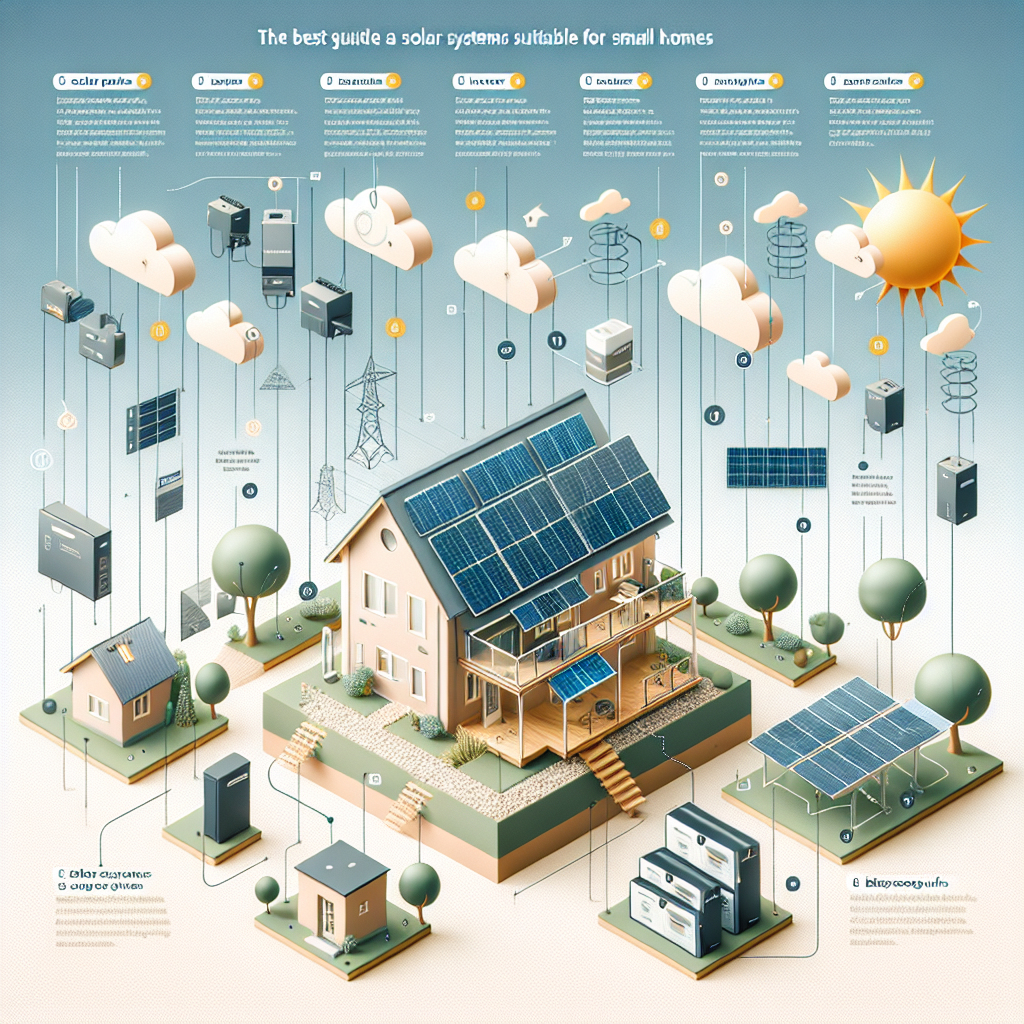
    After selecting a system type, dive into the components. Solar panels are usually the star of the show, but don’t overlook inverters and batteries. I was overwhelmed initially by the tech jargon, but once I broke it down, it became much clearer.

    Solar panels come in various types: monocrystalline, polycrystalline, and thin-film. Each has its advantages and drawbacks. Monocrystalline panels have higher efficiency rates, but thin-film panels might fit certain budgets better. Researching and reading reviews really helped me make an informed decision.

    Dive deep into inverter types too. String inverters are the most common, but microinverters can offer better performance in shady areas. It’s all about what works best for your unique situation!

    Consider Installation Services

    Choosing an installation service is a huge step that I’m very passionate about. I always suggest going with licensed professionals who specialize in solar. Not only does this ensure the job is done right, but many offer warranties and maintenance services that will give you peace down the line.

    Start by getting quotes from multiple installers. I did this and was surprised by how varied the pricing was. Selecting an installer who is well-reviewed can lead to a smoother solar journey.

    Lastly, don’t hesitate to ask questions! Your installer should be willing to guide you through every aspect of your solar journey, from the installation process to post-installation support.

    Understanding the Financial Aspects

    Initial Costs and Savings

    Let’s be real, the upfront cost of solar can be daunting. However, understanding the financial aspects can help soften that blow. After speaking with multiple contractors, I got a clearer picture of the costs. Upfront investments do turn into long-term savings over time.

    Consider available incentives and rebates! I was able to take advantage of federal tax credits, which make a significant dent in the initial costs. Unfortunately, not every state offers the same incentives, so I recommend checking with local authorities.

    It’s also beneficial to think about your savings over time. Many homeowners recoup their investment within 5-10 years, which is pretty impressive when I think about it!

    Financing Options

    If shelling out all the cash upfront isn’t feasible, don’t worry—there are financing options! I explored options like solar loans and leases, which made adopting solar much easier on my wallet.

    Solar loans often have lower interest rates, and some are available without any down payment. This option allows you to pay off the initial cost gradually while still enjoying the benefits of solar energy.

    Leasing is another popular option, where you don’t own the system; the company does. You pay a fixed monthly fee but don’t get the same tax incentives or benefits as a system owner. Do your research—what works for one person might not work for you!

    Evaluating Return on Investment

    Calculating ROI is a key part of this journey. I found it beneficial to visualize my potential savings over the years against my initial investment. You can make a plan to monitor your energy bill after installation, where you’ll begin to see the real difference!

    Keep in mind that ROI can differ depending on your local energy prices and the performance of your system. Tracking this helps keep you motivated through the initial costs.

    The end goal is to ensure that you’re confident that the chosen solar system is an investment worth making for your small home!

    Maintaining Your Solar System

    Regular Cleaning and Inspections

    Now, maintenance may seem like a chore, but trust me; it’s super important! Dust, debris, and leaves can accumulate on your panels and reduce efficiency. I made it a quick habit to check and clean my panels at least once every three months.

    Additionally, I recommend scheduling professional inspections at least once a year. These inspections ensure everything is functioning correctly and can catch any minor issues before they become major headaches.

    Pro tip: remember to check your inverter’s lights and displays. These should be monitored regularly to ensure everything is running smoothly without unexpected downtimes.

    Addressing Issues Promptly

    If you start noticing dips in energy production, don’t ignore them! Problems can arise—whether it’s a malfunctioning inverter or shading issues. I learned it’s best to address concerns sooner rather than later; it saves you time and money in the long run!

    So, if you sense something’s off, don’t hesitate to reach out to your installer. Many offer support long after the installation is complete, which is a huge comfort.

    Being proactive about your system will help you keep the green energy flowing smoothly!

    Staying Informed on Technology Advances

    Lastly, stay in the loop regarding new technology! The solar industry is rapidly evolving, with new developments and products hitting the market that can enhance efficiency and reduce costs. I love reading articles and attending webinars to keep my knowledge fresh.

    Also, keep in touch with your solar installer or local solar community. They often share insights on new tech and how it could benefit your system.

    So, consider joining forums or social media groups dedicated to solar energy. Having a network can help you stay informed and connected with like-minded individuals!

    Frequently Asked Questions

    1. What size solar system do I need for my small home?

    The size of the solar system you need depends on your energy consumption and sunny days in your area. An energy audit can help tailor the right size for you!

    2. Are there financing options available for solar systems?

    Yes! Financing options include solar loans, leases, and power purchase agreements, which make it easier to manage upfront costs.

    3. How much maintenance do solar systems require?

    Solar systems generally require minimal maintenance. Regular cleaning and annual inspections are recommended to keep them in top condition.

    4. How do I monitor the performance of my solar system?

    Many systems come with apps or monitoring systems that can show real-time energy production and consumption, making it easier to track performance!

    5. What incentives are available for solar installations?

    Incentives vary by state but often include federal tax credits, local rebates, and possibly grants depending on jurisdiction. Always check what’s available in your area!

  • How to Optimize Your Home’s Solar Energy Setup for Maximum Savings

    How to Optimize Your Home’s Solar Energy Setup for Maximum Savings

    Evaluate Your Solar Needs and Goals

    Understanding Your Energy Consumption

    First things first, let’s figure out how much energy your home actually uses. This is kind of like knowing how much gas you need before a long road trip. I grabbed my last few electricity bills, broke down the numbers, and found out my peak months and low months. This helped me understand my household’s energy consumption patterns, which is super important when designing your solar setup.

    When assessing your electricity usage, I also considered the lifestyle changes we might make in the future. Are we thinking of getting an electric car or adding more tech gadgets? These changes can significantly impact your energy needs. Just like planning for growth, your solar energy system should have a bit of flexibility to adapt.

    Lastly, I even reached out to my local electricity provider for rate quotes and peak usage times. This way, I could maximize my savings by using solar when the grid rates were highest. Knowledge is power, right? The more you know about your energy consumption, the better decisions you can make.

    Choose the Right Solar Technology

    Selecting Between Solar Panels and Solar Roof Shingles

    When I first dipped my toes into the solar energy pool, I was stuck on one big question: should I get traditional solar panels or opt for solar roof shingles? Traditional panels can be a bit of an eyesore on some homes, while shingles blend seamlessly with your roof. So, weighing aesthetics versus functionality was important for me.

    Another consideration was the efficiency ratings. Some of those high-tech solar panels were boasting impressive efficiency, while others were just okay. I did my homework and looked for reputable brands known for both durability and efficiency. This was key as I wanted to make sure my investment paid off.

    Ultimately, it came down to how much I was willing to invest upfront versus what I’d save in the long run. I like shiny things, but I also appreciate smart investing. So, remember to balance your desires with practicality!

    Optimize Your Installation Location

    Choosing the Best Roof Spot

    Location, location, location! This phrase isn’t just for real estate; it totally applies to solar installations too. I took a good look at my roof orientation and pitch. Ideally, south-facing roofs receive the most sunlight, which is critical if you want to maximize your solar output.

    Then there’s shading from trees or buildings. If you’ve got a large tree casting shadows on your roof, it might be time for a trim! Even a few branches can significantly reduce your panel’s efficiency. I can’t stress how important it is to harness as much sunlight as possible, especially if you want to save those bucks.

    Lastly, I considered whether my roof’s condition could handle the installation. Anytime you’re investing in something like solar panels, you want to make sure the base is sturdy and reliable. No one wants to deal with leaks after spending a chunk of change, right?

    Take Advantage of Incentives and Rebates

    Researching Local Incentives

    Here’s where the real treasure lies! Depending on where you live, various incentives and rebates can slay that upfront cost. When I started digging into this, I was blown away by what was available – some states practically rolled out the red carpet for solar homeowners!

    Check with local government agencies, and don’t forget to look into federal options too. There are incentives that allow you to claim a portion of your costs on your taxes, which is fab because that effectively lowers your overall solar investment.

    Sometimes, local utilities offer rebates or lower rates for homes with solar energy systems. It’s like they reward you for being eco-conscious! So, I made sure to snag every discount I could, and it felt great watching my overall installation costs shrink!

    Monitor and Maintain Your Solar Energy System

    Regular Check-Ups Are Key

    Finally, here’s where I get a little bit of ‘dad advice’ on you: maintenance is crucial. I learned early on that once the solar system was installed, it didn’t just run itself. Regular check-ups, even if that just means periodically cleaning the panels, ensure that everything is functioning optimally.

    I had to make sure that debris like leaves or dust wasn’t affecting my panels. Even a little grime can seriously cut into your solar efficiency, and I didn’t want that. Plus, some companies offer warranties and monitoring software, which can alert you if there’s something amiss.

    Staying on top of maintenance makes me feel proactive. It’s sort of like taking care of a pet; you want to ensure it’s healthy and happy! Keeping tabs on my solar system means I can avoid hefty repair costs down the line, and at the end of the day, it encourages me to keep going green.

    FAQ

    1. How do I determine my home’s energy needs?

    Start by reviewing your past electricity bills. Take note of your highest months and think about future energy changes like electric vehicles or additional appliances that may require more power.

    2. What factors should I consider when choosing solar panels?

    Efficiency ratings, aesthetics, cost, and the reputation of the manufacturer are key factors. Look for a balance between performance and appearance that fits your home.

    3. How do I find out about solar incentives in my area?

    Check your local government websites, talk to your utility provider, and visit resources like the Database of State Incentives for Renewables & Efficiency (DSIRE) to uncover available rebates and credits.

    4. What maintenance do solar energy systems require?

    Ongoing maintenance typically involves cleaning the panels, monitoring performance through software (if available), and scheduling professional inspections to check for any issues or necessary repairs.

    5. Can solar panels really save me money?

    Yes! By generating your own electricity, you can significantly reduce or even eliminate your electricity bills. Plus, with incentives, you might lower your setup costs too.

    This article is structured to be engaging, informative, and friendly, presenting personal insights while providing clear guidance on optimizing a home’s solar energy setup. The HTML format is organized with headings and subsections for easy navigation.

  • The Top Trends in Solar Energy Storage for Homes

    The Top Trends in Solar Energy Storage for Homes

    Increased Battery Efficiency

    How Efficiency Impacts Energy Storage

    When I first ventured into solar energy, I was fascinated by how battery efficiency plays a central role. Efficient batteries minimize energy wastage, allowing homeowners to utilize more of the energy they generate from their solar panels. Trust me, no one wants to spend money on a battery that’s only going to store half of what they produce!

    In recent years, manufacturers have made remarkable strides in developing batteries that can hold more energy while ensuring faster charging and discharging rates. It’s like when you finally get your coffee maker to brew that perfect cup—just makes the whole process smoother and more enjoyable!

    So, with increased efficiency, not only can we enjoy greater energy independence, but we can also lower our reliance on the grid, which is increasingly important in today’s world of rising energy costs.

    Understanding Storage Capacity

    The concept of storage capacity can be quite tricky. It’s not just about how much a battery can hold; it’s also about how usable that energy is over time. For instance, a large battery can sound awesome, but if it discharges too quickly, what’s the point?

    From my experience, investing in batteries with both high capacity and smart energy management systems is crucial. These systems help in optimizing when to store energy and when to use it. It’s like managing your finances; you’ve got to know when to save and when to spend!

    By understanding storage capacity better, you’re not just lighting up your home; you’re igniting your whole energy strategy!

    Longer Lifespans of Batteries

    No one wants to constantly replace their batteries. I’ve learned that longevity is key. Recent advancements in technology have engineered batteries to last longer than ever before. This translates not just to better efficiency but importantly, a better return on investment.

    With new materials and smart designs, manufacturers are now producing batteries that can handle numerous charge cycles without significant degradation. Imagine having a reliable energy source at home for years without the additional hassle of frequent replacements!

    This trend gives homeowners peace of mind, knowing they’ve invested wisely and joined the growing movement towards renewable energy.

    Integration with Smart Home Technology

    What is Smart Home Integration?

    Let me tell you, integrating solar storage with smart home technology is a game changer! This means connecting your solar storage battery with devices like thermostats, appliances, and even your home security system. It’s all about creating synergy between resources at home.

    For instance, your smart thermostat can optimize its usage based on energy stored, adjusting temperatures when energy is abundant. It’s like having a house that runs itself—pretty sweet, right?

    This integration not only enhances energy efficiency but also allows homeowners to monitor energy usage in real time, leading to better decision-making. I’m all for being more in control!

    Remote Monitoring and Control

    One aspect I really appreciate is the ability to monitor and control storage systems remotely. This means I can check how much energy I’m storing and using while I’m at work or even on vacation. It provides such peace of mind!

    Using apps on smartphones to tap into this data makes it easy to adjust settings, manage energy use, and even receive alerts when something needs attention. Knowing that I can intervene at any time gives me confidence that I’m maximizing my resources.

    Plus, the ability to run diagnostics and troubleshoot issues remotely saves time and money. It’s like having a personal assistant dedicated to monitoring my energy use!

    Seamless User Experience

    These advances have made solar energy batteries not just functional but also user-friendly. Honestly, I used to shy away from techy stuff, but manufacturers are really putting effort into creating intuitive interfaces. It just clicks!

    A seamless user experience means you don’t have to be an engineer to make your system work. With straightforward apps and easy-to-follow instructions, anyone can step into the world of solar energy with confidence.

    This reduces barriers for homeowners looking to adopt solar technology, promoting higher adoption rates. So, if you’re someone who likes things straightforward, you’re going to love this development!

    Cost-Effectiveness Improvements

    Price Reduction Trends

    Let’s get real for a second—cost is a huge factor when considering solar energy solutions. From my journey, I’ve seen how prices have dropped significantly due to advancements in technology and increased competition in the market. This means that going solar is more accessible than ever!

    As more companies enter the market, it drives prices down while also pushing innovation at an unprecedented rate. It’s like how computer prices have dropped—what was once unattainable is now a no-brainer for many families.

    With these improvements, many homeowners can now invest in solar energy systems without breaking the bank. You get to save money, and in the long run, it pays for itself. A win-win!

    Incentives and Financing Options

    Another fantastic trend I’ve seen is the emergence of better financing options and incentives. Different states and governments offer tax credits, rebates, and financing plans to ease the financial burden of transitioning to solar energy.

    This means it’s not just about the upfront costs anymore; there are now various pathways to make solar energy financially viable. For instance, some companies offer leasing options for solar systems, which can be a game-changer!

    These incentives help homeowners make informed decisions, allowing them to invest without the strain of a big one-time payment. It’s about making solar solutions work for anyone’s budget!

    Return on Investment (ROI)

    Speaking of finances, it’s essential to talk about ROI. When I first explored solar energy storage, knowing my total return over time became a significant decision factor. Thanks to the declining costs and advances in technology, ROI has never looked better!

    With lower upfront costs and substantial energy savings in the years to come, homeowners can expect to see their investments pay off quicker. This knowledge is a game-changer and offers peace of mind that such a move is worth every penny!

    Being able to forecast savings not only helps with planning but also makes future investments in energy solutions that much easier. It’s like budgeting for a vacation—knowing you’ll have that reward at the end makes the upfront sacrifice feel worth it.

    Emergence of Hybrid Systems

    The Hybrid Approach

    Hybrid systems are something I get really excited about! They combine different energy sources—solar, wind, and even traditional grids—to create a reliable power supply. For those who want the best of every world, this is what’s up!

    They also harness the most efficient energy source available at the time, ensuring that homeowners can utilize energy in the best possible way. Instead of being tethered to one source, you’re diversifying your energy portfolio!

    This flexibility is particularly beneficial in areas where sunlight isn’t always guaranteed. Solar when it’s sunny, wind when it’s breezy—can you feel that freedom?

    Combining Storage with Alternative Energys

    The combination of solar and other renewable energies allowing for diversified storage options fascinates me. Solar panels can work alongside geothermal or wind systems, and when you mix them, the total efficiency really skyrockets.

    This team-up can be the answer to those days when the sun isn’t shining as brightly as we’d like! It ensures that energy fluctuates less and reliability increases. Owning a solar system shouldn’t mean dealing with the frustration of unpredictability!

    The benefits are clear: reliable energy, diversified sources, and a more stable system protecting families from blackouts or price spikes. It’s definitely looking futuristic!

    Future Trends and Technologies

    As I dive into the future of solar energy, the blend of hybrid systems promises to unleash exciting innovations. We’re talking about smart grids and advanced forecasting technologies where AI could help us predict and optimize energy needs on the fly. How cool is that?

    The innovations pouring into hybrid systems create even more opportunities for sustainable living, improved energy efficiency, and—best of all—reduced environmental impact! It’s inspiring to think how these solutions can contribute to a cleaner planet for future generations.

    Embracing these trends means taking charge of our energy future. I can’t wait to see how we all benefit from these technological advancements down the line!

    FAQ

    1. What makes batteries more efficient in solar energy storage?

    Batteries have become more efficient due to advancements in materials and technology. They can store more energy and charge faster, minimizing wastage and maximizing the energy a home can use.

    2. How does smart home technology integrate with solar energy storage?

    Smart home technology allows homeowners to monitor and control their energy usage through apps, making it easier to manage how and when they store and use solar energy.

    3. Are there financial incentives to switch to solar energy storage?

    Yes, many governments offer tax credits, rebates, and financing options to encourage the adoption of solar energy, making it more affordable for homeowners.

    4. What is a hybrid solar system?

    A hybrid solar system combines solar panels with other renewable sources like wind or traditional grid connections, enhancing reliability and efficiency for energy supply.

    5. How long do solar batteries typically last?

    Modern solar batteries are designed to last many years, and advancements in technology mean that many new models have longer lifespans, often exceeding 10 years if properly maintained.