Tag: how

  • How to Select the Best Solar Panel Size for Your Home

    How to Select the Best Solar Panel Size for Your Home

    Assess Your Energy Needs

    Understanding Your Energy Consumption

    Before diving into the solar panel world, I found it crucial to assess how much energy my household typically consumes. It sounds a bit tedious, but trust me; knowledge is power! Start by looking at your utility bill from the past year. Take note of your monthly usage, usually measured in kilowatt-hours (kWh). This gives you a solid baseline of how much energy you need to generate.

    Once you’ve got those numbers down, think about any future changes—like that new hot tub you’ve been dreaming about or planning to install electric vehicle charging. Adjust your baseline accordingly. It’s super important to factor in these things, or you might end up with panels that don’t meet your needs!

    So, ultimately, understanding your energy consumption is not just about current use but also about where you’re headed with your energy demands. It’s like a roadmap for your solar panel journey.

    Identifying Peak Sunlight Hours

    Next up, let’s talk about peak sunlight hours. It’s not just about slapping some panels on the roof and calling it a day; you need to know how much sunlight your area gets. This info varies by location, so grab a solar insolation chart—yeah, it sounds fancy but is super useful.

    Knowing your peak sunlight hours helps in determining how much electricity you can generate with your panels. For example, if you’re in a sunny state like Arizona, you might get about 6 to 8 hours of sunlight per day, while somewhere like Seattle might only give you about 4 to 5 hours. Your solar setup needs to match that sunny reality!

    Remember, it’s not just about total sunshine but also how consistent that sunshine is throughout the year. Understanding these patterns will help you maximize your panel size and efficiency.

    Using Energy Consumption Calculators

    I can’t stress enough how helpful energy consumption calculators are! Once you’ve gathered all your usage data and sunlight information, using a calculator can simplify everything. Many companies offer online calculators that guide you through the process.

    These tools allow you to input your monthly kWh usage, peak sunlight hours, and other variables. They’ll churn out recommendations on how many solar panels you need. It feels like having an expert in my pocket!

    Don’t forget to play around! Different inputs can yield different results. It’s a good way to see the range of options out there and help you get a clear picture of the best fit for your home.

    Evaluate the Available Space for Installation

    Considering Roof Orientation and Pitch

    Let’s dive into the physical aspect—where are you gonna put these beauties? Your roof orientation and pitch play a huge role in how effective the solar panels will be. Ideally, south-facing roofs get the most exposure, but east and west can work, too.

    If your roof isn’t directly south or there are obstacles like chimneys or trees, you may need to get creative with panel placement. When I faced this, I had to brainstorm different layouts to ensure I was getting the most bang for my buck.

    Also, consider your roof angle. A steeper pitch could impact the number of panels you can fit when compared to a flatter roof. Evaluating these elements early can save a ton of hassle down the line!

    Calculating Space Requirements

    Once you know your roof’s million-dollar details, it’s all about space! Each solar panel takes up a certain amount of square footage, and you need to calculate how many you can fit based on your energy consumption needs. Here’s where the measuring tape comes in!

    Sketch out your roof layout and start plotting where panels could go. I divided my roof into sections so I could visualize how many panels could fit while keeping in mind aesthetic appeal. We all want our homes to look good, right?

    Don’t forget to leave some room for maintenance access. You never know when a bird decides to drop by, and getting those panels cleaned should be straightforward!

    Consider Ground vs. Roof Installation

    If your roof isn’t conducive to installation (or maybe you just want a different look), there’s always the option of ground-mounted panels! This alternative allows for more flexibility in terms of positioning and angle.

    However, it does require more space—think about your yard or property size. You’ll also want to engage with your local regulations and HOAs because they sometimes have restrictions on how those ground arrays can look.

    The beauty of ground-mounted panels is that you can often tilt them to maximize performance, much easier than a fixed roof setup. Do some soul-searching to see what vibe works best for you and your property!

    Calculate the Right Number of Panels

    Determine Your Panel Output

    Now that we’ve dug deep into your energy needs, space, and all that, let’s talk numbers—the fun part! Each solar panel has a specific wattage, with the average being around 300 watts. You need to know how these panels fit into your overall energy goals.

    To calculate how many panels you need, divide your total energy consumption (remember that kWh figure we tracked?) by the panel output, adjusted for those peak sun hours we discussed. It sounds complicated, but once you get it down, it’s like riding a bike.

    You want to ensure you’re not overspending on unnecessary panels—nobody wants to pay for more than what’s needed!

    Assessing Panel Efficiency Ratings

    Here’s where I lean into my inner nerd: the efficiency ratings of your chosen solar panels matter! Higher efficiency means more energy production per panel, so if you’re tight on space, you might want to invest in panels with higher ratings.

    It’s a balancing act between efficiency, price, and the space you have available. Don’t forget, though, that some reputable brands may offer slightly lower efficiencies at a better price. So research, research, research!

    This decision is like a lifelong commitment: do your homework and make sure you’re getting something that’s worth the investment, so you don’t regret it down the line!

    Consulting with a Professional

    When in doubt, consulting with a solar professional can be invaluable! They can bring everything we’ve talked about together into a cohesive plan that suits your unique situation.

    I know it may seem like an added expense, but getting that expert eye can save you heaps of money in the long run. They’ll help you calculate and recommend adjustments based on their experience that you might not have thought of!

    Plus, they can handle permits and local regulations—those administrative hurdles that can take up so much time and energy. Don’t underestimate the power of expert guidance!

    Budgeting for Your Solar System

    Understanding Solar Panel Costs

    Let’s talk cash—budgeting for your solar system is a significant step! Costs can range widely depending on panel efficiency, brand, and installation complexities. It’s crucial to have an understanding of what you’re working with.

    Generally, the average cost of solar panels ranges from $15,000 to $30,000 before any tax credits or incentives. Knowing this, set a budget range you’re comfortable with. I aimed for the lower end and was quite pleased with the results!

    Also, many financing options are out there—so if the upfront cost seems daunting, don’t fret! You can look into loans or leasing options that can fit your financial situation better.

    Exploring Incentives and Rebates

    The world of solar incentives can feel overwhelming, but honestly, it can be a game-changer for your budget! Many states and local governments offer rebates or tax credits aimed at encouraging solar installation.

    In the U.S., the Federal Investment Tax Credit (ITC) allows you to deduct a certain percentage from your federal taxes, which can significantly lower costs. Doing a bit of homework here could save you a chunk of change.

    I recommend checking the Database of State Incentives for Renewables and Efficiency (DSIRE) to uncover what’s available in your area. Every dollar counts, right?

    Long-Term Savings Considerations

    Finally, factor in the long-term savings. It’s easy to get caught up in the initial expenses, but think about how solar panels can lead to substantial savings on your electricity bills over time.

    I was shocked at the difference on my bills after going solar. With careful calculation, many homeowners find that their panels pay for themselves over the years, sometimes even doubling their investment.

    Make sure to consider the lifespan of the panels, usually around 25 years. Factor that into your overall budget to see a fuller picture of how much you might save in the end!

    FAQ

    1. How do I calculate my energy consumption?

    Look at your utility bills over the last year to identify average monthly kWh usage. You can also add up the energy consumption of individual appliances if you want to get specific.

    2. What are peak sunlight hours?

    Peak sunlight hours refer to the time when sunlight is most direct and strongest for energy production. This varies by location, typically ranging from 4 to 8 hours a day!

    3. What if my roof isn’t suitable for solar panels?

    No worries! You can consider ground-mounted solar panels instead. They can be installed in your yard and are flexible in positioning and installation.

    4. How much do solar panels cost?

    The cost of solar panels can vary widely, but expect an average range from $15,000 to $30,000 before tax credits or incentives.

    5. Are there incentives available for going solar?

    Absolutely! Many states offer incentives, tax credits, and rebates to encourage homeowners to install solar panels. Check local resources and the DSIRE website to find what’s available in your area.

  • How to Choose the Perfect Solar Generator

    How to Choose the Perfect Solar Generator

    Understanding Your Power Needs

    Assessing Your Energy Consumption

    Before diving into the world of solar generators, I had to figure out how much energy I actually used in my daily life. It’s not just about grabbing any generator; it’s about knowing how much juice you need. I started by listing all my devices, from my laptop to my coffee maker, and noting their wattage. This gave me a clearer picture of what I required.

    Once I had a list, I researched how long I’d need to run each device in a day. This math can feel a bit overwhelming at first, but it’s super vital. I even made a spread sheet (yes, I’m that person in the group) to calculate total watt-hours needed. A little effort here saves a ton of headache later.

    Finally, I factored in a little extra for those unexpected power needs. Trust me, you don’t want to find yourself short when you’re out camping or dealing with a power outage. So, always round up to ensure you have enough power just in case!

    Evaluating Solar Generator Types

    Differentiating Between Inverter Types

    Now that I’ve got a grip on my power needs, it was time to explore the types of inverters available. There are two main types: pure sine wave and modified sine wave inverters. Pure sine wave inverters are more versatile, capable of powering sensitive electronics flawlessly, while modified sine wave inverters tend to be cheaper and work for less sensitive appliances.

    I personally lean towards pure sine wave, especially since I have a few devices that require that smooth wave to function properly. It’s like choosing the right kind of coffee – you could settle for something subpar, but why when you can have the quality experience?

    Choosing the right inverter is like finding the right rhythm in a song; it should fit perfectly with your needs, ensuring everything works smoothly without stress or hiccups.

    Considering Portability

    Weighing Size and Weight

    When I first started looking, I realized I needed to think about where I’d be using this solar generator. If you’re like me and love the outdoors, portability matters. Some generators are bulky, while others are lightweight and perfect for travel. I discovered that there’s a big difference in ease-of-use between lugging around a heavy one and packing a lighter version that I can easily toss in my car.

    Another point to consider is the setup. I didn’t want a generator that took forever to get up and running. Easy portability interlinks with this – the simpler it is to handle, the quicker I could get to powering my devices without fuss. After all, no one likes complications when they’re trying to relax at the beach!

    So, I often recommend to my friends that they don’t just look for the most powerful option. Look for something manageable that you can haul around without losing your cool. It makes all the difference during those spontaneous road trips!

    Researching Battery Capacity

    Understanding Lithium vs. Lead-Acid

    In my journey to find the perfect solar generator, I stumbled upon a significant decision: battery type. Lithium batteries have become all the rage these days, and for good reason. They’re lightweight, charge faster, and tend to last longer than traditional lead-acid batteries.

    However, I found lead-acid batteries can be cheaper upfront and are more widely available. But in the long run, they may not provide the same efficiency or cycle life. For me, after weighing the longevity versus the initial cost, lithium was the clear winner. It might feel like a splurge, but it truly pays off!

    Keep in mind the charging cycles as you choose. Lithium batteries typically allow for more cycles than lead-acid, which means more value over time. The last thing you want is to be replacing your batteries every year, right?

    Reviewing Additional Features

    Examining Durability and Maintenance

    The solar generator world offers a ton of features that can sweeten the deal, and I think it’s super important to consider. For instance, I learned the hard way that durability matters if I plan to take this thing on outdoor adventures. Some models are rugged and built to withstand the bumps and bruises of the great outdoors, while others seemed more fragile to me.

    Maintenance is another biggie. Some generators come with maintenance-free batteries while others need a more hands-on approach. Figuring out how much upkeep I was willing to handle helped narrow my options significantly.

    Lastly, I looked into additional features like USB ports, multiple output options, and even smart technology that allows you to monitor usage and battery levels. These extras can really add to your experience, so don’t overlook them. It all comes down to finding the right balance between features and what would make my life easier!

    Conclusion

    Choosing the perfect solar generator is all about understanding your unique needs and how each feature aligns with them. From power consumption to evaluating types and features, placing every detail into consideration paves the way for making a well-informed decision. I hope that sharing my experiences helps you in finding the ideal solar generator to keep you powered up, no matter where your adventures may lead you!

    FAQ

    1. What size solar generator do I need for my home?

    The size of the solar generator you need will depend on your energy consumption. Make sure to add up the wattage of the appliances you want to power to determine your needs.

    2. Are lithium batteries really better than lead-acid?

    Yes, lithium batteries generally outperform lead-acid in terms of weight, charging speed, and lifespan, making them a great option long-term despite the higher initial cost.

    3. How often do I need to maintain my solar generator?

    Maintenance largely depends on the type of battery and features your generator has. Some models are maintenance-free while others may require periodic battery checking or cleaning.

    4. Can I use a solar generator for camping?

    Absolutely! Many solar generators are portable and perfect for camping trips, letting you power devices easily while enjoying the great outdoors.

    5. What extra features should I look for in a solar generator?

    Additional features like multiple output options, USB charging ports, and smart technology for monitoring usage can enhance your experience and make your generator more user-friendly.

  • How Long Do Solar Panels Really Last?

    How Long Do Solar Panels Really Last?

    The Lifespan of Solar Panels

    Understanding Solar Panel Durability

    When I first started looking into solar panels, one of my biggest concerns was how long they would actually last. After some digging, I learned that most modern solar panels are designed to last between 25 to 30 years. This is impressive considering the harsh conditions they often endure, from scorching sunlight to hail storms.

    It’s fascinating to think about the technology in solar panels these days. They’ve come a long way since the early days when solar energy was still a niche idea. Technology advancements mean that most manufacturers offer amazing warranties that last for 25 years, but what does that really mean for the actual lifespan?

    Essentially, the lifespan of a solar panel isn’t just a number; it’s about how well they maintain performance over those years. Factors like materials used, installation quality, and regular maintenance all play crucial roles in how well they hold up over time.

    Efficiency Over Time

    The Degradation Rate

    Another huge factor I learned about is the degradation rate of solar panels. On average, panels lose about 0.5% to 1% of their efficiency each year. That sounds minor, right? But it adds up over the years.

    What this means in practical terms is that a panel rated at 100% output when you first install it might drop to about 80% efficiency after 25 years. But don’t fret too much; manufacturers usually guarantee that their panels will maintain at least 80% of their efficiency for two decades!

    In my own experience, knowing that there’s a defined efficiency downtrend offers peace of mind. You can calculate potential energy outputs over the years, which helps in planning your energy needs.

    Factors Affecting Lifespan

    Quality of Materials

    The quality of materials used in solar panels can have a huge impact on their longevity. Think of it like choosing a good pair of shoes; you want something that’s durable. Higher quality panels made from monocrystalline silicon generally come with a better lifespan than cheaper alternatives.

    When I was choosing my panels, I remember stressing over material types because I wanted something that would last. Researching and understanding the brands and their histories helped me feel more secure in my investment. The right materials can significantly reduce the risk of damage.

    Also, the panels’ protective glass should be of high quality. This plays a big role in protecting the solar cells from debris and extreme weather conditions, which can accelerate damage.

    Maintenance and Care

    Routine Checks

    I can’t stress enough how important it is to keep an eye on your solar system. I discovered that regular maintenance actually extends the life of your panels. Simple checks, like ensuring nothing is blocking the panels, can make a big difference.

    In my case, I found that periodically washing off debris and dust kept my system working efficiently. You don’t need to be an expert; even a little attention goes a long way. Just remember: safety first! If you’re not comfortable climbing ladders, it might be worth hiring a professional.

    Additionally, an annual inspection can help identify any potential issues before they escalate. Keeping tabs on your inverter and electrical components is equally important; they play a vital role in the system’s overall efficiency.

    Ultimately: The Return on Investment

    Evaluating Savings

    In the end, all this talk about lifespan boils down to one thing: your return on investment (ROI). The longer your solar panels last and the more efficient they are, the better your savings and energy independence.

    From my experience, I’ve watched my energy bills shrink. Being able to generate my own power for decades is priceless. Even after 25 years, if my panels are still functioning decently, I’ll continue to save significantly.

    So, if you’re considering solar panels, it’s worth understanding that spending a little more for quality, installation, and maintenance will pay you back in spades over time. Just imagine having no or low-cost electricity for years on end.

    FAQ

    1. What is the average lifespan of solar panels?

    The average lifespan of solar panels is about 25 to 30 years, but they can last even longer with good care.

    2. How much efficiency do solar panels lose each year?

    Most solar panels lose about 0.5% to 1% of their efficiency each year after installation.

    3. How can I maximize the lifespan of my solar panels?

    Regular maintenance, such as cleaning and inspections, can significantly extend the lifespan of your solar panels.

    4. Does the type of solar panel affect its durability?

    Yes, higher quality materials, like those used in monocrystalline panels, typically offer better longevity and efficiency over time.

    5. Is maintaining solar panels expensive?

    No, regular maintenance is usually quite affordable and can save you money in the long run by keeping your system efficient.

  • How Many Solar Panels Do I Need? Calculator Guide

    How Many Solar Panels Do I Need? Calculator Guide

    So, you’re thinking about going solar. First off, awesome choice! It’s a great way to save money and help the planet. But it can feel a little overwhelming at times – especially when it comes to figuring out how many solar panels you actually need. Don’t worry! I’ve been there too, and I’m here to help you break it down into manageable steps.

    Assess Your Energy Needs

    Understand Your Current Energy Consumption

    The first step is to get a clear picture of how much energy you use. Grab your electric bills from the last year and take a look at your average monthly usage. You’re mainly looking for the kilowatt-hours (kWh) you use. If you’re anything like me, the numbers can be a bit dizzying at first, but it’s crucial info!

    Now, don’t just peek at the total – you want to break it down further. Look at the monthly variations as well. During summer, your air conditioning likely makes your consumption skyrocket compared to winter months. Knowing these patterns helps you get a more accurate estimate.

    Once you have your numbers, it might be good to use an online calculator. They’re super handy for translating that data into a clear picture of your solar needs. Trust me, it’s easier than doing all the math yourself!

    Calculate Your Daily Energy Usage

    With your monthly consumption in hand, the next thing you need to do is break it down to a daily average. Divide your total annual kWh by 365 days. If you want the nitty-gritty, you can even go further and factor in your peak sunlight hours per day – which is typically about 4 to 6 hours depending on where you live.

    This step helps you see how much energy you’ll need to generate daily through your solar panels. It can feel like a mini puzzle, but don’t sweat it – once you have these figures down, it starts to look clearer!

    For those who feel uncomfortable with math, there are various apps and websites that can assist with this. Sometimes tapping into technology can make these calculations a whole lot easier!

    Consider Growth in Usage

    Life is always changing, right? Maybe you’re planning on adding new appliances, or perhaps you’re welcoming a new family member. It’s vital to think about how these factors will affect your energy consumption in the coming years. You definitely don’t want to face an unexpected energy deficit!

    When estimating future needs, consider a cushion of extra capacity. It’s better to overestimate than underestimate. Take a wild guess at what your energy needs might be five years down the road; being proactive about this can save you loads of hassle later on.

    So, keep a mental note of this. Future-proofing your energy needs aligns perfectly with the overall goal of energy independence, and it’s super smart as well!

    Evaluate Your Roof Space

    Understand Your Roof’s Solar Potential

    Now, let’s shift gears and talk about where those panels are going to go. Not all roofs are created equal! I had to check out my roof’s orientation. Ideally, you want a south-facing roof, but if that’s not an option, east and west aren’t bad either.

    If your roof has shades from trees or buildings, that can affect solar efficiency too. Sunlight is your best friend here! Work out how much sunlight your roof receives in a day to gauge the potential solar energy it can produce.

    Also, consider the slope of your roof. A pitch of around 30 degrees is best for solar panels, but a flat roof can work too! It might require a bit of customizing, but it’s absolutely workable.

    Check Your Roof’s Condition

    Before you throw any panels up, make sure your roof can handle them. If it’s old or in need of repairs, you might want to address that first to avoid tearing panels down later. I had to give mine a once-over and even got a professional opinion just to be safe.

    Research local codes and restrictions too – some areas have specific requirements for solar installation. Knowing these ahead of time can save you much headache down the road.

    It’s a good practice to think long-term. How much longer do you plan to stay in your home? If it’s forever, then now’s the time to invest in a solid roof. If you see moving in a few years, consider how that will affect your solar investment.

    Calculate Available Space

    Next up, let’s talk about actual real estate on your roof. Each solar panel takes up space, and knowing how many you can fit is key. Typically, panels are around 65 x 39 inches – that’s good to keep in mind when visualizing your layout!

    Make a rough sketch of your roof to see how many panels you could realistically install. This part is surprisingly fun, I promise! It also gives me a chance to play architect (sort of). You’ll also want to think about the pitch and how it might impact the number of panels you can place.

    Along with physical space, calculate how many panels you’ll need based on your energy needs. If you see that you can only fit, say, eight panels, but you need ten based on your calculations, it’s time to re-evaluate or consider a different location.

    Research Solar Panel Types

    Understand Different Types of Solar Panels

    Not all solar panels are created alike! You’ve got monocrystalline, polycrystalline, and thin-film panels to consider. I spent a LOT of time on this step, but trust me — knowing what’s out there can help you make an informed decision.

    Monocrystalline panels are more efficient and take up less space, while polycrystalline panels are typically cheaper but less efficient. Thin-film panels have a much lower efficiency and are used mainly in commercial settings. Each has its pros and cons, so do your homework to find the best fit for your roof and energy needs.

    Consider warranty periods too! Having a robust warranty is key, especially since solar panels are a long-term investment. I found that more established manufacturers often provide better warranties, and it’s always a good idea to backtrack and read user reviews.

    Efficiency Ratings

    When diving into solar panels, efficiency ratings are your best friends. High-efficiency panels can absorb more sunlight, meaning you’ll need fewer of them to meet your energy needs. I’ve seen some super efficient panels out there that can reach over 20% efficiency!

    For instance, if you’re tight on roof space, asking your installer about higher efficiency models might be worth your while. The upfront investment can feel like a lot, but more efficiency might save you money in the long run.

    Also, be sure to figure out how different panel types perform during less-than-perfect conditions, like cloudy or rainy weather. This could heavily affect your energy production and thus, your savings.

    Battery Storage and Inverters

    It’s also worth mentioning battery storage and inverters since they play crucial roles in your solar setup. Batteries store excess energy produced during the day, which can be used at night or during outages. If you’re a fan of energy independence, looking into a good battery option is important!

    Inverters, on the other hand, convert direct current (DC) electricity generated by solar panels into alternating current (AC) electricity that your home can use. It’s like the translator for solar! Make sure to factor in these components when planning your overall solar strategy.

    If you plan on eventually going off-grid, having solid battery storage and efficient inverters will be a must. It’s not always necessary at first, but it’s a step for future planning!

    Consult a Professional Installer

    Getting Estimates

    Once you’ve done all your homework (pat yourself on the back already!), it’s time to reach out to professional installers. I remember the first few quotes I got – it felt like a big deal! Make sure to get multiple quotes to compare prices, services included, and warranties offered.

    Each company should send someone to assess your property and discuss options. The right installer can be a gamechanger! You want someone who understands your needs and can guide you through the entire process.

    During your consultations, don’t hesitate to ask questions! Dive into details. It’s important to get clarity on installation timelines, afterwards maintenance, and any potential hidden costs. Knowledge is power!

    Understand Local Incentives

    Every state has its own incentives and rebates for going solar, and I highly recommend checking them out. Some states offer tax credits, while others have specific financing options that can lower your upfront costs.

    Something that helped me significantly was getting familiar with local policies. Make sure to ask your installer about these programs. They should be informed and can help you navigate the different financial incentives available.

    In many cases, local governments may also offer grants or low-interest loans specifically for solar installation. Keeping all these options in mind can really help you save some cash!

    Follow Up and Maintenance

    After your panels are installed, don’t think you’re off the hook! Regular maintenance is crucial. Most solar panels only need an annual checkup, but certain environmental factors might necessitate more frequent inspections. 

    Dust, debris, and tree leaves can block sunlight and reduce efficiency, so make sure to keep everything clean. Don’t be ashamed if you need to splash some water on those panels – it’s just part of the deal!

    If any issues arise, a good installer will provide excellent post-installation support. This includes helping you troubleshoot any problems and ensuring your panels stay efficient for years to come!

    Frequently Asked Questions

    How do I calculate how many solar panels I need?

    Start with your average energy consumption from your electric bills, calculate your daily usage, check your roof space, and look into different panel types before consulting a professional.

    What factors affect how many solar panels I need?

    Several factors come into play, like your energy consumption, roof space, panel efficiency, and local sunlight hours.

    What should I consider when assessing my roof for solar panels?

    Check the direction it faces, its condition, and the available space for installation. You also want to consider any shading that may occur throughout the day.

    Are there financial incentives for installing solar panels?

    Yes! Many states offer tax credits, rebates, and financing options to reduce upfront costs. Always check local programs before starting your installation.

    How can I maintain my solar panels after installation?

    Regular inspections are key! Look out for debris and dirt covering the panels, and plan for an annual professional checkup to ensure everything is functioning correctly.

  • How Much Do Solar Panels Actually Cost? Complete Guide

    How Much Do Solar Panels Actually Cost? Complete Guide

    Hey there! If you’ve ever found yourself daydreaming about going solar, you’re not alone. Switching to solar energy is super exciting, but let’s be real for a sec: the cost can be a bit overwhelming. In this guide, I’m going to break down the components that contribute to the overall price of solar panel systems. After all, once you have the scoop, you’ll be better equipped to make informed decisions that’ll save you bucks in the long run.

    The Basic Costs of Solar Panels

    Let’s kick things off with the very basics. When we talk about how much solar panels cost, we need to understand the main components that dictate these prices. This part is crucial if you want to get a complete picture.

    Solar Equipment

    First up is the solar equipment itself! This includes solar panels, inverters, batteries, and the mounting hardware. The price can swing wildly here, depending on the brands you choose. High-efficiency panels may cost more, but they crank out more energy, which can help you save on your electric bill.

    I remember diving into brands like LG and SunPower that were higher-priced but had excellent warranties. Trust me, investing here pays off long-term. Don’t forget to take into account the inverter—it should be just as reliable.

    And hey, batteries might feel like an afterthought, but if you want to go off-grid or have backup power, they can add a nice chunk to your costs. Make sure to do your homework!

    Installation Costs

    Next, let’s chat about installation costs. You might think, “Oh, I can just DIY this!” and while that sounds appealing, professional installation is often the way to go. Error-free installation ensures your panels will operate efficiently. It’s like hiring a pro for your car maintenance—better safe than sorry, right?

    Installation expenses include labor, permits, and inspections. Some companies bundle these costs, while others show them separately. Either way, it helps to get a few quotes to see where you can save.

    When I compared quotes, some companies were surprisingly transparent about their fees, while others had hidden costs that popped up later. Watch for those surprises like a hawk!

    Localized and Incentive-Based Costs

    Where you live plays a pivotal role too! Local regulations, available incentives, and rebates can heavily impact your overall price. Some states have super generous solar incentive programs which can help slash costs significantly.

    I live in a state that offers tax credits and rebates, so it almost felt like a no-brainer to go solar. Research your location for what’s available—you might be pleasantly surprised!

    Always keep an eye on state policies regarding net energy metering (NEM) as well. This allows you to get paid back for excess energy you generate, which adds to your savings.

    Maintenance Costs

    Now let’s pivot to maintenance costs. Who doesn’t want to know how much upkeep a solar panel system really needs? Spoiler alert: it’s not as much as you might think!

    Cleaning Your Solar Panels

    We all know that solar panels need to stay clean to be effective. That’s a no-brainer! Dust and debris can accumulate, blocking sunlight, so giving them a good wash is essential. I’ve learned that hiring someone to clean them isn’t a huge expense and “clean panels” means better efficiency, which equals better savings!

    If you’re in a rainy area, nature’s good at helping out, but think about doing a check-up a couple of times a year. For my panels, I just need a gentle rinse to keep things bright!

    There are even DIY guides out there if you’re feeling adventurous and want to tackle this job yourself. Just be cautious and safe!

    System Monitoring

    Most modern solar systems come with monitoring software that can help track energy output. It’s pretty cool, and some companies offer this service as part of the package, but remember that annual check-ins or repairs can add a little extra into your expense column.

    Seriously though, keeping an eye on how well your panels are performing lets you catch any potential issues early. I’ve used monitoring apps that send alerts, and I’ve found it’s totally worth it.

    If something breaks, you might face repair costs. But hey, usually, warranties cover the larger issues, so look at that before you purchase. You want peace of mind!

    Long-Term System Performance

    Let’s chat about how long these systems last! Most solar panels come with a warranty that lasts about 25 years. That’s incredible! However, you want to be prepared for the reality that some performance degradation is normal over time.

    It’s a good idea to look at historical energy output statistics. This will help you understand when it’s typical for panels to start underperforming. Knowing this helps manage expectations in the long haul. You don’t want to find yourself in shock a few years later!

    Regular maintenance can help maximize that longevity. Think of it as a long-term relationship with your solar panels — the more care you give, the better they’ll treat you back!

    Financing Options for Solar Panels

    Alright, folks, let’s dig into financing options. Solar costs can pile up, but there are plenty of ways to ease that financial burden. Knowing your options is essential.

    Cash Purchase

    Going all-in and buying outright is, of course, the best option if you can swing it! You won’t have to worry about monthly payments, and you’ll own your system fully from day one. Plus, you can immediately start cashing in on those savings!

    When I bought my system, it felt great to know I owned the equipment and didn’t owe anyone. However, that big upfront cost isn’t accessible to everyone. That’s the downside, really.

    But I can’t stress enough—if you can afford this route, the long-term savings (not to mention the increased home value) make it worthwhile.

    Loans and Financing Plans

    If that cash purchase gave you a panic attack, don’t sweat it! There are loan options that can help you spread the costs out. Many solar companies will offer financing plans directly, allowing you to break it down into manageable monthly payments.

    Be sure to compare interest rates and terms! I found that some loans can come with lower interest rates than my mortgage, so always ask for your best deal.

    Also, be cautious about taking on debt. Make sure the energy savings will outweigh the monthly payments. That balance is key!

    Leasing Options

    One more thing—solar leases! This option allows you to install panels without the high upfront costs, and you pay a monthly fee to use the system instead. While it’s appealing, you don’t own it, and you miss out on some of those sweet tax credits.

    Still, it’s an excellent way for folks who want to dip their toes into solar power without breaking the bank upfront. This worked for a friend of mine and they’ve loved having lower energy bills!

    Just check the fine print—some leases can increase over time and may leave you in a tricky financial situation down the line.

    The Bottom Line: Is Solar Right for You?

    Finally, the moment we’ve all been waiting for: the big question! Can you justify the costs of solar panels? It really comes down to each person’s situation. You have to weigh your options, calculate potential savings, and figure out your long-term goals.

    Assess Your Energy Needs

    First things first: assess how much energy you actually consume. I’ll tell you, my energy bills had become a nuisance before going solar, and understanding my consumption introduced me to tailored options.

    Pro tip: Getting a home energy audit can help you spot ways to cut down consumption before adding on those panels. If you’re wasting energy, why not fix that first?

    This step reshapes how you view energy use and can enlighten you about how many panels you may need down the line.

    Consult with Professionals

    I can’t stress how beneficial it is to chat with professionals before jumping in. They can help you dive deep into those numbers, projections, and systems that fit your unique needs. Spend time getting a few free consultations to help narrow down your options.

    Good conversations can lead to tailored plans that tackle your specific energy consumption, which translates to money saved!

    Trust me; I found experts who were honest and upfront, which made a big difference in my decision-making.

    Making the Right Decision

    In the end, making the right decision about solar panels comes from feeling confident in your knowledge and being aware of all the costs involved. With so much info out there, it can feel like a swamp, but taking it step by step will clarify things.

    For me, going solar turned out to be a fantastic journey—filled with learning, savings on bills, and, honestly, a little piece of mind knowing I’m contributing to a greener planet. It’s like a win-win!

    So, weigh your options, do your homework, chat with experts, and see where the road to solar takes you!

    FAQs About Solar Panel Costs

    1. What are the initial costs of solar panels?

    The initial costs commonly include the price of solar panels, inverters, batteries, and installation fees. Depending on your system’s size and the region you live in, costs can vary.

    2. Are there any recurring costs for solar panels?

    Yes, there can be maintenance costs like cleaning the panels, monitoring systems, and potentially repairs. However, many systems come with warranties that cover significant issues.

    3. Can I finance my solar panels?

    Absolutely! There are several ways to finance solar panels, including cash purchases, loans, and leasing options. Each has different implications for ownership and long-term costs.

    4. How do incentives affect solar panel costs?

    Incentives, such as tax credits and rebates, can significantly reduce the upfront cost of solar panels. They vary by state, so it’s crucial to research what’s available in your area.

    5. Is solar energy worth the investment?

    For many people, solar energy proves to be a worthwhile investment in the long run because it reduces electricity bills and increases property values. However, it really depends on your unique situation and energy needs!

  • How Tesla Solar Roof Tiles Stack Up Against Competitors

    How Tesla Solar Roof Tiles Stack Up Against Competitors

    Design and Aesthetics

    Blending with Architecture

    Let’s talk about design because, let’s be honest, who doesn’t appreciate a good-looking roof? Tesla’s Solar Roof Tiles are designed to mimic traditional roofing materials, like slate and shingles. When I first came across them, I was astonished at how seamless they seemed. You could easily place them on a modern or classic home, and it wouldn’t scream ‘solar panels.’

    This is an important factor for homeowners who are concerned about maintaining curb appeal. You don’t want to invest in renewable energy only to end up with a roof that looks like a science project gone wrong. Tesla has really nailed the blend of functionality and style here.

    In actuality, the aesthetic appeal makes it a hot topic in neighborhood discussions. When the neighbors see your sleek, futuristic roof, you’ll find yourself in some interesting chats at the weekend barbecues!

    Variety of Options

    One thing I’ve noticed in solar products is the limitation on choices. With Tesla, they offer a mix of styles to choose from. This customization allows you to pick the style that best suits your home, which is a major plus in my book. You can either go for something classic or something that gives a modern vibe.

    This selection makes it more appealing to consumers, as it signifies that solar energy doesn’t have to come with a compromise on design. Being able to match or enhance your existing architecture gives you a sense of pride in your decision to go green!

    I always advocate for choosing renewable energy sources that mesh well with your lifestyle, and Tesla’s options certainly deliver in this department.

    Color Choices

    The color scheme is also a noteworthy component. Tesla offers different colors to better blend with the various palettes of homes. This customization lets homeowners reflect their personal flair rather than settling for the generic blue or black panels we see everywhere. It’s an underrated facet.

    While some might overlook color, trust me, it can make a huge difference! If you’re like me and view your home as an extension of your personality, this feature matters a lot.

    In a market where solar panels can sometimes make your house look dated or industrial, Tesla’s approach to colors feels fresh and invigorating.

    Efficiency and Performance

    Energy Conversion Rates

    Let’s shift gears to efficiency – honestly, this is a huge consideration. It doesn’t matter how stylish or fancy something is if it doesn’t work well. Tesla’s Solar Roof Tiles are known for their high energy conversion rates, which means they catch sunlight more effectively and translate that into usable energy.

    From personal experience, I’ve seen how this performance aspect leads to real savings on electricity bills. When I started tracking my energy use, it felt great to see the numbers drop. Knowing that my roof is actually working hard for me? Now that’s a nice feeling!

    Moreover, better efficiency often leads to a faster return on investment. If you can produce more energy from fewer tiles, that’s a win-win scenario, both for your wallet and the environment!

    Durability

    Another aspect worth discussing is durability. Solar Roof Tiles from Tesla are designed to withstand harsh weather conditions—be it heavy rain, hail, or even intense wind. During a recent storm, I was genuinely impressed watching my tiles hold up while other homes suffered damage.

    This resilience means that you’re not going to be replacing or repairing your roof frequently. It also contributes to the long-term savings I love talking about. If you don’t have to keep dishing out cash for repairs, it allows that money to go elsewhere, possibly towards additional eco-friendly projects!

    When making a choice for a solar solution, you want something that’s built to last. Tesla’s durability assures me that I’m making a smart investment.

    Warranty and Reliability

    Let’s not forget about the warranty. Tesla offers an extensive warranty period that covers their Solar Roof Tiles, which gives me peace of mind. It’s like getting a security blanket for my investment. Knowing that my roof is covered for significant issues over an extended timeline is incredibly comforting.

    The reliability factor also comes into play. When I look at my roof, I can confidently evaluate that it’s going to provide me with consistent energy without endless maintenance. If I have a problem, there’s a solid warranty back-up. Overall, it feels like a stable choice.

    A good warranty, combined with Tesla’s reputation, sure makes it feel easier to commit to this sustainable lifestyle!

    Installation Process

    Timeframe and Process

    Alright, let’s discuss the installation. The process for getting Tesla’s Solar Roof installed tends to be fairly straightforward, although you should definitely prepare for it to take longer than a typical roof replacement. The cool thing is that the process is designed to be seamless, so you’re kept in the loop throughout.

    I remember feeling a mix of excitement and apprehension during my installation. But as I watched the crew work, I felt reassured seeing how careful they were as they installed each tile. Every step was calculated and thoughtful, which made the experience far less daunting.

    Having a knowledgeable installation team lets you feel confident that your solar roof is put on correctly. And trust me, you’ll want that expertise behind your investment!

    Professional Help

    While there are DIY options out there, I firmly believe that getting professionals on board is the way to go with something like this. The complexities of the installation for Tesla Solar Roof Tiles really warrant trained hands. Pros know exactly what to look for and how to optimize installation for best performance.

    You can’t underestimate the value of having skilled people handle such a big job. It truly saves you future headaches. Plus, they can offer insights that you may not have considered as a homeowner!

    Having that expert support means that you can kick back and relax a bit while knowing that the job is being done right.

    Aftercare and Maintenance

    Finally, after installation comes the maintenance. One of the reasons I went for Tesla’s option was how low-maintenance their Solar Roof Tiles are. Unlike traditional panels that might need frequent cleaning and checks, these guys are pretty self-sufficient once installed.

    I’ve consciously taken a more hands-off approach and have been blown away by how little I have to fuss over them. Occasional checks and cleanups are all you really need. This is a fantastic feature for someone like me, who appreciates functionality without excessive upkeep!

    Plus, with the warranty included, I feel like I’m in a win-win situation where I’m not stressed about maintenance costs. It’s a liberating feeling and definitely something I would recommend considering if you’re pondering a solar roof solution!

    Cost Considerations

    Initial Investment

    Ah, the money talk! Let’s be real; the initial investment for Tesla Solar Roof Tiles can be hefty compared to traditional solar panels. I won’t sugarcoat it—when I first checked the price, I almost did a double-take. But here’s where it gets interesting.

    When you’re considering the overall benefits, including improved aesthetics and efficiency, it felt like a worthwhile choice for me. Plus, depending on where you live, you might qualify for various incentives and rebates to help offset costs!

    Breaking down the expenses makes it more digestible in the long run. For many, investing in solar is not just a purchase—it’s a lifestyle shift towards sustainability.

    Long-term Savings

    One fact that stood out to me is the long-term savings on energy bills. While the initial price tag is substantial, the reduction in energy costs is something to look forward to. Once I got my figures straight, I realized that I could recover my investment over time, which provided a comforting sense of foresight.

    Looking at the big picture, your solar roof acts as an asset that could potentially increase the value of your home. It becomes more than just a roof; it’s an investment in your property and your future.

    For me, knowing that my home is generating its energy equates to long-term financial benefits that make the initial cost feel like a no-brainer after a while.

    Financing Options

    Lastly, let’s talk about financing. Tesla offers various payment plans and financing options that can seriously help ease the burden of upfront costs. Not everyone has a lump sum ready for something like this, and I applauded Tesla for being transparent about these options.

    Understanding how to finance my purchase was a critical part of my decision-making process. I was relieved to find out it doesn’t have to be an all-or-nothing deal. Having the flexibility to spread out the payments made my choice feel far less daunting!

    This aspect alone made me believe that going green was more accessible than I’d initially thought. Anyone considering Tesla Solar Roof Tiles should definitely explore these financing alternatives!

    Conclusion

    So there you have it! Diving into how Tesla Solar Roof Tiles stack up against their competitors has been an enlightening journey for me, and I hope it has been for you too. From their stunning designs to performance, installation, and cost considerations, there’s a lot of thought put behind choosing these innovative roofing solutions.

    Ultimately, it’s about making informed decisions that align with a sustainable lifestyle while adding value to your home. I think Tesla has done a commendable job in creating a product that checks so many boxes, and I’m glad I took the plunge.

    FAQs

    1. How do Tesla Solar Roof Tiles compare in price to traditional solar panels?

    Tesla Solar Roof Tiles typically have a higher initial investment compared to traditional solar panels. However, the long-term energy savings and aesthetic appeal might justify the cost for many homeowners.

    2. Do Tesla Solar Roof Tiles require a lot of maintenance?

    Not at all! Once installed, Tesla Solar Roof Tiles require minimal upkeep. Occasional checks and cleanings are usually all that’s needed.

    3. What happens if a tile gets damaged?

    Tesla offers a solid warranty, so if a tile becomes damaged, you can get repairs or replacements within that coverage period, which provides peace of mind.

    4. Can I install Tesla Solar Roof Tiles myself?

    While there are DIY options for solar, it’s highly recommended to have professionals handle the installation of Tesla Solar Roof Tiles to ensure optimal performance and safety.

    5. Do Tesla Solar Roof Tiles really integrate well with my home’s design?

    Absolutely! They are designed to blend in with traditional roofing materials, enhancing the overall aesthetic rather than detracting from it. You’ll be surprised how well they fit into any architectural style!

  • How to Plan Your Solar Panel Installation on a Budget

    How to Plan Your Solar Panel Installation on a Budget

    Step 1: Assessing Your Energy Needs

    Understand Your Power Consumption

    First things first, if you’re considering solar panels, you gotta know how much energy you use. Check your electricity bills from the last year, and this is where the digits come in handy. It’s not just about the monthly bill; you need to peek into your highest usage months and average it out. This gives you a solid baseline to work from.

    Then, take a closer look at the gadgets and appliances in your home. How energy-efficient are they? Are you running old-school appliances that guzzle power? Knowing this lets you set realistic goals for your solar panel setup. It’s like cleaning out your closet before going shopping – get rid of what you don’t need, and you’ll have a clearer picture of what you truly use.

    Lastly, consider possible changes in your lifestyle. Are you planning to add electric vehicles or more gadgets in the near future? If yes, factor that into your energy needs. It’s all about forecasting so your solar investment pays off!

    Evaluate Your Home’s Solar Potential

    Next, find out if your home is prime real estate for solar panels. Look at your roof – is it angled, how much sunlight does it get, and are there pesky trees or buildings casting shade? Clear roofs with max sunlight exposure are golden for solar energy. You might want to grab a compass app to check how well your roof faces the sun.

    Don’t forget about your local climate. If you’re in a place that’s cloudy most of the time, your output might take a hit. But don’t despair; even some cloudy days can get you a decent solar output. Just be sure to understand what your specific conditions could mean for your potential solar savings.

    If you’re unsure, consider hiring a professional for a solar assessment. They can give you all the nitty-gritty details on what to expect. This can save you time and money in the long run while setting you up with realistic expectations.

    Calculate Your Budget for Installation

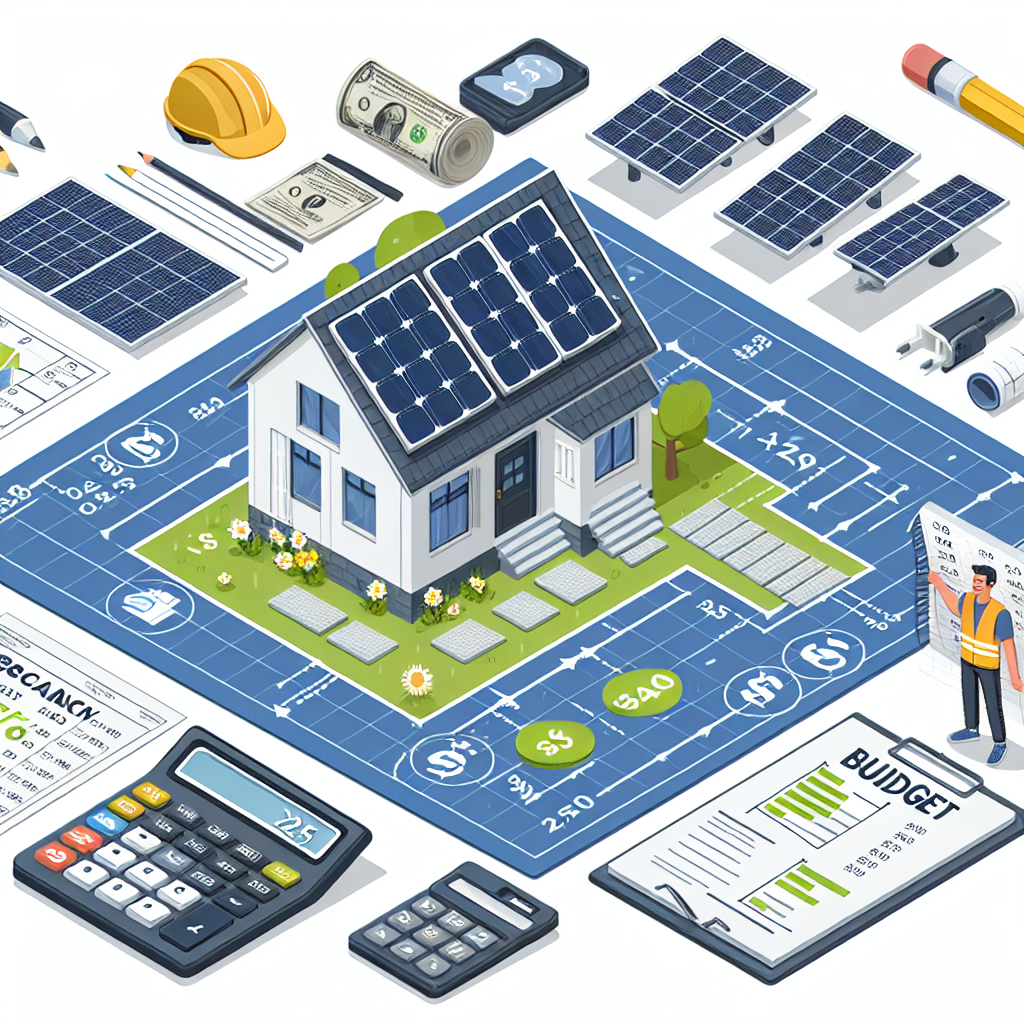
    Now we’re getting to the fun part – money! Sit down and sketch out your budget. Determine how much you can realistically spend. Remember, going solar is an investment, and while there are upfront costs, it can lead to significant savings over time. You just want to be sure you aren’t completely breaking the bank at the outset.

    Once you have a ballpark figure, research the various costs. Get quotes from multiple solar companies and ask about financing options like payment plans or loans. They’ll usually run some promotions that could help ease your initial investment.

    A little tip from me: always be wary of deals that seem too good to be true. They might come with hidden costs later on that can make your budget go out the window. You want a firm quote that covers all the bases. Transparency is key!

    Step 2: Research Solar Incentives

    Explore Tax Credits and Rebates

    You’re gonna want to dive deep into what incentives are available in your area. Many states offer tax credits or rebates for solar panel installations that can significantly reduce your costs. This is like finding money you didn’t know you had! So, definitely check your local government website or talk to your solar installer about available options.

    Besides the federal tax credit, some local utilities even offer rebates. It’s like a little score on top of your savings! These incentives can make the difference between a big investment and a more manageable one. So make sure to grab every cent available.

    Sometimes, even nonprofit organizations offer programs that help low-income households transition to solar. So whether you’re wealthy or living paycheck to paycheck, don’t shy away from searching for assistance.

    Consider Financing Options

    If upfront costs are daunting, don’t fret – there are financing options out there. Solar loans can be a lifesaver! Typically, these loans will allow you to pay for the installation over time. And guess what? Many offer competitive interest rates compared to traditional loans.

    Leases and Power Purchase Agreements (PPAs) are also viable options. With these, you can have solar panels installed at little to no upfront cost, and you simply pay for the electricity produced—often at a lower rate than your utility provider. It’s a way to go solar without putting a dent in your savings.

    As always, read the fine print! Know how long commitments are and the costs involved. The last thing you want is to lock yourself into a deal that doesn’t feel right later on. Take your time to find what works best for you!

    Look Into Community Solar Programs

    If solar panels on your own roof feel like a long shot, community solar programs are a fantastic alternative. These programs allow you to buy into a shared solar array in your area. It’s like being part of a solar club where everyone benefits from cleaner energy! Plus, it typically requires much less upfront cost than installing a system at your home.

    Joining a community solar program can connect you with other likeminded individuals who are also looking to save on energy costs. It’s not just about money; it’s about building a sustainable community. You’ll often secure fixed savings on your electricity bills over time, making it a win-win!

    Also, check if your local programs offer informative sessions or meet-ups so you can learn the details and benefits firsthand. Being part of a community makes the whole process a lot more fun and engaging, trust me!

    Step 3: Choose the Right Solar Installer

    Research and Compare Installers

    Alright, so now you’ve got your budget and incentives all lined up. The next step? Finding the right installer. Not all solar companies are created equal. It’s important to do your homework! Ask for recommendations from folks in your area who’ve gone solar, or check out online reviews and ratings.

    Get multiple quotes, and do not shy away from asking questions. What type of panels do they use? Are they certified? What is their warranty policy? All of these questions can lead you closer to a reliable installer and ultimately a successful installation.

    And don’t forget to check their experience! Companies with years of service under their belt often provide more quality assurance. You want someone who knows the ropes and won’t leave you high and dry!

    Assess Quality and Warranty Offers

    While price is key, the quality of the product and the warranty needs some serious thought too! High-quality solar panels might come with a higher initial price, but they’ll often pay off in the long run with efficiency and longevity. Check the manufacturer’s warranty – it should ideally be at least 25 years!

    Additionally, review the installation warranty. This covers potential issues related to installation defects, and you want that peace of mind as you’re putting a major investment into your home.

    It’s worth it to pay a bit more for quality equipment and installation. Your future self will thank you when your solar panels are performing at their best for decades to come!

    Get Everything in Writing

    Now, once you’ve found your installer, make sure to get all the details in writing. And I mean everything! This should include project timelines, warranties, payment schedules, and scope of work. You want to avoid ambiguous agreements that can lead to misunderstandings down the line.

    Having a written agreement ensures that both you and the installer are on the same page. If something goes awry, you have that document as a reference. It’s like having a recipe – you want to have all the details lined up for the best results.

    Take your time reviewing everything and don’t hesitate to ask for clarifications if something doesn’t sit right with you. This is your investment after all, so it’s worth the extra hassle to make sure everything’s crystal clear!

    Step 4: Execute Your Installation Plan

    Prepare Your Home for Installation

    Before the big day, it’s time to prep your home. Clear any areas around where the installers are going to work. Trust me, they’ll appreciate having a clean workspace, and it makes the job go smoother.

    If you need to make any structural changes to your roof to support solar panels, now’s the time. Speak with your installer to ensure they’re on board with any modifications necessary for a proper fit.

    Also, keep in mind to be flexible with the timeline. Weather and other logistical issues can delay the installation process, so account for a bit of leeway in your plan!

    Communicate Effectively with the Installer

    Once installation day rolls around, maintain open lines of communication with your installer! If you have concerns or questions while they’re setting things up, voice them immediately. This not only fosters a cooperative atmosphere but also ensures that everything is progressing according to plan.

    Ask for updates and stay engaged in the process. This is your project, and keep in mind it might feel a little overwhelming at times. But a simple chat can help solve issues before they become big problems.

    Check in with the team as they work. You’ll not only gain a better understanding of the installation but also develop a relationship with the team that’s sharing their expertise with you. Plus, it’s cool to see how everything comes together!

    Post-Installation Follow-Up

    After all the hard work is done, don’t forget about the follow-up. Once installed, review the entire system to ensure everything is functioning well. Most importantly, keep an eye on that monitoring system. It’ll help you see how much energy your new setup is producing, and ensure it’s operating efficiently.

    Normally, professional installers will schedule a follow-up visit a few months later. Use that time to ask any lingering questions or troubleshoot issues. It’s also a great opportunity to evaluate any unexpected performance dips that may need attention.

    And hey, once you’re up and running, consider spreading the word about your experience with your installer. Word of mouth can help others, and let’s face it—it feels good to share your solar success story!

    Step 5: Enjoy Your Solar Savings

    Monitor Your Energy Production

    Once everything’s installed, you’ll want to keep tabs on your solar system’s production. Most systems come with an online monitoring tool, making it easy to check your energy output. This allows you to see how much you’re saving compared to your previous bills. It’s an exciting feeling to watch that number drop!

    Check your system regularly. If you notice a significant drop in energy production, it may be time to contact your installer for an inspection. Just like that diary of your energy usage you had before, keeping track will let you know if things are running smoothly.

    Plus, being proactive means you can address any problems early. Keep an eye out, and save yourself from surprise tickets down to the repair shop!

    Calculate Your Return on Investment (ROI)

    An important part of enjoying your newfound energy savings is calculating your return on investment. It’s helpful to run the numbers on how much you’re saving on your electricity bill each month compared to your initial investment. It’s like a little reward for your effort!

    After a few years, you’ll have a clear picture of just how much your solar installation is benefiting you financially. There are online calculators available that can help anticipate your savings and ROI over various time frames. Finding out just how far your solar panels are going for you can be a bright moment!

    In case you’ve gone through solar incentives, make sure you factor those into your overall savings too. The whole investment pays off more than many realize, and you’ll probably be smiling when you see the totals.

    Share Your Experience

    Last but not least, take the time to share your experience with others! Whether through social media or within your community, spreading the word about your solar journey can inspire someone else to take the plunge. Plus, you’ll feel great knowing you’ve contributed to the greater good of the planet by encouraging solar energy adoption!

    Consider writing reviews for your installer, sharing your numbers, and promoting environmental consciousness. You never know who you might inspire. Plus, your success story might just push someone off the fence into going solar themselves!

    All in all, enjoying your solar experience is not just about financial savings; it’s a lifestyle choice that reflects a commitment to sustainability. Embrace it, and celebrate those green choices you’ve made!

    FAQs

    1. How much can I save on my energy bills with solar panels?

    Your savings can vary widely based on your location, panel efficiency, and energy consumption. On average, homeowners can expect to save between 20% to 50% on their electricity bills.

    2. What do I need to consider before installing solar panels?

    Consider your energy needs, roof condition, local regulations, costs, and available incentives. It’s all about making informed decisions from the get-go!

    3. Can I install solar panels myself?

    While it’s technically possible, I wouldn’t recommend it! Professional installation ensures safety, optimal performance, and compliance with regulations. Plus, they often come with warranties!

    4. What happens if my solar panels produce less energy than expected?

    If your solar panels aren’t performing as anticipated, check your monitoring tools and reach out to your installer. Many factors can influence performance, but get help fast to ensure your system runs smoothly!

    5. Are there any maintenance costs associated with solar panels?

    Solar panels are relatively low maintenance! Routine checks are necessary, but cleaning them once or twice a year is typically enough. Just ensure all equipment is functioning properly to avoid future costs.

  • How Flexible Solar Panels Are Revolutionizing Energy Use

    How Flexible Solar Panels Are Revolutionizing Energy Use

    Innovative Design and Technology

    Lightweight Materials

    One of the standout features of flexible solar panels is their lightweight composition. Unlike traditional panels that feel bulky and heavy, these newcomers are made from advanced materials that allow them to be easily transported and installed. This means you can set up solar power almost anywhere, from rooftops to RVs, which opens up a world of possibilities for energy use.

    I remember helping a friend install flexible panels on his camper van. It was such a breeze! We didn’t have to worry about the weight or strength of the roof too much, which wouldn’t have been possible with traditional panels. The ease of installation truly revolutionizes how we think about mobile energy solutions.

    Moreover, the lightweight aspect also means that flexible solar panels can be integrated into different structures without overpowering them. Imagine sleek designs on urban buildings or boats – it’s a game changer for aesthetics in green energy applications!

    Durability and Versatility

    Flexible solar panels are built to last. They stand firmly against harsh weather conditions which makes them incredibly versatile. One of my favorite aspects is how they perform in various environments, whether it’s extreme heat or the cool coastal breeze. You can feel confident knowing they’ll withstand the elements.

    It’s like having a reliable friend who’s always there, rain or shine. They’re designed to have a longer lifespan compared to rigid panels, which gives homeowners and businesses a better return on investment over time.

    Also, their versatility allows them to be used not just on rooftops but also on boats, tents, and even on wearable technology. Just picture a camping trip with your own power source right on your tent – that’s the future of outdoor adventure!

    Advanced Efficiency Ratings

    Efficiency is crucial when it comes to solar energy. Flexible solar panels have come a long way in maximizing energy capture. I’ve been following advancements in this tech for years, and the progress is wild! Today’s flexible panels can convert sunlight into electricity at rates that are comparable to their traditional counterparts.

    This means you can get the power you need without sacrificing space or compromising on performance. In fact, I have a family member who recently switched to flexible panels in their yard, and they’re thrilled with the efficiency they’re getting.

    Not to mention, manufacturers are continuously pushing the envelope to improve these ratings even further. It’s exciting to think about where technology will take us next.

    Environmental Impact

    Reduced Carbon Footprint

    As someone who’s passionate about sustainability, I can’t overlook the eco-friendly benefits of flexible solar panels. They are made with less energy-intensive materials to produce and offer an alternative to fossil fuels, reducing the carbon footprint associated with energy consumption.

    Installing flexible solar panels can significantly lessen our reliance on non-renewable resources. This is huge in the fight against climate change, and I personally feel like it’s our responsibility to improve the planet’s health however we can.

    In every discussion about solar energy, I emphasize that even small actions can lead to significant changes, and these panels fit right into that narrative. It’s all about making energy cleaner and more sustainable.

    Recycling and Disposal

    One common concern with solar technology is what happens to it at the end of its life cycle. Flexible solar panels are designed with recyclability in mind. As they grow in popularity, advancements in recycling practices are being developed, making this an important aspect of their environmental impact.

    I’ve been reading up on how many manufacturers are implementing take-back programs. This means they’ll recycle their old products properly, preventing waste and promoting sustainability. It’s inspiring to see companies taking responsibility!

    In the end, knowing that flexible solar panels can be disposed of in an eco-friendly way gives me peace of mind. It aligns with the growing emphasis on a circular economy where we reuse and repurpose materials instead of sending them to landfills.

    Energy Independence

    Flexible solar panels empower individuals and communities by promoting energy independence. Imagine being able to produce your own power, reducing utility bills, and relying less on grid energy. It’s liberating!

    I have a close friend who invested in these panels for her home and she’s thrilled to see her energy bills drop substantially. She feels more in control of her energy use and it’s such a beneficial feeling! We’ve even started discussing how she could support her community with excess energy.

    Energy independence with solar not only means lower costs but also enhances resilience during power outages. The peace of mind that comes from knowing you have a backup power source is priceless.

    Market Growth and Future Trends

    Growing Demand

    The market for flexible solar panels is exploding! As more people seek sustainable energy solutions, I’ve noticed an uptick in demand for flexible systems. This is fueled by a combination of environmental awareness and technological advancements.

    I was recently at a renewable energy fair, and the buzz around flexible panels was electrifying. Everyone is eager to learn about their benefits and applications. It’s clear that going green is no longer a passing trend.

    With government incentives and a push toward cleaner energy, I expect sales to keep soaring. It’s a fascinating time to be involved in the green energy conversation!

    Technological Innovations

    Innovation is at the heart of the flexible solar panel movement. Developers are continuously working to enhance their efficiency, durability, and aesthetics. It’s exciting to think about what’s next!

    From integrating technology into design to improving energy capture, I’ve seen some mind-blowing prototypes. It feels like we’re on the brink of a breakthrough in solar energy technology. I can’t help but feel optimistic about where this could lead.

    The combination of smart technology and flexible solar panels can revolutionize smart homes and electric vehicles, paving the way for a more connected and sustainable future.

    Potential Challenges

    Of course, with any emerging technology, some challenges remain. While flexible solar panels offer incredible benefits, they still need to overcome hurdles like cost and widespread adoption. Price points can be a barrier for some folks, but as production scales, I suspect costs will come down.

    Additionally, while they are gaining traction, they still require consumer education. I’m trying my best to inform friends and family about their benefits, but it can be a slow process.

    In the end, tackling these challenges head-on will be crucial for flexible solar panels to truly revolutionize energy use. But I believe that with time, they’ll become a household standard.

    FAQs

    1. What are flexible solar panels?

    Flexible solar panels are lightweight and versatile solar energy systems made from advanced materials. They can be installed in a variety of locations and environments due to their adaptability.

    2. How do flexible solar panels differ from traditional solar panels?

    Unlike traditional solar panels, flexible solar panels are much lighter, easier to install, and often more durable against various weather conditions. They also have a wider range of applications.

    3. Are flexible solar panels efficient?

    Yes! Many modern flexible solar panels achieve efficiency ratings comparable to traditional solar panels, making them a viable option for capturing solar energy.

    4. What impact do flexible solar panels have on the environment?

    Flexible solar panels help reduce carbon footprints, and many are designed with recyclability in mind, supporting a more sustainable path for solar energy solutions.

    5. What are the future trends in flexible solar technology?

    Future trends include advancements in efficiency, integration with smart technology, and the expanding market as awareness and demand for sustainable energy solutions grow.

  • How Solar Power Systems Are Reducing Carbon Emissions

    How Solar Power Systems Are Reducing Carbon Emissions

    1. Transition to Renewable Energy Sources

    Understanding Renewable Energy

    You know, as I’ve dived deeper into the solar energy world, what really struck me was how solar power is primarily based on renewable energy. Unlike fossil fuels, which are finite and pollute our air, solar panels harness the sun’s energy. It’s a never-ending source that’s abundant and available almost everywhere. This means that we’re actually choosing a healthier way to power our planet.

    What’s more, the practicality of solar energy is incredible. Once those solar panels are up and running, they generate power every single day, without releasing harmful emissions into the atmosphere. I feel that this transition is not just a personal investment; it’s a commitment we’re making for future generations.

    This shift to renewable energy can drastically change the energy landscape, and it encourages countries and communities to invest in other sustainable practices. The more we educate ourselves about renewable energy, the more we can encourage its adoption and reduce our reliance on carbon-heavy fuels.

    The Role of Solar Power in Emission Reduction

    It’s amazing to see how solar power directly contributes to lowering carbon emissions. I remember seeing figures that illustrate how much carbon dioxide (CO2) solar panels help avoid. It’s wild! Just a small installation on a residential roof can lead to substantial reductions in CO2 emissions over time.

    When the demand for electricity is met by solar energy, it directly cuts down on the burning of fossil fuels, which is a major contributor to climate change. Whenever I see those solar panels gleaming under the sun, I can’t help but feel a sense of optimism knowing they are helping take a load off our planet.

    On a larger scale, if towns, cities, and countries continue adopting solar technology, the cumulative effect is monumental. It’s this ripple effect I find truly fascinating; every new installation contributes to a cleaner, greener planet.

    Encouraging Technological Advances

    Something that excites me about solar energy is how it propels us forward in technological advancements. As the demand for solar panels increases, so does the innovation in making them more efficient and accessible. I’ve read about various breakthroughs that not only increase the energy we can capture but also reduce the costs associated with solar technology.

    These advancements often lead to better storage solutions, allowing energy generated during sunny days to be used during the night or cloudy days. And let me tell you, that’s a game changer! If you can store energy effectively, you’re minimizing the need for other energy sources even more.

    Plus, technology doesn’t just stop with solar panels. It evolves in conjunction with electric vehicles and smart homes, creating an integrated energy ecosystem that can further reduce emissions. It makes me incredibly hopeful about the potential we have to innovate for the sake of our planet.

    2. Economic Benefits of Solar Power

    Lower Electricity Bills

    Let’s be real, one of the biggest perks of switching to solar is the savings on electricity bills. I personally experienced this when I installed solar panels at home. My previous energy bills were through the roof, but now I see a significant drop. Knowing that I’m generating my own electricity gives me that independence and puts a little extra cash in my pocket.

    With net metering options available in many areas, any excess energy I generate can often be sold back to the grid. It’s like getting paid for something I was already doing! This economic benefit makes solar not just an environmentally responsible choice, but a financially smart one too.

    As more people realize these savings, it creates a demand for solar energy that can benefit the economy as a whole. The growth in the solar industry leads to more jobs and investments, and that’s win-win for everyone, I think.

    Job Creation in the Renewable Sector

    Another fascinating aspect of solar power is its ability to create jobs. As someone passionate about both the environment and economic growth, the solar industry presents a remarkable opportunity. From manufacturing to installation and maintenance, the need for skilled labor in solar energy has skyrocketed!

    I’ve seen first-hand how local communities benefit when solar projects kick off. I mean, new job opportunities empower people and lead to robust economic growth. It’s uplifting to see folks getting trained in a field that not only pays well but also aligns with sustainability.

    Moreover, this job creation supports emerging industries such as solar panel recycling and innovative technology development, creating a positive feedback loop that strengthens our economy while tackling climate change. Talk about a great way to make a living, right?

    Long-Term Savings and Investments

    When I think about the long game with solar energy, the long-term savings and investments are something that really stand out to me. While the initial installation of solar panels can be a bit pricey, the ROI is what gets me excited. The savings on energy bills compound over time, leading to financial freedom later in life.

    Even more, various incentives and tax credits are available to offset these initial costs. I can’t stress enough how important it is to research what’s available in your area; it can make a significant difference! Ultimately, that leads to broader adoption and acceptance of solar energy.

    This long-term view shifts the narrative around renewable energy from being just an environmental cause to a viable economic investment. This way, both the planet and the wallets of consumers get a massive boost.

    3. Energy Independence and Security

    Reducing Reliance on Imported Fuels

    One of the most empowering aspects of adopting solar power is gaining energy independence. I’ve noticed that many countries rely heavily on imported fuels for energy, which can be a shaky foundation. When crises happen, it can drive prices up and lead us to vulnerabilities in our energy supply.

    By investing in solar energy, we harness our own local resources and reduce the dependency on imports. It feels good knowing that my energy source is from the sun and not reliant on global markets or political issues.

    This shift not only protects consumers but strengthens national security by diversifying energy sources. The more we lean into solar, the more we can stabilize our energy systems and prevent major price fluctuations caused by world events.

    Building a Local Energy Economy

    When communities start adopting solar power, something beautiful happens: they start building their local energy economies. It’s like creating a tight-knit energy ecosystem that thrives on local resources and talent. I’ve seen this first-hand with community solar projects that involve residents coming together to fund and install shared solar systems.

    This local approach can drastically strengthen community ties and foster a sense of ownership over energy resources. I mean, when people come together for a common goal like this, it creates a sense of pride and responsibility, which I find resonates beyond energy independence.

    Additionally, local solar projects create jobs within the community, keeping money circulating nearby. It’s a virtuous cycle that expands beyond energy and benefits various aspects of local life.

    Enhancing Grid Resilience

    Something that’s really crucial when discussing energy independence is resilience. When solar installations are widespread, they can enhance the resilience of the grid. I find it fascinating how loads can be spread out across multiple local systems rather than relying on a few centralized plants.

    This decentralized approach mitigates risks from natural disasters or failures in the grid. If one solar panel goes down, the rest can still operate, which ensures a steady energy supply. That kind of security provides me with peace of mind.

    The more resilient our energy systems become, the better equipped they are to tackle challenges that we might face in the future. It makes solar part of the larger picture of building a sustainable and secure energy future.

    4. Reducing Air Pollution

    Improving Public Health

    As I’ve researched more about solar energy, I’ve come to appreciate how it fundamentally helps improve public health. Fossil fuel consumption is notorious for releasing harmful pollutants that impact air quality. Not just affecting our climate, it directly affects our bodies and health!

    Switching to solar reduces these harmful emissions, leading to cleaner air. Studies have shown a direct correlation between cleaner air and the reduction of respiratory ailments, cardiovascular problems, and other pollution-related health issues. I can’t help but feel that every solar panel installed is a step toward a healthier community.

    Plus, it’s not just about individual health. Less air pollution means less strain on healthcare systems, reducing overall healthcare costs for everyone in the long run. It feels good to know that every small effort toward solar not only helps the planet but also improves the quality of life for many people.

    Mitigating Climate Change

    We hear so much about climate change, right? A major contributor to it is definitely the emissions from fossil fuels, which are far reduced by using solar energy. I often think about how impactful it is to make choices that help our planet adapt and mitigate the effects of climate change.

    The reduction of CO2 emissions through solar energy significantly contributes to slowing global warming. With solar, we’re taking a stand. Every bit counts, and collectively, these efforts can lead to substantial improvements in our climate conditions. It’s something that gives me hope for the future!

    In addition, investing in solar energy helps create public awareness and urgency around climate issues. It encourages a conversation about sustainable practices beyond solar energy alone, setting a new narrative about what’s necessary for future generations.

    Protecting Ecosystems

    Let’s not forget the ecosystems that are at stake with energy decisions too! The pollution and habitat destruction that come from extracting and burning fossil fuels impact our wildlife and natural spaces. As someone who loves nature, this aspect really resonates with me.

    By reducing our reliance on fossil fuels through solar energy, we’re taking steps toward protecting these important ecosystems. Reports show that cleaner air and fewer water pollutants lead to healthier wildlife populations. It’s all interconnected, you know?

    Every time we choose solar, we make a commitment to preserving our planet’s biodiversity. That’s powerful! It feels amazing to be part of a movement that promotes ecological balance and encourages others to think about the environmental legacy we leave behind.

    5. Global Impact and Initiatives

    International Solar Partnerships

    It’s impressive how solar power transcends borders, right? Many countries, including developing ones, are forming international partnerships to expand solar technology. I find it inspiring to see how cooperation can lead to technological advancements that help reduce carbon emissions globally.

    These partnerships often share knowledge and resources, enabling countries to utilize solar technology more effectively. Larger solar initiatives on an international scale can push for sustainable energy policies that make a difference everywhere.

    It’s like coming together as a global community to tackle a monumental task. It reminds me that we’re all in this together and can make meaningful progress to combat climate change one solar installation at a time!

    Solar Energy in Developing Countries

    What captivates me is how solar energy can empower developing countries. Many regions lack access to reliable electricity, and solar energy presents a practical solution! Companies and NGOs are pushing for solar installations in these areas, providing sustainable electricity where it’s most needed.

    This access can facilitate education, healthcare, and economic development, creating positive ripples throughout communities. I love hearing stories about villages lighting up thanks to solar energy, opening doors that were previously closed.

    Beyond that, it also reduces reliance on wood or kerosene – both harmful to health and the environment. Instead, communities can harness sunlight to power their lives sustainably. It’s transformational, and that’s what gets my passion for solar fired up!

    Global Climate Agreements

    Lastly, I can’t help but recognize the importance of global climate agreements in this solar revolution. Initiatives like the Paris Agreement strive for common goals: reducing greenhouse gases and pushing for renewables, including solar energy. It shows how countries can work harmoniously to create a better future.

    Through these agreements, nations pledge to invest more in renewables and set targets for carbon reductions. I perceive it as a nod to the collective responsibility we all share to protect our planet.

    The advocacy for solar energy within these frameworks highlights the urgency and necessity of transitioning to cleaner energy sources. Each nation’s commitment strengthens the global movement against climate change, and that’s definitely something to cheer about!

    FAQ

    What are the main benefits of solar power in terms of emissions?

    The main benefits include the reduction of carbon emissions, improvement in air quality, and promotion of public health. Solar power creates cleaner energy without the pollutants associated with fossil fuels.

    How does solar energy contribute to economic growth?

    Solar energy promotes economic growth by saving on energy costs, creating jobs in the renewable sector, and fostering local energy economies, which circulate money within communities.

    Why is energy independence important?

    Energy independence helps to protect against vulnerabilities in fuel supply, reduces reliance on foreign imports, and enhances the security of our energy systems by diversifying energy sources.

    In what ways does solar power help in public health?

    By reducing harmful air pollution, solar power significantly lowers the incidence of respiratory and cardiovascular diseases linked to fossil fuel combustion, leading to overall better public health outcomes.

    How can individuals contribute to the global solar movement?

    Individuals can contribute by considering solar options for their homes, advocating for renewable energy policies, and supporting local initiatives that focus on solar energy adoption and education.

  • How to Find the Right Solar Installer Near You

    How to Find the Right Solar Installer Near You

    Research Local Solar Installers

    Check Online Reviews

    When I set out to find the right solar installer, the first thing I did was dive into the internet’s treasure trove of information. Online reviews are super helpful; they give you a peek into others’ experiences. I started on platforms like Google and Yelp, searching for solar companies in my area. The first couple of clicks showed me a range of ratings, from glowing praise to some pretty harsh critiques.

    Reading those reviews really opened my eyes. I paid attention not just to the ratings, but to the detailed comments people left behind. They talked about installation quality, customer support, and how the company handled unexpected hiccups. I jotted down names of companies that were frequently mentioned, especially the ones with stellar reviews. It felt like getting a heads-up before making a big decision.

    Ultimately, I found that the more reviews the better! A company with hundreds of reviews is way more trustworthy than one with just a few. But, like anything, I also learned to be cautious of overly positive or overly negative reviews—sometimes, they don’t tell the whole story.

    Ask for Recommendations

    Next on my list was reaching out to friends and family. I figured, why not tap into my network for recommendations? Word-of-mouth can sometimes be the most reliable source. I asked around at family gatherings and friends’ get-togethers. You wouldn’t believe how many of my buddies had gone solar or knew someone who had!

    Getting first-hand accounts was invaluable. It was like having a cheat sheet to the good, the bad, and the ugly of different installers. I made sure to ask specific questions, like how their installers treated their home and how transparent they were about costs. I even got to see some installations in action, which helped me envision what to expect.

    This personal touch made me feel more confident in my choices, and I ended up with a list of potential contenders to research further. Plus, if someone had a bad experience, I was happy to know that upfront instead of learning the hard way!

    Utilize Local Directories

    After sifting through reviews and personal recommendations, I turned to local business directories. Websites like Angie’s List or the Better Business Bureau offered a wealth of information to help clarify my options. It felt much like searching for a gem in a treasure chest! Each installer’s page had details on services offered, customer ratings, and sometimes even pricing guides.

    These directories often separate the wheat from the chaff, so to speak. I could see which companies held proper licenses, insurance, and certifications. This gave me peace of mind, knowing I was looking at legit businesses and not shady operations. I also found contact details super handy for reaching out directly.

    Seeing companies’ affiliations and memberships in professional organizations helped to reinforce my selection process. If they’re part of respected energy networks, it implied they take their work seriously, making me feel a bit more at ease.

    Evaluate Their Experience and Expertise

    Years in Business

    Once I’d narrowed down my list, I turned to each company’s experience. Nowadays, everyone’s jumping on the solar bandwagon, but how long have they been doing this? An installer who’s been around for years generally means they’re doing something right. I always consider how many installations they’ve completed and how long they’ve been servicing my area.

    Companies that have weathered the ups and downs of the economy and the solar energy market often have the knowledge to tackle any curveballs. Plus, they’ve probably built a solid reputation over the years. It gives you a sense of security knowing they’re not a flash-in-the-pan operation.

    So, when I researched companies, I made sure to see how long they’d been in business. It was a major factor in my decision-making. The more seasoned, the better—at least in my book!

    Specific Solar Products Offered

    Next, I looked into what specific solar products and systems each installer offered. I mean, what good is an installer if they can’t provide the type of solar panels or inverters I want? I checked to see if they installed various brands and technologies, giving me different options tailored to my needs.

    Some installers specialize in a particular brand, while others offer a wider range of products. If I found a company that had good reviews but didn’t provide the tech I wanted, they quickly fell off my list. Knowing what I was looking for helped give me clarity on this essential factor.

    I reached out directly to installers to inquire about their product lines and warranties. This was also a chance to gauge their enthusiasm; a passionate installer tends to know their stuff, and that’s the vibe I was after!

    Certifications and Training

    Credentials matter, and I was keen on finding installers with the right certifications. Many states require specific licenses for solar installers, which adds a layer of legitimacy. Certifications from recognized solar organizations also indicate that the installer keeps up with industry standards and best practices.

    I discovered that some installers even undergo additional training in the latest solar technologies, which can be crucial in this fast-evolving sector. I was on the lookout for signs that the installer was committed to continuous education and skill enhancement.

    Sifting through this information gave me confidence that I’d be working with professionals who understood the intricacies of solar installation, making it a no-brainer to ask about these during my assessment phase.

    Get Detailed Quotes

    Request Multiple Quotes

    Once I had a shortlist of potential installers, it was time to get down to brass tacks: the quotes. I found it crucial to request estimates from multiple companies. It’s one of those things where comparing apples to apples is essential to avoid getting ripped off.

    Each installer has a unique philosophy on pricing, and some might offer solar systems with more features for a few hundred bucks more. So getting varied quotes helped shed light on where the market sat at that moment.

    I wrote down all the details such as specified components, labor costs, and any hidden fees. Truth be told, it felt like playing detective, piecing together all the bits of each offer to see who provided the best value for my situation!

    Compare Cost vs. Value

    It’s easy to get tunnel vision on the bottom line while avoiding the bigger picture—value. When reviewing the quotes, I recognized that the cheapest option wasn’t necessarily the best choice. Sometimes paying a little more gives you better equipment or superior service, which could save you headaches down the line.

    I took a hard look at warranty periods, after-sale services, and how each company planned to minimize my future energy costs. This comprehensive approach allowed me to assess what installation carried long-term benefits rather than just upfront savings.

    After careful consideration, I had a clearer understanding of how each price point correlated with value. It felt like crafting a solid plan for my long-term goals, rather than making a hasty decision based solely on cost.

    Ask Questions About the Estimate

    Most importantly, don’t hesitate to ask about anything that doesn’t seem right in a quote. I learned that being upfront with questions not only cleared confusion but also demonstrated my genuine interest. Each installer appreciated my inquisitive nature, and more than once they provided insights on things I hadn’t even thought to consider!

    Asking about timelines, payment options, or even specific brand warranties led to discussions that helped me feel comfortable with my eventual choice. They welcomed my curiosity, making it evident that they were invested in my solar journey.

    Having those open conversations really solidified my understanding and trust in the installers I was considering. The right questions foster a better connection and often reveal a lot about the company’s reliability and service philosophy.

    Read the Fine Print

    Review Contract Details

    Before sealing the deal, I made a point to comb through the contract details like a hawk. It was crucial to understand everything being offered, right down to the nitty-gritty terms and conditions. Many people skim through this part, but trust me… you don’t want to skip it!

    I looked carefully for things like installation timelines, payment structure, and warranty specifics. A well-outlined contract brings peace of mind, while sketchy wording can lead to surprises down the road. It’s like having your back covered; I felt much more prepared as a results.

    To ensure I wasn’t missing anything, I even consulted resources online specifically focused on legal language used in solar contracts. Just one of those little hacks that helped me navigate the whole process with more confidence!

    Understand Warranty Information

    Solar installations typically come with warranties for products and workmanship, but not all are equal. I wasn’t about to ignore warranty details! I checked if they offered extended warranties on equipment and the terms under which repairs or replacements were executed. It’s kind of like your safety net—if things go haywire, you want a solid fallback.

    I found differing lengths of warranties being offered too. Some offered 10 years, while others were stretching it to 25 years. Knowing this upfront helped me decide what level of risk I was comfortable taking versus what I was getting.

    Each warranty should be clearly stated in the contract, so when you’re in your final review phase, don’t be shy about asking for clarifications on any aspect of the warranties. I felt empowered knowing I had durable support behind my investment.

    Look for Hidden Fees

    This was a big one for me! As I dove deeper into the contracts, I made sure to scrutinize potential hidden fees like installation extras or service charges. Some companies might sneak in costs for things like permits or grid connection fees. It’s a total mood killer when you realize you’re getting hit with charges you weren’t informed about.

    I learned the importance of understanding the entire cost picture. I asked each installer to lay out everything involved, which helped me avoid being caught off guard should I choose to move forward.

    It’s worth being a little persnickety here because transparency speaks volumes about a company’s practices. I felt reassured when I found installers who willingly laid everything out on the table!

    Frequently Asked Questions

    1. How do I know if a solar installer is licensed?

    Check your state’s licensing requirements, as they’re typically outlined on their government website. Most solar companies will also provide their license numbers on request.

    2. What if I want to get quotes from several installers?

    That’s a great idea! Comparing estimates gives you a better understanding of the market rates and service levels. Just be sure to ask each installer for the same specifications for a fair comparison.

    3. Are all solar installers insured?

    While not all are, reputable installers should have liability insurance. Ask for proof to protect yourself from potential damages during installation.

    4. How can I tell if a warranty is good?

    A strong warranty typically covers defects in materials and workmanship for a long period. Compare warranties among different installers to gauge what’s industry standard.

    5. What should I focus on when reading a solar installer contract?

    You want to pay attention to payment terms, warranties, total cost breakdown, and service expectations. Ensuring you understand these elements will help avoid surprises later.