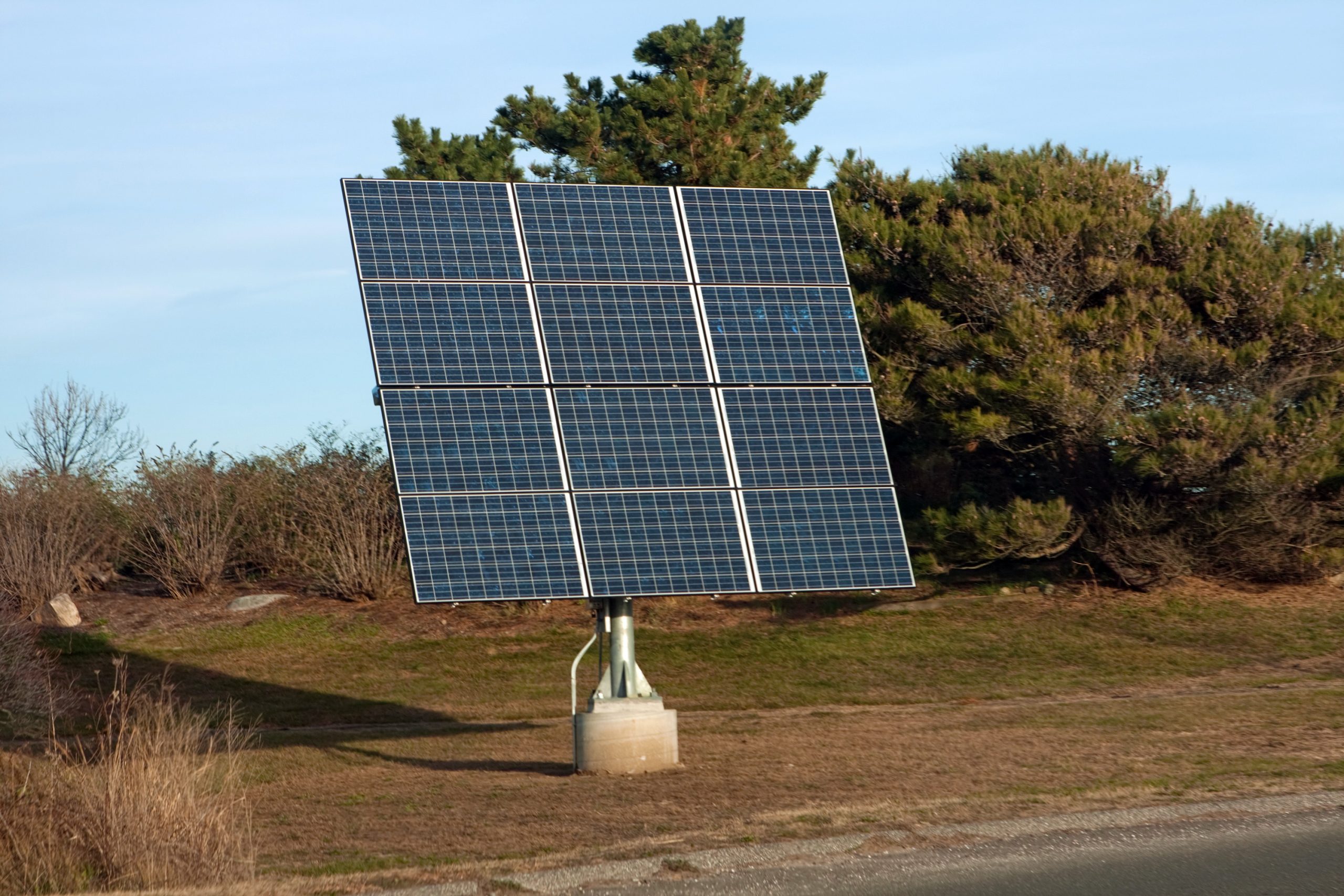
Tag: How Solar Panels Work and Why They Are Efficient

  • Going Green with Solar: The Eco-Friendly Choice for Your Home or Business

    Going Green with Solar: The Eco-Friendly Choice for Your Home or Business

    Solar power is a clean, renewable source of energy that has become increasingly popular in recent years. With the rise in awareness about climate change and the need to reduce our carbon footprint, many homeowners and businesses are turning to solar power as an eco-friendly alternative to traditional forms of electricity generation. In this blog post, we will explore the benefits of going green with solar energy, how solar panels work, common misconceptions about solar energy debunked, and why it’s time to make the switch to solar power.

    Introduction to Solar Power

    Solar power involves harnessing the energy from the sun through photovoltaic cells that convert light into electrical current. These cells are typically mounted on rooftops or other structures where they can receive direct sunlight throughout the day. The electricity generated by these cells can be used immediately or stored in batteries for later use.

    The Benefits of Going Green with Solar Energy

    There are numerous benefits to using solar power as your primary source of electricity. First and foremost, solar power is completely renewable and sustainable, meaning it won’t run out like fossil fuels eventually will. Additionally, solar power produces no emissions, making it one of the most environmentally friendly sources of energy available. It also reduces reliance on foreign oil and helps create jobs within the local community. Finally, solar power can save you money over time, as once the initial investment of installing solar panels is made, there are minimal maintenance costs associated with them.

    How Solar Panels Work and Why They Are Efficient

    Solar panels work by capturing sunlight and converting it into usable electricity through a process called the photovoltaic effect. When sunlight hits the surface of the panel, electrons within the panel’s semiconductor material absorb the energy from the light and begin moving around, creating an electrical current. This current is then captured and sent to an inverter, which converts it into AC (alternating current) electricity that can be used to power homes and businesses. Solar panels are highly efficient because they are designed to capture as much sunlight as possible, with some models boasting efficiency rates above 20%.

    Common Misconceptions About Solar Energy Debunked

    Despite its growing popularity, there are still several myths and misconceptions surrounding solar power. One of the most prevalent is that solar panels don’t work well in cloudy climates. While it’s true that solar panels do perform better in direct sunlight, they can still generate electricity even under cloud cover. Another misconception is that solar panels require frequent maintenance and repairs. In reality, once installed, solar panels have very low maintenance requirements and can last upwards of 30 years without needing significant repairs.

    Conclusion: Making the Switch to Solar Power

    In conclusion, switching to solar power is not only good for the environment but also makes financial sense in the long term. By reducing reliance on nonrenewable resources and generating clean energy, solar power is a win-win solution for both homeowners and businesses alike. Whether you’re looking to reduce your carbon footprint or simply save money on your utility bills, now is the perfect time to consider making the switch to solar power.
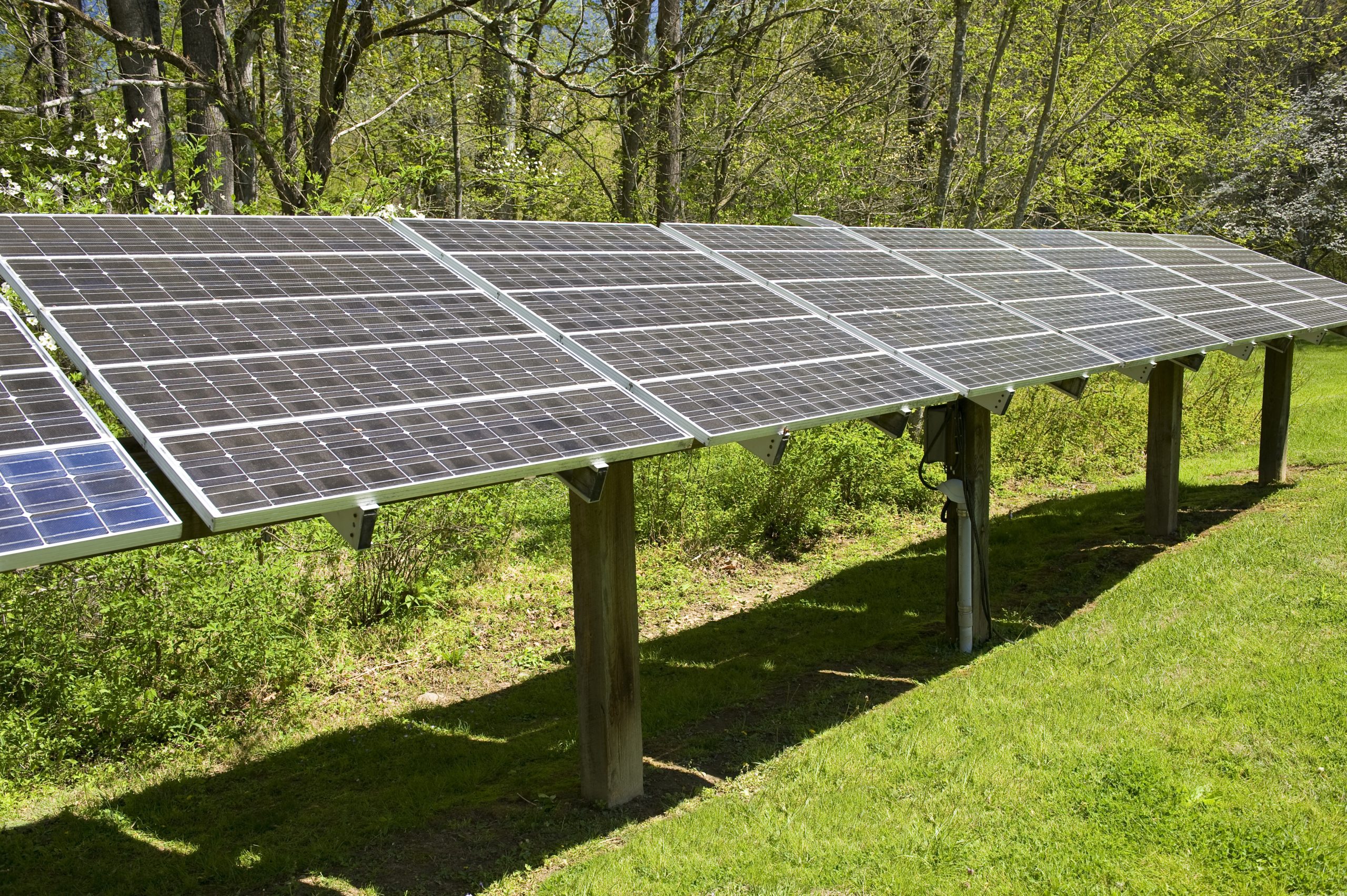
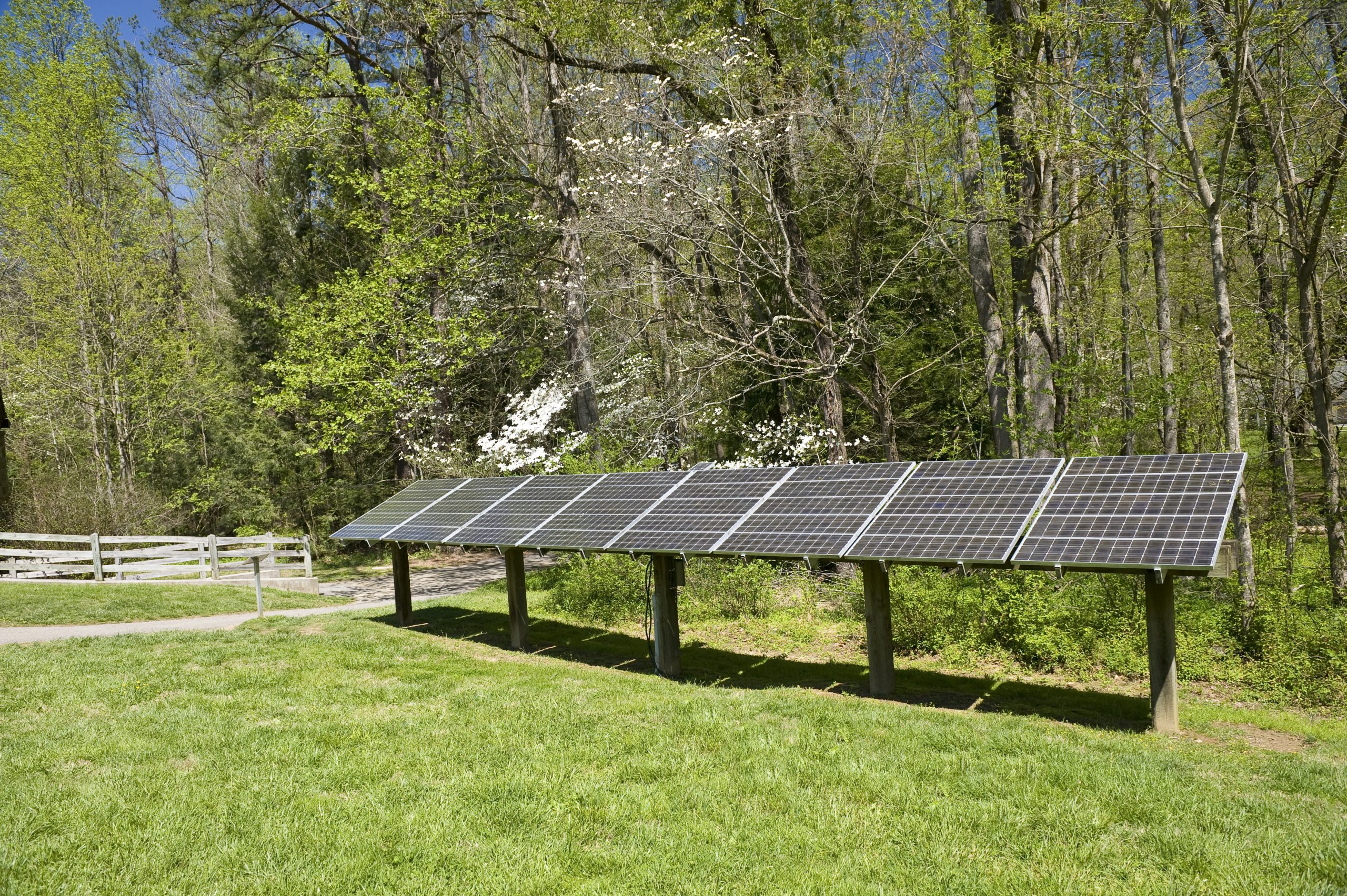
    large solar energy panel array BFeqZppNs 3 scaled

  • Debunking Common Misconceptions About Solar Energy

    Debunking Common Misconceptions About Solar Energy

    Introduction to Solar Energy: Common Misconceptions and Facts

    Solar energy is a clean, renewable source of power that has been gaining popularity in recent years. However, there are still many misconceptions about solar energy that prevent people from fully understanding its benefits. In this article, we will debunk some common myths about solar energy and provide you with the facts.

    electricity generating solar energy panels BFZCTa6Ns 1 scaled

    Myth 1: Solar panels don’t work well on cloudy days or during winter months.Fact: While it’s true that solar panels generate less electricity when they are not exposed to direct sunlight, they can still produce significant amounts of power even under cloudy skies or during winter months. The amount of electricity generated depends on the intensity of light hitting the panel rather than just the presence of light. Additionally, batteries can be used to store excess energy produced during peak hours for use later.

    Myth 2: Solar panels require too much maintenance.Fact: Solar panels have no moving parts and require very little maintenance once they are installed. They do need to be kept free from dust and debris, but this can easily be done by hosing them down occasionally. Most manufacturers offer warranties of up to 25 years, which means that once they are installed, you can forget about them until they need to be replaced.

    modern solar panel used for generating electricity from the sunlight SKl tbuCSo scaled

    Myth 3: Solar energy is expensive and not cost-effective.Fact: The initial investment required for installing solar panels may seem high, but over time, solar energy becomes cheaper than traditional sources of electricity. The cost of solar panels has decreased significantly over the past few years, making them more affordable than ever before. Additionally, once the system is installed, there are no recurring costs associated with generating electricity from solar panels.

    How Solar Panels Work and Why They Are Efficient

    Solar panels work by converting sunlight into electrical energy through photovoltaic cells. These cells are made of silicon, which absorbs photons from the sun and releases electrons, creating an electrical current. This current is then transferred to wiring within the panel, where it can be used to power appliances or stored in batteries.

    The efficiency of solar panels depends on several factors such as the type of panel, the angle at which it is placed, and the amount of sunlight it receives. Higher quality panels with better materials tend to be more efficient, while angling the panels towards the sun can increase their output by up to 20%.

    Debunking the Myth That Solar Energy Is Not Reliable or Consistent

    One of the most common concerns about solar energy is that it is not reliable or consistent enough to meet our energy needs. However, studies have shown that solar energy is actually more reliable than traditional sources of electricity. Unlike fossil fuels, which can run out or become scarce, solar energy is available every day and will never run out. Additionally, advancements in technology have made solar panels more efficient and durable, allowing them to withstand extreme weather conditions like hailstorms and heavy winds.

    Conclusion: Why Investing in Solar Energy is a Smart Choice

    Investing in solar energy is not only good for the environment but also makes financial sense. With the increasing demand for sustainable energy sources, the cost of solar panels continues to decrease, making them more accessible to homeowners and businesses alike. Additionally, using solar energy reduces reliance on traditional sources of electricity, which can be unpredictable and subject to price fluctuations. By switching to solar energy, you can save money on your utility bills while reducing your carbon footprint and contributing to a cleaner, greener future.