Tag: how solar power

  • How Solar Power Can Slash Your Energy Bills

    How Solar Power Can Slash Your Energy Bills

    Understanding Solar Energy Basics

    What is Solar Power?

    So, let’s kick things off with the basics. Solar power is energy harnessed from the sun using various technologies. The most common way is through solar panels, which convert sunlight directly into electricity. It sounds like magic, but it’s really just good old physics at work!

    These solar panels are made up of photovoltaic (PV) cells that capture sunlight and transform it into usable electric energy. Depending on where you live, the solar potential can be fantastic, meaning you could generate quite a lot of your electricity directly from the sun’s rays!

    With climate change and rising energy costs, teaching ourselves about solar energy helps not only our wallets but also our planet. I mean, who wouldn’t want to feel like a superhero while saving the Earth and cash at the same time?

    The Importance of the Transition

    Transitioning to solar power is crucial for several reasons. First up, it significantly reduces fossil fuel dependence, which is vital for combating global warming. Every kilowatt produced through solar is one less that comes from polluting sources.

    Moreover, embracing solar energy can lead to long-term savings. Energy bills can be a real drain, and solar power offers a way to cut those down significantly. It’s a bit like switching to a more fuel-efficient car—you save bucks in the long run!

    Lastly, solar energy is a renewable resource, meaning it’s endlessly available and won’t run out like oil and gas. I can’t stress enough how liberating it feels to switch to energy that’s always there for the taking—sunshine!

    Technology Choices

    When diving into solar power, it’s essential to consider the various technologies available. You’ve got traditional solar panels, which are the most commonly recognized, but there are also solar thermal systems and even emerging technologies like solar shingles.

    For example, solar shingles lay flat on your roof and look just like regular roof tiles. They blend in so well that you’d hardly know they’re generating power! This kind of innovation is exciting and a testament to how far we’ve come in making solar energy more accessible and aesthetic.

    Choosing the right technology depends on your budget and aesthetics. Take the time to do a little homework and see what fits best for your lifestyle and home setup!

    Financial Incentives

    Government Rebates

    One of the coolest things about going solar is the financial incentives out there. Many governments offer rebates and tax credits for homeowners who install solar panels. These financial boosts can significantly lower the cost of installation, making it way more manageable.

    In the United States, for instance, there’s a federal solar tax credit that can be up to 26% of your installation costs. That’s money back in your pocket! You’d be crazy not to take advantage of it. Just make sure to check the eligibility requirements in your area before diving in.

    Another neat option is local utility rebates, which can vary from one area to another. Many states have their own incentive programs that sweeten the deal even further, so it’s worth asking your provider about those options!

    Financing Options

    If upfront costs are giving you cold feet, don’t sweat it! There are plenty of financing options available to help spread the load. Solar loans allow you to pay for the panels over time while still enjoying the lower energy bills right away.

    Plus, there are power purchase agreements (PPAs), where a company installs the solar system at no cost to you, and you simply pay for the power it generates—usually at a lower rate than your local utility. It’s like having your cake and eating it too!

    Make sure you explore all available financing paths; several programs are designed to make solar energy more accessible to everybody, regardless of your current financial situation. Don’t let money hold you back!

    Long-Term Savings

    Now, let’s talk about the cherry on top—long-term savings! Once you’ve got your solar system up and running, your electricity bills can drop dramatically. Imagine paying little to nothing for energy—sounds sweet, right?

    Typically, solar systems pay for themselves within a few years, depending on energy consumption and location. After that, it’s like you’ve hit the jackpot! The more you produce, the less you pay. And if you generate extra energy, you might even sell it back to the grid!

    Plus, let’s not forget that solar panels increase property value. You’re not just saving money; you’re also investing in your home. Buyers love the idea of lower energy bills, which can make your property even more attractive in the long run.

    Environmental Benefits

    Reduces Carbon Footprint

    Switching to solar power isn’t just about saving money; it’s about helping our planet too. By using solar energy, you significantly reduce your carbon footprint. Every little bit counts, baby! The less reliance on fossil fuels cuts down on harmful emissions, making the air a bit cleaner for all of us.

    Many people don’t realize how much energy they use daily, but when you switch over to solar, you’re actively reducing that impact. It’s genuinely empowering to know that you’re making a difference.

    Taking responsibility for our energy choices can have a ripple effect. The more people go solar, the more it encourages others to follow, leading to a larger impact on climate change trends overall. It’s like joining a big, beautiful solar family!

    Conservation of Resources

    Another fantastic aspect of solar energy is its ability to conserve our limited natural resources. When we harness energy directly from the sun, we lessen the demand for carbon-intensive resources like coal and natural gas that are quickly depleting.

    By tapping into solar, you’re taking a stand for a sustainable future. This renewable energy source is abundant and practically limitless on a human timescale, so you won’t be scrambling for resources down the line like with fossil fuels.

    It feels great to know that every ray of sunshine is just waiting to be utilized! So, not only are you saving your bills, but you’re also participating in a vital movement to protect our planet for future generations.

    Promoting Sustainability

    Switching to solar power also promotes sustainability in your community. As more people adopt solar, it generates awareness and enthusiasm about clean energy. Neighbors might start discussions on how to lower energy costs, which can progress into community-focused solar projects.

    Also, solar installations can lead to job creation in the renewable energy sector. Local economies benefit because there’s a demand for skilled labor to install and maintain these systems, boosting local employment and innovation.

    Being part of the solar movement is not just about what’s happening at your home; it’s about contributing to a larger cause. The more we talk about renewable energy, the more we inspire others to think sustainably and make a change!

    Conclusion

    Embracing solar energy has never been more crucial. From understanding the basics to taking advantage of financial incentives, the benefits are clear. And it feels great not only to be saving money but also to protect our environment for future generations. I’ve seen firsthand how solar can change lives, so if you’re even a bit curious, I encourage you to research and explore the possibilities!

    FAQs

    1. How much can I save by switching to solar power?

    Your savings will vary based on energy consumption, location, and system size, but many homeowners find significant reductions on their electricity bills, often saving thousands over time!

    2. Are there any upfront costs?

    While solar systems do require an initial investment, there are many financing options available, including loans and power purchase agreements, to help spread those costs over time.

    3. How long does it take to see a return on investment?

    Typically, homeowners see their solar systems pay for themselves in about 5 to 7 years on average, but this can vary based on energy prices and usage patterns.

    4. Does solar power work in cloudy climates?

    Absolutely! While solar panels are less efficient in cloudy weather, they still produce energy. You’ll be surprised at how much power they can generate even when it’s not sunny!

    5. What happens if I generate more energy than I use?

    Any excess energy generated can be sold back to the grid, meaning you can actually earn credits or payments from your utility provider. How’s that for a bonus?

  • How Solar Power Works: Breaking Down the Basics

    How Solar Power Works: Breaking Down the Basics

    Understanding Solar Energy

    What is Solar Energy?

    Solar energy is derived from the light and heat of the sun. It’s renewable, sustainable, and much cleaner than fossil fuels. When I first started exploring solar power, it amazed me how this giant ball of gas up in the sky can provide such boundless energy.

    The sun produces energy through nuclear fusion, converting hydrogen into helium, a process that releases an astounding amount of energy. That’s what we are capturing with solar panels! It feels pretty incredible knowing that every time we harness this energy, we are taking steps toward a cleaner planet.

    This type of energy is not just great for the environment; it’s also increasingly becoming economical for homeowners and businesses alike. I was astonished to see how, over time, the savings on electricity bills could offset the cost of installation!

    Types of Solar Energy

    There are two primary types of solar energy: thermal and photovoltaic. Solar thermal harnesses heat from the sun, while photovoltaic (PV) converts sunlight directly into electricity using solar cells. The choice between them depends on what you’re trying to achieve.

    When I began my journey, I was more interested in solar photovoltaic systems because they fit better with my need for direct electricity production. It’s fascinating how PV technology has evolved over the years, making it more efficient than ever.

    Each type serves different purposes; for instance, solar thermal is often used for heating water in residential settings, while PV systems are prevalent in places aiming to generate electricity. It’s all about finding what suits your needs best!

    The Future of Solar Energy

    Moving forward, solar energy is only going to get better. I’ve read countless articles predicting that advancements in solar technology will lead to more efficient panels and possibly even energy storage solutions that will keep the lights on when the sun isn’t shining.

    Many countries are investing heavily in solar farms, and there’s a genuine shift toward clean energy. It’s exciting, really! Watching how the solar industry grows and adapts gives me hope for a greener future.

    Plus, solar power technology isn’t just for homes; it can drive entire cities! Future innovations could lead us to a time when solar energy becomes the norm rather than the exception.

    The Components of a Solar Power System

    Solar Panels

    Solar panels are the heroes of the solar energy story. Made up of many solar cells, they capture sunlight and convert it into electricity. I remember when I first saw solar panels up close; I was curious about how those little parts could produce such power!

    The efficiency of solar panels has significantly improved over the years. They’ve become sleeker, more productive, and often come with longer warranties, making the investment even more attractive. Getting familiar with the different types, like monocrystalline and polycrystalline panels, is super important.

    I once helped a friend install solar panels, and it was eye-opening to see how easily they integrate into a home’s existing electrical system. Just a few panels can make a big difference in offsetting energy costs!

    Inverters

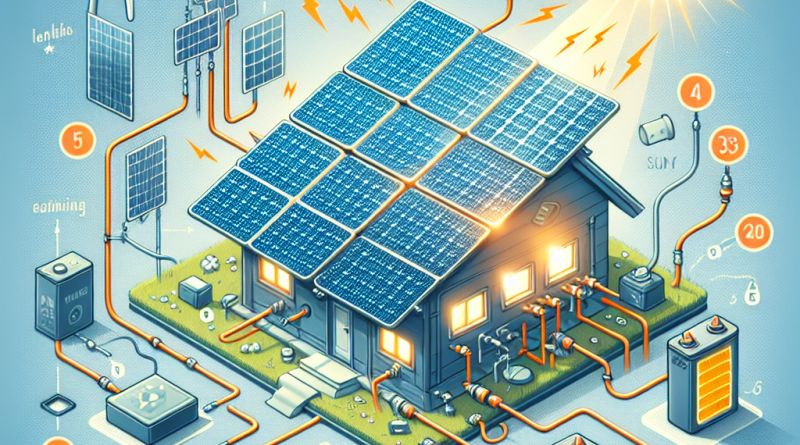
    Inverters play a critical role by converting the direct current (DC) electricity generated by solar panels into alternating current (AC) electricity, which is what most homes use. Understanding this component was a game changer for me.

    There are different types of inverters — string inverters, microinverters, and power optimizers — each serving particular setups efficiently. When I learned about microinverters, I was amazed to discover how they can help maximize production even on partially shaded panels!

    Installing high-quality inverters is just as crucial as installing good solar panels. It’s one of those things that you don’t think about until the system isn’t working quite right. So, trust me, do your research here!

    Battery Storage

    Battery storage systems are becoming more common, allowing homeowners to store excess energy for use during the night or cloudy days. Initially, I thought it was just extra gear, but in reality, it’s a key piece of the solar puzzle.

    Imagine generating power during the day but being able to utilize it at night. That’s what batteries do! I’ve had many conversations with people about how they are taking a leap with battery technology, especially with advancements that have improved their lifespan and efficiency.

    Battery storage can add to the upfront costs, but when you compare that to the potential savings over time, it starts to make sense. It’s like having a mini power plant right in your backyard that’s just waiting for you to tap into it!

    Installation Process

    Site Assessment

    The installation process begins with a thorough site assessment. This step is crucial because it helps professionals understand the unique specifications of your home, like roof orientation, shading, and local regulations. When I got my panels, they meticulously evaluated every angle of my roof, and I realized just how important this part of the process was.

    Even the smallest detail can significantly affect energy production. For example, they measured how much sunlight hit my roof throughout the day, and I was surprised to learn how even the time of year plays a role! Once they gathered all that info, it was almost like they had a game plan ready to go.

    This assessment not only ensures that you get the most energy possible but also helps in maximizing your return on investment. Trust me; you don’t want to skip this step!

    System Design

    After the assessment comes system design. This involves the layout of the solar panels, inverters, and any additional components like batteries. I found it fascinating to see the engineers work through the designs, considering factors like structural integrity and aesthetic appeal.

    Sometimes, they offered options on panel sizes and types, which was a bit overwhelming at first. But they made sure I was comfortable with my choices before moving forward. By the end of this stage, I felt confident about the system we were going to install.

    A well-thought-out design can significantly influence the performance of the solar power system. It’s where all the technical details come together with your personal needs!

    Installation Day

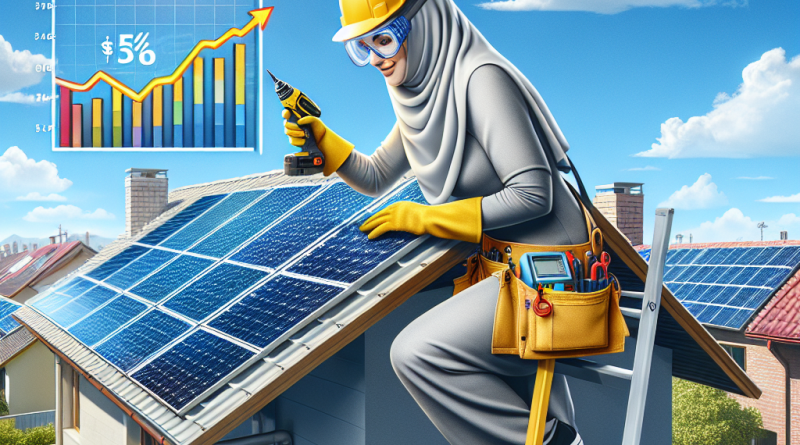
    Finally, we arrived at installation day! To be honest, I was just as excited as I was nervous. Watching technicians climb onto my roof and start working their magic was surreal. It’s a great idea to prepare your home for such an event, making sure the area is accessible.

    The installation process typically takes a day or two, depending on the complexity of the system. I was amazed at how quickly they worked. Before I knew it, my roof was adorned with shiny new solar panels, and it felt like a mini miraculous transformation.

    When they turned the system on for the first time, I felt a rush of pride. I was now part of the solar energy community, contributing to a shared vision of a sustainable future.

    Benefits of Solar Energy

    Environmental Impact

    One of the biggest reasons I made the switch to solar was its positive impact on the environment. Solar energy drastically reduces greenhouse gas emissions compared to traditional fossil fuels. It’s empowering to know that I’m using clean energy, contributing to cleaner air and a healthier planet.

    Over time, I’ve realized that every kilowatt of energy generated by my solar panels translates to less reliance on non-renewable resources. It’s like being part of a movement towards sustainability, and that feels good!

    Each time I hear about climate change, I remember my solar panels are my small contribution toward mitigating that challenge. I often discuss this impact with my kids, increasing their awareness and excitement about renewable energy.

    Cost Savings

    The financial benefits of using solar energy are hard to ignore. I started saving on my electricity bills right away, and several incentives helped offset the installation costs. Tax credits and rebates were a cherry on top, giving my budget a significant boost.

    Over the years, as rates continue to rise for traditional energy sources, the savings from my solar system have only increased. It’s been rewarding to see that investment pay off, and I’m shocked at how much I’ve saved compared to what I’d be spending on conventional electricity.

    Plus, some areas even allow selling back excess energy produced—a win-win situation! It’s great to know that what I generate can also help others in my community. It creates a real sense of collective benefit.

    Energy Independence

    Switching to solar gives a sense of independence. Knowing I can generate my own electricity reduces reliance on fluctuating prices from external sources. It actually feels freeing to power my own home!

    Many people worry about price spikes and energy shortages, and I see the truth in those concerns. My solar panels shield me from that uncertainty. I know I have a system in place that will continue to work as long as the sun shines.

    As climate issues become more prevalent, this energy independence is becoming increasingly attractive. Understanding this, I realize now how essential it is for everyone to consider renewable energy as a valid alternative.

    Conclusion

    Learning about solar energy has transformed my understanding of power, sustainability, and our planet’s future. From understanding the basics to seeing how this technology works for homeowners, I find it overwhelmingly positive. I hope this breakdown helps you navigate your solar power journey, whether you’re just curious or ready to dive in!

    FAQs

    1. What is solar energy?

    Solar energy is energy obtained from the sun’s light and heat, which can be converted into electricity or heat using various technologies.

    2. How do solar panels work?

    Solar panels work by using photovoltaic cells to convert sunlight into electricity. The cells absorb photons from sunlight, which excites electrons and produces direct current (DC) electricity.

    3. What are the benefits of solar energy?

    The benefits include reduced electricity bills, a positive environmental impact, energy independence, and the potential for increased home value.

    4. How long does the installation process take?

    The installation process can vary but typically takes one to two days depending on the complexity of the solar system being installed.

    5. Is solar energy cost-effective?

    Yes! Although the upfront costs can be significant, the savings on electricity bills, federal and state incentives, and increasing energy prices make solar energy a cost-effective option in the long term.

  • How Solar Power Systems Are Reducing Carbon Emissions

    How Solar Power Systems Are Reducing Carbon Emissions

    1. Transition to Renewable Energy Sources

    Understanding Renewable Energy

    You know, as I’ve dived deeper into the solar energy world, what really struck me was how solar power is primarily based on renewable energy. Unlike fossil fuels, which are finite and pollute our air, solar panels harness the sun’s energy. It’s a never-ending source that’s abundant and available almost everywhere. This means that we’re actually choosing a healthier way to power our planet.

    What’s more, the practicality of solar energy is incredible. Once those solar panels are up and running, they generate power every single day, without releasing harmful emissions into the atmosphere. I feel that this transition is not just a personal investment; it’s a commitment we’re making for future generations.

    This shift to renewable energy can drastically change the energy landscape, and it encourages countries and communities to invest in other sustainable practices. The more we educate ourselves about renewable energy, the more we can encourage its adoption and reduce our reliance on carbon-heavy fuels.

    The Role of Solar Power in Emission Reduction

    It’s amazing to see how solar power directly contributes to lowering carbon emissions. I remember seeing figures that illustrate how much carbon dioxide (CO2) solar panels help avoid. It’s wild! Just a small installation on a residential roof can lead to substantial reductions in CO2 emissions over time.

    When the demand for electricity is met by solar energy, it directly cuts down on the burning of fossil fuels, which is a major contributor to climate change. Whenever I see those solar panels gleaming under the sun, I can’t help but feel a sense of optimism knowing they are helping take a load off our planet.

    On a larger scale, if towns, cities, and countries continue adopting solar technology, the cumulative effect is monumental. It’s this ripple effect I find truly fascinating; every new installation contributes to a cleaner, greener planet.

    Encouraging Technological Advances

    Something that excites me about solar energy is how it propels us forward in technological advancements. As the demand for solar panels increases, so does the innovation in making them more efficient and accessible. I’ve read about various breakthroughs that not only increase the energy we can capture but also reduce the costs associated with solar technology.

    These advancements often lead to better storage solutions, allowing energy generated during sunny days to be used during the night or cloudy days. And let me tell you, that’s a game changer! If you can store energy effectively, you’re minimizing the need for other energy sources even more.

    Plus, technology doesn’t just stop with solar panels. It evolves in conjunction with electric vehicles and smart homes, creating an integrated energy ecosystem that can further reduce emissions. It makes me incredibly hopeful about the potential we have to innovate for the sake of our planet.

    2. Economic Benefits of Solar Power

    Lower Electricity Bills

    Let’s be real, one of the biggest perks of switching to solar is the savings on electricity bills. I personally experienced this when I installed solar panels at home. My previous energy bills were through the roof, but now I see a significant drop. Knowing that I’m generating my own electricity gives me that independence and puts a little extra cash in my pocket.

    With net metering options available in many areas, any excess energy I generate can often be sold back to the grid. It’s like getting paid for something I was already doing! This economic benefit makes solar not just an environmentally responsible choice, but a financially smart one too.

    As more people realize these savings, it creates a demand for solar energy that can benefit the economy as a whole. The growth in the solar industry leads to more jobs and investments, and that’s win-win for everyone, I think.

    Job Creation in the Renewable Sector

    Another fascinating aspect of solar power is its ability to create jobs. As someone passionate about both the environment and economic growth, the solar industry presents a remarkable opportunity. From manufacturing to installation and maintenance, the need for skilled labor in solar energy has skyrocketed!

    I’ve seen first-hand how local communities benefit when solar projects kick off. I mean, new job opportunities empower people and lead to robust economic growth. It’s uplifting to see folks getting trained in a field that not only pays well but also aligns with sustainability.

    Moreover, this job creation supports emerging industries such as solar panel recycling and innovative technology development, creating a positive feedback loop that strengthens our economy while tackling climate change. Talk about a great way to make a living, right?

    Long-Term Savings and Investments

    When I think about the long game with solar energy, the long-term savings and investments are something that really stand out to me. While the initial installation of solar panels can be a bit pricey, the ROI is what gets me excited. The savings on energy bills compound over time, leading to financial freedom later in life.

    Even more, various incentives and tax credits are available to offset these initial costs. I can’t stress enough how important it is to research what’s available in your area; it can make a significant difference! Ultimately, that leads to broader adoption and acceptance of solar energy.

    This long-term view shifts the narrative around renewable energy from being just an environmental cause to a viable economic investment. This way, both the planet and the wallets of consumers get a massive boost.

    3. Energy Independence and Security

    Reducing Reliance on Imported Fuels

    One of the most empowering aspects of adopting solar power is gaining energy independence. I’ve noticed that many countries rely heavily on imported fuels for energy, which can be a shaky foundation. When crises happen, it can drive prices up and lead us to vulnerabilities in our energy supply.

    By investing in solar energy, we harness our own local resources and reduce the dependency on imports. It feels good knowing that my energy source is from the sun and not reliant on global markets or political issues.

    This shift not only protects consumers but strengthens national security by diversifying energy sources. The more we lean into solar, the more we can stabilize our energy systems and prevent major price fluctuations caused by world events.

    Building a Local Energy Economy

    When communities start adopting solar power, something beautiful happens: they start building their local energy economies. It’s like creating a tight-knit energy ecosystem that thrives on local resources and talent. I’ve seen this first-hand with community solar projects that involve residents coming together to fund and install shared solar systems.

    This local approach can drastically strengthen community ties and foster a sense of ownership over energy resources. I mean, when people come together for a common goal like this, it creates a sense of pride and responsibility, which I find resonates beyond energy independence.

    Additionally, local solar projects create jobs within the community, keeping money circulating nearby. It’s a virtuous cycle that expands beyond energy and benefits various aspects of local life.

    Enhancing Grid Resilience

    Something that’s really crucial when discussing energy independence is resilience. When solar installations are widespread, they can enhance the resilience of the grid. I find it fascinating how loads can be spread out across multiple local systems rather than relying on a few centralized plants.

    This decentralized approach mitigates risks from natural disasters or failures in the grid. If one solar panel goes down, the rest can still operate, which ensures a steady energy supply. That kind of security provides me with peace of mind.

    The more resilient our energy systems become, the better equipped they are to tackle challenges that we might face in the future. It makes solar part of the larger picture of building a sustainable and secure energy future.

    4. Reducing Air Pollution

    Improving Public Health

    As I’ve researched more about solar energy, I’ve come to appreciate how it fundamentally helps improve public health. Fossil fuel consumption is notorious for releasing harmful pollutants that impact air quality. Not just affecting our climate, it directly affects our bodies and health!

    Switching to solar reduces these harmful emissions, leading to cleaner air. Studies have shown a direct correlation between cleaner air and the reduction of respiratory ailments, cardiovascular problems, and other pollution-related health issues. I can’t help but feel that every solar panel installed is a step toward a healthier community.

    Plus, it’s not just about individual health. Less air pollution means less strain on healthcare systems, reducing overall healthcare costs for everyone in the long run. It feels good to know that every small effort toward solar not only helps the planet but also improves the quality of life for many people.

    Mitigating Climate Change

    We hear so much about climate change, right? A major contributor to it is definitely the emissions from fossil fuels, which are far reduced by using solar energy. I often think about how impactful it is to make choices that help our planet adapt and mitigate the effects of climate change.

    The reduction of CO2 emissions through solar energy significantly contributes to slowing global warming. With solar, we’re taking a stand. Every bit counts, and collectively, these efforts can lead to substantial improvements in our climate conditions. It’s something that gives me hope for the future!

    In addition, investing in solar energy helps create public awareness and urgency around climate issues. It encourages a conversation about sustainable practices beyond solar energy alone, setting a new narrative about what’s necessary for future generations.

    Protecting Ecosystems

    Let’s not forget the ecosystems that are at stake with energy decisions too! The pollution and habitat destruction that come from extracting and burning fossil fuels impact our wildlife and natural spaces. As someone who loves nature, this aspect really resonates with me.

    By reducing our reliance on fossil fuels through solar energy, we’re taking steps toward protecting these important ecosystems. Reports show that cleaner air and fewer water pollutants lead to healthier wildlife populations. It’s all interconnected, you know?

    Every time we choose solar, we make a commitment to preserving our planet’s biodiversity. That’s powerful! It feels amazing to be part of a movement that promotes ecological balance and encourages others to think about the environmental legacy we leave behind.

    5. Global Impact and Initiatives

    International Solar Partnerships

    It’s impressive how solar power transcends borders, right? Many countries, including developing ones, are forming international partnerships to expand solar technology. I find it inspiring to see how cooperation can lead to technological advancements that help reduce carbon emissions globally.

    These partnerships often share knowledge and resources, enabling countries to utilize solar technology more effectively. Larger solar initiatives on an international scale can push for sustainable energy policies that make a difference everywhere.

    It’s like coming together as a global community to tackle a monumental task. It reminds me that we’re all in this together and can make meaningful progress to combat climate change one solar installation at a time!

    Solar Energy in Developing Countries

    What captivates me is how solar energy can empower developing countries. Many regions lack access to reliable electricity, and solar energy presents a practical solution! Companies and NGOs are pushing for solar installations in these areas, providing sustainable electricity where it’s most needed.

    This access can facilitate education, healthcare, and economic development, creating positive ripples throughout communities. I love hearing stories about villages lighting up thanks to solar energy, opening doors that were previously closed.

    Beyond that, it also reduces reliance on wood or kerosene – both harmful to health and the environment. Instead, communities can harness sunlight to power their lives sustainably. It’s transformational, and that’s what gets my passion for solar fired up!

    Global Climate Agreements

    Lastly, I can’t help but recognize the importance of global climate agreements in this solar revolution. Initiatives like the Paris Agreement strive for common goals: reducing greenhouse gases and pushing for renewables, including solar energy. It shows how countries can work harmoniously to create a better future.

    Through these agreements, nations pledge to invest more in renewables and set targets for carbon reductions. I perceive it as a nod to the collective responsibility we all share to protect our planet.

    The advocacy for solar energy within these frameworks highlights the urgency and necessity of transitioning to cleaner energy sources. Each nation’s commitment strengthens the global movement against climate change, and that’s definitely something to cheer about!

    FAQ

    What are the main benefits of solar power in terms of emissions?

    The main benefits include the reduction of carbon emissions, improvement in air quality, and promotion of public health. Solar power creates cleaner energy without the pollutants associated with fossil fuels.

    How does solar energy contribute to economic growth?

    Solar energy promotes economic growth by saving on energy costs, creating jobs in the renewable sector, and fostering local energy economies, which circulate money within communities.

    Why is energy independence important?

    Energy independence helps to protect against vulnerabilities in fuel supply, reduces reliance on foreign imports, and enhances the security of our energy systems by diversifying energy sources.

    In what ways does solar power help in public health?

    By reducing harmful air pollution, solar power significantly lowers the incidence of respiratory and cardiovascular diseases linked to fossil fuel combustion, leading to overall better public health outcomes.

    How can individuals contribute to the global solar movement?

    Individuals can contribute by considering solar options for their homes, advocating for renewable energy policies, and supporting local initiatives that focus on solar energy adoption and education.

  • How Solar Power Enhances Off-Grid Living

    How Solar Power Enhances Off-Grid Living

    Energy Independence

    Embracing Freedom

    Living off-grid is about breaking free from the systems that bind us, isn’t it? When I made the leap into off-grid living, one of the best things I found was that solar power gave me the energy independence I craved. No more monthly bills or utility company worries! Just pure, renewable energy that I could harness directly from the sun.

    Being able to say, “I generate my own power,” is an empowering feeling. It turns the concept of energy into something tangible, something I make for myself, without relying on anyone else. And let me tell you, that change in mindset has been freeing.

    Moreover, on cloudy days, I learned to appreciate every little ray of sunshine. It’s a reminder that I’m in charge of my energy output and can adapt as necessary, using batteries or other backups when the sun isn’t shining bright.

    Reducing Reliance on Fossil Fuels

    One major goal for me was reducing my carbon footprint. With solar panels, I felt I was truly doing my part for the planet. No longer did I have to worry about contributing to pollution or environmental degradation. Every kilowatt I created was one less that came from fossil fuels.

    Solar energy is clean. You won’t hear me singing praises for traditional energy sources, with all that fracking and oil drilling. The more I learned about how much cleaner solar is, the more I became determined to use it as my main source of power.

    So, knowing I’m reducing my reliance on fossil fuels feels amazing. It’s not just about me; it’s about creating a better world for future generations. Every time I flick on a solar-powered device, I feel like I’m making a difference.

    Cost Savings

    Now, I won’t lie – the initial cost of solar panels can make your wallet cringe, but I promise you, it’s an investment worth making. Over time, the savings on electric bills are remarkable, and that’s money I can spend on things that truly matter to me.

    Think about it: no more monthly payments to the utility. Once the purchase and installation are behind you, it’s just free energy generated from the sun. I mean, who wouldn’t love their electric bill going down to near zero?

    Also, many states offer incentives such as tax credits or rebates that can make the transition smoother. Those financial benefits soften the blow and help you recoup some of that upfront cost quicker than you’d think!

    Increased Property Value

    Attracting Eco-Conscious Buyers

    When I first installed solar panels, I knew it would increase my property value, but I didn’t fully comprehend how appealing it would be to homebuyers. In the age of sustainability, more and more folks are searching for homes that come with a green footprint.

    It turns out that having solar panels makes my off-grid property quite irresistible to buyers. They see the benefits and know they could save money over time while being eco-friendly. It’s a win-win!

    Even if I’m not looking to sell right now, it feels great to know that I’m adding value to my home. So, whether it’s for my enjoyment or future selling potential, solar panels are an investment. And who wouldn’t want their home to stand out in the housing market?

    Enhancing Energy Efficiency

    Living off-grid with solar power also opens the door to efficiency innovations. With that much energy freedom, I’ve made changes to ensure my usage is smart and efficient. Simple solutions like LED lighting and energy-efficient appliances have made a substantial difference.

    After adopting these practices, I became more aware of my energy consumption habits. The clearer picture of my energy usage has led me to seek even more ways to save power and reduce waste, which I never committed to before.

    It’s kind of become a fun challenge to optimize my energy use. I mean, who doesn’t enjoy a good challenge? Plus, knowing I’m contributing to energy efficiency feels great—like I’m part of something bigger.

    Potential for Off-Grid Income

    Another exciting aspect that came with solar power was the chance to earn some side income! In areas with good solar resources, it’s possible to sell excess power back into the grid. Even as an off-grider, if you produce more electricity than you can use, why not let your neighbor benefit too?

    The idea of turning my humble solar system into a small business venture made me giddy! This income can help make my off-grid living even more sustainable. Plus, it’s a nice feeling to help someone else save money on energy.

    Another option? If you’re tech-savvy like me, some folks have even turned their passion for solar into consultancy, guiding others on the benefits and processes. The possibilities are endless!

    Environmental Impact

    Promoting Sustainability

    One of my primary motivations for going solar was to promote sustainability, both personally and socially. The more I embraced off-grid living, the clearer it became how essential it is to preserve our planet. Now, I can power my home without causing damage to the earth.

    I feel a sense of responsibility sharing my journey with others. It opens up discussions on sustainable practices and encourages folks to consider the impact they have on the environment.

    Most importantly, it’s not just my home but the community too. By going solar, I’ve seen others inspired to think greener. Together, we’re making small shifts that lead to meaningful changes.

    Conserving Resources

    Another crucial thing I learned was how solar power contributes to resource conservation. It encouraged me to be more mindful in various aspects of life, from energy consumption to water usage. The solar experience forces me to reconsider my habits and make choices that keep my home in harmony with nature.

    It’s easy to overlook how much energy and resources we waste daily. We often forget about conservation, but with solar power, my consciousness shifted entirely. It pushed me to reevaluate not only how I’m using energy but also how I can reuse and recycle more effectively.

    In the long run, adopting solar and a mindset of conservation has taught me ways to make a positive mark, local and global. Every change counts, and my choices today can contribute to a healthier planet tomorrow.

    Encouraging Renewable Energy Use

    One of the coolest aspects of living with solar power is being part of the movement towards renewable energy. It feels rewarding to advocate for this sustainable way of living. I’ve discovered a whole community of folks who are just as passionate, and together we share tips and stories.

    Every time there’s an energy bill hike or environmental concern pops up, I feel fuelled to educate others. I chat with friends and family about the benefits and ease of installing a solar system. It’s fantastic seeing people’s eyes light up when they begin to realize what’s possible!

    So, whether it’s through community workshops or social media posts, I keep promoting solar energy. I want to be part of the wave that leads to a brighter, consequently more sustainable future.

    Financing and Incentives

    Understanding Solar Financing Options

    Let’s talk money—what’s easier to digest than talking about financing options? When I decided to go solar, I took my time researching all the options. At first, the thought of financing made my head spin, but I learned there are many ways to pay for solar panels.

    From loans to leasing options, there’s something for everyone. Understanding the ins and outs of financing will help make the leap to solar more manageable. It’s crucial, so don’t feel overwhelmed; take it one step at a time, like I did!

    Plus, many solar companies offer their own financing plans. It simplifies the whole process. Once I got the ball rolling, I wish I had taken the plunge sooner.

    Government Incentives and Tax Credits

    I can’t stress enough how much of a difference tax credits make! My local government offered several incentives that significantly reduced the cost of my solar panels. It’s well worth researching what’s available in your area.

    I ended up reclaiming a chunk of my investment, and it made financing a bit more feasible. I felt like I scored some free money, making the investment even more attractive! In some instances, folks can have up to 26% of the installation costs deducted or receive rebates; it’s like a sweet bonus on top!

    Make sure to talk to a financial advisor or consult with your solar installation company to understand what’s available and how to maximize those benefits.

    Financing Through Solar Companies

    Honestly, one of the most pleasant surprises was discovering how flexible solar companies could be regarding financing. Many offer competitive rates and flexible payment plans that really helped when I was getting started.

    Some companies offer Power Purchase Agreements (PPAs) that allow you to pay for the energy you produce without a heavy upfront cost. This could be a viable option for you if you want to go solar without paying outright for the system.

    Again, exploring these options helped me see that solar power isn’t just for the wealthy. With the right plan, it can be accessible for anyone, and that feels like a huge win in the fight for a greener planet.

    FAQ

    1. How can solar power make off-grid living more sustainable?

    Solar power provides a renewable energy source, reducing dependence on fossil fuels. It encourages environmentally friendly habits and resource conservation.

    2. What are the financial benefits of installing solar panels?

    Initial costs aside, solar panels significantly lower or even eliminate electric bills, and many areas offer tax credits and incentives that can make the switch financially easier.

    3. Can I sell excess power generated by my solar panels?

    Yes! Depending on local regulations, you can sell surplus energy back to the grid, turning your solar setup into a potential income source.

    4. How do financing options for solar panels work?

    Various financing options include loans, leases, and Power Purchase Agreements. Researching these options can help make your solar investment manageable.

    5. How does solar power influence property value?

    Homes with solar panels typically see increased property values, especially among eco-conscious buyers seeking energy-efficient features.

  • How Solar Power Can Lead to Energy Independence

    How Solar Power Can Lead to Energy Independence

    Harnessing Renewable Energy Sources

    Understanding Solar Power

    Let’s start with the basics of solar power. It’s a renewable energy source that utilizes sunlight to generate electricity. In my journey of exploring energy alternatives, I found it fascinating that all you need is sunshine and some panels to convert that light into power. It feels like magic, doesn’t it?

    But seriously, solar panels are made of photovoltaic cells that capture sunlight and convert it into electricity. And here’s a perk – they’re becoming more efficient with technology improving year over year. I mean, who wouldn’t want to use something that’s abundant and free!

    Plus, solar energy is sustainable. Unlike fossil fuels, which can run out and pollute the environment, solar has the potential to offer a clean source of energy for many years ahead. It’s a win-win situation for both us and the planet!

    The Benefits of Solar Energy

    When it comes to benefits, let me tell you, they are plenty. First off, utilizing solar power decreases your dependence on traditional energy sources. I can’t stress how liberating it feels to know you’re not tied to fluctuating utility bills and external suppliers!

    Moreover, generating your power means you’re less vulnerable to energy crises that can arise from geopolitical tensions or natural disasters. We all remember how those power outages can disrupt our lives, right? With solar, you can have a little slice of independence.

    And don’t forget about the environmental impact. Using solar energy helps reduce greenhouse gas emissions, which contributes to combating climate change. It’s a great feeling to know that by going solar, I’m doing my part for a healthier planet.

    Costs and Savings

    Now, let’s chat about costs because I know this is on everyone’s mind. Initially, the investment in solar panels can seem steep. However, the long-term savings on your energy bill can be mind-blowing! I installed solar panels a couple of years back, and now I barely pay any utility bill!

    Many areas also have incentives, rebates, and tax credits that can drastically lower your upfront costs. For example, the federal solar tax credit can cover a significant percentage of the installation costs. It’s always worth checking what’s available in your area. You might find that going solar is not only feasible but smart financially!

    And remember, once those panels are paid off, it’s like golden rays of income just rolling in. With the right setup, you could even sell excess power back to the grid. Now, how cool is that?

    Creating Local Energy Solutions

    Microgrids and Community Initiatives

    One of the coolest things about solar energy is how it can empower communities. Ever heard of microgrids? They allow neighborhoods to create their own local energy sources. With a few solar installations, towns can band together, produce their own electricity, and reduce their reliance on larger, distant utilities. Trust me, it’s a game-changer!

    Communities can work together to invest in solar power, sharing the costs and ultimately benefiting everyone. When I see neighborhoods coming together for a solar project, it truly warms my heart. It’s about more than energy; it’s about unity and collaboration!

    Moreover, local initiatives can champion energy transitions. By promoting solar power, communities can reduce their carbon footprint and serve as models for others. It’s like a ripple effect that can inspire other towns and cities. Who wouldn’t want to be part of that movement?

    Energy Resilience

    Now let’s talk resilience. With the way climate change is shaking things up, power outages and energy shortages are becoming more common. Energy resilience through solar power means that communities have a reliable source during crises.

    Let’s not forget that having solar energy can also support critical services like hospitals and emergency shelters. When Mother Nature strikes, and the grid goes down, guess who can keep the lights on? That’s right, solar-powered facilities.

    In my view, investing in solar is investing in the future. By building resilience now, we can ensure that our communities remain stable and secure, no matter what happens outside.

    Job Creation and Economic Opportunities

    Switching to solar power doesn’t just help the environment; it also creates jobs! The solar industry is expanding rapidly. It needs hands-on deck for installation, maintenance, and innovation.

    I’ve seen firsthand how local economies can thrive with job opportunities sprouting up around renewable energy sectors. More jobs mean more money circulating in the community, and that’s a fantastic cycle!

    Furthermore, educational programs surrounding solar energy can empower the next generation. Schools can offer courses and training in renewable energy, stirring interest and preparing young folks for careers in this growing field. It’s exciting to think about the future workforce that will drive sustainable energy solutions!

    Reducing Carbon Footprint

    The Impact of Solar on the Environment

    Going solar can dramatically reduce your carbon footprint, which is a term we’re hearing more and more. It refers to the total greenhouse gases produced to support our lifestyle, and trust me, the numbers can be shocking.

    By switching your energy source from fossil fuels to solar, each household or business can ostensibly save tons of carbon dioxide emissions each year. Based on my own calculations, going solar has helped reduce my household emissions significantly.

    The collective impact of millions, or even billions of individuals transitioning to solar can lead to substantial environmental benefits. By reducing reliance on fossil fuels, we contribute to cleaner air and water, promoting biodiversity. It’s like being on the frontlines of saving our planet!

    Incentives for Going Green

    There are tons of reasons to go green, and incentives play a massive role. Many governments and organizations are now offering financial incentives to encourage solar adoption. That’s a positive signal that they want us to make the switch!

    Various rebates, tax credits, and grants can ease the financial burden of solar installation. A smart move is to research what programs are available in your state. If you think about it, this can make a world of difference for individuals or families considering solar energy.

    And there’s this compelling realization that each time we install solar panels, we contribute to a larger movement that champions sustainable practices. That feeling of knowing you’re part of something truly revolutionary? Priceless!

    Personal and Community Initiatives

    Last but definitely not least, it’s essential to hold ourselves accountable, right? Encourage friends and family to consider solar energy. Talk about your personal experience and the changes you’ve seen. Trust me; you’ll inspire others!

    Moreover, community workshops and informational sessions can help demystify solar technology. I love seeing the spark in people’s eyes when they realize how feasible and accessible solar energy can be. It’s about sharing knowledge and supporting one another!

    Working with local organizations to provide resources and workshops can bridge the gap for those hesitant about transitioning to solar. Each small step creates a larger movement towards energy independence—one solar panel at a time!

    Conclusion

    In conclusion, solar power can indeed pave the way to energy independence. By harnessing renewable sources, creating local energy solutions, building resilience, reducing our carbon footprint, and encouraging initiatives, we can empower ourselves and our communities.

    From my personal adventures in the solar realm, I can assure you that while the journey may be challenging, every bit of effort is worth it for a sustainable future. At the end of the day, it’s about taking control of our energy needs while fostering a healthier planet for future generations.

    FAQ

    What is solar power?

    Solar power is energy harnessed from sunlight to generate electricity. It uses solar panels featuring photovoltaic cells that convert light into energy.

    How does solar energy contribute to energy independence?

    Solar energy allows individuals and communities to generate their own power, reducing reliance on external suppliers and traditional energy sources.

    Are there financial incentives for installing solar panels?

    Yes! Many governments offer rebates, tax credits, and grants to promote solar energy adoption, which can significantly lower the installation costs.

    Can solar energy help during natural disasters?

    Absolutely! Solar power systems can provide electricity during power outages caused by natural disasters, offering a reliable energy source to critical services.

    What impact does solar energy have on the environment?

    By switching to solar energy, individuals can reduce their carbon footprint, leading to fewer greenhouse gas emissions and a positive impact on the environment.

  • How Solar Power is Leading the Green Energy Revolution

    How Solar Power is Leading the Green Energy Revolution

    1. Accessibility and Affordability

    Breaking Down the Cost Barriers

    From my personal experience, the sheer drop in solar panel prices over the last decade is nothing short of remarkable. It used to be that getting solar energy meant making a hefty investment, and that could scare anyone off. But today, with advancements in technology and increased competition among manufacturers, solar panels have become much more accessible. It’s like getting that sweet gadget you’ve wanted for ages but finally seeing it on sale!

    Not only have the prices come down, but there are also numerous financial incentives available. I’m talking about tax credits, rebates, and even financing options that make it easier to bring solar energy into homes. It’s like the universe is telling us, “Go green without going broke!”

    So, if you’ve ever thought about solar energy being only for the wealthy, think again! With proper research and a bit of planning, anyone can harness the sun’s power and lower their energy bills.

    Government Support and Incentives

    It’s amazing how much encouragement we’re seeing from governments around the world to adopt solar energy. They’ve recognized its potential not just for saving costs but for protecting our planet! My personal takeaway is that there’s so much out there waiting for you if you’re considering solar. Local governments often have their programs that make installation cheaper or even subsidized!

    Plus, there’s a swell of energy policies that favor renewable sources. I’ve come across countless stories of people who took the plunge after discovering local incentives that made solar panels much more affordable. It’s like discovering an unexpected reward while shopping; you just can’t pass it up!

    Honestly, diving into solar energy isn’t just a noble choice — it’s becoming a financially savvy move thanks to these supportive measures. I would always encourage everyone to check what’s available in their area; you might be pleasantly surprised!

    Home Value Increase

    Let’s talk about property value, shall we? I’ve learned that adding solar panels can actually boost the value of your home. It’s like adding a bathroom or a well-tended garden; it just makes your property more appealing! And buyers these days are increasingly interested in eco-friendly features.

    When I chat with real estate agents, they often mention how homes equipped with solar panels can command better prices. It’s a win-win situation: you save on energy bills, and when you decide to sell your house, you might just rake in some extra cash.

    So, if you’ve got solar on your roof, you’re not just reducing your carbon footprint; you’re also making a smart move in terms of real estate! It’s refreshing to think of green living as an investment rather than just an expense.

    2. Environmental Impact

    The Reduction of Carbon Footprint

    You know how sometimes you hear about those extreme challenges where people try to live zero-waste? Well, going solar is my version of that challenge. Reducing my carbon footprint has become a personal mission, and solar power is a game-changer. Every time I flip the switch and use solar energy instead of traditional sources, I can almost feel the planet breathing a sigh of relief!

    Being environmentally conscious is more than a trend for me; it’s a lifestyle. Solar energy produces very little environmental impact compared to fossil fuels. When I learned how much carbon dioxide emissions are cut down with solar, it reinforced my commitment to embrace renewable energy.

    It’s super empowering to know that just by utilizing the sun’s rays, I can play a part in combating climate change. Every bit counts, and I love being part of a larger movement that cares for Mother Earth.

    Long-term Benefits for Generations

    What I find particularly inspiring about solar energy isn’t just the immediate benefits; it’s the long-term impact on future generations. As someone who loves the outdoors and cherishes nature, knowing that I’m contributing to a cleaner planet for my kids brings me a sense of fulfillment.

    We all have that nostalgia for simpler times, and honestly, I want my kids to experience a world that’s just as vibrant. Shifting to solar power means creating a sustainable future. I envision a planet where they can explore nature without the fears of pollution and climate devastation hanging over them.

    The thought that I’m participating in something bigger—preserving our planet’s health—is genuinely heartwarming. It’s like leaving a legacy of love for not just my kids but for the entire planet!

    Promoting Biodiversity

    One cool insight I gained during my solar energy journey is how it positively affects biodiversity. Using solar power means reducing reliance on coal and gas, which are often culprits in habitat destruction. Thinking about the birds, bees, and other creatures that depend on healthy environments makes my heart swell!

    By fostering a cleaner energy landscape, I contribute to preserving those ecosystems that are increasingly under threat. And you know what? I feel a sense of camaraderie with the wildlife around me. We’re both thriving in cleaner environments, and that connection makes my own lifestyle feel more meaningful.

    It’s like joining a club for nature lovers. By being green, I’m supporting the intricate web of life that surrounds us all. Nature is beautiful, and I want to keep it that way!

    3. Technological Advancements

    Innovations in Solar Technology

    Jumping into solar energy gave me the chance to explore some truly impressive tech innovations. The solar panels available today are way more efficient than the early ones. Every time I read about new breakthroughs in solar cell technology, I feel like a kid on Christmas morning!

    So many companies are dedicated to innovating and creating better solar solutions. I often follow blogs and updates that discuss things like bifacial solar panels or solar shingles. Every improvement means we can harness more power from the sun—how cool is that?

    It’s not just about getting energy from the sun; it’s about optimizing that energy for practicality and efficiency. The tech world’s relentless push towards sustainability is genuinely exciting, and I love being on the leading edge of this energy revolution!

    Integration with Smart Homes

    You might feel me on this one: we live in a tech-savvy age where smart homes are taking over! The integration of solar panels with smart home technology has been a game-changer. I never imagined I could manage my energy consumption from my smartphone!

    Whether it’s checking the solar panel output or controlling my devices for peak energy use times, the convenience is unbeatable. Smart home tech allows me to optimize my usage in real time, which ultimately saves me some coin. Seriously, it’s like magic!

    This level of integration makes solar energy not just an eco-friendly choice, but a stylishly modern one too. I truly feel like I’m living in the future, thanks to the merging of these two worlds!

    Job Creation in Renewable Energy Sector

    One of my favorite parts about the solar movement is how it’s creating jobs. As the solar industry expands, it’s exciting to see the growth in job opportunities. Knowing that when I go solar, I’m supporting job creation fuels my commitment!

    Think about it: every time a new solar project is launched, it brings together engineers, installers, and sales experts—that’s a whole ecosystem of employment! Seeing so many people dedicated to creating a sustainable future fills my heart with hope.

    Additionally, many of these jobs are local. Supporting solar power is like a double win, benefiting both the environment and the economy. It’s empowering to think that we can make impactful choices that uplift our communities while also keeping the planet healthy!

    4. Energy Independence

    Reducing Reliance on Fossil Fuels

    Ah, the freedom that comes with energy independence! One of the most rewarding feelings I’ve experienced since switching to solar is the confidence in not being entirely reliant on fossil fuels. The energy landscape has changed, and I’m thrilled to be part of that change!

    Reducing reliance on fossil fuels is a big stepping stone towards a sustainable future. Every kilowatt produced from my solar panels is like a step away from harmful extraction practices and a move towards cleaner sources. I love the idea of being part of a massive shift that challenges the status quo.

    It’s a huge boost to know that I’m paving the way for future generations to enjoy cleaner energy choices. The thought of contributing to energy independence gives me immense satisfaction and pride in my choices.

    Decentralization of Energy Production

    Solar power brings a sense of empowerment that’s hard to put into words. When I learned about the decentralization of energy production, it literally changed my outlook on energy consumption! By generating energy right at home, it feels like taking back power—literally!

    No longer is energy production in the hands of a few large entities. Instead, I’m playing my part in a broader movement that encourages local production and consumption. It’s invigorating to contribute to an energy system that prioritizes independence and community support!

    As solar energy spreads, I’m reminded that we can all take an active role in shaping our energy future. It’s a beautiful, collective effort that fosters unity and resilience!

    Stability Against Price Fluctuations

    Speaking of independence, let’s chat about the financial side of things. With solar energy, I’ve found stability against price fluctuations. My electricity bill has become less of a rollercoaster ride and more of a calm ride along a scenic route!

    Energy prices can swing wildly, and that unpredictability often leads to stress. But by investing in solar, I’ve taken control over my energy expenses. It’s like locking in a great price for something you know you’ll always need; you just can’t lose!

    This stability isn’t just a personal benefit; it’s something that all households can tap into. Collectively, as more people adopt solar power, we can push back against the volatility of traditional energy markets. How awesome is that?

    5. Community Engagement and Education

    Spreading Awareness About Solar Energy

    One of the coolest joys I’ve experienced since going solar is the conversations it sparks! I love to share the benefits of solar energy with friends, family, and neighbors, because who wouldn’t want to join in the renewable energy fun?

    Engaging with my community about solar has proven to be eye-opening for many. As I explain the financial and environmental gems of solar energy, I can see the lightbulbs turn on! It’s like I’m a solar ambassador, and it feels incredible to spread the word about such a positive change.

    Rallying around solar power isn’t just about individual benefits; it’s about building a community that cares. The more people know about it, the more likely we’ll see collective change. It’s an exciting time to jump in and raise awareness!

    Building Solar Co-ops

    While discussing community engagement, let’s not overlook the power of collaboration! I’ve discovered that joining forces with neighbors through solar co-ops leads to mutual benefits. Coming together to purchase solar collectively can significantly cut costs and pave the way for a shared solar experience.

    Through these co-ops, we create stronger connections within our neighborhoods while making a bold statement about renewable energy. It’s like standing up together for what we believe in: a cleaner and greener planet!

    This cooperative spirit can spark incredible energy in the community—as we share our knowledge and resources, we strengthen our commitment to sustainability and create a positive ripple effect.

    Educational Programs and Workshops

    Finally, let’s talk education! I’m all about learning, and I’ve found that many organizations offer workshops and programs to inform people about solar energy. These sessions are not only invaluable to veterans, like me, but also to newcomers who are curious about making the switch.

    Taking part in workshops opened my eyes to aspects of solar energy I hadn’t even considered. It’s exciting to connect with experts, share experiences, and learn more about optimizing solar usage. This knowledge can empower everyone to make informed decisions!

    By sharing what I learned, I believe I can contribute to building a more educated community that embraces solar energy. It feels fantastic to know that together we can pave the way for a greener future!

    FAQs about Solar Power and the Green Energy Revolution

    1. What are the main benefits of solar power?

    The primary benefits of solar power include reducing electricity bills, minimizing environmental impact, and increasing energy independence. Solar power offers long-term financial savings and contributes to a cleaner planet by harnessing renewable energy.

    2. How has solar technology evolved over the years?

    Solar technology has become more efficient and affordable. Innovations in solar panels, such as improved materials and integration with smart technology, have drastically enhanced their performance and accessibility for homeowners.

    3. Can solar power really increase the value of my home?

    Absolutely! Homes with solar energy systems often have increased market value and appeal to buyers who are interested in eco-friendly features. Investing in solar can lead to a higher return on investment when selling a property.

    4. What role do governments play in promoting solar energy?

    Governments play a crucial role by offering incentives like tax credits and rebates to encourage the adoption of solar energy. They often implement policies that support the growth of the renewable energy sector, making it easier for individuals and businesses to go solar.

    5. How can I get involved in my community’s solar initiatives?

    You can support local solar initiatives by spreading awareness, participating in workshops, and considering joining or forming solar co-ops with neighbors. Engaging with community members and local organizations can help foster a stronger commitment to renewable energy.

  • How Solar Power Can Reduce Your Household Emissions

    How Solar Power Can Reduce Your Household Emissions

    1. Understanding Solar Energy

    What is Solar Energy?

    So, what exactly is solar energy? It’s pretty simple, really. Solar energy comes from the sun and is harnessed using solar panels. These panels contain photovoltaic cells that convert sunlight into electricity. When I first learned about it, I was amazed at how we could tap into such a vast and free energy source!

    Solar energy is clean and renewable, which means it doesn’t produce harmful emissions when generating power. It’s incredible to think that by installing solar panels, we’re basically turning our homes into mini power plants while helping the planet.

    Understanding this concept is key to appreciating how solar energy contributes to reducing household emissions. By relying on solar energy instead of fossil fuels, we not only improve our environment but also take control of our energy bills.

    The Benefits of Solar Energy

    The benefits of harnessing solar energy are overwhelming. First off, switching to solar reduces greenhouse gas emissions, a major contributor to climate change. After installing my solar panels, I noticed a significant drop in my household’s carbon footprint. There’s something rewarding about knowing I’m doing my part!

    Not to mention, solar power can lead to substantial savings. While the initial investment may seem daunting, the long-term benefits are clear. My energy bills went down significantly, and I’ve even earned credits back through my local utility company.

    Moreover, adopting solar energy can increase property values. Future buyers are often drawn to homes with solar panels because they know they’re getting energy savings and reducing emissions. It’s a win-win all around!

    Debunking Common Solar Energy Myths

    When I first considered solar energy, I encountered a ton of myths that nearly swayed my decision. One common misconception is that solar panels only work in sunny climates. The truth is, solar panels can generate electricity even on cloudy days! I’ve seen them perform pretty well even when the skies are overcast.

    Another myth revolves around the cost. Some people think solar is too expensive, but many financing options and incentives are available. Once I started researching, I found numerous programs that made it much more affordable than I expected.

    Lastly, there’s a belief that solar panels are an eyesore. While design is subjective, modern panels are sleek and can actually enhance a home’s aesthetic appeal. I’ve had neighbors compliment mine more than once!

    2. Installing Solar Panels

    Choosing the Right Panels

    Choosing the right solar panels can feel a bit overwhelming with so many options out there. It’s essential to do your homework. I spent time researching different brands and technology types, such as monocrystalline and polycrystalline panels, to find what worked best for my needs.

    Consider the efficiency ratings, as they indicate how well a panel converts sunlight into energy. The higher the efficiency, the more energy your system can generate. This can make all the difference when it comes to working with limited space, especially if your roof isn’t huge.

    Don’t skip reading reviews and asking for recommendations from friends or family who’ve made the switch themselves. Knowing someone’s personal experience can go a long way in making the right choice.

    Finding a Reliable Installer

    Once you’ve picked your panels, the next step is finding a reliable installer. This was crucial for me; a good installation can make or break your system’s performance. I sought out online reviews and asked around for trustworthy recommendations.

    When interviewing installers, I made sure to ask lots of questions about their experience and warranties. A reputable company should handle all permits and inspections, making the process smoother for you.

    Taking the time to research installer credentials and ensuring they have a good reputation in the community will save you headaches down the line. It really pays off to invest time in this step!

    The Installation Process

    The installation day was exciting and a bit nerve-wracking! Thankfully, the process was quicker and less disruptive than I anticipated. My installer laid out a plan, and in just a day, my roof was filled with shiny new panels.

    During this process, they take care of setting up an inverter, which converts the energy collected by the panels into usable electricity for the home. I was really surprised at how swiftly everything came together!

    After the installation, my excitement grew even more as I began tracking my energy production in real-time. It’s thrilling to see your energy meter actually spinning backward—proof that I was contributing to a cleaner future!

    3. Understanding Your Energy Needs

    Assessing Your Energy Consumption

    Before switching to solar, I spent time understanding my energy consumption. I went through my utility bills to find out how much energy I typically used. It wasn’t as intimidating as it sounds; just a little math and some simple tracking made all the difference.

    Knowing your energy needs is crucial in designing a system that meets those needs. I discovered that being conscious of energy conservation helped minimize costs. Simple swaps, like LED bulbs and energy-efficient appliances, took my commitment to reducing emissions even further!

    Creating an inventory of your household appliances and their usage can clarify how much energy you might need from your solar setup. It feels great to have a better grasp of my energy habits!

    Tracking Your Energy Usage

    After my solar panels got installed, tracking my energy usage became super important. Many solar systems come with monitoring tools that help you see how much energy you’re producing and using. I loved watching my stats soar as clear sunny days rolled in!

    These tools offer real-time data, which is not only fun but helps me adjust my energy habits. If it looks like I’m using too much on a specific day, I can be wise about switching things off or adjusting my schedule then.

    By being proactive and tracking my energy use, I’ve enhanced my solar investment and made better decisions, turning my home into an eco-friendly haven.

    Encouraging Family Participation

    Getting my family involved in understanding energy needs turned out to be a rewarding experience. We sat down together to discuss how much energy we were using and brainstormed ways to reduce consumption. Kids love seeing data, so they were super into it!

    Encouraging everyone to be mindful of how much energy they use each day has created a family culture focused on sustainability. It became a joint effort, and everyone has fun finding new ways to cut down on energy waste.

    This sense of teamwork has made the transition to solar feel like a community initiative rather than just a personal project. It’s something we’re proud of together!

    4. Benefits of Going Solar

    Saving Money

    Let’s talk money—who doesn’t love saving some cash? One of the major incentives for going solar is the financial benefits. After just a few months, I noticed that my energy bill was drastically lower, allowing me to allocate those funds elsewhere.

    Some states even offer tax credits and rebates for solar installation, so make sure to check for any financial support available in your area. This makes the investment way more manageable than I’d ever imagined!

    Furthermore, thanks to net metering, any extra energy my panels produce goes back into the grid, and I receive credits on my utility bill. It’s a fantastic way to save money while caring for the beauty of Mother Earth!

    Increasing Home Value

    One great surprise about installing solar panels? They can significantly increase your home’s value. Homebuyers are increasingly looking for energy-efficient features, and having solar panels installed gives my home a leg up in the market.

    When I found out solar homes often sell for a premium price, it added another layer of excitement to my decision. It feels good to know that the choice I made for a sustainable future can also benefit my investment!

    As home values rise, it only makes sense that solar power is seen as an asset by prospective buyers. This trend solidifies my belief that going solar is not only good for me but also adds value to the environment.

    Contributing to a Greener Planet

    Ultimately, every time I look at my solar panels, I feel proud knowing they help reduce pollution and greenhouse gas emissions. It’s comforting to be proactive and contribute positively to the planet we share.

    Switching to solar has turned my home into part of the solution to climate change rather than a contributor. We need more folks to realize that these small changes can lead to massive impacts for our environment.

    When enough people make the switch, the ripple effect can be felt globally. It’s fulfilling to think that I’m contributing to a healthier, greener world for future generations!

    5. The Future of Solar Power

    Technological Advancements

    The future of solar power is looking bright—pun intended! Technology is advancing at breakneck speed, and new innovations are continuously emerging. Just look at the developments in battery storage technology.

    With improved storage options, we can now save enough energy to power our homes even during cloudy days or at night. This capability opens up the possibilities of fully independent energy systems, which is a game-changer!

    It’s exciting to think about how these advancements will continue to improve efficiency and reduce costs. Staying engaged with the latest news in solar tech has become a hobby of mine. Knowledge is power, right?

    Solar Energy Incentives

    Government incentives play a significant role in the widespread adoption of solar energy. Programs are popping up all over the place to encourage homeowners to make this eco-friendly transition. I encourage people to research what’s available in their state!

    Whether it’s tax rebates, grants, or even community solar initiatives, the landscape is rich with opportunities. These incentives have made it way more feasible for folks to go solar—don’t miss out!

    The growth of these programs demonstrates a broader commitment to renewable energy and addressing climate change on a legislative level. Knowing I’m part of a growing movement lifts my spirits immensely!

    Community Impacts

    Switching to solar power isn’t just a personal decision; it can impact entire communities. When more homes adopt solar energy, we create a collective shift towards cleaner energy and brighter futures.

    Schools and local non-profits are also jumping on the solar bandwagon, harnessing renewable energy to cut costs and reinvest back into programs. Seeing communities benefit from solar energy is heartwarming; it’s more than just about individual savings.

    By encouraging local adoption of solar initiatives, we create an ecosystem where everyone reaps the benefits. After all, it’s always great when we can work together for a cleaner tomorrow!

    FAQs

    1. How much can I save on my energy bills by switching to solar?

    The savings vary, but many homeowners see a significant reduction in their monthly electric bills—often 20% to 50%! The exact savings depend on your energy consumption, local incentives, and the efficiency of your solar panels.

    2. What are the initial costs of installing solar panels?

    Initial costs can vary widely based on your home’s size and energy requirements, but the average cost can range from $15,000 to $25,000. However, incentives and financing options can help lessen this financial burden.

    3. Can solar panels work in cloudy or rainy weather?

    Absolutely! Solar panels can still generate electricity on cloudy days, although their efficiency might decrease. Many systems are designed to take advantage of indirect sunlight, so don’t let a little cloud cover deter you.

    4. How long do solar panels last?

    Most solar panels come with warranties covering 25 years, but many systems continue to function efficiently well beyond that! Regular maintenance can extend their life even further.

    5. What incentives are available for installing solar panels?

    Incentives vary by state, but you may be eligible for federal tax credits, local rebates, and grants. It’s worth it to check with your local energy authority to see what’s available in your region!