Tag: how to

  • How to Make the Most of Your Home Solar Investment

    How to Make the Most of Your Home Solar Investment

    Understand Your Energy Needs

    Assess Your Current Energy Consumption

    So, first things first, I had to figure out how much energy my household actually consumed. It’s surprising how quickly those little gadgets can rack up the electricity bills. I went through my past utility bills and noticed patterns over the months—­seasons, holidays, and all that jazz. This step is key because it helps you figure out how much solar power you need to generate.

    Next up, I took a mental (and literal) inventory of all the major appliances and devices in my home. Do I really need to run that power-hungry air conditioner all summer? Or could I save some cash by opting for a more energy-efficient model? Understanding this sets the foundation for my solar investment.

    Once I had a solid grasp on my energy usage, I set goals. Maybe I’d like to produce enough solar energy to cover 80% of my needs instead of going fully off-grid. This gave me a clearer picture and made the whole investment feel more manageable and achievable.

    Choose the Right Solar System

    Types of Solar Panels

    Alright, now that I’ve got my energy needs mapped out, it’s time to dive into choosing the right solar panels. Trust me, I spent hours researching this! There are three main types: monocrystalline, polycrystalline, and thin-film panels. Monocrystalline panels are usually more efficient but come with a higher price tag.

    Polycrystalline panels are a solid choice as well—they’re less expensive and still do a decent job. Thin-film panels? They’re more affordable but are typically less efficient, so I had to weigh my options. Each type has its pros and cons, and it’s all about what suits my situation best.

    Most importantly, I learned that efficiency ratings matter. I looked for panels with at least a 15-20% efficiency rating. Higher efficiency means less space taken up on my roof and more solar energy generated during the day.

    Consider Installation Options

    DIY vs. Professional Installation

    With so much info on solar systems, I had to decide how I’d get the panels on my roof. The DIY route crossed my mind—it sounded fun and would save some cash. However, after reading up and watching how-to videos, I realized the technical work involved could be a bit overwhelming.

    Ultimately, I opted for professional installation, and it was totally worth it. The installers took care of all the permits, inspections, and tricky wire connections. Plus, I got to sit back and enjoy a nice cup of coffee while they did all the heavy lifting!

    Having paid professionals also meant I could leverage their experience. They understood my roof’s layout and angles, helping me maximize sunlight exposure. Honestly, I felt pretty good knowing I made the right call on this one.

    Take Advantage of Incentives

    Federal and State Tax Credits

    When I decided to install solar panels, I didn’t just think about the long-term savings on my energy bills—I also looked into financial incentives offered by the government. Did you know that the federal solar tax credit can cover a generous chunk of your installation cost? It was a game changer for me!

    I dug into local and state programs as well. Some states offer additional rebates, low-interest loans, or even grants for solar projects. Honestly, it took a bit of digging, but the savings were so worth it. It’s money I could invest in upgrading my system or even putting towards another home project.

    Staying updated on these incentives is super important. Laws change, and new opportunities pop up every year. Signing up for newsletters or following relevant social media accounts helped me stay ahead of the game and snag every dime I could.

    Monitor and Maintain Your System

    Regular Check-Ups

    Alright, I’ve got my solar panels up and running, but my job doesn’t just stop there. To really milk the investment, routine check-ups are essential! I started out by setting reminders every few months to clean the panels and inspect for any debris that might be blocking the sunlight.

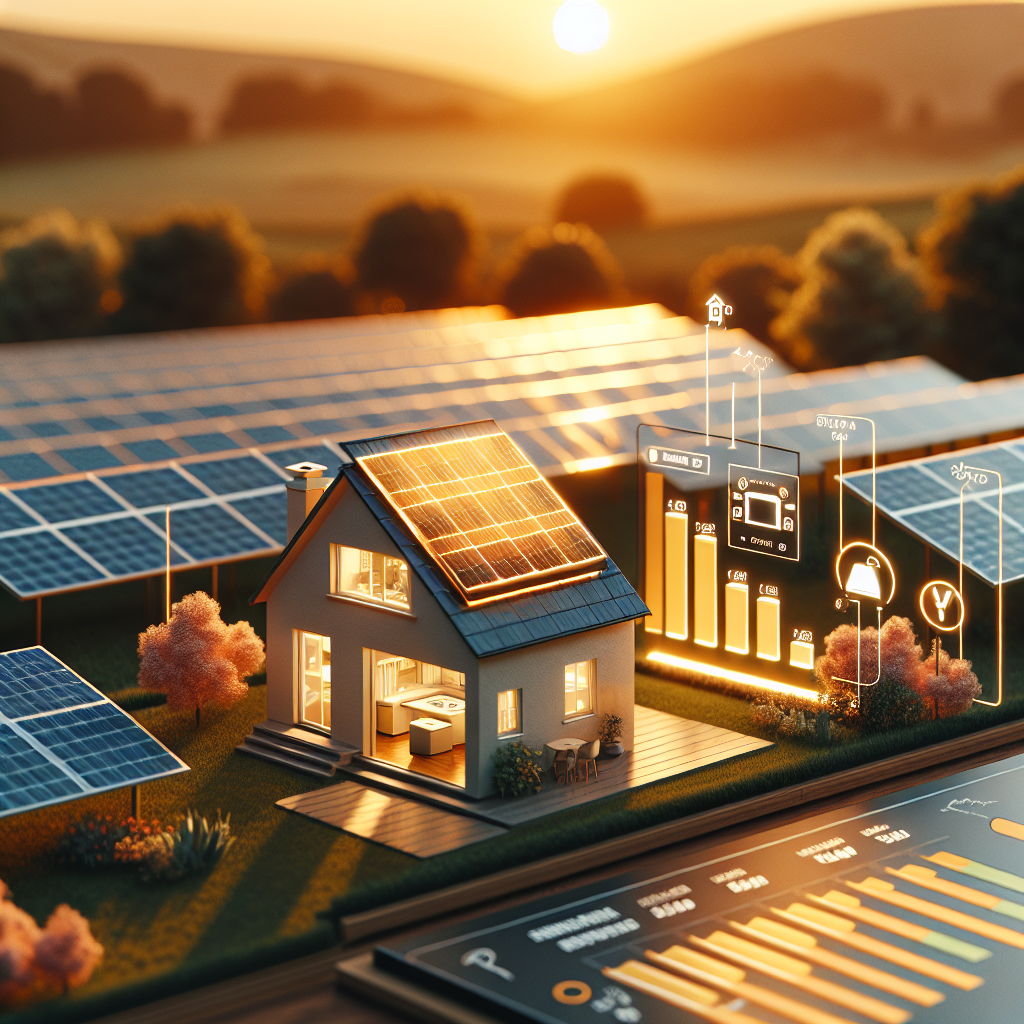
    Monitoring software came in handy too. I can check how much energy my system generates daily and spot any potential issues. If I noticed a dip in production, it was time to investigate—maybe there’s dirt or maybe something’s off with the inverter. Staying proactive means fewer headaches down the road.

    Lastly, I made sure to schedule a professional inspection annually. It’s a small price to pay for peace of mind. Technicians can catch issues I might miss and perform any upgrades that could boost efficiency, keeping everything running smoothly!

    Frequently Asked Questions

    1. How do I know if my home is suitable for solar panels?

    A great starting point is to evaluate your roof’s orientation and shading. Ideally, you’ll want a south-facing roof with minimal shade. You can also contact a local solar provider for an assessment.

    2. What’s the average cost of installing solar panels?

    The cost can vary widely based on your location and the size of your system, but it typically ranges from $15,000 to $25,000 before incentives. However, don’t forget about those tax credits!

    3. Can I still get solar if I live in a cloudy area?

    Absolutely! Solar panels can still generate energy even on cloudy days. Technological advancements have made them more effective in various weather conditions.

    4. How long does the installation process take?

    Generally, it could take anywhere from a few days to a couple of weeks, depending on the complexity of your system and local permitting processes. Once the permits are sorted, the actual installation goes pretty quickly!

    5. What happens if I produce more energy than I need?

    If you generate more energy than you consume, many utility companies allow you to sell that excess back to the grid through net metering. This can help offset your electricity costs even further!

  • How to Install Solar Panels Yourself: A Step-by-Step Guide

    How to Install Solar Panels Yourself: A Step-by-Step Guide

    Step 1: Assessing Your Energy Needs

    Understanding Energy Consumption

    Before diving into the installation, it’s crucial to understand how much energy you actually use. I remember when I first started, I was totally lost about the numbers!

    Grab your utility bills from the past year; that’s where all the info is! Look for your monthly kilowatt-hour (kWh) usage. This will give you a baseline of how much energy your system needs to generate.

    Once you have a solid grasp of your usage, think about future needs. Are you planning to add more gadgets or appliances? This is key to making sure your solar system can handle it!

    Choosing the Right System Size

    Now that you know your consumption, it’s time to size your solar panel system. It might sound a bit technical, but don’t worry; I’ll break it down!

    A good rule of thumb is that 1 kilowatt of solar panels generates about 1,200 kWh annually. So just do a quick division of your yearly consumption by that number to figure out how much power you’ll need.

    Once you have this number, you can plan how many panels you’ll need to install while leaving room for efficiency losses and possible expansion down the road!

    Research Local Incentives and Regulations

    Let’s not forget to check what incentives are available to you. I was surprised at how many rebates and tax credits I qualified for!

    Check with your local government or energy provider about any programs that can help cover costs, or even make your installation process smoother with less paperwork.

    Also, be aware of zoning laws or Homeowners Association rules if you live in a neighborhood with those restrictions. Trust me, you don’t want to be setting up your panels only to find out it’s against the rules!

    Step 2: Gathering Your Materials

    Create a Shopping List

    Okay, time to hit the store (or the internet)! You’ll need a comprehensive shopping list. I made a checklist and it helped me stay organized.

    Start with the solar panels themselves—do some research on brands and types. Then add mounting brackets, inverters, wiring, batteries (if you’re going off-grid), and safety gear like gloves and goggles.

    And always budget a little for unexpected expenses. Trust me; they tend to pop up more than we think during DIY projects!

    Where to Buy Supplies

    Now, where to buy this stuff? Local hardware stores often have a good selection, but don’t overlook online retailers! I found some amazing deals that way!

    Be sure to shop around for competitive prices—check reviews on anything you’re not familiar with, so you don’t end up with junk. Quality is essential, especially when we’re talking about something as critical as solar energy!

    Don’t hesitate to ask for help at your local store; many employees have valuable insights on the best products to choose!

    Preparing Your Workspace

    Before you get started with installation, make sure your workspace is prepped. I cannot stress this enough; a clear area makes all the difference!

    Clean the rooftop, ensure you have all your tools at hand, and double-check that your ladder is sturdy. I once had a mishap with an unstable ladder—you don’t want to repeat that!

    Ensuring a safe and organized workspace will not only ease the installation process but also keep you injury-free. Nobody wants a trip to the emergency room mid-project!

    Step 3: Installing the Solar Panels

    Mounting the Brackets

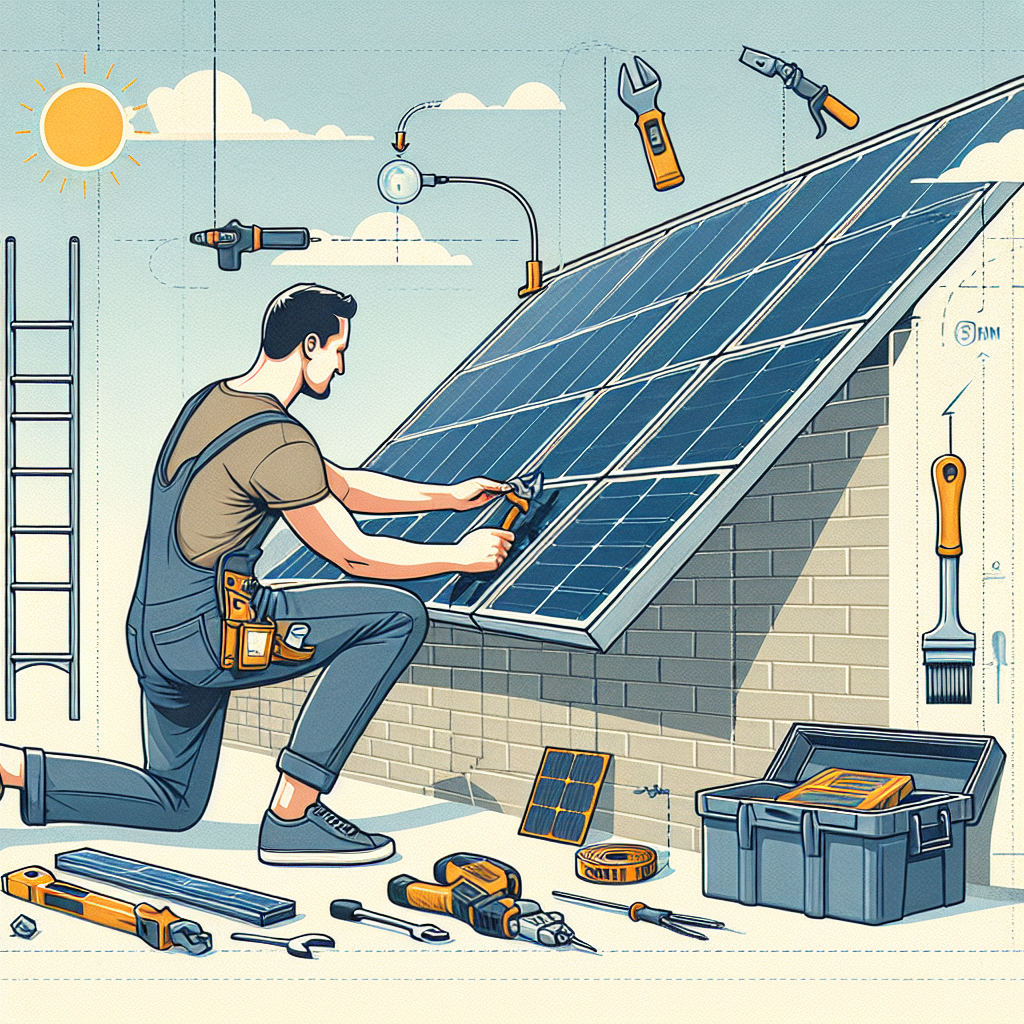
    This is the meat of the project! Start by mounting the brackets on your roof. Be sure you follow the manufacturer’s instructions because they know what’s best for their products.

    I found it helpful to mark where I’d drill with a marker, so everything was precise. Measure twice, drill once, am I right?

    Check for any structural issues on your roof; you want to make sure it can handle the weight and won’t give out under the stress of wind or snow!

    Attaching the Panels

    Once the brackets are mounted, it’s time to attach the panels. This part feels super rewarding—seeing the panels affixed to your roof makes it feel real!

    Be careful with the wiring here. Each panel usually comes with a connector, but it’s easy to get them mixed up if you’re not paying attention.

    Don’t rush this step; double-check all connections before moving on. This is crucial for your system’s efficiency and longevity!

    Connecting the Inverter

    The inverter is like the brain of your solar system; it converts the energy from the panels into usable power for your home. I’ll admit; I was a bit intimidated by the wires!

    Read the inverter’s manual thoroughly—it’ll guide you through the wiring. When I did mine, I felt like I was solving a complex puzzle!

    Once things are connected, it’s always a good idea to test everything before you call it a day. A little precaution can save you big headaches down the line!

    Step 4: Finalizing the Installation

    Testing the System

    Alright, you’re almost there! Time to fire things up and see if your hard work paid off. I vividly remember the excitement mixed with anxiety!

    Flip the switch and monitor your system for a bit. Look for any error codes or malfunctions. The inverter usually has a display that’ll show you whether everything is functioning correctly.

    If all goes well, feel free to do a little victory dance—you’ve earned it after all that effort!

    Monitoring Your System

    Consider installing a monitoring system. Many modern inverters come with apps that can track performance, which is really useful! I downloaded one to keep tabs on my energy production.

    This way, if you encounter any issues down the line, you’ll have real-time data at your fingertips to troubleshoot.

    Plus, watching those numbers go up is oddly satisfying and motivating to save even more energy!

    Documenting Your Installation

    Don’t forget to document the entire process! I took loads of photos and notes, and they’ve come in handy when looking back or if I ever need to make adjustments.

    This documentation can also be useful for insurance purposes, especially if you’re making a claim related to your solar installation. Trust me; it’s better to have it than not!

    Share your experience in forums or social media; you might just inspire someone else to join the solar movement!

    Step 5: Enjoying the Benefits

    Reduced Energy Bills

    One of the biggest perks of installing your own solar panels is watching your energy bills drop! After installation, I was amazed at how much lower my monthly bill became.

    Just think about the savings: the more you generate, the less you pay your utility. Some months, my bill was practically nonexistent!

    This extra cash can be used for anything from home improvement projects to treating yourself, and who doesn’t love that?

    Environmental Benefits

    Installing solar panels isn’t just a financial decision; it’s an ethical one too! Every time I see those panels soaking up sunlight, I know I’m making a difference.

    By shifting to renewable energy, you’re reducing your carbon footprint, helping fight climate change, and promoting sustainable energy practices.

    Telling my friends and family about the environmental impact gave me such a sense of pride. It’s comforting to know I’m contributing towards a greener planet!

    Future Upgrades

    Last but not least, think about the future! Solar technology is constantly evolving, and what I installed today could be just the start.

    You can think about adding more panels down the line or integrating battery storage solutions. I’m already considering what upgrades might work for me in the future!

    Plus, as you cultivate more knowledge, you may find yourself tackling even more energy-efficient improvements around the house. That sounds like a win-win to me!

    Frequently Asked Questions

    1. How much does it cost to install solar panels myself?

    The cost can vary based on your system’s size, but generally, when you do it yourself, you may only pay for the panels and materials, often ranging from $3,000 to $10,000, depending on your energy needs.

    2. Do I need special permits to install solar panels?

    Yes, many areas require permits for solar installation. Always check with your local building department so you’re compliant with regulations.

    3. Can I connect my solar panels to the grid?

    Absolutely! You can either set up an off-grid system or connect to the grid, allowing you to sell excess energy back to your utility provider, which can offset costs even more!

    4. What if I encounter issues during installation?

    If you run into problems, don’t panic! Consult the manuals for your equipment, or look for online forums and communities. There’s a wealth of knowledge out there!

    5. How long do solar panels last?

    Most solar panels come with warranties of 25 years but can last much longer with proper care. They often keep functioning efficiently for 30 years or even more!

  • How to Maximize Energy Savings with Solar Power

    How to Maximize Energy Savings with Solar Power

    Understand Your Energy Needs

    Calculate Your Energy Consumption

    To get the ball rolling, you’ll want to assess how much energy you actually use. I remember when I first did this—what a wake-up call! Start by looking at your utility bills from the past year. Note the monthly kilowatt-hour (kWh) usage. This will give you a solid understanding of your baseline consumption.

    Once you have that figure, think about ways you can reduce that amount, even slightly. Simple changes like turning off lights and unplugging devices can lead to impressive results over time. The more you can reduce your current usage, the more money you’ll save with solar.

    Don’t forget to consider future needs as well. If you plan on adding even more gadgets or maybe an electric vehicle in the coming years, you might want to scale your solar energy production to accommodate that.

    Assess Seasonal Variations

    Now that you have a grip on your basic energy needs, it’s time to look at how your consumption might change throughout the year. I found it interesting how much more energy I used during certain seasons, especially summer and winter with the air conditioning and heating.

    Think about factors like longer daylight hours in summer, which can actually work in your favor, as solar power generation is at its peak. On the flip side, winter may see increased energy use due to heating. Make sure to account for these variations when estimating your potential savings with solar.

    You might also consider local climate considerations. If you’re in an area that sees a lot of sunshine, you’re already one step ahead in maximizing your energy production.

    Consult with Energy Experts

    Don’t hesitate to reach out to solar energy experts. I had a fantastic experience when I consulted with an advisor who really knew their stuff. They helped me pinpoint my energy consumption needs and offered tailored advice.

    These experts can provide a customized energy audit that assesses your specific requirements and might even suggest additional ways to cut back on energy use before going solar. You wouldn’t want to miss out on potential savings simply because you didn’t have the right information!

    Most solar companies offer free consultations, so take them up on it. Trust me, the insights you gain will be invaluable when it comes to your installation decision.

    Choose the Right Solar System

    Types of Solar Panels

    When diving into solar panel options, it quickly becomes clear that choosing the right type can make a huge difference. I remember feeling overwhelmed initially by all the choices out there. It’s essential to get familiar with the different panel types, like monocrystalline, polycrystalline, and thin-film panels.

    For instance, I went with monocrystalline panels myself; they’re known for their high efficiency and space-saving design. But they might be pricier upfront. Weigh your options based on performance, space, and budget when making your decision.

    Make sure you look into warranties and the reputation of the manufacturer; you don’t want to skimp on quality just to save a buck!

    Get Multiple Quotes

    One of the best things I did was collect multiple quotes from various installers. Each solar company will have different pricing and packages; comparing these helped me find the best fit for my needs. Trust me, don’t just settle for the first one you encounter!

    When getting quotes, don’t forget to ask about installation costs, maintenance options, and warranties. I was surprised by how differing the prices could be—even for seemingly similar systems. Getting that competitive edge can lead you to savings you didn’t even know were possible!

    Personal recommendations also helped me decide—usually your community has insights that online reviews don’t capture. Reach out!

    Consider Incentives and Financing Options

    There are some pretty sweet incentives out there that can help offset costs. I was amazed to learn about state and federal tax credits for going solar. Every little bit helps, right? Research your local and national incentives to see what you might qualify for.

    Financial options also come into play—whether through loans, leases, or power purchase agreements (PPAs). Each one has its pros and cons, and I suggest weighing them carefully based on your budget and financial goals.

    Sometimes even traditional financing can offer better rates, depending on your credit score and financial situation. It’s like trying to find the best deal on a new car; every incentive counts!

    Optimize the Installation Location

    Solar Panel Orientation

    I learned that the direction your panels face plays a critical role in maximizing their efficiency. Ideally, panels should face south (in the Northern Hemisphere) to soak up the most sunlight. During my install, this was one of the first things we made sure of to boost energy capture.

    You’ll also want to consider tilt. The right angle can help catch those rays more effectively, especially in areas with distinct seasons. This isn’t just a set-and-forget type of deal; it’s an important factor in getting the best bang for your solar buck!

    Work closely with your installer to determine the best orientation and pitch based on your home’s location and landscape.

    Shade Considerations

    Don’t underestimate the power of shade in diminishing panel performance. I experienced this firsthand when a neighbor planted a tree that gradually started blocking some of my sunlight. Trust me, it might seem innocuous, but you want to keep trees, buildings, and anything that could obstruct sun exposure in mind while planning.

    If you foresee possible shading, you may need to invest in higher-efficiency panels or consider alternative locations on your property for installation. Keeping solar panels shaded will hurt your savings and energy production; it’s a definite point to consider.

    Finally, it’s always wise to consider the future and how your landscape may change. A tree that’s small today could become your panels’ worst enemy down the line!

    Hire Professional Installers

    Not all heroes wear capes, but the professionals who install solar systems? They definitely do! Investing in a good solar installation team is essential. You want someone who not only knows their stuff but also understands your unique situation.

    The experience I had with my installation crew was invaluable. They provided insights and tips that I hadn’t even thought of, making the entire process smoother—avoiding future hassles like maintenance and efficiency losses.

    Research their certifications, online reviews, and their overall track record. A few extra bucks for a thoroughly vetted installer can save you in the long run.

    Monitor and Maintain Your Solar System

    Use Monitoring Tools

    This part might seem techy, but monitoring your solar energy production is essential. I decided to use an app designed for this purpose. It allowed me to track my energy production and consumption, giving me real-time feedback.

    You’ll want to keep an eye out for any drop in performance. If production dips significantly, it could indicate a problem that needs a quick fix. Ignoring it can literally cost you money!

    Many systems come with tracking options included, or you can build your own setup using third-party applications or smart devices. It’s kind of cool to see how much energy you’re creating right from your phone!

    Regular Maintenance Checks

    Like any major investment, your solar system needs some TLC. I learned that scheduling regular maintenance checks is crucial to keep everything running smoothly. You’ll want to check for dirt, debris, or any signs of damage.

    Most solar systems are relatively low-maintenance, but keeping up on this step can prevent minor issues from turning into expensive repairs down the road. It’s like taking your car in for routine oil changes—better to catch something before it becomes a big deal!

    Consult your installer for recommendations on how frequently to have maintenance done. Often, they can handle this for you—or at least guide you in the right direction!

    Adapt to Changing Technologies

    Solar technology is evolving all the time; there’s always something new under the sun! I found it beneficial to stay informed about advancements, such as battery storage systems. These can allow excess energy from sunny days to be saved for use at night.

    New tech can mean better efficiency or even more savings if you’re interested in an upgrade down the line. Make it a point to adapt and explore emerging technologies that can complement your system.

    It’s your energy savings we’re talking about, after all. Staying tuned to what’s happening in the world of solar can be super beneficial in the long run!

    Conclusion

    Maximizing energy savings with solar power is a journey, but I can assure you—it’s worth it! From understanding your energy needs to proper installation and monitoring, there’s so much you can do to ensure you get the most out of your system. It’s all about making informed decisions, staying engaged, and optimizing every aspect of your solar energy production.

    So, roll up your sleeves, get educated, and prepare to enjoy those energy savings. Trust me, you’ll be glad you took the plunge!

    Frequently Asked Questions

    1. How do I start calculating my energy needs for solar?

    Begin by checking your past utility bills. Look at your monthly kWh usage and consider any potential changes in energy needs, like buying new appliances.

    2. What types of solar panels should I consider?

    There are various options, including monocrystalline, polycrystalline, and thin-film panels. Each has its pros and cons, so assess based on your priorities like efficiency and budget.

    3. How can I find a reliable solar installer?

    Research online reviews, ask for referrals, and collect quotes from multiple installers to compare services, experience, and pricing.

    4. How often should I maintain my solar panels?

    It’s best to have maintenance checks done at least annually, but if you live in a dusty area or have regular rainfall, you might want to check more often.

    5. What are some benefits to monitoring my solar system?

    Monitoring helps you stay informed about your energy production and consumption, allowing you to catch any significant drops in performance early on, saving you money in the long run.

  • How to Finance Solar Panel Installation with Ease

    How to Finance Solar Panel Installation with Ease

    Understanding the Costs

    Breaking Down the Expenses

    When I first looked into solar panel installation, I was kinda overwhelmed by the numbers. It’s super important to understand what goes into that bill. You’ve got the panels themselves, the installation labor, and all those little odds and ends, like wiring and inverters. Trust me, getting a grip on this upfront helps a lot.

    Don’t forget about ongoing costs, too! Maintenance might seem minimal, but it’s important to keep your system running smoothly. Educating myself about these costs cleared so many doubts I had.

    Take the time to ask for detailed quotes from different providers. This helped me see what’s fair and what’s not. Plus, it gives you some bargaining power!

    Initial Installment Versus Long-term Savings

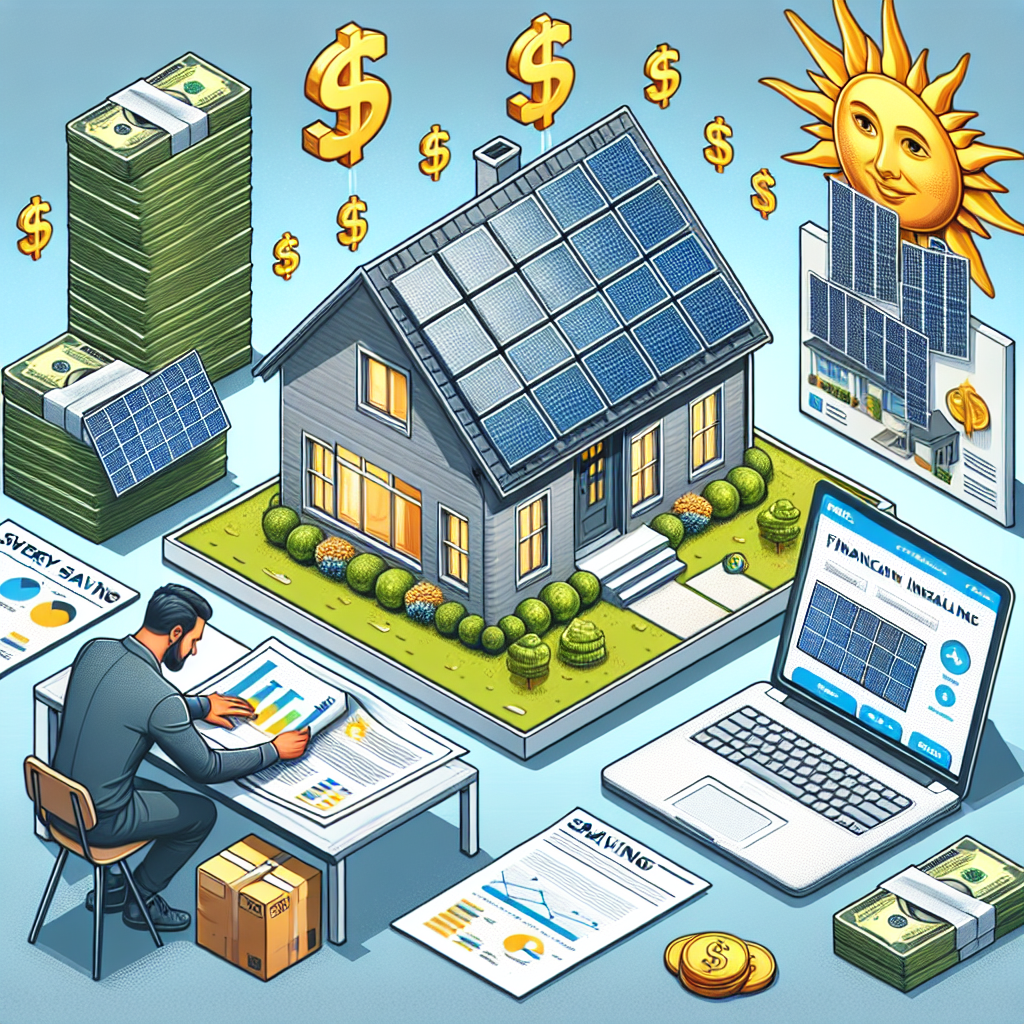
    One of the biggest surprises for me was realizing how solar could save me in the long run. Sure, the upfront costs can be daunting—believe me, I felt that pinch. But when I saw the potential savings on my electric bill and the increasing value of my home, it started to click.

    I like to think of it as an investment. You know, putting down a bit now for a brighter, less expensive future. Plus, with state incentives and rebates, those initial costs can shrink a lot!

    So, weigh it out: it’s not just about what you’re spending today; it’s about what you’re saving down the road.

    Exploring Financial Incentives

    Look, if you’re anything like me, you want to squeeze every penny you can from this deal. So, diving into government incentives was a game changer. I started researching federal tax credits and state offers, and wow, it really adds up!

    One tax credit I found was the Federal Investment Tax Credit (ITC). It allows you to deduct a significant percentage of your solar panel costs from your federal taxes. That was a big win for me!

    In addition to that, some states even have their own bonus programs that can drop the cost even further. I spent an afternoon getting lost in the details, and it was totally worth it.

    Choosing the Right Financing Option

    Cash Purchase Versus Loans

    So there’s a bit of a dilemma here: do you buy outright or finance it? I had to think hard about this one. If you’ve got the cash, buying might save you some interest in the long run. You own those panels free and clear!

    But if you’re like I was—cash flow a bit tight—loans can work out too. Many solar companies offer affordable financing options. The key is finding the one with the best interest rate that fits your financial situation.

    My advice? Always read the fine print and make sure you truly understand the fees involved. You don’t wanna get blindsided down the line.

    Leasing Options

    If cash flow is really an issue, leasing could be your best bet. This option allows you to install solar panels with little to no upfront payment, and you just pay a monthly fee instead.

    Leasing sounded pretty appealing at first. I mean, who doesn’t want the solar benefits without the heavy investment? But keep in mind you don’t own the panels, so you won’t get those sweet tax credits. It’s a trade-off.

    Before leaping into a lease, make sure you understand the terms. It’s worth sitting down with someone to explain all the nitty-gritty details, so you know exactly what you’re signing up for.

    Finding the Right Lender

    Once you’ve decided on how you’re going to finance, finding the right lender is key. Not all lenders are created equal. I spent hours comparing different rates and terms before making my choice.

    Researching online reviews helped me find a lender who spoke my language and wasn’t just tossing jargon around. Customer service is huge in my book; I wanted to make sure I could reach out with questions.

    And don’t forget to ask about their experience with solar financing. Finding someone who knows the ropes can save you a ton of headaches. Trust me; it’s worth it!

    Maximizing Your Savings

    Monitoring Energy Production

    Once those solar panels are up, monitoring their performance is crucial. I always check my energy production online. It’s oddly satisfying to see how much energy I’m generating!

    By keeping an eye on my system, I can spot issues before they turn into bigger problems. Plus, I love tracking my savings month by month—it really energizes my commitment to sustainability.

    Many solar panels come with monitoring apps, and you know I’m all about that tech! Being hands-on helps me stay engaged in the process and keeps me motivated.

    Understanding Your Energy Usage

    A big part of saving money with solar is understanding your energy habits. I took the time to evaluate when I’m using the most energy and adjusted my habits accordingly. For example, doing laundry during the day means I’m harnessing that sunny energy!

    With a little tweaking, you can totally optimize your energy consumption, which means less reliance on the grid and more savings in your pocket. It’s all a balancing act!

    Don’t be afraid to reach out to your local solar provider for tips on optimizing your household energy use. They’ve seen it all and can help you save even more.

    Reevaluating Your Financial Plan

    Finally, I can’t stress enough the importance of reevaluating your financial plan periodically. Sometimes my circumstances change, and I need to reassess whether my current plan is still the best fit.

    Checking in with my lender and discussing options for refinancing helped me lower my monthly payments. Life happens, and it’s totally okay to make shifts to your plan!

    Staying proactive about my finances has empowered me to make the most of my solar investment, and I encourage everyone to do the same!

    FAQs

    1. What are the main costs associated with solar panel installation?

    The main costs include the solar panels, installation labor, equipment like inverters and wiring, as well as ongoing maintenance. It’s essential to get detailed quotes for a clearer picture.

    2. Is it better to buy solar panels outright or finance them?

    It depends on your financial situation. Buying outright can save you from interest costs, while financing options can help if cash flow is tight. Always weigh the pros and cons before deciding.

    3. What incentives are available for solar panel installation?

    There are federal tax credits, state rebates, and sometimes local incentives as well. Researching these can significantly impact your overall costs.

    4. What should I look for in a solar lender?

    Look for competitive interest rates, positive customer reviews, and experience in solar financing. It’s also crucial to gauge their customer service approach to ensure they can support you throughout the process.

    5. How can I maximize my savings after installing solar panels?

    Monitor your system’s performance, understand your energy usage, and regularly reevaluate your financial plan. Make adjustments as necessary to ensure you’re getting the most out of your solar investment.

  • How to Troubleshoot Common Issues with Solar Panels

    How to Troubleshoot Common Issues with Solar Panels

    Understanding the Basics of Solar Panels

    How Solar Panels Work

    When I first got into solar energy, I found it essential to understand how these panels do their magic. Basically, solar panels convert sunlight into electricity through photovoltaic cells. It’s like they’re little energy factories! Imagine sunlight hitting those cells and creating a direct current (DC), which is then converted into alternating current (AC) by your inverter. That’s the type of electricity we use in our homes.

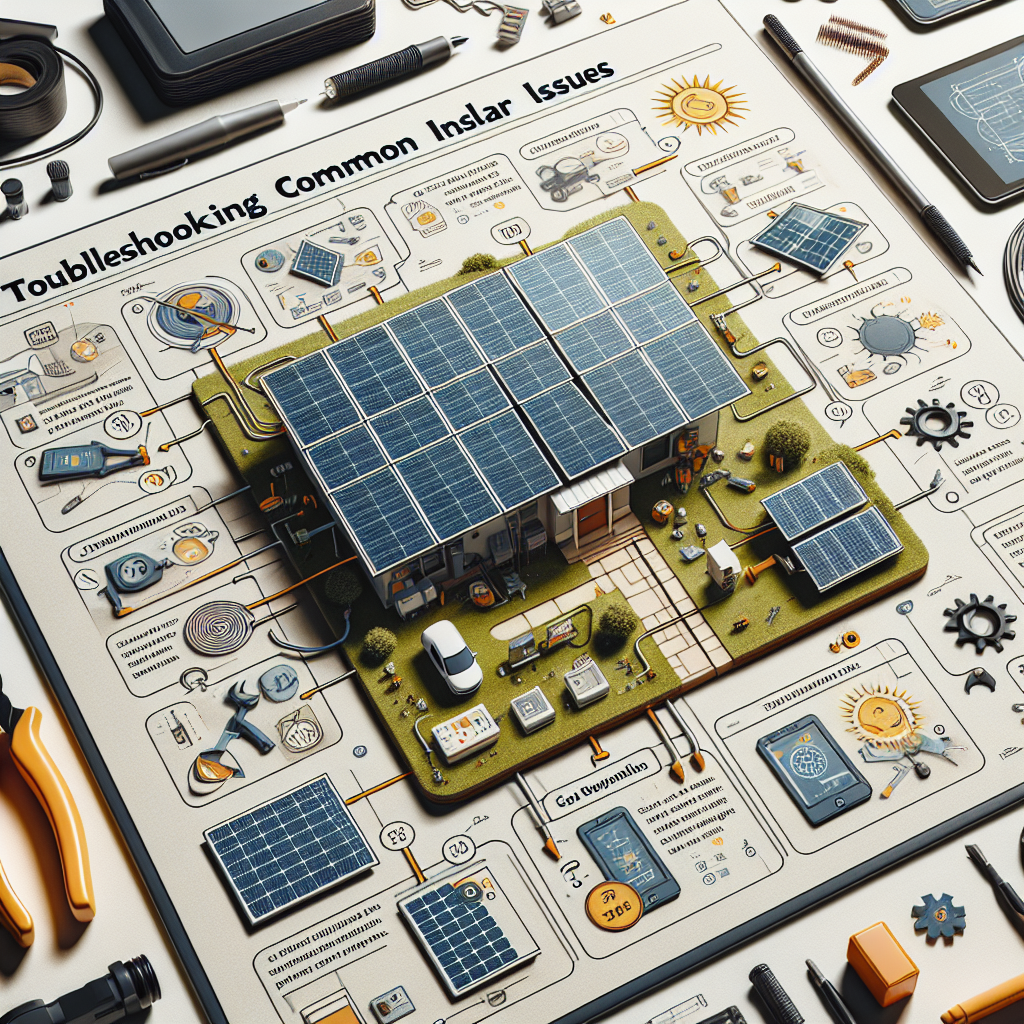
    Knowing how solar panels work not only brings a sense of wonder but also equips you with the foundational knowledge for troubleshooting. When I realized this, it became easier to identify potential issues whenever I noticed something off with my system.

    So, before diving deep into troubleshooting, remember to familiarize yourself with the components of your solar power system. Energizing your curiosity can make you feel more in control of your solar asset!

    Common Myths Surrounding Solar Panels

    With solar energy’s growing popularity, I kept hearing some myths that just needed debunking! One was the idea that solar panels only work in sunny places—my friends, that is simply false. They still generate power on cloudy days, just at a lower efficiency. Knowing this helped manage my expectations a bit better.

    Another myth is that solar panels require a lot of maintenance. In reality, most systems are quite low maintenance, needing just an occasional cleaning and inspection. I used to think I’d spend hours on upkeep, but I’m pleasantly surprised it’s minimal!

    Lastly, many folks assume the upfront costs are too high. I totally get that perception, but tax credits and other incentives can significantly cut these initial costs, making solar more accessible. So, don’t let these myths convince you otherwise!

    The Importance of Monitoring Your System

    Keeping an eye on your solar panel’s performance is crucial! I can’t stress enough how monitoring can alert you to issues before they become major headaches. Many systems come with apps or software that let you track production and efficiency right from your phone. It’s super handy!

    Every month, I check my system’s performance and look for any sudden drops in electricity production. This habit helps me catch issues like shading from trees or dirt buildup on the panels early on. Trust me, preventative measures save time (and money) in the long run!

    Being proactive means I’m not just waiting for a problem to arise—I’m actively involved in my solar journey! Taking this approach has given me peace of mind knowing I am doing my best to keep things running smoothly.

    Identifying Physical Issues with the Panels

    Visual Inspections

    When I suspect something’s off with my solar panels, my first step is always a visual inspection. I get up on the roof and check for any obvious signs of damage—like cracks or discoloration. Believe me, some issues are easily spotted if you take a close look.

    It’s crucial to look for debris, like leaves or snow, that might be obstructing sunlight. When I had an issue with production once, it turned out to be a simple pine needle situation that was easy to fix!

    If you’re not comfortable climbing up there, it’s totally okay! A pair of binoculars can work wonders too. Just make sure to check regularly, as little problems can snowball into bigger issues if left unnoticed.

    Examining Wiring and Connections

    Another angle I like to inspect is the wiring and electrical connections. Loose or damaged wiring can greatly affect performance—I’ve learned this the hard way! I always ensure that all connections are secure and free of corrosion.

    Sometimes, it’s best to consult a professional if you’re unsure about your system’s electrical aspects. However, knowing what to look for can save you from unnecessary expenses down the line. It’s like being able to speak “solar” yourself!

    Don’t skip this step; even minor electrical issues can lead to significant problems. Stay vigilant, and your panels will thank you!

    Evaluating the Inverter

    Your inverter is like the brain of your solar panel system, so if something seems off, I immediately check it. Most inverters come with warning lights or error messages that indicate issues. I remember one time my inverter tripped a breaker, and the lights went red on the display—talk about panic! But a quick reset and everything was back to normal.

    Periodically, I recommend checking the inverter’s lifespan too. Most have a life span of about 5-10 years, and knowing when to replace it can prevent performance drop-offs. Make sure you stay on top of these things!

    It might seem a bit daunting, but getting to know your inverter can really boost your confidence in troubleshooting. Plus, knowing I can rely on this tech keeps me feeling secure in my energy choices!

    Dealing with Environmental Factors

    Shading and Obstructions

    Man, one of my biggest surprises was learning how much shading affects solar panel performance. I once had a tree grow taller and suddenly changed the whole dynamics of energy production. Now, I regularly evaluate my surroundings and anticipate any future obstructions that could impact my panels.

    I use online tools to check the sun’s path throughout the day, ensuring my setup gets maximum sunlight. If I suspect shading, I can consider trimming or removing obstacles. It’s essential to be proactive about it.

    Even a small branch can have a big impact, so don’t overlook this! Staying aware and adapting is key to keeping your energy production strong!

    Weather Effects

    Weather can be a mixed bag for solar panels. Of course, sunny days are the best for production, but I’ve learned to take a balanced view. Rain and cloudy days aren’t entirely detrimental; however, they do lower efficiency. It’s all part of the solar dance!

    After a heavy storm, I check for any physical damage caused to my panels or the system overall. High winds can be a concern too. My panels are fixed securely, but checking after severe weather gives me peace of mind.

    Ultimately, the weather is unpredictable, but managing the after-effects really helps maintain system integrity, keeping everything running smoothly!

    Temperature and Efficiency

    Did you know high temperatures can affect solar panel efficiency? Yeah, I found that out the hard way! While panels excel in sunny conditions, the heat can cause them to perform below their peak. I started paying more attention to how the temperature affected outputs, especially in the summer!

    Using panels designed for high efficiency in warm climates is a great step. There are also cooling solutions you can explore—just take your time and do some research to find what works for you.

    Understanding the temperature-variable dynamics of my panels has been instrumental in maximizing energy output. Don’t let Mother Nature throw you off your game—you’ll get the hang of it!

    Maintenance Practices for Solar Systems

    Regular Cleaning

    Over time, grime and dirt can accumulate on your solar panels—yep, even when you least expect it! I’ve made it a habit to clean them a couple of times a year; it keeps them efficient and in good shape. A simple rinse with water and a soft brush can do wonders, especially after any dust storms or bird activity.

    Watching my panels sparkle in the sun after a good cleaning brings a smile to my face! Just make sure to do it when they aren’t super hot; cleaning hot panels can lead to damage.

    I also recommend checking warnings from manufacturers about maintenance and cleaning. Different panel types have different requirements, and you don’t want to figure out the hard way!

    Professional Inspections

    Now, while routine cleaning is manageable, I truly believe in the power of professional inspections at least once a year. Experts can identify potential problems I might miss and ensure everything is performing at its best. It’s a bit of an investment, but the peace of mind is worth it!

    You never know what might need attention, and sometimes it’s best left to the pros. They can provide insights on new technology or upgrades that can improve efficiency too. Just having that annual check-up makes me feel a lot more secure about my investment.

    It may seem unnecessary to some, but my panels are a significant investment, and I want to maintain their value for years to come!

    Staying Updated on Technology

    The solar industry is always evolving, so I make it a point to stay updated on new technologies that could benefit my system. Whether it’s new panel designs, inverter tech, or battery storage solutions, being in the loop can help optimize my setup.

    Sometimes, I come across newer options that can save me money in the long run. Plus, a little research and learning personally enrich my experience with solar energy, and I love sharing that knowledge with friends and family!

    Remember, a little knowledge goes a long way! You want the best for your panels, so stay informed and involved in this exciting energy revolution!

    Frequently Asked Questions (FAQ)

    1. What are common signs that my solar panels need attention?

    If you notice a significant drop in energy production, debris on panels, or physical damages such as cracks, it’s time to take a closer look.

    2. Can I clean my solar panels myself?

    Yes! Regular cleaning is important, and you can do a basic rinse with water and a soft brush. Just ensure they’re cool to avoid damage.

    3. How often should I have my solar system inspected?

    I recommend a professional inspection at least once a year to catch any potential issues and ensure everything is operating efficiently.

    4. Does shading really impact solar panel performance?

    Absolutely! Shade can significantly reduce energy output, so it’s essential to manage any obstructions surrounding your panels.

    5. Are there any technology upgrades I should consider?

    Staying updated on new technologies can enhance your solar efficiency. Consider advancements in panel designs, inverters, and energy storage systems!

  • How to Integrate Solar Power with Smart Home Technology

    How to Integrate Solar Power with Smart Home Technology

    Understanding Solar Power Basics

    What is Solar Power?

    As I’ve gotten deeper into the world of renewable energy, one thing that really stood out to me is solar power. In the simplest terms, solar power is the energy we capture from the sun’s rays and convert into usable electricity. There are generally two ways to harness this energy: photovoltaic (PV) panels and solar thermal systems. The first one is quite common and is what most homeowners think of when they picture solar energy systems.

    Now, why should you even consider solar power? Well, apart from being eco-friendly, it’s a great way to cut down on your electricity bills. Can we say win-win? When installed correctly, not only do you benefit from reduced energy costs, but you also increase your home’s value. Homebuyers love the idea of energy independence!

    In latest years, the technology surrounding solar power has improved significantly. These days, solar panels are more efficient than ever, and their aesthetics are getting better too. So, if you’ve been on the fence about it, it might be time to do a little research and take the plunge!

    Smart Home Technology Overview

    What is Smart Home Technology?

    Smart home technology involves devices that can connect to the internet and communicate with each other, usually controlled via smartphone apps or voice commands. Imagine walking into a room and the lights turning on automatically, or adjusting your thermostat from anywhere you are—this is the kind of convenience we’re talking about.

    While at first glance it might seem a bit like sci-fi, smart home tech is becoming increasingly accessible. From security systems to smart lighting and energy management tools, there’s a device out there for almost anything you can dream of. I mean, who wouldn’t want to turn their home into a tech-savvy oasis?

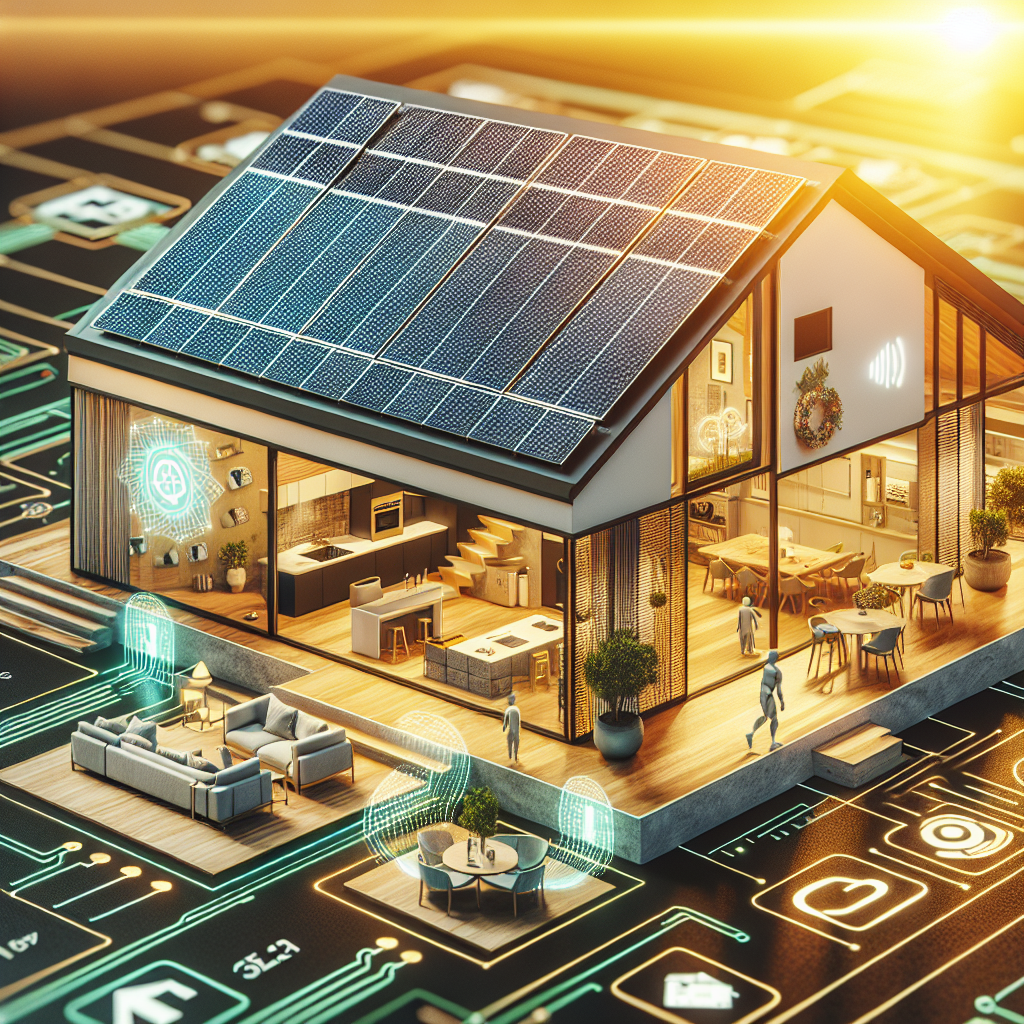
    Integrating this technology with solar power is where the magic really happens. By connecting your solar energy system with smart home devices, you not only optimize energy use but also gain real-time insights into your power consumption. It’s pretty empowering to see how much energy you’re using and how much you’re saving!

    Choosing the Right Solar Power System

    Types of Solar Panels

    Choosing the right type of solar panel is crucial for an effective setup. There are primarily three types: monocrystalline, polycrystalline, and thin-film. Each has its pros and cons. Personally, I’ve found that monocrystalline panels tend to be the most efficient and space-saving option if you have limited roof space. Yes, they might be pricier, but trust me, they’re worth it!

    On the flip side, polycrystalline panels are generally more affordable and can deliver good performance but may take up a bit more space. If you’re going for a budget setup and have space to spare, they might just do the trick. And then there are thin-film panels—while they’re quite flexible and lightweight, they usually have lower efficiency rates.

    Take your time to weigh your options, and maybe even chat with a professional. The goal is to find a solar panel that fits well with your lifestyle and home setup.

    Integrating with Smart Home Technologies

    Smart Energy Management

    Integrating your solar system with smart home technology is the next big step. The first thing you’ll likely want is a smart energy management system. These systems monitor and control your energy usage by adjusting your smart devices according to energy production and consumption. For example, a smart thermostat can learn your habits and optimize when to use energy based on when your solar panels are generating the most power.

    Some devices can even store excess energy generated by your solar panels for later use. Imagine not just saving energy but actually using stored energy during peak times when electricity prices are higher!

    Besides managing energy use, these systems can provide detailed reports, giving insights into your energy usage patterns. I love reviewing my monthly reports; it’s great seeing how much I’ve saved, and it motivates me to keep finding ways to be more energy-efficient!

    Ensuring Compatibility and Setup

    Choosing Compatible Devices

    Not all smart home devices are created equal, and it’s vital to ensure compatibility with your solar power system. When planning your setup, look for smart home systems that feature compatibility with renewable energy sources. Popular brands usually specify this, so it’s always worth checking!

    Another important aspect is to consider communication protocols. Many devices use Wi-Fi, but some might use Zigbee or Z-Wave, which can create gaps in connectivity if they aren’t compatible with your main system. Trust me, trying to troubleshoot issues because of compatibility is frustrating—and it just takes time away from enjoying your smart setup.

    Setting things up properly from the get-go ensures that you can enjoy a seamless experience. Once I got everything hooked up correctly, the satisfaction of seeing everything work together smoothly was so rewarding!

    Benefits of Combined Systems

    Cost Savings

    One of the main reasons I integrated my smart home with solar power was to save on costs. Solar energy offers a great way to reduce electricity bills, and coupling it with smart technology enhances those savings. Smart devices can adjust their operation based on energy availability. For example, running your dishwasher or washing machine during peak solar production means you’re using the most cost-effective power possible!

    Additionally, many electric companies offer incentives for homes that generate their own energy—when you add smart home tech into the mix, it can sometimes qualify you for even more savings. I couldn’t believe the rebates I was able to snag!

    Plus, let’s not forget about the potential property value increase! Energy-efficient homes are incredibly appealing to buyers. So, not only am I saving money every month, but I’m also potentially boosting my home’s value. Talk about a win-win!

    Frequently Asked Questions

    1. Can all homes benefit from solar power?

    Yes, most homes can benefit from solar power, but factors such as location, roof orientation, and shading should be considered. Consulting with a solar energy expert can help determine your home’s suitability.

    2. How do smart home technologies actually save energy?

    Smart home technologies can optimize energy usage by adjusting the operation times of appliances and lighting based on when solar energy is available, effectively lowering overall electricity consumption.

    3. Is the initial investment in solar and smart technology worth it?

    Absolutely! Although there’s an upfront cost, the long-term savings in energy bills and potential state or federal tax incentives certainly make it a worthwhile investment for many homeowners.

    4. How do I know if my smart devices are compatible with solar energy systems?

    Check the specifications provided by the device manufacturers. Look for energy management systems that specifically mention compatibility with solar power. A little research goes a long way!

    5. Are there maintenance requirements for solar and smart systems?

    Solar panels typically require minimal maintenance—just regular cleaning and occasional inspections. Smart home devices can sometimes need software updates or battery replacements, depending on the type you choose.

  • How to Select the Best Solar Panel Size for Your Home

    How to Select the Best Solar Panel Size for Your Home

    Assess Your Energy Needs

    Understanding Your Energy Consumption

    Before diving into the solar panel world, I found it crucial to assess how much energy my household typically consumes. It sounds a bit tedious, but trust me; knowledge is power! Start by looking at your utility bill from the past year. Take note of your monthly usage, usually measured in kilowatt-hours (kWh). This gives you a solid baseline of how much energy you need to generate.

    Once you’ve got those numbers down, think about any future changes—like that new hot tub you’ve been dreaming about or planning to install electric vehicle charging. Adjust your baseline accordingly. It’s super important to factor in these things, or you might end up with panels that don’t meet your needs!

    So, ultimately, understanding your energy consumption is not just about current use but also about where you’re headed with your energy demands. It’s like a roadmap for your solar panel journey.

    Identifying Peak Sunlight Hours

    Next up, let’s talk about peak sunlight hours. It’s not just about slapping some panels on the roof and calling it a day; you need to know how much sunlight your area gets. This info varies by location, so grab a solar insolation chart—yeah, it sounds fancy but is super useful.

    Knowing your peak sunlight hours helps in determining how much electricity you can generate with your panels. For example, if you’re in a sunny state like Arizona, you might get about 6 to 8 hours of sunlight per day, while somewhere like Seattle might only give you about 4 to 5 hours. Your solar setup needs to match that sunny reality!

    Remember, it’s not just about total sunshine but also how consistent that sunshine is throughout the year. Understanding these patterns will help you maximize your panel size and efficiency.

    Using Energy Consumption Calculators

    I can’t stress enough how helpful energy consumption calculators are! Once you’ve gathered all your usage data and sunlight information, using a calculator can simplify everything. Many companies offer online calculators that guide you through the process.

    These tools allow you to input your monthly kWh usage, peak sunlight hours, and other variables. They’ll churn out recommendations on how many solar panels you need. It feels like having an expert in my pocket!

    Don’t forget to play around! Different inputs can yield different results. It’s a good way to see the range of options out there and help you get a clear picture of the best fit for your home.

    Evaluate the Available Space for Installation

    Considering Roof Orientation and Pitch

    Let’s dive into the physical aspect—where are you gonna put these beauties? Your roof orientation and pitch play a huge role in how effective the solar panels will be. Ideally, south-facing roofs get the most exposure, but east and west can work, too.

    If your roof isn’t directly south or there are obstacles like chimneys or trees, you may need to get creative with panel placement. When I faced this, I had to brainstorm different layouts to ensure I was getting the most bang for my buck.

    Also, consider your roof angle. A steeper pitch could impact the number of panels you can fit when compared to a flatter roof. Evaluating these elements early can save a ton of hassle down the line!

    Calculating Space Requirements

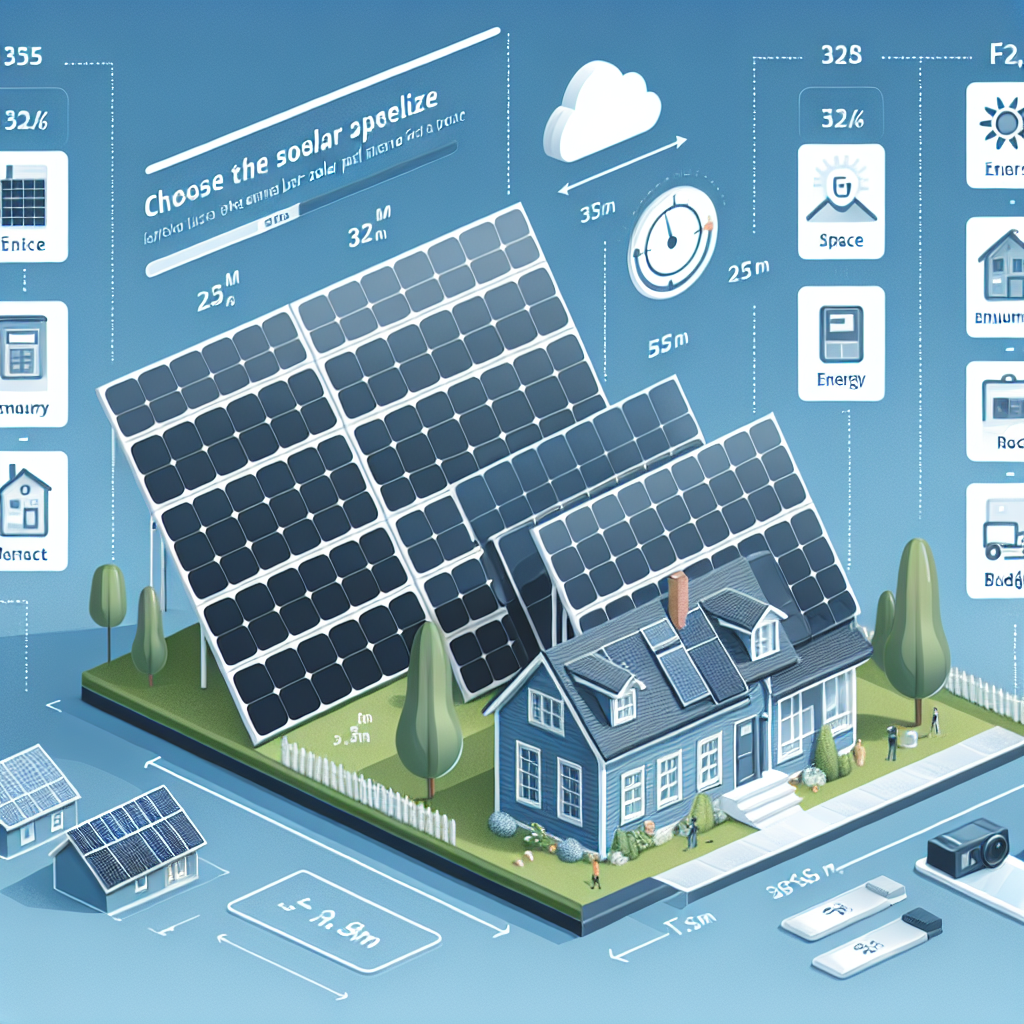
    Once you know your roof’s million-dollar details, it’s all about space! Each solar panel takes up a certain amount of square footage, and you need to calculate how many you can fit based on your energy consumption needs. Here’s where the measuring tape comes in!

    Sketch out your roof layout and start plotting where panels could go. I divided my roof into sections so I could visualize how many panels could fit while keeping in mind aesthetic appeal. We all want our homes to look good, right?

    Don’t forget to leave some room for maintenance access. You never know when a bird decides to drop by, and getting those panels cleaned should be straightforward!

    Consider Ground vs. Roof Installation

    If your roof isn’t conducive to installation (or maybe you just want a different look), there’s always the option of ground-mounted panels! This alternative allows for more flexibility in terms of positioning and angle.

    However, it does require more space—think about your yard or property size. You’ll also want to engage with your local regulations and HOAs because they sometimes have restrictions on how those ground arrays can look.

    The beauty of ground-mounted panels is that you can often tilt them to maximize performance, much easier than a fixed roof setup. Do some soul-searching to see what vibe works best for you and your property!

    Calculate the Right Number of Panels

    Determine Your Panel Output

    Now that we’ve dug deep into your energy needs, space, and all that, let’s talk numbers—the fun part! Each solar panel has a specific wattage, with the average being around 300 watts. You need to know how these panels fit into your overall energy goals.

    To calculate how many panels you need, divide your total energy consumption (remember that kWh figure we tracked?) by the panel output, adjusted for those peak sun hours we discussed. It sounds complicated, but once you get it down, it’s like riding a bike.

    You want to ensure you’re not overspending on unnecessary panels—nobody wants to pay for more than what’s needed!

    Assessing Panel Efficiency Ratings

    Here’s where I lean into my inner nerd: the efficiency ratings of your chosen solar panels matter! Higher efficiency means more energy production per panel, so if you’re tight on space, you might want to invest in panels with higher ratings.

    It’s a balancing act between efficiency, price, and the space you have available. Don’t forget, though, that some reputable brands may offer slightly lower efficiencies at a better price. So research, research, research!

    This decision is like a lifelong commitment: do your homework and make sure you’re getting something that’s worth the investment, so you don’t regret it down the line!

    Consulting with a Professional

    When in doubt, consulting with a solar professional can be invaluable! They can bring everything we’ve talked about together into a cohesive plan that suits your unique situation.

    I know it may seem like an added expense, but getting that expert eye can save you heaps of money in the long run. They’ll help you calculate and recommend adjustments based on their experience that you might not have thought of!

    Plus, they can handle permits and local regulations—those administrative hurdles that can take up so much time and energy. Don’t underestimate the power of expert guidance!

    Budgeting for Your Solar System

    Understanding Solar Panel Costs

    Let’s talk cash—budgeting for your solar system is a significant step! Costs can range widely depending on panel efficiency, brand, and installation complexities. It’s crucial to have an understanding of what you’re working with.

    Generally, the average cost of solar panels ranges from $15,000 to $30,000 before any tax credits or incentives. Knowing this, set a budget range you’re comfortable with. I aimed for the lower end and was quite pleased with the results!

    Also, many financing options are out there—so if the upfront cost seems daunting, don’t fret! You can look into loans or leasing options that can fit your financial situation better.

    Exploring Incentives and Rebates

    The world of solar incentives can feel overwhelming, but honestly, it can be a game-changer for your budget! Many states and local governments offer rebates or tax credits aimed at encouraging solar installation.

    In the U.S., the Federal Investment Tax Credit (ITC) allows you to deduct a certain percentage from your federal taxes, which can significantly lower costs. Doing a bit of homework here could save you a chunk of change.

    I recommend checking the Database of State Incentives for Renewables and Efficiency (DSIRE) to uncover what’s available in your area. Every dollar counts, right?

    Long-Term Savings Considerations

    Finally, factor in the long-term savings. It’s easy to get caught up in the initial expenses, but think about how solar panels can lead to substantial savings on your electricity bills over time.

    I was shocked at the difference on my bills after going solar. With careful calculation, many homeowners find that their panels pay for themselves over the years, sometimes even doubling their investment.

    Make sure to consider the lifespan of the panels, usually around 25 years. Factor that into your overall budget to see a fuller picture of how much you might save in the end!

    FAQ

    1. How do I calculate my energy consumption?

    Look at your utility bills over the last year to identify average monthly kWh usage. You can also add up the energy consumption of individual appliances if you want to get specific.

    2. What are peak sunlight hours?

    Peak sunlight hours refer to the time when sunlight is most direct and strongest for energy production. This varies by location, typically ranging from 4 to 8 hours a day!

    3. What if my roof isn’t suitable for solar panels?

    No worries! You can consider ground-mounted solar panels instead. They can be installed in your yard and are flexible in positioning and installation.

    4. How much do solar panels cost?

    The cost of solar panels can vary widely, but expect an average range from $15,000 to $30,000 before tax credits or incentives.

    5. Are there incentives available for going solar?

    Absolutely! Many states offer incentives, tax credits, and rebates to encourage homeowners to install solar panels. Check local resources and the DSIRE website to find what’s available in your area.

  • How to Find the Right Solar Installer Near You

    How to Find the Right Solar Installer Near You

    Research Local Solar Installers

    Check Online Reviews

    When I set out to find the right solar installer, the first thing I did was dive into the internet’s treasure trove of information. Online reviews are super helpful; they give you a peek into others’ experiences. I started on platforms like Google and Yelp, searching for solar companies in my area. The first couple of clicks showed me a range of ratings, from glowing praise to some pretty harsh critiques.

    Reading those reviews really opened my eyes. I paid attention not just to the ratings, but to the detailed comments people left behind. They talked about installation quality, customer support, and how the company handled unexpected hiccups. I jotted down names of companies that were frequently mentioned, especially the ones with stellar reviews. It felt like getting a heads-up before making a big decision.

    Ultimately, I found that the more reviews the better! A company with hundreds of reviews is way more trustworthy than one with just a few. But, like anything, I also learned to be cautious of overly positive or overly negative reviews—sometimes, they don’t tell the whole story.

    Ask for Recommendations

    Next on my list was reaching out to friends and family. I figured, why not tap into my network for recommendations? Word-of-mouth can sometimes be the most reliable source. I asked around at family gatherings and friends’ get-togethers. You wouldn’t believe how many of my buddies had gone solar or knew someone who had!

    Getting first-hand accounts was invaluable. It was like having a cheat sheet to the good, the bad, and the ugly of different installers. I made sure to ask specific questions, like how their installers treated their home and how transparent they were about costs. I even got to see some installations in action, which helped me envision what to expect.

    This personal touch made me feel more confident in my choices, and I ended up with a list of potential contenders to research further. Plus, if someone had a bad experience, I was happy to know that upfront instead of learning the hard way!

    Utilize Local Directories

    After sifting through reviews and personal recommendations, I turned to local business directories. Websites like Angie’s List or the Better Business Bureau offered a wealth of information to help clarify my options. It felt much like searching for a gem in a treasure chest! Each installer’s page had details on services offered, customer ratings, and sometimes even pricing guides.

    These directories often separate the wheat from the chaff, so to speak. I could see which companies held proper licenses, insurance, and certifications. This gave me peace of mind, knowing I was looking at legit businesses and not shady operations. I also found contact details super handy for reaching out directly.

    Seeing companies’ affiliations and memberships in professional organizations helped to reinforce my selection process. If they’re part of respected energy networks, it implied they take their work seriously, making me feel a bit more at ease.

    Evaluate Their Experience and Expertise

    Years in Business

    Once I’d narrowed down my list, I turned to each company’s experience. Nowadays, everyone’s jumping on the solar bandwagon, but how long have they been doing this? An installer who’s been around for years generally means they’re doing something right. I always consider how many installations they’ve completed and how long they’ve been servicing my area.

    Companies that have weathered the ups and downs of the economy and the solar energy market often have the knowledge to tackle any curveballs. Plus, they’ve probably built a solid reputation over the years. It gives you a sense of security knowing they’re not a flash-in-the-pan operation.

    So, when I researched companies, I made sure to see how long they’d been in business. It was a major factor in my decision-making. The more seasoned, the better—at least in my book!

    Specific Solar Products Offered

    Next, I looked into what specific solar products and systems each installer offered. I mean, what good is an installer if they can’t provide the type of solar panels or inverters I want? I checked to see if they installed various brands and technologies, giving me different options tailored to my needs.

    Some installers specialize in a particular brand, while others offer a wider range of products. If I found a company that had good reviews but didn’t provide the tech I wanted, they quickly fell off my list. Knowing what I was looking for helped give me clarity on this essential factor.

    I reached out directly to installers to inquire about their product lines and warranties. This was also a chance to gauge their enthusiasm; a passionate installer tends to know their stuff, and that’s the vibe I was after!

    Certifications and Training

    Credentials matter, and I was keen on finding installers with the right certifications. Many states require specific licenses for solar installers, which adds a layer of legitimacy. Certifications from recognized solar organizations also indicate that the installer keeps up with industry standards and best practices.

    I discovered that some installers even undergo additional training in the latest solar technologies, which can be crucial in this fast-evolving sector. I was on the lookout for signs that the installer was committed to continuous education and skill enhancement.

    Sifting through this information gave me confidence that I’d be working with professionals who understood the intricacies of solar installation, making it a no-brainer to ask about these during my assessment phase.

    Get Detailed Quotes

    Request Multiple Quotes

    Once I had a shortlist of potential installers, it was time to get down to brass tacks: the quotes. I found it crucial to request estimates from multiple companies. It’s one of those things where comparing apples to apples is essential to avoid getting ripped off.

    Each installer has a unique philosophy on pricing, and some might offer solar systems with more features for a few hundred bucks more. So getting varied quotes helped shed light on where the market sat at that moment.

    I wrote down all the details such as specified components, labor costs, and any hidden fees. Truth be told, it felt like playing detective, piecing together all the bits of each offer to see who provided the best value for my situation!

    Compare Cost vs. Value

    It’s easy to get tunnel vision on the bottom line while avoiding the bigger picture—value. When reviewing the quotes, I recognized that the cheapest option wasn’t necessarily the best choice. Sometimes paying a little more gives you better equipment or superior service, which could save you headaches down the line.

    I took a hard look at warranty periods, after-sale services, and how each company planned to minimize my future energy costs. This comprehensive approach allowed me to assess what installation carried long-term benefits rather than just upfront savings.

    After careful consideration, I had a clearer understanding of how each price point correlated with value. It felt like crafting a solid plan for my long-term goals, rather than making a hasty decision based solely on cost.

    Ask Questions About the Estimate

    Most importantly, don’t hesitate to ask about anything that doesn’t seem right in a quote. I learned that being upfront with questions not only cleared confusion but also demonstrated my genuine interest. Each installer appreciated my inquisitive nature, and more than once they provided insights on things I hadn’t even thought to consider!

    Asking about timelines, payment options, or even specific brand warranties led to discussions that helped me feel comfortable with my eventual choice. They welcomed my curiosity, making it evident that they were invested in my solar journey.

    Having those open conversations really solidified my understanding and trust in the installers I was considering. The right questions foster a better connection and often reveal a lot about the company’s reliability and service philosophy.

    Read the Fine Print

    Review Contract Details

    Before sealing the deal, I made a point to comb through the contract details like a hawk. It was crucial to understand everything being offered, right down to the nitty-gritty terms and conditions. Many people skim through this part, but trust me… you don’t want to skip it!

    I looked carefully for things like installation timelines, payment structure, and warranty specifics. A well-outlined contract brings peace of mind, while sketchy wording can lead to surprises down the road. It’s like having your back covered; I felt much more prepared as a results.

    To ensure I wasn’t missing anything, I even consulted resources online specifically focused on legal language used in solar contracts. Just one of those little hacks that helped me navigate the whole process with more confidence!

    Understand Warranty Information

    Solar installations typically come with warranties for products and workmanship, but not all are equal. I wasn’t about to ignore warranty details! I checked if they offered extended warranties on equipment and the terms under which repairs or replacements were executed. It’s kind of like your safety net—if things go haywire, you want a solid fallback.

    I found differing lengths of warranties being offered too. Some offered 10 years, while others were stretching it to 25 years. Knowing this upfront helped me decide what level of risk I was comfortable taking versus what I was getting.

    Each warranty should be clearly stated in the contract, so when you’re in your final review phase, don’t be shy about asking for clarifications on any aspect of the warranties. I felt empowered knowing I had durable support behind my investment.

    Look for Hidden Fees

    This was a big one for me! As I dove deeper into the contracts, I made sure to scrutinize potential hidden fees like installation extras or service charges. Some companies might sneak in costs for things like permits or grid connection fees. It’s a total mood killer when you realize you’re getting hit with charges you weren’t informed about.

    I learned the importance of understanding the entire cost picture. I asked each installer to lay out everything involved, which helped me avoid being caught off guard should I choose to move forward.

    It’s worth being a little persnickety here because transparency speaks volumes about a company’s practices. I felt reassured when I found installers who willingly laid everything out on the table!

    Frequently Asked Questions

    1. How do I know if a solar installer is licensed?

    Check your state’s licensing requirements, as they’re typically outlined on their government website. Most solar companies will also provide their license numbers on request.

    2. What if I want to get quotes from several installers?

    That’s a great idea! Comparing estimates gives you a better understanding of the market rates and service levels. Just be sure to ask each installer for the same specifications for a fair comparison.

    3. Are all solar installers insured?

    While not all are, reputable installers should have liability insurance. Ask for proof to protect yourself from potential damages during installation.

    4. How can I tell if a warranty is good?

    A strong warranty typically covers defects in materials and workmanship for a long period. Compare warranties among different installers to gauge what’s industry standard.

    5. What should I focus on when reading a solar installer contract?

    You want to pay attention to payment terms, warranties, total cost breakdown, and service expectations. Ensuring you understand these elements will help avoid surprises later.

  • How to Plan Your Solar Panel Installation on a Budget

    How to Plan Your Solar Panel Installation on a Budget

    Step 1: Assessing Your Energy Needs

    Understand Your Power Consumption

    First things first, if you’re considering solar panels, you gotta know how much energy you use. Check your electricity bills from the last year, and this is where the digits come in handy. It’s not just about the monthly bill; you need to peek into your highest usage months and average it out. This gives you a solid baseline to work from.

    Then, take a closer look at the gadgets and appliances in your home. How energy-efficient are they? Are you running old-school appliances that guzzle power? Knowing this lets you set realistic goals for your solar panel setup. It’s like cleaning out your closet before going shopping – get rid of what you don’t need, and you’ll have a clearer picture of what you truly use.

    Lastly, consider possible changes in your lifestyle. Are you planning to add electric vehicles or more gadgets in the near future? If yes, factor that into your energy needs. It’s all about forecasting so your solar investment pays off!

    Evaluate Your Home’s Solar Potential

    Next, find out if your home is prime real estate for solar panels. Look at your roof – is it angled, how much sunlight does it get, and are there pesky trees or buildings casting shade? Clear roofs with max sunlight exposure are golden for solar energy. You might want to grab a compass app to check how well your roof faces the sun.

    Don’t forget about your local climate. If you’re in a place that’s cloudy most of the time, your output might take a hit. But don’t despair; even some cloudy days can get you a decent solar output. Just be sure to understand what your specific conditions could mean for your potential solar savings.

    If you’re unsure, consider hiring a professional for a solar assessment. They can give you all the nitty-gritty details on what to expect. This can save you time and money in the long run while setting you up with realistic expectations.

    Calculate Your Budget for Installation

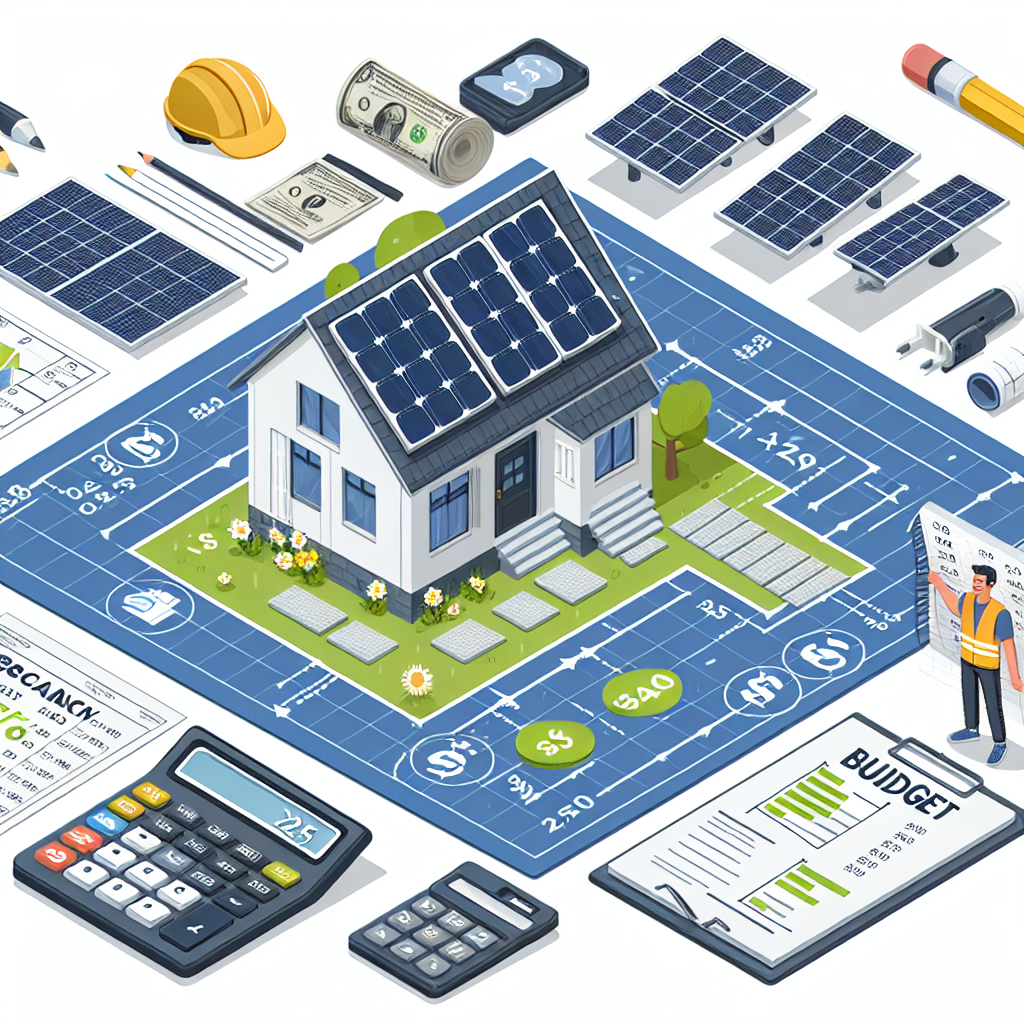
    Now we’re getting to the fun part – money! Sit down and sketch out your budget. Determine how much you can realistically spend. Remember, going solar is an investment, and while there are upfront costs, it can lead to significant savings over time. You just want to be sure you aren’t completely breaking the bank at the outset.

    Once you have a ballpark figure, research the various costs. Get quotes from multiple solar companies and ask about financing options like payment plans or loans. They’ll usually run some promotions that could help ease your initial investment.

    A little tip from me: always be wary of deals that seem too good to be true. They might come with hidden costs later on that can make your budget go out the window. You want a firm quote that covers all the bases. Transparency is key!

    Step 2: Research Solar Incentives

    Explore Tax Credits and Rebates

    You’re gonna want to dive deep into what incentives are available in your area. Many states offer tax credits or rebates for solar panel installations that can significantly reduce your costs. This is like finding money you didn’t know you had! So, definitely check your local government website or talk to your solar installer about available options.

    Besides the federal tax credit, some local utilities even offer rebates. It’s like a little score on top of your savings! These incentives can make the difference between a big investment and a more manageable one. So make sure to grab every cent available.

    Sometimes, even nonprofit organizations offer programs that help low-income households transition to solar. So whether you’re wealthy or living paycheck to paycheck, don’t shy away from searching for assistance.

    Consider Financing Options

    If upfront costs are daunting, don’t fret – there are financing options out there. Solar loans can be a lifesaver! Typically, these loans will allow you to pay for the installation over time. And guess what? Many offer competitive interest rates compared to traditional loans.

    Leases and Power Purchase Agreements (PPAs) are also viable options. With these, you can have solar panels installed at little to no upfront cost, and you simply pay for the electricity produced—often at a lower rate than your utility provider. It’s a way to go solar without putting a dent in your savings.

    As always, read the fine print! Know how long commitments are and the costs involved. The last thing you want is to lock yourself into a deal that doesn’t feel right later on. Take your time to find what works best for you!

    Look Into Community Solar Programs

    If solar panels on your own roof feel like a long shot, community solar programs are a fantastic alternative. These programs allow you to buy into a shared solar array in your area. It’s like being part of a solar club where everyone benefits from cleaner energy! Plus, it typically requires much less upfront cost than installing a system at your home.

    Joining a community solar program can connect you with other likeminded individuals who are also looking to save on energy costs. It’s not just about money; it’s about building a sustainable community. You’ll often secure fixed savings on your electricity bills over time, making it a win-win!

    Also, check if your local programs offer informative sessions or meet-ups so you can learn the details and benefits firsthand. Being part of a community makes the whole process a lot more fun and engaging, trust me!

    Step 3: Choose the Right Solar Installer

    Research and Compare Installers

    Alright, so now you’ve got your budget and incentives all lined up. The next step? Finding the right installer. Not all solar companies are created equal. It’s important to do your homework! Ask for recommendations from folks in your area who’ve gone solar, or check out online reviews and ratings.

    Get multiple quotes, and do not shy away from asking questions. What type of panels do they use? Are they certified? What is their warranty policy? All of these questions can lead you closer to a reliable installer and ultimately a successful installation.

    And don’t forget to check their experience! Companies with years of service under their belt often provide more quality assurance. You want someone who knows the ropes and won’t leave you high and dry!

    Assess Quality and Warranty Offers

    While price is key, the quality of the product and the warranty needs some serious thought too! High-quality solar panels might come with a higher initial price, but they’ll often pay off in the long run with efficiency and longevity. Check the manufacturer’s warranty – it should ideally be at least 25 years!

    Additionally, review the installation warranty. This covers potential issues related to installation defects, and you want that peace of mind as you’re putting a major investment into your home.

    It’s worth it to pay a bit more for quality equipment and installation. Your future self will thank you when your solar panels are performing at their best for decades to come!

    Get Everything in Writing

    Now, once you’ve found your installer, make sure to get all the details in writing. And I mean everything! This should include project timelines, warranties, payment schedules, and scope of work. You want to avoid ambiguous agreements that can lead to misunderstandings down the line.

    Having a written agreement ensures that both you and the installer are on the same page. If something goes awry, you have that document as a reference. It’s like having a recipe – you want to have all the details lined up for the best results.

    Take your time reviewing everything and don’t hesitate to ask for clarifications if something doesn’t sit right with you. This is your investment after all, so it’s worth the extra hassle to make sure everything’s crystal clear!

    Step 4: Execute Your Installation Plan

    Prepare Your Home for Installation

    Before the big day, it’s time to prep your home. Clear any areas around where the installers are going to work. Trust me, they’ll appreciate having a clean workspace, and it makes the job go smoother.

    If you need to make any structural changes to your roof to support solar panels, now’s the time. Speak with your installer to ensure they’re on board with any modifications necessary for a proper fit.

    Also, keep in mind to be flexible with the timeline. Weather and other logistical issues can delay the installation process, so account for a bit of leeway in your plan!

    Communicate Effectively with the Installer

    Once installation day rolls around, maintain open lines of communication with your installer! If you have concerns or questions while they’re setting things up, voice them immediately. This not only fosters a cooperative atmosphere but also ensures that everything is progressing according to plan.

    Ask for updates and stay engaged in the process. This is your project, and keep in mind it might feel a little overwhelming at times. But a simple chat can help solve issues before they become big problems.

    Check in with the team as they work. You’ll not only gain a better understanding of the installation but also develop a relationship with the team that’s sharing their expertise with you. Plus, it’s cool to see how everything comes together!

    Post-Installation Follow-Up

    After all the hard work is done, don’t forget about the follow-up. Once installed, review the entire system to ensure everything is functioning well. Most importantly, keep an eye on that monitoring system. It’ll help you see how much energy your new setup is producing, and ensure it’s operating efficiently.

    Normally, professional installers will schedule a follow-up visit a few months later. Use that time to ask any lingering questions or troubleshoot issues. It’s also a great opportunity to evaluate any unexpected performance dips that may need attention.

    And hey, once you’re up and running, consider spreading the word about your experience with your installer. Word of mouth can help others, and let’s face it—it feels good to share your solar success story!

    Step 5: Enjoy Your Solar Savings

    Monitor Your Energy Production

    Once everything’s installed, you’ll want to keep tabs on your solar system’s production. Most systems come with an online monitoring tool, making it easy to check your energy output. This allows you to see how much you’re saving compared to your previous bills. It’s an exciting feeling to watch that number drop!

    Check your system regularly. If you notice a significant drop in energy production, it may be time to contact your installer for an inspection. Just like that diary of your energy usage you had before, keeping track will let you know if things are running smoothly.

    Plus, being proactive means you can address any problems early. Keep an eye out, and save yourself from surprise tickets down to the repair shop!

    Calculate Your Return on Investment (ROI)

    An important part of enjoying your newfound energy savings is calculating your return on investment. It’s helpful to run the numbers on how much you’re saving on your electricity bill each month compared to your initial investment. It’s like a little reward for your effort!

    After a few years, you’ll have a clear picture of just how much your solar installation is benefiting you financially. There are online calculators available that can help anticipate your savings and ROI over various time frames. Finding out just how far your solar panels are going for you can be a bright moment!

    In case you’ve gone through solar incentives, make sure you factor those into your overall savings too. The whole investment pays off more than many realize, and you’ll probably be smiling when you see the totals.

    Share Your Experience

    Last but not least, take the time to share your experience with others! Whether through social media or within your community, spreading the word about your solar journey can inspire someone else to take the plunge. Plus, you’ll feel great knowing you’ve contributed to the greater good of the planet by encouraging solar energy adoption!

    Consider writing reviews for your installer, sharing your numbers, and promoting environmental consciousness. You never know who you might inspire. Plus, your success story might just push someone off the fence into going solar themselves!

    All in all, enjoying your solar experience is not just about financial savings; it’s a lifestyle choice that reflects a commitment to sustainability. Embrace it, and celebrate those green choices you’ve made!

    FAQs

    1. How much can I save on my energy bills with solar panels?

    Your savings can vary widely based on your location, panel efficiency, and energy consumption. On average, homeowners can expect to save between 20% to 50% on their electricity bills.

    2. What do I need to consider before installing solar panels?

    Consider your energy needs, roof condition, local regulations, costs, and available incentives. It’s all about making informed decisions from the get-go!

    3. Can I install solar panels myself?

    While it’s technically possible, I wouldn’t recommend it! Professional installation ensures safety, optimal performance, and compliance with regulations. Plus, they often come with warranties!

    4. What happens if my solar panels produce less energy than expected?

    If your solar panels aren’t performing as anticipated, check your monitoring tools and reach out to your installer. Many factors can influence performance, but get help fast to ensure your system runs smoothly!

    5. Are there any maintenance costs associated with solar panels?

    Solar panels are relatively low maintenance! Routine checks are necessary, but cleaning them once or twice a year is typically enough. Just ensure all equipment is functioning properly to avoid future costs.

  • How to Choose the Perfect Solar Generator

    How to Choose the Perfect Solar Generator

    Understanding Your Power Needs

    Assessing Your Energy Consumption

    Before diving into the world of solar generators, I had to figure out how much energy I actually used in my daily life. It’s not just about grabbing any generator; it’s about knowing how much juice you need. I started by listing all my devices, from my laptop to my coffee maker, and noting their wattage. This gave me a clearer picture of what I required.

    Once I had a list, I researched how long I’d need to run each device in a day. This math can feel a bit overwhelming at first, but it’s super vital. I even made a spread sheet (yes, I’m that person in the group) to calculate total watt-hours needed. A little effort here saves a ton of headache later.

    Finally, I factored in a little extra for those unexpected power needs. Trust me, you don’t want to find yourself short when you’re out camping or dealing with a power outage. So, always round up to ensure you have enough power just in case!

    Evaluating Solar Generator Types

    Differentiating Between Inverter Types

    Now that I’ve got a grip on my power needs, it was time to explore the types of inverters available. There are two main types: pure sine wave and modified sine wave inverters. Pure sine wave inverters are more versatile, capable of powering sensitive electronics flawlessly, while modified sine wave inverters tend to be cheaper and work for less sensitive appliances.

    I personally lean towards pure sine wave, especially since I have a few devices that require that smooth wave to function properly. It’s like choosing the right kind of coffee – you could settle for something subpar, but why when you can have the quality experience?

    Choosing the right inverter is like finding the right rhythm in a song; it should fit perfectly with your needs, ensuring everything works smoothly without stress or hiccups.

    Considering Portability

    Weighing Size and Weight

    When I first started looking, I realized I needed to think about where I’d be using this solar generator. If you’re like me and love the outdoors, portability matters. Some generators are bulky, while others are lightweight and perfect for travel. I discovered that there’s a big difference in ease-of-use between lugging around a heavy one and packing a lighter version that I can easily toss in my car.

    Another point to consider is the setup. I didn’t want a generator that took forever to get up and running. Easy portability interlinks with this – the simpler it is to handle, the quicker I could get to powering my devices without fuss. After all, no one likes complications when they’re trying to relax at the beach!

    So, I often recommend to my friends that they don’t just look for the most powerful option. Look for something manageable that you can haul around without losing your cool. It makes all the difference during those spontaneous road trips!

    Researching Battery Capacity

    Understanding Lithium vs. Lead-Acid

    In my journey to find the perfect solar generator, I stumbled upon a significant decision: battery type. Lithium batteries have become all the rage these days, and for good reason. They’re lightweight, charge faster, and tend to last longer than traditional lead-acid batteries.

    However, I found lead-acid batteries can be cheaper upfront and are more widely available. But in the long run, they may not provide the same efficiency or cycle life. For me, after weighing the longevity versus the initial cost, lithium was the clear winner. It might feel like a splurge, but it truly pays off!

    Keep in mind the charging cycles as you choose. Lithium batteries typically allow for more cycles than lead-acid, which means more value over time. The last thing you want is to be replacing your batteries every year, right?

    Reviewing Additional Features

    Examining Durability and Maintenance

    The solar generator world offers a ton of features that can sweeten the deal, and I think it’s super important to consider. For instance, I learned the hard way that durability matters if I plan to take this thing on outdoor adventures. Some models are rugged and built to withstand the bumps and bruises of the great outdoors, while others seemed more fragile to me.

    Maintenance is another biggie. Some generators come with maintenance-free batteries while others need a more hands-on approach. Figuring out how much upkeep I was willing to handle helped narrow my options significantly.

    Lastly, I looked into additional features like USB ports, multiple output options, and even smart technology that allows you to monitor usage and battery levels. These extras can really add to your experience, so don’t overlook them. It all comes down to finding the right balance between features and what would make my life easier!

    Conclusion

    Choosing the perfect solar generator is all about understanding your unique needs and how each feature aligns with them. From power consumption to evaluating types and features, placing every detail into consideration paves the way for making a well-informed decision. I hope that sharing my experiences helps you in finding the ideal solar generator to keep you powered up, no matter where your adventures may lead you!

    FAQ

    1. What size solar generator do I need for my home?

    The size of the solar generator you need will depend on your energy consumption. Make sure to add up the wattage of the appliances you want to power to determine your needs.

    2. Are lithium batteries really better than lead-acid?

    Yes, lithium batteries generally outperform lead-acid in terms of weight, charging speed, and lifespan, making them a great option long-term despite the higher initial cost.

    3. How often do I need to maintain my solar generator?

    Maintenance largely depends on the type of battery and features your generator has. Some models are maintenance-free while others may require periodic battery checking or cleaning.

    4. Can I use a solar generator for camping?

    Absolutely! Many solar generators are portable and perfect for camping trips, letting you power devices easily while enjoying the great outdoors.

    5. What extra features should I look for in a solar generator?

    Additional features like multiple output options, USB charging ports, and smart technology for monitoring usage can enhance your experience and make your generator more user-friendly.